


Live Well Be Well with Sarah Ann Macklin | Health, Lifestyle, Nutrition
Subscribed: 28,164Played: 410,421
Subscribe

© Sarah Ann Macklin
Description
Health shouldn’t feel this hard.
I’ve lived it, studied it, and now I’m here to help make it make sense.
A smarter, more human way to live well.
Subscribe now, and start living well, for real.
Instagram: @sarahannmacklin
Newsletter: https://substack.com/@sarahannmacklin
Website: sarahannmacklin.com
#LiveWellBeWell
I’ve lived it, studied it, and now I’m here to help make it make sense.
A smarter, more human way to live well.
Subscribe now, and start living well, for real.
Instagram: @sarahannmacklin
Newsletter: https://substack.com/@sarahannmacklin
Website: sarahannmacklin.com
#LiveWellBeWell
410 Episodes
Reverse
Struggling to focus in a tech-filled world? Here, I’m discussing why our brains evolved to be easily distracted and how simple habits can protect attention. This clip explores exercise-driven brain benefits: about 20% higher blood flow, sharper focus and creativity for roughly an hour after, and better memory for study. We also cover the long-term mental health gains from three pulse-raising sessions a week of around 45 minutes, why daily movement still matters, and practical tips like keeping your phone out of the room and building movement into your day with walking, cycling, or stairs. Watch the FULL podcast here: https://youtu.be/HHvG8HEYdjAAnders Hansen in conversation with Sarah Ann Listen to the full episode here.Watch the full episode on YouTube here.***This episode is sponsored by:NOWATCH: The compassionate health trackerConnecting body and mind with unique stress recovery insights so you can live fully today15% off with code LWBW15 at https://nowatch.com/Mojo: the app for expert-led courses in better sex.Learn from world-class sex therapists and relationship experts with courses tailored to your needs.15% off with code LiveWell15 at mymojo.com/livewellbewell***The Great British Veg OutHow to support your gut, energy, and hormones by eating more — not less.👉 https://sarahmacklin.substack.com/p/the-great-british-veg-outReset Your HealthIf your body feels off after stress, travel, or burnout — this is where to start.👉 https://sarahmacklin.substack.com/s/reset-your-health-in-30-days👉 Practical beats perfect.Here’s a free 5-recipe PDF I use to support energy and stress during busy weeks.https://sarahannmacklin.com/5_free_recipes👉 If this resonates, you can join the thousands who readThe Compassionate Cure each week.https://sarahmacklin.substack.com/***Let’s be friends!📷 Instagram: https://www.instagram.com/sarahannmacklin/📹 Subscribe: http://www.youtube.com/@livewellbewellsarah🐦 Twitter: https://x.com/SarahAnnMacklin📱 TikTok: https://www.tiktok.com/@livewellbewellpodcast💌 Newsletter: https://sarahmacklin.substack.com/
We spend so much of our lives trying to be impressive. We polish our edges and hide our cracks because we’re terrified that being "real" means being weak. But what if the very things we are hiding are actually the only bridges to real connection? It is a scary thought, but one that completely changes how we show up in the world.Here’s what we explore together:- Why being "invulnerable" is sometimes just as important as being open and how to know the difference.- How accepting your own foolishness can actually make you invincible to humiliation.- Why we feel "boring" with some people and alive with others and why it is not your fault.- How to use curiosity to metabolize pain and crisis into understanding.- Why following your "gut" in love can sometimes lead you straight into disaster.- Why the truth sometimes needs to be delivered in "small pieces" to be heard.- Why a functioning relationship is the most difficult achievement of a human life.- How to find a path that fits your unique nature in a world that wants you to conform.Love, Sarah Ann 💛***This episode is sponsored by:NOWATCH: The compassionate health trackerConnecting body and mind with unique stress recovery insights so you can live fully today15% off with code LWBW15 at https://nowatch.com/ Mojo: the app for expert-led courses in better sex.Learn from world-class sex therapists and relationship experts with courses tailored to your needs.15% off with code LiveWell15 at mymojo.com/livewellbewell***The Great British Veg OutHow to support your gut, energy, and hormones by eating more — not less.👉 https://sarahmacklin.substack.com/p/the-great-british-veg-outReset Your HealthIf your body feels off after stress, travel, or burnout — this is where to start.👉 https://sarahmacklin.substack.com/s/reset-your-health-in-30-days👉 Practical beats perfect.Here’s a free 5-recipe PDF I use to support energy and stress during busy weeks.https://open.substack.com/pub/sarahmacklin/p/download-your-free-5-recipes-to-relieve👉 If this resonates, you can join the thousands who readThe Compassionate Cure each week. https://sarahmacklin.substack.com/***Let’s be friends!📷 Instagram: https://www.instagram.com/sarahannmacklin/📹 Subscribe:http://www.youtube.com/@livewellbewellsarah🐦 Twitter: https://x.com/SarahAnnMacklin📱 TikTok: https://www.tiktok.com/@livewellbewellpodcast💌 Newsletter: https://sarahmacklin.substack.com/***If You Enjoyed This Episode, You Might Also Like:The 7 Pillars to Finding Genuine Love Beyond Dating Apps | Francesca Hogihttps://youtu.be/aGqlB61ldoA***Sign up to Sarah’s Compassionate Cure newsletter:Science Simplified, Health Humanised.Join thousands in exploring actionable insights that prioritise compassion, clarity, and real-life impact.https://sarahmacklin.substack.com/***Highlights00:00 Intro02:03 The Vulnerability Paradox: When to Put Your Wall Up05:26 Why You Should Embrace Being an “Idiot” & Letting Go of Shame10:22 Mastering Open Communication in Any Relationship15:36 The Hard Truth About Modern Relationship Challenges26:16 The Best Question to Ask on a First Date28:40 Heartbreak and Its Aftermath37:22 Dealing with Criticism & Managing High Sensitivity41:12 Reconnecting with Our Bodies47:38 The Importance of Therapy and Self-Awareness52:26 The Role of Compassion in Psychotherapy57:53 Why We Run from Ourselves01:05:11 Friendship and Emotional Support01:09:55 The Gift of Vulnerability: Building Deeper Connections01:14:28 Redefining Success Beyond Money and Status01:20:17 Communication Secrets for Healthy Long-Term Relationships01:26:46 Navigating Attachment Styles01:34:45 The Power of Love and Practice***Love what you’re hearing?My small ask is to please rate and review Live Well Be Well. This helps the show expand and allows me to keep producing these with the best quality guests. It means a huge amount to me, so thank you.
Watch the FULL podcast here: https://youtu.be/7kfykswH6IoWhy is zone two training so important for mitochondrial health? It’s linked with improvements in fat oxidation and lactate clearance, which are used as surrogates of mitochondrial function in sports science.This clip explores how different exercise intensities drive distinct metabolic responses, why athletes are useful models for understanding cellular energy, and how laboratory testing with metabolic carts and lactate measurements led to practical training zones from easy efforts to sprints. I’m exploring with my guest how zone two work consistently improved fat oxidation and lactate clearance in testing, while higher intensities remain essential for performance and VO2, since competitions are decided at the top end. Here, I’m discussing the balance between building a metabolically efficient engine at the mitochondrial level with zone two, and training the “turbo” at zones four and five plus sprint work for race demands, all in clear, everyday language you can apply.As a nutritionist and health communicator, my aim is to translate these lab insights into practical training decisions that respect both mitochondrial function and cardiorespiratory adaptations.Inigo San Milan in conversation with Sarah Ann Listen to the full episode here.Watch the full episode on YouTube here.***This episode is sponsored by: NOWATCH: Health tracking reimaginedKnow your body, trust yourself.15% off with code LWBW15 at nowatch.com***Sign up to Sarah’s Compassionate Cure newsletter: Science Simplified, Health Humanised. Join thousands in exploring actionable insights that prioritise compassion, clarity, and real-life impact. https://sarahmacklin.substack.com/***Let’s be friends!📷 Instagram: / sarahannmacklin📹 Subscribe: / @livewellbewellsarah 🐦 Twitter: / sarahannmacklin 📱 TikTok: / sarahannnutrition 💌 Newsletter: https://sarahmacklin.substack.com/
Watch the FULL podcast here: https://youtu.be/XXwgXDeOYJIAre seed oils the real issue, or are we missing the bigger picture? We examine the weak evidence for harm, the role of rancidity and context, and why blanket bans miss the mark. This clip explores public health messaging, the push for simple slogans, and claims about beef tallow versus seed oils. We also touch on how activism, diet context, and overconsumption shape risk, and why nuance matters.Andy Galpin in conversation with Sarah Ann Listen to the full episode here.Watch the full episode on YouTube here.***This episode is sponsored by: NOWATCH: Health tracking reimaginedKnow your body, trust yourself.15% off with code LWBW15 at nowatch.com***Sign up to Sarah’s Compassionate Cure newsletter: Science Simplified, Health Humanised. Join thousands in exploring actionable insights that prioritise compassion, clarity, and real-life impact. https://sarahmacklin.substack.com/***Let’s be friends!📷 Instagram: / sarahannmacklin📹 Subscribe: / @livewellbewellsarah 🐦 Twitter: / sarahannmacklin 📱 TikTok: / sarahannnutrition 💌 Newsletter: https://sarahmacklin.substack.com/
 1
1👉 Join thousands in exploring actionable insights that prioritise compassion, clarity, and real-life impact. https://sarahmacklin.substack.com/Longevity is everywhere right now, but has it become a trend instead of a truth?In a world overflowing with health hacks, supplements, and promises of a longer life, it has never been harder to know what actually works. Beneath the noise, there is a clear science to living well for longer, but only if we learn to tune out the hype and return to what our biology has been asking of us all along.Today I am joined by Dr. Darshan Shah, medical doctor, longevity expert, and founder of Next Health. Dr. Shah became a doctor at 21 and has since guided thousands of patients through metabolic healing, functional medicine, and evidence-based longevity. Together, we explore what truly extends your healthspan and what does not.This conversation is a practical and compassionate look at longevity, what it means, where to begin, and why most people focus on the wrong things. Dr. Shah breaks longevity into a simple health pyramid, starting with foundational habits, then biomarkers, hormones, detoxification, brain health, and emerging therapies such as peptides.Here’s What We Dive Into:- What longevity truly means, and why adding years is different from adding healthy years.- Why metabolic health is the most important predictor of long term wellbeing.- How simple habits before and after meals support better blood sugar regulation.- Why quarterly biomarker testing may be the most effective prevention tool we have.- What optimal blood ranges look like, and why normal ranges are not always healthy.- How functional medicine identifies the eight root causes behind most chronic disease.- Why toxins, microplastics, and everyday chemicals affect long term health.- How women’s hormones, menopause, and brain health relate to Alzheimer’s risk.- What creatine offers for muscles, cognition, and healthy aging.- Why peptides are rising in popularity, and how to approach them with safety and clarity.Love,Sarah Ann 💛***This episode is sponsored by:NOWATCH: The compassionate health trackerConnecting body and mind with unique stress recovery insights so you can live fully today15% off with code LWBW15 at nowatch.com***Let’s be friends!📷 Instagram: / sarahannmacklin📹 Subscribe: / @livewellbewellsarah 🐦 Twitter: / sarahannmacklin 📱 TikTok: / sarahannnutrition 💌 Newsletter: https://sarahmacklin.substack.com/***If You Enjoyed This Episode, You Might Also Like:Improve Your Health With Biohacking: Expert Tips From Dr Molly MaloofNo.1 Gut Scientist: Insane Fiber Benefits to HEAL YOUR GUT & Beat Disease | Dr Will Bulsiewicz***Sign up to Sarah’s Compassionate Cure newsletter:Science Simplified, Health Humanised. Join thousands in exploring actionable insights that prioritise compassion, clarity, and real-life impact. https://sarahmacklin.substack.com/***HighlightsWhat real longevity means and why it matters (00:00:00)The rise of chronic illness and metabolic decline (00:03:12)The eight root causes behind most modern diseases (00:06:58)How continuous glucose monitors reshape daily habits (00:09:41)Using data without falling into overwhelm (00:13:28)The biomarkers that matter most for preventive health (00:16:44)Why normal blood sugar is not always optimal (00:20:26)Muscle mass and metabolism across the ageing process (00:20:26)Creatine for strength, cognition, and longevity (00:28:14)Toxins, microplastics, and their impact on long-term health (00:32:48)Alzheimer’s risk and the role of women’s hormonal health (00:38:07)Peptides, benefits, and precautions for safe use (00:47:22)***Love what you’re hearing?My small ask is to please rate and review Live Well Be Well. This helps the show expand and allows me to keep producing these with the best quality guests. It means a huge amount to me, so thank you.
Watch the FULL podcast here: https://youtu.be/7kfykswH6IoAre you getting the balance between Zone 2 and HIIT right? I’m exploring how an 80/20 split by sessions, with most training at lower intensity and select high-intensity work, supports results without burning you out.This clip explores why all-HIIT programs often feel unsustainable and can lead to fatigue or injuries, what 80/20 really means when you count sessions rather than minutes, and why only about 5 to 10 percent of total minutes across a season tend to be truly high intensity in athletic programs. We discuss how Zone 2 should be harder than easy cruising to drive mitochondrial adaptations, practical ways for busy people to blend mostly Zone 2 with a small dose of intensity toward the end of some sessions, and why complete off days can be more restorative than so-called active recovery. I also share my experience of feeling awful doing fasted HIIT, and we touch on how women may find certain efforts tougher due to muscle fibre differences related to ATP production. As a nutritionist and health communicator, I connect the training plan with recovery needs, including the role of rest for immune health.Inigo San Milan in conversation with Sarah Ann Listen to the full episode here.Watch the full episode on YouTube here.***This episode is sponsored by: NOWATCH: Health tracking reimaginedKnow your body, trust yourself.15% off with code LWBW15 at nowatch.com***Sign up to Sarah’s Compassionate Cure newsletter: Science Simplified, Health Humanised. Join thousands in exploring actionable insights that prioritise compassion, clarity, and real-life impact. https://sarahmacklin.substack.com/***Let’s be friends!📷 Instagram: / sarahannmacklin📹 Subscribe: / @livewellbewellsarah 🐦 Twitter: / sarahannmacklin 📱 TikTok: / sarahannnutrition 💌 Newsletter: https://sarahmacklin.substack.com/
Watch the FULL podcast here: https://youtu.be/IIenBH9xAEkAre wearables helping you understand your health or making you feel more stressed? This clip explores how our relationship with daily health scores can shape how we feel and why long term trends matter more than single-day data.This discussion focuses on the mindset behind using wearables, why subjective sleep quality often predicts wellbeing better than objective scores, and how even small changes in reported data can alter mood. Sarah reflects on her own experience of becoming overly focused on sleep scores and explores how relying too heavily on metrics can distance us from our internal signals.Dr Joana De Calheiros Velozo in conversation with Sarah Ann Listen to the full episode here.Watch the full episode on YouTube here.***This episode is sponsored by: NOWATCH: Health tracking reimaginedKnow your body, trust yourself.15% off with code LWBW15 at nowatch.com***Sign up to Sarah’s Compassionate Cure newsletter: Science Simplified, Health Humanised. Join thousands in exploring actionable insights that prioritise compassion, clarity, and real-life impact. https://sarahmacklin.substack.com/***Let’s be friends!📷 Instagram: / sarahannmacklin📹 Subscribe: / @livewellbewellsarah 🐦 Twitter: / sarahannmacklin 📱 TikTok: / sarahannnutrition 💌 Newsletter: https://sarahmacklin.substack.com/
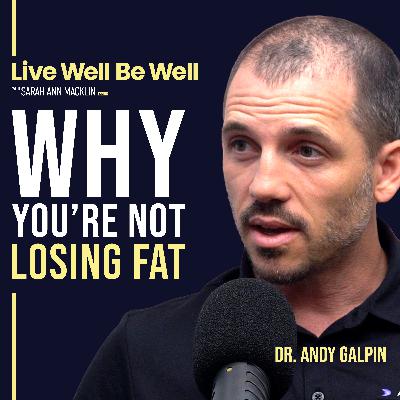
👉 Join thousands in exploring actionable insights that prioritise compassion, clarity, and real-life impact. https://sarahmacklin.substack.com/What if everything you’ve believed about “fast” and “slow” metabolism has quietly been steering you off course? And what if the real barriers to sustainable fat loss have less to do with willpower, and far more to do with how your body protects you when it senses scarcity?This week on Live Well Be Well, I’m joined once again by Dr. Andy Galpin, professor of kinesiology and one of the world’s leading experts on human performance and metabolism. Together, we explore the truths behind fat loss, metabolic rate, weight cycling, and the misunderstandings that keep so many people stuck in frustration.Here’s What We Dive Into:- Why the idea of “fast versus slow metabolism” misleads us and what metabolic rate actually reflects.- How fat oxidation differs from real fat loss and why marketing often blurs the line.- What boosts metabolism acutely versus chronically and why most fat burners rarely matter.- How basal metabolic rate, thermal effect of food, exercise and NEAT interact to shape long-term weight outcomes.- Why sustainability is the strongest predictor of successful and lasting fat loss.- How the body adapts to caloric deficit and why NEAT drops more than most people realise.- What strategic refeeds can support and when they matter most for mood, hormones and motivation.- Why GLP-1 medications are reshaping obesity treatment and what gaps still concern experts.- How food confusion, ultra-processed marketing and seed oil panic distract from the fundamentals.- What whole food patterns, education and self-awareness offer that shortcuts cannot replicate.Love,Sarah Ann 💛***This episode is sponsored by:NOWATCH: The compassionate health trackerConnecting body and mind with unique stress recovery insights so you can live fully today15% off with code LWBW15 at nowatch.com***Let’s be friends!📷 Instagram: / sarahannmacklin📹 Subscribe: / @livewellbewellsarah 🐦 Twitter: / sarahannmacklin 📱 TikTok: / sarahannnutrition 💌 Newsletter: https://sarahmacklin.substack.com/***If You Enjoyed This Episode, You Might Also Like:How HRV, Sleep & Hydrogen Water Impact Longevity | Dr Andy GalpinHow HRV, Sleep & Hydrogen Water Impact Longevity | Dr Andy GalpinYour “Healthy” Food Is the Problem | How Ultra-Processed Foods Affect Women’s Hormones & Gut HealthYour “Healthy” Food Is the Problem | How Ultra-Processed Foods Affect Women’s Hormones & Gut Health***Sign up to Sarah’s Compassionate Cure newsletter: Science Simplified, Health Humanised. Join thousands in exploring actionable insights that prioritise compassion, clarity, and real-life impact. https://sarahmacklin.substack.com/***Highlights:The myth of fast and slow metabolism (00:00:00)Fat oxidation versus real fat loss (00:04:12)Why most metabolism boosters fall short (00:06:45)Thermal effect of food and what it contributes (00:10:21)Why exercise alone often does not result in expected fat loss (00:13:47)NEAT and the invisible drop that happens during dieting (00:16:30)Strategic refeeds and how they support hormones and motivation (00:19:48)Healing disordered eating patterns through flexibility (00:25:12)The obesity epidemic and the role of metabolic health (00:31:03)GLP-1 medications and the future of weight loss treatment (00:33:42)Seed oil panic and why it misses the point (00:38:01)Navigating whole foods and processing confusion (00:55:27)The problem with choosing the least bad option (01:03:10)***Love what you’re hearing?My small ask is to please rate and review Live Well Be Well. This helps the show expand and allows me to keep producing these with the best quality guests. It means a huge amount to me, so thank you.
Watch the FULL podcast here: https://youtu.be/HQepDqbCIyIHow can changes in fascia and daily movement influence the face and overall wellbeing? This clip explores a four-year journey shown through photos, highlighting shifts in facial alignment, skin tone and emotional expression as he adjusted lifestyle habits. This discussion focuses on reducing everyday chemical exposure, addressing past injuries, and using rotational fascia movements to ease tension and restore flow. He also explains how posture, breathing and restricted fascia can affect the eyes, jaw, and complexion.Jason Van Blerk in conversation with Sarah Ann Listen to the full episode here.Watch the full episode on YouTube here.***This episode is sponsored by: NOWATCH: Health tracking reimaginedKnow your body, trust yourself.15% off with code LWBW15 at nowatch.com***Sign up to Sarah’s Compassionate Cure newsletter: Science Simplified, Health Humanised. Join thousands in exploring actionable insights that prioritise compassion, clarity, and real-life impact. https://sarahmacklin.substack.com/***Let’s be friends!📷 Instagram: / sarahannmacklin📹 Subscribe: / @livewellbewellsarah 🐦 Twitter: / sarahannmacklin 📱 TikTok: / sarahannnutrition 💌 Newsletter: https://sarahmacklin.substack.com/
Watch the FULL podcast here: https://youtu.be/7kfykswH6IoThis clip explores why VO2 max, despite being a long-standing marker of fitness, does not capture the full picture of our metabolic and longevity potential. We take a closer look at how oxygen is actually used at the cellular level and why mitochondrial function is emerging as the next frontier in understanding performance and healthy ageing.The discussion moves into how mitochondrial health can be assessed in a practical, non-invasive way, including the use of gas exchange measures and lactate as proxies for cellular efficiency.Inigo San Milan in conversation with Sarah Ann Listen to the full episode here.Watch the full episode on YouTube here.***This episode is sponsored by: NOWATCH: Health tracking reimaginedKnow your body, trust yourself.15% off with code LWBW15 at nowatch.com***Sign up to Sarah’s Compassionate Cure newsletter: Science Simplified, Health Humanised. Join thousands in exploring actionable insights that prioritise compassion, clarity, and real-life impact. https://sarahmacklin.substack.com/***Let’s be friends!📷 Instagram: / sarahannmacklin📹 Subscribe: / @livewellbewellsarah 🐦 Twitter: / sarahannmacklin 📱 TikTok: / sarahannnutrition 💌 Newsletter: https://sarahmacklin.substack.com/
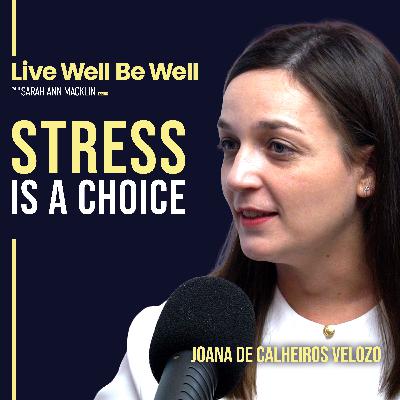
👉 Join thousands in exploring actionable insights that prioritise compassion, clarity, and real-life impact. https://sarahmacklin.substack.com/Here's the thing about stress that nobody tells you: it's not actually happening to you. You're actively participating in creating it.That sounds provocative, maybe even annoying if you're genuinely stressed right now. But stay with me, because what Dr. Joana de Calheiros Velozo reveals in this conversation genuinely changed how I think about stress—and it might do the same for you.Joana is a researcher in biomedical science who specialises in stress and mental health. But here's what makes her perspective unique: she's not just studying this from an ivory tower. She personally experienced panic disorder so severe that she couldn't leave her house. Agoraphobia. Panic attacks. The full experience of feeling like your body has completely betrayed you.We go deep on why daily micro-stressors (spilling coffee, traffic, emails) matter more than occasional crises. Why recovery is more important than the stress itself. Why most people can't even identify how they're feeling (seriously—emotional granularity is a genuine skill most of us lack). And why wearables, despite being everywhere, often make our relationship with stress worse by creating dependency on scores instead of a connection to our bodies.Here’s what we dive into:- What stress truly is, and why perception shapes biology.- Why two people experience the same event but respond so differently.- How upbringing and genetics influence stress sensitivity from birth.- Why emotional vocabulary is essential for stress regulation and mental health.- How daily micro-awareness can reshape the stress system.- What resilience means scientifically, and why it is not just pushing through.- How the body warns us before burnout, and when to listen.- Why letting go, not control, may support recovery.- How technology can help or harm our relationship to stress.- What just-in-time interventions are, and how timing shapes healing.Love,Sarah Ann 💛***This episode is sponsored by:NOWATCH: The compassionate health trackerConnecting body and mind with unique stress recovery insights so you can live fully today15% off with code LWBW15 at nowatch.com***Let’s be friends!📷 Instagram: / sarahannmacklin📹 Subscribe: / @livewellbewellsarah 🐦 Twitter: / sarahannmacklin 📱 TikTok: / sarahannnutrition 💌 Newsletter: https://sarahmacklin.substack.com/***If You Enjoyed This Episode, You Might Also Like:Why Being ‘Strong’ Is Making You Weak | Sophie ScottSophie Scott on Breaking Free from Anxiety: Practical Strategies That Work4 Types of Stress: How To Manage Each One | Mo Gawdat & Alice LawWhat's the REAL Reason Stress is Making You Sick? | Mo Gwadat***Sign up to Sarah’s Compassionate Cure newsletter:Sign up to Sarah’s Compassionate Cure newsletter: Science Simplified, Health Humanised. Join thousands in exploring actionable insights that prioritise compassion, clarity, and real-life impact. https://sarahmacklin.substack.com/***Highlights:The Stress Question That Changes Everything (00:00:00)Why Stress Feels So Different for Everyone (00:06:55) When Stress Becomes Too Much (00:15:18)The Emotions We Forgot How to Name (00:23:03)Her Story: Panic, Fear… and a Turning Point (00:31:13)What Your Body Is Really Doing Under Stress (00:37:59)How Two People Live the Same Day… Differently (00:42:06) The Mindset Shift That Alters Your Stress Response (00:49:30)Technology That Knows When You're Stressed (00:55:31) A New Kind of Wearable: Compassion in Tech (01:02:50) A Different Way to Live With Stress (01:13:33)***Love what you’re hearing?My small ask is to please rate and review Live Well Be Well. This helps the show expand and allows me to keep producing these with the best quality guests. It means a huge amount to me, so thank you.
Watch the FULL podcast here: https://youtu.be/KO_kNTtWahUDo you want to feel more alive without having to earn it by ticking everything off first? I’m exploring how the natural drive to improve is healthy, but using it to reach a standard so you can finally relax keeps you gripping for certainty you can’t get.This clip explores the relief of seeing that the future can’t be made certain, why “getting everything done” is impossible, and how simple permission slips can loosen that grip. I’m exploring with my guest practical ways to regain perspective during the day: step away, move your body, change your physical context, and then ask, as Jung put it, “What is the next most necessary thing?” We also look at mindfulness as presence of mind in everyday life — repeatedly calling yourself back, noticing when you’ve drifted into control-seeking, and returning without self-criticism. As a nutritionist and health communicator, I connect these ideas to sustainable wellbeing habits that fit busy days: short breathers, physical movement, and realistic self-permission that supports focus and energy.Oliver Burkeman in conversation with Sarah Ann Listen to the full episode here.Watch the full episode on YouTube here.***This episode is sponsored by: NOWATCH: Health tracking reimaginedKnow your body, trust yourself.15% off with code LWBW15 at nowatch.com***Sign up to Sarah’s Compassionate Cure newsletter: Science Simplified, Health Humanised. Join thousands in exploring actionable insights that prioritise compassion, clarity, and real-life impact. https://sarahmacklin.substack.com/***Let’s be friends!📷 Instagram: / sarahannmacklin📹 Subscribe: / @livewellbewellsarah 🐦 Twitter: / sarahannmacklin 📱 TikTok: / sarahannnutrition 💌 Newsletter: https://sarahmacklin.substack.com/
Watch the FULL podcast here: https://youtu.be/XXwgXDeOYJIIs hydrogen water worth the hype? I look at what it is, how it differs from alkaline water, the simple chemistry behind it, and what early human research does and does not show. This clip examines how hydrogen water is not the same as alkaline water, why changing pH via drinking water is unlikely to matter, and the proposed mechanism where added hydrogen could help neutralize excess oxidative stress by forming water. I’m exploring with my guest the limited but emerging human evidence suggesting possible antioxidant or anti-inflammatory effects, alongside many open questions on performance outcomes, dosing, timing after activation, acute versus chronic use, who might benefit most, and how it compares with vitamin C or antioxidant-rich foods. We also note a clear conflict of interest, since my guest’s lab is running an ongoing study funded by a hydrogen water company, and he does not recommend routine use until better data are available. As a nutritionist and health communicator, I aim to keep this balanced, practical, and evidence-led.Andy Galpin in conversation with Sarah Ann Listen to the full episode here.Watch the full episode on YouTube here.***This episode is sponsored by: NOWATCH: Health tracking reimaginedKnow your body, trust yourself.15% off with code LWBW15 at nowatch.com***Sign up to Sarah’s Compassionate Cure newsletter: Science Simplified, Health Humanised. Join thousands in exploring actionable insights that prioritise compassion, clarity, and real-life impact. https://sarahmacklin.substack.com/***Let’s be friends!📷 Instagram: / sarahannmacklin📹 Subscribe: / @livewellbewellsarah 🐦 Twitter: / sarahannmacklin 📱 TikTok: / sarahannnutrition 💌 Newsletter: https://sarahmacklin.substack.com/
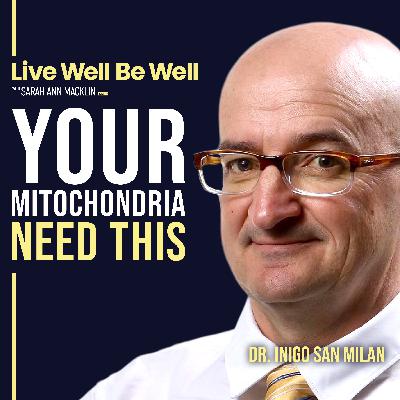
We often think fitness is about pushing harder. More miles. More sweat. More effort.But what if the real secret to lifelong performance and metabolic health lies not in intensity, but in understanding the quiet signals your body sends every day?This week on Live Well Be Well, I’m joined by world renowned physiologist Dr. Iñigo San Millán, director of performance for UAE Team Emirates and one of the leading experts in mitochondrial health, endurance physiology, and chronic metabolic disease. Iñigo has spent decades studying elite athletes and everyday patients, and his work reveals a striking truth. The systems that help world champions thrive are the same systems that protect us from illness, fatigue, and burnout.We explore the science behind training zones, lactate, and metabolic flexibility, but also the human side of energy, longevity, and self trust. Because understanding your physiology is not only about performance. It is about reclaiming your capacity to feel strong, stable, and well in your own life.Here’s What We Dive Into:- How mitochondria underpin long-term health and signal metabolic resilience.- Why Zone 2 training improves energy stability and protects against chronic disease.- What lactate truly reveals about your physiology beyond exercise performance.- How elite athletes teach us about metabolic dysfunction and adaptation.- Why nutrition shapes mitochondrial function and insulin sensitivity.- What drives burnout and fatigue at the cellular level and how to reverse it.- How to train smarter by listening to heart rate, breath, and internal cues.- Why most people are unintentionally overtraining or undertraining and how to find balance.Love,Sarah Ann 💛***This episode is sponsored by:NOWATCH: The compassionate health trackerConnecting body and mind with unique stress recovery insights so you can live fully today15% off with code LWBW15 at nowatch.com***Let’s be friends!📷 Instagram: / sarahannmacklin📹 Subscribe: / @livewellbewellsarah 🐦 Twitter: / sarahannmacklin 📱 TikTok: / sarahannnutrition 💌 Newsletter: https://sarahmacklin.substack.com/***If You Enjoyed This Episode, You Might Also Like:Exercise, Nutrition & Women’s Health | Dr. Stacy SimsDr. Stacy Sims EXPOSES the Myths Hurting Women's Health | Fasting, Protein & Exercise5 Nutrients That Supercharge Your Cells | Dr. Casey MeansStanford-trained physician: 5 Nutrients That SUPERCHARGE Your Cells (And Why It Matters)Build Muscle to Lose Weight? This Will Burn Fat, Increase Longevity & Heal The Body | Dr Gabrielle LyonWant to Live Longer? EAT THIS and Keep Your Brain Young | Dr Gabrielle Lyon***Sign up to Sarah’s Compassionate Cure newsletter:Sign up to Sarah’s Compassionate Cure newsletter: Science Simplified, Health Humanised. Join thousands in exploring actionable insights that prioritise compassion, clarity, and real-life impact. https://sarahmacklin.substack.com/***Highlights:Quick fire questions and opening reflections (00:00:00)Why VO2 Max is useful but incomplete (00:01:23)A new frontier in understanding health (00:04:34)Can we measure cell health without being invasive (00:05:05) Rethinking what lactate really tells us (00:07:41)Exercise as a tool for cellular repair (00:12:57)What zone training actually looks like (00:19:39)Finding balance between intensity and endurance (00:25:37)Simple ways to train with more purpose (00:39:23)The role recovery plays in long term health (00:59:34)What metabolic flexibility means for everyday life (01:03:48)Looking ahead to the future of disease prevention (01:17:20)***Love what you’re hearing?My small ask is to please rate and review Live Well Be Well. This helps the show expand and allows me to keep producing these with the best quality guests. It means a huge amount to me, so thank you.
Watch the FULL podcast here: https://youtu.be/HQepDqbCIyICould releasing tight fascia really shift mood and reduce anxiety? I’m exploring research and real‑world practice linking fascia tension with depression and stress, including a randomized controlled trial with a small sample (around 67 participants) that found people with depression had stiffer fascia in the neck and upper back, and that one session of self myofascial release reduced negative memory bias and improved mood.This clip explores how daily movement and gentle rotations may help ease tension, the idea that restricting the ribcage (including tight bras) can drive a stress response, and why working on the body can influence how we feel and think. I’m taking a closer look at a three‑part approach my guest suggests: addressing the body, emotions, and thoughts together rather than focusing on only one. You’ll also hear a simple seated rotation drill for the shoulder and upper back that can be done in a meeting to help unwind tension. As a nutritionist and health communicator, I’m interested in how evidence and practical tools meet, especially when it comes to mood, anxiety and day‑to‑day wellbeing.Jason Van Blerk in conversation with Sarah Ann Listen to the full episode here.Watch the full episode on YouTube here.***This episode is sponsored by: NOWATCH: Health tracking reimaginedKnow your body, trust yourself.15% off with code LWBW15 at nowatch.com***Sign up to Sarah’s Compassionate Cure newsletter: Science Simplified, Health Humanised. Join thousands in exploring actionable insights that prioritise compassion, clarity, and real-life impact. https://sarahmacklin.substack.com/***Let’s be friends!📷 Instagram: / sarahannmacklin📹 Subscribe: / @livewellbewellsarah 🐦 Twitter: / sarahannmacklin 📱 TikTok: / sarahannnutrition 💌 Newsletter: https://sarahmacklin.substack.com/
Watch the FULL podcast here: https://youtu.be/2WeffWLvdboCan love be both spiritual and logical? In this clip, we look at love as two souls belonging together while also examining how finding a partner can be approached with mathematics and market dynamics.This clip explores a definition of love as a spiritual connection that seeks expression in the physical world, contrasts love and fear, and considers why falling in love feels easy while “finding the one” is a complex equation with thousands of parameters and weightings. I’m exploring with my guest how a “best friend” style perspective could help people notice their recurring patterns and talk openly about the areas that need work, rather than getting carried away by early positives. This segment examines the dating market through a supply and demand lens, including the 80-20 pattern where many women focus on a small pool of men, how that skews behavior and expectations, and why so many good matches are missed.As a nutritionist and health communicator, I’m interested in how these emotional frameworks shape day-to-day wellbeing and decision-making around relationships.Mo Gawdat in conversation with Sarah Ann Listen to the full episode here.Watch the full episode on YouTube here.***This episode is sponsored by: NOWATCH: Health tracking reimaginedKnow your body, trust yourself.15% off with code LWBW15 at nowatch.com***Sign up to Sarah’s Compassionate Cure newsletter: Science Simplified, Health Humanised. Join thousands in exploring actionable insights that prioritise compassion, clarity, and real-life impact. https://sarahmacklin.substack.com/***Let’s be friends!📷 Instagram: / sarahannmacklin📹 Subscribe: / @livewellbewellsarah 🐦 Twitter: / sarahannmacklin 📱 TikTok: / sarahannnutrition 💌 Newsletter: https://sarahmacklin.substack.com/
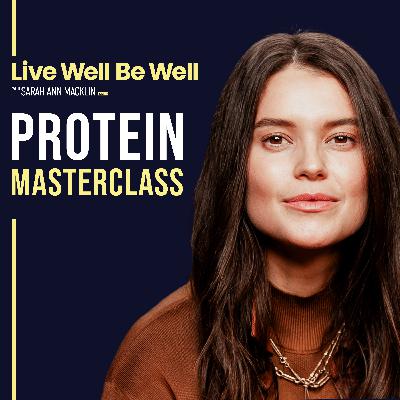
We’re told protein is the key to building muscle.But what if it’s also the key to a sharper mind, balanced hormones, and a longer, more vibrant life?This week’s episode brings together four of the world’s most respected voices in nutrition and longevity to break down the science of protein, metabolism, and healthy aging. Because it’s not about chasing more grams or quick fixes. It’s about understanding how to nourish your body with intention, quality, and care.In this masterclass conversation, I’m joined by:Dr. Rupy Aujla – NHS GP, author, and founder of The Doctor’s Kitchen, sharing how protein supports longevity, energy, and blood sugar balance.Dr. Stacy Sims – exercise physiologist and researcher challenging the myths holding women back in nutrition and training.Simon Hill – nutritionist and host of The Proof, explaining how protein quality, source, and timing influence muscle synthesis and long-term health.Dr. Gabrielle Lyon – functional medicine physician and author of Forever Strong, describing why muscle is the organ of longevity and why protein is its foundation.We explore:How to use a simple four-step formula to calculate your optimal protein intake for energy, recovery, and healthy aging.Why women’s protein needs change across their cycle, perimenopause, and menopause, and how to adapt with confidence.How protein timing affects muscle repair, mental clarity, and appetite regulation.What makes animal and plant protein different, and how to combine them for complete nourishment.How building lean muscle mass supports metabolism, bone density, and cognitive health.Why fasting, under-eating, and low-protein diets can accelerate aging and hormone imbalance.What the latest science reveals about protein’s role in longevity and brain health.How to design balanced meals that keep you strong, focused, and satisfied every day.This isn’t just a nutrition class. It’s a reframe of how we view food as fuel for strength, mood, and vitality. Whether you’re starting your health journey or fine-tuning longevity habits, these insights will change the way you think about every meal.Love,Sarah Ann 💛***This episode is sponsored by: NOWATCH: The compassionate health trackerConnecting body and mind with unique stress recovery insights so you can live fully today15% off with code LWBW15 at nowatch.com***Let’s be friends!📷 Instagram: / sarahannmacklin📹 Subscribe: / @livewellbewellsarah 🐦 Twitter: / sarahannmacklin 📱 TikTok: / sarahannnutrition 💌 Newsletter: https://sarahmacklin.substack.com/***If you enjoyed this episode you might also like:Are You Eating Enough Protein? The 4-Step Formula That Boosts Health & Longevity | Dr Rupy Aujla Are You Eating Enough Protein? The 4-Step Formula That Boosts Health & Longevity | Dr Rupy AujlaProtein Masterclass: Protein Amount, Quality & Timing with Simon Hill Protein Masterclass: Protein Amount, Quality & Timing with Simon HillDr. Stacy Sims EXPOSES the Myths Hurting Women's Health | Fasting, Protein & Exercise Dr. Stacy Sims EXPOSES the Myths Hurting Women's Health | Fasting, Protein & Exercise***Sign up to Sarah’s Compassionate Cure newsletter: Science Simplified, Health Humanised. Join thousands in exploring actionable insights that prioritise compassion, clarity, and real-life impact. https://sarahmacklin.substack.com/***Highlights:00:00 – Intro***Love what you’re hearing? My small ask is to please rate and review Live Well Be Well. This helps the show expand and allows me to keep producing these with the best quality guests. It means a huge amount to me, so thank you.
Watch the FULL podcast here: https://youtu.be/ZoyEJ0WD99gDo you feel less connected after time on your phone? I’m exploring why chasing dopamine from short-form content can crowd out the oxytocin we get from face-to-face moments. This clip explores a real-life dinner table moment where parents scroll while a teenager and grandmother wait for conversation, and how that habit can erode connection and leave us feeling flat later. I’m exploring with my guest how oxytocin brings deep fulfillment from human contact, while dopamine drives the urge for “more” with quick hits from feeds and alcohol. We map the brain’s dopamine pathway, highlighting the ventral tegmental area as the dopamine factory and the nucleus accumbens as the reward center, then contrast effort-based rewards like cleaning the house with effortless scrolling. You’ll hear why effort allows the dopamine system to replenish, while passive hits flood the reward center without refilling the system, which can contribute to irritability, procrastination, and low motivation. As a nutritionist and health communicator, I connect these neuroscience basics with practical choices, like keeping phones out of reach during meals to support oxytocin-rich connection.Tj Power in conversation with Sarah Ann Listen to the full episode here.Watch the full episode on YouTube here.***This episode is sponsored by: NOWATCH: Health tracking reimaginedKnow your body, trust yourself.15% off with code LWBW15 at nowatch.com***Sign up to Sarah’s Compassionate Cure newsletter: Science Simplified, Health Humanised. Join thousands in exploring actionable insights that prioritise compassion, clarity, and real-life impact. https://sarahmacklin.substack.com/***Let’s be friends!📷Instagram: / sarahannmacklin📹 Subscribe: / @livewellbewellsarah 🐦 Twitter: / sarahannmacklin 📱 TikTok: / sarahannnutrition 💌 Newsletter: https://sarahmacklin.substack.com/
Watch the FULL podcast here: https://youtu.be/KO_kNTtWahUDo you feel torn between sticking to a plan and staying spontaneous? Recognising that you’re always choosing in the present can make it easier to keep a commitment when it matters and to pivot when it’s wiser.This clip explores planning versus spontaneity, why busyness can make us more unconscious, how self-compassion can support genuine time off, and why efficiency gains, including AI tools and better systems, often lead us to fill freed-up hours with more work.Here, I’m discussing the mindset of treating every moment as a choice, so the freedom we fear losing to strict schedules is already there, and the uncertainty of spontaneity is simply the basic state we live in. We look at the expansion trap in creative work and content, the impossibility of being on every platform, and the importance of deciding where to stop rather than waiting to be told you’ve done enough, much like choosing to finish a book.As a nutritionist and health communicator, I connect these habits to sustainable wellbeing: less frantic doing, more intentional decisions, and kinder boundaries with your timeOliver Burkman in conversation with Sarah Ann Listen to the full episode here.Watch the full episode on YouTube here.***This episode is sponsored by: NOWATCH: Health tracking reimaginedKnow your body, trust yourself.15% off with code LWBW15 at nowatch.com***Sign up to Sarah’s Compassionate Cure newsletter: Science Simplified, Health Humanised. Join thousands in exploring actionable insights that prioritise compassion, clarity, and real-life impact. https://sarahmacklin.substack.com/***Let’s be friends!📷 Instagram: / sarahannmacklin📹 Subscribe: / @livewellbewellsarah 🐦 Twitter: / sarahannmacklin 📱 TikTok: / sarahannnutrition 💌 Newsletter: https://sarahmacklin.substack.com/
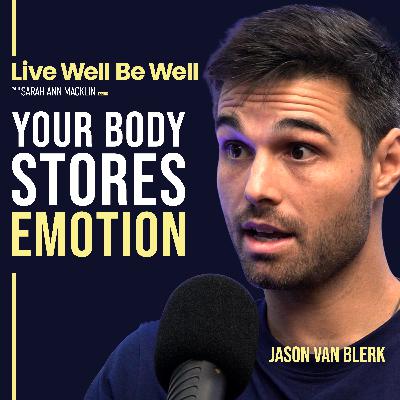
You think your posture is just muscles and bones. But what if the “scaffolding” that holds you together is also storing your emotions, shaping your face, and quietly dictating how you move through the world?This week on Live Well Be Well, Jason Van Blerk - biomedical physiologist, kinesiologist, and co-founder of Human Garage - joins me to explore fascia: the body’s intelligent, water-rich network that connects everything. We unpack how rotation, breath, and vibration can unwind tension, release emotion, and restore flow - often in minutes.Jason shares his journey from injured athlete to fascia educator, the simple daily maneuvers he teaches, and the surprising science that links stiffness, mood, and the nervous system. We also talk barefoot living, grounding, and why “be the change” is more than a quote - it’s biology.Here’s what we dive into:How fascia functions as an intelligent, water-based organ that sends and receives information.Why emotions like fear and desire shape movement, posture, and even facial structure.How counter-rotation and breath unwind restrictions more effectively than linear stretching.What a living fascia looks like under magnification, and why dead-tissue dissections miss the point.Why stiffness in the neck/upper back correlates with low mood, and what one session can shift.How daily micro-manoeuvres (15 minutes) restore flow, reduce stress, and change how you see the world.What vibration and sound do at a cellular level, and how your words “program” your body.How barefoot walking and grounding re-charge cellular voltage and improve whole-body mechanics.Why self-care comes first: the limits of quick fixes, and the power of simple, repeatable practices.How to start today with one shoulder release and a gentle rotation sequence you can do anywhere.Love,Sarah Ann 💛***This episode is sponsored by: NOWATCH: The compassionate health trackerConnecting body and mind with unique stress recovery insights so you can live fully today.15% off with code LWBW15 at nowatch.com***Let’s be friends!📷 Instagram: / sarahannmacklin📹 Subscribe: / @livewellbewellsarah 🐦 Twitter: / sarahannmacklin 📱 TikTok: / sarahannnutrition 💌 Newsletter: https://sarahmacklin.substack.com/***If you enjoyed this episode you might also like:Low HRV: Should You Worry? Making Sense of Baselines, Trends, and Daily Swings | Dr. Andy Galpinhttps://www.youtube.com/watch?v=5any9P3bTG4NAD+, NMN and Longevity: What Human Studies Actually Show | Dr Rupy Aujla | Be Well Momentshttps://www.youtube.com/watch?v=PBKdIkBmKwU ***GuestJason Van Blerk - Co-founder, Human GarageInstagram: @jasonvanblerkYouTube:@HumanGarage ***Sign up to Sarah’s Compassionate Cure newsletter: Science Simplified, Health Humanised. Join thousands in exploring actionable insights that prioritise compassion, clarity, and real-life impact. https://sarahmacklin.substack.com/***HighlightsIntroduction to Fascia(00:00)Exploring the Quantum Nature of Fascia(04:11)Fascia Magnified: A Visual Insight(10:51)Fascia and Trauma: Storing Emotions(14:00)Personal Transformations Through Fascia Work(18:42)Fascia and Posture: Realigning the Body(31:30)The Impact of Stress on the Body(36:43)Practical Exercises for Reducing Tension(40:17)Understanding Vibration and Its Effects(44:18)The Importance of Barefoot Walking(01:03:45)Concluding Thoughts on Self-Care and Healing(01:10:48)***Love what you’re hearing? My small ask is to please rate and review Live Well Be Well. This helps the show expand and allows me to keep producing these with the best quality guests. It means a huge amount to me, so thank you.


Download from Google Play

Download from App Store
 United States
Just love this ❤️🙏
Love, love this 🙏❤
Amazing and valuable information. Thank you for sharing ❤
Our team of moving professionals is equipped with the latest tools, techniques, and technologies to ensure that your move is completed quickly, safely, and efficiently. We understand that your time is valuable, and we always work within your schedule to ensure that your move is completed on time and without any delays. https://www.youtube.com/watch?v=EXL4mRRyW4U
Ask the moving company about their training program. Do they provide their movers with specialized training on how to handle delicate items? Do they have a team of experts who specialize in packing and moving delicate items? https://www.youtube.com/watch?v=h12ADhzgtOU
A reputable moving company should be able to provide you with references, as well as information about their training and experience in handling these precious items. https://www.youtube.com/watch?v=DLivP_Babfc