


The Explorer Poet Podcast
Subscribed: 0Played: 27
Subscribe

© Josh Mortensen
Description
When we listen intently, we become guests in the sitting rooms of other people’s minds, and in a small way experience each other’s version of consciousness. Through conversation we can check our abstract reality against the abstract realities of others, ensuring we move forward as a whole. All we need to do is make sure we keep talking.
116 Episodes
Reverse
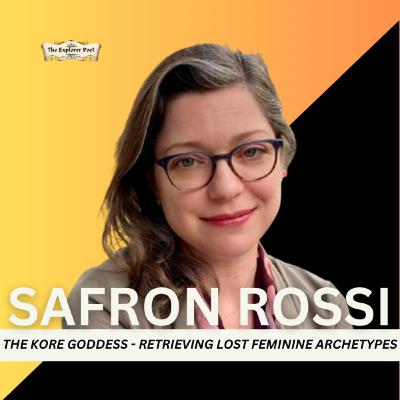
In this conversation with Safron Rossi we explore the significance of myths and archetypes in understanding the human psyche, personal journeys into mythology, the role of the Kore Goddess archetype in modern society, how myths serve various functions in our lives, from providing meaning and connection to guiding individual and collective growth, the importance of retrieving feminine archetypes, and how they can empower individuals in their quest for self-discovery and individuation.mythology, archetypes, Carl Jung, Joseph Campbell, individuation, Kore Goddess, depth psychology, personal growth, storytelling, collective unconsciousKey TakeawaysSafron Rossi is a professor of mythology and archetypal studies.Myths have deep significance beyond historical facts.The quest for the grail symbolizes personal journeys.Myths help us understand our relationship to divinity.The Kore Goddess represents a self-figure for women.Myths give language to our deep longings.The animus connects us to our core self.We need images to guide our inner development.The Kore Goddess is significant for psychological health.We are in this together and must work it out.Guest DetailsSafron is Core Faculty in the Jungian and Archetypal Studies MA/PhD program, teaching courses on mythology, symbolism, archetypal cosmology & astrology, and scholarly praxis. For many years she was Curator of the Joseph Campbell, James Hillman, and Marija Gimbutas manuscript collections at Opus Archives. Her writing and scholarly studies focus on Greek mythology, archetypal psychology, archetypal astrology, and goddess traditions. Safron is the author of The Kore Goddess: A Mythology & Psychology (2021), co-editor of Jung on Astrology (2017), and editor of Joseph Campbell’s Goddesses: Mysteries of the Feminine Divine (2013). Safron has published articles in Jungian, Archetypal, and astrological journals and lectures across the US and internationally in Europe, South America, and Australia.Website: https://www.thearchetypaleye.com/Instagram: http://instagram.com/archetypaleyeSpotify: https://open.spotify.com/user/safronrossiBook: https://www.amazon.com/Kore-Goddess-Mythology-Psychology/dp/1736205706/ref=sr_1_1?keywords=the%20kore%20goddess%20a%20mythology%20%26%20psychology&qid=1672275992&sprefix=the%20kore%20go%2Caps%2C391&sr=8-1Where to find The EXPLORER POET PodcastYouTube: https://www.youtube.com/@explorerpoetSpotify: https://open.spotify.com/show/0icGCdo1uv8WauJnFjhe89Apple: https://podcasts.apple.com/us/podcast/the-explorer-poet-podcast/id1621189025Website: https://explorerpoet.com/X / Twitter: https://X.com/TheExplorerPoet
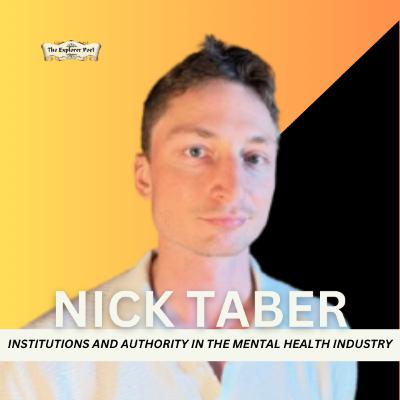
In this conversation with Nick Taber, we explore the complexities of personal development, the impact of institutional environments, the nuances of emotional validation, the importance of questioning authority, the role of meditation in self-discovery, the challenges of navigating the mental health system, and the hero's journey of healing in the lifelong process of self-development.mental health, personal development, emotions, institutions, healing, self-discovery, therapy, emotional validation, meditation, truth-seekingKey TakeawaysNick Tabor discusses the impact of institutional environments on personal development.The conversation explores the spectrum of perspectives on institutions, from pro to anti.Understanding emotions is crucial for navigating personal truths and societal dynamics.The role of environment in shaping individual behavior and mental health is emphasized.Emotional validation is nuanced; it's important to understand emotions without acting impulsively.Meditation is highlighted as a tool for self-discovery and healing.Healing involves being present with one's body and emotions, rather than just intellectualizing them.The hero's journey metaphor is used to describe the process of personal growth and healing.Institutional dynamics can create challenges in personal development and mental health.Finding the right help in mental health can be a difficult journey, requiring self-empowerment.Guest DetailsNick Taber is a blogger and youtuber who writes about and discusses authoritarianism in school systems, the mental health industry, and the troubled-teen industry. He’s a proponent of true self-awareness and growth, and a believer in developing human potential.Website: https://imaginal-cell.org/Facebook: https://www.facebook.com/groups/677145320084405X: https://twitter.com/NickTaberYoutube: https://www.youtube.com/@nicktaber2969/featuredWhere to find The EXPLORER POET PodcastYouTube: https://www.youtube.com/@explorerpoetSpotify: https://open.spotify.com/show/0icGCdo1uv8WauJnFjhe89Apple: https://podcasts.apple.com/us/podcast/the-explorer-poet-podcast/id1621189025Website: https://explorerpoet.com/X / Twitter: https://X.com/TheExplorerPoet
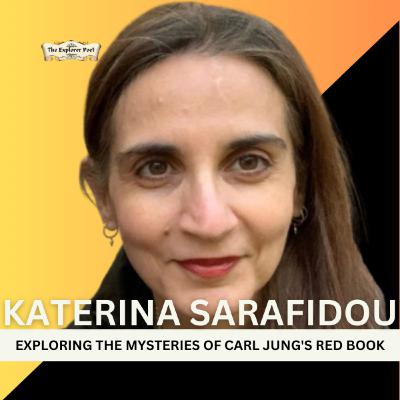
In this conversation with Katerina Sarafidou, we delve into Carl Jung's 'Red Book', exploring its significance in the field of psychology, its unique language, and its impact on modern consciousness. We discussed the importance of individuation, the role of myths, and the tension of opposites in personal growth, as well as the relevance of Jung's work today and the necessity of integrating both scientific and spiritual perspectives in understanding the human psyche.Carl Jung, Red Book, analytical psychology, individuation, depth psychology, myths, consciousness, personal growth, spirituality, psychological insightsKey TakeawaysThe Red Book is a groundbreaking primary text in psychology.It has revitalized interest in analytical psychology.The language used in the Red Book is emotional and complex.Understanding the Red Book requires grappling with its challenging content.Individuation involves finding and living your own myth.Consciousness is a journey that includes discomfort and paradox.The interplay of opposites is essential for personal growth.Myths serve as frameworks for understanding our experiences.The Red Book encourages readers to engage with their inner worlds.Jung's work remains relevant in today's quest for meaning.Guest DetailsKaterina Sarafidou is the Head of Research and former Jungian Director of the MSc Psychodynamics of Human Development run by Birkbeck College and the British Psychotherapy Foundation. She is an honorary member of the British Jungian Analytic Association and is carrying out academic research at the Warburg Institute on Jungian theory and German aesthetics. She is one of the three founders of The Circle of Analytical Psychology, which offers a 2-year course of study on Jung’s Liber Novus. She is also leading a Reading Group for the British Psychotherapy Foundation focusing on the systematic study of Jung's primary texts.Website: https://www.igap.co.uk/Instagram: https://www.instagram.com/hermes_in_the_wild/Where to find The EXPLORER POET PodcastYouTube: https://www.youtube.com/@explorerpoetSpotify: https://open.spotify.com/show/0icGCdo1uv8WauJnFjhe89Apple: https://podcasts.apple.com/us/podcast/the-explorer-poet-podcast/id1621189025Website: https://explorerpoet.com/X / Twitter: https://X.com/TheExplorerPoet
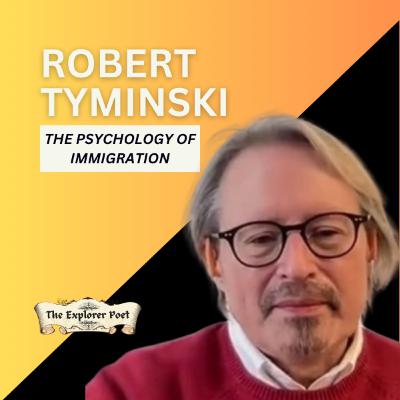
In this conversation with Robert Tyminski, we explore the intersection of Jungian psychology and immigration, the psychological effects of migration, the fluidity of identity, and the importance of community building for immigrants. Tyminski shares personal anecdotes and historical context, emphasizing the resilience of immigrants and the challenges they face in adapting to new environments. The discussion also touches on the complexities of cultural assimilation and the impact of trauma on the immigrant experience.Jungian psychology, immigration, identity, cultural assimilation, psychological impact, community building, trauma, resilience, migration, personal experiencesKey TakeawaysJungian psychology provides a unique lens to understand the human psyche.Immigration is often driven by the search for better opportunities.Identity is not fixed; it is fluid and can change over time.Assimilation can lead to a loss of cultural identity.Building a community is crucial for immigrants to thrive.Trauma can occur at various stages of migration.Resilience is a key trait among immigrants.Cultural nostalgia can hinder integration into a new society.The process of acculturation involves both loss and adaptation.Understanding one's identity is a continuous journey. Guest DetailsRobert Tyminski is a certified Jungian psychoanalyst, teacher, and author. He is the author of The Psychology of Theft and Loss: Stolen and Fleeced and The Psychological Effects of Immigrating.Website: https://www.roberttyminski.com/Where to find The EXPLORER POET PodcastYouTube: https://www.youtube.com/@explorerpoetSpotify: https://open.spotify.com/show/0icGCdo1uv8WauJnFjhe89Apple: https://podcasts.apple.com/us/podcast/the-explorer-poet-podcast/id1621189025Website: https://explorerpoet.com/X / Twitter: https://X.com/TheExplorerPoet
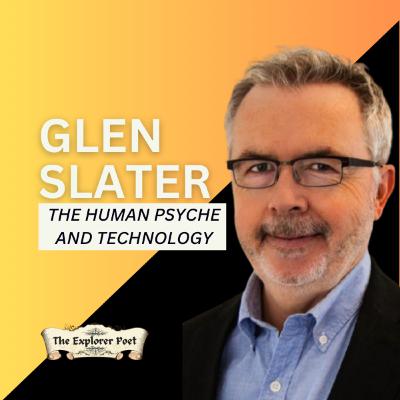
DescriptionIn this conversation with Glen Slater delve we into the intersection of technology, psychology, and humanity, how advancements in technology, particularly artificial intelligence, are reshaping our understanding of the human psyche, the historical context of industrialization and its impact on human instinct and connection to nature, the dangers of optimization and perfectionism in modern society, the hidden spirituality of technology, the importance of finding the deeply human aspects of ourselves in a post-human age, and the need for a more holistic approach to technology and a reconnection with our inner selves.technology, humanity, artificial intelligence, Jungian psychology, industrialization, optimization, spirituality, human psyche, depth psychology, countercultureKey TakeawaysTechnology is reshaping our understanding of humanity.Industrialization caused a significant shift in the human psyche.The loss of instinct is a psychological problem.Optimization leads to a culture of perfectionism.AI lacks emotional intelligence and human instincts.Dissociation is a result of our adaptation to technology.We need to reclaim our human side and spirituality.The online world erodes our capacity for real relationships.Slowing down is essential in a fast-paced world.The psyche is an ecology of mind that needs nurturing.Guest DetailsGlen Slater, Ph.D. was born and grew up on the Central Coast of New South Wales, Australia. After studying psychology and comparative religion at the University of Sydney, he moved to the United States for doctoral studies in clinical psychology. For the past 25 years he has taught in the areas of depth psychology and mythological studies at Pacifica Graduate Institute, near Santa Barbara, California, most recently chairing Pacifica’s Jungian and Archetypal Psychology Program. Glen is the author of Jung vs Borg: Finding the Deeply Human in a Posthuman Age (2024), editor of the third volume of James Hillman’s Uniform Edition, Senex and Puer (2005), and co-editor of the essay collection, Varieties of Mythic Experience (2007). He has written a number of articles and book chapters for Jungian publications. His research and writing interests concern Jung and film, the psychology of religion, and depth psychology and technology.Website: https://www.glenslater.com/Book - Jung vs. Borg: https://www.amazon.com/Jung-Borg-Finding-Deeply-Posthuman/dp/1736205714/ref=cm_cr_arp_d_product_top?ie=UTF8Where to find The EXPLORER POET PodcastYouTube: https://www.youtube.com/@explorerpoetSpotify: https://open.spotify.com/show/0icGCdo1uv8WauJnFjhe89Apple: https://podcasts.apple.com/us/podcast/the-explorer-poet-podcast/id1621189025Website: https://explorerpoet.com/X / Twitter: https://X.com/TheExplorerPoet
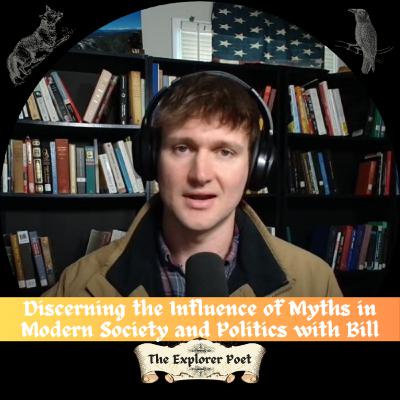
In this engaging conversation, with YouTuber Bill, we explore Bill's journey into Jungian psychology, the impact of Jordan Peterson, the significance of myths and archetypes, the complexities of political discourse, the importance of confronting one's shadow, the emotional resonance of narratives, the challenges of ideological extremes, the need for introspection, the role of good faith in conversations, the dangers of preference falsification, and the motivations behind human behavior.Jung, creativity, Jordan Peterson, myths, archetypes, narrative, politics, truth, ideology, emotional resonanceKey TakeawaysBill's background is diverse, transitioning from weightlifting to engineering and writingHe aims to explore Jungian concepts through YouTube and writingThe influence of Jordan Peterson's lectures on Bill's understanding of psychology and philosophyMyths and archetypes play a crucial role in shaping societal narrativesConfronting one's shadow is essential for personal growthEmotional resonance in stories can lead to deeper understanding and healingPolitical discourse often lacks introspection and can lead to divisionThe importance of good faith in conversations, especially in politically charged environmentsPreference falsification can hinder genuine dialogue and understandingUnderstanding the motivations behind ideologies can lead to more constructive discussionsGuest DetailsBill is the host of the YouTube channel Signals and Symbols, where he explores philosophy, psychology, and politics. Philosophy means the love of wisdom, but wisdom is only useful if you act on it. His videos should help with that. YouTube: https://www.youtube.com/@signalsandsymbolsWhere to find The EXPLORER POET PodcastYouTube: https://www.youtube.com/@explorerpoetSpotify: https://open.spotify.com/show/0icGCdo1uv8WauJnFjhe89Apple: https://podcasts.apple.com/us/podcast/the-explorer-poet-podcast/id1621189025Website: https://explorerpoet.com/X / Twitter: https://X.com/TheExplorerPoet
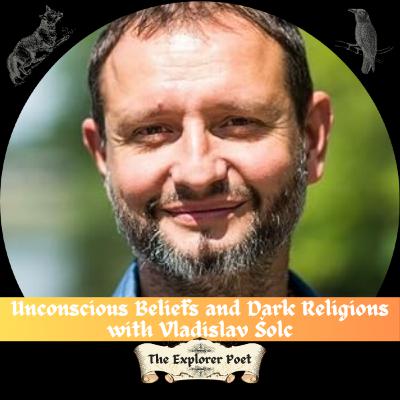
In this conversation with Vladislav Šolc, we explore the intersection of Jungian psychology and religion, discussing personal journeys through faith, the concept of dark religion, the importance of self-knowledge, how unconscious beliefs shape our understanding of reality, the role of symbolism in religion, the psychological implications of conspiracies, the quest for consciousness, confronting our inner darkness to achieve personal growth.Jungian psychology, dark religion, consciousness, personal journey, symbolism, psychological projections, self-knowledge, religion and psyche, conspiracies, spiritualityKey TakeawaysJung's perspective on religion emphasizes its primordial nature within the psycheDark religion is characterized by unconscious beliefs and manipulative practicesThe journey towards consciousness involves facing painful truths about oneselfSymbols in religion serve as a bridge between the inner and outer worldsConspiracies can reflect inner psychological struggles and projectionsSelf-knowledge is essential for minimizing harm in relationships and societyThe quest for consciousness is a noble and meaningful endeavorUnderstanding the duality of light and dark in religion is crucial for personal growthThe unconscious mind continues to influence behavior, even when deniedTrue spirituality involves discovering freedom and authenticity in relationshipsGuest DetailsVladislav Šolc is a licensed professional psychotherapist who provides individual, group, couples and family therapy (counseling and psychotherapy). Vlado received his training in Europe and US: Charles University in Prague, Czech Republic, Czech Association for Analytical Psychology, Brno, Czech Republic, University of Jyväskylä, Finland, and the C.G. Jung Institute of Chicago. Vlado specializes on the treatment of depression, anxiety, sleep problems, and interpersonal conflicts. His focus includes psycho-spiritual crisis and spirituality (loss of life’s meaning and direction), mind-body connection (psychosomatic issues), immigration and cultural issues (displacement from home country and grief), women empowerment and emancipation. His specialties also include treatment of addictions and marital psychotherapy with adult, and youth populations. Vlado is also involved in art and creative process and is author of several depth psychology-oriented books: Psyche, Matrix, Reality; Father’s Archetype; In the Name of God: Psychological Roots of Fanaticism, and most recently Dark Religion: Fundamentalism from the Perspective of Jungian Psychology.Website: TherapyVlado.comBlog Post: https://jungchicago.org/blog/product/individuation-in-a-divided-world-deception-lies-and-the-quest-for-wholeness/Blog Post: https://jungchicago.org/blog/vlado-solc-from-illusion-to-conscious-suffering-a-jungian-view-of-politics-possession-and-redemption/Contact: therapyvlado@gmail.comBook - Dark Religion: Fundamentalism from The Perspective of Jungian Psychology: https://www.amazon.com/Dark-Religion-Fundamentalism-Perspective-Psychology/dp/1630513989/ref=as_li_ss_tl?_encoding=UTF8&qid=&sr=&linkCode=sl1&tag=jungchicago-20&linkId=3b0b88791d7fc9f2ead1779035ceffdaWhere to find The EXPLORER POET PodcastYouTube: https://www.youtube.com/@explorerpoetSpotify: https://open.spotify.com/show/0icGCdo1uv8WauJnFjhe89Apple: https://podcasts.apple.com/us/podcast/the-explorer-poet-podcast/id1621189025Website: https://explorerpoet.com/
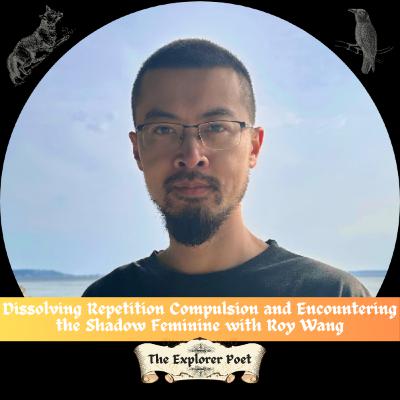
In this conversation with Roy Wang, we delved into the complexities of human emotions, particularly focusing on repetition compulsion, anger, shame, and the dynamics of masculine and feminine energies. We explored how childhood experiences shape emotional patterns and the importance of compassion and self-observation in understanding these patterns. Then we discussed the shadow feminine, covert abuse, and the need for balance in relationships, emphasizing that both men and women have roles to play in fostering healthy dynamics.repetition compulsion, anger, shame, desire, childhood experiences, relationships, shadow feminine, covert abuse, emotional mastery, masculine and feminine energyKey TakeawaysRepetition compulsion can manifest in various emotional patterns.Anger and shame are often intertwined in emotional experiences.Desire can lead to conflict when unmet or rejected.Childhood experiences significantly shape adult emotional responses.Compassion and self-observation are crucial in understanding emotional patterns.Covert abuse is often more difficult to identify than overt abuse.Women can experience and perpetuate covert abuse among themselves.Emotional manipulation can be a form of covert abuse.The interplay of chaos and order is essential in relationships.Healthy relationships require ongoing work and mutual understanding.Guest DetailsRoy Wang is a men's coach and believer in the renewing powers of the sacred wild man archetype.Website: https://www.sacredwildman.com/X / Twitter: https://x.com/sacredwildmanBook on Roy’s Calendly: https://calendly.com/sacredwildman/30minInstagram: https://instagram.com/sacredwildmanTikTok: https://tiktok.com/sacredwildmanYoutube: https://youtube.com/sacredwildmanWhere to find The EXPLORER POET PodcastYouTube: https://www.youtube.com/@explorerpoetSpotify: https://open.spotify.com/show/0icGCdo1uv8WauJnFjhe89Apple: https://podcasts.apple.com/us/podcast/the-explorer-poet-podcast/id1621189025Website: https://explorerpoet.com/X / Twitter: https://X.com/TheExplorerPoet
In this conversation with Susan Rowland, we explored arts-based research, the role of spontaneity in creativity, the intersection of art and psychology, the relationship between religion and imagination, subjective experiences, science versus religion, cultural myths, the role of mystery in storytelling, and writing fiction.Jungian psychology, arts-based research, spontaneity, psyche, voice of the victim, creative processKey TakeawaysA voice from the past can influence creative work.Jungian psychology emphasizes the importance of spontaneity.Arts-based research allows for deeper exploration of the psyche.The creative process can be guided by unexpected voices.Understanding the psyche is essential for artistic expression.Personal experiences can shape artistic narratives.The intersection of psychology and art can lead to profound insights.Engaging with the unconscious can enhance creativity.Jungian arts-based research fosters a unique creative environment.Guest DetailsSusan Rowlan is a scholar of Jung, literary critic, and teacher at Pacifica Graduate Institute in the MA Engaged Humanities and in the Doctoral program in Jung and Archetypal Studies. She is also a writer of mystery novels about undervalued women.Website: https://www.susanrowland-books.com/X/Twitter: https://twitter.com/SusanRowland10Facebook: https://www.facebook.com/susan.rowland.161LinkedIn: https://www.linkedin.com/in/susan-rowland-phd-59894823/Goodreads: https://www.goodreads.com/user/show/21471703-susan-rowlandWhere to find The EXPLORER POET PodcastYouTube: https://www.youtube.com/@explorerpoetSpotify: https://open.spotify.com/show/0icGCdo1uv8WauJnFjhe89Apple: https://podcasts.apple.com/us/podcast/the-explorer-poet-podcast/id1621189025Website: https://explorerpoet.com/X / Twitter: https://X.com/TheExplorerPoet
In this conversation with Camille Fioranelli, we explore the themes of identity, the nature of consciousness, and the role of archetypes in human experience. Camille shares her journey of self-discovery through writing and the importance of confronting the darker aspects of the self. Our conversation further delves into the subjective nature of reality, the conflict between logic and emotion, and the significance of myths in shaping our understanding of existence. Ultimately, we discuss the beauty of embracing life's complexities and the journey towards integration and self-acceptance.archetypes, psychology, consciousness, myths, self-reflection, emotional intelligence, personal growth, shadow work, mirrors, myths, ego, tragedy, and the long, messy road to wholenessSound bites"Everyone is a mirror to you.""Happiness is just an emotion.""It's okay to not be okay."Key TakeawaysWriting on SubStack under the pseudonym Elara Faust - a name that symbolizes the journey from darkness to light.Archetypes play a crucial role in storytelling and human experience.Internal dialogues, when not released, can come to feel like screams in our heads.Psychedelic experiences can lead to ego confrontations, but beware of ego identification.Everyone we encounter serves as a mirror reflecting our inner selves.The Western world often prioritizes logic over emotional understanding.Myths serve as a guide to understanding our consciousness.Integration of the self is essential for personal growth.Happiness is an emotion, not a constant state.Guest DetailsCamille Fioranelli is a clinician in training, but more truthfully, she’s a human being obsessed with the layers beneath the mask. Writing under the pen name Elara Faust, Camille is the author of “Contra Persona” on Substack, which invites you beneath the surface of modern life, into the hidden corridors of the psyche. Here, Jungian thought meets myth and cultural critique, unmasking the forces that shape us and confronting the truths we’d rather avoid.Subsctack (Contra Persona): https://contrapersona.com/Where to find The EXPLORER POET PodcastYouTube: https://www.youtube.com/@explorerpoetSpotify: https://open.spotify.com/show/0icGCdo1uv8WauJnFjhe89Apple: https://podcasts.apple.com/us/podcast/the-explorer-poet-podcast/id1621189025Website: https://explorerpoet.com/X / Twitter: https://X.com/TheExplorerPoet
In this conversation with Paul Bishop, we discuss the complexities of Carl Jung's theories, particularly focusing on the significance of symbols and storytelling in understanding the psyche, highlighting Jung’s focus on personal transformation. We then discuss the metaphor of the grail as a representation of the psyche's journey towards self-discovery and personal growth, the importance of overcoming challenges and understanding oneself through experiences, suggesting that the quest itself is as significant as the outcome.Carl Jung, psyche, symbols, storytelling, psychology, extroversion, science, evidence, inner experience, woo-woo, holy grail, self-discovery, personal growth, overcoming challengesKey TakeawaysConnecting (or struggling) with Jung's symbolic ideas.Jung’s challenges in being taken seriously as a scientist.The importance of symbols in understanding the psyche.Evidence and inner experience are both vital in Jung's theories.Storytelling plays a significant role in psychological understanding.Jung's work invites deeper exploration beyond surface-level interpretations.The holy grail represents the journey of self-discovery.Psyche knows what experiences are necessary for growth.Overcoming challenges is essential to feeling whole.The external outcome may not be the ultimate goal.Personal suffering can lead to a deeper understanding of self and others.The quest is as important as the destination.Self-exploration is a vital part of life.Understanding oneself requires facing inner struggles.The journey shapes our identity and purpose.True fulfillment comes from within, not external validation.Guest DetailsPaul Bishop is an author, professor, and William Jacks Chair of Modern Languages at the University of Glasgow. His books examine the history of ideas and the histories of psychoanalysis and analytical psychology, with particular emphasis on Nietzsche, C.G. Jung, and Ludwig Klages. He is currently working on a four-volume project for Chiron Books entitled Jung and the Epic of Transformation, whose first volume is Wolfram von Eschenbach’s “Parzival” and the Grail as Transformation, and whose second volume is Goethe’s “Faust” as a Text of Transformation.Chiron Publications: https://www.chironpublications.com/product-category/authors/bishop-paul/Amazon: https://www.amazon.com/stores/Paul-Bishop/author/B001HD3FWE?ref=sr_ntt_srch_lnk_1&qid=1762282691&sr=8-1&isDramIntegrated=true&shoppingPortalEnabled=trueWhere to find The EXPLORER POET PodcastYouTube: https://www.youtube.com/@explorerpoetSpotify: https://open.spotify.com/show/0icGCdo1uv8WauJnFjhe89Apple: https://podcasts.apple.com/us/podcast/the-explorer-poet-podcast/id1621189025Website: https://explorerpoet.com/X / Twitter: https://X.com/TheExplorerPoet
In this conversation with Dr. Catherine Svehla, we discuss her journey through creativity and psyche, exploring the intersection of art, myth, and personal transformation. She discusses her own experiences with the 'Dark Night of the Soul' and how it led her to embrace painting as a form of self-discovery. We explore the importance of myth in artistic expression, the creative process, and the role of archetypes in understanding oneself as a creator. Svehla emphasizes the need for artists to connect with their inner voice and the symbolic language of their work, encouraging listeners to embrace their unique creative paths.creativity, psyche, myth, Jungian psychology, artistic expression, personal journey, symbolism, depth psychology, creative process, empowermentKey TakeawaysCreativity often emerges from personal struggles and transformation.Art can serve as a dialogue with oneself.Myth and symbolism are essential in the creative process.Encouragement and companionship are vital for artists.The creative process requires freedom and exploration.Understanding one's inner conversation can enhance creativity.Mythic themes can guide artistic expression.The ego plays a complex role in creativity.Artists should embrace their unique paths and resist societal boxes.Connection with the psyche can lead to profound personal change.Guest DetailsDr. Catherine Svehla is a storyteller, scholar, and consultant in the field of mythology/depth psychology, an artist, creativity coach, outdoorswoman, lover of the Mysteries, and a mentor in the mythic life. Through Mythic Mojo, she partners with artists and creative individuals to realize their visions for their projects and for their lives.Website: https://mythicmojo.com/Myth Matters Podcast: https://mythicmojo.com/myth-matters-podcast-blog/Where to find The EXPLORER POET PodcastYouTube: https://www.youtube.com/@explorerpoetSpotify: https://open.spotify.com/show/0icGCdo1uv8WauJnFjhe89Apple: https://podcasts.apple.com/us/podcast/the-explorer-poet-podcast/id1621189025Website: https://explorerpoet.com/X / Twitter: https://X.com/TheExplorerPoet
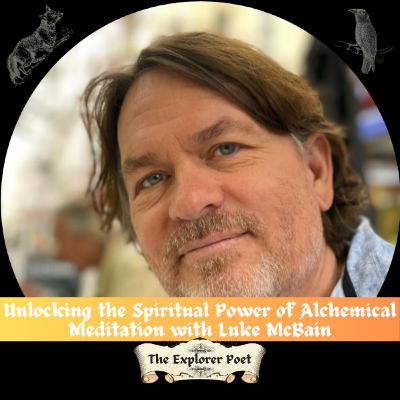
In this conversation with Luke McBain, we discuss his journey into meditation, exploring its benefits, and the alchemical approach he has adopted. He delves into the psychological aspects of meditation, particularly the concept of the shadow and self-integration, while also examining the cultural contexts of spiritual practices. The discussion touches on the role of myths and collective stories in shaping individual and societal beliefs, ultimately leading to a reflection on the balance between individualism and spiritual freedom.Key TakeawaysMeditation can be a personal experiment leading to profound insights.The alchemical approach to meditation emphasizes visualization and imagery.Understanding the shadow is crucial for self-integration and personal growth.Psychology and spirituality can intersect in meaningful ways.Cultural context shapes our understanding of spiritual practices.Myths and collective stories influence our beliefs and behaviors.Individualism in spirituality allows for diverse expressions of belief.Meditation can help in transforming self-sabotaging behaviors.Language plays a vital role in shaping spiritual experiences.The future of myths and spirituality is evolving and remains uncertain.Guest DetailsLuke McBain is a graduate of the German Film Academy, a writer, former actor and filmmaker, a Cambridge MBA graduate, a lecturer and consultant. Luke is also the creator of a type of internal, imaginative experience called Liminosophy: a journey in search of the source of intuition, meaning, and happiness. According to Luke’s website, it does not matter if you are a high-powered executive, a crafty entrepreneur, or someone who is on their own personal quest; Liminosophy is for you.Website: https://lukemcbain.wixsite.com/lukemcbain/enTwitter: https://twitter.com/_LukeMcBain_LinkedIn: https://www.linkedin.com/in/luke-mcbain-7620014/YouTube: https://www.youtube.com/user/lukemcbain/featuredWhere to find The EXPLORER POET PodcastYouTube: https://www.youtube.com/@explorerpoetSpotify: https://open.spotify.com/show/0icGCdo1uv8WauJnFjhe89Apple: https://podcasts.apple.com/us/podcast/the-explorer-poet-podcast/id1621189025Website: https://explorerpoet.com/X / Twitter: https://X.com/TheExplorerPoet
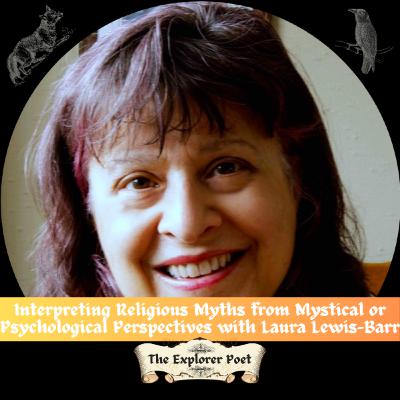
In this engaging conversation with Laura Lewis-Barr, we explore the intersections of spirituality, community, and personal interpretation of religious texts. We discuss the importance of myth and psychological perspectives in understanding religious narratives, the challenges of balancing individuality with community expectations, and the evolving nature of consciousness in contemporary society. We also explore the significance of rituals, the Trinity, and the role of alchemy in personal integration, all while reflecting on the experiences of different religious practices.spirituality, community, religion, interpretation, myth, church, individuality, alchemy, consciousness, Trinity, catholic, catholicismKey Takeaways:Laura's new podcast, ‘The Laughing Mystics’, emerged from her frustrations with traditional interpretations of Catholic readingsThe importance of viewing religious texts through a psychological lensExperiences seeking community within a spiritual journeyThe need for balance between individuality and community in spiritual practicesThe concept of the Trinity as a representation of divine relationship and mysteryThe challenges of interpreting religious teachings in a modern contextThe significance of alchemy in personal transformation and integrationThe evolution of consciousness and its implications for societyThe importance of myth in understanding human experiences and narrativesCultural turmoil as a transformative periodGuest Details:Laura Lewis-Barr is a playwright, freelance director, theater professor, and award-winning stop motion filmmaker. Laura is the creator of Psyche Cinemas, where she publishes her stop-motion films about fairy tales portrayed in modern and fanciful situations. Laura alternates between creating short updated fairy tales and original scripts that explore characters and cultures from a Jungian perspective. Laura is a huge fan of stories and myths, and has found a true passion exploring them through a unique and creative framework.Website: https://psychescinema.com/free-short-films/X / Twitter: https://x.com/Psyche_CinemaPodcast: https://pod.link/1799776273Where to find The EXPLORER POET Podcast:Youtube: https://www.youtube.com/@explorerpoetSpotify: https://open.spotify.com/show/0icGCdo1uv8WauJnFjhe89Apple: https://podcasts.apple.com/us/podcast/the-explorer-poet-podcast/id1621189025Website: https://explorerpoet.com/X / Twitter: https://X.com/TheExplorerPoet
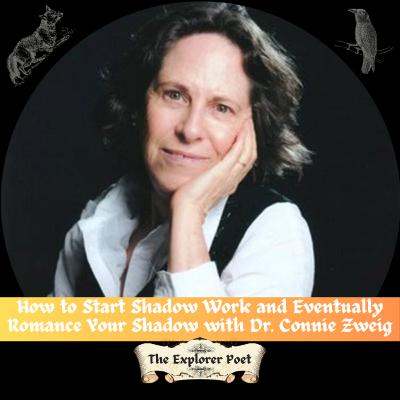
In this episode with Dr. Connie Zweig, we discuss her journey into depth psychology, shadow work, and the influence of Carl Jung. She shares her personal experiences with Transcendental Meditation, the challenges of group dynamics, and the importance of shadow awareness in personal and societal contexts. Dr. Zweig also explores the concept of 'romancing the shadow' and how it applies to creativity, relationships, and aging.Keywords:shadow work, Carl Jung, depth psychology, Transcendental Meditation, creativity, aging, spirituality, group dynamics, personal growth, archetypesTakeaways:- Shadow work involves bringing unconscious aspects of ourselves into awareness- Group dynamics can often lead to dogmatism and the loss of individuality- The shadow contains both negative and positive traits that are hidden from the ego- Romancing the shadow involves creating a conscious relationship with these hidden aspects- Creativity can be blocked by shadow characters like the procrastinator or the perfectionist- Aging offers an opportunity to shift identity from 'doer' to a deeper spiritual nature- Shadow work is a social and political responsibility in today's world- Using 'I' statements can help bring shadow work into family dynamics- Dr. Zweig's book 'The Inner Work of Age' addresses the challenges and opportunities of agingGuest Details: Connie Zweig, Ph.D., is a retired Jungian therapist and author of ‘Meeting the Shadow’ and ‘Romancing the Shadow’. Her award-winning book, ‘The Inner Work of Age: Shifting from Role to Soul’, extends Shadow-work into midlife and beyond and explores aging as a spiritual practice. Her book, ‘Meeting the Shadow on the Spiritual Path: The Dance of Darkness and Light in Our Search for Awakening’, extends shadow-work into religion and spirituality. Her new podcast, Dr. Neil’s Spiritual Awakening to Non-Duality, is available on all podcast platforms.Website: https://www.robhopcke.com/Substack: https://www.shadowworkawareness.com/aboutPodcast (Apple): https://podcasts.apple.com/us/podcast/dr-neils-spiritual-awakening-to-non-duality/id1743804351Podcast (Spotify): https://open.spotify.com/show/06yKlEcpZo649N43BGGehHWhere to find The EXPLORER POET Podcast:Youtube: https://www.youtube.com/@explorerpoetSpotify: https://open.spotify.com/show/0icGCdo1uv8WauJnFjhe89Apple: https://podcasts.apple.com/us/podcast/the-explorer-poet-podcast/id1621189025Website: https://explorerpoet.com/X / Twitter: https://X.com/TheExplorerPoet
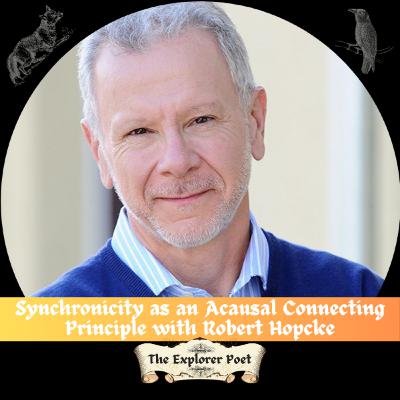
In this conversation with Robert Hopcke, we discuss his journey into Jungian psychology, the intersection of religion and psychology, and the Jungian concept of acausal synchronicity. He shares personal experiences and insights on how Jung's ideas have shaped his understanding of the psyche, the importance of archetypes, and the meaning of coincidences in our lives. The dialogue emphasizes the personal nature of meaning-making and the relevance of Jungian concepts in contemporary discussions about spirituality and psychology.Jungian psychology, synchronicity, archetypes, personal narrative, psychology of religion, meaningful coincidences, depth psychology, Carl Jung, myth, spiritualityKey Take Aways:Jungian psychology is a journeyThe value in reading Jung's writings directlyCorrecting misconceptions about Jung's ideas, particularly synchronicitySynchronicity is an a-causal connecting principle, emphasizing personal meaning over external causationMeaningful coincidences are deeply personal and can reflect our inner experiencesThe intersection of psychology and religion, particularly in a Protestant contextThe importance of archetypes in understanding personal narratives and experiencesThe propensity to project experiences onto external sources, which can obscure personal meaningHow Jung's ideas can help individuals navigate their spiritual and psychological livesMaking Jung's concepts more accessible and relevant to contemporary audiencesGuest Details: Robert Hopcke is a practicing Jungian analyst, with two degrees in counseling: a Master of Arts in Theology, with a Pastoral Counseling emphasis, from Pacific Lutheran Theological Seminary, and a second Master of Arts in Clinical Counseling from California State University, Hayward. He is the author of many books including a 1997 national best seller, “There Are No Accidents: Synchronicity and the Stories of our Lives.” and a follow up titled, “There Are No Accidents in Love and Relationships.” As well as two standard reference works within Jungian psychology both in print since 1989, “A Guided Tour of the Collected Works of C. G. Jung” and “Jung, Jungians and Homosexuality.”Website: https://www.robhopcke.com/Where to find The EXPLORER POET Podcast:Youtube: https://www.youtube.com/@explorerpoetSpotify: https://open.spotify.com/show/0icGCdo1uv8WauJnFjhe89Apple: https://podcasts.apple.com/us/podcast/the-explorer-poet-podcast/id1621189025Website: https://explorerpoet.com/X / Twitter: https://X.com/TheExplorerPoet
In this engaging conversation with Leigh Melander, we explore the profound impact of myth and storytelling on our understanding of ourselves and the world. We discuss the importance of frivolity and play in fostering creativity, the duality of good and evil in myths, and the significance of personalizing rituals to create deeper meaning in our lives. We also explore the need to embrace irreverence and the journey of exploration, rather than fixating on rigid narratives or outcomes.Key Take Aways:Myth is a powerful tool for understanding ourselves and our world.Frivolity can open doors to creativity and imagination.Stories shape our identities and how we perceive reality.The left-handed path represents individuality and stepping off the beaten path.Cultural constructs can limit our understanding of ourselves and others.Play is essential for creativity and personal fulfillment.Rituals can be personalized to create deeper meaning.Understanding duality in myths can lead to greater self-awareness.Irreverence can foster creativity and challenge norms.The journey of exploration is more important than the destination.Chapters:00:00 Introduction to Myth and Curiosity02:53 The Power of Myth and Metaphor05:20 Personal Myths and Collective Narratives08:18 The Role of Frivolity in Creativity11:10 Navigating the Complexity of Stories13:38 The Impact of Cultural Constructs16:27 The Left-Handed Path of Individuality19:08 The Importance of Play in Life22:04 Rituals and Personal Meaning24:42 The Duality of Good and Evil in Myths27:47 The Intersection of Myth and Psychology30:34 The Role of Irreverence in Creativity33:19 Finding Joy in the Journey35:56 Conclusion and Future ExplorationsGuest Details:Leigh Melander’s work and play in the world is to help people imagine past what they think is possible. She is a story weaver, a creator, a ridiculous revolutionary, who wrote her doctoral dissertation on frivolity as an opening into imagination – and they actually let her get away with that! Most importantly, she works to help people bring their most beloved wild ideas to life as a fomenter, coach, and speaker.Website: https://leighmelander.com/Facebook: https://www.facebook.com/leighmelanderphdPinterest: https://www.pinterest.com/leighmelanderphd/Spillian: https://spillian.com/imaginarium/Where to find The EXPLORER POET Podcast:Youtube: https://www.youtube.com/@explorerpoetSpotify: https://open.spotify.com/show/0icGCdo1uv8WauJnFjhe89Apple: https://podcasts.apple.com/us/podcast/the-explorer-poet-podcast/id1621189025Website: https://explorerpoet.com/X / Twitter: https://X.com/TheExplorerPoet
Description: In this conversation, with Nathalie Nahai, we explore the intricate connections between art, music, psychology, and personal transformation. We delve into the significance of creativity as a means of expression and healing, the exploration of shamanism, and the journey of leaving behind rigid religious structures. The discussion shifts to the implications of AI in society, emphasizing the need for ethical considerations and human values in technological advancements. Ultimately, highlighting the importance of hope, human connection, and the potential for positive change in a rapidly evolving world.Key Take Aways:Creativity serves as a powerful means of expression and healing.Art and music can transform pain into beauty.Fiction fosters empathy and understanding across diverse perspectives.Shamanism offers insights into personal transformation and healing.Leaving rigid religious structures can lead to profound personal growth.AI presents both opportunities and ethical challenges in society.Human connection is essential for navigating change and uncertainty.Imagination and creativity are vital for a fulfilling life.Collective agency can drive positive societal change.Engaging with nature and community fosters resilience and hope.Chapters:00:03 - 00:42 Introduction and Shared Interests00:42 - 04:47 The Roots of Creativity: Art and Music04:47 - 06:39 Choosing a Practical Path: Psychology Over Art06:39 - 10:44 The Healing Power of Creative Expression10:44 - 17:12 Exploring Shamanic Practice17:12 - 28:52 Navigating Religious Upbringing and Betrayal28:52 - 34:36 Rebirth and Finding Hope After Nihilism34:36 - 40:56 The Role of Anger and Emotional Healing40:56 - 44:56 Discovering Zen Buddhism and Animist Connections44:56 - 49:36 From Music to Technology: A Career in Psychology and Web Design49:36 - 01:07:12 The Impact and Ethics of Artificial Intelligence01:07:12 - 01:11:56 A Message of Hope and Collective AgencyGuest Details:Described as “a rare polymath with deep expertise in tech and psychology”, Nathalie draws upon a rich background in human behaviour, web design and the arts, to offer a unique vantage point from which to examine the complex challenges we face today. Having studied psychology and worked as a web designer early in her career, she wanted to map out a comprehensive framework through which to understand online behaviour – a process that culminated in the publication of the international best-seller, ‘Webs Of Influence: The Psychology of Online Persuasion’.Website: https://www.nathalienahai.com/Where to find The EXPLORER POET Podcast:Youtube: https://www.youtube.com/@explorerpoetSpotify: https://open.spotify.com/show/0icGCdo1uv8WauJnFjhe89Apple: https://podcasts.apple.com/us/podcast/the-explorer-poet-podcast/id1621189025Website: https://explorerpoet.com/X / Twitter: https://X.com/TheExplorerPoet
In this thought-provoking conversation anthropologist Laura Betzig delves into the intricate connections between religion, politics, and family dynamics. Discover how historical shifts in societal structures have influenced modern ideologies and personal freedoms. Laura shares her journey from studying zoology to exploring the depths of anthropology, offering insights into the evolution of human societies and the role of religion in shaping our world.Key Take Aways:The evolution of religious institutions and their societal impactThe role of family and kinship in traditional and modern societiesInsights into the political structures of ancient and contemporary culturesLaura's personal journey and academic pursuits in anthropology, zoology, and life.Meaningful Quotes:"Everything we do is for the sake of our children. That's not such a horrible form of reductionism." – Laura Betzig"We can understand what every living thing is doing by understanding what it’s evolved to do: make copies of itself." – Laura Betzig"Only in the past 100 years have we become so divorced from nature that we ask, 'What is the meaning of life?'" – Laura Betzig"Religion, politics, and family are all tied to reproduction and fairness in human and animal societies." – Laura Betzig"In the modern world, nobody tells you what to do—you can love who you want and raise your family as you please." – Laura Betzig"We’ve moved from the cult of the family to the cult of the individual or the couple in modern times." – Josh"Living in a world we’re not adapted to creates spiritual challenges, not just mental health issues." – Josh"Chiefs in traditional societies used their status to gain more resources and larger families." – Laura Betzig"We have the technology to build monuments without slaves and give everyone a chance at a family." – Laura Betzig"Kids on Ifaluk were gleeful because everyone’s life was about making sure they were safe and happy." – Laura BetzigGuest Details:Laura Betzig is an anthropologist who studies history as natural history. She's done fieldwork in the Caroline Islands; looked at the cross-cultural record; and read ancient, medieval and modern history. She's written over a hundred scientific and scholarly articles on subjects from sex in the Old Testament, to the persecution of Christians, to the causes of the English Revolution; she's published 3 books; and she's spent the last couple of decades at work on The Badge of Lost Innocence, a history of the West.Website: https://laurabetzig.org/Where to find The EXPLORER POET Podcast:Youtube: https://www.youtube.com/@explorerpoetSpotify: https://open.spotify.com/show/0icGCdo1uv8WauJnFjhe89Apple: https://podcasts.apple.com/us/podcast/the-explorer-poet-podcast/id1621189025Website: https://explorerpoet.com/X / Twitter: https://X.com/TheExplorerPoet
In this conversation, Aodhán Moran and Brant Elwood discuss their collaborative work on the book ‘Gods, Heroes and Groups: Relational Dynamics Through Mythic Archetypes’. They share their personal journeys into the world of archetypes, the role of myth in psychology, and how unconscious drives shape group behavior. The discussion delves into leadership, scapegoating, and the evolving nature of group dynamics, emphasizing the importance of understanding these elements in both personal and organizational contexts.Key Take Aways:Philosophy can ignite curiosity and self-exploration.The journey of self-discovery often involves challenging one's beliefs.Perplexity is a powerful tool for understanding and growth.Philosophy intersects with science and religion in meaningful ways.The erotic nature of philosophy invites deeper questioning.Questioning ideas is essential for personal and societal growth.Palinode aims to create a platform for philosophical exploration.Technology can be harnessed to foster curiosity and creativity.Art and philosophy are intertwined in the quest for meaning.The future of philosophy lies in its ability to adapt and inspire.Chapters:00:00 Introduction to Archetypes and Collaboration02:35 Personal Journeys into Myth and Archetypes05:09 The Role of Myth in Psychology07:52 Group Dynamics and Unconscious Drives10:15 The Intersection of Myth and Group Psychology13:11 Understanding Leadership and Group Hierarchies15:50 The Power of Scapegoating in Groups18:28 The Evolution of Group Dynamics21:19 Conclusion and Reflections on Group IdentityGuest Details:Guest #1: Aodhán MoranX/Twitter: https://x.com/aodhanpmoranLinkedIn: https://ie.linkedin.com/in/aodhanGuest #2: Brant ElwoodX/Twitter: https://x.com/TheGroupLensLinkedIn: https://www.linkedin.com/in/evansbrantWhere to find The EXPLORER POET Podcast:Youtube: https://www.youtube.com/@explorerpoetSpotify: https://open.spotify.com/show/0icGCdo1uv8WauJnFjhe89Apple: https://podcasts.apple.com/us/podcast/the-explorer-poet-podcast/id1621189025Website: https://explorerpoet.com/X / Twitter: https://X.com/TheExplorerPoet

Comments

Download from Google Play

Download from App Store
 United States