


 Claim Ownership
The Healthy Enterprise
Subscribed: 0Played: 0
Subscribe

© 2025 Bullzeye Global
Description
Hosted by Heath Fletcher, The Healthy Enterprise explores how innovation, technology, and leadership are reshaping the life sciences industry—from discovery and development to commercialization and care delivery. Each episode features candid, heart-centered conversations with founders, scientists, executives, and investors, sharing real-world experiences and insights for building resilient, future-ready organizations.
Created and Produced by Bullzeye Global Growth Partners — Let’s build it together!
Created and Produced by Bullzeye Global Growth Partners — Let’s build it together!
74 Episodes
Reverse
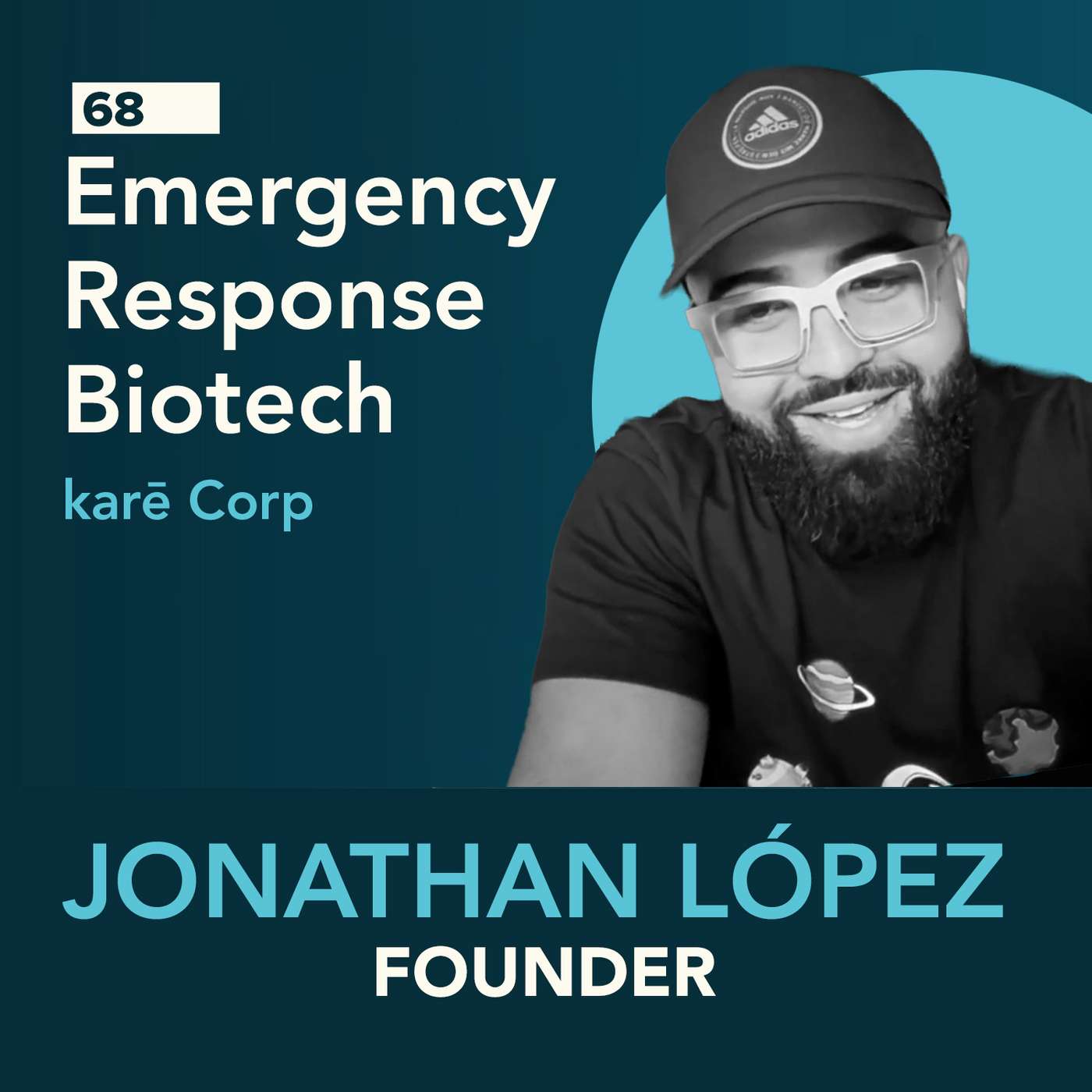
In this conversation, Jonathan López, a medical doctor and founder of karē Corp, discusses his innovative approach to biotech, focusing on a modular platform for drug delivery in extreme environments. He shares his journey from med school to entrepreneurship, the challenges he faced, and his vision for making a global impact, particularly for Puerto Rico. The discussion highlights the importance of real-time health monitoring and the potential applications of his technology in defense and emergency response.Chapters:00:00 Introduction to Next-Gen Biotech05:05 The Vision Behind karē Corp10:00 The Modular Platform Explained15:11 Real-Time Monitoring and Team Awareness19:58 Challenges and Growth as a Founder24:56 The Shift from Cannabis to Defense29:59 Current Status and Future AspirationsGuest Information:Guest's Name: Jonathan LópezGuest's Title/Position: Founder & CEOGuest's Linkedin: https://www.linkedin.com/in/jonathanlopez92/Company / Affiliation: karē Corp https://karembio.com/Guest's Bio: Jonathan López is the Founder and CEO of karē Corp, a physician-trained entrepreneur focused on building regulated, science-first human performance systems. His work centers on the development of advanced subcutaneous infusion platforms that integrate pharmacology, hardware, and software to support human health and performance in demanding environments.Jonathan leads the company’s strategy across FDA-regulated development pathways, intellectual property creation, and dual-use deployment for civilian healthcare, first responders, defense, and space applications. He is currently advancing multiple patented platforms designed to align with federal innovation and research programs, with the goal of delivering next-generation biomedical solutions for extreme and mission-critical environments. Takeaways:Jonathan López is building next-gen biotech platforms for drug delivery.karē Corp aims to provide real-time health monitoring in extreme environments.The platform is modular and can be tailored for different users like soldiers and astronauts.Real-time data can help prevent medical emergencies in the field.Jonathan's journey reflects the challenges of pursuing innovation in healthcare.He emphasizes the importance of inspiring Puerto Ricans to believe in their potential.The shift from cannabis to defense technology was a strategic decision for broader impact.Jonathan faced external doubt from family and friends about his entrepreneurial path.The technology aims to enhance human performance in critical situations.Jonathan is currently in the process of securing grants and patents for his innovations.The Healthy Enterprise Podcast is produced by Bullzeye Global Growth Partners https://bullzeyeglobal.com/
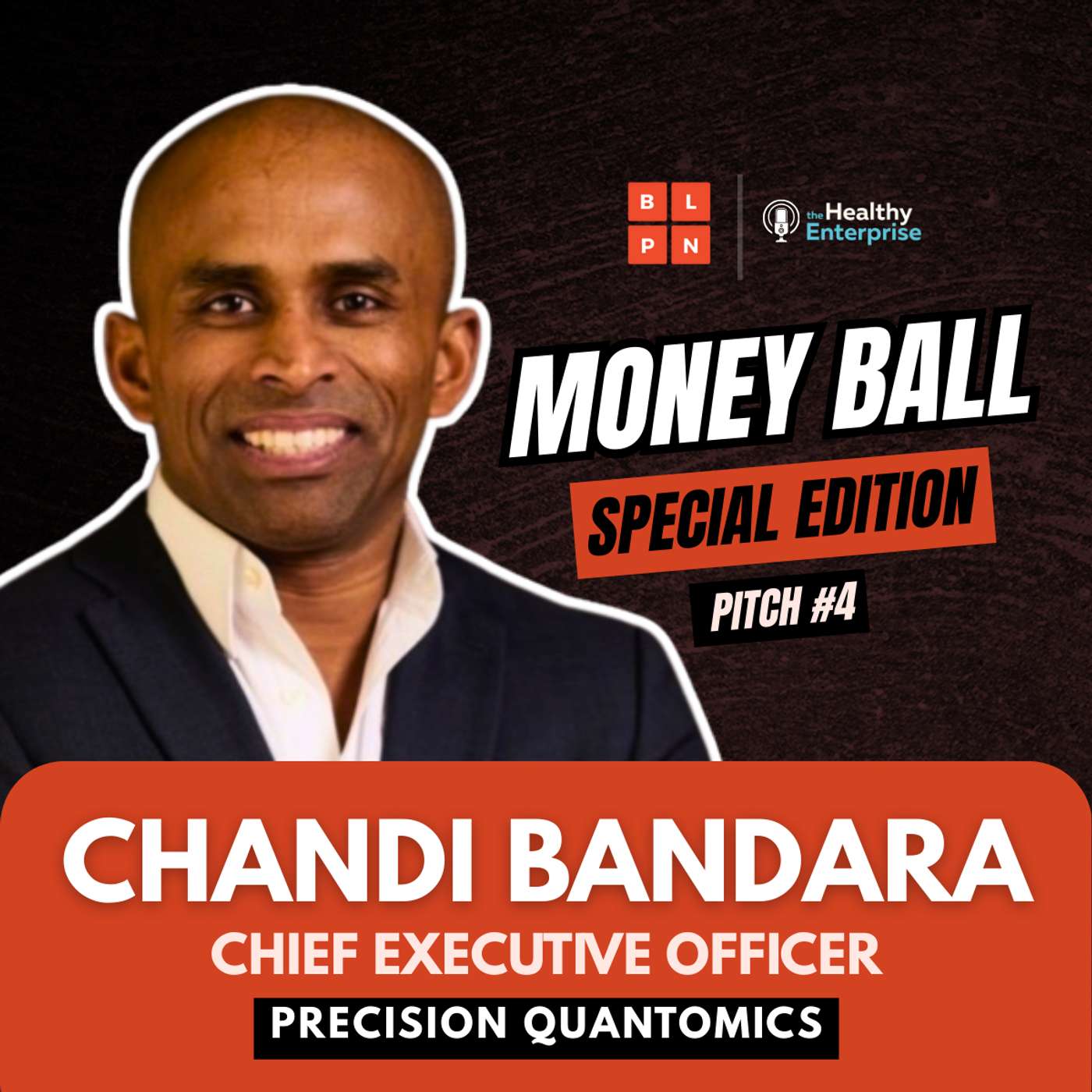
This episode is part of a limited series called Money Ball in conjunction with the BLPN Club . BLPN's Money Ball program helps founders step up to the plate and knock fundraising out of the park. You'll hear about the people, their ventures, and their pitch-making experiences.In this episode of The Healthy Enterprise, host Heath Fletcher speaks with Chandi Bandara, CEO of Precision Quantomics, about the challenges and innovations in drug development. They discuss the inefficiencies in the pharmaceutical industry, the importance of effective pitching to investors, and the insights gained from the Money Ball program. Chandi shares his journey from a molecular biologist to a CEO, the lessons learned in storytelling for pitches, and the significance of feedback in refining business strategies. The conversation emphasizes the need for entrepreneurs to seek guidance and input from experienced peers in their journey.Chapters:00:00 Introduction to The Healthy Enterprise and Money Ball Series00:39 Chandi Bandara: CEO of Precision Quantomics02:04 Innovative Solutions in Drug Development03:49 Company Progress and Market Presence05:07 Chandi's Journey to Precision Quantomics06:26 The Art of Pitching to Investors09:00 Crafting the Perfect Pitch Story11:28 Refining the Pitch with Money Ball Program13:30 Learning from Investor Feedback15:22 Common Mistakes in Pitching18:17 Unique Perspective as a Non-Founder CEO20:03 Impact of Money Ball Program on Pitching22:28 Advice for Aspiring Entrepreneurs25:54 Conclusion and Future AspirationsGuest Information:Guest's Name: Chandi BandaraGuest's Title/Position: Chief Executive OfficerGuest's Linkedin: https://www.linkedin.com/in/cabandara/Company / Affiliation: Precision Quantomics https://precisionquantomics.com/Guest's Bio: Chandima Bandara is CEO of Precision Quantomics, where he leads the company’s mission to transform drug development through high-precision proteomics. With more than 20 years of experience across biotechnology, contract research, business development, and large-scale operations, he brings a unique blend of scientific expertise and operational leadership to the biotech industry.He began his career in R&D before scaling growth at a leading CRO and later managing world-class logistics operations at Amazon. Over the past six years, he has focused on commercializing scientific innovation through life sciences startups. At Precision Quantomics, he is building a comprehensive proteomics database, LC-MS kit portfolio, and testing-as-a-service platform to accelerate pharmaceutical R&D and reduce costs. Chandima also serves on the Board of Trustees for the Health Sciences & Services Authority of Spokane County and contributes to national initiatives advancing regulatory science and New Approach Methodologies.Takeaways:Precision Quantomics addresses inefficiencies in drug development.90% of drugs fail to reach the market due to outdated models.Chandi Bandara transitioned from science to business development.Effective pitching requires understanding the audience's perspective.The Money Ball program helped refine Chandi's pitch.Investors need to hear the problem and solution quickly.Iterating on the pitch deck is crucial for success.Feedback from investors is invaluable for improvement.Every entrepreneur's journey is unique and requires tailored advice.Building a supportive ecosystem is essential for startup growth.

This episode is part of a limited series called Money Ball in conjunction with the BLPN Club. BLPN's Money Ball program helps founders step up to the plate and knock fundraising out of the park. You'll hear about the people, their ventures, and their pitch-making experiences.In this episode of The Healthy Enterprise, host Heath Fletcher interviews Doug Cohen, the Co-Founder and CEO of IR Medtek, about his journey in developing a groundbreaking technology for cancer detection. Doug shares his unique background in mechanical engineering and how it led him to identify a significant gap in the healthcare market, particularly in skin cancer detection. The conversation delves into the development process of their innovative device, the challenges faced, and the importance of refining their pitch to investors through the Money Ball program. Doug emphasizes the value of collaboration, confidence in their technology, and the potential impact on patient care.Chapters:00:00 Introduction to Money Ball and IR Medtek01:14 Doug's Unique Background and Journey02:27 Identifying the Gap in Cancer Detection05:51 The Development Journey of the Technology07:41 Current Progress and Future Steps08:39 Understanding the Device and Its Functionality10:58 Enhancing Primary Care with Technology13:25 Investor Response and Presentation Experience14:34 Refining the Pitch through Money Ball18:32 Public Speaking and CEO Responsibilities21:12 The Advantage of an Engineering Background24:11 Reflections on the Money Ball ExperienceGuest Information:Guest's Name: Doug CohenGuest's Title/Position: Chief Executive OfficerGuest's Linkedin: https://www.linkedin.com/in/doug-cohen-64761410/Company / Affiliation: IR Medtek https://www.irmedtek.com/Guest's Bio: Doug Cohen is IR Medtek's Co-Founder and CEO and has over 20 years of experience in manufacturing equipment, product design, global sourcing, and logistics. Doug is a graduate of MIT in mechanical engineering and has experience as both an owner and investor in start-ups. He owns a number of technology patents and serves on the board of the public company Organovo.Takeaways:Doug's background in mechanical engineering shaped his approach to IR Medtek.The technology developed can differentiate tumor from non-tumor tissue.Skin cancer detection is a significant market opportunity.The device provides real-time feedback to primary care doctors.Investor confidence is crucial for the success of startups.Refining the pitch can significantly improve investor engagement.Public speaking skills are essential for CEOs in fundraising.Collaboration with experts enhances the team's capabilities.The Money Ball program provided valuable networking opportunities.The technology has the potential to improve patient outcomes significantly.The Healthy Enterprise Podcast is produced by Bullzeye Global Growth Partners https://bullzeyeglobal.com/

This episode is part of a limited series called Money Ball in conjunction with the BLPN Club . BLPN's Money Ball program helps founders step up to the plate and knock fundraising out of the park. You'll hear about the people, their ventures, and their pitch-making experiences.In this episode, Rob Boyce, CEO of Plakous Therapeutics, discusses the company's mission to develop regenerative medicine solutions for necrotizing enterocolitis (NEC), a devastating disease affecting premature infants. He shares insights into the challenges of developing treatments for this vulnerable population, the importance of funding, and the role of networking in the biotech industry. Rob also highlights a case study of a patient named Laurel, illustrating the potential impact of their product on improving outcomes for babies at risk of NEC.Chapters:00:00 Introduction to Plakous Therapeutics01:08 Understanding Necrotizing Enterocolitis (NEC)04:23 The Genesis of Plakous Therapeutics06:24 Innovative Approach to Treatment09:27 Real-Life Impact: Case Study of Laurel13:32 Navigating the Funding Landscape16:06 Refining the Pitch Process22:05 Challenges in the Current Investment Climate25:11 Current Stage and Future PlansGuest Information:Guest's Name: Robert BoyceGuest's Title/Position: Chief Executive OfficerGuest's Linkedin:https://www.linkedin.com/in/robertwboyce/Company / Affiliation: Plakous Therapeutics https://www.plakoustherapeutics.com/Guest's Bio: Rob Boyce is the CEO of Plakous Therapeutics, Rob has been working in healthcare and life sciences throughout his career. He has been part of several start-up companies. Prior to Plakous Rob was at Imago Systems, Inc., a software as a service medical diagnostic company seeking to redefine the medical imaging. He started his business career at Johnson & Johnson, marketing the Tylenol Brand. While at J&J he led worldwide Sales and Marketing for Independence Technology, a Johnson & Johnson company specializing in state-of-the-art rehabilitation technology. Rob launched his career as a naval flight officer in the Navy’s E-2C Hawkeye.Takeaways:Rob Boyce is the CEO of Plakous Therapeutics, focusing on regenerative medicine.Necrotizing enterocolitis (NEC) is a severe condition affecting premature infants.The last FDA-approved medicine for NICU babies was in 1991.Plakous's product mimics amniotic fluid to support GI tract development.Laurel's case illustrates the challenges faced by NEC patients.Funding for pediatric biotech is particularly challenging.Networking and preparation are crucial for successful investor pitches.Understanding the audience is key to effective presentations.Regulatory pathways for pediatric treatments are complex and uncertain.Plakous aims to raise $8 million for further development.The Healthy Enterprise Podcast is produced by Bullzeye Global Growth Partners https://bullzeyeglobal.com/
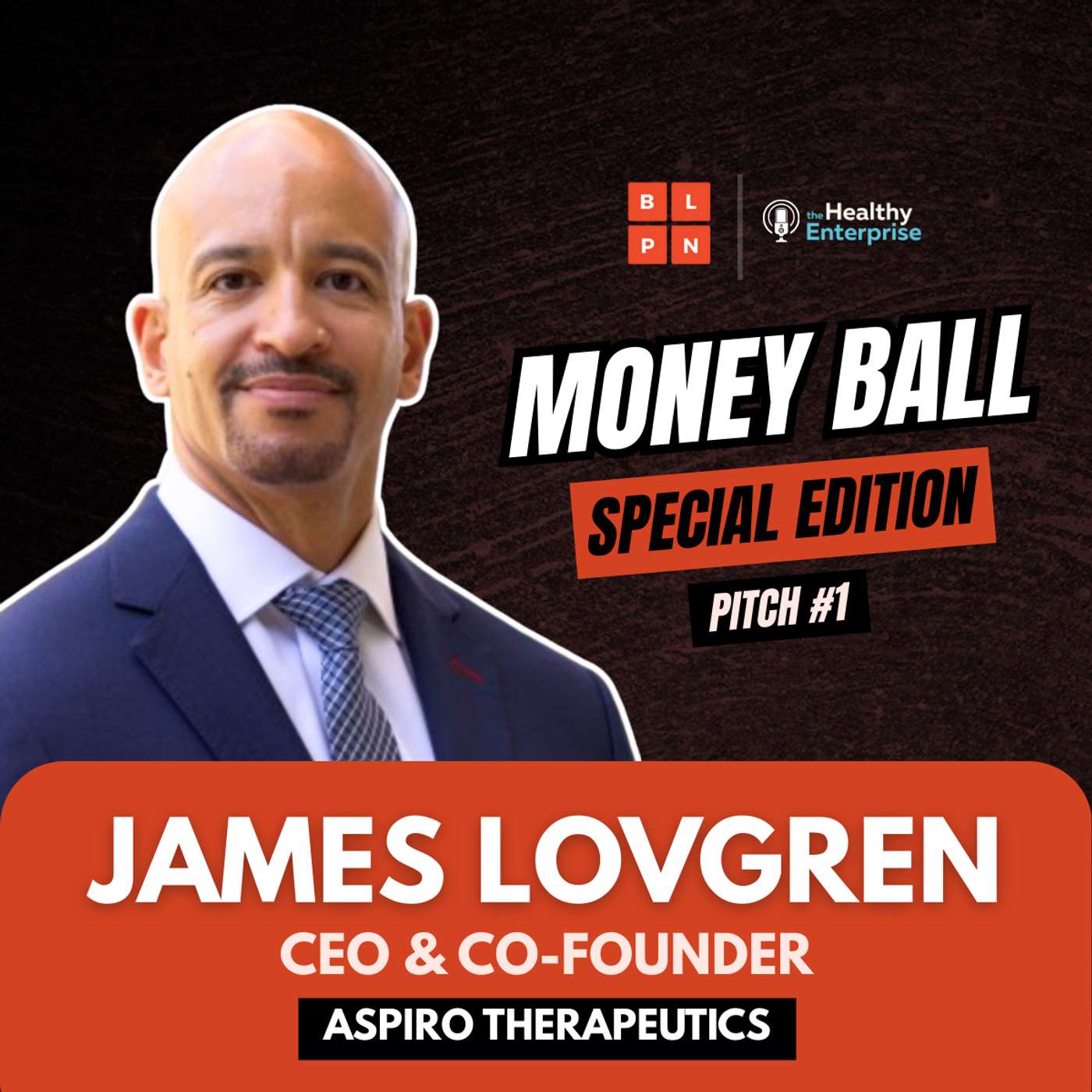
This episode is part of a limited series called Money Ball in conjunction with the BLPN Club . BLPN's Money Ball program helps founders step up to the plate and knock fundraising out of the park. You'll hear about the people, their ventures, and their pitch-making experiences.In this conversation, James Lovgren shares his insights on the funding process for biotech startups, emphasizing the importance of team expertise, the art of pitching, and the need to balance scientific detail with storytelling. He discusses the iterative nature of pitching, the significance of understanding investor expectations, and the value of targeting the right investors to enhance the chances of success. James reflects on his experiences in the Money Ball program, highlighting the lessons learned and the importance of adaptability in investor conversations.Chapters:00:00 Introduction to Money Ball and Aspiro Therapeutics01:13 Understanding Obstructive Lung Diseases02:59 Innovative Solutions in Lung Disease Treatment05:04 The Journey of Aspiro Therapeutics07:05 The Importance of Team Dynamics09:09 Mastering the Pitch Process10:50 Evolving the Pitch: Lessons Learned12:58 Investor Engagement and Feedback14:56 Navigating Investor Relationships17:09 Refining the Pitch Through Iteration19:01 The Role of Investor Fit21:07 Future Directions for Aspiro TherapeuticsGuest Information:Guest's Name: James LovgrenGuest's Title/Position: CEO & Co-FounderGuest's Linkedin: https://www.linkedin.com/in/jameslovgren/Company / Affiliation: Aspiro Therapeutics https://aspirotx.com/Guest's Bio: As the CEO of Aspiro Therapeutics, James Lovgren leads the company’s mission to revolutionize the treatment of obstructive lung diseases with innovative CC16-inspired therapies.James is an accomplished life science executive with a distinguished track record of commercializing disruptive technologies and managing global product portfolios exceeding $250 million. His extensive background spans startups, growth-stage companies, and Fortune 150 biotechnology firms, where he has successfully brought a wide range of products, services, and reagents to market in the pharmaceutical, diagnostics, and life science sectors.James’ strategic insight and operational expertise are instrumental in guiding Aspiro Therapeutics through its preclinical development stage and beyond.Takeaways:Investors prioritize team expertise in funding decisions.The pitching process requires practice and iteration.Balancing scientific detail with storytelling is crucial.Understanding investor backgrounds can shape the pitch.Feedback from peers can refine the pitch effectively.High-level narratives often resonate more than technical data.Each investor may have different areas of interest.Flexibility in presentation can lead to better engagement.Building a targeted investor list saves time and effort.Long-term relationships with investors are essential for success.The Healthy Enterprise Podcast is produced by Bullzeye Global Growth Partners https://bullzeyeglobal.com/
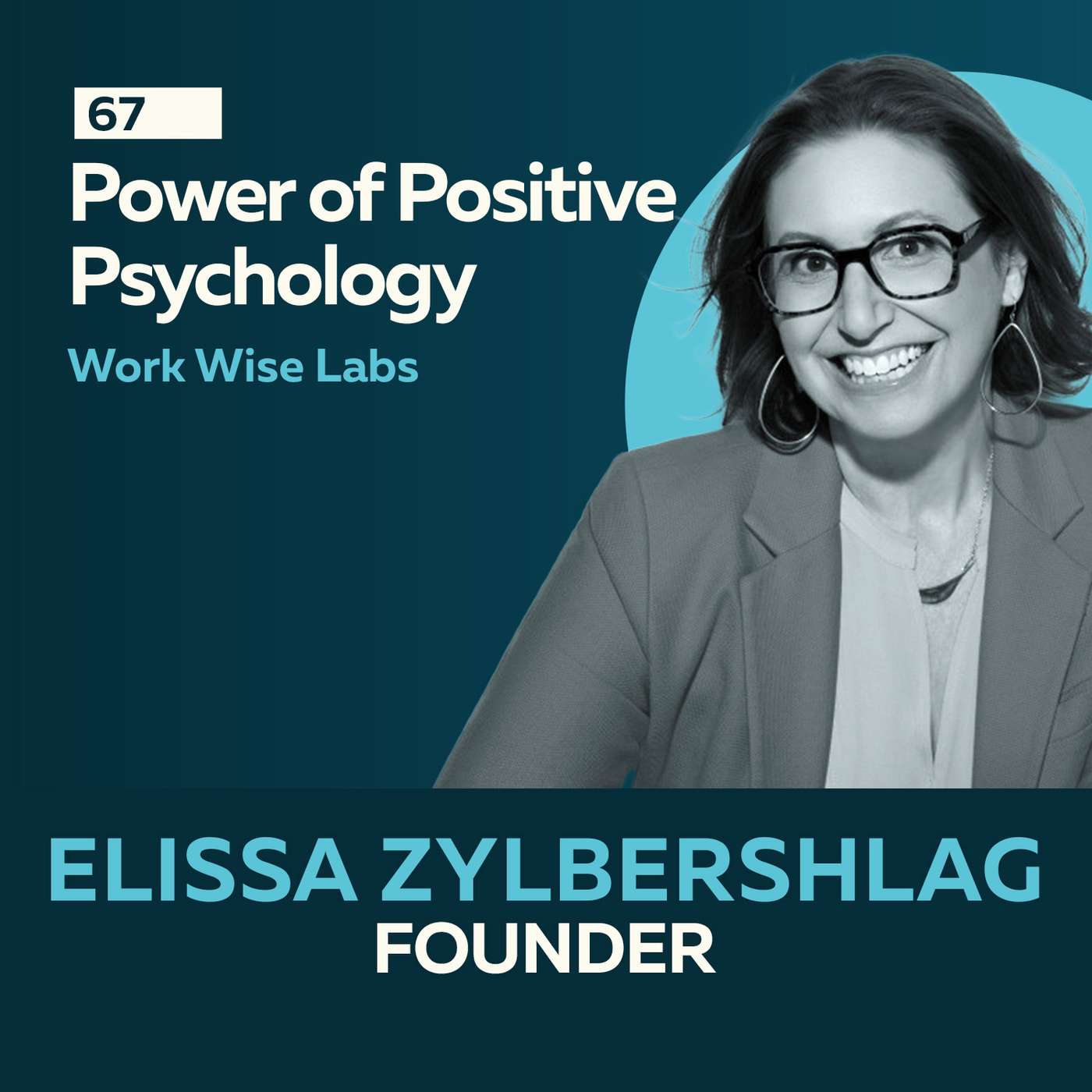
In this episode of the Healthy Enterprise podcast, host Heath Fletcher engages with Elissa Zylbershlag, Founder of Work Wise Labs, who specializes in proactive HR strategies and positive workplace environments. Elissa shares her journey from being an anti-bias educator to establishing her own business, emphasizing the importance of fostering a positive work culture. She explains the concept of anti-bias education, which aims to create a more just and equitable world, and how it connects to workplace dynamics. Alissa also introduces the principles of positive psychology, highlighting how focusing on strengths rather than weaknesses can lead to a more fulfilling and productive work life.Chapters:00:00 Introduction to Elissa Zylbershlag and Work Wise Labs01:23 Understanding Anti-Bias Education07:06 The Shift to Positive Psychology13:52 Work Wise Labs: Services and Offerings20:41 The Journey to Entrepreneurship22:10 Challenges Faced by Leaders Today26:27 The Role of Coaching in Personal Development27:15 The Dynamics of Coaching Relationships29:29 Prioritizing Personal Needs in Leadership30:56 The Importance of Self-Awareness33:20 Understanding Perceptions: The Portrait Analogy39:20 The One, Two, Three Theory of Feedback42:15 Embracing Growth and New Opportunities44:13 Networking and Building Connections46:19 Transforming Conflict into ConnectionGuest Information:Guest's Name: Elissa ZylbershlagGuest's Title/Position: FounderGuest's Linkedin: https://www.linkedin.com/in/elissazylbershlag/Company / Affiliation: Work Wise Labs https://www.workwiselabs.com/Guest's Bio: Elissa Zylbershlag, M.Ed. is the Founder of Work Wise Labs and a leadership development and team-building professional who helps nonprofits, universities, and small organizations create healthier, more connected workplaces. Through proactive coaching, interactive workshops, and culture-focused training, she works 1:1 with leaders and facilitates engaging group sessions that strengthen communication, trust, confidence, and collaboration—always with a focus on making work both productive and enjoyable. Through Work Wise Labs, Elissa equips organizations with practical tools to build supportive, mission-aligned cultures where people actually want to show up for work.Takeaways:Different does not mean bad.Focusing on strengths makes you happier and makes your life more meaningful.Coaching is about possibility, what's possible, and it's about action plan.The workplace is a hotbed of bias and discrimination.Positive psychology looks at what's right with people, not what's wrong.Coaching relationships can last from months to decades, depending on individual needs.Self-awareness is crucial in leadership; it's about understanding how others perceive you.Feedback from multiple sources can reveal patterns in behavior and perceptions.Addressing conflict can improve relationships 75% of the time when done correctly.Prioritizing your own needs is essential before helping others.The Healthy Enterprise Podcast is produced by Bullzeye Global Growth Partners https://bullzeyeglobal.com/
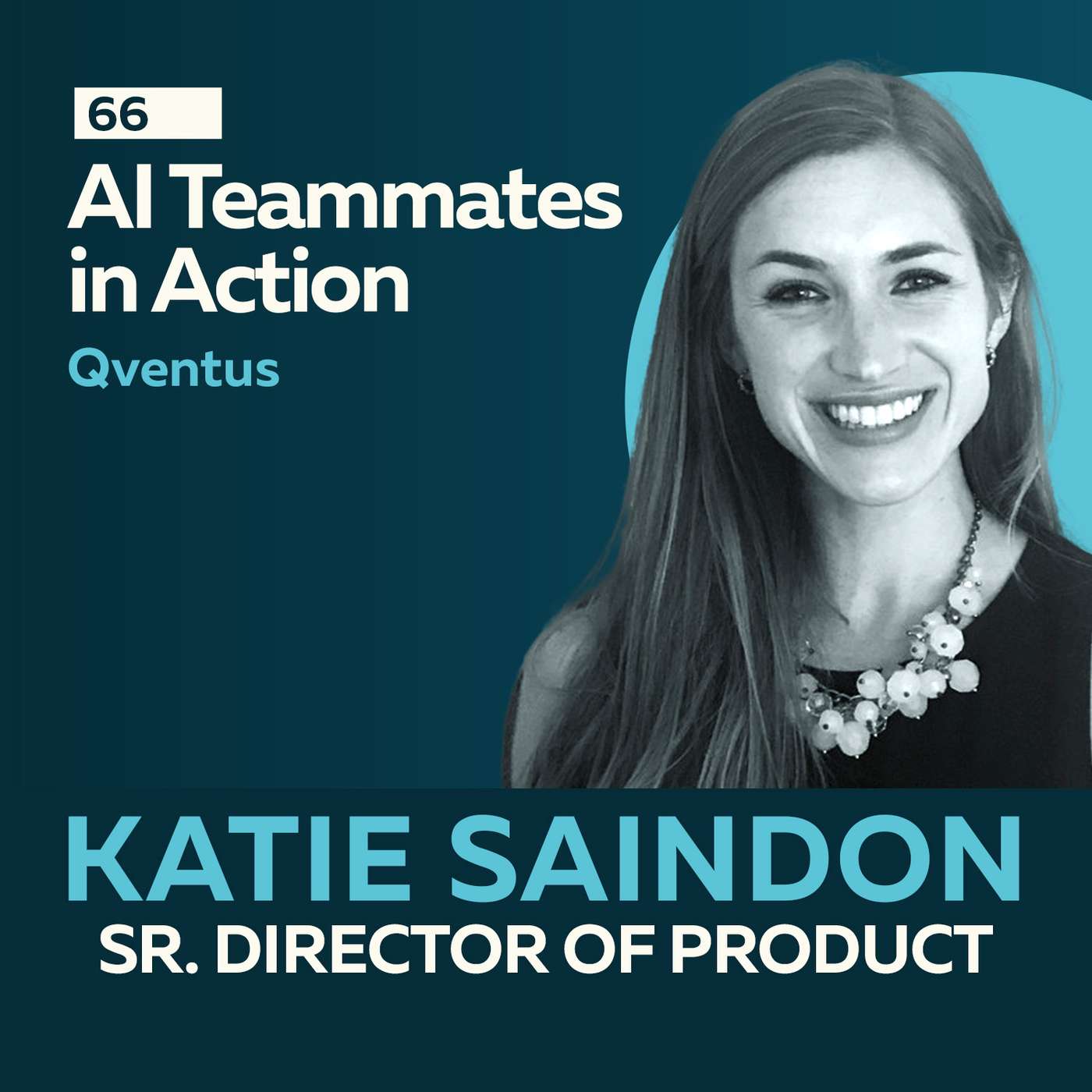
In this episode, Katie Saindon, Senior Director of Product at Qventus, discusses her journey in product management and the innovative solutions Qventus provides to healthcare systems. The conversation covers the challenges faced by health systems, the role of AI in automating care operations, and the importance of seamless integration with existing workflows. Katie shares insights on the impact their platform can make on patient discharge processes and surgical operations. The discussion highlights the collaborative approach they take with clients to develop tailored solutions that enhance patient care and operational efficiency.Chapters:00:00 Introduction to Katie Saindon and Qventus02:53 Katie's Journey into Product Management05:45 Understanding Qventus and Its Solutions09:01 The Impact of Qventus on Patient Discharge12:00 AI as a Teammate in Healthcare15:09 Optimizing Surgical Operations with Qventus17:51 Integration Challenges and Solutions21:05 Growth and Funding Stages of Qventus24:09 Competitive Landscape and Client Partnerships26:59 Innovative Solutions and Case Studies30:08 Marketing and Outreach Strategies32:55 Future of Qventus and Healthcare TechnologyGuest Information:Guest's Name: Katie SaindonGuest's Title/Position: Senior Director of Product ManagementGuest's Linkedin: https://www.linkedin.com/in/katie-saindon/Company / Affiliation: Qventus https://www.qventus.com/Guest's Bio: Katie Saindon is Senior Director of Product Management at Qventus, where she leads product strategy and execution for AI-driven healthcare solutions. An intrinsically motivated and passionate product leader, Katie brings global experience driving vision, roadmap, and delivery to generate revenue and elevate customer satisfaction. She’s known for balancing short- and long-term priorities with radical clarity—keeping outcomes front and center to deliver meaningful value for both customers and the business.Takeaways:Katie Saindon is the Senior Director of Product at Qventus.Qventus automates care operations across the entire patient journey.The company helps alleviate administrative burdens on healthcare staff.AI is positioned as a teammate to support healthcare professionals.Qventus aims to optimize patient discharge processes.The integration of Qventus solutions with existing EHR systems is crucial.The company is in a Series D funding stage, indicating rapid growth.Client partnerships are key to developing innovative solutions.Qventus has seen significant reductions in patient wait times and denials.The future of healthcare technology is focused on collaboration and integration.The Healthy Enterprise Podcast is produced by Bullzeye Global Growth Partners https://bullzeyeglobal.com/
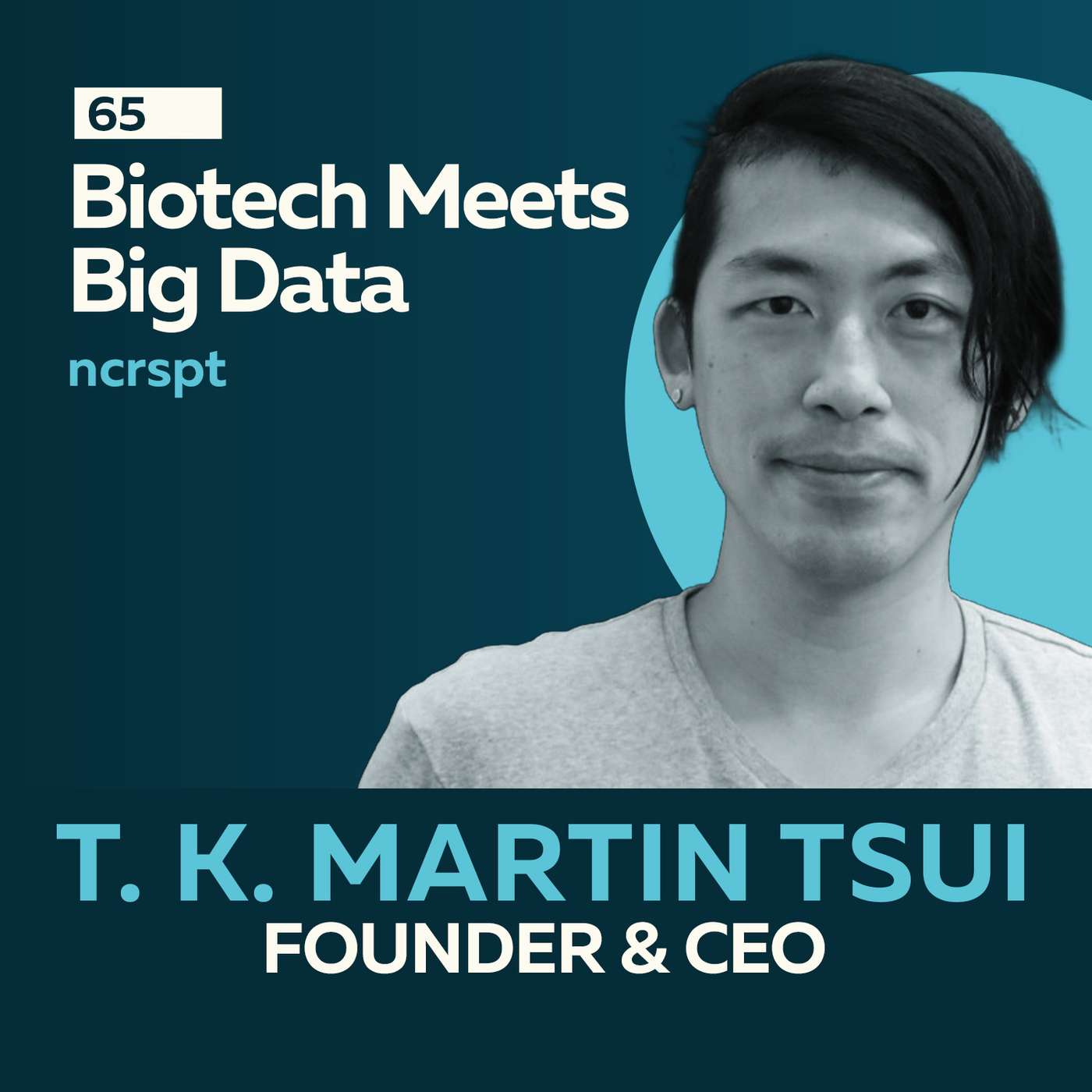
In this episode of The Healthy Enterprise, guest Martin Tsui shares his journey from scientist to entrepreneur and the founding of his biotech startup, ncrspt. The conversation explores how CRISPR technology can be used for DNA-based data storage, offering a radically new approach to long-term, secure data preservation. Tsui breaks down the science behind CRISPR in accessible terms, discusses the fundraising challenges faced by deep-tech biotech startups, and highlights potential applications of DNA data storage—particularly in healthcare. The episode also examines the growing role of AI in data management, the future of data preservation, and why biological systems may hold the key to storing information at unprecedented scale and durability.Chapters:00:00 Introduction to Martin Tsui and ncrspt02:52 Martin's Journey in Science and Technology05:59 The Birth of ncrspt08:48 Understanding CRISPR Technology12:03 Current Stage of ncrspt and Challenges15:01 Innovative Data Storage Solutions18:02 The Science Behind DNA Data Storage20:56 Applications of DNA Data Storage23:51 Navigating the Investment Landscape27:04 Future Prospects and Applications of ncrspt29:57 The Challenges of DNA Data Storage32:56 The Process of Storing Data in DNA36:54 The Future of Data Centers38:00 Applications in Healthcare and Beyond40:32 The Role of AI in Data Storage42:24 Innovative Data Transfer Methods45:03 The Future of Data Preservation48:40 The Vision for Data Storage TechnologyGuest Information:Guest's Name: Martin TsuiGuest's Title/Position: Founder & CEOGuest's Linkedin: https://www.linkedin.com/in/t-k-martin-tsui/Company / Affiliation: ncrspt https://www.ncrspt.com/Guest's Bio: T.K. Martin Tsui is the Founder & CEO of ncrspt, a biotech platform pioneering the preservation of digital data in living cells using DNA-based storage technology. Under his leadership, ncrspt is developing proprietary methods to encode any digital format into biological systems for secure, long-term archiving across industries including healthcare, government, and enterprise. Tsui has a background in structural biochemistry and CRISPR research, with a Ph.D. in Molecular Biophysics and experience applying cutting-edge molecular biology techniques to solve complex scientific challenges before turning to deep tech entrepreneurship.Takeaways:Martin Tsui is the founder and CEO of ncrspt.ncrspt focuses on using CRISPR technology for data storage.CRISPR technology has applications in genome engineering and beyond.The startup was born out of a layoff experience at Amazon.Investors are often hesitant to fund biotech startups due to perceived risks.DNA can store vast amounts of data in a small volume.The density of DNA data storage is significantly higher than traditional methods.ncrspt aims to keep data for decades or centuries.The company is currently in the process of fundraising and developing prototypes.Understanding the science behind CRISPR is crucial for its applications. The technology requires cutting DNA into smaller pieces for storage.Quality control is essential in the DNA data storage process.Storing data in DNA can provide a secure backup solution.The process involves converting files into DNA sequences.Genome engineering tools like CRISPR are used in data insertion.Data can be preserved for long periods using biological methods.AI currently cannot access data stored in DNA.Innovative methods for data transfer can include space travel.The technology has potential applications in healthcare and national security.Raising awareness about DNA data storage is crucial for its adoption.The Healthy Enterprise Podcast is produced by Bullzeye Global Growth Partners https://bullzeyeglobal.com/
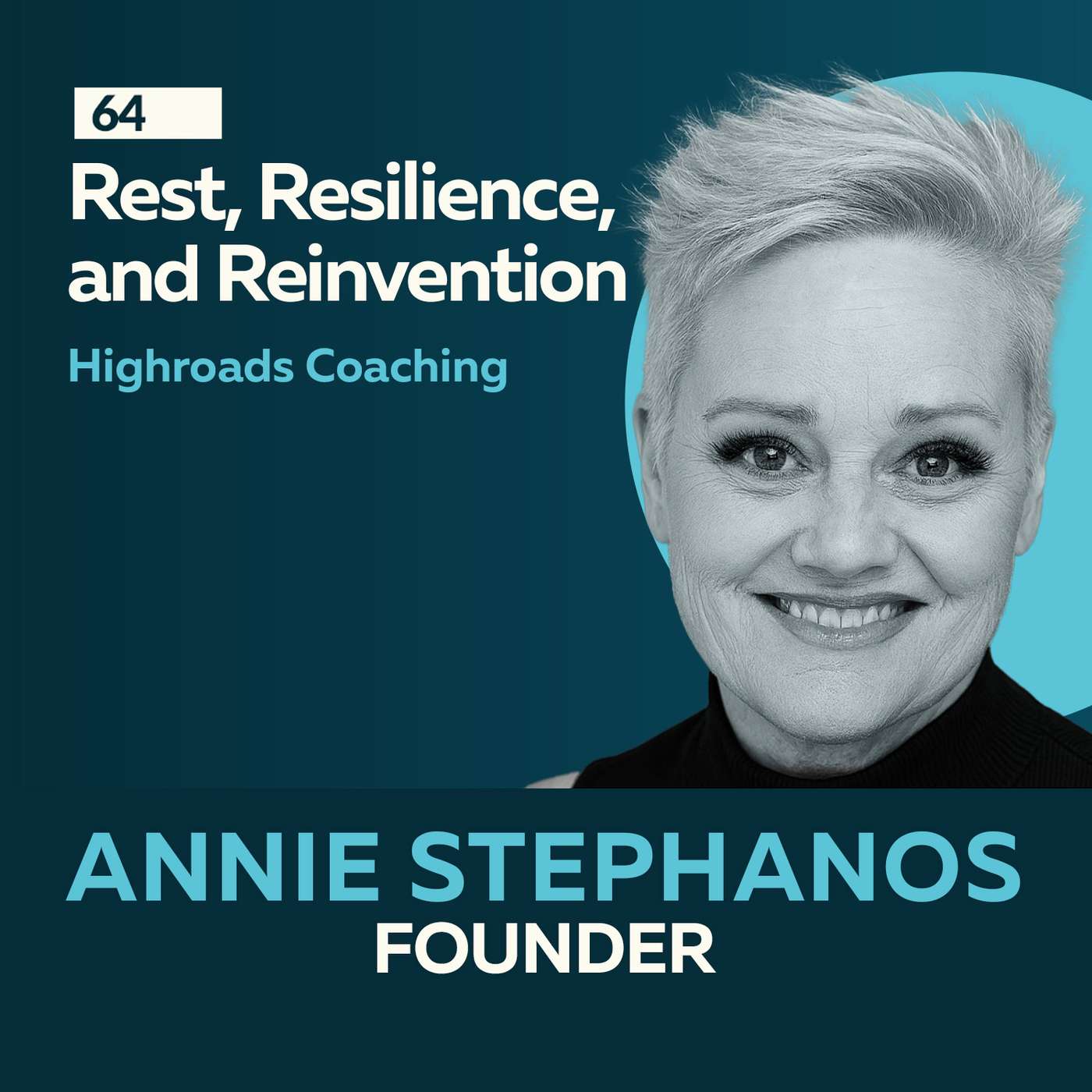
In this episode of The Healthy Enterprise, Annie Stephanos shares her journey from burnout to becoming a certified life, mental health, and wellness coach. She discusses the realities of burnout, the difference between coaching and therapy, and how women can build sustainable routines, set healthy boundaries, and prioritize self-care. Annie also reflects on her entrepreneurial path with Highroads Coaching and offers practical tools for creating meaningful, lasting change.Chapters:00:00 Introduction to Highroads Coaching02:54 The Journey to Coaching06:44 Understanding Burnout10:34 The Layers of Burnout15:31 Preventing Burnout19:18 The Importance of Rest22:01 Coaching vs. Therapy30:27 The Reward of Coaching31:52 The Importance of Coaching for Coaches34:47 Navigating the Entrepreneurial Journey39:54 Marketing Strategies in a Saturated Market44:22 Leveraging Technology and AI in Coaching49:04 Advice for Aspiring Coaches and Those Facing BurnoutGuest Information:Guest's Name: Annie StephanosGuest's Title/Position: FounderGuest's Linkedin: https://www.linkedin.com/in/highroadscoaching/Company / Affiliation: Highroads Coaching https://highroadscoaching.com/Guest's Bio: Annie Stephanos, M.Ed., CMHC, CPLC is a life, mental health, and wellness coach who helps individuals reconnect with themselves and build sustainable paths to balance and well-being. A former educational coach and Founder of Highroads Coaching, she empowers clients to recognize that the capacity for meaningful change has been within them all along. Annie brings a deep passion for guiding people toward their goals, grounded in her core values of hope, trust, and compassion, shaped by her own journey through burnout and PTSD. Takeaways:Annie Stefanos is a certified mental health and wellness coach.She helps high-achieving women recover from burnout.Burnout can stem from various sources, including workplace stress and societal pressures.Support systems are crucial for recovery from burnout.Coaching focuses on future goals, while therapy often addresses past issues.Setting healthy boundaries is essential for mental well-being.Rest is often undervalued in a productivity-driven society.Women need to be heard and supported in their struggles with burnout.Creating sustainable routines can help prevent burnout.Every client has unique needs, and coaching should be tailored to them. Never think you can do it all alone; it takes a village.Continuous learning and feedback are essential in coaching.Starting a business can be easier with the right support.Standing out in a saturated market requires a unique story.Word of mouth is the most effective marketing strategy.Coaching is a valuable investment in oneself.Don't wait for burnout to seek help; reach out early.Having a niche helps in establishing a coaching business.Coaching provides actionable tools for immediate change.You are worth investing in your mental health and well-being.The Healthy Enterprise Podcast is produced by Bullzeye Global Growth Partners https://bullzeyeglobal.com/
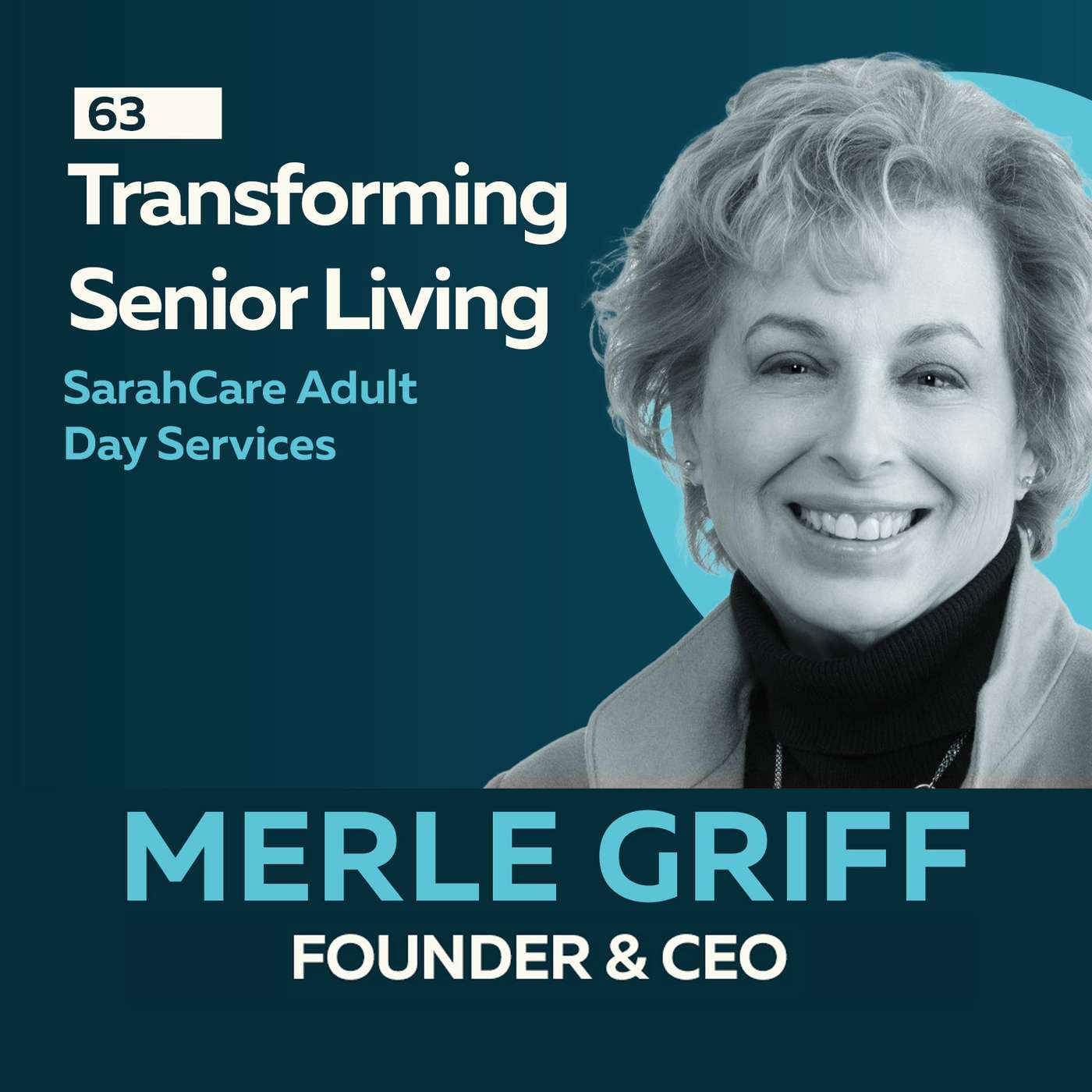
In this episode of The Healthy Enterprise Podcast, Dr. Merle Griff, Founder and CEO of SarahCare Senior Solutions, shares her journey in senior care and the evolution of adult day health services. She explores the value of intergenerational programs, lessons from caregiving during COVID-19, and the leadership challenges of scaling a franchise model. Dr. Griff also discusses restorative nursing, technology-enabled care, regulatory realities, and insights from her book Solace in the Storm, offering practical guidance for family caregivers.Chapters:00:00 Introduction to Senior Care Solutions01:47 The Journey of a Caregiver04:50 Changing Perspectives on Senior Care06:55 The Impact of COVID-19 on Caregiving10:27 Intergenerational Connections in Care16:01 Franchising Senior Care Services24:41 Evolving Leadership in Senior Care27:05 Restorative Nursing and Its Impact28:46 Franchise Model and Business Philosophy30:42 Community and Support Among Franchisees32:15 Innovation and Technology in Care34:40 Growth and Expansion Plans37:39 Attracting Franchisees and Market Viability40:15 Navigating Regulations and Technology Challenges42:11 Advice for Aspiring Franchisees45:49 Introduction to 'Solace in the Storm' Book49:55 Closing Thoughts and ResourcesGuest Information:Guest's Name: Merle Griff Guest's Title/Position: Founder & CEO Guest's Linkedin: https://www.linkedin.com/in/drmerlegriff/Company / Affiliation: SarahCare Senior Solutions https://sarahcare.com/ Guest's Bio: Merle D. Griff, Ph.D. is the Founder & CEO of SarahCare and one of the leading authorities on senior care in the United States. She has served in national leadership roles including Past Chair of the National Adult Day Services Association (NADSA), member of CARF’s International Advisory Board, and as a federal task force contributor to the U.S. Department of Aging. A former play therapist, Dr. Griff developed widely adopted Family Play Therapy and Intergenerational Play Therapy models and is the author of Linkages, along with numerous scholarly publications. She also hosts the podcast Caught Between Generations, focused on the challenges facing caregivers in the sandwich generation.Takeaways:Dr. Merle Griff emphasizes the importance of community in senior care.Caregiving experience provides valuable insights into the needs of seniors.COVID-19 has shifted perceptions about home-based care.Intergenerational programs foster relationships between seniors and children.Franchising allows for the expansion of high-quality senior care services.Staffing in adult day care is often easier than in nursing homes.Caregivers need respite to maintain their health and well-being.Engagement in activities significantly improves seniors' quality of life.The role of family caregivers is evolving with younger generations taking charge.Building relationships with families enhances the caregiving experience. Restorative nursing helps patients make progress at a slower rate.The franchise model allows for high standards of care across multiple locations.Franchisees benefit from a supportive community and shared experiences.Technology plays a crucial role in modernizing care practices.Growth in adult day health is expected as demand increases post-COVID.Studio 55 caters to active seniors needing social engagement.Franchisees are attracted through online portals and demographic analysis.Navigating state regulations is essential for successful expansion.Financial literacy is critical for franchisee success.'Solace in the Storm' provides practical tips for family caregivers.The Healthy Enterprise Podcast is produced by Bullzeye Global Growth Partners https://bullzeyeglobal.com/
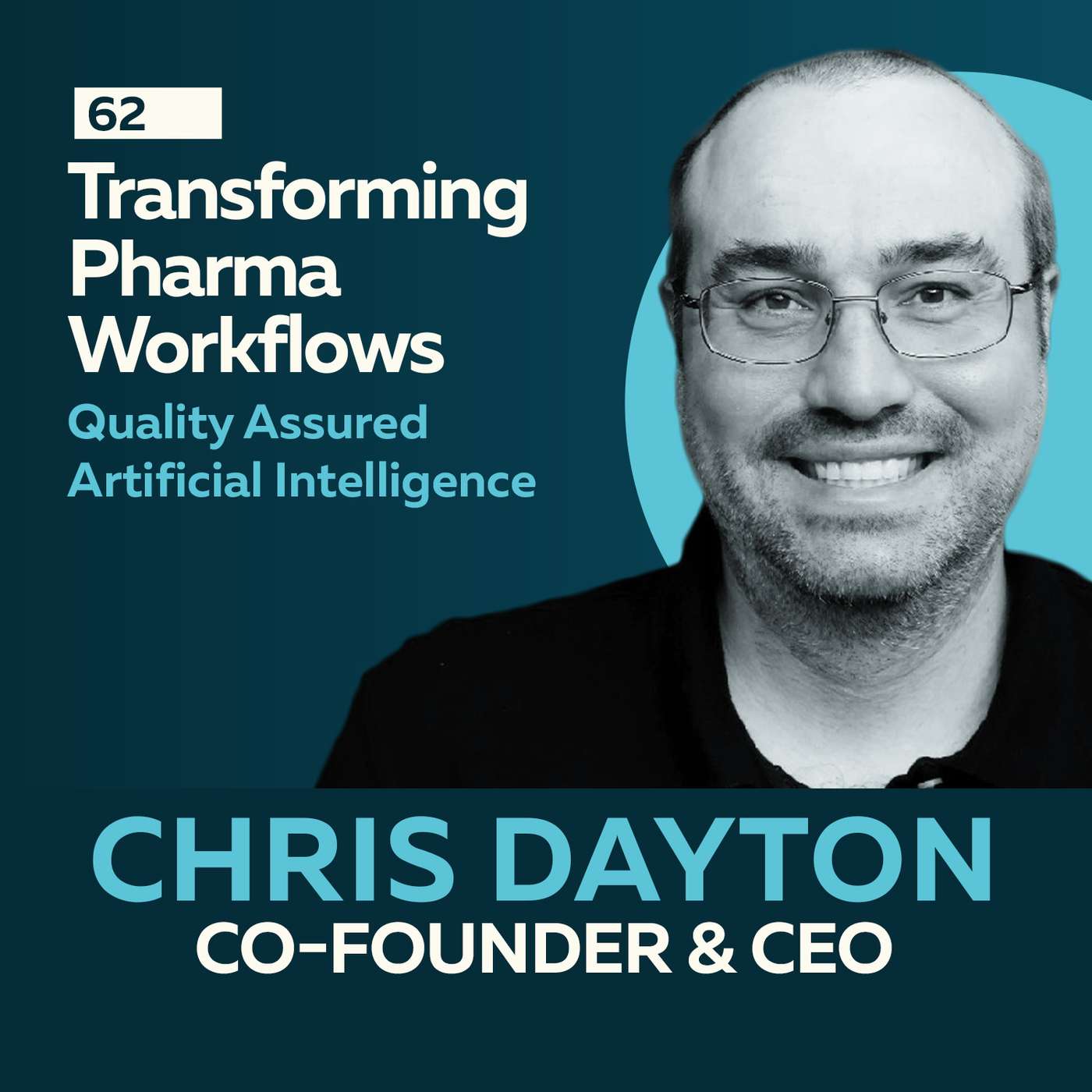
Chris Dayton, Co-Founder & CEO of Quality Assured AI, explores how AI is being responsibly integrated into the pharmaceutical industry, with a focus on quality management, regulatory compliance, and data security. He discusses the use of closed systems and air-gapped architectures to protect sensitive data, the challenges of deploying AI in regulated environments, and the importance of mitigating hallucinations in AI models. Chris also shares lessons from launching and scaling the platform, transitioning into the CEO role, and building AI literacy within organizations—highlighting how thoughtful AI adoption can drive innovation while reducing operational strain and burnout.Chapters:00:00 Introduction to Quality Assured AI02:51 The Role of AI in Pharmaceuticals06:02 Understanding AI Implementation Challenges09:04 The Importance of Data Security11:50 Navigating Regulatory Compliance15:00 The Evolution of AI in Quality Management17:59 The Human Element in AI Integration20:56 Client Onboarding and Customization23:49 Feedback and Market Reception26:59 Future Growth and Scalability29:50 Parting Thoughts and AdviceGuest Information:Guest's Name: Chris DaytonGuest's Title/Position: Co-Founder & CEOGuest's Linkedin: https://www.linkedin.com/in/chris-dayton-b414bb57/Company / Affiliation: Quality Assured AI https://www.qualityassured.ai/Guest's Bio: Chris Dayton is the Co-Founder and CEO of Quality Assured Ai, a company delivering closed-system, on-premise AI solutions purpose-built for pharmaceutical Quality Assurance and Quality Management. With over a decade of experience across protein, cell, and gene therapy manufacturing, he has served as a lead investigator, QMS author, and technical operations manager overseeing QDS authorship and validation approvals. Chris has designed and deployed AI/ML models that streamline deviation drafting, SOP generation, and CAPA support while maintaining strict compliance with FDA, EMA, and MHRA regulatory frameworks. He has consulted with top-25 global pharmaceutical companies on GxP-aligned AI pilots and is a recognized thought leader in AI governance for life sciences, speaking at PDA events and leading AI literacy initiatives for QA and regulatory professionals.Takeaways:Quality Assured AI focuses on the quality and regulatory side of pharmaceuticals.AI can significantly reduce the time needed for documentation in the pharmaceutical industry.Closed system deployments ensure data security and compliance with regulations.Understanding and addressing hallucinations in AI is crucial for reliability.AI should not continuously learn from user interactions in regulated environments.Effective training and onboarding are essential for successful AI integration.Feedback from users highlights the practical benefits of AI in quality management.Collaboration with consulting groups enhances scalability and deployment efficiency.AI literacy is vital for stakeholders in the pharmaceutical industry.Future growth includes expanding AI capabilities to automate more processes. The Healthy Enterprise Podcast is produced by Bullzeye Global Growth Partners https://bullzeyeglobal.com/
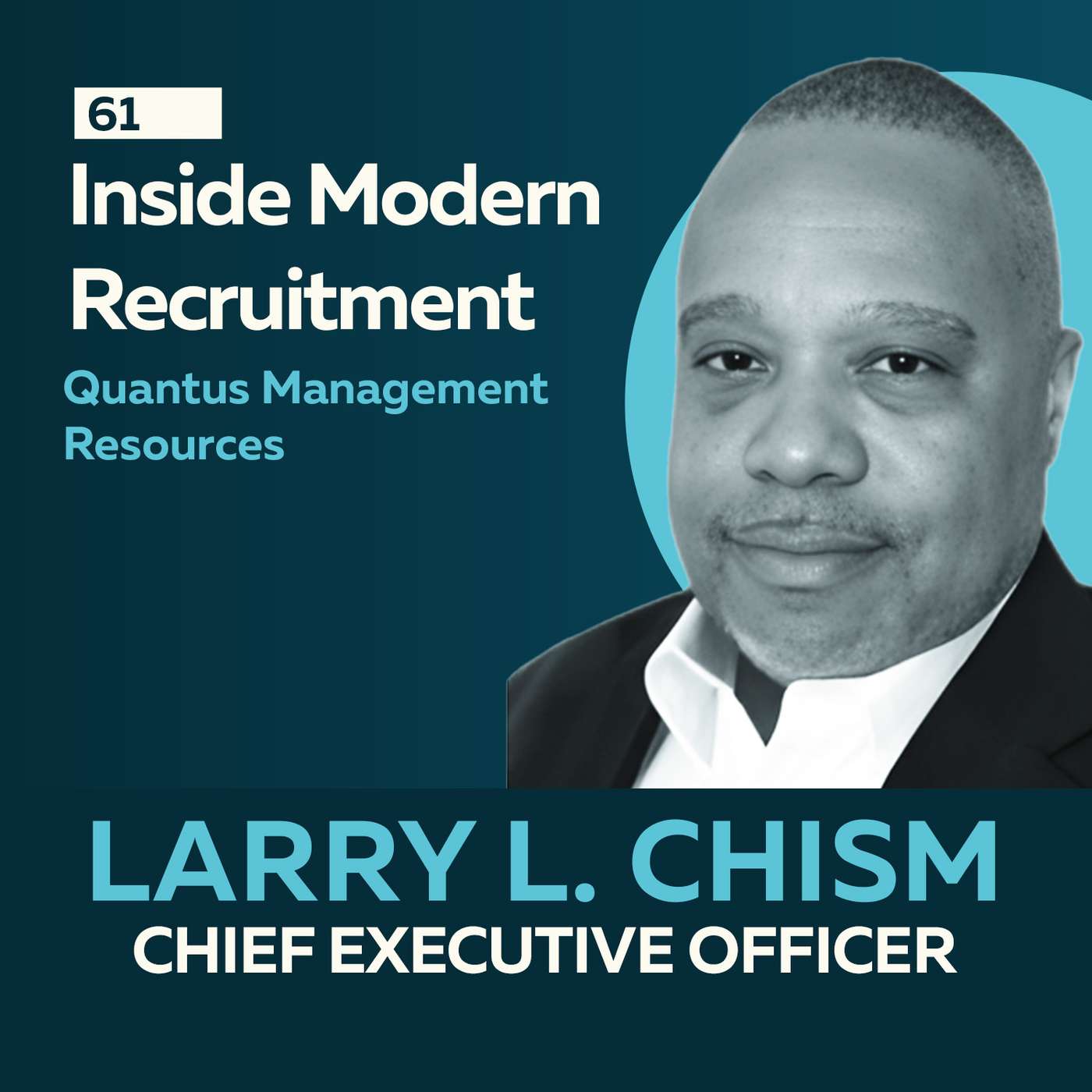
In this episode of the Helping Enterprise podcast, host Heath Fletcher speaks with Larry Chism, a seasoned talent acquisition executive, about the evolving landscape of recruitment. They discuss the impact of technology, particularly AI, on hiring processes, the importance of human connection in recruitment, and the challenges faced by both job seekers and employers in today's market. Larry shares insights on bridging the gap between retiring professionals and new graduates, as well as the unique challenges within the healthcare sector. The conversation emphasizes the need for adaptability, networking, and maintaining a positive outlook in the face of change.Chapters:00:00 Introduction to Talent Acquisition and Larry Chism04:03 The Evolution of Recruitment: Challenges and Opportunities09:09 The Role of AI in Recruitment15:14 Headhunting vs. Passive Recruitment18:34 Bridging the Gap: Workforce Attrition and New Graduates30:48 Challenges in the Healthcare Recruitment Landscape35:21 Quality of Life and the Future of WorkGuest Information:Guest's Name: Larry L. ChismGuest's Title/Position: Chief Executive Officer Guest's Linkedin: https://www.linkedin.com/in/larrylchism/Company / Affiliation: Quantus Management Resources https://www.qmrconsultants.com/Guest's Bio: Larry L. Chism is a Senior Talent Acquisition Executive and entrepreneur with 25+ years of experience in full-cycle recruiting and strategic growth talent solutions. Throughout his career, Larry has placed hundreds of high-impact professionals—from junior contributors to C-suite leaders—across startups, Fortune 100 companies, and the biopharmaceutical and life sciences sectors. Notably, he has served in talent acquisition leadership roles supporting biopharma organizations, including Talent Acquisition at Rentschler Biopharma, where he focused on sourcing exceptional scientific, technical, and commercial talent in a highly competitive market.Takeaways:Larry Chism has over 25 years of experience in recruitment.AI is significantly changing how resumes are screened.Headhunting is becoming more essential for higher-level positions.There is a notable gap between retiring professionals and new graduates.Quality of life considerations are increasingly important for job seekers.Networking and mentorship are crucial for career advancement.Internships provide valuable experience for new graduates.The reliance on technology can create challenges in recruitment.Maintaining a positive attitude is essential for job seekers.Adaptability is key in the evolving job market.The Healthy Enterprise Podcast is produced by Bullzeye Global Growth Partners https://bullzeyeglobal.com/

In this episode of the Healthy Enterprise Podcast, Georg Draude, General Manager of Chroma Technology, discusses the company's innovative work in optical filters and imaging solutions. With a background in biomedical sciences, Georg shares insights into the role of optical filters in biomedical research, advancements in microscopy technology, and the intersection of micro and macro perspectives in science. He also reflects on his transition from academia to industry, the future challenges and opportunities for Chroma, and the potential role of AI in enhancing research capabilities.Chapters:00:00 Introduction to Chroma Technology and Georg Draude05:59 The Role of Optical Filters in Biomedical Research12:00 Advancements in Microscopy and Imaging Technology18:13 The Intersection of Micro and Macro: Space and Microscopy24:04 Transitioning from Academia to Industry30:09 Future Challenges and Opportunities for Chroma Technology36:04 The Role of AI in Optical Filter Design and ResearchGuest Information:Guest's Name: Georg DraudeGuest's Title/Position: General ManagerGuest's Linkedin: https://www.linkedin.com/in/georg-draude/Company / Affiliation: Chroma Technology https://www.chroma.com/Guest's Bio: Georg Draude is a seasoned leader at the intersection of photonics, biotechnology, and advanced imaging. He currently serves as General Manager at Chroma Technology GmbH, where he has led commercial and market strategy since 2010. With a background spanning sales leadership, high-end imaging systems, and biomedical research, Georg brings a rare blend of scientific depth and market insight. He holds a doctorate in medical sciences from Ludwig-Maximilians-Universität München and has built his career translating complex technologies into real-world impact.Takeaways:Chroma Technology specializes in producing optical filters for microscopy applications.The company collaborates closely with researchers to develop specific filter sets for their experiments.Advancements in camera technology have significantly improved microscopy capabilities.There is a growing trend towards miniaturization in biomedical devices.AI can assist in analyzing large datasets generated by modern microscopy techniques.Georg's transition from academia to industry highlights the importance of networking.Effective communication is key in translating complex scientific concepts to broader audiences.Chroma's independence in the market allows for innovative and flexible solutions.The company is involved in various industries beyond biomedical research, including astronomy.Collaboration in the scientific community transcends borders and backgrounds.The Healthy Enterprise Podcast is produced by Bullzeye Global Growth Partners https://bullzeyeglobal.com/

In this episode of The Healthy Enterprise, Dr. Psyche Young, a licensed professional counselor and trauma-informed therapist, shares her path into mental health and the values that guide her work. She explores the importance of transparency in therapy, work-life balance, and an integrative model of care that honors the mind-body-spirit connection. Dr. Young also unpacks the realities of modern mental health care — from insurance challenges and the rise of telehealth to the growing role of technology and psychoeducation in prevention. The conversation offers thoughtful insight and practical advice for both clients and aspiring therapists navigating today’s mental health landscape.Chapters:00:00 Introduction to Dr. Psyche Young02:24 Journey into Mental Health03:36 Specializations in Therapy05:03 Balancing Life and Business06:10 Understanding Stress and Work-Life Balance09:02 The Importance of Transparency in Therapy10:30 Core Values and Purpose14:11 Integrative Care in Mental Health17:12 Mind-Body-Spirit Connection19:22 Building Therapeutic Relationships21:45 The Ripple Effect of Therapy23:05 Navigating Insurance and Payment Disparities24:10 The Role of Technology in Therapy25:24 The Human Element in Telehealth28:41 Expanding Reach Through Speaking Engagements33:05 Supporting Healthcare Professionals36:50 The Importance of Psychoeducation39:28 Future Projects and Growth40:41 Advice for Aspiring TherapistsGuest Information:Guest's Name: Dr. Psyche YoungGuest's Title/Position: Founder & CEOGuest's Linkedin: https://www.linkedin.com/in/psyche-young-ph-d-lpc-%F0%9F%87%B0%F0%9F%87%B3%F0%9F%87%A6%F0%9F%87%AE-82136a14/Company / Affiliation: YaH Vision Counseling & Wellness https://www.yahvisioncw.com | https://www.instagram.com/yahvisioncounseling/ | https://www.facebook.com/people/YaH-Vision-Counseling-Wellness/61556108247813/Guest's Bio: Psyche Young, Ph.D., LPC is a licensed psychotherapist, consultant, and public speaker with over a decade of clinical experience supporting individuals, couples, and families. She is the Owner and CEO of YaH Vision Counseling & Wellness LLC and Co-Founder of YaH Vision Productions, with a particular focus on marriage and family therapy and working with military families navigating complex life transitions. A recognized thought leader in mental health, Dr. Young empowers clients to overcome barriers to personal and professional growth while building emotional resilience and sustainable wellness strategies. She is an engaging speaker and trusted consultant known for blending clinical expertise with real-world application. Dr. Young is a member of the American Association for Marriage and Family Therapy (AAMFT) and the American Counseling Association (ACA) and is guided by a core belief that wellness is not a privilege — it’s a human right.Takeaways:Dr. Psyche Young has over 20 years of experience in mental health.She specializes in marriage and family therapy, particularly with military families.Work-life balance is crucial for mental health and well-being.Stress often indicates a lack of balance in life.Transparency in therapy is essential for effective treatment.Core values play a significant role in personal fulfillment.Mental health is interconnected with physical and social health.Integrative care models are becoming more common in healthcare.Building rapport with clients is vital for therapeutic success.The ripple effect of therapy can lead to healthier families and communities. Insurance disparities affect access to mental health care.Telehealth offers convenience but lacks the human touch.Healthcare professionals are increasingly prioritizing their mental health.Psychoeducation is vital for understanding mental health experiences.Proactive approaches are better than reactive ones in mental health care.The body’s chemical responses play a role in mental health.Networking is essential for growth in the mental health field.Support is available for those seeking help.Self-care is crucial for healthcare providers.Future projects can enhance community support and outreach.The Healthy Enterprise Podcast is produced by Bullzeye Global Growth Partners https://bullzeyeglobal.com/
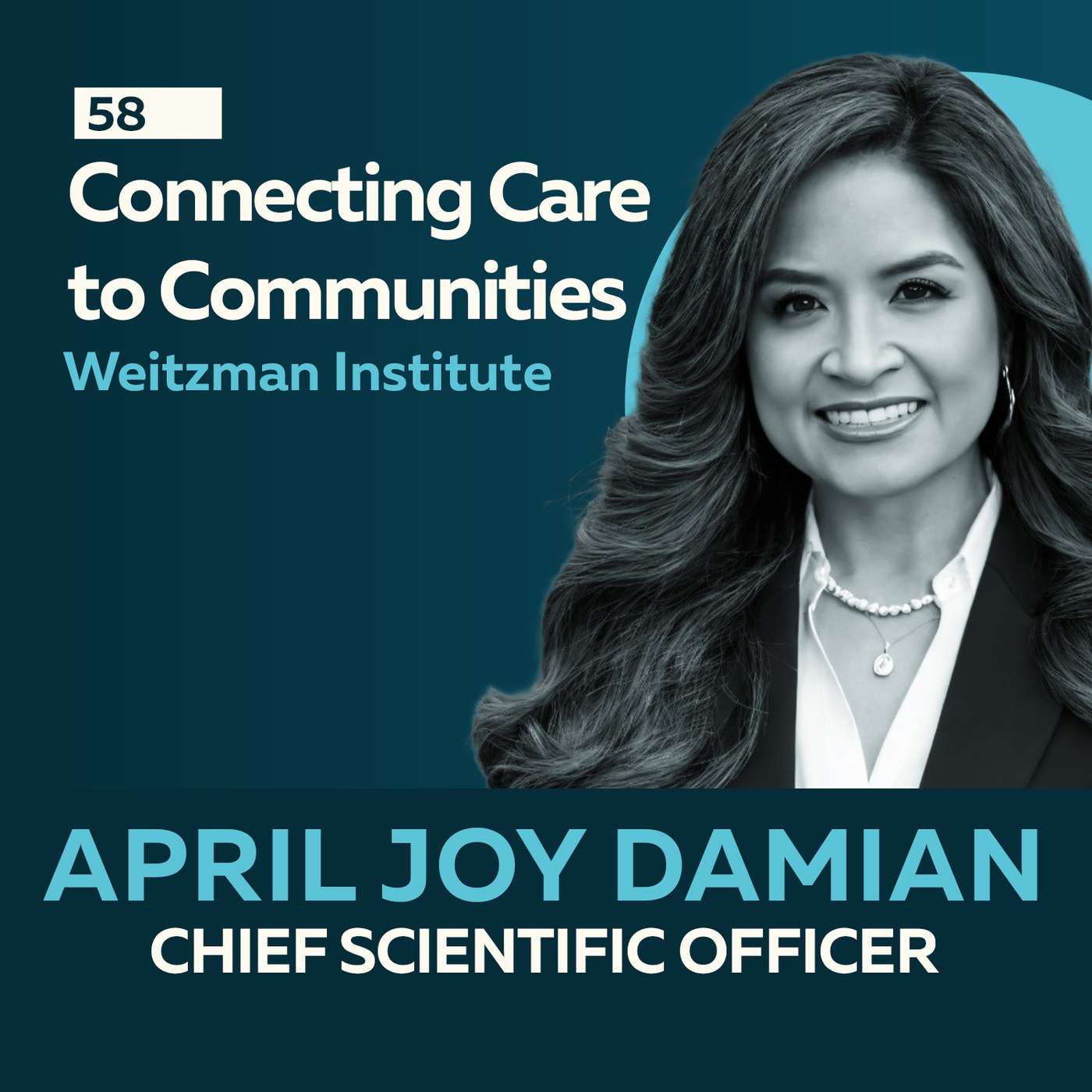
In this episode of The Healthy Enterprise, Dr. April Joy Damian, Chief Scientific Officer and Director of the Weitzman Institute, explores how health equity and social determinants of health shape the future of care for vulnerable populations. She discusses the institute’s mission across research, education, and policy, its partnerships with federally qualified health centers, and the real-world impact of community-driven programs. Dr. Damian highlights the power of storytelling in measuring outcomes, the role of coaching and leadership in building strong teams, and her vision for advancing innovation while training the next generation of healthcare leaders.Chapters:00:00 Introduction to Dr. April Joy Damian and the Weitzman Institute03:03 The Mission and Impact of the Weitzman Institute06:09 Partnerships and Community Engagement09:04 Personal Motivation and Organizational Culture12:04 Stories of Impact and Change15:00 Addressing Childhood Trauma and Community Needs18:08 Intergenerational Trauma and Community Solutions21:02 The Role of Storytelling in Healthcare23:54 The Importance of Continuous Improvement26:49 Impactful Stories in Healthcare29:25 Exponential Leadership and Team Empowerment33:54 Finding Meaning and Joy in Work36:45 The Value of Coaching in Leadership41:31 Trusting the Process and Embracing Change44:48 Innovation in Health Centers46:55 Future Growth and Training the Next GenerationGuest Information:Guest's Name: Dr. April Joy DamianGuest's Title/Position: Chief Scientific Officer and DirectorGuest's Linkedin: https://www.linkedin.com/in/apriljoydamian/Company / Affiliation: Weitzman Institute https://www.weitzmaninstitute.org/Guest's Bio: Dr. April Joy Damian is an epidemiologist and health services researcher specializing in health equity, social determinants of health, and psychiatric epidemiology. She serves as Chief Scientific Officer and Director of the Weitzman Institute, leading research, education, and policy efforts to advance quality improvement and primary care transformation for vulnerable populations. Dr. Damian is also a Senior Scholar for Health Equity at Academy Health and holds faculty appointments at Johns Hopkins Bloomberg School of Public Health and Wesleyan University. A national thought leader, she contributes to multiple advisory boards and committees, including the National Academies and NIH’s RECOVER initiative. Previously, she directed Quality Innovation at the National Quality Forum, expanding efforts around social determinants of health measurement. Dr. Damian earned her PhD from Johns Hopkins, a master’s from Harvard Medical School, and her bachelor’s degree with highest honors from UC Berkeley.Takeaways:Dr. April Joy Damian is an expert in health equity and psychiatric epidemiology.The Weitzman Institute focuses on transforming primary care for vulnerable populations.Partnerships with federally qualified health centers are crucial for community health.The mission of alleviating human suffering drives Dr. Damian's work.Stories from patients and providers highlight the impact of healthcare initiatives.Intergenerational trauma is a significant focus of their programs.Practice-based research informs the needs of the communities served.Continuous quality improvement is essential for effective healthcare delivery.The importance of emotional regulation and social skills in youth programs.Storytelling is a powerful tool for understanding healthcare impact. Stories validate and demystify what's going on out there.It's important to understand that everyone receives information differently.Exponential leadership creates a ripple effect.Finding meaning in work leads to unwavering commitment.Caring without attachment is a powerful lesson.Innovation is born when your back is against the wall.We are training the next generation of leaders.The work is more important than any individual.Everyone has a different way of absorbing information.Trusting that it will work out is essential.The Healthy Enterprise Podcast is produced by Bullzeye Global Growth Partners https://bullzeyeglobal.com/
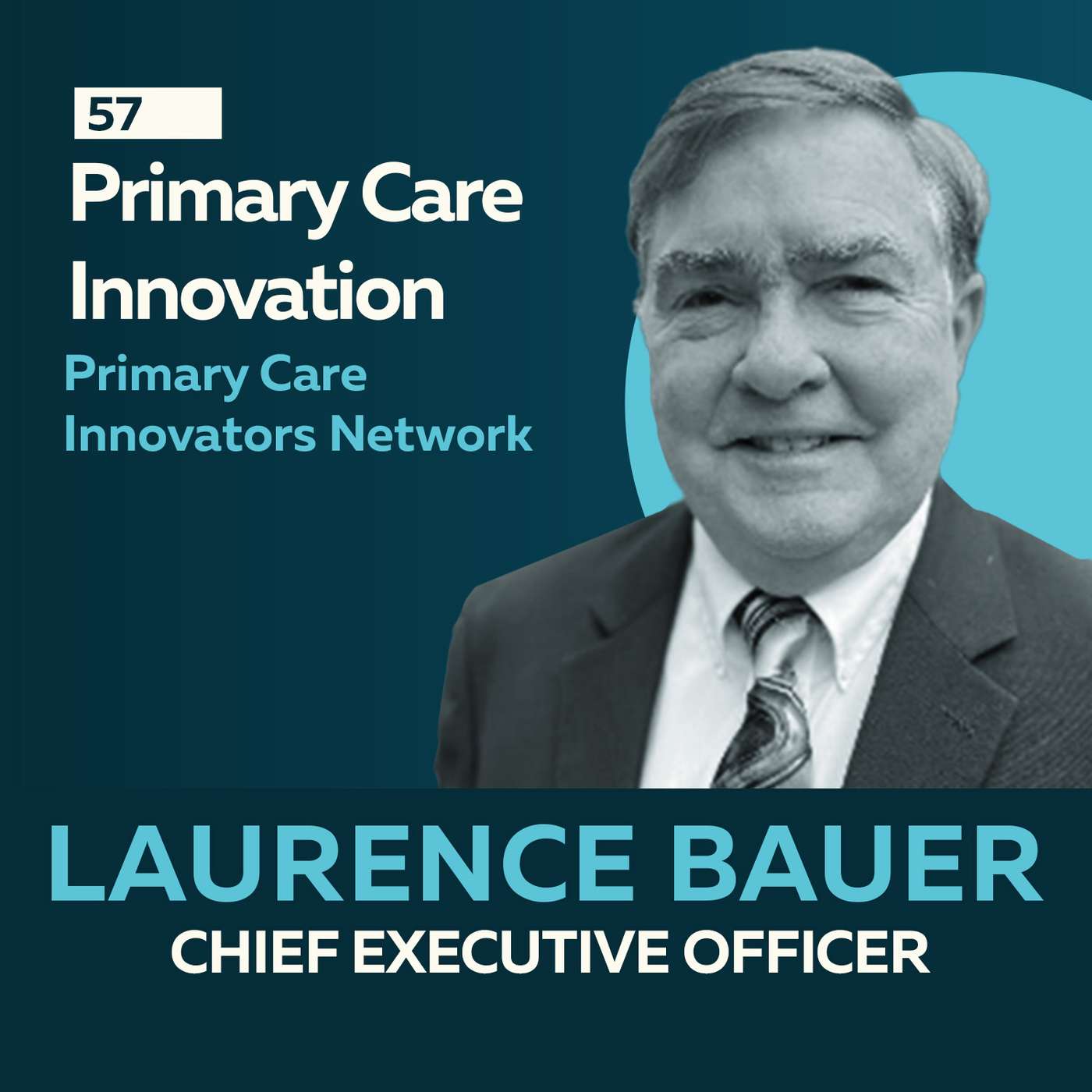
In this episode of the Healthy Enterprise podcast, Laurence Bauer discusses his extensive experience in family medicine education and primary care workforce development. He shares insights on the importance of primary care, the innovations emerging in the field, and the challenges faced by the healthcare system. Laurence emphasizes the need for interpersonal skills in healthcare and the role of family physicians in community health. He also highlights the impact of telehealth and the significance of the Primary Care Innovators Network in fostering innovation. The conversation concludes with reflections on the future of primary care and the importance of building trust and relationships in healthcare.Chapters:00:00 Introduction to Laurence Bauer and His Journey06:07 Innovations in Primary Care11:48 The Importance of Primary Care17:57 Challenges in the Healthcare System23:51 The Role of Telehealth29:51 The Primary Care Innovators Network35:57 The Future of Primary Care and Innovations41:58 Interpersonal Skills in Healthcare47:55 Conclusion and Final ThoughtsGuest Information:Guest's Name: Laurence Bauer Guest's Title/Position: Chief Executive OfficerGuest's Linkedin: https://www.linkedin.com/in/laurence-bauer-70a6746/Company / Affiliation: Primary Care Innovators Network https://thepcin.net/ Guest's Bio: Laurence C. Bauer, M.S.W., M.Ed. is a longtime leader in family medicine education and primary care development. He served as CEO of the Family Medicine Education Consortium (1994–2021), advancing collaboration across academic and primary care communities in the Northeast. He also held leadership roles at the Center for Innovation in Family and Community Health and served as Associate Clinical Professor at Wright State University, with prior faculty development positions at The Ohio State University and Penn State College of Medicine. Now an active consultant, he remains dedicated to building a primary-care–driven U.S. healthcare system. Based in Hershey, PA, he enjoys time with family, pickleball, basketball, and gardening.Takeaways:Laurence Bauer has a rich background in family medicine education.Innovations in primary care often come from community-level practitioners.A significant portion of healthcare spending is wasted due to lack of primary care.Telehealth is improving accessibility to healthcare services.There is a critical shortage of family physicians in the U.S.Interpersonal skills are essential for effective patient care.Healthcare is fundamentally about human relationships and trust.The Primary Care Innovators Network fosters collaboration and innovation.Curiosity and adventure drive Lawrence's approach to healthcare.Creating healthy systems is vital for improving community health.The Healthy Enterprise Podcast is produced by Bullzeye Global Growth Partners https://bullzeyeglobal.com/
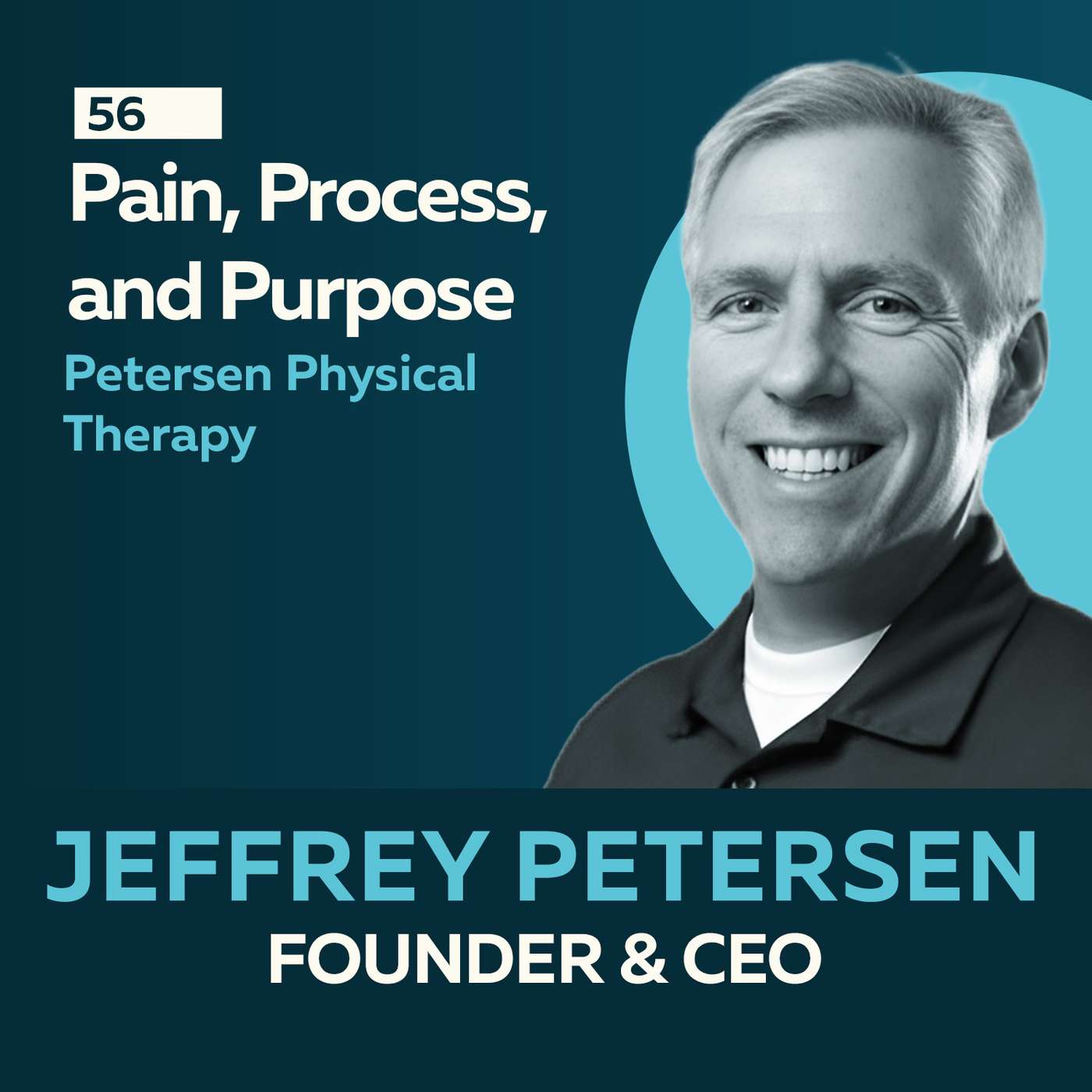
In this episode, Jeffrey Petersen shares lessons from nearly four decades in physical therapy, exploring the physical, emotional, and neurological dimensions of pain and advocating for whole-person care. He discusses growing a high-touch healthcare business, the importance of empathy and process in patient outcomes, and insights from his work on an upcoming book focused on understanding pain and purpose in healing.Chapters:00:00 Introduction to Whole Person Care03:02 The Evolution of Physical Therapy05:47 Understanding Pain and Patient Care08:46 The Emotional Experience of Pain12:04 Pain as Information: A Neurological Perspective15:03 The Role of Awareness in Pain Management17:59 The Connection Between Emotional and Physical Pain20:52 The Journey of Writing a Book on Pain28:43 Finding Purpose in Suffering31:05 The Role of Pain in Personal Growth33:17 Expanding a Business: Challenges and Lessons36:23 The Importance of Process in Business40:10 Navigating Complexities in Patient Care46:03 Marketing Strategies for GrowthGuest Information:Guest's Name: Jeffrey PetersenGuest's Title/Position: Founder and CEOGuest's Linkedin: https://www.linkedin.com/in/jeffrey-petersen-pt-9b467558/Company / Affiliation: Petersen Physical Therapy https://petersenpt.com/Guest's Bio: Jeffrey Petersen is the CEO and Founder of Petersen Physical Therapy, launched with a mission to help as many people as possible move better and live healthier lives. With nearly four decades of experience, Jeff is deeply committed to clinical excellence and to building a welcoming, patient-centered environment that meets people exactly where they are and helps them move forward. He brings a rare blend of hands-on clinical insight, long-term leadership, and a genuine passion for helping patients recover, rehabilitate, and thrive.Takeaways:Physical therapy has evolved significantly over the decades.Pain is often the primary reason people seek therapy.The emotional experience of pain is crucial to understanding it.Intensity of pain does not always correlate with severity of injury.Pain serves as information rather than just a warning signal.Awareness of one's body can aid in pain management.Shame can hinder the learning process in pain management.The connection between emotional and physical pain is profound.The journey of writing a book can help consolidate knowledge.Understanding pain can lead to better patient outcomes. Finding purpose in suffering can help endure pain.Pain provides contrast that enhances appreciation for well-being.Building a supportive culture is essential for business growth.Engaging in the process is more important than focusing solely on outcomes.Effective marketing stems from treating patients well and fostering referrals.Navigating patient care requires balancing multiple stakeholders' needs.Empathy is crucial in patient relationships and care.The importance of documenting processes for business efficiency.AI can assist in organizing business processes and enhancing patient care.Long-term relationships with patients are built on trust and effective communication.The Healthy Enterprise Podcast is produced by Bullzeye Global Growth Partners https://bullzeyeglobal.com/
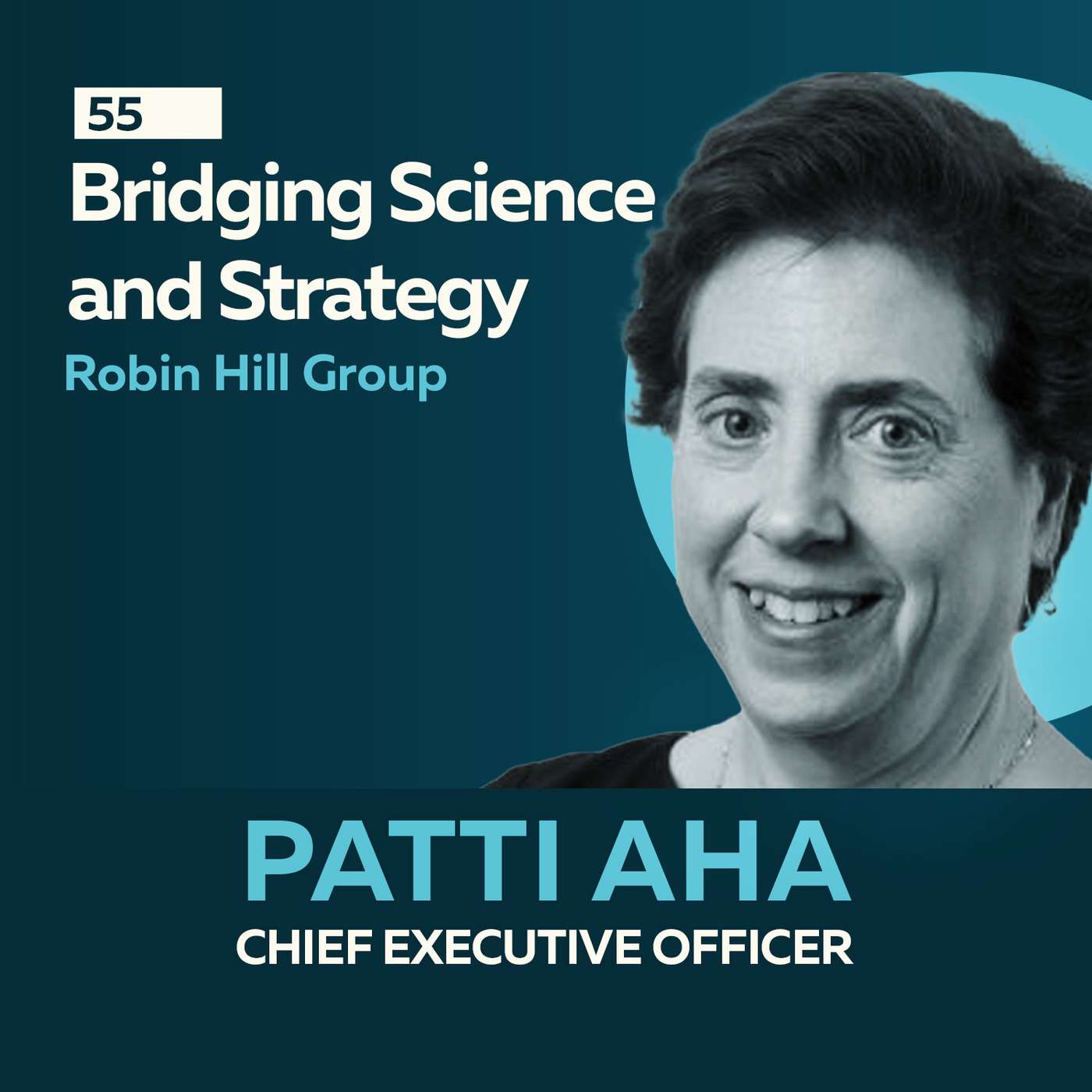
In this episode of the Healthy Enterprise podcast, Patti Aha shares her journey from research scientist to project manager and consultant in the biotech and diagnostics space. She discusses the importance of collaboration, innovation, and mentorship in driving drug development, while exploring the challenges and opportunities within the industry. Patti reflects on the potential of AI to accelerate discovery and the critical role of effective leadership, communication, organization, and emotional intelligence in managing scientific teams. The conversation also covers navigating project management challenges, building strong relationships, knowing when to pivot or stop a project, and transitioning from corporate roles to entrepreneurship, offering practical advice for aspiring biotech leaders.Chapters:00:00 Introduction to Biotech Leadership03:12 Patti Aha's Journey in Biotech06:02 The Role of Project Management in Drug Development09:02 Understanding Drug Targets and Assays11:55 The Importance of Collaboration in Biotech14:50 Navigating the Drug Development Pipeline17:51 The Future of AI in Biotech21:04 Consultancy and Leadership in Biotech23:50 The Philosophy of Project Management28:33 Essential Qualities of a Project Manager31:46 Building Relationships in Project Management34:49 Navigating Challenges in Biotech Projects39:34 Advice for Aspiring Project Managers42:51 Dream Projects and Future AspirationsGuest Information:Guest's Name: Patti Aha Guest's Linkedin: https://www.linkedin.com/in/patti-aha-6a20114/Company / Affiliation: Robin Hill Group LLC Guest's Bio: Patti Aha is the CEO of the Robin Hill Group and a seasoned project management and business leader with a strong scientific foundation. With deep experience across operations, portfolio management, and process development, she excels at bringing structure, efficiency, and clarity to complex initiatives. Patti is passionate about effective leadership, transparent communication, and building collaborative teams that consistently deliver results. Her unique blend of scientific rigor and business acumen allows her to bridge the gap between technical and strategic domains, making her a trusted partner for organizations seeking operational excellence and sustainable growth. Takeaways:Patti Aha has a long career in biotech and academia.She emphasizes the importance of project management in drug development.Collaboration between academia and industry is crucial for innovation.Understanding drug targets and assays is fundamental in biotech.The drug development process is lengthy and complex.AI has the potential to significantly speed up drug discovery.Effective leadership is essential for managing scientific teams.Mentoring future leaders is a passion for Patti.Not-for-profit biotech models face unique challenges.Continuous improvement is necessary for growing biotech companies. Project management serves the work and helps people communicate.There is a fine line between necessary process and over-processing.Good communication is essential for project managers.Emotional intelligence is crucial in managing team dynamics.Building relationships is a cornerstone of effective project management.Conflict resolution is a key skill for project managers.Defining success at the beginning of a project is vital.Knowing when to stop a project can be a significant win.Continuous education and networking are important for career growth.The biotech field offers exciting opportunities for innovation.The Healthy Enterprise Podcast is produced by Bullzeye Global Growth Partners https://bullzeyeglobal.com/
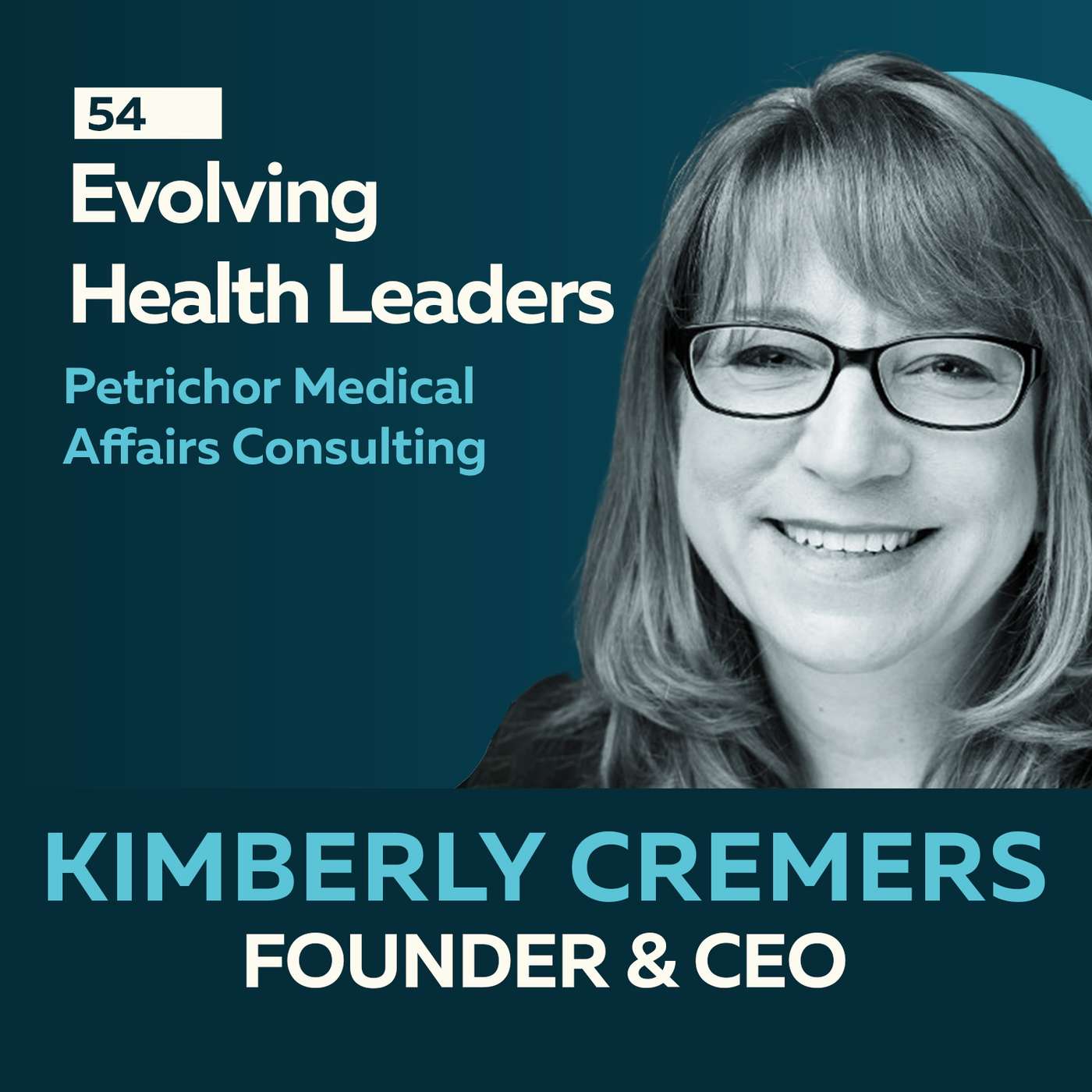
In this episode of The Healthy Enterprise, Heath talks with Kimberly Cremers, pharmacist, executive coach, and Founder & CEO of Petrichor Medical Affairs Consulting, about her journey in the pharmaceutical industry and the evolving role of Medical Affairs. Kim shares insights on AI in drug development, her transition to consultancy, and the importance of effective communication, listening, and continuous learning in leadership. They explore the transformative power of coaching—recognizing when it’s needed, building trust, overcoming self-doubt, and embracing discomfort for growth—while also reflecting on entrepreneurship, career development, and the impact of a growth mindset on personal and professional success.Chapters:00:00 Introduction to Kim Cremers and Her Journey02:59 The Role of Medical Affairs in Pharma06:00 Challenges in the Pharmaceutical Industry09:04 The Impact of AI on Drug Development12:00 Transitioning to Consultancy and Coaching15:01 Executive Coaching: Challenges and Insights17:57 Navigating Imposter Syndrome and Communication20:58 The Importance of Listening in Leadership22:20 The Importance of Coaching Relationships25:01 Recognizing the Need for a Coach26:30 Aha Moments in Personal Development28:25 Signs It's Time for Career Coaching30:01 Overcoming Self-Doubt in Career Changes31:12 Embracing Discomfort for Growth34:07 Navigating Entrepreneurial Challenges37:43 Core Values in Coaching41:06 The Power of a Growth MindsetGuest Information:Guest's Name: Kimberly CremersGuest's Title/Position: Founder and CEOGuest's Linkedin: https://www.linkedin.com/in/kimberly-cremers-petrichor/ Company / Affiliation: Petrichor Medical Affairs Consulting https://www.petrichormaconsulting.com/Guest's Bio: Kimberly Cremers is the Founder and CEO of Petrichor Medical Affairs Consulting, a licensed pharmacist, Certified Executive Coach, and Medical Affairs leader with over 25 years in pharma and biotech. She helps organizations build, optimize, and scale high-performing Medical Science Liaison teams—providing strategic guidance, tactical planning, onboarding, coaching, scientific exchange materials, and support for key initiatives like advisory boards and congresses.Takeaways:Kim Cremers has over 25 years of experience in medical affairs.Medical Affairs plays a crucial role in contextualizing clinical data for healthcare professionals.Pharmacy students often lack awareness of career opportunities in the pharmaceutical industry.The pharmaceutical industry faces challenges from geopolitical changes and regulatory environments.AI has the potential to streamline drug development processes.Consultancy allows Kim to focus on her passions, including teaching and coaching.Executive coaching helps leaders navigate their challenges and optimize their impact.Imposter syndrome affects executives, highlighting the need for supportive environments.Effective listening is essential for leadership and understanding team dynamics.Navigating the complexities of tech and pharma requires open-mindedness and collaboration. Coaching relationships are essential for achieving personal and professional goals.Recognizing the need for a coach often comes after a period of self-reflection or feedback.Aha moments can empower individuals to take action and make significant changes in their careers.Signs that it's time for career coaching include feelings of dread about work or a lack of motivation.Self-doubt can hinder career advancement, especially among women.Embracing discomfort is crucial for personal growth and development.Navigating entrepreneurial challenges requires flexibility and a willingness to learn.Core values such as authenticity and integrity are vital in coaching.A growth mindset allows individuals to see challenges as opportunities for growth.Investing in personal development, such as reading impactful books, can lead to significant insights.The Healthy Enterprise Podcast is produced by Bullzeye Global Growth Partners https://bullzeyeglobal.com/
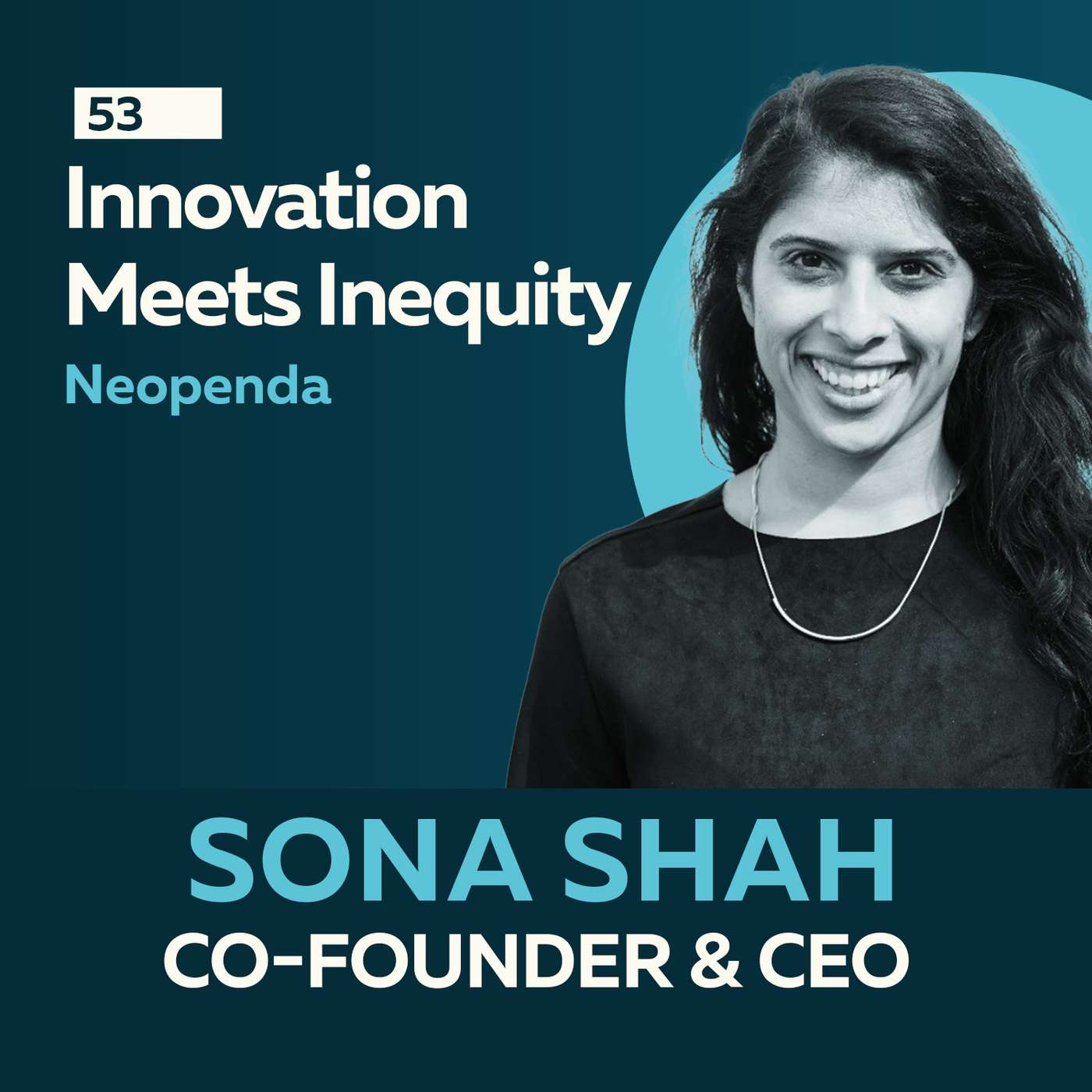
In this episode, Sona Shah, and Co-Founder and CEO of Neopenda, shares her journey from engineering to healthcare innovation. She discusses the challenges of healthcare inequities in emerging markets and how Neopenda's flagship product, NeoGuard, aims to address these issues by providing vital signs monitoring in under-resourced hospitals. Sona highlights the importance of understanding customer needs, the challenges of product adoption, and the innovative approaches taken to ensure sustainability and growth in the healthcare sector. In this conversation, Sona Shah discusses the importance of data collection in underserved communities, the evolution of her leadership style over the past decade, and the balance between personal and professional life as a founder. She also shares insights on the growth phase of her company, Neopenda, and the strategies for fundraising and scaling operations to meet the needs of patients globally.Guest Information:Guest's Name: Sona ShahGuest's Linkedin: https://www.linkedin.com/in/sonarshah/ Company / Affiliation: Neopenda https://www.neopenda.com/Guest's Bio: Sona Shah is the Co-Founder and CEO of Neopenda, where she leads the development of innovative medical technologies designed for low-resource healthcare settings. Inspired by her time teaching in Kenya and her background in biomedical engineering, Sona co-founded Neopenda in 2015 to help close critical gaps in care across emerging markets. Today, she and her team are bringing solutions like the neoGuard monitoring system to countries such as Kenya, Uganda, and Ghana—advancing accessible, tech-driven healthcare for the next billion people.Chapters:00:00 Introduction to Neopenda and Sona Shah01:22 Sona's Journey: From Engineering to Healthcare05:43 Identifying Healthcare Inequities in Emerging Markets10:06 The Birth of Neopenda: Addressing Global Health Challenges12:50 Innovating Medical Technology: The NeoGuard Device18:15 Challenges in Adoption and Customer Feedback21:53 Sustaining Innovation: Revenue Models and Future Plans25:23 Data Collection in Underserved Communities30:32 Leadership and Team Dynamics37:00 Balancing Personal and Professional Life41:52 Growth and Fundraising StrategiesTakeaways:Sona Shah's journey reflects a passion for addressing healthcare inequities.Neopenda was founded to tackle the lack of medical technology in emerging markets.The NeoGuard device is designed for low-resource settings, providing essential monitoring.Understanding the local healthcare environment is crucial for product adoption.Customer feedback is vital for improving product performance and satisfaction.Sustaining innovation requires a balance between product sales and customer support.The healthcare market in emerging countries is often misunderstood regarding affordability.Data collection from NeoGuard can provide valuable insights for healthcare providers.Training and support are essential for successful technology adoption in hospitals.Future plans include introducing a data-driven revenue model with NeoCloud. Data collection is crucial for understanding health in underserved communities.Leadership involves trusting and empowering your team.Balancing personal life with professional responsibilities is essential for well-being.Growth opportunities must be approached strategically to avoid pitfalls.The healthcare sector requires innovative solutions tailored to specific populations.Mental health support is vital for founders managing stress and responsibilities.Community investment can enhance growth and bring diverse expertise.Celebrating small wins is important for maintaining morale in a startup.Nature and personal time can rejuvenate and provide clarity.The journey of a founder is filled with challenges but also immense rewards.The Healthy Enterprise Podcast is produced by Bullzeye Global Growth Partners https://bullzeyeglobal.com/

Comments

Download from Google Play

Download from App Store
 United States