


 Claim Ownership
The Broadside
Subscribed: 5,374Played: 38,197
Subscribe

Description
Each week, host Anisa Khalifa tells one story from our home in North Carolina, at the crossroads of the South. From news to arts and culture, WUNC News’ “The Broadside” dives into issues that might not make the front page, but deserve a closer look. Along the way, we explore the nuances of our home — and how what happens here ripples across the country. Find new episodes of “The Broadside” every Thursday.
135 Episodes
Reverse

Known as the "Furniture Capital of the World," North Carolina is famous for its high-quality furniture. And for over a century, it's been the heartbeat of the American furniture industry. But in recent decades, that business has changed dramatically, decimating the workforce and leaving average American consumers with two less-than-ideal options: high-end luxury products or cheap and mostly disposable mass-produced stuff.This episode originally published on October 24, 2024 and features a trip to the High Point Furniture Market. The 2026 Spring Market is scheduled for April 25–29.Featuring:Zaki Khalifa, former owner of Zaki Oriental Rugs in High Point, NCTammy Nagum, President and CEO of the High Point Market AuthorityFederico Contigiani, President of Hickory ChairMatt Hartman, reporter at The AssemblyThanks to the team at the High Point Market Authority for their help during Market week, especially Ben Muller. Special thanks also this week to NC State Libraries' Special Collections Research Center.Links:Check out Matt’s reporting on the evolution of North Carolina furniture.You can find a transcript of this episode here.Aspect: Order no. 329, Directed by Kine, 27 February 1961, ua102_400_309766_20221007_49866, Special Collections Research Center, North Carolina State University Libraries, Raleigh, North CarolinaSee Privacy Policy at https://art19.com/privacy and California Privacy Notice at https://art19.com/privacy#do-not-sell-my-info.
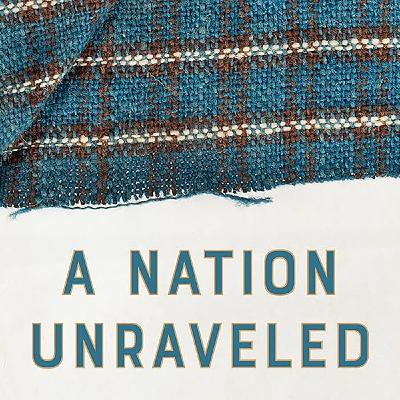
Fascinating new research is shedding light on how clothing culture during the American Civil war helped radically transform the nation during its darkest hour. Through the clothes they made, wore, mended, lost, and stole, Americans expressed their allegiances, showed their love, confronted their social and economic challenges, subverted expectations, and, ultimately, preserved their history.Featuring:Sarah Weicksel, author of A Nation Unraveled: Clothing, Culture, and Violence in the American Civil War EraSee Privacy Policy at https://art19.com/privacy and California Privacy Notice at https://art19.com/privacy#do-not-sell-my-info.
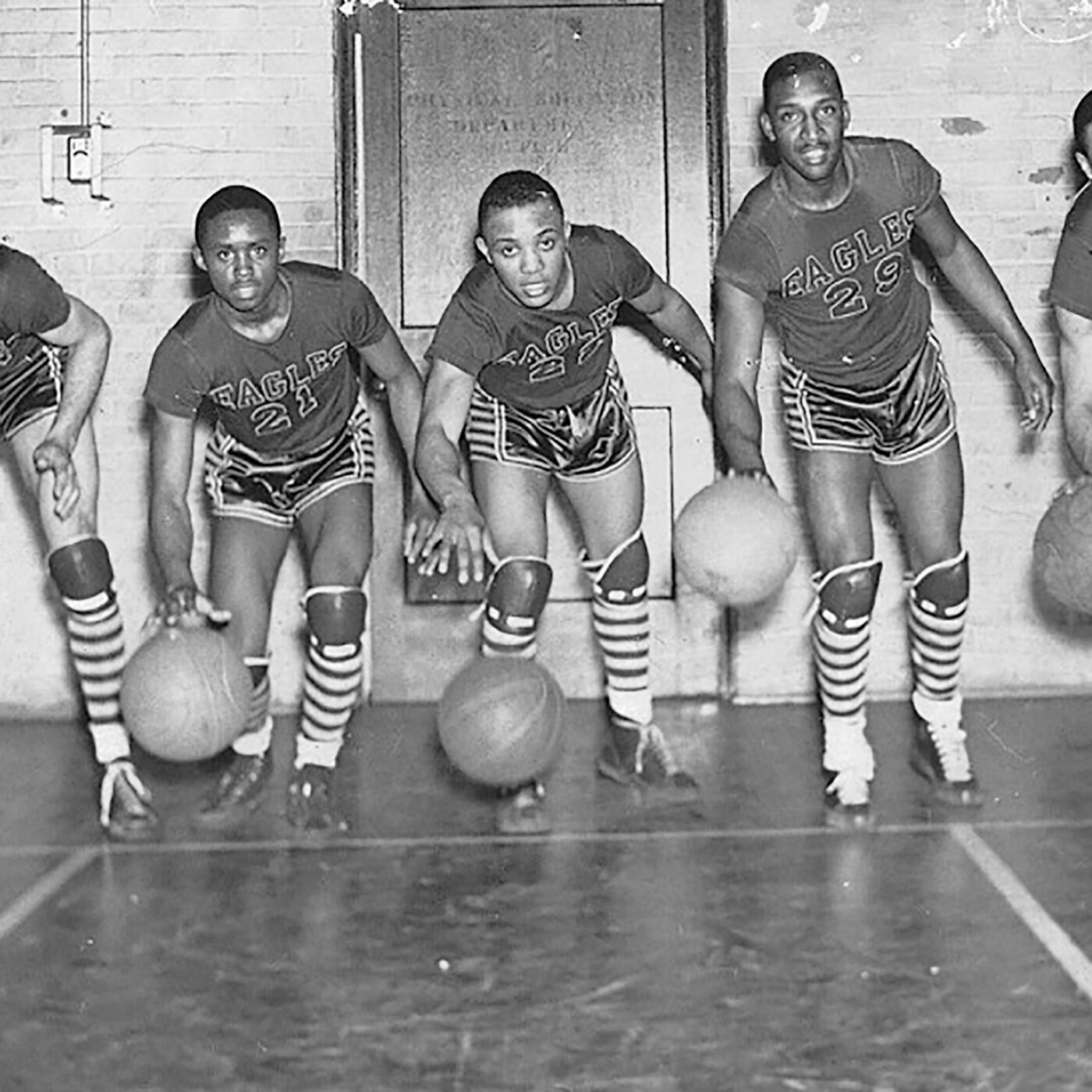
In March of 1944, two basketball teams in North Carolina played perhaps the most important game that nobody has ever heard of. It was the first interracial college basketball game in the Jim Crow South. And it remained a secret for half a century.Featuring:Scott Ellsworth, author of “The Secret Game: A Wartime Story of Courage, Change, and Basketball’s Lost Triumph”Links:You can check out Scott’s original 1996 article for The New York Times here.See Privacy Policy at https://art19.com/privacy and California Privacy Notice at https://art19.com/privacy#do-not-sell-my-info.
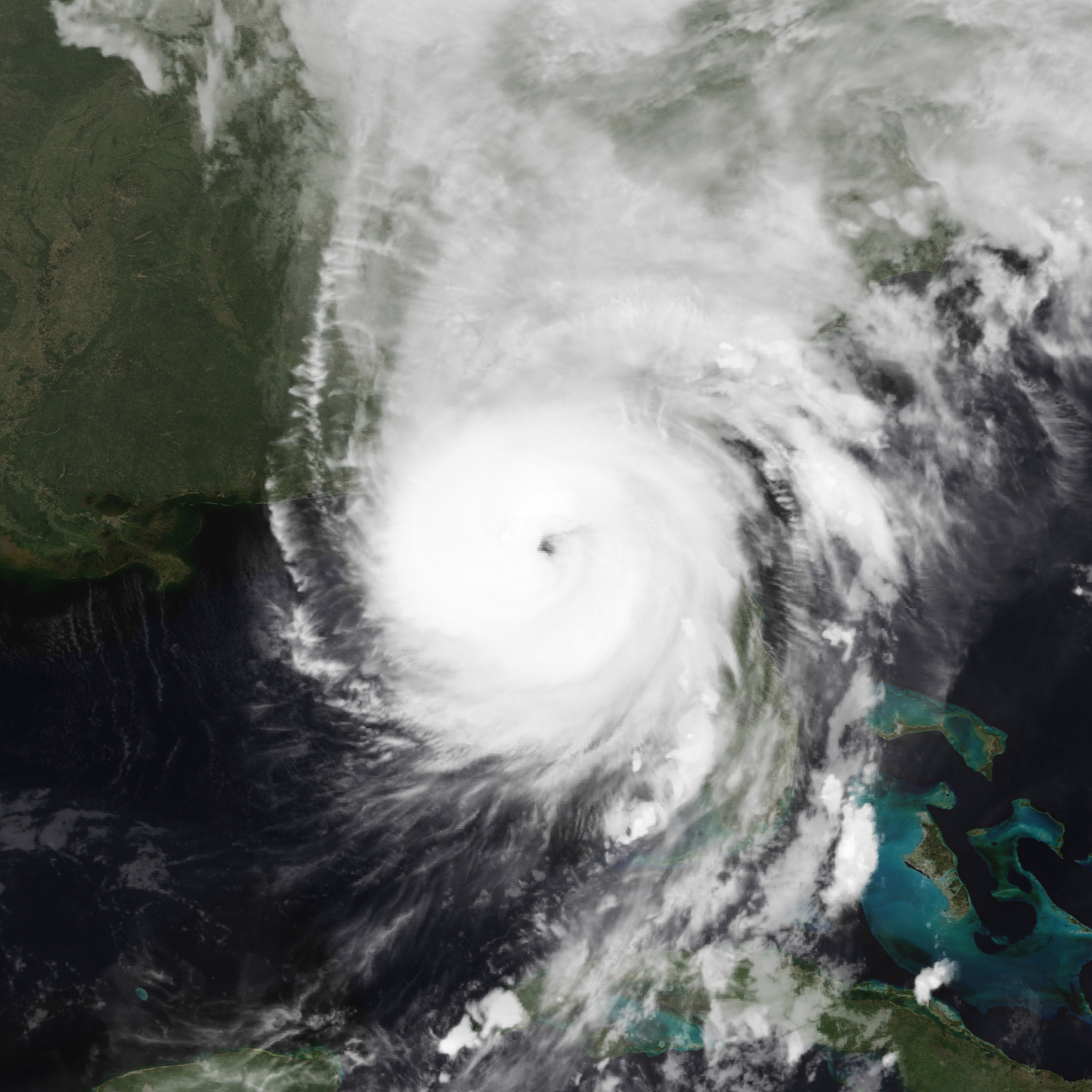
The Trump administration is considering major changes to the way that disaster response works in America, including ceding more responsibility to states. But is that really a good idea? North Carolina's spotty record of responding to hurricanes might provide some answers and offer a glimpse into the uncertain future of disaster relief.Featuring:Rebecca Hersher, reporter on NPR's Climate DeskRen Larson, reporter at The Assembly and a ProPublica Local Reporting Network fellowLinks:"As Helene Survivors Wait for State Help, Some Victims of Earlier Hurricanes Are Still Out of Their Homes""3 big changes are proposed for FEMA. This is what experts really think of them"Cover image: From NOAA, this colored infrared composite image of Hurricane Helene was captured on September 27, 2024 utilizing the Advanced Baseline Imager (ABI) aboard NOAA's GOES-16 satellite.See Privacy Policy at https://art19.com/privacy and California Privacy Notice at https://art19.com/privacy#do-not-sell-my-info.
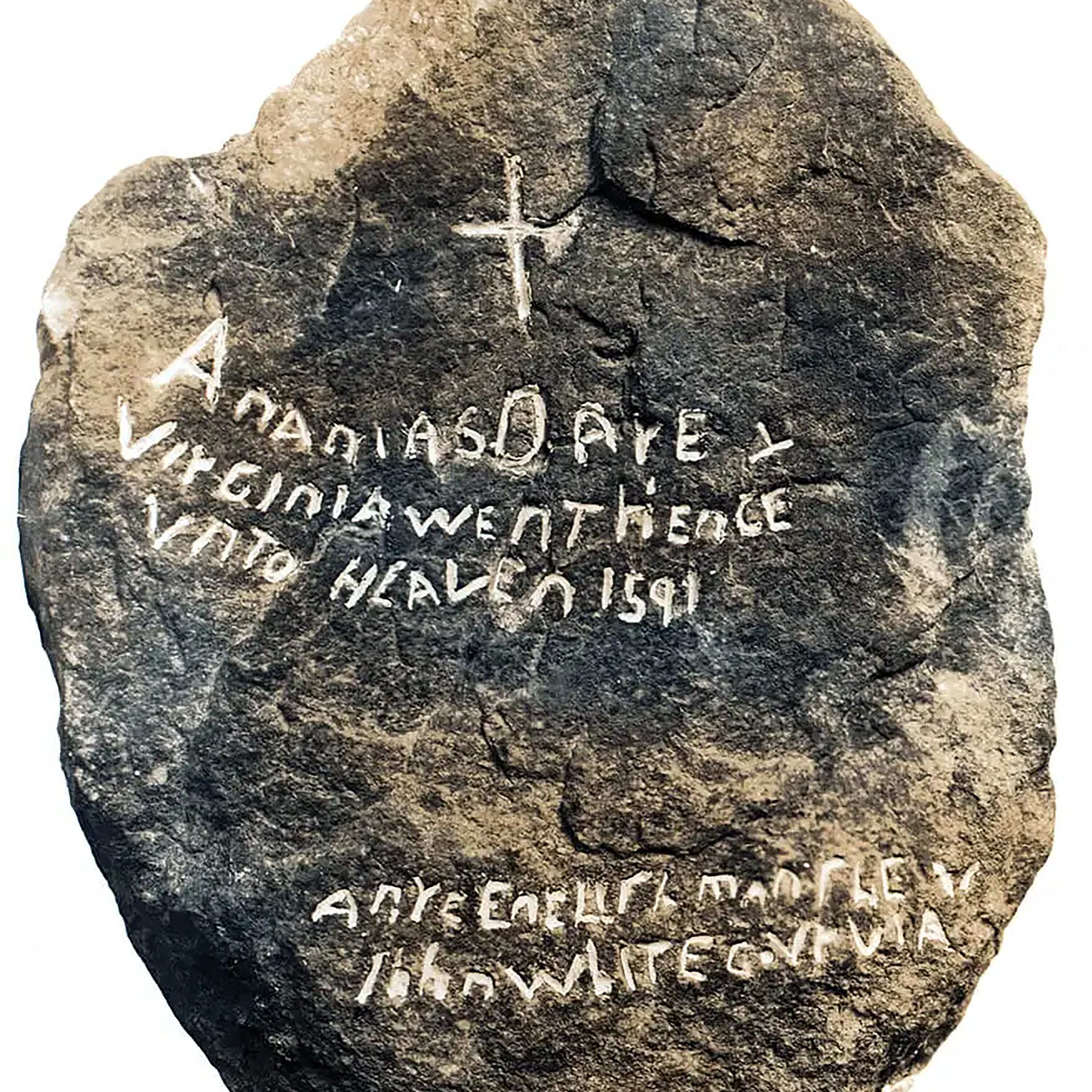
In 1937, a man claimed to have discovered a rock in eastern North Carolina with a 400-year-old message carved into it from survivors of the Lost Colony of Roanoke. The announcement created an international media circus. And it led to one of the biggest archeological scandals in American history, one that would forever tarnish the artifact’s reputation. But was the Dare Stone authentic?Featuring:David La Vere, history professor at UNC-Wilmington and author of “The Lost Rocks: The Dare Stones and the Unsolved Mystery of Sir Walter Raleigh’s Lost Colony”Bill Miller, geologist and professor emeritus at UNC-AshevilleLinks:The 1937 Chowan River “Dare Stone”: A Re-Evaluation by David La VereDouble Deception: The 1937 Hoaxes of the Chowan River Stone and the Drake Plate of Brass, by Melissa DarbyCover image: The front of the first Dare Stone, aka the Chowan River stone, courtesy of Brenau University in Gainesville, GeorgiaSee Privacy Policy at https://art19.com/privacy and California Privacy Notice at https://art19.com/privacy#do-not-sell-my-info.
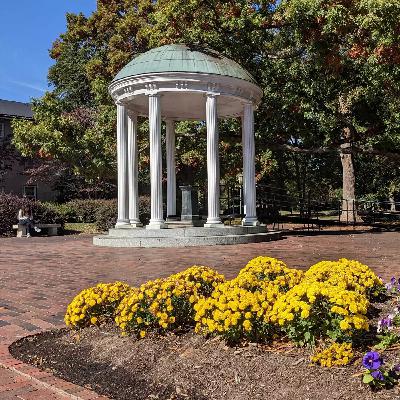
From public syllabi to surveillance, universities across the country are embracing unprecedented policies that professors say are undermining their academic freedom. And North Carolina is front and center.Featuring:Brianna Atkinson, higher education reporter for WUNC NewsKeith Whittington, director of Center for Academic Freedom and Free Speech at Yale Law School and author of “You Can’t Teach That!: The Battle Over University Classrooms”Links:You can find more of Brianna Atkinson’s reporting hereCover Image: Liz SchlemmerSee Privacy Policy at https://art19.com/privacy and California Privacy Notice at https://art19.com/privacy#do-not-sell-my-info.
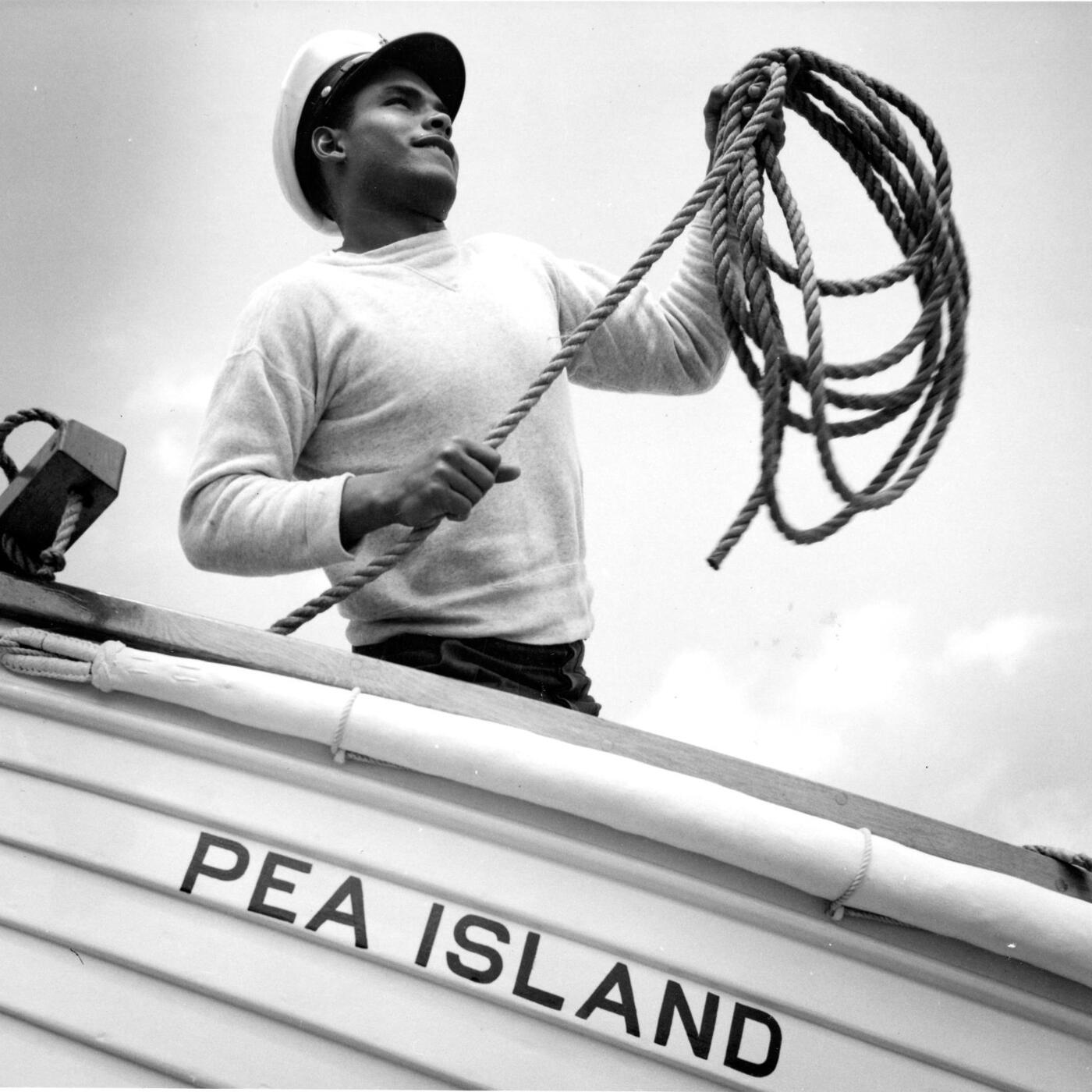
When disaster strikes in the water, we turn to the US Coast Guard. Today, it’s renowned for its fast-moving cutters, skilled helicopter pilots and daring rescue divers. But a hundred and fifty years ago, the Coast Guard's predecessor, the US Life-Saving Service, was in total disarray and in desperate need of reform. In the treacherous waters of North Carolina's Outer Banks, an extraordinary group of Black men answered the call and saved hundreds of lives against all odds.Featuring:Brad Campbell, writer for Our State MagazineJoan Collins, Director of Outreach and Education for the Pea Island Preservation SocietyLinks:Check out Brad's article about the Pea Island surfmen here.Cover image provided by Joan Collins: The US Coast Guard's Herbert M. Collins served at the Pea Island Life-Saving Station in North Carolina's Outer Banks during World War II.See Privacy Policy at https://art19.com/privacy and California Privacy Notice at https://art19.com/privacy#do-not-sell-my-info.
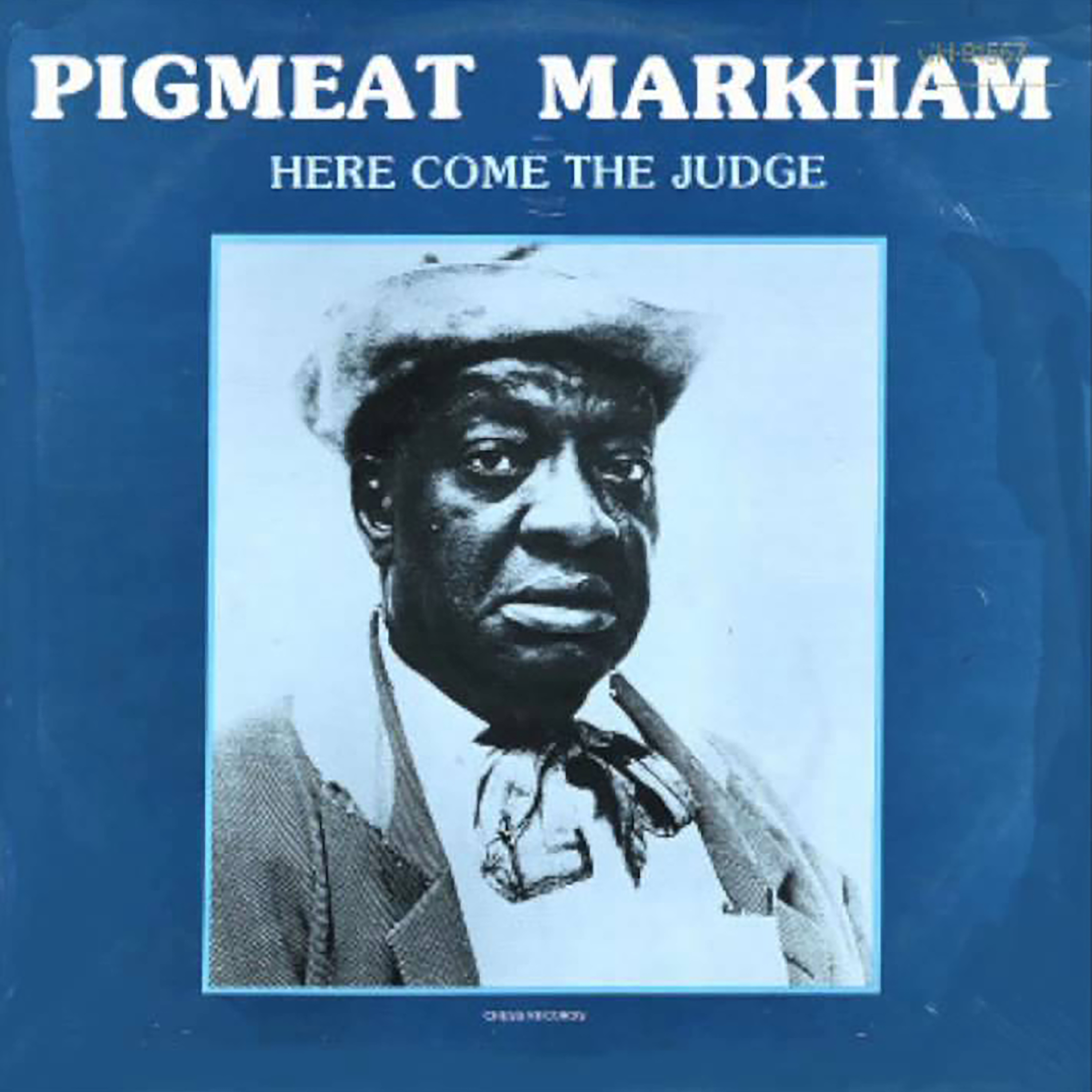
As the story goes, hip-hop music was born a little over 50 years ago at a house party in the Bronx. But that version of history doesn't account for an entertainer from Durham, North Carolina with the incredible name Pigmeat Markham. In 1968, Markham released a hit song called “Here Comes the Judge.” The tune fused comedy, funk, and what can only be described as an early form of rapping—years before hip-hop officially burst onto the scene. So was this largely forgotten figure actually the first rapper?Featuring:Mark Anthony Neal, James B. Duke Distinguished Professor of African & African American Studies at Duke University Links:Check out a playlist of the songs mentioned in this episode and some others inspired by Pigmeat Markham here.Cover image: The album cover art for Pigmeat Markham's 1968 single "Here Comes the Judge”See Privacy Policy at https://art19.com/privacy and California Privacy Notice at https://art19.com/privacy#do-not-sell-my-info.
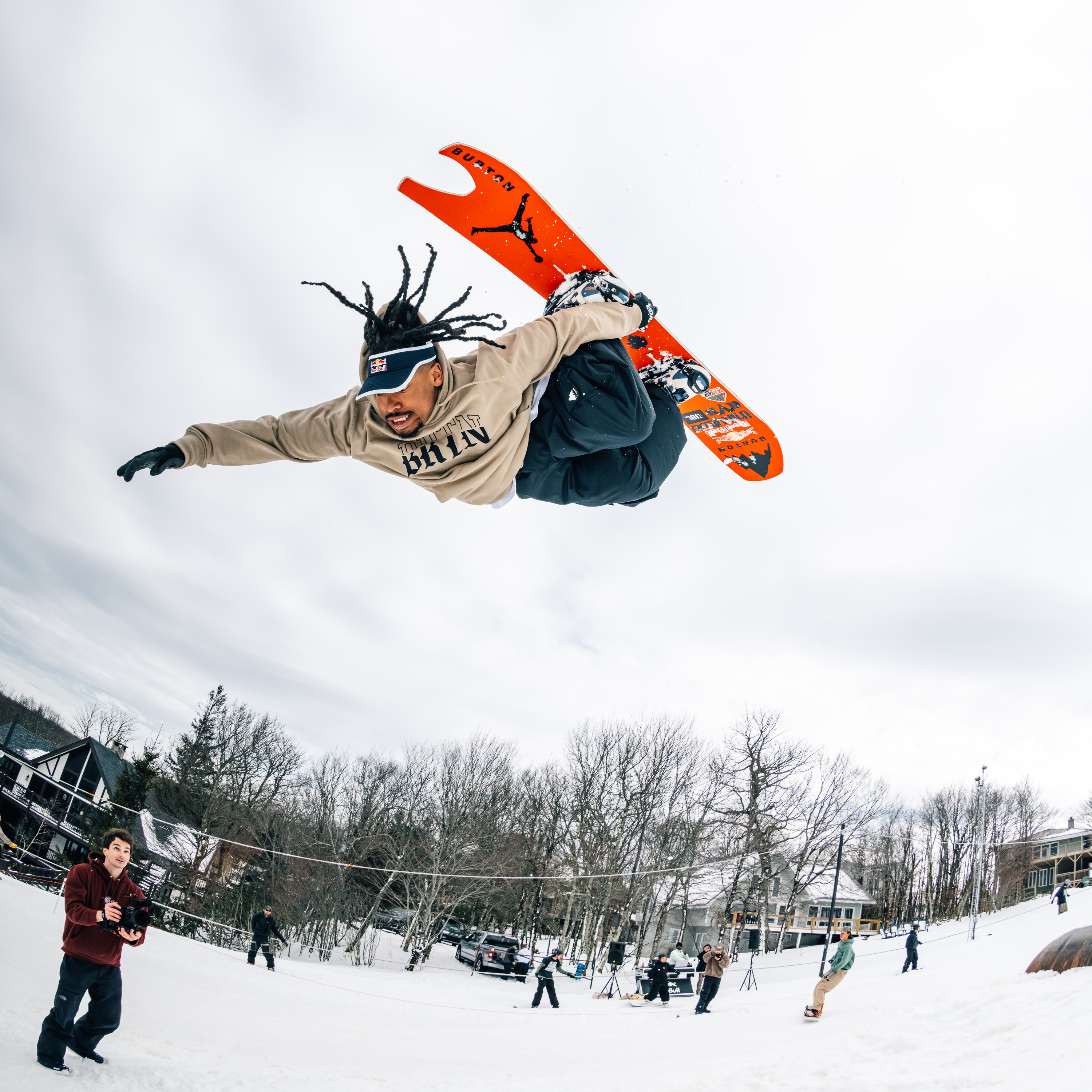
Other places might have bigger mountains and better powder, but the icy slopes of western North Carolina are currently home to one of the most vibrant snowboarding scenes in the country. And it's produced perhaps the single most creative rider in the world. But is it all just a fluke?Featuring:Josh Sullivan, social media producer for WUNC NewsMichelle Bruton, action sports and Olympics writer for forbes.comCover image: Luke BergerSee Privacy Policy at https://art19.com/privacy and California Privacy Notice at https://art19.com/privacy#do-not-sell-my-info.
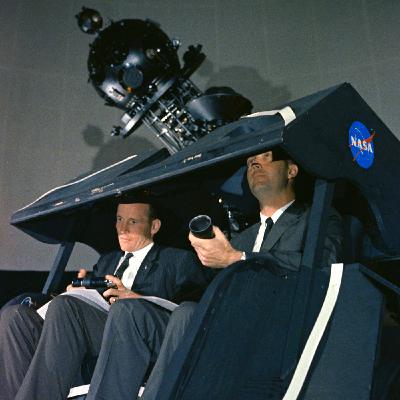
From Huntsville to Houston, the space industry in the US is rooted in the South. And as NASA works towards returning to the moon with the Artemis program, our space history is inspiring new generations of Americans. But in North Carolina, two important sites from the Space Race of the 1960s remain relatively unknown.Featuring:Cliff Bumgardner, director and producer at PBS North CarolinaBrett Tingley, managing editor at Space.comLinks:Check out the short documentary film about Morehead Planetarium that Cliff produced for PBS NC and Our State Magazine here.Read Brett's article about the Pisgah Astronomical Research Institute in Rosman, North Carolina here.See Privacy Policy at https://art19.com/privacy and California Privacy Notice at https://art19.com/privacy#do-not-sell-my-info.
From bourbon to chow chow, fermentation is everywhere in Southern food and drink. But how did this "controlled form of rotting" become so prevalent in our regional cuisine and why does it make everything taste so dang delicious?Featuring:Dr. Brett Taubman, author of Southern Culture on the Fizz and director of the Fermentation Sciences program at Appalachian State UniversitySee Privacy Policy at https://art19.com/privacy and California Privacy Notice at https://art19.com/privacy#do-not-sell-my-info.
On a cold night in January 1958, hundreds of Native American men and women from the Lumbee Tribe showed up to a field in southeast North Carolina with one mission: to boot the KKK out of their community. The skirmish that followed would become an integral part of modern Lumbee identity and lore.Featuring: Jack Lowery, criminal defense lawyer and member of the Lumbee Tribe of North CarolinaMalinda Maynor Lowery, history professor at Emory University and member of the Lumbee Tribe of North CarolinaLinks:“The Lumbee Tribe: An American Struggle” by Malinda Maynor LowerySee Privacy Policy at https://art19.com/privacy and California Privacy Notice at https://art19.com/privacy#do-not-sell-my-info.
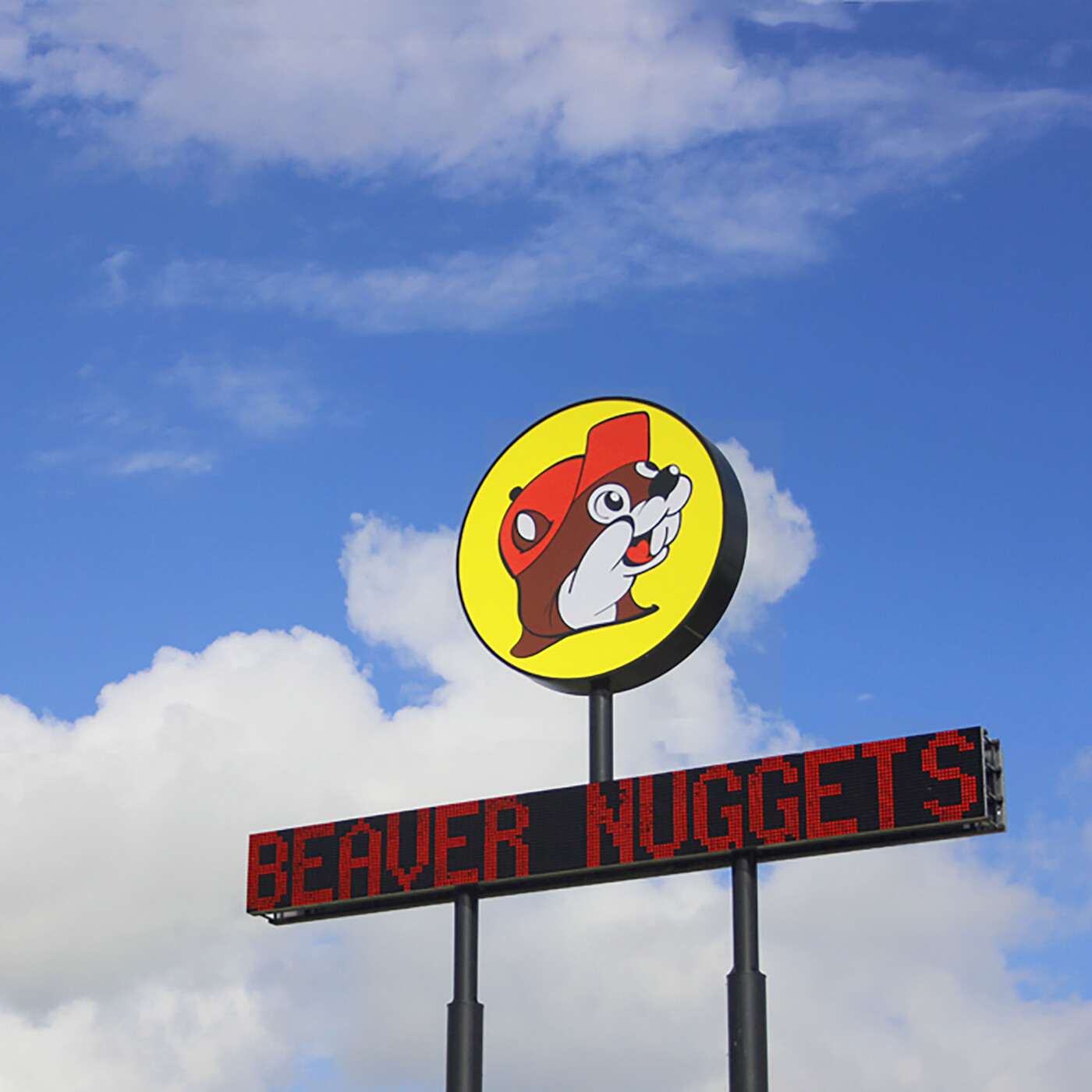
Buc-ee’s, the mega-sized gas station known for its pristine bathrooms, numerous snack options and cartoon beaver mascot, is expanding across the South. And it’s bringing with it a legion of cultish fans. But what’s with all the hype? And does the world really need a gas station the size of a Walmart with 20 different flavors of beef jerky?Featuring: Emily Cataneo, freelance journalist and contributor for The AssemblyDale Edwards, managing editor for The News of Orange County Links:Check out Emily's reporting on Buc-ee's for The Assembly here.See Privacy Policy at https://art19.com/privacy and California Privacy Notice at https://art19.com/privacy#do-not-sell-my-info.
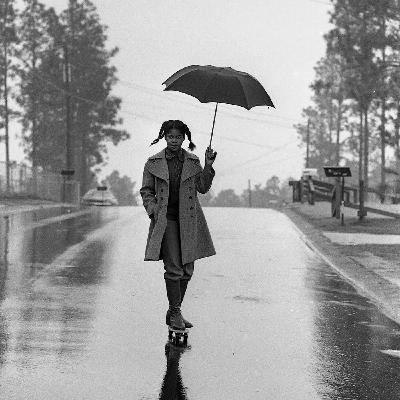
This New Year's Day we're revisiting one of our all-time favorite episodes of The Broadside. We'll be back with a new original show next week.On a rainy day in 1979, a photograph was taken of a young girl skateboarding down a street in Fayetteville, North Carolina. 45 years later, that photo went viral with a little help from the most famous skater who ever lived: Tony Hawk. This week, we find out who the mystery girl in the picture was and why the snapshot was so ahead of its time.This episode originally published on December 12, 2024.Featuring:Jeremy Markovich, writer of the North Carolina Rabbit HoleTony Hawk, skateboarderShaunda Shane, skateboarderLinks:Check out Jeremy's article about tracking down Shaunda Shane.View photographs of Shaunda skateboarding from the Fayetteville Observer.You can find a transcript of this episode here.See Privacy Policy at https://art19.com/privacy and California Privacy Notice at https://art19.com/privacy#do-not-sell-my-info.
During this holiday break, we're sharing an episode from the podcast series Our Common Nature, produced by our friends at WYNC. When the world stopped in 2020, cellist Yo-Yo Ma started thinking about how music can reconnect people to the natural world, and how story and song can help us grapple with America's complicated history. Our Common Nature is a 7-episode series where Yo-Yo Ma travels around the country to make music and meet people who have deep connections to the earth. In this episode, host Ana González joins Yo-Yo in the Smoky Mountains of North Carolina, to tell two stories of people who are reclaiming their connections to the land.Episode description: In the Smoky Mountains, traditions layer and intersect. Yo-Yo Ma believes that story and song can help us grapple with America’s complicated history. This episode highlights two stories of people who are reclaiming their connections to the land. The first brings us to Cherokee, North Carolina, where Lavita Hill and Mary Crowe are working to change the name of the tallest mountain in the range back to its original Cherokee name.Then, we go to the other side of the mountains, where musician Eric Mingus meets up with some long-lost family, and grapples with the weight of his family’s history. His performance reconnects him to a lineage he never thought he’d find.Featuring music by Eric Mingus, Rhiannon Giddens and Yo-Yo Ma.“Grinds My Bones/The Mill” was composed and performed by Eric Mingus. Flute and vocal performance in this episode by Jarrett Wildcatt. Additional audio recording provided by Taylor MacKay.Credits: Our Common Nature is a production of WNYC and Sound Postings Hosted by Ana GonzálezProduced by Alan GoffinskiWith editing from Pearl Marvell Sound design and episode music from Alan GoffinskiMixed by Joe PlourdeFact-checking by Ena AlvaradoExecutive Producers are Emily Botein, Ben Mandelkern, Sophie Shackleton, and Jonathan BaysOur advisors are Mira Burt-Wintonick, Kamaka Dias, Kelley Libbey, and Chris NewellEpisode photo by Austin MannEpisode and show art by Tiffany PaiAnd if you want to listen to more music from this series, you can check out the Our Common Nature EP, featuring Yo-Yo playing with Eric Mingus, Jen Kreisberg and an Icelandic choir, now available on all streaming platforms.This podcast was inspired by a project of the same name, conceived by Yo-Yo Ma and Sound Postings, with creative direction by Sophie Shackleton, in collaboration with partners all over the world.Our Common Nature is made possible with support from Emerson Collective and Tambourine Philanthropies.Visit the website at ourcommonnaturepodcast.orgSee Privacy Policy at https://art19.com/privacy and California Privacy Notice at https://art19.com/privacy#do-not-sell-my-info.
On our 100th episode there are no small stories… just short ones. In the past two years, we've crisscrossed the state of North Carolina. From Manteo to Murphy and many points in between. And we’ve done our best to connect you – wherever you live – to the people and places that make our region so fascinating. Along the way, we’ve collected a few stories that, for whatever reason, didn’t fit into a full-length episode. But we thought our 100th episode special was the perfect excuse to break out some of these shorties but goodies. This week, we explore the effort to raise up a beloved hip-hop anthem, learn that much of our fate was randomly drawn on a map and dig into a tale about one of the most infamous crime scenes in American history.Featuring:Adrienne Berney, outreach coordinator for the State Archives of North CarolinaKatie Hatton, editor of the North Carolina Colonial Records ProjectAllison Hussey, writerSee Privacy Policy at https://art19.com/privacy and California Privacy Notice at https://art19.com/privacy#do-not-sell-my-info.

It’s easy to overlook the importance of mini golf. But this tiny game has played a pivotal role in breaking down class barriers to golf. And the story of how a bite sized version of golf made it from one man’s lawn in North Carolina to the rest of the world is utterly fascinating.Featuring:Audrey Moriarty, Executive Director at Given Memorial Library and Tufts ArchivesCarolyn Cole, owner of Thistle DhuKatie Boyce, PhD, Adjunct Lecturer in History at William & MarySee Privacy Policy at https://art19.com/privacy and California Privacy Notice at https://art19.com/privacy#do-not-sell-my-info.
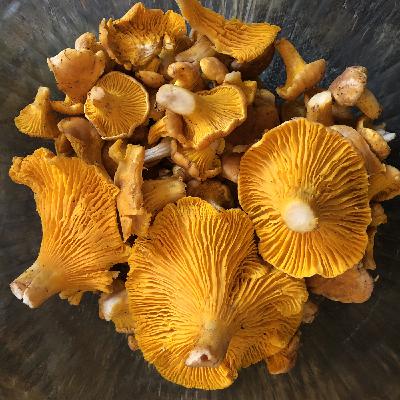
The Blue Ridge Mountains of western North Carolina are one of the most biodiverse places on the planet. The region is home to a whopping 4,000 species of plants and thousands of species of fungi. And many of them are edible. In the wake of Hurricane Helene, some folks (including children) are embracing this supermarket in the woods by learning how to forage for wild food… and how not to get poisoned in the process.Featuring: Emily Cataneo, freelance journalistLinks:Check out Emily’s article on foraging for The Guardian.See Privacy Policy at https://art19.com/privacy and California Privacy Notice at https://art19.com/privacy#do-not-sell-my-info.

This Thanksgiving we're sharing an interview from our friends and colleagues at Due South, WUNC’s daily talk show. Hosted by Leoneda Inge and Jeff Tiberii, the program is a source for news, information and perspectives from across North Carolina and the South.In this conversation, Leoneda chats with Dr. Brittany Hunt. Hunt is a professor at the Virginia Tech School of Education, where she teaches the teachers about how schooling practices have been rooted in anti-Indigeneity and how to upend that system to center Indigenous stories.Hunt is also co-host of the Red Justice Project podcast, which tells stories of missing and murdered Indigenous people, and is the author of a children’s book Whoz Ya People.See Privacy Policy at https://art19.com/privacy and California Privacy Notice at https://art19.com/privacy#do-not-sell-my-info.
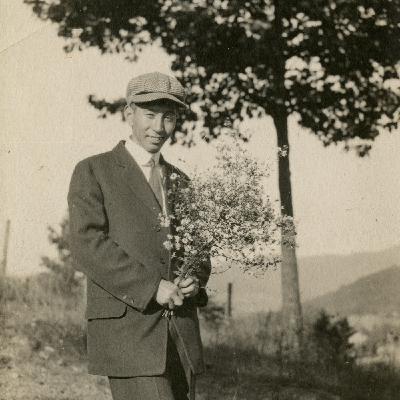
The Great Smoky Mountains National Park and the Appalachian Trail form the backbone of the eastern portion of the US National Park system. Together, they welcome 15 million visitors every year. But they likely wouldn't exist as we know them today, if it weren't for the work of a pioneering photographer in North Carolina named George Masa. This week, we find out how an immigrant from Japan became the eyes of the American conservation movement and unearth the dark secrets that motivated his life’s work.Featuring:Paul Bonesteel, documentary filmmaker and co-author of the book George Masa: A Life ReimaginedMami Kikuchi, researcher and translatorLinks:To learn more about Paul's new George Masa documentary film click here.See Privacy Policy at https://art19.com/privacy and California Privacy Notice at https://art19.com/privacy#do-not-sell-my-info.

Comments

Download from Google Play

Download from App Store
 United States