


 Claim Ownership
Immersion Travel Italy
Subscribed: 2Played: 19
Subscribe

© Katerina Ferrara
Description
Step off the beaten path and dive into the heart of authentic Italy with the Immersion Travel Podcast. Hosted by travel expert and author Katerina Ferrera, this show takes you beyond the guidebooks to uncover vibrant festivals, rich traditions, hidden gems, and must-see destinations across Italy. Whether you’re a seasoned traveler or dreaming of your first trip, you’ll discover insider tips, cultural deep dives, and expert advice to make your journey unforgettable.
Join us for festival spotlights, local stories, food experiences, and travel itineraries.
Join us for festival spotlights, local stories, food experiences, and travel itineraries.
46 Episodes
Reverse
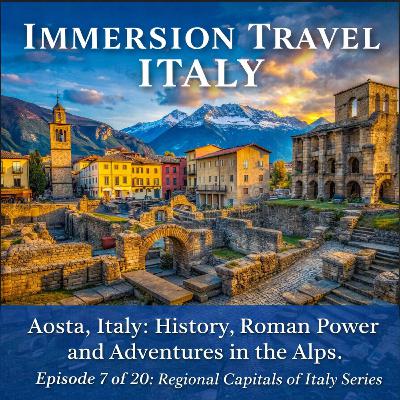
In this episode of Immersion Travel Italy, travel author and host Katerina Ferrara takes you to Aosta, the capital of the Val d’Aosta, Italy’s smallest and least populated region, nestled deep in the Italian Alps at the crossroads of Italy, France, and Switzerland. Episode 7 of 20 in the Regional Capitals of Italy Series.With just over 30,000 residents in the city and roughly 125,000 in the entire region, the Val d’Aosta feels intimate, grounded, and deeply shaped by its landscape. Yet despite its size, this valley has played an outsized role in European history for more than two thousand years.Founded by the Romans in 25 BC as Augusta Praetoria, Aosta remains one of the most legible Roman cities in Italy. You can still walk the original Roman grid, pass through monumental gates like the Porta Praetoria, stand beneath the Arch of Augustus, and see a Roman theatre rising dramatically against snow-capped peaks. Unlike cities layered over centuries of demolition and rebuilding, Aosta evolved inside its Roman shell. The past was never erased. It was absorbed.Surrounded by some of the highest mountains in Europe, including Mont Blanc, Monte Rosa, Gran Paradiso, and the Matterhorn, the Val d’Aosta has always been defined by movement. Traders, pilgrims, armies, emperors, and modern travelers all passed through this valley because they had to. Control the passes, and you control the route between northern Europe and Italy.That geography shaped everything, from medieval towers and Savoy castles to one of Napoleon’s most humbling moments at the Fort of Bard, where stone and terrain forced his army to adapt.Today, the Val d’Aosta is often associated with winter skiing, and rightly so. Resorts like Courmayeur, Cervinia, La Thuile, and Pila make this one of Italy’s premier alpine winter destinations. But this episode explores why the region is far more than a ski playground. Summer brings hiking, cycling, climbing, and nature travel, especially in Gran Paradiso National Park, Italy’s oldest national park. Spring and fall reveal a quieter, deeply local side of the valley focused on food, festivals, and daily life.Aosta itself anchors the region year-round. It is not a resort town. It is a living city where Roman ruins, medieval churches, cafés, markets, and alpine culture exist side by side.This episode covers:Aosta’s Roman foundations and surviving monumentsMedieval towers, Savoy rule, and French influenceNapoleon and the strategic Alpine passesAutonomy, bilingual identity, and modern lifeWalking Aosta on footTraditional Valdostan food and mountain cuisineDay trips including Bard, Courmayeur, Pré-Saint-Didier, and CerviniaYear-round activities from skiing to hikingWhether you are planning a trip to northern Italy, curious about Roman cities in the Alps, or looking for a destination that blends history, mountains, and culture without crowds, Aosta offers a powerful and often overlooked story.🎧 This episode has a companion blog with additional travel planning tips at katerinaferrara.comFor more immersive travel guides and festival-focused journeys through Italy, explore Katerina’s books, including:Ultimate Festival and Travel Guide SicilyUltimate Festival and Travel Guide PugliaUltimate Festival and Travel Guide Rome & BeyondVenice and the VenetoSicilia in Festa (Dual Language Edition)Immersion Travel Italy is about traveling slowly, intentionally, and with context.Because places like Aosta do not just want to be seen.They want to be understood.
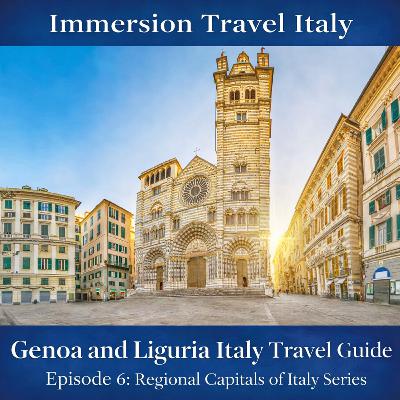
In this episode of the Immersion Travel Italy Podcast, we travel to Genoa, the capital of Liguria, and one of Italy’s most complex and underestimated cities.Genoa is not a city that explains itself easily. Wedged between the Ligurian Sea and steep hills, it developed inward, guarding its wealth, knowledge, and power behind narrow medieval streets known as the caruggi. For more than seven centuries, Genoa functioned as an independent maritime republic, funding empires, controlling trade routes, and shaping European finance in ways that are still felt today.This episode is the sixth in our Regional Capitals of Italy series, following Turin in Piedmont, Bologna in Emilia Romagna, Milan in Lombardy, Trento in Trentino Alto Adige, and Trieste in Friuli Venezia Giulia. Each capital reveals a different way power shaped Italy. Genoa’s story is one of commerce, strategy, and endurance.We begin with Genoa’s origins as a medieval maritime republic and explore how geography shaped its identity. Unlike Venice, Genoa exercised influence quietly, through contracts, banking, and control of movement rather than ceremony. Powerful families built palaces not as royal seats, but as private instruments of authority.The episode covers Genoa’s key historical transitions, including the end of the Republic under Napoleon Bonaparte, the city’s forced integration into the Kingdom of Sardinia, and its later role in Italian unification. Genoa never regained independence, but it became essential to the new Italian state as a port, industrial center, and gateway to the wider world.We also explore Genoa’s connection to Christopher Columbus, born here in the 15th century. Columbus was shaped by Genoa’s maritime culture and financial mindset long before sailing for Spain. Even after his voyages, Genoese bankers helped manage the flow of wealth from the Americas into Europe, reinforcing Genoa’s influence beyond visible borders.From history, we move into experience.You’ll walk through Genoa’s historic center, beginning at the magnificent Duomo di San Lorenzo, moving through the caruggi, opening into Piazza De Ferrari, and continuing along Via Garibaldi and the UNESCO listed Rolli Palaces. We talk about what to notice, how to read the city, and why Genoa feels lived in rather than curated.Food is an essential part of understanding Genoa, and we cover classic Ligurian dishes including focaccia genovese, farinata, and trofie al pesto, along with suggestions for cafés, bakeries, and traditional lunch spots.The episode also highlights Genoa’s three most important festivals:Festa di San Giovanni Battista, honoring the city’s patron saintLe Vele d’Epoca, celebrating maritime heritageRolli Days, when historic palaces open their doors to the publicFrom Genoa, we explore easy day trips by train and boat, including Rapallo and Portofino in one day, the fishing town of Camogli, and ferry connections to Sardinia, Sicily, and Corsica. Genoa has always been a city of departure, and it remains one today.We close with activities that help you experience Genoa beyond sightseeing, including walking the Porto Antico, riding the city’s public elevators and funiculars, visiting the Galata Museo del Mare, and seeing Genoa from the water.This episode is about learning how to read a city that never performed for visitors, but rewarded those willing to look deeper.🎧 Associated blog with full details, walking routes, and planning tips:https://katerinaferrara.com/blog/For more immersive travel guides, podcast episodes, and Italy focused itineraries, visit katerinaferrara.com and follow the Immersion Travel Italy series.
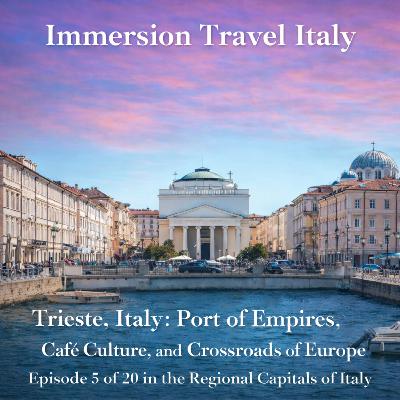
Welcome to Immersion Travel Italy—I’m Katerina Ferrara, travel author, podcaster, and your guide through Italy’s most fascinating regions. This is episode 5 of 20 in the Regional Capitals of Italy Series. In this episode, we journey to Trieste, a city unlike any other in Italy. Once the prized port of the Austro-Hungarian Empire and today a hidden jewel at the crossroads of Italian, Slavic, and Germanic worlds, Trieste is a place of layers, complexity, and unexpected beauty.This isn’t your typical Italy. With its neoclassical architecture, literary cafés, Austro-Hungarian cafés, grand boulevards, and Central European elegance, Trieste evokes Vienna as much as Venice. You’ll hear about the city’s role as the empire’s vital seaport, its complex identity within Friuli Venezia Giulia, and how it became a center of science, resistance, and reinvention.We take you on a full walking tour of Trieste, including stops at Piazza Unità d’Italia—Italy’s largest seaside square—San Giusto Cathedral with its layered Roman, medieval, and Baroque history, the ruins of the Roman forum, and literary landmarks connected to James Joyce and Italo Svevo. Along the way, I share stories of our favorite café rituals, a lunch we loved at an authentic osteria, and a dinner at one of Trieste’s top-rated restaurants serving local specialties like jota and gnocchi di susine.I also guide you beyond the city—on scenic day trips to Piran and Koper in Slovenia, and Udine and Grado in Italy, with train and car travel tips. Plus, we spotlight festivals that reveal the city’s soul, including the internationally famous Barcolana Regatta in October, the Festa di San Giusto in early November, the vibrant Trieste Pride, and winter traditions tied to San Nicolò, Krampus, and Carnevale.Looking for experiences beyond sightseeing? This episode recommends immersive activities—take a literary walking tour, enjoy a science-based experience at Trieste’s cutting-edge museums, or simply sit by the Adriatic with a glass of local wine and let the city reveal itself.As you may know, I’m writing a travel guide for every one of Italy’s 20 regions. So far, I’ve completed Sicily, Puglia, Lombardy, Lazio (Rome and Beyond), and Venice and the Veneto. I don’t know when the Friuli Venezia Giulia guide will arrive—maybe 2033!—but in the meantime, I hope this podcast helps you experience Trieste with depth, joy, and curiosity.And if you want to explore further, check out my festival and travel guides. Each book is packed with walking tours, regional history, travel logistics, hidden gems, and detailed festival chapters that take you into the heart of Italy’s traditions.📚 Explore my books on Amazon:🔸 Ultimate Festival and Travel Guide Sicilyhttps://amzn.to/3KARdo8🔸 Ultimate Festival and Travel Guide Pugliahttps://amzn.to/42WEnH1🔸 Ultimate Festival and Travel Guide Rome and Beyondhttps://amzn.to/4gRlvz0🔸 Ultimate Festival and Travel Guide Venice and the Venetohttps://amzn.to/48OhHfT🔸 Ultimate Festival and Travel Guide Milan and Lombardyhttps://amzn.to/46VzmQs🔸 Sicilia in Festa – Bilingual Italian-English editionhttps://amzn.to/4pUxBuP You can also visit my website KaterinaFerrara.com for the companion blog, links to each book, and more Italy inspiration. If you’d like to share your travel stories or request a future podcast destination, email me at katerina@katerinaferrara.com or use the contact form on my website.Thanks for joining me on Immersion Travel Italy.Until next time: travel slowly, travel intentionally, and let the places you visit tell their stories.
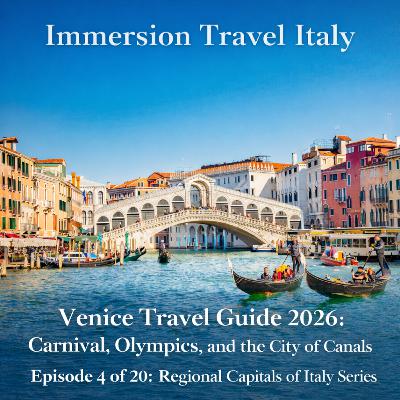
Venice: Carnival, Power, and the Olympic Curtain CallEpisode 5 of 20 in the Regional Capitals of Italy SeriesCiao and welcome to Immersion Travel Italy, the podcast where we don’t just visit Italy, we experience it.In this episode, we travel to one of the world’s most unforgettable cities: Venice. Timed with the 2026 Winter Olympics and the start of the Carnival season, we explore Venice through history, tradition, architecture, festivals, and personal stories that bring the city to life.We begin in Piazza San Marco, experiencing the Basilica di San Marco at sunrise and during an unforgettable after-hours tour. Listeners will hear about the shimmering gold mosaics, the view from the terrace, the Pala d’Oro, and the sacred crypt where Saint Mark’s relics rest.Next, we visit the Campanile of San Marco, the city’s towering bell tower with elevator access and panoramic views. From there, we walk through the Doge’s Palace, cross the Bridge of Sighs, and imagine Venice in the days when it was a maritime empire that shaped the eastern Mediterranean.We also explore Venice’s neighborhoods. I share a personal story from our recent stay in Cannaregio, a quieter and more local part of the city that still hugs the Grand Canal. You will hear about Pasticceria Pitteri, a local favorite for fresh pastries, and our morning routines away from the crowds.We continue by ferry across the lagoon to Murano and Burano. On Murano, we visit Gino Mazzuccato’s glass studio, where my teenage son and his friend were selected to help in a live glassblowing demonstration. It was a moment we will never forget. On Burano, we share the story of the island’s vivid houses, lace-making tradition, and a peaceful lunch at Trattoria alla Maddalena on nearby Mazzorbo, where we watched students arrive by boat after school.Additional highlights include:• Our favorite church for art in situ, Santa Maria Gloriosa dei Frari• The Accademia Galleries, home to masterpieces by Bellini, Tintoretto, and Carpaccio• A special stop at Gelateria Nico on the Zattere, where a local friend always goes for a gianduiotto affogato• The Festa della Sensa, Venice’s symbolic marriage to the sea• Reflections on Venetian architecture in places like Split, Dubrovnik, and Slovenia• A preview of upcoming Olympic events in Cortina d’Ampezzo and the Closing Ceremony in VeronaWe also touch on the importance of visiting Venice with care and intention. From sacred spaces to hidden gems, this is a city that rewards those who walk slowly, look up, and linger longer.To help plan your own visit, be sure to check the blog post associated with this episode at katerinaferrara.com. You will find:• Self-guided walking tour routes• Ticket links for sites like the basilica, bell tower, and Doge’s Palace• After-hours tour options• Ferry routes to Murano and Burano• Travel tips and festival calendars• A link to my Venice bonus podcast episode, where I share even more stories and experiences: Watch it here https://youtu.be/TqkGAWYRtac To dive deeper, explore my full series of guidebooks covering immersive travel and festivals across Italy.Shop my books on Amazon:• Ultimate Festival and Travel Guide: Sicilyhttps://amzn.to/3KARdo8 • Ultimate Festival and Travel Guide: Pugliahttps://amzn.to/42WEnH1 • Ultimate Festival and Travel Guide: Rome and Beyondhttps://amzn.to/4gRlvz0 • Ultimate Festival and Travel Guide: Venice and the Venetohttps://amzn.to/48OhHfT • Ultimate Festival and Travel Guide: Milan and Lombardy https://amzn.to/46VzmQs • Sicilia in Festa: Dual Language Editionhttps://amzn.to/4pUxBuP Thank you for listening. Subscribe and follow for more immersive journeys across Italy.
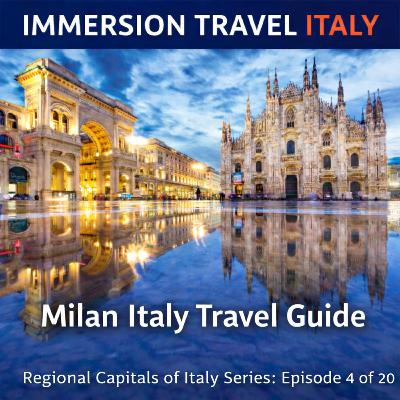
Welcome to Immersion Travel Italy, the podcast that goes beyond the checklist to explore Italy through history, culture, faith, and lived experience. I’m Katerina Ferrara, travel author, blogger, and your host.In this episode, we travel to Milan, the capital of Lombardy and one of the most powerful and influential cities in Europe, both past and present. This is Episode 4 of 20 in our Regional Capitals of Italy series, and it is an essential stop for understanding northern Italy.Milan is not just another Italian city. It is Italy’s economic engine, its most international hub, and a city that has shaped politics, religion, art, and innovation for centuries. In this episode, we explore how Milan rose from Roman capital to Renaissance powerhouse, and how it continues to reinvent itself today as it prepares to host the Milano Cortina 2026.You’ll hear about:• Milan as the capital of the Western Roman Empire• Saint Ambrose, Saint Augustine, and Milan’s central role in early Christianity• Piazza Duomo and the extraordinary history of the Duomo di Milano• The Galleria Vittorio Emanuele II and Teatro alla Scala• Castello Sforzesco, the Visconti and Sforza rulers, and Renaissance power• Leonardo da Vinci in Milan, engineering, and intellect• The Pinacoteca Ambrosiana and Milan’s scholarly identity• Santa Maria delle Grazie and the historical setting of The Last Supper• Brera as Milan’s intellectual and artistic quarterI also share personal stories from my many visits to Milan, including why the Duomo and the Pinacoteca Ambrosiana remain my favorite places in the city, and how we’ve often used Milan as a gateway to Lake Como and northern Italy. From Milan, day trips are effortless and deeply rewarding. I talk about traveling by train to Como, where the lake first opens up in dramatic fashion, and continuing on to Bellagio, the iconic town where water, mountains, and elegance meet. I also share experiences in Bergamo, with its unforgettable Città Alta rising above the plains, as well as Crema, a quieter and charming town known for its graceful piazza and slower rhythm of life. Finally, I include Pavia, home to one of Italy’s oldest universities and a powerful sense of medieval and scholarly history. These easy train journeys show how Milan isn’t just a destination in itself, but a perfectly positioned base for discovering lakeside beauty, fortified hill towns, and historic cities across northern Italy.A special focus of this episode is Milan’s role in the 2026 Winter Olympics, taking place February 6–22, 2026. We explore how Milan serves as the organizational and transportation hub for the Games, connecting iconic Alpine and Dolomite host towns including Cortina d’Ampezzo, Bormio, Livigno, Val di Fiemme, and Anterselva. I also share a personal moment from December 2025, when we witnessed the Olympic flag begin its journey through Rome, marking the start of Italy’s Olympic story.This episode is ideal for travelers planning a trip to Milan, visitors interested in the 2026 Olympics, and anyone who wants to understand Milan beyond fashion and finance.For deeper exploration, my Ultimate Festival and Travel Guide Milan covers far more, including festivals, sacred traditions, neighborhoods, and day trips connected to Milan and the Alpine north. The book is available on Amazon. Search Katerina Ferrara, or find direct book links at katerinaferrara.com.You’ll also find a free companion blog for this episode on my website with additional context and travel planning tips.Thank you for listening to Immersion Travel Italy.Travel slowly. Travel intentionally. And let Italy tell you its story.
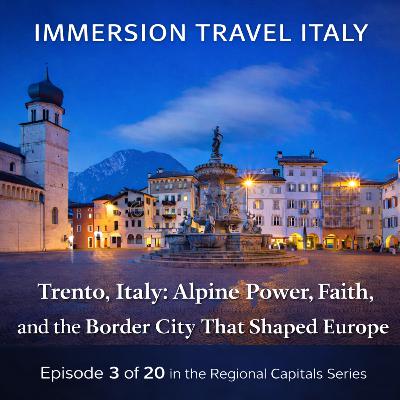
Immersion Travel Italy Podcast – Regional Capitals SeriesIn this episode of the Immersion Travel Italy Podcast, travelauthor and host Katerina Ferrara takes you deep into Trento, the capital of Trentino Alto Adige, one of Italy’s most overlooked yet historically powerful cities.Nestled in the Adige Valley and framed by the Alps, Trento is a city shaped by geography, diplomacy, faith, and balance. Once a Roman stronghold known as Tridentum, Trento later became the seat of powerful prince bishops andthe host city of the Council of Trent (1545–1563), one of the most important religious events in European history.In this immersive episode, you will explore:• Trento’s Roman origins and Alpine geography• The prince bishop system and centuries of dual religious and political power• The Council of Trent and how it reshaped Catholic Europe• Walking Trento’s historic center, including Piazza Duomo, Via Belenzani, Via Suffragio, medieval towers, and frescoed palaces• Castello del Buonconsiglio and the art of quiet authority• Santa Maria Maggiore and the working sessions of the Council• Trento’s food culture, including canederli, speck, mountain cheeses, and Trentodoc sparkling wineThis episode also covers Trento’s most important festivals,including:• Le Feste Vigiliane and the Palio dell’Oca• The Trento Film Festival, the world’s oldest mountain film festival• The Mercatino di Natale di Trento Christmas MarketBeyond the city, you will discover outdoor activities and Alpine experiences, including:• Monte Bondone hiking, skiing, and panoramic views• Cycling the Adige Valley bike path• Via ferrata climbing routes• Paragliding over the valley• Kayaking and rafting on the Adige RiverTrento also serves as a perfect base for day trips by train, alldiscussed in this episode:• Bolzano and South Tyrol’s bilingual culture• Bressanone (Brixen) and Alpine cathedral towns• Rovereto and modern art at MART• Verona and Roman power in northern ItalyThis episode is part of the Regional Capitals Series, followingTurin and Bologna, and focuses on cities that shaped Italy through power,ideas, and geography rather than spectacle.📝 Associatedblog available free at:https://katerinaferrara.com📚 ExploreKaterina Ferrara’s travel books and guides:Ultimate Festival and Travel Guide Sicily: https://amzn.to/4l71Pbi Ultimate Festival and Travel Guide Puglia: https://amzn.to/3HFAe2w Ultimate Festival and Travel Guide Rome & Beyond: https://amzn.to/440Dq0lUltimate Festival and Travel Guide Venice & the Veneto: https://amzn.to/48OhHfTMilan & Lombardy https://amzn.to/46VzmQsSicily in Celebration / Sicilia in Festa (DualLanguage Edition)https://amzn.to/4jPVEHKItalian Language: Guida Completa a Feste e ViaggiSiciliahttps://amzn.to/44AIYQ1🎧 If you loveimmersive travel, history rich destinations, festivals, and slow travel experiences beyond the tourist checklist, this episode is for you.📩 Podcast ideas ortravel questions? Email: katerina@katerinaferrara.comImmersion Travel Italy – where history, culture, and place come together.
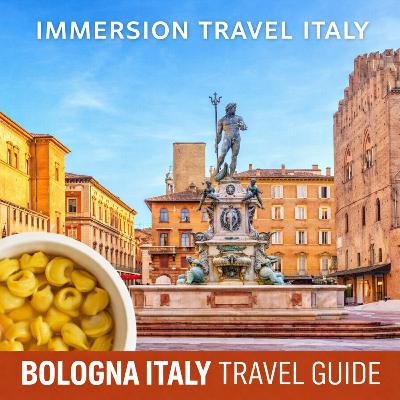
Bologna is one of Italy’s most important cities and one of its least understood.In this immersive episode of Immersion Travel Italy, travel author and Italy expert Katerina Ferrara takes you deep into Bologna, a city known as La Dotta (the Learned), La Grassa (the Fat), and La Rossa (the Red). This is not a checklist travel episode. It is a thoughtful journey through a city that shaped European education, law, architecture, and food culture.You will discover why Bologna is home to the oldest university in the Western world, how its medieval porticoes became a UNESCO World Heritage Site, and why its cuisine is considered the gold standard of Italian cooking. This episode blends history, walking routes, cultural insight, and practical travel planning, making it ideal for first time visitors and returning travelers who want depth rather than highlights.You will explore Bologna’s Roman origins and medieval rise as an intellectual powerhouse. We walk through Piazza Maggiore and the Basilica of San Petronio, including the remarkable meridian line where science and faith intersect. You will learn the story of the Two Towers and why medieval families built them, what you see from the top of the Asinelli Tower, and how Bologna once looked with over one hundred towers on its skyline.We explore Bologna’s 62 kilometers of porticoes and the legendary covered walk to the Sanctuary of San Luca. You will also discover the city’s hidden canals, the Archiginnasio and its Anatomical Theatre, and Santo Stefano, Bologna’s medieval recreation of the Holy Sepulchre in Jerusalem.Bologna is widely considered the food capital of Italy, and this episode explains why. You will learn what makes true tagliatelle al ragù different from what the rest of the world calls Bolognese, why tortellini in brodo is treated with reverence, and how food guilds protected recipes centuries before modern certifications existed.We explore the Quadrilatero market district, aperitivo culture, and the role food plays in Bologna’s identity, daily life, and civic pride.Bologna is one of Italy’s best transportation hubs and an ideal base for Emilia Romagna. This episode includes easy day trips by train to:Modena for balsamic vinegar traditions, Ferrari history, and ducal architectureParma for opera, refined architecture, and Parmigiano ReggianoImola for medieval fortresses and motorsport historyRavenna for Roman and Byzantine mosaics and the tomb of DanteThis episode is designed for travelers who want cultural understanding, historical context, and meaningful experiences. You will not just learn what to see in Bologna, but why it matters and how to experience it slowly and intentionally.Explore Italy more deeply with the Ultimate Festival and Travel Guide Series, available on Amazon:Ultimate Festival and Travel Guide Sicilyhttps://amzn.to/3KARdo8Ultimate Festival and Travel Guide Pugliahttps://amzn.to/42WEnH1Ultimate Festival and Travel Guide Rome and Beyondhttps://amzn.to/4gRlvz0Ultimate Festival and Travel Guide Venice and the Venetohttps://amzn.to/48OhHfTUltimate Festival and Travel Guide Milan and LombardyComing soonhttps://amzn.to/46VzmQsSicilia in FestaDual Language English Italian Editionhttps://amzn.to/4pUxBuPGuida Completa a Feste e Viaggi SiciliaItalian Language Editionhttps://amzn.to/44AIYQ1Rome 2025 Jubilee Travel Guidehttps://amzn.to/4pA40qaA companion blog post with photos, site details, and travel tips is available free at katerinaferrara.com.Questions or episode ideas? Email katerina@katerinaferrara.comSlow down. Pay attention. And experience Italy beyond the checklist.
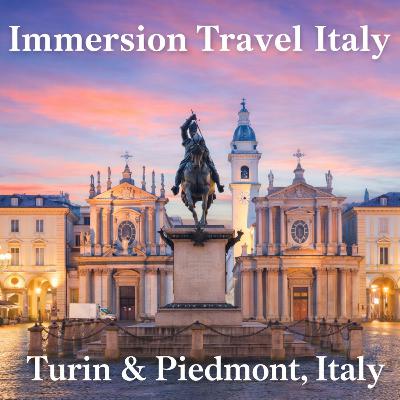
Turin and Piedmont are among Italy’s most elegant and overlooked destinations, and in this episode of the Immersion Travel Podcast, I’m taking you deep into a region that surprised us in the very best way.My husband and I spent two weeks in Piedmont in May 2022, using Turin as our base. From the moment we arrived, Turin felt different. Calm, refined, and quietly confident. With its grand piazzas, long arcaded streets, and regal architecture, the city often feels more French than Italian, and that is no accident. Turin was once the first capital of unified Italy, designed to project power, order, and sophistication.In this episode, I share our personal experience exploring Turin on foot and explain why it remains one of the most beautiful yet least tourist-crowded cities in northern Italy. We talk about why Turin is so easy to visit, including flying in and out of Turin’s airport, and how it works perfectly as both a destination and a gateway to northern Italy.You’ll hear the fascinating history of Turin, from its Roman foundations as Augusta Taurinorum, to its rise under the House of Savoy, its brief but symbolic role as Italy’s first capital, and its transformation into an industrial powerhouse through FIAT and the Lingotto factory.This episode also explores Piedmont’s legendary food and wine culture, from Barolo and Barbaresco wines to white truffles, chocolate, and the philosophy behind the Slow Food movement. We connect Turin’s most important festivals directly to its landmarks, including the Festa di San Giovanni in Piazza Castello, the Torino Film Festival at the Mole Antonelliana, and the Turin International Book Fair at the former Lingotto factory.Turin was also our gateway to Lago Maggiore, and it worked beautifully. We flew into Turin, spent time in the city, then continued on to the lake by train and car. The transition from royal capital to lakefront promenades, ferry rides, and mountain views is seamless. I also reference my five-part Lago Maggiore video series on YouTube and related podcast episodes, where I break the lake down town by town to help you plan a slower, more immersive trip.From Turin, we explored some of Piedmont’s most rewarding towns, each offering a distinct perspective on the region’s identity.We begin with Asti, a former Roman and medieval powerhouse best known today for Asti Spumante and one of Italy’s oldest horse races, the Palio di Asti. Just under an hour from Turin by train, Asti blends Roman roots, Gothic architecture, and deep wine traditions.Next is Alba, the heart of the Langhe hills and the capital of white truffles. Alba’s medieval towers, refined historic center, and world-famous truffle fair make it one of Piedmont’s most important food destinations, surrounded by the Barolo and Barbaresco wine regions.Just beyond Alba lies Bra, birthplace of the Slow Food movement. Bra’s calm rhythm, Baroque architecture, agricultural markets, and the international Cheese festival reflect a philosophy rooted in tradition, sustainability, and thoughtful eating.Finally, we explore Alessandria, a strategic crossroads city founded in the Middle Ages. Known for its massive star-shaped citadel and civic identity, Alessandria reveals Piedmont’s military and commercial history and connects naturally toward Liguria and southern France.Together, these towns show why Piedmont is one of Italy’s most balanced regions, where agriculture, industry, culture, and tradition coexist without excess.✨ A companion blog post is available for this episode with additional historical detail, travel logistics, and planning tips.🌍 Visit my website for the blog, podcast episodes, travel guides, and festival-focused itineraries:👉 https://katerinaferrara.com/If you love Italy beyond the usual tourist trail and want destinations with depth, elegance, and authenticity, this episode will show you why Turin and Piedmont quietly belong among Italy’s great travel experiences.
What if traveling in Italy was less about checking off sights and more about how a place makes you feel?In this episode of Immersion Travel Italy, host Katerina Ferrara is joined by well-being advocate and speaker Jodie Steele for a thoughtful conversation about slow travel, sensory awareness, and experiencing Italy beyond the traditional tourist itinerary. Together, they explore how different environments affect us emotionally and physically, from the high-energy streets of Rome and Milan to the calmer rhythms of Italy’s smaller towns and countryside.This episode dives into why immersive travel experiences like local festivals, cooking classes, shared meals, and everyday rituals stay with us longer than a packed sightseeing schedule. Katerina shares why Italian festivals are at the heart of her travel philosophy, from centuries-old saint celebrations to food and wine festivals that bring entire communities together once a year. Jodie offers insight into mindfulness, sensory balance, and how travelers, including neurodivergent and highly sensitive travelers, can plan trips that feel grounding rather than overwhelming.You will hear practical tips on traveling during Italy’s shoulder seasons, layering busy cities with quieter destinations like the Castelli Romani, Treviso, Lake Como, and Lake Garda, and why slowing down helps reduce burnout while traveling. The conversation also touches on modern travel habits, the impact of constant photography, and why being fully present often creates the most powerful travel memories.If you are looking to experience Italy through culture, festivals, food, nature, and meaningful connection rather than rushing from site to site, this episode offers inspiration, reflection, and actionable ideas.✨ Topics covered include:• Slow travel in Italy• Italian festivals and local traditions• Mindful and sensory-friendly travel• Cooking classes and immersive experiences• Traveling beyond Rome, Venice, and Milan• Lake Como, Lake Garda, and Italy’s smaller towns• Travel planning without burnout• Experiencing Italy through food, nature, and ritualFor more immersive Italy travel inspiration, festival calendars, and in-depth guides, visit katerinaferrara.com and explore Katerina’s Ultimate Festival & Travel Guides.🎒 Travel slowly. Stay curious. Experience Italy deeply.
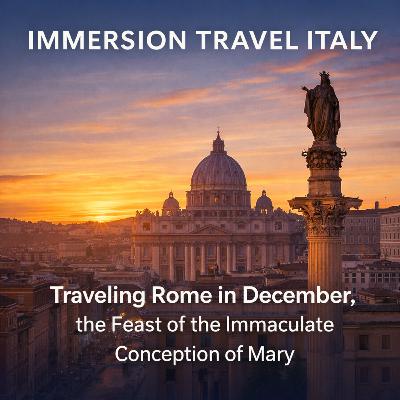
Join host Katerina Ferrara on this heartfelt and immersive episode of the Immersion Travel Italy Podcast, as she takes you on a personal journey through Rome on December 8, the Feast of the Immaculate Conception of Mary—a deeply spiritual national holiday in Italy, and also her birthday. From watching the firefighters raise a wreath to the Virgin at sunrise in Piazza Mignanelli, to witnessing Pope Leo just eleven feet away, this episode is a breathtaking celebration of faith, culture, Christmas traditions, and Rome at its most magical.Whether you're dreaming of visiting Rome in winter, want to plan a Christmas trip to Italy, or are curious about Italy's most sacred holidays, this episode will transport you straight into the heart of the Eternal City.🌟 Episode Highlights:What it's like to be in Rome on December 8, a national holiday known as L'Immacolata Concezione.Watching Rome’s Vigili del Fuoco (firefighters) raise a floral wreath up the Marian column at dawn.The beauty of a purple and rose-hued Roman sunrise in Piazza di Spagna.Enjoying breakfast in a cozy Roman café after an early start—no bar espresso today!Visiting Santa Maria in Aracoeli and admiring its stunning cosmatesque floors.Taking the secret passage to Michelangelo’s Piazza del Campidoglio and entering the Capitoline Museums.Seeing the remains of the Colossus of Constantine and exploring the Pinacoteca, where Katerina finds works by her favorite Renaissance artist, Il Garofalo.The beauty of celebrating a birthday in the midst of Italy’s Jubilee Year 2025.An unforgettable front-row view of Pope Leo during his 3:00 p.m. arrival at the base of the Marian column.Reflections on the Pope’s Feast Day speech and the emotions of the crowd in Piazza di Spagna.A visit to Santa Maria del Popolo to see Caravaggio’s masterpieces at the historic northern gate of Rome.Aperitivo at Terrazza Ranieri, listening to a Christmas choir, and a magical Christmas tree lighting countdown—just in time.🎄 Rome glows with light, music, and reverence on December 8, and this episode captures every moment of the experience—from sunrise to starlight.✨ Why You’ll Love This EpisodeIf you’ve ever dreamed of:Spending the holidays in Rome, ItalyCelebrating a Catholic feast day in the heart of the ChurchWitnessing Pope LEO up closeTouring Rome’s historic sites without the summer crowdsLearning the cultural traditions behind Italian holidaysExploring the artistic treasures of Caravaggio, Michelangelo, and Il GarofaloHearing a firsthand account of a Jubilee Year celebration……then this episode is for you.📘 Mentioned in the Episode:Piazza Mignanelli & Piazza di SpagnaSanta Maria in AracoeliPiazza del CampidoglioCapitoline MuseumsColossus of ConstantineSanta Maria del PopoloPope LEO' speech at the Marian columnChristmas tree lighting ceremony in Piazza di SpagnaTerrazza Ranieri – aperitivo with a view (sort of!)Roman cafés, art, and jubilee joy🇮🇹 Planning a trip to Rome?Make sure to grab your copy of the Ultimate Festival and Travel Guide: Rome & Beyond—your year-round companion for uncovering the best events, hidden gems, walking tours, and local traditions in the Eternal City. This travel guide includes helpful maps, local restaurant picks, tips for seeing the Pope, and insights into Italy’s national holidays and feast days.📚 Find it on Amazon here:Ultimate Festival and Travel Guide Rome & Beyond🎧 Subscribe & ListenIf you enjoy immersive storytelling, cultural travel, and the hidden stories behind Italy’s most beloved towns and festivals, hit Follow or Subscribe on Spotify, Apple Podcasts, or wherever you listen.📸 Follow Along:Instagram: @katerinaferraraauthorWebsite & blog: katerinaferrara.comNewsletter: Get monthly travel insights, festival updates, and behind-the-scenes peeks into Katerina’s travels and books.
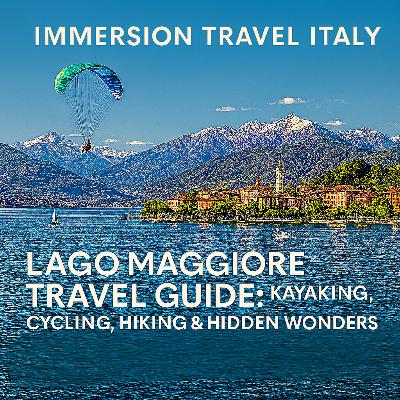
Welcome to the ultimate adventure episode of the Immersion Travel Italy Podcast. In this high energy finale to the Lago Maggiore five part series, we explore the lake in motion. This is the essential guide for kayaking, cycling, hiking, sailing, swimming, paragliding, food festivals, hidden villages, pilgrimage routes, vineyard tastings, panoramic climbs, and secret coves across one of the most spectacular lakes in northern Italy.If you love Italy travel, adventure travel in Italy, Italian lakes, outdoor experiences, or discovering hidden gems across Piedmont and Lombardy, this episode delivers everything you need for an unforgettable trip. It is packed with insider information, specific routes, tips for timing, and immersive storytelling gathered directly from the shores of Lago Maggiore.• Kayaking on Lago Maggiore to the Castelli di Cannero• Sailing lessons in Stresa during Settimana della Vela• Electric boat itineraries near the Borromean Islands• Sunrise paddleboard yoga with floating breakfast• Parasailing above the lake with views of Monte Rosa• Cycling the Verbania to Cannobio waterfront path• Mountain routes on Monte Mottarone and Monte Faiè• UNESCO pilgrimage trails at the Sacro Monte di Ghiffa• Walking the Via of Saint Charles from Arona to Meina• Exploring Carmine Superiore and Coiromonte• Vineyard tastings at sunset in the hills above the lake• Regional food festivals including asparagus, lake fish, harvest celebrations, chestnut celebrations, and Christmas markets• Travel friendly day trips to Lake Lugano, Lake Varese, Lake Mergozzo, and romantic Lake OrtaThis episode is designed for travelers who want real immersion in Italy. It blends adventure, lake culture, food traditions, and the quiet beauty of remote chapels, peaceful forests, and local festivals that many visitors never see.This episode is ideal if you are searching for:Italy travelLago Maggiore travel guideItalian lakes travelKayaking in ItalyCycling in ItalyHiking in ItalyAdventure travel ItalyOutdoor ItalyHidden gems ItalyPiedmont travel guideLombardy travel guideBorromean Islands travelEvery section is filled with insider advice that makes planning easy and enjoyable.Exact starting points for activitiesBest months for kayaking, sailing, cycling, and photographyHow to reach the most beautiful coves and beachesWhere to find real local food and wine festivalsMarket days in the most charming lake townsHistory that brings each place to lifeAuthentic experiences and secret corners shared by localsYou can continue exploring Italy with my complete collection of travel guides. Each book includes walking tours, sagre, practical planning, cultural notes, restaurant tips, lake towns, transport routes, and immersive experiences.Ultimate Festival and Travel Guide SicilyUltimate Festival and Travel Guide PugliaUltimate Festival and Travel Guide Rome and BeyondUltimate Festival and Travel Guide Venice and the VenetoUltimate Festival and Travel Guide Milan and LombardyBlog: katerinaferrara.com slash blogNewsletter with monthly Italy travel insights: katerinaferrara.com slash newsletterInstagram: @immersiontravelitalyFollow for upcoming series on Lake Garda, Lake Como, Tuscany, Venice, Umbria, the Dolomites, and more.This final episode of the Lago Maggiore series brings together everything that makes northern Italy unforgettable. If you love lakeside mornings, mountain trails, ancient chapels, local traditions, cycling paths with endless views, and the quiet beauty of the Italian Alps reflecting in the water, this is the perfect episode for you. Press play and begin the adventure.
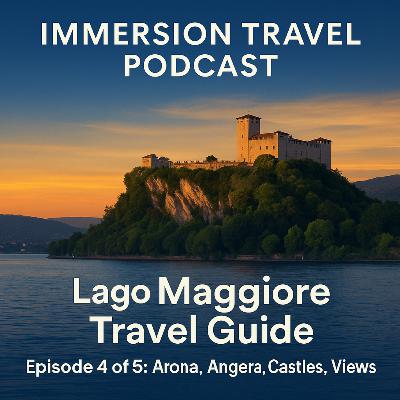
Discover the magic of Lago Maggiore’s southern shores in this immersive episode of the Immersion Travel Italy Podcast. Journey with author and travel guide creator Katerina Ferrara as she explores Arona, Angera, ancient fortresses, lakeside promenades, Roman history, stunning churches, peaceful ferries, and the timeless rhythm of Italian lake life.This episode brings you into the heart of two of the lake’s most captivating towns. Stand beneath the towering Sancarlone statue, gaze across the water toward the medieval Rocca Borromea, feel the quiet reverence of evening bells, and follow the historic ferry route that has linked communities for centuries. Whether you are planning a future trip or dreaming from home, this episode offers vivid storytelling, practical travel tips, local history, and the kind of immersive detail that helps you travel deeper.Lago Maggiore is one of northern Italy’s most enchanting destinations, stretching between Lombardy, Piedmont, and Switzerland. Arona and Angera anchor the southern end of the lake with beautiful waterfronts, elegant cafés, archaeological sites, and panoramic viewpoints perfect for photography and slow exploration. Listeners will hear about the best viewpoints, ideal times to visit, seasonal events, and the peaceful rhythms of life that make this part of the lake unforgettable.If you love this episode, you will enjoy Katerina’s full travel guides.Explore Lombardy with the Ultimate Festival and Travel Guide Milan and Lombardy, a comprehensive guide to festivals, sagras, walking tours, regional cuisine, and the legendary northern Italian lakes, including Lake Maggiore, Lake Como, and Lake Garda.And discover the Venetian world of canals, traditions, and seasonal celebrations with the Ultimate Festival and Travel Guide Venice and the Veneto, your essential guide for uncovering regional history, local events, hidden gems, and immersive cultural experiences.Listeners who want to go beyond typical sightseeing will find travel suggestions for planning lake itineraries, discovering local food traditions, visiting chapels and monasteries, exploring castle interiors, enjoying scenic ferry rides, and connecting with each town’s unique personality. The episode includes ideal day trips, photography spots, best times of year for lake travel, and helpful tips for navigating the area by ferry, train, and car.For additional articles, photographs, festival guides, and travel resources, visit katerinaferrara.com, where you can also sign up for the Immersion Travelers Newsletter. Subscribers receive insider Italy travel updates, festival calendars, itinerary ideas, podcast news, walking tours, and exclusive seasonal content for planning unforgettable trips through Italy.Tune in, travel deeper, and let the beauty of Lago Maggiore inspire your next Italian adventure.
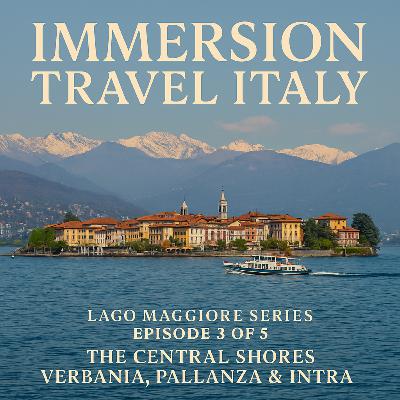
Step aboard as the ferry glides south across Lago Maggiore, where the snowy peaks of Switzerland fade into the distance and Italy’s warmth returns in full bloom. In this third episode of our five-part Lago Maggiore Series, travel author and host Katerina Ferrara takes you through the central shores of Verbania, exploring the poetic towns of Pallanza, Intra, and the legendary Villa Taranto Gardens, where nature and art meet in perfect harmony.Feel the gentle rhythm of the lake as voices shift from Swiss to Italian, church bells echo across the water, and colorful facades shimmer beneath the morning sun. Katerina’s narration captures the elegance and authenticity that define this region, the heart of Lago Maggiore’s soul.In Pallanza, discover timeless grace: tree-lined promenades, pastel villas, and one of the most extraordinary botanical gardens in Europe. The story of Captain Neil Boyd McEacharn, a Scottish visionary who created Villa Taranto in the 1930s, unfolds like a living fairytale. Hear how he transformed the lakeside into a global masterpiece of 20,000 plant species, from lotus ponds to dahlias, magnolias, wisteria, and camellias. In May, the gardens burst into bloom, perfuming the air with color and serenity.Continue south to Intra, the working heart of Verbania, where ferries glide, markets fill the piazzas, and life unfolds in the cadence of everyday Italy. Experience the hum of the Saturday market, the aroma of fresh focaccia, and the bell of Basilica di San Vittore, the town’s spiritual anchor. Here, simplicity becomes beauty and travelers discover a slower, more human rhythm that defines immersion travel.Katerina weaves personal stories and practical insights with cultural history, offering listeners a rich sense of place from the Passeggiata della Beata Giovannina, a lakeside walk named after a local saint, to café terraces where locals linger for hours over espresso and conversation. Learn where to stay, what to eat, and how to navigate the lake’s ferry routes with ease as she reveals her favorite hotels, osterie, and hidden corners around Verbania.This episode is both a journey and a meditation, a reflection on the artistry of gardens, the pulse of community, and the enduring spirit of northern Italy. Whether you are a garden lover, a cultural explorer, or simply dreaming of Italy’s lakes, Episode 3 invites you to slow down, breathe deeply, and let Lago Maggiore’s light and tranquility wash over you.🎧 Listen, subscribe, and discover why Lago Maggiore’s central shores capture the essence of slow European travel.🌸 Explore Katerina’s Ultimate Festival and Travel Guide Series, including Sicily, Puglia, Rome and Beyond, and Venice and the Veneto, available on Amazon, with new editions for Milan and Lombardy and The Italian Lakes coming soon.📚 Links and details at www.katerinaferrara.com.✉️ Sign up for Katerina’s free Immersion Travelers Newsletter for exclusive itineraries, hidden gems, and insider festival tips direct to your inbox.🌍 Visit katerinaferrara.com for travel itineraries, blogs, and festival insights.📸 Follow Katerina on Instagram @katerinaferraraauthor for photos, behind the scenes journeys, and Italian festival inspiration.🎥 Watch the full Lago Maggiore Series on YouTube under Immersion Travel Italy.✨ Let the waters of Lago Maggiore guide you south, where sunshine, serenity, and the soul of Italy meet in every reflection.
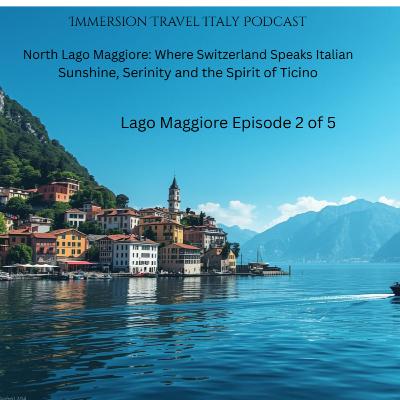
Immersion Travel Italy Podcast — Lago Maggiore Series, Episode 2: Where Switzerland Speaks ItalianClose your eyes and picture this. Calm blue waters surrounded by alpine slopes and palm trees, sunlight glimmering on ancient stone, and Italian voices echoing through a Swiss piazza. Welcome to Ticino, the southern soul of Switzerland where Lago Maggiore flows north into a land that speaks Italian, sips espresso, and lives the good life with Swiss precision.In this episode, Katerina Ferrara, author of the Ultimate Festival and Travel Guide Italy series, takes you to the Swiss side of Lago Maggiore, to Locarno, Ascona, and the Brissago Islands for a journey that blends culture, history, art, faith, and slow travel moments.You will wander through Locarno’s Piazza Grande, home to the world-famous Locarno Film Festival, climb to the Sanctuary of Madonna del Sasso, and stroll the palm-lined lakefront where cafés spill onto cobblestones. Then you will drift to Ascona, the Riviera of artists and dreamers, once home to the visionary colony of Monte Verità, a community that shaped early twentieth-century art and philosophy. Jazz festivals, classical concerts, local food, and the gentle rhythm of lake life all await.The episode also unveils the Brissago Islands, two botanical jewels floating in the lake, home to camellias, bamboo, papyrus, and orchids that bloom in a microclimate warmed by Alpine sun. Learn about Baroness Antoinette St. Leger’s garden legacy, Max Emden’s villa, and the enduring harmony between nature and art that defines Ticino.Travel tips, insider insights, and immersive storytelling bring this region to life.You will learn how to reach Ticino by train from Milan or Zurich.You will hear about ferry routes between Locarno, Ascona, and the islands.There are suggestions on where to stay, from elegant lakefront hotels to the peaceful Monte Verità retreat.You will discover local flavors such as polenta e brasato, risotto al Merlot, and torta di pane.The episode also highlights cultural events including the Ascona Jazz Festival and the Settimane Musicali di Ascona.Whether you are planning your next Swiss and Italian lake escape or simply dreaming from afar, this episode offers an inspiring and sensory journey through a region where the Alps meet the Mediterranean spirit.Listen, subscribe, and discover why Lago Maggiore’s northern shores capture the essence of slow European travel.Explore Katerina’s Ultimate Festival and Travel Guide Series including Sicily, Puglia, Rome and Beyond, and Venice and the Veneto, available on Amazon, with new editions coming soon for Milan and Lombardy and the Italian Lakes. Links at www.katerinaferrara.com Visit www.katerinaferrara.com for travel itineraries, blogs, and festival insights.Follow Katerina on Instagram @immersiontravelitaly for photos, behind-the-scenes journeys, and Italian festival inspiration.Watch the full Lago Maggiore Series on YouTube under Immersion Travel Italy.Let the waters of Lago Maggiore guide you north, where sunshine, serenity, and the spirit of Ticino create an unforgettable meeting of worlds.
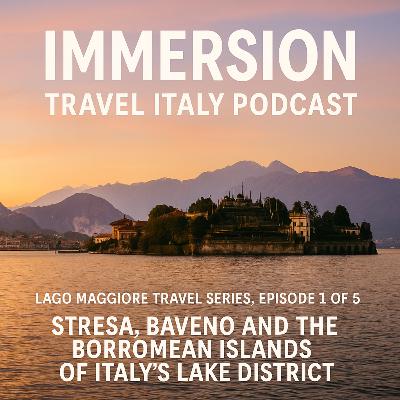
A five-part journey across Lago Maggiore, one of Italy’s most enchanting lakes. In this first episode, travel author Katerina Ferrara takes you beyond the guidebook and into the soul of northern Italy, exploring Stresa, Baveno, and the legendary Borromean Islands through history, beauty, and personal storytelling.From the first glimpse of Stresa’s Belle Époque promenade to quiet mornings in Baveno, this episode captures the lake’s timeless charm. Learn how Napoleon’s road along the western shore transformed travel in the early 1800s and helped shape Stresa into one of Italy’s most elegant destinations during the nineteenth century Grand Tour. Stroll past pastel villas, explore the Grand Hotel des Îles Borromées where Hemingway once stayed, and hear the stories of composers and artists who found inspiration on these peaceful shores.Travel by ferry to the Borromean Islands, three jewels of Lago Maggiore, each with its own soul:🏛️ Isola Bella, a baroque masterpiece of art and gardens rising from the lake.🐟 Isola dei Pescatori, a humble fishing village alive with tradition, where you can taste risotto al pesce persico and join the August Ferragosto festival.🌸 Isola Madre, a haven of tranquility with exotic gardens, white peacocks, and marionettes once used by the Borromeo family.Katerina shares her own experiences staying five nights in Baveno, a peaceful alternative to bustling Stresa. From breakfast overlooking the lake at Hotel Rigoli to evening strolls along the promenade, you will discover how life here moves to the rhythm of the water. Learn about Baveno’s pink granite quarries that helped build the Milan Duomo, explore its eleventh century church and historic villas, and enjoy insider tips on where to eat, from family run trattorias to elegant terrace dining.The episode also includes a visit to the awe inspiring Eremo di Santa Caterina del Sasso, the hermitage built on the cliffs of the eastern shore. With its medieval frescoes, sacred silence, and panoramic views over the water, this monastery is one of the most unforgettable spiritual landmarks in all of northern Italy.Throughout the episode, Katerina blends travel storytelling, history, and personal insight, inviting listeners to see Lago Maggiore through her eyes, not as a checklist of sites but as a living tapestry of art, devotion, and Italian grace.Whether you are planning a trip to northern Italy or dreaming from afar, you will come away with inspiration, insider knowledge, and practical travel tips on:🏨 Where to stay in Stresa and Baveno🚤 How to navigate the Borromean Islands by ferry or private water taxi🍝 What local dishes and wines to try🌷 When to visit for the best gardens, festivals, and light🏛️ Hidden gems and cultural highlights not found in typical guidebooksThis is the Italy of still mornings, centuries old chapels, lakeside sunsets, and unexpected encounters, the kind of travel that lingers in your heart long after you have returned home.🎙️ About the Host:Katerina Ferrara is an Italy travel expert, author of the Travel italy series (Sicily, Puglia, Rome and Beyond, Milan and Lombardy, Venice and the Veneto), and CEO of Immersion Travel Italy, a platform dedicated to slow travel, festivals, and cultural connection.🌐 Visit katerinaferrara.com for detailed itineraries, insider Italy travel tips, and links to Katerina’s books on Amazon.📘 Explore her series on Amazon:Ultimate Festival and Travel Guide Milan and Lombardy (includes Lago Maggiore, Lago di Garda, Lago di Como) → https://amzn.to/4o2LhDjUltimate Festival and Travel Guide Sicily → https://amzn.to/4l71PbiUltimate Festival and Travel Guide Puglia → https://amzn.to/3HFAe2wUltimate Festival and Travel Guide Rome and Beyond → https://amzn.to/440Dq0l✨ Subscribe, follow, and share the Immersion Travel Italy Podcast on Spotify, Apple Podcasts, and YouTube, and join thousands of Italy lovers discovering new destinations, traditions, and hidden gems across the peninsula.
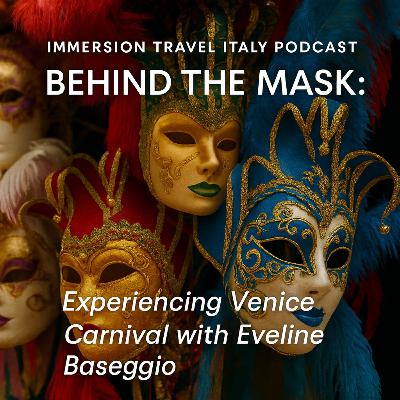
Ciao and welcome to Immersion Travel Italy, the podcast where we don’t just visit Italy, we experience it. Hosted by travel author and festival enthusiast Katerina Ferrara, each episode takes you deep into Italy’s heart and soul: from candlelit processions and centuries-old traditions to unforgettable festivals that bring entire communities together.🎭 In this episode, we’re heading to Venice, city of canals, mystery, and theatrical splendor, to talk all things Carnival.Katerina is joined by Eveline Baseggio, a brilliant Italian teacher, art historian, and cultural guide with a Ph.D. in Art History, who has dedicated her career to bringing Italian culture to life for students around the world. Eveline not only knows Venice intimately, she’s leading an extraordinary Carnival tour next February that blends art, history, fashion, and immersive experiences in one of the world’s most magical festivals.✨ Topics covered in this episode:The origins of Venice’s Carnival and how it became the most theatrical celebration in Europe during the city’s Golden Age.Why Carnival captures Venice’s true essence, its theatricality, mystery, and civic traditions.Eveline’s behind-the-scenes look at planning an exclusive Carnival experience: from finding hidden hotels through personal connections to arranging tailor-made costumes and private photographers.Unique workshops where guests craft their own Venetian masks and even create personalized perfumes, echoing 17th- and 18th-century traditions.How fashion, art, and seduction intertwined in Venice’s Carnival, with references to Canaletto, Tiepolo, and the city’s distinctive cultural codes.The importance of slowing down, learning the stories behind places, and embracing immersive experiences rather than racing through a checklist.Eveline’s personal memories of Venice — walking quiet, foggy calli at night, discovering architectural details, and savoring moments when the city feels like it has slipped back in time.🌊 Along the way, Katerina and Eveline share their shared passion for authentic cultural immersion, from visiting mosaic artists in hidden workshops to meeting the last battiloro (gold beaters) of Venice, families who keep ancient crafts alive. They discuss how meaningful encounters and hands-on experiences create lasting travel memories, whether it’s a cooking class in Sicily or a masked ball in Venice .🎟️ Eveline’s upcoming Carnival tour offers rare access and small-group intimacy during Venice’s busiest season, including a tailored costume fitting, attendance at a masquerade ball, and curated art visits designed to make travelers feel like they’ve stepped into a painting. She shares how language immersion is woven into the journey, making it accessible for learners at all levels.📌 Links & Resources (Eveline is closing the Venice Tour Registration October 16, 2025 but check Collina Italiana for other tours)Eveline’s tours: https://collinaitaliana.com/Email Eveline: eveline@collinaitaliana.comKaterina’s Venice Travel Guide: https://amzn.to/48OhHfT🎧 Whether you’ve dreamed of gliding through misty canals in costume, attending a Venetian ball, or simply want to understand the deeper cultural layers behind this iconic festival, this episode will transport you straight into the magic of Carnival.☕ So grab your espresso and join us as we go behind the mask in Venice.
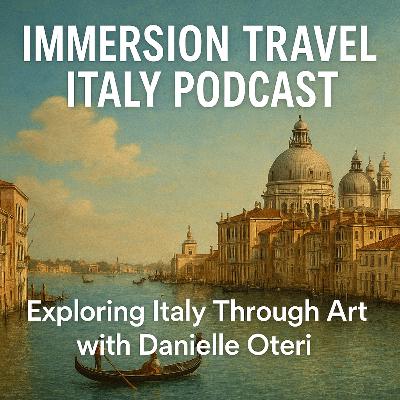
What are Italy’s must see museums for art lovers? How can travelers slow down, avoid overwhelm, and experience Italy’s masterpieces in their original settings? In this inspiring episode, travel author and host Katerina Ferrara sits down with Danielle Oteri, art historian, travel expert, and founder of Danielle Oteri’s Italy, to uncover how to experience Italy’s art, museums, and sacred spaces like a true insider.From the Accademia in Venice to the Museo dell’Opera del Duomo in Florence and the breathtaking Archaeological Museum in Naples, Danielle shares her top three Italian museums and why each offers something extraordinary. Discover how to find Renaissance treasures in small towns, why the St. Ursula cycle by Carpaccio is a Venetian must, and how tour guides can transform a museum visit into a deeply personal experience.We’ll explore:How to choose the right art experiences for your interestsThe magic of seeing art in situ exactly where it was createdPractical tips for visiting the Vatican, Florence, and Venice without the crowdsWhy slowing down in churches and museums can create moments of aweWhether you're planning your first trip to Italy or your tenth, this conversation will inspire you to see Italy’s art with fresh eyes.Danielle’s website: www.danielleoteri.com📚 Buy Your Ultimate Festival & Travel Guide Today!Venice and the Veneto: https://amzn.to/48OhHfTSicily: https://amzn.to/3KARdo8Puglia: https://amzn.to/42WEnH1Rome and Beyond: https://amzn.to/4gRlvz0Milan and Lombardy coming soon: https://amzn.to/46VzmQs🌐 Visit: www.katerinaferrara.com🎧 Subscribe to the Immersion Travel Podcast for more festival stories, itineraries, and insider Italian travel inspiration.
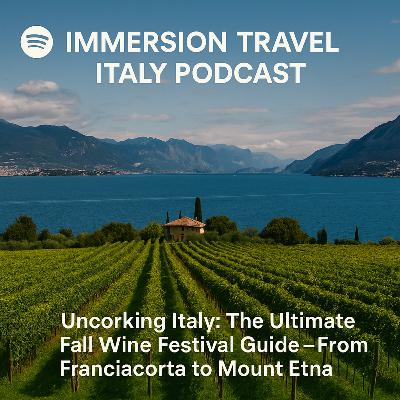
Raise a glass and join me, Katerina Ferrara, for this special episode of the Immersion Travel Italy Podcast, where we dive into one of Italy’s most magical seasons: autumn wine festival season. Whether you dream of sipping sparkling Franciacorta in Lombardy, strolling the lakeside promenade in Bardolino during the Festa dell’Uva e del Vino, or tasting the very first pour of vino novello on San Martino, this episode is your passport to experiencing Italy at its most authentic.Italy has been called the land of wine for over 4,000 years, and in this episode, I take you on a journey that blends history, tradition, and travel tips for wine lovers. We’ll start in northern Italy, in the rolling foothills of Lombardy where Franciacorta is made using the classic champagne method. Discover what makes Franciacorta special, from underground cellars to guided vineyard walks, and why Franciacorta in Cantina is a bucket-list festival for sparkling wine fans.From there, we head east to Lake Garda for Bardolino’s famous wine celebration. Picture dozens of tasting booths along the lakefront, local food pairings like bigoli pasta, music filling the air, and fireworks over the water. This is Veneto at its most picturesque, a place where wine and celebration meet la dolce vita.Then, we climb into the Dolomites to Belluno for Fiera di San Martino, celebrated every November 11. Learn why San Martino is more than a saint’s feast day, it’s a turning point in the agricultural year, when Italians traditionally taste the new vintage for the first time. Across Italy, Cantine Aperte a San Martino open their cellars so you can taste young wines with roasted chestnuts and seasonal dishes.Next, we travel south to Lazio, home of the Sagra dell’Uva di Marino in the Castelli Romani near Rome, where fountains actually flow with wine! I’ll share the history of this incredible event, its ties to the Battle of Lepanto, and why Marino is one of the most charming wine towns near Rome.Our journey continues to Puglia, where the flat plains produce powerful reds like Primitivo and Negroamaro. We stop in Martina Franca for a cozy San Martino celebration, tasting wine alongside focaccia and caciocavallo cheese. Finally, we end in Sicily, on the slopes of Mount Etna at Vini Milo, a festival dedicated to the island’s volcanic wines. Discover why Etna Rosso is one of Italy’s most exciting wines right now, and why September and October are the perfect months to visit.This episode is more than a tasting guide, it’s a call to slow down, travel with purpose, and immerse yourself in Italy’s wine culture. You’ll learn about Italy’s DOC and DOCG classifications, how to plan your trip around open cellar weekends (Cantine Aperte), and why autumn may be the best time to visit Italy (cooler weather, fewer crowds, and festivals everywhere!).If you love Italian wine, slow travel, harvest festivals, and authentic local experiences, this episode is for you. Grab a glass of Chianti, Primitivo, or Etna Rosso, press play, and plan your perfect fall escape.🔗 Resources & Links:📚 Explore my Ultimate Festival & Travel Guide series – with full chapters on Lombardy, Venice & the Veneto, Rome & Lazio, Puglia, and Sicily: katerinaferrara.com🛒 Find my books on Amazon: Ultimate Festival & Travel Guide Sicily, Puglia, Rome & Beyond, and more.🎧 Perfect for: Wine lovers, slow travelers, foodies, Italy dreamers, festival chasers, and anyone planning a fall trip to Italy in 2025 or 2026.
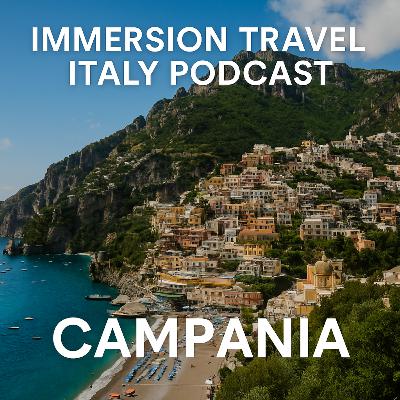
Welcome to another episode of the Immersion Travel Italy Podcast! I’m Katerina Ferrara, travel author and host, and today I’m joined by Kasia Chojecki, creator of the Amongst Romans Podcast. Together we dive into the heart of Campania, one of Italy’s most fascinating regions, home to iconic sites like Naples, Pompeii, Herculaneum, the Amalfi Coast, and the Reggia di Caserta, as well as hidden gems that most visitors miss.Campania is a region of contrasts: dramatic coastlines, ancient ruins, vibrant cities, mountain villages, and unforgettable festivals. In this conversation, Kasia and I explore what makes Campania so unique, drawing on her personal experience of living there for three years.We begin with Naples (Napoli) a city layered with history from the Greeks, Romans, medieval rulers, Renaissance princes, and Bourbon kings. Kasia shares why Naples is misunderstood, and why its treasures deserve more than just a quick stop. From underground cisterns and the Bourbon tunnels to elegant palaces, world-class museums, and the bustling energy of everyday life, Naples is a destination that rewards curious travelers. We also talk about boat trips from Naples to Ischia, Procida, and Capri, where thermal waters, colorful harbors, and sea grottos make for magical escapes.Of course, no discussion of Campania is complete without the UNESCO World Heritage Sites that define it. We talk about Pompeii, the Roman city frozen in time by the eruption of Mount Vesuvius in 79 AD, and why its scale can feel overwhelming. Kasia shares why she prefers Herculaneum, a smaller but more immersive site with mosaics, courtyards, and preserved homes that bring ancient life vividly to light. We also touch on Oplontis, Capua, and Paestum, with its magnificent Greek temples and sandy beaches.Another highlight is the Reggia di Caserta, often called the “Versailles of Italy.” This royal palace with sprawling gardens, fountains, and Baroque architecture is a must for anyone interested in Italy’s aristocratic past. Nearby Caserta town and aqueducts also reveal layers of Bourbon history.Then, of course, there’s the legendary Amalfi Coast. While most tourists rush to Positano and Sorrento, Kasia and I discuss why it’s worth venturing to towns like Maiori, Ravello, and Amalfi itself. Ravello, perched high on the cliffs, hosts world-renowned music festivals and offers breathtaking views. Beyond the Amalfi Coast, we spotlight Palinuro, a hidden coastal treasure with sea caves, quiet beaches, and fewer crowds.But Campania isn’t just about famous landmarks. It’s about living traditions. We dive into the region’s festivals and sagre, from the Ravello Music Festival to chestnut and mushroom festivals in the fall, and the presepi (nativity scenes) in Naples at Christmas. Campania’s festivals bring whole towns together, blending food, music, processions, and history into immersive cultural experiences.Kasia also shares insights on daily life in Campania, navigating transport in smaller towns, the challenges and joys of learning Italian, and what it feels like to truly settle into local rhythms. We discuss how the mountains of Campania offer just as many breathtaking views as the coastline, with towns like Rocca San Felice and Gesualdo providing perfect sunset spots over rolling hills and medieval castles.Resources & Links:Kasia's Podcast link: https://podcasts.apple.com/us/podcast/amongst-romans/id1707920922Kasia's Website: https://www.amongstromans.com/ Learn more at www.katerinaferrara.comDiscover my Travel Italy Book Series, including Ultimate Festival & Travel Guides to Sicily, Puglia, Rome & Beyond, Venice & the Veneto, and Milan & Lombardy. If you love Italy travel, Campania, Naples, Amalfi Coast, Pompeii, Herculaneum, Paestum, Caserta, Ischia, Procida, Capri, festivals, and authentic cultural experiences, this episode is for you.
What does it really mean to immerse yourself in a destination and truly experience its culture, even if you are only there for a short vacation? In this episode of the Immersion Travel Podcast, I sit down with travel storyteller and author Wells Jones to explore the meaning of immersion travel and how anyone can practice it.We talk about the importance of being a gracious tourist and approaching every destination with curiosity, humility, and respect. Wells shares inspiring travel stories, from running with the bulls in Pamplona to hearing the call to prayer in Jerusalem, and explains how thoughtful trip planning helps create opportunities for meaningful cultural encounters.We also explore how food is one of the most powerful ways to immerse yourself in a place. Whether tasting regional specialties at a village sagra in Italy, enjoying a local market breakfast, or sharing a meal with locals, culinary experiences bring the culture to life and make travel memories unforgettable.I share my passion for helping travelers discover Italy through its festivals, sagre, and events. Attending an Italian festival is one of the best ways to connect with the community, experience local traditions, and taste authentic foods. These are the kinds of experiences I feature in my Ultimate Festival and Travel Guide series, with full guides to Sicily, Puglia, Rome and Beyond, and Venice and the Veneto.This episode is ideal for anyone looking for tips on cultural travel, experiential travel, Italy itineraries, culinary travel, food tourism, European travel planning, and creating meaningful travel memories.📚 Read Wells Jones’ book: https://amzn.to/4mlgP5v🌐 Discover my Ultimate Festival and Travel Guide series at www.katerinaferrara.com and start planning your next Italian adventure.#ImmersionTravel #TravelPodcast #TravelTips #TravelInspiration #TravelPlanning #CulturalTravel #ExperientialTravel #TransformativeTravel #VacationIdeas #BucketListTravel#TravelItaly #ItalyTravelGuide #ItalyTravelTips #ItalyVacations #ItalianCulture #ItalianFoodie #ItalyEvents #ItalyFestivals #ItalyBucketList #Sagra#FoodTravel #CulinaryTravel #FoodieAdventures #EatLikeALocal #FoodieTravel #TravelForFood #CulturalExperiences #FestivalFood#GraciousTourist #ResponsibleTravel #MindfulTravel #RespectfulTraveler #SlowTravel #SustainableTravel #MeaningfulTravel

Comments

Download from Google Play

Download from App Store
 United States