


 Claim Ownership
The Jazz Interview Podcast
Subscribed: 1Played: 9
Subscribe

© All rights reserved.
Description
Fresh and archive interviews with the greatest improvisers, composers and thinkers on the planet.
12 Episodes
Reverse
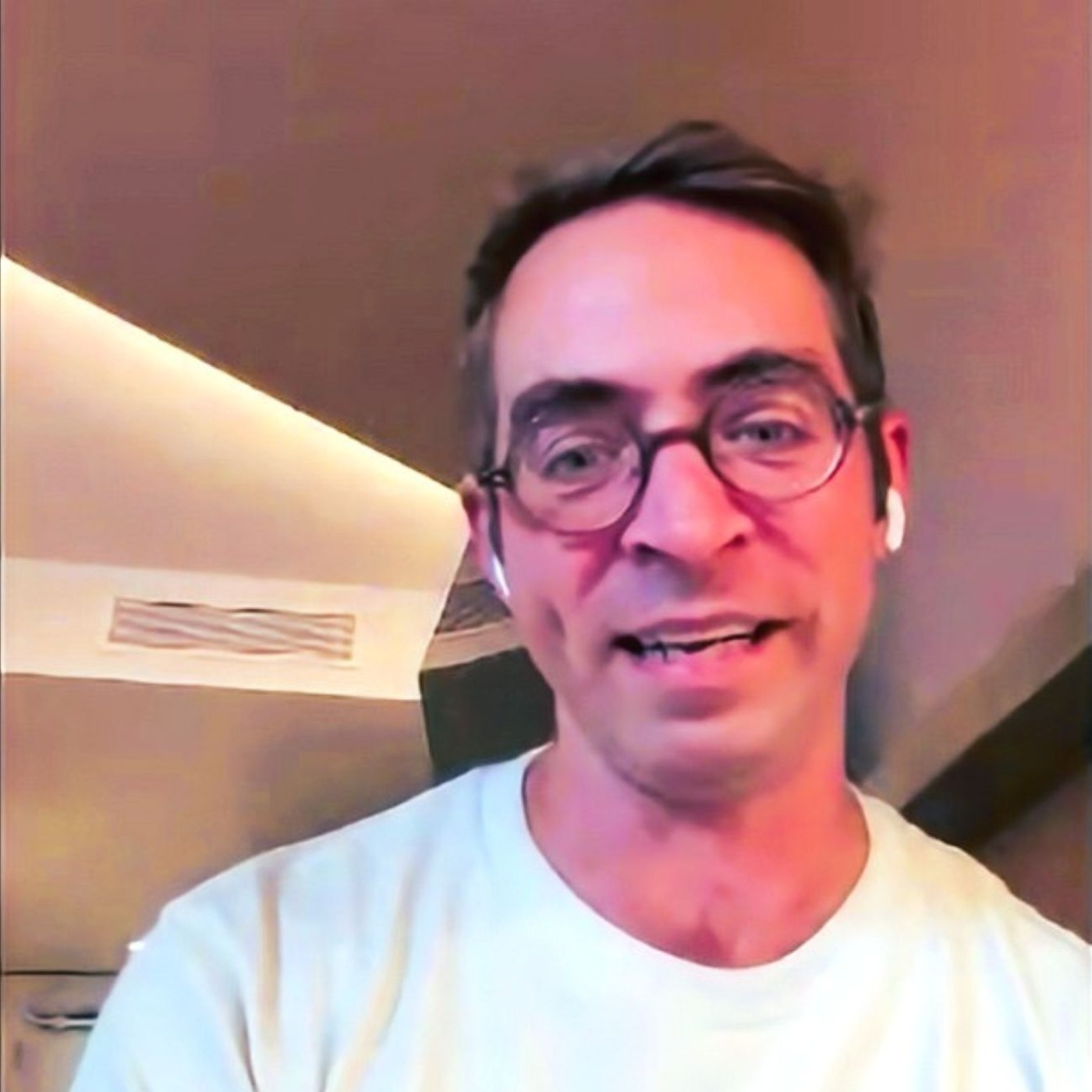
In this far-ranging interview, Aaron Parks talks being a “little smarty pants” who went to college at 14, dropping four albums as a piano wunderkind teen, getting tutored by Kenny Barron at the Manhattan School of Music, mentored on the road by Terence Blanchard, being signed by Blue Note Records, and releasing modern classic Invisible Cities (2008) – all by the age of 25 …He also inspirationally shares about his early sense of imposter syndrome, subsequent mental health crisis, and being the “chaos agent" of his own career “self sabotage". And the subsequent rebirth of recording the wonderful trio record Find the Way (2017) with Ben Street and Billy Hart, for Manfred Escher’s ECM Records, before forming the longtime working fusion band Little Big which ultimately saw him return to Blue Note – 15 years after he was dropped.Fun fact: that all happened because he cold-call sent head honcho Don Was a recording of the two-day session that became the spellbinding new album By All Means – despite the fact a third Little Big record, also recorded in 2023, got the major-label treatment first. Parks has just two LPs left on his contract – and tells us he is hoping/planning to bag an acoustic trio live record at the Village Vanguard, as well as a fourth LIttle Big record. A genuine, warm and inspiring encounter with a genuine, warm and inspiring human – caught mid-tour in Europe, days after surviving Super Typhoon Ragasa in Hong Kong.
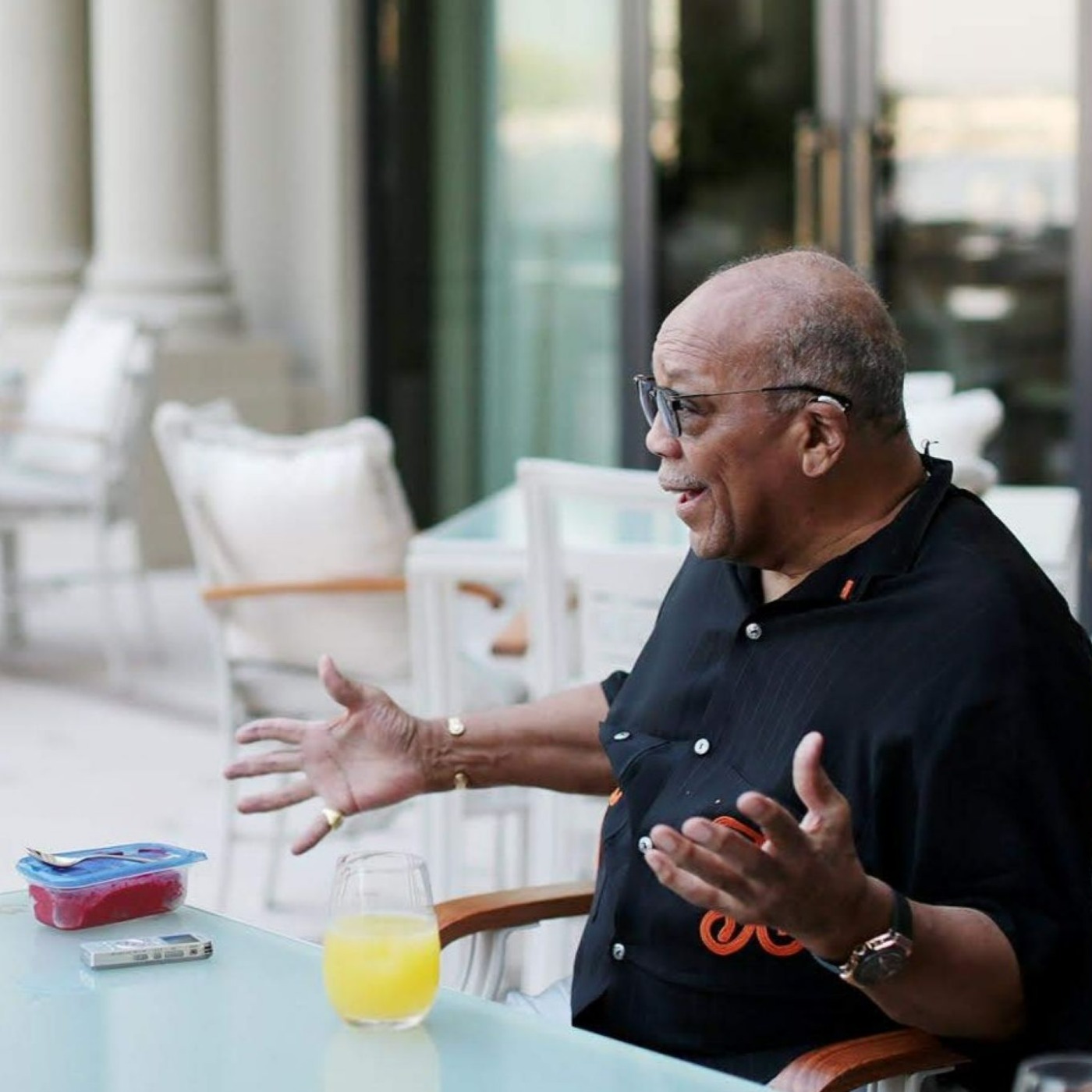
Miles Davis, Frank Sinatra, Oprah Winfrey, Prince, Buzz Aldrin, Nelson Mandela, Robert De Niro, Count Basie, Frank Gehry, David Bowie, Will Smith, Paul McCartney, Herbie Hancock, Lesley Gore, Mick Jagger, Duke Ellington, Martin Scorsese and, of course, Michael Jackson…
These are just a few of the names that came up in the 45 minutes I spent with Q, one magical afternoon. To celebrate a life lived to its fullest, one year after Jones’ death, I’m sharing the audio with the world for the first time.
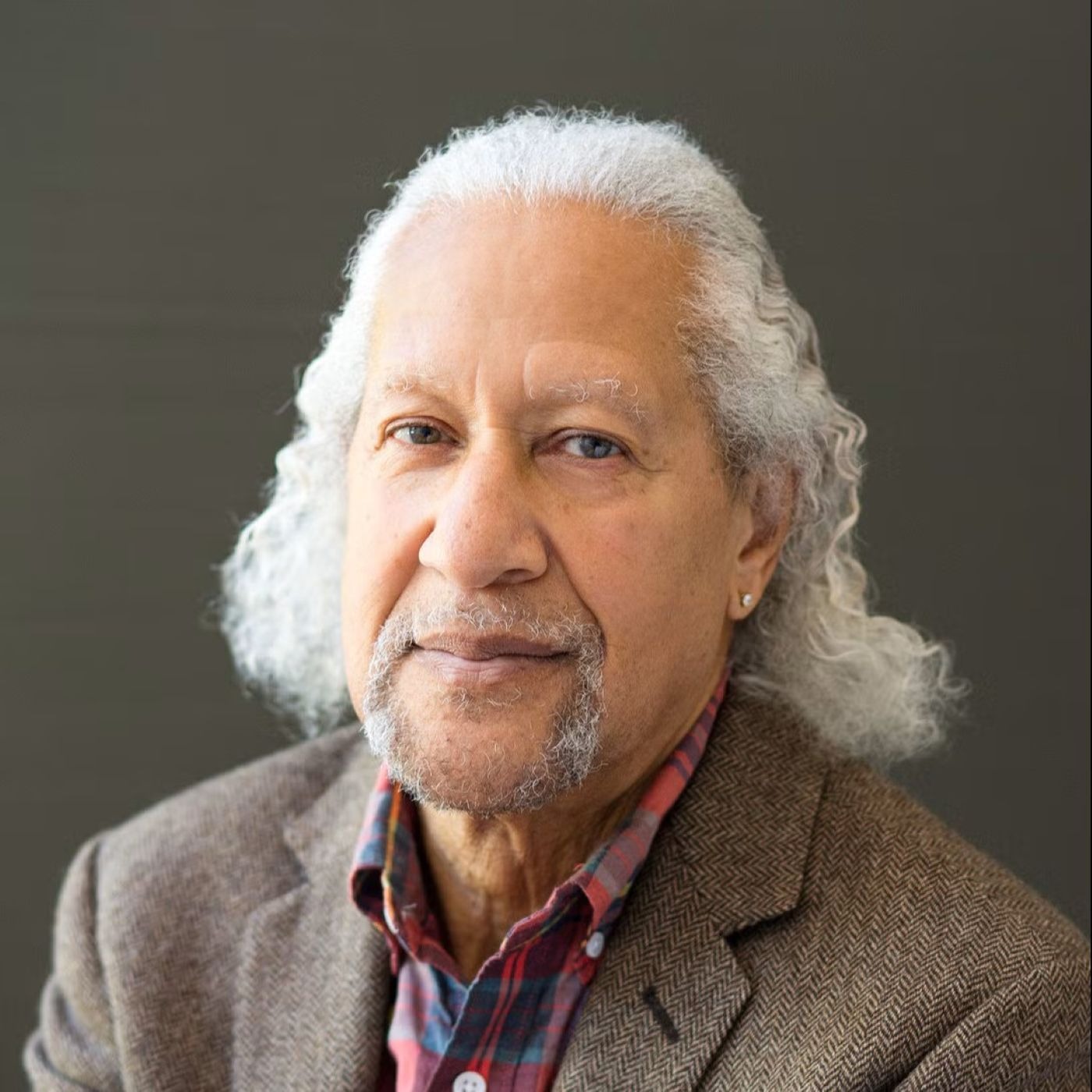
To celebrate the 85th birthday of Gary Bartz, we're sharing this freewheeling wide-ranging, previously unpublished interview for the first time. Hear the legend recount his career in his own words: from early sessions with Art Blakey to his charged Ntu Troupe records, working with McCoy Tyner and Donald Byrd, and of course, his year's on the road with Miles Davis, immortalised on the sprawling masterpiece Live-Evil. We also chat about his recent collaborations with Maisha and Jazz is Dead.
Most fascinating however are Bartz's insights into the American art form he's devoted his life to, and why he finds use of the word "improvisation" deeply offensive.
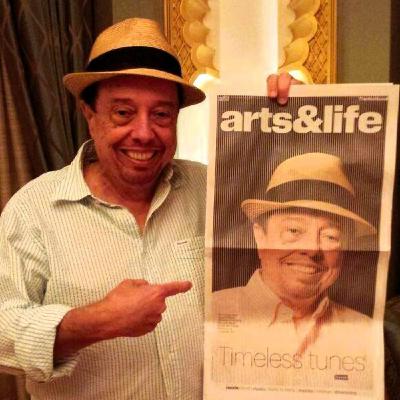
To celebrate the life of Sérgio Mendes – one year after his death aged 83, on September 5, 2024, from complications associated with long Covid – I’m sharing this archive interview with the world’s greatest populariser of Brazilian music. Every time you hear a bad bossa nova cover of a rock song in a hotel lobby, you probably have this guy to blame. Because while Antônio Carlos Jobim gave Brazilian music its songbook, Mendes’ Brasil '66 band brought bossa’s irresistibly breezy beat to the world.
I’ve made minor cuts for flow and focus, but otherwise this is just a fly-on-the-wall recording of an encounter I never intended to share with the world. In 30 short minutes we traced Mendes’ musical journey, from discovering jazz through Dave Brubeck’s “Take Five” and making his US debut with Cannonball Adderley, to touring with Frank Sinatra and playing the White House, to finding his music back in the limelight after collaborating with Will.i.am on the hip-hop-flavoured comeback LP Timeless.
The cover picture of this podcast is Sérgio Mendes backstage in Abu Dhabi, holding the cover story of the profile feature this interview resulted in.
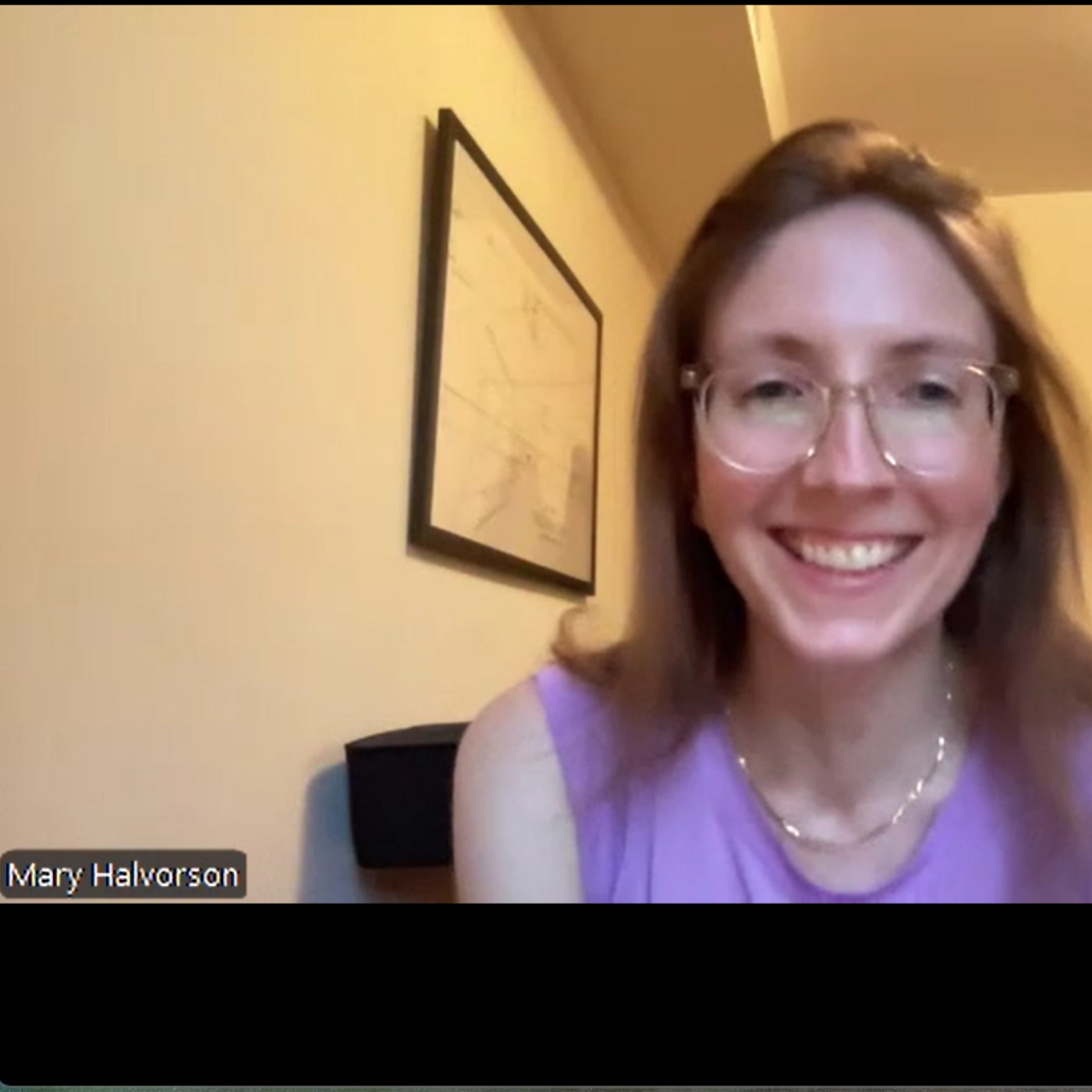
In the wake of winning more Downbeat awards than even the magazine can count*, we called Mary Halvorson at home in Brooklyn, at 8pm on a Saturday night, to discuss the new artistic heights reached on About Ghosts – her fourth fantastic Nonesuch Records release utilising the peerless Amaryllis sextet. We traced her formative experiences, from falling under the tutelage of Anthony Braxton, to her early Firehouse 12 albums recorded while she still had an office job, through to solo masterpiece Meltframe, the vocal-led Code Girl project, and pinch-men collaborations with Bill Frisell and John Zorn.
We even enticed Halvorson to talk through how she conjures that trademark whiiinng effect only she knows how to make on guitar, and discussed learning her instrument as an ambidextrous human, why she’s a bad singer, not a morning person, and how much she really practises.
*In 2023 Downbeat reported Halvorson had won guitarist of the year for seven consecutive polls. She definitely won again in 2024 and 2025 -- yet this year's write-up only acknowledges Halvorson winning "several times since 2017". Was the 2023 writer wrong, or the 2025 writer just lazy?
To celebrate the 65th birthday of the first Black African women to receive a star on the Hollywood Walk of Fame, we asked Angélique Kidjo to talk through the five of her most influential and life-changing recordings, starting with 1981 debut Pretty in Paris, recorded aged 20 with legendary Cameroonian singer Ekambi Brillant at the helm.
A decade later she hit the mainstream with the commercial breakthrough Logozo, released in 1991 after the intervention of Island Records founder Chris Blackwell; next we discuss the trio of conceptual root-tracing records begun with 1998’s Oremi.
And of course, we had to talk about Kidjo recruited legends including Carlos Santana, Alicia Keys, Peter Gabriel and Ziggy Marley for 2007’s Grammy-winning Djin Djin, before moving onto late-career orchestral masterpiece Sings (2015), and the subsequent collaboration with Phillip Glass it sparked.
An incredible life, incredibly told by the singular human who lived it all.

As Antonio Sánchez releases an incredible new album with the BEATrio supergroup – alongside American banjo legend Bela Fleck and Colombian harp maestro Edmar Castañeda – the Mexican drumming powerhouse looks back on his incredible jazz journey.
It’s a story of serendipity. Sánchez discovered jazz when Alejandro González Iñárritu played a Pat Metheny tune on his Mexican radio show; when Iñárritu saw the drummer onstage with Metheney a few years later, he got the idea for the a radical score of nothing but drums for 2014 offbeat cinema smash Birdman – which went on to win four Oscars.
He may be a humble guy, but even Sanchez admits after playing with Chick Corea, Herbie Hancock, Wayne Shorter, Gary Burton and Ron Carter – and spending 20 years on the road with Metheney – his bucket list is complete.
In this podcast, Sanchez also talks about how he got Trent Reznor and Dave Matthews to guest on his last solo album, Shift (Bad Hombre Vol. II) – and reveals that John Scofield, Bill Frisell, Chris Potter, Joel Ross and Fleck have already recorded parts for its sequel. Before that, he has another supergroup trio album coming out: Ellipsis, alongside Snarky Puppy founder Michael League, and Cuban percussionist Pedrito Martínez. Seriously, this guy doesn't stop.
He also opens up about sharing the stage with his wife, vocalist Thana Alexa, and talks about why Damien Chazelle’s controversial jazz drumming movie Whiplash just isn’t the real deal. All in barely half an hour!
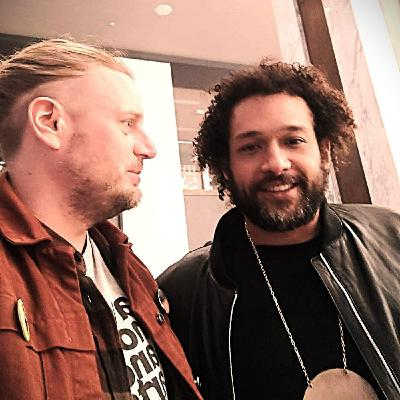
Makaya McCraven is one of the most innovative improvising musicians to come to prominence amid “jazz” music’s unlikely resurgence of the past decade. His breakout International Anthem albums In The Moment and Universal Beings were nothing short of a revelation. Based on completely improvised recordings of his own bands, but sliced up and remixed by McCraven after the event, his methodology flipped conventional wisdom on its head. Rather than playing over beats – or trying to reproduce Dilla’s electronic lope live, ala Robert Glasper – McCraven’s method is closer to hip-hop sampling. But instead of digging crates, he’s pouring through hours of his own spontaneous compositions looking for the hook.
This self-described “beat scientist” was subsequently employed by Richard Russell to “reimagine” (not remix) Gil Scott-Heron’s final album I’m New Here, before Don Was granted him access to the entire Blue Note Records vaults to concoct Deciphering the Message.
I had the chance to talk through McCraven’s entire discography, a sonic journey culminating in his most recent album In These Times – an ambitious, composition-driven project with quasi-classical leanings, entirely different in concept to all that he has played before.

To mark the 85th birthday of the most famous improvising musician on the platform, Herbie Hancock looks back over his life and career at length – from his first encounters with Miles Davis in the 60s, to 70s crossover success with “Chameleon” and the surprise 80s hit “Rockit”, to his battle with crack addiction in the 90s.Hancock also opens up about the long-gestating new album – reported to feature collaborations with Kendrick Lamar, Kamasi Washington, Thundercat, Flying Lotus and Snoop Dogg – and admits no such album exists!Looking back, Herbie praises fellow travellers Joni Mitchell, Carlos Santana and his late best friend Wayne Shorter. The poignant part is this interview took place a few days after what would have been Wayne’s 91st birthday, in late August 2024 – the saddest truth is that was of course before the recent US election, and listening back to Herbie’s heartfelt belief in a better tomorrow is as bittersweet as it is inspiring.
As Takuya Kuroda drops another banging funk-forward LP, Everyday – on PPK Records, a new label venture from David Passick, Pino Palladino and Joel Kipnis – we called the Japanese, NYC-based trumpeter to talk through his career: from formative big band experiences growing up in Kobe, to meeting mentor José James at NYC’s New School, scoring a smash hit with the prophetic neo-soul-influenced Blue Note Records debut Rising Sun (2014), and his recent embrace of beat-making and production on the funk-tastic comeback Fly Moon Die Soon (2020) and Midnight Crisp (2022) records. We also discussed the nuance of groove, Japanese jazz kissa culture, the influence of heroes Clifford Brown and Roy Hargrove, and shared a mutual appreciation of highballs.
Ezra Collective just won a Mercury Award for Best British Group!
Talking to drummer and leader Femi Koleoso, we trace the history of band, from its inception as competition-winning teens in 2012, to coming up in the fabled “UK jazz explosion” of 2016-18 alongside contemporaries and friends Moses Boyd, Kokoroko and Nubya Garcia
We also talked at length about how helpful or unhelpful that media buzz was, as well as the role of famous Steam Down club night the seminal We Out Here compilation.
Koleoso also revealed his dream collabs – from Little Simz and Erykah Badu to Herbie Hancock, Mos Def, and even Tame Impala.
And talked about that time he refused to stage a gig for the New York Times, and why he might break up the band and keep all the money …
To mark the 85th birthday of Ralph Towner, we share a recent interview with the legendary guitar virtuoso and pianist. From his home in Rome, Towner talks us through his 50-plus-year recording career with ECM Records – from classic album Solstice, recorded with Jan Gabarek – to recent solo release At First Light. Ralph also shares his writing and improvisation process, and recounts memorable encounters with Sonny Rollins, Wayne Shorter and Bill Evans. He also opens up about his fears of ageing and losing some of his musical versatility, and talks about why the legendary fusion supergroup have retired from touring for good.
Comments

Download from Google Play

Download from App Store
 United States