


 Claim Ownership
Classic Rock Album Olympics
Subscribed: 8Played: 111
Subscribe

© 45903249
Description
The CLASSIC ROCK ALBUM OLYMPICS is a podcast celebrating the most popular albums of the 1960s, 70s and 80s. In each episode music historians Gary Wenstrup and Robert Rodriguez will pull a classic rock album off the shelf and discuss which songs earn our gold, silver and bronze medals. It’s a fun, insightful and passionate journey through some of the greatest albums of all-time. Let the games begin!
22 Episodes
Reverse
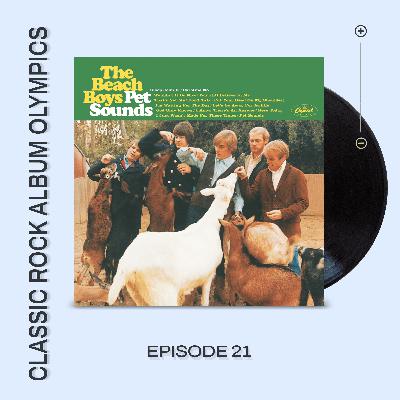
Pet Sounds, released on May 16, 1966, stands as The Beach Boys’ most ambitious and influential album—a deeply personal statement from Brian Wilson that reshaped the possibilities of pop music.
The album reached No. 10 on the Billboard 200 in the United States, a respectable showing at the time, though far below the group’s earlier surf-era dominance. In the United Kingdom, however, it soared to No. 2 and was embraced immediately as a masterpiece.
Over time, its stature eclipsed its initial commercial performance, and it is now routinely ranked among the greatest albums ever recorded.
Medal Winners
Wouldn’t
It Be Nice
Here
Today
I
Just Wasn’t Made For These Times
God
Only Knows
Caroline,
No
Bonus Tracks
The
Little Girl I Once Knew – Beach Boys
Barbara
Ann – Beach Boys
Paint
It Black – Rolling Stones
8
Miles High – Byrds
Sloop
John B – Beach Boys
Train
In The Distance – Paul Simon
Something
– Beatles
The
Letter – Box Tops
Surfs
Up – Beach Boys
Pet Sounds produced three singles. “Caroline, No,” released under Brian Wilson’s name prior to the album, peaked at No. 32 on the Billboard Hot 100. “Sloop John B,” a traditional Bahamian folk song became the album’s biggest American hit, reaching No. 3. “Wouldn’t It Be Nice” climbed to No. 8 with “God Only Knows” as the B-side. "God Only Knows" is now one of the most revered love songs in popular music history.
The primary composer and producer behind Pet Sounds was Brian Wilson, who collaborated on lyrics with Tony Asher. The album marked a shift from the group’s earlier car-and-surf themes to introspective explorations of vulnerability, doubt, romantic idealism, and emotional maturity. Songs like “You Still Believe in Me,” “Don’t Talk (Put Your Head on My Shoulder),” and “I Just Wasn’t Made for These Times” revealed a fragile emotional honesty rarely heard in mid-1960s pop.
Instrumentation on Pet Sounds was revolutionary. Wilson employed members of the famed Los Angeles session collective known as The Wrecking Crew to realize his intricate arrangements. Traditional rock
instruments were blended with orchestral textures and unconventional sounds: harpsichord, tack piano, theremin, French horn, bass harmonica, sleigh bells, bicycle bells and empty bottles used as percussion. The complex vocal harmonies—long a Beach Boys hallmark—were arranged with unprecedented sophistication.
Historically, Pet Sounds is widely viewed as one of the first true “album statements” in rock, helping legitimize the LP as an artistic format rather than merely a collection of singles. The album’s emotional coherence and sonic experimentation directly influenced The Beatles’ Sgt. Pepper’s Lonely Hearts Club Band. Though it was initially considered a commercial disappointment in the U.S., its reputation grew steadily, and it is now preserved in the National Recording Registry and consistently ranks at or near No. 1 on critics’ all-time album lists. Pet Sounds signaled the maturation of rock into art—intimate, orchestral, and psychologically complex.
Track Listing
Side One
Wouldn’t It Be Nice
You Still Believe In Me
That’s Not Me
Don’t Talk (Put Your Head On My Shoulder)
I’m Waiting For The Day
Let’s Go Away For Awhile
Sloop John B
Side Two
God Only Knows
I Know There’s An Answer
Here Today
I Just wasn’t Made For These Times
Pet Sounds
Caroline, No
#PetSounds #TheBeachBoys #BrianWilson #TonyAsher
#GodOnlyKnows #WouldntItBeNice #1966Music #ClassicAlbums #BaroquePop
#StudioInnovation #RockHistory
Revolver:
How The Beatles Reimagined Rock ‘n’ Roll by Robert Rodriguez
somethingaboutthebeatles.com
Contact Info
Website: Gary Wenstrup
Podcast Website: Home - Classic Rock Album Olympics
YouTube: (556) Classic Rock
Album Olympics - YouTube
Facebook: (7) Facebook
Podcast Facebook: Facebook
LinkedIn: (17) Gary Wenstrup | LinkedIn
Intro & Outro Music by Flwers
Flwers
Learn more about your ad choices. Visit megaphone.fm/adchoices
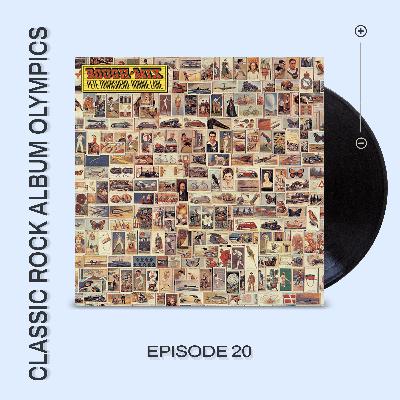
In this episode of Classic Rock Album Olympics music historians Gary Wenstrup and Robert Rodriguez smoothly assess Rough Mix by Pete
Townshend and Ronnie Lane and share which songs from the album earn their gold, silver and bronze medals.
Medal Winners
Keep
Me Turning
Annie
April
Fool
My
Baby Gives It Away
Heart
To Hand Onto
Bonus Tracks
Something
In The Air – Thunderclap Newman
Rough
Mix
Misunderstood
Street
In The City
Till
The Rivers All Run Dry
There’s A Heartache
Following Me – Jim Reeves
He’ll Have To Go – Jim
Reeves
Released in 1977 Rough Mix is a collaborative studio album
by Pete Townshend — the guitarist and principal songwriter of The Who — and Ronnie Lane, the former bassist and singer from Small Faces and Faces. Unlike the arena rock that defined much of Townshend’s work with The Who or the soulful R&B-tinged rock of Lane’s earlier bands, Rough Mix explores a more roots-oriented blend of rock, British folk rock, and heartfelt singer-songwriter material that reflects both artists stepping outside their band identities.
The album showcased both Townshend and Lane as co-lead vocalists and multi-instrumentalists, with Townshend contributing guitars and songwriting and Lane bringing his melodic bass playing, acoustic sensibilities, and songwriting presence; the sessions also featured contributions from notable musicians such as John Entwistle of The Who, Eric Clapton on dobro and guitar, and Charlie Watts of The Rolling Stones on drums, among others, adding depth and variety to the arrangements.
Rough Mix was a modest success reaching #45 on the US Billboard 200.
In the US “My Baby Gives It Away” (with “April Fool” as its B-side) and “Keep Me Turning” (backed by “Nowhere to Run”) were released as singles. Neither became a hit.
Rough Mix holds a special place in both artists’ catalogs as a creative detour that revealed different facets of their songwriting and musical identities. The album is a meeting of kindred spirits from the British rock scene and appreciated by fans for its warm interplay and musical generosity.
Track Listing
Side One
My Baby Gives It Away
Nowhere To Run
Rough Mix
Annie
Keep me Turning
Catmelody
Side Two
Misunderstood
April Fool
Street In the City
Heart To Hang Onto
Till The Rivers All Run Dry
Hashtags capturing its enduring appeal include #RoughMix,
#PeteTownshend, #RonnieLane, #ClassicRock, #1977Albums, and #FolkRockCollab.
Contact Info
Website: Gary Wenstrup
Podcast Website: Home - Classic Rock Album Olympics
YouTube: (556) Classic Rock
Album Olympics - YouTube
Facebook: (7) Facebook
Podcast Facebook: Facebook
LinkedIn: (17) Gary Wenstrup | LinkedIn
Learn more about your ad choices. Visit megaphone.fm/adchoices
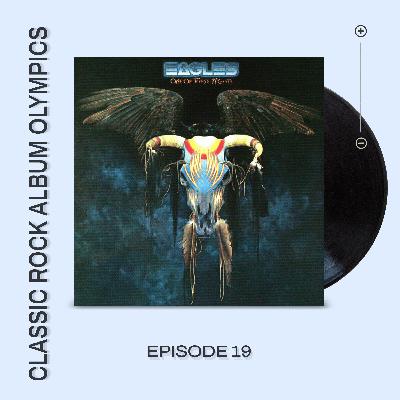
Welcome to episode #19 of Classic Rock Album Olympics. In this episode music historians Gary Wenstrup and Robert Rodriguez turn the light on the Eagles’ One Of These Nights and select their gold, silver and bronze medal winning songs.
Medal Winners
Visions
Take
It To The Limit
One
Of These Nights
After
The Thrill Is Gone
Lyin’
Eyes
Bonus Tracks
If
You Don’t Know Me By Now – Harold Melvin & The Blue Notes
The
Thrill is Gone – B. B. King
Hearts
– Marty Balin
Hearts
On Fire – Randy Meisner
Within
Without You – Beatles
I
Can’t Tell You Why – Eagles
Journey
Of The Sorcerer – Eagles
I
Wish You Peace – Eagles
Too
Many Hands – Eagles
One Of These Nights, released in 1975, is the Eagles 4th album and their first to hit #1 on the Billboard 200. It cemented the Eagles’ status as
international superstars.
The core lineup on this album consisted of Glenn Frey on vocals, rhythm guitar and keyboards, Don Henley on drums and vocals, Bernie Leadon on guitars and banjo, Randy Meisner on bass and vocals, and Don Felder
on guitar — this would be the last Eagles studio album with that original
configuration before Leadon’s departure and eventual replacement by Joe Walsh.
Produced by Bill Szymczyk, the album blends rock, country rock, folk, and soft rock influences. Three singles from the record became Top 10 hits on the Billboard Hot 100: the title track “One of These Nights,” which became the group’s second No. 1 hit; “Lyin’ Eyes,” which peaked at No. 2 and and “Take It to the Limit,” reaching No. 4.
Artistically, the album marked a shift toward sleeker production, stronger rhythmic drive, and a more urban, R&B-inflected groove — particularly evident in the bass line and feel of “One of These Nights.” Glenn Frey and Don Henley’s songwriting partnership came into sharper focus here, emphasizing ambition, disillusionment, and romantic fallout with a sharper lyrical edge than earlier records.
P.S. Tom Morello mentioned in the podcast is the guitarist from Rage Against The Machine and a frequent Bruce Springsteen collaborator.
Track Listing
Side One
One Of These Nights
Too Many Hands
Hollywood Waltz
Journey Of The Sorcerer
Lyin’ Eyes
Side Two
Take It To The Limit
Visions
After The Thrill Is Gone
I Wish You Peace
Hashtags
#OneOfTheseNights, #Eagles, #ClassicRock, #1975Albums,
#BillboardNo1, and #GrammyWinner.
Contact Info
Website: Gary Wenstrup
Podcast Website: Home - Classic Rock Album Olympics
YouTube: (556) Classic Rock
Album Olympics - YouTube
Facebook: (7) Facebook
Podcast Facebook: Facebook
LinkedIn: (17) Gary Wenstrup | LinkedIn
Learn more about your ad choices. Visit megaphone.fm/adchoices
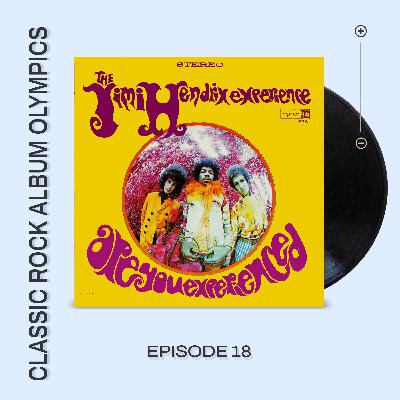
In this episode of Classic Rock Album Olympics music historians Gary Wenstrup and Robert Rodriguez discuss the songs that win their gold, silver and bronze medals from Jimi Hendrix’s Are You Experienced.
Medal Winners
The Wind Cries Mary
Are You Experienced?
Fire
Hey Joe
Purple Haze
Bonus Tracks
Incense &
Peppermints – Strawberry Alarm Clock
Ruby Tuesday – Rolling
Stones
The Real Me – Who
Hey Joe – Tim Rose
Down By The River –
Neil Young
Oh Woman, Oh Why – Paul
McCartney
Come And Get It –
Badfinger
Little Wing – Derek And
The Dominos
Red House – Jimi
Remember – Jimi
51st
Anniversary – Jimi
Are You Experienced VH1
Classic video
Green Door – Jim Lowe
Released in the United States in 1967, the album introduced American audiences to The Jimi Hendrix Experience and instantly redefined what a rock music could sound like. The album showcases Hendrix’s unique blend of blues roots, psychedelic experimentation, and innovative and explosive guitar tones. Are You Experienced expanded the vocabulary of rock music. Its use of feedback, studio effects, and genre-blending songwriting helped shape psychedelic rock, hard rock, and future guitar-driven music for decades to come.
The U.S. version of the album differs from the original UK release by replacing three album tracks with the band’s breakthrough singles, creating a punchier, hit-driven sequence tailored for the American market.
The album peaked at #5 on the Billboard charts and includes “Purple Haze” – one of Hendrix’s signature recordings that became a defining
anthem of psychedelic rock, “Hey Joe” – a reimagined folk standard that helped break Hendrix internationally and “The Wind Cries Mary” – a melodic counterpoint to the album’s heavier tracks, highlighting Hendrix’s lyrical and emotional range.
Besides Jimi, the band included Noel Redding – bass guitar, backing vocals and Mitch Mitchell – drums, backing vocals. The album was produced by ex-Animal bass player Chas Chandler.
Track Listing (U.S.
Version)
Side One
Purple Haze
Manic Depression
Hey Joe
Love Or Confusion
May This Be Love
I Don’t Live Today
Side Two
The Wind Cries Mary
Fire
Third Stone From The Sun
Foxey Lady
Are You Experienced?
#AreYouExperienced
#JimiHendrix #ClassicRock #1967 #RockHistory
#PsychedelicRock
#GuitarLegend #AlbumDebut #MusicPodcast
Contact Info
Website: Gary Wenstrup
Podcast Website: Home - Classic Rock Album Olympics
YouTube: (556) Classic Rock
Album Olympics - YouTube
Facebook: (7) Facebook
Podcast Facebook: Facebook
LinkedIn: (17) Gary Wenstrup | LinkedIn
Learn more about your ad choices. Visit megaphone.fm/adchoices
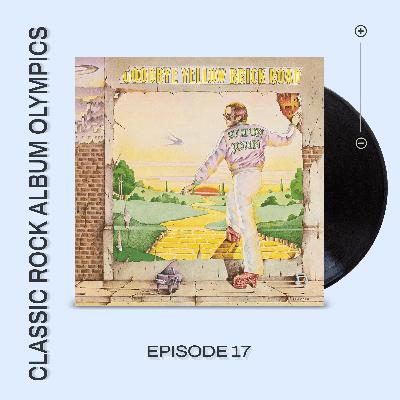
Elton John’s Goodbye Yellow Brick Road, released October
1973, is widely considered the pinnacle of his early career and one of the
greatest albums in rock history. By this point, Elton John had already achieved significant fame with albums like Honky Château (1972) and Don’t Shoot Me I’m Only the Piano Player (1973). He was establishing a signature sound: a blend of piano-driven rock with pop accessibility and theatrical flair. With Goodbye Yellow Brick Road, John and lyricist Bernie Taupin reached a new level of ambition and artistry, delivering a sprawling, double album that combined rock, balladry, soul, and cabaret influences.
Medal Winners
Roy
Rogers
I’ve
Seen That Movie Too
The
Ballad Of Danny Bailey (1909-34)
This
Song Has No Title
Funeral
For A Friend/Loves Lies Bleeding
All
The Girls Love Alice
The album was recorded at Château d’Hérouville in France (nicknamed “the Honky Château”), a converted 18th-century castle that provided
an intimate and creative environment. Elton’s band—including Davey Johnstone on guitars, Dee Murray on bass, Nigel Olsson on drums, and Ray Cooper on percussion—was fully locked in, producing tight, versatile performances. Producer Gus Dudgeon helped craft a lush, cinematic sound with rich orchestration, layered harmonies, and expansive arrangements, giving the album its timeless quality.
Goodbye Yellow Brick Road was a commercial juggernaut. It reached #1 on the U.S. Billboard 200 and lodged three top 10 hits on the U.S. Billboard charts.
The album’s scope—double-length, stylistically varied, and
emotionally ambitious—cemented Elton John as not only a hitmaker but a serious artistic force. Critics praised its songwriting, production, and performances, and it has since been consistently ranked among the greatest albums of all time.
Bonus Tracks
Goodbye
Yellow Brick Road - Elton
Dr.
Robert – Beatles
A
Day In The Life – Beatles
Lovely
Rita – Beatles
Tiny
Dancer - Elton
Island
Girl - Elton
Grey
Seal - Elton
Jamaica
Jerkoff – Elton
Dirty
Little Girl – Elton
Candle
In The Wind – Elton (album version)
Candle
In The Wing – Elton (Goodbye England’s Rose version)
Your
Sister Can't Twist (but She Can Rock 'n Roll)
Side 1
Funeral For A Friend/Loves Lies Bleeding
Benny And The Jets
Candle In The Wind
Side2
Goodbye Yellow Brick Road
This Song Has No Title
Grey Seal
Jamaica Jerkoff
I’ve Seen That Movie Too
Side 3
Sweet Painted Lady
The Ballad Of Danny Bailey (1909-34)
Dirty Little Girl
All The Girls Love Alice
Side 4
Your Sister Can't Twist (but She Can Rock 'n Roll)
Saturday Night’s Alright For Fighting
Roy Rogers
Social Disease
Harmony
Hashtags:
#EltonJohn #GoodbyeYellowBrickRoad #ClassicRock #1973Music
#BennieAndTheJets #CandleInTheWind #SaturdayNightsAlright #PianoRock #BernieTaupin #VinylCollection #MusicPodcast #AlbumDeepDive
Contact Info
Website: Gary Wenstrup
Podcast Website: Home - Classic Rock Album Olympics
YouTube: (556) Classic Rock
Album Olympics - YouTube
Facebook: (7) Facebook
Podcast Facebook: Facebook
LinkedIn: (17) Gary Wenstrup | LinkedIn
Learn more about your ad choices. Visit megaphone.fm/adchoices
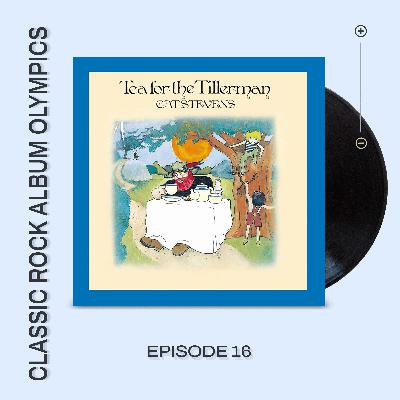
In this episode of Classic Rock Album Olympics music historians Gary Wenstrup and Robert Rodriguez take a sip of Tea For The Tillerman by Cat Stevens and award their gold, silver and bronze medals accordingly.
Medal Winners
On The Road To Find Out
Father And Son
Tea For The Tillerman
Miles From Nowhere
Hard Headed Woman
Tea For The Tillerman is a warm, philosophical, beautifully crafted album that marked the creative peak of Cat coming fully into his voice. By the time Stevens made the album, he had already experienced the highs and lows of the music business: early pop success in the late 1960s, followed by a severe battle with tuberculosis that nearly ended his career. That period of illness became a turning point, pushing him inward and inspiring a more thoughtful, introspective songwriting style.
The album was released in November 1970 and it marked a turning point for Cat Stevens. With the understated production of Paul Samwell-Smith (formerly of The Yardbirds), Stevens offered an album that felt deeply personal—introspective, acoustic, and spiritually searching.
Despite its subdued approach, or perhaps because of it, the album was a commercial breakthrough. In the United States, it climbed to #8 on the Billboard 200.
On the singles front, “Wild World” became Stevens’ first major U.S. hit. The song — a bittersweet farewell to a departing lover — peaked at #11 on the Billboard Hot 100. Its success gave the album the momentum it needed and brought Stevens to a wider audience.
Another single, “Father and Son,” was released and though it didn’t make a big a splash on the charts, it has since become one of Stevens’ most enduring songs — a touching dialogue between a father and his young son that resonates across generations.
More than just a commercial hit, the album feels like a snapshot of a moment: a young man, grappling with the promises and perils of adulthood, walking the line between innocence and wisdom. In writing these songs, Stevens was mapping out a spiritual and emotional journey. Decades later, Tea for the Tillerman is still considered a masterpiece: it’s intimate, timeless, and deeply human.
Side 1
Where Do The Children Play?
Hard Headed Woman
Wild World
Sad Lisa
Miles From Nowhere
Side 2
But I Might Die Tonight
Longer Boats
Into White
On The road To Find Out
Father And Son
Tea For The Tillerman
Bonus Tracks
Here Comes My Baby –
Tremelos
The First Cut Is The
Deepest – PP Arnold
Lady D’Arbanville
Morning Has Broken
Wild World
Longer Boats
Where Do The Children
Play
The Wind
The Hurt
I’m Gonna Get Me A Gun
How Many Friends – The
Who
She’s Leaving Home –
Beatles
Tar & Cement – Mel
Carter
Don’t It Make You Wanna
Go Home – Joe South
Hard
Headed Woman - Elvis
Hashtags
#TeaForTheTillerman
#CatStevens
#YusufIslam
#WildWorld
#FatherAndSon
#70sFolk
#SingerSongwriter
#ClassicAlbum
#SpiritualMusic
#TimelessSongs
Contact Info
Website: Gary Wenstrup
Podcast Website: Home - Classic Rock Album Olympics
YouTube: (556) Classic Rock
Album Olympics - YouTube
Facebook: (7) Facebook
Podcast Facebook: Facebook
LinkedIn: (17) Gary Wenstrup | LinkedIn
Learn more about your ad choices. Visit megaphone.fm/adchoices
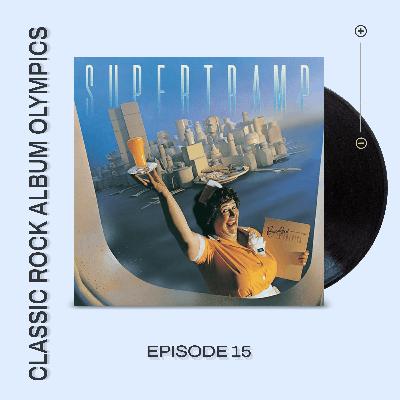
In this episode of Classic Rock Album Olympics music historians Gary Wenstrup and Robert Rodriguez order up Supertramp’s Breakfast in America and select their gold, silver and bronze medal winners. Released in March 1979, it’s the album that transformed the band from a respected British art-rock group into an international pop phenomenon.
Medal Winners
The
Logical Song
Child
Of Vision
Just
Another Nervous Wreck
Casual
Conversations
Goodbye
Stranger
Take
The Long Way Home
After years of crafting long, introspective, and sometimes progressive records, Supertramp entered the late 1970s looking to refine their sound into something more immediate, melodic, and accessible. The result was Breakfast in America, a bright, hook-filled collection recorded with precision and ambition.
By the time they began work on the album, Supertramp—Rick Davies, Roger Hodgson, John Helliwell, Dougie Thomson, and Bob Siebenberg—were operating at the height of their collective chemistry. The band had built a strong following through albums like Crime of the Century (1974) and Even in the Quietest Moments (1977), known for lush production, wry lyrics, and the attractive blend of Hodgson’s soaring voice and Davies’ grounded, blues-tinged delivery. With this album, the band sharpened those strengths into a concise, pop-leaning direction, crafting songs that were both meticulously arranged and instantly memorable.
Four singles were released from Breakfast in America and three went Top 20 – The Logical Song #6, Take The Long Way Home #10 and Goodbye Stranger #15.
Breakfast in America became a commercial powerhouse, topping the U.S. Billboard 200 for six weeks and eventually selling more than 20 million copies worldwide, making it one of the biggest-selling albums of 1979. Critics praised its polish, craftsmanship, and sharp songwriting. The album earned two Grammy Awards, including Best Recording Package (what a cover!) and Best Engineered Album (Non-Classical).
Today, Breakfast in America stands as Supertramp’s signature achievement: a quintessential late-’70s album that captures the tension between dreams and reality, success and disillusionment, wrapped in pop craftsmanship.
Bonus Tracks
Bloody
Well Right
Dreamer
School
Give
A Little Bit
Gone
Hollywood
Dangling
Conversation – Simon & Garfunkel
Time
Of The Season – Zombies
It’s Too Late – Carole
King
Even In The Quietest
Moments
Solsbury Hill – Peter
Gabriel
Track Listing
Side One
Gone Hollywood
The Logical Song
Goodbye Stranger
Oh Darling
Side Two
Take The Long Way Home
Lord Is It Mine
Just Another Nervous Wreck
Casual Conversations
Child of Vision
Hashtags:
#Supertramp #BreakfastInAmerica #1979Music #TheLogicalSong
#GoodbyeStranger #RogerHodgson #RickDavies #ClassicRock #YachtRockEra
#VinylCollection #MusicPodcast #AlbumDeepDive
Contact Info:
Website: Gary Wenstrup
Podcast Website: Home - Classic Rock Album Olympics
YouTube: (556) Classic Rock
Album Olympics - YouTube
Facebook: (7) Facebook
Podcast Facebook: Facebook
LinkedIn: (17) Gary Wenstrup | LinkedIn
Learn more about your ad choices. Visit megaphone.fm/adchoices
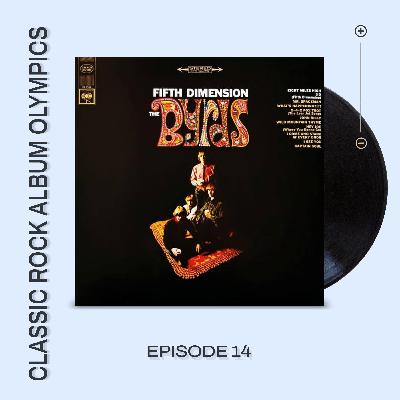
In this episode of Classic Rock Album Olympics music historians Gary Wenstrup and Robert Rodriguez enter The Byrds’ Fifth Dimension. Released in July 1966 the album captures the moment when the band stepped into new territory and helped invent what would soon be called psychedelic rock.
Medal Winners
John
Riley
5D
(Fifth Dimension)
Eight
Miles High
What’s
Happening?!?!
The Byrds were already riding high on the success of their folk-rock hits “Mr. Tambourine Man” and “Turn! Turn! Turn!” But the departure of their musical anchor, Gene Clark, left the group at a crossroads. Instead of retreating, The Byrds—now centered around Roger McGuinn, David Crosby, and Chris Hillman.
Part of the album’s magic comes from the band’s willingness to take risks. Without Clark’s songwriting contributions, McGuinn stepped up with ambitious compositions drawing from jazz, raga, and avant-garde ideas, while Crosby found his footing as both a writer and a conceptual thinker. Their trademark harmonies and McGuinn’s 12-string Rickenbacker still captivate.
Upon release, Fifth Dimension reached #24 on the U.S. Billboard 200. The chart position was quite modest compared to their first two albums, but the album's long-term influence has been enormous.
Speaking of Fifth Dimensions, to answer a question that arose in the podcast…this Byrds’ album was released 6 months before the pop/soul vocal group the 5th Dimension achieved their first chat success with Go Where You Wanna Go. So, The Byrds got there first.
More than anything, Fifth Dimension represents The Byrds learning to reinvent themselves: moving beyond the Dylan covers that first defined them and emerging as architects of psychedelic rock.
Bonus Tracks
Mr.
Spaceman
Hey
Joe (Where You Gonna Go) - Byrds
Hey
Joe – Jimi Hendrix
2-4-2
Fox Trot (The Lear Jet Song)
A
Million Miles Away - Plimsouls
Psychotic Reaction –
Count Five
Still I’m Sad –
Yardbirds
Heat Wave – Martha
Reeves & The Vandellas
Why - Byrds
Side One
5D (Fifth Dimension)
Wild Mountain Thyme
Mr. Spaceman
I See You
What’s Happening?!?!
I Come And Stand At Every Door
Side Two
Eight Miles High
Hey Joe (Where You Gonna Go) - Byrds
Captain Soul
John Riley
2-4-2 Fox Trot (The Lear Jet Song)
Hashtags:
#TheByrds #FifthDimension #1966Music #PsychedelicRock
#EightMilesHigh #RogerMcGuinn #DavidCrosby #FolkRock #ClassicRockHistory
#VinylCollection #MusicPodcast #AlbumDeepDive
Contact Us At:
Website: Gary Wenstrup
Podcast Website: Home - Classic Rock Album Olympics
YouTube: (556) Classic Rock
Album Olympics - YouTube
Facebook: (7) Facebook
Podcast Facebook: Facebook
LinkedIn: (17) Gary Wenstrup | LinkedIn
Learn more about your ad choices. Visit megaphone.fm/adchoices
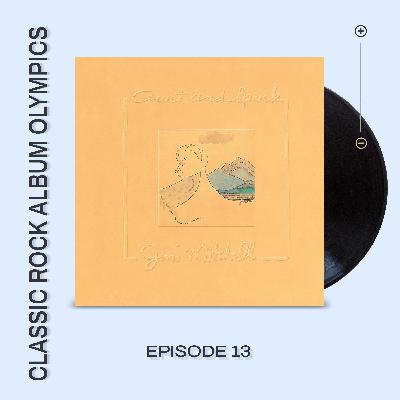
Court and Spark by Joni Mitchell
In this episode of Classic Rock Album Olympics music historians Gary Wenstrup and Robert Rodriguez go to Joni Mitchell’s 1974 album Court
and Spark and determine which songs earn their gold, silver and bronze medals.
Medal Winners
Raised
On Robbery
Just
Like This Train
Free
Man In Paris
Twisted
By the release of Court and Spark, Joni was already widely regarded as one of the most important voices of her generation. As a solo artist, she had released a remarkable run of albums—Song to a Seagull (1968), Clouds (1969), Ladies of the Canyon (1970), and the groundbreaking Blue (1971)—that earned her both critical praise and a devoted audience. Songs like “Both Sides Now,” (which Judy Collins took to #8) “Chelsea Morning,” and “The Circle Game” had also become hits for other artists, establishing her not only as a powerful performer, but as one of the most influential songwriters of the era.
After years of writing deeply personal, introspective acoustic songs, with Court and Spark Joni felt herself drawn toward richer arrangements, new textures, and a wider emotional palette. To realize that vision, she collaborated with members of the L.A. Express, a talented group of jazz and session musicians, giving the album a sophisticated, fluid sound that still carried her unmistakable lyrical voice.
Upon release, Court and Spark was both a critical and commercial triumph. It reached #2 on the U.S. Billboard 200. Three singles were released: “Help Me” got to #7 Joni’s only Top 10 hit, “Free Man In Paris” (#22) and Raised On Robbery (#65). Speaking of Free Man In Paris...as we discuss the song is about record executive David Geffen who later came out as gay, but was romantically involved with Cher 1973-1975.
Court and Spark marks a turning point in Joni Mitchell’s artistic journey—an album where she moves fully into the space between folk, pop, and jazz, creating music that is elegant, emotionally layered, and distinctly her own. It stands today not just as one of her most approachable albums, but also one of her most masterfully constructed, a work of insight, sonic beauty, and enduring influence.
Bonus Tracks
Basketball
Jones
Twisted
by Lambert, Hendricks & Ross
Help
Me
Court
And Spark
Side One
Court And Spark
Help Me
Free Man In Paris
People's Parties
The Same Situation
Side Two
Car On A Hill
Down To You
Just Like This Train
Raised On Robbery
Trouble Child
Twisted
Hashtags:
#JoniMitchell #CourtAndSpark #1974Music #SingerSongwriter
#HelpMe #FreeManInParis #LAExpress #JazzInfluence #ClassicAlbums
#VinylCollection #MusicPodcast #AlbumDeepDive
Learn more about your ad choices. Visit megaphone.fm/adchoices
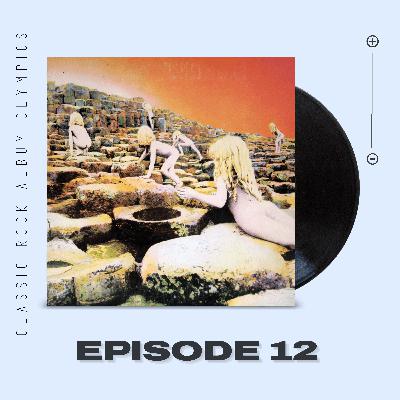
In this episode of Classic Rock Album Olympics music historians Gary Wenstrup and Robert Rodriguez enter Led Zeppelin’s 1973 album Houses
of the Holy and award their gold, silver and bronze medals.
Medal Winners
The
Rain Song
Dancing
Days
Over
The Hills And Far Away
D’yer
Mak’er
The
Ocean
This is the group’s fifth studio album, and notably, the first Zeppelin record to actually have a title instead of a number. Coming off the monumental success of Led Zeppelin IV, the band used Houses of the Holy to push outward creatively, exploring styles beyond the heavy blues-rock they were originally known for.
The album has a more colorful atmosphere compared to their earlier work. Jimmy Page layered acoustic and electric guitars with more studio effects; Robert Plant leaned into warm, expressive lyricism; John Paul Jones embraced keyboards, Mellotron textures, and early synthesizers; and John Bonham played with a powerful but increasingly varied rhythmic style. The result is an album that moves with confidence from epic rock to lush balladry, from funk-influenced rhythm experiments to playful reggae-inspired grooves.
Houses of the Holy quickly hit #1 on the U.S. Billboard 200. Although Led Zeppelin was famously resistant to the single-driven pop market, two tracks were released as singles in the U.S.: “Over the Hills and Far Away,” which reached #51 on the Billboard Hot 100, and “D’yer Mak’er,” which reached #20. Houses of the Holy reinforced the band’s reputation not only as the biggest hard-rock act of the era, but as a group constantly evolving and comfortable taking risks at the top of the mountain.
The album’s cover, designed by Hipgnosis and photographed at
The Giant’s Causeway in Northern Ireland, features a series of golden-tinted children climbing the stone formations—an image loosely inspired by the science fiction novel Childhood’s End by Arthur C. Clarke. The artwork has since become one of rock’s most recognizable visuals.
Bonus Tracks
The
Rain Song (Live)
The
Ocean (Live)
Side One
The Song Remains The Same
The Rain Song
Over The Hills And Far Away
The Crunge
Side Two
Dancing Days
D'yer Mak'er
No Quarter
The Ocean
Hashtags:
#LedZeppelin #HousesOfTheHoly #ClassicRock #RobertPlant
#JimmyPage #JohnPaulJones #JohnBonham #OverTheHillsAndFarAway #NoQuarter
#TheOcean #RockHistory #1973Music #VinylCollection #MusicPodcast #AlbumDeepDive
Learn more about your ad choices. Visit megaphone.fm/adchoices
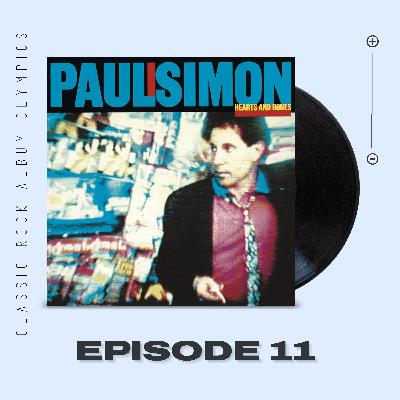
In this episode of Classic Rock Album Olympics music historians Gary Wenstrup and Robert Rodriguez dig into Paul Simon’s 1983 album
Hearts and Bones.
The album was written and recorded following Simon and Garfunkel’s Concert In The Park in 1981 and their world tour of 1982–1983. Some of the songs intended for Hearts and Bones were performed on the tour. Paul
and Art began recording and intended that the finished product would
be an all-new Simon & Garfunkel studio album. However, tensions during recording led to the project being released as a Paul Simon solo album.
Hearts and Bones peaked at #35 in the U.S. Commercially, it was Paul Simon’s poorest performing solo album to date. The initial single Allergies only reached #44 and the follow up single Think Too Much (A) did not chart. To our ears, however, the album is innovative, insightful and deeply moving.
The case can be made that Hearts and Bones is an important transition album between Simon’s 1970s solo success and his 1986 smash Graceland. With Hearts and Bones, Simon began experimenting with unusual rhythms, layered production, and a more adventurous studio approach. This laid the foundation for Graceland’s fusion of pop and world music.
Medal Winners
Rene
and Georgette Magritte With Their Dog After The War
Think
Too Much (B)
Hearts
And Bones
Train
In The Distance
Bonus Tracks
Allergies
Cars
Are Cars
Think
Too Much (A)
Rene
And Georette Magritte With Their Dog After The War with Art Garfunkel
Song About The Moon
Side One
Allergies
Hearts And Bones
When Numbers Get Serious
Think Too Much (b)
Song About The Moon
Side Two
Think Too Much (a)
Train In The Distance
Rene And Georgette Magritte With Their Dog After The War
Cars Are Cars
The Late Great Johnny Ace
Hash Tags
#PaulSimon #HeartsAndBones #MusicPodcast #AlbumDeepDive
#80sVibes #ClassicAlbum #SongwriterSpotlight #MusicLegends #BehindTheMusic
#VinylVibes #LoveAndLoss #HeartbreakSongs #StoryBehindTheSong
#MusicThatMovesYou #EmotionalLyrics #SoulfulSounds #FromHeartsToGraceland
#PaulSimonFans #GracelandJourney #MusicHistory #CreativeEvolution
#ArtistsJourney #NowPlaying #MusicRewind #PodcastLife #PopCulture #OnThisAlbum
#ThrowbackTunes #IconicAlbums
Learn more about your ad choices. Visit megaphone.fm/adchoices
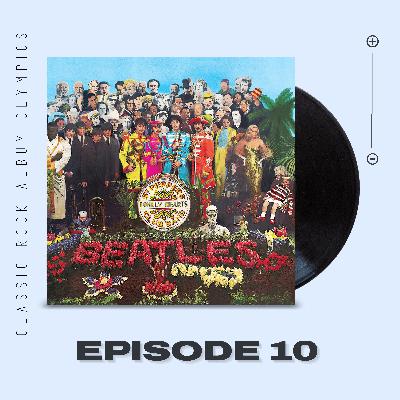
In this episode of Classic Rock Album Olympics music historians Gary Wenstrup and Robert Rodriguez discuss The Beatles’ Sgt. Pepper’s Lonely Hearts Club Band and award their gold, silver and bronze medals accordingly.
Often considered the most important rock album ever made, it saw The Beatles abandon touring to focus on studio recordings. Adopting the alter-ego of a fictional Edwardian-style band, they experimented with new sounds, orchestration, and studio techniques, pushing rock into the realm of art.
Released during the “Summer of Love,” it became a cultural touchstone of 1967 and stayed atop the US Billboard charts for 15 weeks. It was a cultural phenomenon. Everyone was playing it. Everyone was talking about it.
Sgt. Pepper won 4 Grammy Awards in 1968, including Album of the Year (first rock album to do so) and paved the way for albums (not singles) becoming the coin of the realm in pop/rock music.
The album is also credited with expanding the artistic scope of rock music and influencing generations of musicians to come. As Rodger Waters from Pink Floyd said “It gave me and my generation permission to branch out and do whatever we wanted.”
Medal Winners
Good Morning Good
Morning
Lucy in the Sky with
Diamonds
Lovely Rita
A Day in the Life
Hash Tags
TheBeatles #SgtPepper
#SgtPeppersLonelyHeartsClubBand #ClassicAlbum #1967 #SummerOfLove
#PsychedelicRock #RockHistory #MusicLegends #BeatlesForever #VinylCommunity
#NowSpinning #OnTheTurntable #IconicAlbum #GreatestAlbum #FlowerPower
#SixtiesVibes #Counterculture #JohnLennon #PaulMcCartney #GeorgeHarrison
#RingoStarr #George Martin #BritishInvasion #AlbumOfTheYear #MusicHistory
#TimelessMusic #LegendaryBand
Something About The
Beatles Podcast with Robert Rodriguez
259:
Sgt. Pepper Olympiad – SATB
Learn more about your ad choices. Visit megaphone.fm/adchoices
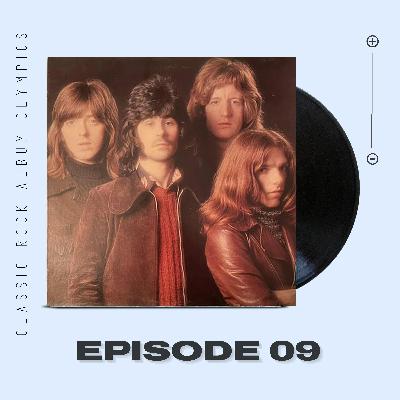
In this episode of Classic Rock Album Olympics music historians Gary Wenstrup and Robert Rodriguez go deep on Badfinger’s Straight Up.
Badfinger’s story is one of great songs and huge heartbreak. Formed in the mid-1960s in Wales, the group began as The Iveys, playing a mix of British rock and pop. In 1968 they became the first band signed to The Beatles’ Apple Records. Paul McCartney gave them “Come and Get It” to record which became a worldwide hit in 1969 and they changed their name to Badfinger.
Under Apple, Badfinger released — Magic Christian Music (1970), No Dice (1970), and Straight Up (1971). But their success was marred by disastrous management and legal disputes. After leaving Apple for Warner Bros. in 1973, the band recorded two more excellent albums, but financial mismanagement — particularly by manager Stan Polley — left them unable to access royalties from their hit records. In April 1975, overwhelmed by despair, lead singer and songwriter Pete Ham took his own life at age twenty-seven. In 1983 Tom Evans did the same.
Straight Up is Badfinger’s third studio album with production support from Todd Rundgren, George Harrison and Geoff Emerick. It is their most commercially successful release. Two singles were released from the album Day After Day (US Billboard Hot 100 #4) and Baby Blue (US Billboard Hot 100 #14). Baby Blue’s popularity peaked again in 2013 when used in the Breaking Bad finale
Medal Winners
Perfection
Baby Blue
Name of the Game
Day After Day
Sweet Tuesday Morning
Bonus Tracks
Without You
No Matter What
Take It All
Name of the Game (Geoff
Emerick version)
Carry On Till Tomorrow
Suitcase (Live)
Hashtags
#Badfinger #StraightUp
#PowerPop #ClassicRock #1970sMusic #AppleRecords #DayAfterDay #BabyBlue
#ToddRundgren #GeorgeHarrison #Leon Russell
Home - Classic Rock Album Olympics
Learn more about your ad choices. Visit megaphone.fm/adchoices

The Who by Numbers is the seventh studio album by The Who, released in October 1975. It follows an impressive run of deep, successful, and respected work by the band: Tommy, Who’s Next and Quadrophenia.
Understandably, Pete Townsend and company might have felt spent. That said, the album contains great performances by Pete, Roger Daltrey, John Entwistle and Keith Moon with straight-forward production by Glynn Johns.
On Who By Numbers principal songwriter Pete Townsend grapples with disillusionment, midlife anxiety, and questions about The Who’s future. Though not as thematically grand as Tommy or Quadrophenia, The Who by Numbers is respected for its honesty and stripped-down rock sound. It’s often seen as an underrated gem in The Who’s catalog.
The album peaked at #8 on the US Billboard 200, becoming a solid
commercial success despite its darker tone.
The lead single “Squeeze Box” hit #16 on the US Billboard Hot 100. Surprisingly, the second single “Slip Kid” did not chart in the US.
Bassist John Entwistle drew the album’s whimsical connect the dots cover art.
Medal Winners (Click title to hear the song)
Dreaming from the Waist
Squeeze Box
However Much I Booze
Blue Red and Grey
Bonus Video
Squeeze Box on Freaks and Geeks
#TheWho #TheWhoByNumbers
#ClassicRock #PeteTownshend #RogerDaltrey #KeithMoon #JohnEntwistle #1970sRock
#VinylRecords #MusicHistory
https://classicrockalbumolympics.com/
Learn more about your ad choices. Visit megaphone.fm/adchoices
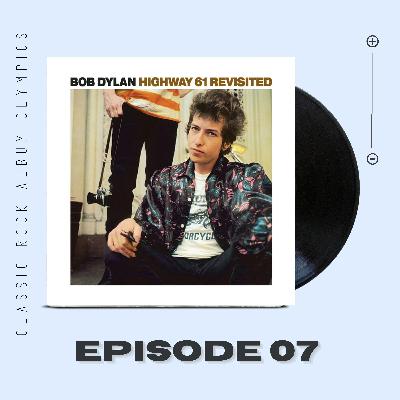
Highway 61 Revisited is Bob Dylan’s sixth studio album and a defining moment in rock history. Released in 1965, it marked Dylan’s full embrace of electric instrumentation after his transitional album Bringing It All Back Home. With its biting lyrics, surreal imagery, and raw rock-and-roll energy, the album reshaped popular music’s sense of what a song could be.
The album reached #3 on the U.S. Billboard 200 and #4 on the UK Albums Chart. Its lead single, “Like a Rolling Stone,” became Dylan’s biggest hit, peaking at #2 on the U.S. Billboard Hot 100.
The opening track “Like a Rolling Stone,” is an acknowledged masterpiece - a six-minute single with a sneering vocal and memorable organ riff that shattered expectations for what could succeed on AM radio.
With this album Dylan abandoned the folk revival’s acoustic purity, using a full rock band to create a hard-edged, blues-infused sound. The songs weave satire, absurdity, and social commentary into dense, cinematic narratives—ranging from carnival-like chaos (“Desolation Row”) to biblical-blues parables (“Highway 61 Revisited”).
Highway 61 Revisited is widely hailed as one of the greatest albums of all time, regularly appearing near the top of “best album” lists. It set the template for ambitious rock records, proving popular music could be literate, confrontational, and epic in scope.
Medal Winners (Click to the hear the song)
Just Like Tom Thumb’s
Blues
Highway 61 Revisited
Ballad of a Thin Man
Like a Rolling Stone
It Takes a Lot to
Laugh, It Takes a Train to Cry
Bonus Tracks (Click to hear
the song)
Highway 61 Revisited –
Johnny Winter
Twist and Shout – The
Beatles
#BobDylan #Highway61Revisited
#LikeARollingStone #1960sRock #ClassicRock #FolkRock #MusicHistory
#VinylRecords #RockLegends #AlbumAnniversary
Learn more about your ad choices. Visit megaphone.fm/adchoices
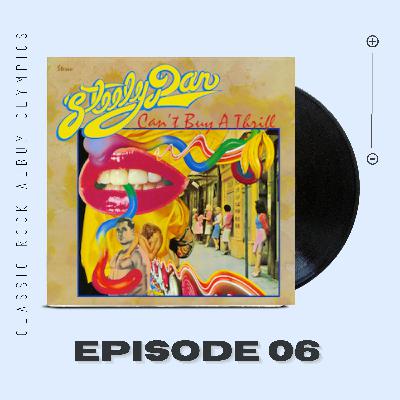
In this episode of CLASSIC ROCK ALBUM OLYMPICS, music historians Gary Wenstrup and Robert Rodriguez pull Steely Dan’s Can’t Buy A Thrill off the shelf and discuss which songs earn their gold, silver and bronze medals. Can’t Buy A Thrill was the band’s 1972 debut. It reached #17 on the album charts and placed two songs in the Top Twenty: Do It Again and Reelin’ in the Years. Songwriters Walter Becker and Donald Fagen delivered a gender-bending album with jazz and Latin rhythm tones,
pop/rock hooks and cryptic lyrics. Steely Dan made pop music for people
who did not think they liked pop music.
Medal Winners:
Reelin’
In The Years
Only
A Fool Would Say That
Midnite
Cruiser
Do
It Again
Dirty
Work
Visit: classicrockalbumolympics.com for more information and
episodes
#Hashtags:
#SteelyDan #CantBuyAThrill #DoItAgain #ReelinInTheYears #DirtyWork
#ClassicRock #1970sMusic #AlbumDeepDive #VinylCommunity #NowPlaying #MusicHistory #RockPodcast #SteelyDanFans #WalterBecker #DonaldFagen #StudioMagic #YachtRockOrigins
#DebutAlbums #BehindTheMusic #PodcastRecommendations
Learn more about your ad choices. Visit megaphone.fm/adchoices
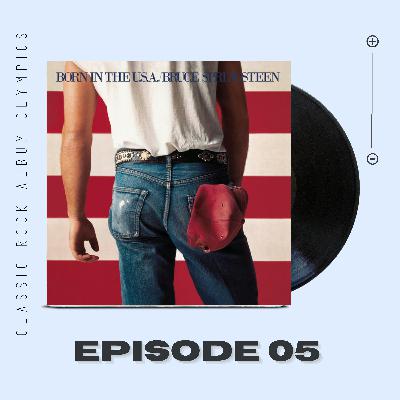
In this episode of Classic Rock Album Olympics music historians Gary Wenstrup and Robert Rodriguez tackle one of the most iconic albums of the 1980s—Bruce Springsteen’s Born in the U.S.A..
Packed with 7 (!) Top Ten hits and stadium-shaking anthems, this summer of 1984 release cemented “The Boss” as a global superstar. The album
hit #1 and it stayed there for almost 2 months.
Besides its popularity, the album had social commentary too as evidenced by the tension of the patriotic perception and political reality in the title track.
But which tracks stand tallest in this blue-collar masterpiece? The hosts dissect the album’s legacy, lyrical contradictions, and sonic evolution—then award gold, silver, and bronze medals to the top three songs.
Medal Winners:
Cover Me
Downbound Train
My Hometown
Born in the U.S.A.
I’m On Fire
Hashtags:
#BruceSpringsteen
#BornInTheUSA #SoundtrackStandings #TheBoss #80sRock #ClassicRock
#SpringsteenPodcast #MusicPodcast #EStreetBand #MaxWeinberg #DancingInTheDark
#GloryDays #GoldSilverBronze #GaryWenstrup #RobertRodriguez #NowPlaying
Learn more about your ad choices. Visit megaphone.fm/adchoices

In this episode of Classic Rock Album Olympics, music historians Gary Wenstrup and Robert Rodriguez dive deep into the legendary Rolling Stones' 1971 masterpiece, Sticky Fingers.
With its raw energy, soulful ballads, and iconic riffs, this album is packed with timeless gems. But which three tracks will earn their gold, silver annd bronze medals? Join in as they debate, dissect, and ultimately crown the top songs that define this rock 'n' roll classic.
From the swaggering groove of "Brown Sugar" to the electrifying energy of "Bitch," the bluesy brilliance of "Can't You Hear Me Knocking," and the haunting beauty of "Moonlight Mile," they’ll explore the stories, emotions, and unforgettable sounds crafted by Mick Jagger’s charismatic vocals, Keith Richards' iconic guitar work, and Mick Taylor’s extraordinary playing.
Medal Winners
Brown Sugar (https://youtu.be/Bar7SzNLnY0)
Bitch (https://youtu.be/VH2LipXrKkQ)
Moonlight Mile (https://youtu.be/qpB8XyFSY5E)
Can’t You Hear Me Knocking (https://youtu.be/nkQ0LhcTNsY)
#RollingStones #StickyFingers #RockAndRoll #BrownSugar #MoonlightMile #MusicPodcast #RockMusic#ClassicRock #CantYouHearMeKnocking #Bitch #MickJagger #KeithRichards#MickTaylor #AlbumReview
Learn more about your ad choices. Visit megaphone.fm/adchoices
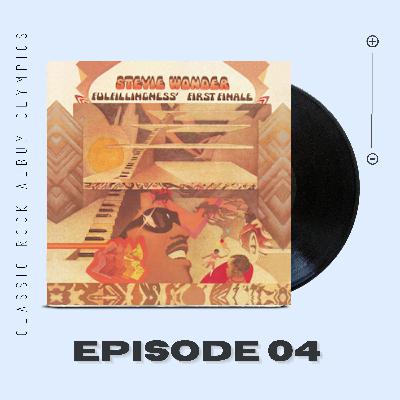
In this episode of Classic Rock Album Olympics music historians Gary Wenstrup and Robert Rodriguez return to the mic for a deep dive into Stevie Wonder’s 1974 classic Fulfillingness’ First Finale. As part of Stevie’s “classic period,” this 4x Grammy-winning album blends soulful introspection with social consciousness and studio innovation.
Gary and Robert unpack the album’s cultural context and lasting
influence—then award gold, silver, and bronze medals to its three greatest
tracks. Released in the summer of 1974 the album peaked at #1 on Billboard and both “Boogie On Reggae Woman” and “You Haven’t Done Nothin’” hit #1 on the Billboard singles chart.
Medal Winners:
Boogie
On Reggae Woman
Creepin’
You
Haven’t Done Nothin’
They
Won’t Go When I Go
Hashtags:
#StevieWonder #FulfillingnessFirstFinale
#SoundtrackStandings #MusicPodcast #ClassicSoul #70sSoul #AlbumOfTheYear
#MotownMagic #GoldSilverBronze #BoogieOnReggaeWoman #YouHaventDoneNothin
#GaryWenstrup #RobertRodriguez #DeepCuts #NowPlaying #They Won’t Go When I Go
#Creepin’
Learn more about your ad choices. Visit megaphone.fm/adchoices
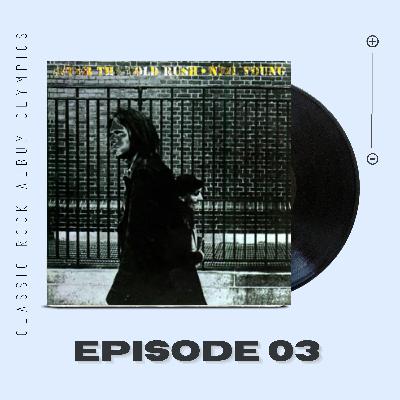
This week on Classic Rock Album Olympics we dust off a cornerstone of classic rock: Neil Young’s After the Gold Rush (1970).
Blending folk, country, and a whisper of psychedelic surrealism, the album captures Young at his most introspective and influential. The album peaked at #8 on Billboard. Two singles were released from the album: “Only Love Can Break Your Heart” peaked at #33 and “When You Dance I Can Really Love” peaked at #93.
Take a listen and see which songs music historians Gary Wenstrup and Robert Rodriguez awarded their gold, silver and bronze medals.
Medal Winners:
When You Dance I Can Really
Love
Don’t Let It Bring You Down
Southern Man
Only Love Can Break
Your Heart
After The Gold Rush
#NeilYoung #AfterTheGoldRush #ClassicRock #FolkRock #VinylVibes #70sMusic #AlbumReview #MusicPodcast #SoundtrackStandings #NowPlaying #RockLegends #DeepCuts #When You Dance I Can Really Love #Only Love Can Break Your Heart #Southern Man #Don’t Let It Bring You Down
Learn more about your ad choices. Visit megaphone.fm/adchoices

Comments

Download from Google Play

Download from App Store
 United States