



 Claim Ownership
The Agenda
Subscribed: 3Played: 241
Subscribe

© lmfm
Description
LMFM presents The Agenda - Your Current Affairs Podcast with presenter Adrian Kennedy
Hosted on Acast. See acast.com/privacy for more information.
1364 Episodes
Reverse
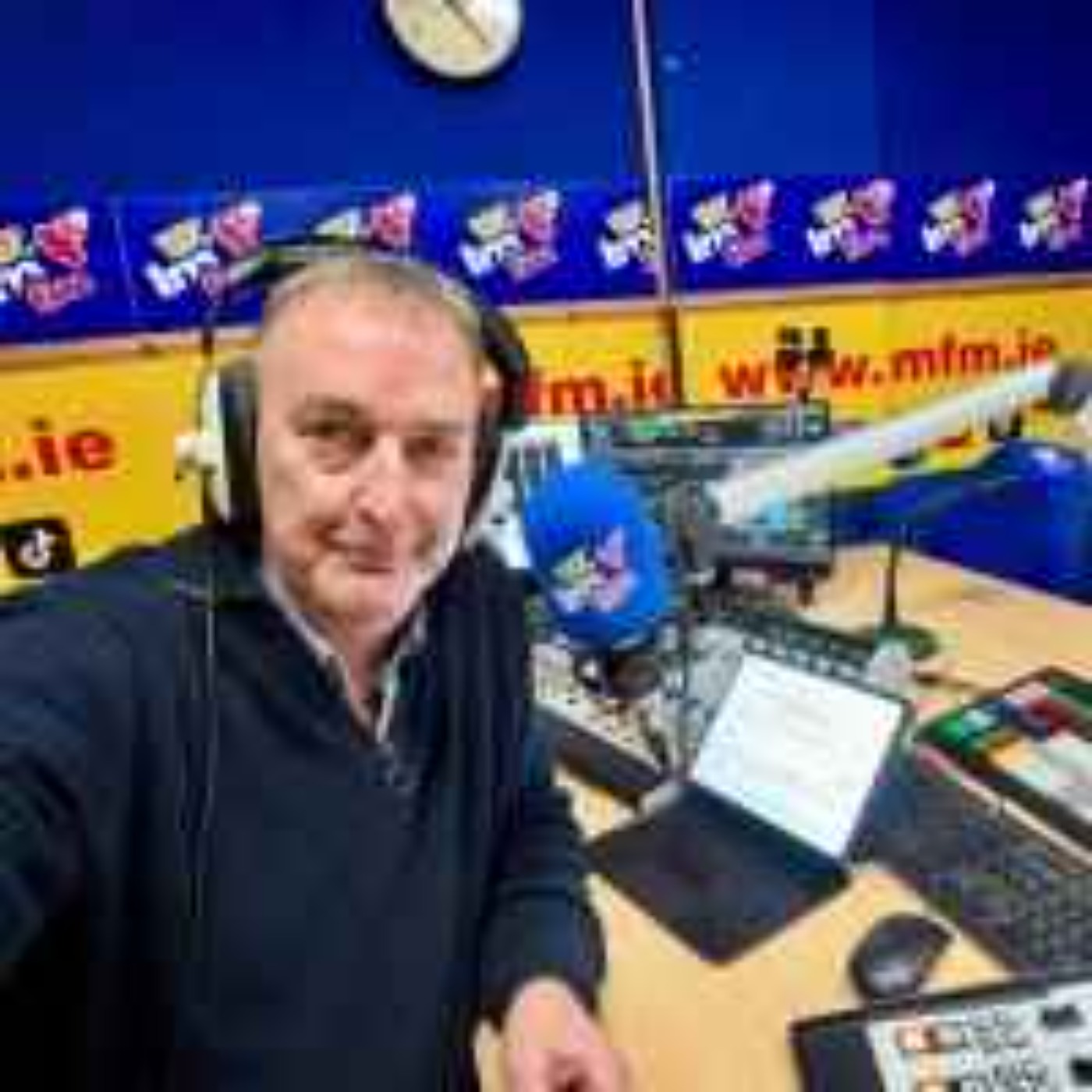
Something very new happende on The Agenda this morning. We had our first ever segment of ‘The LMFM Roundtable’, where we were joined in-studio by 4 contributors from different parts of Louth and Meath to discuss and debate the big stories of the week. This week we were joined by: Fine Gael Councillor in Ashbourne, Alan TobinIndependent Councillor in Navan, Alan LawesMayor of Drogheda & Labour Councillor, Michelle HallFianna Fail Councillor in Dundalk, Emma Coffey. We discussed the anti-social behaviour in Oriel Park last week, road safety after a Meath girl was tragically killed in a hit and run, and Monday marked 4 years since Russia invaded Ukraine. Hosted on Acast. See acast.com/privacy for more information.

RTÉ has reiterated that it will broadcast football matches involving Israel, despite calls for a Eurovision-style boycott.Sinéad Gibney, the Social Democrats sports spokesperson, wrote to the broadcaster asking them not to support Israel’s “sportswashing endeavours” ahead of the country’s Nations League match with Ireland in October.“Last year, RTÉ took a laudable stance in response to Israel’s participation in the Eurovision Song Contest by opting to not broadcast or participate in the 2026 competition,” Gibney wrote.“I’ve asked that RTÉ now make the same commitment in this case. It is unconscionable to support the sportswashing endeavours of a country whose regime is committing genocide and ethnic cleansing against Palestinians by broadcasting and legitimizing their sporting pursuits.”In response, RTÉ has maintained that it has contractual “and therefore binding legal obligations” to show the match.The broadcaster said it is the Football Association of Ireland’s (FAI) responsibility to make decisions regarding participation. The FAI said Ireland will fulfil the fixtures.Deputy Gibney joined us on The Agenda this morning to talk to us some more about this. Hosted on Acast. See acast.com/privacy for more information.
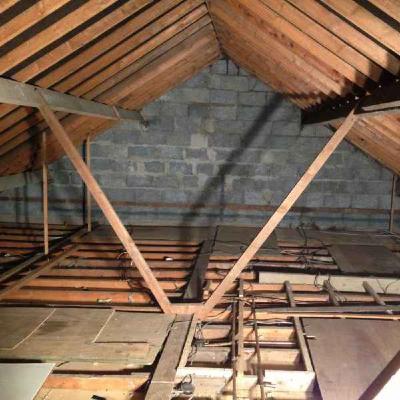
Louth County Council have said it will not provide attic conversions to alleviate overcrowded social housing units. It comes after Sinn Féin councillor for Dundalk/Carlingford Fiona Mhic Concoille tabled a motion at the February meeting of Louth County Council for the local authority to examine the feasibility of converting attics in council-owned houses. Councillor Mhic Conchoille said the move would act as a "practical and cost-effective means of increasing bedroom capacity for existing tenant families". She said such attic conversions are estimated to cost in the region of €30,000-€50,000, in comparison to €300,000-€350,000 for new-build units.The Sinn Féin councillor said giving families the option to convert attics would reduce pressure on the housing transfer list and would allow three-bedroom houses to function as four-bedroom homes where appropriate.Councillor Mhic Choncoille joined us on The Agenda this morning to talk to us some more about this. Hosted on Acast. See acast.com/privacy for more information.

The Independent Disciplinary Committee announced the sanctions last night, which includes a ban on Drogheda supporters for their next four away games.Drogheda United Football Club have been handed a hefty punishment, arising out of the disorder seen at Oriel Park in Dundalk this day last week. Flares were thrown from the away end onto the newly laid surface in Dundalk, with significant damage being done to the synthetic astroturf pitch. A 12 year-old boy also suffered burns to his face during the pre-match display. Last night, the Football Association of Ireland's Independent Disciplinary Committee announced record sanctions were being handed down to the Drogs as a result of their supports behaviour. The punishment includes A fine of €15,000;A ban on Drogheda United FC supporters attending the Club’s next four away fixtures; andA ban on Drogheda United FC supporters attending all fixtures at Oriel Park for the remainder of the 2026 season.We were joined on The Agenda this morning by LMFM Sports Reporter Colum Corrogan to find out more.We also spoke to Minsiter for Sport, Patrick O'Donovan, to het his reaction to all of this. Hosted on Acast. See acast.com/privacy for more information.

The Junior Minister for Sport says only the "idiots" responsible should be punished for damaging League of Ireland pitches.Charlie McConalogue disagreed with Sports Minister Patrick O'Donovan's suggestion of a collective punishment over the issue.It came after significant damage was done to the playing surface of Oriel Park in Dundalk following the throwing of flares at a recent game.Minister McConalogue says a blanket approach to something like this won't work.Minister McConalogue joined us on The Agenda this morning to talk to us some more about this. Hosted on Acast. See acast.com/privacy for more information.

Sinn Fein's hit out at the Government using the "guillotine" function to force through the International Protection Bill.The controversial asylum legislation made its way through the Dail last night in part due to significantly shortened debates.Opposition parties have criticised the lack of time for debate with eight hours last week in a single Dáil committee stage session and four hours last night.Deputy Matt Carthy says the Government's quick rejection of their "community impact assessment" amendment shows they're not listening to the concerns of the people.Deputy Carty joined us on The Agenda this morning to talk to us some more about this. Hosted on Acast. See acast.com/privacy for more information.
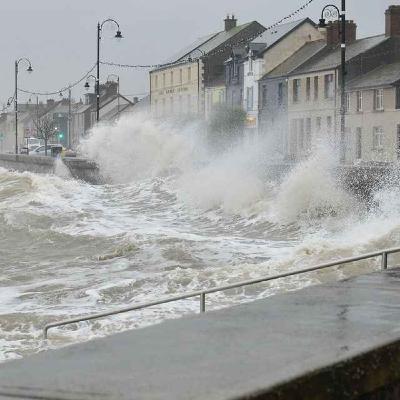
Labour TD Ged Nash has warned that Louth is "in the firing line" of delayed installation of flood defences. The Louth TD told the Dáil that rainfall events that were once one-in-a-century, are now becoming much more frequent. He warned that there is "huge strain on already stressed infrastructure, road networks and flood defences". "The severity of the storms and the impacts we are experiencing are going to become ever more complicated and we need to do more to adapt, mitigate and manage," he said. Deputy Nash said that dozens of "critical" flood defence projects have been "in the system for almost a decade", and he joined us in-studio on The Agenda this morning to talk to us some more about this.We also discussed the protests that took place all across the country yesterday after the Government U-turn on SNA cuts. Hosted on Acast. See acast.com/privacy for more information.
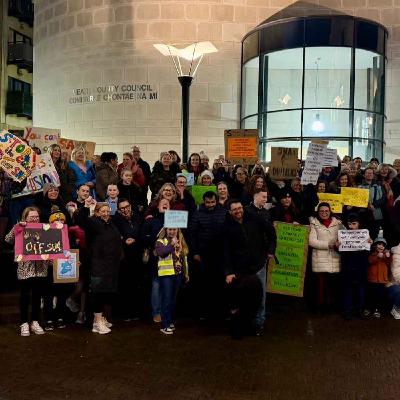
Protests took place at locations across the country yesterday to highlight the ongoing concerns of parents, schools and Special Needs Assistants following controversy over the last week around SNA allocations for schools.The demonstrations were called before the Government moved late Monday evening to reverse the planned changes. The Government last week paused a review and reallocation of SNAs for the coming school year after it caused concern and outrage among parents, teachers and SNAs.One of the locations where a protest took place was in Ashbourne, so I decided to go along and check it out. The protest was led by Sinn Fein Councillor Maria White, who is also a school principal at junior school which has 5 autism classes and 20 SNA’s.Councillor White joined us on The Agenda this morning to talk to us about how the protest went last night in Ashbourne, and about why it was so important to her to be a part of it. Hosted on Acast. See acast.com/privacy for more information.
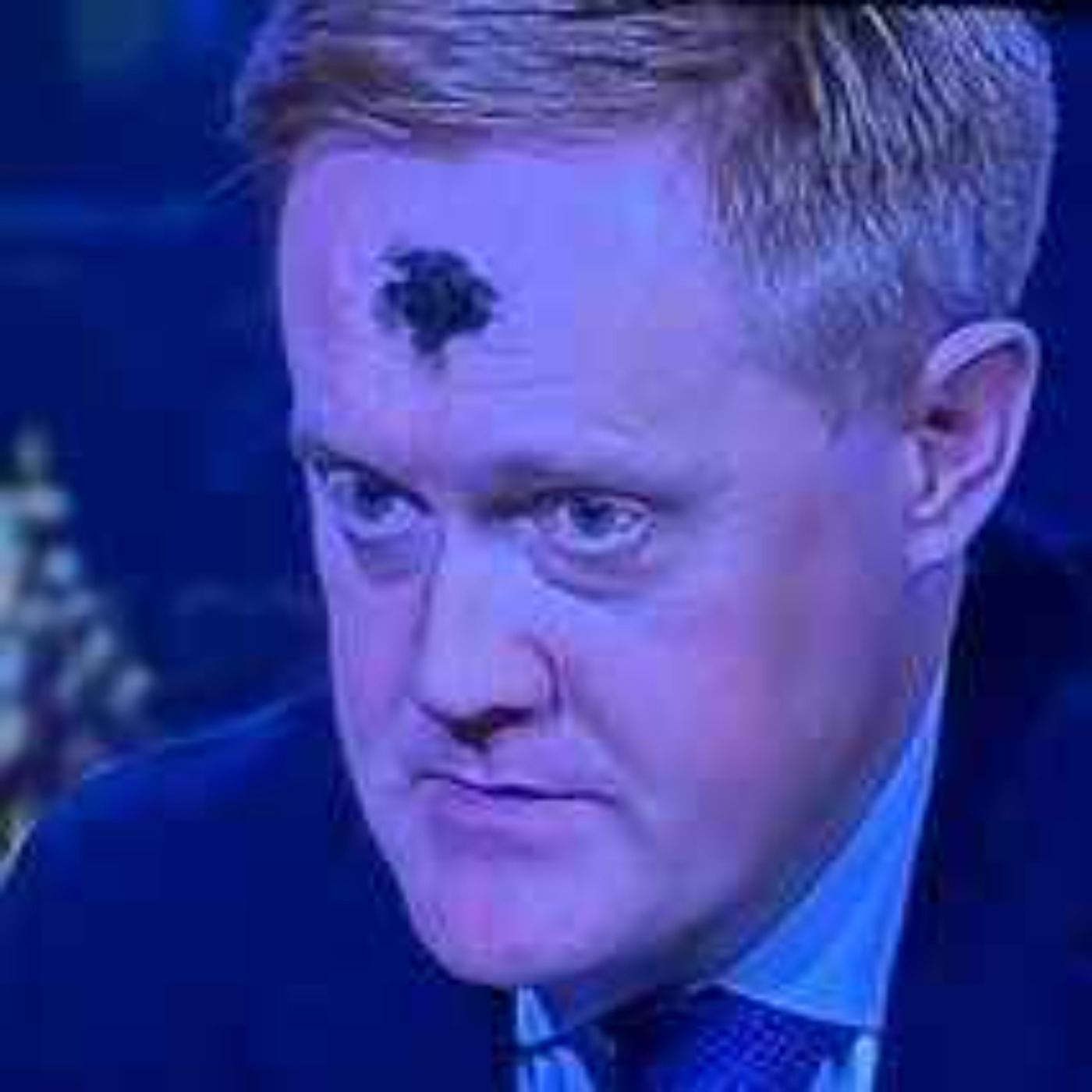
A journalist who was mocked online for wearing ashes on his forehead on Ash Wednesday has described his critics as “bigots”.Last week, Fionnán Sheahan of the Irish Independent appeared on Virgin Media’s The Tonight Show. Of all the panellists, he was the only one wearing ashes on his forehead - something many viewers noticed at home. Fionnan says he had been surprised by the negativity directed at him afterwards. His issue isn’t so much with the reaction, because that's just the moron hurlers on the ditch on social media,” he said. What surprised him was the sane and sensible people saying, ‘Oh, but you should expect to be slagged off in a situation like that’.Fionnan joined us on The Agenad this morning to talk to us some more about this. Hosted on Acast. See acast.com/privacy for more information.

Fresh calls have been made for specialised training for Louth County Council housing staff dealing with victims of domestic violence who may be at risk of homelessness.The issue was raised at this month’s meeting of Louth County Council, where Councillor Sionnain McCann questioned what supports are available to tenants - whether in social housing or HAP-supported accommodation—who must flee their home due to domestic abuse.Councillor McCann said people escaping violent or abusive situations can find themselves in a difficult position when seeking help, as they are still technically considered housed and therefore may not qualify for homeless services.She asked whether training is available to ensure staff can appropriately support those who find themselves in such situations.Councillor McCann joind us on The Agenda this morning to talk to us some more about this. Hosted on Acast. See acast.com/privacy for more information.

We are joined in-studio on The Agend this morning by Labour Councillor in Drogheda, Pio Smith, who told us about an information and awareness event taking place in Drogheda tomorrow evening titled: "The Drug Trade and Its Impact on Drogheda”. Last month on The Agenda we heard about the involvement of very young children in drug activity in Drogheda, with reports that children as young as seven are being exploited by criminal networks.There are also growing fears locally that the violence associated with previous drug feuds in Drogheda could re-emerge. Community members in several housing estates have voiced anxiety that younger individuals are now being groomed to take on roles within organised drug activity.Councillor Smith told us more about this event, and also about how big a problem the drugs scene is in Drogheda at the moment and what could be done to clamp down on it. Hosted on Acast. See acast.com/privacy for more information.
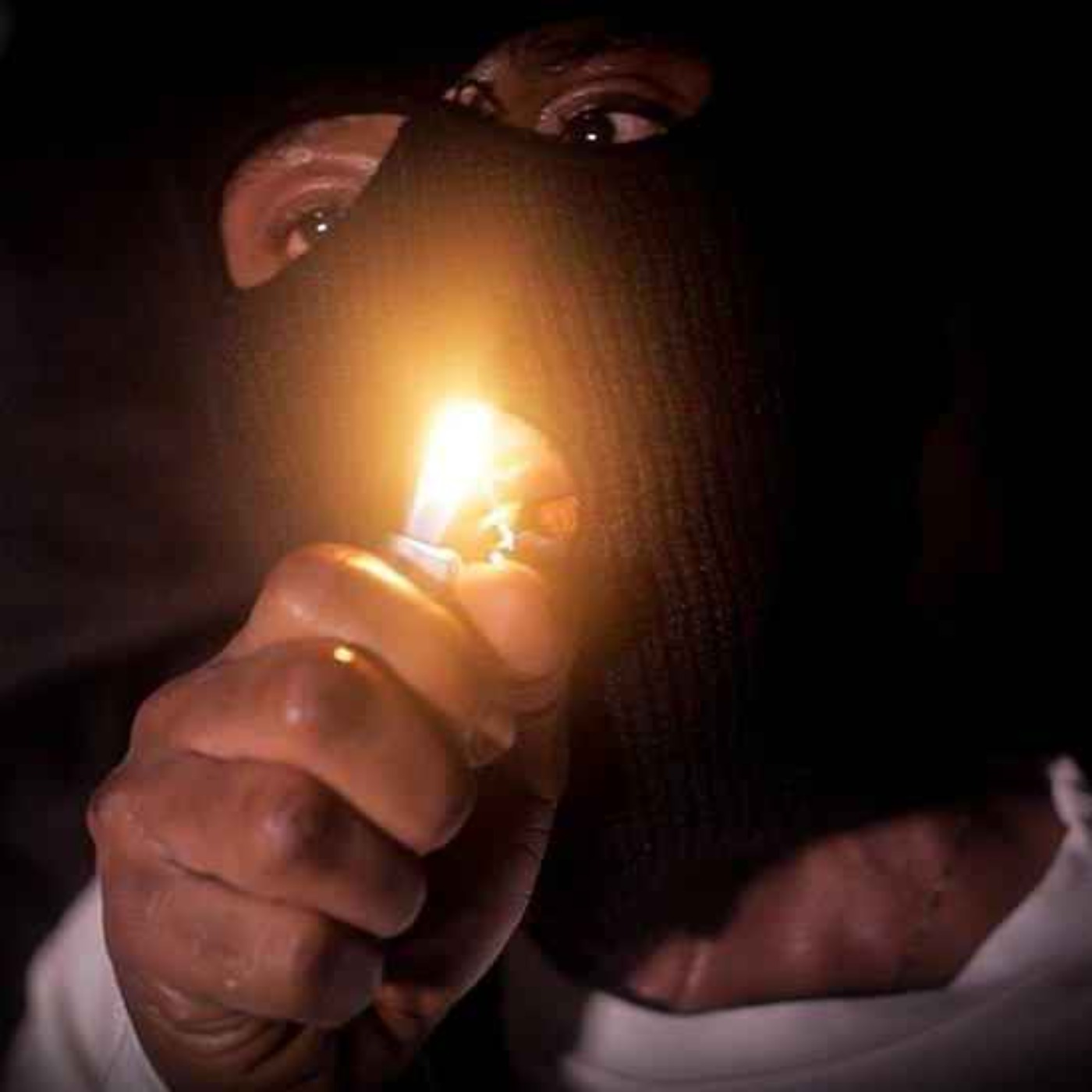
Gardaí have found gang affiliation clothing and memorabilia as part of searches against the international Black Axe fraud and money laundering gang.The Black Axe gang operates as a mafia-style organisation which originated in Nigeria and has an estimated 30,000 members across dozens of countries worldwide, including having members here in Ireland.The homes of 11 senior gang members, also known as the Neo Black Movement (NBM), were raided.Security and Crime Editor of The Irish Times, Conor Lally, joined us on The Agenda this morning to tell us more about this. Hosted on Acast. See acast.com/privacy for more information.

Today marks four years since Russia launched its full-scale invasion of Ukraine, leading to the most devastating conventional conflict in Europe since World War II.From day one of the invasion, fierce Ukrainian resistance has kept Russia from achieving its goal of dismembering the Ukrainian state.We were joined on The Agenda this morning by a Ukrainian woman named Santa, who fled Ukraine 4 years ago when the war broke out and she says "Ireland is now by home".Santa told us about the day she fled Ukraine with her son, and told us about how things have been in Ireland for them both since. Hosted on Acast. See acast.com/privacy for more information.

European leaders will mark the fourth anniversary of Russia’s full-scale invasion of Ukraine by reaffirming their political and financial backing for Kyiv, as a top EU official in Brussels played down the prospects for a peace deal in the near future.Ukrainian cities continue to face sustained bombardment from Russian missiles and drones. Targeted attacks on critical energy infrastructure have left millions of civilians facing rolling blackouts without power and heating in sub-zero temperatures, while ceasefire negotiations stall.The European Union’s representative on foreign policy, Kaja Kallas, on Monday said she was not optimistic that peace talks would yield any results “in the coming weeks and months”.We are joined on The Agenda by Minister of State for European Affairs and Defence & Meath-East Fianna Fail TD, Thomas Byrne, to find out more about this. Hosted on Acast. See acast.com/privacy for more information.

Following the government's late evening announcement that there will be no SNA cuts in September, Sinn Féin spokesperson on Education and Youth and Meath-East TD, Darren O’Rourke TD, has said it is a reprieve for schools, families and SNAs, but warned that the fundamental issues at the heart of the policy remain unaddressed.Speaking in advance of Tuesday’s Dáil debate on Sinn Féin’s Dáil motion, Deputy O’Rourke said that while the reversal is necessary, it does not fix the broken system that put children with additional needs in jeopardy in the first place.He said the government’s actions over the past fortnight had caused enormous upset, and showed a total lack of respect for SNAs, schools, students and their families. He also questioned whether the €19m extra funding the government pledged tonight is new money or a reallocation from the existing education budget.Deputy O’Rourke joined us on The Agena this morning to talk to us some more about this. Hosted on Acast. See acast.com/privacy for more information.
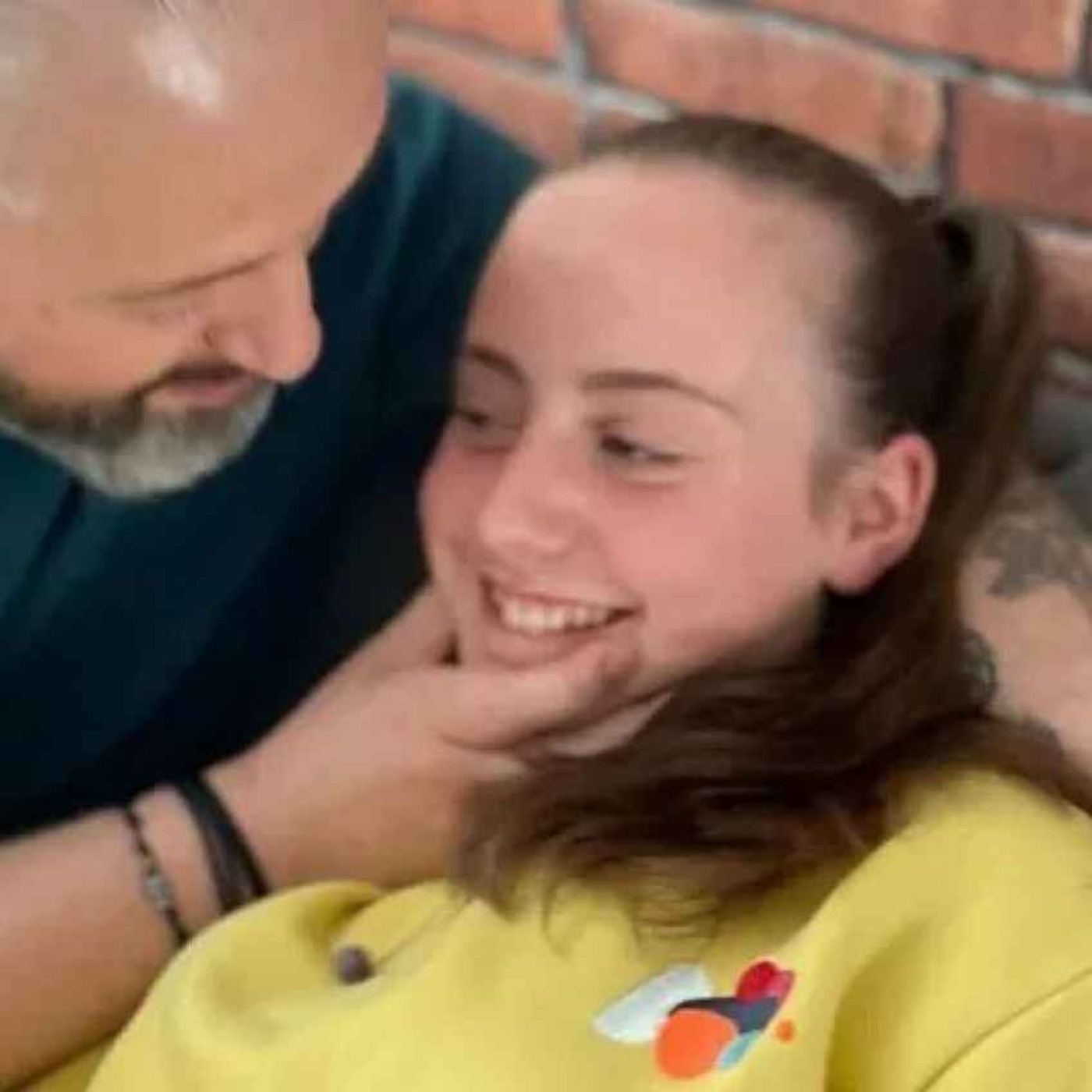
A 16-year-old girl who died in a hit-and-run in Navan, Co Meath has been named as Mia Lily Keogh O’Keefe.The young girl was killed after being struck down while out walking with her dog on Saturday evening after 8pm on the Slane Road in the town.The driver fled the scene but a man in his 20s has since been arrested by investigating gardaí.In an update this morning, a garda spokesperson has confirmed that the man has been released without charge and a file will be prepared for the Office of the Director of Public Prosecutions.We were joined on The Agenda this morning by Crime Editor at The Irish Sun, Stephen Breen, to find out more about this horrific incident and about the GoFundMe which has been set up for Mia’s family. Hosted on Acast. See acast.com/privacy for more information.

A 12 year old Drogheda United fan ended up in the Emergency Department of Our Lady of Lourdes hospital in Drogheda on Friday night, after he was struck by a flare fired from the Away fans end at Oriel Park during the Louth derby.The boy sustained burns to his face and hand but was not hospitalised. During the game flares were fired at the newly laid artificial playing surface leaving over 30 burn marks, which may see the Boynesiders sanctioned in the coming days. Before the match, flares had been fired when rival fans clashed outside Clarke train station on the Carrick Road.Drogheda United and Dundalk also issued a joint statement yesterday condemning crowd trouble at Friday night's Louth derby, which resulted in major damage to the pitch at Oriel ParkThis morning on The Agend we spoke to Minister for Sport, Patrick O'Donovan, who condemned these "gougers" with the flares who destroyed the game for everyone.Minister O'Donovan also has called for any investment into artificial pitches to be pulled. Hosted on Acast. See acast.com/privacy for more information.

The HPAT for medical students is a “performance of cruelty” and should be scrapped, a consultant psychiatrist and associate clinical professor has argued. The Health Professions Admission Test is an examination used to help universities select students who apply to study medicine. It lasts for 2.5 hours and tests applicants on logical reasoning, problem solving, interpersonal understanding and non-verbal reasoning. Dr Matthew Sadlier says he does not believe that some of the skills assessed in the HPAT are needed in a medical career, noting that some doctors have no need of interpersonal understanding - or ‘bedside manner’ - as they never deal with patients.Dr Sadlier also doubts very much that a person’s bedside can be accurately assessed in an HPAT exam, and he joined us on The Agenda this morning to talk to us some more about this. Hosted on Acast. See acast.com/privacy for more information.

A 12 year old Drogheda United fan ended up in the Emergency Department of Our Lady of Lourdes hospital in Drogheda on Friday night, after he was struck by a flare fired from the Away fans end at Oriel Park during the Louth derby.The boy sustained burns to his face and hand but was not hospitalised.During the game flares were fired at the newly laid artificial playing surface leaving over 30 burn marks, which may see the Boynesiders sanctioned in the coming days. Before the match, flares had been fired when rival fans clashed outside Clarke train station on the Carrick Road.We were joined on The Agenda this morning by LMFM's Pat O’Shaughnessy, who is a friend of the family of the young boy who was hit by the flare, and he told us more about what happened and about how the boy is doing.We spoke to by CEO of Dundalk FC, Joe McGuinness.We were also joined by eye-witness Patrick O’Connor, who says himself and his children were in the middle of it as the flares were being thrown, and we spoke to Barry Kenny from Irish Rail, who told us all about the damage that was caused at the train station by the flares.We also heard from Sin Fein TD for Louth, Ruairi O Murchu, who is questioning the level of security at these matches and how to stop this happening again in the future Hosted on Acast. See acast.com/privacy for more information.
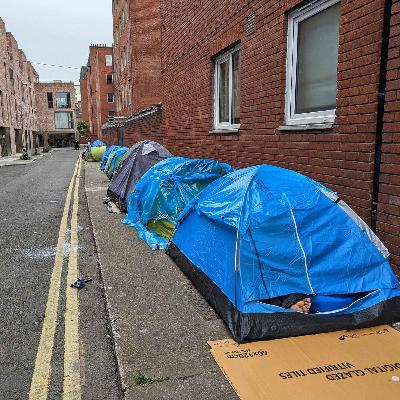
There are roughly 4,500 empty beds free for either Ukrainian nationals or asylum seekers at present, but they cannot be offered to more than 500 male applicants sleeping on the streets, an Oireachtas committee has heard.The Public Accounts Committee (PAC) heard that there are about 53,000 beds available in the system at the moment.Just under 36,000 are designated for international protection, with the remainder set aside for refugees from the Russia/Ukraine conflict. Of those, some 4,500 are vacant.However, many of them are unavailable for use — either due to the need for refurbishment or their placement as spare units within family complexes — officials from the Department of Justice told the PAC on Thursday.We were joined on The Agenda this morning by John Lannon, CEO of Doras, to get his thoughts on this. Hosted on Acast. See acast.com/privacy for more information.

Comments

Download from Google Play

Download from App Store
 United States