


The Optimal Body
Subscribed: 914Played: 54,770
Subscribe

© Dr. Jen Fraboni & Dr. Dom Fraboni
Description
Join top-40 Physical Therapy Influencer, Doc Jen, and her Physical Therapy husband Dr. Dom, as they bring you the body tips and PT Pearls you need to help you understand your body, relieve your pains and restrictions, and answer your questions. Along with expert guests, the goal of The Optimal Body is to help you discover what optimal means in your own body.
477 Episodes
Reverse
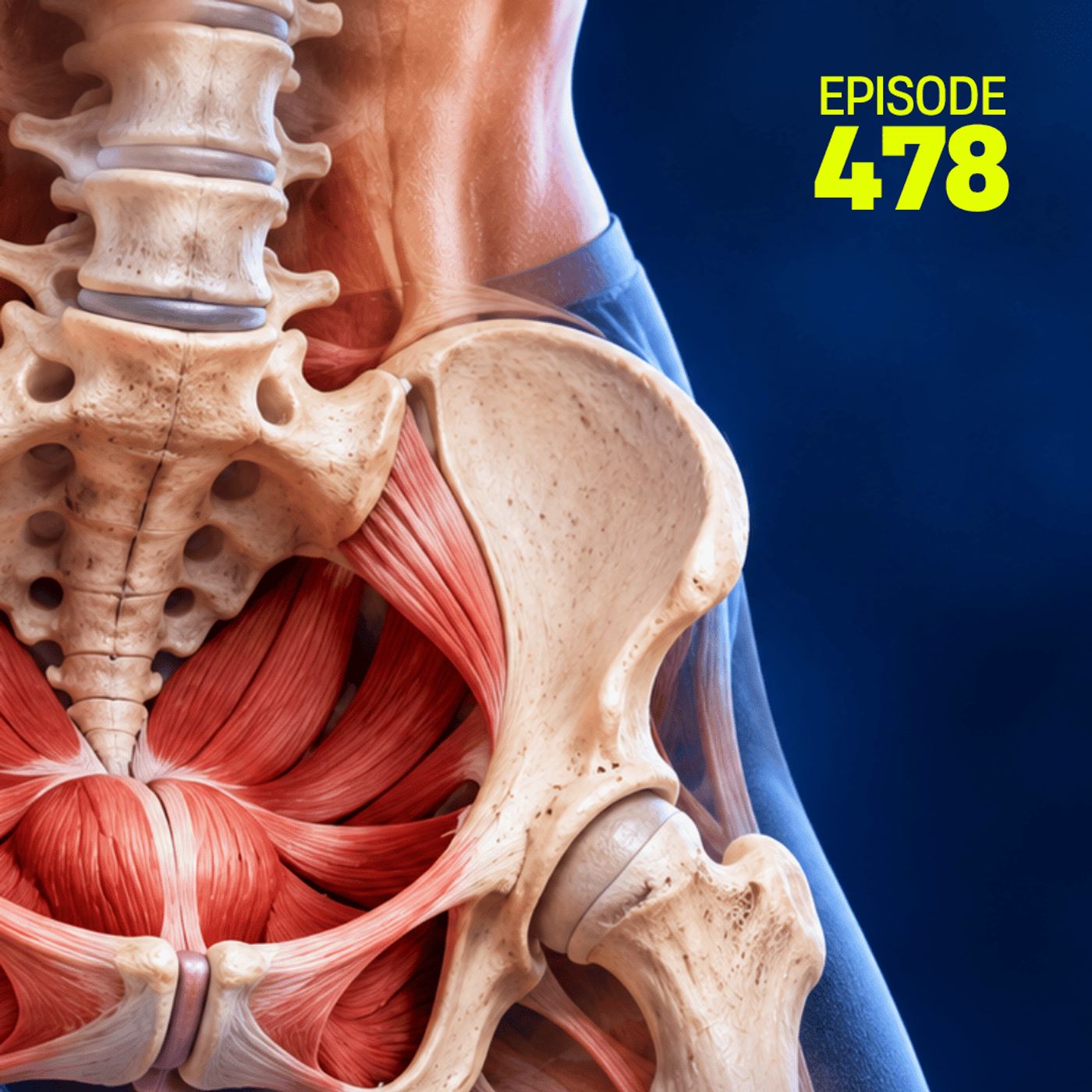
After pregnancy left marathon runner and Doctor of Physical Therapy Caroline Packard with persistent leakage and prolapse symptoms, standard Kegels didn’t get her back to running or lifting—so she built the pelvic-floor program she wished she’d had. In this episode, the doctor of physical therapy explains why visible prolapse doesn’t always mean symptoms or limits, how breath and whole-body strength can support pelvic-floor function, and what a gradual return to running can involve. She also shares practical ways to adjust lifting when symptoms appear, and why it’s not too late to make changes in your 60s or 70s. Doctor Dom and Doc Jen join Packard for a frank conversation about moving beyond symptom management.Needed Discount:Jen trusted Needed Supplements for fertility, pregnancy, and beyond! Support men and women’s health with vitamins, Omega-3, and more. Used by 6,000+ pros. Use code OPTIMAL for 20% off at checkout!Connect Pelvic Floor Fitness:Join Dr Caroline's community and find true connection to the pelvic floor! Grab a discount using code OPTIMAL at checkout.Dr Caroline's Resources:Dr Caroline on IGDr Caroline on YTConnect Pelvic Floor FitnessDr Caroline on FBWe think you'll love:FREE week of Jen HeathJen’s InstagramDom’s InstagramYouTube ChannelFor full show notes and resources visit https://jen.health/podcast/478What You'll Learn:2:21 Caroline’s Pelvic Floor Journey6:14 Prolapse, Symptoms, and Returning to Activity8:35 What Pelvic Health Includes10:16 Using Symptoms to Guide Exercise12:18 Pelvic Floor Health in Young Athletes14:12 When to Seek Help and Starting with Breath17:04 Breathing and Pelvic Floor Coordination19:47 Returning to Running26:27 Strength Training with Pelvic Floor Symptoms28:46 Leakage During Heavy Lifting30:44 Breathing Strategies for Lifting33:05 Pelvic Health After Menopause35:39 Building Confidence Through Progression Hosted by Simplecast, an AdsWizz company. See pcm.adswizz.com for information about our collection and use of personal data for advertising.
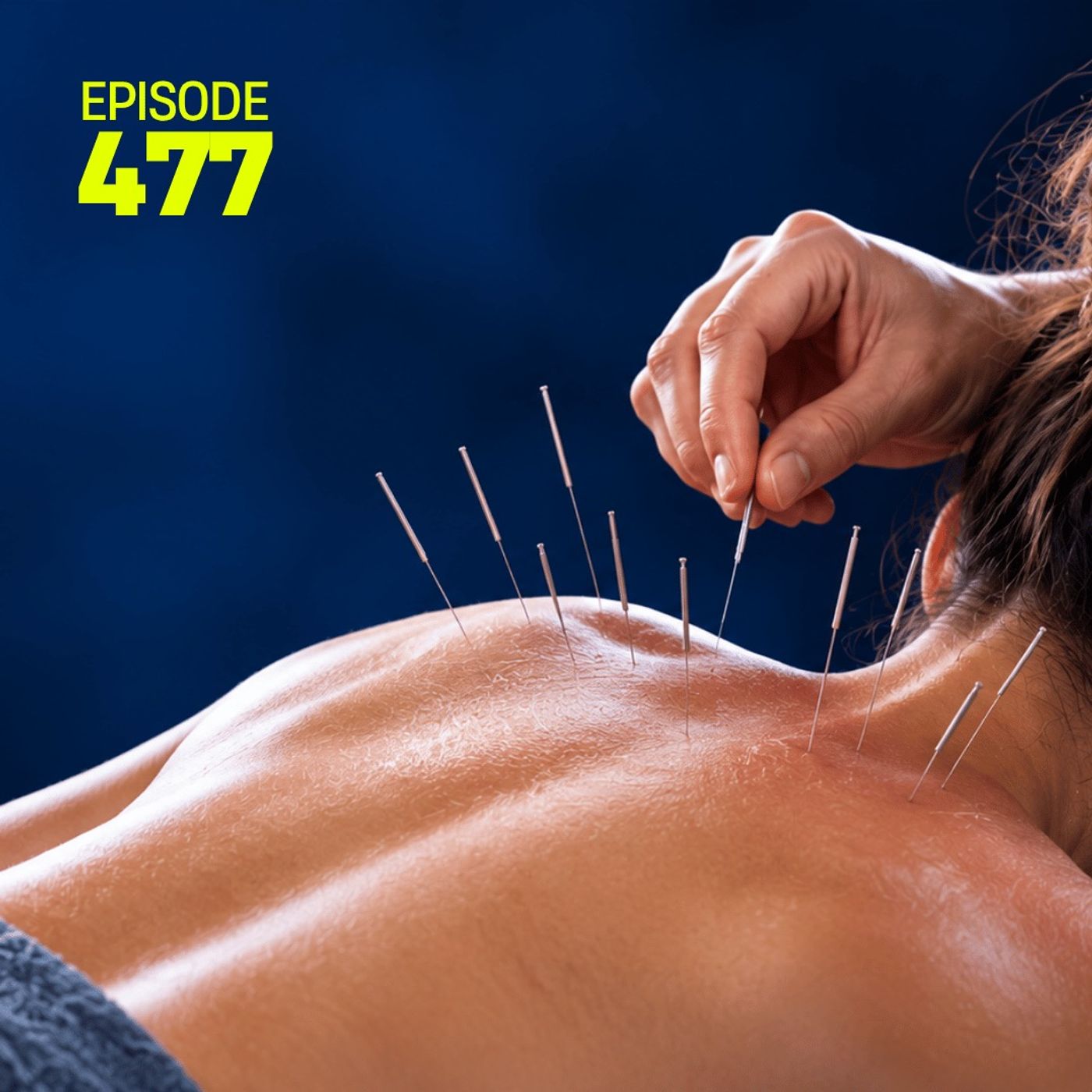
A patient with fractures across his pelvis was writhing in pain—then breathing exercises helped him stand and lift his feet, pain-free in the moment. On this episode of The Optimal Body, Doc Jen and Dr Dom, both doctors of physical therapy, unpack what hands-on techniques can—and can’t—do, from adjustments and myofascial release to dry needling, acupuncture, ultrasound, and laser. They explain why a spinal adjustment can affect areas several segments away, why a “pop” doesn’t mean bones moved back into place, and why sham needling can bring similar relief. The bigger takeaway: these tools may offer a temporary window to move, but lasting change comes from building movement and load.Needed Discount:Jen trusted Needed Supplements for fertility, pregnancy, and beyond! Support men and women’s health with vitamins, Omega-3, and more. Used by 6,000+ pros. Use code OPTIMAL for 20% off at checkout!We Think You'll Love:Free Week of Jen HealthJen’s InstagramDom’s InstagramYouTube ChannelFor full show notes and resources visit https://jen.health/podcast/477What You'll Learn:What You'll Learn: 00:30 Why Question the Claims Behind Techniques?00:55 Adjustments and Manipulations: What the Pop Does—and Doesn’t—Mean05:12 Adjustments: Short-Term Relief and a Window for Movement09:07 Therapeutic Ultrasound and Laser14:10 Myofascial Release18:44 Dry Needling and Acupuncture22:01 Breathwork and Pain Hosted by Simplecast, an AdsWizz company. See pcm.adswizz.com for information about our collection and use of personal data for advertising.
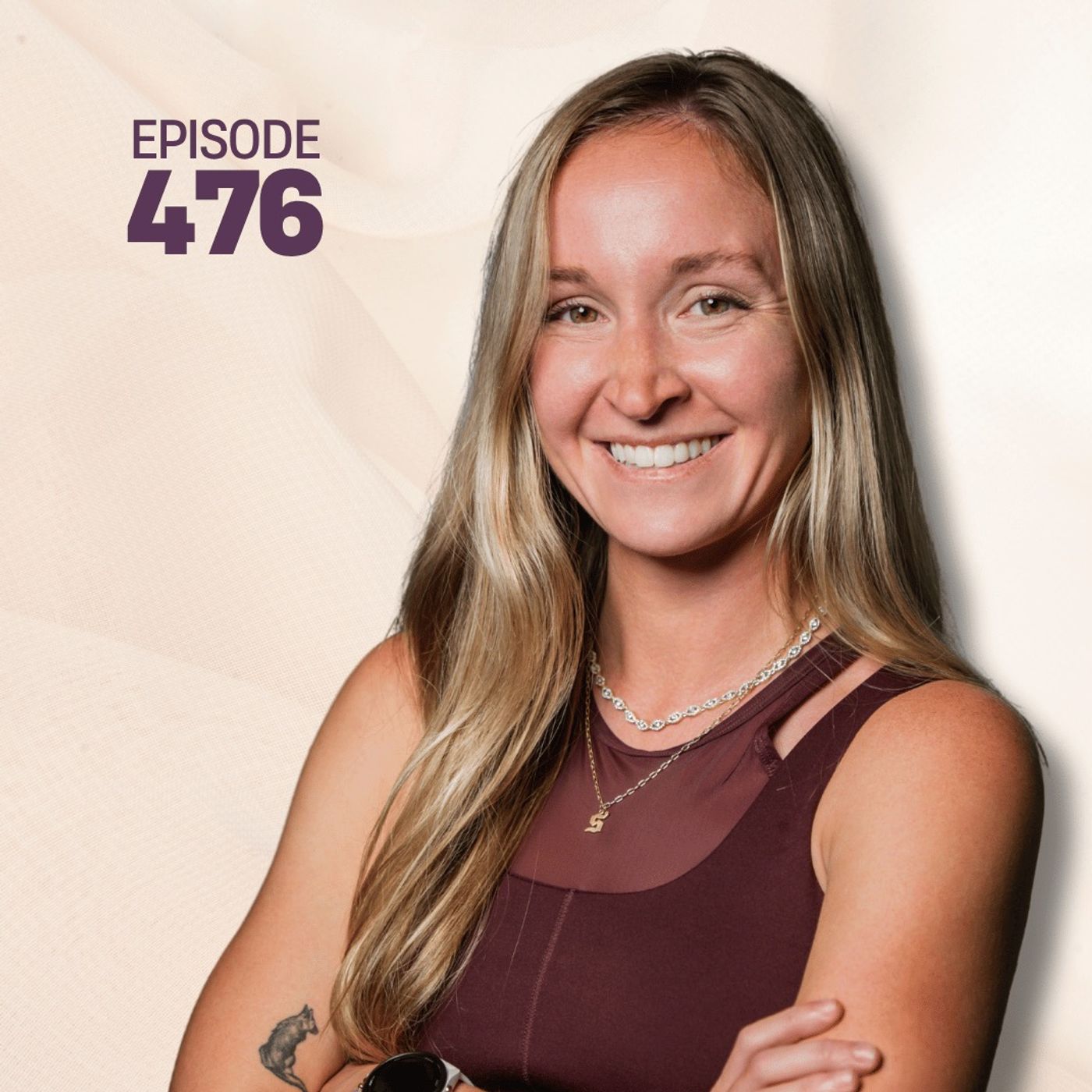
In this episode of the Optimal Body Podcast, Doc Jen and Doctor Dom welcome Dr. Rachel Selman, a physical therapist specializing in orthopedic sports medicine and pelvic health. Dr. Selman discusses her new book Floor It, which aims to make pelvic floor health accessible to athletes and the general public—not just postpartum women. The conversation covers pelvic floor function, its role in athletic performance, pressure management, and practical training strategies, including coordination exercises and overcoming isometrics. Dr. Selman emphasizes early symptom management and whole-body integration for optimal pelvic floor health.Mobility Myths Webinar:Come join the FREE Mobility Myths webinar. Doc Jen will cover the major mobility pitfalls, understand what true mobility is, and give you pointers on how to get on the right track. Join here: https://www.docjenfit.com/mobilityguideNeeded Discount:Jen trusted Needed Supplements for fertility, pregnancy, and beyond! Support men and women’s health with vitamins, Omega-3, and more. Used by 6,000+ pros. Use code OPTIMAL for 20% off at checkout!For full show notes and resources visit: https://jen.health/podcast/476Dr Rachel's Resources:Dr Rachel on IGDr Rachel on YTDr Rachel's WebsiteBook: Floor ItDr Rachel on FBWe think You'll Love: FREE week of Jen HeathJen’s InstagramDom’s InstagramYouTube ChannelWhat You'll Learn: 3:17 The Motivation Behind the Book Floor It8:51 Why Everyone Should Understand Their Pelvic Floor10:51 Pelvic Floor Health for Male Athletes14:42 Normalizing vs. Addressing Pelvic Floor Symptoms16:55 The Role of the Pelvic Floor in Athletics21:43 Why Jumping on a Trampoline Is Different23:52 How to Connect With Your Pelvic Floor28:46 Integrating Pelvic Floor Training Into Workouts33:06 Symptoms During Endurance Activities38:21 Using Overcoming Isometrics for Pelvic Health43:52 The Big Toe’s Connection to the Pelvic Floor Hosted by Simplecast, an AdsWizz company. See pcm.adswizz.com for information about our collection and use of personal data for advertising.
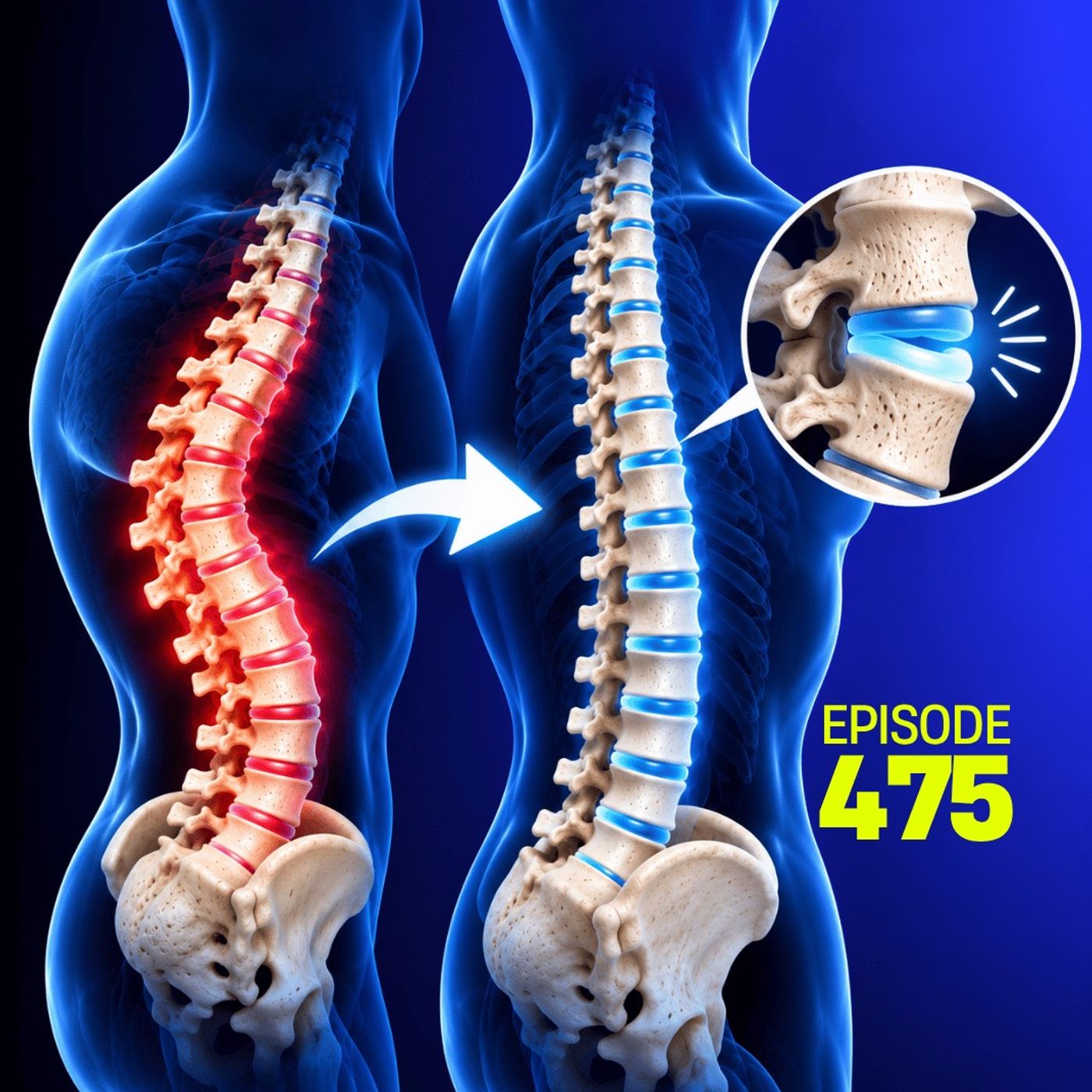
In this episode of the Optimal Body Podcast, doctors of physical therapy, Doc Jen and Doctor Dom address controversy sparked by a social media post where Doc Jen stated she doesn't seek chiropractic adjustments. They clarify that adjustments don't "realign the spine" or "put bones back into place," explaining that benefits come from reduced tension and nervous system responses. Citing research, they highlight that spinal palpation is unreliable and that similar results can be achieved through mobilization or movement. They emphasize adjustments are useful tools but shouldn't create patient dependency, advocating instead for evidence-based care and long-term self-empowerment through exercise and movement.Needed Discount:Jen trusted Needed Supplements for fertility, pregnancy, and beyond! Support men and women’s health with vitamins, Omega-3, and more. Used by 6,000+ pros. Use code OPTIMAL for 20% off at checkout!We Think You'll Love:Free Week of Jen HealthJen’s InstagramDom’s InstagramYouTube ChannelFor full show notes and resources visit https://jen.health/podcast/475What You'll Learn:1:16 The hosts address common misconceptions, like adjustments putting bones back into place, and the overlap between PT and chiropractic techniques.3:42 Research shows it's unreliable for clinicians to pinpoint specific spinal segments, questioning the precision claims of some practitioners.6:32 An adjustment doesn't just target one segment; research shows it affects multiple joints above and below the intended area.7:26 The hosts explain that the cracking sound is a cavitation, a release of gas, not a bone moving back into place.8:23 Discussion on the term "subluxation" and how the language used by providers can create patient dependency on treatments.12:29 Good physical therapists and chiropractors have significant overlap in their methods, often incorporating movement and hands-on treatment beyond adjustments.13:55 The hosts critique articles sent to them, noting many are old, small case studies, or don't actually support realignment claims.19:15 A study showed adjustments, mobilizations, and even therapeutic touch all improved pain and brain connectivity with no significant difference.21:51 Adjustments cause muscle relaxation and release endorphins, leading to temporary pain relief and reduced tension, lasting about 48-72 hours.23:47 PTs use manipulations to address true mobility deficits, helping to improve range of motion before prescribing strengthening exercises.25:15 The hosts debunk "Over Manipulation Syndrome," explaining it's not a recognized diagnosis and originated from a pro-therapy clinic.29:06 Discussion on how degeneration is a normal part of aging and is often used as a marketing tactic to scare patients. Hosted by Simplecast, an AdsWizz company. See pcm.adswizz.com for information about our collection and use of personal data for advertising.
In this episode of the Optimal Body Podcast, doctors of physical therapy Doc Jen and Doctor Dom explore evidence-based strategies to reduce chronic pain sensitivity. They describe chronic pain sensitivity as a "volume knob" in the nervous system that can be turned down through five key interventions: aerobic exercise, strength training, improved sleep, cognitive behavioral therapy, and graded exposure to feared movements. Each approach targets pain from physical and psychological angles. The hosts also highlight breathwork as a bonus tool for managing acute pain flares, encouraging listeners to combine these strategies for lasting relief.Needed Discount:Jen trusted Needed Supplements for fertility, pregnancy, and beyond! Support men and women’s health with vitamins, Omega-3, and more. Used by 6,000+ pros. Use code OPTIMAL for 20% off at checkout!We Think You'll Love:Free Week of Jen HealthJen’s InstagramDom’s InstagramYouTube ChannelWhat You'll Learn:1:48 Introduction to Pain Sensitivity3:23 Aerobic Exercise8:34 Exercise Training12:48 Sleep Interventions15:28 Cognitive Behavioral Approaches18:59 Graded Exposure20:42 The Role of BreathworkFor full show notes and resources visit: https://jen.health/podcast/474
Hosted by Simplecast, an AdsWizz company. See pcm.adswizz.com for information about our collection and use of personal data for advertising.

Comments

Download from Google Play

Download from App Store
 United States