


 Claim Ownership
Forschungsinstitut für Nachhaltigkeit | Research Institute for Sustainability (RIFS)
Subscribed: 23Played: 151
Subscribe

© All rights reserved
Description
The RIFS Research Institute for Sustainability conducts research with the goal of understanding, advancing, and guiding processes of societal change towards sustainable development. Our research approach is transformative, transdisciplinary, and co-creative. |
Am RIFS Forschungsinstitut für Nachhaltigkeit werden Entwicklungspfade für die globale Transformation zu einer nachhaltigen Gesellschaft erforscht, aufgezeigt und unterstützt. Es gehört seit 2023 zur Helmholtz-Gemeinschaft und ist eingebunden ins GFZ Helmholtz-Zentrum für Geoforschung in Potsdam. Der Forschungsansatz ist transdisziplinär, transformativ und ko-kreativ.
Am RIFS Forschungsinstitut für Nachhaltigkeit werden Entwicklungspfade für die globale Transformation zu einer nachhaltigen Gesellschaft erforscht, aufgezeigt und unterstützt. Es gehört seit 2023 zur Helmholtz-Gemeinschaft und ist eingebunden ins GFZ Helmholtz-Zentrum für Geoforschung in Potsdam. Der Forschungsansatz ist transdisziplinär, transformativ und ko-kreativ.
60 Episodes
Reverse

In September 2017, some 40 young professionals from around the world came to Potsdam, Germany, for 10 days of lectures and workshops on the sustainability of cities and communities at the Potsdam Summer School. IASS Senior Fellow Craig Morris recorded their thoughts and conversations with his audio recorder to find out how society can tackle major challenges of the future. Stay tuned for his upcoming podcast, and join him on the journey!
What’s the best way to raise awareness and engagement about climate change? Should we stress the urgency, thereby risking scaring people away? Or should we emphasize hope – at the risk of understating the challenge? Join IASS Senior Fellow Craig Morris in his talks with lecturers and participants at the Potsdam Summer School for a discussion.
There’s lots of information about the Sustainable Development Goals and the Paris Climate Accord, but most of it focuses on the targets themselves, not the process that led to their creation. But if we understand how such policies are negotiated, we can better understand why they fall short in some areas and are breakthroughs in others. By IASS Senior Fellow Craig Morris.
When people don’t trust each other and their political systems, things essential for sustainability – like walkable cities and resilient communities – move out of reach. But citizens can become active in science in order to improve their own lives, and there are ways to turn warring factions into groups working together. Fixing the climate thus requires mending gaps that divide us, and it can be done, concludes IASS Senior Fellow Craig Morris.
By 2100, many more people will live on this planet, and a larger percentage of them will live in cities – just not necessarily the ones we currently have. Many of them will gradually have become uninhabitable, requiring the construction of giant new megacities – which has already begun. Can these new cities be made more sustainable? IASS Senior Fellow Craig Morris investigates.
In these days of “fake news,” the public’s judgement is being called into doubt. But we all make incorrect assumptions about lots of things. On the other hand, in a democracy, why is public participation needed when we could just elect experts to make decisions based on science, asks IASS Senior Fellow Craig Morris.
Would sustainability be easier if people’s needs didn’t need to be taken into consideration? The way laws and rules are made in the Arctic (where many people live) and the Antarctic (where no one does permanently) sheds light on the role that social sciences play in policymaking, explains IASS Fellow Craig Morris in the final episode of his Potsdam Summer School Podcast series.

Bhutan macht es vor, aber Deutschland hat so was auch: Einen Index, der nicht nur wirtschaftliches Wachstum misst, sondern auch den Ressourcenverbrauch abzieht, um das Glück der Menschen besser abzubilden. Doch was taugt ein solcher Index? Wir sprechen heute darüber mit zwei Volkswirten am IASS, Jörg Mayer-Ries und Armin Hass. Craig Morris leitet die Diskussion.
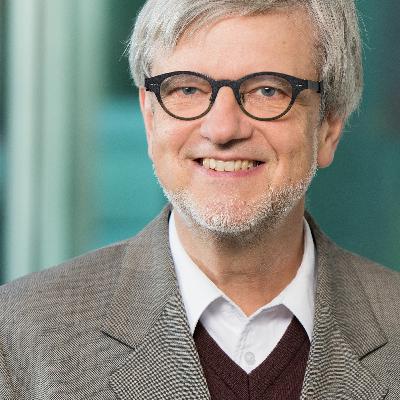
Die Energiewende funktioniert! Wenn möglichst alle mitmachen. Wie das wiederum gelingen kann, erklärt Prof. Dr. Dr. Ortwin Renn. Er ist unter anderem wissenschaftlicher Direktor des Instituts für Transformative Nachhaltigkeitsforschung (IASS) in Potsdam.
Und er sagt: Vier Faktoren sind wichtig, damit die Energiewende auf eine breite Akzeptanz stößt. Welche das sind - unter anderem das fragt Tomke Menger von der EnergieAgentur.NRW.
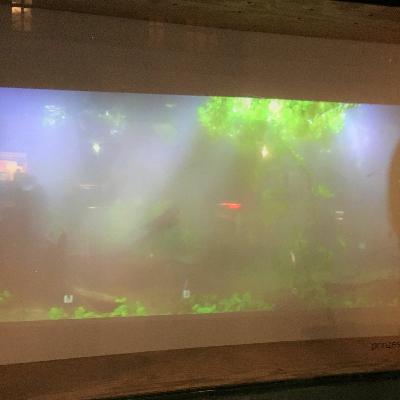
Am ersten Abend der Berlin Science Week 2022 fand in der multisensorischen Installation "Haptic Hortus" von RIFS-Fellow und Anthropologin Susanne Schmitt ein Workshop mit Musikproduzent, Klangkünstler und Komponist Felix Classen statt. Das Berühren von Pflanzen wurde durch Hydrophone oder Lautsprecher akustisch hörbar. Klänge aus dem Botanischen Garten - besonders aus dem Victoriahaus - dienten als Klangteppich.
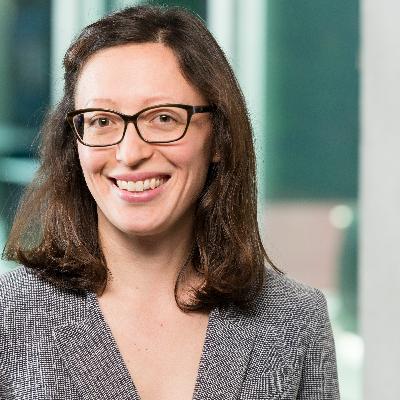
What's COP23 about? Kathleen Mar, atmospheric chemist and scientist at the Institute for Advanced Sustainability Studies (IASS) in Potsdam, on this year's UN Climate Change Conference in Bonn, Germany, and why it matters.
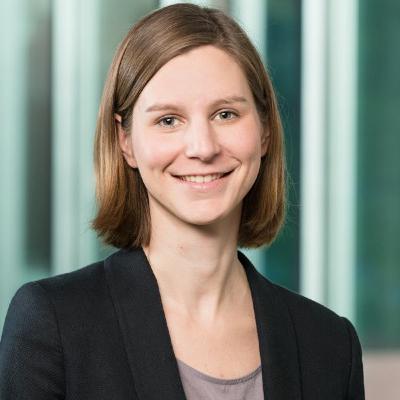
Sonja Thielges, IASS expert for climate and energy policy, on the impact of the Trump administration's decision to drop out of the Paris Agreement on this year's UN climate talks at COP23 in Bonn, Germany.
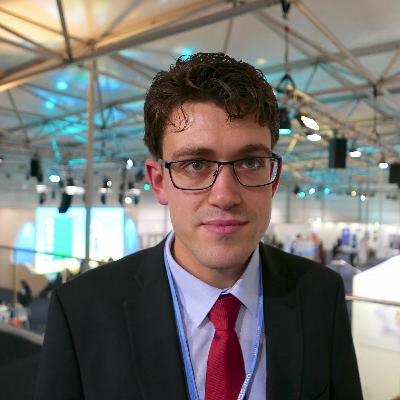
Hauke van der Linden, soon-to-be intern at IASS, shares his first impressions at the UN Climate Change Conference 2017, and explains why he's so intrigued by research in the field of Earth System Governance.
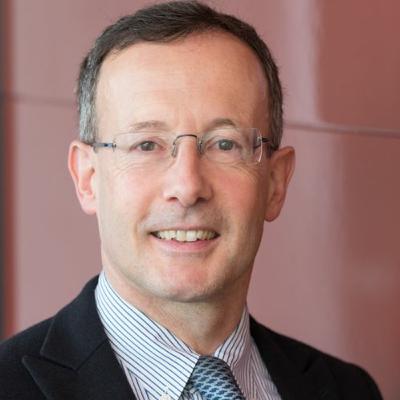
Two big topics at this year's climate summit are the oceans and financing actions against climate change. In Torsten Thiele's research work, both areas merge: The oceans have a huge influence on our global climate, and on human wellbeing. But it takes a lot of money to really understand and protect them. So Torsten is looking into innovative and holistic ways of Ocean Finance.
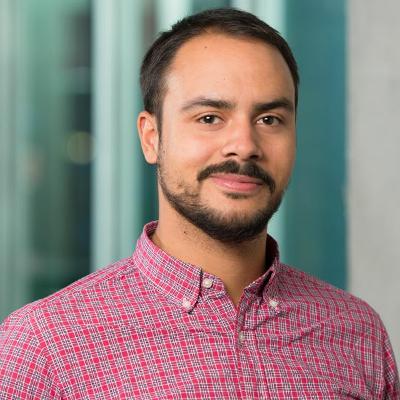
Around the world, climate cases are being brought to court. What role do they play? Researcher Patrick Toussaint explains what climate justice is about, and shares his research on the role of marginalized communities in the decision-making process at the climate summits. Spoiler: They don't really have a say yet, he says.
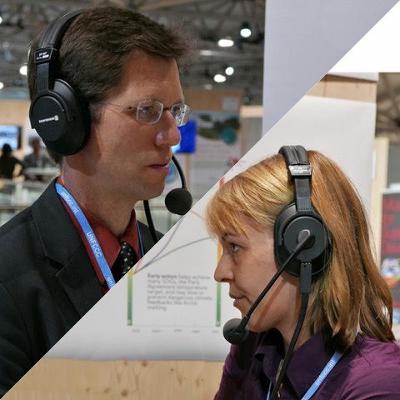
When atmospheric scientist Mark Lawrence visited Kathmandu nearly 10 years ago, he got sick from air pollution - really sick. The Scientific Director of the IASS talked to a local shopkeeper, who told him he and many others also frequently had this horrible cough. Years later this inspired Mark to get his colleague Maheswar Rupakheti on board and start investigating and tackling the issue, to improve both people's health as well as reduce the regional climate impact. Learn more about short-lived climate forcing pollutants from Mark and IASS researcher Charlotte Unger, who met with the Climate and Clean Air Coalition CCAC at this year's climate summit COP23 in Bonn.
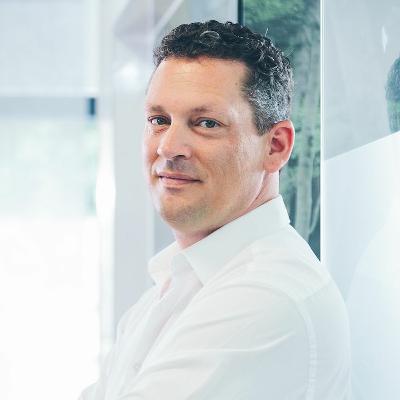
When it comes to transforming our energy systems, many technical issues are already solved, says Piet Sellke. But in order for this transformation to be successful, different perspectives and interests in society need to be harmonised. So his work at the ENavi project centers around co-creating what he calls "socially robust" knowledge. Learn more in our podcast.
Strukturwandel kann nur mit den Menschen vor Ort verstanden und gestaltet werden. Wie und wo finden wir die klugen Ideen, das beeindruckende Engagement und die belastbaren Netzwerke? Die Lausitzer Zivilgesellschaft: Ausgangspunkt für unsere Spurensuche transdisziplinärer Forschung im Strukturwandel. Wir treffen Soziologin Julia Gabler an der Hochschule Zittau-Görlitz, kochen mit Anja Nixdorf-Munkwitz Zittauer Gemüse, feiern auf dem Überlandfestival mit den Raumpionieren Jan Hufenbach und Arielle Kohlschmidt, lauschen Dagmar Schmidts Manöverkritik der regionalen Förderstrategie und fragen sie alle: Bringt transdisziplinäre Forschung der Zivilgesellschaft im Strukturwandel etwas?
Politische Akteure stehen im Strukturwandel ziemlich unter Druck. Die Entscheidung, aus der Kohle auszusteigen und Mittel für den Strukturwandel bereitzustellen, wurde auf der Bundesebene getroffen. Umsetzen müssen den Strukturwandel aber die Länder und Kommunen. Die sind bei aller Konkurrenz um Gelder und Ideen darauf angewiesen, gemeinsame Strategien zu entwerfen. Wir sprechen mit Christine Herntier, Bürgermeisterin der Stadt Spremberg, über die Rolle von Kommunen im Strukturwandel, treffen den Lausitzbeauftragten Brandenburgs Klaus Freytag, hören von der Abgeordneten der Linkfraktion im sächsischen Landtag Antonia Mertsching, warum nicht alle juhu schreien, wenn das nächste Großforschungsinstitut geplant wird.
Mit den Folgen der strukturpolitischen Entscheidungen in der Lausitz müssen besonders jene umgehen, die heute Kinder und Jugendliche sind. Wie fühlt sich Strukturwandel für diese Generation an? In dieser Folge geht es um Vorstellungen und Wünsche junger Menschen im Strukturwandel und warum sie unbedingt am Strukturwandel beteiligt sein sollten. Wir treffen zwei Auszubildende der Leag, Stephan und Adel, und fragen sie was ihnen im Strukturwandel wichtig ist und wie sie die Azubi-Workshops unseres Forschungsinstituts so fanden. Außerdem erzählt uns eine der jüngste Landtagsabgeordnete Deutschlands wie sie alten weißen Männern im Brandenburger Landtag Dampf macht.

Comments

Download from Google Play

Download from App Store
 United States