


 Claim Ownership
Tails and Tones
Subscribed: 0Played: 0
Subscribe

© Copyright 2026 Mariska Nell
Description
Helpful tips, heart-warming tales, and honest reviews for the busy dog parent, with our first product launching in Q1 2026! (Elevated food and water station)
Be First to See Our First Product, an elevated bowl - Join the wait list here https://tailsandtoneselevated.carrd.co/
After struggling to find sustainable, well-designed options for her own pup, and digging deep into the pet industry during her Master’s in Sustainable Design, Mariska realized she was searching for products that simply didn’t exist.
She realized that if these products didn’t exist yet, maybe it was her turn to help bring them to life.
That mission sparked both the upcoming product line and the creation of Tails & Tones.
Being a dog mom is the best, but let’s be real, it can also be confusing, messy, and a little lonely sometimes. That’s why the podcast was born: a warm, practical corner of the internet for intentional, busy dog parents.
Every second Friday, host Mariska (fellow dog parent, dog-obsessed human, and sustainability-driven designer) delivers short, soulful episodes filled with dog-care tips, honest product reviews, inspiring stories, and real-life advice you can actually use.
And now the next chapter begins:
Our very first Tails & Tones product launches May 2026! Thoughtfully designed, sustainability-led, and made for modern dog parents like you.
Alongside the elevated food & water station, we currently have three additional products in R&D, all created with the same intentional, sustainable approach.
Be the first to know when our first product go live, join the waitlist here https://tailsandtoneselevated.carrd.co/
Listen on your favorite podcast app, Apple Podcasts, Spotify, Amazon, or anywhere you tune in. You can also subscribe directly at https://tailsandtones.com/listen
If something in the show speaks to you, or you know a fellow dog parent who’d love it, please share it and leave a review on https://www.podchaser.com/podcasts/tails-and-tones-6086657
Got questions or just want to say hi? I’m always around on Instagram @tailsandtones
Where every tail tells a story, and every tone speaks from the heart.
Instagram: https://www.instagram.com/tailsandtones/
Facebook: https://www.facebook.com/tailsandtones
Patreon: https://www.patreon.com/TailsandTones
Website: https://www.TailsandTones.com
Be First to See Our First Product, an elevated bowl - Join the wait list here https://tailsandtoneselevated.carrd.co/
After struggling to find sustainable, well-designed options for her own pup, and digging deep into the pet industry during her Master’s in Sustainable Design, Mariska realized she was searching for products that simply didn’t exist.
She realized that if these products didn’t exist yet, maybe it was her turn to help bring them to life.
That mission sparked both the upcoming product line and the creation of Tails & Tones.
Being a dog mom is the best, but let’s be real, it can also be confusing, messy, and a little lonely sometimes. That’s why the podcast was born: a warm, practical corner of the internet for intentional, busy dog parents.
Every second Friday, host Mariska (fellow dog parent, dog-obsessed human, and sustainability-driven designer) delivers short, soulful episodes filled with dog-care tips, honest product reviews, inspiring stories, and real-life advice you can actually use.
And now the next chapter begins:
Our very first Tails & Tones product launches May 2026! Thoughtfully designed, sustainability-led, and made for modern dog parents like you.
Alongside the elevated food & water station, we currently have three additional products in R&D, all created with the same intentional, sustainable approach.
Be the first to know when our first product go live, join the waitlist here https://tailsandtoneselevated.carrd.co/
Listen on your favorite podcast app, Apple Podcasts, Spotify, Amazon, or anywhere you tune in. You can also subscribe directly at https://tailsandtones.com/listen
If something in the show speaks to you, or you know a fellow dog parent who’d love it, please share it and leave a review on https://www.podchaser.com/podcasts/tails-and-tones-6086657
Got questions or just want to say hi? I’m always around on Instagram @tailsandtones
Where every tail tells a story, and every tone speaks from the heart.
Instagram: https://www.instagram.com/tailsandtones/
Facebook: https://www.facebook.com/tailsandtones
Patreon: https://www.patreon.com/TailsandTones
Website: https://www.TailsandTones.com
36 Episodes
Reverse

In this episode, we dive into one of the most overlooked root causes of common dog health issues: gut health. From itchy skin to ear infections and low energy, we explore how what goes into your dog’s bowl directly impacts their wellbeing. Joined by functional canine nutritionist Amanda Smith, we unpack simple, realistic ways to start improving your dog’s health without overwhelm.Guest Bio:Amanda Smith is a functional canine nutritionist with over 20 years of experience in the veterinary field. After working across multiple roles in clinical practice, she shifted her focus to nutrition and gut health. Today, she helps dog parents identify the root causes of health issues and guides them in transitioning from processed diets to more balanced, whole food approaches.Takeaways:The inside-out connection: most issues like itching, behavior changes, and immunity start in the gutIt’s not just “allergies”, signs like licking, stress, and even poop changes can point to gut imbalanceYou don’t need to overhaul everything, start by adding simple foods like sardines, eggs, and blueberriesRotation matters more than perfection when it comes to nutritionOverfeeding and lack of variety are some of the biggest mistakes dog parents makeTesting can give direction, but your dog’s behavior and stool already tell you a lotThere’s no one-size-fits-all, everything from food ratios to bowl setup should suit your dogRelevant links mentioned in the episode:Canine Gut Solutions: Instagram / Facebook / WebsiteAnimal Biome (gut health testing kit)Glacier Peak (pet intolerance test)Dr. Karen Becker & Rodney HabibReview the podcast on PodchaserSign up to our Tails and Tones newsletter hereSign up to our Tails and Tones waiting list for our first product (Elevated Food System) hereFind Tails and Tones on our socials: Instagram / Facebook / TikTok / LinkedIn / WebsiteTimestamps to relevant points within the episode:[00:00] - Intro and product update[02:28] - Meet Amanda Smith[03:14] - Amanda’s journey from vet tech to nutritionist[05:37] - Why dogs need whole, fresh foods[07:13] - Where to start without feeling overwhelmed[09:45] - Why gut health is the root of many issues[11:04] - Gut testing and how it works[13:44] - Signs your dog has gut imbalance[15:13] - The “poop police” discussion[16:15] - Common feeding mistakes[19:22] - Easy ways to upgrade your dog’s bowl[22:32] - Keeping it simple and realistic[25:50] - Bowl height and posture[30:52] - Preparing for allergy season[32:51] - What improvements look like[35:42] - First steps to take today

Have you ever felt your stomach tighten the moment another dog appears on a walk? This episode is for you.We sat down with dog behaviorist Mena Lopes to talk about reactivity, what it actually is, why it happens, and why it’s so often misunderstood. What we kept coming back to is this: it’s not about having a “bad dog.” It’s about understanding what’s going on underneath the behavior.We also get into potty training, regression (because yes, that happens), and how to stay kind to yourself on the harder days, the ones where nothing seems to be working.Guest Bio:Mena Lopes is a dog trainer and behaviorist, and the founder of Ginger’s Way in Dubai. Originally trained in conservation biology, her work today focuses on helping dogs and their humans navigate things like reactivity, anxiety, and everyday challenges, in a way that feels practical, supportive, and realistic.Takeaways:Reactivity isn’t random, it’s often rooted in fear, stress, or uncertaintyYour dog isn’t doing it on purpose (even when it feels like it)Progress takes time, much longer than most people expectUnderstanding your dog changes how you respondSmall signals matter more than the big reactionsPotty training isn’t linear (and regression is part of it)You can work on behavior while still accepting your dog as they areNot every dog needs to be social, and that’s okay“Good behavior” often goes unnoticed (until it changes)Management and training are two different things, and both matterSometimes the biggest shift is helping the human feel less like they’ve failedContext matters, behavior isn’t one-size-fits-allYou don’t need a perfect dog, just a better understanding of your ownRelevant links mentioned in the episode:Ginger's Way: Instagram / Facebook / WebsiteLeash Explorer: Instagram / WebsiteReview the podcast on PodchaserSign up to our Tails and Tones newsletter herePiper's Founders Pack - Sign up to our Tails and Tones waiting list for our first product (Elevated Food System) hereFind Tails and Tones on our socials: Instagram / Facebook / TikTok / LinkedIn / WebsiteTimestamps to relevant points within the episode:[00:00]-Intro[02:22] – Mena’s story + how Ginger changed everything[05:06] – What people misunderstand about dog behavior[06:25] – What reactivity actually looks like day-to-day[07:41] – Where to start with a reactive dog[09:14] – Why we often need to train the human first[12:26] – How reactivity becomes a pattern[13:03] – When behavior changes later on (and what to do)[16:01] – The myth around “rewarding bad behavior”[17:55] – Can reactivity really be fixed?[22:29] – The subtle signs we often miss[27:02] – The idea behind Leash Explorer[30:46] – Potty training expectations vs reality[35:08] – Why accidents happen (even later on)[37:33] – What training looks like on hard days[38:28] – Stories that stay with youNotesPipers Founders Pack: Mention it is the first 100 but we extended it to the first 150 people.
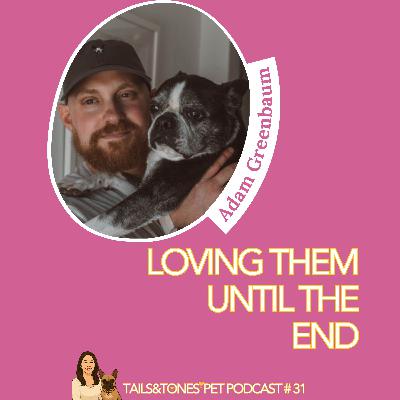
Caring for our pets as they grow older asks something deeper of us, more noticing, more patience, and sometimes the courage to begin preparing for goodbye. In this heartfelt conversation, Adam Greenbaum, founder of Love, Baxter, shares his personal journey through losing his beloved dog Baxter and caring for his 16-year-old Boston Terrier, Sophie, who is living with dementia. Together, we explore anticipatory grief, senior pet care, making end-of-life decisions with clarity, and how to support someone grieving the loss of a pet. This episode is a gentle reminder that loving well includes planning well, and that no pet parent has to walk that road alone.Guest Bio:Adam Greenbaum is the founder of Love, Baxter, the world’s largest pet end-of-life resource and professional directory, created in honor of his late dog Baxter. He previously founded WhiskerCloud, a veterinary technology company that supported over 10,000 veterinary clinics globally before being acquired by PetDesk. Today, Adam partners with veterinary teams and human hospice professionals to remove friction for families, provide practical tools, and raise the standard of care from the first hard conversation through aftercare. He lives in Newport Beach, California with his wife Elizabeth, their senior Boston Terrier Sophie, one-year-old Boston Terrier Cosmo, and their cat Nala.Takeaways:Preparing for end-of-life care does not make it happen sooner, it creates clarity when it matters most.Tracking “good days vs. bad days” can help pet parents make grounded, compassionate decisions.You do not have to agree to euthanasia immediately if your pet is stable, you can pause and reflect.There is no timeline for grief, and pet loss is not “less than” any other form of loss.The most helpful thing you can say to someone grieving a pet is simple: I’m here. Tell me about them.Routines and consistent systems (like feeding and walk schedules) can provide comfort for senior pets.Take more photos and videos, not out of fear, but out of gratitude.Loving our pets fully means honoring both the joyful seasons and the difficult ones.Relevant links mentioned in the episode:Love, Baxter: Instagram / Facebook / TikTok / LinkedIn / YouTube/ WebsiteSenior pet planning quality of life Connect with Adam Greenbaum on LinkedInReview the podcast on PodchaserSign up to our Tails and Tones newsletter hereSign up to our Tails and Tones waiting list for our first product (Elevated Food System) hereFind Tails and Tones on our socials: Instagram / Facebook / TikTok / LinkedIn / YouTube / WebsiteTimestamps to relevant points within the episode:[00:00] Intro Caring for our pets as they grow older[02:14] Welcome Adam Greenbaum[02:52] Adam introduces himself, Sophie, Cosmo, Nala & WhiskerCloud[04:18] The loss of Baxter & why Love, Baxter was created[06:56] Insurance, access to care & the chaos at end-of-life[08:12] What people are actually searching for in crisis moments[10:20] Senior dogs, dementia & what we don’t talk about enough[12:49] Planning ahead, red lines & tracking good vs. bad days[14:07] You don’t have to euthanize immediately[16:40] Adapting care as dogs age, feeding, routines & daily life[20:30] The power of consistent systems for senior pets[22:19] What to say and not say after someone loses a pet[25:09] “It was just a pet” navigating minimization & grief[29:08] There is no timeline for grief[31:24] Preserving memories, photos, rituals & honoring their life[32:18] Why we replay the final days[35:24] Small rituals that help during grief[37:09] How loving our pets changes how we move through the world[39:17] What Adam hopes grieving pet parents feel[41:15] What makes a founder build something that truly matters[42:22] Closing reflections

In this episode, Mariska and ultra running coach Meghan Gould discuss the intricacies of sharing an active lifestyle with dogs. They explore the balance between training for ultra marathons and caring for dogs, the importance of choosing the right breed for running, and the essential gear needed for safe and enjoyable runs. Meghan shares her personal journey into ultra running, the lessons learned from training with dogs, and the significance of flexibility and consistency in achieving running goals. The conversation emphasizes the joy of running with dogs and the importance of making it a fun experience for both.Guest Bio:Meghan Gould is an ultrarunning coach and the founder of She Runs Ultras, a podcast and online coaching community that supports women, especially those in midlife, as they train for their first or farthest ultramarathon in a way that actually fits real life.Meghan has run distances from 50K to 200 miles, giving her firsthand experience with the physical, mental, and logistical demands of ultra running. Through coaching, community, and honest conversations about what training really requires, she helps runners stop second-guessing themselves, build confidence, and make smarter decisions, so they can cross the finish line feeling strong, healthy, and proud.Takeaways:Care for ourselves and our dogs is built in small, consistent choices made over time.Training for ultras requires thoughtful planning and balancing work, recovery, and dog care.A short daily mobility routine like the daily shakedown can help prevent injury and support long-term consistency.Dogs need gradual build up just like humans to protect joints and avoid overuse injuries.Choosing the right dog breed and matching it to your lifestyle is essential for safe and enjoyable running.Pay attention to your dog’s cues such as distraction, excessive panting, or soreness rather than focusing only on mileage.Proper gear including a well fitted harness and hydration plan supports safer runs.Flexibility in your training schedule is more important than rigid perfection.Focusing on the process of training leads to greater confidence and fulfillment than chasing race day results.Keeping runs fun and varied helps both dogs and owners stay engaged and motivated.Relevant links mentioned in the episode:Meghan Gould, She Runs Ultra's, Facebook, Instagram, Tiktok, YouTube, PodcastDaily ShakedownEpisode 29: Your Dog Isn’t “Just Getting Older.” This Is What’s Actually Happening with Dr. Laurie McCauleyReview the podcast on PodchaserSign up to our Tails and Tones newsletter hereSign up to our Tails and Tones waiting list for our first product (Elevated Food System) hereFind Tails and Tones on our socials: Instagram / Facebook / TikTok / LinkedIn / WebsiteSome dog breeds that might be great if you need a training buddy:Border CollieTypical: 5–10 miles, Upper: 12 milesEfficient movers; mental engagement required.VizslaTypical: 5–9 miles, Upper: 10–12 milesSmooth stride, thrives on steady pacing.Rhodesian RidgebackTypical: 4–8 miles, Upper: 10 milesSteady, heat tolerant, large-frame considerations.German Shorthaired PointerTypical: 6–12 miles, Upper: 15 milesBuilt for endurance; needs humans to enforce limits.DalmatianTypical: 5–10 miles, Upper: 12 milesHistorically bred to run long distances.Belgian SheepdogTypical: 5–9 miles, Upper: 10–12 milesHigh-drive, mentally intense endurance dogs.WeimaranerTypical: 5–10 miles, Upper: 12–14 milesStrong aerobic engine; benefits from structure.Timestamps to relevant points within the episode:[00:00]-Intro[00:00]- How to Share an Active Life With Your Dog Safely[02:16]- Introducing Meghan Gould of She Runs Ultras[03:00]- What Is an Ultramarathon[03:39]- How Meghan Got Into Running[05:05]- Discovering Trail Running and Ultras[06:00]- Balancing Ultra Training and Dog Mom Life[07:23]- What Ultra Training Actually Looks Like Behind the Scenes[08:52]- How Wyatt Started Running With Meghan[10:32]- Why Some Breeds Aren’t Built for Distance Running[12:39]- Choosing the Right Dog Breed for Your Lifestyle[14:24]- How Far Can Dogs Really Run[14:56]- Appropriate Distances for Running With a Dog[17:15]- Why Gradual Build Up Is Critical for Dogs[18:11]- Essential Gear for Running With Your Dog[21:38]- Heat, Hydration and Safety Rules for Dogs[25:24]- What Meghan Wishes She Knew Earlier About Running With Dogs[27:55]- Flexibility vs Perfection in Ultra Training[32:37]- Staying Connected to Big Running Goals Without Pressure[35:31]- What Is the Daily Shakedown[39:15]- The Biggest Advice for Running Safely With Your Dog[40:46]- Upcoming Ultra Races and Travel Plans
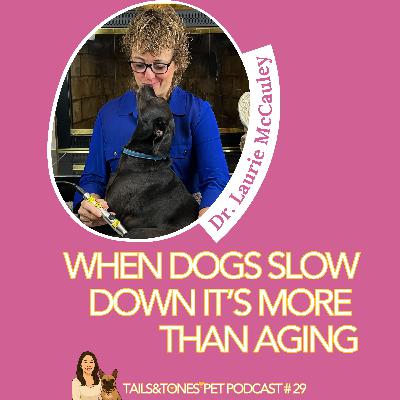
In this episode of Tails & Tones, host Mariska Nell sits down with Dr. Laurie McCauley, a pioneer in veterinary rehabilitation, to explore what’s really happening when dogs start slowing down.Together, they unpack why stiffness and changes in movement aren’t always “just age,” and how fascia, trigger points, posture, nutrition, and everyday habits quietly shape a dog’s long-term comfort and mobility. Dr. Laurie shares practical, empowering insights for pet parents, from simple movement and stretching exercises, to weight management, joint supplements, laser therapy, and how feeding posture, including elevated eating setups for certain dogs, can reduce strain on the neck, spine, and joints during daily meals.This thoughtful conversation encourages pet parents to notice sooner, support intentionally, and rethink what’s possible when movement truly becomes medicine, helping dogs live not just longer lives, but happier, more comfortable ones.Guest Bio:Dr. Laurie McCauley is a pioneer in veterinary rehabilitation with a lifelong passion for helping dogs move better, feel better, and live fuller lives. After graduating from Colorado State University’s School of Veterinary Medicine, she opened the first veterinary rehabilitation clinic in the U.S. and designed the first underwater treadmill for dogs, long before the field had a formal name. Board certified in canine sports medicine and rehabilitation, Dr. Laurie is the founder of Optimum Pet Vitality and has spent decades educating both professionals and pet parents on how movement, awareness, and thoughtful support can transform a dog’s quality of life.Takeaways:Aging is not a disease, slowing down is often a sign of discomfort, not “just age.”Subtle changes in movement, posture, or behavior often appear long before pain becomes obvious.Early awareness and proactive support can significantly improve a dog’s long-term comfort and mobility.Fascia plays a critical role in movement, flexibility, pain perception, and recovery.Fascial restriction and trigger points can quietly alter posture and movement over time.Trigger points often persist after injury or surgery due to compensation, even when healing appears complete.Movement truly is medicine, regular, appropriate exercise supports joints, muscles, and overall well-being.Controlled strengthening and stretching are just as important as walks or free play.Consistency in daily habits matters more than occasional big interventions.Weight management has a major impact on joint health, inflammation, and longevity.Nutrition and joint supplements can support mobility when used thoughtfully as part of a broader care approach.Tools like laser therapy can help reduce inflammation, support healing, and improve comfort.Feeding posture matters, how a dog eats can influence strain on the neck, spine, and joints.Elevated feeding setups may benefit dogs with neck pain, arthritis, spinal issues, or mobility challenges, but should always be individualized.Empowered, observant pet parents play one of the most important roles in supporting their dog’s quality of life.Relevant links mentioned in the episode:Dr Laurie McCauley, Optimum Pet Vitality, Facebook, Instagram, LinkedIn, YouTube Top 5 Exercises for Geriatric Dogs (Free eBook)Core & More: Foundational Exercises for Your DogAt Home! Laser Therapy for Pet ParentsReview the podcast on PodchaserSign up to our Tails and Tones newsletter hereSign up to our Tails and Tones waiting list for our first product (Elevated Food System) hereFind Tails and Tones on our socials: Instagram / Facebook / TikTok / LinkedIn / WebsiteTimestamps to relevant points within the episode:[00:00]- Intro[02:55]- Meet Dr. Laurie McCauley & Her Path into Veterinary Rehabilitation[05:14]- Why Rehab Matters More Than We Realize[06:18]- Aging vs. Discomfort: Early Signs Dog Parents Often Miss[08:34]- Piper’s Story: Laser Therapy, Joint Supplements & Zoomies[10:21]- Longevity, Exercise & Why Movement Is Medicine[10:58]- What Fascia Is and Why It’s So Important[12:45]- Fascia, Immunity & Why “Sticky” Tissue Causes Problems[13:57]- How Movement, Stretching & Breathing Support Fascia[14:55]- Doggy Yoga & Cookie Stretches Explained[15:15]- How Often to Stretch: Daily vs. Throughout the Day[16:27]- Dr. Laurie Demo: Core Strength, Balance & Ball Exercises[17:10]- When to Start Mobility Work (Puppies to Seniors)[19:26]- What Trigger Points Are and Why They Matter[20:22]- Dr. Laurie Demo: Finding & Releasing a Trigger Point[20:58]- Dr. Laurie Demo: Breathing & Movement to Release Tension[21:30]- Breathing, the Vagus Nerve & Calming Your Dog[23:00]- Why Trigger Points Persist After Injury or Surgery[23:36]- Tuning Forks, Vibration Therapy & Fascial Release[25:34]- Laser Therapy: What It Actually Does in the Body[26:15]- Dr. Laurie Demo: How to Laser a Knee Properly[27:40]- Positioning Matters: Cartilage, Ligaments & Arthritis Prevention[28:41]- How Often to Use Laser (Acute vs. Chronic Issues)[30:20]- At-Home Lasers vs. Clinic Visits[31:45]- Why This Is NOT Just a Senior-Dog Issue[32:17]- Arthritis Stats: 20% by Age 1, 80% by Age 7[32:55]- When to Start Supplements, Exercise & Prevention[33:12]- Exercise, Obesity & Why Weight Matters So Much[33:56]- Range-of-Motion Checks Every Dog Parent Can Do[35:31]- Body Condition Scores & Keeping Dogs Lean[38:10]- Why How Dogs Eat Matters[38:29]- Elevated Bowls: When They Help & When They Don’t[39:57]- Neck, Spine & Pain-Free Eating[40:52]- Piper’s Feeding Changes & Picky Eating[41:02]- Where to Safely Start Supporting Mobility at Home[41:26]- Core & More Program & Simple At-Home Exercises[42:10]- Touch, Awareness & Knowing What’s “Normal”[43:23]- The One Thing Pet Parents Should Pay Attention To[43:34]- Daily Living Functions: Stairs, Jumping & Greeting You[45:28]- What Changes When Dogs Start Feeling Better[46:08]- Final Movement Reminders[47:06]- Free Resource: Top 5 Exercises for...

In this thoughtful and engaging conversation, Phoebe Peppiatt, a Dubai-based dog trainer, shares her journey from corporate life to ethical, relationship-led dog training. Together with Mariska, she explores why reactivity is so common, especially in busy urban environments like the UAE, and how confidence, early socialisation, and environment shape behaviour over time.They discuss practical, compassionate approaches to common challenges such as separation anxiety, potty training, and overstimulation, while also highlighting the importance of daily routines, feeding setups, and learning to read canine body language. The episode closes with an important reminder: caring for yourself as a pet parent is not optional, it’s part of caring well for your dog.Guest Bio:Phoebe Peppiatt is a Dubai-based dog trainer and the founder of Double Woof Dog Training. Originally from the UK, Phoebe has spent over a decade in the Middle East and more than five years working professionally with dogs and their humans around the world. Her approach is rooted in positive, ethical, and judgment-free training, with a strong focus on confidence, communication, and understanding behaviour beneath the surface. Having fostered many rescue dogs herself, Phoebe is deeply passionate about helping dogs stay out of shelters by supporting the human–dog relationship before challenges escalate.Takeaways:Patience and empathy are foundational to effective dog training.Dogs communicate stress and unmet needs through behaviour, not misbehaviour.A calm, low-stimulation environment supports emotional regulation.Early socialisation plays a key role in building confidence.Daily routines help dogs feel safe and settled.Separation anxiety improves through gradual trust-building, not force.Feeding setups and environment can affect comfort and stress.Potty training succeeds with consistency, not punishment.Many challenges stem from misunderstandings between humans and dogs.Supporting your own wellbeing helps you show up better for your dog.Relevant links mentioned in the episode:Double Woof Website, Facebook, Instagram and TikTokReview the podcast on PodchaserSign up to our Tails and Tones newsletter hereSign up to our Tails and Tones waiting list for our first product (Elevated Food System) hereFind Tails and Tones on our socials: Instagram / Facebook / TikTok / LinkedIn / WebsiteTimestamps to relevant points within the episode:[00:00]- Intro[03:05] – Phoebe’s journey into dog training[06:10] – Ethical training and lived experience vs qualifications[09:26] – Reactivity: what sits beneath the behaviour[11:40] – Creating a calmer home environment[14:41] – Building confidence in reactive dogs[18:04] – Early socialisation and the UAE context[21:46] – Compassion, pressure, and empathy for dog parents[22:57] – Quiet signs a dog is gaining confidence[24:47] – Separation anxiety in apartment living[28:45] – Buttons, enrichment, and managing overstimulation[36:53] – Misunderstandings and canine body language[39:10] – Why humans change first[40:16] – Daily routines and emotional regulation[43:10] – Feeding setup, posture, and comfort[45:40] – Potty training for puppies and adopted dogs[49:06] – Final reflections on self-care[50:51] – Outro
Feeding posture is something most of us never question, yet it’s something our dogs do every single day.In this episode of Tails & Tones, Mariska explores the often-overlooked role of feeding posture in canine health, and why elevated bowls can be supportive for some dogs, but harmful for others.Drawing on veterinary literature, canine physiotherapy guidance, and her lived experience with Piper, Mariska breaks down:how feeding posture affects the neck, shoulders, and spinewhy brachycephalic dogs (like French Bulldogs and Pugs) often struggle morewhat the research really says about elevated bowls and bloat (GDV)subtle signs of stiffness pet parents often missand how to think about feeding as a system, not just a bowlThis episode isn’t blanket advice, and it’s not about telling you what to buy.It’s about helping you notice what your dog’s body might be asking for.If you’ve ever wondered whether feeding could feel a little easier for your dog, this conversation is for you.Takeaways:Feeding posture is crucial for a dog's health.Not all dogs should use elevated bowls; individual needs vary.Feeding setups can impact a dog's comfort and well-being.Signs of discomfort in dogs can be subtle but important to notice.Brachycephalic dogs are particularly at risk for feeding-related issues.Elevated bowls can help with posture but are not a one-size-fits-all solution.Daily feeding habits can shape a dog's body over time.Consulting with a vet or canine physio is essential for tailored advice.Creating a supportive feeding environment can improve a dog's quality of life.Pet parents should be proactive in addressing their dog's feeding needs.Relevant links mentioned in the episode:Review the podcast on PodchaserSign up to our Tails and Tones newsletter hereSign up to our Tails and Tones waiting list for our first product (Elevated Food System) hereFind Tails and Tones on our socials: Instagram / Facebook / TikTok / LinkedIn / WebsiteTimestamps to relevant points within the episode:[00:00]- Why no one talks about dog feeding posture[01:05]- Important context: this isn’t advice for every dog[03:20]- Piper’s physio moment & the unexpected question[06:10]- Why feeding posture affects the neck, shoulders & spine[09:20]- The emotional impact of chronic discomfort in dogs[10:45]- Subtle signs of stiffness pet parents often miss[13:40]- Treating stiffness: why it’s never just one solution[15:10]- Elevated bowls, digestion & GDV, a balanced view[17:55]- Why brachycephalic dogs are different[19:30]- What “elevated” actually means (ideal feeding height)[21:25]- Why physios start with everyday systems like feeding[22:45]- Rethinking feeding: systems, not products[23:30]- Final reflections, waitlist & how to follow along

In this episode, we sit down for a gentle and deeply honest conversation with Coeli Fortun, a pet photographer and certified pet nutrition coach, as she shares what it was like to care for her senior dog, Manolo, through decline, and what it meant to give him his last best day.Together, we talk about the bond we build with our pets over a lifetime, the role nutrition and supportive care can play as they age, and the long, emotional road that leads to end-of-life decisions. Chelly opens up about grief, judgment, and the quiet relief that can coexist with loss, and why community matters so much during these moments.This episode is for anyone loving a senior pet, grieving one they’ve lost, or navigating the question no one prepares you for. You’re not alone, and you don’t have to go through it without compassion or support.Guest Bio:Coeli (Chelly) Fortun is a Toronto-based photographer and certified pet nutrition coach whose work centers on documenting the deep bond between pets and their humans. After caring for her Shih Tzu, Manolo (15 y.o), through three years of senior decline (including canine dementia, degenerative myelopathy, and arthritis) and her cat Snuffles (20y.o), through cancer, she began sharing their stories openly and found comfort in the community that formed around them.Takeaways:Chelly's journey into pet photography began with her own pets.The emotional bond between pets and their humans is profound.Nutrition plays a crucial role in the health of senior pets.Creating lasting memories with pets is essential for pet parents.Euthanasia is a compassionate choice, not a sign of giving up.Grief is a complex and non-linear process for pet parents.Community support is vital during the grieving process.It's important to seek out others who understand your experience.Documenting both good and bad days can be therapeutic.Cherishing the last moments with pets can bring peace.Relevant links mentioned in the episode:Coeli Fortun, Instagram, LinkedIn, TikTokManolo last best day videoReview the podcast on PodchaserSign up to our Tails and Tones newsletter hereSign up to our Tails and Tones waiting list for our first product (Elevated Food System) hereFind Tails and Tones on our socials: Instagram / Facebook / TikTok / LinkedIn / WebsiteTimestamps to relevant points within the episode:[00:00]- Intro[03:45]- Meet Chelly: Photographer, pet nutrition coach & senior pet advocate[05:22]- How photographing her own pets changed everything[07:27]- Why nutrition played a major role in extending her pets’ quality of life[09:15]- “It’s not about fixing aging, it’s about supporting good days”[12:24]- The story behind Manolo’s last-day video[15:11]- Why the park, the sign, and strangers mattered so much[16:06]- Turning grief into connection: sharing to help even one person feel less alone[17:10]- Why end-of-life decisions are never “overnight”[18:21]- Understanding canine dementia (and why no one talks about it)[20:24]- The Quality of Life checklist that changed everything[21:05]- “If they can’t do the dog things they love anymore…”[23:37]- Sensory loss, fear, and what senior decline really looks like[26:03]- How vets and specialists helped confirm it wasn’t “giving up”[27:40]- Holding grief and relief at the same time[29:25]- How to hold space for grief when the world doesn’t understand[32:13]- Why community is everything during senior pet care[35:16]- What to say to yourself when you feel exhausted, judged, or overwhelmed[38:03]- “Euthanasia isn’t giving up, it’s compassion”[42:04]- The moment Manolo showed them he was ready

This episode dives deep into the essential care and health considerations for French Bulldogs, exploring their rising popularity, common medical issues, and the importance of responsible breeding. Dr. Sarah Ramsey shares her expertise on early care, recognizing health problems, and maintaining a healthy lifestyle for these beloved pets. Listeners will gain valuable insights into the unique needs of French Bulldogs, from nutrition to veterinary care, ensuring a happy and healthy life for their furry companions.Guest Bio:Dr. Sarah Ramsey, originally from West Sussex in the UK, graduated from The Royal (Dick) School of Veterinary Studies in Edinburgh in 2006 and also holds a degree in Parasitology from Glasgow University. She has practiced acupuncture since 2007, is a member of the ABVA, and earned her Certificate in Small Animal Medicine from the University of Liverpool in 2016, later achieving Advanced Veterinary Practitioner status in 2022. With a special interest in feline medicine, oncology, pain management, and end-of-life care, Dr. Sarah has held senior roles including Clinical Director of a two-site practice in the UK and Head of Medicine at a London small animal hospital. She relocated to the UAE in 2021 with her husband, two children, and a growing rescue family of cats, alongside her Bedlington Whippet, Snowy, and a tortoise named Taco. Beyond veterinary medicine, she is a passionate runner, ultramarathon finisher, yoga practitioner, and stand-up paddleboarder, with recent adventures in aerial gymnastics and a goal of completing a triathlon within the next year.Takeaways:French Bulldogs require special care due to their unique health issues.Research is crucial before bringing a French Bulldog home.Regular vet check-ups can help catch health issues early.Brachycephalic breeds like French Bulldogs often need BOAS surgery.Maintaining a healthy body condition is vital for their well-being.Feeding practices should be tailored to the individual dog's needs.Using an elevated feeding set up can really help this breed.Early socialization and training are important for French Bulldogs.Recognizing signs of pain or discomfort can lead to better health outcomes.Ethical breeding practices are essential to reduce health risks.French Bulldogs can live happier lives with proper care and attention.Relevant links mentioned in the episode:World Small Animal Veterinary Association (WSAVA) Body Condition Score CardDr Well Website, InstagramReview the podcast on PodchaserSign up to our Tails and Tones newsletter hereSign up to our Tails and Tones waiting list for our first product (Elevated Food System) hereFind Tails and Tones on our socials: Instagram / Facebook / TikTok / LinkedIn / WebsiteTimestamps to relevant points within the episode:[00:00]-Introduction to French Bulldog Care[05:15]- The Popularity of French Bulldogs[06:39]- Understanding French Bulldog Health Risks[10:18]- Choosing the Right French Bulldog[11:32]- Early Care for Your French Bulldog[14:55]- Recognizing Breathing Issues in French Bulldogs[16:34]- Understanding Brachycephalic Obstructive Airway Syndrome (BOAS)[19:06]- The Importance of Early Intervention for French Bulldogs[21:36]- Assessing Surgical Needs in French Bulldogs[22:28]- Neutering and Its Timing for French Bulldogs[26:21]- Setting Up French Bulldogs for Success[30:26]- Understanding IVDD in French Bulldogs[34:13]- Emergency Responses to Proprioceptive Deficits[35:08]- The Importance of Imaging for Spinal Health[36:54]- Feeding Posture and the Benefits of an elevated feeding system for French Bulldogs[38:45]- Choosing the Right Puppy: Health Considerations[39:38]- The Impact of Breed Characteristics on Health[40:57]- Grooming and Maintenance for French Bulldogs[43:28]- Dietary Needs and Feeding Frequency for French Bulldogs[48:58]- Veterinary Care and Blood Work for French Bulldogs[49:14]- Importance of Baseline Health Checks[50:01]- Proactive vs Reactive Health Management[51:47]- Comprehensive Veterinary Checkups[53:09]- Recognizing Subtle Signs of Discomfort[55:49]- The Role of Research in Pet Ownership[57:44]- Ethical Breeding Practices[58:59]- Health Considerations for French Bulldogs[01:01:51]- Final Thoughts on French Bulldog CareBonus: Frenchie Nose-to-Tail Health Checklist👃 Nose & Breathing☐ Nostrils open and symmetrical☐ Breathing is quiet (no excessive snorting, wheezing, or rasping)☐ No panting at rest☐ No blue/pale gums☐ Able to exercise/play without stopping quickly👀 Eyes☐ No redness☐ No excessive tearing or staining☐ No squinting or blinking more than normal☐ Corneas look smooth & clear (no cloudy patches or scratches)☐ Check corners of eyes for any discharge🐶 Skin & Face Folds☐ Clean between facial folds☐ No redness or moisture☐ No smell from folds☐ No crusting or irritation☐ Chin and lip folds clean and dry👂 Ears☐ No redness☐ No odor☐ No waxy buildup☐ Dog is comfortable when ears are touched🦷 Mouth & Teeth☐ Gums pink and healthy☐ No broken or loose teeth☐ Breath smells normal☐ No difficulty chewing🧴 Body & Skin☐ No redness, dry patches, or hotspots☐ No new lumps or bumps (if found, note location + size)☐ Coat looks healthy & shiny☐ No excessive itching or licking🦴 Spine, Posture & Mobility☐ Walks normally (no stiffness, limping, or hopping)☐ Able to jump up/down as usual☐ No hesitation on stairs☐ When running/playing, no signs of pain☐ No sensitivity when gently feeling along the spine🐾 Paws & Feet☐ Between toes clean☐ No interdigital cysts or swelling☐ Nails an appropriate length☐ Paw pads clean and free of cracks💩 Tummy & Toileting☐ Stool normal (note soft, loose, mucus, blood, or changes)☐ No vomiting/regurgitation☐ Eating normally☐ Drinking normal amounts⚖️ Weight & Body Condition☐ Rib check: Can feel ribs without pressing hard☐ Waist visible from above☐ Belly tuck visible from side☐ Compare with WSAVA Body Condition Score chart🛁 Grooming Reminders☐ Quick rinse after beach or sand☐ Weekly brush-out☐ Bath only as needed (mild dog-specific wash)☐ Clean folds, underarms, groin if needed☐ Check nails weekly❤️ Behavior & Mood☐ Normal energy levels☐ No sudden clinginess or hiding☐ No unusual aggression or irritability☐ Sleeping and playing normally
In this episode of Tails and Tones, Mariska discusses how to make the holiday season magical for dogs. She shares the Alfie for Dogs tradition, holiday enrichment ideas, safety tips, and ways to create special memories with pets. The episode emphasizes the importance of connection and presence during the festive season, reminding pet parents to prioritize their dogs' needs and joy.Takeaways:Make the holidays magical for your dog.The Alfie for Dogs tradition adds fun and creativity.Enrichment activities help dogs cope with holiday stress.Safety is crucial during the festive season.Create special traditions to bond with your dog.Dogs thrive on connection and presence during holidays.Use everyday items for holiday enrichment activities.Be mindful of food hazards for dogs during gatherings.Set up a cozy retreat for your dog during busy times.Gifts should support your dog's well-being and happiness.Relevant links mentioned in the episode:Tails and Tones Elfie Experience for Dogs Episode 19: From Bored to Brilliant: How Daily Enrichment Builds Your Dog’s Confidence with Tori MistickEpisode 6: Toxic Foods + Printable GuideDIY Advent Calendar VideoAlex Cearns FurchildWhere Tails meet hearts: Tika @tikatheiggy (Dad's Tribute)Paw-lebrity of the Week: Frederick & Royston @frederickandroyston (Christmas photoshoot and video)Review the podcast on PodchaserSign up to our Tails and Tones newsletter hereSign up to our Tails and Tones waiting list for our first product (Elevated Food System) hereFind Tails and Tones on our socials: Instagram / Facebook / TikTok / LinkedIn / WebsiteTimestamps to relevant points within the episode:[00:00] — Intro[00:40] — The Elevated Feeding System Story & Founding Pack[02:18] — Welcome to the Episode[04:10] — What Is Elfie for Dogs?[05:20] — The 25-Day Printable Elfie Pack[06:15] — My Favourite Elfie Setups (Pancakes, Binoculars, Naughty/Nice)[07:30] — Holiday Enrichment Ideas[09:00] — Christmas “Snafari” Walk[10:40] — Wrapping Paper Treasure Hunt[11:20] — Festive Lick Mats[12:15] — Advent Calendars (Store-Bought & DIY)[13:05] — Christmas Eve Treat Puzzle & Cozy Den Setup[13:32] — Holiday Safety for Dogs[15:15] — Toxic Foods & Guest Safety[17:40] — Decoration Hazards[18:40] — Guests, Stress & Decompression Spaces[19:30] — Traveling With Your Dog During the Holidays[20:25] — Special Holiday Traditions With Your Dog[21:45] — Paw-Print Ornaments & Christmas Eve Walks[22:15] — Matching PJs, Pup Stockings & Family Photos[22:55] — Gift Ideas That Support Wellbeing[24:45] — Enrichment Gifts, Treats & Acts of Kindness[25:06] — Where Tails Meet Hearts: Tika the Iggy Tribute[27:28] — Paw-lebrity of the Week: Fredrick and Royston[28:40] — Final Message: Presence Over Perfection

In this episode of Tails and Tones, Mariska Nell sits down with science writer and longtime National Geographic contributor Jennifer S. Holland to explore what it really means to be “dog smart.” Jennifer shares stories and insights from her latest book, Dog Smart: Life-Changing Lessons in Canine Intelligence, including why an estimated 85% of the world’s dogs aren’t pets, how street dogs adapt and thrive, and what search-and-rescue and cancer-detection dogs reveal about canine superpowers. They dive into everyday intelligence—like the quiet genius of a dog waiting at the window—why so-called “bad dogs” are often just misunderstood or under-exercised, how ear cropping and tail docking can impact communication, and why letting dogs sniff, move, and “be dogs” is one of the most loving things we can do. The conversation blends science, personal stories (including Mariska’s Frenchie Piper and Jennifer’s dog Monk), and practical takeaways for modern pet parents who want to better understand and support their dogs’ emotional and cognitive lives.Guest Bio:Jennifer S. Holland is a science and nature writer with a long career as a staff writer at National Geographic. Her work focuses on animals, conservation, and the natural world, and she is the bestselling author of the Unlikely Friendships book series, which shares true stories of surprising bonds between animals. Her latest book, Dog Smart: Life-Changing Lessons in Canine Intelligence, examines what it means to be smart in the world of the dog, weaving together cutting-edge research, field reporting, and stories from trainers, working dogs, and beloved pets. Jennifer lives with her dog Monk and continues to write, speak, and share about the rich inner lives of animals.Takeaways:Dogs are communicators first. Body language, subtle signals, and redundancy matter, cropped ears/tails can limit canine “tools,” so supervise thoughtfully.85% of the world’s dogs aren’t pets. Street/roaming dogs occupy a valid ecological niche—adaptability is a form of intelligence.Genius comes in many forms. From cancer detection to waiting at the window, “smart” includes problem-solving, emotional attunement, and connection.Training ≠ obedience only. Many “bad behaviors” are unmet needs or misdirected intelligence. Compassionate, consistent training (and the right trainer) changes outcomes.Exercise is non-negotiable. Physical AND cognitive work reduce frustration and destructive behaviors.Let dogs be dogs. Sniffing is learning; exploration builds optimism. Partnership > possession.Talking buttons are a fun extra. Useful for enrichment and cause-effect learning—while we keep prioritizing dog-forward communication.Humility helps. Understanding dogs well can make us better, more observant humans.Relevant links mentioned in the episode:Jennifer’s websiteDog Smart the bookJennifer's Unlikely series books Jennifer on social: Instagram/TikTok / Facebook Sign up to our Tails and Tones newsletter hereSign up to our Tails and Tones waiting list for our first product (Elevated Food System) hereFind Tails and Tones on our socials: Instagram / Facebook / TikTok / LinkedIn / WebsiteTimestamps to relevant points within the episode:[00:00]- Intro[02:00] – Welcome, Jennifer’s intro[03:40] – Jennifer’s origin story & “why dogs”[07:30] – 85% of dogs aren’t pets; street-dog intelligence[10:55] – Monk’s bed-spot trick: everyday problem-solving[12:48] – Talking buttons: cause/effect & connection[15:49] – Dogs in MRI machines—how they trained it[22:00] – Search-and-rescue scent tracking story[20:15] – Signals, cropped ears, and stepping up for our dogs[27:57] – “Bad dogs” as misdirected intelligence[30:01] – Exercise is everything (physical & cognitive)[31:56] – Responsibility: sniffing, breed needs, partnership[35:51] – A deeper truth about intelligence & existence value[39:04] – Signature takeaway: “Let dogs be dogs”[41:00] – Jennifer's one message to every pet parent[42:31] – Outro

In this episode of Tails & Tones, Mariska brings her art world and pet-parent journey together to explore DIY art projects you can create with your dog. From safe, non-toxic pawprint masterpieces to hilarious lick-art abstracts, she shares practical tips, safety considerations, and creative ideas for turning your dog’s paws and personality into meaningful keepsakes and functional art. Along the way, she opens up about the R&D journey behind Tails & Tones’ first product elevated food and water station.Takeaways:Why making art with your dog is powerful enrichment and a bonding experience.The importance of using pet-safe, non-toxic materials (and why most studio art supplies aren’t dog-safe).Two main ways to create pawprints safely: No-mess baby handprint/footprint kits for clean, crisp prints and Mideer Super Washable Finger Paint for colorful, washable paw art.Classic pawprint masterpiecesLick Art using canvas, cling film, and peanut butter or yogurt.How to turn your dog’s art into functional pieces like mugs, coasters, bowls, and holiday gifts.Behind-the-scenes look at Tails & Tones’ sustainable product journey, especially the upcoming elevated bowl for flat-faced and mobility-sensitive dogRelevant links mentioned in the episode:Tails & Tones on Instagram: @tailsandtonesWhere Tails meet hearts: Monty, Lola and Amy @amyqzak (Monty's video that was shared on The Dodo)Paw-lebrity of the Week: Pharaby & Jen @pharaby_fable, Pharaby's Art, YouTubeReview the podcast on PodchaserThe Dodo (featured Monty’s video): The DodoFluentPet talking buttons: FluentPetTails & Tones Elevated Bowl WaitlistTimestamps to relevant points within the episode:[00:00]-Intro[01:10] – Big news: Tails & Tones product update[06:30] – Why make art with your dog?[09:00] – Safety first: pet-safe art supplies[13:30] – Pawprint Masterpiece (No-mess & paint versions)[20:30] – Lick Art abstract painting[25:30] – Turning pet art into functional gifts[27:30] – Where Tails Meet Hearts[30:00] – Paw-lebrity of the Week

In this episode of Tails and Tones, Mariska Nell and Tori Mistick discuss the journey of turning a passion for dogs into a thriving business. Tori shares her experiences in building her brand, Wear Wag Repeat, and offers insights on monetizing pet accounts, the importance of authenticity, and the evolving landscape of pet influencing. They emphasize the significance of community, effective branding, and the resurgence of long-form content in engaging audiences. Tori also highlights the necessity of starting an email list and building genuine relationships within the pet industry.Guest Bio:Tori Mistick is a dog mom, blogger, podcast host, and the founder of Wear Wag Repeat. With over a decade of experience creating content for pet lovers, Tori helps pet parents enrich their dogs’ lives and supports “petpreneurs” in growing their businesses online. She’s also a Certified Canine Enrichment Technician and recently launched her limited-series podcast Dog Enrichment with Tori Mistick, which dives deep into the science and joy of helping dogs live their best lives.Takeaways:Believing in your passion is the first step to success.Collaboration is key in building relationships in the pet industry.Monetization can be slow; passion is essential for longevity.Follower count does not equate to revenue in pet influencing.Authenticity in content creation builds trust with your audience.Long-form content is making a comeback in the digital space.Building an email list is crucial for long-term engagement.Branding should evoke feelings and connect with your audience.Networking and genuine outreach can foster community growth.Diversifying income streams is important for pet influencers.Relevant links mentioned in the episode:Tori's Website Wear Wag Repeat, Wear Wag Repeat Podcast Dog Enrichment with Tori Mistick PodcastMental Enrichment Activity Pack ($19)Instagram: @wearwagrepeat @tmistickTimestamps to relevant points within the episode:[00:00]-Intro[02:30] – Tori’s Origin Story[03:44] – Hobby vs. Business Moment[05:11] – First Paid Campaign[07:16] – Passion vs. Profit (Early Challenges)[09:05] – Where to Start Monetizing[10:46] – Reality Check on Earnings[14:57] – Diversify[16:04] – Mindset Shift to “Brand”[18:25] – Safety & Responsibility[20:01] – Be Authentically Where You Are[22:05] – Funding & Founder Transparency[23:36] – What Branding Really Means in Pets[26:08] – Content Quality & “Post the Bad Stuff”[28:10] – Consistency System[29:54] – Platforms, AI & Owning Your Audience[32:01] – Community That Lasts[36:19] – Long-Form Comeback[39:31] – One Thing to Do Today[39:38] – Where to Find Tori[40:52] – Tori’s Enrichment Podcast

In this episode of Tails and Tones, host Mariska dives into the world of French Bulldogs, exploring their rising popularity, the joys and challenges of owning one, and the significant health issues associated with the breed. Through personal anecdotes and expert insights, she emphasizes the importance of responsible pet ownership and the need for awareness about the breed's health concerns. The episode also features heartwarming stories from the dog-loving community, showcasing the unique bond between Frenchies and their owners.Takeaways:French Bulldogs are incredibly popular but come with significant health issues.Owning a French Bulldog can cost around $15,000 a year.They are affectionate, loyal, and great companions for apartment living.Frenchies are prone to overheating and breathing difficulties due to their brachycephalic nature.Many French Bulldogs do not live long lives due to health complications.Responsible breeding practices are crucial for the health of the breed.Adopting a French Bulldog is often better than buying from breeders.Regular vet check-ups and health insurance are essential for Frenchie owners.French Bulldogs require special care, including monitoring during hot weather.Despite their challenges, French Bulldogs bring immense joy and love to their owners.Relevant links mentioned in the episode:Breed-to-Breathe Campaign — British Veterinary AssociationWhere Tails meet hearts: Freddie & Bruno (Freddie line up toys, Bruno Freddie's #1 fan)Paw-lebrity of the Week Griffin & Haru (Pixar Animation Studios adventures, Tiffani Thiessen Colab, )Cooling Tips with Dr Sarah — Episode 15Timestamps to relevant points within the episode:[00:00] - Intro[02:15] - Popularity + rescues trend:[03:10] – The $15k rule (cost reality)[04:05] – Origins: Toy bulldogs → France: Lace workers, toy bulldogs, refined in France.[05:15] – Why they became trendy: Apartment-friendly size, bat ears, baby-face expression.[06:05] – Celebs & AKC popularity: Lady Gaga, The Rock, Tom Hardy; AKC chart topper.[06:44] – Fun fact: Most Frenchies can’t swim: Piper’s ocean scare + water safety.[07:35] – Gas & other “truths”: The “wherever your gas be free” motto.[08:05] – AKC colors vs. rare colors: 9 official colors vs. ~30+ combos (lilac, blue, merle).[08:58] – “Pocket rockets” weight & density: Piper at ~12 kg / 26 lb; why they sink.[09:40] – Lifespan (healthy, well-bred): 10–12 years with big variance.[10:10] – PROS: Personality & daily life: Clown dogs; affection, loyalty, shadow tendencies.[11:30] – PROS: Grooming & care routine: Shedding, ear/fold cleaning, paw/nose balm.[12:35] – CONS: Brachycephalic basics: Short skull anatomy → breathing challenges.[13:40] – BOAS surgery (Piper’s story): What it is, results, costs, ethics of comfort.[15:05] – Overheating: what to do/avoid: Cool feet/belly, A/C; don’t cover with cold towel.[16:10] – Price tag, breeding, C-sections: Why overbreeding happens; risks and costs.[17:05] – BVA “Breed to Breathe” + overbreeding: Awareness, ~3,000% rise in the UK.[18:05] – Walking/harness fit & monitoring: Harness over collar; tongue/resp rate checks.[18:50] – IVDD: risks, signs, prevention: No jumping; stairs/ramp; signs, treatment paths.[20:15] – Allergies: triggers & management: Grass/pollen/food; wipes, antihistamines.[21:20] – Insurance/savings & regional notes: Australia vs. UAE approach.[22:05] – Final thoughts: love + responsibility: Choose with eyes open; commitment matters.[23:10] – Where Tails meet hearts: Freddie & Bruno (Freddie line up toys, Bruno Freddie's #1 fan)[24:10] – Paw-lebrity of the Week Griffin & Haru (Pixar Animation Studios adventures, Tiffani Thiessen Colab, )

In this episode of Tails & Tones, host Mariska Nell and Tori Mistick of Wear Wag Repeat explore how daily enrichment transforms your dog’s emotional health and confidence. Learn simple, practical ways to enrich your dog’s day, strengthen your bond, and bring more joy to both of your lives.Guest Bio:Tori Mistick is a dog mom, blogger, podcast host, and the founder of Wear Wag Repeat. With over a decade of experience creating content for pet lovers, Tori helps pet parents enrich their dogs’ lives and supports “petpreneurs” in growing their businesses online. She’s also a Certified Canine Enrichment Technician and recently launched her limited-series podcast Dog Enrichment with Tori Mistick, which dives deep into the science and joy of helping dogs live their best lives.Takeaways:Enrichment is connection, not distraction. It’s about understanding your dog’s emotions, not just keeping them busy.Small choices build confidence. Let your dog pick between treats, directions on a walk, or how they’d like to spend time with you.Balance is key. Mix active enrichment (sniff walks, games) with calm bonding (gentle petting, sound baths).DIY can be powerful. Muffin tins, towel burritos, and busy boxes make enrichment easy and low-cost.Presence matters most. True enrichment starts when we slow down and meet our dogs where they are.Relevant links mentioned in the episode:Tori's Website Wear Wag Repeat, Wear Wag Repeat Podcast Dog Enrichment with Tori Mistick PodcastMental Enrichment Activity Pack ($19)Instagram: @wearwagrepeat @tmistickTimestamps to relevant points within the episode:[00:00]-Intro: What true enrichment means[01:44] - Meet Tori Mistick & her canine journey[05:03] - Redefining enrichment beyond puzzles[08:13] - Building your dog’s confidence through small choices[10:30] - Trick training as a confidence booster[13:59] - Enrichment for puppies, adults & seniors[17:15] - Burt’s story: From anxiety to confidence[21:14] - Enrichment as therapy for anxious dogs[23:44] - Using music and calm environments for recovery[25:06] - Meeting emotional needs & avoiding overstimulation[27:47] - Enrichment for busy pet parents[31:37] - 3 Low-cost DIY enrichment ideas[34:01] - The one toy worth splurging on[35:07] - Tori’s biggest enrichment advice for pet parents[36:29] - One small action to help your dog feel seen[37:23] - The Mental Enrichment Activity Pack[38:22] - Where to find Tori?[39:23] - Outro: Turning love into enrichment

In this episode of Tails and Tones, host Mariska Nell unpacks what you should really be looking for when choosing a dog, beyond just the cutest breed on Instagram. From energy levels and lifestyle fit to financial readiness and long-term commitment, Mariska shares practical tips (and personal lessons from life with her Frenchie, Piper 🐶) to help you find your perfect canine match.She also explores dog breed tendencies using insights from Kim Brophey’s book Meet Your Dog, breaking down 10 canine categories to understand how instincts and personalities shape compatibility. Whether you’re adopting, shopping, or still dreaming about your future pup, this episode will help you choose with both your head and heart.Takeaways:Match first, breed second: A great fit reduces frustration, behavior issues, and rehoming risk.Know your energy + time: High-drive dogs need work, purpose, and movement. Low-key households should choose accordingly.Budget honestly: Some breeds can be costly; plan for vet care, training, nutrition, and insurance.Life changes matter: Think travel, kids, moves, retirement, pick a dog you can support through seasons.Tendencies ≠ destiny: Even within a breed, personalities vary. Respect the individual in front of you.Use categories as a compass: Brophey’s groupings (e.g., sighthounds, guardians, toys, herders, bulldogs, terriers, gundogs, scent hounds, “natural,” and “world dogs”) help you predict instincts and needs.Relevant links mentioned in the episode:Meet your Dog Book by Kim BropheyEpisode 11: Adopt or ShopWhere Tails Meet Heart StoriesWhat About Bunny3 Snouts and their aboutsDoug The PugCrusoe The DachshundDino and RubyJason Heigl FoundationFather JoãoKelbie and NixieMagie and GusMeemaw - 1510 FoundationElko The Travel DogLitter LogiePaw-LebritiesHaya_LondonEroc DogCricket the gremlinKoa The DoodleGnocchi The FrenchieLouLou the PugDolly PawtonTuna Melts HeartsSome Frenchie Named ApolloThe Kevin and Kayla ShowLeoBilly The KidPayt & The DoodsTimestamps to relevant points within the episode:[00:00]- Intro[01:11]- Welcome + adopt vs. shop (see Ep 11)[03:10]- Rescue vs reputable breeder: what matching can look like[04:40]- When the match is right: joy, ease, fewer issues[05:20]- When it’s wrong: unmet needs, guilt, burnout, rehoming risk[06:50]- Piper’s story: making a non-obvious fit work (stroller runs!)[09:46]- The money talk: planning realistically for care[10:50]- Thinking long-term: lifespan and life changes[14:08]- Breed tendencies 101 + Kim Brophey’s categories overview[27:45]- Community segments: Where Tails Meet Hearts & Paw-lebrity[32:52]- Final message: partnership over perfection

In this episode of Tails and Tones, host Mariska Nell discusses the importance of choosing the right dog walker for your furry friend. She emphasizes understanding your dog's unique needs, the qualities to look for in a dog walker, and the importance of building a relationship with them. The episode also includes a product review of a dog bed and heartwarming stories about dogs making a difference in their communities.Takeaways:Choosing the right dog walker is crucial for your dog's well-being.Understand your dog's needs before selecting a walker.Look for reliability, experience, and communication in a dog walker.Trial walks can help determine if a walker is a good fit.Trust your dog's instincts when meeting a new walker.Communication with your dog walker is essential for your dog's happiness.Be aware of red flags when vetting potential walkers.Your dog is part of your family; choose wisely.Building a relationship with your dog walker is important.A good dog walker can provide peace of mind for pet parents.Relevant links mentioned in the episode:Fetch or Forget: Snooza Cotton Canvas FutonWhere Tails meet hearts - Litter LogiePaw-lebrity of the Week -Winston and Cooper aka the Doods, Dood WinstonTimestamps to relevant points within the episode:[00:00]-Intro[02:14]- Choosing the Right Dog Walker[04:57]- Qualities of a Good Dog Walker[07:54]- Vetting Potential Dog Walkers[10:29]- Trial Walks and Red Flags[13:50]- Building a Relationship with Your Dog Walker[16:40]- Fetch or Forget: Snooza Cotton Canvas Futon[19:31]- Where Tails meet hearts - Litter Logie[20:37]- Paw-lebrity of the Week -Winston and Cooper aka the Doods, Dood Winston[22:36]- Final Thoughts

In this conversation, Mariska Nell interviews Jennifer Muldowney, known as the Glam Reaper, who specializes in funeral planning and pet loss grief. Jennifer shares her journey into the funeral space, the importance of advocating for pet loss, and the emotional complexities surrounding grief. They discuss the societal hierarchy of grief, the need for safe spaces for grieving individuals, and how to involve pets in memorials. Jennifer also addresses the difficult decisions surrounding euthanasia and offers insights on memorializing pets. The conversation concludes with thoughts on when to consider getting another pet and the importance of honoring the memory of lost companions.Guest Bio:Jennifer Muldowney, better known as The Glam Reaper. Is an Irish award-winning memorial planner, celebrant, and TEDx speaker who’s redefining how we talk about loss. After experiencing personal grief herself, Jennifer combined her background in event planning with a deep passion for supporting others, creating ceremonies that are as unique as the lives they honor. She’s the author of Say Farewell Your Way, the voice behind The Glam Reaper Podcast, and an advocate for mental health within the funeral profession. Alongside her work with Muldowney Memorials and Funeral Professionals Peer Support, Jennifer helps families and pet parents alike find comfort, healing, and even moments of lightness during life’s hardest goodbyes.Takeaways:Jennifer Muldowney is known as the Glam Reaper, specializing in funeral planning.She advocates for recognizing pet loss as a significant grief experience.Grief is often judged by a hierarchy, which can invalidate pet loss.Creating safe spaces for grieving individuals is essential.Involving pets in memorials can help in the grieving process.Euthanasia decisions are complex and should be approached with care.Memorializing pets can take many forms, including ceremonies and keepsakes.There is no right or wrong way to grieve or memorialize a pet.The love for a pet does not replace but expands with new companions.It's important to check local laws regarding pet burials and memorials.Relevant links mentioned in the episode:Jennifer's website, Facebook, Instagram, LinkedInThe Glam Reaper podcastTedX Talk Jon Steward's videoTimestamps to relevant points within the episode:[00:00]- Intro[03:03]- The Journey into Funeral Planning[05:52]- Advocating for Pet Loss Grief[09:10]- Understanding Grief Hierarchies[11:48]- Creating Safe Spaces for Grief[14:43]- Involving Pets in the Grieving Process[19:55]- Incorporating Pets in Farewells[22:45]- Navigating Difficult Decisions[25:42]- Creative Memorials for Pets[29:27]- Honoring Pets and the Grieving Process[34:39]- The Journey of Love and Loss
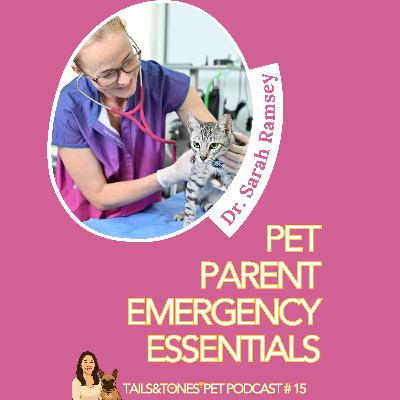
In this episode, Dr. Sarah Ramsey shares her extensive experience in veterinary medicine, discussing the importance of specialized care for pets, emergency preparedness, and essential first aid skills for pet owners. She emphasizes the need for proper veterinary care, including routine check-ups and vaccinations, while also providing practical advice on creating emergency kits and knowing when to seek professional help. Dr. Ramsey's insights aim to empower pet owners to take proactive steps in ensuring their pets' health and safety.Guest Bio:Dr. Sarah Ramsey, originally from West Sussex in the UK, graduated from The Royal (Dick) School of Veterinary Studies in Edinburgh in 2006 and also holds a degree in Parasitology from Glasgow University. She has practiced acupuncture since 2007, is a member of the ABVA, and earned her Certificate in Small Animal Medicine from the University of Liverpool in 2016, later achieving Advanced Veterinary Practitioner status in 2022. With a special interest in feline medicine, oncology, pain management, and end-of-life care, Dr. Sarah has held senior roles including Clinical Director of a two-site practice in the UK and Head of Medicine at a London small animal hospital. She relocated to the UAE in 2021 with her husband, two children, and a growing rescue family of cats, alongside her Bedlington Whippet, Snowy, and a tortoise named Taco. Beyond veterinary medicine, she is a passionate runner, ultramarathon finisher, yoga practitioner, and stand-up paddleboarder, with recent adventures in aerial gymnastics and a goal of completing a triathlon within the next year.Takeaways:Dr. Sarah Ramsey has nearly 30 years of experience in veterinary medicine.Understanding veterinary specializations helps in choosing the right care for pets.Emergency kits for pets should include saline, gauze, and vet wrap.Basic first aid skills can save a pet's life in emergencies.Knowing when to seek veterinary care is crucial for pet health.Routine veterinary check-ups are essential for early detection of health issues.Vaccination schedules may vary by region and should be discussed with a vet.Pet owners should be aware of their pets' specific health needs and risks.Regular blood work can help monitor chronic conditions in pets.Creating a customized emergency kit for pets is important for preparedness.Emergency Kits:At-Home Emergency KitGloves (latex or nitrile) – to keep your hands clean and safe.Saline pods/pipettes – safe for cleaning wounds and eyes.Sterile gauze – apply pressure and stop bleeding.Vet wrap (self-adhering bandage) – to secure gauze/dressings (sticks to itself, not fur).Muzzle or strong tape for a makeshift muzzle – for safety if your pet is in pain.Tick hook – safe removal of ticks without leaving parts behind.Tweezers – for removing thorns, splinters, or foreign bodies.Cotton buds – useful for cleaning small areas, like removing grass seeds.Styptic powder - to stop bleeding from nails, ears, or tails.Elizabethan collar (cone) – to prevent licking/ingesting toxins or cleaning wounds.On-the-Go / Walk & Travel Kit (Mini Version)Saline pod – for quick wound or eye cleaning.Sterile gauze – for immediate coverage of cuts or stings.Vet wrap – to hold gauze in place.Muzzle tape – lightweight safety option.Antihistamines (chlorphenamine / “Piriton”) – especially if your dog has known allergies (4mg tablet for medium/large dogs, ½ tablet for small dogs/cats; expect drowsiness as a side effect).Water bottle – for flushing wounds, burns, or helping with heat stroke.(Optional for hikes/desert walks: extra antihistamines, spare bandage, tick hook.)Special Additions / Situational ItemsChronic condition meds – e.g., seizure medication for epileptic dogs.Burn care – clean water only (never dressings).Heatstroke care – water, shade, portable fan, cooling jacket/towel (used correctly).Allergy-prone pets – antihistamines carried at all times.Snake bite care – saline for flushing, never tourniquets.Relevant links mentioned in the episode:Dr Well Website, InstagramTimestamps to relevant points within the episode:[00:00]-Intro [02:04]- Understanding Veterinary Specializations[03:57]- Emergency Preparedness for Pets[10:03]- Essential Items for Pet Emergency Kits[15:59]- First Aid Skills Every Pet Parent Should Know[23:40]- Essential First Aid Techniques for Pets[25:31]- Handling Toxic Ingestions and Heat Stroke[29:47]- Real-Life Emergency Scenarios and Preparedness[31:31]- Understanding Snake Bites and Prevention[33:34]- Customizing First Aid Kits for Different Pets[36:39]- When to Seek Veterinary Help[40:01]- Routine Veterinary Care and Vaccination Schedules

In this episode of Tails and Tones, host Mariska discusses the importance of planning for your dog's future, particularly in selecting a godparent who can care for your pet if something happens to you. She emphasizes the need for responsible planning, including financial considerations and ensuring the chosen godparent shares your values and love for dogs. The episode also features heartwarming stories from the pet community and encourages listeners to celebrate their pets and the bonds they share.Takeaways:Have you ever wondered who would care for your pup?Choosing a godparent for your pup is responsible.Life happens, accidents happen, illness happens.We can still be there for them.Does this person have the time, energy, and finances?Look for someone who truly loves dogs.Make it a joyful moment.This is not about being morbid.You're giving your pup the gift of security.Relevant links mentioned in the episode:Fetch or Forget - FURminatorWhere Tails meet hearts - Elko's journey on Away on EarthPaw-lebrity of the Week - Billy the KidTimestamps to relevant points within the episode:[00:00]-Intro [13:19]- Choosing the Right Godparent[14:12]- Fetch or Forget - FURminator[20:45]- Where Tails meet hearts - Elko's journey on Away on Earth[23:07]- Paw-lebrity of the Week - Billy the Kid

Comments

Download from Google Play

Download from App Store
 United States