DiscoverPuerto Rico Open Your Eyes
Puerto Rico Open Your Eyes
Claim Ownership

Puerto Rico Open Your Eyes

Author: Puerto Rico Open Your Eyes

Subscribed: 3Played: 29
Share

Description

Puerto Rico Abran los Ojos (Puerto Rico: Open Your Eyes) is a bold and thought-provoking podcast dedicated to uncovering the true history of Borikén—the island we now know as Puerto Rico. Through weekly episodes, we seek to awaken consciousness across the Latino community, sparking real conversations that bridge generations and borders.

Our show dives deep into the stories often left untold, exploring how Puerto Rico became an unexpected bridge between two continents and examining the historical, cultural, and political forces that have shaped our identity. We confront the good, the bad, and the ugly—highlighting the beauty of Boricua resilience while also facing the realities of economic bondage and colonial legacy.

At the heart of Puerto Rico Abran los Ojos is a commitment to dialogue. We will meet with voices from across the diaspora—activists, historians, artists, elders, and youth—to discuss Puerto Rico’s path toward true self-governance and freedom. This is not just about history; it’s about envisioning a future where Puerto Ricans, both on the island and in the U.S., are empowered, unified, and heard.

With nearly 9 million Puerto Ricans worldwide, our community is a force. This podcast will also explore Puerto Rico’s deep connections with other nations in the Caribbean and Latin America, including Cuba and the Dominican Republic, celebrating our shared struggles, victories, and cultural ties.

Puerto Rico Abran los Ojos is more than a podcast—it’s a movement. Join the conversation. Be part of the change.
63 Episodes
Reverse
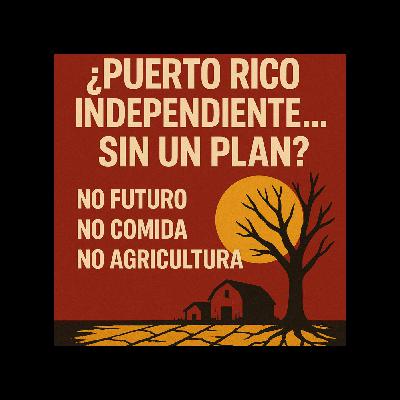
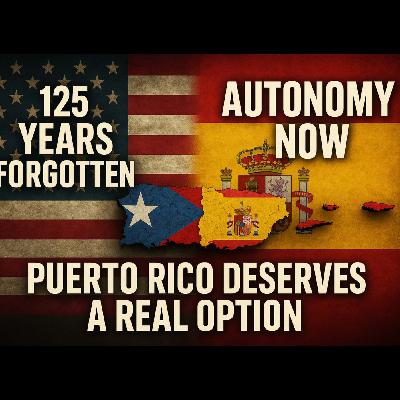
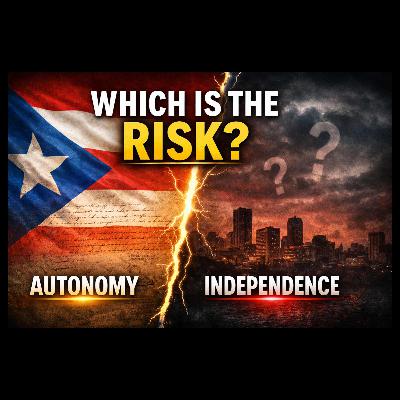
Puerto Rico’s future is often framed as a choice between courage and fear. But that framing ignores a critical distinction. Autonomy is not an untested idea—it is a constitutional status Puerto Rico already possessed, one that was democratically exercised and then interrupted. Independence, by contrast, has never been implemented in Puerto Rico’s modern history and would require rebuilding essential systems from the ground up. This is not a question of ideals, but of responsibility: which path preserves stability while restoring self-government, and which asks the population to absorb the risks of starting over? The question is not whether change is needed—but which change carries the greater risk.
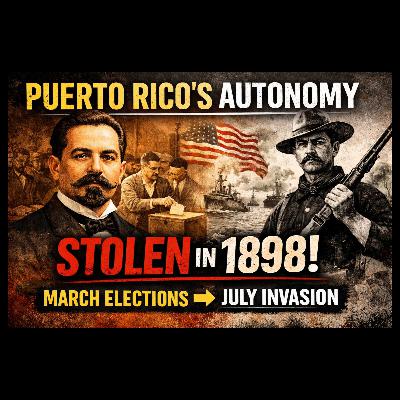
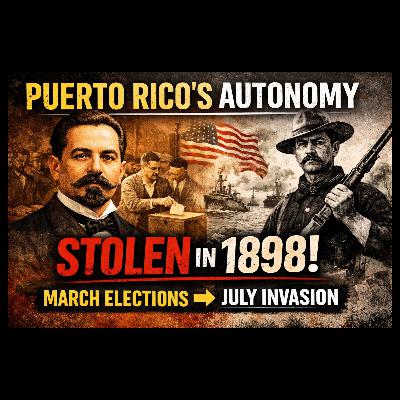
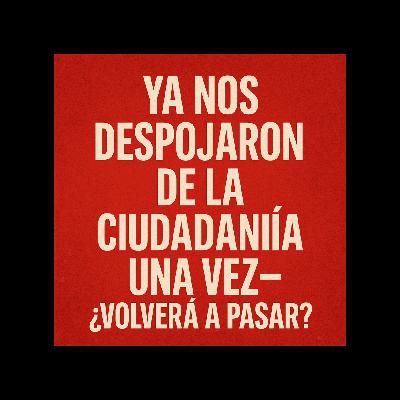
Did you know that Puerto Rico once had its own constitution—completely unrelated to the United States?Before the U.S. invasion in 1898, Puerto Rico was already a self-governing political entity. In 1897, the island was granted the 1897 Autonomic Constitution (Constitución Autonómica) by royal decree, establishing an elected Puerto Rican government, its own parliament, control over internal affairs, and recognition of Puerto Ricans as political citizens—not colonial subjects.This constitution was not temporary, experimental, or symbolic. It was legally binding and could only be altered with the consent of Puerto Rico itself.When the United States invaded in 1898, that constitution was ignored, suspended, and never restored—without a vote, without consent, and without international consultation.Puerto Rico did not begin as a U.S. possession. It lost a constitution before it was ever allowed to gain another.
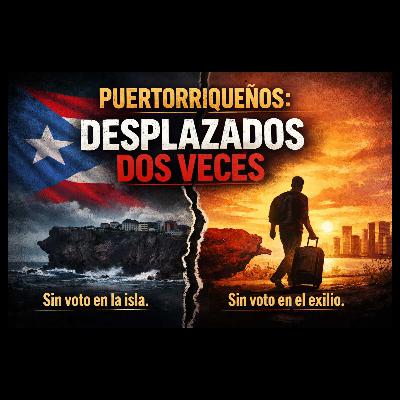
La mayoría de la gente sabe que Puerto Rico no puede votar por el presidente de Estados Unidos. Saben que no tenemos representación con voto en el Congreso ni en el Senado.Pero lo que muchos no entienden es que los puertorriqueños estamos doblemente privados de derechos.En la isla, no podemos votar por el presidente ni por el Congreso. No hay representación. No hay voz.Luego, muchos somos forzados a irnos— por la crisis económica, los huracanes, la austeridad y la inestabilidad— para sobrevivir y apoyar a nuestras familias desde Estados Unidos.¿Y qué ocurre entonces?Perdemos el derecho a votar sobre el futuro de Puerto Rico. No se nos permite votar en los plebiscitos de estatus.Mientras tanto, otros hispanos que viven en Estados Unidos pueden votar en las elecciones de sus países de origen simplemente yendo a su embajada.Esa es la ironía. Esa es la injusticia.No estamos hablando de personas que nunca vivieron en Puerto Rico. Estamos hablando de puertorriqueños desplazados.Golpeados una vez en la isla. Golpeados otra vez en el exilio.Esto tiene que cambiar. Los puertorriqueños—vivan donde vivan— deben tener el derecho a votar por el estatus y el futuro de su país.
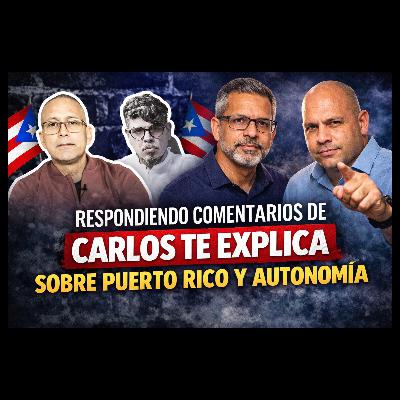
En este episodio, José Bahido y Edwin Ortiz analizan y aclaran varias afirmaciones hechas en el canal Carlos Te Explica relacionadas con la autonomía de Puerto Rico.El propósito de esta conversación no es atacar personas, sino corregir imprecisiones y añadir contexto histórico y legal que fue omitido. Cuando se discuten temas tan delicados como el estatus político de Puerto Rico, la información incompleta puede generar confusión.Este episodio busca ofrecer claridad, rigor y una discusión basada en hechos, para que la audiencia pueda evaluar el tema con mayor profundidad.
When people hear that Puerto Rico once had autonomy under Spain, many react with disbelief. Others vaguely remember dates like 1812 or 1897, but rarely understand what those moments actually meant.Some compare Puerto Rico to the Canary Islands and assume that autonomy there must have existed earlier or in the same way.But the historical reality is far more revealing — and far more uncomfortable for modern narratives.Puerto Rico did not experiment with autonomy. Puerto Rico had constitutional autonomy.To understand this clearly, we need to separate three concepts that are often confused: representation, citizenship, and autonomy.
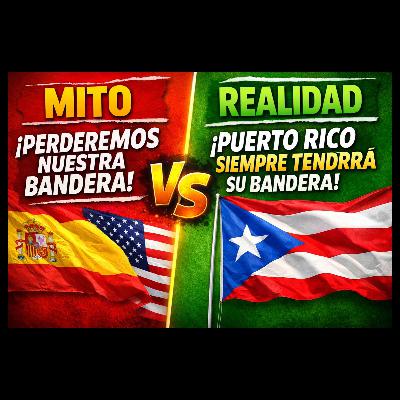
Existe un mito que se repite una y otra vez, sin importar de qué opción de estatus se esté hablando.Algunos dicen:“Si Puerto Rico se convierte en una región autónoma de España, perderemos nuestra bandera”.Otros afirman:“Si Puerto Rico se convierte en un estado de Estados Unidos, perderemos nuestra bandera”.Seamos claros y justos: ambas afirmaciones son falsas.Ninguna opción de estatus implica borrar la identidad de un pueblo. Las banderas no desaparecen por decreto; desaparecen cuando el miedo sustituye a los hechos y la desinformación reemplaza a la historia.Este mito nace del mismo lugar de siempre: el temor sembrado y la falta de educación cívica. No de la realidad, no del derecho, y no de la experiencia histórica.Puerto Rico no pierde su bandera por discutir su futuro.La pierde solo si deja de creer en sí mismo.
Hoy en día, no todos los ataques vienen con gritos o insultos. Algunos llegan de forma más sutil: secuestran un video y cambian la narrativa.Toman unos segundos fuera de contexto, ignoran el mensaje completo y lo moldean para servir a sus propios intereses. No buscan entender, buscan confundir. No quieren dialogar, quieren imponer una versión que beneficie su postura.Así se distorsiona la verdad: no con hechos, sino con recortes; no con argumentos, sino con insinuaciones. Y cuando la narrativa cambia, el enfoque se pierde y el debate se contamina.Por eso es importante mirar más allá del clip, escuchar el mensaje completo y cuestionar quién gana cuando la historia se tergiversa. La verdad no se encuentra en fragmentos manipulados, sino en el contexto íntegro.
When people hear that Puerto Rico once had autonomy under Spain, many react with disbelief. Others vaguely remember dates like 1812 or 1897, but rarely understand what those moments actually meant.Some compare Puerto Rico to the Canary Islands and assume that autonomy there must have existed earlier or in the same way.But the historical reality is far more revealing — and far more uncomfortable for modern narratives.Puerto Rico did not experiment with autonomy. Puerto Rico had constitutional autonomy.To understand this clearly, we need to separate three concepts that are often confused: representation, citizenship, and autonomy.
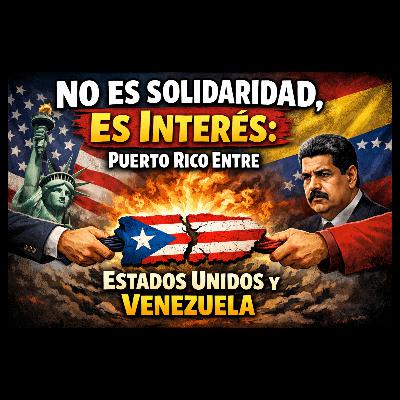
Puerto Rico is often spoken about in the language of solidarity, but history tells a different story. Whether it is the United States or Venezuela, attention toward Puerto Rico has rarely been driven by genuine concern for the island’s well-being. More often, it emerges when Puerto Rico becomes useful politically, strategically, or symbolically.In moments of crisis, speeches grow louder and flags are raised, yet the underlying reality remains the same: Puerto Rico is treated as a point of leverage, not a priority. This is not about left or right, socialism or capitalism. It is about interests, influence, and control.Understanding this distinction matters. Because until Puerto Rico is recognized as a people with the right to decide their own future rather than an object in someone else’s geopolitical narrative the cycle will continue.Puerto Rico suele ser mencionado bajo el lenguaje de la solidaridad, pero la historia muestra otra realidad. Tanto para Estados Unidos como para Venezuela, la atención hacia Puerto Rico rara vez ha estado motivada por una preocupación genuina por el bienestar del pueblo. La mayoría de las veces surge cuando la isla resulta útil — política, estratégica o simbólicamente.En momentos de crisis, los discursos se intensifican y las banderas se levantan, pero el trasfondo no cambia: Puerto Rico es tratado como una herramienta, no como una prioridad. Esto no se trata de izquierda o derecha, de socialismo o capitalismo. Se trata de intereses, influencia y control.Entender esta diferencia es fundamental. Porque mientras Puerto Rico no sea reconocido como un pueblo con el derecho a decidir su propio futuro — y no como una pieza dentro de narrativas geopolíticas ajenas — este ciclo continuará.
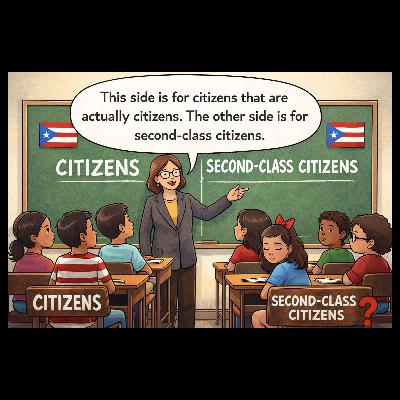
Many people say, “As long as I have U.S. citizenship, nothing else matters.” What’s often overlooked is that not all U.S. citizenship is equal under the law.Puerto Ricans did not receive citizenship through the 14th Amendment. Our citizenship was granted by Congress through statute in 1917. That legal difference matters because Congress retains authority over Puerto Rico, and the U.S. Supreme Court has ruled that Puerto Rico is an unincorporated territory where the Constitution does not fully apply.This is why Puerto Ricans cannot vote for President and have no voting representation in Congress. A person born in a U.S. state has constitutional citizenship; a person born in Puerto Rico has statutory citizenship.That distinction is not opinion—it is settled law.
En 1898, los puertorriqueños eran ciudadanos españoles. Tenían derechos civiles, representación en el Parlamento español y recién habían conseguido autonomía con la Carta Autonómica.
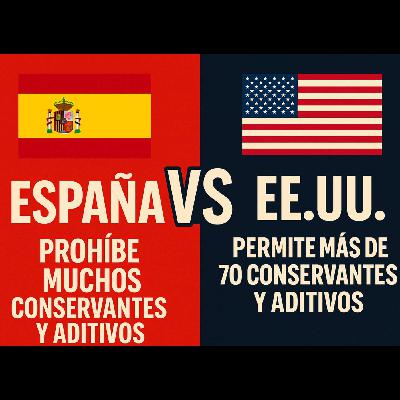
Puerto Rico imports over 85% of its food, much of which is ultra-processed, high in sodium, sugar, and unhealthy fats. This diet shift is linked to:
Después de la Invasión de EE.UU.: Colapso de la Soberanía AlimentariaDesde 1898, las políticas coloniales de EE.UU.:
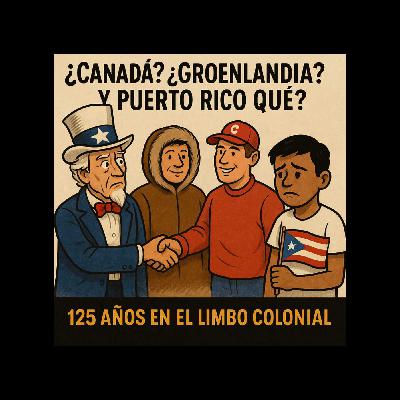
Esta es una pregunta importante que revela mucho sobre cómo se trata a Puerto Rico: como una posesión, no como un socio. Aquí te explicamos por qué:
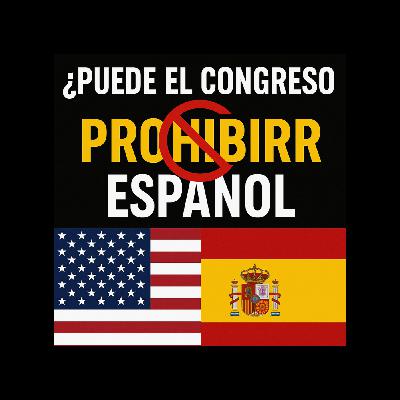
xiste alguna ley que prohíba hablar español en Estados Unidos?
1985 (14 años de edad):Viste campos de piña, caña de azúcar y plantaciones de frutas — un legado del rico pasado agrícola de Puerto Rico.Tus padres, nacidos en Lajas y Río Piedras, formaban parte de una generación que aún tenía raíces en esa tierra y forma de vida.
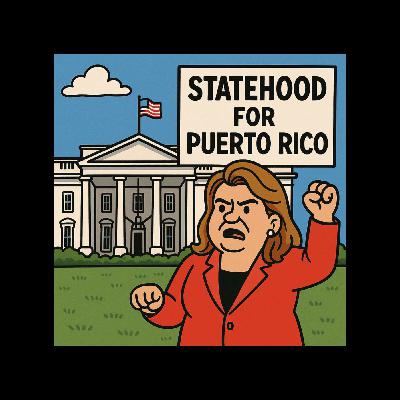
But what she fails to acknowledge is this: statehood is not a right—it is a political decision reserved solely for the United States Congress. The people of Puerto Rico cannot vote themselves into the Union.
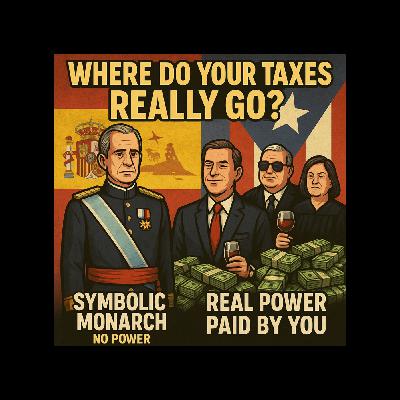
Some Puerto Rican pundits claim we cannot consider becoming an autonomous province of Spain because they don’t want their tax dollars supporting a monarchy. But let’s look at the facts — and ask a bigger question:
The reasons for this difference are rooted in politics, economics, race, and strategic interests. Here's a breakdown:
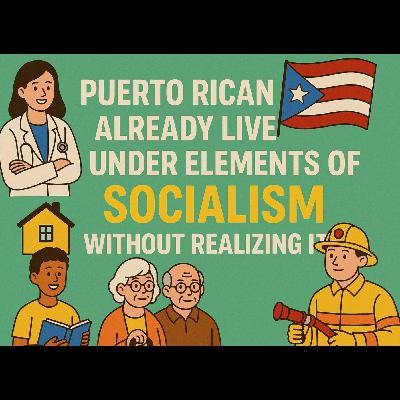
Without realizing it, many Puerto Ricans benefit from socialist-style programs provided by the U.S. — yet they criticize socialism as if it's an evil ideology.
loading
Comments