


 Claim Ownership
 Christopher James Dubey, Psychiatric Survivor
Christopher James Dubey, Psychiatric SurvivorSubscribed: 0Played: 0
Subscribe

© Chris James Dubey
Description
Christopher James Dubey (Chris) is a disabled psychiatric survivor, writer, activist, and independent scholar.
Keywords: psychiatric survivors, Mad Pride, antipsychiatry, critical psychiatry, prescribed harm, iatrogenic harm, informed consent, trauma-informed, pharmacovigilance, pharmaceutical adverse effects.
chrisjamesdubey.substack.com
Keywords: psychiatric survivors, Mad Pride, antipsychiatry, critical psychiatry, prescribed harm, iatrogenic harm, informed consent, trauma-informed, pharmacovigilance, pharmaceutical adverse effects.
chrisjamesdubey.substack.com
18 Episodes
Reverse
A local Connecticut reporter is currently working on a story about forced electroshock (formally called “ECT” or “electroconvulsive therapy” in psychiatry) and is interested in speaking with mental health professionals and people with lived experience of ECT, especially those currently receiving or who have recently received this treatment.If you would like to be connected with this reporter, please reply to this post or message me privately and I’ll share their contact information with you.Text by Claude. Voiceover by Atlas at Evernote. This is a public episode. If you would like to discuss this with other subscribers or get access to bonus episodes, visit chrisjamesdubey.substack.com

Text by Claude. Voiceover by Mia at Evernote.Over 155,000 veterans have died by suicide since 2001, many after being prescribed medications without proper warnings. Please sign and share this petition supporting HR 4837, which would require written informed consent and could prevent hundreds of veteran deaths each year.[Postscript note: The petition has been updated to support both HR 4837 (House) and S.3314 (Senate).]https://www.change.org/p/save-veteran-lives-%EF%B8%8F-support-hr-4837-s-3314-written-informed-consent-act This is a public episode. If you would like to discuss this with other subscribers or get access to bonus episodes, visit chrisjamesdubey.substack.com
Voiceover by Sterling at Evernote.For my final essay for General Psychology I at CT State Community College, I reviewed recent research on health professionals’ perspectives about antidepressant discontinuation. The findings echo my decades-long journey through the mental healthcare system, which both ruined my life and radically transformed it. Essay follows.Journal Article Review of: “Discontinuing antidepressant medication: a qualitative evidence synthesis and logic model based on health professionals’ views”Article SummaryIn their article, Christoforou and Sutcliffe (2025) examine health professionals’ (HPs) perspectives about factors acting as barriers to or facilitators of antidepressant medication (ADM) deprescribing and discontinuation, finding that societal norms and pressures and systemic healthcare delivery issues appear to influence whether patients receive adequate support to discontinue antidepressants. Additionally, they identify potential policy interventions to address these barriers. This is important because of public health concerns related to antidepressants (Christoforou & Sutcliffe, Background section, pp. 2-3). Deprescribing, the process of reducing or stopping the prescription of medications that may no longer be helpful, is identified as an important step to address these concerns.Using a form of archival research methodology (Feldman, 2024, pp. 29-30) called a systematic review, Christoforou and Sutcliffe (2025) synthesized data from 14 qualitative studies capturing the views of over 280 HPs. They analyzed findings using Bronfenbrenner’s Social Ecological Model (SEM), which examines environmental contexts affecting social policy issues, and a logic model to illustrate complex concepts and hypotheses (p. 4).Christoforou and Sutcliffe identify themes in HPs’ viewpoints using the SEM’s societal dimensions, called the microsystem (individual level), mesosystem (interpersonal relationships), exosystem (organizations and institutions,), and macrosystem (cultural or societal customs and patterns). At the microsystem level, they identify themes of HPs’ perceptions of antidepressants and depression, sense of professional duty, and confidence in supporting discontinuation (pp. 6-9). In the mesosystem, HPs’ assessments of patients’ circumstances and characteristics, and assessments of patients’ desires, motivations, and capabilities (pp. 9-10). In the exosystem, systemic healthcare delivery issues (pp. 10-11); in the macrosystem, societal norms and pressures (p. 11).They describe how these themes in HPs’ perspectives support or hinder deprescribing. The four most common themes they identify are HPs’ fears (especially about harming patients, relationships, and professional liability), limited time and space, insufficient knowledge, and needs for support and collaborative decision-making (pp. 11-12). Some potential policy interventions mentioned or alluded to include improved deprescribing guidelines, training, and tools, greater access to alternative treatments such as psychotherapies, medication reviews and alerts, improved collaboration, and seminars and campaigns to improve HP education (pp. 12, 14-15).Connection to Course ConceptsChristoforou and Sutcliffe’s review (2025) extends Feldman’s (2024) textbook discussion of major depressive disorder (Ch. 12, Module 38) and drug therapy (Ch. 13, Module 42), by exploring beliefs influencing antidepressant deprescribing.While ADM is widely used to treat depression (Feldman, Module 42), Christoforou and Sutcliffe describe public health concerns about antidepressants, with social justice implications of potential overdiagnosis and overtreatment (pp. 2-3).These concerns are offshoots of foundational issues discussed by Feldman (2024), such as differences in the major perspectives in psychology and the key issue of nature vs. nurture (Ch. 1, Module 2; Ch. 12, Module 37). An underlying question is: Is depression caused more by heredity or the environment? Christoforou and Sutcliffe mention debates about the chemical imbalance hypothesis of depression (p. 2). This hypothesis is based in psychology’s neuroscience and medical perspectives, which view behavior through the lens of biology, while behavioral, humanistic, and sociocultural perspectives focus on environmental or social factors (Feldman, 2024, Ch. 1, Module 2; Ch. 12, Module 37). Uncertainties about the etiology of depression, effectiveness of ADM, and risks of long-term antidepressant use support notions that promoting deprescribing is important. I found it intriguing how the opinions of HPs are directly or indirectly influenced by psychology’s major perspectives, reflecting fundamental disagreements about the causes of mental processes and behaviors.I also gained insights into how the differing perspectives of psychology are influencing conceptions of psychological disorders and how to treat them. How to distinguish normal vs. abnormal behavior, disagreements about psychological diagnosis (Feldman, 2024, Ch. 12, Module 37) and questions about medicalizing reactions to life circumstances and overdiagnosis of depression (Christoforou & Sutcliffe, pp. 2, 11) are not simply abstract debates. Differences in psychological perspectives are having tangible real-world impacts in mental healthcare, like deciding when to use antidepressants and when to discontinue them.Personal ReflectionContent note: suicide attempts, medical harmChristoforou and Sutcliffe’s article deeply resonates with my experiences as a mental health patient, as I’ve experienced many of the same beliefs and themes in my treatment.In 2002, I was an 18-year-old college freshman. A psychiatrist diagnosed me with depression, and I took her suggestion to take the antidepressant paroxetine, a decision I regret immensely. This led to a nightmare of successive adverse effects, including unrecognized severe antidepressant withdrawal syndrome and suicide attempts. Christoforou and Sutcliffe (p. 2) and Feldman (2024, Ch. 13, Module 42, p. 518) briefly mention the increased suicide risk of antidepressants, a fact hardly mentioned when I was 18.I’m 42 now. Most of my life has involved managing health issues, medication adverse effects, and traumatic or unpleasant medical treatment while living on disability benefits, Medicare, and Medicaid. I’ve encountered many HPs expressing dogmatic neuroscience or biomedical perspectives of mental health, which have contributed to worsened healthcare.However, in 2015 I started following HPs and researchers with alternative perspectives on social media, gaining many insights. One I follow is British psychiatrist Joanna Moncrieff, who recently spoke at an FDA panel and is lead author of the 2022 umbrella review cited by Christoforou and Sutcliffe (p. 2) concluding that there is no convincing evidence for the serotonin imbalance hypothesis of depression. Moncrieff shared Christoforou and Sutcliffe’s review online—that’s how I found it. I’ve also learned that Study 329, a fraudulent, ghostwritten 2001 study that declared paroxetine to be safe and effective for adolescent depression, is now targeted by a lawsuit to have it retracted.In 2021 I was fortunate to come across a New Yorker article about Laura Delano, and I pondered if, like her, many of my health issues were actually misinterpreted medication adverse effects and withdrawal effects. I highly recommend her memoir Unshrunk: A Story of Psychiatric Treatment Resistance. I began online support groups with her nonprofit organization Inner Compass Initiative (ICI). With difficulty, I found a prescriber willing to help me gradually taper off my last antidepressant, who didn’t express fear or discomfort. My taper took almost four years. After over twenty years believing I needed them for life, I’ve been free from psychiatric drugs for the past year.On December 3-4, I will attend ICI’s conference in West Hartford. Speakers will include Joanna Moncrieff, Javeed Sukhera, chief psychiatrist at Hartford Hospital, and other influential professionals, researchers, patients, and family members.I wish none of this happened to me and that I didn’t have this life full of illness and pain. It still feels surreal, and I’m figuring out what comes next. But I’m glad for the community I’ve found, and I look forward to going.ReferencesChristoforou, L., & Sutcliffe, K. (2025). Discontinuing antidepressant medication: a qualitative evidence synthesis and logic model based on health professionals’ views. BMC Health Services Research, 25(1), 1226. https://doi.org/10.1186/s12913-025-13445-7Feldman, R. S. (2024). Essentials of Understanding Psychology (2024 Release, 15th ed). McGraw Hill LLC. e-book. This is a public episode. If you would like to discuss this with other subscribers or get access to bonus episodes, visit chrisjamesdubey.substack.com
Written with Grok (xAI). Voiceover by Atlas at Evernote.Today I reached out by email to actress/singer Selena Gomez‘s mental health charity, the Rare Impact Fund. I shared my personal experiences with psychiatric treatment and advocated for greater awareness of under-discussed risks in mental healthcare, such as overmedicalization, overdiagnosis, overprescribing, and adverse effects. Drawing from my involvement with the Antidepressant Coalition for Education (ACE) and Inner Compass Initiative (ICI), the below email highlights critical issues affecting millions, especially youth. I invited the fund to explore these topics and consider collaborations to promote safer, more informed mental health support.The EmailSubject: Invitation to Explore Critical Issues in Mental Health TreatmentDear Rare Impact Fund,Thank you for your important work supporting youth mental health through the Rare Impact Fund. Selena Gomez’s dedication to reducing stigma and increasing access to mental health resources is making a real difference for young people. Although “late to the show,” I’ve recently been enjoying watching Season 1 of 13 Reasons Why on Netflix.I’m writing as someone with lived experience of psychiatric treatment and as a member of both the Antidepressant Coalition for Education (ACE) and Inner Compass Initiative (ICI). I became involved in mental healthcare reform advocacy several years ago because of my very difficult experiences with mental health issues and mental healthcare.While I appreciate the progress being made in mental health awareness, I believe it’s crucial to also address some critical but under-discussed aspects of psychiatric care: the risks of overmedicalization, overdiagnosis, overprescribing, and adverse effects from psychiatric treatments. These issues significantly impact individuals, particularly young people, and deserve greater attention to ensure safer and more informed care.I invite you to review this thread on X from the Antidepressant Coalition for Education (ACE), which highlights important concerns regarding antidepressant withdrawal risks, the need for better FDA warnings, evidence-based tapering guidelines, and recognition of conditions like akathisia. The thread is grounded in established science and supported by experts, and it addresses a hidden public health crisis affecting millions:https://x.com/ACE_CoalitionEd/status/1988623971529695340More context is available here:For more comprehensive information about these issues, I encourage you to contact:Antidepressant Coalition for Education (ACE)Website: https://antidepressantinfo.org/Contact: https://antidepressantinfo.org/contact/Inner Compass InitiativeWebsite: https://www.theinnercompass.orgContact: hello@theinnercompass.orgInner Compass Initiative, founded by author Laura Delano (author of Unshrunk: A Story of Psychiatric Treatment Resistance), provides critical education and support for people reconsidering psychiatric diagnoses and medications. They’re hosting an important conference near Hartford, Connecticut in December on “The Future of Mental Health in America” bringing together patients, clinicians, researchers, and policymakers.I believe that incorporating awareness of psychiatric treatment harms could strengthen the Rare Impact Fund’s mission to support comprehensive, safe, and truly informed mental healthcare for young people.Thank you for your consideration and your vital contributions to mental health advocacy.Best regards,Chris DubeyConnecticuthttps://www.madinamerica.com/author/cdubey/https://linktr.ee/chrisjamesdubey This is a public episode. If you would like to discuss this with other subscribers or get access to bonus episodes, visit chrisjamesdubey.substack.com
Text written with Claude. Video made with invideo AI.Something exciting is happening in the sphere of policymaking to reduce iatrogenic harm in mental healthcare. Inner Compass Initiative is hosting their inaugural conference and gala on December 3-4 in West Hartford, Connecticut.What Is This Event?“The Future of Mental Health in America“ brings together an incredible range of voices—current and former patients, clinicians, researchers, policymakers, journalists, academics, family members, and advocates—to take a hard look at today’s mental health industry and reimagine how we understand ourselves and the challenges that come with being human.About Laura Delano and Inner Compass InitiativeFor those unfamiliar, Inner Compass Initiative was founded by Laura Delano, a writer, speaker, and advocate whose work has been transformative for so many people reconsidering their relationship with psychiatric diagnosis and treatment.Laura’s recently published memoir, Unshrunk: A Story of Psychiatric Treatment Resistance, tells her powerful journey through and beyond the mental health industry. She’s been interviewed by major outlets including CNN and the New York Times, and collaborates with clinicians and researchers advocating for reducing overdiagnosis and overprescribing—including professionals who recently served on an FDA panel.Recommended ReadingIf you’re planning to attend this conference, I strongly recommend reading Unshrunk beforehand. It provides essential context for understanding the conversations that will be happening and the perspective ICI brings to mental health reform. Copies (including audio versions) of the book may be available from local libraries or by request.The LineupThe speaker list includes some really compelling voices in this space:* Laura Delano - Founder, Inner Compass Initiative* Cooper Davis - Executive Director, ICI* David Cohen, PhD - Professor of Social Welfare at UCLA, co-author of Mad Science* Dr. Roger McFillin - Clinical Psychologist and host of the Radically Genuine Podcast* Mollie Adler - Creator and host of Back From The Borderline podcast* Jeffrey Lacasse, PhD - Associate Professor at Florida State University, researcher on psychiatric medication knowledge dissemination* Lauren Kennedy West - Advocate and YouTube creator documenting her experiences with psychosis and metabolic therapies for mental healthThe diversity of perspectives—from academics and clinicians to people with lived experience—promises some genuinely important conversations about where mental healthcare is heading and what real reform might look like.Event DetailsWhen: December 3-4, 2025* Wednesday evening: Reception (5-7pm)* Thursday: Full conference (8:30am-5pm) plus cocktails and gala dinnerWhere: The Delamar, West Hartford, ConnecticutTickets: Early bird pricing is $395 (through October 31)More information and registration: theinnercompass.org/conference This is a public episode. If you would like to discuss this with other subscribers or get access to bonus episodes, visit chrisjamesdubey.substack.com
Join the ISPS-US 2025 Conference from November 8-9, exploring psychological and social approaches to psychosis. Hybrid event in Chicago and online via Zoom.Info and registration: https://ispsus2025.sched.com/Blog post: This is a public episode. If you would like to discuss this with other subscribers or get access to bonus episodes, visit chrisjamesdubey.substack.com

Image: The 2025 conference banner, courtesy of ISPS-US.Written with Claude (Anthropic). Voiceover by Xavier at Evernote.This November, I’ll be virtually attending the ISPS-US 2025 Annual Conference , and it will be my first time at this conference. The conference runs November 8-9, 2025, with a pre-conference workshop on November 7th.About ISPSThe International Society for Psychological and Social Approaches to Psychosis (ISPS) is a membership organization that promotes psychological and social approaches to states of mind often called “psychosis.” ISPS-US stands for the United States chapter.Founded as part of an international human rights movement in 1956, ISPS brings together diverse perspectives—including service providers, people with lived experience, family members, activists, and researchers—to reimagine mental health care. The organization provides education, training, advocacy, and opportunities for dialogue, working toward a future of transformative, humane mental health treatment that values connection and understanding over purely biomedical approaches.About the ConferenceThe conference will be held at the University of Illinois Chicago, but thankfully they’re offering a hybrid format with full online access via Zoom. This means those of us who can’t make it to Chicago in person can still participate in many of the sessions and discussions.This year’s theme is “Bridging the Divides: From Fragmentation to Connection in Psychosis and Society.” The conference is an opportunity to explore how to bridge the widening divides in psychosis care—between clinical ideologies, the realities of those experiencing symptoms and those providing care, and what we aspire to versus what currently exists in mental health systems. Through dialogue, collaboration, and advocacy, participants will work to address the fragmentations—psychical, racial, economic, gender-based, and cultural—that reverberate through psyche, family, and society.What Makes ISPS DifferentISPS has a special commitment to psychological and social approaches rather than purely biomedical models. They create space for dialogue across different disciplines and perspectives, emphasizing connection over fragmentation—which is exactly what their 2025 theme addresses.The organization promotes education, training, and advocacy while centering the voices of people with lived experience. It’s a community that recognizes psychosis as a human experience worthy of understanding, not just symptoms to be suppressed.Looking ForwardI’m looking forward to the presentations, workshops, and conversations that will emerge from this gathering.If you’re interested in attending (either in-person or virtually), you can find more details and register through the conference website.Have you attended an ISPS conference before? What topics related to psychosis and mental health support are you most interested in? This is a public episode. If you would like to discuss this with other subscribers or get access to bonus episodes, visit chrisjamesdubey.substack.com

Introduction and ending note written with Claude (Anthropic). Voiceover by Aurora at Evernote.IntroductionFor Week 5 of my General Psychology I course at CT State Community College, we studied learning theories (Chapter 5) and memory (Chapter 6). The discussion assignment offered three options, and I chose to analyze a personal fear through the lens of psychological theory.This assignment gave me an opportunity to apply what I’ve been learning about classical conditioning and memory processes to my own experiences with medical trauma. Years ago, during a hospitalization, I went through what’s called a prescribing cascade—where adverse effects of medications were misinterpreted and treated with additional medications, creating a cycle of harm. The healthcare providers involved showed little understanding of patient-centered care or how to recognize medication side effects, and my reports about what was happening to me went largely unheard.That experience left me with lasting fear and anxiety around medical settings. While I’ve spent years understanding this trauma from advocacy and policy perspectives, this assignment challenged me to examine it through formal psychological frameworks—specifically, how classical conditioning created the fear and how memory mechanisms maintain it.Below is my response to the Week 5 discussion questions. It demonstrates how psychology can help us understand even our most difficult experiences. Whether you’re interested in psychology, have experienced medical trauma yourself, or are curious about how our brains create and preserve fear responses, I hope this provides some insight into the science behind lived experience.My Response to Initial Post, Question Set Three(1) Describe in detail about a situation or an object you fear (20 point).I am afraid of hospitals, medical settings, and interactions with healthcare professionals. It is because of some traumatic experiences many years ago during a hospitalization in which severe adverse effects of medication were misinterpreted as being due to underlying mental health conditions, a clinical bias called diagnostic overshadowing (Nash, 2013). I went through something called a prescribing cascade, a series of events where adverse effects of a medical treatment are misinterpreted and treated with additional treatments that cause more side effects, and so on (Rochon & Gurwitz, 1997), which my doctors probably had little training about. They also probably lacked training in patient-centered care (NEJM Catalyst, 2017), as my feelings and wishes were not respected. Because of the medical trauma (Philadelphia College of Osteopathic Medicine, 2023), I often feel some anxiety when going to medical appointments. Sometimes the anxiety causes high blood pressure at appointments.(2) Choose a learning theory discussed in Chapter 5 (modules 15 - 17), summarize the theory (10 points), and use the theory to explain in depth the causes of the fear (20 points).Classical conditioning is a type of learning in which a neutral stimulus causes a particular response after being paired with another stimulus that naturally brings about that response (Feldman, 2024, pp. 173-180), and it partly explains the fear. The neutral stimulus is something that doesn’t naturally cause that response, but will cause the response after classical conditioning. Research on this type of learning was pioneered by Russian physiologist Ivan Pavlov, who found that after pairing the ringing of a bell with the presentation of tasty meat to dogs, the dogs would begin to salivate in response to the bell ringing, even when the meat was no longer shown to them. In that research, the meat was an unconditioned stimulus (one that naturally causes a particular response without being learned) and the dogs’ salivation was an unconditioned response (a natural response that occurs without training). The bell was a neutral stimulus that, after learning, became a conditioned stimulus, bringing about the conditioned response of salivation after pairing with the meat. As Feldman describes (2024, pp. 176-177), classical conditioning explains why some people develop a fear of going to dentists after experiencing painful dental procedures.Classical conditioning partly explains my fear of medical settings after my experience of trauma in the hospital. Although healthcare appointments are usually benign or helpful (neutral stimuli), during my hospitalization I experienced physical and emotional pain, unconditioned responses to adverse effects of cascading medical treatments, which the nurses and doctors mostly ignored. Thus, nurses, doctors, and clinics became conditioned stimuli that still cause my conditioned responses of fear, hypervigilance, and increased blood pressure.A learning process related to classical conditioning is stimulus generalization, in which after an original stimulus becomes conditioned to produce a response, similar stimuli produce the same response. This also explains why I feel some fear in other types of healthcare settings, even a bit for outpatient dental and vision appointments.(3) Use memory theories in Chapter 6 (modules 18 and 19), discuss and explain the role memory plays in your fear (20 Points).Memory, the process of storing and retrieving information in our minds (Feldman, 2024, p. 207-218), was central to the creation of my fear and allows its preservation. In my brain’s limbic system, my hippocampus consolidated and stabilized my memories of the trauma and sent them to my cerebral cortex for permanent storage as long-term memory, while my amygdala, involved with emotion, is reactivated when I’m in medical settings that have any similarity.Theories of long-term memory (Feldman, 2024, p. 219-230) explain the persistence of my fear. Because the experience was emotionally significant, it became a flashbulb memory, one that is recalled easily and vividly (Feldman, 2024, pp. 222-223). Many years later, I still recall interactions with hospital staff with a distinct emotional impact. Levels-of-processing theory emphasizes that the amount of processing of information determines how much of it is remembered (Feldman, 2024, p. 220). Because I ruminated and journaled about my experiences while in the hospital, the memories became easy to recall. I have spent much time considering the significance of the events in the hospital, how they relate to other parts of my life, and problems with healthcare in general. Constructive processes like this, in which memories are influenced by the meaning we assign to events (Feldman, 2024, p. 224), have further affected how I recall the events in the hospital.ReferencesFeldman, R. S. (2024). Essentials of Understanding Psychology (2024 Release, 15th ed). McGraw Hill LLC. pp. 171-239. Print.Nash, M. (2013). Diagnostic overshadowing: A potential barrier to physical health care for mental health service users. Mental Health Practice, 17(4), 22–26. https://doi.org/10.7748/mhp2013.12.17.4.22.e862NEJM Catalyst. (2017). What Is Patient-Centered Care? NEJM Catalyst, 3(1). https://catalyst.nejm.org/doi/full/10.1056/CAT.17.0559Philadelphia College of Osteopathic Medicine. (2023, June 7). Medical Trauma: Dealing with Psychological Responses to Medical Events. PCOM. https://www.pcom.edu/academics/programs-and-degrees/mental-health-counseling/news/what-is-medical-trauma.htmlRochon, P. A., & Gurwitz, J. H. (1997). Optimising drug treatment for elderly people: The prescribing cascade. BMJ, 315(7115), 1096–1099. https://doi.org/10.1136/bmj.315.7115.1096What are your thoughts on applying psychological theory to understand medical trauma or other personal trauma? I welcome your comments below. This is a public episode. If you would like to discuss this with other subscribers or get access to bonus episodes, visit chrisjamesdubey.substack.com
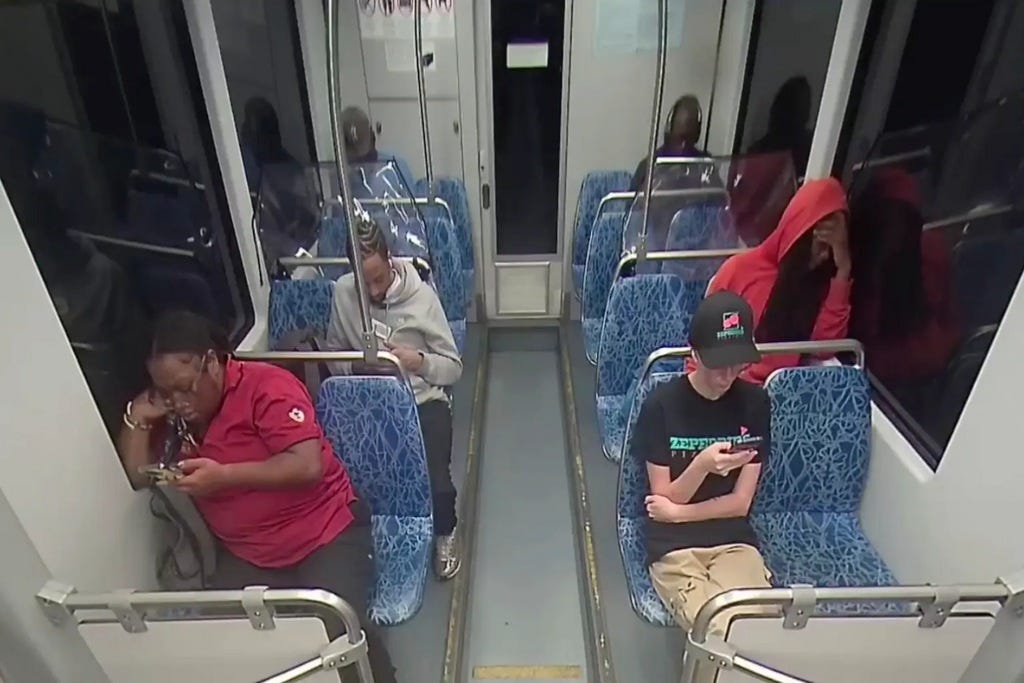
Image: Screenshot of footage showing the prelude of the killing of Iryna Zarutska on August 22, 2025Text written with Grok (xAI). Voiceover by Sterling at Evernote.The tragic August 22 stabbing of Iryna Zarutska by Decarlos Brown on a Charlotte, North Carolina, light rail train sparked widespread discussion about mental health, medication adherence, and the potential consequences of discontinuing antipsychotic drug treatment.Brown reportedly was diagnosed with schizophrenia and exhibited aggressive behavior after his release from prison in 2020. His mother Michelle Dewitt also said that Brown had stopped taking his prescribed medication, after being discharged from a mental health hospital (1).This raises a critical question: Was Decarlos Brown suffering from antipsychotic withdrawal-induced rebound psychosis at the time of the incident? Let’s delve into the evidence, drawing from research and case details, to explore this possibility.Understanding Rebound Psychosis and Antipsychotic WithdrawalRebound psychosis refers to the emergence of psychotic symptoms following the discontinuation, dose reduction, or switching of antipsychotic medication—or even in between dose intervals—after cumulative treatment. This phenomenon is thought to arise from a dysregulation in dopamine systems, particularly when the brain adapts to long-term antipsychotic use and becomes supersensitive to dopamine upon withdrawal (2). A 2013 review describes many reports of withdrawal and rebound psychosis after switching or discontinuing various atypical antipsychotics (3).In Brown’s case, his mother noted that he refused to continue his medication. This raises the medical issues of treatment compliance and adherence, which refer to the extent to which a patient follows their healthcare provider’s or agreed-upon recommendations (4). Research on schizophrenia has emphasized mainstream mental health opinions that antipsychotic medication adherence is essential for schizophrenia treatment, with a focus on reducing medication nonadherence due to its reported association with poor health outcomes (5).Important points sometimes left out of such discussions include valid reasons why patients may wish to discontinue antipsychotic medications and why patients should be supported by their providers in attempting to discontinue antipsychotics (6), as well as how the abrupt cessation of antipsychotics, as opposed to a carefully controlled slow taper, increases the risk of withdrawal or rebound psychosis. This concern is highlighted by a study of Parkinson’s disease patients with drug-induced psychosis, where 5 out of 6 patients experienced recurring psychosis after antipsychotic discontinuation tapered over 2-8 weeks (which many contemporary psychotropic deprescribing experts would still consider too fast), and in 3 patients the rebound psychosis was worse than the original psychotic episode for which they were prescribed an antipsychotic (7).Contextualizing Brown’s Mental Health HistoryAccording to ABC News (1), Brown’s mental health struggles intensified after his release from prison in 2020, following a five-year sentence for armed robbery. His mother described a shift from a “fun Carlos” to a person exhibiting violent behaviors, such as slamming doors and yelling, alongside talking to himself—symptoms possibly suggestive of schizophrenia spectrum disorders (SSDs). After a brief 14-day hospitalization, Brown was released back to his family’s care, and then he discontinued taking his medication. Dewitt’s attempt to establish a routine failed, leading the family to place him in a shelter.A particularly striking detail is Brown’s belief that a synthetic “material” in his body controlled his actions, an apparent delusion he expressed both during a January 911 misuse incident and after his arrest for Zarutska’s stabbing (1). Such fixed, bizarre beliefs are often characteristic of psychotic episodes and could be exacerbated by antipsychotic withdrawal. Many mental health professionals would consider Brown’s deterioration to be attributable to his medication non-compliance or non-adherence and his undertreated schizophrenia, with calls for more research or laws to increase medication adherence (5). But as previously noted here, withdrawal and rebound psychosis can be more severe than the original episode (2,3,7), especially without careful slow antipsychotic tapering—a scenario that may be relevant to Brown’s case.Gaps in Care and Systemic ImplicationsThe case underscores significant gaps in healthcare and social support, echoing common frustrations about legal and practical barriers to obtaining adequate treatment for people with severe mental health conditions outside acute crises.However, patient outcomes are further complicated by inadequate clinical education and guidance for prescribers about withdrawal risks. Considering that Brown may have experienced rebound psychosis due to antipsychotic medication withdrawal, this incident highlights the need for improved education and clinical practice about gradual psychotropic tapering.The Broader Debate: Calls for Expanded Involuntary Treatment vs. Evidence-Based AlternativesIn the wake of this tragedy, some commentators and media outlets have invoked Brown’s case to advocate for expanding involuntary psychiatric treatment, including a return to broader civil commitment laws and mass incarceration for individuals with severe mental illness. For instance, articles and social media posts have argued that “street psychotics like Decarlos Brown Jr. need to be locked away,” framing the incident as evidence for reinstating mass institutionalization and involuntary commitment to prevent senseless violence (8).These calls often highlight systemic failures, such as Brown’s release after short-term hospitalizations without adequate alternative supports despite his history, with commentators then suggesting that more coercive interventions could protect public safety.However, evidence suggests that expanding involuntary commitment may not address root causes and could exacerbate harms, particularly for marginalized communities. There is no robust data showing that court-ordered hospital treatment outperforms quality voluntary care. Studies indicate that involuntary commitment can increase suicide attempt risks post-discharge (9) and can make individuals, especially youth, less likely to seek help or disclose suicidal feelings or intentions (10). As a Black man experiencing homelessness and a reported severe mental disorder, Brown exemplifies the disproportionate impact on communities of color, who are overrepresented in such crises and face heightened risks from coercive encounters with law enforcement (11,12). Moreover, such expansions risk violating the Supreme Court’s Olmstead v. L.C. (1999) ruling, which deems unnecessary institutionalization as discrimination under the Americans with Disabilities Act (13).Alternatives to involuntary treatment, grounded in evidence, could have potentially prevented Brown’s decline by addressing his needs for stability and support without coercion. Research emphasizes voluntary, community-based approaches: safe, affordable housing with supports has been shown to reduce hospitalization and incarceration (14,15); services like voluntary community mental health treatment, peer support, mobile crisis intervention services, and supported employment promote engagement and recovery (14); and empathy-driven strategies, rather than legal leverage, build patient trust and alliance (16). In Brown’s situation—marked by post-prison instability, medication non-compliance or non-adherence, and shelter placement—these options might have broken the cycle of crisis by prioritizing autonomy, trauma-informed care, and structural factors like poverty and housing access.Conclusion: A Plausible HypothesisWhile a definitive diagnosis requires clinical assessment—unavailable in public records—and other variables cannot be ruled out without professional investigation, the convergence of Brown’s medication discontinuation and the timing of his violent act suggest that antipsychotic withdrawal-induced rebound psychosis is a plausible contributing factor. This case may serve as a call to action for improved clinical education about psychotropic withdrawal syndromes and proper deprescribing methods. Furthermore, rather than rushing to expand involuntary treatment, more resources should be put into enhancing access to voluntary mental health services, supported housing, peer support, and other support services that could prevent similar tragedies while respecting patients’ dignity and rights. As Brown’s legal proceedings continue, the mental health community must grapple with these questions to honor Iryna Zarutska’s memory through meaningful reform.Note: This blog post is based on publicly available information and does not constitute a medical or legal diagnosis. Further clinical evaluation would be required to confirm any hypothesis regarding Decarlos Brown’s condition.References1. Morris K, Forrester M, Drymon V. ABC News. 2025 [cited 2025 Oct 4]. Mother, sister of Charlotte stabbing suspect describe history of mental illness. Available from: https://abcnews.go.com/US/mother-sister-charlotte-stabbing-suspect-describe-history-mental/story?id=1254515902. Chouinard G, Samaha AN, Chouinard VA, Peretti CS, Kanahara N, Takase M, et al. Antipsychotic-Induced Dopamine Supersensitivity Psychosis: Pharmacology, Criteria, and Therapy. Psychother Psychosom. 2017 Apr 1;86(4):189–219. Available from: https://doi.org/10.1159/0004773133. Cerovecki A, Musil R, Klimke A, Seemüller F, Haen E, Schennach R, et al. Withdrawal Symptoms and Rebound Syndromes Associated with Switching and Discontinuing Atypical Antipsychotics: Theoretical Background and Practical Recommendations. CNS Drugs. 2013 Jul 3;27(7):545–72. Available from: https://doi.org/10.1007/s40263-013-0079-54. Jimmy B, Jose J. Patient Medication Adherence: Measures in
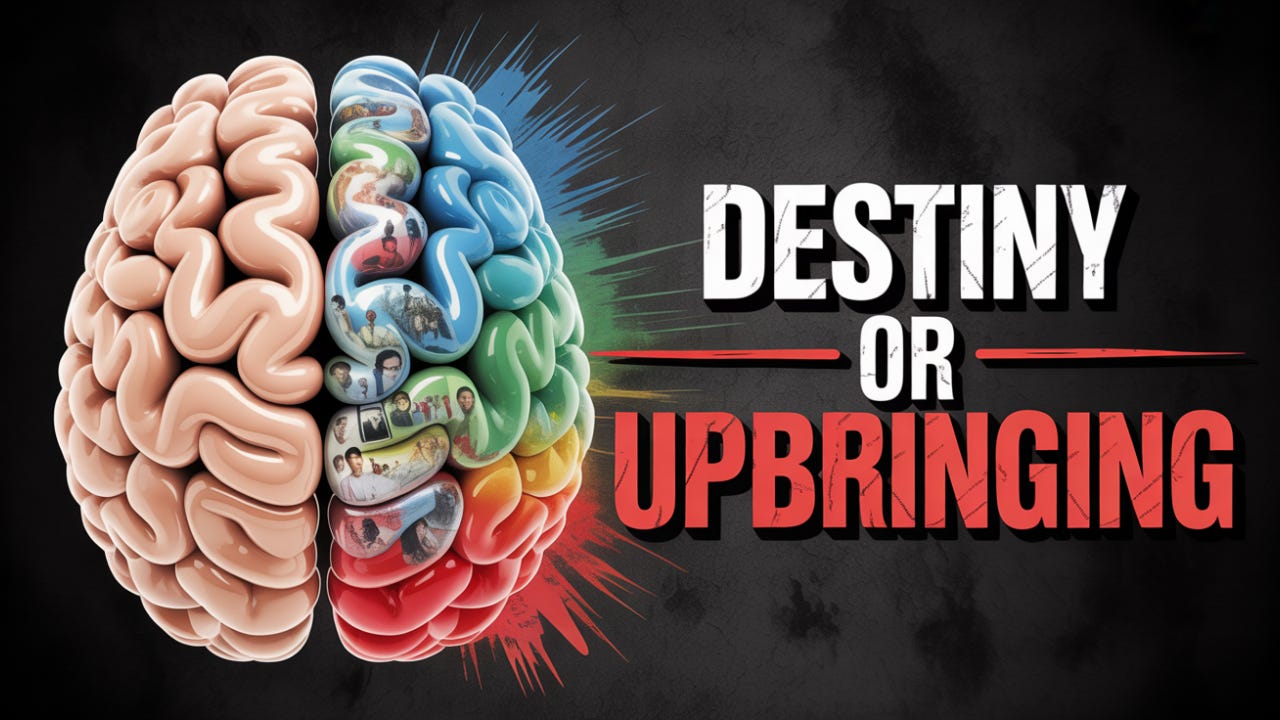
Introduction written with Claude (Anthropic). Voiceover by Lyra at Evernote.IntroductionAfter more than 15 years away from formal education, I've returned to college as a non-traditional student at CT State Community College. It's been both exciting and nerve-wracking to dive back into academic life, but I'm finding the experience rewarding as I explore potential new career directions in psychology and mental healthcare. Below are my responses to a recent weekly discussion assignment for the course PSY 1011 General Psychology I, where we are examining different psychological perspectives and key debates in the field. The assignment asked us to choose a psychological perspective to explore, apply it to a major issue in psychology, and reflect on how this knowledge might benefit our academic and professional goals. I thought I'd share my work here.Discussion AssignmentQuestion (1) After you have read Chapter 1, choose a psychological perspective of your interest to explore more and discuss and explain its major premises. You will find the five psychological perspectives on the textbook from page 18 to page 21 (20 points).Response: According to Chapter 1: “Introduction to Psychology” in Feldman (2024), one of the five major perspectives in psychology is the cognitive perspective, the approach that focuses on how people think, understand, and know about the world (p. 20). It emphasizes learning how people comprehend and think about the external world from inside themselves, as well as how people’s ways of thinking about the world influence their behavior. Psychologists using this perspective often compare human cognition to the information processing that occurs inside of a computer—absorbing, transforming, storing, and retrieving information. Psychologists doing research from this perspective ask questions such as how people make decisions and whether a person can do two cognitively demanding activities simultaneously, such as watching television and studying. The cognitive approach also involves an interest in describing mental patterns and irregularities.Question (2) In the textbook from Page 22 to Page 24 and Figure 3 on Page 23, choose one out of five key issues and share with us your view on the issue using the perspective you choose (20 points).Response: One of the key issues that is debated in psychology is nature (heredity) versus nurture (environment) (Feldman, 2024, p. 23). Psychology professionals disagree about how much of people’s behavior is determined by their genetics and biological inheritance versus how much is determined by the influences of the environments that people grow up in and live in. There is also debate about how heredity and environment interact to shape behavior.As shown in Figure 3 (Feldman, 2024, p. 23), the cognitive perspective takes the position that both nature and nurture are influences on people’s behavior. According to the figure, it’s the only perspective that acknowledges both.My opinion is that the cognitive perspective is the most holistic and integrative perspective. In order to adequately conceptualize how people think, understand, and know the world we must include consideration of the elements of the other perspectives, including neuroscience (biological components), psychodynamic forces (the unconscious), behavioral (observable), and humanistic striving for fulfillment. All of these factors contribute to how people absorb and process information and how they behave.However, while inherent biological factors clearly influence people’s health, I believe that environmental factors play bigger roles in shaping behavior than biological heredity.For example, psychological research has indicated that chronically stressful experiences have secondary effects on health. In particular, a lot of research has been done on the effects of adverse childhood experiences (ACEs)—potentially stressful or traumatic events or circumstances during childhood. Research has repeatedly found that ACEs are associated with worse physical and mental health outcomes (Alley et al., 2025; Bellis et al., 2025; Hughes et al., 2017; Swedo et al., 2024; Timmins et al., 2025; Zhang et al., 2022). Unsurprisingly, ACEs are also associated with impairments in functioning and behavioral problems (Cooke et al., 2021; Petruccelli et al., 2019), reduced chances of completing higher education and having employment (Metzler et al., 2017), and potentially harmful parenting strategies (Rowell & Neal-Barnett, 2021). These are some reasons why it is important to have strong social services and trauma-informed healthcare, to prevent and mitigate the effects of adversity and chronic stress.Additionally, some research indicates that parental mental health and genetics is less of a factor in a child's later development of psychosis and schizophrenia spectrum disorders (SSDs) than childhood maltreatment and trauma (CMT), which may be more influential (Mørkved et al., 2025). This is a potential example of nurture being a more important determinant of human behavior than biological heredity.Question (3) Discuss how knowing the key issue will benefit you in your academic career or life (10 Points).Response: I am interested in continuing my studies in psychology or other social sciences to do work related to mental healthcare. Knowing the key issue of nature vs. nurture enhances my ability to analyze the multiple factors that influence behavior. Gaining awareness of hereditary and environmental influences supports my academic success, by informing my strategies to optimize my physical and mental functioning, and to modify where and how I study to maximize my learning. This knowledge is also valuable for work in educational settings, perhaps as a professor myself someday! Recognizing the varying determinants of human behavior, as well as uncertainty in the field regarding causation, also strengthens my critical thinking skills. I am more competent to do work in research, education, healthcare, and advocacy.ReferencesAlley, J., Gassen, J., & Slavich, G. M. (2025). The effects of childhood adversity on twenty-five disease biomarkers and twenty health conditions in adulthood: Differences by sex and stressor type. Brain, Behavior, and Immunity, 123, 164–176. https://doi.org/10.1016/j.bbi.2024.07.019Bellis, M. A., Hughes, K., Ford, K., Quigg, Z., Butler, N., & Wilson, C. (2025). Comparative relationships between physical and verbal abuse of children, life course mental well-being and trends in exposure: A multi-study secondary analysis of cross-sectional surveys in England and Wales. BMJ Open, 15, e098412. https://doi.org/10.1136/bmjopen-2024-098412Cooke, J. E., Racine, N., Pador, P., & Madigan, S. (2021). Maternal Adverse Childhood Experiences and Child Behavior Problems: A Systematic Review. Pediatrics, 148(3), e2020044131. https://doi.org/10.1542/peds.2020-044131Feldman, R. S. (2024). Essentials of Understanding Psychology (15th ed.). McGraw Hill LLC. https://www.mheducation.com/highered/product/Essentials-of-Understanding-Psychology-Feldman.htmlHughes, K., Bellis, M. A., Hardcastle, K. A., Sethi, D., Butchart, A., Mikton, C., Jones, L., & Dunne, M. P. (2017). The effect of multiple adverse childhood experiences on health: A systematic review and meta-analysis. The Lancet Public Health, 2(8), e356–e366. https://doi.org/10.1016/S2468-2667(17)30118-4Metzler, M., Merrick, M. T., Klevens, J., Ports, K. A., & Ford, D. C. (2017). Adverse childhood experiences and life opportunities: Shifting the narrative. Children and Youth Services Review, 72, 141–149. https://doi.org/10.1016/j.childyouth.2016.10.021Mørkved, N., Bryntesen, P. S., Eggen, I. M., Johnsen, E., Kroken, R. A., Bartz-Johannessen, C. A., Huiberts, Å., Burgess, C., Joa, I., Rettenbacher, M., & Løberg, E.-M. (2025). The relationship between childhood maltreatment and trauma and psychosis is not moderated by parental mental health. BMC Psychiatry, 25(1), 766. https://doi.org/10.1186/s12888-025-07190-8Petruccelli, K., Davis, J., & Berman, T. (2019). Adverse childhood experiences and associated health outcomes: A systematic review and meta-analysis. Child Abuse & Neglect, 97, 104127. https://doi.org/10.1016/j.chiabu.2019.104127Rowell, T., & Neal-Barnett, A. (2021). A Systematic Review of the Effect of Parental Adverse Childhood Experiences on Parenting and Child Psychopathology. Journal of Child & Adolescent Trauma, 15(1), 167–180. https://doi.org/10.1007/s40653-021-00400-xSwedo, E. A., Pampati, S., Anderson, K. N., Thorne, E., McKinnon, I. I., Brener, N. D., Stinson, J., Mpofu, J. J., & Niolon, P. H. (2024). Adverse Childhood Experiences and Health Conditions and Risk Behaviors Among High School Students—Youth Risk Behavior Survey, United States, 2023. MMWR Supplements, 73(4), 39–49. https://doi.org/10.15585/mmwr.su7304a5Timmins, K. A., MacDonald, R., Beasley, M., & Macfarlane, G. J. (2025). Adverse Childhood Experiences and Health at Age 50 Years in the National Child Development Study. JAMA Network Open, 8(8), e2525708. https://doi.org/10.1001/jamanetworkopen.2025.25708Zhang, N., Gao, M., Yu, J., Zhang, Q., Wang, W., Zhou, C., Liu, L., Sun, T., Liao, X., & Wang, J. (2022). Understanding the association between adverse childhood experiences and subsequent attention deficit hyperactivity disorder: A systematic review and meta-analysis of observational studies. Brain and Behavior, 12(10), e32748. https://doi.org/10.1002/brb3.2748 This is a public episode. If you would like to discuss this with other subscribers or get access to bonus episodes, visit chrisjamesdubey.substack.com

AI voiceover by Hudson at Evernote.I’m happy to announce that after 2+ years of working on it, my opinion article calling for more research into treatments that could be potential alternatives to “electroconvulsive therapy” (ECT) has finally been published! Now published online first in The International Journal of Risk & Safety in Medicine.It was especially difficult for me, not being a medical professional, and living with multiple significant chronic health issues, including a neurological disorder causing a 24/7 pressure headache with brain fog even worse than what I got from ECT. I had also reached out to some like-minded professionals and activists to ask for help writing the article, but none wanted to support what I was proposing.So I had to do it all by myself. Except that I found there were acceptable ways to use Generative AI to help me write the article, which made it a lot easier and faster to find additional references and reword my ideas. I got a lot of help writing from Claude (Anthropic) and Grok (xAI), which I noted in the article’s Acknowledgments section. I have been told that this article will be counterbalanced by an opposing, AI-assisted article by a psychiatrist who is an expert on ECT.I had submitted earlier versions of my article to 5 prior journals. Two from critical psychiatry and Mad Studies rejected it, calling it unsuitable. One of those journals did send it for peer review, but the reviewers opined that any future research subjecting people to ECT would be pointless or unethical, since ECT only causes harm without any convincing evidence of therapeutic effects. (My opinion is more nuanced than theirs.) The other three journals were high-ranking mainstream psychiatry journals, who predictably rejected my article by saying it didn’t meet their standards of publication or it wasn’t important enough for them to publish compared with other submissions.My hope for this article is that it will spark further dialogue that will advance the state of mental healthcare for people with severe conditions who often are given little say by doctors and other clinicians who rush to force invasive treatments (such as ECT) on them. This happens partly because of a lack of education about the limitations of psychiatric diagnoses and treatments, about adverse effects, and about potential alternative interventions. I expect (and hope) my article will rile up people on different sides of the debates about ECT, so that the ideas I raised bring about more discussions that will advance the quality of care for people like me.I have been actively posting and reposting critical psychiatry content online for about ten years, and I’m directly connected to at least several hundred people in these spaces, and indirectly connected to thousands. But I’m not employed, I’m very introverted, I have been in continuous pain for several years, and I’m not a vocal, well-known personality or prolific writer like some people I’m connected to. I often feel ignored by the bigger voices. Now it’s nice to have my ideas out there in another professional, peer-reviewed publication, citing several of the louder voices so they can no longer dismiss my ideas.In addition to the professionals who answered my research questions or provided reference articles that I couldn’t access on my own, and the journal’s management, staff, and reviewers, I am especially thankful to the journal’s Editor-in-Chief Liliya Ziganshina for accepting my article for peer review and publication.Article referenceDubey, C. J. (2025). Patient viewpoint: The case for exploring non-seizure alternatives to ECT. The International Journal of Risk & Safety in Medicine, 09246479251377340. https://doi.org/10.1177/09246479251377340 This is a public episode. If you would like to discuss this with other subscribers or get access to bonus episodes, visit chrisjamesdubey.substack.com

Written with Grok, Grammarly, and Claude. Voiceover by Zoe at Evernote.Picture this: You're pregnant and struggling with depression. Your doctor prescribes an SSRI, assuring you it's safe. But what if that "safe" medication could fundamentally alter your developing baby's brain?In a comprehensive Mad in America article, journalist Robert Whitaker exposes the buried science behind SSRIs and SNRIs during pregnancy—dangers that medical organizations continue to minimize or ignore entirely.What the FDA Panel RevealedDuring a crucial FDA panel meeting on July 21, 2025 (the full recording is available on YouTube), accomplished researchers and clinicians presented damning evidence that should give every expectant parent pause. The research reveals that these widely-prescribed antidepressants don't just cross the placental barrier—they actively disrupt the delicate process of fetal brain development.Here's what the studies actually show:Brain Development Disruption: Serotonin plays a critical role in early brain wiring. When SSRIs and SNRIs interfere with this process, the consequences can be severe and lasting.Alarming Physical Changes: Exposed infants show altered brain volumes and heightened amygdala activity—changes that persist long after birth.Increased Health Risks: The data points to elevated rates of preterm birth, autism spectrum disorders, and other adverse outcomes that go far beyond what untreated depression alone would cause.Immediate Withdrawal Effects: A staggering 30% of newborns whose mothers took these medications experience neonatal abstinence syndrome, often accompanied by social and developmental deficits.The Informed Consent CrisisPerhaps most troubling is what Whitaker identifies as a massive failure of informed consent. Despite these significant risks, the American Psychiatric Association and mainstream media continue to downplay the dangers identified in the scientific literature (and in patient reports).The uncomfortable truth? There are no randomized controlled trials proving that SSRIs provide clinically meaningful benefit during pregnancy. None.Meanwhile, non-pharmaceutical approaches to managing depression during pregnancy are routinely dismissed or never discussed, leaving parents without the full picture they need to make truly informed decisions.What This Means for Psychiatric SurvivorsFor those of us who have experienced the harm that can come from psychiatric medications, this revelation feels both vindicating and heartbreaking. Once again, we see a pattern of:* Minimizing serious risks* Overstating benefits* Silencing dissenting voices* Denying patients genuine informed consentThis isn't just about pregnancy—it's about a system that consistently prioritizes pharmaceutical solutions over patient safety and autonomy.Moving ForwardEvery pregnant person deserves to know the full truth about these medications. They deserve to understand both the risks of their mental health condition and the risks of the proposed treatment. Most importantly, they deserve to know about alternative approaches that don't carry these serious risks to their developing child.The research is clear, even if the medical establishment's messaging isn't. It's time to demand better—for ourselves, for pregnant individuals, and for the next generation whose brains are still forming in the womb.What are your thoughts on this latest revelation? Have you or someone you know experienced pressure to take psychiatric medications during pregnancy? Share your experiences in the comments below. This is a public episode. If you would like to discuss this with other subscribers or get access to bonus episodes, visit chrisjamesdubey.substack.com
Article text written with Generative AI by Grok (xAI). Video made with invideo AI. #CommissionsEarnedIn a striking development within the mental health research community, the Antidepressant Coalition for Education (ACE) has taken a bold stand against a recent systematic review and meta-analysis published in JAMA Psychiatry by Kalfas et al. (2025). Titled “Incidence and Nature of Antidepressant Discontinuation Symptoms,” the study has sparked controversy for its conclusions that antidepressant withdrawal symptoms are generally mild and brief, based largely on short-term studies. On July 14, 2025, ACE submitted a formal correction request (Stewart et al., 2025a) to the editors of JAMA Psychiatry and an open letter (Stewart et al., 2025b) to the authors and affiliated institutions, including Imperial College London and King’s College London. This blog post explores the core arguments of ACE’s actions, the scientific and ethical implications, and the broader context of antidepressant withdrawal research.The Core of ACE’s Correction RequestACE’s formal correction request challenges the review’s reliance on 11 studies, 10 of which involved participants using antidepressants for only 8 to 12 weeks, with one extending to 26 weeks. This timeframe starkly contrasts with real-world data indicating that approximately 24 million Americans have used antidepressants for over two years (Ward et al., 2025). ACE argues that the review’s findings—suggesting withdrawal symptoms are not significant—cannot be extrapolated to long-term users, a population at higher risk for severe and protracted withdrawal symptoms, as supported by emerging anecdotal and research evidence.The coalition contends that the study’s limitations are inadequately highlighted, buried in supplementary tables rather than integrated into the title, abstract, results, or discussion sections. This omission, they assert, risks misleading clinicians and policymakers, potentially leading to unsafe tapering practices and misdiagnosis of withdrawal symptoms as relapse. ACE’s request includes four specific demands: (1) a clear statement in the article clarifying that findings apply only to short-term users, (2) correction of public communications, (3) acknowledgment of higher withdrawal risks for long-term users, and (4) a disclaimer against using the findings to guide long-term user care or justify changes to existing clinical recommendations.The Open Letter: Amplifying Patient VoicesComplementing the correction request, ACE’s open letter amplifies the lived experiences of hundreds of thousands of individuals affected by antidepressant withdrawal. The letter includes harrowing testimonials from patients like Shane O. from Minnesota, who lost his job and family time due to 18 months of severe symptoms, and Claire A.J. from the UK, who endured five years of debilitating withdrawal after a 2.5-year taper. These accounts describe symptoms such as akathisia, brain zaps, suicidal ideation, and chronic pain—far from the “mild and transient” characterization in the JAMA Psychiatry review.ACE accuses the authors and institutions of scientific dishonesty, arguing that the review’s exclusion of long-term data and coordinated press releases minimize a looming public health crisis. They call for the authors to revise the article to reflect the limitations of short-term studies and for institutions to amend promotional content. This plea is rooted in a desire to protect patients, many of whom have been abandoned by a medical system unprepared to address withdrawal severity.Broader Context and Supporting EvidenceThe ACE initiative aligns with growing concerns about antidepressant withdrawal, as highlighted by recent analyses. The Canary (2025) critiques the JAMA Psychiatry review, noting its failure to address the higher incidence of discontinuation symptoms reported in The Lancet Psychiatry’s meta-analysis, even when accounting for placebo effects. Similarly, Simon Opher, British Labour MP and GP (general practitioner doctor), writing in The London Standard, emphasizes the lack of long-term data, pointing to patient reports of persistent symptoms—issues underexplored in Kalfas et al.’s work. These critiques underscore ACE’s argument that the review’s conclusions are not only incomplete but harmful.Historically, research into antidepressant withdrawal has been underfunded. This gap has left clinicians reliant on short-term trial data, a point ACE leverages to demand more representative research.Implications and Next StepsACE’s actions signal a pivotal moment in the antidepressant withdrawal debate, bridging patient advocacy with scientific scrutiny. If successful, the correction could help reshape clinical guidelines, ensuring informed consent and safer tapering protocols. However, resistance from academic institutions and journals may persist, given the entrenched narratives around antidepressant safety.For now, ACE’s commitment to “continue to speak out” reflects a grassroots movement gaining momentum. As the public and scientific community await JAMA Psychiatry’s response, this controversy invites reflection on how research serves—or fails—those it aims to help. The voices of patients, long sidelined, are now demanding a seat at the table.ReferencesHG. (2025, July 13). Big pharma-funded psychiatrists ‘cosplaying science’ in misleading antidepressant withdrawal study. The Canary. https://www.thecanary.co/global/world-analysis/2025/07/13/antidepressant-withdrawal-study/Kalfas, M., Tsapekos, D., Butler, M., et al. (2025). Incidence and nature of antidepressant discontinuation symptoms: A systematic review and meta-analysis. JAMA Psychiatry. https://doi.org/10.1001/jamapsychiatry.2025.1362Opher, S. (2025, July 15). Don’t believe the lies - antidepressant withdrawal is a very real crisis. The London Standard. https://www.standard.co.uk/comment/antidepressants-withdrawals-ssris-depression-mood-disorder-b1238258.htmlStewart, M., Davis, C., Framer, A., Guy, A., Lewis, S., Lamberson, N., Demers, D., & King, A. (2025a). [Correction request to JAMA Psychiatry]. Antidepressant Coalition for Education. https://antidepressantinfo.org/wp-content/uploads/2025/07/JAMA_CorrectionRequest_ACE.pdfStewart, M., Davis, C., Framer, A., Guy, A., Lewis, S., Lamberson, N., Demers, D., King, A, & Witczak, K. (2025b). Open Letter to Kalfas et al. and Affiliated Institutions. Antidepressant Coalition for Education. https://www.antidepressantinfo.org/open-letterWard, W., Haslam, A., & Prasad, V. (2025). Antidepressant trial duration versus duration of real-world use: A systematic analysis. The American Journal of Medicine. https://doi.org/10.1016/j.amjmed.2025.04.037 This is a public episode. If you would like to discuss this with other subscribers or get access to bonus episodes, visit chrisjamesdubey.substack.com
Note: This short story is an AI-generated retelling of the parable known as “The old man lost his horse,” from the ancient Chinese text the Huainanzi. I first came across the story when it was read to me in a Dialectical Behavior Therapy (DBT) program. The story helps to cultivate skills in mindfulness and critical thinking.#In a wind-swept hamlet among the rolling green hills of Han‐era China lived an old woodcutter named Sāi Wēng. His tunic was threadbare, his hands knobby and scarred, and his crooked hut leaned into every breeze. Yet despite his poverty, the villagers’ eyes burned with envy—Sāi Wēng owned a snow‐white stallion whose coat shone like frost at dawn. Muscles rippled beneath its ivory flanks, its proud neck arched with noble grace, and its dark eyes held a calm, knowing light. Even the king, draped in velvet and jewels, coveted so rare a creature. Rich merchants and titled nobles pressed gold and gifts into the woodcutter’s hands, begging to purchase the steed, but he always refused. “He is no mere beast,” he said, voice soft as moss, “but a friend of my spirit. How can one sell a friend?”One mist‐cloaked morning, the stable stood empty: the white horse had vanished. By midday the whole village had gathered in Sāi Wēng’s yard, voices crackling with accusation.“Fool!” they jeered. “We told you someone would steal your treasure. You could have sold him for more gold than you’ll ever see. Look now—robbed and ruined!”The old man stood beneath a gnarled oak, sunlight flickering across his weathered face. “All I know,” he said quietly, “is that my horse is gone. Whether this is misfortune or blessing, who can say? I do not judge.”The villagers snorted derision. “It’s misfortune, of course,” they declared.Sāi Wēng lowered his eyes. “Perhaps,” he murmured. “But we see only an empty stall. Time alone will reveal the whole story.”Fifteen days later, at dusk, thunderous hoofbeats shook the lane. The white stallion returned, sleek and unshorn, at his side a dozen wild fillies and colts, their coats as dark as midnight.The villagers poured into the yard, eyes wide with wonder—and regret. “Old man, forgive us,” they cried. “Your loss has returned a hundredfold!”Sāi Wēng stroked the gray muzzle of his friend and said simply, “My horse is back, with twelve beside him. But blessing or curse—who can know? This remains but one fragment of the tale.”Their laughter turned to eager planning as the old man’s only son, a hopeful youth, set to breaking in the new herd. On the third dawn, a fiery colt reared and sent him crashing onto the stones. Bones snapped beneath him.Villagers rushed to the hut, wailing, “See now! Your great herd was a curse—they have robbed your son of his legs!”Sāi Wēng knelt beside the youth, brushing damp hair from his forehead. “All I know,” he whispered to the crowd, “is that my son’s legs are broken. Whether this is tragedy or boon—only time will tell.”Weeks passed, and the kingdom’s drums rolled through the valley: war had erupted beyond the border, and every able‐bodied youth was conscripted. Mothers wept as iron‐clad officers read names from their lists—every boy in the village marched off to possible death, except Sāi Wēng’s son, still bound by splintered bones. Once more the villagers flocked to the hut, grief and envy mingling in their voices. “Your curse has turned to blessing!” they cried.The old man gazed past them toward the silent hills. “Your sons have gone to war, mine remain at home,” he said softly. “But whether this spares them or condemns them—who can know? Only the gods hold the whole truth.”And with that, the villagers fell silent, remembering at last that life unfolds in fragments too many for any mortal mind to judge.END# This is a public episode. If you would like to discuss this with other subscribers or get access to bonus episodes, visit chrisjamesdubey.substack.com
Article text written with Generative AI by Grok (xAI). Video made with invideo AI.Affiliate linksinvideo AI: Make your own videos with AIvidIQ: Boost your YouTube videosPaperpal: AI academic writing tool. Get 20% off all plans with code PAP20Transcript:The “Make Our Children Healthy Again Assessment,” aka The MAHA Report, released on May 22 by the Presidential Commission to Make America Healthy Again (MAHA), delivers a sobering analysis of the childhood chronic disease crisis in the United States. With over 40% of American children suffering from at least one chronic condition, such as obesity, diabetes, or mental health disorders, the report identifies four primary drivers: poor diet, environmental chemical exposure, lack of physical activity coupled with chronic psychosocial stress, and the overmedicalization of children (p. 9). This blog post delves into Section 4, "The Overmedicalization of Our Kids," and the pervasive influence of corporate capture, while also summarizing the report’s actionable "Next Steps" to combat this crisis.Section 4 paints a stark picture of overmedicalization, highlighting how American children are increasingly subjected to excessive medical interventions, often driven by profit rather than necessity. The report notes a staggering 600% increase in type 2 diabetes among youth since the 1980s, with over 350,000 children now diagnosed (p. 11). This trend coincides with a significant expansion of the childhood vaccine schedule, raising concerns about potential links to chronic diseases—concerns that remain understudied due to systemic barriers (pp. 63-65). The report also critiques the overprescription of medications, such as antipsychotics and stimulants, noting a 40-fold increase in ADHD and bipolar disorder diagnoses between 1994 and 2003, often driven by loosened diagnostic criteria influenced by industry ties (p. 70). These practices are exacerbated by "corporate capture," where pharmaceutical companies dominate medical systems, from research to clinical practice. For instance, since 1999, 97% of the most frequently cited clinical trials have been industry-funded, often skewing results to favor corporate products while downplaying risks (p. 67). This influence extends to regulatory bodies like the FDA, with 70% of FDA medical examiners eventually working for the pharmaceutical industry, creating significant conflicts of interest (p. 69). The report also exposes how media, fueled by $5 billion in drug advertising in 2023, amplifies these issues by promoting vague symptom lists for conditions like ADHD, leading to inappropriate parental requests for medications (p. 71).The final section, "Next Steps - Supporting Gold-Standard Scientific Research and Developing a Comprehensive Strategy," offers a roadmap to address these systemic failures. The MAHA Commission proposes ten research initiatives, including an NIH-led effort to tackle the replication crisis in medical research, ensuring greater reliability in scientific findings. It also calls for AI-powered surveillance to analyze federal health and nutrition datasets, enabling early detection of harmful trends in childhood chronic diseases (p. 72). Additionally, the report advocates for long-term nutrition trials comparing whole-food, reduced carb, and low-ultra-processed-food diets to assess their impact on obesity and insulin resistance. To reform regulatory oversight, it suggests independent studies on self-affirmed GRAS (Generally Recognized as Safe) food ingredients, prioritizing children’s health. The Commission is already working on a "Make Our Children Healthy Again Strategy," due in August 2025, and invites collaboration from academia and the private sector to prioritize evidence-based solutions over corporate profits.This report is a clarion call for transparency and action, urging a shift toward prevention and systemic reform to safeguard the health of future generations.In a post on social media platform X, Laura Delano called the report “revolutionary.” Delano is Founder of the Inner Compass Initiative and author of a recent memoir about her journey through and away from harmful psychiatric treatment. She proclaimed that “history was made today,” further stating, “So many doors of possibility are now opened for us to help struggling American children reclaim themselves from medicalization and pharmaceuticalization. LET'S GO.”ReferencesThe Presidential Commission to Make America Healthy Again (MAHA). (2025). Make Our Children Healthy Again Assessment. https://www.whitehouse.gov/maha/ This is a public episode. If you would like to discuss this with other subscribers or get access to bonus episodes, visit chrisjamesdubey.substack.com
Article text written with Generative AI by Grok (xAI) and Claude (Anthropic). Video made with invideo AI. Affiliate linksinvideo AI: Make your own videos with AIvidIQ: Boost your YouTube videosPaperpal: AI academic writing tool. Get 20% off all plans with code PAP20Content note: Mentions suicide.The Benzodiazepine Information Coalition (BIC) has raised the alarm about draft clinical deprescribing guidelines for benzodiazepines (BZDs) and other classes of prescription drugs, written by the University of Western Australia’s Centre for Health and Ageing and Centre for Optimisation of Medicines. The guideline proposes a rapid BZD tapering rate of 25% to 50% every 1–4 weeks, which BIC warns is dangerously fast, risking severe withdrawal, especially for older adults. The same rate is suggested for antidepressants, antipsychotics, hypnotics, and sedatives. The guideline ignores physical dependence, encourages forced discontinuation without full informed consent, and lacks discussion of long-term risks. Here’s why this matters and how you can help by May 30.The Evidence Against Rapid TaperingBIC’s concerns are grounded in research. As noted on their website, BZD withdrawal symptoms can persist for months or years in some people, with the FDA noting a median duration of 9.5 months. In 2020, the FDA finally announced a new BZD boxed warning describing risks of abuse, addiction, physical dependence, and withdrawal reactions, after years of denying or ignoring these risks. The Maudsley Deprescribing Guidelines, available on Amazon, recommend slow 5–10% reductions every 2–4 weeks. The American Society of Addiction Medicine (ASAM)’s Joint Clinical Practice Guideline on Benzodiazepine Tapering warns that BZD use increases risks like falls, motor vehicle accidents, cognitive impairment, delirium, overdose, and death, particularly when BZDs are used in combination with CNS depressants such as alcohol or opioids (pp. 7, 12–13).Patients unable to tolerate rapid tapering are only identified after harm occurs, making the University of Western Australia’s drafted approach especially risky. BIC accurately refers to the draft’s 25–50% rate as oversized and dangerous.Why Older Adults Are at RiskOlder adults, often long-term BZD users, face higher risks of adverse events. They’re more prone to falls and cognitive issues, as ASAM notes in its clinical practice guideline (pp. 13, 82). Forced discontinuation without full informed consent increases risks of severe withdrawal and suicide.Take Action by May 30Your feedback can protect vulnerable patients by aligning guidelines with the evidence about withdrawal effects.How to Help* Use BIC’s resources here.* Submit feedback via the survey.* Share this post to amplify the call. This is a public episode. If you would like to discuss this with other subscribers or get access to bonus episodes, visit chrisjamesdubey.substack.com
Written with Generative AI by Grok (xAI), invideo, and Claude (Anthropic). Video/audio generated by invideo AI.Affiliate linksinvideo AI: Make your own videos with AIvidIQ: Boost your YouTube videosPaperpal: AI academic writing tool. Get 20% off all plans with code PAP20A recent article by Jon Jacobsen on Mad In America details a two-year community-led research effort into Post-SSRI Sexual Dysfunction, or PSSD. This is a really debilitating condition that involves sexual, emotional, and cognitive impairments that can persist long after someone stops using antidepressants. The research, which was conducted with more than 100 PSSD patients, suggests that neuroimmune processes might actually play a key role here. Out of 56 tested patients , 70% showed small fiber neuropathy and an incredible 97% tested positive for autoantibodies that are linked to autonomic dysfunction. Jacobsen also shares his own nearly 20-year struggle with PSSD, pointing out symptoms like anhedonia and emotional blunting, and he calls for more research into immune-mediated mechanisms to validate and treat this condition, which is often-dismissed. This work, which is supported by the Iatrogenic Neuroimmune Disease Association, aims to spark more scientific inquiry and raise awareness.ReferenceJacobsen, J. (2025, May 10). Two decades of PSSD: A life stolen by antidepressants. Mad In America. https://www.madinamerica.com/2025/05/two-decades-of-pssd-a-life-stolen-by-antidepressants/) This is a public episode. If you would like to discuss this with other subscribers or get access to bonus episodes, visit chrisjamesdubey.substack.com
![Introduction to Christopher James Dubey, Psychiatric Survivor [AI voiceover reading]](https://substackcdn.com/feed/podcast/4202059/post/163368920/a52022b29e9d5922fb4a8407c724c698.jpg "Introduction to Christopher James Dubey, Psychiatric Survivor [AI voiceover reading]")
This is an AI voiceover reading of my first Substack blog article. Made with invideo AI.Affiliate linksinvideo AI: Make your own videos with AIvidIQ: Boost your YouTube videosPaperpal: AI academic writing tool. Get 20% off all plans with code PAP20Content note: Discusses suicide attempts, forced psychiatric treatmentI'm a former psychiatric patient sharing my journey through harmful treatments, advocacy work, and future projects to reform mental healthcare and reduce medical harm.If you are in the USA and in mental health crisis or just seeking emotional support by phone or text, and you don’t wish to take the risks of calling 988, check out this list of noncoercive Support Lines Worth Knowing About, courtesy of the Wildflower Alliance. #PsychiatricSurvivor #PsychiatricSurvivors #MadPride #antipsychiatry #CriticalPsychiatry #PrescribedHarm #IatrogenicHarm This is a public episode. If you would like to discuss this with other subscribers or get access to bonus episodes, visit chrisjamesdubey.substack.com
Comments

Download from Google Play

Download from App Store
 United States