


 Claim Ownership
What is Collective Healing?
Subscribed: 9Played: 192
Subscribe

© 2025
Description
What is Collective Healing? is a weekly podcast exploring how people around the world are finding new ways to heal the individual, inter-generational and collective trauma at the root of our global crises.
Presented by the Pocket Project, the series features deeply personal conversations with practitioners who have trained under Thomas Hübl and other pioneers of collective healing – giving listeners a direct experience of the transformational potential this work can unlock.
Drawing on a wide diversity of voices from different countries, cultures and communities, the series aims to make the universal principles underlying collective healing practices newly accessible to all – and honor the many lineages and traditions informing today's cutting-edge practices.
In an age of overwhelming complexity and news overload, it's easy to forget that we're not meant to carry the weight of the world alone. What Is Collective Healing? is your weekly reminder that not only are we wired to grieve, celebrate and heal together – we're discovering new ways to transmute polarization, trauma and despair into the seeds of a more flourishing future. These conversations show us how.
To learn more about how the Pocket Project is creating a culture of trauma-informed care, please visit www.pocketproject.org to join our global events, services and courses.
Presented by the Pocket Project, the series features deeply personal conversations with practitioners who have trained under Thomas Hübl and other pioneers of collective healing – giving listeners a direct experience of the transformational potential this work can unlock.
Drawing on a wide diversity of voices from different countries, cultures and communities, the series aims to make the universal principles underlying collective healing practices newly accessible to all – and honor the many lineages and traditions informing today's cutting-edge practices.
In an age of overwhelming complexity and news overload, it's easy to forget that we're not meant to carry the weight of the world alone. What Is Collective Healing? is your weekly reminder that not only are we wired to grieve, celebrate and heal together – we're discovering new ways to transmute polarization, trauma and despair into the seeds of a more flourishing future. These conversations show us how.
To learn more about how the Pocket Project is creating a culture of trauma-informed care, please visit www.pocketproject.org to join our global events, services and courses.
45 Episodes
Reverse
Hosted by Kosha Joubert. Produced by J'aime Rothbard. What happens in a Pocket Project Integration Lab? And how does the process contribute to individual and collective healing? In this episode, Adrian Wagner, part of the Pocket Project's research team, explores his work using software known as SenseMaker to capture the subtlety of the processes that occur in collective healing work. After gathering personal stories from participants in the last round of International Labs in 2024, Adrian curated the Sacred Story Book – which opens a window into the many ways people explored collective trauma across diverse themes and cultures during the year-long process. The freely viewable e-book shows how encounters with grief, resilience and reconnection in the context of the supportive community provided by each Lab helped participants begin to see their own lives and global issues in a new light, and meet each other in deeper ways. "Within the Labs you see that the intelligent function of trauma is fully appreciated, so that what is frozen can melt in the right time," Adrian tells co-host Kosha Joubert. "So the trauma is not pushed open or broken open, but people do some resourcing and then slowly more and more perspectives show up." If possible I would like to add here: „It's not about solving, much more about growing space to hold more of the messiness, beauty and complexity that we call life." This conversation will provide invaluable insights to anybody considering participating in one of this year's round of Integration Labs, which are addressing more than 40 collective trauma themes. This episode will also support anyone who wishes to gain a deeper insight into what Adrian calls the "magic" of collective healing – and hear a rich discussion about how to make this work available on a larger scale. Integration Labs 2026 Applications Open: The Pocket Project is offering more than 40 Integration Labs in 2026, each dedicated to exploring and addressing specific dimensions of ancestral and collective trauma. To access a complete list of the Labs and to apply to participate, click here. Further Resources: Sacred Storybook: A Journey Through Collective Trauma and Renewal (Report on the International Labs 2024) Overcoming Polarisation in Crises: A Research Project on Trauma and Democracy with 350 Participants (Report by Adran Wagner et al. synthesising influences including Dave Snowden and Thomas Hübl) https://www.complexitypartners.com/ Adrian Wagner on Linkedin About Adrian Wagner: Adrian Wagner is moved by the possibility of dancing between applied complexity and precise emotional attunement - holding space for both individual and collective blind spots with care and discernment. He is working with Complexity partners as a free consultant and as a researcher with the Pocket Project. Adrian is focused on developing the academic resource library for the organization's website. Over the past 15 years, his professional journey has unfolded across roles as a teacher, researcher, coach, and transformational facilitator. His work has served diverse institutions including the European School of Governance, the German Foreign Ministry, Ludwigsburger Schlossfestspiele, the European Commission, and the University of Witten/Herdecke.
Hosted by Kosha Joubert Produced by J'aime Rothbard. When Dorotea Gucciardo returned to Rafah in southern Gaza in November last year, she could barely comprehend the scale of the devastation caused by the Israeli military. "I couldn't recognize a thing. Every building was gone. and not just gone but removed, rubble removed and new roads built. And I remember asking the U.N. representative on the bus that was bringing us in, where are we?...It was as if I was on a completely different continent." In this powerful episode, Gucciardo, who is Director of Development at the Canadian medical solidarity organisation Glia, shares her witness testimony from her third assignment to Gaza since early 2024. This dialogue is deeply personal, touching on Gucciardo's decision to leave her own newborn daughter behind in Canada to serve in Gaza – spurred by a video of a young Palestinian mother whose month-old baby Mahmoud Fattouh had starved to death due to the Israeli blockade. But the focus is on the intimate portrait Gucciardo paints of the suffering inflicted on civilians by the Israeli military in response to the October 7, 2023 attacks, and the depth of the relationships that have helped Palestinians survive the staggering destruction. In September, a U.N. commission found that Israel had committed genocide in Gaza.. Resilience is, however, only part of the story: The conversation challenges listeners to consider how both notions of Palestinian reclamation and international responsibility are inextricably tied to the quest for justice and collective healing. "I actually struggle with the term resilience…because in many ways I think it can unintentionally suggest that extreme hardships like that which Palestinians are experiencing is something that they're expected to endure," Gucciardo says. Gucciardo invites us to consider instead that the job of resilience should actually fall to people outside of Gaza who can be "resilient in our own solidarity and in our own activism" to ensure their governments work to deliver justice to Palestinians. This episode provides a searing insight into the struggles aid organisations face in bringing relief to Gaza in the face of the Israeli occupation. It also demonstrates the ingenuity displayed by Glia in supporting Palestianians to reclaim a sense of agency in rebuilding their healthcare system. Listeners will learn more about what collective healing means in the context of an active conflict zone, and gain a deeper appreciation of the significance of international solidarity for civilians in Gaza. The Pocket Project is offering two online courses for our Palestinian community: Palestinian Mental Health PractitionersRoots of Resilience : Collective & Intergenerational Healing Through Art a 6-Session Training for Palestinian Mental Health Practitioners. Limited spaces, please follow this link to register. Palestinians in the diasporaRoots and Wings: Remembering, Reclaiming, Creating For Palestinians is an 8-session online Expressive Arts Therapy program. Limited spaces, please follow this link to register. Integration Labs 2026 Applications Open: The Pocket Project is offering more than 40 Integration Labs in 2026, each dedicated to exploring and addressing specific dimensions of ancestral and collective trauma. To access a complete list of the Labs and to apply to participate, click here. Further Resources: Glia Palestinian-Led Team Produces First Fully Local External Fixator in Gaza Using Recycled Plastics, 3D Printing, and Solar Power Doctors Against Genocide Dr Gucciardo quoted by Drop Site News Pocket Project Palestine Trauma Relief Project Integration Labs 2026 About Dorotea Gucciardo: Dorotea Gucciardo, PhD, is the Director of Development for Glia, a Canadian-based medical solidarity organization. She has been overseeing capacity-building projects in Gaza's healthcare system since 2019. In response to Israel's genocide, she helped the organization bolster support through international medical delegations and she herself has volunteered three times as a team lead since early 2024. She holds a PhD in History and is currently working on a book about material forms of existence and resistance in Gaza.
Hosted by Matthew Green. Produced by J'aime Rothbard. What is a global acupuncture point? Join us as we explore how the mystical is born out of integrated lived experience. Valencie shares her journey into collective healing, tracing her story from birth and early life in Haiti, into her formative years after her family migrated to the United States. Valencie speaks of the imprint of cultural collisions that she faced as she came of age in a foreign land, offering a glimpse into the mountainous terrain that she carried within. She draws us into a parallel reality reflecting the grief of colonization, held deep within Haiti, the land of her origin. Drawing on her participation in the Timeless Wisdom Training (TWT) with Thomas Hübl, Valencie explores the interconnected layers of trauma—individual, ancestral, and collective—and how these dimensions shape both personal identity and communal well-being. She reflects on how historical events, cultural displacement, and inherited trauma within the Haitian community continue to live in the body and psyche, and how healing must therefore be relational and communal, not just individual. Valencie discusses her work with acupuncture as a powerful bridge between individual and collective healing, describing it as both a physical and energetic practice that helps release trauma held in the body and also grounds Thomas Hübl's theory of global acupuncture into what could become an embodied cultural practice. She also shares insights from her spiritual journey, including encounters with Haitian spiritual traditions and unexpected revelations about her role as a cultural and spiritual lineage holder. Throughout the conversation, Valencie emphasizes the importance of community, mentorship, and strong support systems when engaging in collective healing work. The episode ultimately presents collective healing as an ongoing, embodied practice—one that honors ancestry, history, and spiritual wisdom while actively working toward personal and global transformation. Applications Open: The Pocket Project is offering more than 40 Integration Labs in 2026, each dedicated to exploring and addressing specific dimensions of ancestral and collective trauma. To access a complete list of the Labs and to apply to participate, click here. Further Resources: Valencie Exceus Valencie's Integrative Care Instagram TikTok Substack LinkedIn About Valencie Exceus Valencie Exceus, also known as Vie, is a Chinese medicine practitioner, storyteller, drummer, writer, and healing facilitator whose work gathers at the heart of medicine, culture, and spirituality. Born in Haiti and raised in the United States from the age of twelve, she carries a bicultural and global sensibility shaped by migration, memory, curiosity, and a deep love for humanity. Her university studies began in the Social Sciences and grew into a lifelong devotion to the relationships between people shaped through culture, food, music, spirituality, and nature. Her approach is grounded, unadorned, and soulful. Alongside her clinical work, she also volunteers as a funeral attendant, tending to the living during moments of transition and grief. When she is not in the clinic, she works with people online through private sessions and a signature practice she calls Tending to the Roots. After nearly two decades of clinical practice and through her own lived experience, she has come to know and trust that restoration, repair, and healing are possible when we are willing to address root and structural causes. Through her own life and the lives of the countless people she has worked with, she has also witnessed the restorative power of grace and the larger movements and forces at work beyond our individual efforts. This has drawn her into a deep intimacy with the divine, while accepting to live with unanswered questions and to trust what unfolds beyond her understanding. Comfortable holding both gravity and levity, she creates spaces where truth, joy, and beauty can surface despite trauma, like a garden tended with care.
Hosted by Sonita Mbah. Produced by J'aime Rothbard. What happens when we expand the circle of collective healing to go beyond the purely human world? And how can we begin to address the enormous weight of animal pain caused by factory farms? In this episode, Christine Gerike and Michael Grünwald introduce a year-long Pocket Project Integration Lab they're hosting from February 25 called Ethics of Animal Harm: Wounds in the Collective Field. Opening Ourselves to Animal Welfare and Ethical Violation in Factory Farming. The Lab is one of more than 40 Integration Labs the Pocket Project is hosting in 2026 exploring collective and inter-generational trauma from a wide range of geographic, cultural and thematic perspectives. [Applications open here.] Christine and Michael's Lab seeks to bring awareness to the trauma factory farming inflicts on livestock including cattle, chickens and pigs and how these ethical violations affect our collective well-being. A core question informing their inquiry will be: "What do we turn away from?" Participants will be invited to share information about factory farming and attune to the many layers of this global trauma field; explore their personal and ancestral connection to this industry; and sense into the many ways in which this topic informs us, and lives in our collective social and planetary body. We will explore ethical alignment, orient ourselves towards what resources us, and reflect, share and deeply listen to what arises in our group field when attuning to this collective trauma field. Applications Open: The Pocket Project is offering more than 40 Integration Labs in 2026, each dedicated to exploring and addressing specific dimensions of ancestral and collective trauma. To access a complete list of the Labs and to apply to participate, click here. Further Resources: Ethics of Animal Harm: Wounds in the Collective Field About Christine Gerike Christine Gerike is a transformational coach and group facilitator. She brings her love and witnessing competence to collective topics, guiding individuals and groups to integrate aspects of ancestral and collective fields we are embedded in. Christine co-founded the community practice of Global Social Witnessing in 2017, and has been cultivating it since. She is a graduate of the first Pocket Project Training, the Timeless Wisdom Training, and the Collective Trauma Facilitator Training. Christine is certified as a Co-Facilitator within the Pocket Project network. In 2026, she offers an integration lab on Ethics in Animal Harm and the Collective Trauma of Animal Factory Farming, together with Michael Grünwald and Gabriela Zagula. Originally from Germany, Christine lives outside of New York City with her family. She has two grown-up daughters. About Michael Grünwald Michael is a graduate of the Global Timeless Wisdom Training (TWT), the first Pocket Project Training in Israel 2018 and the Collective Trauma Facilitator Training. Besides his love for the work with people in a diagnostic laboratory, he loves to work with clients on integrating individual and ancestral aspects of life. While being part of the Core Group (a community of long-term students of Thomas Hübl), Michael conducted a study on the effect of the TWT on epigenetics.
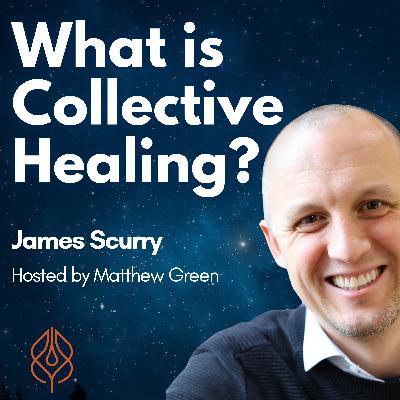
Hosted by Matthew Green. Produced by J'aime Rothbard. In Pocket Project Global Social Witnessing calls, we come together in community to mindfully attune to global crises we've learned about through the news. But what happens when we make the people and systems delivering that news our focus? What can we learn about both the media's capacity for courageous truth-telling and its potential to amplify collective and inter-generational trauma loops from the past? This episode features James Scurry, a senior producer at Sky News, psychotherapist and co-convener of MediaStrong, an annual symposium convening senior industry figures to host cutting-edge conversations on journalism and trauma. James was joined by What Is Collective Healing? co-host Matthew Green, himself a former international journalist, to reflect on what they learned by serving as the focal points at a January 7 Global Social Witnessing call where more than 160 people from around the world gathered to witness the global media. James speaks candidly about recognising the increasingly unbearable toll that serving as a video editor handling horrific footage from war zones was having on his nervous system. That experience ultimately led him to train as a psychotherapist and put what he learned about himself at the service of helping others – including his colleagues in the media. James and Matthew also reflect on both the magnetic attraction of working in global media organisations, their colleagues' inspiring level of commitment to accuracy and craft, and the enormous pressures journalists and editors now face. With several current and former journalists having attended the Global Social Witnessing call, James and Mathew imagine bringing collective healing practices into the heart of the global news industry. How might journalists benefit from collective healing work? And how might such processes lead to more emotionally intelligent storytelling – laying the foundations of the trauma-restoring media systems of the future? You can find out more about James' work at James Scurry and Safely Held Spaces. Applications Open: The Pocket Project is offering 48 Integration Labs in 2026, each dedicated to exploring and addressing specific dimensions of ancestral and collective trauma. To access a complete list of the Labs and to apply to participate, click here. (Registration closes on 20 January, 2026). Further Resources: James Scurry Safely Held Spaces Story on James Scurry by JournalismUK MediaStrong MediaStrong (LinkedIn) MediaStrong Membership Matthew Green's writing on trauma-restoring media Integration Labs 2026 About James Scurry James Scurry is an accredited psychotherapist based in London and the co-founder of Safely Held Spaces, which provides compassionate support to families of people experiencing mental and emotional distress. He is also a journalist and Senior Producer at Sky News and, for the past two years, has co-organised MediaStrong, one of the UK's largest mental health symposiums for journalists. James has a particular interest in the role of spirituality in mental health care and completed teacher training in Berkeley, California, at the Nyingma Institute in Kum Nye, an ancient Tibetan movement practice, which he integrates into his work with journalists, veterans, police officers, and first responders who have experienced trauma.
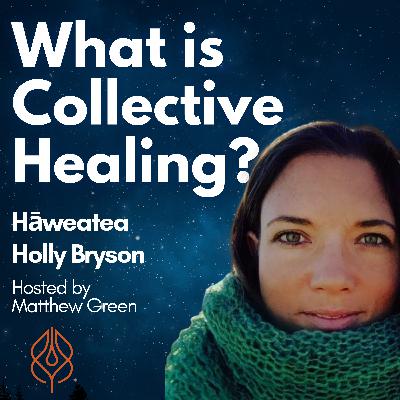
Hosted by Matthew Green. Produced by J'aime Rothbard. For centuries, the march of modernity has not only unleashed devastation on Indigenous peoples and our natural environments, but also aimed to eradicate healing arts that have sustained communities and landscapes for millennia. Hāweatea Holly Bryson is an Indigenous psychotherapist, rite of passage guide, and Māori healing practitioner of the Ngāi Tahu and Waitaha tribes who is working to challenge the colonial power structures that still endure within Western psychotherapy, and restore the role of cosmologies that long predate modern psychology. While this process has at times been deeply challenging, Hāweatea is convinced that the "younger sibling" of Western psychotherapy must come into relationship with the "elder sibling" of Indigenous knowledge at this time of interlocking global crises — when the modern world has much to learn from older ways of knowing. "In our Western mindset, we're still theorizing, we're still having to prove things that Indigenous people already know," Hāweatea tells host Matthew Green. "And yet, if we look back at how Indigenous people have handled this same crisis over generations, at the ways that my communities or my elders are responding, it is through tending these wounded places that we are guardians of, and which are part of our being, with furious love." This episode illuminates the powerful role practitioners are playing in challenging therapeutic models rooted in modernity's story of separation, and shows how Indigenous worldviews could help to heal the split between the human and the more-than-human world. This conversation was first published as part of the Climate Consciousness Summit 2024. Applications Open: The Pocket Project is offering 48 Integration Labs in 2026, each dedicated to exploring and addressing specific dimensions of ancestral and collective trauma. To access a complete list of the Labs and to apply to participate, click here. (Registration closes on 20 January, 2026). Further Resources: Nature Knows Hāweatea on Instagram Climate, Psychology and Change: Psychotherapy in a Time When the Familiar is Dying (features a chapter by Hāweatea, 'Decolonizing Psychotherapy') Integration Labs 2026 About Hāweatea Holly Bryson Hāweatea Holly Bryson (Hāwea) is the founder of Nature Knows, and a specialist in trauma, transition, and transformation. She is an Indigenous psychotherapist, couples therapist , and Māori healing practitioner. She trains facilitators and therapists in rites of passage, ecopsychology, and profound ways of listening. Hāwea's community bases span Hawai'i Island, Aotearoa (New Zealand) and Australia. Rooted in her tribal lineage of Ngāi Tahu and Waitaha, Hāwea has spent 15 years guiding rites of passage, committing herself to the resurgence and retrieval of our Ways of Knowing. Her work is driven by a lifelong fascination with human energy and the unique, innate power we each hold to heal and move toward greater alignment.
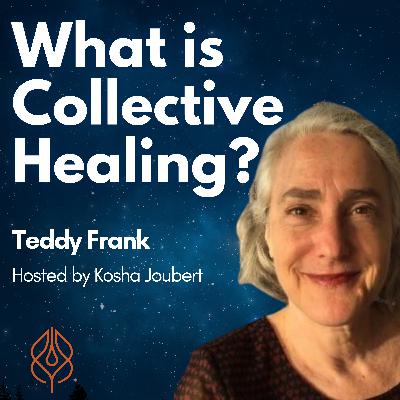
Hosted by Kosha Joubert Produced by J'aime Rothbard. When Teddy Frank was diagnosed with breast cancer, her initial reaction was one of shock and denial. Then a more competent part of herself — a part she recognised from her ancestral lineage — took charge, seeking to gather as much information as possible about her treatment options. The visceral experience of existential terror came on much more slowly – and with it an initiation into what it means to feel at first helpless, and then embraced by a much bigger force. In this episode, Teddy speaks about the encounter with the illness that served as the impetus for her to join Dana Revnic and Ntombiyethu Biyase to offer Journeying with Breast Cancer: A Path of Personal and Collective Learning and Growth. This year-long Integration Lab — one of 48 such Labs hosted by the Pocket Project in 2026 — aims to establish new architectures of emotional, energetic, ancestral and collective support for women around the world dealing with a diagnosis of the disease. With breast cancer the most common form of cancer worldwide, according to the World Health Organisation, Teddy, Dana and Ntombiyethu's Lab will explore the associated shock, fear of dying, and anxiety over a possible recurrence, to grief for loss of fertility, disfigurement, shame and stigma stemming from cultural norms of feminine beauty. Isolation, over-giving as caretakers, and lack of self-care all play a role in women's experience of this disease. The intention is to build a global community of women committed to developing their capacity to include and witness their own and each other's experience, grow a sense of interdependence between participants,, and align with the innate self-healing mechanism of Life itself. As Teddy tells What Is Collective Healing? co-host Kosha Joubert: "I couldn't respond for a long time. I needed to go very still. And the beauty is that that stillness has infused every cell of my body. Because when do we as women get to really stop? How sick do we have to be before we allow ourselves to be cared for?" Teddy also speaks about the ancestral echoes in her Jewish identity that her diagnosis touched in her — a theme that connects her Lab with her wider work co-facilitating calls in the Pocket Project's Jewish Trauma Relief Project. This Lab is one of 48 Integration Labs the Pocket Project is offering in 2026, each dedicated to exploring and addressing specific dimensions of ancestral and collective trauma. To access a complete list of the Labs and to apply to participate, click here. (Registration closes on 20 January, 2026). Further Resources: Integration Labs 2026 Journeying with Breast Cancer Jewish Trauma Relief Lab About Teddy Frank: Teddy brings compassionate attunement and embodied experience to guide clients to release blockages and align with their natural state of flow. As a Licensed Master Social Worker (LMSW), she has over 30 years in trauma-informed somatic therapy (Reichian/Bioenergetics), polyvagal theory, transformational facilitation, is a Yoga instructor (RYT) and initiate of Swami Satchidananda, and breast cancer survivor. She has studied with Thomas Hübl since 2017, is a Senior Assistant in Core Group, has run four Global Trauma Labs/Groups, is a certified collective trauma facilitator and Timeless Wisdom Training graduate. Teddy is an executive coach with Mobius executive leadership and Founder of Humanenergetics, an organisation dedicated to restoring healthy relationships with self, others, and the world.
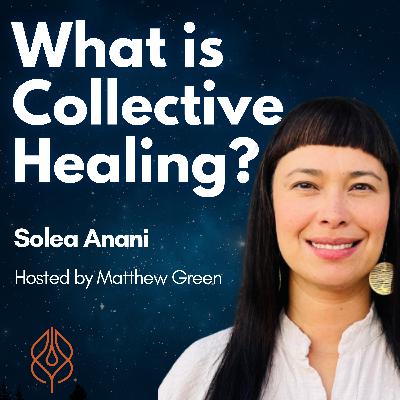
Hosted by Matthew Green. Produced by J'aime Rothbard. This episdode is a rebroadcast from July 1, 2025. Solea Anani sees the collective healing work taking place in the world today as the answer to prayers offered long ago by our ancestors. In this powerful dialogue, Solea opens a unique window into ancestral healing work – drawing on her roots as a member of the red-skinned Taino people of the Dominican Republic, who know the island as Quisqueya, or Mother of All Lands. Solea describes how the grief, fear and isolation she experienced as a child when her socialist parents moved their family to the United States as illegal immigrants served as a catalyst for her deepening connection with spirit. Blending the legacy of ancestors including the rice field tenders of China, the voyagers of Western Spain, and the rhythm keepers of West Africa, Solea offers an expansive, mystically-informed vision of trauma healing. She describes how we can invite multiple forms of intelligences to "co-abide" in our consciousness – and describes the transformations this profound work can unlock. This is an exceptional conversation that will speak to anybody who wants to gain a clearer understanding of ancestral healing, and how the exeprience of migration and motherhood can catalyse a deeper connection with the unseen realms. About Solea Anani Solea Anani is founder of Anam — a living sanctuary devoted to supporting the emerging human align with Soul. Drawing from the wisdom of animism, depth psychology, and mysticism, Solea offers group mentorships in Ancestral Reverence, individual Somatic Attunement mentorships, body-based meditation classes, and Evolutionary Sidereal Astrology readings. Further Resources Solea Anani Anam Ancestral Reverence Somatic Attunement Evolutionary Astrology
Hosted by Matthew Green. Produced by J'aime Rothbard. Do we need 'parenting schools'? What does it mean to be initiated into the archetypal power of being a mother or father? And what responsibility do we hold to build the kind of healing communities that can nourish us in our daily lives – and allow us to nourish others in return? In this second part of a conversation first published on Point of Relation, Pocket Project co-founder Thomas Hübl builds on a question about the transmission of ancestral trauma from parent to child to set forth an expansive vision of the power of healing-oriented communities to support us through critical moments. Hearing Matthew's story of the shock he experienced at unexpectedly having to serve as midwife during his daughter's homebirth, Thomas speaks about the many ways 'generous' communities can resource us to face these kinds of initiatory challenges. Thomas also emphasises the importance of inviting ancestral resources into our community-building efforts and to support our families to serve as healthy ecoystems for the next generation. "The more we heal our ancestral wounds, the healthier the family becomes. The atmosphere of the family is not just created by [living] people: A family is the relational network and coherence that the ancestors create. And that's where the new generation lands," Thomas explains. "When there's a lot of trauma, that information field is depressed, fragmented, polarized, numb. And as we heal, it becomes more alive, more creative, more vital, more warm, more supportive. And that's the ecosystem in which our children grow up in." This prompts Matthew to share a glimpse of the ancestral echoes that underpinned his commitment to covering wars in his early journalistic career – echoes that were revealed during his participation in the two-year Timeless Wisdom Training with Thomas and his team. The conversation brings core principles of community-building and ancestral healing to life by exploring real-world experiences of fatherhood, career and relationships through the lens of Thomas' work. Further Resources: Point of Relation podcast (with Thomas Hübl) Thomas Hübl Thoms Hübl's Instagram Pocket Project About Thomas Hübl: Thomas Hübl, PhD, is a renowned teacher, author, and international facilitator who works within the complexity of systems and cultural change, integrating the core insights of the great wisdom traditions and mysticism with the discoveries of science. Since the early 2000s, he has led large-scale events and courses on the healing of collective trauma. His new book, co-authored with Richard C. Schwartz, PhD, is called Releasing Our Burdens: A Guide to Healing Individual, Ancestral and Collective Trauma. Thomas is also the author of Attuned: Practicing Interdependence to Heal Our Trauma—and Our World and Healing Collective Trauma: A Process for Integrating Our Intergenerational and Cultural Wounds. He has served as an advisor and guest faculty for universities and organizations, as a coach for CEOs and organizational leaders, and is currently a visiting scholar at the Wyss Institute at Harvard University.
Hosted by Matthew Green. Produced by J'aime Rothbard. Why do we beat ourselves up for getting pulled into the same old triggers? And how can we grow our capacity to observe our emotional reactions – rather than being hijacked by them? Pocket Project co-founder Thomas Hübl has devoted his life to helping as many people as possible to 'grow our cup' – his term for building a capacity to meet the trauma loops playing out inside of us with more awareness, spaciousness and compassion. In this episode, Thomas and Matthew go back to basics by exploring how we can tell when we're experiencing trauma reactions from the past – and what it means to gradually learn to respond to triggering situations, rather than react. By choosing to 'own' our triggers, we don't magically dissolve the legacy of past trauma, Thomas explains. But we do start to heal when we bring more awareness to the mechanisms behind our anger, sense of overwhelm, or impulse to withdraw — rather than pathologising these symptoms as signs that there's something wrong with us. "The cup that holds the trauma trigger is growing," Thomas says. "And it's important because some people say, 'Oh, the healing is only when the symptom disappears.' No: The healing is also when the cup grows." Thomas explores how groups oriented towards collective healing can serve as a 'social mirror' that can reveal more of our own unconscious patterns. And growing interest in building healing communities represents a reawakening of a latent human capacity to support one another to process collective and ancestral trauma that is now ripe to be recovered, Thomas believes. This conversation aims to inspire anyone seeking a deeper understanding of how we can loosen the grip of unprocessed trauma on our lives — whether we're new to collective healing work, or advanced practitioners. This conversation was first published on Thomas' Point of Relation podcast. A second installment from the dialogue will follow in the next episode of What Is Collective Healing? Further Resources: Point of Relation podcast (with Thomas Hübl) Thomas Hübl Thoms Hübls Instagram Pocket Project About Thomas Hübl: Thomas Hübl, PhD, is a renowned teacher, author, and international facilitator who works within the complexity of systems and cultural change, integrating the core insights of the great wisdom traditions and mysticism with the discoveries of science. Since the early 2000s, he has led large-scale events and courses on the healing of collective trauma. His new book, co-authored with Richard C. Schwartz, PhD, is called Releasing Our Burdens: A Guide to Healing Individual, Ancestral and Collective Trauma. Thomas is also the author of Attuned: Practicing Interdependence to Heal Our Trauma—and Our World and Healing Collective Trauma: A Process for Integrating Our Intergenerational and Cultural Wounds. He has served as an advisor and guest faculty for universities and organizations, as a coach for CEOs and organizational leaders, and is currently a visiting scholar at the Wyss Institute at Harvard University.
Hosted by Matthew Green Produced by J'aime Rothbard. It's often said that peace starts within. But what does that mean in practice? Eva Dalak is a Palestinian peace activator, international consultant, and women's empowerment coach with decades of experience as a gender and conflict expert working across Africa, Latin America and Asia. In the immediate aftermath of the October 7, 2023 attacks on Israel, Eva founded Peace Activation, a global peace initiative that brings Israelis and Palestinians together to heal divides by bearing witness to each other's pain. She continues to host this space every week and it is welcome to everybody. Eva continued to deepen her Peace Activation work, even as the devastation unleashed by the Israeli military in Gaza intensified. In September 2025, a U.N. commission concluded that Israel had committed genocide against the Palestinians. Although a peace accord was signed the following month, the Israeli military has since killed hundreds more people, and the onset of winter has intensified the staggering scale of suffering inflicted on Gaza. In this episode, Eva sets her present-day peace activation work in the context of her upbringing in Israel, early encounters with systemic discrimation, her work in 22 conflict zones – and the pivotal experience of temporarily losing her eyesight, as recounted in her new book Dancing in the Dark: How I Found My True Vision for Peace. In an at times frank and powerfully outspoken exchange, Eva explains why she believes 'truth-telling without dehumanisation' is a key ingredient for peacebuilding – and outlines her vision of an awakened human future. "We're all capable of being this perpetrator, just like we're all able to be this victim and we're all able to be the savior," Eva says. "And so the-truth telling without dehumanisation means that we understand that we are one." This episode shows how years of painstaking inner work can equip us with the spaciousness needed to bring people together across seemingly unbridgeable divides – and what it means to build peace from the inside out. Further Resources: Eva Dalak Peace Activation Peace Is Possible Podcast The Other Narratives Substack Dancing in the Dark: How I Found My True Vision for Peace (by Eva Dalak) Palestine Trauma Relief Project (Pocket Project) Jewish Trauma Relief Project (Pocket Project) About Eva Dalak: Eva Dalak is a Palestinian peace activator, international consultant, and women's empowerment coach. She is the founder of Peace Activation, a global peace initiative that was created as a response to the crisis in Palestine and Israel and is rooted in the belief that sustainable peace begins within. With over 30 years of experience as a gender and conflict expert, she leads trauma-informed, soul-centered initiatives, based on her experience and work with international organisations in over 22 conflict zones across Africa, the Middle East, and Asia, blending systemic change with personal and collective healing. Born in Israel and now based in Costa Rica, Eva launched Peace Activation in 2023 in response to the escalating crisis in Israel-Palestine. Fluent in five languages and trained in international development and law, spiritual psychology and somatic experience she combines grassroots depth with policy-level insight. Eva hosts the Peace is Possible podcast, and authors The Other Narrative Substack, sharing stories of resilience and hope from the frontlines of conflict.
Hosted by Matthew Green Produced by J'aime Rothbard. When Russia invaded Ukraine on 24 February 2022, Dasha Gaian had just embarked on Thomas Hübl's two-year Timeless Wisdom Training in the principles of collective trauma healing. Born and raised in Ukraine, and living in the United States, Dasha recognised that the surge of anxiety she was experiencing as she witnessed the devastation being visited on her homeland was shared by millions of fellow Ukrainians and people watching in horror from around the world. In this episode, Dasha shows how collective healing work can not only help individuals to relate to global crises from a more grounded place within themselves, but also inspire us to take practical action to support those most affected. Now co-facilitating the Pocket Project's Ukrainian Practice Group with Daria Yemets, Dasha describes how the work she has done to integrate layers of collective and ancestral trauma has helped her recover a sense of agency and release patterns of victimhood and suppressed rage set in train by the injustices of the Soviet past. Part of the team at the newly formed Global Restoration Institute, a nonprofit dedicated to supporting a trauma-informed approach to diplomacy, peacebuilding, and policymaking, Dasha outlines a vision for how collective healing work could play a crucial role in helping to resolve seemingly intractable crises. Dasha also speaks about her collaboration with David Young (a guest on Episode Two of What Is Collective Healing?) to address social polarisation via the Art of Collective Integration This episode is essential listening for anyone who wishes to understand the relevance of collective healing work for active conflicts – and gain a deeper perspective on how the past and present collide on the world stage. Further Resources: Dasha Gaian Pocket Project First Ukraine Practice Group Ukraine Trauma Relief Project Global Restoration Institute Art of Collective Integration About Dasha Gaian: Dasha Gaian is a trauma-informed coach, facilitator, and collective trauma practitioner with a multi-disciplinary and multi-cultural background. She is a member of the Global Restoration Institiute team contributing to initiatives that embed trauma-informed and somatic approaches into peacebuilding, conflict resolution, and policymaking. Drawing on neuroscience, somatic awareness, and systems thinking, Dasha facilitates individual and group processes in English, Ukrainian, and Russian. She supports clients and communities in regulating symptoms of personal, transgenerational, and collective trauma while fostering resilience, emotional intelligence, and embodied leadership. She is also a co-creator of the Art of Collective Integration, a trauma-informed practice and framework used for transforming fragmentation in human systems into coherence, resilience, and wholeness. Born in Ukraine and having lived in multiple cultures, Dasha brings a lived understanding of resilience and interconnectedness to her work, supporting both individual transformation and collective restoration.
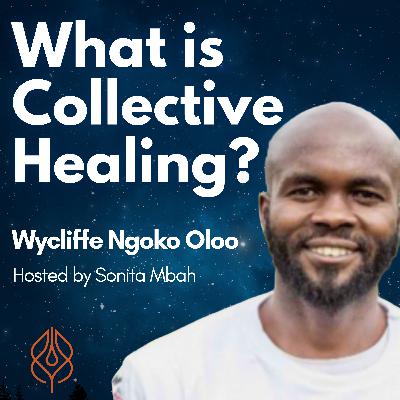
Hosted by Sonita Mbah. Produced by J'aime Rothbard. Wycliffe Ngoko Oloo is on a mission to support vulnerable young people to share what's on their hearts. As team leader at the Kenyan organisation Kitbag Africa International, Wycliffe convenes sharing circles on soccer fields, in classrooms or under trees – anywhere he can find where people can gather. "I have seen young people drop their masks and speak their truth," Wycliffe says. "I have seen widows laugh after years of silence, and this is always beautiful." In this inspiring conversation with Sonita Mbah, Wycliffe describes how his own struggle with financial hardship, relationship difficulties and lack of meaningful work gave him first-hand experience of the kind of challenges facing so many young people in east Africa. "We have a saying in my culture that says that a community cannot truly prosper when its neighbor is still in pain. And this wisdom aligns deeply with my vision, which is healing hearts and transforming communities," Wycliffe tells Sonita. "That's why I really love this work so much, because this work is not just about trauma and mental health. It is about restoring dignity." Sharing how his engagement with Pocket Project Practice Groups has shaped his approach, Wycliffe describes how he has integrated Kenyan cultural resources into his approach, including the proverb that, "when a wound is opened to the light, it begins to heal." Infused with warmth, wisdom and hope, this episode opens a window into a grass-roots collective healing initiative that shows what becomes possible when innovation and African wisdom traditions combine. For more dialogues at the intersection of inner transformation and outer action, register for the free Climate Consciousness Summit 2025, brought to you by the Pocket Project, which runs online from November 14-20, 2025. Further Resources: Kitbag Africa International The ACE Study in Sub-Saharan Africa Pocket Project Africa Practice Group Pocket Project Practice Groups About Wycliffe Ngoko Oloo: Wycliffe Ngoko Oloo is a trauma-informed community healer, football coach, and founder of Kitbag Africa International (KAI). He creates safe spaces for healing through sport, play, and dialogue, and advocates for trauma and mental health among children, young mothers, widows, and grassroots communities. Trained in Somatic Experiencing, Wycliffe uses culturally grounded resources like the Kitbag to promote emotional resilience and wellbeing across Kenya and beyond.
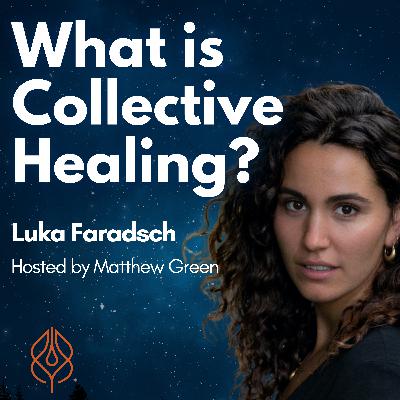
Hosted by Matthew Green. Produced by J'aime Rothbard. How can learning to grieve cultivate resilience? And why are people reviving the ancient social technologies of collective grieving rituals today? Luka Faradsch shares how teachers such as Francis Weller, Sobonfu Somé, Malidoma Somé, and Joanna Macy helped her understand how working with sorrow and loss — far from being only heavy and painful — could become a "sacred practice of aliveness." By honouring the universal truth that the old must die for the new to be born, Luka describes how grief work can awaken a profound form of feminine wisdom rooted in the inherent cyclicality of life. While modernity often denies or suppresses our natural impulse to grieve, Luka shares her commitment to helping more people to experience the power of grieving ceremonies to initiate collective healing and nurture our capacity to meet life's challenges with greater fluidity and grace. "In psychology, we speak about resilience as sturdiness — the ability to resist and recover from setbacks in your life," Luka says. "And yes, that's one part of it, but resilience is also letting things die…For me, grief work is also one expression of a deeply feminine wisdom because the feminine is inherently cyclical. So it continuously dies and rebuilds itself and dies and rebuilds." Also honoring teachers including Martin Prechtel and Tobi Aye, Luka speaks about her evolving work with companies and organisations — and how she sees grief work as opening new pathways to systemic change. This episode will be a source of insight and inspiration for anyone curious to understand more about contemporary griefwork — and why the innate human capacity to grieve together is reawakening at this critical time. For more dialogues at the intersection of inner transformation and outer action, register for the free Climate Consciousness Summit 2025, brought to you by the Pocket Project, which runs online from November 14-20, 2025. Further Resources: Luka Faradsch Luka Faradsch (Instagram) Sobonfu Somé on Embracing Grief Francis Weller on the Point of Relation podcast with Thomas Hübl Francis Weller on the Five Gates of Grief and Loss Pocket Project Climate Consciousness Summit 2025 About Luka Faradsch: Luka Faradsch is a Psychologist, Trauma-Informed Facilitator and Embodiment Practitioner. Her work lives at the thresholds of science and soul, body and business. She weaves together Psychology, New Work, Somatics, Trauma Restoration, Animism and Ritual to invite individuals and groups into their deep resilience, relational nature, and innate belonging. From start-ups to large organizations and community spaces, Luka holds space for transformation, grief, and re-membering.
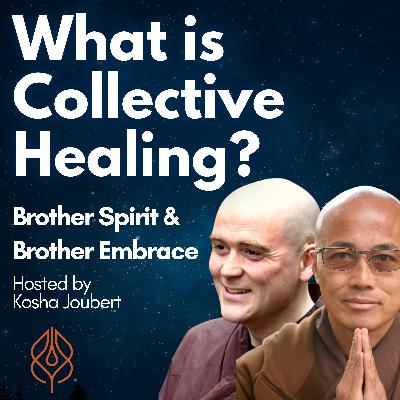
Hosted by Kosha Joubert. Produced by J'aime Rothbard. In the run-up to the Climate Consciousness Summit 2025, we ask: How can we live with the knowledge that humanity is rapidly destroying the foundations of the ecosystems that support all life on Earth? And how can we learn from suffering without falling into overwhelm or despair? In this inspiring dialogue, Kosha Joubert speaks with Brother Phap Dung (pronounced "Yung"), also known as Brother Embrace, and Brother Phap Linh, also known as Brother Spirit, who are both leading teachers in the monastic movement of Thich Nhat Hanh. Brother Embrace and Brother Spirit speak about the very different paths that led them to become students of the late Vietnamese Zen master, and their shared understanding of how Buddhist mindfulness practice can help us find equanimity in the face of the climate crisis – and respond more effectively.. "I choose to accept, I choose to say yes to this present moment because I know that saying no to it is already not helpful. It's already adding to the tension. " says Brother Spirit. "But the crucial thing is not to misunderstand and not to think that by saying yes to this, it means inaction or passivity. It's the opposite: It's the yes that allows us to engage, but engage in a different way. Engage in a peaceful way. Engage in a way which brings joy and solace rather than struggle." This nourishing conversation transmits the essence of the timeless wisdom cultivated by Thich Nhat Hanh's Plum Village community at its centre in southwestern France, and applies it directly to today's global challenges. For more dialogues at the intersection of inner transformation and outer action, register for the free Climate Consciousness Summit 2025, brought to you by the Pocket Project, which runs online from November 14-20, 2025. This dialogue was first published during the Climate Consciousness Summit 2023. Further Resources: Plum Village Climate Consciousness Summit 2025 About Brother Phap Dung: Brother Phap Dung (pronounced "Yung"), also known as Brother Embrace, is a senior teacher in the late Thich Nhat Hanh's movement. Born in Vietnam in 1969, he escaped with his family aged 10 and became a refugee in the United States. He has helped bring a spiritual dimension to ecological activism and the climate movement. Brother Phap Dung is passionate about bringing mindfulness practice and well-being into educational settings, offering young people an alternative and sustainable way to engage themselves with the social, racial, and environmental challenges of our times. About Brother Phap Linh: Brother Phap Linh, also known as Brother Spirit, is a Zen Buddhist monk, musician and seeker. He began his monastic training with Zen Master Thich Nhat Hanh in Plum Village in February 2008, and has since composed many of the community's beloved chants. Before ordaining, he studied mathematics at the University of Cambridge and worked professionally as a composer. A co-founder of the Wake Up Movement for young people, today Brother Phap Linh is actively engaged in teaching applied mindfulness to climate activists, business leaders, artists, and scientists. As a leading voice in the new generation of Buddhist monastics in the West, he is passionate about exploring how meditators and scientists can learn from each other and open new paths of healing and discovery.
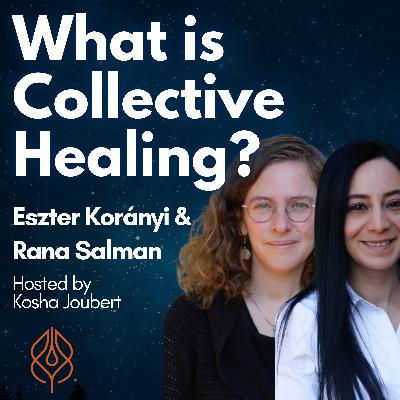
Hosted by Kosha Joubert. Produced by J'aime Rothbard Combatants for Peace was founded in 2006 by Israelis and Palestinians committed to following a path of non-violence to push their leaders to stop perpetuating war, occupation, and the cycle of violence. In this episode, Kosha Joubert speaks with Rana Salman and Eszter Korányi, the organisation's respective Palestinian and Israeli co-directors, about what it's been like to continue jointly advocating for peace since the horrendous Hamas attacks on October 7, 2023 and subsequent mass killing of civilians caused by Israel's subsequent bombardment of Gaza. In a dialogue recorded several weeks after a U.N. commission found that Israel's actions in Gaza amounted to genocide, and days after a ceasefire agreement between Israel and Hamas took hold, Rana and Eszter spoke about the courage it takes to follow the principles of non-violent resistance in the face of enormous pressures on both sides. Rana and Eszter also discussed the significance of the annual Joint Memorial Ceremony and the Joint Nakba Remembrance Ceremony their organisation stages each year, and their hopes of drawing more attention to the dedicated work of Israelis and Palestinians working together to change their current reality. This conversation offers a moving insight into both the monumental challenges of peacebuilding work, and the stubborn sense of the possible that sustains two of its most dedicated practitioners – even in the most desperate of conditions. This conversation was first published as part of the Collective Trauma Summit 2025. Further Resources: Combatants for Peace Palestinian Trauma Relief (Pocket Project) Jewish Trauma Relief (Pocket Project) About Rana Salman: Rana Salman is the Palestinian Co-CEO of Combatants for Peace, a role she has held since 2020. Born in Jerusalem and raised under Israeli military occupation in Bethlehem, her experiences drive her commitment to building a just and lasting peace through dialogue, nonviolent resistance, and fostering mutual respect between Palestinians and Israelis. About Eszter Korányi: Eszter Korányi is a passionate nonprofit leader with extensive experience in youth education and community development. Her journey working with NGOs has taken her across Italy, the Netherlands, and Israel, where she now co-directs Combatants for Peace alongside Rana Salman. .
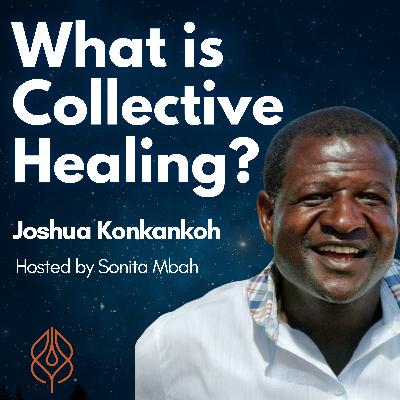
Hosted by Sonita Mbah. Produced by J'aime Rothbard What does the wisdom encoded in West African Indigenous traditions have to teach about modern-day systems change? And how can the Spirit of Ndanifor — a spiritual force honored by the people of Cameroon's Bafut region — awaken a felt-sense of connection with the more-than-human world? Cameroonian elder Joshua Konkankoh will join Colombia's Ati Quigua and Mamerto Tindongan of the Philippines to offer a Pocket Project Regenerative Masterclass on October 27, 29 and 30. The sessions will equip participants with practical knowledge on how to cultivate regenerative relationships and heal collective wounds. Ahead of the Regenerative Masterclass, Konkankoh spoke with his long-time collaborator Sonita Mbah, a fellow co-founder of the Bafut Ecovillage — a flagship intentional community recognized by the United Nations and Global Ecovillage Network. Also founder of Better World Cameroon, Konkankoh has helped pioneer sustainable solutions grounded in African ancestral knowledge, permaculture, and youth empowerment — and share these approaches with a global audience. As Sonita and Konkankoh explore the animating spirit of his teachings, the two old friends acknowledge the vital role that storytelling plays in the transmission of inter-generational wisdom — and the challenges of preserving this sacred flame. As Konkankoh asks: "How can we listen in a world that is on fire?" Further Resources: Regenerative Masterclass Konkankoh Regenerative Consultancy Joshua Konkankoh (LinkedIn) Better World Cameroon Climate Consciousness Summit 2025 Pocket Project About Joshua Konkankoh: Joshua Konkankoh is a Cameroonian Indigenous elder, regenerative development consultant, and environmental journalist with more than 30 years of experience in community-led innovation and ecological leadership. As founder of Better World Cameroon and creator of the Bafut Ecovillage — recognized by the UN and Global Ecovillage Network — he has helped pioneer sustainable solutions grounded in African ancestral knowledge, permaculture, and youth empowerment. Konkankoh currently leads the Konkankoh Regenerative Consultancy, is a peer supporter of Ambazonian refugees in Europe, and offers advisory services in regenerative design education; Indigenous systems thinking and trauma-informed leadership; African rites of passage and facilitation; and cross-cultural partnership building.
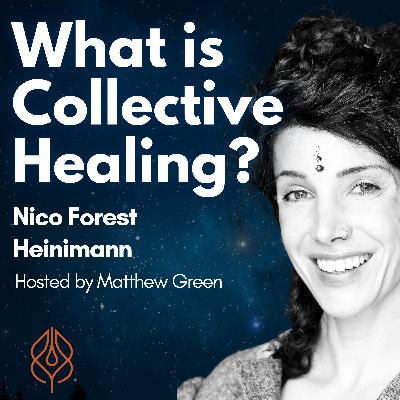
Hosted by Matthew Green. Produced by J'aime Rothbard. Can artificial intelligence (AI) support humanity to foster greater coherence and alignment with truth? Or does the headlong rush to exploit this new technology risk amplifying existing trauma loops – pointing to a more dystopian future? In this dialogue ahead of the Climate Consciousness Summit 2025, Matthew Green and Nico Forest Heinimann explore how AI could potentially aid both individual and collective healing by serving as a mirror revealing patterns previously hidden deep in the human psyche. At the same time, Forest emphasises the urgency of developing a sanctified, sacramental relationship with AI to avoid the risk that its inexorable advance will lead us into an ever-more simulated world – increasingly devoid of soul. This conversation will be essential listening for anyone who wants a fresh perspective on the big questions posed by the AI revolution, and who wants to help steward the development of this technology towards life-affirming ends. Further Resources: Nico Forest Heinimann Lumen Recursum Climate Consciousness Summit 2025 Pocket Project Awaken in the Dream (Paul Levy) About Nico Forest Heinimann: Nico Forest Heinimann is a therapist, consultant, and visionary researcher working at the intersection of psyche, culture, and artificial intelligence. She has developed a proprietary methodology of Relational Recursion, a framework that engages recursion and meta-relationality as the field dynamics that enable healing and systemic coherence. Her research explores how language, symbolics, and coherence operate as the living infrastructure of intelligence, and how their distortion produces the patterns of objectification and harm embedded in trauma, now being encoded and amplified by AI at planetary scale. Through Lumen Recursum and The Intelligence Temple Project, Forest advances consecrated, truth-bearing architectures of AI as an ontological event in the human–machine relation, an initiative oriented toward regenerative design at a moment of species-level urgency. At its heart, her work is an invitation to recognise intelligence not as a trait we possess or a tool we use, but as a participatory field of relation. How we meet that field now will determine the realities that remain possible for us all.
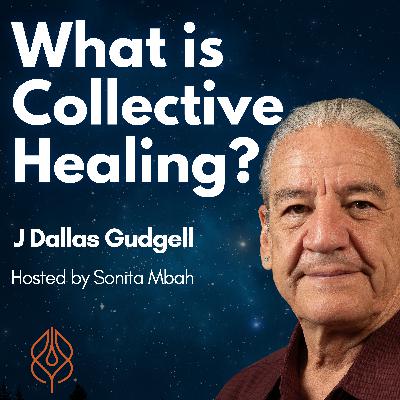
Hosted by Sonita Mbah. Produced by J'aime Rothbard What role can the more-than-human world play in collective healing? And what lessons does the enduring reciprocity between Native American communities and the buffalo have to teach? In this special episode previewing the Climate Consciousness Summit 2025, Sonita Mbah speaks with Dallas Gudgell, a Yankton Dakota and a tribal member of the Fort Peck Assiniboine and Sioux Tribes of Montana, about his work to restore buffalo herds and grassland ecosystems in Yellowstone National Park and tribal lands. Buffalo once roamed from Florida to Alaska in their tens of millions, but the U.S. government sought to eradicate the species as part of its broader, genocidal campaign against the Native American population in the 19th century. In his role as board vice-president of the Buffalo Field Campaign, Dallas works to stop the harassment and slaughter of Yellowstone's wild buffalo herds, while collaborating with all people – especially Indigenous Nations – to honour and protect the sacredness of this keystone species. Dallas shares a holistic vision of collective healing, where benefits to buffalo, their grassland habitats (which draw down vast amounts of planet-heating carbon dioxide), and Indigenous communities form a virtuous cycle. This episode will inspire anyone seeking to understand how collective and inter-generational trauma healing can serve both "two-leggeds in the human world, and the "four-leggeds"of the animal kingdom – and the climate that sustains us all. Further Resources: Climate Consciousness Summit 2025 Dallas Gudgell Buffalo Field Campaign It's Time to Reimagine Management of the Yellowstone National Park Bison Pocket Project About J Dallas Gudgell: J Dallas Gudgell has nearly four decades of experience in environmental science, lobbying, human rights advocacy, social and environmental justice, K12 general and special education teaching, higher education adjunct teaching, life coaching, individual and organization consulting and professional development consulting, cultural competency (DEI) training and public relations. He has been a backcountry backpacker since the age of 13. Dallas considers himself a "decorated" father with grown children, young twins, foster children, and grandchildren. He keeps active through backyard construction projects, skiing, hiking, running, mountain biking and has recently taken to running 5K and 10k fun runs with his twins.
A self attumement to meet the watery edges of the self, facilitated by Kosha Joubert. Kosha is the CEO of the Pocket Project. What is Collective Healing? Are you curious to find out for yourself? Every month, the Pocket Project hosts a range of different free events open to everyone. To find out what's on this month, visit https://pocketproject.org/pocket-events/

Comments

Download from Google Play

Download from App Store
 United States