


 Claim Ownership
Unorthodox Blend Conversations
Subscribed: 0Played: 12
Subscribe

© Rosie Lee Ltd
Description
An unorthodox blend of disciplines and undisciplines. This is how we used to talk about Rosie Lee. In all honesty, we don’t fully know what it means but I think that's why we love it so much.
unorthodoxblend.substack.com
unorthodoxblend.substack.com
51 Episodes
Reverse
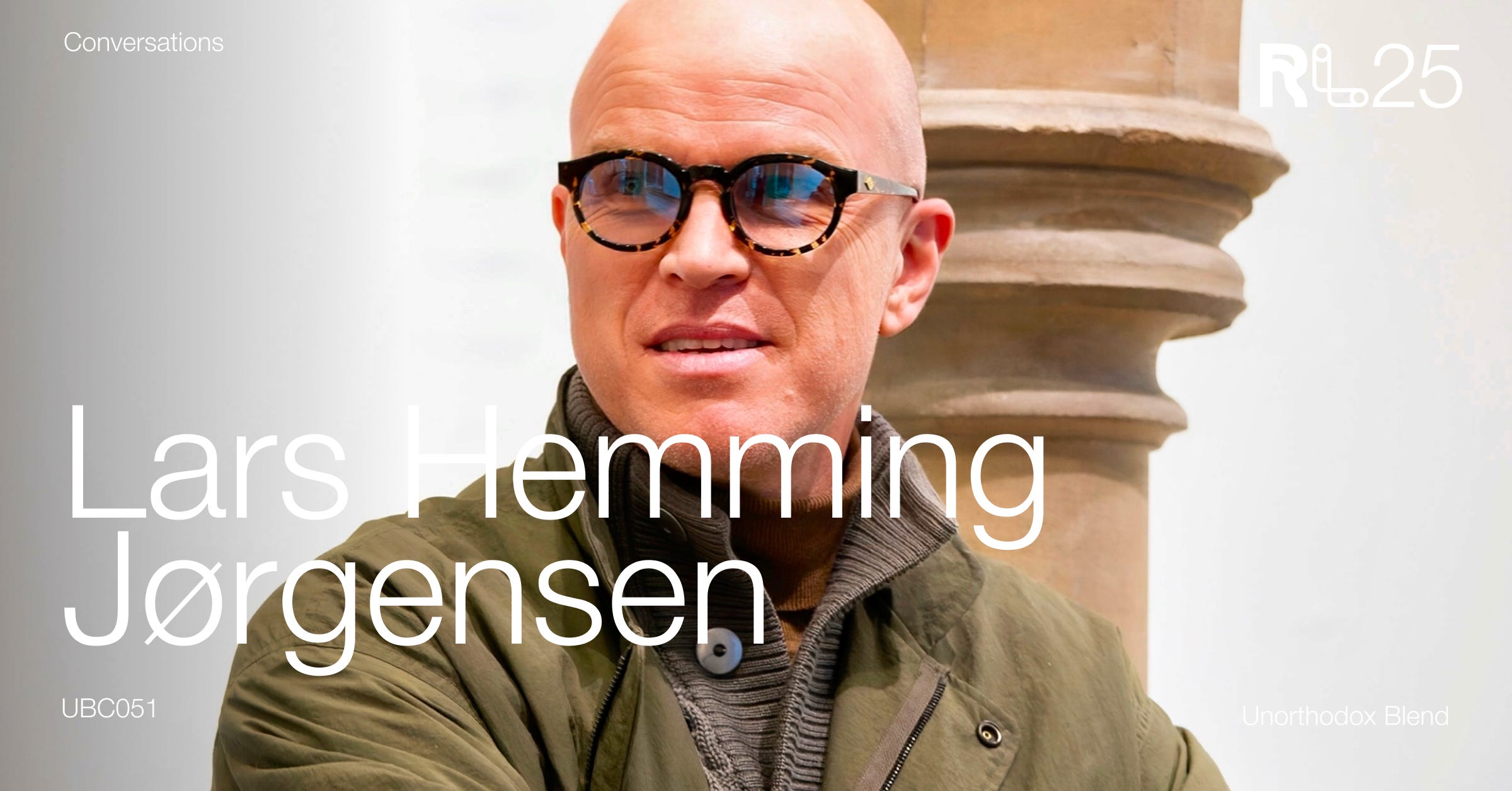
Lars Hemming Jørgensen is an international entrepreneur and business leader with experience spanning agency, media and investment roles across London, New York and Copenhagen.He has founded and led companies, held senior global positions at Vice Media, and today works across a portfolio of ventures including Alba Racing, KXNGS and a range of investments in consumer, technology and cultural businesses.Across these roles, his work consistently centres on building teams, shaping culture and pursuing growth opportunities where markets or systems are evolving.In recent years, his focus has increasingly moved toward projects that combine commercial ambition with social impact - particularly initiatives supporting youth development and gender representation in sport.—Our conversation with Lars moves across decades, cities and industries, but keeps circling the same themes: how culture evolves, how organisations struggle with change and why working with individuals can sometimes create more impact than working with brands.We talk about Vice as a cultural force, about entrepreneurship as a response to dissatisfaction, and about the emotional reality behind optimism and risk-taking.We also explore how trust is becoming the defining currency of the digital era — especially in a world where AI can generate infinite content but can’t replicate lived credibility.—We loved this conversation because Lars embodies something we recognise in many of the people we’re drawn to: a refusal to follow a linear path, paired with a strong internal compass about what matters.His story is a beautiful blend of ambition and humility - the drive to build things, balanced by intuition and a genuine openness.Our conversation also reminded us that meaningful work rarely looks tidy from the outside. Careers can zig-zag, our priorities change and success gets redefined along the way. And even more poignant is the idea that it is ok to start something big without knowing what it might become or why you are doing it…allowing your gut to take some of your decisions, even the big ones. Get full access to Unorthodox Blend at unorthodoxblend.substack.com/subscribe
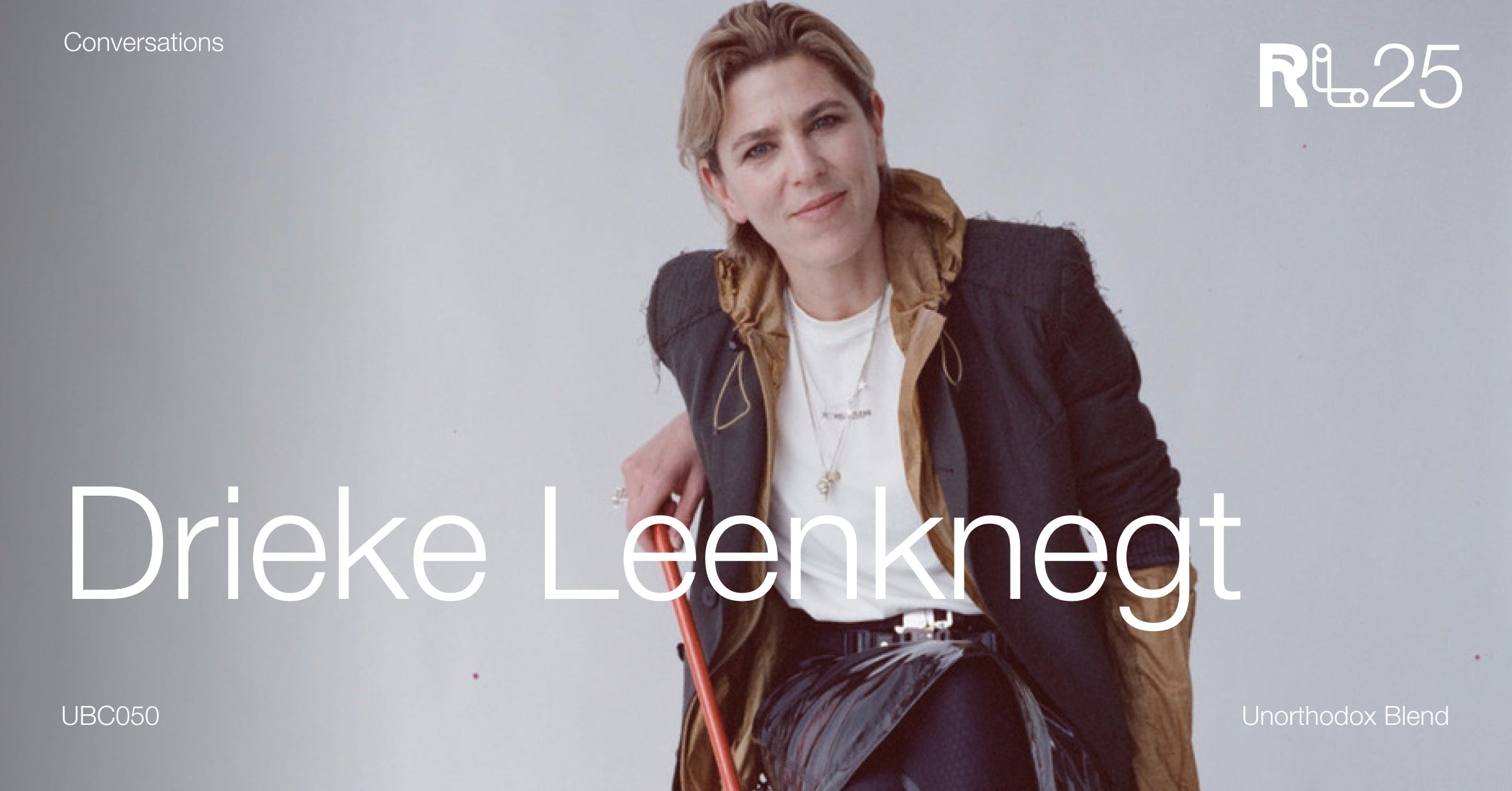
For our 50th conversation, we wanted to speak to someone who embodies much of what our Unorthodox Blend project stands for - honesty, reflection, creativity and courage. So it felt only right to invite one of our most inspirational and respected collaborators Drieke Leenknegt.Drieke is one of those rare leaders who doesn’t separate intuition from intellect. Her approach to brands, culture and team building is grounded not in performance metrics or surface-level positioning, but in a deep commitment to truth. Throughout her career she consistently brings presence, care and conviction to everything she does.Her 20+ years of experience leading end-to-end brand, product and enterprise transformations across the U.S., China and Europe is just the start - she is recognised for building culturally resonant brands, steering organisations through complex change and unlocking sustainable growth at speed.—In this 50th episode of Unorthodox Blend Conversations, we went deep on the essentials of contemporary brand building and transformational leadership in a global economy. A key theme we discussed is the crucial role of empathy as the most important leadership skill. Drieke argues that true leadership and business strength come from fostering cross-functional and cross-regional experiences, which builds empathy and curiosity for diverse cultures and job roles. This perspective of bringing together the “art and science” of business ensures that leaders understand and champion the non-negotiables for both financial success and long-term brand health without sacrificing one for the other. The discussion frequently returned to the idea of tension as a necessary and positive force for growth and innovation. Specifically, Drieke highlighted the critical tension between chasing short-term business metrics (like P&L and margins) and protecting long-term brand elevation, which requires consistent investment.—Drieke reminds us what leadership looks like when it’s rooted in depth, not just short term metrics. Her thinking blends strategic clarity with an emotional intelligence, but what makes it so compelling is the way she lives that balance - not as a theory, but as a daily practice. She doesn’t frame tension as a problem to be resolved, but as a creative space to be inhabited - where brand, business and humanity can all be present in bucket loads.There’s a clarity to how she sees things - a way of cutting through complexity without oversimplifying it. Her ability to hold space for opposing forces - performance and purpose, intuition and rigour, now and next - feels increasingly rare in the fast-paced world we find ourselves in, and feels more necessary than ever before.In a landscape full of noise, she speaks with calm conviction (and everyone with any sense listens!). Her ideas and beliefs about what we need to do reminds us of what’s possible when you lead with curiosity and build from a place of care. We know full well that journey won’t be made easy for us but if we’re prepared to be our best selves every day then the end result will be worth it.—A big thank you goes out to Drieke for joining us on our 50th podcast episode, when we started we weren’t sure we would get this far but we’re glad we did. Hopefully you’ve learned as much as we have over the last 2 years of conversations, and will continue to join us as we speak to more wonderful people. Get full access to Unorthodox Blend at unorthodoxblend.substack.com/subscribe
Wei Kan is a strategist and brand advisor with a rare ability to bring clarity to complexity. Having spent years working across Asia - particularly within the shifting cultural and commercial landscapes of China - he’s seen firsthand how fast things move and how fragile so many assumptions can be.But Wei doesn’t deal in noise - his approach is slower, more considered. He thinks about systems and people at the same time. And rather than speak over the top of a problem, he tends to pause, listen and gently reframe what’s actually being asked.We’ve known Wei for some time now. Our first collaboration was over a decade ago, on a project that involved cross-cultural complexity, time zone navigation and more moving parts than we’d care to count. Even then, it was clear he had that rare ability: to stay calm, see clearly and bring order.—Our conversation unfolded quietly, but with intent. We talked about how brands try to operate across cultures - and why so many still fall back on translation, rather than transformation. Wei’s view is that successful work isn’t about adapting surface codes, but understanding underlying behaviour. That means tuning into local rhythms and being honest about the limitations of a global playbook.We also explored the idea of identity - not just for brands, but for people navigating increasingly hybrid contexts. And a recurring idea came through - that in a world trying to speed everything up, presence matters more than ever. Being clear on what you stand for and careful about how you show up.—Wei brings a kind of clarity that’s rare. He’s not there to impress, or to take up space - but when he speaks, you can’t help but listen. There is a grounded intelligence to the way he sees the world and a generosity in how he shares it.What stayed with us from this conversation isn’t a soundbite, but a thoughtful, calm and aware posture that he holds which resonates through everything that he says. Mark and I agree that Wei is the kind of person you always want on your team, no matter what the project. Get full access to Unorthodox Blend at unorthodoxblend.substack.com/subscribe
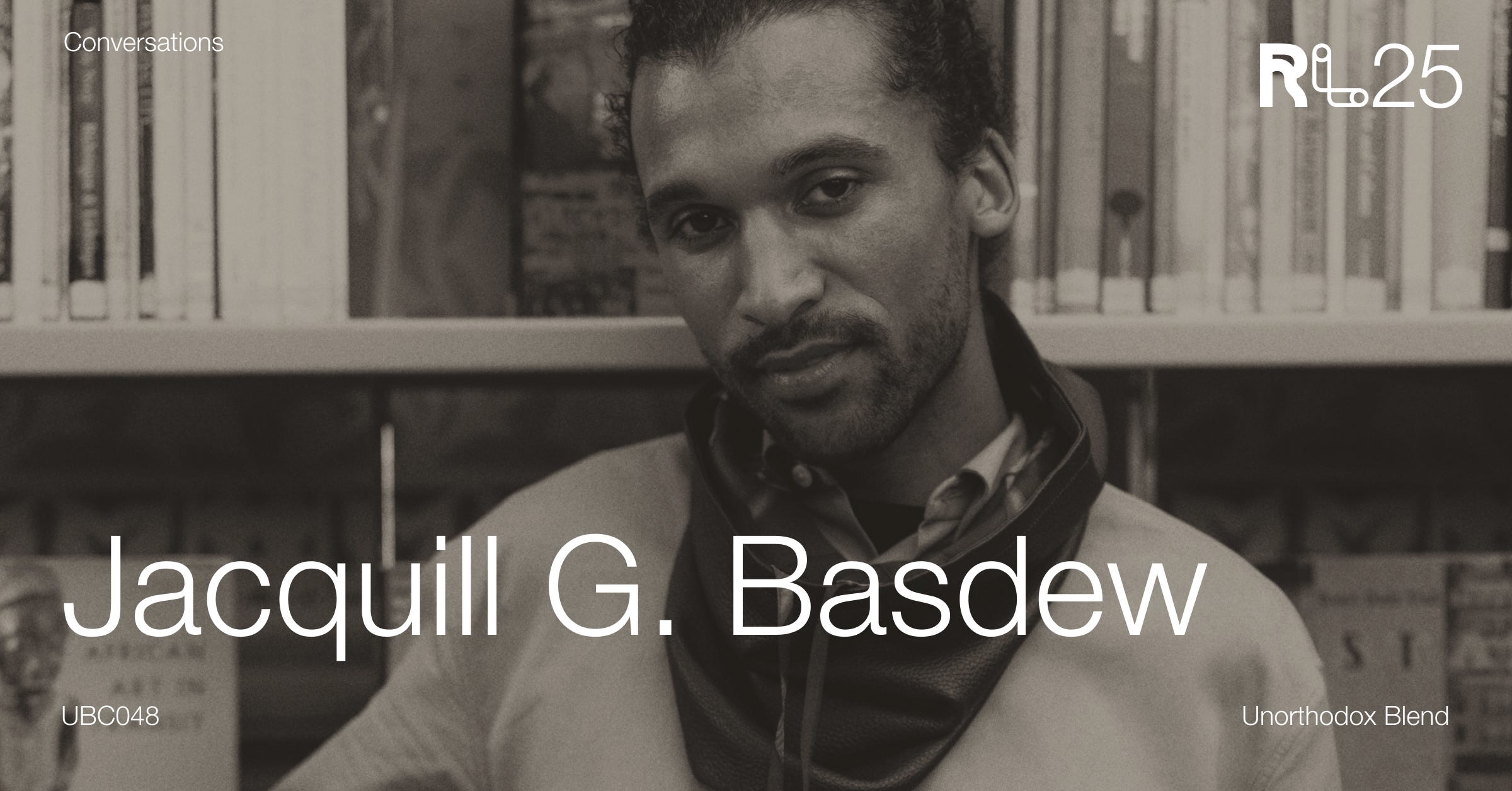
Jacquill G. Basdew is a creative director, researcher and brand thinker whose work sits at the intersection of identity, memory and self-authorship. Through Living+, Jacquill has been exploring how personal history, aesthetic language and cultural intention can be brought together into something that feels both expressive and grounded.His work isn’t defined by a particular medium or discipline. It moves between visual research, storytelling, fashion, publishing and brand - but always starts from the same place: the emotional and intellectual weight of lived experience.—This conversation was a quiet and thoughtful one, and well timed at the end of a pivotal year for all of us. We talked about how creative language can emerge not from the need to produce, but from the need to process - to give form to ideas and memories that haven’t always had space to surface. Living+ emerged from that space - not a commercial brand in the traditional sense, but a working structure that offers enough definition to give direction, while still allowing for growth, exploration and change.We spent some time talking about Memories in Motion, a research project that looks at how stories travel across generations - visually, emotionally, sometimes invisibly. Drawing on family photography and oral histories, it’s a piece of work that doesn’t just document, but refreshes and reorganises meaning to bring new energy to what might otherwise stay archived or unspoken.The conversation moved between ideas of cultural responsibility, intuition, design rhythm and how to find your own tempo in a world that encourages speed and performance. What came through clearly was Jacquill’s ability to hold space - to make work that’s careful without being cautious, and emotional without being over-explained.—Some people create for attention, while others create to understand. Jacquill’s work feels much more like the latter - less about the show and more about the process, and if you’re prepared to join him for the journey yo'u’ll learn and grow along the way. There’s an honesty to how he speaks about authorship, and a kind of quiet refusal to rush things that don’t want to be rushed.He reminded us that creative platforms don’t always need to be large or loud - they can be precise, local, personal and even subjective. Meaningful work doesn’t always need to be positioned, explained or wrapped in narrative. Sometimes it just needs to exist and to hold for people to relate to it in their own personal way. Get full access to Unorthodox Blend at unorthodoxblend.substack.com/subscribe
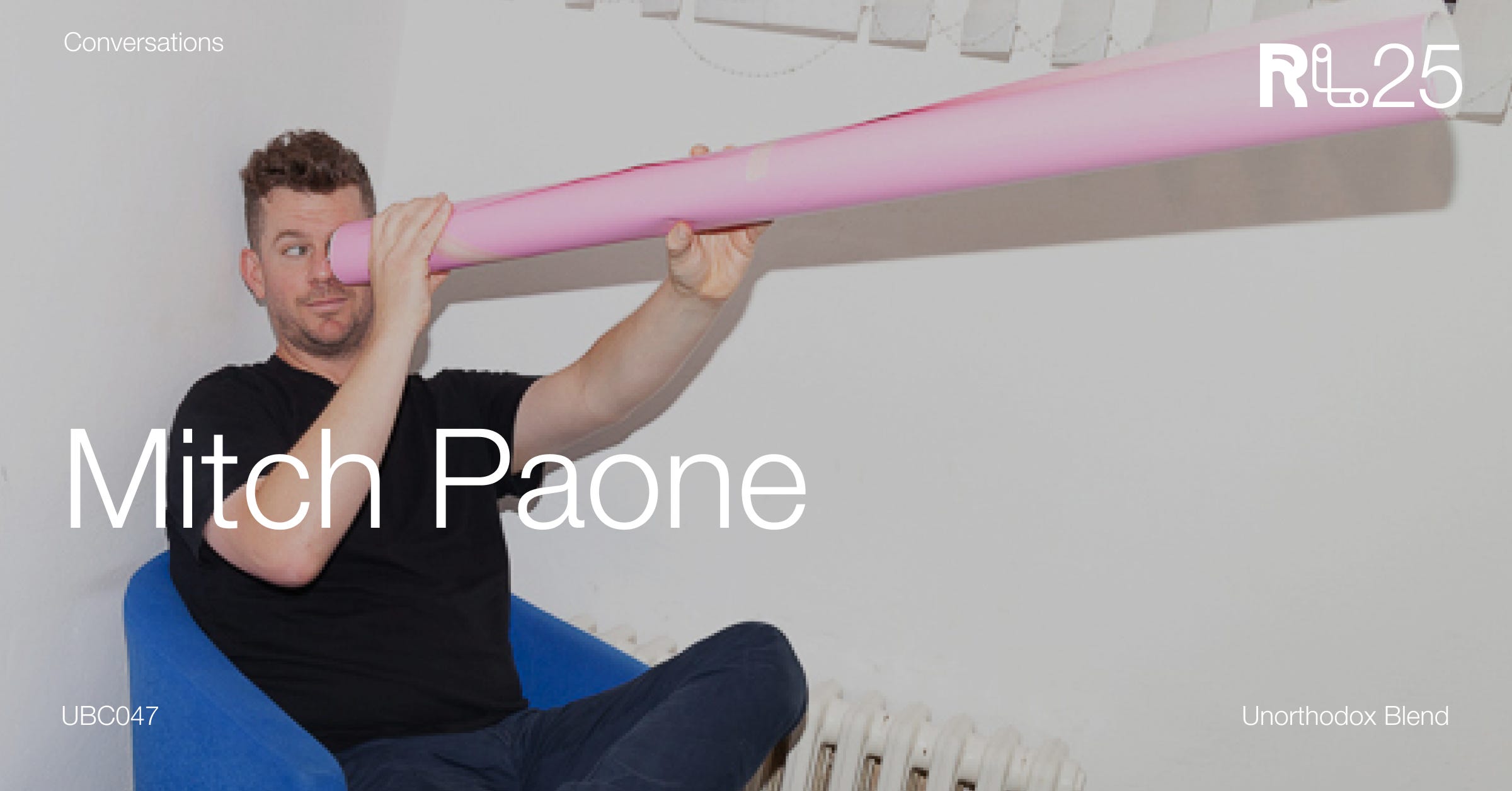
Mitch Paone is the founder of DIA Studios, the studio behind some of the most rigorous and rhythmically expressive identity work in the last decade. But what you might not realise, or at least not feel fully until you hear him talk, is just how deeply this work is rooted in music, tempo, timing and practice.In our conversation, Mitch talks about the overlap between music and design, not just as a light metaphor, but something much deeper. Mitch offers an honest, unique and useful perspective on creativity that doesn’t lean on mystique or soft language. He speaks with clarity and humility, and talks openly about the need for intuition alongside training.—Our conversation is about how good systems don’t limit expression, they enable it - and how our individual experiences can positively shape creativity, bringing life and humanity into the work.We talk about the problem with brand decks that throw everything in - 150 pages of expression with no clear purpose. The conversation pushes into systems thinking, but always with feeling. He uses phrases like ‘architectural thinking’ and ‘orchestrated performance’, but not in a way that sucks the life out of the work more as additional lenses to view our work through.—Mitch is someone who trusts the process, not as rules for the sake of rules, but because he’s refined his methods and trusts his own decisions. He knows when to refine the work, when to add more of himself and when get out of the way.We really enjoyed his discussions about the parallels between disciplines, and his openness to the idea that mastery in any subject matter can have relevance in the creative world if we choose to bring it. We also connected deeply with his idea that commercial success comes doesn’t have to come from simply ‘trying to make money’ - it often results from pure curiosity and a desire to continuously evolve Get full access to Unorthodox Blend at unorthodoxblend.substack.com/subscribe
John & James Makanjuola aren’t typical business founders. They’re cleaners and they’re building a company (The Maka Group) rooted in care, pride and a powerful sense of purpose. What started as a small cleaning business has grown into something much larger - not just a service, but a statement about pride, resilience and about how we see and value one another.In this conversation, they speak with warmth and clarity about their journey - from growing up in South London to running a business that challenges perceptions and puts people first. Their story is one of self-belief, wisdom and the quiet power of doing things properly.—From the beginning, James and John talk about cleaning as something bigger than tidying a space. For them it’s about clearing mental clutter, sharing positive energy and helping people - “Cleaning changes lives”.In our conversation, they reflect on their early days, navigating hardship and stigma and creating their own philosophy rooted in focus, determination and positive energy. What comes through is their strong sense of identity and their belief in people - they’ve built a team based on attitude, not CVs, hiring people who bring energy, care and a willingness to grow.Recognition matters to John and James, but it has never been their goal. What matters more is creating a genuine positive impact and changing how the wider world sees their industry.—What really hit home for us about James and John is their sense of clarity and wisdom. They speak with a depth of understanding that far surpasses what you might usually expect from people their age - and they share their philosophy with humility, clarity and purpose. With John and James there is no need for spin or performance because they are the real deal. Without specifically intending to, they’ve been quietly building a movement that the world really needs today, one rooted in honesty, positivity and meaningful work. In a world full of noise and influence marketing, their focus on care, consistency and contribution feels quietly radical.And in a time when so much of business is about optimisation and scale, this is a reminder that real impact often starts simply - with how you treat people, and how you show up consistently trying to do the right thing.Check them out and see the movement we’re talking aboutInstagram, TikTok, Facebook and Youtube Get full access to Unorthodox Blend at unorthodoxblend.substack.com/subscribe
Nanna Sine Munnecke is a designer, creative director and lifelong observer - someone who doesn’t just translate ideas into visuals, but also translates feelings into meaning. Over the past two decades she’s grown a self-made career at ReD Associates, rising from intern to brand director, helping turn complexity into communication - always with curiosity at the centre.She talks about herself as part astronaut, part ethnographer. Someone who explores new worlds, but also participates in them - from global branding projects to underground running communities. Nanna grew up on a self-sufficient farm with artist parents, played tenor sax in a funk band and still forages mushrooms when she can.—Our conversation opened with a discussion about meaning in our work and from there, it unfolded into a broader reflection on the creative industry’s obsession with productivity, and how that shapes not just what gets made, but how it feels to make it.Nanna is sharp, thoughtful and unafraid to say what many feel - that too much of the work being made doesn’t need to exist. We reflected on the conditions that allow meaningful work to happen: space, intention, and the freedom to prioritise quality over quantity.Rather than framing creativity as an endless upward cycle of innovation, Nanna sees the value in pausing, in creating work that sits with people, not just scrolls past them. If designers aren’t deeply engaged in their work how can they be expected to create anything that does the same for the work’s audience.—Nanna brings a calm conviction that means a lot to us - a fine balance of wisdom and humility made the conversation feel meaningful but light at the same time. She seems to be someone on a mission but not at the expense of anyone else taking part in the same conversations.What stood out most was her willingness to name the unease many creatives feel but rarely voice. That instinctive sense that we’re producing too much, too quickly, with too little meaning attached. She reminds us that creative work only becomes valuable when we give it space and ask better questions. Get full access to Unorthodox Blend at unorthodoxblend.substack.com/subscribe
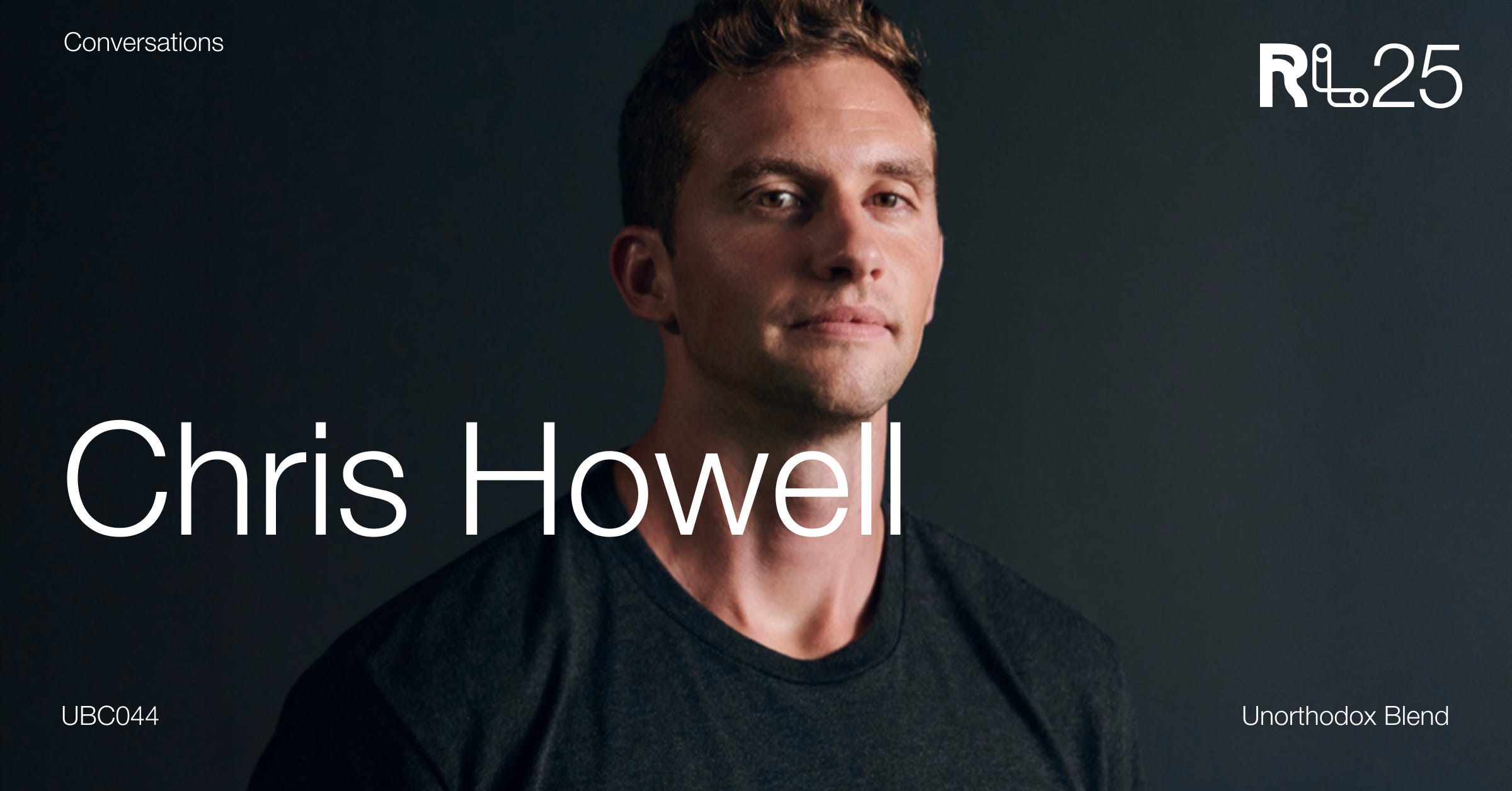
Chris Howell is the founder of SPX, a gym design company working at the intersection of fitness, hospitality and lifestyle - creating aspirational spaces that do more than just house equipment. His approach blends physical function with emotional resonance, drawing on storytelling, service design and high standards from the best of hospitality.This conversation is about human experience, what makes a space memorable and why design decisions are also brand decisions. Chris speaks with clarity and warmth about career transition, creative leadership and the ongoing tension between digital convenience and analogue connection - especially in wellness.—There’s a clear sense throughout that Chris sees design as a vehicle for storytelling - not in a superficial sense, but as a way to shape emotion, loyalty and belonging. His reflections on projects with hotels and service-led businesses underline that true service goes much deeper than we expect and that how something makes you feel matters just as much as how it works.We talk about the evolution of the gym from a practical space to something far more aspirational. Chris shares how SPX designs with that in mind, creating spaces that fit seamlessly into high-end residential and hospitality environments.The conversation also opens out into personal territory - his shift from finance to fitness, and the process of building a business aligned with personal interest and purpose. Chris is candid about the realities of that journey, the value of hiring for cultural fit and the impact AI may have on the future of recruitment.—Chris brings a thoughtful balance between craft and curiosity, blending the practicalities of commercial design with an intuitive feel for how people move through space. What stood out most was his willingness to hold onto high standards without becoming rigid and to let the emotional quality of a space guide the decisions behind it.Chris reminds us great design isn’t just about what’s seen, it’s about what’s sensed. Get full access to Unorthodox Blend at unorthodoxblend.substack.com/subscribe
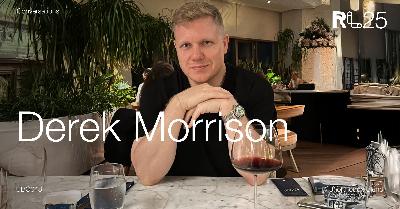
Derek Morrison is a brand builder, entrepreneur and co-founder of Peak - a mood-enhancing drink designed to help people feel more present, balanced and connected. But describing Peak as a functional beverage brand doesn’t quite capture the breadth of Derek’s thinking or the depth of intention behind what he builds.This conversation moves between creative business and broader cultural shifts - from nootropics to neurodiversity, from brand-building to belief systems. Derek talks with clarity about trust, team dynamics and the challenges of creating a new category. The kind that directly acknowledges how people feel, not just what they want to buy.—At the heart of Derek’s work is a tension many entrepreneurs will recognise: the pull between creativity and commerciality, between the desire to create something new and the need to make it viable. We talk about Peak not just as a brand, but as an attempt to reflect something back to the consumer that feels emotionally resonant, useful and true.The conversation also touches on the complexities of value: what it means, how it’s perceived and how quickly it can be diluted in a noisy, digital-first world. Derek talks openly about the challenges of building trust within a team and the psychological weight of trying to create something meaningful in a culture that often rewards speed over depth.—Derek brings a kind of clarity that’s hard to fake. He’s reflective without being indulgent, confident without being rigid and there’s a calm, deliberate energy to the way he talks about building something that matters.There’s a discipline in his approach that makes space for new ideas to land without rushing to explain them. A useful reminder that creativity often comes not from speed, but from stillness and from noticing what the world might actually need next. Get full access to Unorthodox Blend at unorthodoxblend.substack.com/subscribe
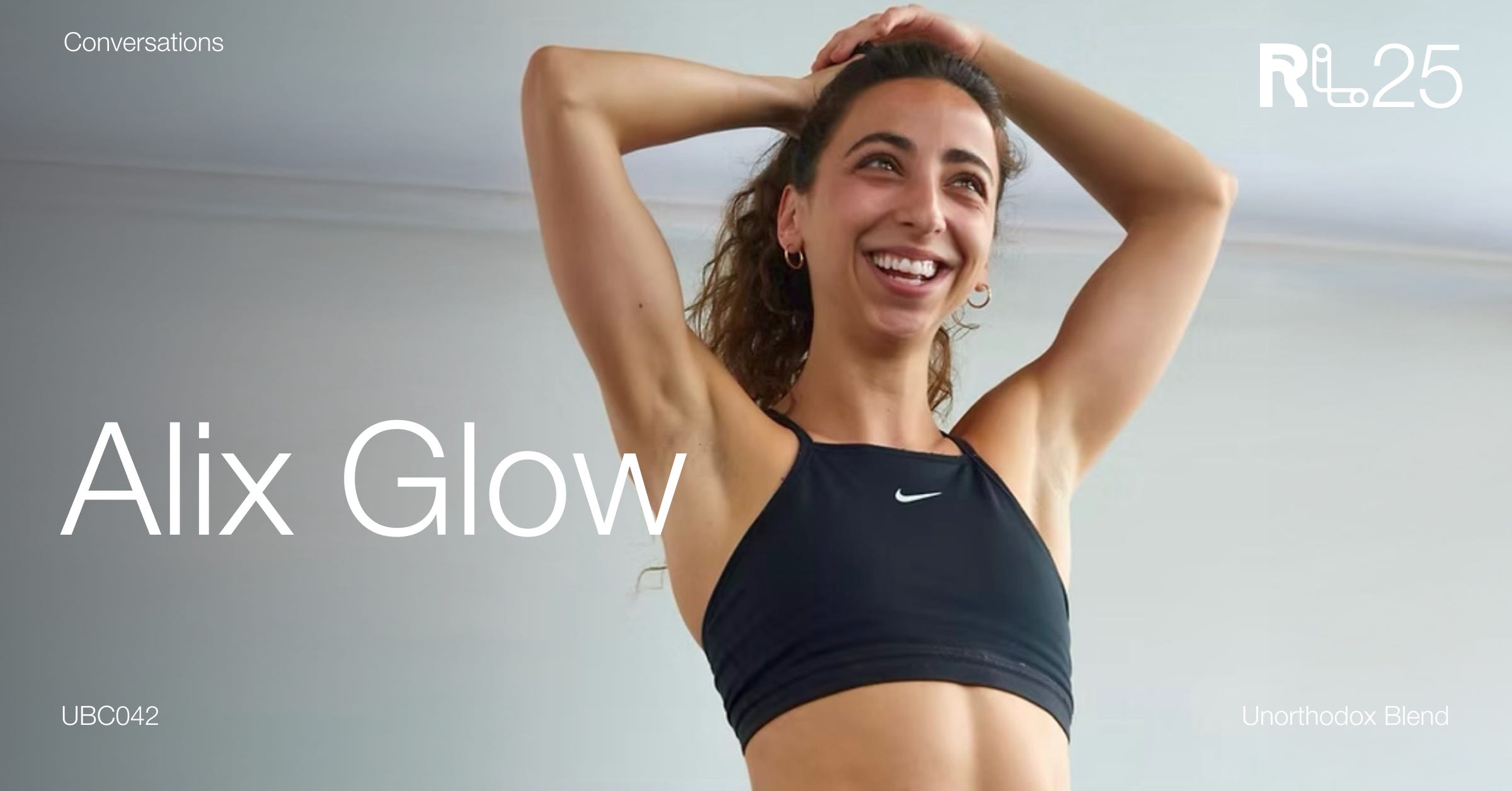
Clive Ormerod is CEO of AS Colour, the Auckland-based premium apparel company that has built its reputation on design integrity and attention to detail. His career has spanned Nike (where we first met Clive), Les Mills and now apparel, but a through-line runs across it all: an instinct for connecting with people on a deeper level. At AS Colour he is steering the business through growth and global expansion, while keeping the emphasis on culture, values and the way people feel when they encounter the brand.—In our conversation, Clive reflected on how much of leadership is about presence and consistency. Success, he suggested, is not about chasing the biggest goals but about making a meaningful impact, whether that’s in how you serve customers, how you build a team, or how you balance responsibilities with personal wellbeing.We spoke about the importance of language in shaping mindset, the need to create environments where others can thrive and the small, repeated choices that ultimately define a culture. For him, accountability, kindness and curiosity aren’t abstract ideals but practical levers for navigating change and building trust. Get full access to Unorthodox Blend at unorthodoxblend.substack.com/subscribe
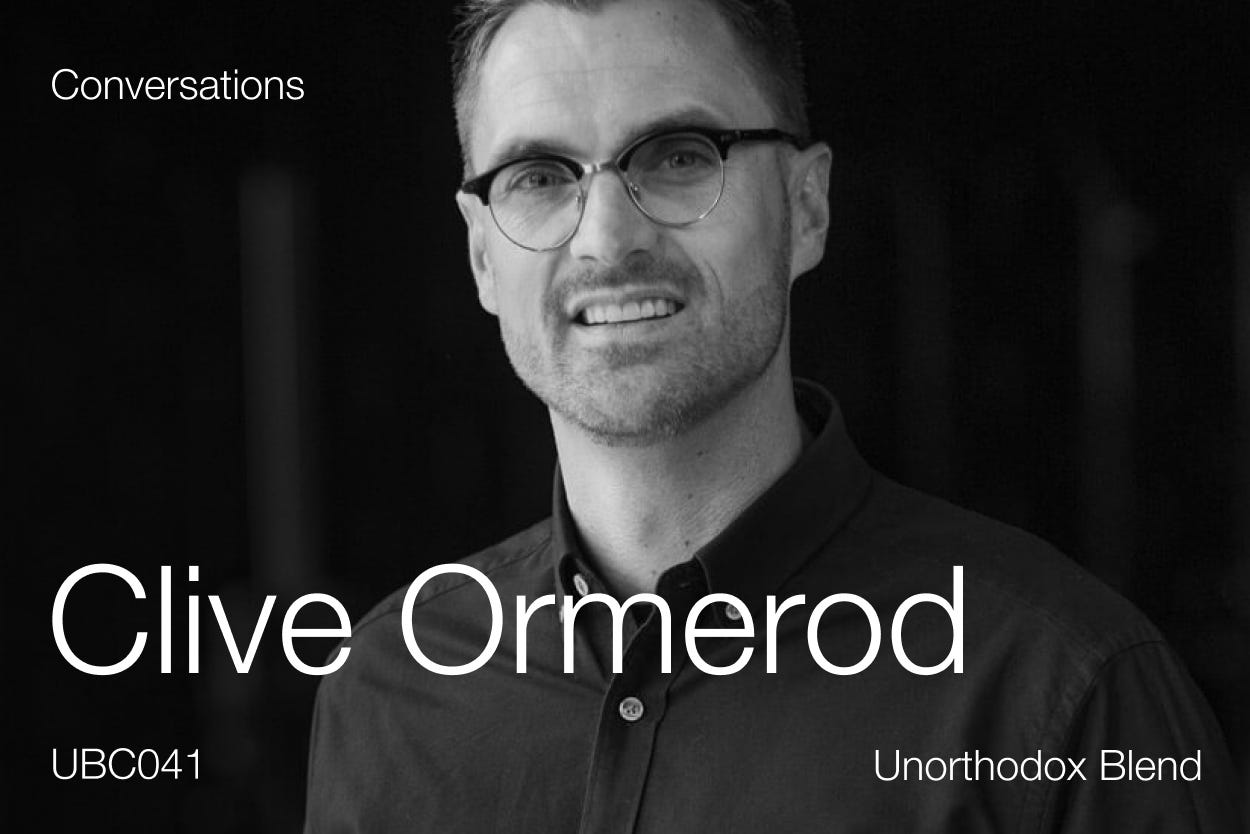
Clive Ormerod is CEO of AS Colour, the Auckland-based premium apparel company that has built its reputation on design integrity and attention to detail. His career has spanned Nike (where we first met Clive), Les Mills and now apparel, but a through-line runs across it all: an instinct for connecting with people on a deeper level. At AS Colour he is steering the business through growth and global expansion, while keeping the emphasis on culture, values and the way people feel when they encounter the brand.—In our conversation, Clive reflected on how much of leadership is about presence and consistency. Success, he suggested, is not about chasing the biggest goals but about making a meaningful impact, whether that’s in how you serve customers, how you build a team, or how you balance responsibilities with personal wellbeing.We spoke about the importance of language in shaping mindset, the need to create environments where others can thrive and the small, repeated choices that ultimately define a culture. For him, accountability, kindness and curiosity aren’t abstract ideals but practical levers for navigating change and building trust. Get full access to Unorthodox Blend at unorthodoxblend.substack.com/subscribe
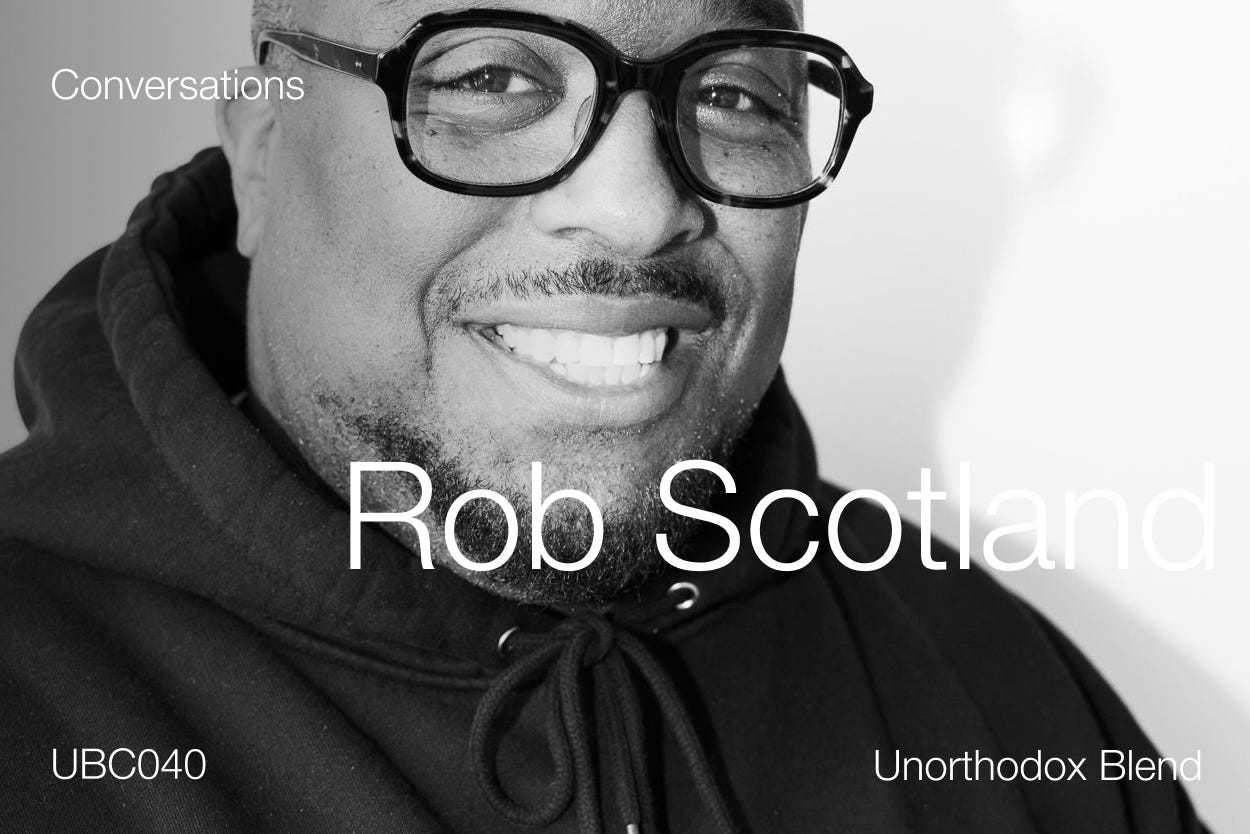
Rob Scotland has built a career navigating the intersections of culture, community and communication. With roots in cultural anthropology and a keen eye on how technology reshapes human interaction, he has worked across brand strategy, cultural networks and creative industries. His work is less about chasing trends and more about understanding the deeper human fabric that holds them together.—In our discussion with Rob, we traced the threads of culture in the digital age — from the fragility of digital legacies to the chaos and opportunity of AI. What emerged was a reminder that human connection is still at the centre of it all, whether in professional relationships, brand communication or personal growth.Emotional intelligence, Rob argued, is not a ‘soft’ skill but a core competency in navigating modern work. Cultural fluency, too, is becoming non-negotiable in a global environment where meaning is shaped by context. And while AI offers new creative tools, it needs careful stewardship to avoid eroding the very connections it claims to enhance.The conversation also touched on the importance of curiosity — staying open to uncertainty, to cultural difference, to change itself. Growth, both personal and organisational, comes not from avoiding the chaos but learning how to move within it.—What struck us most about Rob is his ability to see beyond the noise. He recognises that brands cannot rely solely on the digital layer. Instead, he invites us back to presence: to human interaction, to cultural networks, to the small acts of writing, sharing and connecting that keep culture alive.There’s a humility in his perspective - a sense that progress is not about declaring certainties, but about asking better questions. In a time when algorithms flatten nuance, Rob reminds us that curiosity is not just a nice-to-have - it is crucial to survival. Get full access to Unorthodox Blend at unorthodoxblend.substack.com/subscribe
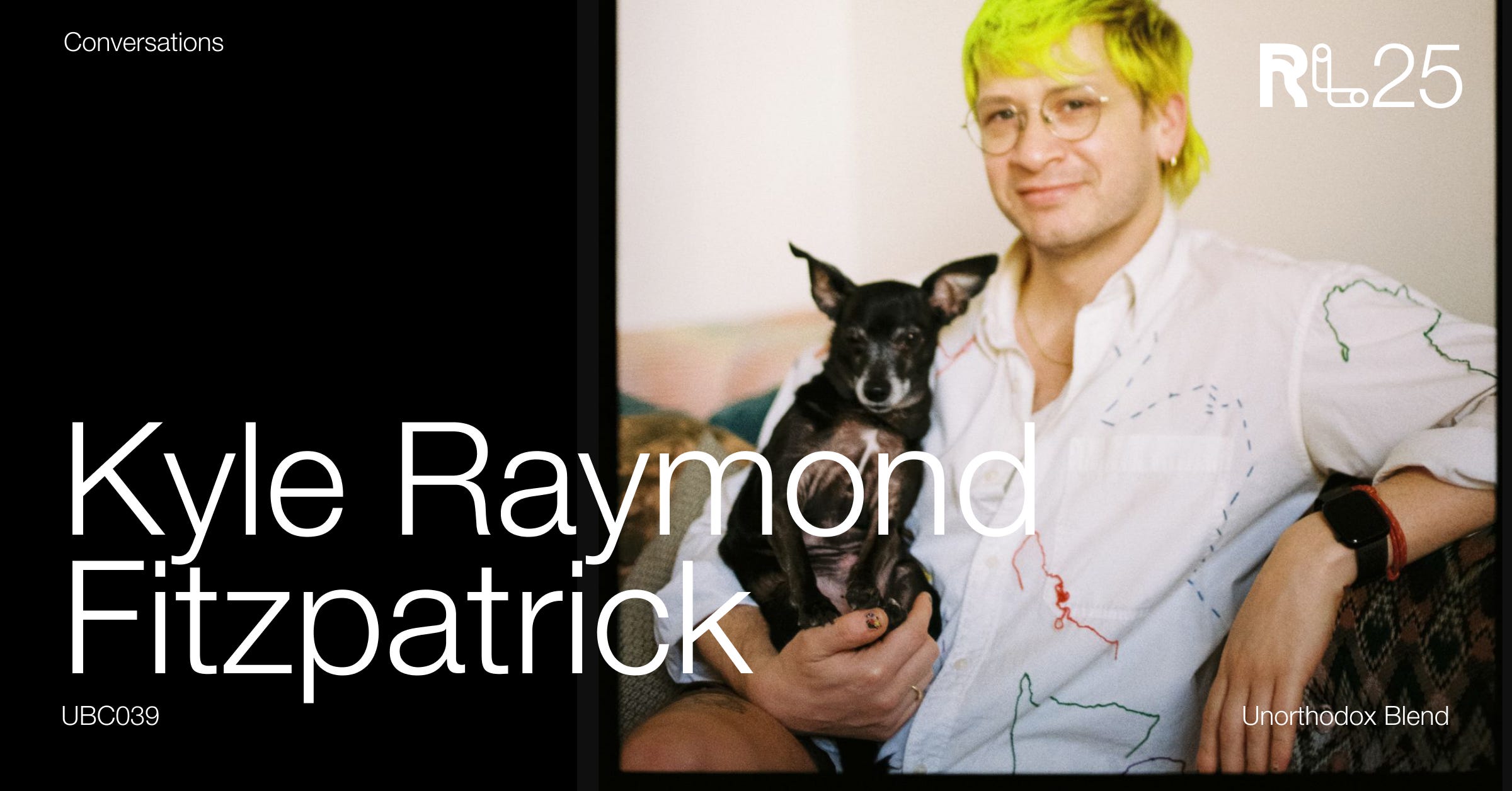
Kyle Raymond Fitzpatrick writes The Trend Report™, a weekly Substack newsletter that is part essay, part culture analysis and part whatever the universe offers us. Based between Los Angeles and Barcelona, Kyle’s bylines span platforms such as Playboy, PBS, Popsugar and Cool Hunting.—In this conversation, we dive into Kyle’s journey as a writer and cultural observer. We talk about how The Trend Report began as a side project and grew into a trusted platform for spotting patterns in culture. Kyle shares how living across two cities shapes his perspective and the delicate balance between curiosity-driven writing and the demands of digital media.We talked about the importance of attitude and human connection our work - how despite today’s influence and advancing technology, getting where you need to be in life sometimes just needs good old-fashioned hard work.—What stood out most was Kyle’s openness - an ability to take culture seriously while never losing sight of playfulness. His work is a reminder that trend-spotting isn’t about hype, it’s about paying attention - listening to what’s emerging through all of your senses and parts of your life - and giving it the space to be seen. Get full access to Unorthodox Blend at unorthodoxblend.substack.com/subscribe
Charlie Morgan is a cultural strategist and curator with a deep-rooted passion for subcultures and the stories they tell. With a background in brand consultancy and an eye for detail, Charlie has worked with global brands to help them reconnect with the cultural currents shaping society today.—In this conversation, we explore the importance of authenticity in branding, the shifting role of cultural archivists and the tension between nostalgia and innovation. Charlie shares his belief that cultural relevance can’t be manufactured - it must be lived, felt and understood through experience. We talk about the emotional power of physical artefacts, the influence of AI on creative memory and why enthusiasm is an underrated skill in the strategy and branding world.—Charlie’s reverence for subculture is infectious. And as culture continues to expand, contract and morph in ways we can predict and ways we can’t…conversations like this one feel important for us to participate in as much as possible. Get full access to Unorthodox Blend at unorthodoxblend.substack.com/subscribe
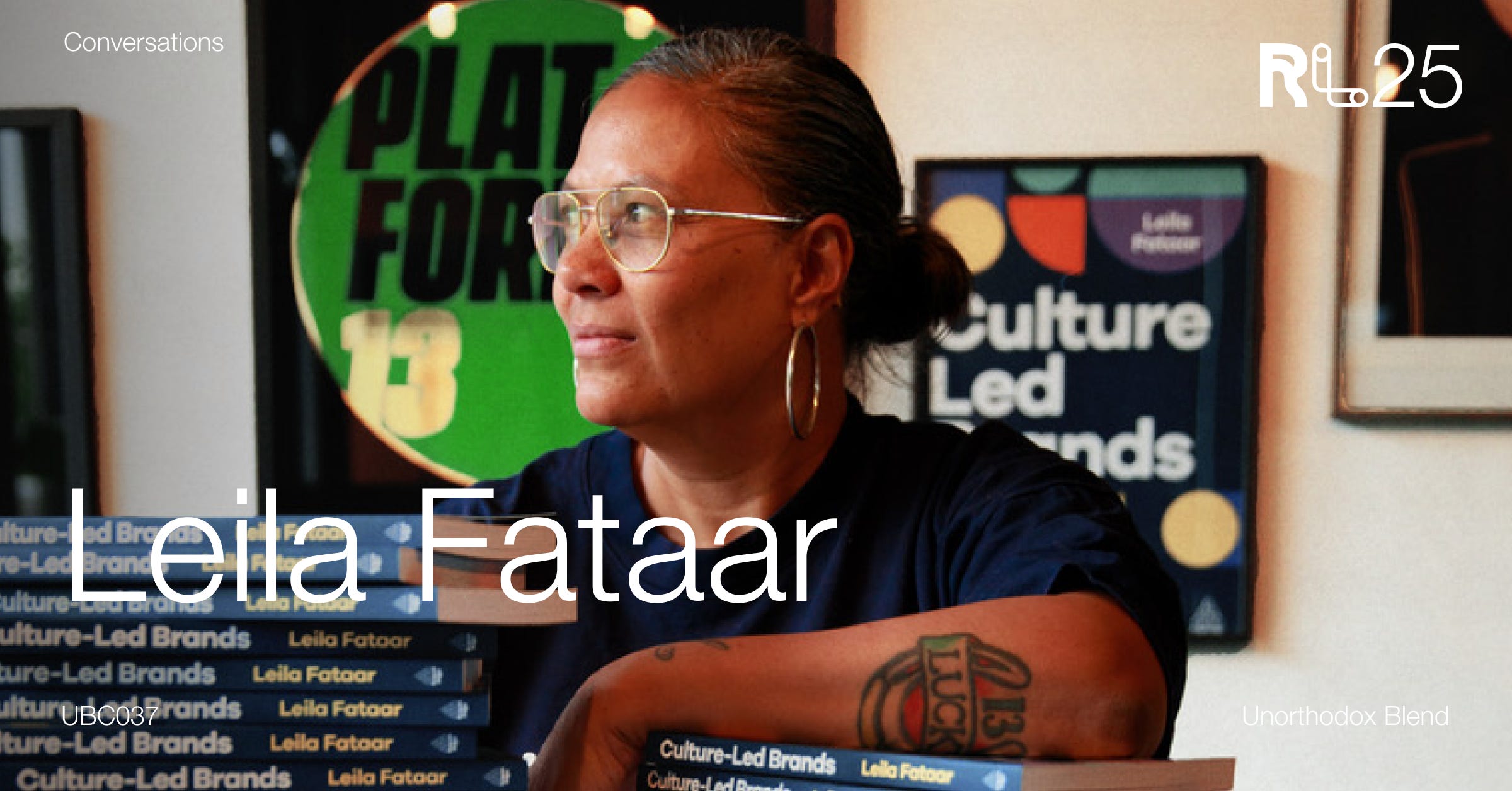
Leila Fataar is a specialist in culture-led brands and founder of Platform13, a consultancy that helps brands operate credibly within culture. With a career spanning strategy, creative, corporate leadership amongst other things, Leila has consistently championed the need for brands to exist within culture rather than just take from it. Her belief in the importance of authentic storytelling in branding is one of the (many!) reasons why Leila is inspirational to us.—In this conversation we explore the evolving nature of branding and marketing, and how relevance can’t be achieved without a deep understanding of cultural context. Leila shares her perspective on how brands can be more responsive, intuitive and human - discussing the role of AI, the importance of internal processes, and how organisational structures often get in the way of meaningful work.We also cover the continuously shifting expectations on brands to balance creativity with commercial outcomes and how cultural insight, when paired with a willingness to experiment, can unlock genuine business growth.—Leila’s voice is a vital one in modern branding. Clear-eyed and candid, she brings a unique combination of intuition, experience and care to the work - reminding us that brand impact starts with cultural relevance, not corporate hierarchy. We loved talking with Leila, one of the many people we have met along the way who have had parallel lives and careers to ourselves - all of whom seem to end up in a similar thought space - one where authenticity, meaning and experimentation are in charge. Get full access to Unorthodox Blend at unorthodoxblend.substack.com/subscribe
Emily Yeoh is a strategist, connector, cultural connoisseur and many other things that are hard to put into words. She is also the founder of a hot sauce brand, and an advocate for more personality-driven, neurodiverse and authentic approaches to business. With experience across the creative industries, she brings a rare mix of strategic thinking and grounded warmth.—In this episode, we discuss the power of personality in creative work, the shifting expectations of clients and the best fish and chips shops in the UK! Emily shares thoughts on managing people, embracing neurodiversity and balancing structure with flexibility. We also explore how diet, environment and authenticity intersect with both wellbeing and brand-building. We loved the flow of our conversation with Emily, where she was as happy as we were to jump between different topics throughout.—What stood out most in this conversation is Emily’s quiet confidence - her belief that good work comes from listening, from navigating complexity with care, and from bringing a clear sense of self to whatever you’re doing. Her words remind us that building brands or businesses should never mean losing the spark of individuality that made them matter in the first place.Emily Photo Credit Dreamers Creative Agency. Get full access to Unorthodox Blend at unorthodoxblend.substack.com/subscribe
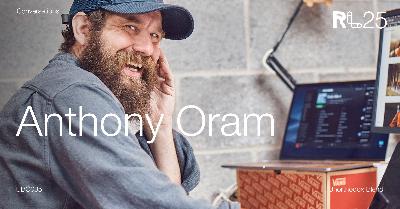
Anthony Oram is a designer, entrepreneur and creative director whose career has (so far) spanned branding, design, coffee and backpacks. With a background in agency work, freelance and self-initiated projects, Anthony has spent years navigating the highs and lows of creative practice and is always very open with those around him - willing to share the whole spectrum of his experience.—In this conversation, we talk about the challenges of sustaining a creative career, the tension between commercial work and personal fulfilment, and the power of vulnerability in leadership. Anthony reflects on his personal experiences, why he believes in speaking openly about mental health, and how his relationship with design has evolved over the years. We also get into the shifting landscape of design education, AI’s influence on the industry and what it means to show up honestly in your work.—We’ve admired Anthony’s work for a long time, and what stands out is the honesty he brings to everything he does. Whether it’s a piece of design or a personal reflection, there’s a clarity and calmness that invites others in. This conversation reminded us that a creative life isn’t just about output - it’s about staying true to yourself, remaining curious and being generous with what you’ve learned along the way.If you don’t know Anthony or his work, we would definitely suggest taking a look. And if you are fortunate enough to spend some time with him, we think you’ll agree with us that it is time very well spent. Get full access to Unorthodox Blend at unorthodoxblend.substack.com/subscribe
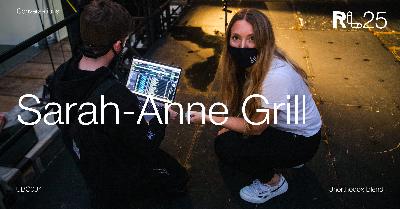
Sarah-Anne Grill is a music industry specialist, tour manager and leader of PNAQL, a platform reshaping how artists trade and monetise their work. With a background in tour management and artist relationships, Sarah-Anne has worked closely with some of music’s most influential talents, balancing creative vision with emotional resilience and business pragmatism.—In this conversation, we discuss the shifting nature of fame, self-expression and visibility in today’s music industry. Sarah-Anne shares her thoughts on social media’s influence on artist development, the pressure to perform emotionally as well as creatively, and the growing importance of authenticity in an increasingly polarised and performative digital space.We also explore the growing awareness of mental health in the music world, along with the emotional toll that creative work can take on individuals trying to maintain balance, identity and a sense of community.—Since we met Sarah-Anne we’ve admired the way she combines emotional insight with clarity and direct communication. Her ability to support artists with care, humility and conviction made this conversation such an open and an inspiring one for us. Get full access to Unorthodox Blend at unorthodoxblend.substack.com/subscribe
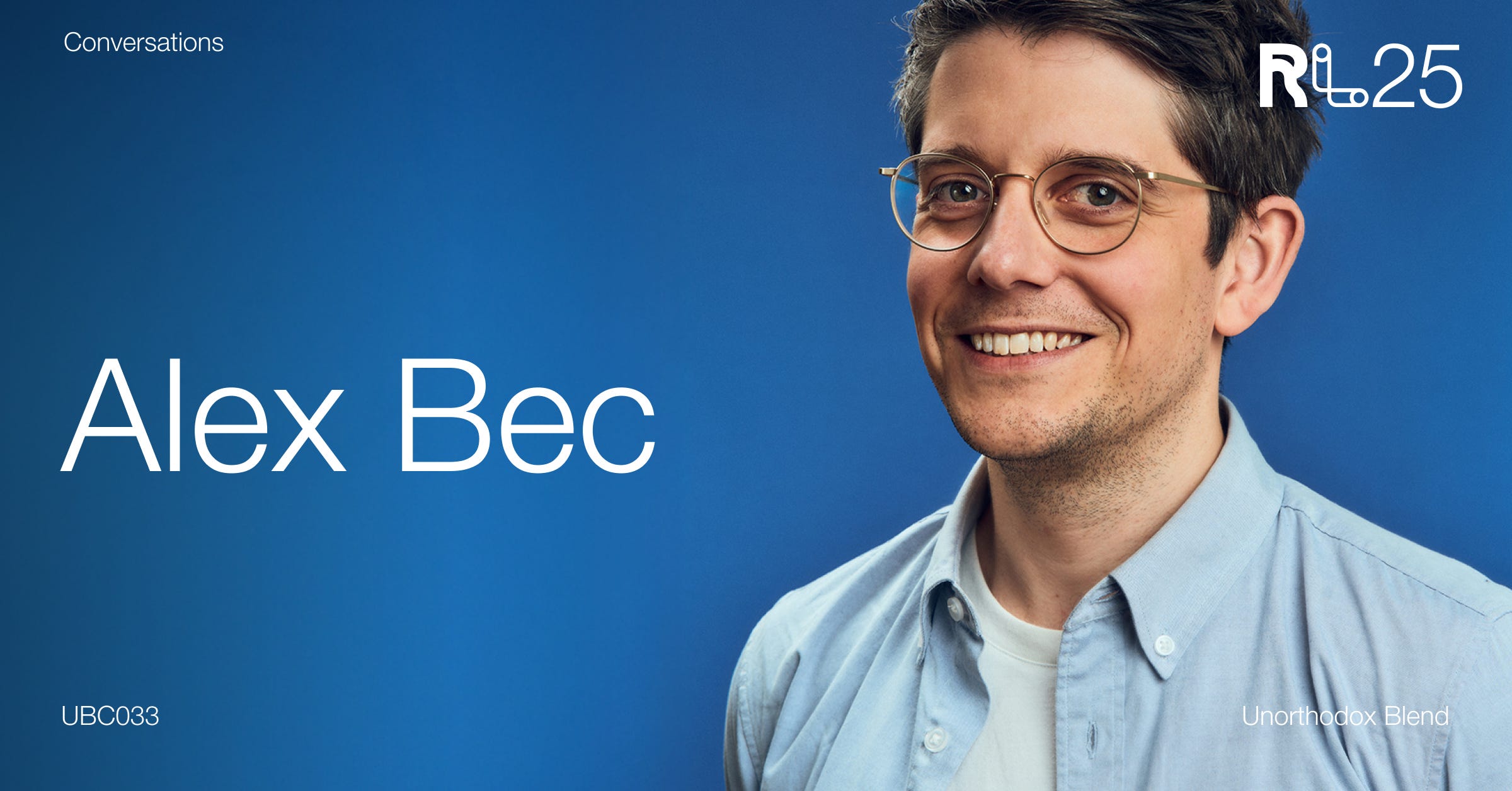
Alex Bec is the co-founder of It's Nice That – a leading voice in the creative world since its launch in 2007. From humble beginnings as a university project, It’s Nice That has grown into a platform that champions creativity in all its forms, inspiring generations of designers, artists and thinkers.—In this conversation, we talk about the long game - what it means to stick with something creative for over 15 years, and how to keep finding energy and meaning as our environment continues to evolve. We dive into the dynamics of partnership, the reality of running a business in an ever-changing creative landscape and the role of reflection in shaping a fulfilling career. Alex also shares thoughts on AI, cultural shifts in creativity and the importance of defining what success looks like for you.—We’ve known Alex for a long time, and it was great to have this ‘non-work’ talk with him. It’s a reminder that creativity is just one part of what we do - we owe it to ourselves and the people around us to be conscious of what we’re doing and the reasons behind our choices. Despite being the co-founder of one of the most popular creative publications of our time, Alex remains wonderfully thoughtful and grounded in his approach to work and the rest of life. Get full access to Unorthodox Blend at unorthodoxblend.substack.com/subscribe
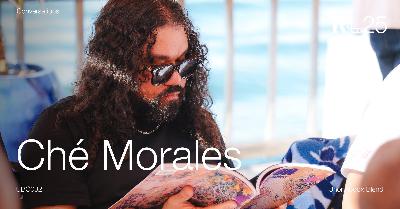
Ché Morales is a New York-based curator, experiential designer and creative force whose career has spanned art, design, events and publishing. During the pandemic, he launched his own independent magazine project, driven by a desire to reconnect community and storytelling at a time when traditional spaces were closed. Ché’s work is rooted in the belief that art and creativity should be accessible, tangible and above all, human.—In this conversation, we talk about the evolution of Ché’s practice and the lessons he’s learned along the way. From navigating the challenges of growth to embracing the messiness of collaboration, Ché reflects on what it really takes to build something meaningful in the creative world. We touch on the shifting perceptions of success, the power of community, and the ways physical experiences and printed media continue to hold value in an increasingly digital space.This is an honest, wide-ranging discussion about creativity, risk-taking, and what happens when you lean into uncertainty and keep showing up.—We’ve crossed paths with Ché over the years and have always admired his creative energy, his ability to connect people, and his instinct to jump in with both feet when an idea strikes. We’ve spoken many, many times behind the scenes, so it felt natural to finally sit down and capture one of those conversations. We hope you enjoy this one as much as we did.Check out The OG here. Get full access to Unorthodox Blend at unorthodoxblend.substack.com/subscribe

Comments

Download from Google Play

Download from App Store
 United States