


 Claim Ownership
The OCU Chronicle Podcast
Subscribed: 0Played: 0
Subscribe

© The OCU Chronicle
Description
A new online publication created by students, for students—your go-to source for bold student and young adult voices and opinion pieces, insights from Jewish founders and thought leaders, lifestyle content, and real talk about college life.
theocuchronicle.substack.com
theocuchronicle.substack.com
15 Episodes
Reverse
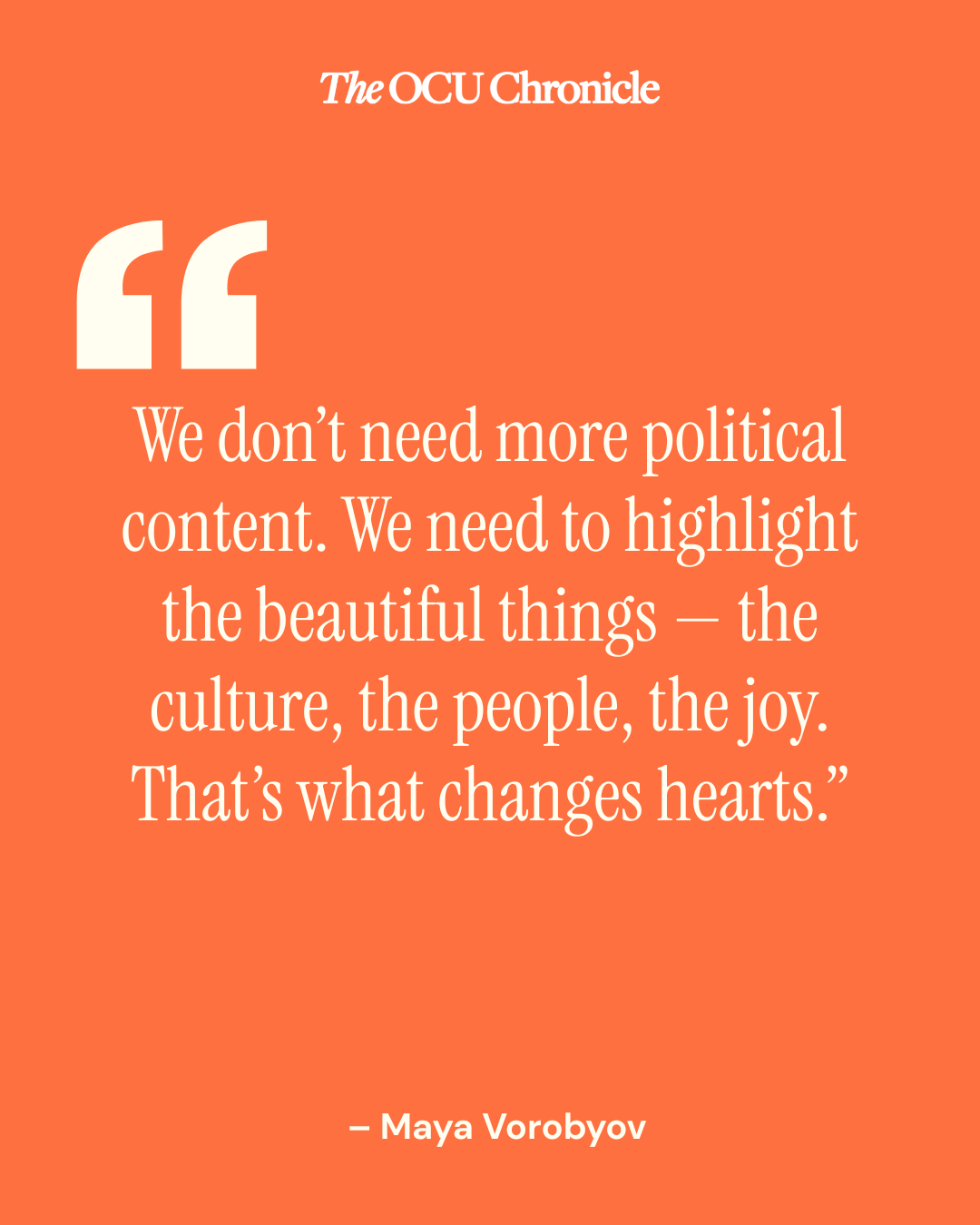
Maya Vorobyov grew up with a deep appreciation for Jewish identity and resilience. She grew up straddling between being secular and deeply Zionist, immersing in Israeli life yet aware of the fragility of Jewish freedom. Her early work producing IDF delegations abroad exposed her to the importance of strengthening ties between Israel and Jewish communities worldwide and ultimately shaped her path. Today, as Executive Director of TalkIsrael, Maya is empowering young creators to reshape how Israel is seen online.Through free workshops, fellowships, and partnerships across the United States and Israel, TalkIsrael equips emerging and established creators with tools in storytelling, branding, and digital strategy. Maya’s philosophy is simple but powerful. Instead of leading with politics, lead with people. Share Shabbat dinners, beach sunsets, Pride celebrations, culture, food, and everyday resilience. In a social media environment saturated with conflict, she believes authenticity and Jewish joy resonate most, especially with a generation that connects to lived experience over talking points.In this conversation with Our Campus United’s Founder & CEO Yasmeen Ohebsion, Maya offers practical advice for students navigating online hate and hesitation. Your voice matters, no matter your following. Focus on those who are open to learning, lead with personal experience, and stay consistent. At a time when many young Jews feel pressure to stay quiet, her message is clear. Speak up with confidence, creativity, and pride.The views, thoughts, and opinions expressed herein are solely those of the author and do not necessarily reflect the official policy, position, thoughts, or opinions of Our Campus United (“OCU”), its affiliates, or any other individuals or entities associated with OCU. This is a public episode. If you would like to discuss this with other subscribers or get access to bonus episodes, visit theocuchronicle.substack.com
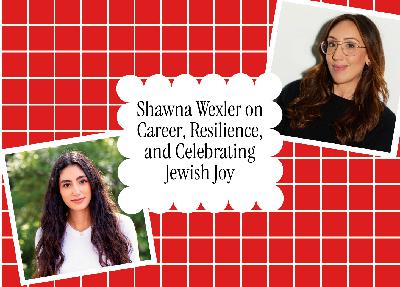
Shawna Wexler opens up about breaking into Hollywood, navigating challenges and mentoring the next generation of entertainment professionals. With a 21-year career in the industry starting at CAA in the mailroom, Shawna has represented comedians crossing into television and film. After five years, Shawna earned her promotion to agent - one of the youngest to do so at the time. She later joined Brillstein Entertainment Partners, where she expanded her roster, produced shows, discovered new talent, and secured brand partnerships. Today, Shawna brings that expertise to Sugar23, the management division founded by Oscar-winning producer Michael Sugar, joining a roster that includes Bret McKenzie, Pat Bishop, and Alice Lee.Thanks for reading! Subscribe for free to receive new posts and support OCUC.Her journey goes beyond career milestones. As a Jewish woman and granddaughter of four Holocaust survivors, Shawna’s identity informs both her professional work and personal life. In the months after October 7, she navigated the emotional intensity of defending Israel, confronting antisemitism, and balancing professional relationships while staying true to her values. At the same time, she channels her heritage into celebrating Jewish joy in her personal life- through Shabbat traditions, mentoring young professionals, and involvement with If You Heard What I Heard, an organization for third-generation Holocaust survivors.In this interview, Shawna shares actionable advice for students: be persistent, network strategically, and remember that just one person believing in you can open doors. She emphasizes the importance of assertiveness balanced with respect, finding allies, and practicing resilience and self-care, even when conversations and decisions feel difficult.Her story is a testament to how identity, mentorship, and joy can shape not just a career, but a life—and a reminder that even in times of division, there are allies, opportunities, and a path forward.The views, thoughts, and opinions expressed herein are solely those of the author and do not necessarily reflect the official policy, position, thoughts, or opinions of Our Campus United (“OCU”), its affiliates, or any other individuals or entities associated with OCU. This is a public episode. If you would like to discuss this with other subscribers or get access to bonus episodes, visit theocuchronicle.substack.com
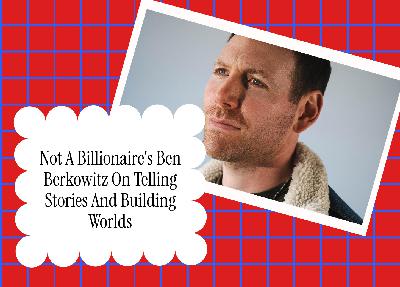
by Jordan LubowitzStories have always been at the heart of Ben Berkowitz’s life. As a kid, he would drag his twin brother Max to comic book stores and fill sketchbooks with superheroes born from his imagination. What began as a childhood passion grew into a vision shaped by lessons from his family’s small business and strengthened by his bond with Max. That vision became Not A Billionaire, the creative agency and production company the brothers co-founded and have spent the last two decades building.Today, Not A Billionaire is a global media powerhouse, generating billions of views and redefining how stories influence culture. Under the Berkowitz Brothers’ leadership, the agency has collaborated with some of the world’s most iconic brands including Netflix, Amazon, CNN, NBC, Warner Bros., Meta, Twitter, JetBlue, and Johnson & Johnson, to name a few. Their work reinforces a simple truth at its core: business is about storytelling—creating images, narratives, and meaning, much like the ones Ben once sketched from his own imagination as a child.That same creative drive fuels Ben’s work as a writer. Alongside Max and actor Josh Gad—best known as the voice of Olaf in Frozen—Ben co-authored The Writer, an acclaimed Dark Horse Comics series rooted in Jewish folklore. Beyond his creative ventures, Ben has also been a passionate advocate for Jewish representation, serving on the board of the Jewish Film Institute and as a national BBYO representative, ensuring Jewish identity remains central to the stories he tells.In this interview, Ben reflects on the journey behind the headlines—sharing stories of growing up with his twin brother and the ups and downs of building a business together. He also shares advice for students and young entrepreneurs, discusses the inspiration behind The Writer, and returns to the themes that continue to define his career: creativity, resilience, and the power of stories to shape culture.The views, thoughts, and opinions expressed herein are solely those of the author and do not necessarily reflect the official policy, position, thoughts, or opinions of Our CampUs United (“OCU”), its affiliates, or any other individuals or entities associated with OCU. This is a public episode. If you would like to discuss this with other subscribers or get access to bonus episodes, visit theocuchronicle.substack.com
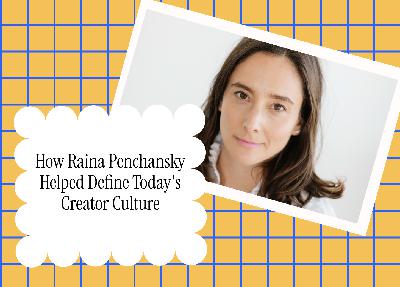
by Romy PeretzRaina Penchansky, co-founder and CEO of Digital Brand Architects, has spent the past fifteen years championing creators as the new voices of culture. “Anything that’s disruptive to the status quo is always going to get pushback,” she told us, reflecting on the early days of convincing brands to take influencers seriously. In this interview, Raina shares how she built DBA into the industry leader in influencer management, why authenticity and hard work are at the core of every creator’s success, and what it takes to transform digital personalities into powerful, lasting brands.The views, thoughts, and opinions expressed herein are solely those of the author and do not necessarily reflect the official policy, position, thoughts, or opinions of Our CampUs United (“OCU”), its affiliates, or any other individuals or entities associated with OCU. This is a public episode. If you would like to discuss this with other subscribers or get access to bonus episodes, visit theocuchronicle.substack.com
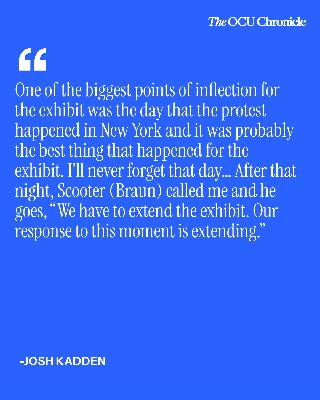
by Gabby OstroffFrom hosting a Shabbat dinner with the goal of bringing Jews together in New York post October 7th, Josh Kadden never would have imagined leaving his job in tech to spearhead the launch of the Nova Music Festival Exhibition, one of the leading acts to preserve the memory of the Nova Festival—and “the moment music stood still.” The exhibit quickly became a nationally recognized tribute to the victims of the Nova Festival on October 7th, and a powerful tool for education and healing.The Nova Exhibit, as Kadden puts it, “is a way for those who cannot get on a plane to bear witness and pay their respects.” The exhibit has now reached thousands of people, across various cities nationwide and into Canada. It is a tribute to the landscape of the festival site, and a memorial for the lives lost on that day. Most of all, it is centered around music and humanity—nothing displayed is political. "There are no Israeli flags," Kadden said. “We wanted people to walk through the exhibit and see themselves—not see Israel.”When speaking with Kadden, he reflected on the origin of the exhibit, and how a WhatsApp group turned into a movement, as the urgency of the message grew. He described how music is a universal language that has the ability to bring people together, and Kadden’s continuous point was that there is nothing political about this festival…just kids with a love for music and life. When I asked him how the protests have affected the exhibit, he said that “the protest ironically amplified [the exhibit’s] reach.” “If you need to protest this exhibit,” he explained, “then you’re so far gone that you're not even worth trying to engage with.”Over everything, Kadden’s story is one that took pain—and a frustrating lack of power—and turned it into purpose. “The best way to fight antisemitism is inviting your friend to Shabbat and showing them how freaking awesome our culture is.”This interview offers an intimate look into the motivations and momentum behind one of the most culturally impactful Jewish exhibits in recent memory.The views, thoughts, and opinions expressed herein are solely those of the author and do not necessarily reflect the official policy, position, thoughts, or opinions of Our CampUs United (“OCU”), its affiliates, or any other individuals or entities associated with OCU. This is a public episode. If you would like to discuss this with other subscribers or get access to bonus episodes, visit theocuchronicle.substack.com
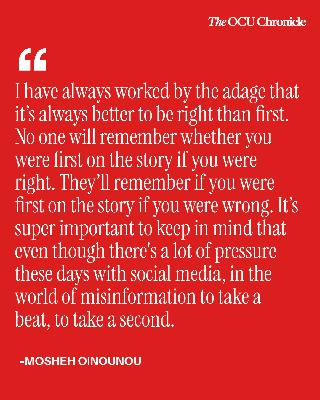
by Yasmeen OhebsionWith a background in political communication and security policy, Mosheh Oinounou, the former executive producer of CBS Evening News and the founder of Mo News, discusses how his career in mainstream media led to the creation of his fast growing news platform. What started as a social media project designed to provide reliable information to a close circle of family and friends during the early days of COVID rapidly grew into a trusted daily news source, now including a podcast and newsletter. Mosh reflects on his time as editor-in-chief of The GW Hatchet at George Washington University, where he first honed his journalistic skills. Drawing from his experiences covering major world events—including the immediate aftermath of 9/11 along with the complexities of Middle Eastern politics—he emphasizes the importance of providing nuanced perspectives when reporting on sensitive issues like the Israel-Palestine conflict. He offers practical advice for young people navigating today’s media landscape, stressing the need for skepticism and critical thinking in an era when social media can amplify misleading narratives, always prioritizing accuracy over speed. Whether navigating campus activism or global geopolitical tensions, Mosh advocates for curiosity and empathy, encouraging listeners to view complex issues through a more humanizing lens. This interview offers an insightful take on journalism’s role in shaping public discourse and the ethical challenges reporters face in today’s digital age.The views, thoughts, and opinions expressed herein are solely those of the author and do not necessarily reflect the official policy, position, thoughts, or opinions of Our CampUs United (“OCU”), its affiliates, or any other individuals or entities associated with OCU. This is a public episode. If you would like to discuss this with other subscribers or get access to bonus episodes, visit theocuchronicle.substack.com
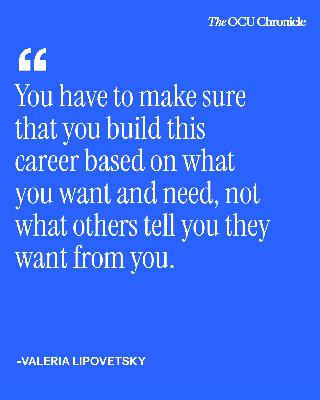
by Rachel PournazarianFrom filming YouTube videos with two little kids to becoming the founder of a media company with over 6.5 million followers, Valeria Lipovetsky’s story is one of self-growth and staying grounded, admits the whirlwind of social media.In this conversation, Valeria reflects on her upbringing as a Russian-born Jew, who was raised in Israel and how her identity evolved as she moved across continents—later settling in Miami.“In Israel, I didn’t really think too much about my Jewish identity,” she explains. “Because everyone is Jewish. But when I moved to Canada, I realized I had to work to keep it going.” That awareness only deepened after October 7th, when, she says, “our bubbles were burst.”For Valeria, motherhood was a turning point. “It was important to us,” she says, referring to the effort that she and her husband have made to preserve Jewish traditions. “We started doing Shabbat dinners and all the things to keep it going.”When it comes to her online presence, Valeria didn’t start with a master plan. “I looked at social media as a way to get over my own limiting beliefs and fears,” she says. After modeling for years, she wanted to find her voice, not just be a “canvas.” Over time, her platform expanded from beauty and fashion to self-development, including her top-ranked podcast Not Alone.Valeria also opens up about the complexity of being a content creator, where the boundaries between personal life and work are constantly blurred. But what grounds her most are the moments when her digital presence makes a real-world impact, especially when people stop her to share how something she said or did helped them through a difficult time—powerful reminders of her purpose.Listen to hear Valeria’s meaningful reflections on identity, influence, and the choice to lead with authenticity—and honesty in her own journey—even when it’s not the easiest path.The views, thoughts, and opinions expressed herein are solely those of the author and do not necessarily reflect the official policy, position, thoughts, or opinions of Our CampUs United (“OCU”), its affiliates, or any other individuals or entities associated with OCU. This is a public episode. If you would like to discuss this with other subscribers or get access to bonus episodes, visit theocuchronicle.substack.com
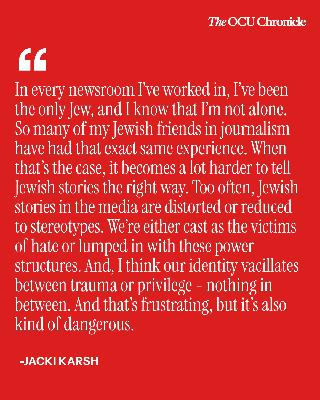
In today’s media landscape, versatility isn’t optional—it’s essential. Just ask Jacki Karsh. With a passion for storytelling, the multimedia journalist has built a multi-dimensional career that bridges traditional reporting, legal analysis, and digital media. Her path—from Columbia University’s Graduate School of Journalism to on-the-ground breaking news coverage—reflects her commitment to staying curious.Over the years, Karsh has earned six Emmy nominations for her work, built a strong presence across broadcast and social platforms, and carved out a distinctive voice in both mainstream and independent journalism. Whether she's unpacking the complexities of a legal case or producing compelling content that both educates and informs, Karsh has become a go-to resource for news—including the thought-provoking piece “Editorial Bias: Campus Newspapers Must Stop Marginalizing Jews” that she wrote for the Jewish Journal.Here, she opens up about the journey that led her to journalism and the growing responsibility journalists face in a post–October 7 world.The views, thoughts, and opinions expressed herein are solely those of the author and do not necessarily reflect the official policy, position, thoughts, or opinions of Our CampUs United (“OCU”), its affiliates, or any other individuals or entities associated with OCU. This is a public episode. If you would like to discuss this with other subscribers or get access to bonus episodes, visit theocuchronicle.substack.com
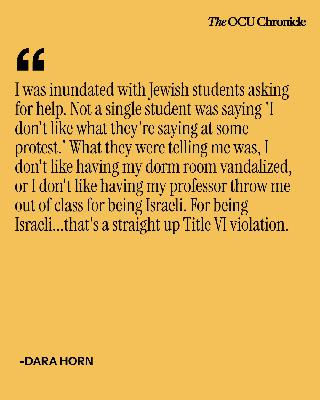
In this timely and deeply resonant conversation, Mandana Dayani sits down with acclaimed author Dara Horn to explore themes of identity, resilience, and remembrance. Horn, whose powerful work "People Love Dead Jews" sparked widespread reflection and later became the basis for her bestselling book of the same name, shares her perspective on how antisemitism manifests today—especially in the wake of October 7th. With clarity and conviction, she challenges us to confront uncomfortable truths, urging a deeper understanding of how prejudice persists, and how communities can move forward with strength and empathy. Her piece for The Atlantic, “Why The Most Educated People In America Fall For Anti-Semitic Lies,” sets up the conversation that is not only a reflection on history and literature, but a call to action: to stand against hate and to pass on generational stories that continue to guide and inspire.The views, thoughts, and opinions expressed herein are solely those of the author and do not necessarily reflect the official policy, position, thoughts, or opinions of Our CampUs United (“OCU”), its affiliates, or any other individuals or entities associated with OCU. This is a public episode. If you would like to discuss this with other subscribers or get access to bonus episodes, visit theocuchronicle.substack.com
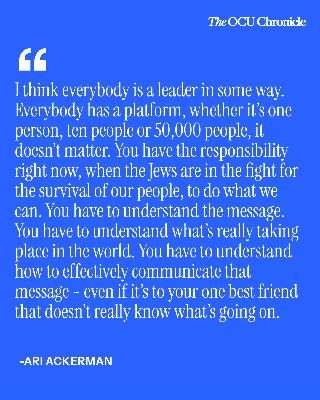
by Ben Sherman, Longhorn Students for Israel Co-FounderLong before Ari Ackerman began using his platform to reach millions online, he was shaped by a deeply personal legacy. His grandfather was one of the early architects of the modern State of Israel, and his mother’s home “felt like a Jewish catering hall” because of how often she hosted events. All of this instilled in him the belief that Judaism is more than just a religion, it’s a responsibility.In our interview, Ari speaks candidly about the transferable skills from his entrepreneurial career—persuasion, teamwork, and communication—and how they apply just as powerfully to grassroots advocacy. He reminds us that leadership isn’t always a title. “Everyone has a platform,” he insists. “Whether it’s one person or 50,000, it matters.”He doesn’t shy away from tackling the big, sometimes uncomfortable, questions either: Are Jewish students being asked to bear too much of the burden? How do we maintain momentum when fatigue sets in? And how do we activate not just leaders, but the everyday students who may not see themselves as advocates yet? Perhaps most powerfully, Ari leaves students with a charge: “You shouldn’t be on the front lines. People like me should be. But since you are, I have your back.”And, of course, in true Ari fashion, the interview ends with a smile and a swing, literally. “I believe Jews are better athletes than we get credit for,” he argues, recounting how Marlins’ first baseman Matt Vierling hit a home run mid-fireside chat, right as Ari wished for one.Ari’s story is more than just a personal journey, it’s a reminder that Jewish pride, values, and resilience are timeless and essential.The views, thoughts, and opinions expressed herein are solely those of the author and do not necessarily reflect the official policy, position, thoughts, or opinions of Our CampUs United (“OCU”), its affiliates, or any other individuals or entities associated with OCU. This is a public episode. If you would like to discuss this with other subscribers or get access to bonus episodes, visit theocuchronicle.substack.com
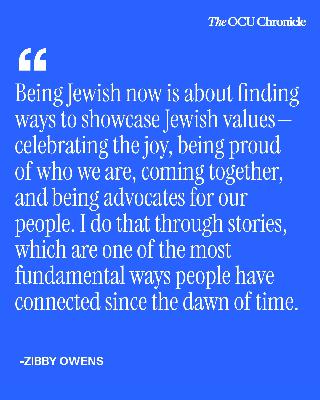
by Maia CukiermanAs an author, podcast host, and founder of Zibby Media, Zibby Owens’s multi-faceted approach to publishing gives her a unique insight—and invaluable perspective. Whether learning how to handle rejection in the literary world (insight shared by bestselling author of Tuesdays with Morrie, Mitch Albom) or reimagining media for Gen Z, she remains committed to her storytelling roots. In this conversation, Owens shares what she’s learned from talking to over 2,000 authors, why it’s critical to meet authors where they are, and how writing On Being Jewish Now deepened her own personal faith and identity.The views, thoughts, and opinions expressed herein are solely those of the author and do not necessarily reflect the official policy, position, thoughts, or opinions of Our CampUs United (“OCU”), its affiliates, or any other individuals or entities associated with OCU. This is a public episode. If you would like to discuss this with other subscribers or get access to bonus episodes, visit theocuchronicle.substack.com

by Yasmeen OhebsionFrom Broadway stages to his podcast “Being Jewish with Jonah Platt,” Jonah Platt has spent much of his career using storytelling as a way of connecting with others. Recently, that instinct has taken on a new urgency. October 7 reshaped his priorities and deepened his commitment to Jewish advocacy.Known for his work as a writer, performer, and producer, Platt has recently stepped into the spotlight in a different way, using his platform to amplify Jewish voices and push back against rising antisemitism. But his message isn’t just about being loud—it’s about being present. Whether on campus, online, or in the workplace, he encourages young Jews to engage with courage, authenticity, and compassion.“You don’t need to start a podcast or lead a movement to make a difference,” Platt says. “Just speak up in your own circle. Advocate for yourself. That’s where it begins.”Platt opened up about what it means to be a “public Jew” in today’s climate, the difference between having hard conversations and changing minds, and why allyship starts with showing up—acknowledging fear, but calling for resolve.He’s also quick to remind students that they’re not alone. Across the country, Jewish leaders are organizing on campuses and in communities, creating spaces for solidarity and resistance. “The support systems are already there,” he says. “You just have to find them.” And for those wondering where they fit in, he offers this practical reassurance: not everyone needs to be a front-line activist, but everyone has a role to play.“There’s a Jewish renaissance happening,” Platt notes, borrowing a phrase from Congressman Ritchie Torres. “Jews are taking up space and leading and building—and it’s happening all around us. You just have to join in the fun.”At a time when many young Jews are navigating visibility and safety, Platt’s message is clear: find your people, show up with courage, and know that your voice matters.The views, thoughts, and opinions expressed herein are solely those of the author and do not necessarily reflect the official policy, position, thoughts, or opinions of Our CampUs United (“OCU”), its affiliates, or any other individuals or entities associated with OCU. This is a public episode. If you would like to discuss this with other subscribers or get access to bonus episodes, visit theocuchronicle.substack.com
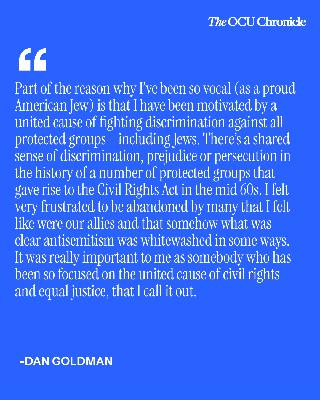
At a time when college campuses are grappling with the tension between free speech and the rise of hate-fueled rhetoric, the question of how to protect Jewish students has moved to the center of national debate. For Representative Dan Goldman (NY-10), the stakes are both political and personal. The Congressman has emerged as a prominent advocate for clearer policies, stronger protections, and greater accountability. In this interview with Columbia student Eden Yadegar, Goldman addresses the need for a standardized definition of antisemitism, how Congress is responding, his legislative priorities, and the advice he has for college students navigating a new normal.The views, thoughts, and opinions expressed herein are solely those of the author and do not necessarily reflect the official policy, position, thoughts, or opinions of Our CampUs United (“OCU”), its affiliates, or any other individuals or entities associated with OCU. This is a public episode. If you would like to discuss this with other subscribers or get access to bonus episodes, visit theocuchronicle.substack.com
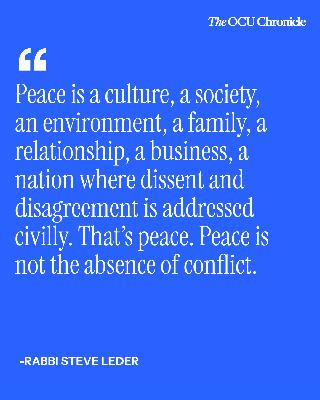
Mandana Dayani and actress and activist Debra Messing sat down with Steve Leder, Senior Rabbi at Wilshire Boulevard Temple of Los Angeles, to understand the roots of prejudice, the resilience of the Jewish community, and how we can all join in on the fight to combat antisemitism.Rabbi Leder is an acclaimed author and thought leader, and has always led by example, facilitating conversations about faith, justice, and healing. Their conversation explores whether agreeing to disagree is enough, how to search for—and find—peace, and the power of fighting like a mensch.Together, he shares meaningful thoughts and wisdom around the concept of empathy, education, and the action we all can collectively take to light the way forward…on campuses and beyond.Please note: The views, thoughts, and opinions expressed herein are solely those of the author and do not necessarily reflect the official policy, position, thoughts, or opinions of Our CampUs United (“OCU”), its affiliates, or any other individuals or entities associated with OCU. This is a public episode. If you would like to discuss this with other subscribers or get access to bonus episodes, visit theocuchronicle.substack.com
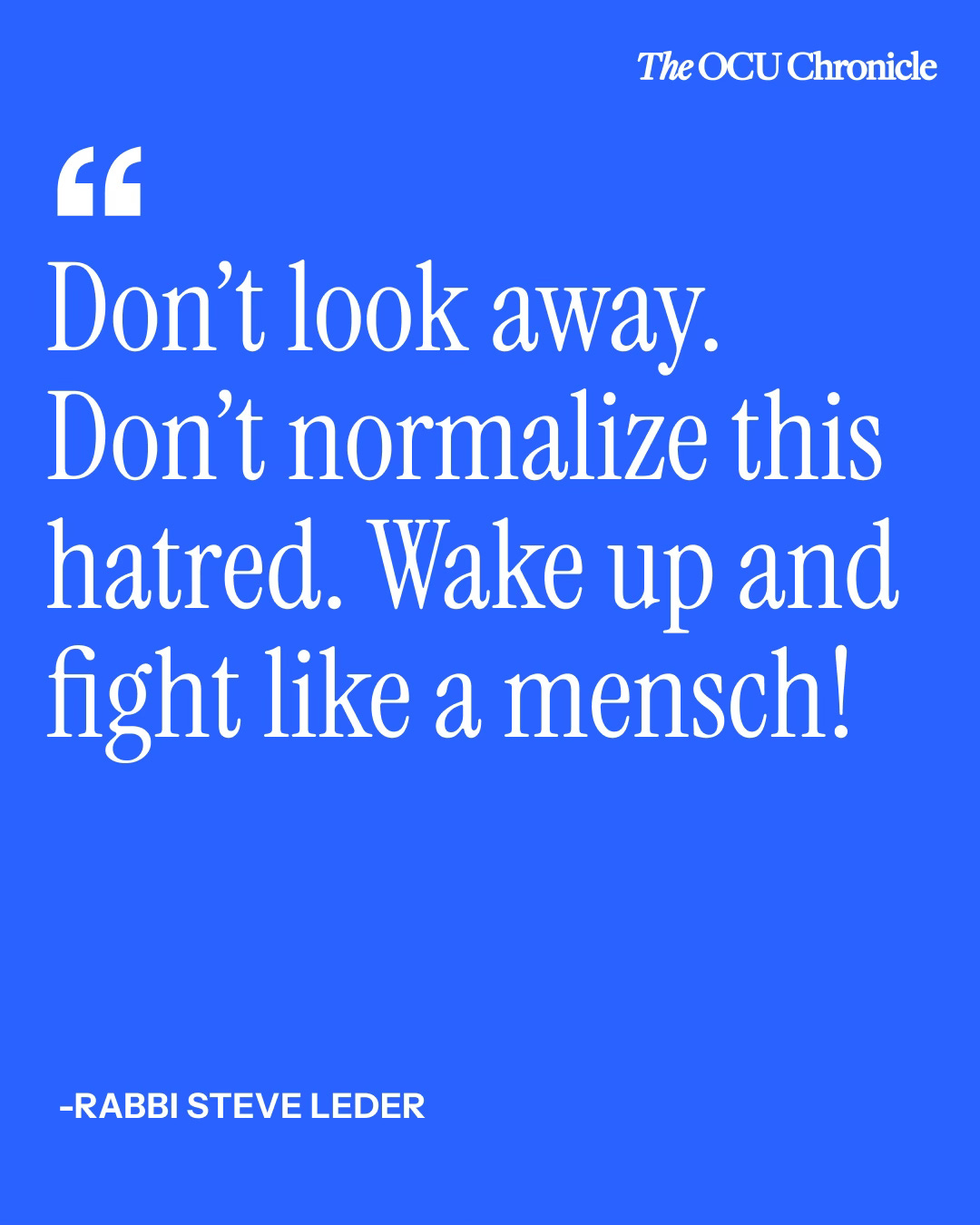
Mandana Dayani and actress and activist Debra Messing sat down with Steve Leder, Senior Rabbi at Wilshire Boulevard Temple of Los Angeles, to understand the roots of prejudice, the resilience of the Jewish community, and how we can all join in on the fight to combat antisemitism.Rabbi Leder is an acclaimed author and thought leader, and has always led by example, facilitating conversations about faith, justice, and healing. Their conversation explores whether agreeing to disagree is enough, how to search for—and find—peace, and the power of fighting like a mensch.Together, he shares meaningful thoughts and wisdom around the concept of empathy, education, and the action we all can collectively take to light the way forward…on campuses and beyond.Please note: The views, thoughts, and opinions expressed herein are solely those of the author and do not necessarily reflect the official policy, position, thoughts, or opinions of Our CampUs United (“OCU”), its affiliates, or any other individuals or entities associated with OCU. This is a public episode. If you would like to discuss this with other subscribers or get access to bonus episodes, visit theocuchronicle.substack.com
Comments


Download from Google Play

Download from App Store
 United States