


 Claim Ownership
Status Pending
Subscribed: 19Played: 117
Subscribe

© WUWM
Description
When it comes to immigration in the U.S., the news is constant and can be hard to process. Under President Trump, the rules and norms around immigration are rapidly changing.
On Status Pending, a podcast from WUWM 89.7 FM - Milwaukee's NPR, we provide context for how immigration has shaped Wisconsin and the nation. And we explore how people are navigating this changing immigration landscape.
33 Episodes
Reverse
A recent piece in Milwaukee Magazine digs into how life has changed for immigrants in the Milwaukee area, amid the federal immigration crackdown. It shares the stories of DACA recipients, undocumented parents, asylum seekers and more as they navigate legal hoops to build lives, families and careers in the U.S.
In February, the Trump administration announced the end of its immigration crackdown in the Twin Cities. But some ICE operations there continue, and the surge of ICE agents also spilled over into western Wisconsin.
ProPublica reporters have been looking into the living conditions inside the Dilley detention center in Texas, where immigrant families and children are held.
Throughout U.S. and Wisconsin history, the idea of who gets to be a citizen has changed. At times, it’s been broad and welcoming. And other times, it’s been more restricted. Read the full story at wuwm.com/makingwisconsin.
2025 marked the 50th anniversary of Hmong refugees resettling in the U.S., but what drove many out of Laos? And how have they made a home in Wisconsin, which is home to the third largest Hmong population in the country? Read the full story at wuwm.com/makingwisconsin.
Throughout our local and national history, there have been waves of sanctuary movements stemming from religious organizations, activists and legislation. Sergio González, Marquette University assistant professor of history and author, explores sanctuary and how it shaped our history and politics today. Read the full story at wuwm.com/makingwisconsin.
Waves of immigration to Milwaukee have made our home a multicultural and vibrant city. But it hasn't always been a warm welcome. Here's a rundown of immigration to Milwaukee and Wisconsin. Read the full story at wuwm.com/makingwisconsin.
Over the next four weeks, the Status Pending team is going to share a series we did last spring, called “Making Wisconsin.” It’s about how immigration has shaped our city, state and country. It provides some really helpful context for this moment. Stay tuned as WUWM continues to bring you conversations and stories about immigration.
Faith communities help newly-arrived international teachers and immigrant families find apartments, furnish their homes and navigate the health care system.
How do you think about the future when you have no clear path to citizenship in the country you call home? Hear from a young undocumented woman who has lived in the U.S. since she was a child.
If you or someone you know needs help, you can reach the National Domestic Violence hotline at 800-799-SAFE. When a crime is committed against someone without legal status in the U.S., it can open a pathway to a green card for the victim. But it comes at the cost of proving your abuse.

Two Nigerian teachers moved to Milwaukee to teach in Milwaukee Public Schools. Now, changes to H-1B visas have forced the district to pause hiring international teachers.
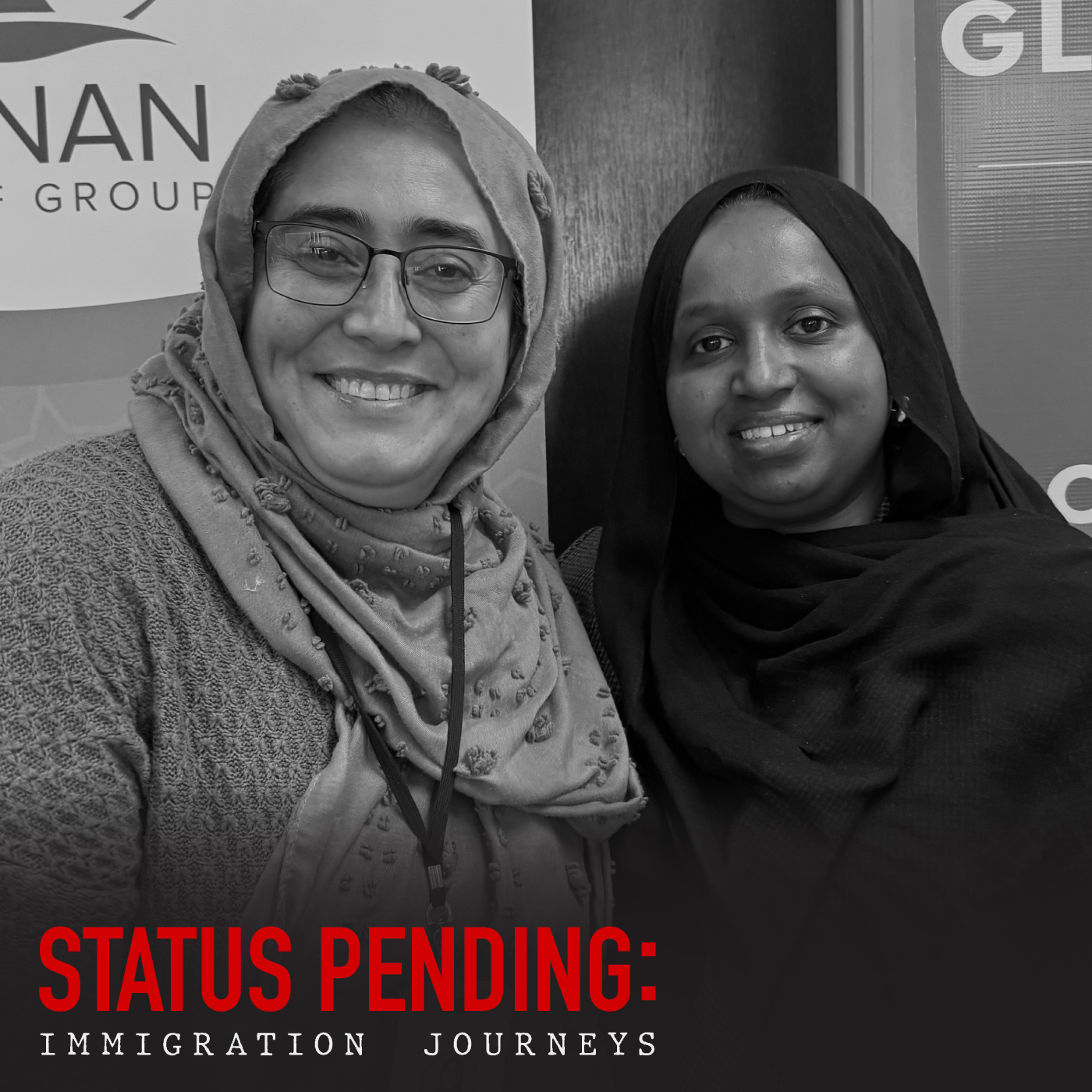
Over the past year, there may be no pathway to U.S. citizenship that has changed more than that of refugees. So, what did it used to mean to be a refugee? And what's changed?
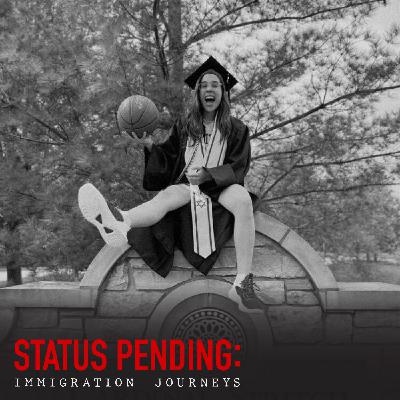
Gal Dahan has lived in Milwaukee for six years, most of that time as an international student. Now she’s trying to figure out if there’s a path for her to stay.
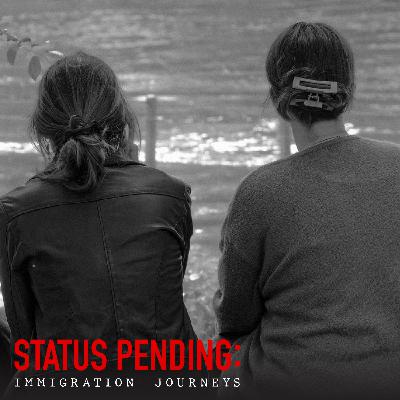
Meet two sisters, "A" and "S," from Mexico, who have lived in Wisconsin since they were young children. "When DACA came out, it was like this golden ticket," A remembers. DACA allowed them to legally work and drive, but it was temporary — they had to reapply every two years. And in 2024, A and S got married to U.S. citizens, but that didn’t mean they automatically got green cards. What came next was an expensive, complex application process. Learn what it took for the two sisters to navigate the U.S. immigration system.
There’s a line we hear when people talk about immigration. A phrase that’s repeated over and over: “Do it the right way.” But what does that mean? And what’s the “right way” in a time like this, when the rules seem to always be changing? On Status Pending, we’ll break down the different ways people come to this country, the hurdles that have existed for years, and the new ones people are facing in real time. The limited run series starts November 12th, with new episodes each Wednesday. Status Pending is produced by Jimmy Gutierrez, Emily Files, Audrey Nowakowski, Xcaret Nuñez, Katherine Kokal, Maria Peralta-Arellano, Valeria Navarro-Villegas and Samia Saeed. Editorial support from Ann-Elise Henzl and Michelle Maternowski. Design support from Erin Bagatta.

A group of Wisconsin legislators spent more than five hours Thursday listening to experts, advocates and residents who gathered in Racine . The topic was water quality and how to improve it. Water quality has become a buzz phrase in Wisconsin. During his first state of the state report, Gov. Tony Evers declared 2019 "the year of clean drinking water." Weeks earlier Assembly Speaker Robin Vos began setting up a task force to determine the key sources of water contamination and ways to remedy them. READ: Scientist Hopes Study Helps Solve Kewaunee County Well Contamination Challenge The Speaker's Task Force on Water Quality has been traveling Wisconsin to gather input. The latest was Thursday in Racine where extra chairs had to be hauled into the cramped meeting room. Milwaukee resident Terry Wiggins traveled construction-strewn Interstate 94 to share her top water quality concern: “That we have a moral responsibility to improve the quality of the water coming through our pipes in

Milwaukee experienced the largest outbreak of cryptosporidium in the spring of 1993. The outbreak made 400,000 sick. Over 4,000 were hospitalized. And 104 deaths were recorded. It made a lasting impression for many who got sick or simply lived through it.

Some people are concerned about the many lead pipes that deliver water into older Milwaukee homes. Others applaud the city for tackling stormwater management through green infrastructure . But how is Milwaukee doing at creating a comprehensive water management plan? When it comes to water, Jenny Kehl has an unabashedly candid view on the importance of planning for today and the future. Kehl is a global water security scholar for UW-Milwaukee and associate professor at its School of Freshwater Sciences. » See More Project Milwaukee: Great Lakes, Troubled Waters Stories “I anticipate everyone wants the future generations of Wisconsin to be able to survive. There are some pretty serious challenges that we're facing. I think everyone wants us to address uncertainties and vulnerabilities," she says. Kehl says looking at water as a whole within a watershed is complex. Let’s take Milwaukee: You have to think about things like how water is treated before you drink it and then after you use it.

Wisconsin scientists are working on new ways to protect drinking and surface water from pollutants. They’re also investigating better methods of cleaning water that's already contaminated. But researchers say success may cost taxpayers more money. Department of Natural Resources (DNR) Secretary Preston Cole has been promising to place a higher priority on good science when crafting policy. For example, he hopes better research will lead to cleaner drinking water. » See More Project Milwaukee: Great Lakes, Troubled Waters Stories "We have communities around this state that have lost surety about turning on their pipes and having fresh drinking water. In certain parts of the state, it's PFAs [chemicals used in firefighting foam and other products] — emerging contaminants. In the southwest, there's nitrate in drinking water. And lead laterals continue to wreak havoc on some of our urban and oldest cities around the state of Wisconsin," Cole explains. According to engineering professor

Comments

Download from Google Play

Download from App Store
 United States