


 Claim Ownership
In The Know With Nina
Subscribed: 0Played: 17
Subscribe

© seca North America | Body Composition Analysis Solutions
Description
In the Know with Nina brings you real conversations on the evolving world of medical care. Hosted by Dr. Nina Crowley, each episode dives into the science, strategy, and stories that drive better health outcomes. From body composition and GLP-1s to clinical workflows and patient engagement, you'll hear from top experts and change-makers across the field. Whether you're a provider, care team member, or health advocate, get the insights you need to deliver precise, personal, proven care.
64 Episodes
Reverse
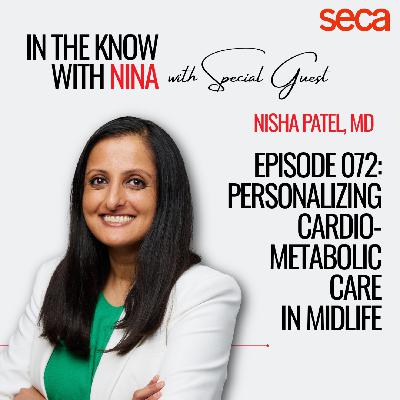
How do we navigate midlife health changes without oversimplifying or overreacting?In this episode of In the Know with Nina, Dr. Nina Crowley sits down with Dr. Nisha Patel, an obesity and metabolic health specialist with training in internal medicine, obesity care, menopause, culinary medicine, clinical epidemiology, and cardiometabolic health.They explore cardiometabolic health through the lens of obesity management and women’s midlife transitions. The conversation highlights how muscle mass naturally declines over time, visceral fat often increases during menopause, and why these shifts can feel confusing or frustrating. They also unpack how social media myths, supplement marketing, and medication stigma influence patient decision-making.Sustainable progress is not about chasing a former version of your body. It is about protecting cardiometabolic health, improving quality of life, and building personalized strategies that work in real life.Key TakeawaysPatient-centered care requires understanding someone’s stressors, resources, and daily realitiesSocial media can amplify health myths and oversimplified messagingWeight management medications are often misunderstood and stigmatizedIt is not either-or. Lifestyle strategies and medications can work togetherBody composition changes during midlife are common and multifactorialDeclines in muscle mass and increases in abdominal fat can influence cardiometabolic riskAbout My GuestDr. Nisha Patel is an obesity and metabolic health specialist with a background in internal medicine and additional training in obesity care, menopause, culinary medicine, clinical epidemiology, and cardiometabolic health. She focuses on personalized, evidence-based approaches that prioritize health and quality of life.How to ConnectInstagram: https://www.instagram.com/drplantel/Linked IN: https://www.linkedin.com/in/drplantel/
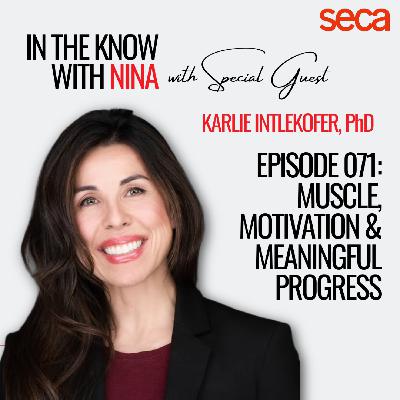
What does meaningful progress really look like when muscle health, motivation, and behavior all intersect?In this episode of In the Know with Nina, Dr. Nina Crowley sits down with Karlie Intlekofer, Global Research Scientist at Matrix Fitness, to explore how muscle health, motivation, and behavior intersect, and why meaningful progress often looks different than what people expect.Together, they unpack why muscle health goes far beyond aesthetics, how unrealistic expectations and plateaus can derail motivation, and why psychological safety and autonomy supportive coaching matter for long term consistency. The conversation also touches on how muscle shows up in different ways, including strength, endurance, and power, and why communicating progress in clear, human terms can change how people experience movement.This episode focuses less on chasing outcomes and more on helping people feel capable, supported, and motivated to keep showing up, even when the scale does not move.Key TakeawaysMuscle health is about function, confidence, and quality of life, not just appearanceProgress often shows up before aesthetic change and should be communicated clearlyPlateaus are a normal part of adaptation, not a sign of failurePsychological safety and autonomy are essential for long term engagementMeaningful progress is personal and rooted in values, not comparisonAbout my GuestKarlie Intlekofer, PhD, CNC, CPT is a Global Research Scientist at Matrix Fitness with a background in neuroscience, behavior, and exercise science. Her work focuses on translating research into practical, human centered strategies that help fitness professionals support confidence, engagement, and sustainable active lifestyles.How to Connect Linked in: https://www.linkedin.com/in/karlie-intlekofer-51467415/ Matrix Fitness Research Hub Podcast https://www.youtube.com/@MatrixFitnessGlobal Matrix Fitness Instagram https://www.instagram.com/matrixfitness/

How are hormones, metabolism, and body composition shaping the way we care for patients during midlife, and why is so much of the conversation still filled with confusion and misinformation?In this episode of In the Know with Nina, Dr. Nina Crowley is joined by Disha Narang, Endocrinologist and Director of Obesity Medicine at Endeavor Health, for an evidence-based discussion on hormones, menopause, and obesity care. Together, they unpack the real role of key metabolic hormones—including thyroid, cortisol, insulin, estrogen, progesterone, and testosterone—and explain why popular phrases like “balancing hormones” often miss the clinical mark.Drawing from real-world patient care, the conversation explores how perimenopause and menopause drive changes in insulin resistance, visceral adiposity, and body composition—and why hormone replacement therapy (HRT) can improve symptoms and quality of life without being a weight-loss solution. Dr. Narang and Dr. Crowley also discuss when hormone testing is appropriate, why timing and context matter, and how combining HRT with evidence-based obesity treatments (including GLP-1 therapies) can support better outcomes for patients navigating midlife transitions.Throughout the episode, they highlight why body composition offers critical insight beyond the scale—especially when weight remains stable while muscle mass declines and visceral fat increases—and why collaborative, team-based care between endocrinology, OB-GYN, and obesity medicine is essential in this stage of life.Key TakeawaysWhy hormones play a complex—but often oversimplified—role in midlife weight and metabolic healthHow menopause contributes to insulin resistance and increased visceral adiposityWhy thyroid and cortisol frequently receive “undue credit” in weight discussionsWhen hormone testing is useful—and when it may create more confusion than clarityWhat hormone replacement therapy (HRT) can and cannot do for weight managementHow combining HRT with obesity treatments (including GLP-1 therapies) may improve patient outcomesWhy body composition helps reveal metabolic risk and progress that weight alone can’t showHow interdisciplinary care strengthens long-term, patient-centered midlife health managementAbout my GuestDisha Narang, MD, is a quadruple board–certified physician in endocrinology, obesity medicine, internal medicine, and culinary medicine, and serves as Director of Obesity Medicine at Endeavor Health (NorthShore). She completed her undergraduate and medical training at Vanderbilt University, followed by an internal medicine residency and endocrinology fellowship at the University of Chicago. Dr. Narang specializes in the care of patients with diabetes and obesity and integrates culinary medicine into her practice, emphasizing the principle that food is medicine.How to Connect Linked in: https://www.linkedin.com/in/dishanarangmd/ Instagram: https://www.instagram.com/dishanarangmd
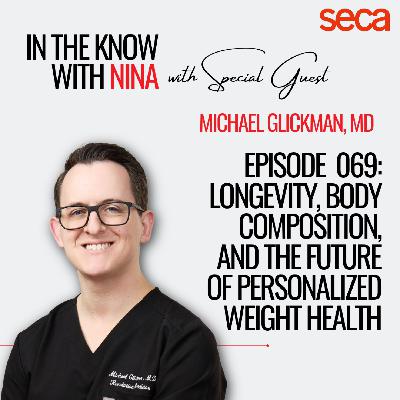
How are longevity, body composition and weight health reshaping the future of obesity care—for both patients and practices?In this episode of In the Know with Nina, we’re back from Longevity Fest, where Dr. Michael Glickman spoke about the evolving role of body composition in metabolic health. Dr. Nina Crowley and Dr. Glickman continue that conversation by exploring how obesity care is moving beyond a weight-only model toward a more personalized, data-driven, and longevity-focused approach.Drawing from real clinical examples, the episode examines how body composition helps patients stay engaged, set meaningful goals, and better understand what’s happening in their bodies—especially when the scale doesn’t change. They also discuss how body composition strengthens long-term patient relationships, supports safe use of GLP-1 therapies, and fits into sustainable practice models as obesity care evolves from “1.0” to “2.0 and beyond.”Key TakeawaysWhy weight health is broader than weight loss and requires long-term, relationship-based careHow body composition improves patient understanding, motivation, and trustWhy body composition data improves motivation, goal-setting, and engagement during maintenanceWhere longevity medicine, functional health, and obesity care begin to intersectHow GLP-1 therapies support metabolic health and may play a role in longevity Why obesity care is moving from “Obesity 1.0” to more personalized 2.0 and 3.0 modelsHow integrating body composition strengthens comprehensive, team-based obesity care programAbout My GuestDr. Michael L. Glickman, MD, is a triple board-certified physician in family medicine, lifestyle medicine, and obesity medicine, and the founder of Revolution Medicine. His practice has grown into the largest obesity medicine practice in Washington, DC, and is known for its comprehensive, patient-centered model that integrates medical treatment, nutrition, fitness, behavioral support, and body composition analysis to support sustainable weight health.How to Connect Website: www.revolutionmed.comInstagram: https://www.instagram.com/revolution_med/Linked In (Dr. Glickman): https://www.linkedin.com/in/michael-glickman-md/ Linked In (Revolution Medicine): https://www.linkedin.com/company/revolution-med
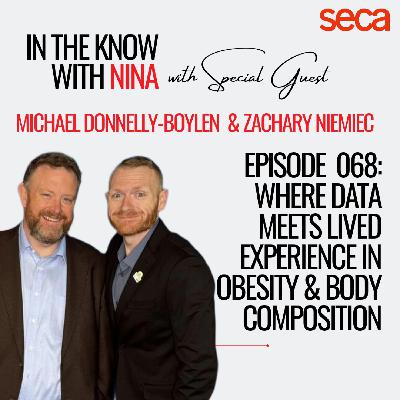
How do patients’ lived experiences at conferences combined with the real-world data they gain from tools like BIA—create a fuller, more honest picture of obesity care?In this episode of In the Know with Nina, I sit down with two incredible patient advocates, Michael Donnelly-Boylen and Zachary Niemiec, to explore where hard data meets lived experience in obesity, bariatric surgery, GLP-1 therapy, and body composition. We talk about what it feels like to be one of only a handful of patients in a room of thousands—and how their presence at ObesityWeek helped shift conversations toward stigma, access, and patient-centered care. Both share what it was like to have clinicians and researchers seek them out to understand the real stories behind the data. Then we dive into the numbers: how body composition tools like DEXA and seca BIA informed their journeys, clarified their goals, and in some cases completely reframed what “progress” looks like. From weight-limit barriers to interpretation challenges to the motivation that comes from seeing skeletal muscle change over time, Mike and Zach show why accessible, in-clinic body composition matters—especially for people in larger bodies.This episode blends science, advocacy, and humanity to highlight why obesity care needs both data and the people behind it.Key TakeawaysPatient presence changes the science. When people with lived experience show up at scientific meetings, research conversations become more grounded, empathetic, and connected to real life.Body composition is personal. Seeing skeletal muscle, fat mass, and lean soft tissue trends helps patients validate what they feel in their own bodies—and challenges assumptions driven by scale-only thinking.Access to measurement is an equity issue. Traditional tools like DEXA often have weight or size limitations, leaving many patients without essential data. Clinic-based BIA offers a more inclusive experience.Words matter. DEXA lean soft tissue, fat-free mass, and skeletal muscle describe different things—and using the right terms prevents confusion and fearmongering around muscle loss on GLP-1s.Strength and function motivate. Muscle health—not just weight—is becoming a more meaningful marker of progress, especially as patients enter maintenance.Maintenance is its own journey. Keeping obesity in remission while building muscle, confidence, and capacity is different from active weight loss—and deserves its own goals and metrics.About my GuestsMichael Donnelly-Boylen is a patient advocate and community builder who uses social platforms to support individuals navigating GLP-1 therapy. He focuses on access, policy, and helping patients find evidence-based voices in a rapidly growing online landscape.Zachary Niemiec brings eight years of lived experience in bariatric surgery, GLP-1 therapy, and advanced liver disease. He uses his platforms to speak candidly about stigma, maintenance, body composition, and why obesity care must include all tools—surgery, medication, lifestyle, and support.How to Connect Michael Donnelly-BoylenTikTok: @MikeOnAMission2Instagram: @mike.on.a.mission2LinkedIn: donnellyboylenNewsletter (Substack): The Mission Report – GLP-1 access updates & evidence-based creator recommendationsZachary NiemiecTikTok: @lucky_finzInstagram: @lucky_finzLinkedIn: Zachary Niemiec

How can clinicians support patients in moving from number-focused thinking to values-aligned goals that feel sustainable and empowering?In this episode of In the Know with Nina, Dr. Nina Crowley is joined by Mind Body Eating Coach Anna Gordon to explore how numbers—weight, BMI, body fat, clothing size—shape self-perception and motivation, and how curiosity and compassion can help patients build a healthier, more grounded relationship with change.Key Takeaways• Numbers like weight, BMI, body fat, and clothing size often take on moral meaning, becoming shorthand for “good” or “bad.”• Patients vary widely: for some, numbers are neutral data; for others, they trigger stress, shame, or fear of judgment.• Curiosity helps uncover the deeper “why” behind a patient’s goals instead of centering the number itself.• “Shoulds” usually reflect external pressure, not authentic motivation; exploring values helps realign what truly matters. • Over-fixation on metrics can drain energy, heighten stress, and disrupt healthy behaviors.• Intrinsic motivations—identity, enjoyment, future self, and core values—drive more sustainable change than external targets.• Body composition data adds value when used to track meaningful trends in muscle, fat, and function rather than isolated daily fluctuations.• Interpreting body composition alongside sleep, stress, mood, and quality of life keeps the data grounded and patient-centered.• Maintenance often requires shifting from constantly preparing the body to live → actually living in it.• Clinicians can reduce harm by asking permission, staying curious, avoiding moral language, and reinforcing that patients are worthy and deserving of compassionate care at every size.About my GuestAnna Gordon, MS, ACC is a Mind Body Eating Coach at Health Psychology Partners in Washington, DC. Using a compassionate, insight-driven coaching approach, she helps clients transform their relationship with food, eating, stress, and self-worth. Anna specializes in supporting individuals who feel that food, body image, or numbers are playing an outsized role in their lives, helping them reconnect with curiosity, values, and personal agency. She partners closely with psychologist Dr. Rachel Pashby to deliver integrative behavioral support within multidisciplinary obesity and metabolic health care.How to Connect Website: https://www.healthpsychologypartners.com/Instagram: https://www.instagram.com/annagordoncoaching/Linked In: https://www.linkedin.com/in/annargordon/ Substack: Eating With Insight https://annargordon.substack.com/
How can we better understand women’s health, hormones, and body composition during midlife—without pathologizing a life stage or falling for one-size-fits-all solutions?In this episode of In the Know with Nina, Dr. Nina Crowley sits down with Dr. Basma Faris, OB-GYN, Culinary Medicine Specialist, and Registered Dietitian, for an empowering conversation about women’s health in midlife. Together, they explore the intersection of hormones, nutrition, and body composition—and what truly personalized, patient-centered care looks like. They discuss how to spot red flags in online health advice, why “everyone should be on…” is never good medicine, and how to navigate perimenopause and menopause with clarity and confidence. From visceral vs. subcutaneous fat to rethinking protein and bone health, this episode is full of practical insights for clinicians and patients alike.Key TakeawaysPerimenopause and menopause are life stages—not diseases to fix.Beware of “everyone should…” claims—context and individuality matter.Body composition changes are real and measurable; visceral fat and lean mass both deserve attention.Protein needs may rise with age, but balance matters—don’t crowd out fiber and micronutrients.Bone health depends on more than calcium and vitamin D—think vitamin K, vitamin C, and trace minerals.Community, conversation, and anticipatory guidance help women navigate change with confidence.About my GuestBasma Faris, MD, CCMS, FACOG is a board-certified OB-GYN and Certified Culinary Medicine Specialist who brings a unique blend of nutrition and medicine to women’s health. First trained as a registered dietitian, she now leads a telehealth practice focused on evidence-based, compassionate care for people with PCOS and hormonal health concerns. Dr. Faris also serves as an Assistant Professor at Mount Sinai, chairs the Advisory Board of the American College of Culinary Medicine, and advises several women’s health startups—advancing inclusive, practical approaches to reproductive and metabolic health.How to Connect Website: drbasmafaris.comLinkedIn: linkedin.com/in/basma-faris-md-ms-ccmsInstagram: @drbasmafarisYouTube: @drbasmafaris
How can GLP-1 therapies offer more than weight loss—and become a pathway to freedom, healing, and hope?In this episode of In the Know with Nina, Dr. Nina Crowley sits down with Amanda Bonello, founder of the GLP-1 Collective nonprofit. Amanda shares her deeply personal journey through obesity, eating disorders, and recovery—and how GLP-1 medications brought her freedom from food noise, nicotine addiction, and years of shame. Together, Nina and Amanda explore how lived experience can fuel advocacy, why access and affordability matter, and what it means to create a more compassionate system for people using these life-changing therapies.Key Takeaways• GLP-1 medications quieted Amanda’s food noise and nicotine addiction.• Her personal experience led to founding the GLP-1 Collective and GLP-1 Access LLC.• Advocacy starts with storytelling—one patient voice at a time.• True health means more than a number on the scale; body composition tells a fuller story.• Collaboration between advocates, clinicians, and organizations can drive real change.About my GuestAmanda Bonello is the founder and executive director of the GLP-1 Collective, a nonprofit organization dedicated to affordable access, education, and community for individuals using GLP-1 therapies. She also leads GLP-1 Access LLC, an action-oriented partner that supports advocacy initiatives for medication affordability. Through her podcast and nonprofit work, Amanda amplifies patient voices and drives the national conversation toward empathy, education, and equitable care.How to ConnectPodcast: GLP-1 Collective Podcast: https://open.spotify.com/show/2khCfMHUPSGBKQNBM1ic4b?si=9b7b33e95b244da1Website: https://glp1collective.org/Instagram: amanda.bonell0Tiktok: @amanda.bonello
How can AI enhance education and client engagement without replacing the human nuance of counseling?In this episode of In the Know with Nina, Dr. Nina Crowley sits down with dietitian and tech educator Drew Hemler, RD to unpack where AI fits in dietetics today—from chatbots that support the “in-between” moments of care to visualizing complex data like body composition in patient-friendly ways. They dig into AI’s limits, cultural sensitivity, HIPAA considerations, and practical tools clinicians can adopt now, plus what’s coming next as AI becomes expected in healthcare workflows.Key Takeaways• AI is accelerating in dietetics—learn it now to stay relevant.• Counseling ≠ education: AI can scale education; humans handle nuance and behavior change.• Chatbots can support clients between visits and reduce inbox overload.• Visualizing data (e.g., body composition trends) boosts motivation and understanding.• Cultural context matters—AI can help tailor advice to cuisines and traditions when guided well.• Automate the repetitive; reserve your time for relationships and higher-value work.• Use plain-language translations to make complex info digestible.• Start small: newsletters, AMA’s AI Hub, and simple workflows are great on-ramps.• Always apply human oversight—AI outputs can be biased, inaccurate, or unsafe without context.• The near future: AI scribes and standardized tools will be common in clinical practice.About my GuestDrew Hemler, RD is a dietitian and educator working across private practice, clinical care, and academia with a specialty in practical AI for healthcare. With a background in marketing and tech, Drew helps clinicians adopt AI tools for education, client engagement, and operations—while keeping counseling human-centered and culturally informed.How to Connect LinkedIn https://www.linkedin.com/in/drewhemler/ Instagram: @dietitian.drew
How can we better support patients with metabolic liver disease through multidisciplinary care, lifestyle medicine, and emerging treatments like GLP-1s and endoscopic procedures?In this episode of In the Know with Nina, Dr. Nina Crowley is joined by Sheena Batura, MS, RDN, CSOWM, Director of Clinical Programs at Salvo Health. Together, they dive into the evolving landscape of metabolic liver disease, highlighting the importance of dietitian leadership, patient-centered care, and healthcare integration.Key Takeaways• Metabolic liver disease requires comprehensive, multidisciplinary support• Lifestyle medicine and behavior change are essential to long-term outcomes• GLP-1 receptor agonists are opening new doors for treatment and coverage• Dietitians deserve — and are claiming — leadership roles in healthcare• Integration between providers improves both access and outcomes• Endoscopic sleeve gastroplasty represents a growing treatment optionAbout my GuestSheena Batura, MS, RDN, CSOWM, is the Director of Clinical Programs at Salvo Health, where she leads a multidisciplinary team supporting gastroenterology and obesity practices. With expertise in obesity medicine and a strong background in dietetics, Sheena is passionate about expanding access to patient-centered care and elevating the role of dietitians in healthcare leadership.How to Connect LinkedIn: https://www.linkedin.com/in/sheenabatura LinkedIn for Salvo Health: https://www.linkedin.com/company/salvohealth
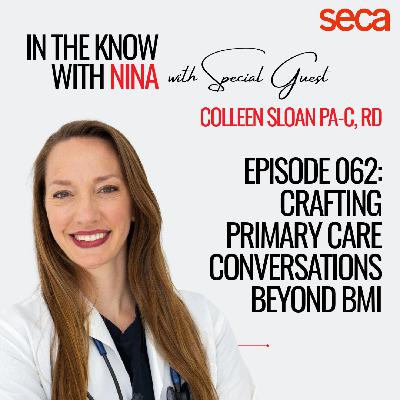
How can primary care providers move beyond BMI, use body composition meaningfully, and still have compassionate nutrition conversations in the limited time they have?In this episode of In the Know with Nina, Dr. Nina Crowley is joined by Colleen Sloan, PA-C, RD—a dual-credentialed physician assistant and registered dietitian who practices in pediatric primary care in Florida and hosts the Exam Room Nutrition podcast.DescriptionTogether we explore why BMI remains the default in primary care, despite its limitations, and how to introduce body composition as a practical, scalable tool. Colleen shares insights from her work with clinicians and dietitians, highlighting common barriers like time, confidence, and stigma, and offers strategies for more effective patient conversations. We also dig into motivational interviewing, the difference between education and counseling, and how referral networks with dietitians can transform care.Key Takeaways• Why BMI persists in primary care and what it misses• How body composition provides richer, more actionable insights• The biggest barriers clinicians face when discussing nutrition and weight• Practical strategies like the ask–offer–ask framework to guide conversations• Why education ≠ counseling, and how team-based care makes the differenceAbout My GuestColleen Sloan, PA-C, RD, is a physician assistant and registered dietitian working in pediatric outpatient care in Florida. She is also the host of the Exam Room Nutrition podcast and creator of the new Obesity Medicine Nutrition Course, designed to equip clinicians and dietitians with practical tools for obesity management, nutrition counseling, and patient support.How to ConnectInstagram: @examroomnutritionLinkedIn: Colleen Sloan
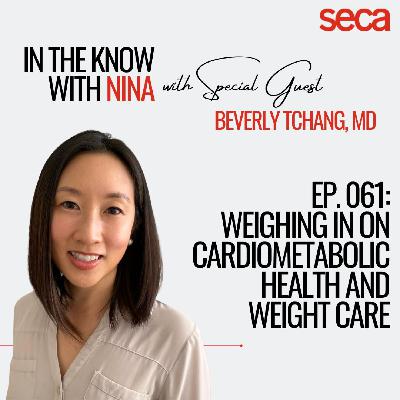
How is the cardiology community beginning to embrace obesity treatment as part of cardiovascular care?In this episode of In the Know with Nina, Dr. Nina Crowley is joined by Dr. Beverly Tchang, Associate Professor of Clinical Medicine at Weill Cornell Medicine, endocrinologist, and board-certified obesity medicine physician. Together they dive into the new American College of Cardiology guidance on medical weight management, exploring what it means for obesity care, cardiology, and the growing role of pharmacotherapy like GLP-1s.Key Takeaways• Obesity is increasingly recognized as a disease that impacts multiple organ systems, making its treatment essential for cardiovascular health.• Multidisciplinary, collaborative care is critical for effective obesity management, particularly as cardiology becomes more engaged in this field.• GLP-1 medications and other pharmacotherapies are reshaping obesity and cardiovascular treatment strategies.• Addressing weight stigma and bias is essential to delivering patient-centered care.• Moving beyond BMI with body composition assessments—and overcoming practical challenges like waist circumference measurement—will improve precision in clinical practice.• Technology is advancing tools for body composition analysis, supporting more consistent and scalable care.• The landscape of obesity treatment is evolving rapidly, with cardiology playing a growing role.About my GuestBeverly Tchang, MD is a triple board-certified physician and Associate Professor of Clinical Medicine at the Comprehensive Weight Control Center, Weill Cornell Medicine in New York, where she specializes in endocrinology and obesity medicine. Her nationally recognized expertise extends beyond the clinic—she also serves as an advisor to companies, entrepreneurs, and investors seeking to understand modern weight management.How to Connect Instagram: https://www.instagram.com/BevTchangMD LinkedIn: https://www.linkedin.com/in/beverlytchang/X: https://x.com/BevTchangMD Website: https://www.beverlytchangmd.com/
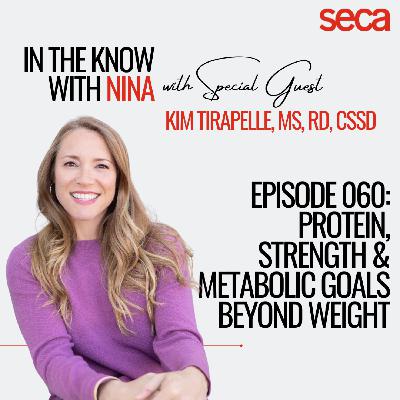
What’s the best way to fuel strength, preserve muscle, and support body composition after bariatric surgery or on GLP-1s?In this episode of In the Know with Nina, Dr. Nina Crowley is joined by Kim Tirapelle, MS, RD, CSSD—Bariatric Sports Dietitian and host of the Active Bariatric Nutrition Podcast. Together, they explore how post-op patients and individuals using GLP-1 medications can preserve lean mass, improve strength, and shift the focus from weight loss to body composition and performance.This conversation breaks down how to tailor nutrition for an active lifestyle after bariatric surgery, what realistic protein and exercise goals look like, and when it makes sense to add supplements like creatine. Whether you’re a provider or a patient, this episode is packed with insight to help support strength, function, and a more holistic view of metabolic health.Key Takeaways• Protein needs vary based on activity, goals, and medical therapy—there’s no one-size-fits-all• Resistance training is critical to preserve muscle and promote long-term health• Creatine is safe, effective, and valuable when used alongside proper training and nutrition• GLP-1 medications change appetite and intake—protein strategy must adapt• Body composition tracking provides a more complete picture than weight alone• Segmental muscle analysis and visceral fat measures help guide individualized care About my Guest Kim Tirapelle is a Registered Dietitian who specializes in Bariatric Sports Nutrition. She has been working with active bariatric individuals for the last 18+ years helping them optimize their nutrition to fuel their fitness goals after surgery. She also has a podcast, Active Bariatric Nutrition. How to Connect:Website: activebariatricnutrition.comInstagram: @activebariatricPodcast: The Active Bariatric Nutrition Podcast
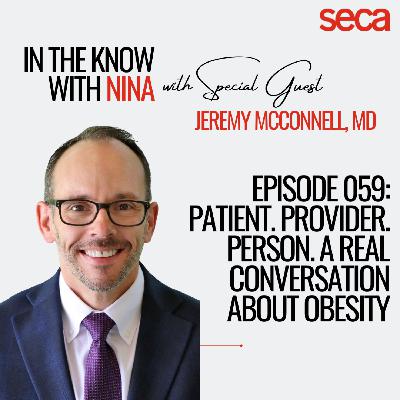
What happens when the doctor is the patient?In this episode of In the Know with Nina, Dr. Nina Crowley is joined by Dr. Jeremy McConnell—a triple board-certified physician in Sleep, Family, and Obesity Medicine—who shares his powerful story of growing up with obesity, navigating stigma in healthcare, and ultimately turning lived experience into clinical impact.Together, they explore the nuance of identity as both clinician and patient, the emotional and physical complexities of obesity, and the evolving treatment landscape that now offers more hope than ever. From early stigma and healthcare bias to body composition tracking and weight loss surgery, Jeremy opens up with remarkable honesty about what it takes to manage a chronic disease with empathy and evidence.Key Takeaways• Lived experience can strengthen clinical insight and patient trust• Body composition tells a richer story than weight alone• Surgery and medications are valid, effort-based tools—not last resorts• Obesity is a chronic condition, not a personal failure• Tracking metrics like muscle mass and REE can help guide meaningful goals• Patient-centered language and permission-based conversations matter• Personalizing treatment builds better engagement and long-term outcomes• Real change is possible—at any age—with the right supportAbout my GuestDr. Jeremy McConnell is a triple board-certified physician in Family, Sleep, and Obesity Medicine, and a Master Fellow of the Obesity Medicine Association. With over two decades of experience—and a personal journey with obesity—he blends clinical expertise with deep empathy. He is the founder of Florida Sleep Specialists and Discover Health Obesity Medicine, and a national advocate for compassionate, evidence-based obesity care.How to Connect Instagram: https://www.instagram.com/mcconnell.jeremy/ LinkedIn: https://www.linkedin.com/in/jeremy-mcconnell-md-mfoma-dipl-abom-1906757a/
How do you know if you experience food noise—and why does it matter?In this episode of In the Know with Nina, Dr. Nina Crowley is joined by Dr. Michelle Cardel, PhD, MS, RD, Chief Nutrition Officer at WeightWatchers, to explore the concept of food noise—those persistent, intrusive thoughts about food that aren’t driven by hunger—and why understanding it is critical in today’s obesity care landscape.Together, they dive into the science behind the new, validated Food Noise Questionnaire, how it’s being used in research and clinical care, and what it reveals about the impact of GLP-1 medications on eating behavior, mental peace, and quality of life. If you’ve ever wondered what it really means to “feel free” from food, this episode is for you.Key Takeaways• Food noise refers to persistent, intrusive thoughts about food—even in the absence of hunger—that can disrupt daily life and emotional well-being.• The newly validated Food Noise Questionnaire (FNQ) offers a simple, 5-question tool to help assess the intensity of food noise and track changes over time.• GLP-1 medications have been shown to significantly reduce food noise, offering mental relief and enabling better adherence to nutrition and lifestyle goals.• Patients often describe feeling “free” or “at peace” for the first time in their lives—sometimes even choosing to stay on medication regardless of weight loss outcomes.• Measuring food noise helps shift the conversation away from willpower and toward biology and behavior, reducing stigma and improving obesity care.About my GuestMichelle Cardel, PhD, MS, RD, FTOS, is a clinical nutrition scientist, registered dietitian, and Chief Nutrition Officer at WeightWatchers. She leads global research, academic partnerships, and program development focused on evidence-based, equitable obesity care. Dr. Cardel co-developed the Food Noise Questionnaire and has authored over 120 peer-reviewed publications. How to Connect Instagram & TikTok: @DrMichelleCardelTwitter/X: @MichelleCardelLinkedIn: Dr. Michelle CardelFood Noise Questionnaire Paper: Access the full-text in Obesity Journal – Jan 2025 - https://pubmed.ncbi.nlm.nih.gov/39828656/Take the Online Quiz: https://www.weightwatchers.com/us/food-noise
What happens when appetite suppression, food noise reduction, and early satiety become part of a patient’s new normal?In this episode of In the Know with Nina, Dr. Nina Crowley is joined by Melissa Mitri, MS, RDN, a seasoned dietitian and expert health writer, to explore how nutrition strategies must evolve as patients begin medication-based obesity treatment. From protein and meal timing to food noise and side effect management, they discuss how to personalize care for better outcomes.Key TakeawaysNutrition is crucial for long-term obesity careIndividual responses to medications vary significantlyChronic treatment is often necessary for sustained resultsMeal timing and spacing can improve effectivenessFood quality > calorie quantityGLP-1s can help reduce food noise and boost focusTracking body composition enhances motivationPersonalization is key to nutrition successManaging side effects supports medication adherenceHCPs play a vital role in supporting behavior changeAbout Melissa MitriMelissa Mitri is a Registered Dietitian and weight loss expert with over 18 years of experience. She owns Melissa Mitri Nutrition, a virtual practice specializing in sustainable weight loss, and also works as a freelance writer and consultant for health and wellness brands. Melissa helps patients on GLP-1s adopt healthy habits to maximize benefits and minimize side effects.How to Connect:🌐 Visit Melissa's website: https://melissamitri.com/ 🔗 Connect with Melissa Mitri on LinkedIn📎 GLP-1 Cheat Sheet for HCPs
What if the number on the scale is the least interesting thing about your health?In this episode of In the Know with Nina, Dr. Nina Crowley is joined by Dr. Molly Lupo, DNP—owner of Lupo Preventive Medicine and host of the More Than Weight Loss podcast—for a powerful and practical conversation on body composition, women’s health, and redefining success in weight management.Dr. Lupo shares how she uses her seca body composition analyzer in clinical practice to move the focus away from weight alone. By tracking muscle, fat mass, visceral adiposity, and trends over time, she empowers women to reclaim their health journeys with individualized, data-informed care. Together, they unpack the emotional history many women have with the scale, explore the role of hunger hormones and GLP-1 medications, and offer practical strategies for building trust, motivation, and muscle—at any age.Key Takeaways• The relationship with the scale runs deep, especially for women.• Shifting from weight to body composition can be empowering.• Medication can play a pivotal role in managing obesity.• Understanding hunger hormones helps reframe blame and build trust.• Strength training is essential for long-term health and muscle preservation.• Motivational interviewing and group support boost engagement.• seca’s Treatment Tracker helps personalize care with trend-based visual data.• Patients love seeing their progress in muscle gain and body fat reduction.• Reframing expectations is key in long-term weight management.About Dr. Molly LupoDr. Molly Lupo is a nurse practitioner and the founder of Lupo Preventive Medicine in Omaha, Nebraska. She specializes in women’s health, weight management, and preventive care, and hosts the More Than Weight Loss podcast. As a seca user, Dr. Lupo integrates body composition data into her patient visits to offer individualized care, increase self-efficacy, and support behavior change through visual progress tracking.How to Connect with Dr. Lupo📲 Instagram: @drmollylupo🎧 Podcast: More Than Weight Loss with Dr. Molly Lupo – episode 70 with Dr. Nina Crowley🌐 Practice Website: www.mollylupo.com
Episode DescriptionWhat happens when a single number—like body fat percentage—starts to define an athlete’s worth?In this episode of In the Know with Nina, Dr. Nina Crowley is joined by Dr. Robyn Whitehead, a sports psychologist and exercise physiologist, to unpack a recent article in the NYT/The Athletic on “Football, Fat, and a Culture of Fear: Some Weigh Themselves Multiple Times a Day” Together, they explore how misused metrics, outdated coaching practices, and harmful language around body composition can erode trust, motivation, and mental well-being in athletes.They offer a more compassionate, evidence-based path forward—one rooted in athlete-centered care, motivational interviewing, and inclusive communication. When used responsibly, body composition can move beyond shame and surveillance to become a tool that supports performance, protects mental health, and empowers individuals to pursue meaningful, personalized goals.Key Takeaways:Why relying on body fat % alone can harm athlete trust and performanceThe mental health toll of outdated coaching practices and body surveillanceHow motivational interviewing builds connection and long-term buy-inThe importance of athlete-centered language and personalized coachingWhat gyms and personal trainers can learn from sports psychologyHow to use body composition as a tool—not a threat—for education, support, and empowermentAbout Dr. Whitehead: Dr. Robyn Whitehead is a sports psychologist, exercise physiologist, and professor at Stephen F. Austin State University. With a background in both clinical and athletic settings, she’s passionate about inclusive, person-centered care that values mental and physical health equally. She teaches motivational interviewing and psychology of sport and exercise to future health and performance professionals.How to Connect with Dr. Whitehead: Instagram: @dr_robyn_whitehead
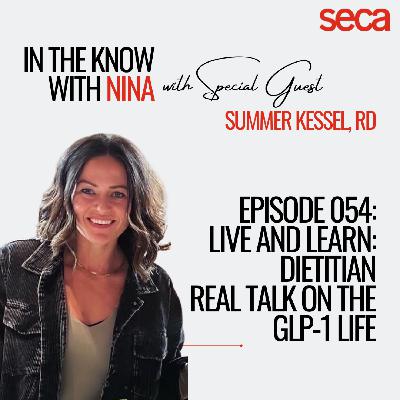
There’s a lot of chatter—and even more confusion—about what it really means to support patients on obesity medications.In this episode of In the Know with Nina, Dr. Nina Crowley welcomes Summer Kessel, RD, CSOWM—widely known as @SummertheDietitian—for a deeply personal and refreshingly honest conversation. Summer blends clinical expertise with lived experience as both a GLP-1 patient and provider. Together, they explore what it takes to rebuild a relationship with food, overcome stigma, and reimagine success in weight management beyond the number on the scale.This conversation bridges science, behavior, and humanity—offering insight and empathy for anyone navigating obesity care in the GLP-1 era.Key TakeawaysWhat is “food noise”—and how do GLP-1s quiet it?Why intuitive eating principles can align with medication-based careThe stigma dietitians face when living in larger bodiesWhy weight loss alone isn’t the goal—preserving muscle isWhat sustainable nutrition looks like in real lifeHow GLP-1s help people finally follow through on their best intentionsAbout Summer Kessel, RD, CSOWM, LDNSummer Kessel, RD, CSOWM, LDN is a registered dietitian, GLP-1 nutrition expert, and author of the upcoming book Living Your Healthiest Semaglutide Life (July 2025). She’s also co-founder of JoinVineyard.com, a virtual platform offering comprehensive obesity care and medication access.Connect with Summer Kessel, RD, CSOWM, LDNPre-order her book: Living Your Healthiest Semaglutide Life on AmazonFollow on Instagram: @SummertheDietitianLearn more: JoinVineyard.com

Comments

Download from Google Play

Download from App Store
 United States