


 Claim Ownership
News&ViewsPodcast | Tobacco Asia - InterTabac
Subscribed: 0Played: 0
Subscribe

© Tobacco Asia - InterTabac
Description
The series "Tobacco & Vape, News & Views, presented by Business Insights of InterTabac/ InterSupply and Tobacco Asia magazine" is a podcast series with host Thomas Schmid, contributing editor of Tobacco Asia magazine.
55 Episodes
Reverse
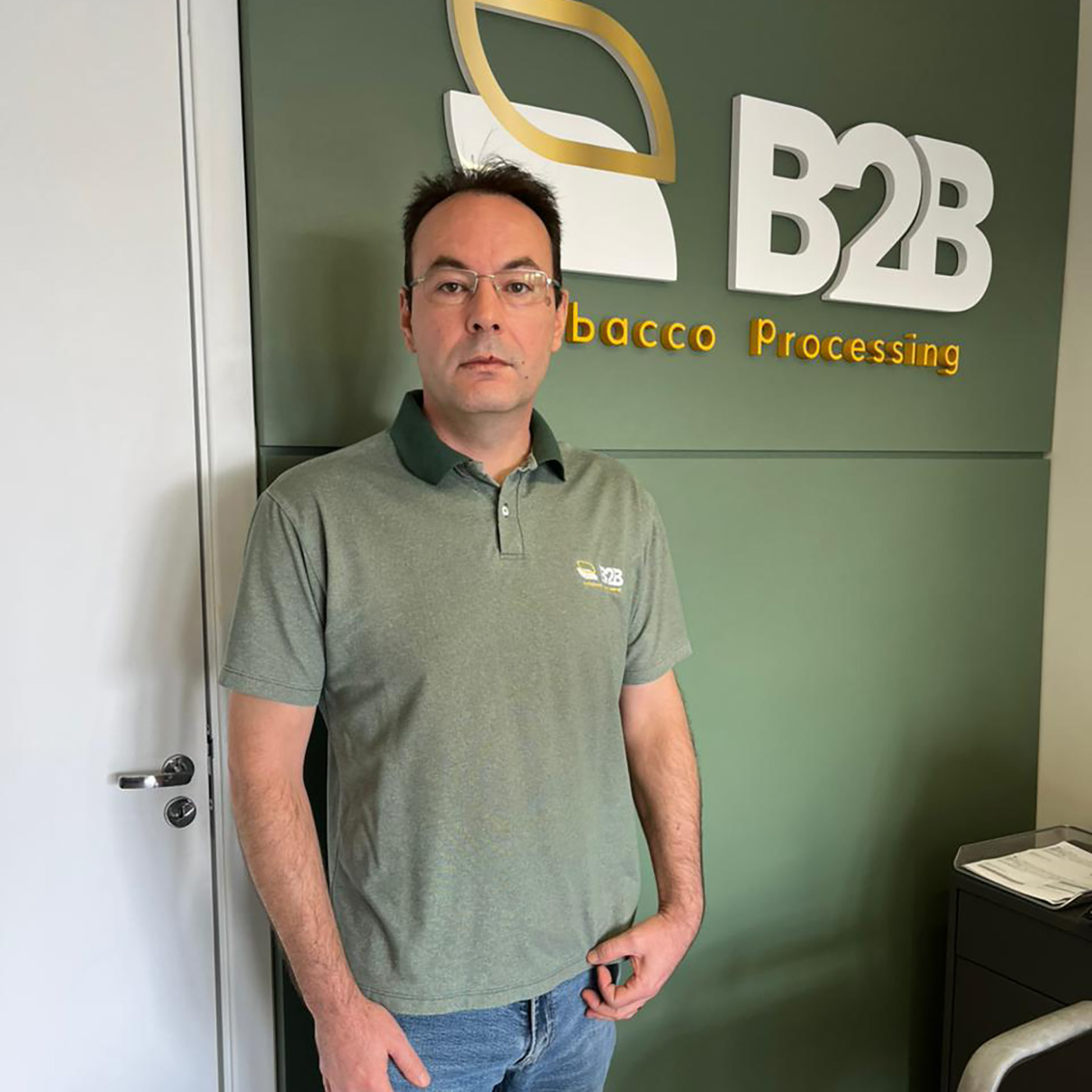
Thomas Schmid interviews Marcelo Marques, General Manager of B2B Tobacco Processing in Brazil. The discussion covers the current state and outlook of the Brazilian tobacco industry, focusing on expected crop shortages, especially in Burley tobacco, due to climate and market factors. Marcelo explains that while Burley will be in shorter supply, Virginia tobacco quality and volume should remain stable. The conversation also addresses price fluctuations, the impact of previous climate disasters, and the dynamics of stock and demand in the market.
Marcelo introduces his company, B2B Tobacco Processing, highlighting its rapid growth and its focus on quality and expansion in both domestic and export markets. He highlights challenges such as currency instability, competition, and the importance of reputation in the industry. The company’s export markets include the United States, Indonesia, South America, and parts of Europe. Marcelo emphasizes the company’s strategy of reinvesting profits, building customer trust, and sourcing tobacco directly from farmers to meet specific quality requirements.
The interview concludes with optimism about the future of B2B Tobacco Processing and the Brazilian tobacco market, despite ongoing challenges.
In this episode, Hugo Azinheira of Filtrona discusses with host Thomas Schmid the company’s pioneering work in sustainable, plastic-free filters for the tobacco industry. Driven by the EU’s Single Use Plastics Directive (EUSUPD), Filtrona invested in R&D to launch the ECO range of biodegradable filters, using both new and historical materials. The conversation highlights how regulatory changes have spurred industry demand for sustainable solutions and how Filtrona’s innovation center in Indonesia accelerates product development and customer collaboration. Hugo also outlines Filtrona’s ambitious ESG goals, including carbon neutrality by 2040 and net zero emissions by 2050, and notes the company’s remarkable achievements in reducing emissions and waste. The episode emphasizes the importance of industry-wide cooperation and Filtrona’s commitment to embedding ESG values throughout its operations, positioning the company as a leader in the transition to sustainable filter solutions.
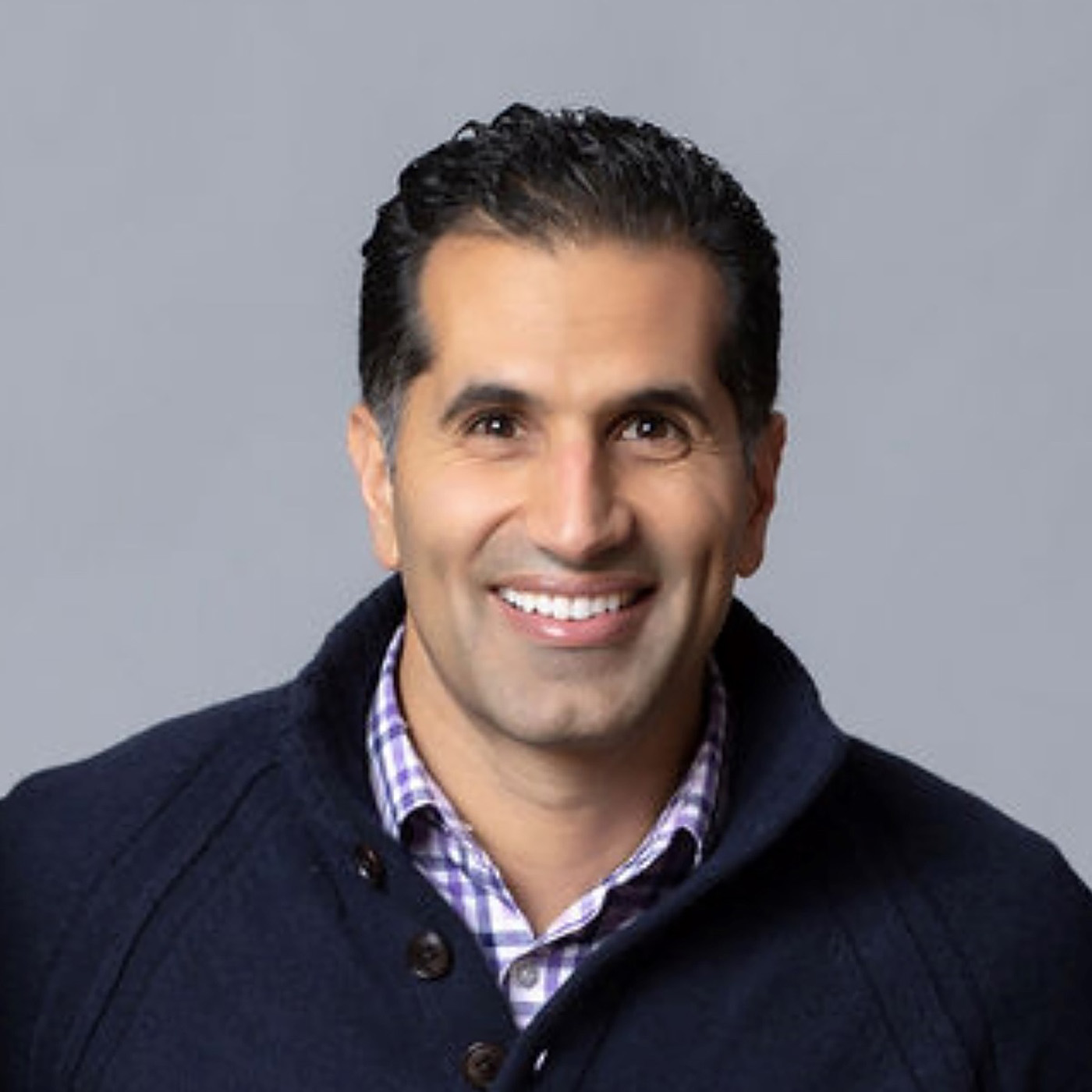
Altria has launched the "Connect and Transform" initiative to accelerate its shift away from traditional tobacco products and drive innovation by connecting with external partners. Wael Safi, Altria’s Managing Director of Open Innovation and Venture Growth, explains that the program is designed to identify company needs, connect with outside experts, startups, and inventors, and bring in new capabilities to transform the business.
The initiative stands out for its intentional approach: Altria clearly defines its needs through "needs briefs," actively seeks out relevant partners, and maintains ongoing relationships even if there isn’t an immediate fit. Success stories include leveraging AI to speed up concept validation, resulting in faster and more cost-effective innovation.
To get involved, interested parties can visit Altria’s website, review the needs briefs, and submit a non-confidential pitch or concept outline that demonstrates their capability and relevance to Altria’s needs. Aiming for a win-win partnership, the program is open to a wide range of collaborators, but emphasizes the importance of practical, demonstrable solutions over just ideas.
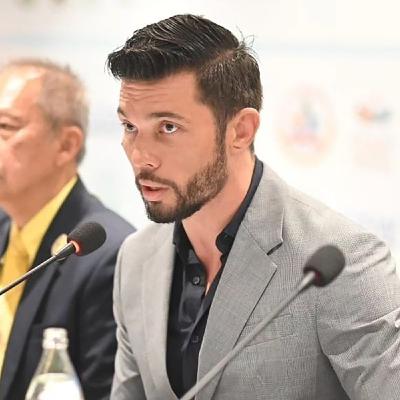
Thomas Schmid interviews Jordan Herring, CEO of Hidden Valley Genetics, discussing the rapid changes in Thailand’s cannabis laws. In 2022, Thailand became the first Asian country to legalize cannabis, creating a booming industry but with little regulatory framework. In June 2025, the government reversed course, making recreational use illegal again and restricting cannabis to medical use only, which now requires medical prescriptions and on-site doctors at dispensaries. The interview highlights the economic, legal, and social consequences of these policy shifts, the struggles of small business owners, and the ongoing adaptation of the industry to new regulations.
Delving deep, Jordan explains the real-life impact on the industry, especially small dispensaries unable to afford medical staff, leading to thousands of closures. The conversation covers the challenges of compliance, the effect on local and export markets, and the persistence of a black market. Jordan also details his involvement with THIPA, an industry group that helped shape new regulations and secure Thailand’s status as a legal exporter of medical cannabis.

Thomas Schmid hosts a discussion about advancements in anti-counterfeiting technology, particularly focusing on the hidden image technology used in packaging. He introduces Julian Homer, the commercial manager at Arden Dies Limited, to elaborate on this innovative technology.
Julian explains how hidden image embossing (or debossing) works, detailing that this method invisibly embeds a secondary image within a primary embossed or debossed design, which can be revealed using a special plastic lens. This technique offers increased security against counterfeit products, particularly in the tobacco industry.
Julian clarifies how the hidden images work, how they can be verified, and who can access the special lens needed to see them. He confirms the effectiveness and complexity of the technology, which is extremely difficult to replicate, if at all.

In this episode, host Thomas Schmid interviews Kimberly Foley, the new Executive Director of U.S. FCV grower cooperative, Tobacco Associates. Kimberly shares her passion for the U.S. tobacco market and outlines her plans to maintain and enhance the organization’s operations, focusing on quality, farmer visibility, and market development.
She elaborates on efforts to navigate challenges such as global competition, costs, and tariffs, emphasizing the importance of maintaining strong international partnerships. She identifies potential growth markets for U.S. leaf, including Japan, Turkey, India, Egypt, Vietnam, Thailand, and Poland, while acknowledging the complexities of certain regions like Sub-Saharan Africa and Latin America. The conversation also touches upon the significance of American Blend market share and the strategies to promote U.S. tobacco globally.
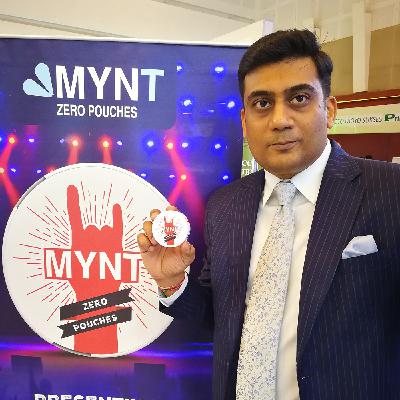
Thomas Schmid interviews Shivam Bihani, the director of AVB International, about the evolving landscape of nicotine pouch regulations. The conversation covers various regulatory challenges faced by nicotine pouches across different markets, focusing on restrictions in the EU, UK, and the US. Thomas and Shivam discuss the potential for bans, flavor restrictions, and tax implications, highlighting the impact of stringent regulations on both manufacturers and consumers. Shivam emphasizes the importance of reasonable regulations rooted in scientific evidence to maximize harm reduction and prevent the rise of black markets. The discussion concludes with insights into how AVB International plans to adapt and innovate in response to these regulatory changes.

Host Thomas Schmid welcomes Carolin Goetze, the Global Application and Scientific Coordinator at Detia Degesch Group and an expert with extensive academic and professional background in biological sciences and toxicology. They discuss the critical issue of tobacco beetle populations developing decreased susceptibility to phosphine fumigation, an essential topic for stakeholders in the tobacco industry.
The conversation covers the definition of phosphine resistance versus tolerance, emphasizing the term "decreased susceptibility." Goetze provides detailed insights into the functionality of phosphine gas and its effect on insect respiratory systems. She explains how varying susceptibility of tobacco beetle populations can depend on geographical regions and different life stages of the insects. There is also a discussion on how improper fumigation techniques can lead to increased occurrence of decreased susceptibility in beetle populations.
The importance of an Integrated Pest Management (IPM) strategy is highlighted, stressing preventative measures and proper fumigation practices to ensure effective pest control. But Goetze also reassures that despite an incidence of resistance successful fumigation remains possible with correct procedures.
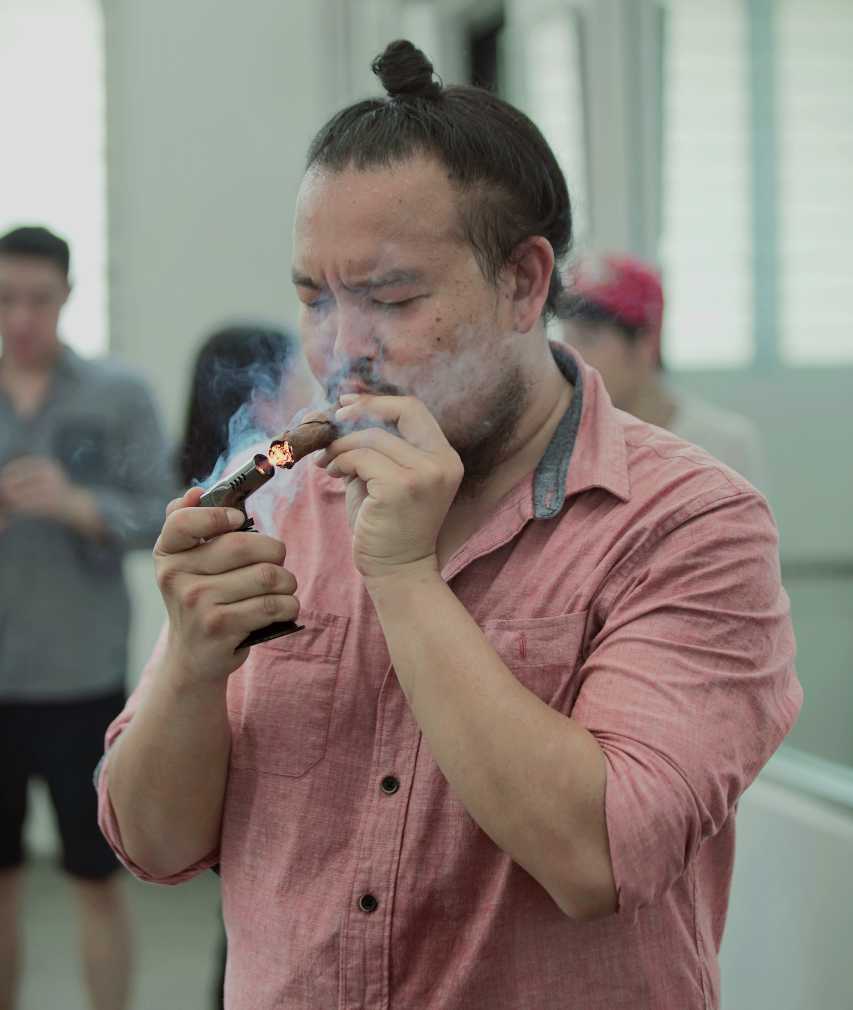
Thomas Schmid interviews Sonny Suciawan, the creator of the Mata Hari cigar brand. The conversation begins with a brief history of Mata Hari, a Dutch exotic dancer and alleged spy during World War I, who was executed by the Germans. Sonny explains the brand's ties to Indonesia and discusses the intricacies of its cigar blends, including the types of tobacco used and the taste profiles of the various product lines: Mata Hari Courtesane, Mata Hari Limited Edition 2024, and Mata Hari Java Exotica. The dialogue also covers the production process in Indonesia and the brand's aspirations to introduce Indonesian cigars to international markets, including Germany and the United States.

Hosted by Thomas Schmid, this episode focuses on the history and current market strategies of Gawith-Hoggarth Limited, the UK's sole remaining tobacco manufacturer. The company’s director, Rachel Gawith, discusses the company's unique position in the global market, particularly its surprising market presence in several Southeast Asian countries. Rachel also touches upon the company's cautious approach to opening new markets due to production limitations, regulatory challenges, and ensuring sustained product quality. The conversation concludes with a discussion about the importance and benefits of Gawith-Hoggarth exhibiting at InterTabac, a key trade show where the company can meet up with distributors and suppliers from around the globe.

Thomas Schmid interviews Andreas Schweiger, sales manager at Micro Laser Technology (MLT), about microlaser perforation technology in the tobacco sector. Andreas explains how MLT stands out in the field with its high-performance systems and details the origin of the company, its competition, and technological advancements that make its product unmatched. Schweiger reveals that MLT is the leader in the field due to its innovative polygonal technology, which allows for high-speed perforation producing millions of tiny holes per second, far outpacing competitors.
Schweiger also delves into the practical applications of microlaser perforation in producing light cigarettes and other tobacco products, emphasizing the importance of precision and speed. The interview transitions to discussing MLT's adaptation to market trends, such as online perforation, and exploring new applications beyond the tobacco industry, like food packaging for extending shelf life and security perforation for banknotes and passports. The interview concludes with Andreas Schweiger affirming MLT's commitment to staying at the forefront of technology and serving its niche markets effectively.
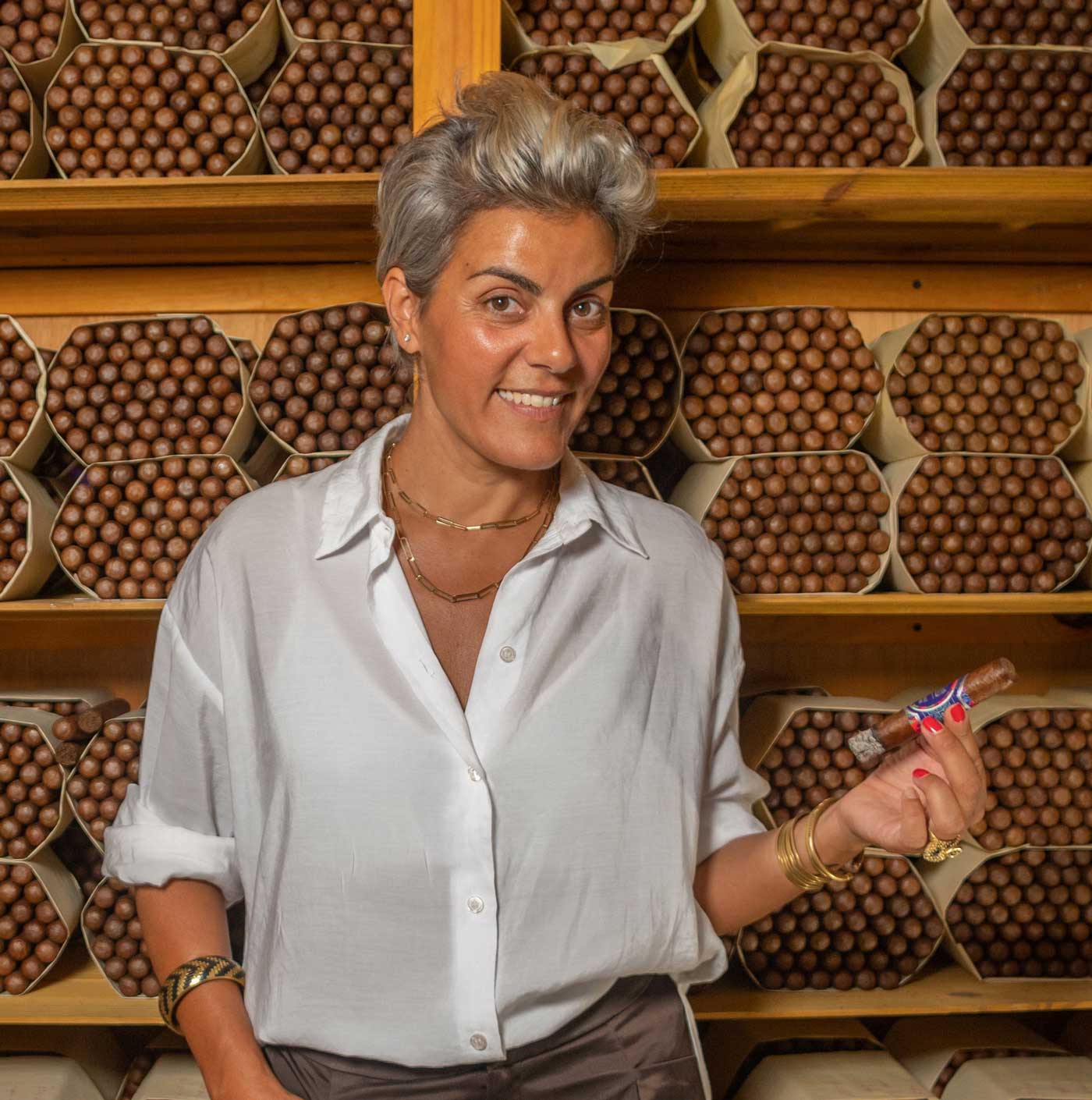
The episode features an engaging interview between Thomas Schmid and Emily Sahakian, co-founder of the premium cigar brand, Chateau Diadem. The remarkable growth of Chateau Diadem is underpinned by its success at various trade exhibitions and the dedication of its two founders, Emily and her cousin, Thierry Farah. Emily shares the backstory of the brand, revealing her and her cousin’s lifelong passion for cigars, their playful childhood experiences, and the eventual realization of their dream to create their own brand. She elaborates on initial obstacles and how the brand evolved from a white-label production to being manufactured in its own custom factory. The conversation highlights Chateau Diadem’s various cigar formats, the significance of quality control, and the brand’s expansion into the U.S. market. Emily offers encouraging advice for aspiring entrepreneurs in the cigar industry and emphasizes the importance of being open to feedback and continually striving for excellence.
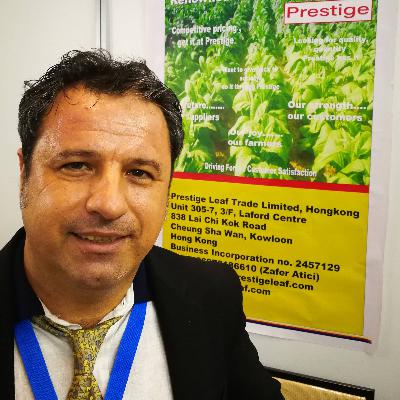
He discusses the challenges he faced, such as gaining clients' trust and overcoming initial slow business years. He emphasizes the importance of repeat business over short-term profits, sharing that his company's success is reflected in returning customers. He highlights the strategic partnerships Prestige Leaf has with various international merchants and emphasizes the importance of aligning common objectives with them. The conversation also touches on the company’s Corporate and Social Responsibility (CSR) activities, including a commitment to supporting sports, arts, education, and community programs. Zafer talks about fis future plans for Prestige Leaf, including expanding into more tobacco-growing countries and possibly diversifying into the food industry. The interview concludes with Zafer's advice to newcomers in the tobacco industry and his final thoughts on the importance of treating farmers as partners rather than mere suppliers.

The interview discusses Rebellion Cigars, a niche company founded in the UK by Mandi and Shaun Wilkinson in 2019, covering the company’s inception, Shaun Wilkinson’s passion for cigars, and the significant challenges faced entering the exclusive cigar market. Host Thomas Schmid also picks Wilkinson’s brains about the production process in a factory in Honduras and the development of Rebellion Cigars’ unique cigar blends. Wilkinson explains the distinctive pink branding and his strategy of naming cigars after favorite rock songs, as well as the launches of a special country music-themed range for the US market and upcoming limited editions. The episode wraps with mentions of Rebellion Cigars’ global reach and its presence on various online platforms for marketing.
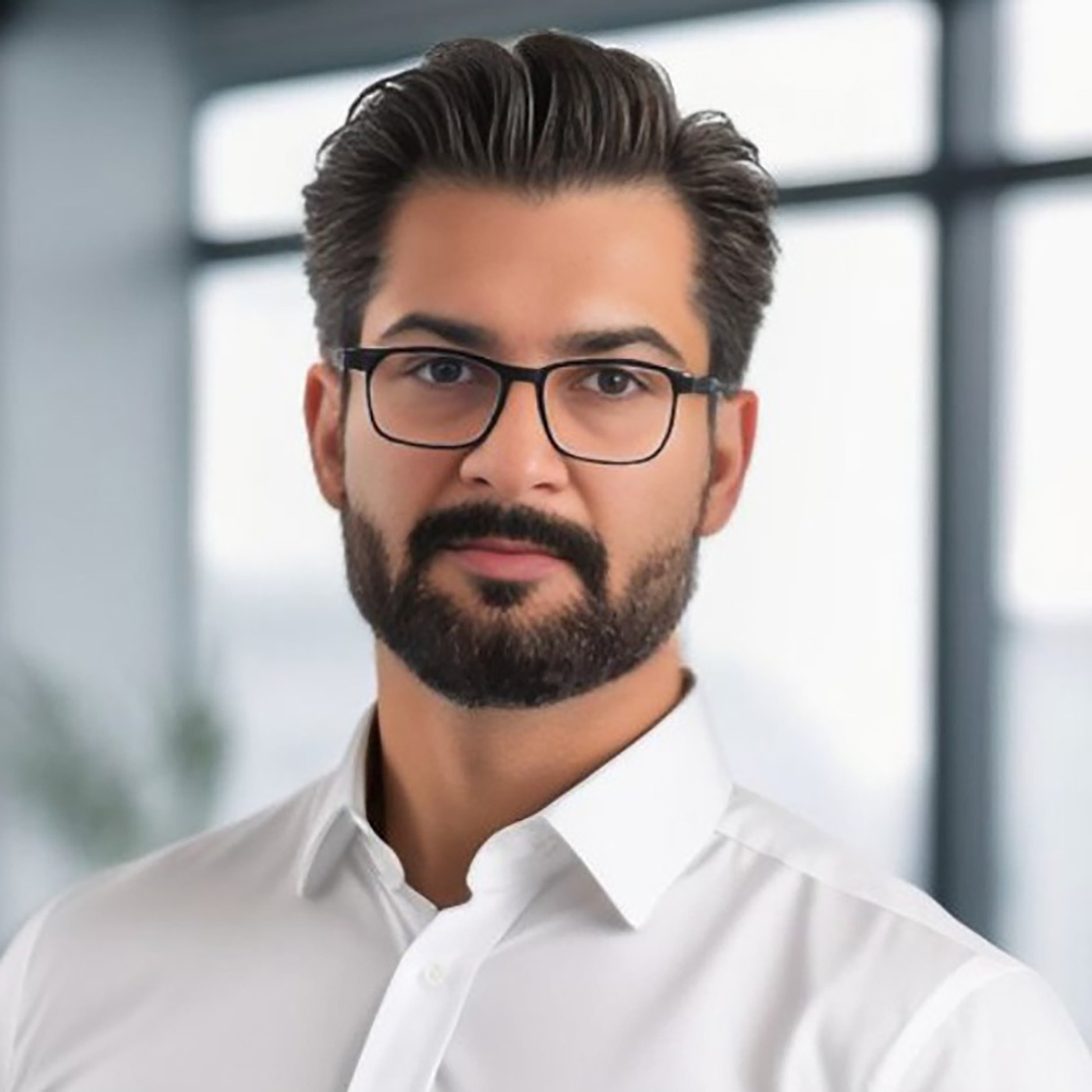
Thomas Schmid interviews Waqas Khan, global CEO of Nevcore Innovations, about the misconceptions surrounding nicotine pouches. Khan discusses the unique features and high standards of Clew, a newly launched nicotine pouch brand that has already achieved significant recognition, including FDA approval and winning the MENA Awards. Khan explains the intricate R&D behind Clew's products, their market strategy, and their emphasis on consumer-focused design. He also highlights the importance of consumer education and the differences between synthetic and tobacco-derived nicotine products. The discussion concludes with plans for future expansions and participation in industry events.
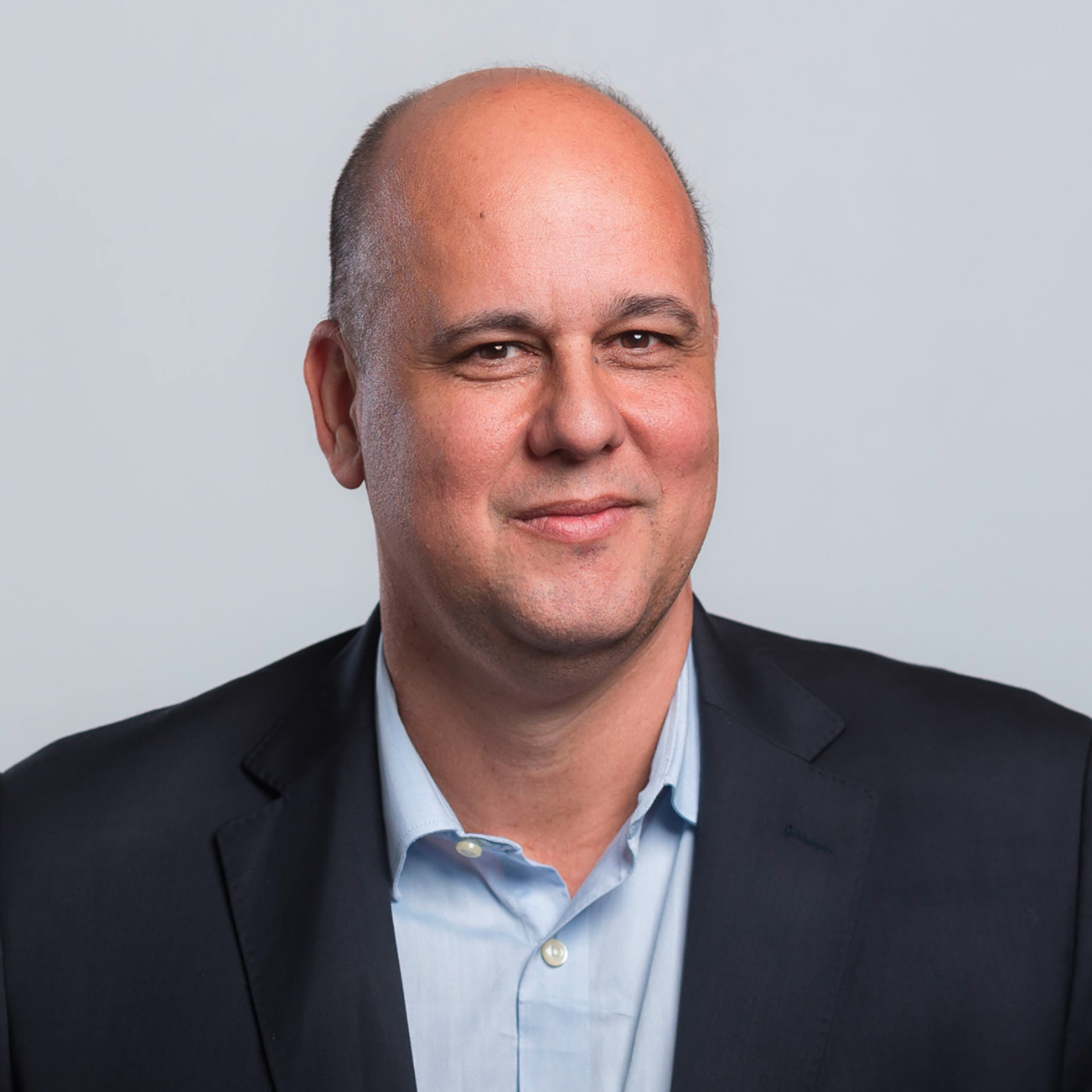
Thomas Schmid interviews Guilherme Costa, Vice President of Sales at SWM International. The discussion revolves around the scope of SWM International’s paper products for the nicotine, tobacco, and cannabis industries. Guilherme touches upon the company's two market brands, SWM and Botani, exploring their roles and differences. He also delves into topics like sustainability, compliance with regulations, and the innovative materials used in SWM and Botani products, highlighting how SWM International leverages its global presence to navigate different markets and offer tailored solutions to its clients.

Rodolfo Maria Salvi is the sustainability and international relations manager of Salvarat s.r.l., a company specializing in post-harvest pest control for the tobacco industry. His conversation with host Thomas Schmid covers the significant impact of tobacco pests on global produce, highlighting both direct and indirect losses. Salvi explains Salvarat's integrated pest management strategy, PRE.MO.S.T., which encompasses prevention, monitoring, and synergetic treatment tailored to client-specific needs. The discussion also addresses the importance of sustainability, the effects of climate change on pest resistance, and Salvarat's commitment to providing bespoke solutions to their clients.
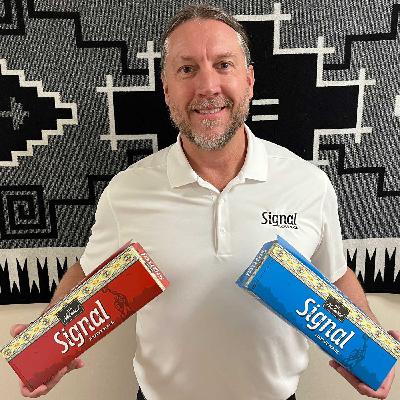
Thomas Schmid talks to Justin Tarbell, vice president of strategy and business development of Ohserase Manufacturing, discussing the history of tobacco among Native American tribes. Located on Mohawk land in upstate New York, Ohserase produces the all-natural cigarette brand, Signal, which uses augmented reality technology and unique packaging features. Tarbell also explains the brand's commitment to giving back to Native American communities, its connection to Mohawk heritage, and plans for international expansion.

Tadas Lisauskas is the founder and CEO of San Diego-based Greenbutts. The company has invented a revolutionary cigarette filter material that may well have a shot at eventually displacing the presently used (but environmentally unfriendly) cellulose acetate tow (CAT). The Greenbutts substrate is 100% plastic-free, as it is composed solely of natural fibers and a starch-based binding agent. When immersed in water, Greenbutts completely disintegrates and disperses in 30 days, while on land it takes about 60 days. There are no residues left behind, let alone dreaded micro plastics. Lisauskas talks to Thomas Schmid about the numerous advantages of the patented material, but also discloses why the industry is so reluctant in adopting it on a broader scale.
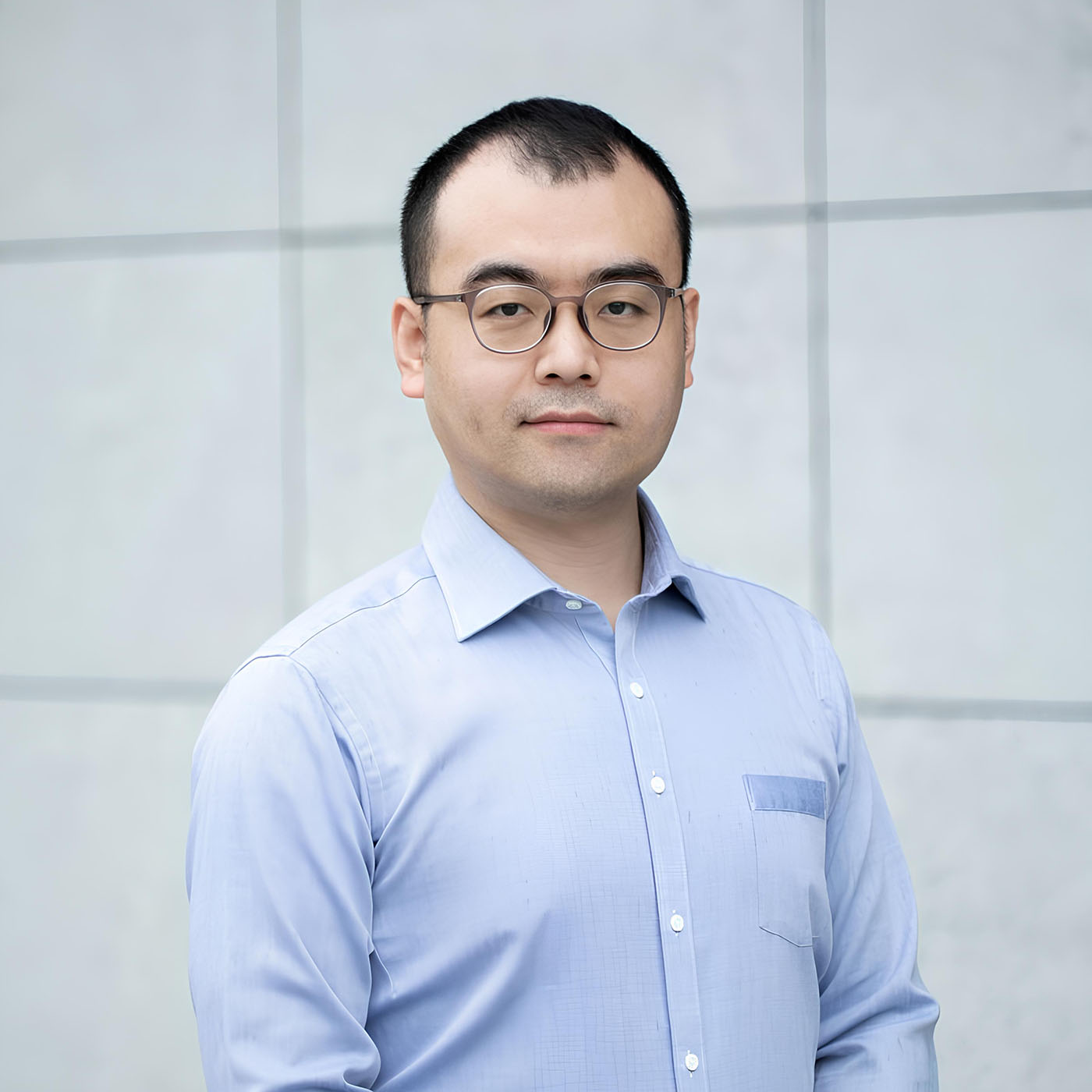
With increasingly more countries starting to ban disposable vapes, Chinese manufacturers are scrambling to adjust to the fast changing landscape. For some, it will be easier than for others, as they have always put a heavy focus on innovation. Tao Cui is Director of Innovation, Strategy and Compliance at Innokin Technology, one of China’s most progressive vape tech firms. In this podcast episode, he tells the audience what Innokin has up its sleeves, including MeFree, the world’s first metal-free heating coil, EcoDrain, a technology that makes batteries safe to discard, and Trine, a groundbreaking “3-in-1” vape system.

Comments

Download from Google Play

Download from App Store
 United States