


 Claim Ownership
Invisible Storytelling
Subscribed: 0Played: 0
Subscribe

© Portbox Studios
Description
Invisible Storytelling is a cinematic deep dive into the craft, psychology, and invisible architecture behind unforgettable films.
18 Episodes
Reverse
Writer/Director Karan Singh Tyagi (Kesari Chapter 2, Bandish Bandits S2) shares how he went from Harvard-trained lawyer to first-time filmmaker, and the specific craft decisions that shaped one of India's most anticipated courtroom thrillers.Tyagi breaks down how he approached adapting a suppressed chapter of Indian history, why perspective matters more than technical skill in screenwriting, and how a single Pablo Neruda quote unlocked the entire film's emotional architecture. He also gets into the mechanics of collaborative writing, solving the exposition problem in courtroom drama, and why emotion always trumps logic when making decisions on set.If you have ever wondered what it takes to walk away from a stable career and bet everything on a creative calling, this conversation will resonate long after it ends.Chapters:00:00 – Major Life Decision: Choosing Between a Stable Job and a Passion 01:21 – Love for Cinema: Leaving Law to Work on a Film Set 03:49 – Learning Screenwriting: From Legal Writing to Storytelling 06:53 – Co-Writing Journey: Teaming Up with a Producer 08:43 – Power of Collaboration: Filmmaking as a Team Effort 09:32 – On-Set Creativity: Improvising Scenes Like the Water Glass Moment 15:07 – Deep Research: Exploring Conspiracy, Fake News, and Unity Themes 20:17 – Writing Courtroom Drama: Balancing Dialogue and Action 24:25 – Cinematography as Art: Designing Shots and Visuals for Ananya’s Scenes 29:07 – Period Film with a Modern Touch: Choosing Emotion Over Accuracy 30:23 – Adapting Real Stories: Capturing the Spirit of Shankar Nair’s Character 35:53 – The Poet’s Letter Scene: Emotional Core and Directing the Big Moment 42:49 – First Film Reflections: Emotional Connection and Letting Go 44:09 – Filmmaking Lessons: Early Days with Vishal Bhardwaj’s TeamExplore more transformative conversations:The Fourth State Podcast – High-performance mindset, consciousness, and building a life of discipline without burnout.Show's Intro by: FEVERKIN
Academy Award-nominated Cinematographer Jeff Cronenweth (Fight Club, The Social Network, Gone Girl) breaks down the visual decisions behind some of the most studied films of the past three decades, and what it actually takes to build imagery that lasts.Cronenweth explains how he and David Fincher approached the unreliable narrator problem in Fight Club, why the opening scene of The Social Network was shot with crossing cameras instead of traditional coverage, and how shallow depth of field became the primary tool for conveying isolation in Tales from the Loop. He also gets into why fear is essential to staying sharp, and why fighting for every single shot matters more than most cinematographers realize.If you have ever wondered how great cinematographers make technical decisions in service of emotion rather than spectacle, this conversation gets into the specifics.Chapters:00:00 – Work–Life Balance: Career Drive vs. Family Grounding02:16 – Shooting 'Tales from the Loop': Calm Sci‑Fi, Human Stories07:48 – Creative Control & Trust with Directors: Longtime Collaboration with Mark10:36 – How Fincher Collaboration Began: From Music Videos to Fight Club14:02 – Cinematography of an Unreliable Narrator: Making Fight Club Work20:28 – Gone Girl Character Shifts: Framing Amy, Perspective & Mood24:44 – Fincher’s Dark Look: Muted Color, Texture, and Serving the Story34:29 – Building Taste: Mentors, Film Lineage, References & Music Video Experimentation40:53 – Advice for New Cinematographers: Planning, Continuity & Fighting for Every Shot48:31 – How The Social Network Opening Was Shot (Two-Cam Coverage for Rapid Dialogue)Explore more transformative conversations:The Fourth State Podcast – High-performance mindset, consciousness, and building a life of discipline without burnout.Show's Intro by: FEVERKIN
Academy Award-nominated cinematographer Matthew Libatique (A Star Is Born, Black Swan, Straight Outta Compton) delves into the nuanced world of visual storytelling, where the most impactful light is often the one you don't notice, and true artistry lies in subtle mastery.From collaborations with Spike Lee and Darren Aronofsky to redefining character lighting, Libatique shares behind-the-scenes insights on how emotional truth, rather than technical perfection, shapes iconic films.If you've ever wondered how great films evoke profound emotions without overt cues, this conversation will transform your understanding of cinema.Explore the intricacies of craft, character psychology, collaboration, and the embrace of imperfection that defines cinematic greatness.Chapters:00:00 – The Invisible Foundation of Cinematography04:00 – From Polaroids to Digital: How Tools Shape Vision08:00 – The Director-Cinematographer Relationship13:00 – How Light Becomes a Character in Storytelling17:00 – Working With Visual Effects Without Losing Truth21:00 – The Emotional Blueprint Behind Each Scene28:00 – Collaborating with Darren Aronofsky, Spike Lee, and Jon Favreau34:00 – Emotional Memory vs. Literal Memory in Cinematography40:00 – Advice for Minority and First-Generation Filmmakers44:00 – Why Making Your First Film Matters More Than AnythingFollow for more in-depth conversations with legendary filmmakers.

Academy Award-winning cinematographer Erik Messerschmidt (Mindhunter, Mank, The Killer, Ferrari) shares a rare look inside the psychology, patience, and precision behind his visual storytelling.From building lighting through the lens of character emotion to collaborating with directors like David Fincher, Erik reveals how mastering human behavior, not just technology, defines great cinematography.Learn how the best cinematographers navigate ego, exhaustion, leadership, and emotional truth — and why crafting invisible, story-first images is the ultimate form of cinematic mastery.Chapters:00:00 – Introduction to Erik Messerschmidt’s Journey03:00 – Early Influences: From Stagecraft to Film School07:00 – Patience, Learning the Craft, and Gaffing Years10:00 – Lighting from the Director’s Point of View13:00 – Emotional Interpretation of a Screenplay17:00 – Working with David Fincher and Visual Precision21:00 – The Psychology of Cinematic Characters26:00 – Testing, Data, and Modern Color Science30:00 – Crafting Period Authenticity for Mindhunter and Mank35:00 – Black and White Cinematography: Challenges and Joys40:00 – Collaborating with Costume and Production Designers45:00 – Managing Exhaustion, Ego, and Leadership on Set50:00 – Reflections on Growth, Responsibility, and Emotional Honesty Follow for more conversations on cinematic mastery.

Anurag Kashyap, the fearless director behind Gangs of Wasseypur, Dev.D, Black Friday, and the Cannes-acclaimed Kennedy, opens up about what it means to tell stories in a system designed to silence them.In this rare and intimate conversation, Kashyap reflects on battling censorship, surviving rejection, reclaiming creative freedom, and why real filmmaking demands rebellion.From cult classics to global recognition, Anurag shares the emotional and spiritual journey of creating cinema that refuses to ask for permission.Whether you are an artist fighting to stay true to your vision or a cinephile searching for what’s real, this episode will resonate long after the credits roll.Chapters:00:00 – Surviving Rejection and Finding His Voice05:00 – Why Censorship Can Never Silence Art10:00 – Building a Movement Outside the System15:00 – Lessons from Gangs of Wasseypur’s Global Impact20:00 – Learning to Create Without Permission25:00 – The Emotional Cost of Independent Cinema30:00 – How Indian Cinema is Evolving Today35:00 – Advice for Storytellers Who Refuse to Compromise40:00 – What Keeps Him Creating After All These YearsFollow for more cinematic deep dives.

Vikramaditya Motwane, the visionary behind Udaan, Lootera, and Sacred Games, shares how he navigated the evolution of Indian cinema without sacrificing his artistic integrity.In this rare and candid conversation, Motwane reflects on building India's first major streaming success with Sacred Games, balancing creative ambition with industry realities, and why storytelling grounded in emotional truth is more essential than ever.He discusses fighting quiet battles against censorship, surviving the pressures of scale, and how filmmakers can hold onto their soul while reaching global audiences.(Since this conversation, Motwane has continued his groundbreaking work with projects like Black Warrant, Jubilee and CTRL.)Chapters:00:00 – Early Influences: From Bhansali’s Sets to Udaan's Breakthrough06:00 – Crafting Lootera and the Power of Emotional Storytelling12:30 – How Sacred Games Redefined Indian Streaming18:00 – Navigating Creative Freedom and Censorship Battles24:00 – Building a New Wave of Storytelling for Global Audiences30:00 – Why Patience and Authenticity Still Matter36:00 – Advice for Filmmakers Fighting to Keep Their Vision AliveSubscribe for more cinematic deep dives.

Wally Pfister, Academy Award-winning cinematographer of Inception, The Dark Knight, The Prestige, and Memento, pulls back the curtain on what it truly means to build cinematic worlds.In this rare and revealing conversation, Pfister shares how light, composition, and emotional storytelling come together to create some of the most unforgettable films of our time.From his legendary collaborations with Christopher Nolan to his bold leap into directing with Transcendence, Pfister reflects on the creative battles, the discipline behind visual storytelling, and why real cinema still demands soul, not shortcuts.Whether you are a filmmaker, a creative, or simply a lover of iconic cinema, this episode offers a masterclass in vision, craft, and authenticity.Chapters:00:00 – Early Career and Collaborations with Christopher Nolan10:15 – Crafting Visual Language: Cinematography as Storytelling22:30 – Transitioning from Cinematographer to Director35:45 – Why Shooting on Film Still Matters48:00 – Mentorship, Teaching, and Giving Back to the Industry59:30 – The Future of Cinematic StorytellingSubscribe for more in-depth conversations with industry leaders.
In this episode, the host interviews Ben Kutchins, a renowned cinematographer known for his work on the hit TV show 'Ozark'. Ben discusses his creative process, the importance of a respectful and collaborative set, and the art of balancing the experience with the final product. He shares insights from his career, touching on the importance of making genuine human connections on set, the challenges of maintaining lighting continuity, and the impact of the 1970s on modern cinematography. Ben also delves into his personal journey, including his start as a still photographer and his work on live music shows, emphasizing the importance of being present and adaptive on set.
Phedon Papamichael, Oscar-nominated cinematographer behind films like Indiana Jones and the Dial of Destiny, Nebraska, Walk the Line, and The Trial of the Chicago 7, invites us into the emotional architecture of great visual storytelling.In this rare and revealing conversation, Papamichael shares how he approaches the delicate art of lighting, composition, and rhythm — capturing not just images, but deep emotional resonance.From his collaborations with directors like Alexander Payne, James Mangold, and George Clooney to navigating the demands of large-scale productions, Papamichael reflects on craft, intuition, and the evolving future of cinematography.Whether you dream of creating timeless imagery or simply want to understand how cinema makes us feel what we feel, this episode is a masterclass in the visual soul of storytelling.Chapters:00:00 – Early Inspirations and Entry into Cinematography06:00 – Finding Emotional Truth Through the Camera12:30 – Collaborating with James Mangold and Alexander Payne18:00 – Shooting Ford v Ferrari: Speed, Scope, and Intimacy24:00 – Crafting the Black-and-White Canvas of Nebraska30:00 – Lessons from The Trial of the Chicago 7 and Beyond36:00 – Why Trusting Intuition Beats Chasing Perfection42:00 – Reflections on the Future of CinematographySubscribe for more in-depth conversations with visual masters.

Our second season is here, featuring some of the greatest minds in film.
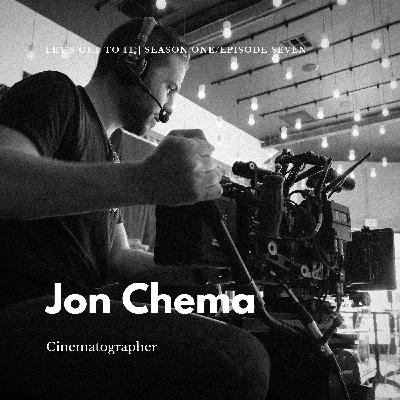
Jon Chema, the cinematographer behind projects for Big Sean, Google, and Airbnb, shares the deeper journey of building a true visual language in an industry with high competition and evolving trends.In this rare conversation, John talks about why motivated visuals matter, how over-preparation fuels creative freedom, and why developing your own voice is the only way to create timeless work.From the emotional lessons of traveling the world to learning leadership through respectful collaboration, John reflects on what it really takes to survive as an artist without losing your soul.This is more than a filmmaking conversation. It is a meditation on creativity, patience, emotional evolution, and the discipline required to build work that lasts.Chapters:00:00 – Early Cinematic Roots and Challenges on Set06:00 – Overcoming the "Box" of Industry Expectations12:00 – How Travel and Life Shape Visual Storytelling18:00 – Fighting Imitation Culture and Building Originality24:00 – The Emotional Architecture of Cinematography30:00 – Why the Process Matters More Than Instant Results36:00 – Managing Crew, Leadership, and Ego on Set42:00 – Protecting Your Creative Voice in a Fast CultureSubscribe for timeless conversations on filmmaking, storytelling, and creative resilience.

In this raw, enlightening conversation, singer-songwriter Hailey Knox opens up about the emotional rollercoaster of touring, the trap of appearing “cool” online, and how songwriting helps her survive her own mind.From recording crickets in her car to unpacking subconscious emotions through voice memos, Hailey shares how she stays creatively honest in a world full of pressure and noise.Whether it’s imposter syndrome, fear of judgment, or trying to love yourself in the age of social media — this episode hits home for anyone navigating creativity and identity.Chapters:02:00 – The Fear of the Unknown and Moving to LA04:00 – Vulnerability in Sessions and Voice Memo Honesty06:00 – Sampling the World and Writing on the Road08:00 – Creating Without Overthinking (and Fighting Perfectionism)10:00 – Where Songs Really Come From12:00 – Social Media Pressure and Self-Perception13:30 – Subconscious Imitation vs. Authentic Creation15:00 – Dreams, Reality, and Artistic Atmosphere16:30 – Billie Eilish, Sibling Creativity, and The Power of Collaboration18:00 – The Emotional Thread Behind Her Mixtape20:00 – What Hailey Keeps to Herself (and Why)23:00 – Anger, Laundry, and Learning to Speak Up25:00 – Relationships, Insecurity, and Learning to Let Go27:00 – The Keys to Loving Yourself Without Comparison28:00 – Acceptance, Overthinking, and Mental Peace

In this deeply intimate episode, singer-songwriter Mogli opens up about heartbreak, depression, and the courage it takes to start over emotionally and creatively.She shares how the darkest year of her life gave birth to her most honest music, and how vulnerability, therapy, and chosen family helped her return to joy.From writing “Patience” in the middle of a heartbreak spiral to rebuilding her relationship with creativity, Mogli reflects on the emotional mirror music can become — and why letting yourself be seen is the first step toward healing.This is an unfiltered conversation about mental health, love, loss, and the power of expression when nothing else seems to work. If you’ve ever felt like you were starting from scratch, this episode will meet you right where you are.Chapters:00:00 – The Energy of Live Shows and Writing “Patience”02:00 – Loving Someone You Can’t Have and Embracing Aloneness05:00 – On Being Vulnerable with Strangers Through Music07:00 – Why Mogli Still Believes in Love, Even After Heartbreak09:00 – Her Mother’s Influence and Unconditional Love11:00 – Anger, Understanding, and Choosing Compassion13:00 – Mornings, Sensitivity, and Developing Emotional Skin16:00 – Music as a Mirror for Mental Health18:00 – The “Sponge” Process: Absorbing Life Before Writing21:00 – Writing from the Unknown and Subconscious Emotional Release23:00 – Touring, Intimacy, and Seeing Faces Again26:00 – The Difference Between the Artist and the Private Self28:00 – Creativity, Connection, and Building a Chosen Pack
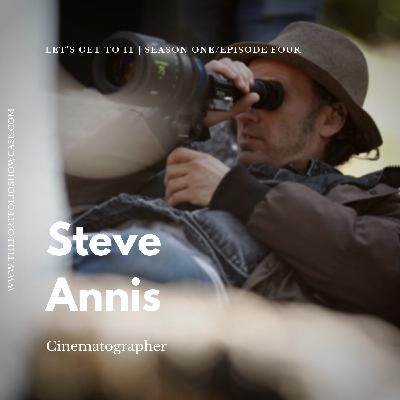
In today's conversation, cinematographer Steve Annis (I Am Mother, The Crow, Foundation) shares why the chase for prestige, praise, and paychecks can quietly erode the soul of an artist. From career burnout to the burden of expectations, we dive deep into the anxiety that comes with “making it,” the cost of chasing legacy in an algorithmic world, and what it actually means to stand out in an era drowning in content.With stories from massive commercial shoots to low-budget passion projects, this episode explores creative instinct, artistic ego, and how real collaboration often comes from unseen contributors. We also unpack how having a child, falling in love, and watching streaming culture explode has transformed his outlook on filmmaking.03:00 – Why Some Projects Are Just “Goldmines” from the Start06:00 – Thriving on Instinct and Chaos in Low-Budget Shoots10:00 – The Real Heroes: Grips, Focus Pullers, and Scaffolding Hacks14:30 – Why “Pretty” Doesn’t Always Mean Good Cinematography18:00 – Frustration, Fatherhood, and Aging Out of Ego22:00 – Legacy, Netflix Thumbnails, and the Death of Cultural Memory28:00 – From DVD Culture to the “Content Apocalypse”32:00 – Industry Cynicism and Standing Out in the Algorithm Era36:00 – Honest Opinions, Film Snobbery, and Taking Criticism Without Meltdown41:00 – Can Art Be Meaningful Without Pretension?
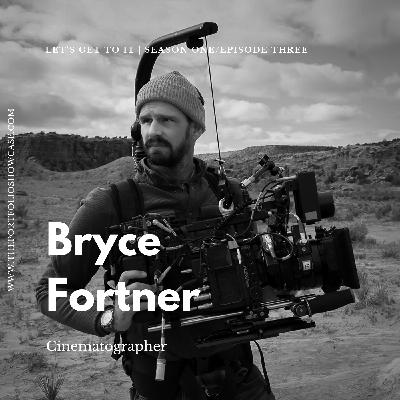
From renegade skateboard videos to award‑winning features, cinematographer Bryce Fortner (Ingrid Goes West, Portlandia, I’m Your Woman) has spent two decades proving that raw vision beats perfect circumstances. In this conversation, Bryce unpacks how early independence shaped his eye, why ego can be both tripwire and teacher, and how great images become great leadership. We explore the mentors who nudged him forward, the Lamborghini‑laced memories that still color his frames, and the quiet moments that separate merely good work from a meaningful legacy in today’s attention economy.Chapters:01:00 - When does craft become art?03:00 - Preconceptions and pitfalls of ego in creativity05:00 - Finding value in quiet moments06:30 - Growing up on Lamborghinis and mansions08:00 - How the past shapes your vision11:00 - Confronting personal “ugliness”13:00 - Gentle self‑acceptance and growth15:00 - From setup‑by‑setup doubt to calm confidence17:00 - Presence, museum anxiety, and finding the right people19:00 - Letting insecurity fuel your art
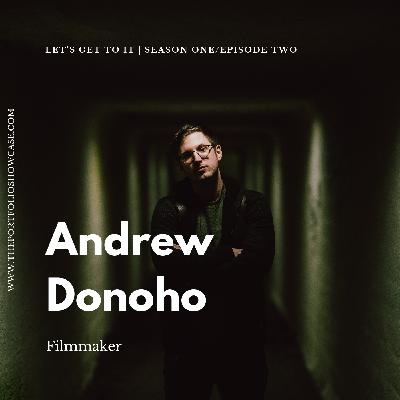
If you already pore over every frame of Twenty One Pilots’ lore, you’ll love hearing from Andrew Donoho—the VMA-winning director behind “Heathens,” “HeavyDirtySoul,” and a trilogy of videos that helped define the Trench era. In this wide-ranging conversation, Donoho opens up about his creative rituals, including lucid dream training, dream journaling, and how his subconscious has shaped some of the most iconic music videos of the past decade. Whether you’re part of his core fanbase or just discovering his work, Andrew offers a deeply human look at the director’s chair—from the emotional toll of constant production to the moments of pure creative flow that only come when you risk honesty over perfection. We talk about color psychology, the mythic pull of teal and red, the neuroscience of why we remember green so vividly, and how those ideas show up in every frame he crafts. Chapters:01:00 – How lucid dreaming fuels his creativity03:00 – Using dreams as visual storytelling tools05:00 – The meaning behind colors like teal, red, and green09:00 – Why humans are drawn to green—and how he uses it11:00 – Giving memories a look: faded tones and dirty windows14:00 – Making reality feel like a dream with anamorphic lenses17:00 – Burnout and staying balanced in a fast-paced career22:00 – Advice for new directors and staying true to your vision25:00 – Creative rituals: late-night drives and piano playlists28:00 – The trap of chasing views over originality33:00 Behind-the-scenes chaos: fixing a broken Khalid shoot36:00 How social media shapes what we call “original”41:00 Radiohead, poetry, and what sparks visual ideas48:00 Serving the music vs. serving the brand
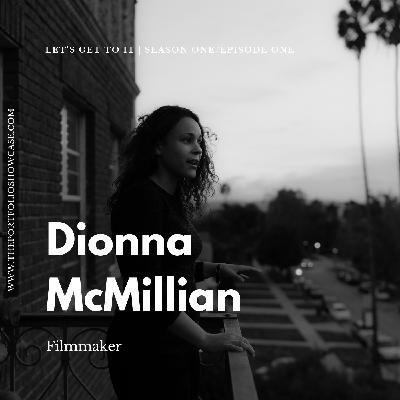
Four our first episode, editor and director Dionna McMillion shares how she transforms raw footage into stories that land with emotional impact. She breaks down her editing process, from assembly cuts and gut instincts to Walter Murch’s rule of six and the essential principle of cutting for emotion. We explore story structure, pacing, and the blink-rate science behind great editing rhythm. Dionna explains how isolating scenes can unlock new ideas, why awkward pauses are gold in comedy, and the moments in her award-nominated short Love New York that still excite her. She also opens up about the grounding practices that keep her creative and steady, including church mornings, tennis, and connecting with nature. Whether you're an aspiring editor, a filmmaker wearing many hats, or simply fascinated by how intuition shapes story, this episode will change the way you watch and make films.Chapters:01:00 – Assembly cuts to surface gut reactions02:00 – Walter Murch’s rule of six and cutting for emotion03:30 – Science of story structure: acts, beats, and pacing05:00 – Editing rhythm: matching cuts to the blink of an eye06:45 – Top-and-tail edits and isolating tricky scenes08:30 – Comedy editing: timing surprises and cringey cuts10:15 – Favorite awkward moments in Love New York and The Next Right Thing12:00 – Vulnerability on set: stress, tears, and multitasking14:00 – Balancing the roles of director, editor, and producer16:00 – Grounding rituals: spirituality, tennis, and staying present18:00 – Shaping character identity with “givens,” soul, and astrology20:00 – Plot versus character: writing bios to guide every scene
Make yourself a cup of tea or coffee, Sip. Breathe. Listen. Transform.
Comments


Download from Google Play

Download from App Store
 United States