


 Claim Ownership
#OLIverse, deep dives into Olivetti
Subscribed: 1Played: 80
Subscribe

© Copyright Archivio Storico Olivetti
Description
Step into #OLIverse: Where History Meets Innovation
Join us on a captivating journey through the groundbreaking legacy of Olivetti, reimagined with the power of AI.
From visionary ideas to iconic designs, each episode brings history to life in a fresh, immersive way. Whether you're a design enthusiast, a tech lover, or simply curious about the stories that shaped the modern world, #OLIverse is your destination for inspiration and discovery.
Tune in and experience Olivetti like never before!
Join us on a captivating journey through the groundbreaking legacy of Olivetti, reimagined with the power of AI.
From visionary ideas to iconic designs, each episode brings history to life in a fresh, immersive way. Whether you're a design enthusiast, a tech lover, or simply curious about the stories that shaped the modern world, #OLIverse is your destination for inspiration and discovery.
Tune in and experience Olivetti like never before!
50 Episodes
Reverse
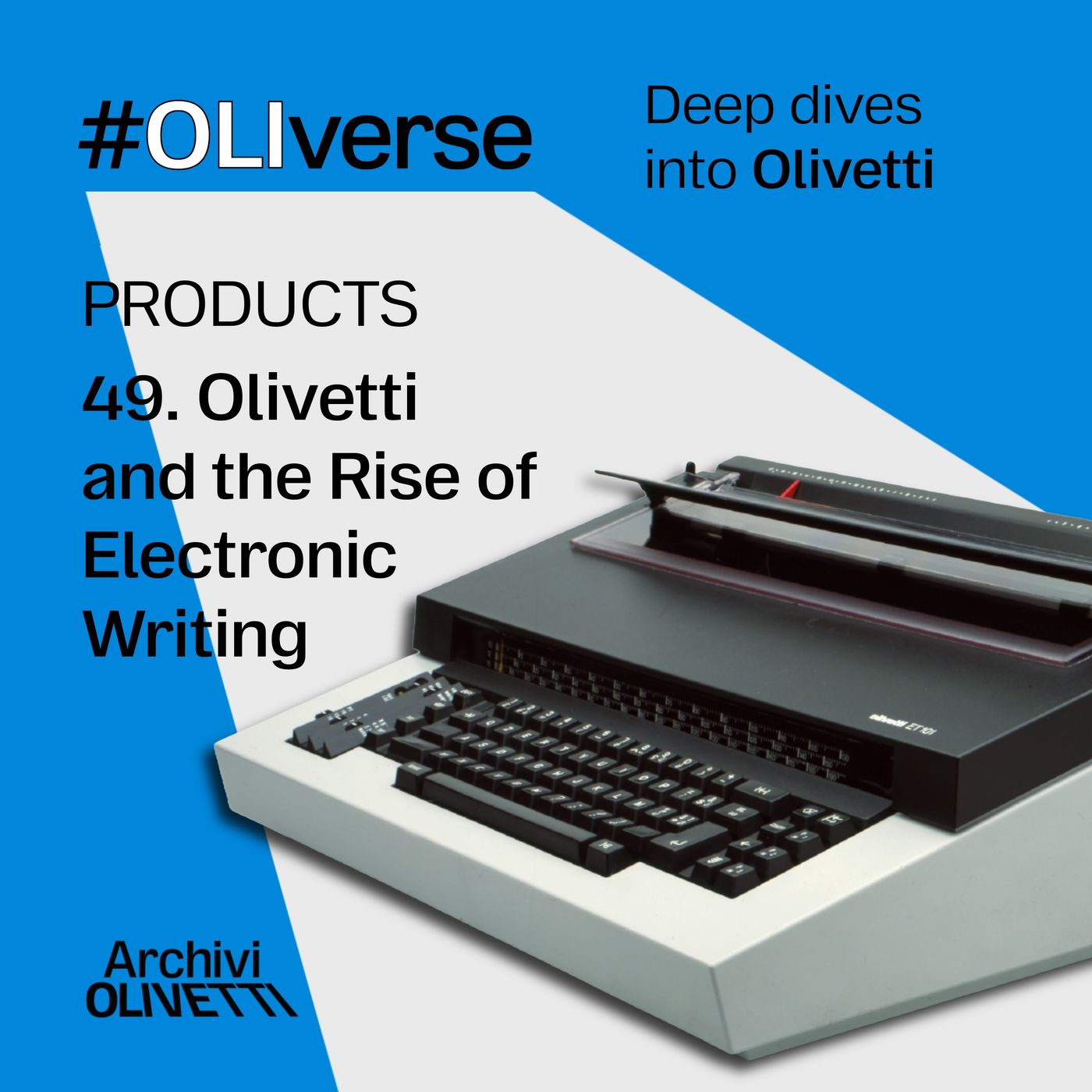
Before the PC: Olivetti’s Word Processing RevolutionThe evolution of writing technologies marks one of the most significant transitions in the history of office work.In the 1970s and 1980s, Olivetti played a key role in this shift, moving from mechanical typewriters to advanced electronic writing systems. Machines such as the Editor S14 and the TES series introduced magnetic memory, video displays, and new ways to edit and store text before printing.These innovations transformed the act of writing into a process of revision and digital control, anticipating the logic of modern computing. While dedicated word processors would eventually be replaced by personal computers, they remain a crucial step in the transition from analog to digital text.This episode includes AI-generated content.
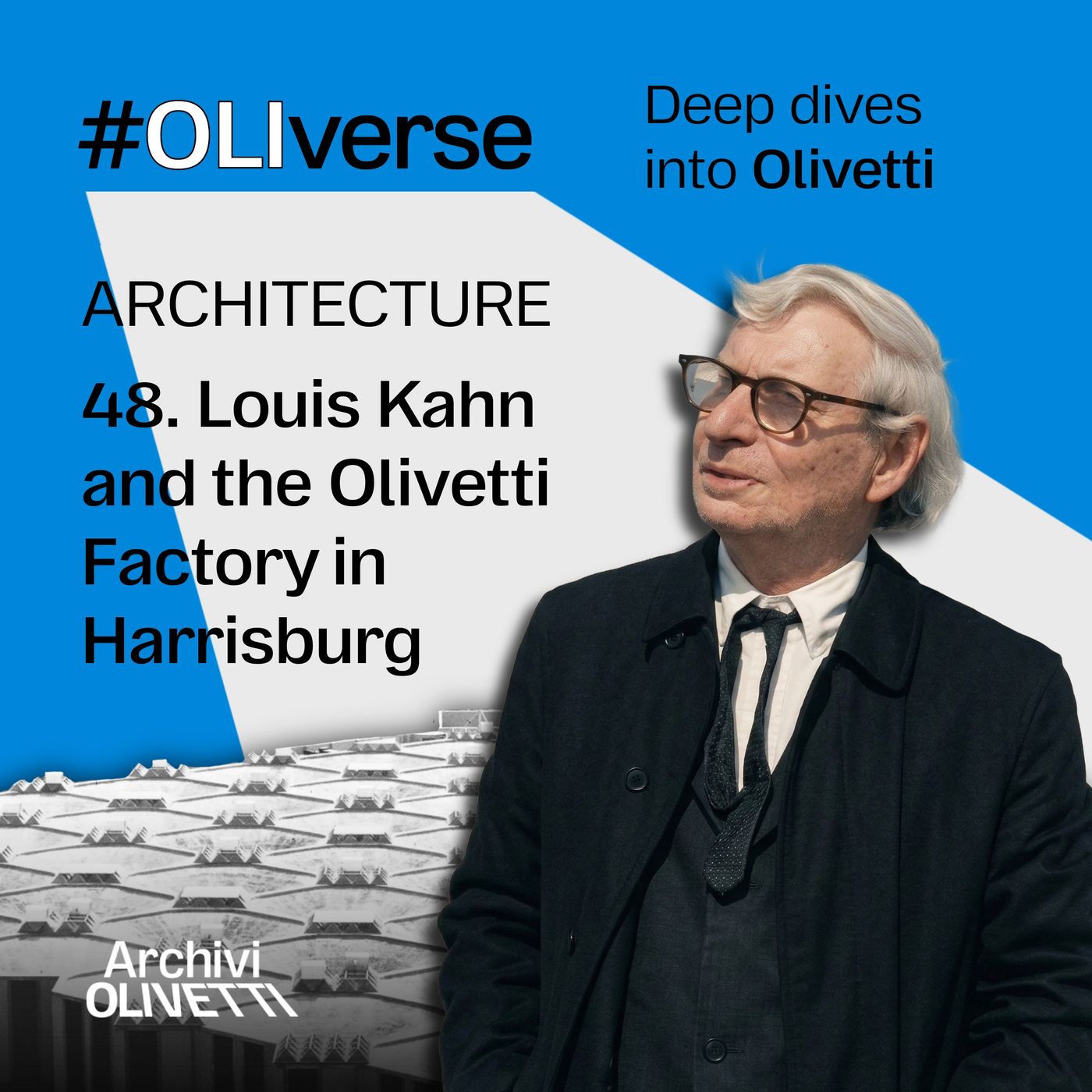
Louis Kahn and the Olivetti Factory in Harrisburg explores one of the most remarkable encounters between industrial ambition and architectural innovation.Following the acquisition of Underwood, Olivetti sought to establish a modern manufacturing presence in the United States. To express its technological vision, the company commissioned architect Louis Kahn to design a new facility in Harrisburg, Pennsylvania.The result was a pioneering industrial building based on modular structures, distinctive inverted umbrella columns, and skylights that flooded the production spaces with natural light. The project also involved a young Renzo Piano in the development of the fiberglass roof system.More than a factory, the Harrisburg plant reflected Olivetti’s broader philosophy: integrating technology, architecture, and worker well-being into a coherent industrial environment.This episode includes AI-generated content.
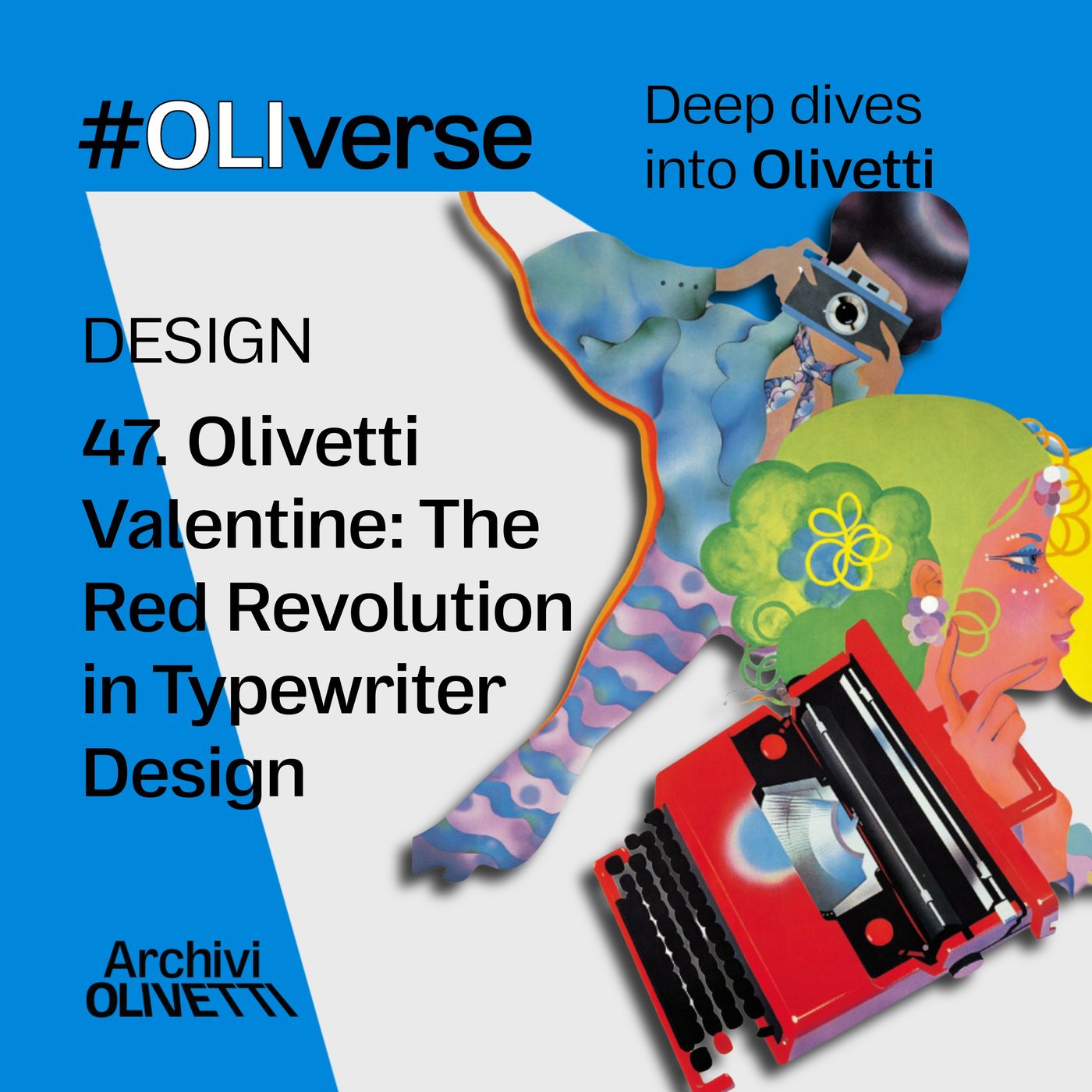
In 1969, Olivetti introduced the Valentine, designed by Ettore Sottsass. More than a portable typewriter, it was a deliberate cultural statement.Launched in a saturated market, the Valentine shifted the focus from technical performance to identity, mobility, and lifestyle positioning. Its red ABS body and unconventional communication strategy transformed a functional object into a symbol of generational change.This episode explores how the Valentine marked a pivotal moment in which industrial design, branding, and corporate identity converged — earning its place in major museum collections and redefining the role of design within business strategy.This episode includes AI-generated content.
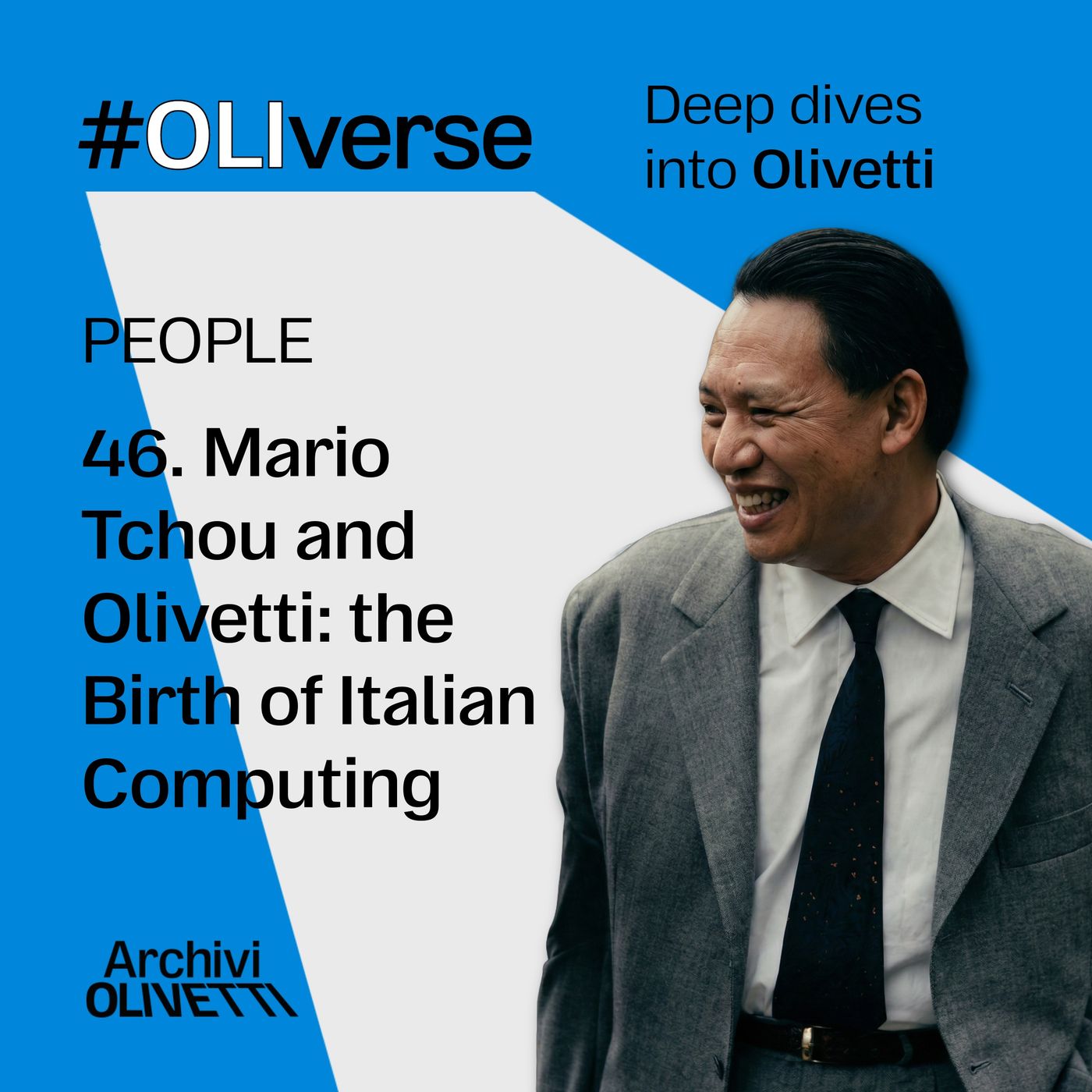
Mario Tchou and the Dawn of Italian Computing explores the visionary engineer who led Olivetti into the electronic age.Recruited by Adriano Olivetti in 1954, Mario Tchou founded the pioneering research laboratory in Pisa, where a young team of engineers developed the Elea 9003 — the first Italian commercial transistorized computer.At a time when most companies still relied on vacuum tubes, Tchou chose advanced transistor technology, positioning Olivetti as a global competitor in computing. His sudden death in 1961, following that of Adriano Olivetti, marked a turning point for the company’s independent electronics division.This episode includes AI-generated content.
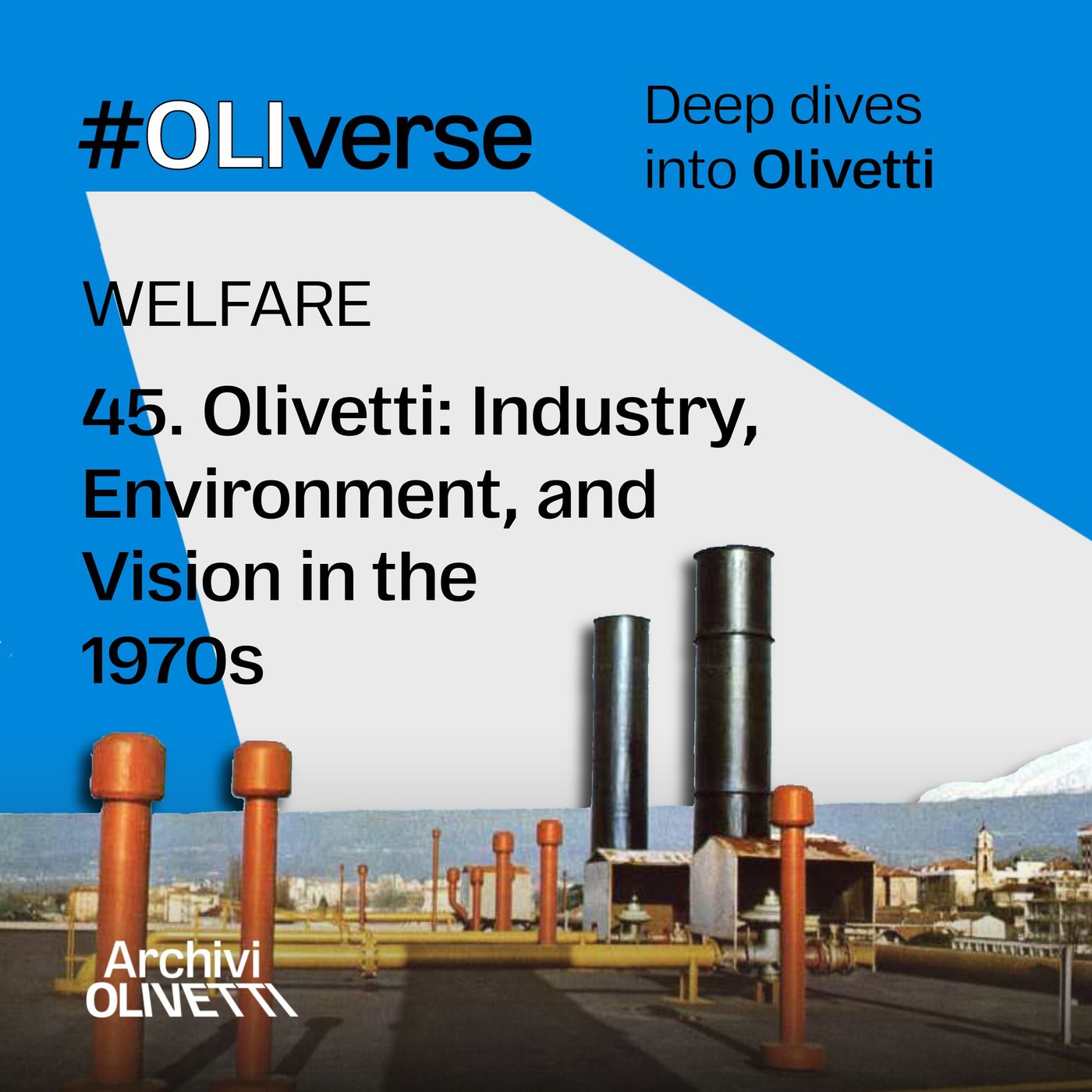
Olivetti and the Early Roots of Corporate Environmental Responsibility explores a little-known chapter of industrial history.In the early 1970s — before environmental regulations became mandatory — Olivetti introduced internal commissions to control waste and pollution, invested in advanced filtration systems, and adopted cleaner energy solutions in plants such as Ivrea and Scarmagno.Beyond its factories, the company supported the international “Save Our Planet” campaign in collaboration with UNESCO and leading artists, anticipating the principles of corporate sustainability decades ahead of mainstream adoption.This episode reveals how environmental stewardship became part of Olivetti’s corporate identity — not as compliance, but as vision.This episode includes AI-generated content.
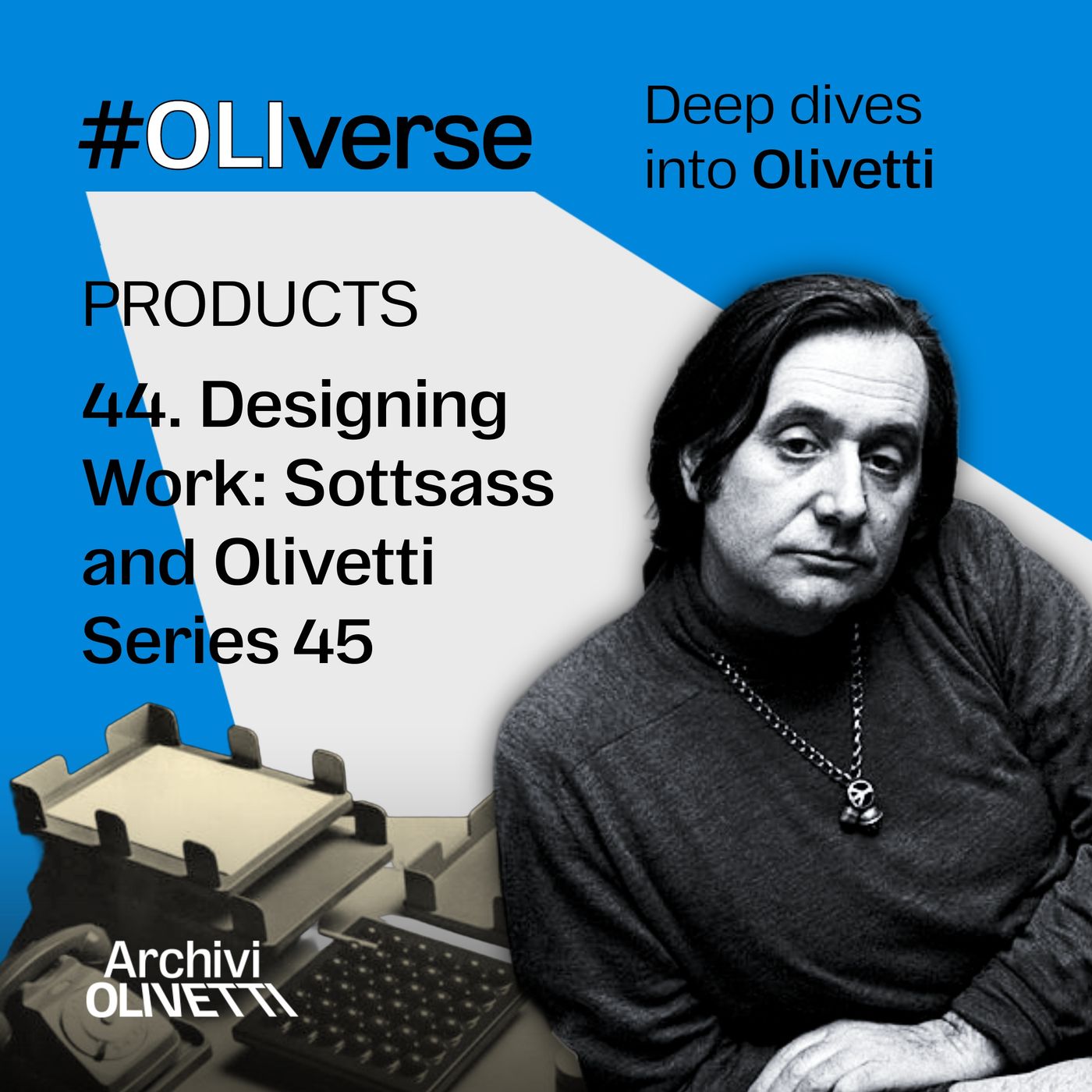
Sottsass democratized the office with Olivetti's Series 45explores one of the most ambitious office design systems of the 20th century. Launched in the early 1970s, Synthesis 45 was conceived as a modular, human-centered furniture ecosystem based on a 45-centimeter grid.Under Ettore Sottsass’s direction, Olivetti transformed office furniture into a coherent design language—functional, affordable, and adaptable to real work environments. More than one hundred elements were designed to work together, reflecting a radical idea: office design as a cultural project, where identity, collaboration, and everyday use mattered as much as form.This episode reveals how Olivetti and Sottsass redefined the modern office by turning rational design into a shared experienceThis episode includes AI-generated content.
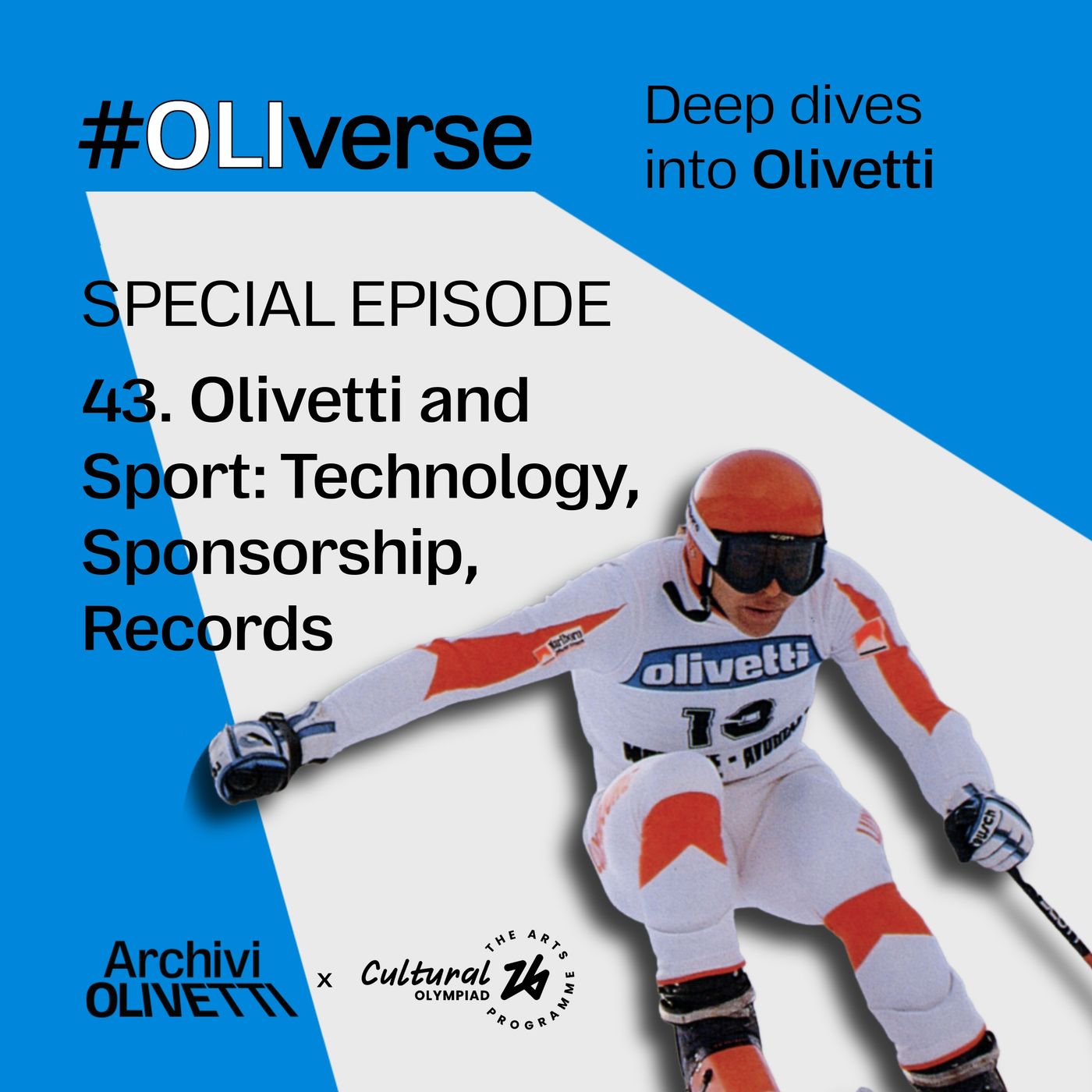
Olivetti at Play: Technology Behind Global SportLong before real-time data became the backbone of global sport, Olivetti was already redefining how competitions were recorded and experienced worldwide.From the 1956 Winter Olympics in Cortina d’Ampezzo to the high-stakes world of Formula 1, Olivetti’s machines transformed press rooms into high-speed information hubs. This episode explores the evolution from typewriters and teleprinters to the advanced computing systems that pioneered modern sports communication.Part of the "Olivetti and Sport" project, this special episode is produced by Archivi Olivetti for the Milano Cortina 2026 Cultural Olympiad.It’s a journey of innovation that continues today through the TIM Group—of which Olivetti is a part—as an official sponsor of the Milano Cortina 2026 Olympic and Paralympic Winter Games.This episode includes AI-generated content.
Olivetti Headquarters: Architecture of the Ivrea Office Palace In the 1960s, Olivetti designed a new kind of corporate headquarters in Ivrea, rethinking the office as a place of connection, flexibility, and shared intelligence.Conceived by architects Bernasconi, Fiocchi, and Nizzoli, the Ivrea Office Palace introduced a radial layout centered on a hexagonal core, flexible internal spaces, and an early integration of computing infrastructure. This episode explores how architecture became a strategic tool for organizing work, fostering collaboration, and expressing Olivetti’s human-centered vision — where efficiency, technology, and landscape coexist.This episode includes AI-generated content.
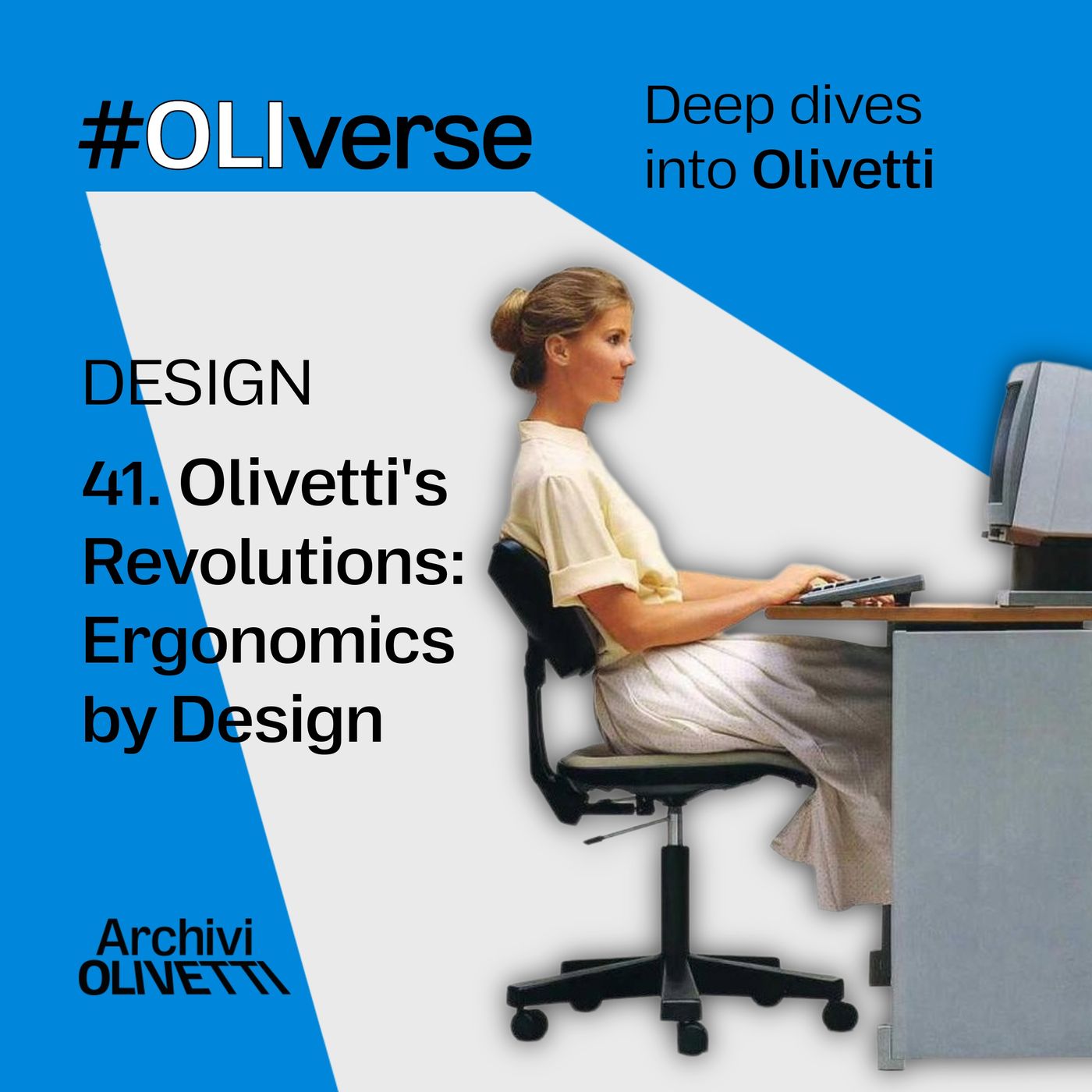
How Olivetti made machine bow down: the Birth of ErgonomicsLong before ergonomics became a global standard, Olivetti redefined the relationship between humans and machines.This episode explores how the company moved beyond Taylorism to develop a human-centered approach to technology, integrating psychology, physiology, and biomechanics into product and workplace design. From keyboards and displays to posture and environmental comfort, Olivetti treated ergonomics as a strategic driver of quality, well-being, and innovation.A story of research, design culture, and industrial foresight that still shapes how we work today.This episode includes AI-generated content.
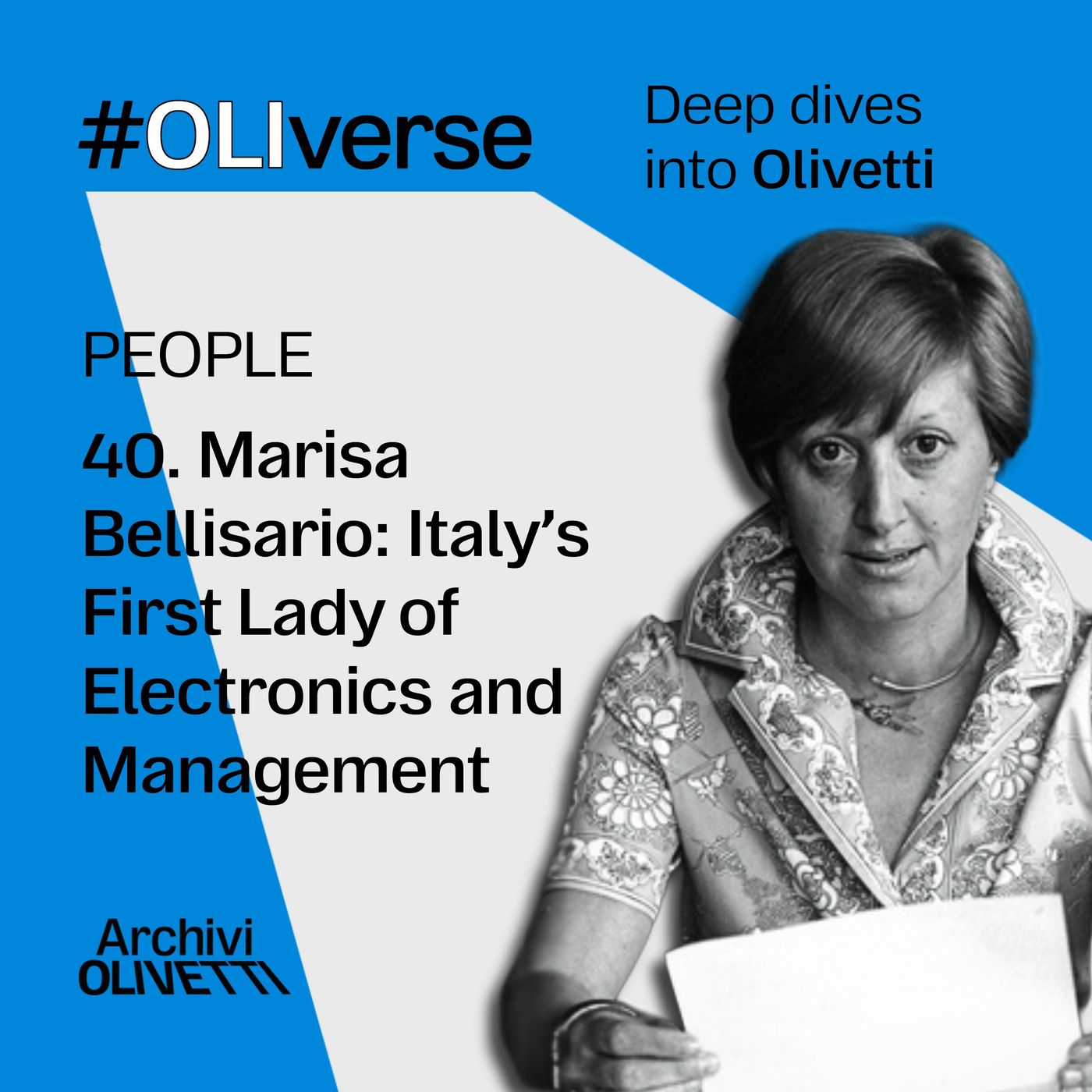
Marisa Bellisario at Olivetti: Leadership in the Electronic AgeFrom Olivetti to the global stage of electronics, Marisa Bellisario reshaped the language of leadership in a male-dominated industrial world. Beginning her career at Olivetti in 1960, she navigated complex transitions involving companies such as General Electric and Honeywell, standing out for her strategic vision in product planning and technology-driven management.Her path culminated in the remarkable turnaround of Italtel, where she combined technical insight, decisiveness, and cultural intelligence to redefine Italian industrial leadership. This episode retraces the career of a pioneer who opened new horizons for women in technology, management, and innovation.This episode includes AI-generated content.
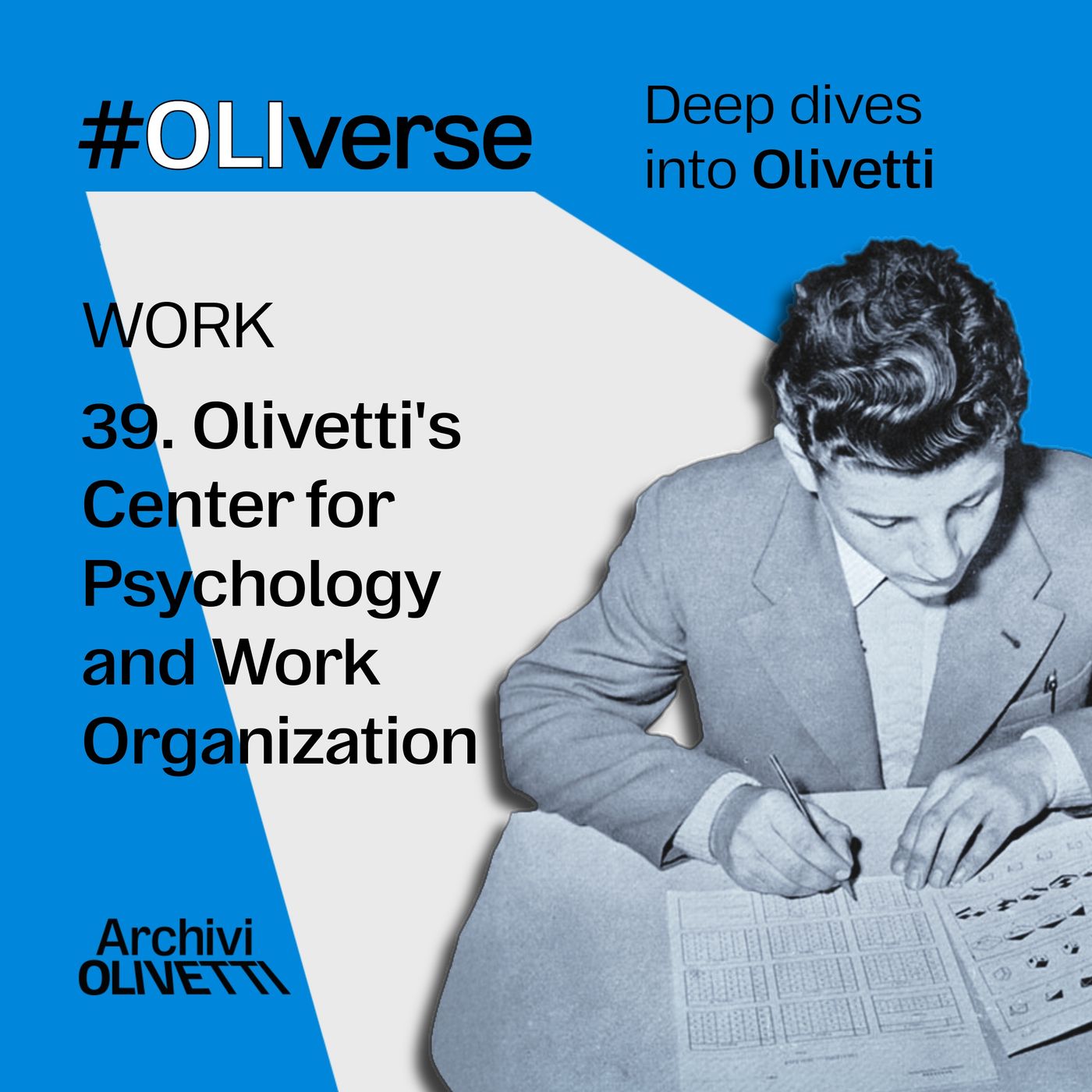
Inside Olivetti: The Psychology Lab That Transformed WorkThe Olivetti Psychology Center was one of the company’s most pioneering initiatives, designed to rethink how people worked, learned, and collaborated. Established in the 1940s and shaped by figures like Adriano Olivetti and Cesare Musatti, the center evolved from psychotechnical testing to a fully integrated unit influencing organization, safety, sociological studies, and workplace well-being.This episode explores how psychological research became a strategic tool inside Olivetti, adapting to the shift from mechanical to electronic production and redefining the relationship between people and industry.This episode includes AI-generated content.
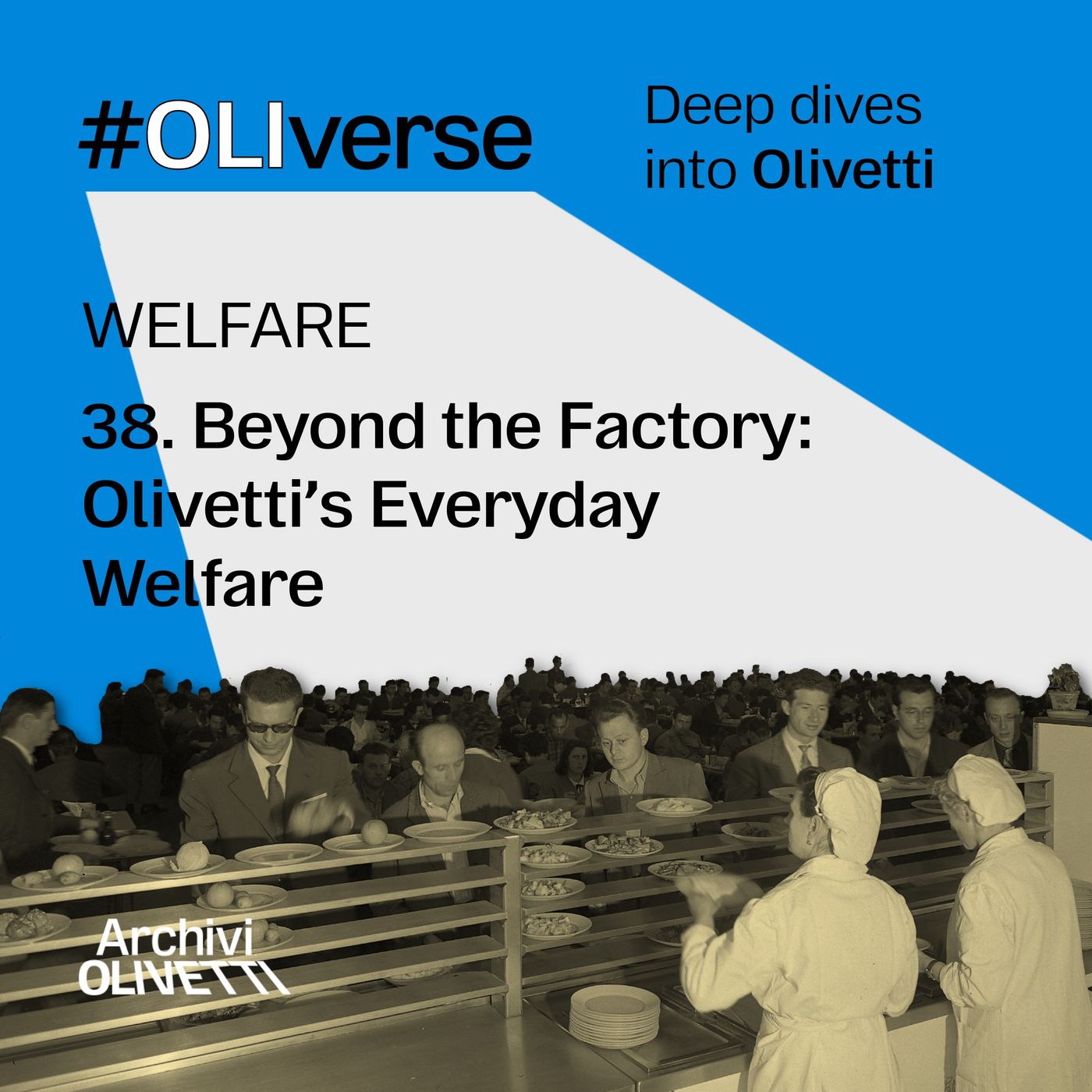
This episode explores Olivetti’s innovative approach to employee welfare through its meal and transport programs. From the creation of architecturally designed canteens promoting well-being to the introduction of exclusive bus services for workers and their families, these initiatives reflected Olivetti’s commitment to social progress and quality of life.This episode traces how these services became an integral part of the company’s human-centered philosophy, influencing modern concepts of workplace welfare and corporate culture.
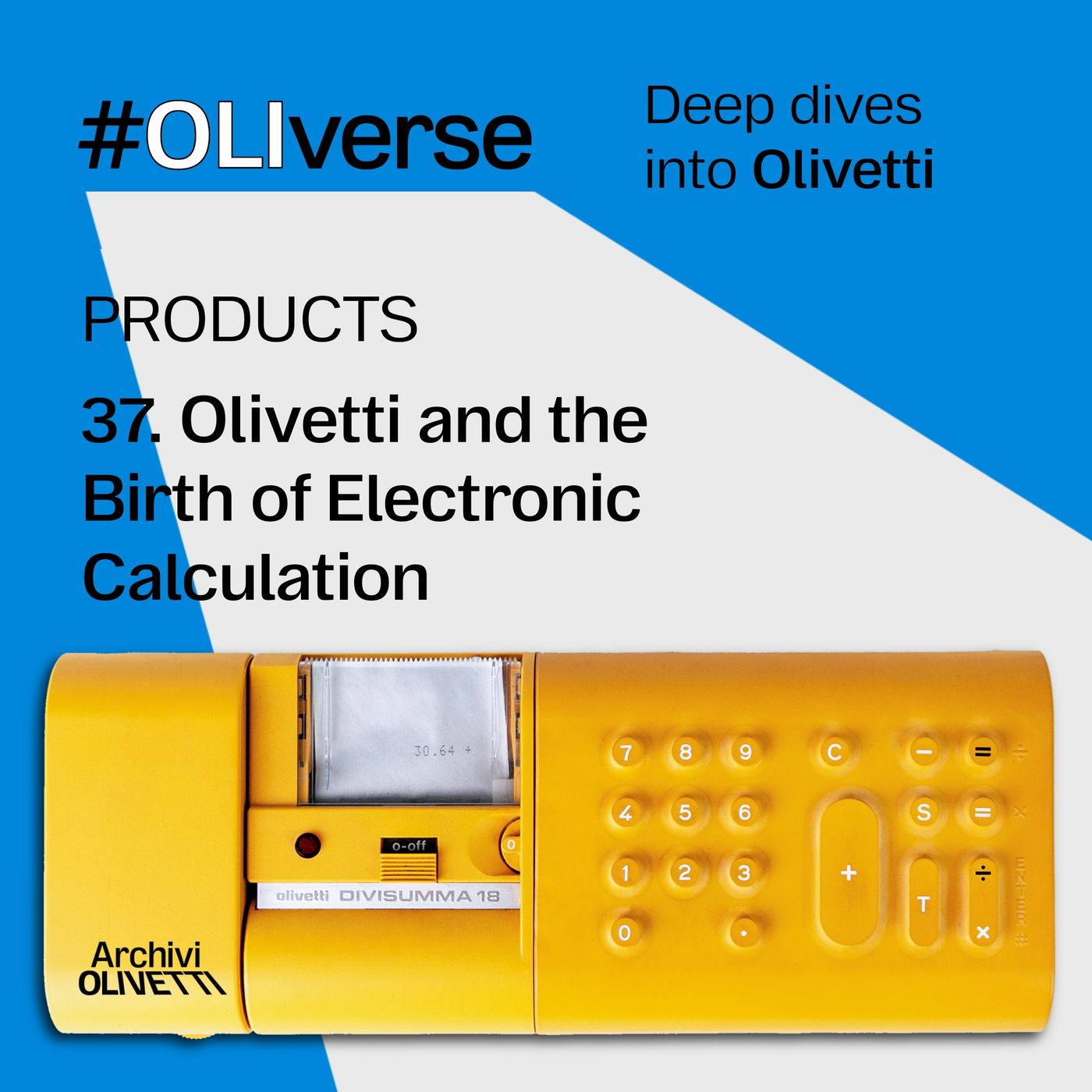
Olivetti Calculating Machines: from Gears to CircuitsThis episode explores Olivetti’s evolution from mechanical precision to electronic innovation — a story of ingenuity, design, and technological foresight. From the groundbreaking Divisumma 24 to the sleek Logos series, Olivetti redefined what calculating machines could be, combining function, form, and creativity.Discover how the company bridged the worlds of mechanics and electronics, setting new standards for design and usability in the computing age.This episode includes AI-generated content.
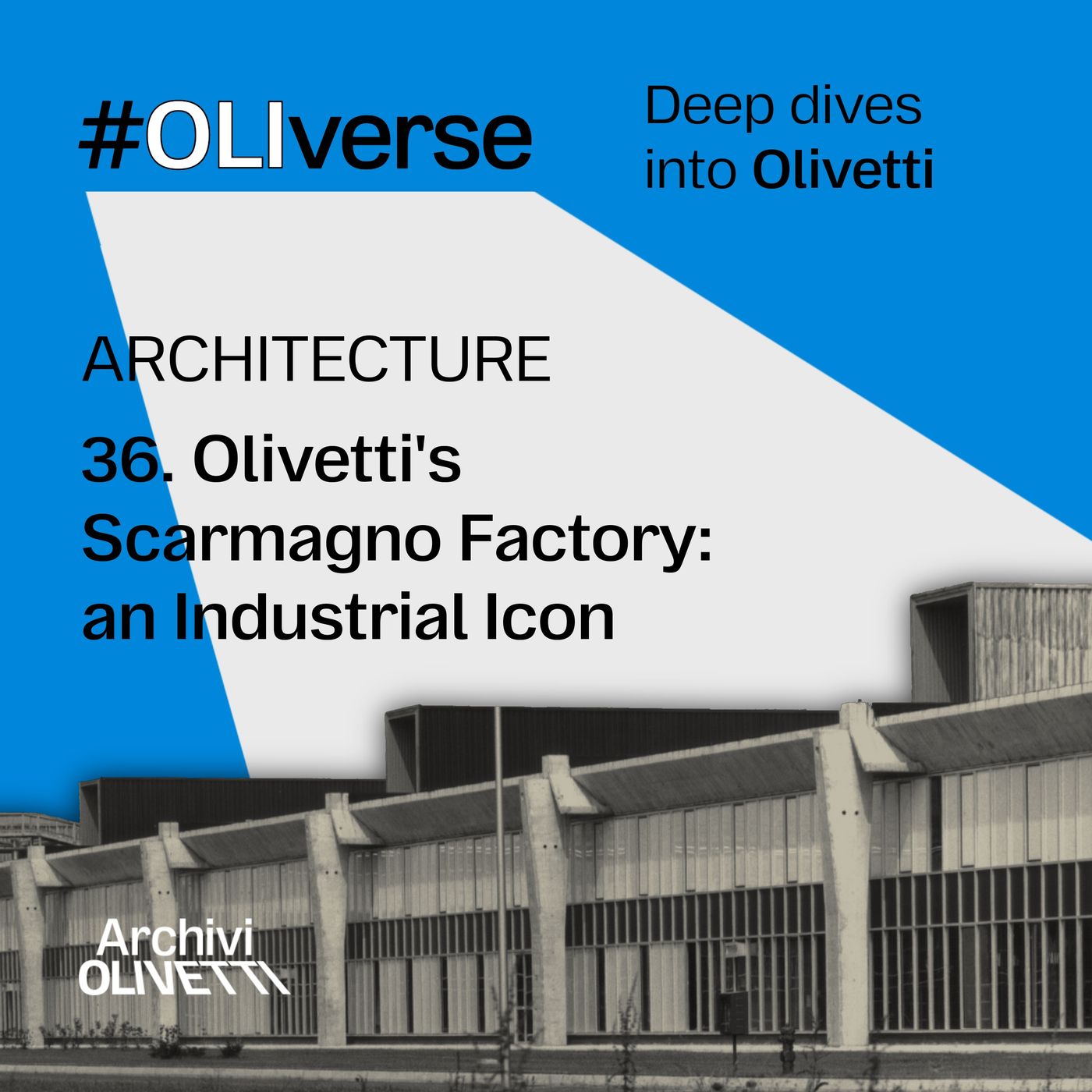
“Olivetti's Scarmagno Factory:an Industrial Icon” explores the rise of Olivetti’s major production hub near Ivrea — a landmark of postwar Italian industrial design and innovation.Built in the 1960s to sustain Olivetti’s rapid growth, the Scarmagno factory became a model of human-centered industrial architecture, where technology, design, and well-being coexisted in perfect balance.Designed by Marco Zanuso and Eduardo Vittoria, it embodied a vision of progress that merged productivity with aesthetics — a legacy that still defines Olivetti’s identity today. This episode includes AI-generated content.
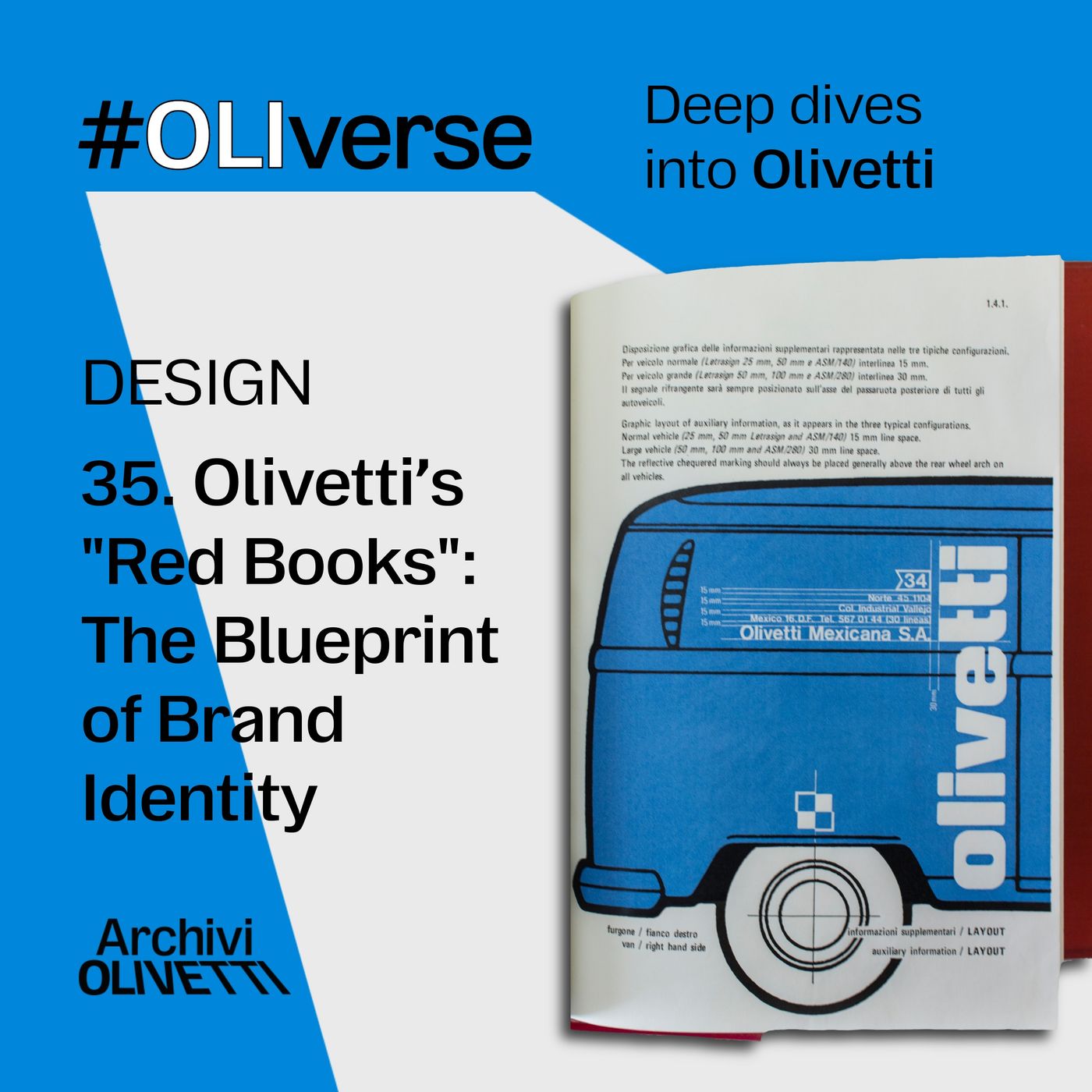
Olivetti’s ‘Red Books’: The Blueprint of Brand IdentityIn the 1970s, Olivetti redefined corporate identity through a visionary project: I Libri Rossi — the Red Books.More than just design manuals, they became a blueprint for global coherence, shaping how the brand appeared on every surface, from packaging to architecture.Developed under the direction of Hans von Klier and featuring the refined logo redesigned by Walter Ballmer, the Red Books balanced creativity and consistency, ensuring that Olivetti’s visual language evolved without losing its soul. An essential chapter in the story of how design became identity — and identity became legacy.This episode includes AI-generated content.
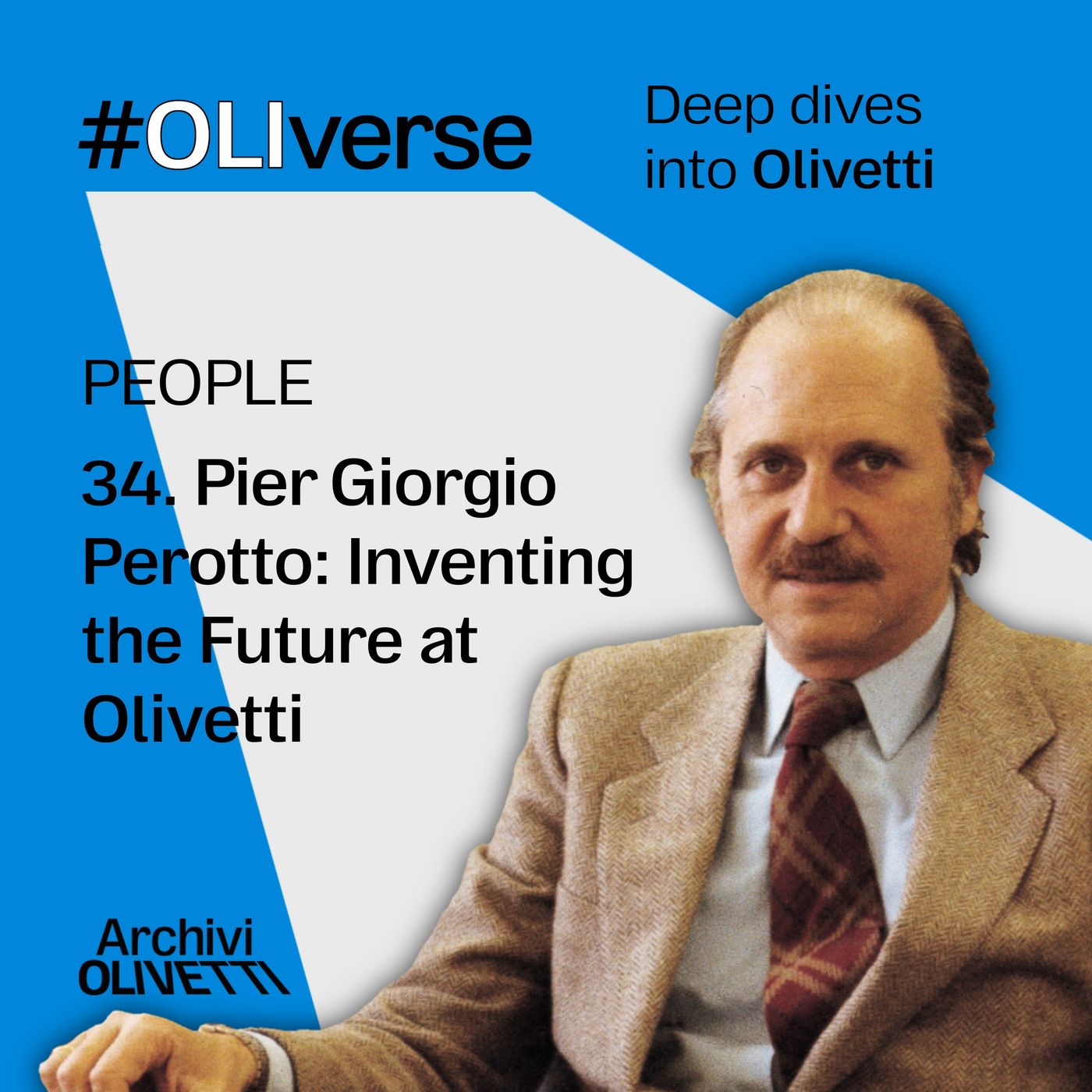
Pier Giorgio Perotto and the Birth of the Programma 101Engineer, inventor, and visionary, Pier Giorgio Perotto transformed the way the world understood computing. At Olivetti, he led the creation of the Programma 101, the first personal computer — a revolutionary machine that made technology accessible, intuitive, and personal.This episode of #OLIverse retraces Perotto’s story, his groundbreaking innovation, and the spirit of experimentation that defined Olivetti’s approach to design and technology.
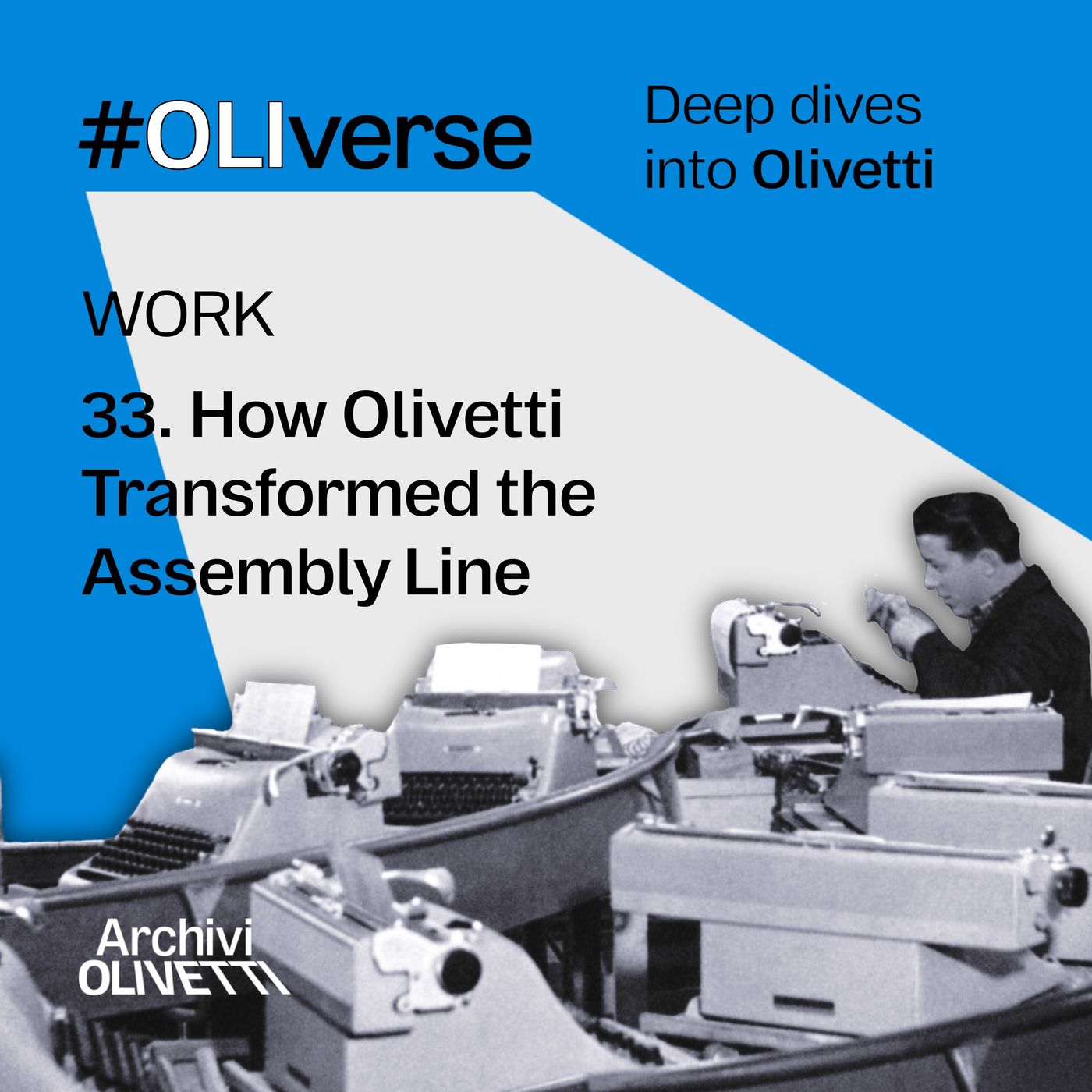
Olivetti’s Integrated Assembly Units: Beyond the Assembly LineIn the early 1970s, Olivetti reimagined industrial work. Moving beyond the traditional Taylorist model, the company introduced Integrated Assembly Units — small, autonomous teams responsible for complete tasks.This innovative approach enhanced productivity, responsibility, and satisfaction, transforming the factory floor into a place of collaboration and human value. Decades ahead of its time, Olivetti once again proved that innovation begins with people.
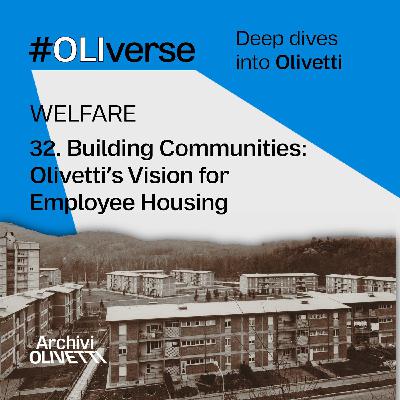
Olivetti’s Architecture: Employee Housing and Urban PlanningThis episode explores how Olivetti redefined corporate responsibility through architecture and urban planning. From Ivrea’s Borgo Olivetti to Quartiere Castellamonte and beyond, the company invested in high-quality housing designed by leading architects, creating environments where work, community, and daily life could thrive together.Discover how this pioneering vision turned homes into a cornerstone of Olivetti’s human-centered approach to industry.
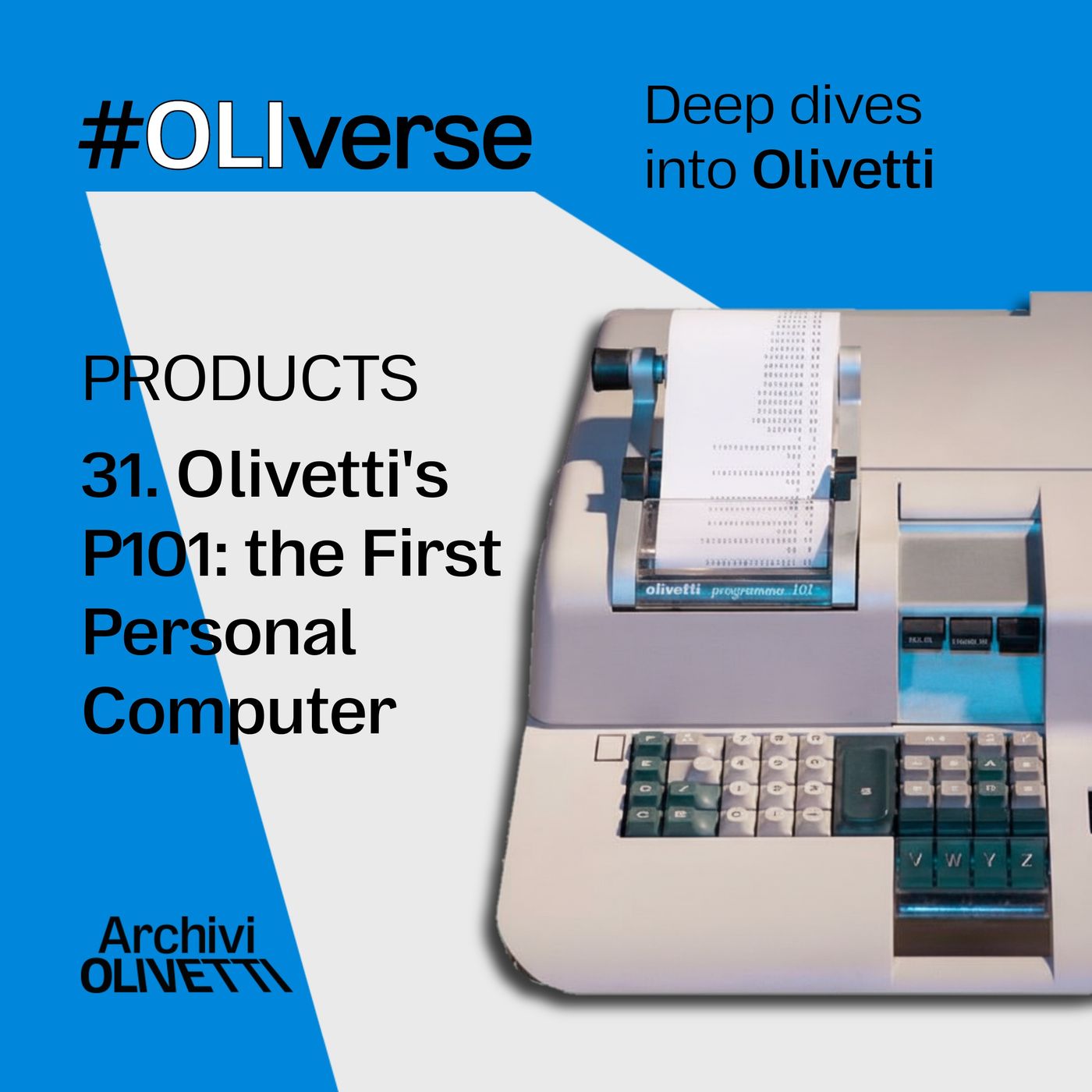
Olivetti Programma 101: Personal Computing PioneerIn the 1960s, Olivetti unveiled the Programma 101 — a groundbreaking machine designed by Pier Giorgio Perotto that anticipated the personal computer era by more than a decade.First presented at the 1965 BEMA exhibition in New York, the P101 became an instant success, blending visionary design and technological ingenuity.Episode 31 of #OLIverse retraces the story of this innovation, its global impact, and how it reshaped the way we think about computing.
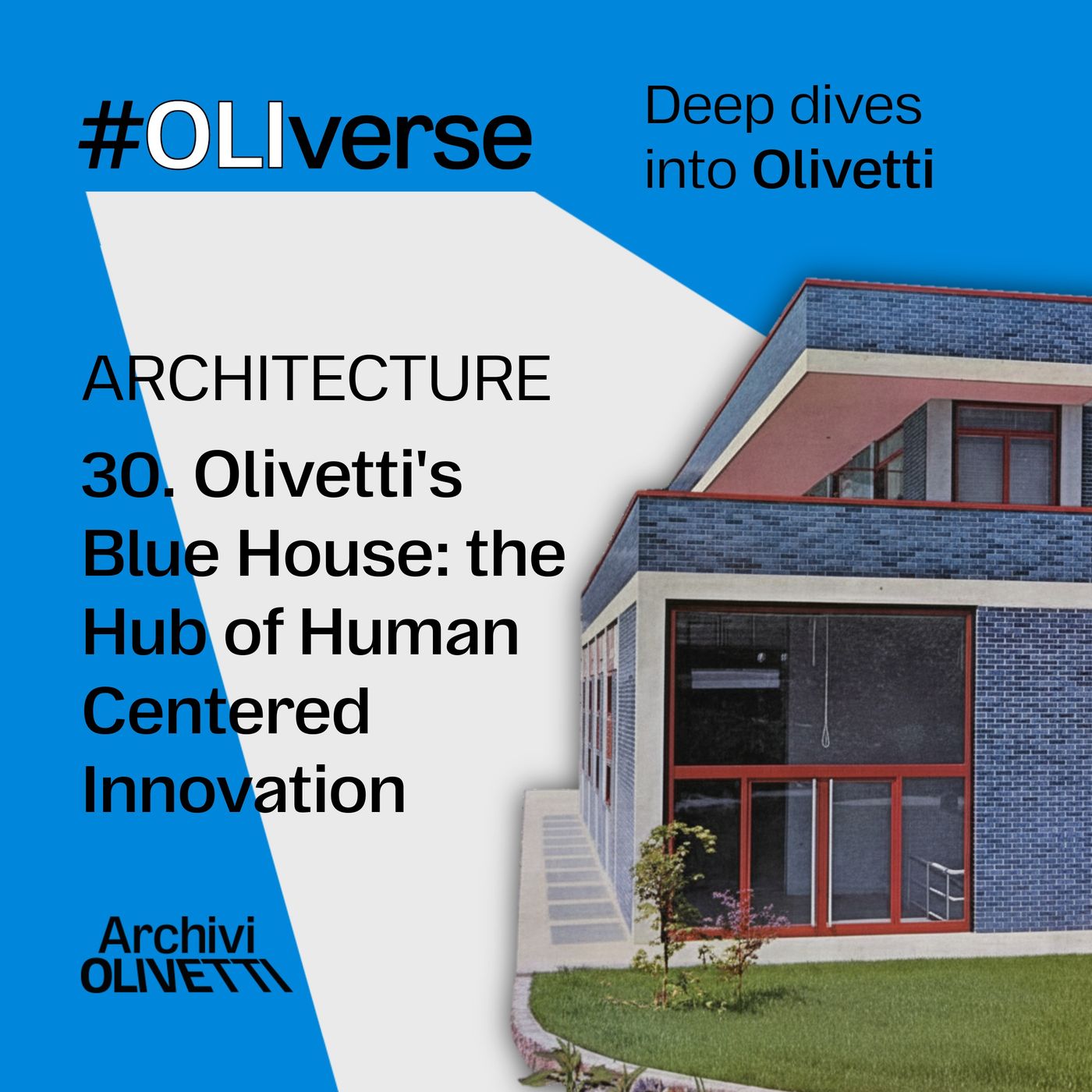
Ivrea’s Blue House: Olivetti’s Hub of InnovationIn the early 1950s, architect Eduardo Vittoria designed Olivetti’s “Blue House” in Ivrea — a bold experiment in architecture and research. Blending Mediterranean aesthetics with functional design, it became a hub for technological innovation and a symbol of human-centered progress.Episode 30 of OLIverse retraces how this iconic building evolved into a UNESCO World Heritage site and a concrete testament to Olivetti’s enduring vision.

Comments

Download from Google Play

Download from App Store
 United States