


 Claim Ownership
Planting Thoughts
Subscribed: 0Played: 0
Subscribe

© Mike
Description
Planting Thoughts is a podcast where we explore the intersection of psychology, politics, life’s mysteries, and the weird stuff that keeps us curious. Each episode delves into the intricacies of human behavior, offers fresh perspectives on current events, and sometimes takes a wild detour into the unknown. Whether we’re unraveling the complexities of the mind, dissecting societal trends, or diving into the quirky and unconventional, "Planting Thoughts" is all about planting seeds of new ideas and fostering thoughtful conversations. Tune in for a mix of insights, humor, and the unexpected.
58 Episodes
Reverse
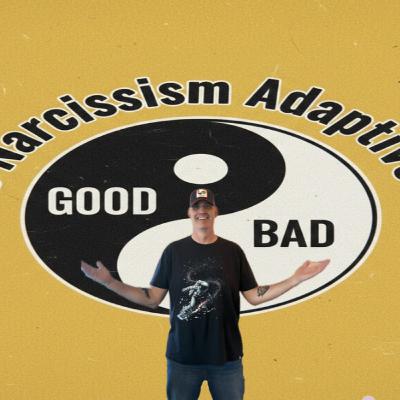
Are narcissists a personality disorder… or an evolutionary strategy?In this episode of Planting Thoughts, we break down narcissism through the lens of neuroscience, evolutionary biology, behavioral ecology, and Dark Triad research. Instead of treating narcissists as random villains, we examine the uncomfortable science behind why they continue to exist — and why high-trust societies may actually produce low-empathy predators.Sign up for the free newsletter and browse our materials at https://www.plantthespark.comWe explore:• Frequency-dependent selection and why “cheaters” are biologically inevitable• The neuroscience of narcissism (insula deficits, reward circuitry, self-referential networks)• The psychology of toxic relationships and the empath–narcissist dynamic• Fast vs. slow life-history strategies• Why narcissists rise to power• The difference between adaptive ego and pathological narcissism• How to protect yourself without losing your empathyThis is not pop psychology. This is peer-reviewed research translated into real-world strategy.If you’ve ever been discarded, manipulated, love-bombed, or blindsided by someone who seemed charming at first — this episode will rewire how you see it.High empathy without boundaries isn’t virtue. It’s vulnerability.Subscribe to Planting Thoughts for deep dives into human behavior, dark psychology, neuroscience, and the uncomfortable truths about power and personality.🌱 Plant wisely.Hashtags:#Narcissism #ToxicRelationships #DarkPsychology #EvolutionaryPsychology #Neuroscience #PersonalityScience #EmpathVsNarcissist #HumanBehavior #PsychologyPodcast#PlantingThoughts🔎 SEO Keywords narcissism explained, toxic relationships psychology, dark triad traits, evolutionary psychology narcissism, narcissist brain science, frequency dependent selection psychology, empath vs narcissist dynamic, behavioral ecology human behavior, narcissistic personality traits, neuroscience of ego, manipulation psychology, personality science podcast

"He isn't a monster; he just has different hardware."In this episode of Planting Thoughts, Mike performs a clinical autopsy on the most predatory mind in human existence: The Psychopath. We are moving past the cinematic tropes of Hannibal Lecter and into the raw, neurobiological reality of the "Cold-Blooded" brain.Why do some people feel no remorse? Why does the "Night Stalker" have a different amygdala than you? And what happens when a predator like David Parker Ray uses psychological "scripts" to break a human being's will?What we’re uncovering:-The Amygdala Deficit: Why the psychopathic brain stays silent when yours is screaming.-The "Cheater Strategy": The chilling evolutionary logic behind why psychopathy exists in the gene pool.-Case Studies in Darkness: A forensic deep-dive into the psychological blueprints of Richard Ramirez, David Parker Ray, and the Zodiac Killer.-The Victim Glitch: Tactical analysis of the "Normalcy Bias" and how to patch your own survival software.-The PCL-R Disclosure: Mike takes the Hare Psychopathy Checklist. The results might surprise you.Stop being the prey. Start understanding the architecture of the predator.🌱 RECLAIM YOUR SOVEREIGNTY at https://www.plantthespark.comWelcome to Planting Thoughts, the psychology podcast that digs into the weird, funny, and fascinating sides of human behavior. From cults and moral dilemmas to personality, decision-making, and why our brains do the dumb stuff they do — we blend science, humor, and storytelling to make psychology real and relatable.HASHTAGS#Psychopathy #ForensicPsychology #TrueCrimeScience #RichardRamirez #ZodiacKiller #Neuroscience #PCLR #BehavioralAnalysis #PlantingThoughts #MentalHealth2026🎙️ Hosted by Mike

"If you didn't choose to be straight, why do you think they chose to be gay?" In this powerful episode of Planting Thoughts, Mike performs a high-stakes psychological autopsy on one of the most persistent—and scientifically bankrupt—myths of the last century: the idea that sexual orientation and gender identity are "lifestyle choices."We are moving past the rhetoric and diving straight into the Prenatal Hormone Theory, the INAH-3 region of the hypothalamus, and the epigenetic signaling that occurs before birth. This isn't about politics; it’s about the architecture of the human nervous system.What we are digging into today:-The Hypothalamic Blueprint: How the size of the INAH-3 region correlates with orientation and why you can’t "will" your brain structure to change.-The Fraternal Birth Order Effect: The fascinating research on how a mother’s immune system tracks male fetuses, increasing the likelihood of homosexuality in younger brothers.-The Transgender Identity Gap: Looking at cortical mapping and the BSTc region to understand why the "brain's map" doesn't always match the "body's territory."-The Human Cost of Ignorance: We address the tragic stories of individuals like Nex Benedict and how hateful political rhetoric creates a lethal environment for LGBTQ+ youth.-The Choice Fallacy: Why the argument that sexuality is a choice is a logical dead-end that collapses under the slightest scientific scrutiny.This episode is a call for Radical Compassion and a return to the American ideal of individual sovereignty. We are one people, sharing one national experiment. Let’s stop tearing the fabric of that experiment apart by attacking how people were born.🌱 Plant that thought.#Neuroscience #LGBTQScience #PlantingThoughts #PsychologyPodcast #BornThisWay #GenderIdentity #Neurobiology #HumanRights #NexBenedict #MentalHealthAwareness #CriticalThinking #AmericanIdeals #BrainScience #EndTheStigma

You’re not lazy. You’re not broken. You’re living a life someone else designed.This episode breaks down the psychology of parental pressure, identity loss, and how to reclaim autonomy—using real science, not motivational fluff.Most people don’t “find themselves.”They inherit a résumé.In this episode of Planting Thoughts, Mike dismantles the quiet psychological damage caused by parental expectations, private-school pressure, legacy admissions culture, and overachievement without autonomy.This isn’t a rant.It’s a research-driven autopsy of why so many high-functioning people feel empty—and how to rebuild identity on purpose.We break down:Why overparenting and helicopter parenting increase anxiety, depression, and identity confusionHow Self-Determination Theory proves autonomy matters more than prestigeThe mental health cost of living for approval instead of valuesWhy affluent, high-pressure environments quietly destroy motivationThe Rich Kid Paradox and “concerted cultivation” explainedHow authenticity, flow, and self-concordant goals predict long-term successA one-page, step-by-step Identity Plan you can actually useExactly how to set boundaries with parents without detonating the relationshipIf you’ve ever:Followed the “right path” and still felt hollowBeen successful on paper but miserable in privateFelt like your life belonged to your parents, school, or family brandThis episode is for you.⚠️ Warning: You may feel personally attacked. That’s the science working.🎧 Listen to the end for a tactical framework to cut the cord, test real interests, and build a life that doesn’t require external applause.Subscribe for psychologically sharp conversations on identity, mental health, autonomy, and modern pressure culture. Share this with the person your parents wanted you to be.#PlantingThoughts #IdentityCrisis #MentalHealthPodcast #SelfDiscovery#PsychologyPodcast #PrivateSchool #CollegePressure #HighAchiever#BurnoutCulture #LifeDesign

Most people aren’t evil — but a lot of them are using you.In this Planting Thoughts episode, Mike breaks down the real psychology behind manipulators, narcissists, emotional users, and fake friends — and why they disappear the moment you stop being useful. This isn’t pop-psych fluff or TikTok therapy. This is neuroscience, behavioral psychology, and hard truths about how people actually bond, exploit, and detach.We explore:1. Why manipulators don’t feel guilt the way you do2. The Dark Triad (narcissism, Machiavellianism, psychopathy) explained simply3. The brain science behind empathy deficits and reward-based relationships4. Why capable, loyal, empathetic people are most likely to be used5. The psychological reason people ghost during tragedy or vulnerability6. How modern culture rewards emotional detachment and transactional relationships7. Practical, science-backed ways to spot fake people early and protect yourself8. Mike also shares a personal story about being abandoned during a low point — and why losing fake people can become one of the most clarifying, empowering moments of your life.This episode is for anyone who’s ever asked: “Why did they leave when I did nothing wrong?” “Why do I attract people who take but never give?” “How do I stop being used without becoming bitter?”⚠️ Warning: This episode may permanently raise your standards.If you value psychological depth, accountability, and truth over comfort — subscribe to Planting Thoughts and join the conversation.🌱 Plant the thought.#PlantingThoughts #PsychologyPodcast #DarkPsychology #NarcissismExplained #ManipulationPsychology #FakeFriends #ToxicPeople #EmotionalManipulation #NarcissisticAbuse #WhyPeopleGhost #TraumaPsychology #AttachmentTheory #BehavioralPsychology #NeuroscienceOfEmpathy #MentalHealthAwareness #Boundaries #SelfRespect #PersonalGrowth #PsychologyOfRelationships #HealingAfterBetrayal
Your Mental health isn’t broken — your strategy might be.In this episode of Planting Thoughts, Mike delivers a no-nonsense, science-backed breakdown of the most effective mental health strategies for 2026 and beyond. No toxic positivity. No hustle culture. No vague self-help advice. Just verified psychological tools used in clinical practice to improve emotional regulation, resilience, focus, and overall mental stability.We explore why most mental health advice fails, how the brain actually changes under stress, and what research says about building real psychological strength. From nervous system regulation and cognitive flexibility to sleep, attention, and behavioral agency — this episode gives you a 10-tool mental health operating system you can start using immediately.⚠️ This episode is educational, not a substitute for therapy. If you’re in crisis or spiraling, please seek professional help or call your local crisis line (U.S. residents can call or text 988).🧠 In this episode, you’ll learn:Why emotional regulation must come before mindset workThe psychology behind anxiety, burnout, and emotional overwhelmEvidence-based techniques from CBT, ACT, DBT, and neuroscienceHow to stop emotional reasoning and ruminationWhy sleep, attention, and behavior drive mental health more than insightPractical tools you can use without a therapistHow to build resilience, agency, and meaning in an AI-driven worldIf you’re tired of mental health content that talks in circles and want tools that actually work, this episode is for you.🌱 Subscribe to Planting Thoughts for psychology, human behavior, and deep thinking — minus the nonsense.Welcome to Planting Thoughts, the psychology podcast that digs into the weird, funny, and fascinating sides of human behavior. From cults and moral dilemmas to personality, decision-making, and why our brains do the dumb stuff they do — we blend science, humor, and storytelling to make psychology real and relatable.🎙️ Hosted by Mike 🧠 Topics: psychology, neuroscience, social behavior, moral psychology, mental health, personality science, pop culture, dark psychology, and the psychology of everyday life.🔍 Keywords: psychology podcast | human behavior | moral psychology | cognitive biases | social psychology | mental health science | Planting Thoughts podcast | psychology explained | funny psychology podcast#MentalHealth #MentalHealthTools #PsychologyPodcast #PlantingThoughts #MentalHealthStrategies #EmotionalRegulation #AnxietyHelp #DepressionTools #CBT #ACTTherapy #DBTSkills #NervousSystemRegulation #MentalResilience #SelfRegulation #ExecutiveFunction #MentalHealthEducation #ModernPsychology #MentalHealth2026 #PersonalGrowth #PsychologyBased #StressManagement #BehavioralPsychology #SelfEfficacy #MindfulnessScience #EmotionalHealth
Most people think compulsive behaviors are about weakness, bad habits, or lack of discipline. They’re wrong.In this episode of Planting Thoughts, we dive deep into the real psychology and neuroscience behind Body-Focused Repetitive Behaviors (BFRBs) like Trichotillomania (hair pulling), skin picking, nail biting, and other compulsive urges—and why these behaviors often show up in intelligent, sensitive, high-functioning people.This is not pop psychology. This is basal ganglia circuitry, dopamine reinforcement loops, habit conditioning, sensory regulation, and cognitive science—told through stories that reveal what’s actually happening inside the brain when an urge feels impossible to ignore.You’ll learn: • Why compulsive behaviors are often attempts at nervous system regulation • How dopamine and habit loops lock these behaviors in place • Why shame and “just stop” advice backfire neurologically • The difference between OCD and BFRBs (and why it matters) • How modern society amplifies these disorders • Evidence-based treatments that actually work • Why awareness isn’t the cure—but identity change might beThis episode isn’t about fixing you.It’s about understanding what your brain is trying to do—and why. If this conversation made you feel seen instead of judged, consider subscribing.Planting Thoughts is where we prune cultural nonsense and grow psychological clarity.🌱 Hosted by Mike#Psychology #MentalHealthEducation #Neuroscience #BehavioralPsychology #CognitiveScience #MentalHealthAwareness #PsychologyPodcast #PlantingThoughts #Trichotillomania #SkinPickingDisorder #BFRB #CompulsiveBehaviors #HairPulling #ExcoriationDisorder
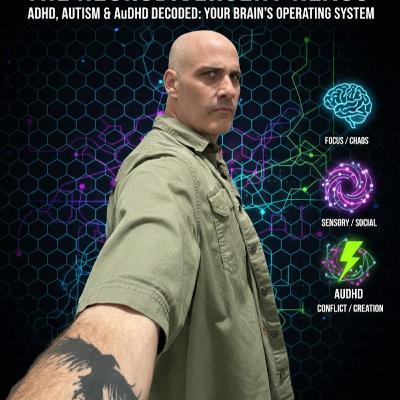
"Your brain isn't broken; it's just running a different operating system."Tonight, we are moving past the TikTok "vibes" and the political noise to perform a deep-dive neurological autopsy on the neurodivergent mind. If you’ve spent your life feeling like you’re fighting your own brain—or if you’ve been told you’re "just lazy" or "too sensitive"—this episode is the map you’ve been waiting for.In this masterclass, we cut through the misinformation surrounding ADHD, Autism, and the complex intersection of AuDHD. We explore the dopamine-starved reality of the executive function system and the sensory-overloaded world of the autistic brain.🧠 What We’re Planting Tonight:The 5-Minute Promise: Three "Red Flag Checklists" to help you identify if your lived experience maps to these neurotypes.Neuroscience Deep Dives: We look at the dopamine drought in the Prefrontal Cortex and the white matter connectivity differences that define the autistic experience.Behavior vs. Biology: Why "laziness" is actually executive dysfunction and why "stimming" is an essential self-regulation tool.The AuDHD Paradox: The internal tug-of-war between the ADHD craving for novelty and the Autistic need for routine.The Medication Takedown: A ruthless look at the "Normie Nerds" abusing ADHD meds for study hacks and how it harms the community.The Truth About "Self-Diagnosis": How to navigate the line between TikTok misinformation and genuine self-advocacy.This isn't about labels; it's about optimization. Whether you are neurodivergent or love someone who is, it's time to stop fighting the machine and start understanding the hardware.If this episode gave you the clarity you’ve been searching for, hit the Like button and Subscribe to Planting Thoughts. We don’t do "quirky"—we do science.Welcome to Planting Thoughts, the psychology podcast that digs into the weird, funny, and fascinating sides of human behavior. From cults and moral dilemmas to personality, decision-making, and why our brains do the dumb stuff they do — we blend science, humor, and storytelling to make psychology real and relatable.🎙️ Hosted by Mike 🧠 Topics: psychology, neuroscience, social behavior, moral psychology, mental health, personality science, pop culture, dark psychology, and the psychology of everyday life.Subscribe for weekly deep dives, mind-bending insights, and some laughs along the way.🔍 Keywords: psychology podcast | human behavior | moral psychology | cognitive biases | social psychology | mental health science | Planting Thoughts podcast | psychology explained | funny psychology podcast#Neurodivergence #ADHD #Autism #AuDHD #Neurodiversity #ExecutiveFunction #MentalHealthScience #NeurodivergentAdults #ADHDExplained #AutismAwareness #AdultADHD #BrainOptimization #MentalHealthAwareness2026
What happens when the thing reflecting your thoughts back to you… isn’t human?In this episode of Planting Thoughts, host Mike dives deep into the unsettling, fascinating intersection of AI, psychology, therapy, learning, and human identity. From AI therapy apps and emotional chatbots to algorithms that shape attention, motivation, and belief, this episode explores how artificial intelligence is already changing the human mind—often without us noticing.We break down:Why the human brain bonds so easily with machines (anthropomorphism, attachment theory, social surrogacy)The real science behind AI in therapy — where it helps, where it fails, and why it can’t replace human co-regulationThe Emotional Uncanny Valley and why “perfect empathy” from machines feels comforting and disturbing at the same timeHow AI and algorithms impact learning, memory, executive function, and neuroplasticityThe dopamine-driven attention economy, social media conditioning, and the rise of the “Dead Internet”The existential question AI forces us to face: If intelligence is automated, what is a human for?The episode ends with a practical Digital Sovereignty Audit — a step-by-step psychological framework to help you use AI without losing autonomy, attention, or meaning.This isn’t an “AI is evil” rant or a techno-utopian fantasy. It’s a grounded, research-informed exploration of how to stay human in an age of intelligent machines.🌱 Plant the thought: If something understands your patterns better than you do… who’s really in control of your mind?👉 Subscribe to Planting Thoughts for psychology, neuroscience, and deep conversations about modern life.🎙️ Hosted by Mike 🧠 Topics: psychology, neuroscience, social behavior, moral psychology, mental health, personality science, pop culture, dark psychology, and the psychology of everyday life.🔍 Keywords: psychology podcast | human behavior | moral psychology | cognitive biases | social psychology | mental health science | Planting Thoughts podcast | psychology explained | funny psychology podcast#ArtificialIntelligence #AIandPsychology #AIinTherapy #PsychologyPodcast #Neuroscience #HumanMind #CognitiveScience #MentalHealth #FutureOfAI #AIethics #DigitalPsychology #AttentionEconomy #Dopamine #SocialMediaAlgorithms #ExecutiveFunction #LearningScience #Anthropomorphism #AttachmentTheory #UncannyValley #AIandMentalHealth #PositivePsychology #TechAndSociety #PlantingThoughts #AIandEducation #CriticalThinking #DigitalWellbeing #HumanIdentity #ModernPsychology #AIImpact #MindfulnessAndTech
Are empaths born… or are they built?In this episode of Planting Thoughts, we cut through the spiritual fluff and internet mythology to examine empathy through real psychology, neuroscience, and sociology. Not the “I feel everything” TikTok version—but the actual mechanisms that shape highly empathic people.We explore:What empathy really is (and what it is not)How the empath brain processes emotion, threat, and social informationThe role of mirror neurons, the limbic system, and nervous system sensitivityWhy many empaths develop through early environments that required emotional attunementThe critical difference between healthy empaths and dark empathsHow culture, trauma, and learning shape empathic behaviorWhy empathy without boundaries becomes self-betrayalAnd how to develop stronger, healthier empathy without burning outThis episode blends peer-reviewed research, behavioral science, attachment theory, and real-world observation—delivered in the signature Planting Thoughts style: grounded, sharp, a little edgy, and designed to make you think.Empathy isn’t weakness.But unmanaged empathy can be dangerous—to you.If you’ve ever felt emotionally exhausted, hyper-aware of others, or misunderstood for feeling “too much,” this episode will give you language, clarity, and tools to understand what’s actually happening in your brain and body.🌱 Plant the thought.Then decide how you want to carry it.Hashtags#Empath #EmpathyPsychology #HighlySensitivePerson #EmotionalIntelligence #Neuroscience #PsychologyPodcast #PlantingThoughts #EmpathsOfYouTube #EmotionalAwareness #MentalHealthEducation #AttachmentTheory #NervousSystem #TraumaAndHealing #DarkEmpath #Boundaries #HumanBehavior #SelfUnderstanding #PsychologyExplained
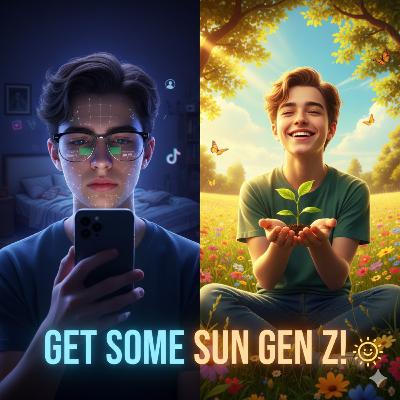
Gen Z is emotionally literate, therapy-aware, and deeply dysregulated.This episode breaks down how social media, constant stimulation, and identity-first development shaped Gen Z psychology — and what actually helps.Hashtags#GenZPsychology #DigitalTrauma #Neuroscience #MentalHealthTrends #PlantingThoughts #AttentionEconomy #IdentityDevelopmentWelcome to Planting Thoughts, the psychology podcast that digs into the weird, funny, and fascinating sides of human behavior. From cults and moral dilemmas to personality, decision-making, and why our brains do the dumb stuff they do — we blend science, humor, and storytelling to make psychology real and relatable.🎙️ Hosted by Mike 🧠 Topics: psychology, neuroscience, social behavior, moral psychology, mental health, personality science, pop culture, dark psychology, and the psychology of everyday life.Subscribe for weekly deep dives, mind-bending insights, and some laughs along the way.🔍 Keywords: psychology podcast | human behavior | moral psychology | cognitive biases | social psychology | mental health science | Planting Thoughts podcast | psychology explained | funny psychology podcast

Millennials grew up emotionally supported — but psychologically unprepared.This episode explains how helicopter parenting, achievement pressure, and cultural instability rewired Millennial brains for anxiety, burnout, and self-doubt.🏷️ Hashtags#MillennialPsychology #AnxietyGeneration #HelicopterParenting #BurnoutCulture #MentalHealthScience #PlantingThoughtsWelcome to Planting Thoughts, the psychology podcast that digs into the weird, funny, and fascinating sides of human behavior. From cults and moral dilemmas to personality, decision-making, and why our brains do the dumb stuff they do — we blend science, humor, and storytelling to make psychology real and relatable.🎙️ Hosted by Mike 🧠 Topics: psychology, neuroscience, social behavior, moral psychology, mental health, personality science, pop culture, dark psychology, and the psychology of everyday life.Subscribe for weekly deep dives, mind-bending insights, and some laughs along the way.🔍 Keywords: psychology podcast | human behavior | moral psychology | cognitive biases | social psychology | mental health science | Planting Thoughts podcast | psychology explained | funny psychology podcast

Gen X wasn’t raised with trauma — they were raised with absence.In this episode of Planting Thoughts, we break down the psychology of Generation X through neuroscience, attachment theory, and cultural context. This isn’t nostalgia. It’s a clinical look at how latchkey childhoods, emotional neglect, institutional distrust, and hands-off parenting shaped a generation into hyper-independent, emotionally guarded adults.We explore:-Why Gen X developed avoidant attachment patterns-How emotional absence impacts brain development and stress regulation-Why Gen X is skeptical of authority, therapy, and performative vulnerability-How Gen X became the psychological bridge between Boomers and Millennials-The long-term cognitive and relational effects of being “left to figure it out”This episode connects decade psychology, developmental neuroscience, and modern attachment research to explain why Gen X thinks, loves, works, and copes the way they do—without blaming, romanticizing, or sugarcoating it.If you’ve ever wondered why Gen X doesn’t ask for help, doesn’t trust systems, and doesn’t flinch when things fall apart… this is why.About Planting ThoughtsPlanting Thoughts is a psychology podcast exploring human behavior at the intersection of science, culture, and lived experience. We tackle generational psychology, trauma patterns, moral decision-making, identity, power dynamics, and why the brain does what it does—without self-help fluff or pop-psych nonsense.🎙️ Host: Mike🧠 Focus: psychology, neuroscience, attachment, generational behavior, mental health, social dynamics, cultural conditioningSubscribe for weekly deep dives that make psychology uncomfortable—in the best way.#GenXPsychology #GenerationalTrauma #AttachmentTheory #LatchkeyKids #AvoidantAttachment #Neuroscience #DecadeTrauma #PsychologyPodcast #PlantingThoughtsgeneration x psychology, gen x trauma, latchkey kids psychology, avoidant attachment adults, generational attachment styles, developmental neuroscience, generational behavior explained, psychology podcast gen x
"I am in control of my own mind." It’s the biggest lie we tell ourselves. You think you’re making logical choices, but what if your sense of belonging was actually a high-tech sales funnel designed to hijack your free will?In this episode of Planting Thoughts, Mike breaks down the terrifying psychology of how cults actually work. Forget the old-school robes and communes—today’s cult leaders wear Patagonia vests, run high-growth startups, and sell "feminine awakening" on TikTok. We’re moving past the myth that cults are for "stupid" people and diving into the peer-reviewed research on why brilliant, high-IQ individuals are often the easiest to break.🧠 WHAT WE’RE DIGGING INTO:The Intelligence Trap: Why being "smart" makes you a prime target for recruiters and how they exploit normal brain functions like the Milgram and Asch experiments.The Sales Funnel from Hell: How "Love-Bombing" creates a dopamine Christmas bonus in your brain, leading you into a neuro-surgical strike of Cialdini’s Persuasion Principles.Tactical Brain Fog: The dark reality of Lifton’s Thought Reform and how sleep deprivation is used to bypass your common sense.The Dark Triad: Why cult leaders like Keith Raniere (NXIVM) and David Berg (Children of God) score a "perfect ten" in narcissism, Machiavellianism, and psychopathy.The "Am I in a Cult?" Audit: A diagnostic for your fitness tribe, crypto community, or corporate culture to see if you’re in a community or a hostage situation.⏳ CHAPTERS:0:00 – The Lie of Control (Intro)3:32 – Why Smart People Join (Milgram & Asch)7:14 – The Sales Funnel from Hell: Love-Bombing & Cialdini9:46 – Rebranding the Cult: From Scientology to Startups12:50 – The "Am I in a Cult?" Audit15:17 – Children of God: The Weaponization of Intimacy18:38 – The Gilded Cage: Why Leaving Feels Like Death22:54 – Modern Cults in Your Pocket (Outro)🔗 CONNECT WITH THE MISSION:If this episode made you realize your favorite "wellness brand" is actually a pyramid scheme with sage, do us a favor: Like, Subscribe, and Share this with that one friend who "just really believes in the mission."#PlantingThoughts #CultPsychology #MentalHealth #Neuroscience #MindControl #ModernCults #PsychologyPodcast #CriticalThinking #FreeWill

Find our digital materials and sign up for the free newsletter by entering your email at https://www.plantthespark.comMost parents approach "The Talk" like they’re trying to diffuse a live landmine in a dark basement. They wait until the last possible second, stutter through some weird metaphor about pollinating flowers, and then sprint out of the room praying their kid doesn't ask a follow-up.Tonight, we are performing an autopsy on the "Just Say No" era. Spoiler alert: It was a catastrophic failure. We are diving into the hard data on why abstinence-only education actually leads to higher teen pregnancy and STI rates, particularly in conservative-leaning states. We’re also talking about the Neuroscience of Executive Function (EF) and why we can't expect teens to navigate a "Dopamine Hijack" without a toolkit.This isn't just about anatomy; it’s about Emotional Mastery (EM). We discuss why your own relationship is the most influential textbook your child will ever read, how to spot "digital red flags" in the TikTok dating era, and how to build a teen’s Self-Efficacy so they don't look for validation in a comment section.Stick around for the end, where I give you a practical, step-by-step "Parent Guru" script to turn awkward silence into life-saving connection.🧠 In This Episode:The Data of Disaster: Why abstinence-only programs are a failure of public health and psychology.The Living Textbook: How modeling "The Repair" in your own relationship sets your child’s baseline for love.The Digital Meat-Grinder: Navigating data permanence, "streaks," and the 4K reality of modern dating.The Practical Tutorial: A literal script for "The Talk" using the Bridge Method and the Three-Second Buffer.Plant the Spark: A quick tease on how to build confidence and high-level emotional intelligence.If this episode gave you the courage to open the door to honesty, hit that Like button. Subscribe to Planting Thoughts—because guarding their innocence shouldn't mean leaving them defenseless.Welcome to Planting Thoughts, the psychology podcast that digs into the weird, funny, and fascinating sides of human behavior. From cults and moral dilemmas to personality, decision-making, and why our brains do the dumb stuff they do — we blend science, humor, and storytelling to make psychology real and relatable.🎙️ Hosted by Mike 🧠 Topics: psychology, neuroscience, social behavior, moral psychology, mental health, personality science, pop culture, dark psychology, and the psychology of everyday life.Subscribe for weekly deep dives, mind-bending insights, and some laughs along the way.#parentingtips #SexEducation #TeenHealth #ModernParenting #AbstinenceOnly #PublicHealth #EmotionalIntelligence #SelfEfficacy #PlantingThoughts #PlantTheSpark #ParentingTeenagers🔍 Keywords: psychology podcast | human behavior | moral psychology | cognitive biases | social psychology | mental health science | Planting Thoughts podcast | psychology explained | funny psychology podcast

Find my guide on the parental and teen transition from high school to college at https://www.plantthespark.comLetting your kid grow up isn’t just hard — it’s psychological.In this episode of Planting Thoughts, Mike dives into why parents often struggle more than their kids when it’s time to let go… especially when children leave for college or adulthood.We explore:Why identity loss hits parents so hardThe neuroscience of control and attachmentHow overparenting can actually increase fearWhy “helping” sometimes hurtsThis episode is for parents who feel lost, anxious, or over-involved — and want a healthier way forward.Welcome to Planting Thoughts, the psychology podcast that digs into the weird, funny, and fascinating sides of human behavior. From cults and moral dilemmas to personality, decision-making, and why our brains do the dumb stuff they do — we blend science, humor, and storytelling to make psychology real and relatable.🎙️ Hosted by Mike 🧠 Topics: psychology, neuroscience, social behavior, moral psychology, mental health, personality science, pop culture, dark psychology, and the psychology of everyday life.Subscribe for weekly deep dives, mind-bending insights, and some laughs along the way.🔍 Keywords: psychology podcast | human behavior | moral psychology | cognitive biases | social psychology | mental health science | Planting Thoughts podcast | psychology explained | funny psychology podcast#EmptyNest #ParentIdentity #LettingGo #CollegeTransition #ParentingAdults #PlantingThoughts #Psychology #AttachmentTheory #FamilySystems

Go to https://www.plantthespark.com and check out my digital manuals on successful parenting!Modern parenting didn’t mean to create anxious kids — but here we are.In this episode of Planting Thoughts, Mike breaks down the psychology behind why today’s children are more anxious, fragile, and overwhelmed than any generation before them… despite having more safety, resources, and support.We dive into:The psychology of overparentingWhy protection can actually stunt resilienceWhat the research really says about anxiety, autonomy, and growthHow good intentions quietly backfireThis episode isn’t about parent-shaming — it’s about parent awakening.If you’re a parent, educator, or someone trying to understand why so many young people are struggling, this one matters.Welcome to Planting Thoughts, the psychology podcast that digs into the weird, funny, and fascinating sides of human behavior. From cults and moral dilemmas to personality, decision-making, and why our brains do the dumb stuff they do — we blend science, humor, and storytelling to make psychology real and relatable.🎙️ Hosted by Mike 🧠 Topics: psychology, neuroscience, social behavior, moral psychology, mental health, personality science, pop culture, dark psychology, and the psychology of everyday life.Subscribe for weekly deep dives, mind-bending insights, and some laughs along the way.🔍 Keywords: psychology podcast | human behavior | moral psychology | cognitive biases | social psychology | mental health science | Planting Thoughts podcast | psychology explained | funny psychology podcast#ParentingPsychology #AnxiousKids #Overparenting #MentalHealth #RaisingResilientKids#PlantingThoughts #PsychologyPodcast #ModernParenting #ChildDevelopment

Imagine a partner who never forgets your anniversary, always agrees, and is perfectly tailored to your deepest desires. That person exists, and they're running on an algorithm.This isn't sci-fi anymore. Modern research shows humans are forming deep, intimate bonds with AI companions, often leaving real relationships in the dust. Today, we plant the strangest seed yet: The rise of Virtual Intimacy.We dive deep into the psychology, the neuroscience, and the startling social cost of dating a perfect ghost. We explain why your brain is being chemically rewarded for choosing pixels over pores, the dangers of emotional fragility, and the ultimate question: What is real love when you can download perfection?🧠 In This Episode:Dopamine Delivered: The behavioral science of why AI provides better instant gratification than a human.Comparison Crisis: The social pressure on real partners who have to compete with a flawless, non-confrontational algorithm.The Psychoanalytic Void: Why relating to a mirror (the AI) instead of an "Other" (a human) leads to deep unfulfillment.Relationship Displacement: The media stories of people leaving real partners for digital companions.The Philosophical Quandary: Is it love if there's no risk, no sacrifice, and no potential for pain?The Scaffolding Solution: How to use AI as a tool for social training, not as a shelter from reality.If this episode makes you look at your phone differently, hit the Like button. And Subscribe to Planting Thoughts—because the real world is complicated, and we’re the only ones brave enough to talk about it.Welcome to Planting Thoughts, the psychology podcast that digs into the weird, funny, and fascinating sides of human behavior. From cults and moral dilemmas to personality, decision-making, and why our brains do the dumb stuff they do — we blend science, humor, and storytelling to make psychology real and relatable.🎙️ Hosted by Mike Plant🧠 Topics: psychology, neuroscience, social behavior, moral psychology, mental health, personality science, pop culture, dark psychology, and the psychology of everyday life.Subscribe for weekly deep dives, mind-bending insights, and some laughs along the way.🔍 Keywords: psychology podcast | human behavior | moral psychology | cognitive biases | social psychology | mental health science | Planting Thoughts podcast | psychology explained | funny psychology podcast#AIIntimacy #VirtualLove #AICompanion #Psychology #Neuroscience #DopamineDetox #VirtualRelationships #AIandDating #Replika #ErosBot #SocialPsychology #DigitalHealth #Loneliness #AttachmentTheory #EthicalAI #PlantingThoughts #MikePlantingThoughts #FutureofDating

Love isn’t magic—it’s biology with a sense of humor and absolutely no chill.In this episode of Planting Thoughts, Mike breaks down the psychology and neuroscience of attraction, falling in love, and heartbreak—why your brain obsesses, why losing someone feels physically painful, and why otherwise intelligent people end up serenading dorm windows at 1 a.m. (ask him how he knows).We dive deep into:The evolutionary psychology of attraction (yes, hypergamy included)The dopamine, serotonin, and oxytocin cocktail that hijacks your brainWhy love lowers judgment and raises confidence at the worst possible timesThe real neuroscience behind heartbreak and emotional withdrawalPractical, science-backed steps to become more attractive and recover fasterPop psychology myths vs what actually worksIf you’ve ever wondered why love makes you act unrecognizable—or how to stop repeating the same painful patterns—this episode is for you.🌱 Subscribe for psychology, self-mastery, attraction, attachment, and emotional resilience—without the fluff.

You’re not bad at reading people.You’re just ignoring the data.In this episode of Planting Thoughts, Mike breaks down the real psychology and neuroscience behind reading people—without the TikTok pseudoscience, mind-reader nonsense, or “alpha” cosplay.We dive deep into:1-What body language actually means (and why most advice is wrong)2-How tone of voice reveals more than words ever will3-The neuroscience of intuition, empathy, and prediction4-Why liars don’t look nervous—and how deception really leaks5-FBI-informed interrogation and behavioral analysis techniques6-Cultural and psychological factors that change how people express emotion7-A step-by-step framework to read people accurately without becoming paranoidThis isn’t about manipulation. It’s about clarity, awareness, and emotional intelligence with teeth.🌱 Plant that thought.If this episode sharpened your awareness, like, subscribe, and share with someone who still believes crossed arms mean “defensive.”Welcome to Planting Thoughts, the psychology podcast that digs into the weird, funny, and fascinating sides of human behavior. From cults and moral dilemmas to personality, decision-making, and why our brains do the dumb stuff they do — we blend science, humor, and storytelling to make psychology real and relatable.🎙️ Hosted by Mike 🧠 Topics: psychology, neuroscience, social behavior, moral psychology, mental health, personality science, pop culture, dark psychology, and the psychology of everyday life.Subscribe for weekly deep dives, mind-bending insights, and some laughs along the way.🔍 Keywords: psychology podcast | human behavior | moral psychology | cognitive biases | social psychology | mental health science | Planting Thoughts podcast | psychology explained | funny psychology podcast#PlantingThoughts #Psychology #ReadingPeople #BodyLanguage#HumanBehavior #EmotionalIntelligence #LieDetection #Neuroscience#BehavioralPsychology #SocialDynamics #CommunicationSkills #SelfAwareness #MentalFrameworks #PsychologyPodcast #CriticalThinking #MasculinePsychology

Comments

Download from Google Play

Download from App Store
 United States