


 Claim Ownership
Beat Teacher Burnout!
Subscribed: 6Played: 118
Subscribe

© Rowena Hicks
Description
Burnout is NOT OK! Every episode of The Beat Teacher Burnout Podcast is filled with the motivation and strategies you need plus deeply personal stories, relatable topics and research-backed advice to help you become the best version of you to overcome the overwhelm and burnout in order to thrive!
82 Episodes
Reverse
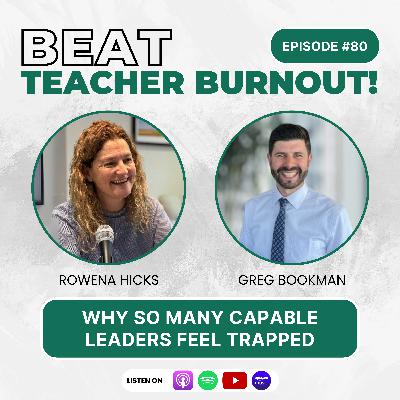
In this honest and deeply reassuring episode of Beat Teacher Burnout, I’m joined by Greg Bookman, an education recruiter with over 20 years’ experience and a rare, people-first approach to leadership recruitment and retention.Rather than focusing on roles, hierarchies or career ladders, this conversation centres on well-being, identity and humanity in education. Greg shares what he sees behind the scenes when leaders and teachers reach breaking point and why so many capable, committed people are quietly considering leaving the profession altogether.We talk about burnout not as a weakness, but as a signal, one that often appears when people have lost sight of who they are, what they value and where they truly belong. Greg brings a compassionate and hopeful perspective, reminding us that education is not broken everywhere and that there are schools and trusts where people can thrive without sacrificing their health.This episode speaks directly to leaders and educators who feel exhausted, disillusioned or stuck, especially those questioning whether they can keep going, but still care deeply about the work they do.What You’ll Hear in This EpisodeWhy treating educators as people, not job titles, is key to retentionHow post-COVID shifts have changed what leaders need from workWhat burnout really does to confidence, identity and self-beliefWhat to say to yourself when you’re on survival mode and ready to quitHow school culture and values impact well-being more than workload aloneWhy appreciation and shared effort matter more than moneyThe fear and grief that often sit underneath thoughts of leaving educationHow reconnecting with your “why” can restore clarity and confidenceWhy reflection and self-awareness are protections against burnoutThe danger of suppressing your values in order to fit a roleHow finding the right school can change everything without leaving educationWhy staying silent and doing nothing is often the most damaging choiceKey MessageYou are not broken.Burnout is not the end.And leaving education is not the only option.Many educators burn out not because they don’t care enough, but because they care too much in environments that no longer allow them to be themselves. Confidence can be rebuilt. Purpose can be rediscovered. And with the right support, reflection and relationships, it is possible to find a role and a culture where you can thrive again.This episode is an invitation to pause, reflect, and remember who you are beneath the pressure. To seek connection rather than isolation. And to believe that staying in education well is possible.Connect with Greg BookmanLinkedIn: https://uk.linkedin.com/in/greg-bookmanWould you like to talk about coaching options? 1:1 sessions or group? Book a call here: https://calendly.com/rowenaphicks/30minFollow me on:1. Instagram: @rowenaphicks2. Facebook: Rowena Hicks3. Linked In: Rowena HicksEmail me: authorrowenahicks@gmail.com Visit my website for Books, Journals, Free Community and lots of other interesting stuff: www.rowenahicks.com
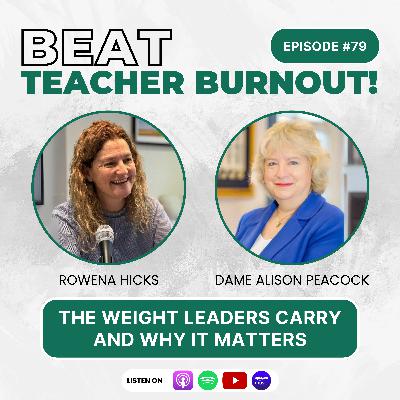
In this thoughtful and deeply human episode of Beat Teacher Burnout, I’m joined by Dame Alison Peacock former headteacher and founding CEO of the Chartered College of Teaching to explore the realities of school leadership that are rarely spoken about openly.Alison describes headship as “both impossible and delightful,” a phrase that captures the tension so many leaders live with every day. Together, we reflect on the unpredictability of leadership, the emotional load leaders carry and the pressure created by inspection, accountability and constant readiness.This conversation moves beyond systems and structures and centres on people. We talk honestly about isolation in leadership, the myth of the heroic leader and how cultures of trust, collaboration and creativity are not optional extras; they are protective factors against burnout.Alison shares powerful reflections from her own headship, including leading a school in special measures, and how shifting from control to emancipating teachers rebuilt agency, energy and collective purpose.This episode is for school leaders, teachers and anyone in education who is holding responsibility alongside care and wondering how to do that without losing themselves in the process.What You’ll Hear in This EpisodeWhy school leadership feels both deeply rewarding and relentlessly demandingThe impact of constant unpredictability and emotional readiness on leadersHow inspection and accountability quietly shape leadership behaviourWhy anchoring leadership to a nobler purpose changes everythingThe hidden isolation many leaders experience and why it mattersWhy leadership is not about being the hero, but enabling othersWhat “emancipating teachers” looks like in practiceHow burnout begins with feeling unseen, unheard and disconnectedWhy valuing staff wellbeing is essential, not “soft” leadershipHow creativity protects against burnout and restores professional trustWhy school culture is shaped in small, everyday momentsWhat sustainable leadership really requires beyond enduranceKey MessageLeadership is not meant to be carried alone.Burnout is not a personal failure.Endurance is not the same as sustainability.When leadership is rooted in humanity, creativity and shared purpose, it becomes possible to protect both people and outcomes. The tension between heavy and hopeful, impossible and delightful, is not a sign that something is wrong, it is the reality of leading well.This episode is an invitation to lead with intention, connection and courage and to remember that how we lead matters just as much as what we lead.Connect with Dame Alison Peacock:LinkedIn: https://uk.linkedin.com/in/dame-alison-peacock-dl-dlitt-7b996b24 Would you like to talk about coaching options? 1:1 sessions or group? Book a call here: https://calendly.com/rowenaphicks/30minFollow me on:1. Instagram: @rowenaphicks2. Facebook: Rowena Hicks3. Linked In: Rowena HicksEmail me: authorrowenahicks@gmail.com Visit my website for Books, Journals, Free Community and lots of other interesting stuff: www.rowenahicks.com
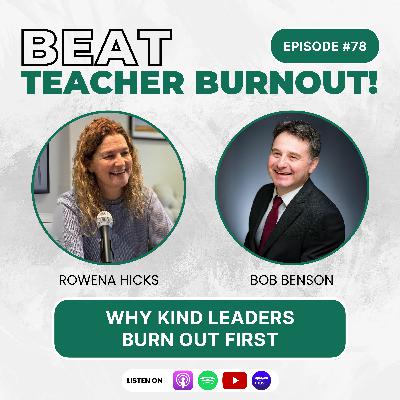
In this episode of Beat Teacher Burnout, I’m joined by Bob Benson, a former secondary headteacher and now coach and consultant, to explore a deeply embedded belief in education: that strong leadership means pushing through, coping silentlyand toughing it out.Drawing on lived experience, Bob reflects on the pressures of headship and how ongoing stress can quietly change who we are, pulling us away from the kindness and values that brought us into education.Together, we unpack the realities of school life, constant reactivity, emotional labour and long hours and question the idea that being busy or visible equals being effective.We also explore emotional honesty in leadership, the balance between vulnerability and oversharing and practical ways leaders can protect their wellbeing and model healthier boundaries.In this conversation, we explore:Why “toughing it out” is often confused with strength in educationHow leadership pressure can quietly reshape behaviour and identityThe impact of stress on empathy, kindness, and decision-makingWhy emotional intelligence becomes harder but more vital in busy schoolsThe difference between being busy and being effectiveHow leaders can model healthier ways of working without guiltWhy sustainable leadership matters for the future of the professionKey MessageToughing it out is not what makes leaders strong.Self-awareness, kindness and courageous boundary-setting are what sustain people and schools over time.If you’re a leader or teacher feeling the pressure to keep going at all costs, this episode offers reassurance that doing things differently isn't a weakness, it's leadership.Connect with Bob Benson:LinkedIn: www.linkedin.com/in/bob-benson1educator.Follow me on:1. Instagram: @rowenaphicks2. Facebook: Rowena Hicks3. Linked In: Rowena HicksEmail me: authorrowenahicks@gmail.com Visit my website for Books, Journals, Free Community and lots of other interesting stuff: www.rowenahicks.com
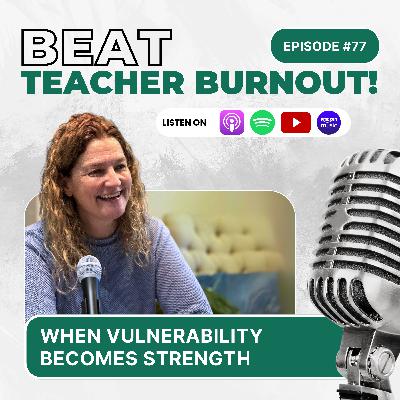
In this reflective and honest solo episode of Beat Teacher Burnout, I talk openly about vulnerability, near-burnout, and what it has taken for me to finally slow down as 2025 comes to an end.Inspired by Brené Brown’s work on vulnerability as courage, this episode explores how even positive things like building a business, publishing a book, pursuing passion projects can quietly push us back into old patterns of overworking, people-pleasing, and trying to prove our worth. I share how recognising those patterns early helped me step back before burning out again.This episode is for teachers, leaders and anyone who feels driven to keep going, even when their body and mind are asking them to stop.What You’ll Hear in This EpisodeWhy vulnerability is not weakness, but a form of courageHow passion and purpose can still lead to burnout if we ignore our limitsThe warning signs that show up when old habits returnWhy rest is more than sleep and what real rest actually looks likeHow learning to truly switch your brain off creates clarity and creativityWhy prioritising yourself isn’t selfish, even when it feels uncomfortableThe role of boundaries, saying no, and protecting your energyHow imposter syndrome and the need to prove ourselves keep us stuckWhy finding safe people and places matters more than everHow small, intentional positives help us and our teams thriveKey MessageYou don’t need to keep proving yourself to be worthy.Rest is not failure.Vulnerability is not weakness.When we slow down, listen to ourselves, and choose to do things differently, we protect our wellbeing and create the conditions to show up with greater clarity, compassion Follow me on:1. Instagram: @rowenaphicks2. Facebook: Rowena Hicks3. Linked In: Rowena HicksEmail me: authorrowenahicks@gmail.com Visit my website for Books, Journals, Free Community and lots of other interesting stuff: www.rowenahicks.com and purpose for the people around us.
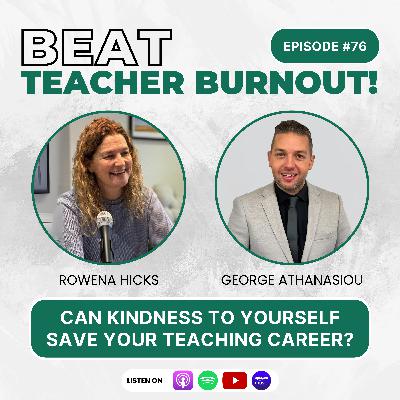
In this episode of Beat Teacher Burnout, I’m joined by George Athanasiou, former headteacher and wellbeing consultant, for a powerful conversation about why so many educators are overwhelmed and what we can realistically do about it. George talks openly about the exhaustion sweeping through schools, the guilt that keeps teachers pushing past their limits, and the pressure leaders face in trying to support everyone while barely holding themselves together. We explore how burnout builds slowly, why self-care must start with basic regulation like breathing and rest, and how mindset shifts only work once the body feels safe again.George introduces simple but impactful strategies for protecting energy: taking genuine breaks, saying “no” without guilt, focusing on what actually matters, and finding small moments of creativity to reconnect with the joy of teaching. His Cha Cha Cha framework Children, Choice and Challenge offers a beautifully simple way to plan lessons that feel purposeful rather than draining.We also discuss the role of technology and AI in reducing workload and bringing back the spark of creativity that many teachers feel they’ve lost.This conversation is honest, practical and deeply human, a reminder that thriving isn’t selfish, it’s essential. And sometimes, the first step really is as simple as one breath, one boundary or one small act of kindness toward yourself.Connect with George AthanasiouFacebook: https://www.facebook.com/georgeeducationalconsultantWebsite: https://www.educationalconsultancy.net/Follow me on:1. Instagram: @rowenaphicks2. Facebook: Rowena Hicks3. Linked In: Rowena HicksEmail me: authorrowenahicks@gmail.com Visit my website for Books, Journals, Free Community and lots of other interesting stuff: www.rowenahicks.co
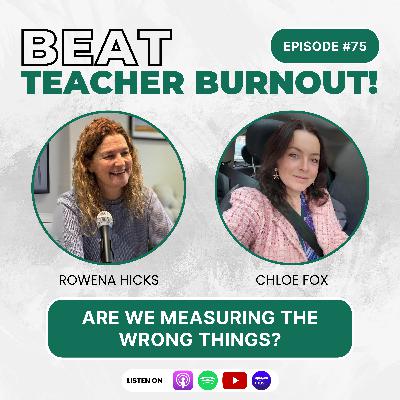
In this episode of Beat Teacher Burnout, I’m joined by Chloe Fox, an Alternative Provision Lead whose powerful reflections on belonging and community have resonated with thousands across education. After a viral LinkedIn post about the “real gatekeepers” in schools, Chloe has become a compassionate voice for putting humanity back at the centre of our work.Together, we explore what sits behind the data we’re constantly asked to produce, the relationships, emotional labour and invisible work that truly shape school culture. Chloe opens up about her journey through burnout, losing herself in fear, pressure and perfectionism and the transformation that came when she pressed pause and rebuilt with support.She returns to education with a renewed purpose:to champion belonging, connection and authenticity as the foundations of thriving staff and thriving students.In this conversation, we talk about:How getting caught up in fear, metrics and accountability can disconnect us from our why.The reality of self-destruct patterns like constant availability and hyper-responsibility.What it means to “lose yourself” and how to find your way back.Why vulnerability is the most courageous form of leadership.How imposter syndrome shows up across education for support staff, teachers and leaders.The importance of psychological safety and honest conversations.Why community, belonging and relationships must come before data.Slowing down enough to notice stress responses before they become burnout.Key messageIf staff feel seen, valued, heard and safe, everything else follows: wellbeing, behaviour, learning, teamwork, culture and outcomes.Belonging isn’t a tick box. It’s something we feel.Connect with Chloe:LinkedIn: https://www.linkedin.com/in/chloefoxpastoral/Want to find out more about my new course 5 Minutes to Thrive? Go to my website at www.rowenahicks.comFollow me on:1. Instagram: @rowenaphicks2. Facebook: Rowena Hicks3. Linked In: Rowena HicksEmail me: authorrowenahicks@gmail.com Visit my website for Books, Journals, Free Community and lots of other interesting stuff: www.rowenahicks.com
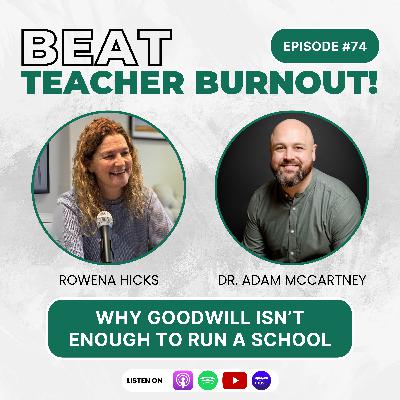
In this episode of Beat Teacher Burnout, I sit down once again with Dr Adam McCartney, Educational Psychologist, to explore the quiet but powerful forces shaping staff wellbeing in schools today. This conversation looks beyond workload and policies, and instead examines what truly drives burnout identity, autonomy, culture, and the systems teachers work within every day.Adam shares powerful insights from his work across schools and explains why so many teachers are silently struggling, even in environments that appear functional on the surface. Together, we unpack what leaders and teachers can do to shift from surviving to genuinely thriving.We talk about:The silent epidemic of stress in schools and why it often goes unnoticedHow budget cuts, loss of support staff, and unrealistic expectations are impacting staff wellbeingWhy a clear vision and shared purpose can transform culture (and what happens when it’s missing)The role of communities of practice in strengthening collaboration, trust, and identityHow teacher identity can become unhealthy and what educators can do to protect their sense of selfDifficult conversations: why they matter and how schools can approach them safelyThe importance of autonomy and psychologically informed management systemsA powerful real-life example of a teacher who went from nearly being dismissed to becoming one of the school’s strongest practitionersPractical steps for leaders who want to empower staff without burning themselves outHow schools can create systems that work without relying on one personWhat healthy leadership looks like when it comes to pastoral care, role clarity, and trustI especially loved the final story. Adam shared a reminder that the right support, structure, and trust can completely change a teacher’s trajectory. These moments show what’s possible when school systems prioritise people over pressure.Connect with Dr Adam McCartneyInstagram: https://www.instagram.com/dradammcartney/Facebook: https://www.facebook.com/profile.php?id=61581143277228Linked In:https://www.linkedin.com/in/dr-adam-mccartney-afbpss-647ab1221/Podcast: https://www.dradammccartney.com/betweentwopsychsFollow me on:1. Instagram: @rowenaphicks2. Facebook: Rowena Hicks3. Linked In: Rowena HicksEmail me: authorrowenahicks@gmail.com Visit my website for Books, Journals, Free Community and lots of other interesting stuff: www.rowenahicks.co
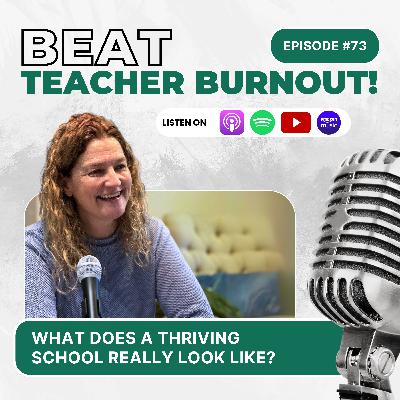
In this solo episode of Beat Teacher Burnout, it’s just me reflecting on what a truly thriving school might look like. This week, AI gave me a suggestion of what a “perfect day” in school could be, and honestly… It made me laugh. From calm mornings and joyful lunches to smooth lessons and a stress-free 5 p.m. finish, it painted a picture that felt miles away from reality.So I started to wonder: what does a real day in school actually look like? And more importantly, what would it take for us to thrive within that reality of the chaos, the unpredictability, and the constant demands we face as educators and leaders?Drawing on my 30+ years in schools around the world, including a story from a little school in Poland where children hid in cupboards on my first day, I explore the truth that schools are full of messy, marvelous humans. We care deeply, but that caring can come at a cost.In this episode, I share my own experience of burnout, how I let work become my identity, and what I’ve learned since about boundaries, rest and the courage to switch off. I also talk about small, practical ways we can begin to change things right now: five-minute pauses, leaving work on time once a week, and remembering that our worth isn’t tied to how hard we work.I also introduce 5 Minutes to Thrive, the course I created to help staff teams build reflection and wellbeing into their weekly routine. It’s not another wellbeing add-on; it’s about changing habits and mindsets so we can all become stronger, calmer, and more creative versions of ourselves.In this episode, I explore:The difference between the “ideal” school day and our lived reality.Why it’s so easy to let work become our identity and how to stop it.The hidden cost of constant caring and why we need to switch off.How I learned to rest, reset, and reclaim balance after burnout.Why thriving teachers create thriving schools (and even better student outcomes).Simple challenges you can start today, like putting yourself first for just one hour this week.Want to find out more about my new course 5 Minutes to Thrive? Go to my website at www.rowenahicks.comFollow me on:1. Instagram: @rowenaphicks2. Facebook: Rowena Hicks3. Linked In: Rowena HicksEmail me: authorrowenahicks@gmail.com Visit my website for Books, Journals, Free Community and lots of other interesting stuff: www.rowenahicks.com
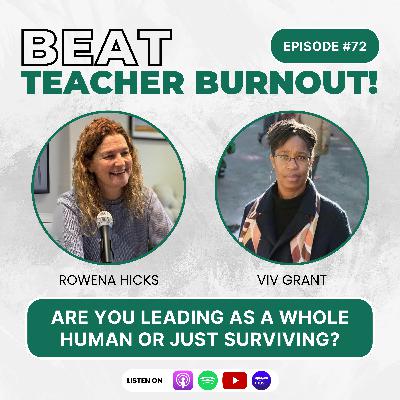
In this episode of Beat Teacher Burnout, I’m joined by Viv Grant, former head teacher, mother of three, author, and Director of Integrity Coaching. Viv brings deep emotional honesty, lived experience, and decades of leadership insight to a conversation about something many educators silently struggle with: what happens when we stop being whole humans in the profession?We explore Viv’s journey from newly appointed head teacher (while pregnant!) to navigating burnout, emotional overwhelm, and the heavy expectations of school leadership. Viv shares openly about how the pressure to “be strong,” “please everyone,” and keep going no matter what led her to a breaking point and how this became the catalyst for the compassionate coaching work she now leads.Together, we unpack why so many educators feel like cogs in a fast-moving machine, how identity gets lost behind the “teacher/leader suit,” and what it really takes to create school cultures where staff can feel safe, seen, and human again.This conversation is both grounding and empowering, a reminder that you are more than your role, your results, or your resilience.In this conversation, you’ll hear about:Viv’s pathway into headship and the emotional cost of always “being strong.”How personal identity, motherhood, and leadership intersect in powerful (and messy) ways.Why do many schools unintentionally encourage staff to compartmentalise who they are?The difference between reacting and responding and why self-awareness is the key.The five behavioural “drivers” (like please others and be perfect) that quietly shape our choices.How pausing, reflection, and permission to care for ourselves can shift everything.Why psychological safety matters more than any wellbeing initiative or bolt-on strategy.Viv’s journey through serious illness and how creativity helped her reconnect with her inner wisdom.This episode is a tender nudge to remember:Teachers and leaders are whole people with histories, emotions, identities, hopes, and lives beyond school.When we create cultures where individuality is honoured and listening is prioritised, teachers don’t just survive, they thrive.Connect with Viv Grant:Linked In: Viv Grant FRSAWant to find out more about my new course 5 Minutes to Thrive? Go to my website at www.rowenahicks.comFollow me on:1. Instagram: @rowenaphicks2. Facebook: Rowena Hicks3. Linked In: Rowena Hicks4.Email me: authorrowenahicks@gmail.com Visit my website for Books, Journals, Free Community and lots of other interesting stuff: www.rowenahicks.com
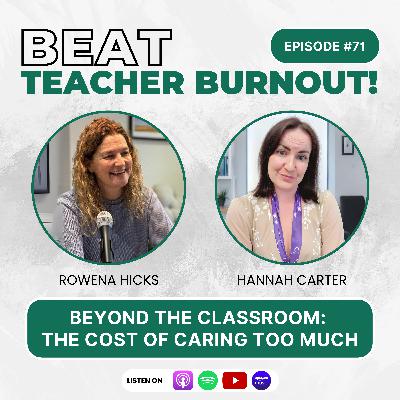
In this episode of Beat Teacher Burnout, I sit down with Hannah, headteacher at Orchards (TCAT). We begin by talking about her unlikely source of calm: her farm animals. Between ducks, pigs, chickens, and her kids playing in the mud, that space is where she truly disconnects and resets.Together, we explore the emotional toll of teaching and leadership, especially the quiet burnout that comes from being constantly responsible for others. Hannah and I unpack what it means to lead human-first: to bring compassion, self-awareness, and honesty into a system that often forgets teachers are people too.We also talk about what leadership really means, how it’s not about being perfect, but about being reflective and humble enough to keep learning. I share a five-minute meeting opener from my 5 Minutes to Thrive course that helps teams begin conversations with reflection instead of rush.Hannah explains how she’s building a culture that models wellbeing, not just preaches it. At Orchards, every teacher gets one off-site PPA afternoon a week, and senior leaders are expected to actually take time themselves because showing balance is just as important as talking about it.We dive into the loneliness of the DSL role and Hannah’s new book, The Honest DSL, written to name the hidden emotional weight of safeguarding and offer real solidarity. She also wrote The Honest Headteacher, both with Teacher Writers.In this conversation, we cover:Why emotional burnout is increasing and how to respond with empathy and realism.What a truly human school culture looks like.How reflection and self-awareness can become a team habit in under five minutes a week.Why leaders must model healthy boundaries, not just talk about them.The importance of visible structures like off-site PPAs to show trust and respect.How to protect family life without guilt and reject toxic “either/or” narratives.Why safeguarding roles need community and emotional backup, not just training.Connect with Hannah Carter:LinkedIn: http://linkedin.com/in/hannah-carter-73485774Blog: https://theeducationimpactnetwork.edublogs.org/Want to find out more about my new course 5 Minutes to Thrive? Go to my website at www.rowenahicks.comFollow me on:1. Instagram: @rowenaphicks2. Facebook: Rowena Hicks3. Linked In: Rowena HicksEmail me: authorrowenahicks@gmail.com Visit my website for Books, Journals, Free Community and lots of other interesting stuff: www.rowenahicks.com
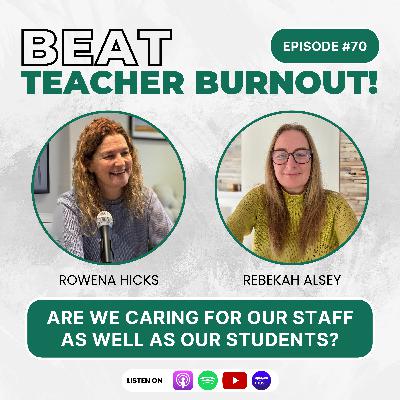
In this episode of Beat Teacher Burnout, I sit down with Rebekah Alsey, a former headteacher and mum of five, who shares a deeply emotional and honest story about how her dedication to education ultimately came at the cost of her health.Rebekah opens up about the moment everything changed: delivering an INSET day in 2023 when she suffered from Takotsubo cardiomyopathy, more commonly known as Broken Heart Disease, a stress-induced heart failure that feels just like a heart attack. Though she recovered, the experience left her physically and emotionally shaken, leading her to step down from headship in 2025.Together, we explore the painful realities of burnout in school leadership, the culture of self-sacrifice that keeps so many teachers pushing beyond their limits, and the urgent need for emotional support and systemic change in education.This conversation is raw, moving, and full of hard-earned wisdom. We talk about the love of teaching that drives leaders to give everything, the guilt of stepping away, and the practical ways schools can start putting people before performance.In this conversation, you’ll hear about:How chronic stress and self-neglect can affect physical healthThe emotional toll of leadership and the cost of serving everyone else firstWhy coaching and supervision should be standard practice in educationHow imposter syndrome fuels overworking and exhaustionThe importance of psychological safety and vulnerability in schoolsRedefining what success means in educationCreating time and space for reflection as a leaderWhy caring for yourself helps everyone around you thriveRebekah’s story is a powerful reminder that passion without boundaries can break even the strongest hearts, and that stepping back isn’t failure but an act of courage and self-preservation.Connect with Rebekah:LinkedIn: https://www.linkedin.com/in/rebekah-alsey-848518128/Want to find out more about my new course 5 Minutes to Thrive? Go to my website at www.rowenahicks.comFollow me on:1. Instagram: @rowenaphicks2. Facebook: Rowena Hicks3. Linked In: Rowena HicksEmail me: authorrowenahicks@gmail.com Visit my website for Books, Journals, Free Community and lots of other interesting stuff: www.rowenahicks.com
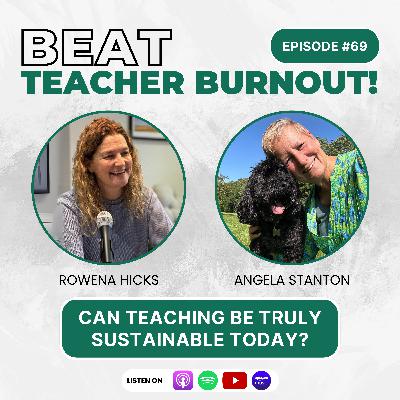
In this episode of Beat Teacher Burnout, I sit down with Angela, a headteacher with over 35 years in education and 25 of those leading schools. Angela brings her deep wisdom, compassion, and honesty to a conversation that every educator needs to hear.Together, we explore what it really means to keep teaching in a sustainable way, not just surviving term by term, but staying whole as a person while serving others. Angela shares how she learned to set firm boundaries, protect her energy, and eventually recognise when it was time to step away from leadership to prioritise her wellbeing.She speaks candidly about the pressures of leadership, the importance of alignment between personal values and school culture, and the courage it takes to say, “Enough.” From defining reasonable working hours to reframing marking and rethinking what “making a difference” really means, Angela offers practical wisdom and heartfelt truths for anyone in education today.In this conversation, you’ll hear about:The importance of keeping yourself whole - why your job isn’t your entire identity.How the Serenity Prayer can guide wise choices and reduce overwhelm.Why aligning your values with your school’s culture is essential for sustainability.Setting clear boundaries around working hours, emails, and marking.How to let go of perfectionism and accept that you don’t need to do everything.Why leaving on time once a week could transform your wellbeing and productivity.The power of teamwork over isolation and playing to collective strengths.Knowing when to step away and why that isn’t failure it’s self-preservation.The reminder that schools will replace you, but your family and health can’t be replaced.Angela leaves us with a beautiful metaphor:“If one person is blowing the trumpet at full blast and nobody else is joining in, it’s not music it’s noise. But when everyone plays their instrument at the right time, that’s when you get harmony.”This conversation is an invitation to pause, reflect, and redefine what thriving in education really looks like.Connect with Angela:LinkedIn: https://www.linkedin.com/in/angelalstantonWant to find out more about my new course 5 Minutes to Thrive? Go to my website at www.rowenahicks.comFollow me on:1. Instagram: @rowenaphicks2. Facebook: Rowena Hicks3. Linked In: Rowena HicksEmail me: authorrowenahicks@gmail.com Visit my website for Books, Journals, Free Community and lots of other interesting stuff: www.rowenahicks.com
In this solo episode of Beat Teacher Burnout, I turn the conversation on its head by asking what happens when we start with who we are, our strengths, values, and intrinsic qualities rather than what external “fixes” we can bolt on. Drawing on my decades of experience in schools and my own journey through burnout, I share a powerful approach to wellbeing that begins with identifying and using your most valued strengths.I highlight the alarming levels of stress across the education sector with up to 80% of staff in schools reporting significant stress and the toll this takes on health, relationships, and careers. Instead of quick-fix solutions, I introduce a practical framework designed for real schools: short, culture-shifting practices that help staff rediscover their purpose, build skills to reduce stress and prevent burnout before it takes hold.Through moving stories from my time as a SENCO, specialist teacher, and leader, I show how using my core strengths of kindness and problem-solving not only energised me but also transformed my ability to support children, colleagues, and whole-school communities. I also share details of my 5 Minutes to Thrive course that fits neatly at the start of your staff meetings, a weekly practice of small, intentional actions to build habits, confidence, and team culture without adding to workload.In this conversation, you’ll hear about:Why starting with your most valued strengths can be the key to thriving in your role.How ignoring those strengths leads to exhaustion, survival mode, and burnout.The importance of micro-habits and small culture shifts in building thriving schools.The “five-to-one” wellbeing ratio and how noticing positives can rewire daily stress patterns.Practical strategies to tackle negative thought spirals and reframe your inner critic.How collective reflection in staff meetings can normalise conversations about stress.Why redefining your “why” in teaching is vital for long-term sustainability.This episode is intended to inspire as well as offering practical tips. I offer teachers and leaders tools we can use straight away to bring more energy, joy even work life balance into our week. I believe protecting wellbeing isn’t a luxury, it's a necessity for thriving staff, which of course impacts positively on the students, and schools where people truly want to stay and grow.Want to find out more about my new course 5 Minutes to Thrive? Go to my website at www.rowenahicks.comFollow me on:1. Instagram: @rowenaphicks 2. Facebook: Rowena Hicks3. Linked In: Rowena HicksEmail me: authorrowenahicks@gmail.comVisit my website for Books, Journals, Free Community and lots of other interesting stuff: www.rowenahicks.com
In this episode of Beat Teacher Burnout, I’m joined by psychotherapist and author Kim Rutherford, creator of the Eight Wise Method. Kim brings years of clinical expertise and her own lived experience of burnout to a powerful conversation about prevention, recovery, and resilience in education.We explore what burnout really is, why it goes beyond workload, and how unhealed stress in life and work can spiral into cycles of illness, overwhelm, and even depression. Kim shares her near-fatal burnout experience and how it led her to develop a practical blueprint for sustainable wellbeing.From environmental wellness to daily journaling, Kim offers concrete strategies that empower teachers and leaders to build resilience, take responsibility for their mental health, and foster healthier school cultures.In this conversation, you’ll hear about:Why “just resting” isn’t enough to break the burnout loop.The Eight Wise framework for identifying root causes of stress.How changing small habits can rewire neural pathways and rebuild resilience.The importance of environmental wellness and creating safe, supportive school spaces.Why culture change in schools must start with leaders.Breaking the stigma and shame around mental health in education.Simple daily practices like journaling and 1% habit shifts that can protect against burnout.This episode is an honest and practical guide for teachers and leaders who are close to burnout or determined to prevent it. Kim’s insights remind us that taking brave action and prioritising mental health isn’t selfish; it’s essential for thriving staff, resilient students, and healthier schools.Connect with Kim:Website: www.kimrutherfordofficial.comLinkedIn: https://www.linkedin.com/in/kim-rutherford/ Facebook: https://www.facebook.com/kim.rutherford.3726/Want to find out more about my new course 5 Minutes to Thrive? Go to my website at www.rowenahicks.comFollow me on:1. Instagram: @rowenaphicks2. Facebook: Rowena Hicks3. Linked In: Rowena HicksEmail me: authorrowenahicks@gmail.comVisit my website for Books, Journals, Free Community and lots of other interesting stuff: www.rowenahicks.com
In this episode of Beat Teacher Burnout, I’m joined by Rachel Bates, head teacher at Weldon Park Academy. Rachel brings honesty, warmth, and years of leadership experience to a conversation about one of the most damaging patterns in education: the comparison trap.From staff comparing themselves to colleagues, to schools being compared by league tables, comparison can fuel stress, perfectionism, and burnout. Rachel shares her own journey into teaching, the challenges of headship, and how she’s worked to build a culture that values uniqueness over uniformity.We also touch on surprising sources of wisdom from Beyoncé to Miranda Hart and what they teach us about authenticity, belonging, and celebrating differences.In this conversation, you’ll hear about:Rachel’s pathway to headship and the hidden challenges behind the role.The “push - pull” between being an excellent teacher and being present in your personal life.Why safe spaces and supervision are essential for staff wellbeing.How culture, compassion, clarity, and capability shapes thriving schools.The dangers of the comparison trap and perfectionism for teachers and leaders.Why celebrating uniqueness is the antidote to imposter syndrome and burnout.Lessons from Beyoncé and Miranda Hart on being unapologetically yourself.This episode is an empowering reminder that teachers and leaders don’t need to be carbon copies of one another. Instead, by valuing individuality and creating psychologically safe cultures, schools can flourish and so can the people within them.Connect with Rachel: Linked In: https://www.linkedin.com/in/rachel-bates-2a211497/Want to find out more about my new course 5 Minutes to Thrive? Go to my website at www.rowenahicks.comFollow me on:1. Instagram: @rowenaphicks2. Facebook: Rowena Hicks3. Linked In: Rowena HicksEmail me: authorrowenahicks@gmail.comVisit my website for Books, Journals, Free Community and lots of other interesting stuff: www.rowenahicks.com
In this episode of Beat Teacher Burnout, I’m joined by Jo Van Osch, therapist, occupational psychologist, and researcher in burnout coaching interventions. Jo brings both lived experience of burnout (three times!) and deep professional expertise to the conversation, making her insights invaluable for educators, leaders, and anyone navigating burnout recovery.We explore a powerful reframe: burnout isn’t inevitable. Instead, it can be an opportunity to create cultures of care, connection, and success in schools and beyond.Jo shares her personal journey of burnout and reintegration, and how those experiences shaped her seven-pillar model of wellbeing, which supports both individuals and organisations to prevent burnout and thrive.In this conversation, you’ll hear about:Jo’s lived experiences of burnout and what made each one different.The sneaky way burnout creeps in even when you think you know the signs.Why reintegration after burnout is one of the hardest (and most important) steps.Jo’s Seven-Pillar Model, including body, mind, emotions, relationships, organisation, purpose, and self.The danger of toxic passion when our drive to make a difference tips into burnout.How leaders can foster psychological safety, humanity, and anti-burnout cultures.Practical reintegration strategies that help staff return with strength, not shame.Why identity, values, and self-awareness are central to preventing burnout.This episode is essential listening for teachers, school leaders, and anyone recovering from or supporting others through burnout.Connect with Jo:Linked In: https://www.linkedin.com/in/jovanosch/Website: https://inspiredatwork.co.uk/Want to find out more about my new course 5 Minutes to Thrive? Go to my website at www.rowenahicks.comFollow me on:1. Instagram: @rowenaphicks2. Facebook: Rowena Hicks3. Linked In: Rowena HicksEmail me: authorrowenahicks@gmail.com Visit my website for Books, Journals, Free Community and lots of other interesting stuff: www.rowenahicks.com
In this insightful episode of Beat Teacher Burnout, I’m joined by Ginny Bootman, an experienced SENCO of four schools, author of Independent Thinking on Being a SENCO, and passionate advocate for keeping children at the heart of everything we do.Ginny shares her 31 years of experience in education, from class teacher to SENCO, and why relationships between SENCOs, heads, teachers, and parents are critical for reducing overwhelm and burnout.We dive deep into what it means to create supportive systems that protect everyone’s time and energy, so we can focus on what really matters: the children.In this conversation, you’ll hear about:Ginny’s personal story of burnout, teaching through COVID, and how small changes (like “Slipper Fridays”) transformed her classroom culture.Why SENCOs often feel isolated and how to build strong, trusting relationships with headteachers as “gatekeepers.”How to let go of the pressure to “know everything” and create openness with staff and parents.The power of systems from initial concern forms to termly planning meetings – to reduce firefighting and create calm.Practical tips to say “no” confidently, protect SENCO time, and decide who really needs to attend each meeting.How building human connections, valuing each adult, and having honest conversations can create the magic that helps children thrive.This episode is a must-listen for SENCOs, school leaders, and anyone supporting children with additional needs who want to work smarter, not harder, and beat burnout while making a bigger impact.Connect with Ginny:Linked In: https://www.linkedin.com/in/ginny-bootman-0b7436184/?originalSubdomain=ukWebsite: www.ginnybootman.comWant to find out more about my new course 5 Minutes to Thrive? Go to my website at www.rowenahicks.comFollow me on:1. Instagram: @rowenaphicks2. Facebook: Rowena Hicks3. Linked In: Rowena HicksEmail me: authorrowenahicks@gmail.com Visit my website for Books, Journals, Free Community and lots of other interesting stuff: www.rowenahicks.com
In this very special episode of Beat Teacher Burnout, the tables are turned! Instead of asking the questions, I’m in the hot seat as my longtime friend Sandra interviews me about my brand-new course: Five Minutes to Thrive for Schools.This course was born out of my own burnout story, ending up in hospital with suspected heart attack symptoms, returning to school without support, and realising nothing had changed. Teachers told me they loved my content of the first course I designed, but they were too exhausted and short on time to implement it. So I created something simple, accessible, and life-changing: five minutes each week in a staff meeting that can reshape habits, mindsets, and culture.In this conversation, you’ll hear about:The story behind Five Minutes to Thrive and how it turns micro-habits into powerful cultural change.Why traditional well-being sessions don’t always work, and what schools really need instead.Real-life examples of shifting priorities, leaving on time, and strengthening staff teams.The research showing how supportive environments reduce burnout and teacher turnover.How this programme is already being trialled in schools across the UK, with headteachers excited about its impact.If you’ve ever thought “I don’t have time for well-being,” this episode will show you that you do. All it takes is five minutes a week.Want to find out more about the course for your school? Visit www.rowenahicks.com or book a call here https://calendly.com/rowenaphicks/30minFollow me on:1. Instagram: @rowenaphicks2. Facebook: Rowena Hicks3. Linked In: Rowena HicksEmail me: authorrowenahicks@gmail.com Visit my website for Books, Journals, Free Community and lots of other interesting stuff: www.rowenahicks.com
In this episode of Beat Teacher Burnout, I sat down with Sam Gibbs, Lead for Curriculum and Development at the Greater Manchester Education Trust. Sam shares her deeply personal story of burnout, how it shaped her as a leader, and the work she is now doing to ensure staff feel listened to and supported.Can I challenge you to reflect: How do our experiences of stress and overwhelm shape the way we lead and support others?We talk about why staff wellbeing can’t be separated from personal life pressures, and how overwork even when we love our jobs can still lead to burnout. Sam takes us through the creation of her trust’s Workload Charter, co-developed with staff, and why ethical leadership is less about words on paper and more about how we treat each other every day.In our conversation, you’ll hear how we:Rebuild confidence and identity after experiencing burnout.Set boundaries and create routines that protect wellbeing.Co-create a Workload Charter that adapts to staff needs and real lives.Embed ethical behaviours into leadership so staff feel valued and respected.Use listening, care, and collaboration as the foundations of school culture.If you’ve ever felt silenced, overworked, or unsure how to rebuild after burnout, this episode offers both hope and practical strategies for shaping healthier, more human organisations.Follow me on:1. Instagram: @rowenaphicks2. Facebook: Rowena Hicks3. Linked In: Rowena HicksEmail me: authorrowenahicks@gmail.com Visit my website for Books, Journals, Free Community and lots of other interesting stuff: www.rowenahicks.com
In this episode of Beat Teacher Burnout, I sat down with Robbie Swale, an executive coach, author, and creator of The 12-Minute Method and The Coach’s Journey. We dive into the difference between being busy and being truly productive, and explore how to make courageous choices about where we put our time and energy.Can I challenge you to consider: Are you busy or are you productive or both?We talk about the myth of “finishing” all our work, how to build what Robbie calls “complexity fitness,” and why time management is really about managing our choices, attention, energy, habits, mindset, and relationships. These may be uncomfortable questions we need to ask ourselves.We share strategies for saying no without guilt, creating space for what really matters, and making small but consistent changes that have a big impact over time.In our conversation, you’ll hear how we:Shift from firefighting to working on what truly matters.Practise saying no and manage the fallout with grace.Use the six pillars of meaningful productivity to avoid burnout.Harness the power of just 12 minutes a week to make progress on big goals.If you’ve ever felt like you’re drowning in busyness and want practical, human strategies to regain control, this episode will help you step off the hamster wheel and focus on what counts. Let’s take some action and start to bring about some change!Connect with Robbie SwaleLinked In- https://www.linkedin.com/in/robbieswale/Instagram: https://www.instagram.com/robbieswale/Facebook:https://www.facebook.com/robbieswalecoachandauthorFollow me on:1. Instagram: @rowenaphicks2. Facebook: Rowena Hicks3. Linked In: Rowena HicksEmail me: authorrowenahicks@gmail.com Visit my website for Books, Journals, Free Community and lots of other interesting stuff: www.rowenahicks.com

Comments

Download from Google Play

Download from App Store
 United States