


 Claim Ownership
Black Scholars Speak
Subscribed: 0Played: 0
Subscribe

© Janelle Gore
Description
Welcome to Black Scholars Speak, where we connect research, culture, and community to amplify Black voices and foster a stronger community together. Hosted by Janelle Gore—a Clinical Psychology PhD student—this podcast invites listeners of all ages & stages into insightful and real conversations with Black researchers & health experts.
Topics range from navigating academia, sleep, maternal health, mental health, caregiving, community building, and so much more! Each episode is packed with tools to uplift and inspire. New episodes drop every two weeks on Tuesdays!
Topics range from navigating academia, sleep, maternal health, mental health, caregiving, community building, and so much more! Each episode is packed with tools to uplift and inspire. New episodes drop every two weeks on Tuesdays!
14 Episodes
Reverse
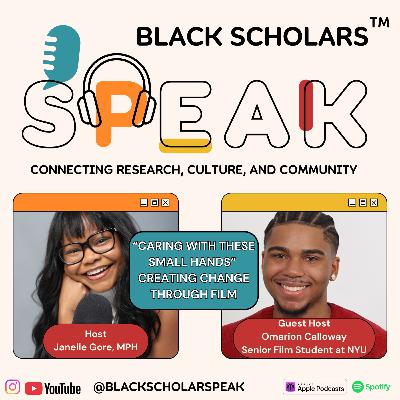
In this episode of Black Scholars Speak, we sit down with Omarion Calloway who is a senior at NYU majoring in film and is a former young caregiver, for a powerful conversation about his experience being a young Black scholar while also helping provide care for his family members. Omarion shares what it meant to balance caregiving at an young age with school, navigating bullying and racism in educational spaces, and carrying emotional weight most adults are never prepared for. He speaks vulnerably about how caregiving has shaped him into the person he is today and how storytelling through film became his path toward healing and advocacy. We also discuss how he used his experiences to write and be awarded over $1.3 million in scholarship funds! We also discuss his upcoming thesis film, Hands Too Small, which centers on the untold stories of young caregivers and calls for greater systemic support (I CANNOT WAIT FOR THIS COME OUT!).Connect with Omarion: LinkedIn: https://www.linkedin.com/in/omarion-calloway-363514348/Website: https://www.morethansurvivalguide.com/Instagram: @omarion.n
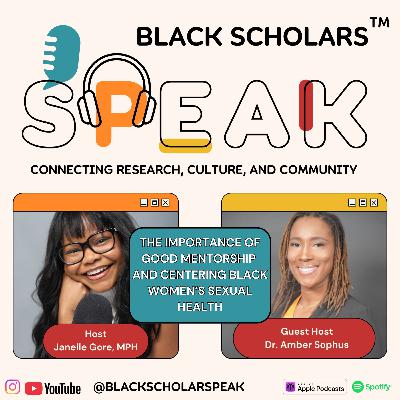
In this episode of Black Scholars Speak, Dr. Amber Sophus takes us on a bold, affirming journey through academic mentorship and the realities of Black women’s sexual health. She breaks down why mentorship isn’t optional in academia—it’s a survival tool—and shares how building a “mentorship team” can provide the layered support needed to thrive in research, leadership, and advocacy spaces. Together, we explore how lived experience strengthens the way we study and serve communities, why Black women’s voices must be centered in HIV/STI prevention, and how stigma and misinformation continue to shape sexual health outcomes.We also get into the conversations too many people avoid: sexual confidence, boundaries, communication, and the role of self-pleasure in understanding your body and protecting your health. Dr. Sophus reminds us that pleasure and prevention are not opposites—they work together, and honest dialogue can be life-changing. To close, she shares details about her upcoming Pleasure Class workshop on Wednesday, January 28th 12-1:30pm EST, designed to help women increase sexual pleasure while strengthening skills around safety, turn-ons, boundaries, and empowered communication. REGISTER TODAY! https://www.eventbrite.com/e/pleasure-class-tickets-1975007321063Contact Dr. Amber SophusInstagram: @dr.ambersophusLinkedIn: https://www.linkedin.com/in/amber-sophus-2751ab72/Email: sophus@uthscsa.edu
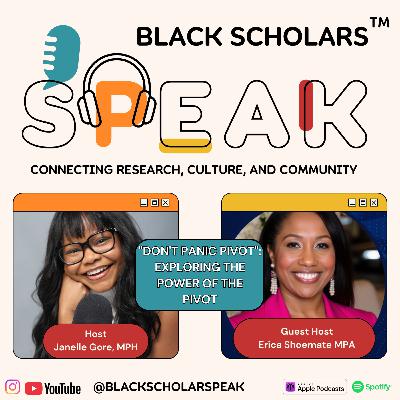
As we enter into the first week of 2026, this episode couldn’t be more timely. If you’ve ever felt that nudge telling you it was time for a change, or that you needed to get a game plan together in moments of uncertainty, like when the Trump administration cut millions in academic funding—this episode is for you.In this episode of Black Scholars Speak, we speak with Erica Shoemate for a powerful conversation centered on The Power of the Pivot. Erica reflects on her journey from academia to public service, Big Tech, and entrepreneurship, unpacking the lessons learned from navigating complex systems while staying rooted in purpose. Together, they explore resilience, trusting your instincts, leveraging transferable skills across sectors, and the role community plays in sustaining growth.The conversation also dives deeply into how personal experiences like motherhood can spark profound professional pivots and ignite meaningful advocacy. Pivots aren’t failures or detours; they’re strategic, deeply personal shifts that can lead to alignment, impact, and renewed clarity.Contact Erica Shoemate: Instagram: @thepolicygoddessLinkedIn: https://www.linkedin.com/in/ericals/Website: leadwithinstrategy.ai.Website: www.ericalshoemate.com
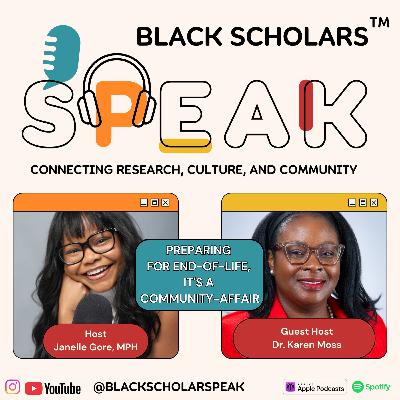
This episode hit close to home. As someone who has recently lost both my mother and my grandmother in the same year and my family and I were over here depending on dreams to guide us in what my mom would want because we were not fully prepared for the realities of end-of-life care. Life does not stop "lifeing" while navigating a PhD program, this conversation with Dr. Karen Moss felt both grounding and necessary. Dr. Moss shares how her own grandmother inspired her path into nursing and dementia research, and why culturally responsive, community-centered support is essential for Black families facing caregiving and end-of-life decisions. We talk about her peer support program, Pair 2 Care, the power of learning from former caregivers, and why these conversations need to happen before crisis moments. This episode is especially dedicated to my mom, Marta Washington Gore & Grammy, Phyllis Washington. Love you both always <3
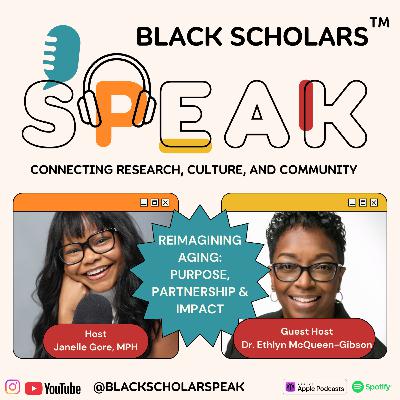
In this episode of Black Scholars Speak, Dr. Ethlyn McQueen-Gibson joins us for a rich and heartfelt conversation about purpose, community, and the power of showing up. Drawing from her upbringing and over 40 years in nursing, Dr. McQueen-Gibson shares how her commitment to serving older adults shaped her career from clinical practice to academia—while continuing to keep one foot in the community she loves.We talk about overcoming imposter syndrome, taking risks, and betting on yourself even when the path feels intimidating. Dr. McQueen-Gibson breaks down why community engagement is essential for meaningful research, how strategic alliances can transform health outcomes, and why empowering communities through education creates lasting change. She also highlights the role of mentorship, authenticity, and professional networks in building the next generation of leaders.This episode is a masterclass in leading with purpose, serving with heart, and doing research that truly matters.Connect!LinkedIn: https://www.linkedin.com/in/dr-ethlyn-mcqueen-gibson-dnp-msn-rn-bc-24640132/Email: e1gibson@odu.edu
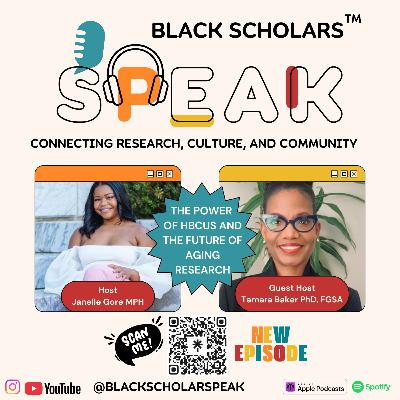
In this episode of Black Scholars Speak, we sit down with a trailblazing researcher, Dr. Tamara Baker, whose work bridges science, equity, and legacy. From her academic beginnings at North Carolina Central University (NCCU) to her rise as the 2026 President-Elect of the Gerontological Society of America (GSA), she shares her powerful journey into aging research and the study of chronic pain among older Black adults.We explore how medical discrimination shapes pain experiences in Black communities, why culturally grounded interventions matter, and how to navigate the current political climate while doing health equity research.As the incoming president of the Gerontological Society of America (GSA; https://www.geron.org), co-founder of the HBCU Collaborative Interest Group, and leader in establishing the HBCU Aging Conference heald at GSA, Dr. Baker also discusses the vital role of HBCUs in building the next generation of Black aging scholars, breaking stereotypes about research credibility, and ensuring that representation and inclusion remain at the forefront of gerontology.Tune in for an inspiring conversation that highlights the intersection of culture, care, and commitment to advancing health equity through research and mentorship.Want to connect? Email: tamara_baker@med.unc.eduInstagram: @HBCUaging
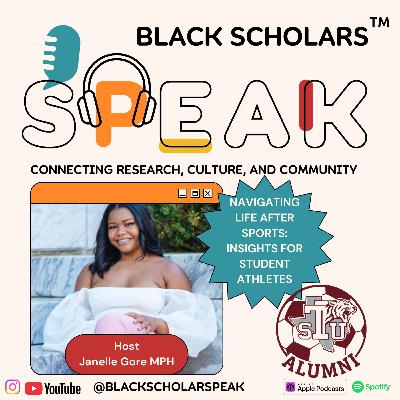
In this episode of Black Scholars Speak, host Janelle Gore shares her personal journey as a student athlete transitioning into academia. She discusses the challenges and opportunities faced by student athletes, the importance of mental health, and the process of applying to graduate programs. Janelle emphasizes the skills gained from sports that are transferable to academic success and encourages listeners to embrace their unique stories and experiences as they navigate their educational paths.TakeawaysThe transition from being a student athlete to academia can be daunting.It's important to reflect on your identity beyond sports.Skills learned in sports, like resilience and adaptability, are valuable in academia.Networking and building relationships are crucial for success in graduate school.Mental health should be prioritized during the transition to graduate studies.Finding the right fit in a graduate program is essential for success.Student athletes have unique experiences that can enhance their academic applications.Taking a gap year can provide valuable time for personal and academic growth.Community support is vital for navigating academic challenges.Your story and experiences matter in shaping your academic journey.Continue the conversation on Instagram (@BlackScholarSpeak) or in the comments!
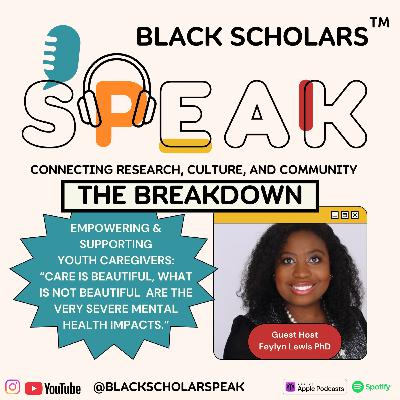
Join Dr. Feylyn Lewis for The Breakdown, as she takes over the podcast to host and share her personal journey and professional insights into the world of youth caregiving. Discover the challenges and triumphs faced by young caregivers, and learn how we can support them through recognition, financial aid, and emotional guidance. Dr. Lewis highlights the importance of community involvement, leveraging the strengths of Black faith communities, and the resources available to uplift these young heroes. Understand the profound impact of caregiving on youth and how we can all play a part in their journey.Introduction to Youth CaregivingDr. Feylyn Lewis shares her personal story of becoming a youth caregiver at age 11.Key Needs of Youth CaregiversRecognition, financial support, and emotional guidance are highlighted as essential needs.Mental Health ChallengesDiscussion on the mental health impacts faced by young caregivers, including depression and anxiety.Resources and Support OrganizationsOverview of organizations like the American Association of Caregiving Youth and KESEM.Role of Faith CommunitiesHow faith communities can support youth caregivers through recognition and support groups.Call to ActionEncouragement to recognize and support youth caregivers in various community settings.ConclusionEmphasizing the beauty of caregiving and the need for appropriate support to mitigate negative outcomes.Contact Dr. Lewis:Email: feylyn.m.lewis@vanderbilt.eduWebsite: https://www.drfeylynlewis.comLinkedIn: https://www.linkedin.com/in/feylynlewis/
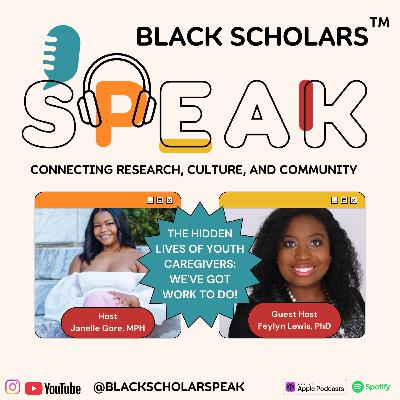
In this episode of Black Scholars Speak, host Janelle Gore interviews Dr. Feylyn Lewis, a leading expert on youth caregiving. Dr. Lewis shares her personal journey as a youth caregiver, the challenges faced by young caregivers, and the importance of research and advocacy in this field. The conversation explores the mental health impacts of caregiving, the cultural and socioeconomic factors that influence caregiving roles, and the gaps in policy recognition for youth caregivers. Dr. Lewis emphasizes the need for empathy and understanding from mental health professionals and advocates for greater awareness and support for youth caregivers.Episode Takeaways:Dr. Feylyn Lewis shares her journey as a youth caregiver.Youth caregiving can lead to feelings of isolation and fear.Research on youth caregiving is limited in the US compared to other countries.Youth caregivers often do not identify with the term due to societal perceptions.Cultural expectations influence caregiving roles in Black and Brown communities.Youth caregivers face unique challenges in navigating the healthcare system.There is a lack of policy recognition for youth caregivers in the US.Empathy and understanding are crucial for supporting youth caregivers.Mental health professionals should connect youth caregivers with resources.Advocacy is essential for raising awareness about youth caregiving.Contact Dr. Lewis: Email: feylyn.m.lewis@vanderbilt.eduWebsite: https://www.drfeylynlewis.comLinkedIn: https://www.linkedin.com/in/feylynlewis/
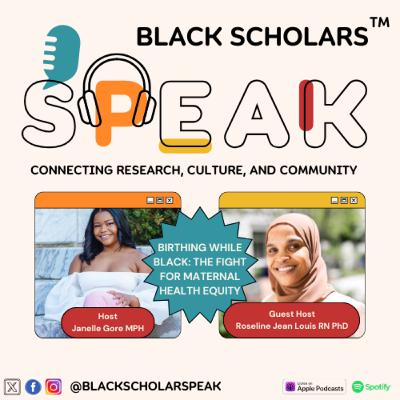
Why are Black women in America still 2.6 times more likely to die during pregnancy than their white counterparts? In this episode of Black Scholars Speak, we sit down with powerhouse nurse and maternal health researcher Dr. Roseline Jean Louis to unpack the deep-rooted racism, provider bias, and lack of empathy that continue to put Black mothers at risk.Born in Petit Goave, Haiti, and now a recent Nursing PhD graduate from Emory University, Roseline brings her lived experience as a first-generation Haitian American and labor & delivery nurse to the forefront of her advocacy. Her work through the National Birth Equity Collaborative and ACOG tackles the uncomfortable truth: maternal mortality isn’t just a medical issue—it’s a justice issue.Together, we explore how research, representation, and radical empathy can challenge harmful stereotypes and transform how healthcare shows up for Black women. She also shares how she’s navigated fellowships, elevated her research voice, and what she wishes her younger self knew stepping into the PhD journey. Tune in for truth, inspiration, and a call to action—we can’t afford to look away!Connect: LinkedIn: https://www.linkedin.com/in/roselinejlouis/Email: rjlouis1982@gmail.com
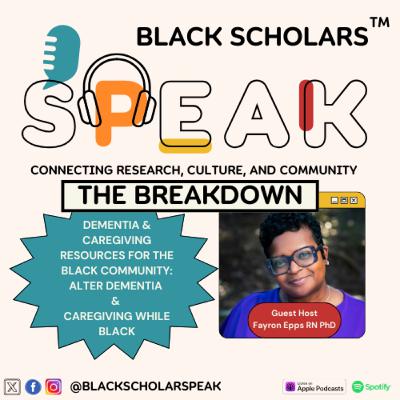
Did you know it is projected that by 2030, 40% of those with a dementia diagnosis will be Black or Latino? Remember, this is just a STATISTIC, so WE have the POWER not to make this a reality! Dr. Fayron Epp's episode of The Breakdown highlights the importance of uplifting our Black faith communities so they can better support and educate congregants concerning this disease. She developed a program called Alter Dementia that does just this by helping them- create dementia-friendly communities. She also talks about an 8-week education study (yes, you can participate in education, and it still be research!) called "Caregiving While Black," where caregivers can get all the tea on navigating the healthcare system as a Black caregiver (if all this isn't #BlackGirlMagic I don't know what is).For more information on how to get involved in both programs click the links below: Alter Dementia: https://alterdementia.comCaregiving While Black: https://scholarblogs.emory.edu/epps-faithvillage/research-projects/care/
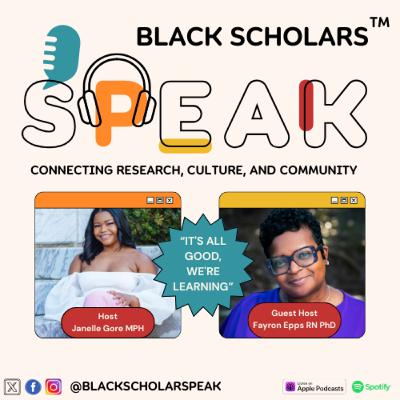
In this heartfelt, energetic, passionate, and wisdom-filled episode, Dr. Fayron Epps gets real about the ups and downs of her academic journey—from the hurdles she faced in school to the life challenges that followed. Whether you're just starting out or deep in your academic grind, this episode will have you laughing and inspired to keep going—because through it all, "it’s all good—we’re learning."Connect with Dr. Fayron Epps:X: @QOL4olderadults)LinkedIn: https://www.linkedin.com/in/fayron-epps-phd-rn-fgsa-faan-8164a07a/Email: eppsf@uthscsa.eduUT San Antonio Health: https://directory.uthscsa.edu/academics/profile/eppsfFollow Dr. Epps Work:Alter Dementia: https://alterdementia.comFaith Village Research Lab: https://scholarblogs.emory.edu/epps-faithvillage/
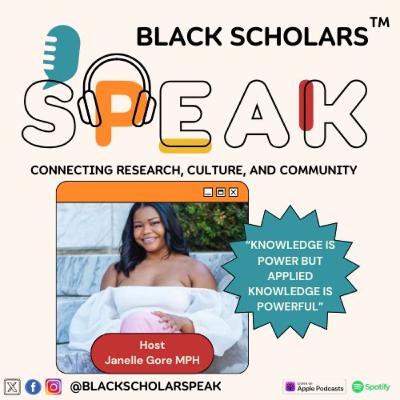
Welcome to the very first episode of Black Scholars Speak! I’m your host, Janelle Gore, and I’m so excited to kick off this space where we’re connecting research, culture, and community—all to amplify Black voices. In this episode, I’m sharing a bit about my journey, from Texas Southern University to my PhD journey in clinical psychology, plus the life experiences that inspired me to start this podcast (including a few wild stories!). You’ll get a peek at what’s coming up: amazing guests, real talk about mental health, navigating academia, and how we can all better care for ourselves and each other. New episodes drop every two weeks, so subscribe, follow, and let’s build this community together!Connect with Black Scholars Speak!Instagram: @BlackScholarSpeakFacebook: Black Scholars Speak LinkedIn Group: https://www.linkedin.com/groups/13266038/

Introduction
Comments

Download from Google Play

Download from App Store
 United States