


 Claim Ownership
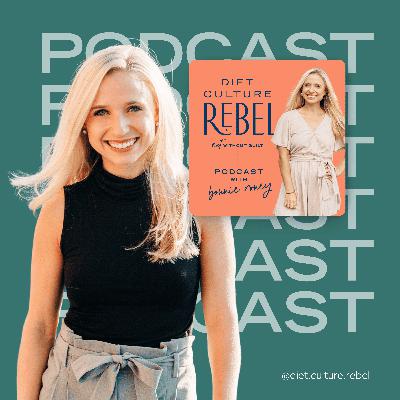
Diet Culture Rebel Podcast
Subscribed: 547Played: 19,595
Subscribe

© Diet Culture Rebel Podcast
Description
Ready to eat without guilt, support your actual health, and start giving diet culture the middle finger? You’re in the right place.
The Diet Culture Rebel podcast is your trusted space for breaking free from food rules, healing your relationship with your body, and learning how to eat without shame, stress, or obsession - while honoring your health in a way that actually feels good.
Hosted by Registered Dietitian and Certified Intuitive Eating Counselor Bonnie Roney, each episode delivers straightforward, no-BS guidance to help you ditch diets for good. Through expert interviews and solo deep dives, Bonnie brings you health-promoting, mindset-shifting insights that leave you feeling empowered - not overwhelmed.
“I’ve learned what’s happening inside my brain and body, and [Bonnie] gives incredible suggestions and insights on how to start the process of healing my relationship with food.”
- Diet Culture Rebel listener
With over 200 episodes and thousands of weekly listeners, this podcast is your permission slip to trust your body, reject diet culture, and take your power back - one episode at a time.
Subscribe now and listen every Wednesday.
👉 Connect with Bonnie on Instagram @DietCultureRebel
👉 Learn more about working with the DCR team at DietCultureRebel.com
The Diet Culture Rebel podcast is your trusted space for breaking free from food rules, healing your relationship with your body, and learning how to eat without shame, stress, or obsession - while honoring your health in a way that actually feels good.
Hosted by Registered Dietitian and Certified Intuitive Eating Counselor Bonnie Roney, each episode delivers straightforward, no-BS guidance to help you ditch diets for good. Through expert interviews and solo deep dives, Bonnie brings you health-promoting, mindset-shifting insights that leave you feeling empowered - not overwhelmed.
“I’ve learned what’s happening inside my brain and body, and [Bonnie] gives incredible suggestions and insights on how to start the process of healing my relationship with food.”
- Diet Culture Rebel listener
With over 200 episodes and thousands of weekly listeners, this podcast is your permission slip to trust your body, reject diet culture, and take your power back - one episode at a time.
Subscribe now and listen every Wednesday.
👉 Connect with Bonnie on Instagram @DietCultureRebel
👉 Learn more about working with the DCR team at DietCultureRebel.com
248 Episodes
Reverse
"When I learned how to move well, my body felt good. When I was connected to my body and my movement, my body felt good. When I ignored it, my body was telling me to stop."Movement has been so tied to punishment, control, and calorie burn for so many of us, and I’ve been there too. In this episode, I sit down with Coach Tyler Bramlett to challenge everything we’ve been taught about exercise, sharing my own shift from overdoing cardio and tying movement to food to focusing on how I actually want to feel. We also dive into Tyler’s journey from creating weight loss–focused programs to helping people reconnect with movement in a way that feels supportive, sustainable, and rooted in self-care, not shame.What You'll Learn:How movement can actually support your body, improve how you feel, and help heal your relationship with foodHow years of “no pain, no gain” and diet culture messaging keep us disconnected from what our bodies truly needWhy so many feel stuck in the cycle of exercise as punishment or failing to follow through, and what to do insteadThe difference between intrinsic motivation and guilt-based pressure in movementHow a mindset shift toward self-worth can foster consistency and joy in exerciseSimple ways to practice connecting with and respecting your body, starting right nowResources:Use http://www.weshape.com/bonnie for a WeShape discount!WeShape YouTube ChannelInstagram: @weshape.wellness Podcast Instagram: @feeling.lighter.podcastGrab the Hunger & Fullness Scale Guide at DietCultureRebel.com/hungerfullnessscale and take your next step toward building trust with your body and food.Connect with me over on Instagram at @diet.culture.rebel.Struggling with food, but not sure where to start?You don’t have to feel 100% ready to get support. If you're tired of obsessing over food or feeling stuck in the diet cycle, my team of Registered Dietitians is here to help. We offer one-on-one nutrition counseling—and we accept insurance! Spots are limited, so head to https://dietculturerebel.com/insurance to see if we’re covered in your state and learn how to get started.

”Your body is not the problem. Whether we are talking about hunger returning after coming off medication, struggling to eat intuitively when life is busy, or healing your relationship with food over time, so much of this comes back to understanding your biology and approaching yourself with compassion instead of blame.”In this Q&A episode, I answer real community questions about coming off GLP-1 medications, navigating rushed meals, and my personal journey with intuitive eating. We’ll normalize changes like increased hunger, unpack how diet culture has distorted our understanding of these responses, and share simple, practical ways to support your mindset, eating habits, and rebuild trust with your body.What You’ll Learn:What may happen biologically and emotionally when someone stops GLP-1 medication for weight lossWhy intensified hunger, cravings, and weight regain are normal (and not your fault)How to approach eating when you’re short on time and can’t fully check in with hunger and fullness cuesWays to make mindful eating work for you, even when fast or distracted meals are your realityThe importance of creating a self-care plan when navigating big changesHow my personal intuitive eating journey changed my relationship with foodResources:Grab the Hunger & Fullness Scale Guide at DietCultureRebel.com/hungerfullnessscale and take your next step toward building trust with your body and food.Episode 212, Weight Loss Using GLP-1 Medications (What You're NOT Hearing in the Highlight Reels)Connect with me over on Instagram at @diet.culture.rebel.Struggling with food, but not sure where to start?You don’t have to feel 100% ready to get support. If you're tired of obsessing over food or feeling stuck in the diet cycle, my team of Registered Dietitians is here to help. We offer one-on-one nutrition counseling—and we accept insurance! Spots are limited, so head to https://dietculturerebel.com/insurance to see if we’re covered in your state and learn how to get started.
"Just because a food is categorized as an ultra-processed food does not make it bad or unhealthy."Ultra-processed foods are making headlines, being blasted as addictive and dangerous, but what does the evidence actually tell us? In this episode, I unpack what ultra-processed foods really are, how the NOVA classification system defines them, and why the research linking them to binge eating, “food addiction,” and eating disorders is more complex than it sounds. We also explore how diet culture, restriction, and personal food history shape our relationship with food, and why finding peace with food requires more compassion and less moralizing of food.What You’ll Learn:What ultra-processed foods actually are, how they’re defined in research, and why these definitions matterHow media messaging about ultra-processed foods can activate guilt and food anxietyWhat current research actually says about the links between ultra-processed foods, binge eating, and so-called “food addiction”The limitations of using “food addiction” scales and why your dieting history can shape your behaviors around these foodsThe power of habituation: how repeated, less-restricted exposure to ultra-processed foods can actually decrease bingesWhy context, including diet culture, weight stigma, socioeconomic status, and upbringing, matters more than the headlines ever mentionResources:Examining the Nova Food Classification System and the Healthfulness of Ultra-Processed FoodsGrab the Hunger & Fullness Scale Guide at DietCultureRebel.com/hungerfullnessscale and take your next step toward building trust with your body and food.Connect with me over on Instagram at @diet.culture.rebel.Struggling with food, but not sure where to start?You don’t have to feel 100% ready to get support. If you're tired of obsessing over food or feeling stuck in the diet cycle, my team of Registered Dietitians is here to help. We offer one-on-one nutrition counseling—and we accept insurance! Spots are limited, so head to https://dietculturerebel.com/insurance to see if we’re covered in your state and learn how to get started.
"Yoga is a place where I can let go of who I decided that I'm supposed to be and see myself from a different perspective."Do you ever feel like movement is just another box to check off instead of something that actually feels good? In this episode, I’m joined by yoga teacher, author, and entrepreneur Jessamyn Stanley to talk about how diet culture and anti-fat bias shape our relationship with exercise and why so many people experience movement as punishing or shameful. Jessamyn shares her journey from a less-than-inspiring first yoga class to developing a more compassionate relationship with her body by simply giving herself permission to try. Together, we unpack how to untangle movement from pressure to change your body, navigate fitness spaces that don’t always feel inclusive, and rebuild trust, presence, and self-respect through practices like yoga...even on days when body love feels out of reach.What You’ll Learn:How diet culture shapes our relationships with exercise, making movement feel forced, punishing, or like a choreWhy shame shows up so often in fitness spaces, and how to approach body image with compassion and respect instead of pressure to “love” your bodyPractical ways to rebuild trust with your body and make movement genuinely enjoyableThe ways yoga and intuitive eating both teach you to check in with your body’s cues and respond with care instead of controlHow to begin separating wellness practices (like yoga) from diet culture narratives and reclaim movement for yourselfThe power of advocacy, showing up shamelessly, and why seeing real, diverse bodies in movement spaces matters for everyoneConnect with Jessamyn:Instagram: @theunderbellyyogaInstagram: @mynameisjessamynWebsiteJoin The Underbelly for freeStruggling to know when to eat or when to stop isn’t a failure… it could be a byproduct of following diet rules instead of your body’s cues. The free Hunger & Fullness Scale Guide helps you ditch the noise and tune back into the cues your body is sending to build trust with your body and food. Get it at DietCultureRebel.com/hungerfullnessscale.Come back next week for another episode and connect with me over on Instagram at @diet.culture.rebel.Struggling with food, but not sure where to start?You don’t have to feel 100% ready to get support. If you're tired of obsessing over food or feeling stuck in the diet cycle, my team of Registered Dietitians is here to help. We offer one-on-one nutrition counseling—and we accept insurance! Spots are limited, so head to https://dietculturerebel.com/insurance to see if we’re covered in your state and learn how to get started.
"I truly worry about the impact that scary claims like this can make on people's relationships with food and their bodies."Bold headlines about weight loss and health risks seem to be everywhere these days. In this episode, I unpack a meta-analysis claiming intentional weight loss may be associated with a reduced risk of all-cause mortality by 15% and explain what the research actually says, what it leaves out, and why the headlines don’t tell the full story. I also share the emotional impact these messages can have, especially if you’re struggling with food and body image, and break down the limitations of the most-cited study.What You’ll Learn:How to critically analyze bold claims about weight loss and healthWhy headlines about weight and mortality are often more misleading than they seemWhat the Look AHEAD study really found (and why its impact on the meta-analysis matters)Why intentional weight loss rarely leads to the dramatic results diet culture promisesHow research often gets twisted or oversimplified to create anxiety around eating, body size, and healthSimple steps you can take to chip away at internalized anti-fat bias and widen your perspectiveResources:Meta-Analysis: Intentional weight loss and all-cause mortality: a meta-analysis of randomized clinical trialsLook AHEAD Study: Cardiovascular Effects of Intensive Lifestyle Intervention in Type 2 DiabetesGrab the Hunger & Fullness Scale Guide at DietCultureRebel.com/hungerfullnessscale and take your next step toward building trust with your body and food.Connect with me over on Instagram at @diet.culture.rebel.Struggling with food, but not sure where to start?You don’t have to feel 100% ready to get support. If you're tired of obsessing over food or feeling stuck in the diet cycle, my team of Registered Dietitians is here to help. We offer one-on-one nutrition counseling—and we accept insurance! Spots are limited, so head to https://dietculturerebel.com/insurance to see if we’re covered in your state and learn how to get started.
"If we are not clear on what our values are, they will be prescribed for us."Is living by someone else’s “shoulds” quietly running your life? In this conversation with psychotherapist and Momwell founder, Erica Djossa, we unpack how inherited expectations around productivity, motherhood, and diet culture can pull you away from your true values and impact your relationship with food and your body. You’ll leave with practical steps and reflective questions to identify what actually matters to you, build self-trust, and choose peace over burnout.What You’ll Learn:How our definition of health is shaped, and sometimes distorted, by family, society, and diet cultureWhy living a values-aligned life can anchor your food and body healing journeySimple ways to start untangling the “shoulds” from your true prioritiesHow to use your values as a compass when food rules and comparison creep inStrategies to sort out which values are genuinely yours, and which are inherited or anxiety-drivenHow self-compassion and curiosity can guide you through value discovery, even when it feels messy or emotionalConnect with Erica:Instagram: @momwell Momwell websiteErica's websiteFree Values SortStruggling to know when to eat or when to stop isn’t a failure… it could be a byproduct of following diet rules instead of your body’s cues. The free Hunger & Fullness Scale Guide helps you ditch the noise and tune back into the cues your body is sending to build trust with your body and food. Get it at DietCultureRebel.com/hungerfullnessscale.Come back next week for another episode and connect with me over on Instagram at @diet.culture.rebel.Struggling with food, but not sure where to start?You don’t have to feel 100% ready to get support. If you're tired of obsessing over food or feeling stuck in the diet cycle, my team of Registered Dietitians is here to help. We offer one-on-one nutrition counseling—and we accept insurance! Spots are limited, so head to https://dietculturerebel.com/insurance to see if we’re covered in your state and learn how to get started.
“When overeating is not treated like a moral failure, it loses its power.”Do you feel the pressure to finish every bite on your plate, even after you’re full, and wonder why it’s so hard to stop? You’re definitely not alone. In this episode, we unpack the roots of clean plate club struggles, from childhood dinner table rules and food scarcity to family beliefs and diet culture, and explore why it’s not simply a matter of discipline. I share my own story and help you reframe these habits with compassion instead of shame, recognizing how they may have once served you. You’ll walk away with practical tools to build mindful pauses into your meals, reconnect with your hunger and fullness cues, and eat in a way that truly feels good - without guilt or outdated rules attached.What You’ll Learn:Why stopping when you’re full isn’t about willpower or discipline, and what’s actually driving the struggleHow childhood experiences, praise, and family dynamics might have shaped your “clean plate club” habitsWhy compassion (not self-blame) is the key to loosening the grip of these patternsPowerful mindset shifts to start eating what and how much feels good to youHow to reconnect with your body’s hunger and fullness signalsPractical action steps to gently break free from automatic plate-cleaningResources:Grab the Hunger & Fullness Scale Guide at DietCultureRebel.com/hungerfullnessscale and take your next step toward building trust with your body and food.Episode 230, The Hunger and Fullness Scale: What It Is and How to Use ItConnect with me over on Instagram at @diet.culture.rebel.Struggling with food, but not sure where to start?You don’t have to feel 100% ready to get support. If you're tired of obsessing over food or feeling stuck in the diet cycle, my team of Registered Dietitians is here to help. We offer one-on-one nutrition counseling—and we accept insurance! Spots are limited, so head to https://dietculturerebel.com/insurance to see if we’re covered in your state and learn how to get started.
"What we call healthy on the outside does not always reflect what is happening on the inside."A missing menstrual cycle is often one of the body’s earliest warning signs that something is off beneath the surface. In this episode, I’m joined by Dr. Nicola Sykes, a leading expert on hypothalamic amenorrhea (HA), to talk about what it really means when your period goes missing, why HA can affect bodies of any size, and how normalized “healthy” behaviors and weight stigma often delay real support. This conversation goes beyond fertility to explore how to listen to your body, understand the signals it’s sending, and support your health in a sustainable way.✅ What You’ll Learn:Why habits like carb-cutting, intermittent fasting, and intense exercise can disrupt your menstrual cycleHow under-fueling, stress, and exercise multiply to trigger hypothalamic amenorrheaWhy anyone, regardless of body size, can experience HA, and what makes weight-based assumptions so harmfulWhat a disrupted cycle looks like and why tracking ovulation mattersHow to start reconnecting with your body, tune into real hunger and fullness cues, and ditch shame in favor of curiosityActionable first steps for period recovery, including why eating breakfast is a big deal!🔗 Connect with Dr. Nicola:Instagram: @noperiodnowwhatWebsitePeriod recovery support groupBlog post mentioned: Diagnosing Hypothalamic AmenorrheaThe Missed Menstrual Periods Study at Mayo Clinic Florida✨ Struggling to know when to eat or when to stop isn’t a failure… it could be a byproduct of following diet rules instead of your body’s cues. The free Hunger & Fullness Scale Guide helps you ditch the noise and tune back into the cues your body is sending to build trust with your body and food. Get it at DietCultureRebel.com/hungerfullnessscale.Come back next week for another episode and connect with me over on Instagram at @diet.culture.rebel. 💕Struggling with food, but not sure where to start?You don’t have to feel 100% ready to get support. If you're tired of obsessing over food or feeling stuck in the diet cycle, my team of Registered Dietitians is here to help. We offer one-on-one nutrition counseling—and we accept insurance! Spots are limited, so head to https://dietculturerebel.com/insurance to see if we’re covered in your state and learn how to get started.
"I love reframing cravings as a way that your body is trying to communicate with you, because to me that seems so much kinder than labeling them as something bad or wrong."Diet culture has a sneaky way of showing up in our everyday lives, whether it’s feeling out of control around sugar, getting weighed at the doctor’s office, or worrying about how society’s obsession with thinness is impacting our kids. In this Q&A episode, I answer common Instagram questions with no blame or fear. We talk about what really drives cravings, how to advocate for yourself in medical settings, and how to support kids in building a healthy relationship with food and their bodies.✅ What You’ll Learn:How to understand intense sugar and chocolate cravings without shame or self-blameWhy eating enough and breaking food restrictions matters for intuitive eatingWays to practice habituation and make peace with food you fearTools and scripts for advocating for yourself with weight-focused doctorsTips for fostering a healthy relationship with food and body in your children, even amid diet culture pressuresWhy compassion and small steps are the key to moving forward...no all-or-nothing thinking required🔗 Resources:Grab the Hunger & Fullness Scale Guide at DietCultureRebel.com/hungerfullnessscale and take your next step toward building trust with your body and food.Connect with me over on Instagram at @diet.culture.rebel.Ragen Chastain's Substack: Weight and HealthcareNo Weigh MovementHAES Health SheetsStruggling with food, but not sure where to start?You don’t have to feel 100% ready to get support. If you're tired of obsessing over food or feeling stuck in the diet cycle, my team of Registered Dietitians is here to help. We offer one-on-one nutrition counseling—and we accept insurance! Spots are limited, so head to https://dietculturerebel.com/insurance to see if we’re covered in your state and learn how to get started.
"Diet culture and wellness culture are incredibly convincing. Every new trend is marketed as the most important thing you need to do for your health."Electrolyte supplements and hydration drinks are everywhere right now, being advertised by everyone from TikTok wellness influencers to major podcast sponsors. But how much of this is actually helpful, and how much is just hype? In this episode, I break down the real science behind electrolytes, explain what sodium and potassium actually do in your body, and cut through the fear-based wellness messaging that keeps people confused and stressed. We’ll cover recommendations, controversies, and who might actually benefit from electrolyte supplements. You’ll get the context you need to understand the numbers without obsessing over them.✅ What You’ll Learn:What sodium and potassium actually do in your body, and why they’re so essentialWho might benefit from electrolyte supplements, and who probably doesn’t need themWhy the latest wellness trends are so convincing...and often misleadingHow your body naturally regulates electrolytes (and when it needs support)The truth about sodium recommendations, chronic disease, and where potassium fits into the pictureWhy it’s possible to prioritize hydration and health without falling for diet culture’s fear-mongering✨ Struggling to know when to eat or when to stop isn’t a failure… it could be a byproduct of following diet rules instead of your body’s cues. The free Hunger & Fullness Scale Guide helps you ditch the noise and tune back into the cues your body is sending to build trust with your body and food. Get it at DietCultureRebel.com/hungerfullnessscale.💕 Come back next week for another episode and connect with me over on Instagram at @diet.culture.rebel.Struggling with food, but not sure where to start?You don’t have to feel 100% ready to get support. If you're tired of obsessing over food or feeling stuck in the diet cycle, my team of Registered Dietitians is here to help. We offer one-on-one nutrition counseling—and we accept insurance! Spots are limited, so head to https://dietculturerebel.com/insurance to see if we’re covered in your state and learn how to get started.
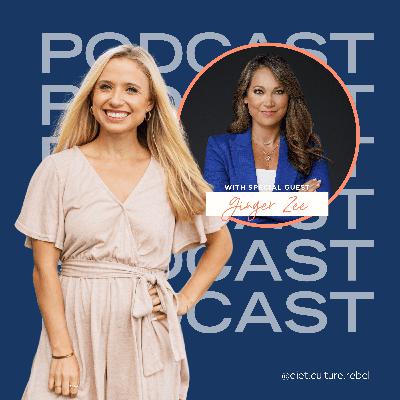
"It really isn't about food. It is about control...I wish I would have understood that a little bit earlier."With thinness back “in” and diet culture louder than ever, I sat down with Ginger Zee, ABC News chief meteorologist and climate correspondent, for an honest conversation about food, body image, mental health, and the healing that reshaped her life and career. Ginger has spent decades in the public eye and a male-dominated industry. She opens up about her journey from childhood struggles with anorexia to thriving as a leader, parent, and public figure. This episode is about resilience, hope, and what becomes possible when food and body thoughts stop running the show.What You’ll Learn:How diet culture is louder than ever and what it means for us nowThe impact of family, society, and trauma on our relationship with food and bodyWhy healing your relationship with food gives you more room to live meaningfullyThe lessons Ginger learned about control, body image, and resilience through different stages of her lifeHow sharing personal stories breaks shame and reminds us that we are not aloneHow taking up space and being vulnerable as women is a powerful act of rebellion against diet cultureConnect with Ginger:X: @ginger_ZeeInstagram: @Ginger_ZeeFacebook Fan PageWebsiteGood Morning AmericaStruggling to know when to eat or when to stop isn’t a failure… it could be a byproduct of following diet rules instead of your body’s cues. The free Hunger & Fullness Scale Guide helps you ditch the noise and tune back into the cues your body is sending to build trust with your body and food. Get it at DietCultureRebel.com/hungerfullnessscale.Come back next week for another episode and connect with me over on Instagram at @diet.culture.rebel.Struggling with food, but not sure where to start?You don’t have to feel 100% ready to get support. If you're tired of obsessing over food or feeling stuck in the diet cycle, my team of Registered Dietitians is here to help. We offer one-on-one nutrition counseling—and we accept insurance! Spots are limited, so head to https://dietculturerebel.com/insurance to see if we’re covered in your state and learn how to get started.
“Yo-yo dieting, restrictive diets, and cutting out whole food groups is worsening insulin resistance more than carbs ever could.”Carbs have been painted as the villain for far too long, and diet culture has convinced many of us that avoiding them is the key to health and happiness. But what really happens to your body and blood sugar when you restrict carbs may surprise you.In this episode, I’m joined by Kristie Messerli, registered dietitian and certified diabetes care and education specialist. We unpack the fear around carbs, diabetes, insulin resistance, and CGMs, and explain why restriction creates more stress, guilt, and metabolic harm. We also share science-backed ways to support both your health and your relationship with food.What You’ll Learn:How restriction and yo-yo dieting actually make insulin resistance worse, and how lifelong dieting can backfire metabolicallyWhy eating sugar does not cause diabetes, and what actually contributes to diabetes developmentThe pros and cons of using continuous glucose monitors (CGMs), and when they’re helpful versus harmfulWhy blood sugar spikes are often misunderstood, and how hormones, stress, and sleep play a roleHow to add to your plate (not take away!) for better blood sugar regulation and more satisfying mealsPractical ways to rethink carbs and food neutrality to promote both your health and your relationship with eating🔗 Connect with Kristie:Instagram: type2diabetes.nutritionistFree Masterclass: 7 Mistakes That Are Wrecking Your Blood Sugar (and what to do instead)✨ Struggling to know when to eat or when to stop isn’t a failure… it could be a byproduct of following diet rules instead of your body’s cues. The free Hunger & Fullness Scale Guide helps you ditch the noise and tune back into the cues your body is sending to build trust with your body and food. Get it at DietCultureRebel.com/hungerfullnessscaleCome back next week for another episode and connect with me over on Instagram at @diet.culture.rebel.Struggling with food, but not sure where to start?You don’t have to feel 100% ready to get support. If you're tired of obsessing over food or feeling stuck in the diet cycle, my team of Registered Dietitians is here to help. We offer one-on-one nutrition counseling—and we accept insurance! Spots are limited, so head to https://dietculturerebel.com/insurance to see if we’re covered in your state and learn how to get started.
"I created Diet Culture Rebel because we truly do need to rebel against diet culture. Not politely sidestep it, not quietly disagree with it, but actively push back on the messages that keep us stuck struggling with food and our bodies."Rebelling against diet culture doesn’t have to mean flipping your entire world upside down overnight. In this episode, I share five real-life ways I’m pushing back on diet culture right now, from listening to my hunger cues and choosing movement that fits my life as a mom to rejecting toxic nutrition trends and refusing to praise weight loss.This conversation is rooted in kindness, self-compassion, and small, sustainable shifts that have helped me feel more grounded, confident, and at peace with food. I hope it inspires you to try one act of rebellion that honors your body and your needs!✅ What You’ll Learn:How I focus on my body and my needs in the face of diet culture messagingWhy listening to hunger, honoring cravings, and eating what you want are acts of rebellionThe power of self-compassion and talking to yourself with kindnessWhy I call out toxic nutrition trends on social media, and how you can spot them tooMy reasons for refusing to compliment weight loss, and what I choose to celebrate insteadSimple, actionable ways you can start giving diet culture the middle finger in your own life🔗 Resources:Grab the Hunger & Fullness Scale Guide at DietCultureRebel.com/hungerfullnessscale and take your next step toward building trust with your body and food.Episode 209, How Diet Culture Harms Your Pelvic Floor (and What to Do About It) With Dr. Sara ReardonConnect with me over on Instagram at @diet.culture.rebel.Struggling with food, but not sure where to start?You don’t have to feel 100% ready to get support. If you're tired of obsessing over food or feeling stuck in the diet cycle, my team of Registered Dietitians is here to help. We offer one-on-one nutrition counseling—and we accept insurance! Spots are limited, so head to https://dietculturerebel.com/insurance to see if we’re covered in your state and learn how to get started.
"I think I had to give myself internal permission to say, ‘You don't have to change your body to do this thing. You can just do the thing. You can do the hike, you can do the climb, and you don't have to lose weight or gain a certain ability to be able to do it.’"We’ve been taught to believe that movement has to be about changing our bodies and pushing ourselves to the limit, but what happens when you strip away the blame and rebuild a relationship with exercise that actually honors your body?In this episode, I sit down with Dr. Megan Banker to unpack her journey of unlearning diet culture, healing from well-intentioned but harmful messages, and the pivotal hike that shifted how she spoke to herself. We dive into the emotional layers that make movement feel hard, and why your body size isn’t the problem.This conversation offers a compassionate lens and practical tools to help you reconnect with movement in a way that truly supports and respects you.✅ What You’ll Learn:Why movement can feel so emotional and how to process those feelings without blaming your bodyPractical ways to approach exercise that support your strength and mobilityHow to reframe negative self-talk and start speaking to yourself with kindness and respectWhy it’s possible (and powerful) to do hard, meaningful things in the body you have right nowThe impact of family and societal conditioning on our relationship with movement, and how to heal from itSteps to build a deeper trust in your ability to take care of yourself with movement and nutrition✨ Connect with Megan:InstagramTikTok🔗 Struggling to know when to eat or when to stop isn’t a failure... it could be a byproduct of following diet rules instead of your body's cues. The free Hunger & Fullness Scale Guide helps you ditch the noise and tune back into the cues your body is sending to build trust with your body and food. Get it at DietCultureRebel.com/hungerfullnessscale.Come back next week for another episode and connect with me over on Instagram at @diet.culture.rebel.Struggling with food, but not sure where to start?You don’t have to feel 100% ready to get support. If you're tired of obsessing over food or feeling stuck in the diet cycle, my team of Registered Dietitians is here to help. We offer one-on-one nutrition counseling—and we accept insurance! Spots are limited, so head to https://dietculturerebel.com/insurance to see if we’re covered in your state and learn how to get started.
"We want to change our expectation that we will never, ever think of food as numbers or calories ever again... because that's pretty unrealistic for most people."Ever notice how the same food questions keep popping up no matter where you are in your healing journey? In this episode, I’m answering three of the most common ones I hear - how to move away from seeing food as numbers, why some foods feel harder to trust yourself around, and what it was really like for me to stop weighing myself. I’m sharing insight from both my work as a dietitian and my own recovery to help you understand what’s actually happening beneath these struggles, set more realistic expectations for your intuitive eating journey, and walk away with a few practical steps you can try today.✅ What You'll Learn:Why letting go of calorie counting takes time, and how to stop seeing food as numbersWhat makes certain binge foods harder to make peace with (and what to do about it)How fear plays a role when you consider stopping weighing yourselfThe big-picture mindset shift that helps you loosen the grip of old diet rulesHow to build more trust with your body as you move toward a peaceful, sustainable relationship with foodWhy these challenges are normal on an intuitive eating journey, and how to set realistic expectations for yourself🔗 Resources:For more help with using the Hunger and Fullness Scale, grab my free download at dietculturerebel.com/hungerfullnessscaleIf you’ve ever thought, “Why is it so hard to stop eating when I’m full?” – you’re not alone. And spoiler alert: it’s not about willpower or control. It goes so much deeper than that. Grab the free Honoring Fullness Checklist right now at DietCultureRebel.com/Checklist to start building a more positive relationship with food.Episode 230, The Hunger and Fullness Scale: What It Is and How to Use ItEpisode 227, Overeating, Indecision with Food Choices, and "Too Many" Calories as an Intuitive Eater (Q&A)Come back next week for another episode and connect with me over on Instagram at @diet.culture.rebel.Struggling with food, but not sure where to start?You don’t have to feel 100% ready to get support. If you're tired of obsessing over food or feeling stuck in the diet cycle, my team of Registered Dietitians is here to help. We offer one-on-one nutrition counseling—and we accept insurance! Spots are limited, so head to https://dietculturerebel.com/insurance to see if we’re covered in your state and learn how to get started.
”You can have all the self-love in the world, and that does not protect you from systemic harm.”Body positivity is everywhere online, but is it really helping us heal? In this episode, Chrissy King joins me to explore why the mainstream body positivity message often leaves people feeling excluded or even more frustrated. We dig into shifting perspectives, the limits of focusing on individual confidence, and the systemic forces that shape our experiences in our bodies. Chrissy brings her lived experience and expertise to show why true body healing requires looking beyond “just love your body” and embracing a more inclusive, collective path.✅ What You'll Learn:How the body positivity movement began, how it's been co-opted, and why it often falls shortWhy mainstream body positivity focuses too much on individual confidence and not enough on systemic challengesThe importance of thinking collectively: healing goes beyond just ourselves and requires considering how everyone gets to exist in the worldWays intersectionality shapes our experience, and why focusing only on individual body image is incompleteHow diet culture and fatphobia are rooted in racism and white supremacy, and why dismantling these systems of oppression benefits all of usChrissy's take on Serena Williams' partnership with a GLP-1 companyWhy ongoing unlearning, compassion, and slow growth are essential to real body liberation work🔗 Resources:Chrissy's InstagramChrissy's TikTokChrissy's SubstackThe Body Liberation Project by Chrissy KingThe Body is Not an Apology by Sonya Renee TaylorFearing the Black Body by Sabrina Strings✨ If you’ve ever thought, “Why is it so hard to stop eating when I’m full?” – you’re not alone. And spoiler alert: it’s not about willpower or control. It goes so much deeper than that. Grab the free Honoring Fullness Checklist right now at DietCultureRebel.com/Checklist to start building a more positive relationship with food.Come back next week for another episode and connect with me over on Instagram at @diet.culture.rebel.Struggling with food, but not sure where to start?You don’t have to feel 100% ready to get support. If you're tired of obsessing over food or feeling stuck in the diet cycle, my team of Registered Dietitians is here to help. We offer one-on-one nutrition counseling—and we accept insurance! Spots are limited, so head to https://dietculturerebel.com/insurance to see if we’re covered in your state and learn how to get started.
"It helps ground me when I remind myself that what people say about food or bodies reveals their own relationship with food, not mine."Family gatherings can stir up heavy feelings when old patterns of food and body talk resurface, especially when you’re working hard to heal your relationship with food. In this episode, I’m sharing my own experiences with triggering family comments about food and body image, why they stay with us, and how to navigate them without losing your progress. We talk about why these moments can feel especially heavy when you're working on healing your relationship with food, and I offer practical ways to protect your emotional well-being, set boundaries, and stay grounded even when loved ones are stuck in diet culture.✅ What You’ll Learn:Why comments about food and bodies can feel so activating when you’re healing your relationship with foodHow to respond (or not respond) in ways that protect your mental, physical, and emotional well-beingActionable language to set boundaries with loved ones, and how to communicate your needs without confrontationHow to reframe the expectations you put on yourself and others in these momentsSimple self-check-ins, affirmations, and coping strategies for groundedness before, during, and after difficult conversationsThe importance of focusing on what’s in your control and letting go of what isn’t when diet culture talk surfaces🔗 If you’ve ever thought, “Why is it so hard to stop eating when I’m full?” – you’re not alone. And spoiler alert: it’s not about willpower or control. It goes so much deeper than that. Grab the free Honoring Fullness Checklist right now at DietCultureRebel.com/Checklist to start building a more positive relationship with food.💛 Struggling with food, but not sure where to start?You don’t have to feel 100% ready to get support. If you're tired of obsessing over food or feeling stuck in the diet cycle, my team of Registered Dietitians is here to help. We offer one-on-one nutrition counseling—and we accept insurance! Spots are limited, so head to https://dietculturerebel.com/insurance to see if we’re covered in your state and learn how to get started.🎧 Come back next week for another episode and connect with me over on Instagram at @diet.culture.rebel.
”Telling someone to lose weight is a really quick way to get through that eight minute visit, and not ask about what people actually eat before you say ‘eat less'."Walking into a doctor’s office shouldn’t leave anyone feeling ashamed, dismissed, or anxious about their body size. In this episode, Dr. Vicky Borgia breaks down how weight stigma actually shows up in medical care and what you can do about it. She shares an inside look at the biases and systemic pressures driving weight-centered decisions, along with her own experiences navigating diet culture as both a provider and person recovering from an eating disorder. You’ll hear what weight stigma really is, how it affects the care patients receive, and simple strategies to advocate for yourself and build a more weight-inclusive healthcare team.✅ What You’ll Learn:Why weight stigma in healthcare is NOT “just in your head” (and how it actually shows up in real appointments)How physician bias, billing pressures, and convenience often drive weight-centered care, not evidence-based medicinePractical strategies to advocate for yourself at the doctor’s office, even if it means declining to be weighedHow to start building a weight-inclusive care team (or set boundaries with the team you already have)What happens when medical advice differs wildly based on body size🔗 Resources:Connect with Dr. Vicky BorgiaDon’t Weigh Me CardsRagen Chastain on SubstackASDAH Health at Every Size® Healthcare Provider ListingM.S.S.I: Size Inclusive HealthcareAubrey GordonWhat We Don't Talk About When We Talk About Fat by Aubrey GordonIf you’ve ever thought, “Why is it so hard to stop eating when I’m full?” – you’re not alone. And spoiler alert: it’s not about willpower or control. It goes so much deeper than that. Grab the free Honoring Fullness Checklist right now at DietCultureRebel.com/Checklist to start building a more positive relationship with food. 💛Struggling with food, but not sure where to start?You don’t have to feel 100% ready to get support. If you're tired of obsessing over food or feeling stuck in the diet cycle, my team of Registered Dietitians is here to help. We offer one-on-one nutrition counseling—and we accept insurance! Spots are limited, so head to https://dietculturerebel.com/insurance to see if we’re covered in your state and learn how to get started.
“You are allowed to enjoy your life. Satisfaction counts, rest is part of health, and your worth was never meant to be measured by a to-do list, a tracker, or a plate.”Are you tired of feeling like your worth is tied to how productive, disciplined, or “perfect” you are? In this conversation with Dr. Paula Freedman-Diamond, we explore how hustle culture, diet culture, and wellness culture overlap to fuel food struggles, anxiety, perfectionism, and toxic striving - and how you can begin letting go of unrealistic expectations so you can reconnect with your body, values, and joy. This episode will inspire you to slow down, question the standards you’re chasing, and start living in a way that actually feels good for you ✨✅ What You’ll LearnHow hustle culture, diet culture, and wellness culture overlap to create toxic striving & perfectionismWhy food struggles and anxiety are connected to chasing external validationWhat it looks like to step out of “do more, be more, control more” mode and build self-trustPractical ways to set boundaries that protect your time, energy & self-worthHow to move toward body trust, rest, satisfaction & values-aligned livingWhy your humanity matters more than any productivity hack or diet plan🔗 Connect with Dr. Paula Freedman-DiamondToxic Striving: Why Hustle and Wellness Culture Are Leaving Us Anxious, Stressed, and Burned Out―and How to Break FreeHumanKind Psych (Therapy for overthinkers)If you’ve ever thought, “Why is it so hard to stop eating when I’m full?” - you’re not alone. And spoiler alert: it’s not about willpower or control. It goes so much deeper than that. Grab the free Honoring Fullness Checklist right now at DietCultureRebel.com/Checklist to start building a more positive relationship with food. 💛Come back next week for another episode and connect with me over on Instagram at @diet.culture.rebel.Struggling with food, but not sure where to start?You don’t have to feel 100% ready to get support. If you're tired of obsessing over food or feeling stuck in the diet cycle, my team of Registered Dietitians is here to help. We offer one-on-one nutrition counseling—and we accept insurance! Spots are limited, so head to https://dietculturerebel.com/insurance to see if we’re covered in your state and learn how to get started.
"When we get more in touch with our hunger cues and honor them more consistently, then as a byproduct, we are able to more easily honor our fullness cues."Learning to trust your body after years of dieting and food rules can feel confusing and overwhelming. In this episode, I’m breaking down the Hunger and Fullness Scale, the mindful eating tool that can help untangle the confusion and guide you back to your own internal cues. Inspired by a flood of questions from my Rebel community, we dig into how you can use the scale to make eating less stressful and more enjoyable, and how it can be a practical step toward building lasting body trust.I share how honoring both hunger and fullness, rather than fixating on just one side, can help you move out of your head and into your body, shifting away from diet culture’s restrictive rules. And as always, I’m giving you honest guidance, practical tips, and important reminders that this journey is about progress, not perfection. Whether you’re starting to let go of calorie counting, or simply want to feel more at peace with your eating, today’s episode gives you the gentle push to try something new and the encouragement to trust yourself. What You’ll Learn:How the Hunger and Fullness Scale works and why it’s not just another external ruleWays to use the scale to create more pleasant and mindful eating experiencesWhy tuning into hunger matters just as much as fullnessPractical tips for building body trust with food after years of dietingHow interoceptive awareness can help you connect with your body’s signalsRed flags and reasons the Hunger and Fullness Scale may not be right for everyoneIf you’re ready to make eating easier, more satisfying, and kinder to your body, this episode will give you the tools to start rebuilding trust - one meal, one snack, and one check-in at a time. For more help with using the Hunger and Fullness Scale, grab my free download at dietculturerebel.com/hungerfullnessscale. If you’ve ever thought, “Why is it so hard to stop eating when I’m full?” - you’re not alone. And spoiler alert: it’s not about willpower or control. It goes so much deeper than that. Grab the free Honoring Fullness Checklist right now at DietCultureRebel.com/Checklist to start building a more positive relationship with food.Struggling with food, but not sure where to start?You don’t have to feel 100% ready to get support. If you're tired of obsessing over food or feeling stuck in the diet cycle, my team of Registered Dietitians is here to help. We offer one-on-one nutrition counseling—and we accept insurance! Spots are limited, so head to https://dietculturerebel.com/insurance to see if we’re covered in your state and learn how to get started.Come back next week for another episode and connect with me over on Instagram at @diet.culture.rebel.


Download from Google Play

Download from App Store
 United States
Why did it take me getting serious about intuitive eating to start actually chewing my food and noticing when I'm full? I think this will finally give me permission to NOT overeat just because I like something.