


 Claim Ownership
Radical Cooperation
Subscribed: 2Played: 11
Subscribe

© Radical Cooperation
Description
Welcome to Radical Cooperation, the podcast in which higher education leaders explore collaboration as the key to lasting change. Host Dr. Michael Horowitz, together with presidents, chancellors, and trailblazing experts, dives into thought-provoking conversations about solutions to some of the most pressing issues in higher education. From fostering partnerships across institutions to leveraging innovation over tradition, each episode unpacks how cooperation, not competition, drives success. If you're ready to embrace bold, forward-thinking ideas that unite and inspire, you’re in the right place.
14 Episodes
Reverse
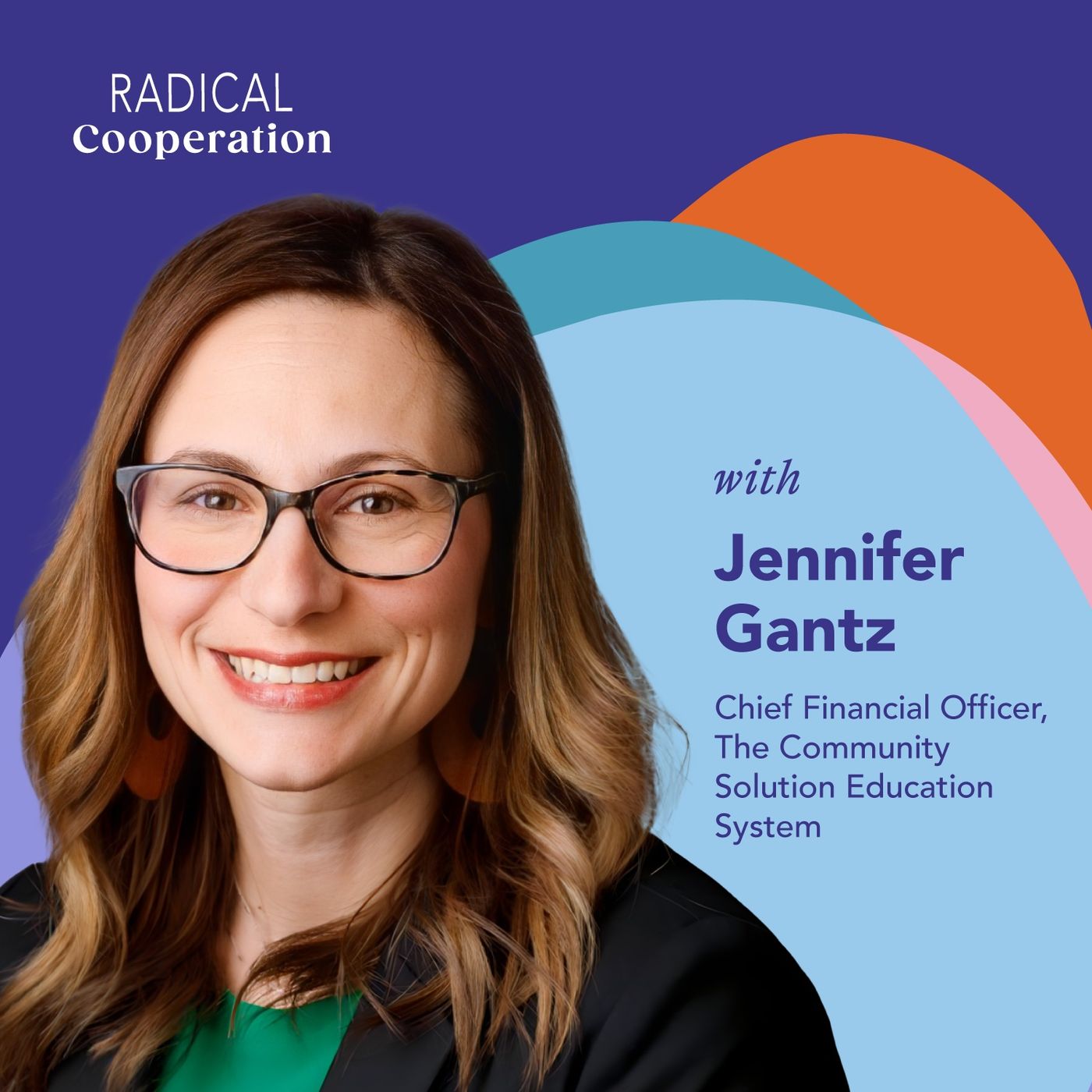
Higher education is under financial pressure like never before. Rising costs, shrinking enrollments, and tuition-dependent models are forcing leaders to make hard choices about what to cut and what to protect.In this episode of Radical Cooperation, Dr. Michael Horowitz speaks with Jennifer Gantz, Chief Financial Officer of the Community Solution Education System, about how strategic investment, not austerity, is the key to institutional resilience. Together, they unpack why you can’t cut your way to greatness, how shared governance complicates financial decisions, and what it really takes to align money with mission in today’s higher ed landscape.In this episode:Why cutting costs alone undermines quality and long-term growth.How program prioritization, shared governance, and transparency create smarter decisions.The leadership mindset CFOs need to stay innovative and adaptive under pressure

Shrinking enrollments and financial strain are pressuring colleges nationwide, but survival isn’t about cutting to the bone. It’s about rethinking how institutions scale, collaborate, and innovate.In this episode of Radical Cooperation, Dr. Michael Horowitz speaks with Dr. Jeremy Moreland, president of Saybrook University, about how bold leadership and radical cooperation can transform higher education. From boosting doctoral completion rates to building trust with faculty and embracing calculated risk, Dr. Moreland shares lessons from leading institutions through challenge and change.In this episode:How economies of scale create room for innovation and resilience.Why transparency and collaboration are essential to student success.What higher ed leaders can learn from risk-taking and failure in other fields.
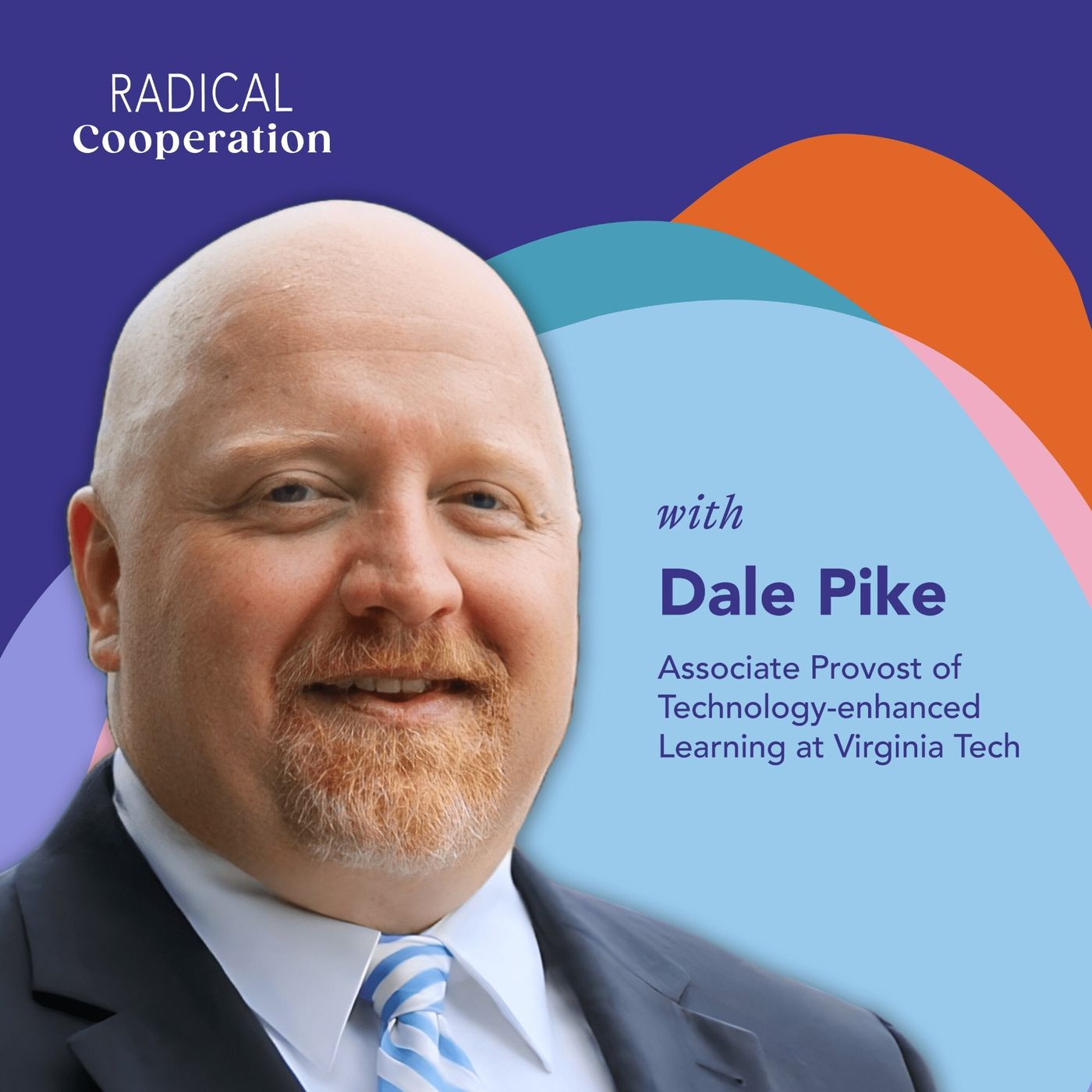
Artificial intelligence is reshaping the workforce, but most colleges and universities are still figuring out what it means for teaching, learning, and leadership.In this episode of Radical Cooperation, Dr. Michael Horowitz is joined by Dale Pike, Associate Provost for Technology-enhanced Learning at Virginia Tech, to unpack what AI literacy really requires in higher education, and why faculty readiness may be the biggest barrier to progress. Drawing from years of work in instructional design, emerging technologies, and generative AI research, Dale shares a clear-eyed view of what it will take for institutions to move beyond novelty and toward real integration.From the ethical foundations of AI use to the gaps between STEM and non-STEM learners, this conversation explores how higher ed can embed AI fluency without starting from scratch, and why the real work ahead isn’t technical, but cultural.In this episode:What AI literacy should look like across disciplinesWhy faculty development is essential for institutional readinessHow higher ed can evolve without abandoning its human-centered mission
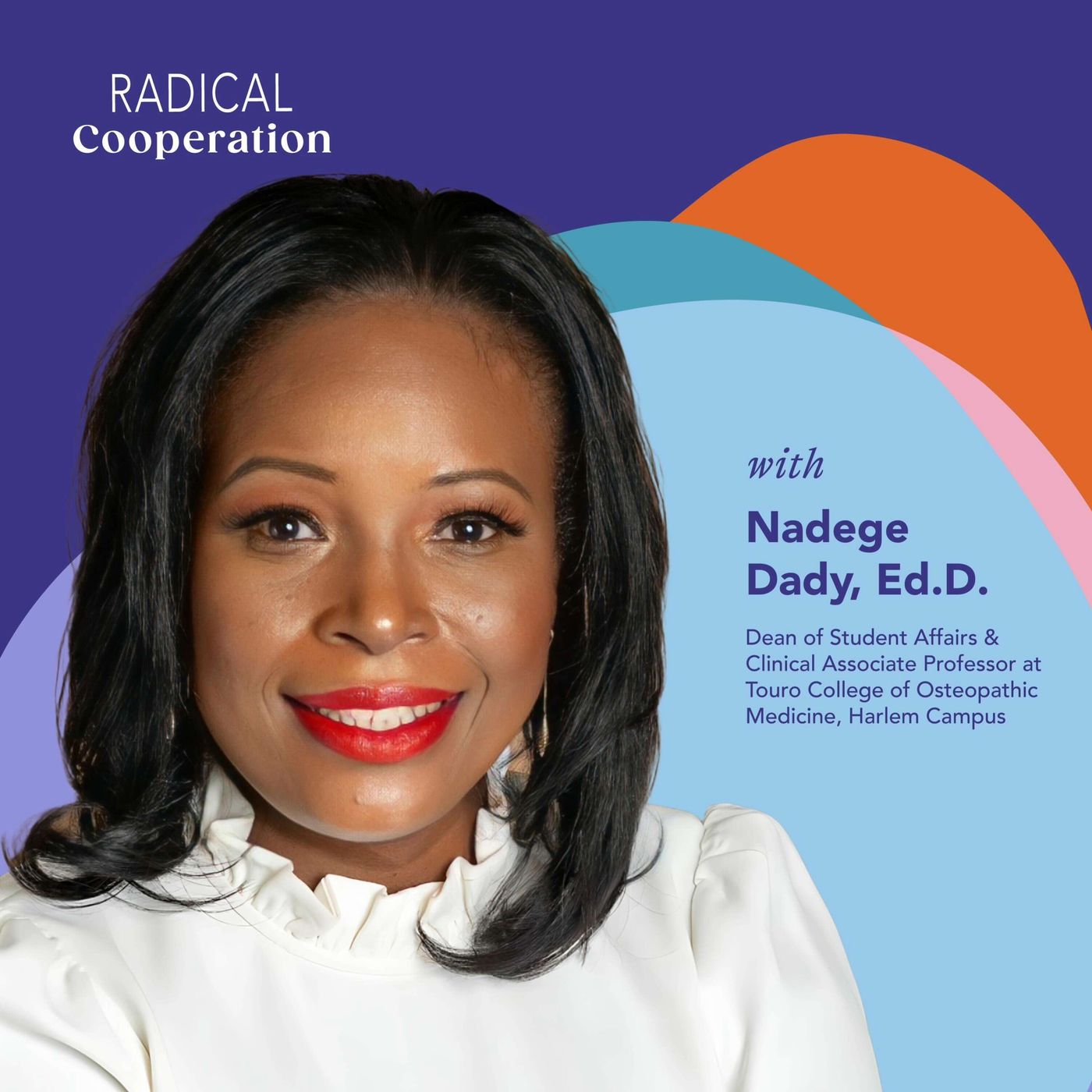
Bold ideas alone don’t drive change in higher education. They need structure, support, and shared commitment to take root. In this episode of Radical Cooperation, Dr. Michael Horowitz speaks with Dr. Nadege Dady, Dean of Student Affairs at Touro College of Osteopathic Medicine, Harlem Campus about what it takes to lead boldly within complex systems.From expanding student access to healthcare careers, to navigating institutional risk and building lasting partnerships, Dr. Dady shares how strong leadership balances courage with clarity. Together, they explore why collaboration, communication, and planning are essential to making bold decisions that actually move institutions forward.In this episode:What distinguishes bold leadership from impulsive actionHow institutions can create the conditions for meaningful changeWhy student pathways depend on coordinated, strategic effortLove the podcast? Don’t forget to subscribe and leave a review!
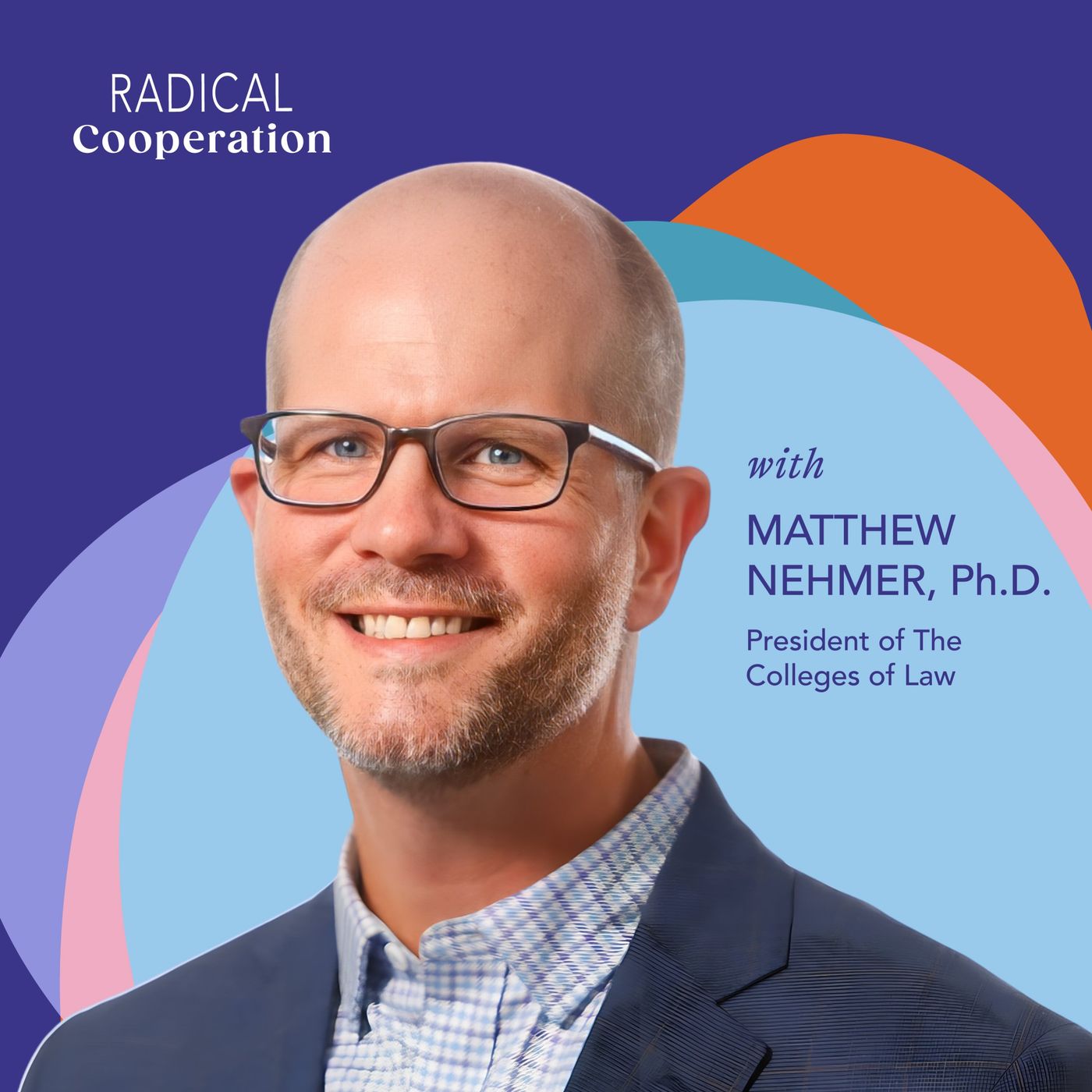
What does it mean for a university to truly be of the community and not just in it? Dive into this transformative conversation about civic engagement and how higher education can shape a better future for all.In this episode of Radical Cooperation, host Dr. Michael Horowitz sits down with Dr. Matthew Nehmer, president of The Colleges of Law, to explore how universities can foster civic engagement and connect meaningfully with their communities. From debates on ballot propositions to free legal clinics, Dr. Niemer shares practical insights and inspiring stories of how institutions can lead the way in creating engaged citizens and meaningful societal change. Together, they uncover the power of collaboration in transforming education and empowering students to make a difference.In This Episode:How universities can move from being in the community to truly becoming of the community.Innovative approaches like public debates, legal clinics, and study-abroad experiences that create lasting impacts for students and the public.Overcoming obstacles to civic engagement and building partnerships that amplify an institution’s reach and relevance.Love the podcast? Don’t forget to subscribe and leave a review!
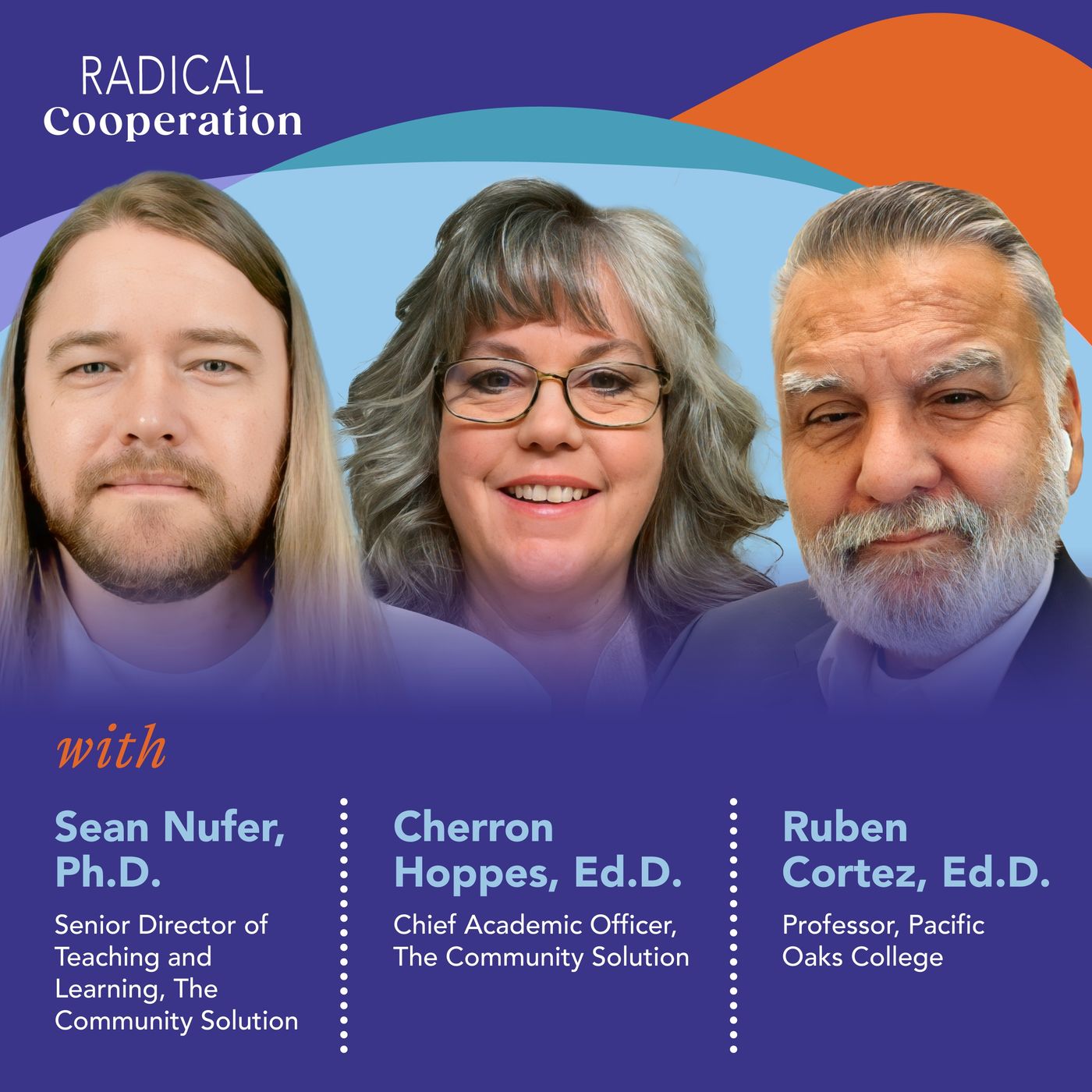
Online education has become essential, but the bar keeps rising. Today’s students expect flexibility, relevance, and connection. Can small colleges lead the next chapter of online learning?In this roundtable episode of Radical Cooperation, Dr. Michael Horowitz is joined by three bold leaders from The Community Solution Education System: Dr. Cherron Hoppes, Chief Academic Officer; Dr. Sean Nufer, Senior Director of Teaching and Learning; and Dr. Ruben Cortez, Professor at Pacific Oaks College.Together, they explore what it takes to deliver truly high-quality, student-centered online learning. From instructional design and faculty development to student belonging and cross-campus collaboration, this conversation reveals how small colleges—when grounded in purpose and supported by systems—can lead innovation at scale.In this episode:Why relevance and intentionality matter more than ever in online designHow small colleges can lead innovation with the right supportWhat students really want from today’s online learning experience
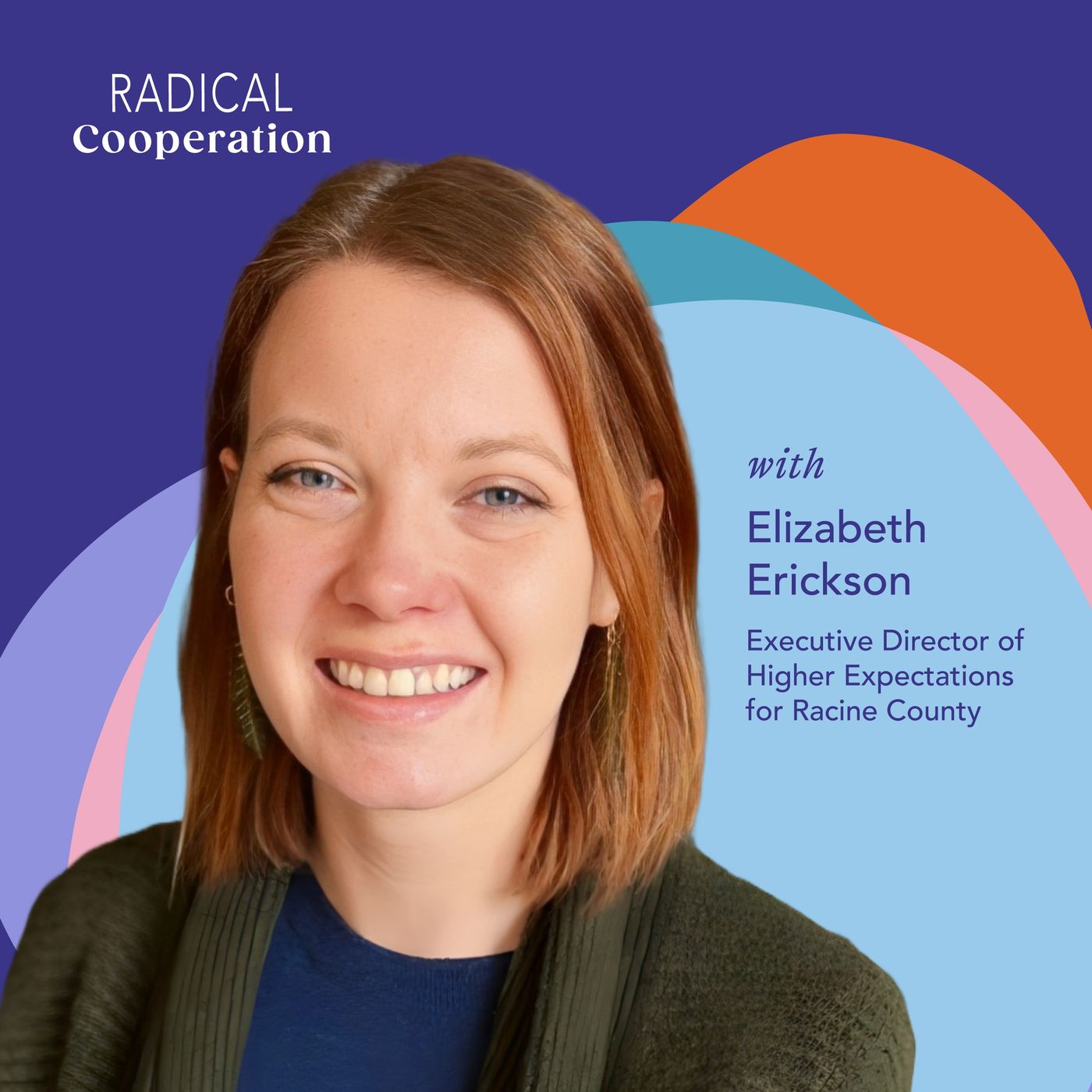
How can higher education better prepare students for lives—and careers—that work?In this episode of Radical Cooperation, Dr. Michael Horowitz is joined by Elizabeth Erickson, Executive Director of Higher Expectations for Racine County, to explore how colleges, employers, and communities can co-design education systems that lead to real opportunity. Drawing on her experience in Racine County and across the StriveTogether network, Elizabeth shares how career pathways are built not by chance, but through trust, alignment, and hands-on experience.From connecting high school students to dual credit and early fieldwork, to helping first-generation college students access mentorship and complete degrees, this conversation reveals how local partnerships can drive workforce success and transform entire communities.In this episode:Why career pathways must start earlier and be built with intentionHow real-world learning supports retention and long-term successWhat it takes to align institutions, employers, and families around student futures
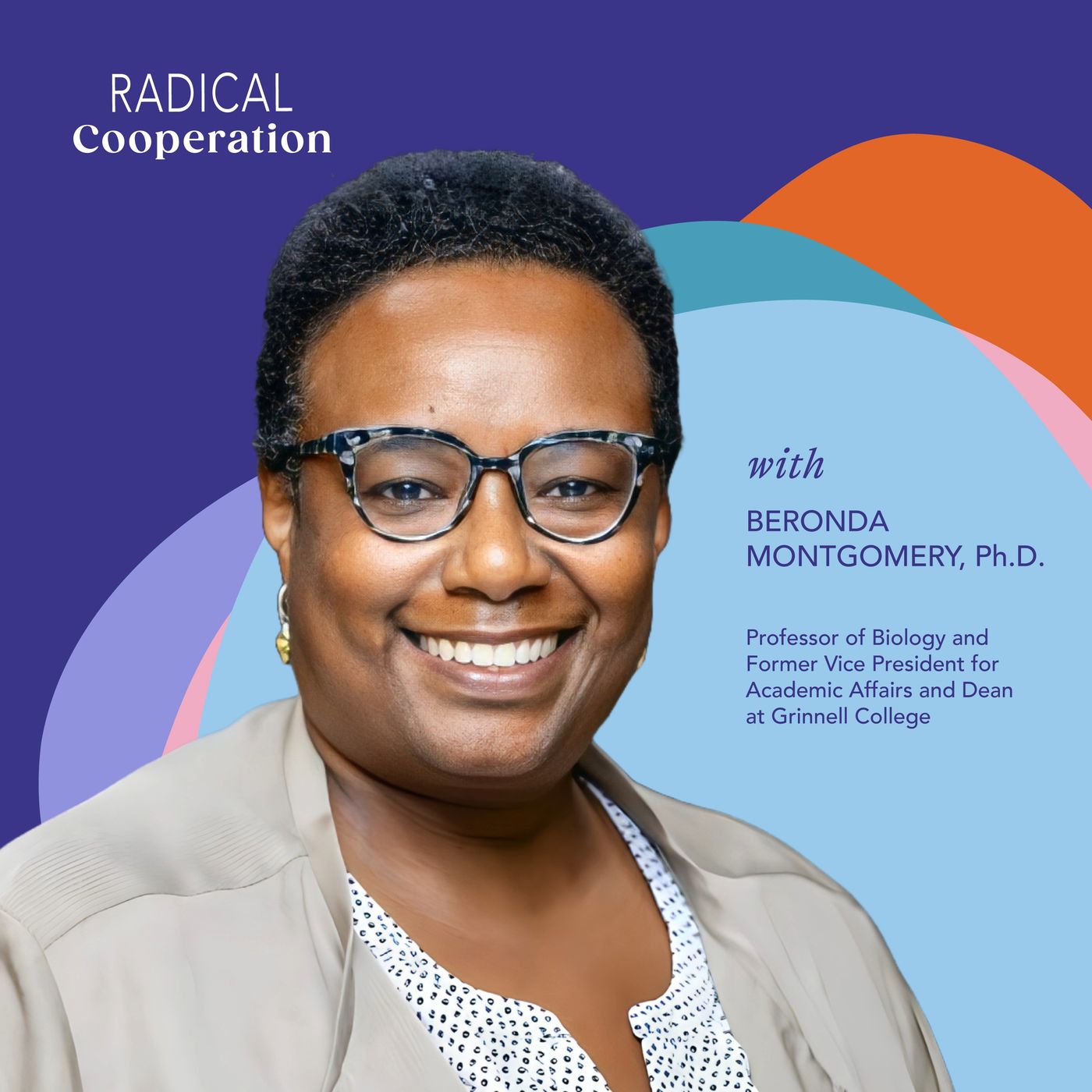
What’s stopping higher education from reaching its full potential?In this episode of Radical Cooperation, Dr. Michael Horowitz sits down with Dr. Beronda Montgomery—biologist, author of Lessons from Plants, and former Vice President for Academic Affairs and Dean at Grinnell College—to unpack why silos persist in colleges and universities, and how those divisions hold institutions back from true innovation and collective progress.Drawing inspiration from the natural world, Montgomery explores how plant systems offer surprising insights into human leadership, institutional design, and the kind of relationship-driven change higher ed needs now more than ever. From rethinking outdated reward models to building systems that prioritize collaboration over prestige, this conversation offers a hopeful blueprint for transforming higher education into a true ecosystem of shared success.In this episode:- Why silos persist in academic institutions—and what they really cost- What plants can teach us about leadership and cooperation- How institutions can rebuild trust and redesign for impact
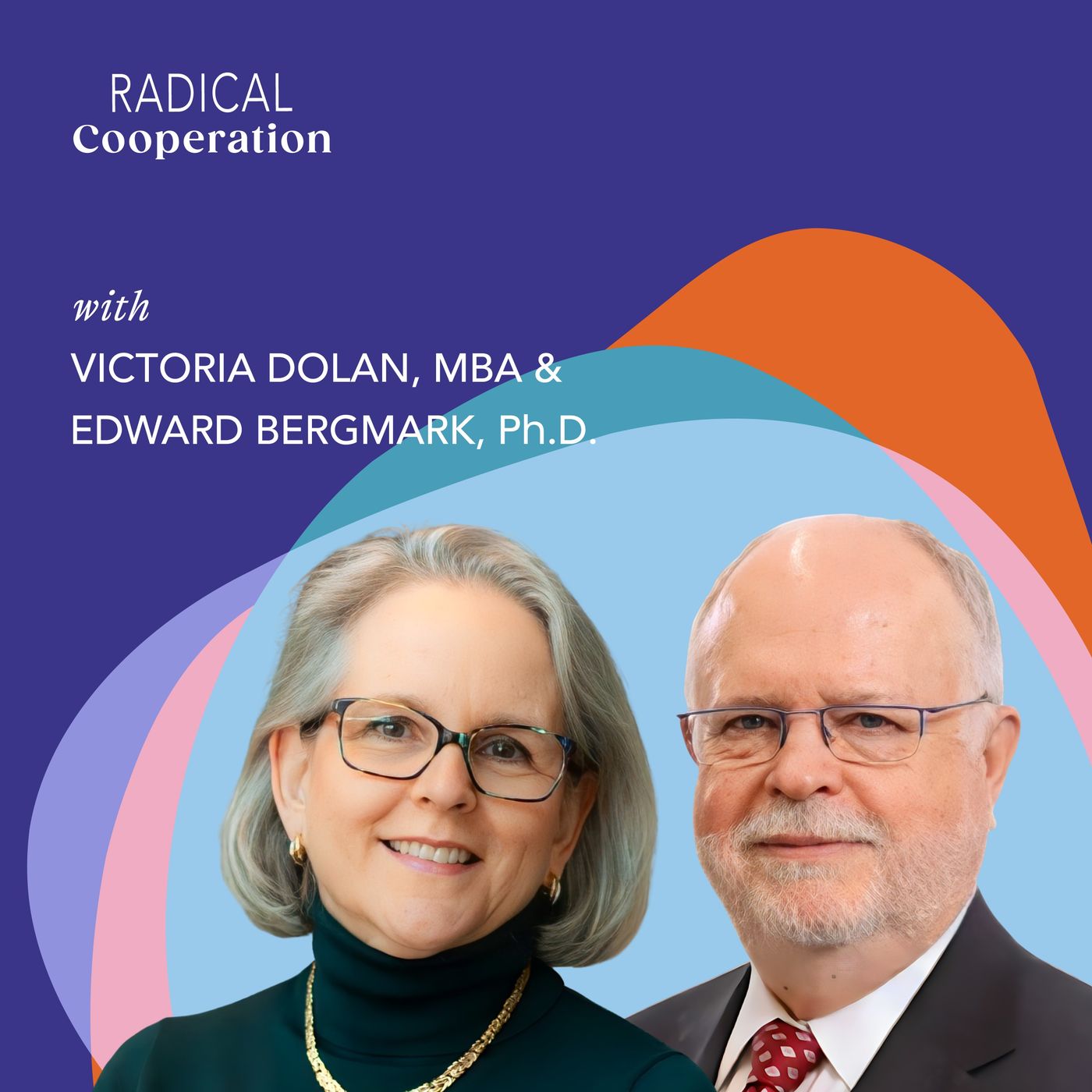
What drives true collaboration in complex organizations? Dr. Michael Horowitz sits down with Dr. Edward Bergmark, Chair of The Community Solution Board of Trustees and founder of Optum at UnitedHealth Group, and Victoria Dolan, Trustee for The Community Solution and former CFO of Revlon, to explore the psychology behind Radical Cooperation.Dr. Bergmark shares how his experience in both corporate and nonprofit leadership has shaped his approach to fostering trust and teamwork. Trustee Dolan offers insights from her global executive roles, revealing how leaders can create cultures of collaboration even in competitive environments. Together, they unpack the mindset shifts and strategies that make Radical Cooperation a transformative force in higher education and beyond.In this episode:Why Radical Cooperation is the key to institutional successHow leaders can build trust and drive meaningful collaborationThe role of humility, shared resources, and a collective vision in fostering innovation
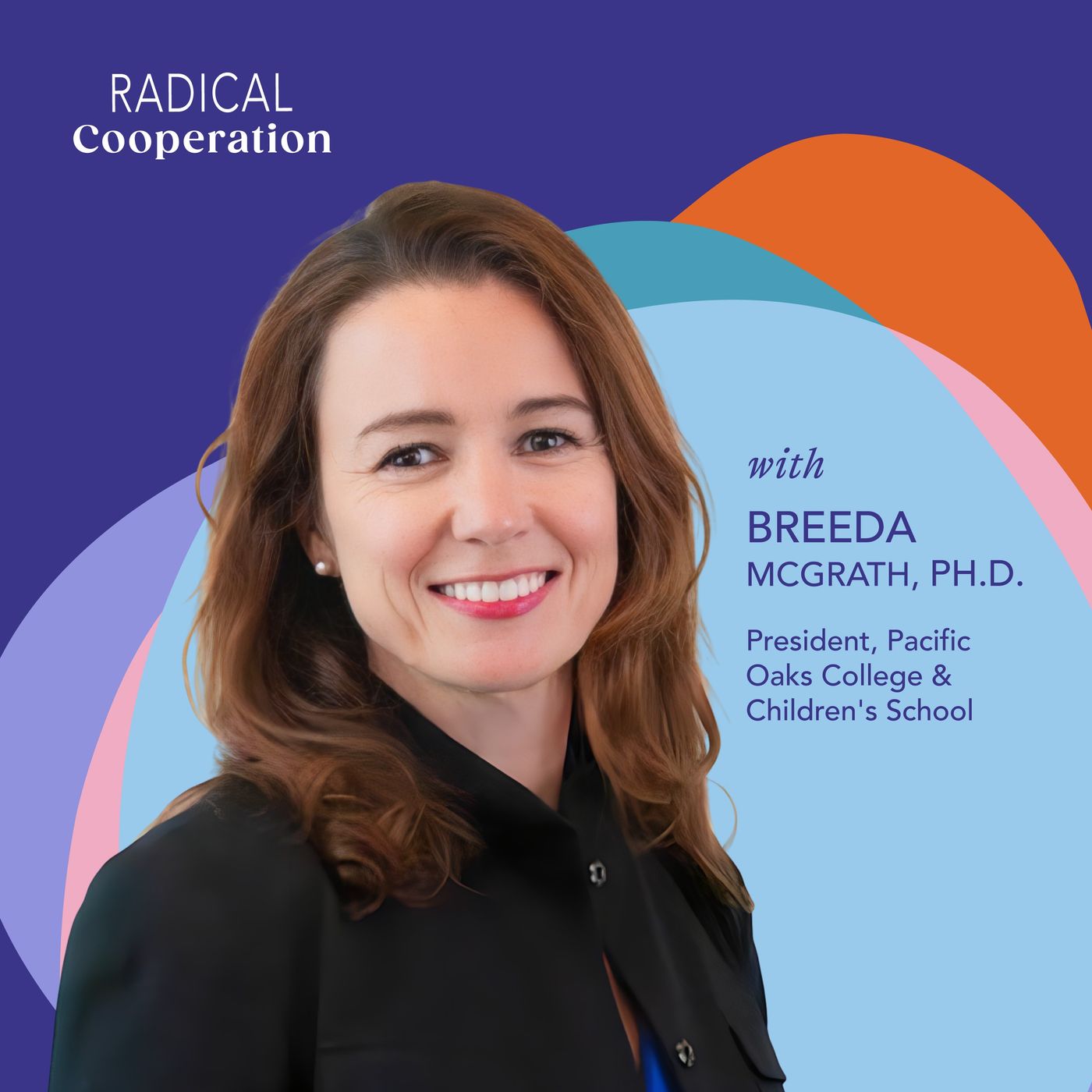
Most institutions try to do too much—and end up making less impact. But what if the key to success is narrowing your focus instead of expanding it?In this episode of Radical Cooperation, Dr. Michael Horowitz sits down with Dr. Breeda McGrath, President of Pacific Oaks College & Children’s School, to discuss the power of niche superpowers in higher education. They explore how institutions can thrive by doubling down on their strengths, staying true to their mission, and embracing radical cooperation to maximize their impact.In this episode:Why focusing on your niche leads to greater successHow Pacific Oaks College builds community impact through specializationHow to balance innovation with staying true to your mission
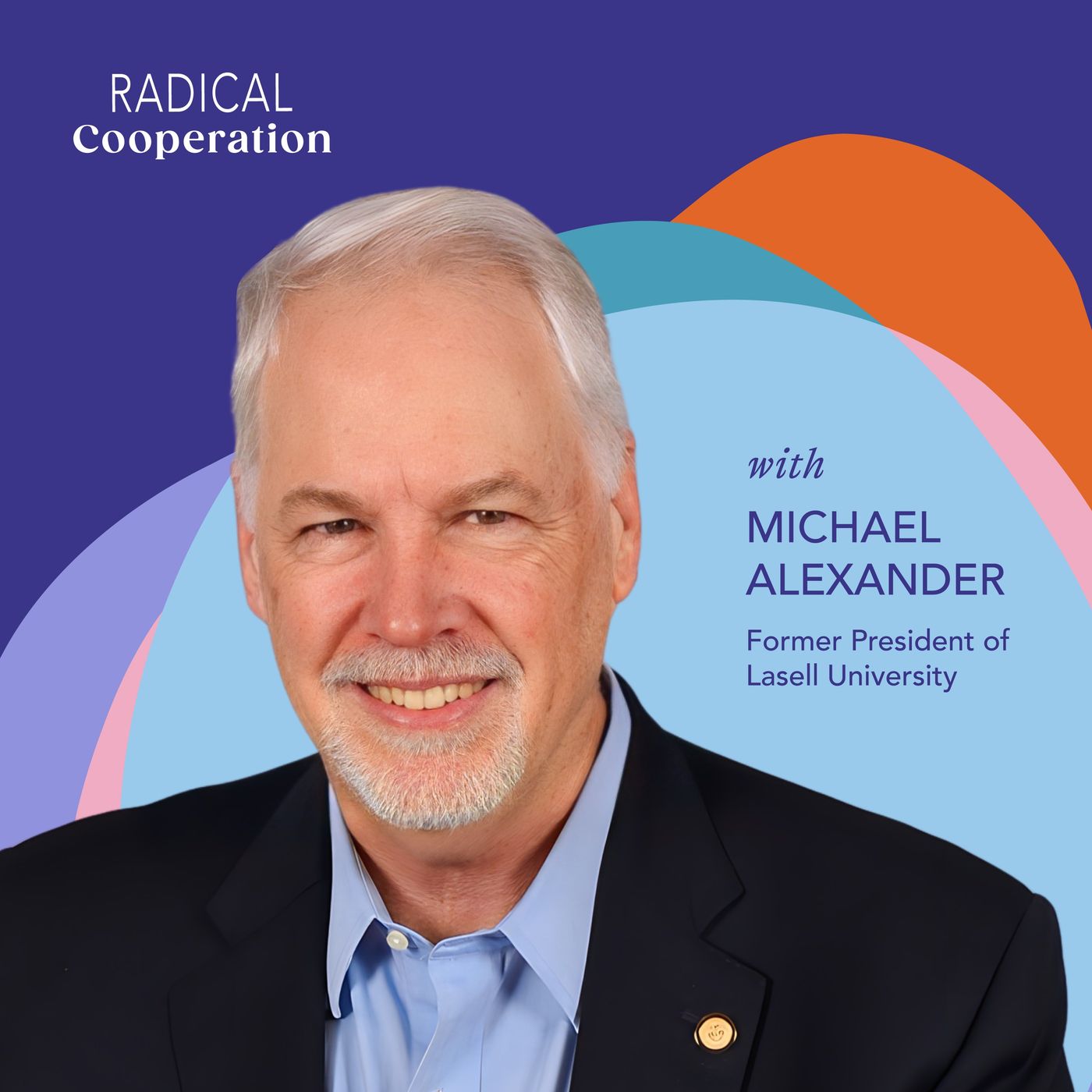
What does it take to lead a university that listens, learns, and evolves with the world around it?In this episode of Radical Cooperation, Dr. Michael Horowitz sits down with Michael Alexander, former president of Lasell University, to explore what universities must learn from the communities, industries, and local voices just beyond their gates. Drawing from his unique journey from Hollywood studios to higher ed leadership, Alexander shares how asking the right questions—and listening to external voices—helped transform Lasell into a hub of innovation, civic engagement, and economic impact.From launching a retirement village that became an academic asset, to reshaping programs based on real employer needs, this conversation reveals how radical cooperation and two-way learning can turn institutional challenges into lasting opportunity.In this episode:How community partnerships created lasting academic innovationWhy economic impact is higher ed’s most underused storyThe power of listening over leading in institutional changeNote: Since this recording, Michael Alexander was named Interim President of Western New England University.
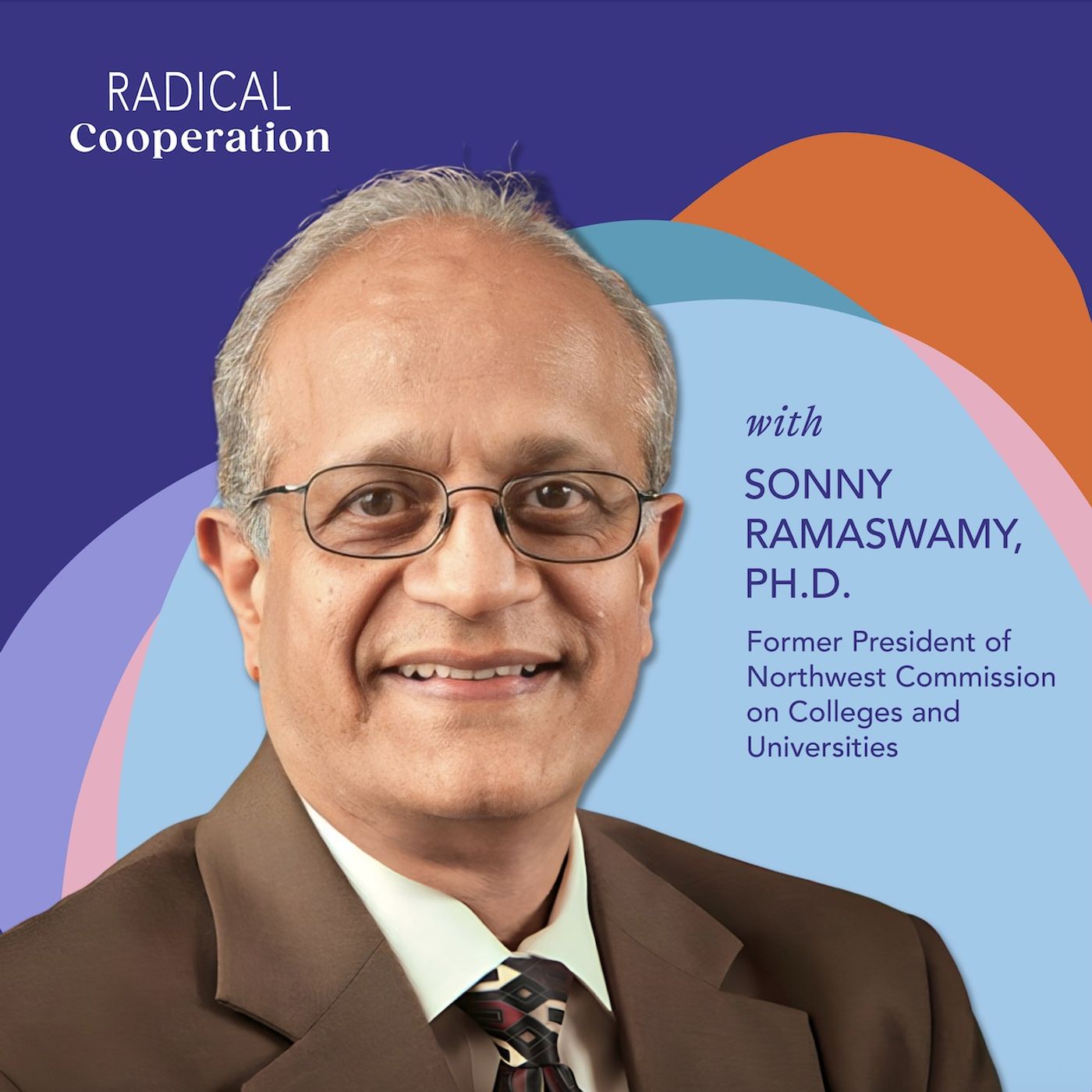
What happens when tradition meets a moment that demands change? Higher education faces mounting pressure—declining enrollment, shrinking budgets, shifting regulations, and public doubt. But within the disruption lies a rare chance to reimagine how colleges serve students, communities, and society.This week, Dr. Michael Horowitz is joined by Dr. Sonny Ramaswamy—former president of the Northwest Commission on Colleges and Universities and former director of the National Institute of Food and Agriculture—to explore what’s broken in higher ed and what’s still possible. Together, they unpack the sector’s most urgent challenges and spotlight how collaboration, not isolation, could be the key to building a stronger, more student-centered future.In this episode:The overlooked root causes behind higher ed’s instabilityHow ignoring the data is costing higher ed everythingWhat colleges must do now to earn back student trust
 1
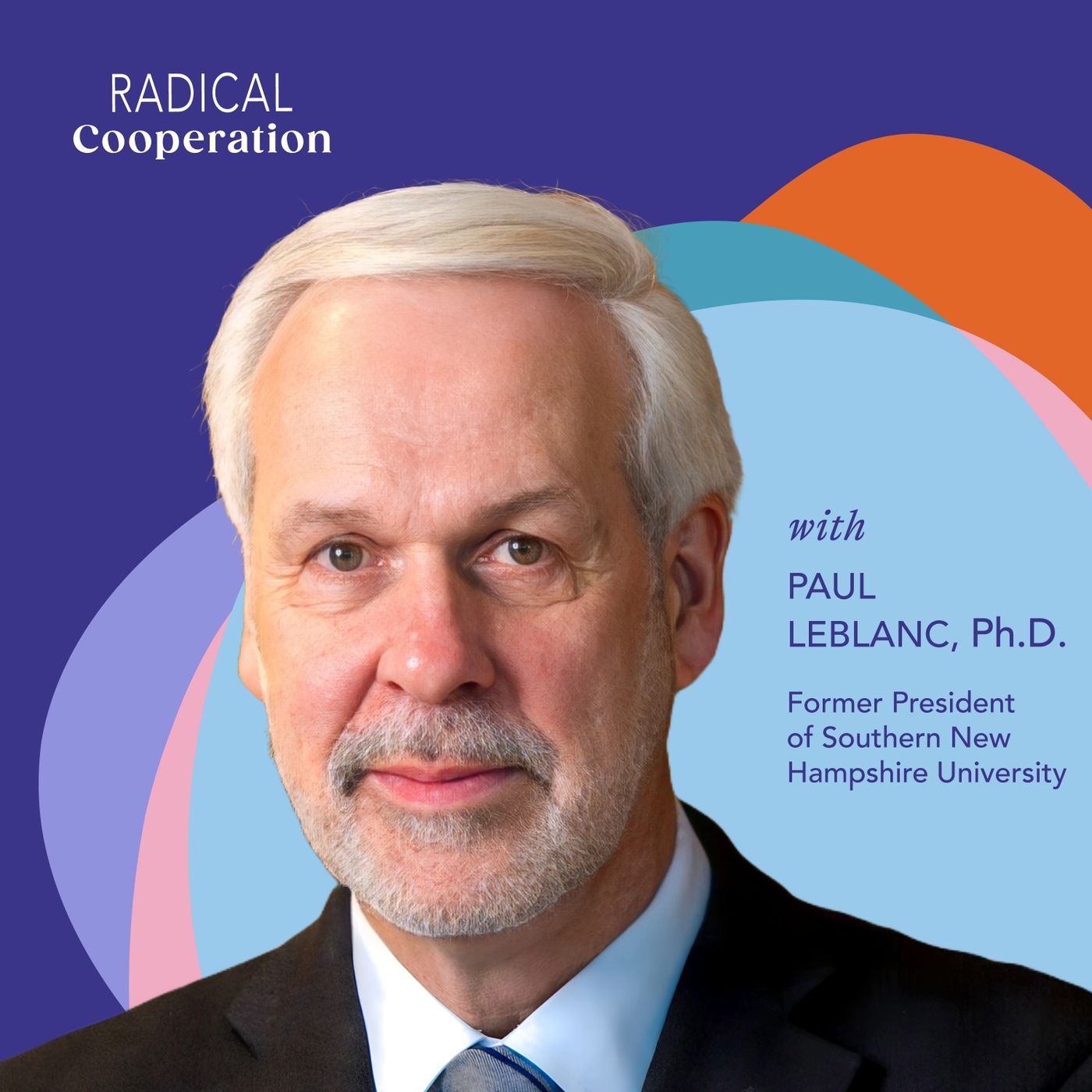
1How can universities evolve without losing their core values? In the first episode of Radical Cooperation, Dr. Michael Horowitz sits down with Dr. Paul LeBlanc, former president of Southern New Hampshire University, to explore the tension between tradition and progress in higher education.Dr. LeBlanc shares his journey from first-generation student to university president, insights from Southern New Hampshire University’s rise in online education, and lessons on leadership, governance, and innovation.In this episode:Balancing tradition with innovation in higher educationHow SNHU became a leader in online learningThe leadership qualities needed to drive meaningful change
Comments

Download from Google Play

Download from App Store
 United States