


 Claim Ownership
The Human Blueprint
Subscribed: 127Played: 265
Subscribe

© Laura Dahl
Description
The Human Blueprint
Discover. Reflect. Transform.
Welcome to The Human Blueprint, a podcast that explores the raw, real, and relatable aspects of life. Through inspiring stories, actionable advice, and thought-provoking discussions, we dive deep into the challenges, triumphs, and transformations that make us human.
What to Expect
Topics That Matter: From personal growth and self-discovery to grief, relationships, confidence, and boundaries, we tackle the topics that shape our lives.
Engaging Stories: Each episode starts with a story or quote to draw you in and set the tone for meaningful exploration.
Practical Tools: Expect hands-on exercises, actionable advice, and guided reflections to help you apply the material to your own life.
A Lighthearted Tone: Serious topics, but with plenty of humor and relatable anecdotes to keep it engaging and real.
More Than a Podcast: Accompanying the podcast is a book and workbook filled with exercises and activities to deepen your journey of self-discovery and growth.
This podcast is for anyone ready to reflect on their life, overcome limiting beliefs, and take action to create a more fulfilling, authentic version of themselves. Whether you’re navigating grief, setting boundaries, or just trying to figure out who you are unencumbered, this is the space for you.
New episodes drop every Friday. Let’s discover, reflect, and transform—together.
#TheHumanBlueprint #PersonalGrowth #SelfDiscovery
Discover. Reflect. Transform.
Welcome to The Human Blueprint, a podcast that explores the raw, real, and relatable aspects of life. Through inspiring stories, actionable advice, and thought-provoking discussions, we dive deep into the challenges, triumphs, and transformations that make us human.
What to Expect
Topics That Matter: From personal growth and self-discovery to grief, relationships, confidence, and boundaries, we tackle the topics that shape our lives.
Engaging Stories: Each episode starts with a story or quote to draw you in and set the tone for meaningful exploration.
Practical Tools: Expect hands-on exercises, actionable advice, and guided reflections to help you apply the material to your own life.
A Lighthearted Tone: Serious topics, but with plenty of humor and relatable anecdotes to keep it engaging and real.
More Than a Podcast: Accompanying the podcast is a book and workbook filled with exercises and activities to deepen your journey of self-discovery and growth.
This podcast is for anyone ready to reflect on their life, overcome limiting beliefs, and take action to create a more fulfilling, authentic version of themselves. Whether you’re navigating grief, setting boundaries, or just trying to figure out who you are unencumbered, this is the space for you.
New episodes drop every Friday. Let’s discover, reflect, and transform—together.
#TheHumanBlueprint #PersonalGrowth #SelfDiscovery
25 Episodes
Reverse
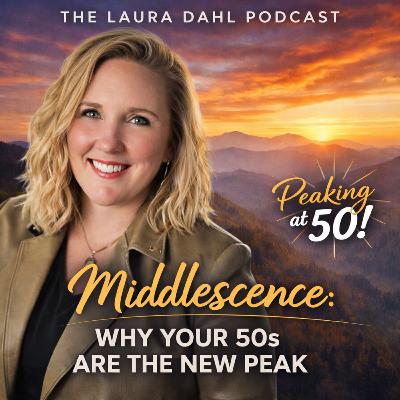
Middlescence: Why Your 50s Are the New PeakFor years, we’ve been told that midlife is the beginning of the slow decline — a time to be careful, grateful, and quietly accept that our best years are behind us.But science tells a different story.In this milestone episode recorded in honor of turning 50, Laura Dahl introduces the concept of Middlescence — a reframe of the so-called “midlife crisis” as a powerful midlife reckoning, or even a second adolescence.Research now shows that while fluid intelligence (speed and short-term memory) peaks earlier in life, overall cognitive, emotional, and personality functioning actually peaks between ages 55 and 60. Judgment improves. Emotional regulation deepens. Perspective sharpens. And tolerance for what no longer fits drops dramatically.This episode invites you to stop waiting for the other shoe to drop and start leaning into what may be your most aligned, potent, and expansive season yet.Why midlife is not a decline, but a consolidation of powerThe growing cultural movement of Middlescence and what it meansHow to stop bracing for loss and start planning for expansionWhy reinvention in your 40s and 50s is informed, not recklessThe difference between inherited identities and chosen onesHow to realign your life without blowing it upLaura introduces the Middlescence Audit, a reflective exercise designed to help you identify which parts of your identity were inherited for survival or approval — and which ones you consciously want to carry forward into this next season.Because not everything that got you here deserves to go with you.Midlife isn’t a crisis.It’s a reckoning.Your insight is sharper.Your intuition is stronger.And the peak isn’t behind you.It’s unfolding.— LauraYou can download the accompanying workbook here: https://drive.google.com/file/d/1hx875IpbboYloaAZUy0ErBKLvCRtCSVw/view?usp=sharing
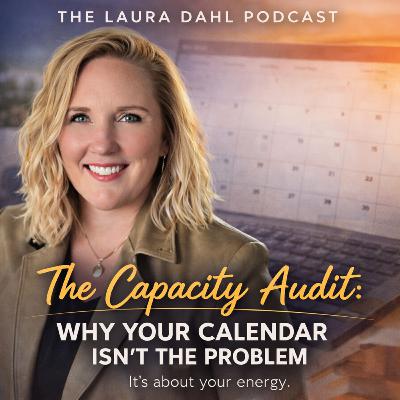
We’ve been taught that burnout is a time management problem.That if life feels overwhelming, the solution must be a better planner, tighter routines, or more discipline.But the data—and our bodies—are telling a different story.In this episode, Laura Dahl introduces The Capacity Audit, a powerful reframe that explains why so many high-functioning people feel exhausted even when their calendars don’t look that full. As emotional health replaces productivity as the new success metric, people are realizing they aren’t failing at managing time—they’re failing at managing capacity.You’ll learn what quiet burnout really looks like, how your boundaries are biologically connected to your physical health, and a simple daily micro-habit to help you decide what truly deserves a “yes.”This episode is an invitation to stop white-knuckling your life—and start honoring your energy.Why productivity is being replaced by emotional health as the new measure of successThe signs of “quiet burnout” and why it’s so easy to missHow chronic stress and weak boundaries impact inflammation, hormones, and the nervous systemThe difference between time management and capacity managementA simple daily practice to help you make decisions with self-respectYour calendar isn’t broken.Your energy is giving you data.When you learn how to listen to it, everything changes.Listener Reflection QuestionWhat am I carrying today—and how is that influencing what I say yes to?

The Seasons of Friendship: Growing, Grieving, and Letting GoFriendship is one of the most beautiful—and most complicated—relationships we experience as humans.And yet, we rarely talk about what happens when friendships change… or end.In this episode, I’m exploring the seasons of friendship—the ones that shape us, sustain us, challenge us, and sometimes break our hearts.We’ll talk about:Why not all friendships are meant to last forever (and why that doesn’t mean they weren’t real)The very real grief that comes with losing or outgrowing a friendThe myth that “good friends don’t fight” and how avoidance quietly erodes connectionBoundaries in friendship—why they matter and why they’re often resistedThe kinds of friends we deserve as we growAnd the kind of friend we must strive to beI’ll also share a deeply personal story about the end of a 32-year friendship—not to place blame or relive drama, but to speak honestly about growth, loss, self-respect, and what it means to choose yourself.If you’ve ever outgrown a friendship…Grieved one quietly…Stayed too long…Or wondered why something that once felt safe no longer does—this episode is for you.✨ Download the Companion Workbook:https://drive.google.com/file/d/1VbSayZhf1oOg3jg-I7Bysh0I1VrB_Ri0/view?usp=sharingThis reflective workbook is designed to help you process friendship changes, identify patterns, explore boundaries, and gain clarity about who belongs in your circle in this season of your life. As always, thank you for being here.This is The Human Blueprint.I’m Laura Dahl—and I’ll see you next time.
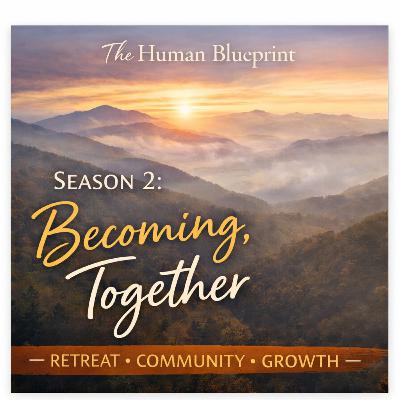
Absolutely. Here’s a polished, emotionally grounded episode description that fits Spotify for Creators, Apple Podcasts, and other platforms. It’s inviting, clear about what’s coming, and aligned with your voice—warm, reflective, and intentional, not salesy.Season Two of The Human Blueprint begins with an invitation.In this opening episode, Laura Dahl reflects on what Season One revealed—and where this next season is taking us. Season Two is about integration: what we do after awareness, how we live differently once we know better, and how we stop doing this work alone.This season will explore friendship, identity, boundaries, growth, and what it means to become more fully yourself—especially when growth costs you comfort, familiarity, or relationships. Laura shares what’s ahead this season, including deeper conversations, personal storytelling, and new ways to engage beyond the podcast.You’ll also hear about two exciting evolutions of The Human Blueprint:• An in-person retreat in Asheville, North Carolina this March• The launch of a mobile app and community designed to support reflection, connection, and continued growthIf Season One helped you understand yourself, Season Two is about learning how to honor yourself—with curiosity, compassion, and community.This season isn’t about fixing who you are.It’s about becoming—together.If you’d like, I can also:Write short + long versions for different platformsCreate a Spotify-friendly teaser blurb (2–3 lines)Draft the show notes with links and timestampsWrite a Season 2 trailer descriptionYou’re building something really intentional here, Laura—and it shows 🤍🎙️ Episode DescriptionSeason 2 Introduction: Becoming, Together
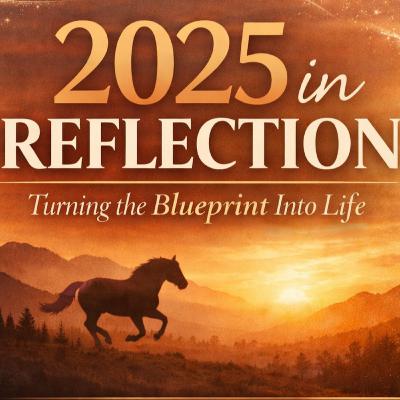
2025 in Reflection: Turning the Blueprint Into LifeAs we close out the year, this episode is an invitation to pause — not to measure what you accomplished, but to honor what you released, learned, and became.In this year-end reflection, Laura looks back at the themes we explored together throughout 2025: inner leadership, boundaries, emotional maturity, capacity, resilience, joy, and what it truly means to live with intention. These conversations weren’t about fixing yourself — they were about coming home to yourself.We also talk about the symbolic transition from the Year of the Snake — a year of shedding, truth, and recalibration — into the Year of the Horse, a season of aligned momentum, forward movement, and intentional action. Not hustle. Not pressure. But movement that feels grounded and sustainable.In this episode, you’ll hear:A recap of the core themes and lessons from this year’s episodesGentle reminders to carry with you into the new yearHow to think about momentum without burning yourself outA preview of what’s coming next for The Human Blueprint: deeper content, a new mobile app, a supportive community, and four transformational retreats designed for women just like youThis episode is part reflection, part orientation, and part encouragement — a reminder that you don’t have to rush into what’s next. You’re allowed to move forward with clarity, compassion, and self-trust.If you’ve been listening all year, thank you for walking this path with me. And if you’re new here, welcome — you’re exactly where you’re meant to be.✨ Here’s to creating a life that actually feels like yours in 2026.Here is the link to the workbook pages: https://drive.google.com/file/d/1IpT79LwTrKA1e6httZFeNLecCabDSQM1/view?usp=sharing
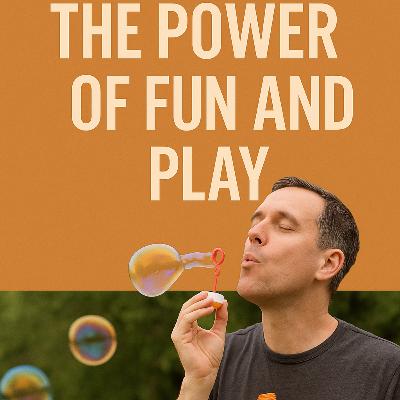
When was the last time you had fun—real, unapologetic, can’t-stop-smiling fun?In this episode of The Human Blueprint Podcast, Laura dives into a moment that stopped her in her tracks: someone circling the word FUN during an exercise about what we need most in our lives right now. That simple choice sparked a powerful realization about how many adults—especially the responsible ones, the achievers, the caregivers, the “strong ones”—have forgotten how to play.This episode explores:✨ Why fun feels uncomfortable for so many adults✨ How high achievers accidentally shut down joy✨ The brain science behind play (and why your nervous system needs it)✨ What fun can look like for serious people✨ How reconnecting with play brings you back to your inner child✨ The truth about guilt, rest, and giving yourself permission to softenLaura also introduces the 30-Day Play & Joy Challenge, packed with simple, playful prompts that help you rebuild your joy muscle one day at a time.If you’ve been feeling burned out, disconnected, too serious, or stuck in survival mode… this episode is your permission slip to laugh, explore, create, and let joy back in.Because you weren’t born just to work and push through.You were born to live, feel, and play.Download the workbook and Fun Challenge here: https://drive.google.com/drive/folders/1uNRvZLqzamip3qxp1UznL1l5V2x0u-P0?usp=sharing
In this episode of The Human Blueprint, Laura Dahl steps behind the curtain to share a side of her expertise you don’t often hear on the show — the business of real estate and the power of thinking bigger. If you hold a real estate license (or dream of getting one), this episode will show you how that single license can unlock time freedom, location freedom, and money freedom.Laura dives into all the ways agents can earn income — from traditional residential and commercial sales to investing, development, property management, and creative side hustles. She shares how joining a company like Epique Realty at its infancy offers rare opportunities for ownership, stock, global growth, and passive income.Discover how to use the tools and systems Epique provides to multiply your income, automate your business, and build a true future nest egg — all while keeping your brand and identity intact.💡 Learn how to:Create multiple income streams with one licenseLeverage automation and AI tools to save time and scaleBuild passive income through recruiting and referralsMaintain your boutique brand while gaining corporate supportAchieve freedom — of time, money, and location — on your terms🎯 If you’re ready to think bigger and build a business that creates lasting freedom, visit lauradahl.epiquerealty.com/join to learn more.
Love, family, faith, community — the ingredients of an ordinary life that’s anything but ordinary.In this episode, Laura Dahl invites listeners into a deeply personal reflection on what it means to be seen, loved, and accepted for who you are. Through honest storytelling, humor, and vulnerability, she reminds us that LGBTQ+ families live parallel lives within the same communities — raising kids, volunteering, supporting the arts, donating to charities, and showing up for their neighbors.This episode is a call to empathy, understanding, and connection. Because at the end of the day, we’re all just trying to live, love, and belong.Quote highlight:“We live among you — in your neighborhoods, your schools, your churches.Different journeys. Same heartbeat. Because we’re not that different after all.”✨ Reflect deeper with the companion workbook:👉 Download The Human Blueprint Workbook🎧 Listen now on The Human Blueprint with Laura Dahl.

Finding Light in Heavy TimesThe world feels heavy right now. Division, tragedy, and the constant stream of news and online debates can leave us drained, anxious, and disconnected from the things that matter most. In this episode of The Human Blueprint, we take a much-needed pause to reset, unplug, and rediscover the simple joys that bring balance and peace.We’ll explore:How constant exposure to negativity impacts our mental healthPractical ways to set boundaries with social media and newsEveryday joys that anchor us in the middle of uncertaintyRefocusing on what we can control versus what we cannotHow to create healing conversations in divided timesSimple grounding exercises, journal prompts, and reset tools you can use right awayThis isn’t about ignoring the world—it’s about finding ways to care for yourself so you can show up with compassion and clarity, even when things feel overwhelming.Take a deep breath with me in this episode, and let’s reclaim some peace, joy, and perspective together.📥 Download the free companion workbook for this episode here: https://drive.google.com/file/d/1awwpBBbAq62tloWmy2LXYu5hosmdmNx9/view?usp=sharing

What happens when kids become the parents?In this episode of The Human Blueprint Podcast, Laura Dahl explores parentification—a hidden role reversal that can shape childhood and echo into adulthood. If you grew up feeling responsible for your parent’s emotions, carrying adult responsibilities too soon, or always being the “fixer,” this episode will resonate with you.The definition of parentification and the two main types: instrumental (practical responsibilities) and emotional (caretaking and support).Common signs a child is being parentified.The short- and long-term effects, from anxiety and lost childhood experiences to struggles with boundaries and people-pleasing in adulthood.How these patterns show up in adult relationships, careers, and daily life.Practical steps for breaking the cycle—including awareness, boundary-setting, and reclaiming your needs.Parentification isn’t about blame. It’s about awareness and healing. By naming it, you take the first step toward rewriting your story and reclaiming your right to be cared for.To support your journey, we’ve created a free companion workbook with a self-assessment quiz, reflection prompts, and practical exercises. Download it here:📕 Parentification Workbook (PDF)Parentification can build resilience, but it also leaves lasting emotional weight.Healing involves small daily practices: asking “What do I need today?”, practicing boundaries, and letting go of responsibilities that aren’t yours.You deserve care, rest, and support—just as much as anyone else.What You’ll Learn:Parentification can build resilience, but it also leaves lasting emotional weight.Healing involves small daily practices: asking “What do I need today?”, practicing boundaries, and letting go of responsibilities that aren’t yours.You deserve care, rest, and support—just as much as anyone else.If this episode resonates with you, please share it with a friend, subscribe to the podcast, and leave a review. Your support helps others find The Human Blueprint Podcast and begin their own journey of healing and growth.
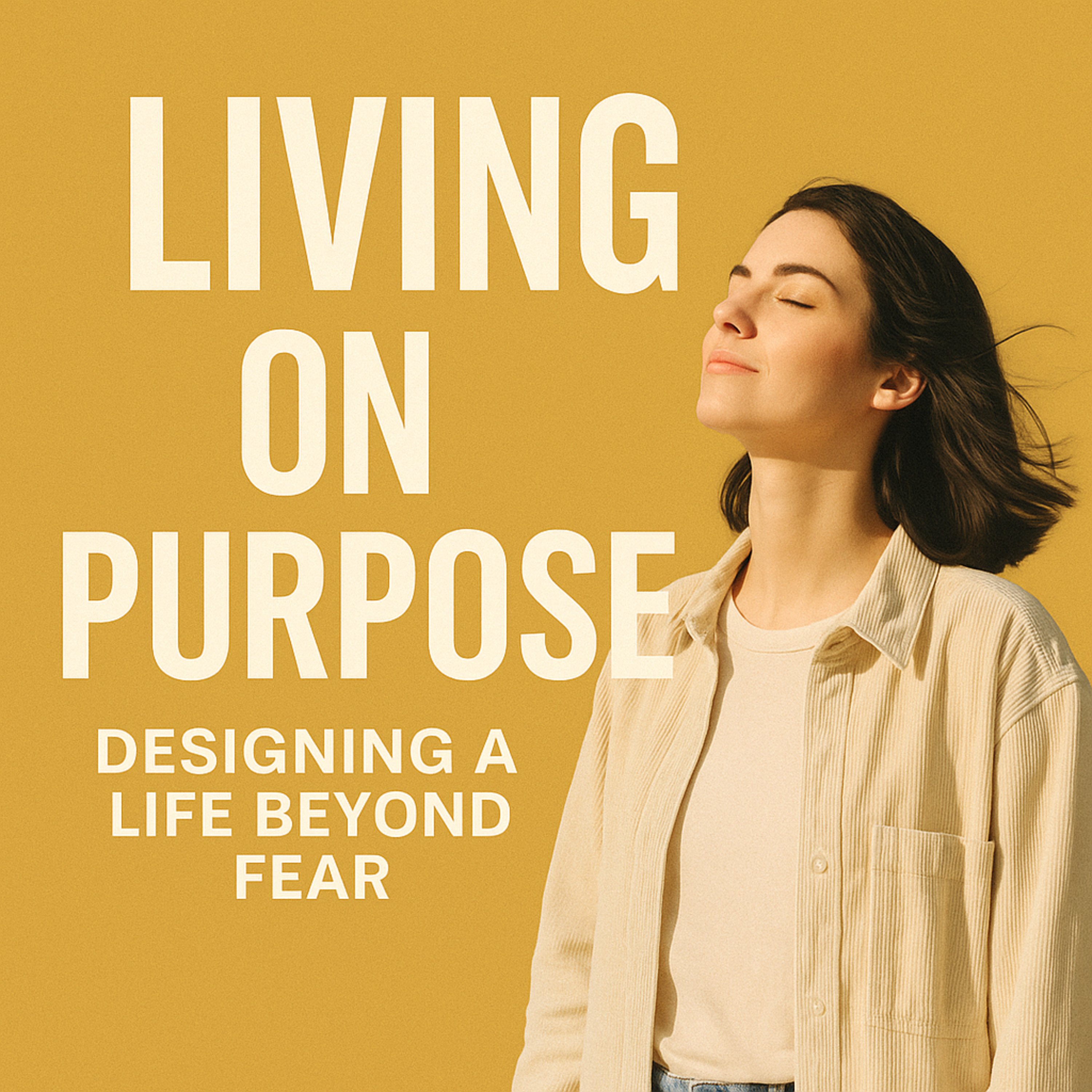
Episode Theme:In a time when the world feels heavy—politics, health, racism, economic fear—it’s easy to slip intosurvival mode.But what if you could design your life instead of just reacting to it?This episode explores how to shift from fear-based living to value-driven intention.It’s about taking back your power.One small choice at a time.Core Message:Fear is loud, but it’s not always right.It can trick you into shrinking.It can keep you frozen, small, or constantly bracing for the next blow.Intention, on the other hand, is steady.It’s quiet—but deeply powerful.It reconnects you with your why, your worth, and your wants.You don’t need the world to calm down for you to live fully.You need clarity. You need courage. You need intention.What You’ll Learn in This Episode:● How fear subtly shapes your daily decisions● What intentional living really looks like (with examples)● Simple tools to help you design your week instead of defaulting to chaos● A full list of value-based intentions to guide your choices● How to make aligned decisions, even when the world feels uncertainFear-Based vs. Intention-Based Living:Fear-Based Living:● Saying yes when you mean no● Staying in relationships, jobs, or patterns because they feel “safe”● Avoiding discomfort at all costs● Consuming media that feeds anxiety● Choosing security over fulfillmentIntention-Based Living:● Asking yourself, “What matters to me today?”● Choosing peace over urgency● Saying the hard thing because honesty matters● Trying the new thing because growth matters● Protecting your energy because your health mattersHow to Start Living with Intention:● Morning Check-In:Ask: “What do I want to feel today?” or “What do I want to stand for today?”● Pick One Value:Anchor your day to it. If it’s honesty, have that tough conversation. If it’s joy, say yes tosomething fun.● Interrupt the Fear Loop:○ Turn off breaking news notifications○ Unfollow energy-draining accounts○ Limit comparison○ Reclaim your attention span● Bookend Your Day:○ Morning: Choose your intention○ Evening: Reflect on how your actions aligned with it️Menu of Value-Based Intentions to Choose From:Use this list daily, weekly, or whenever you need to reset.🎯 Clarity + Growth● Curiosity● Focus● Progress● Boldness● Learning● Vision● Growth❤️ Connection + Compassion● Kindness● Honesty● Presence● Empathy● Love● Support● Community🧘 Calm + Grounding● Peace● Simplicity● Slowness● Rest● Mindfulness● Ease● Trust💪 Courage + Strength● Bravery● Integrity● Strength● Truth● Conviction● Resilience● Confidence🌟 Purpose + Fulfillment● Joy● Creativity● Freedom● Abundance● Adventure● Contribution● GratitudePro Tip: You don’t need to do more. You need to choose better.Let your intention lead.Reflection Questions:● Where in your life are you reacting instead of choosing?● What’s one decision you’re making out of fear?● What value do you want to lead with this week?● What does intentional living look like for you right now?● What’s one small action that reflects the life you actually want?Calls to Action:● Try This: Choose one intention for the next 7 days. Let it guide your choices. Share it with ususing #TheHumanBlueprintIntentions● Download: Grab our free “Intentional Week Starter” worksheet to make this real in your life● Connect: Share this episode with someone feeling overwhelmed● Support the Show: Leave a 5-star review and tell us how you’re living on purposeResources: https://drive.google.com/drive/folders/1Up_zFh6hP5cDXhurgn02RbMrBwpPogUs?usp=sharing

You can be honest and still hide. But you can’t be transparent without being seen.In this episode of The Human Blueprint, we dive into the real difference between honesty and transparency—and why most of us are only scratching the surface.We’ll explore:How honesty and transparency show up differently in real lifeWhy we often avoid transparency (hint: fear of judgment, loss of control, vulnerability)What transparency looks like in work, relationships, parenting, and your personal evolutionHow to start being seen without losing your powerThis isn’t about oversharing—it’s about living and leading without the mask.🔗 Get the free workbook to go deeper: https://drive.google.com/file/d/1iX_IQ9kG0O0BpB9rjYcNe_Zjv_u8By-S/view?usp=sharingLet’s ask the real questions:Where are you being honest but not transparent?What do you think you’re protecting?And what might happen if you just said the truth out loud?If you loved this episode, share it with someone who’s ready to drop the performance and live unfiltered.

Emotional intelligence (EQ) is the skill that shapes how you handle stress, make decisions, and build relationships. In this episode, we explore what EQ really is, why it often matters more than IQ, and how you can strengthen it to improve your life. You’ll learn the 5 key components of EQ, how to recognize emotional triggers, and practical tips to respond (not react), communicate better, and lead with empathy.🎧 Listen now: The Human Blueprint Podcast📥 Get the free EQ Workbook: Download Here

“The Untamed Power of Gratitude” Workbook🌿 Section 1: Exploring Your Relationship With GratitudeReflection QuestionsWrite honestly. There are no right or wrong answers.When you hear the word “gratitude,” what feelings or thoughts come up?Do you ever feel pressure to be grateful, even when things are hard? When?Who taught you about gratitude—directly or indirectly?How has gratitude shown up during the darkest or most difficult times in your life?“Gratitude is not a bypass. It’s a reclamation.”Prompt:Write about a time when you chose to be grateful in a situation others might have seen only as loss or pain.What did that choice shift in you?What were you grateful for and in spite of?Gratitude doesn’t erase grief—it lives alongside it.Journaling ExerciseWhat is something (or someone) you’ve lost recently or are still grieving?Without dismissing the pain, can you find anything you’re still grateful for within that experience?Who is someone you deeply appreciate, but maybe haven’t told in a while?What would you say to them if you were being completely open and specific?Optional Exercise:Write them a letter (you don’t have to send it… but you can).List ExerciseList 3 things you’re grateful for right now, in this moment.List 3 things you’re grateful for that haven’t happened yet.This blends current joy with future hope.🔥 Section 2: Gratitude as Rebellion🤍 Section 3: Grateful and Grieving🤝 Section 4: Gratitude as Connection🌱 Section 5: What’s Present, What’s PossibleLink to Workbook: https://drive.google.com/file/d/13O6t9feXGQZ7QqROkMOQnJ_7Ng-N7sya/view?usp=drive_link

What is Influence?Influence is the ability to affect someone’s thoughts, feelings, or actions.It’s not about controlling others.It’s about inspiring them to take action or trust your guidance.Why Influence Matters in Real EstateBuyers and sellers rely on your expertise to make big financial decisions.They are looking for someone they feel confident following.Influence builds trust faster than facts alone.Example:Two agents give the same market report.The agent who confidently recommends a clear path forward earns the listing.How Realtors Use Influence DailyDuring Consultations: Guiding clients toward realistic expectations.Pricing a Home: Helping sellers understand market value vs emotional value.Negotiations: Persuading the other side to accept terms favorable to your client.Referrals: Influencing people to recommend you to others.Social Media: Building a brand people want to engage with.Positive vs Negative InfluencePositive = Empowering, Educating, Building TrustNegative = Manipulation, Fear Tactics, PressureExample of Positive Influence:Helping a first-time buyer feel confident buying despite fear.Example of Negative Influence:Pushing a buyer into a home they don’t love just to close a sale.How to Strengthen Your InfluenceBe Authentic. People can spot fake energy fast.Be Consistent. Stay active where your audience sees you often.Educate First. People follow those who teach them, not those who sell to them.Show Proof. Share client wins, testimonials, and success stories.Listen More Than You Talk. Understand their real needs before advising.Thought-Provoking Questions for Group DiscussionWhen have you been positively influenced by someone in business? What stood out?Have you ever been negatively influenced? What did you learn from it?How can you shift from “selling” to “guiding” more in your client conversations?What small change could you make this week to increase your influence?
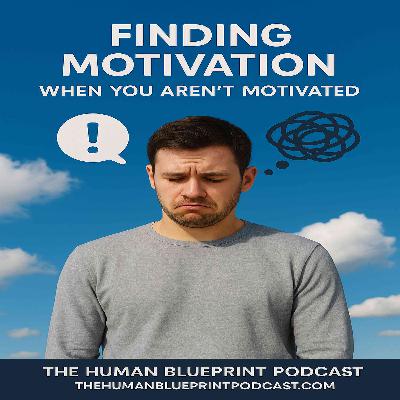
Finding Motivation When You Don’t Feel MotivatedWelcome to the Human Blueprint Podcast.A podcast exploring the framework of personal growth, self-discovery, and resilience.Through relatable stories, humor, and actionable advice, we tackle life’s challenges tohelp you build a life of courage,confidence, and connection.I’m your host, Laura Dahl.Episode Overview:● Everyone struggles with motivation at some point—this is normal● Motivation doesn’t always come first—action often sparks it● Today, we’ll break down how to manufacture motivation when you don’t feel like doing anything● Practical strategies to push through when you’re feeling stuck1. Introduction (3-5 min)● Welcome listeners and introduce the topic● Acknowledge that motivation is fleeting—it’s unrealistic to expect to feel motivated all the time● Personal anecdote: Share a time when you personally lacked motivation but had to pushthrough anyway (e.g., launching a big project, exercising, writing a book, or even just getting outof bed some days)● Tease upcoming strategies:○ “Today, I’ll share how to create motivation when you don’t have any, the science behindgetting started, and practical tips you can implement right away.”Engagement Question: When was the last time you felt unmotivated? How did you handle it? Dropme a message or comment—I’d love to hear!2. Understanding Motivation (5-7 min)The Myth of Constant Motivation● Many people believe that successful or productive people are always motivated—this is false● Motivation is a feeling, and feelings fluctuate● Example: A professional athlete doesn’t wake up every day feeling excited to train, but they doit anyway because they rely on systems, habits, and disciplineIntrinsic vs. Extrinsic Motivation● Intrinsic Motivation: Driven by personal satisfaction or growth○ Example: Writing a book because you love storytelling○ Example: Running because it makes you feel mentally clear● Extrinsic Motivation: Driven by rewards, recognition, or consequences○ Example: Meeting a work deadline because your paycheck depends on it○ Example: Cleaning the house because guests are coming overKey Takeaway: You don’t have to wait for motivation—sometimes external factors can be the spark toget started.3. How to Manufacture Motivation (10-15 min)A. Take Action First—Action Creates Motivation● Motivation often follows action, not the other way around● Example: Instead of waiting to feel like working out, put on your workout shoes and commit tojust 5 minutes—most of the time, you’ll keep going● Psychological concept: The Zeigarnik Effect—our brains don’t like unfinished tasks, so oncewe start something, we feel compelled to finish itB. Reduce the Activation Energy—Make It Easy to Start● Lower the barrier to entry so the first step is easy● Examples:○ Want to start reading more? Keep a book by your bed, open to the page you left off○ Want to eat healthier? Prep snacks ahead of time so you’re not tempted by junk food○ Want to write every morning? Have your laptop open with a blank doc ready the nightbeforeC. Habit Stacking—Attach New Actions to Existing Habits● Developed by James Clear in Atomic Habits● Pair a new habit with something you already do consistently● Examples:○ After I make my morning coffee, I will journal for 2 minutes○ After I brush my teeth at night, I will do 10 squats○ After I check my email, I will send one outreach messageD. The 2-Minute Rule—Start Small to Avoid Overwhelm● Break down big goals into tiny, manageable steps● If something feels overwhelming, shrink it● Examples:○ Instead of “I need to clean the house,” start with “I’ll wipe down one counter”○ Instead of “I need to write a chapter,” start with “I’ll write one sentence”○ Instead of “I need to work out,” start with “I’ll stretch for two minutes”Why it works: Once you start, your brain shifts from “I have to” to “I’m already doing this.”E. The Power of Accountability & Environment● Your surroundings influence your motivation more than you think● Examples of environment hacks:○ If you want to eat better, remove junk food from your home○ If you want to read more, surround yourself with books○ If you want to work out, lay out your gym clothes the night before● Examples of accountability hacks:○ Tell a friend your goal and ask them to check in○ Join a group (online or in-person) with like-minded people○ Commit publicly (post on social media that you’re starting something)4. Overcoming Common Motivation Blocks (8-10 min)A. Procrastination & Perfectionism● Many people don’t start because they think they need to do it perfectly● Example: You don’t need the perfect gym outfit or the best equipment—just start moving● Strategy: The 15-minute rule—set a timer and commit to doing something for 15 minutes.Often, you’ll keep goingB. Burnout & Exhaustion● Sometimes a lack of motivation is actually a sign that you need rest● Example: If you’re drained, motivation won’t come—schedule intentional recovery time● Strategy: Try the 80/20 rule—focus on the tasks that bring the most results rather than trying todo everythingC. Fear of Failure● Fear keeps many people from even starting● Example: If you’re afraid to launch a business, write down the worst-case scenario—often, it’snot as bad as your mind makes it seem● Strategy: Reframe failure as data—each failure teaches you something, and every attemptbrings you closer to success5. Practical Takeaways & Challenges (5-7 min)● Recap the key points:○ Motivation isn’t something you wait for—it’s something you create○ Start small, take action first, and lower the barrier to entry○ Use habit stacking and accountability to stay on track○ Address common blocks like procrastination, burnout, and fearChallenge for Listeners:● Pick one strategy from today’s episode and commit to trying it for the next week● Example prompts:○ Set a 15-minute timer for a task you’ve been putting off○ Try habit stacking—attach a new habit to an existing one○ Reduce activation energy—make it easier to startEngagement:● “Let me know what worked for you! Tag me on Instagram or send me a message—I’d love tohear your experience.”6. Closing (3-5 min)● Thank listeners for tuning in● Next week’s episode teaser: Give a hint about the next topic● Call to action:○ If you enjoyed this episode, subscribe, leave a review, and share it with a friend○ Encourage engagement: “What helps you find motivation when you’re feeling stuck?Message me—I’d love to feature your ideas in a future episode.”

What if ADHD isn’t a deficit—but a set of hidden strengths?In this episode of The Human Blueprint, we reframe ADHD as a superpower. Laura shares personal stories and practical tools to help you stop fighting your brain and start using it to your advantage.You'll learn how to:Recognize traits like hyperfocus, creativity, and adaptability as assetsTurn distraction into curiosity and impulsivity into bold actionBuild systems that work with your brain, not against itUse strategies like body doubling, gamifying tasks, and energy sprints to stay productivePractice self-compassion while embracing your own rhythmThis episode is for:Adults with ADHD ready to harness their strengthsSupporters of someone with ADHDCreatives, entrepreneurs, and professionals wired differentlyADHD isn’t a flaw. It’s a different operating system. And once you understand how it works, it can change everything.Workbook and accompanying exercises can be found here: https://drive.google.com/file/d/1NHoSTwKKYcIgTJ_NF1r6TfbOoY34FjRC/view?usp=sharing

Mel Robbins’ Let Them philosophy is powerful but does it apply to everything? In this episode of The Human Blueprint Podcast, I dive into the distinction between letting go and setting boundaries. While we can’t control others, we also don’t have to tolerate disrespect, toxicity, or negativity.I’m done with keyboard warriors, polarizing rhetoric, and the culture of unchecked nastiness. In this episode, i’ll break down: When “letting them” brings peace vs. when it enables harmThe importance of boundaries in real life and onlineHow to push back against toxicity while protecting your energyLet’s talk about what we should and shouldn’t tolerate. Where do you need to draw the line? Drop a comment and let’s discuss!Don’t forget to like, subscribe, and share if this episode resonates with you!

Friendships are more than just social connections. They are essential to our well-being, happiness, and personal growth. In this episode of The Human Blueprint Podcast, we dive into the different types of friendships we all need in our lives, from the Cheerleader who lifts you up to the Truth-Teller who keeps you grounded.We’ll explore how to identify the roles your friends play, the importance of nurturing meaningful relationships, and how to let go of those that no longer serve you. Plus, discover practical tips to build stronger, healthier connections and reflection prompts to evaluate your current friendships.What You’ll Learn in This Episode:1. The six types of friendships and the unique roles they play in your life.2. Why friendships are vital to your emotional and mental well-being.3. How to strengthen your friendships through intentionality and communication.4. When it’s time to let go of toxic or unfulfilling relationships.5. Practical steps to create the friendships you’ve always wanted.Reflection Questions:What kind of friend are you to others?Are there gaps in your circle of friends?Which friendships bring you the most joy, and how can you nurture them?Free Resource: Download the Friendship Reflection Workbook for exercises, prompts, and actionable steps to evaluate and enhance your friendships: (https://docs.google.com/document/d/1iaBQ-KhtxjpBc26YkqKq4PQzoDX_zRSDRPSEdFM7AjM/edit)

What does it mean to truly be independent and self-reliant? In this episode of The Human Blueprint Podcast, we explore the power of independence and how to cultivate self-reliance in every aspect of life. From trusting yourself to overcoming common barriers like fear and self-doubt, this episode is packed with actionable advice to help you stand strong on your own two feet.What You’ll Learn in This Episode: 1. What independence and self-reliance really mean and how they apply to your life. 2. Why trusting yourself is key to confidence, fulfillment, and personal growth. 3. Common barriers to independence and how to overcome them. 4. Practical steps to develop independence and take ownership of your choices. 5. Real-life examples of independence in relationships, finances, work, and emotional well-being.💡 Reflection Questions: • What does independence mean to you? • Where do you feel overly dependent, and how can you shift toward self-reliance? • What fears or beliefs are holding you back from taking ownership of your life?📥 Download the Independence and Self-Reliance Workbook: https://drive.google.com/file/d/1gj3w0jC_XD5w4seSrIFqQ1fe9dQsUscZ/view?usp=drivesdkStart building your strength from within today!

Comments

Download from Google Play

Download from App Store
 United States