


 Claim Ownership
Better World With Design
Subscribed: 1Played: 2
Subscribe

© 2025
Description
The Better World With Design (BWWD) podcast is where I, Gary Crossey, explore the intersection of design and music, creativity, and personal growth. In each episode, I combine my web design expertise with authentic storytelling, featuring deep dives into music discoveries, photography, writing, and the arts. Drawing from a rich visual aesthetic of deep blues, forest greens, and warm grays, the show feels like opening a well-worn leather notebook filled with creative insights and artistic discoveries. From curated playlists to in-depth music reviews, I share personal anecdotes, lessons learned, and behind-the-scenes glimpses of the creative process. The podcast is crafted for thoughtful professionals who appreciate both technical expertise and artistic expression, delivering content that's authentic, crafted, and professional. Whether you're a designer, developer, musician, photographer, or creative professional, each episode offers valuable insights while maintaining a genuine, conversational tone that resonates with my audience.
13 Episodes
Reverse

Settle in for a deep dive into one of electronic music's most transformative moments. This episode explores the birth and evolution of acid house—a genre that altered the course of music history.We trace the origins of that distinctive squelchy TB-303 sound from Chicago in 1987, examining Phuture's seminal "Acid Trax" and the accidental discovery that launched a movement. But the story goes deeper: we investigate earlier appearances of the 303's characteristic sound and question the accepted timeline of acid house's genesis.From Chicago warehouses to Manchester's Hacienda, from Ibiza's beaches to underground raves across the UK, this episode charts how a misused bass synthesizer became the voice of a generation and sparked a cultural revolution that continues to resonate today.Topics covered:The Roland TB-303 bass synthesizer and its unintended purposePhuture's "Acid Trax" and the Chicago origins storyThe UK acid house explosion and the Second Summer of LoveWarehouse culture and the birth of raveThe technology behind the sound: 808s, 909s, and analog synthesisAcid house's lasting influence on electronic musicPerfect for: electronic music enthusiasts, music historians, producers, DJs, and anyone interested in how technology and culture intersect to create revolutionary art forms.

Join Gary Crossey as he kicks off 2026 with a deep dive into Better World With Design's new direction. This episode explores the decision to center marginalized voices through the Voices from the Margins series, examining why representation matters, how design shapes justice, and what it means to build with intentionality. Discover the year's content strategy, thematic focus areas, and the personal journey that led to this shift in purpose.

In this episode of Better World with Design, host Gary Crossey explores Sara Ahmed's groundbreaking work Queer Phenomenology: Orientations, Objects, Others. This dense but rewarding philosophical text challenges us to rethink how we orient ourselves in the world, and how people design spaces around normative assumptions.Gary shares his honest experience wrestling with Ahmed's challenging ideas, from her insights into lesbian networks and queer women's experiences to her analysis of how heteronormativity functions as a spatial arrangement rather than just a sexual orientation.Key Topics Covered:Understanding orientation as both spatial and sexualDesigners make assumptions about whose bodies belong when designing spaces.The concept of "straightening devices" in design and systemsApplications to disability studies, critical race theory, and trans studiesContemporary relevance to AI, algorithms, and digital spacesClimate crisis and ecological reorientationDesign implications for creating more just and inclusive spacesWhether you're a designer, architect, technologist, or anyone interested in creating more equitable systems and spaces, this episode offers essential frameworks for understanding how design choices become orientation devices that shape whose movements are easy and whose require constant navigation.
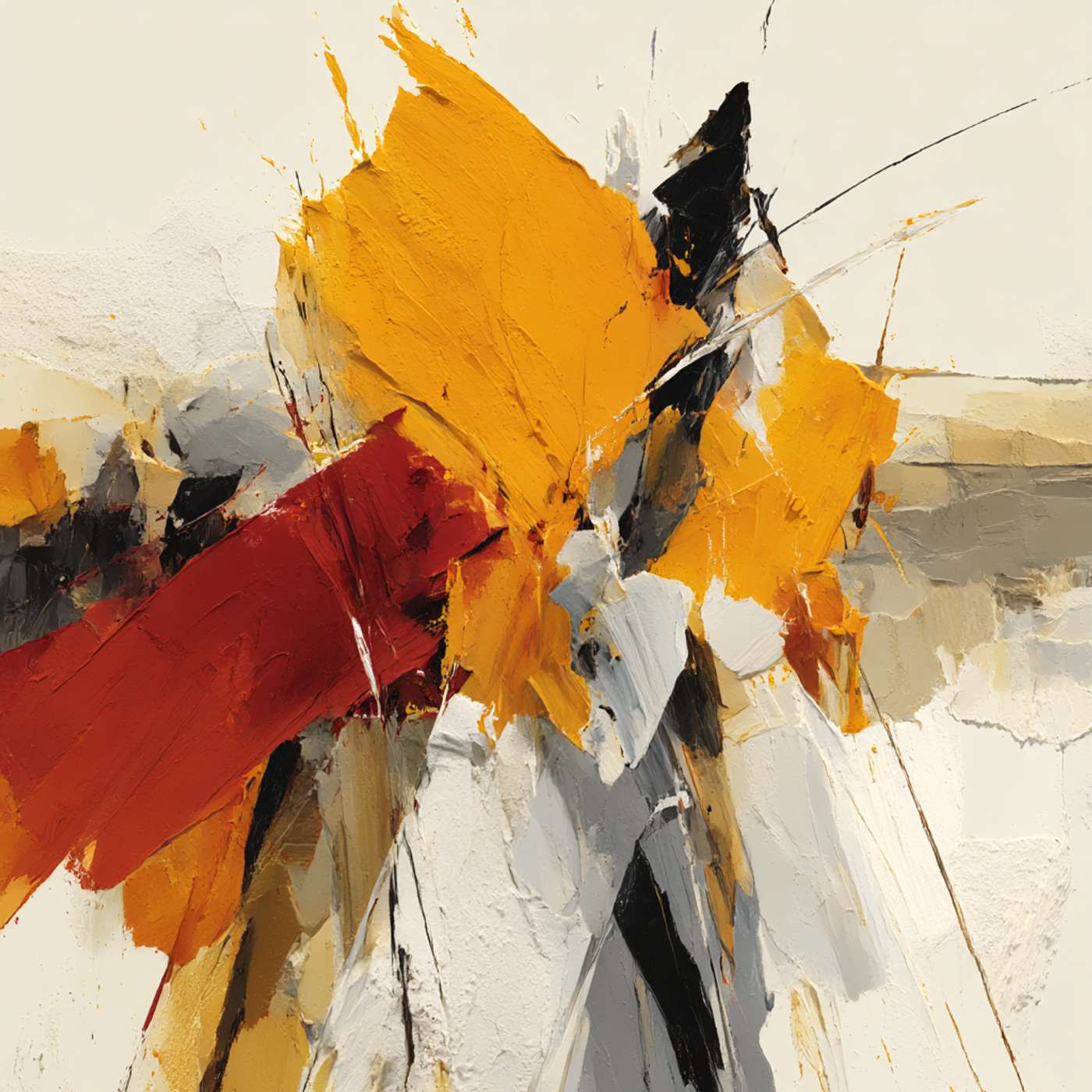
Join us for a fascinating deep dive into the life and legacy of Willem de Kooning, the Dutch-American painter who redefined Abstract Expressionism and broke all the rules. This episode explores his contradictions as an artist, the infamous $160 million art heist of his painting "Woman-Ochre," and the philosophical questions raised by his work during the onset of Alzheimer's disease. Discover the untold story of how a stolen masterpiece ended up in a bathroom in rural New Mexico, and what it all means for our understanding of art, possession, and creative genius.🎧 Listen now on the Better World with Design podcast!🌐 Visit our website for show notes, resources, and more: www.betterworldwithdesign.com
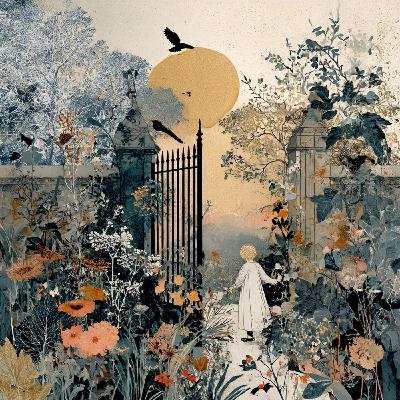
When a giant walls off his garden, winter settles in for good—until one small act of welcome changes everything. In this immersive reading of Oscar Wilde’s “The Selfish Giant,” you’ll hear gentle sound design, a faithful performance of the text, and a warm reflection on why this simple fairy tale still melts hearts today. We connect this story to our earlier Oscar Wilde episode, The Canterville Ghost, showing how Wilde pairs wit with compassion and why his work matters now more than ever.Why Wilde? Born in Dublin and beloved for his dazzling language and humane insights, Wilde championed beauty, kindness, and the dignity of outsiders. That’s why I keep returning to him—and why I love this tale in particular: it’s a parable you can feel, where generosity opens the gate and spring follows.If this story brings a bit of spring to your day, follow the show, share the episode with a friend, and queue up The Canterville Ghost next for Wilde’s humor and heart in full glow.
In this episode of Better World with Design, host Gary Crossey takes you on an in-depth journey through Porridge Radio's 2024 album "Clouds in the Sky They Will Always Be There for Me." This isn't your typical music review—it's an honest, unvarnished conversation about what makes this record work, where it falls short, and why emotional authenticity matters more than sonic innovation.We explore Dana Margolin's raw vocal performances, the album's refusal to romanticize mental health struggles, and its treatment of recovery as ongoing work rather than a triumphant destination. From the isolation captured in "Anybody" to the vulnerable peak of "Wednesday," we examine how Porridge Radio documents depression and the choice to move forward with uncomfortable honesty.This episode is for listeners who value emotional directness in their indie rock, who want to hear difficult feelings articulated without euphemism, and who appreciate art that refuses to lie about how hard it is to be human. Whether you're already a fan or discovering Porridge Radio for the first time, this deep dive offers fresh perspective on contemporary indie rock's relationship with mental health, vulnerability, and the messy work of choosing to love life again.Rating: 7.5/10 - A solid, emotionally honest record that succeeds through directness and commitment to feeling, even when the sonic palette feels overly familiar.

In this episode, Gary Crossey examines Norman Ohler's "Blitzed: Drugs in the Third Reich," which reveals the widespread drug use in Nazi Germany during World War II. The book explores how methamphetamine, cocaine, and opioids were used by soldiers, leaders, and civilians to fuel the German war machine. Particular attention is given to the transformation of substances from "miracle medicines" to dangerous drugs, and the troubling parallels with modern pharmaceutical and enhancement cultures.

This episode of "Better World with Design" examines Bruce Goldfarb's "18 Tiny Deaths" and reveals how Frances Glessner Lee's innovative dioramas revolutionized crime scene investigation. We explore how her unique approach combined craft skills with scientific methodology to transform an entire field, creating lasting impact through thoughtful design interventions.
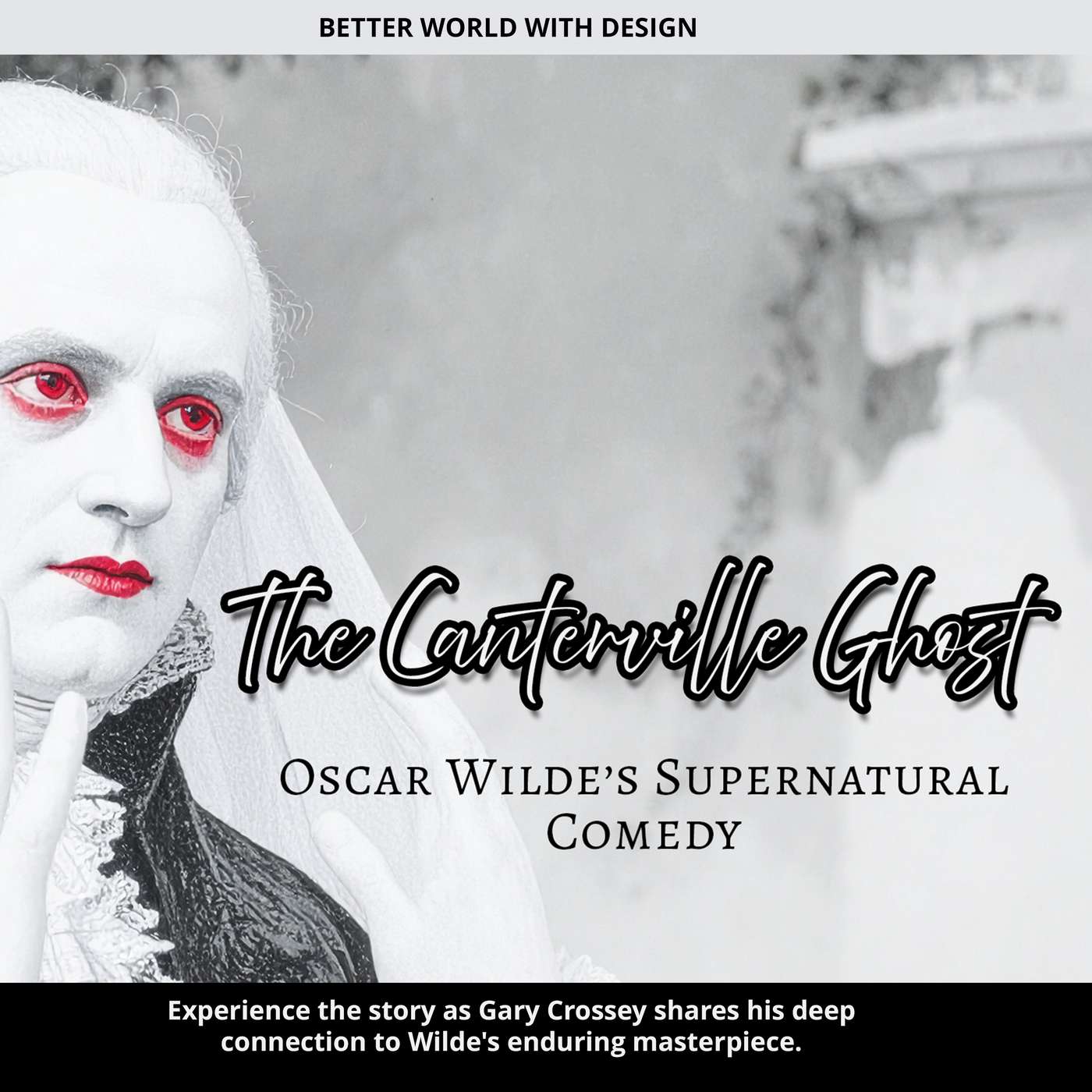
Join Gary Crossey for a complete reading of Oscar Wilde's beloved supernatural comedy "The Canterville Ghost." This episode features:Opening Commentary - Personal reflections on discovering Wilde's works along Florida railway tracks and connections to Northern IrelandComplete Reading - The full unabridged text of "The Canterville Ghost"Closing Thoughts - Analysis of Wilde's brilliant blend of humor, heart, and cultural satireFirst published in 1887, "The Canterville Ghost" tells the story of an American family who moves into a haunted English country house. When the pragmatic Americans refuse to be frightened by the centuries-old ghost, Sir Simon de Canterville finds himself increasingly frustrated by their modern attitudes and practical solutions to his supernatural antics. What begins as a witty satire on American and British culture evolves into a moving tale of redemption through love and courage.This reading captures both the comedic elements and the deeper themes of forgiveness and cultural understanding that make Wilde's story timeless. Whether you're a longtime fan of Wilde or discovering his work for the first time, this complete audio experience brings "The Canterville Ghost" vividly to life.Listen time: Approximately 90 minutesContent note: Suitable for all audiences, contains mild supernatural themes.
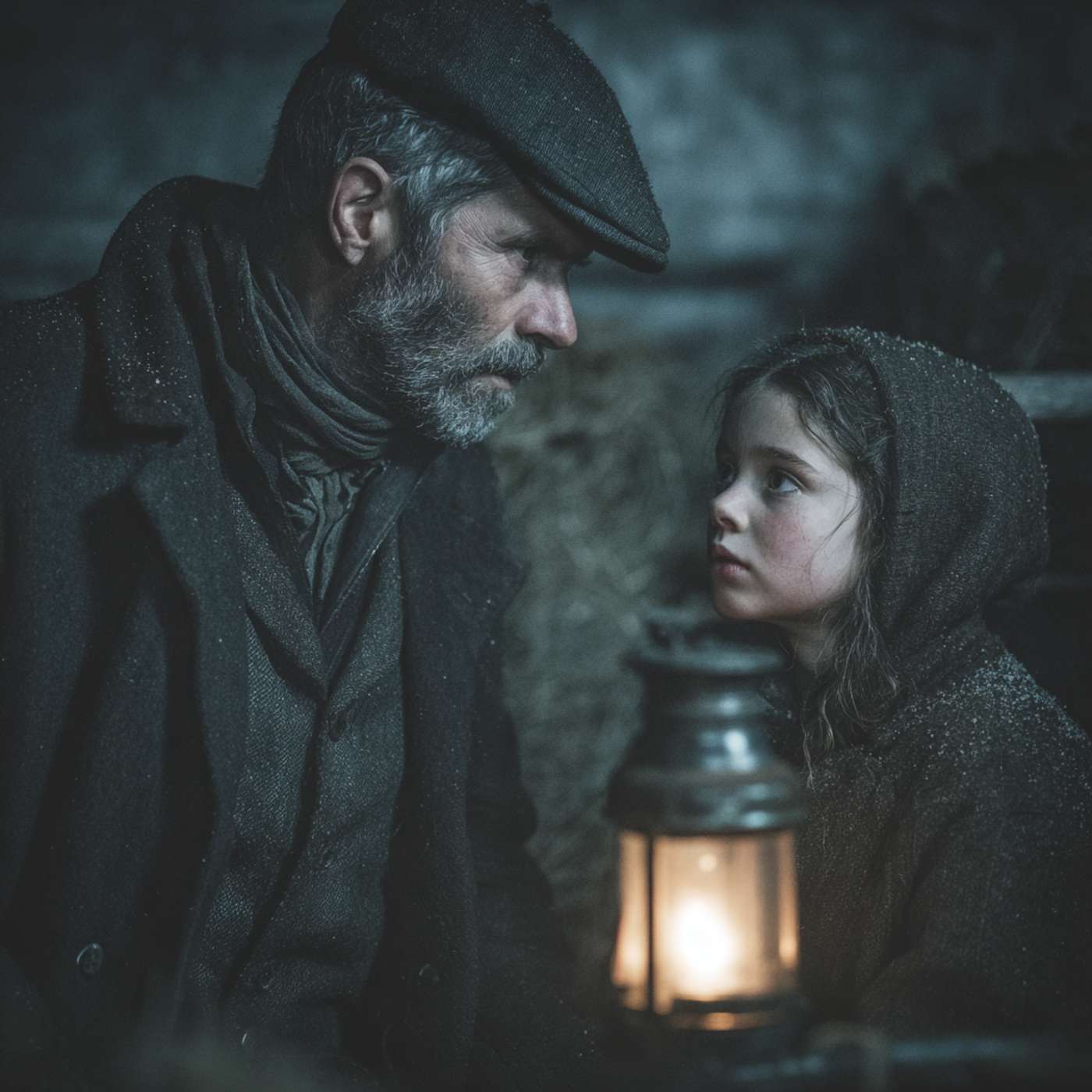
POWERFUL AND HAUNTING: In this podcast, Gary Crossey takes you inside Claire Keegan's masterful novella "Small Things Like These," where one man's moral choice challenges generations of institutional abuse in 1980s Ireland. With personal stories and unflinching honesty, Crossey connects Ireland's traumatic past to the uncomfortable silences we maintain in our own communities today. A must-listen exploration of complicity, courage, and the moments that define our humanity.What would you risk to stand against an entire community's willful blindness? Gary Crossey's passionate analysis of "Small Things Like These" examines how Bill Furlong's simple act of defiance illuminates our own moral responsibilities. Through vivid storytelling and raw emotional insight, Crossey reveals how Keegan's work transcends literature to become a powerful call to action against injustice in our everyday lives.

Join host Gary Crossey for an in-depth analysis of Lola Young's haunting track "dealer." In this episode, we explore the song's raw emotional landscape, examining themes of addiction, dependency, and the complicated desire for escape. Through careful lyrical analysis, we unpack how Young masterfully captures the paralysis of emotional distress, the isolation of modern urban life, and the cyclical nature of destructive patterns.This episode breaks down:The emotional vulnerability and rawness in Young's vocal deliveryHow temporal and spatial references create a rhythm of desperation throughout the songThe tension between self-awareness and persistent emotional attachmentThe profound inertia that accompanies emotional exhaustionModern urban isolation as depicted through minimalist imageryThe brilliance of the song's circular structure and unresolved endingWhether you're a longtime fan of Lola Young or discovering her music for the first time, this episode offers insights into how contemporary artists are pushing the boundaries of emotional expression in popular music.

Join host Gary Crossey as he explores timeless philosophical ideas and applies them to modern life. Each episode unpacks complex ideas from history's greatest thinkers and makes them relevant to today's challenges in design, technology, and society.

Join me on a candid, track-by-track journey through The Cure's brand new 2025 remix album, 'Mixes Of A Lost World.' In this episode, I share my honest, fan-driven review of all 24 remixes from their acclaimed 'Songs of a Lost World' LP.From the initial disappointment with the early singles (looking at you, Paul Oakenfold and Four Tet!) to the unexpected, genre-bending triumphs by Meera, Âme, and Mental Overdrive, this album is a true mixed bag. We'll explore the moments where remixers bravely transformed The Cure's sound into 'Ibiza tunes' and 'uplifting bangers,' and even where some 'out-Cured The Cure' by hitting on core elements of their sound in new ways.But not every remix hits the mark. I'll dive into the tracks that fell flat, felt uninspired, or simply couldn't sustain engagement across the album's lengthy runtime. With only 11 out of 24 tracks making my personal 'liked' playlist, we'll discuss whether such a sprawling collection truly serves the music or modern streaming algorithms.Beyond the music, we'll acknowledge the commendable charitable aspect, with all royalties benefiting War Child UK. Tune in for an unfiltered perspective on this ambitious, yet inconsistent, new chapter from Robert Smith and co.
Comments


Download from Google Play

Download from App Store
 United States