


 Claim Ownership
Janne Parri | Webflow and Friends
Subscribed: 1Played: 2
Subscribe

© Janne Parri
Description
I’m Janne Parri, your Webflow Wingman from Finland. In this podcast, I chat with designers, developers, and creative minds from around the world about Webflow, freelancing, and the creative life.
44 Episodes
Reverse
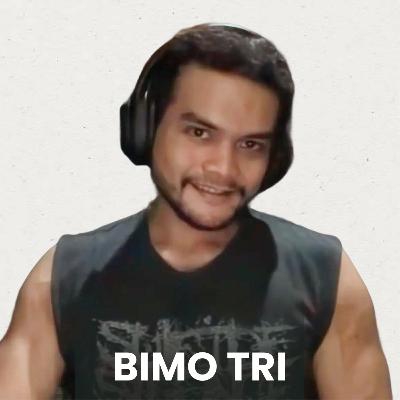
I sat down with Bimo Tri to talk about custom code and GSAP in Webflow. Bimo walked me through his shift from funnel building to creative development, and how he thinks about the balance between design and code. We covered how he works with clients, the role of art direction in his projects, and why he uses social media to connect with other developers. We also talked about design awards, whether they matter, and where Webflow and AI are headed. Bimo's take is simple: focus on enjoying the work instead of chasing recognition. We also spent time on the Webflow community in Indonesia and how it's developing.Check out Bimo:https://www.bamoj.com/https://www.linkedin.com/in/bamoj/https://www.instagram.com/bamojk/

I sat down with Uros Mikic, CEO and founder of Flow Ninja, to talk about what it really takes to build and scale a Webflow agency. We cover sales without shortcuts, why positioning still matters, how Flow Ninja grew from small freelance projects to enterprise clients, and why founders do not need to stay on sales calls forever. We also get into branding in the age of AI, value based pricing, enterprise Webflow projects, and what actually differentiates agencies today. A practical conversation for anyone building or growing an agency on Webflow.Check out Uros & Flow Ninja:https://www.youtube.com/@UrosMikicFlowNinjahttps://www.instagram.com/flowninjastudio/https://www.flow.ninja/Also Mentioned:FlowConf: https://flowconf.flow.ninja/Balkan Garage: https://www.youtube.com/@BlknGarageOpen positions at Flow Ninja: https://www.flow.ninja/careers#open-positionsClaude: https://claude.ai/Timestamps:00:00 teaser00:29 Humble Beginnings05:36 Intros & Next Steps for Flow Ninja10:11 The Role of AI in Web Development16:02 Practical AEO20:18 R&D at Flow Ninja23:51 Secret to Sales32:39 Retainers & Ongoing Contracts36:47 What Do Enterprise Clients Want?40:23 Becoming and being an Enterprise Partner44:14 Frameworks & Components47:35 Nerding Out on Spacing and Design Consistency49:05 FlowConf & Growing a Community Event55:37 Webflow Community Updates and Support57:43 Balkan Garage & Business Culture in Serbia01:01:12 Time Management and Discipline in Entrepreneurship01:03:07 Talent Needs & Finding the Right People01:05:22 Weird Finnish Thing

In this episode, I sit down with Hal Zeitlin to unpack what Webflow Enterprise really means in practice. We talk about scalability beyond the basic Webflow builds, how enterprise needs change the way websites are built, and why components and design systems are at the core of sustainable Webflow projects. Hal shares how larger companies evaluate Webflow against traditional DXPs, why planning matters more than most teams expect, and how tools like Form Connector simplify real-world integrations.Check out Hal:https://www.linkedin.com/in/halzeitlin/https://www.candidleap.com/Timestamps00:00 Teaser00:53 Exploring Webflow Enterprise Plans04:23 Should Webflow Focus on Enterprise Clients?06:28 Platform Competition on Enterprise Level11:30 Intros & What Marketers Want14:01 What is a Truly Scalable Website?16:14 Planning and Strategy in Webflow Projects21:39 What Happens in Figma?28:13 Training the Clients32:05 The Framework Question35:11 New Component Visibility Features36:57 Building Resources for Intermediate Developers40:24 PolicyMe Case42:37 Apex Example (screenshare)46:26 Innovative Component-Based Solutions51:44 The Business of Migrations01:02:03 Form Connector App01:04:44 Demo of Form Connector (screenshare)01:10:05 The Future of Form Connector01:13:39 What Can Be Predicted from WF Job Postings01:19:06 Closing Thoughts01:20:56 Weird Finnish Thing
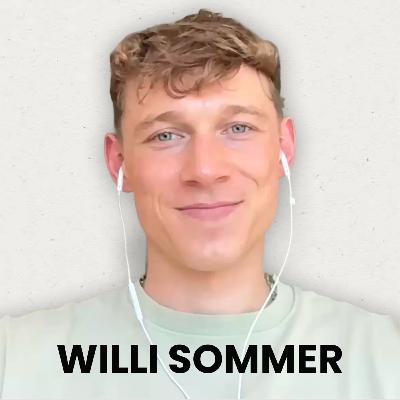
In this episode, I talk with Willi Sommer about selling Webflow work as a subscription, why simplicity matters in landing pages, and how to keep focus when building for conversion. We cover what works and what doesn’t in subscription models, component-first Webflow builds, and managing bigger clients. We also touch on personal branding on LinkedIn, working remotely while traveling, and lessons learned from working with larger teams.
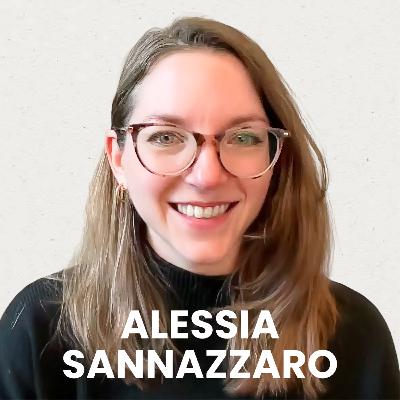
In this episode, I sit down with Alessia Sannazzaro managing director of Code & Wonder, to talk about component-first building in Webflow and why it’s here to stay.We dig into Alessia’s thinking behind a component-first approach: reducing the need for class naming, using variants instead of classes, and making Webflow sites easier and safer for clients to edit. We also talk about open vs closed components, where current Webflow limitations still exist, and how close we are to building a true “website builder inside Webflow.”Beyond frameworks, Alessia shares how Code & Wonder transitioned from WordPress to Webflow during the pandemic, how they think about client education, and where they see Webflow heading next.Check out Alessiahttps://www.linkedin.com/in/alessia-sannazzaro/https://x.com/ale_sannazzarohttps://www.instagram.com/ale_sannazzaro/https://www.codeandwander.com/Also mentionedCode & Wonder: https://www.codeandwander.com/BLOCKS framework: https://webflow.com/made-in-webflow/website/blocks-frameworkWebflow AEO: https://webflow.com/solutions/aeoTimestamps00:00 Teaser00:55 BLOCKS framework10:57 Intros & Code & Wonder backstory16:29 Future of Webflow and Component Limitations26:55 The Developer Features37:01 Transitioning from SEO to AEO41:30 Finding and Vetting Freelancers44:46 The Discovery Phase in Projects48:51 Insights on the Webflow Partner Program58:14 Mentorship and Community Engagement01:05:12 Weird Finnish Thing
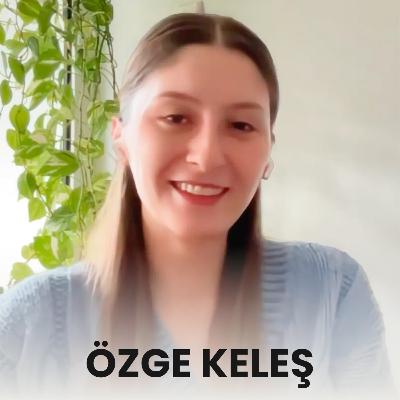
In this episode, I talk with Özge Keleş about her non-linear path into web design. Before Webflow, she explored architecture, graphic design, motion design, and even video editing. She was trying things out until web design finally clicked.We get into the realities of freelancing versus agency work, what agency life taught her about client relationships and boundaries, and why design often feels harder than development. Özge shares how she approaches projects through mood, structure, and motion, why she sees design as a process rather than an outcome, and how her architectural background still shows up in her work.We also talk about failure, doubt, community, and the ongoing challenge of designing your own portfolio, especially when your taste keeps evolving. If you’re navigating multiple creative paths or trying to balance design and development, this one will feel very familiar.Check out Özge: https://www.ozgekeles.com/ https://www.linkedin.com/in/ozge-keles-webflow/ https://webflow.com/@ozgedesignsTimestamps 00:00 teaser 00:33 From Agency to Freelancing 05:24 The Journey to Web Design 09:33 Balancing Design and Development 15:55 Design Process and Client Interaction 22:51 Incorporating Motion and Effects 25:15 Exploring Design Styles and Influences 28:44 Client Acquisition and Social Media Presence 31:14 Global Clientele and Local Communities 35:25 Navigating Client Relationships 39:23 Embracing Failure and Learning 42:07 Development Frameworks and Tools 48:27 Collaboration and Outsourcing in Design 51:39 The Joy of Design vs. Development 53:17 Specialization vs. Variety in Web Design 56:05 Crafting a Unique Portfolio 01:03:58 Advice for Aspiring Web Designers 01:07:43 Weird Finnish thing

In this episode, I talk with Jack Redley about what he learned from making 100+ episodes of Webflail. We get into why he decided to stop the podcast, what freelancing really looks like after the hype, and how his thinking around niching, pricing, and clients has changed over time. We also talk about trying to build a studio, why that path didn’t stick for him, and how community and side projects have shaped his work. Along the way, Jack shares recurring themes he kept hearing from Webflowers, his take on where Webflow is heading, and why doing the work matters more than talking about it.Check out Jack jackredley.design LinkedIn Instagram XTimestamps 00:00 teaser 00:18 End of Webflail? 06:46 The Love-Hate Relationship with Freelancing 10:59 Finding Your Own Thing in Web Design 12:53 Niching 15:47 The Importance of Experimentation 21:30 Chasing Money 26:00 The Balance of Project Scope and Payment 34:49 Understanding Day Rates vs. Hourly Rates 37:05 Setting Boundaries with Clients 40:16 Saying No to Old Clients 42:55 The Importance of Communication 47:32 Talking About the Price 51:31 Key Themes from Webflail Interviews 58:57 On Doing Weird Sites and Videos About Those 01:02:54 Should Web Designers Have a Style? 01:06:00 The Evolution of Webflow 01:12:59 Navigating Changes in the Webflow Ecosystem 01:15:17 Meetups & Events 01:21:43 Lessons from Building a Studio 01:29:08 Reflections and Gratitude 01:31:30 Weird Finnish Thing

In this episode, I sit down with Raymmar Tirado to talk about how communities change and why they matter. We get into the shift from the early, organic Webflow days to the more curated, enterprise-leaning era, and why that shift changed the energy for many creators.Raymmar walks me through what he has been doing after Finsweet, the projects he has explored, and how community has shaped all of it. We talk about why in-person meetups still matter, how to start one from scratch, and why the people in the room decide whether a community grows or dies.We also get into ownership, governance, and what it means to build something that isn’t controlled by a single platform. Raymmar breaks down the role of attention, trust, and content for freelancers, and why hitting “publish” is still the hardest and most important step.This is a wide, honest conversation about community, creativity, and taking agency in your work.Check out Raymmar: https://raymmar.com/ https://x.com/raymmar_ https://www.linkedin.com/in/raymmar/ https://www.instagram.com/raymmar/Timestamps: 00:00 – Teaser 00:22 – Webflow Communities, what happened? 03:46 – The Rise of Vibe Code and New Tools 06:45 – Does Webflow have a place? 08:06 – Intros & What Raymmar has done since Finsweet 11:31 – Building Products 17:42 – The Importance of Community in Product Development 21:42 – Trust and Community in Business 25:57 – Examples of Successful Community Models 27:19 – Person as an Image of a Company 32:41 – The First Contract 35:47 – Finding the Right Community 40:52 – The Power of In-Person Connections 43:59 – Starting Your Own Event 48:14 – Creating a Welcoming Atmosphere for Networking 52:41 – Understanding Community Ownership and Dynamics 01:00:25 – Hope for the Future: The Evolution of Online Communities 01:03:18 – The Power of Local Politics 01:08:31 – Engagement and Community Responsibility 01:10:29 – The Role of Content Creation 01:15:02 – Overcoming Fear in Content Creation 01:16:15 – Chesterton's Fence: Understanding Society 01:19:35 – Finding Opportunity in Adversity 01:28:26 – The Finnish thing 01:30:08 – Check Out Raymmar
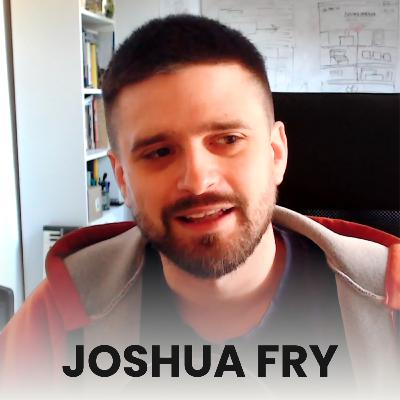
In this episode, I sit down with Joshua Fry to talk about freelancing, UX, and how he added Rive to his service stack almost by accident. Joshua walks through his path into independent work, how UX has changed over the years, and why a strong discovery phase keeps projects on track. We talk about communication, client relationships, and getting started in freelancing.Joshua also explains how he balances agency work and direct clients, how video helps build trust, and why showing your face can help sales. We get into work-life balance, learning new tools, Webflow frameworks, and the state of AI in music and design. And as always, we finish with a small Finnish language game.Check out Joshua:https://www.fryux.com/https://www.linkedin.com/in/joshua-fry/https://x.com/joshuafryhttps://bsky.app/profile/fry.designAlso mentioned:We Ride At Dawn (animation studio): https://www.wrad.work/Witness Studio (production/video studio): https://www.witness.london/Endlesss (software product): https://endlesss.fm/Contra (freelancing platform): https://contra.com/Flowkit (Webflow's own framework): https://developers.webflow.com/flowki...Timestamps 00:00 teaser 00:27 How Joshua Sells Rive 04:30 Introductions & UX landscape 09:14 Early Days of Freelancing and Project Experiences 15:18 Current UX Services and Discovery Process 27:59 Agency Collaborations 31:30 Navigating Freelance Work vs. Agency Work 36:22 Contra & Design Challenges 41:07 Advice for New Freelancers 49:34 The Intersection of Music and Work 53:28 The Value of Being a Generalist 01:00:41 Creative Workflows in Web Design 01:02:55 Framework Talk 01:08:28 Build mode & Components 01:11:15 The Role of AI in Music and Art 01:16:43 Is AI ok to use in Web Design? 01:19:21 Cookies 01:21:28 Cultural Insights and Language Quirks 01:23:09 Check Out Joshua

In this episode I sit down with Elsa Amri (@ElsaAmriDesigns) to talk about doing both design and development, freelancing, and building a global career. We go through how she sees the design process, why community matters, and how mentorship can push your skills forward.We also talk about the differences between agency work and solo projects, what it takes to find your own style, and how social media can open doors when you’re starting out. Elsa shares how she approaches client work, why she still enjoys building in Webflow, and what helps her stay consistent.If you’re a designer or Webflow developer trying to grow, balance both skills, or find your direction, this conversation will give you a lot to think about.Check out Elsa:https://www.elsaamri.com/Also mentioned:Crew Agency: https://www.crewagency.com/Floxies: https://floxiescommunity.webflow.io/Timestamps:00:00 Intro00:31 Adobe XD days03:39 Introductions & Global Perspectives on Design07:30 Finding One's Style as a Web Designer11:21 Elsa's Current Projects & Role16:36 Doing Both Design & Development22:49 Webflow's Evolution & Learning Curve28:34 Exploring Frameworks & Collaboration33:46 Starting Point for Desing37:40 Web Design Process45:46 Mentorship and Community Engagement50:35 Accountability and Goal Setting55:47 The Power of Notion01:02:33 Goals and Adjustments in a New Environment01:07:41 Building a Client Base & Navigating Social Media01:13:33 Weird Finnish Thing

In this episode, I talk about the many different paths to getting clients, why specialization matters in both design and development, and how community engagement and communication skills play a huge role in long-term success. I share my own challenges with breaking out of local markets, reflect on the different career directions freelancers can take, and think out loud about where AI fits into all of this. I also touch on the future of this podcast and my goals for growing it with more consistency.Timestamps00:00 Intro00:53 Getting the first client03:57 Common traits among the guests06:32 One Pager Portfolios08:50 Community & Side Projects10:11 Strategic thinking & AI13:32 Navigating Specialization and Flexibility17:31 Getting International Clients21:00 Freelancing vs. Employment27:08 Exploring Growth Paths29:56 The Future of the Podcast

In this conversation, I sit down with Sebastian Bimbi to unpack his journey as a Webflow developer and community leader. We talk about how community support fuels growth, how he uses LinkedIn intentionally, and the simple systems behind his daily content. Sebastian shares why mentorship and giving back matter, what it means to act as a strategic partner (not just an implementer) in the Webflow ecosystem, and the unique challenges in the NoCode space. Most of all, he doubles down on consistency—and encourages anyone on the fence to start today.Check out Sebastian:https://www.linkedin.com/in/sebasbimbi/https://bimbi.co/https://bimbi.digital/https://discord.com/invite/VqpGWFa3huTimestamps00:00 About the Episode01:13 Community MVP award04:01 Journey to Becoming a Webflow Expert06:52 Navigating LinkedIn and Content Creation18:08 Strategic Webflow Partnership Explained25:03 The Evolution of Webflow and Its Community28:55 Building the NoCode.lat Community31:26 The Journey of Becoming a Webflow Pro33:56 Challenges for Latin American Developers35:24 The Power of Community Contribution37:32 Overcoming Introversion and Embracing Public Speaking39:30 The Evolution of Pricing and Value41:26 Advice for Beginners in Web Development49:02 The Importance of Networking and Relationships50:25 Celebrating Milestones and Why We are Doing This54:57 Consistency and Discipline in Building a Career
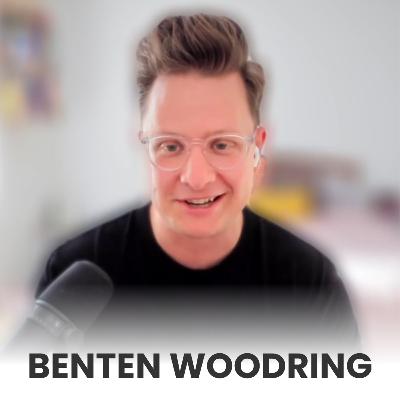
In this conversation, I talk with Benten Woodring about the real value of collaboration in web design and how it shapes both creative and technical work. We explore his path into design, how his process has evolved, and why strong concepts and client relationships matter more than ever. Benten shares how he builds creative teams, uses social media to connect, and turns side projects and local communities into growth engines. We also touch on design competitions, personal routines, and finding balance between creative work, hobbies, and family life.
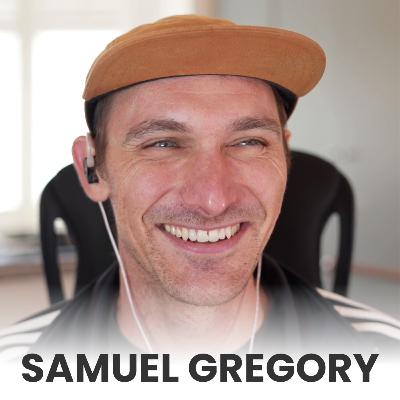
In this conversation, I talk with Samuel Gregory about the current state and future of Webflow, focusing especially on its AI tools and the community's response. We explore the challenges Webflow faces in integrating AI effectively, the importance of understanding user needs, and how AI might reshape job roles in design and development. We also discuss the evolving landscape of web tools, the significance of user experience, and why clearer communication from Webflow is crucial. Samuel shares insights into his workflow, the tools he relies on, and his thoughts on the future of design and development in an AI-driven world.
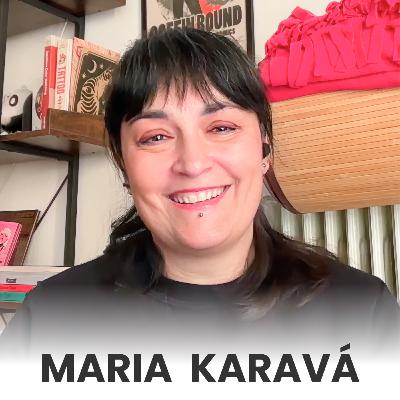
In this episode, I chat with Maria Karavá, a front-end developer and animator, about the balance between creativity and development work. We talk about the challenges of design, the importance of creative freedom, and how community and hobbies help maintain a healthy balance.We also dive into language learning, cultural nuances in communication, and how these shape our work as creatives. Maria shares her thoughts on people-pleasing in design, her passion for animation, and the evolving landscape of design tools, Webflow, and technology.

In this conversation, I talk with Yar Al Roshidi about the evolution of Webflow’s MCP, its integration with AI tools, and what all this means for web design and development. We explore the balance between using AI and keeping the human touch in design, the challenges of freelancing and remote work, and how community feedback plays a role in shaping Webflow’s future. We also dive into frameworks like Client-First and Lumos and the potential of Webflow apps.#WebflowMCP #gsap #webflowconf #figma #clientfirst #lumos

I had a conversation with Igor Voroshilov, founder of SuperSaito, one of the leading Webflow agencies in Japan. We talked about the challenges and creative processes behind web development, especially within Japanese business culture. Igor shared his story of moving to Japan, learning the language, and adapting to local business practices. We also discussed the evolution of Webflow in Japan, the role of community engagement, and where web development tools might be headed in the future.
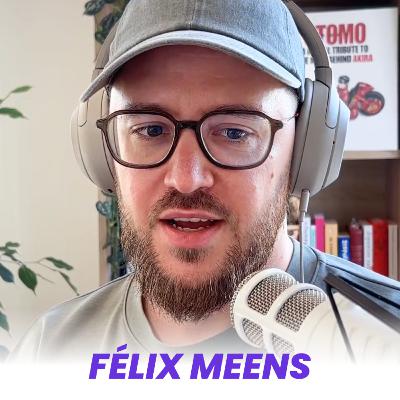
In this conversation, I talk with Félix Meens about our experiences with Webflow, especially around a recent outage, the communication challenges during that time, and the impact on our clients. We dive into new features and bugs in Webflow, the importance of analytics tools, and how e-commerce is evolving on the platform. We also explore how AI is starting to shape our workflows—helping us code, automate tasks, and think differently about design and development.Beyond Webflow, Félix and I get into the realities of freelancing: the role of automation in business, balancing client work with passive income, and the importance of keeping personal interests alive alongside professional growth. We share thoughts on building trust when delegating, staying curious in a busy work environment, and finding the sweet spot between design and development.Overall, this episode is about growth—of the platform, the community, and ourselves as freelancers—and how to keep pride and passion at the center of the work we do.

In this conversation, Ethan Suero shares his insights on the cultural differences in web design projects, the importance of understanding high-ticket clients, and his journey as a freelancer. He discusses the significance of effective communication, the role of awards in the design industry, and the balance between creativity and results. Ethan also emphasizes the importance of networking, particularly through LinkedIn, and the need for freelancers to develop their own business strategies in addition to client work.Ethan Suerohttps://www.ethansuero.com/https://uk.linkedin.com/in/ethan-suerohttps://x.com/ethansuero_https://www.instagram.com/ethansuero/---Timestamps00:00 Cultural Differences01:37 Understanding High Ticket Clients03:55 Current Work and Project Dynamics06:50 Webflow and GSAP Updates09:00 Breaking Borders: Gaining International Clients13:05 SEO Strategies for Webflow Experts15:15 Building a Relevant Network on LinkedIn18:23 Creating Content for the Right Audience25:01 Balancing Conversions and Visual Appeal30:48 Components and Design Systems32:55 Coaching and Mentorship Insights37:10 Funnel Strategies for Client Acquisition40:39 Freelancing vs. Agency Model45:24 Career Progression for Freelancers50:48 The Onit Experience54:57 Personal Branding and Studio Identity58:57 Balancing Client Work and Business Development01:01:17 The Role of Awards in Design01:08:41 Personal Interests and Hobbies01:11:15 Little bit of Finnishness01:12:52 Where to find Ethan---🙋♂️ About me (meaning Janne)I’m Janne, a web designer from Finland with a passion for all things digital. Web design is my jam, but creativity doesn’t stop there. Whether you’re here to sharpen your skills, get inspired, or just geek out over great design, you’re in the right place. Let’s make something awesome.
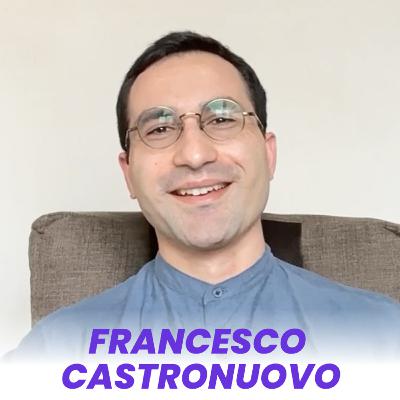
In this episode, I talk with Francesco Castronuovo – Webflow developer, content creator, and CPO at Supersaito – about building a freelance career across borders. We discuss his move from physics to web design, how he became part of the global Webflow community, and what it’s like creating content from Japan. Whether you’re into Webflow, freelancing, or just curious how people build global careers in design – this one’s worth a listen.

Comments

Download from Google Play

Download from App Store
 United States