


 Claim Ownership
Rewired Sober
Subscribed: 9Played: 56
Subscribe

© Copyright 2026 Kate Vitela
Description
Rewired Sober is a feminist sobriety podcast for women in midlife and early recovery who are done being talked down to.
If you’ve quit drinking — or are thinking about it — and traditional recovery models left you feeling small, ashamed, or powerless, you’re not alone. And you’re not broken.
This podcast explores sobriety through neuroscience, nervous system regulation, and feminist self-trust, not moral failure or lifelong labels.
Hosted by Kate, a board-certified addiction and mental health registered nurse with over two decades of experience, a nurse coach, and a SHE RECOVERS® coach, Rewired Sober bridges clinical science with lived experience.
Kate brings a trauma-aware, no-shame lens to recovery — combining brain science, nervous system education, and soul-level inquiry to help women rebuild trust in themselves after alcohol.
This podcast is for women asking:
– Why does early sobriety feel so intense in my body and brain?
– What’s actually happening neurologically when I stop drinking?
– How do I rebuild self-trust after years of coping with alcohol?
– Is there a way to recover without shame, obedience, or surrendering my intuition?
Episodes blend science and soul — from how alcohol affects the female brain, to midlife nervous system shifts, to unlearning the cultural and patriarchal conditioning that taught women to numb, cope, and self-abandon.
This is not a 12-step podcast.
This is not a powerlessness model.
And it’s not about fixing what was never broken.
Rewired Sober is for women who want sobriety that makes them stronger, clearer, and more themselves — not smaller.
If you’re sober and wondering now what?
You’re in the right place.
If you’ve quit drinking — or are thinking about it — and traditional recovery models left you feeling small, ashamed, or powerless, you’re not alone. And you’re not broken.
This podcast explores sobriety through neuroscience, nervous system regulation, and feminist self-trust, not moral failure or lifelong labels.
Hosted by Kate, a board-certified addiction and mental health registered nurse with over two decades of experience, a nurse coach, and a SHE RECOVERS® coach, Rewired Sober bridges clinical science with lived experience.
Kate brings a trauma-aware, no-shame lens to recovery — combining brain science, nervous system education, and soul-level inquiry to help women rebuild trust in themselves after alcohol.
This podcast is for women asking:
– Why does early sobriety feel so intense in my body and brain?
– What’s actually happening neurologically when I stop drinking?
– How do I rebuild self-trust after years of coping with alcohol?
– Is there a way to recover without shame, obedience, or surrendering my intuition?
Episodes blend science and soul — from how alcohol affects the female brain, to midlife nervous system shifts, to unlearning the cultural and patriarchal conditioning that taught women to numb, cope, and self-abandon.
This is not a 12-step podcast.
This is not a powerlessness model.
And it’s not about fixing what was never broken.
Rewired Sober is for women who want sobriety that makes them stronger, clearer, and more themselves — not smaller.
If you’re sober and wondering now what?
You’re in the right place.
71 Episodes
Reverse
Connect with Kate at Rewired Sober on All Social Media PlatformsBook a Discovery Call with Kate: https://calendly.com/katevitelacoaching/deep-dive-1-1-w-kateEmail the Podcast: katevitelacoaching@gmail.comIn this solo episode, Kate shares what she can feel falling away in her life—and what she’s consciously choosing to embrace instead.Inspired by a meditation on the goddess Kali from the work of Meggan Watterson and the spiritual teaching of choosing love over fear from A Course in Miracles, Kate reflects on the identities, beliefs, and systems she’s outgrowing.From recovery dogma and online hustle culture to “good girl” conditioning, this episode explores what it looks like to stop shrinking—and start living with honesty, courage, creativity, and unapologetic feminist energy.Kate reflects on a powerful question that emerged during a meditation inspired by the work of Meggan Watterson and her Divine Feminine oracle deck.The card of the goddess Kali invites a confronting but liberating intention:release all that doesn’t serve you and become the truth of who you are.This episode explores what it means to consciously choose love over fear, a concept also central to the teachings of A Course in Miracles.Kate shares several areas of life where she can feel old identities, beliefs, and structures naturally falling away—and what she is embracing instead.This conversation is about honesty, growth, and the courage to outgrow what once felt necessary.In this episode, Kate talks about:• Shedding the pressure of the online business “hustle culture” model and embracing authentic connection with real communities of women in recovery• Letting go of recovery dogma, fear-based thinking, and outdated rhetoric while embracing neuroscience, feminism, soul work, and self-trust• Releasing the “good girl” conditioning that keeps women quiet about politics, injustice, and women’s rights—and finding the courage to speak honestly• Redefining fashion and creativity as personal expression rather than trend-chasing or external validation• The spiritual practice of allowing old identities to fall away so a more authentic life can emergeThis episode is an invitation to ask yourself:What in my life is an old skin? What am I holding onto out of fear? And what might happen if I chose love instead?
Early sobriety can feel confusing, emotional, and honestly… pretty weird. You quit drinking and everyone expects life to magically improve overnight. But the truth is, the early stages of sobriety often come with exhaustion, emotional whiplash, boredom, and a lot of questions about who you are without alcohol.In this solo episode, Kate Vitela, RN, takes a no-nonsense, honest look at early sobriety—what’s actually happening in your brain, why emotions feel so intense, and why this phase can feel both awkward and transformative at the same time.Kate breaks down the real challenges people face after quitting alcohol, from the neurological recalibration happening in your brain to the emotional and identity shifts that often follow. She also shares practical ways to stabilize your nervous system, rebuild routines, and navigate the messy middle of sobriety without shame.This conversation is especially relevant for midlife women who have spent years carrying responsibilities, performing strength, and using alcohol as a socially acceptable coping tool. When alcohol leaves the picture, many women begin reclaiming clarity, boundaries, creativity, and self-trust.Early sobriety may feel uncomfortable at times—but it’s also where something powerful begins. It’s where you start rebuilding a life that no longer revolves around coping.If you’re newly sober or questioning your relationship with alcohol, this episode offers a grounded reminder: nothing is wrong with you. Your brain and nervous system are recalibrating, and with time, support, and honesty, a new kind of confidence and clarity can emerge.In This EpisodeWhy early sobriety can feel emotionally intense and disorientingWhat’s actually happening in your brain after you stop drinkingThe emotional whiplash many people experience in the early stages of sobrietyWhy boredom is one of the most common and surprising challengesHow sobriety can shift relationships and social dynamicsThe identity questions that often arise after alcohol is removedPractical strategies that help stabilize the nervous system during early recoveryWhy midlife sobriety can become a powerful turning point for womenHow rebuilding self-trust becomes one of the biggest rewards of sobrietyThings That Actually Help in Early SobrietyCreating structure through sleep, meals, and daily routinesMoving your body to regulate stress and restore dopamine balanceStabilizing blood sugar with consistent nutritionBuilding new rituals to replace drinking habitsLearning emotional literacy and how to name what you’re feelingReducing unnecessary chaos and protecting your energyStaying curious about your experience instead of judging itFinding honest conversations and supportive connectionKey TakeawayEarly sobriety isn’t just about removing alcohol. It’s about rebuilding your nervous system, your identity, and your life. The process can feel awkward and uncomfortable at times—but on the other side of that rebuild is something many people never experienced while drinking: real clarity, self-trust, and freedom.Work With Kate: https://calendly.com/katevitelacoaching/deep-dive-1-1-w-kateEmail The Podcast: katevitelacoaching@gmail.com
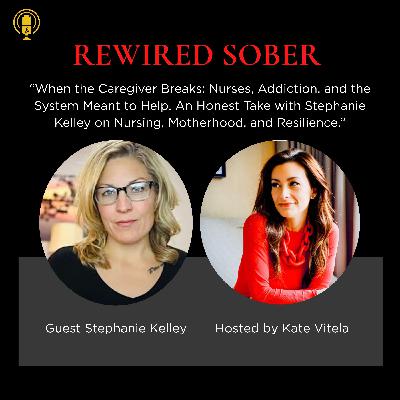
⬇️ READY TO GO DEEPER?https://linktr.ee/KateVitelaIf you’re a midlife woman questioning your relationship with alcohol or figuring out what comes next in sobriety, I’ve created resources to help you move forward with clarity and confidence.Nurses spend their careers taking care of everyone else. But what happens when the caregiver is the one who needs help?In this episode, Kate sits down with Stephanie, an ICU nurse with 26 years of experience, a mother of three, and a powerful advocate for honesty and compassion in the conversation around addiction and recovery in healthcare.Stephanie brings both clinical insight and lived experience to a topic that many nurses know exists—but rarely talk about openly: monitoring programs for healthcare professionals struggling with substance use.After Kate came across one of Stephanie’s social media posts about receiving a random UA, it sparked a deeper conversation about the realities many nurses face behind the scenes. It also brought Kate back to the origin of her own podcast journey—when the show was first called “You’ve Been Selected,” a phrase that captures what it can feel like to suddenly find yourself navigating recovery systems you never expected to enter.Together they explore the complex intersection of burnout, stigma, accountability, recovery, and motherhood, and ask a bigger question about healthcare culture:Are the systems designed to help struggling professionals actually supporting healing—or simply monitoring behavior?This conversation is not about avoiding responsibility. Patient safety and accountability matter. But so does compassion for the caregivers working in one of the most demanding professions on the planet.This episode opens an honest discussion about what it looks like to fall, take responsibility, rebuild trust, and find your way forward as both a nurse and a human being.In this episode we discuss:• The intense pressures nurses face in high-acuity environments like the ICU• The connection between burnout, substance use, and mental health in healthcare• What it’s really like to enter a professional monitoring program• The fear and stigma many nurses face when asking for help• Accountability, recovery, and rebuilding a career after crisis• Navigating motherhood and professional identity during recovery• How healthcare systems can better support nurses before things reach a breaking pointIf you’re a nurse—or anyone working in a high-pressure helping profession—this conversation offers an honest look at the human side of healthcare.You are not the only one who has struggled, and there is a path forward.Listen, reflect, and share this episode with a nurse who might need to hear it.Connect With Kate: https://www.instagram.com/rewiredsober/Guest Info: Stephanie Kelley https://www.instagram.com/sober_steph_mom_nurse/
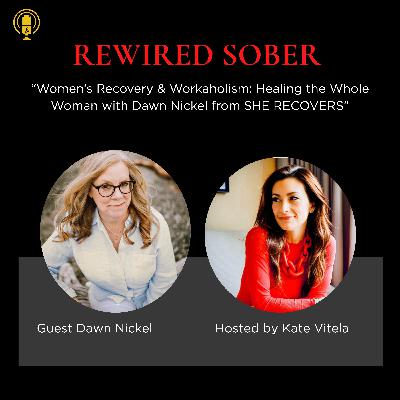
In this episode of Rewired Sober, host Kate Vitela, RN sits down with Dawn Nickel, founder of SHE RECOVERS, to explore what women’s recovery looks like when we stop forcing it into one narrow definition.SHE RECOVERS is a global nonprofit dedicated to making recovery accessible, inclusive, and empowering for all women—not just those recovering from substance use, but women healing from mental health challenges, trauma, eating disorders, burnout, and the many ways life impacts the nervous system.In this powerful conversation, Dawn shares:Why SHE RECOVERS was created as a nonprofit focused on accessible recovery for womenHow an intersectional approach honors race, LGBTQ+ identities, lived experience, and cultural contextWhy “we are all recovering from something” is more than a slogan—it’s a truth rooted in women’s biology and social conditioningThe importance of allowing the whole woman into recovery spaces, without fragmenting her experiencesDawn’s personal journey with workaholism and how socially acceptable addictions often go unnamedWhy traditional recovery models that insist on “no outside issues” often fail womenThis episode challenges the idea that women must separate their struggles into neat categories to deserve support. Instead, it offers a model of recovery that understands trauma, mental health, substance use, overwork, and identity as interconnected—not competing narratives.If you’ve ever felt like traditional recovery spaces didn’t fully see you, this conversation will resonate deeply.Because healing doesn’t happen in pieces.And women don’t recover in isolationConnect with Kate at Rewired Sober on All Social Media PlatformsBook a Discovery Call with Kate: https://calendly.com/katevitelacoaching/deep-dive-1-1-w-kateEmail the Podcast: katevitelacoaching@gmail.comConnect With Guest Dawn Nickel:Websites: https://dawnnickel.com/ and https://sherecovers.org/Facebook: https://www.facebook.com/dawnnickelphdInstagram: https://www.instagram.com/recoveringdawnLinkedIn: https://www.linkedin.com/in/dawn-nickel-phd-576ab021/
Women don’t just experience alcohol use disorder differently than men — they are judged differently too.In this episode, we explore the double standard women face around drinking, addiction, and recovery, including how stigma, biology, trauma, and social expectations intersect to create unique challenges for women.You’ll learn why women often develop alcohol problems faster, why shame and secrecy delay treatment, and how cultural pressures — including work, caregiving, and societal expectations — contribute to rising alcohol use among women.We also talk about the concept of being “gaslit” by cultural narratives that frame women’s struggles as moral failure instead of understandable responses to stress and life circumstances.Most importantly, this episode highlights treatment approaches and recovery pathways that actually support women — including trauma-informed care, nervous system regulation, connection-based healing, and women-centered recovery communities.If you’ve ever wondered why drinking became a coping tool, or why recovery has felt complicated, this conversation will help you understand the bigger picture — and remind you that change is possible.What You’ll Learn in This EpisodeThe double standard society applies to women who drinkHow stigma and shame impact women differently than menThe biology of alcohol and why women develop dependence faster (telescoping effect)Hormones, stress, and nervous system regulation in addictionTrauma exposure and psychological risk factors unique to womenThe cultural shift: work, caregiving, and the modern “double burden”Why alcohol marketing targets overwhelmed womenHow social and environmental stress affects substance use patternsTreatment approaches that work well for womenThe importance of safe spaces and women-centered recoveryRadical self-love, healing, and hope in sobrietyKey TakeawaysWomen are not broken.Women are responding to pressure — biological, psychological, and social.Understanding context reduces shame.And reduced shame increases the likelihood of recovery.Connect with Kate @rewiredsoberWork with Kate https://linktr.ee/KateVitela
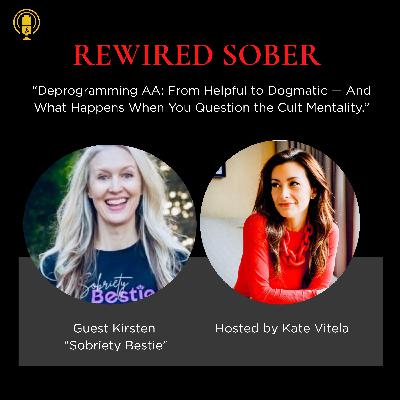
What happens when a recovery program that once helped you… stops fitting who you’re becoming?In this episode, Kate sits down with Kirsten — known online as @sobrietybestie and host of the Sobriety Bestie podcast — to explore what it looks like to question Alcoholics Anonymous (AA) after years of participation.Kirsten spent 10 years in AA and has now been out for 5. Together, they discuss the complex reality that AA can be helpful for many people — while also examining how dogma, identity labels, and recovery folklore can become limiting or even harmful over time.This conversation explores topics rarely discussed openly, including:How experiences like trauma, neurodivergence, and mental health challenges are sometimes pathologized as “alcoholism”The psychological impact of labels like “dry drunk,” “defects,” and “restless, irritable, discontent”When recovery culture shifts from supportive to rigid or dogmaticAA folklore versus science-based understanding of behavior and changeMyths surrounding Bill Wilson and the founding narratives of AAWhy questioning recovery systems can provoke strong reactions — including backlash and hostilityThe fear many people feel when considering leaving a recovery communityRebuilding self-trust after years of outsourcing authorityWhether AA meets criteria associated with high-control groups — and why that question mattersWhat real freedom in recovery can look like outside traditional frameworksKate also shares her own experience: AA was helpful early in sobriety, but over time began to feel increasingly rigid and disconnected from her evolving understanding of neuroscience, psychology, and emotional health.This is not an anti-recovery episode.It’s a conversation about autonomy, critical thinking, and honoring the complexity of healing.Because two things can be true at once:A system can help you survive — and you can still outgrow it.Mentioned In This Episode:Pathologizing normal human experience as alcoholismTrauma, neurodivergence, and mental health in recovery spacesBig Book culture and “Big Book thumpers”Bill Wilson, AA history, and founder mythologyRecovery folklore vs neuroscience and psychologyFear-based messaging in sobriety cultureDogma, identity, and belongingIs AA a cult? Examining the question thoughtfullyBacklash, hate mail, and stigma around questioning AAReclaiming inner authority and sovereignty in recoveryKirsten, known online as @sobrietybestie, is a recovery advocate and host of the Sobriety Bestie podcast. Her platform focuses on helping people deprogram from Alcoholics Anonymous culture and reclaim their identity, autonomy, and lives after leaving 12-step environments.WORK WITH KATE Rewired Sober 1:1 Coaching Spots Are Open (But Fill Up Fast) Start anytime and get 3 months of guidance from Kate designed for women in sobriety. Book a discovery call to inquire: Connect with Kate @rewiredsober on all social media platforms:Instagram https://www.instagram.com/rewiredsober/Email: katevitelacoaching@gmail.com
In this episode, Kate is joined by Simmy, founder of Miracle Maker 1111, for a conversation exploring the connection between belief, identity, energy, and manifestation.Together they unpack the idea that our internal world — our thoughts, expectations, emotions, and self-concept — shapes the life we experience. Simmy shares her step-by-step approach to manifestation, including the role of visualization, emotional embodiment, spiritual connection, and becoming the kind of person who expects good things to happen.Rather than framing manifestation as “wishful thinking,” this conversation explores how transformation happens when someone begins to see themselves differently, feel differently, and live from a new internal identity.Topics covered include:How thoughts and self-concept shape lived experienceVisualization as a tool for identity and behavior changeWhy embodiment matters more than positive thinkingBecoming the version of yourself who expects expansionEnergy, frequency, and the idea of alignmentThe role of spirituality and connection to something greaterWhat it means to “match the energy” of the life you wantManifesting health, confidence, change, and personal growthWhy real change requires internal coherence, not just external effortThis episode bridges spirituality, identity work, and personal development for anyone interested in how inner change creates outer transformation — whether you call that manifestation, mindset, embodiment, or becoming.Rewired Sober 1:1 Coaching Spots Are Open (But Fill Up Fast) Start anytime and get 3 months of guidance from Kate designed for women in sobriety. Book a discovery call to inquire: Connect with Kate @rewiredsober on all social media platforms:Instagram https://www.instagram.com/rewiredsober/Email: katevitelacoaching@gmail.comGuest Info: Simmy is a content creator and manifestation coach. She has been a management consultant for over a decade and is now following her passion of impacting and elevating lives through the power of manifestation. She runs the Miracle Makers_1111 page on Instagram. She explains manifestation from the lens of Neuroscience and Psychology. Her work centers on moving people out of limitation and into self-trust. She supports her clients through belief-rewiring tools, subconscious reprogramming and embodiment practices.IG: https://www.instagram.com/the_miracle_makers_1111/Website: https://the-miracle-makers.com/
Burnout isn’t just a personal problem—it’s a cultural one.In this episode, Kate sits down with former Sociology Professor turned Burnout Coach Dr. Jen Costanza for a refreshingly honest conversation about what it actually means to live in today’s world as a woman, a professional, and a human being with a nervous system.Together, they unpack how modern culture pressures women to perform wellness instead of experience it, why “having it all together” is often a lie, and how burnout is frequently a rational response to unrealistic expectations—not a personal failure.Dr. Jen shares openly about navigating imposter syndrome despite holding a PhD from Ivy League institution Brown University, and how even highly educated, accomplished women still struggle with self-doubt—especially when showing up online as coaches, educators, and thought leaders.This conversation is grounding, intelligent, funny, and deeply validating—especially for high-functioning women who are tired of trying to optimize themselves into worthiness.In this episode, we explore:Why burnout is both a nervous system issue and a societal issueThe cultural pressure for women to perform wellness instead of practicing itHow “wine culture” became a socially acceptable coping mechanism for overwhelmed womenThe invisible emotional labor women carry—and its impact on the bodyImposter syndrome, even with elite credentials and years of experienceWhat it’s really like to show up on social media as a coach, educator, or professionalOwning your voice and expertise without needing to over-prove yourselfWhy sustainable healing doesn’t require a complex or expensive wellness strategyThe overlooked power of foundational practices:SleepNutritionPurposeful movementNervous system regulationHow breathwork supports emotional regulation, safety in the body, and burnout recoveryRemembering joy, play, and pleasure as essential—not optional—parts of healingThe takeaway:You don’t need a perfect morning routine.You don’t need to buy your way into healing.And you’re not behind—you’re likely just burned out.Sometimes the most powerful path forward is the simplest one:tending to your body, telling the truth, resting without guilt, and remembering that you are already enough.Rewired Sober 1:1 Coaching Spots Are Open (But Fill Up Fast) Start anytime and get 3 months of guidance from Kate designed for women in sobriety. Book a discovery call to inquire: Connect with Kate @rewiredsober on all social media platforms:Instagram https://www.instagram.com/rewiredsober/Email: katevitelacoaching@gmail.comAbout Dr. Jen CostanzaDr. Jen Costanza is a former sociology professor turned burnout coach, and breathwork facilitator who studies the intersection of identity, culture, performance, and wellbeing. Her work centers around helping people move out of survival mode and reconnect with sustainable ways of living—without the pressure to constantly self-optimize.Connect with Guest Jennifer Costanza: @rooted.lifeWebsite: https://www.rooted.lifeFree Burnout Recovery Guide: https://rootedlife.myflodesk.com/map
In this raw solo episode of Rewired Sober, Kate celebrates eight years of sobriety while recording from New York City during her annual Fashion Week trip. This isn’t a highlight reel — it’s an honest reflection on self-trust, identity, boundaries, feminism, spirituality, grief, creativity, and what actually changes when you build a life you don’t need to escape from.Kate explores how sobriety reshaped everything: how she dresses, how she speaks up, how she chooses relationships, how she handles discomfort, and how she trusts herself more deeply than ever before. From tattoos and style as self-expression (not performance), to perfectionism, late blooming, public growth, financial stability, emotional resilience, and spiritual curiosity — this episode is about becoming more yourself with every year sober.If you’ve ever wondered who you’re becoming after you quit drinking, this one’s for you.In This Episode, Kate Talks About:• Celebrating 8 years sober in NYC during her annual Fashion Week trip• Self-trust as the real transformation of sobriety• Style, tattoos, and identity (no longer performing for approval)• Dressing for yourself, not the male gaze• Radical honesty and the peace of having nothing to hide• Realizing nobody is watching you as closely as you think• Building a sober life with structure, routines, and real energy• Outgrowing people, places, and identities naturally• Boundaries without guilt: “If it’s not fun sober, it’s not fun”• Emotional resilience and sitting with discomfort instead of numbing• Being wrong, evolving, and changing your mind publicly• Feminism, social awareness, and seeing the world more clearly in sobriety• Exploring spirituality without shame or self-abandonment• The concept of being both fully human and fully divine• Grieving the moments alcohol stole (vacations, concerts, presence)• Perfectionism, repression, and why rebellion softens when you choose yourself• Major life stressors navigated sober: loss, illness, financial strain, career upheaval• Building a bold, creative life after alcohol (business, podcast, public voice)• Late blooming, divine timing, and trusting your life’s unfolding• The financial clarity sobriety actually creates• Standing up for yourself professionally• Holding paradox: two things can be true at the same timeJoin my coaching program: Rewired Sober 1:1 Coaching Spots Are Open (But Fill Up Fast) Start anytime and get 3 months of guidance from Kate designed for women in sobriety. Book a discovery call to inquire: Connect with Kate @rewiredsober on all social media platforms:Instagram https://www.instagram.com/rewiredsober/Email: katevitelacoaching@gmail.com
In this solo episode, Kate goes deep into a part of recovery that rarely gets named — but quietly shapes everything: religious wounding, self-trust, and soul work.For years, Kate approached recovery through neuroscience alone — partly out of rebellion against rigid dogma and hierarchical systems that taught her she was broken, powerless, or unable to trust herself. But over time, both her own healing and her work with hundreds of women revealed something deeper:Many women aren’t just healing from alcohol.They’re healing from self-abandonment.From spiritual disconnection.From being taught not to trust themselves.This episode explores the powerful overlap between:Religious conditioningPatriarchal structuresRecovery dogmaNervous system dysregulationShame, perfectionism, and people-pleasingKate shares how discovering feminist theology — particularly the work of Meggan Watterson — helped repair deep spiritual and identity-level wounds. Through this lens, God is not an external authority or judging figure, but what Watterson calls “the Good” — love, wisdom, presence — something we are already connected to, not something we must earn.You’ll also hear Kate reflect on the reclamation of Mary Magdalene as a teacher, mystic, and leader rather than the distorted trope of a “fallen woman,” and how reconnecting with the divine feminine strengthened her confidence, softened her nervous system, and deepened her self-trust.At the heart of this episode is a redefinition of soul work — not as religion, but as:The practice of learning how to listen to your own inner knowingRebuilding trust in yourself after years of overrideConnecting with love rather than fearComing home to yourselfKate also unpacks how healing requires both science and soul, including:How the brain rewires after alcoholWhy emotions feel louder in early sobrietyHow stress, habit loops, and nervous system dysregulation drive behaviorWhy willpower burns people outWhy lasting change comes from safety + repetitionWhy healing must also include grief, identity work, emotional honesty, and self-trustThis episode is for anyone who has ever wondered:Why they struggle to trust themselvesWhy traditional recovery spaces felt shaming or disempoweringWhy spirituality felt wounding instead of supportiveWhether you can believe in neuroscience, intuition, feminism, and God all at onceWhether you’re allowed to be both grounded and messy, logical and emotional, human and sacredKate’s answer is clear:You don’t have to choose one version of yourself.You’re allowed to hold the paradox.You’re allowed to be whole.Key Themes in This EpisodeReligious wounding and its impact on women’s self-trustThe overlap between patriarchal spirituality and recovery dogmaFeminist theology and the work of Meggan WattersonMary Magdalene reclaimed as teacher, mystic, and leaderRebuilding inner authority after years of self-overrideThe connection between nervous system healing and self-trustRedefining soul work as intuition, love, and embodied truthBeing fully human and fully divineHealing as integration, not perfectionRewired Sober 1:1 Coaching Spots Are Open (But Fill Up Fast) Start anytime and get 3 months of guidance from Kate designed for women in sobriety. Book a discovery call to inquire: Connect with Kate @rewiredsober on all social media platforms:Instagram https://www.instagram.com/rewiredsober/Email: katevitelacoaching@gmail.com
pisode NotesThis is a bonus episode about staying sober in a world that feels like it’s on fire.I talk about capacity — not as a moral issue, but as a real limit — and why newly sober people do not owe the world constant engagement, takes, or emotional mastery.We cover:Why sobriety doesn’t mean being “above it”How self-abandonment masquerades as responsibilityThe difference between caring and burning yourself downWhy staying sober right now is infrastructure, not avoidanceWhen silence is regulation, not complicityJournaling as record-keeping, not self-helpThis episode is for anyone who is heartbroken, angry, overwhelmed — and still choosing to stay upright.No platitudes.No spiritual bypassing.Just honesty about what it takes to remain sober and intact when the world is heavy.Bookmark what you can’t hold yet.You’ll come back when you have the capacity.Rewired Sober 1:1 Coaching Spots Are Open (But Fill Up Fast) Start anytime and get 3 months of guidance from Kate designed for women in sobriety. Book a discovery call to inquire: Connect with Kate @rewiredsober on all social media platforms:Instagram https://www.instagram.com/rewiredsober/Email: katevitelacoaching@gmail.com
What happens when the very system that’s supposed to support healing starts to feel controlling, fear-based, or limiting?In this powerful conversation, I’m joined by Tara Grace the host of the Recovery Rebellion podcast, who openly identifies as a “12-step dogma survivor” and advocates for a more nuanced, compassionate, and person-centered approach to recovery.We explore the darker side of the recovery world that many people are afraid to name out loud — including rigid ideology, shame-based messaging, and the ways people are often discouraged from trusting their own intuition.This episode is not about tearing down what helps people. It’s about expanding the conversation to include the many people who felt harmed, silenced, or dismissed within traditional recovery systems.In this episode, we discuss:The recovery industrial complex and how “heads in the beds” can sometimes matter more than individualized careWhat people mean when they talk about surviving 12-step dogmaHow rigid recovery models can become authoritarian, condescending, and psychologically unsafeThe problem with fear-based messaging like “you’ll die if you leave”How the disease model of addiction can be both helpful and limiting — and why it doesn’t tell the whole storyWhy many people experience real healing through natural recovery (without formal programs)The difference between support vs. control, accountability vs. complianceWhy harm reduction is often misunderstood — and who it actually servesThe emotional impact of being told your thinking is defective, your intuition is dangerous, or your questioning is “denial”How recovery can (and should) support self-trust, autonomy, and nervous system safetyWhy leaving AA or structured recovery spaces does not equal failureWhat compassionate, flexible, modern recovery could look like insteadThis episode is for you if:You’ve ever felt shamed, silenced, or patronized in recovery spacesYou’ve been told you were “in denial” simply for asking questionsYou were warned you would die if you left AA and felt terrified but also constrainedYou’re sober curious and hesitant to engage with traditional programsYou believe healing should feel empowering, not diminishingYou want a more expansive conversation about addiction recovery, neuroscience, agency, and choiceThis is a conversation about rethinking recovery, honoring lived experience, and creating space for people to heal without having to surrender their voice, identity, or autonomy.Because recovery should be about becoming more yourself — not less.Rewired Sober 1:1 Coaching Spots Are Open (But Fill Up Fast) Start anytime and get 3 months of guidance from Kate designed for women in sobriety. Book a discovery call to inquire: Connect with Kate @rewiredsober on all social media platforms:Instagram https://www.instagram.com/rewiredsober/Email: katevitelacoaching@gmail.comGuest Info: Tara Grace @burnthestigmawww.burnthestigma.comwww.burnthestigma.net/podcast
For decades, addiction has been widely defined as a chronic, relapsing brain disease — a framework adopted by the medical system, treatment centers, and many recovery programs, including Alcoholics Anonymous.In this episode, Kate explores why that definition — while historically important — often falls short, especially for women who don’t experience their relationship with alcohol as a lifelong disease state.This conversation isn’t anti-recovery or anti-help. It’s about discernment, nuance, and intellectual honesty.Kate unpacks how the disease model became the dominant narrative, why it’s convenient for institutions, and how questioning it is often framed — particularly in 12-step spaces — as a symptom rather than a legitimate inquiry.In this episode, we cover:Why the “chronic, relapsing brain disease” definition became the gold standardHow medical and treatment systems benefit from a single, fixed narrativeThe difference between reducing shame and reinforcing permanent pathologyHow disagreement with the disease model is often labeled as “denial”Why pathologizing questions can shut down curiosity, autonomy, and growthThe psychological impact of being told your insight is evidence you’re sickWhy many women don’t see themselves reflected in traditional recovery explanationsHow authority-based recovery models discourage nuance and self-trustKate also discusses the cultural dynamics inside recovery spaces where questioning foundational beliefs can be interpreted as resistance, ego, or lack of willingness — rather than a thoughtful response to lived experience.The core message:Questioning a model is not denial. It’s discernment.Recovery should expand self-trust — not require surrendering your ability to think critically about your own experience.This episode is for women who:Feel uneasy with being labeled “chronically ill”Have been told their doubts are symptomsWant recovery without losing their voiceAre seeking a more nuanced, adult conversation about addictionYou’re allowed to ask questions. And asking them doesn’t mean something is wrong with you.
What actually happens when two women, two coaches, and two very different styles sit down to talk about Dry January, habit change, and why New Year’s resolutions so often fall apart?In this episode, I’m joined by Casey Davidson, host of the Hello Someday Podcast—one of today’s top mental health podcasts—and a nationally recognized voice in the sober-curious space who’s been featured across major media outlets.Together, we have a real, funny, unfiltered conversation about sobriety curiosity, consistency, and what actually helps people change—without dieting, white-knuckling, or pretending willpower is the solution.We talk about why most people abandon their New Year’s resolutions (spoiler: it’s not a discipline problem), how habit change really works, and why stacking consistent sober days matters far more than dabbling in on-again/off-again drinking.Casey also shares why she intentionally extends Dry January into a 100-day New Year program—because 30 days is often just enough time to start feeling better, but not long enough to truly feel the difference of life without alcohol. We explore what happens when people give themselves enough time to stabilize, build momentum, and experience the mental clarity, emotional steadiness, and confidence that only come with sustained time alcohol-free.This isn’t a Dry January hype episode.And it’s definitely not a “fix your life in 30 days” pitch.It’s an honest conversation between two coaches who approach this work differently—but agree on what actually supports sustainable change. We also unpack the quiet pressure of January: the urge to reset everything at once, optimize your life, and emerge transformed by February—and why that mindset often backfires when alcohol is involved.Expect laughter, nuance, and the kind of conversation you only get when two women trust each other enough to tell the truth.In This Episode, We Cover:Why New Year’s resolutions fail (and what actually helps habits stick)The difference between dabbling in sobriety and building real momentumWhy consistent sober days matter more than “just cutting back”Why 30 days can feel good—but 100 days can feel transformativeHow diet culture sneaks into early sobriety—and how to opt outWhat Dry January can be when framed as curiosity instead of punishmentHow two coaches with different styles still land on the same fundamentalsAbout the GuestCasey Davidson is the host of the Hello Someday Podcast, one of the top mental health podcasts today, and a leading voice in the sober-curious movement. Her work has been featured in major national media outlets, and she’s known for helping high-achieving women rethink their relationship with alcohol in a way that’s practical, compassionate, and grounded in real life. She’s also the creator of a 100-day New Year program designed to help people move beyond short-term challenges and into lasting change.Who This Episode Is ForAnyone who’s tried Dry January—or quitting—more than oncePeople who are sober-curious and tired of starting overHigh-functioning adults who want a smarter, steadier approach to changeListeners who want honesty, humor, and zero preachingFinal WordIf Dry January has ever felt like pressure, a test, or something you somehow “failed,” this episode is a reminder that real habit change doesn’t come from rushing the process. It comes from consistency, curiosity, and giving yourself enough time to actually feel what life is like without alcohol.Rewired Sober 1:1 Coaching Spots Are Open (But Fill Up Fast) Start anytime and get 3 months of guidance from Kate designed for women in sobriety. Book a discovery call to inquire: Connect with Kate @rewiredsober on all social media platforms:Instagram https://www.instagram.com/rewiredsober/Email: katevitelacoaching@gmail.comGuest Information: Casey M Davidsonhttps://www.instagram.com/caseymdavidson?igsh=aXczbXljZHNpNDZihttps://hellosomedaycoaching.com/podcast/
The Devil We Know: Why Sobriety Feels Uncomfortable Before It Feels FreeIn this episode of Rewired Sober, Kate explores one of the most misunderstood parts of sobriety: liminal spaces — the in-between seasons where the old way no longer fits, but the new way hasn’t fully formed yet.These are the moments when you know you made the right choice…but your nervous system still craves the relief of certainty.Using both neuroscience and lived experience, Kate unpacks why the brain prefers the “devil we know” — familiar patterns, predictable outcomes, even familiar pain — over the uncertainty that comes with real change.This episode also includes a live teaching pulled directly from Kate’s Rewired Sober group, where she speaks candidly about:wanting to want sobrietywhy early sobriety can feel strangely effortfuland why feeling unsettled doesn’t mean you’re doing anything wrongIf you’ve ever thought “Why does this still feel weird?” — this conversation will land.This episode is for you if:You’re outgrowing alcohol but don’t feel fully at home without it yetYou find yourself wanting answers instead of wanting to sit in the unknownYou feel frustrated that sobriety still requires intentionYou’re in a transition season and questioning whether you’re “behind”In this episode, Kate explores:What liminal spaces are and why they’re unavoidable in sobrietyWhy the nervous system values predictability over freedomHow familiar habits create a false sense of safetyThe urge to rush certainty — and why it’s a stress responseWhy repetition, regulation, and time are what actually rewire the brainHow staying in the middle is not weakness, but integrationKey takeaway:Transformation doesn’t happen in the decision.It happens in the middle.You don’t rush liminal spaces. You listen in them.They are where your nervous system learns how to live in truth — without anesthesia.If sobriety feels right and unfamiliar at the same time, this episode will help you understand why — and remind you that this phase isn’t something to escape. It’s something to move through.About Rewired Sober:Rewired Sober is a science- and soul-based recovery space for women who are ready to understand their brain, trust themselves, and build a sober life that actually fits.Learn more about Kate’s group coaching, courses, and resources at the links in the show notes.Rewired Sober 1:1 Coaching Spots Are Open (But Fill Up Fast) Start anytime and get 3 months of guidance from Kate designed for women in sobriety. Book a discovery call to inquire: Connect with Kate @rewiredsober on all social media platforms:Instagram https://www.instagram.com/rewiredsober/Email: katevitelacoaching@gmail.com
In this episode of Rewired Sober™, we’re going straight for the jugular: pop culture, body image, drunkorexia, and the weaponized shame that’s kept women small, hungry, distracted, and drinking for decades.I break down how Sophie Gilbert’s Girl on Girl exposes the pressure cooker women have lived in for the last 20 years — the beauty standards, the public scrutiny, the Kardashian-era body illusions, the return of heroin-chic, the Jessica Simpson mom-jean debacle — and how all of it shaped not just how women see themselves… but how women cope.Then I bring in Caroline Knapp’s Appetites and her concept of “the real hungers” — the soul-level needs women are taught to starve. Not food. Not jeans sizes. But belonging, rest, connection, desire, meaning, permission to take up space. We talk about what happens when those needs get rerouted into dieting, perfectionism, and eventually, drinking.We get honest about drunkorexia — the collision between diet culture and drinking culture — and why it’s not a quirky college fad, but a symptom of patriarchy’s oldest trick: keep women underfed, self-conscious, tipsy, ashamed, and too exhausted to revolt.We cover:How pop culture trained women to hate their bodiesWhy women’s binge drinking nearly doubled in the last two decadesHow shame becomes internalized and fuels the drinking loopWhy wine culture and diet culture are sistersThe neuroscience behind hungry brains + alcoholHow patriarchy profits when women are distracted by self-maintenanceAnd why sobriety is, at its core, a feminist act of resistanceIf you’ve ever felt like you had to be thin, quiet, good, small, or “fine”… this episode will hit you right in the truth.Rewired Sober 1:1 Coaching Spots Are Open (But Fill Up Fast) Start anytime and get 3 months of guidance from Kate designed for women in sobriety. Book a discovery call to inquire: Connect with Kate @rewiredsober on all social media platforms:Instagram https://www.instagram.com/rewiredsober/Email: katevitelacoaching@gmail.com#fuckheroinchic blog post https://thesobercurator.com/fuckheroinchic-a-flashback-to-1997/
In this unfiltered, real-as-hell episode, Kate sits down —makeup-free and bra-free, with her messy podcast editing skills — to talk about something she sees in nearly every woman she coaches:The Overachiever Wound.If you grew up being compared, dismissed, or made to feel less-than… your nervous system learned that safety comes from performance.So you overachieved, excelled, got the degrees, the gold stars, the promotions, the “good girl” identity — all because your body believed: “If I achieve, I’m safe. If I slow down, I’m exposed.”Kate breaks down why high-achieving women struggle to rest, why the goalpost keeps moving, and why no amount of success ever feels like enough. Spoiler: it’s not because you’re broken — it’s because your brain is still protecting a younger version of you.Inside this episode: The exact childhood moment most women learn to prove their worth Why your brain ties safety to doing The feminist and generational conditioning behind female overachievement Why rest feels terrifying for women who have been performing their whole lives What you are really avoiding by staying busy The neuroscience of "being seen" by other women How to start unwinding the proving pattern without burning down your lifeThis episode is messy, vulnerable, unfiltered… and exactly the medicine so many women need.If you’re tired of hustling for your existence — this one’s for you.Rewired Sober 1:1 Coaching Spots Are Open (But Fill Up Fast) Start anytime and get 3 months of guidance from Kate designed for women in sobriety. Book a discovery call to inquire: Connect with Kate @rewiredsober on all social media platforms:Instagram https://www.instagram.com/rewiredsober/Email: katevitelacoaching@gmail.com
In today's episode, Kate goes deep into why women’s drinking has never been a personal failure and why sobriety is, at its core, a feminist act. Drawing from neuroscience, history, spirituality, and lived experience, she unpacks how women were conditioned to numb themselves instead of trust themselves and why quitting alcohol often becomes the first moment a woman stops being manageable and starts becoming sovereign.This episode challenges patriarchy, recovery dogma, spiritual gatekeeping, and the idea that women need to humble themselves even more than they already have.In this episode, Kate dives into:Why women drink to numb the emotional and labor load they were never meant to carryHow sobriety leads to boundaries, agency, and personal freedomThe ways alcohol has been marketed to women as empowerment and rewardWhy women metabolize alcohol differently and get sicker fasterHow midlife hormones intensify alcohol’s impact on womenWhy sobriety often awakens feminist consciousnessThe truth about AA being written by men, for men, and why that matters for womenHow humility and ego language gets weaponized against women in recoveryWhy women rarely drink because of ego and more often drink from exhaustion and self abandonmentThe difference between intellectual knowing and soul knowingWhy trusting your intuition is radical and necessaryHow sobriety restores spiritual authority, voice, and self trustWomen do not drink because they are broken. They drink because they were taught to silence themselves. Sobriety is the moment when a woman stops being manageable and becomes sovereign.Rewired Sober Group Coaching Space Is Now Open: Start anytime and get 3 months of guidance designed for women in sobriety. You’ll get instant access to the full program, plus weekly live coaching sessions to help you rewire your brain, heal old patterns, and stay consistent. Enroll here: https://kate-vitela.mykajabi.com/rewired-sober-coaching-programConnect with Kate @rewiredsober on all social media platforms:Instagram https://www.instagram.com/rewiredsober/
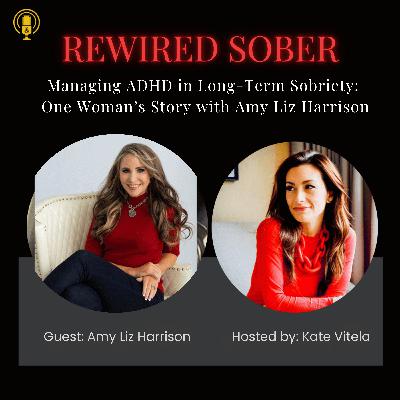
In today's episode, Kate sits down with Amy Liz Harrison, a sobriety and recovery mentor who spent years feeling disconnected, overwhelmed, and stuck in patterns that kept her exhausted. Amy shares how she slowly lost herself inside motherhood, marriage, people pleasing, and perfectionism, and how alcohol became the nightly escape valve she used to cope with stress she didn’t know how to name.Amy opens up about her moment of reckoning, her early sober days, and the emotional unraveling that came when she finally stopped drinking and had to face herself honestly for the first time in years. Together, she and Kate talk about the messy middle of sobriety, the awakening that happens in midlife, and how Amy rebuilt her sense of identity from the ground up.If you have ever wondered where your spark went or felt like everyone else in your life came first, this episode will hit you right in the heart.Kate and Amy discuss:The moment she admitted she could not keep going the way she wasWhy early sobriety felt both freeing and terrifyingReturning to your body after decades of running from yourselfMidlife shifts and why so many women wake up to their truth at fortyMotherhood, resentment, and the unspoken fears women carryHow Amy rebuilt her confidence, community, and identityWhat she teaches now inside her recovery work with womenAmy reminds us that sobriety is not about losing something. It is about remembering who you were before the world convinced you to shrink. Her story is a powerful invitation to come home to yourself, trust your intuition, and start building a life that feels aligned at every level.Amy Liz Harrison is a memoir coach, author of 20+ books, and the CEO of A-Team Press, where she helps people in sobriety write and publish their stories with clarity, courage, and zero shame. A proudly sober mom of eight, Amy brings big-heart energy, irreverent Gen Z humor, and deep compassion to her work. She's the host of Eternally Amy, where she holds space for the messy, the meaningful, and the magical parts of recovery—and reminds us that telling the truth is the most healing thing we can do.Connect with Amy:Instagram: https://www.instagram.com/amylizharrison/Website: https://www.amylizharrison.com/Rewired Sober Group Coaching Space Is Now Open: Start anytime and get 3 months of guidance designed for women in sobriety. You’ll get instant access to the full program, plus weekly live coaching sessions to help you rewire your brain, heal old patterns, and stay consistent. Enroll here: https://kate-vitela.mykajabi.com/rewired-sober-coaching-programConnect with Kate @rewiredsober on all social media platforms:Instagram https://www.instagram.com/rewiredsober/
In today's episode, Kate pulls apart one of the biggest topics showing up in women’s recovery circles right now: ADHD in women, late diagnoses, masking, and why so many sober women suddenly “realize” they weren’t anxious or lazy. They were neurodivergent.Kate breaks it all down with her signature mix of neuroscience, honesty, and unapologetic feminist fire.She dives into:Why ADHD in women has exploded in awareness and why it is not a trend.How ADHD presents internally for women and why that led to decades of misdiagnosis.The neuroscience behind dopamine, executive function, and why alcohol felt like magic until it wasn’t.The overlap between ADHD symptoms and drinking behavior.How masking, perfectionism, and people pleasing become survival strategies for neurodivergent girls.Why midlife, perimenopause, and sobriety unmask symptoms women have been carrying since childhood.How cultural expectations and patriarchy keep women invisible in diagnostic spaces.Why many sober women finally receive an ADHD diagnosis.The impact of estrogen, dopamine and hormonal changes on ADHD symptoms.What ADHD women actually need instead of shame.How recovery tools like structure, community support and nervous system regulation help you rewire.Rewired Sober Group Coaching Space Is Now Open: Start anytime and get 3 months of guidance designed for women in sobriety. You’ll get instant access to the full program, plus weekly live coaching sessions to help you rewire your brain, heal old patterns, and stay consistent. Enroll here: https://kate-vitela.mykajabi.com/rewired-sober-coaching-programConnect with Kate @rewiredsober on all social media platforms:Instagram https://www.instagram.com/rewiredsober/Mentioned in this episode:Rewired Sober Group Coaching Programhttps://kate-vitela.mykajabi.com/rewired-sober-coaching-program

Comments

Download from Google Play

Download from App Store
 United States