


 Claim Ownership
The NESI Podcast
Subscribed: 0Played: 0
Subscribe

© NESI Podcast Team
Description
The NESI Podcast is an official podcast of the International Society of Behavioral Nutrition and Physical Activity (ISBNPA), brought to you by its Network of Early Career Researchers and Students (NESI).
Each episode features honest conversations with students, early career researchers, and global leaders in the field—sharing ideas, research journeys, and practical tips for navigating academic and professional life.
Want to get in touch?
Email: nesipodcast@isbnpa.org
Each episode features honest conversations with students, early career researchers, and global leaders in the field—sharing ideas, research journeys, and practical tips for navigating academic and professional life.
Want to get in touch?
Email: nesipodcast@isbnpa.org
14 Episodes
Reverse
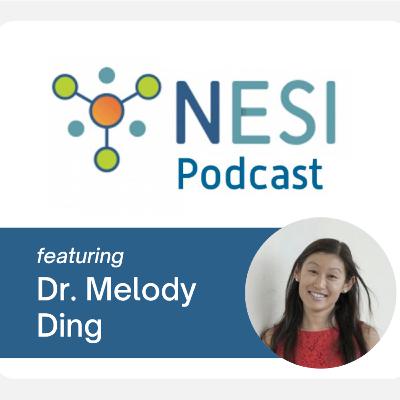
Peer review sits at the heart of academic life — but how do we learn to do it well?Most researchers receive review requests long before they receive any real guidance. And yet, thoughtful, constructive reviewing is one of the most meaningful ways we contribute to the scientific community.In this final episode of Season 1 of the NESI Podcast, we explore the craft, purpose, and practice of peer reviewing with Professor Melody Ding — behavioural epidemiologist, public health researcher, and editor at the Journal of Physical Activity and Health (JPAH). Melody shares insights from her recent paper on improving peer review, and we talk about how clarity, care, and collegiality can elevate the quality of both reviews and the research they aim to strengthen.Tune in to learn:• What makes a high-quality peer review• How to approach reviewing with clarity, respect, and a constructive mindset• Practical guidance from an experienced editor on what journals look forIf you are interested in the paper discussed in today's episode, find it here:https://journals.humankinetics.com/view/journals/jpah/20/11/article-p989.xmlYou can learn more about Melody and her work here:https://www.sydney.edu.au/medicine-health/about/our-people/academic-staff/melody-ding.htmlNew episodes of the NESI Podcast are released bi-weekly. Don’t miss updates on future episodes. Follow us on:Bluesky: @isbnpa.bsky.socialX: @ISBNPAInstagram: @isbnpaadminLinkedIn: https://www.linkedin.com/company/international-society-of-behavioral-nutrition-and-physical-activity/Do you want to feature your work on the podcast? We are always looking for new voices! Please reach out to us at nesipodcast@isbnpa.org with a short bio and the research you want to share — whether that’s a specific paper, a broader project, or a topic in your field that you’re passionate about.
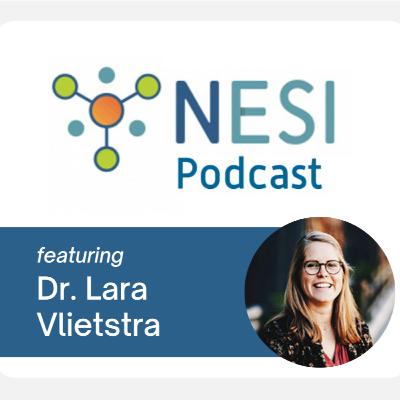
Muscle loss isn’t just a normal part of ageing — it’s a major public-health challenge. Sarcopenia, the gradual loss of muscle and strength, affects millions worldwide and is a key driver of frailty, falls, and reduced independence. But research now shows it begins decades earlier than we once thought — meaning prevention has to start well before old age.In this episode of the #NESIPodcast, Steve speaks with Dr. Lara Vlietstra, Senior Lecturer at the University of Otago. Originally trained as a physiotherapist in the Netherlands, Lara completed two master’s degrees in clinical and geriatric health sciences before earning her PhD on pre-sarcopenia. Her work now spans muscle health, falls prevention, and community-based approaches to healthy ageing.Together, they explore how sarcopenia develops, what we can do earlier in life to protect strength, and how community-driven research can shape practical solutions that truly work.Tune in to hear about:• How sarcopenia is defined — and why early prevention matters• What Lara’s pre-sarcopenia research reveals about midlife muscle health• How community co-design ensures research reflects lived experience and local contextLara shares her belief that real progress happens when researchers work with communities, not just on them — bringing together clinical expertise, lived experience, and local partnerships to turn evidence into change.Connect with Dr. Lara Vlietstra:📧 lara.vlietstra@otago.ac.nzNew episodes of the NESI Podcast are released bi-weekly.Follow us on:Bluesky: @isbnpa.bsky.socialX: @ISBNPAInstagram: @isbnpaadminLinkedIn: International Society of Behavioral Nutrition and Physical ActivityDo you want to feature your work on the podcast? We’re always looking for new voices!Email us at nesipodcast@isbnpa.org with a short bio and the research you’d like to share — whether that’s a paper, a project, or a topic in your field that deserves a spotlight.
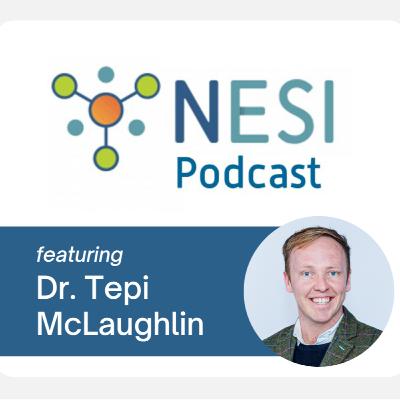
In this episode of the #NESIPodcast, Steve speaks with Dr. Tepi McLaughlin, a researcher and policy leader whose work explores the intersection of physical activity, systems thinking, and political economy. Together, they unpack the evolution of the field, the importance of politically informed approaches, and the role of advocacy in navigating commercial and structural determinants of health.The link to Tepi's paper is here: https://pmc.ncbi.nlm.nih.gov/articles/PMC11747872/Progress, Tepi argues, will come from testing what truly works in real-world settings, guided by politically aware, cross-sector collaboration. At the same time, we need to stay alert to the commercial forces shaping those systems and ensure their impact is addressed through strong advocacy and smart policy.New episodes of the NESI Podcast are released bi-weekly. Don’t miss updates on future episodes — follow us on:Bluesky: @isbnpa.bsky.socialX: @ISBNPAInstagram: @isbnpaadminLinkedIn: International Society of Behavioral Nutrition and Physical ActivityDo you want to feature your work on the podcast? We’re always looking for new voices! Email us at nesipodcast@isbnpa.org with a short bio and the research you’d like to share — whether that’s a paper, a project, or a topic in your field that deserves a spotlight.
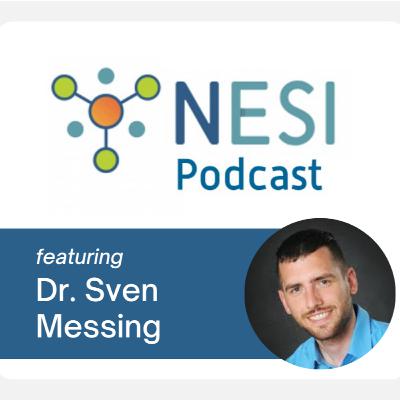
How can policy create the conditions for people to move more in their everyday lives?In this episode of the #NESIPodcast, Steve chats with Dr. Sven Messing, a researcher based at the University of Limerick in Ireland through a Marie Sklodowska-Curie Fellowship. With a background in political science and over eight years of experience in physical activity and public health, Sven’s work explores how policies at all levels—international, national, and local—shape opportunities for people to be active.🔗 Learn more about Dr. Sven Messing and his work: https://www.ul.ie/ehs/pafh/dr-sven-messing🎧 New episodes of the NESI podcast are released bi-weekly. Don’t miss updates on future episodes. Follow us on:Bluesky: @isbnpa.bsky.socialX: @ISBNPAInstagram: @isbnpaadminLinkedIn: International Society of Behavioral Nutrition and Physical Activity📢 Got research to share? Reach out to us at nesipodcast@isbnpa.org — we’d love to feature your work.
In this episode, Stephen speaks with Dr Ben Rigby from Newcastle University (United Kingdom) about his commentary, Reflections on inaction: how might we reverse continuing trends in physical inactivity, which asks why decades of physical activity promotion have failed to move the needle — and what bold ideas might finally shift the dial.Ben shares his reflections on the limitations of current policy approaches, and the tendency to treat inactivity as a simple behaviour problem rather than a complex, systemic issue.You’ll hear about:• Why global physical activity targets are likely to be missed — and what that tells us• The need to think beyond individual behaviour change to structural levers like time, equity, and resource distribution• How we might re-imagine physical activity promotion to create more meaningful movement experiencesWhether you work in research, policy, or practice, this conversation will challenge you to step back, rethink assumptions, and imagine a more radical future for physical activity promotion.🔗 Read Reflections on Inaction: https://doi.org/10.1080/19406940.2025.2473331🔗 Learn more about Dr Rigby’s work: https://www.ncl.ac.uk/medical-sciences/people/profile/benjaminrigby.html🎧 New episodes of the NESI podcast are released bi-weekly. Don’t miss updates on future episodes. Follow us on:Bluesky: @isbnpa.bsky.socialX: @ISBNPAInstagram: @isbnpaadminLinkedIn: International Society of Behavioral Nutrition and Physical Activity📢 Got research to share? Reach out to us at nesipodcast@isbnpa.org — we’d love to feature your work.

Exercise oncology is reshaping cancer care—proving that movement is not only safe for people with cancer but can also boost treatment outcomes, ease side effects, and enhance quality of life. As digital health grows as a tool for delivering care, eHealth offers a promising way to make exercise guidance more accessible—but how does it fit into cancer treatment?In this episode of the NESI Podcast, Emma speaks with Dr. Jordan Curry, a research associate at Hull York Medical School and Lead Communications Officer for the Cancer Prevention and Management Special Interest Group. Jordan’s research explores how exercise—and increasingly, digital technology—can support people living with and beyond cancer.We dive into his work on two major projects, ExerciseGuide UK and CANFit, which provide tailored, evidence-based exercise programs through digital platforms. Jordan shares how these tools can help patients stay strong, manage treatment side effects, and recover more effectively.Tune in to hear about:• How patients and the public are shaping exercise oncology research• The practical challenges of delivering eHealth interventions in real-world care• What recent studies reveal about the feasibility and acceptability of digital exercise guidesWhether you’re a healthcare professional, researcher, patient, or simply curious about the future of cancer care, this episode offers an inspiring look at how movement and technology can work hand in hand to improve lives.Want to follow Jordan and keep up with his research? You can find him at:https://www.hyms.ac.uk/about/people/jordan-curry New episodes of the NESI podcast are released bi-weekly. Don’t miss updates on future episodes. Follow us on: Bluesky: @isbnpa.bsky.socialX: @ISBNPAInstagram: @isbnpaadminLinkedIn: https://www.linkedin.com/company/international-society-of-behavioral-nutrition-and-physical-activity/ Do you want to feature your work on the podcast? We are always looking for new voices! Please reach out to us at nesipodcast@isbnpa.org with a short bio and the research you want to share on the podcast, whether that is a specific paper, a larger project or a topic in your field that you study.
How can we create early childhood environments that truly support physical activity and active play?In this episode, Stephen chats with Dr Charla Rochella Santiago from the University of the Philippines Diliman, about her research on physical activity in early years settings — and why movement in these foundational years matters for lifelong health and development.Dr Santiago shares insights from her work in childcare and preschool settings, highlighting how educators, environments, and policy intersect to shape young children’s movement behaviours.You’ll hear about:Why early childhood is a critical time for developing movement habitsThe cultural and structural challenges to promoting active playOpportunities to support educators as movement championsWhether you're in research, education, or policy, this episode offers a compelling look at the power of movement in the early years.🔗 Learn more about Dr Santiago’s work:https://www.linkedin.com/in/charla-rochella-santiago-saamong/🎧 New episodes of the NESI podcast are released bi-weekly. Don’t miss updates on future episodes. Follow us on: Bluesky: @isbnpa.bsky.socialX: @ISBNPAInstagram: @isbnpaadminLinkedIn: https://www.linkedin.com/company/international-society-of-behavioral-nutrition-and-physical-activity/ 📢 Got research to share? Reach out to us at nesipodcast@isbnpa.org with a short bio and the research you want to share on the podcast— we’d love to feature your work.
Small moves can have big impacts on our health. We all love to unwind after a long day—whether it’s sinking into the couch to watch TV or scrolling through our phones. But what if those quiet evening hours were also the perfect time to sneak in some movement? In this episode, we explore how adding a few simple movement breaks can make a difference to our health. In this episode, Steve is joined by Dr. Jennifer Gale, a postdoctoral researcher at the University of Otago. Jen shares her research on how incorporating movement breaks during our favourite evening sedentary activities can potentially benefit our cardiometabolic health. Tune in to learn about:· The risks of sedentary lifestyles· The health benefits of breaking up sitting time · How to incorporate movement into our evening routines If you are interested in the paper discussed in today's episode, find it here: https://bmjopensem.bmj.com/content/10/3/e001774 You can stay up-to-date on Jen and her research here:https://www.otago.ac.nz/paediatrics-child-health/people/profile?id=3714New episodes of the NESI podcast are released bi-weekly. Don’t miss updates on future episodes. Follow us on: Bluesky: @isbnpa.bsky.socialX: @ISBNPAInstagram: @isbnpaadminLinkedIn:https://www.linkedin.com/company/international-society-of-behavioral-nutrition-and-physical-activity/ Do you want to feature your work on the podcast? We are always looking for new voices! Please reach out to us at nesipodcast@isbnpa.org with a short bio and the research you want to share on the podcast, whether that is a specific paper, a larger project or a topic in your field that you study.
What if the secret to healthier living starts with healthier places? When we think of geography, we tend to think of maps and distances between locations, but it is more than just studying the Earth’s surface. Geography reveals how place shapes people — and how we can shape places in return. In this episode of the NESI Podcast, Emma explores how geography influences health behaviours with Dr. Alexander "AJ" Wray — an urban planner and health geographer. AJ shares insights from his work on urban environments and food advertising, offering practical ways behavioural nutrition and physical activity researchers can integrate geographic approaches into their work. Tune in to learn:What is health geographyHow spaces and places shape our health-related choicesWays to integrate geography into physical activity and nutrition researchTips and next steps for how to design healthier communitiesFor further details about the study discussed in today's episode, you can read the full paper here. If you want to learn about the Smart APPetite study, you can find more details on the project website. Want to follow AJ and keep up with his research? You can find him at:https://www.alexanderwray.ca/welcome https://theheal.ca/team/alexander-wray/ https://x.com/wrayaj?lang=en New episodes of the NESI podcast are released bi-weekly. Don’t miss updates on future episodes. Follow us on: Bluesky: @isbnpa.bsky.socialX: @ISBNPAInstagram: @isbnpaadminLinkedIn: https://www.linkedin.com/company/international-society-of-behavioral-nutrition-and-physical-activity/ Do you want to feature your work on the podcast? We are always looking for new voices! Please reach out to us at nesipodcast@isbnpa.org with a short bio and the research you want to share on the podcast, whether that is a specific paper, a larger project or a topic in your field that you study.
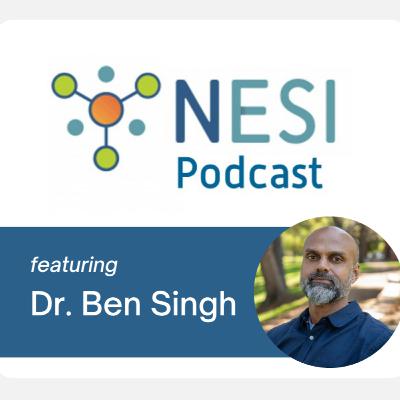
Want to know how physical activity can help with anxiety and depression?In this episode of the NESI podcast, we speak with Dr. Ben Singh about his landmark research on the impact of exercise on mental health. We discuss how different types, durations, and frequencies of physical activity affect symptoms of anxiety and depression—and how these effects compare to standard treatments like medication and therapy.Whether you're a health professional, researcher, or just someone interested in using movement to support mental wellbeing, this episode offers practical insights backed by high-quality evidence.Read the full study discussed in this episode: https://doi.org/10.1136/bjsports-2022-106195You can find more information about Ben and his research here: https://people.unisa.edu.au/ben.singh New episodes of the NESI podcast are released bi-weekly. Don’t miss updates on future episodes. Follow us on: Bluesky: @isbnpa.bsky.socialX: @ISBNPAInstagram: @isbnpaadminLinkedIn: https://www.linkedin.com/company/international-society-of-behavioral-nutrition-and-physical-activity/ Do you want to feature your work on the podcast? We are always looking for new voices! Please reach out to us at nesipodcast@isbnpa.org with a short bio and the research you want to share on the podcast, whether that is a specific paper, a larger project or a topic in your field that you study.
We have a special episode of the NESI Podcast for you. This week, it is the ISBNPA 2025 annual meeting in Auckland, New Zealand. The ISBNPA annual meetings generate a high turnout with researchers from around the world, covering a wide variety of topics in physical activity and nutrition research. The planning committee organizes various presentation sessions, special interest group meetings and socials that you can partake in to help get to know your fellow conference attendees. Since multiple events are happening across the four days, you may have moments where you are wondering what you should be doing or feeling stuck and looking for guidance. With the conference a few short days away, your NESI team wanted to get together to give you some tips and tricks on what you can do at the conference and how you can make the most of your time at ISBNPA 2025. On this week’s episode, Emma will be joined by Kylie, Alex, Mary, Umar and Amanda to talk about: - The NESI subcommittees and the work they do- Overview of the ISBNPA conference- Some pitfalls and challenges students and ECRs can face when attending conferences- Tips for how to network and build lasting relationships with the researchers you meetWhether this is your first conference or you’re a seasoned expert, this episode will give young researchers’ perspectives on the conference experience and valuable insights that will help you navigate the ISBNPA annual meeting.For more information about the upcoming ISBNPA conference, including the program and event details, check out the annual meeting website: https://annualmeeting.isbnpa.org/ NESI Social: Are you a student or ECR looking to connect and unwind at ISBNPA 2025? Get casual and join us at the NESI Social to network with your peers in the field!Thursday, June 12 @ 6:30 pmJW Marriott, Lobby Bar*food and drink will be available for purchaseNESI Corner: Looking for conference information, resources about Auckland, or just a friendly face during the conference? Head to the NESI Corner in the Poster Hub in the conference space.Interested in writing a blog post or being highlighted in one of the student & ECR spotlights? Please reach out to nesi.isbnpa@gmail.com. Include ‘blog post’ or ‘spotlight’ in the title of your email, and tell the team a little bit about yourself and what you want to write about. New episodes of the NESI podcast are released bi-weekly. Don’t miss updates on future episodes. Follow us on: Bluesky: @isbnpa.bsky.socialX: @ISBNPAInstagram: @isbnpaadminLinkedIn: https://www.linkedin.com/company/international-society-of-behavioral-nutrition-and-physical-activity/ Do you want to feature your work on the podcast? We are always looking for new voices! Please reach out to us at nesipodcast@isbnpa.org with a short bio and the research you want to share on the podcast, whether that is a specific paper, a larger project or a topic in your field that you study.
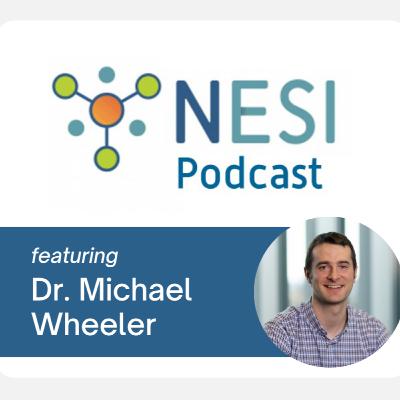
How do you make your science clear, compelling, and memorable? In this episode, Stephen sits down with Dr Michael Wheeler, a leading science communicator and physical activity researcher to unpack the power of effective communication in research.From translating complex findings into accessible messages, to shaping a personal narrative as an early career researcher, Michael shares insights and practical advice on how to engage a broad range of audiences —whether that’s the media, policymakers, or your next grant reviewer.You'll learn:- Why storytelling matters in science- How to pitch your research for maximum impact- Common pitfalls in research communication (and how to avoid them)- Tools and tips for improving your writing, speaking, and outreach- Why early career researchers should embrace communication now—not laterWhether you're preparing a conference talk, writing a lay summary, or posting about your latest paper, this episode will inspire you to communicate your work with confidence and clarity.Follow Michaels research and podcast here:https://experts.deakin.edu.au/58730-michael-wheeler https://findanexpert.unimelb.edu.au/profile/845872-michael-wheeler https://science.unimelb.edu.au/engage/lets-talk-scicomm-podcast New episodes of the NESI podcast are released bi-weekly. Don’t miss updates on future episodes. Follow us on: Bluesky: @isbnpa.bsky.socialX: @ISBNPAInstagram: @isbnpaadminLinkedIn: https://www.linkedin.com/company/international-society-of-behavioral-nutrition-and-physical-activity/ Do you want to feature your work on the podcast? We are always looking for new voices! Please reach out to us at nesipodcast@isbnpa.org with a short bio and the research you want to share on the podcast, whether that is a specific paper, a larger project or a topic in your field that you study.
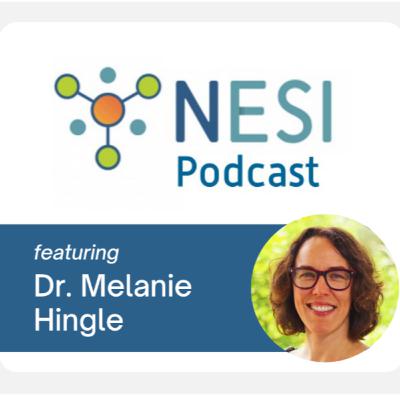
In this episode, we dive into one of the most talked-about developments in research and academia today—generative AI.Our guest is Professor Melanie Hingle, a registered dietitian, behavioral nutrition expert, and academic leader; Melanie is co-editor in chief of The International Journal of Behavioural Nutrition and Physical Activity. Melanie joins Steve to explore the opportunities, challenges, and ethical considerations of using tools like ChatGPT and other AI platforms in the research process and academic publishing.Tune in to hear:How AI is currently being used in behavioral nutrition and physical activity researchWhat generative AI can (and can’t) do for ECRs and studentsEthical concerns, authorship, and transparency in AI-assisted writingTips for using AI responsibly in literature reviews, writing, and ideationHow journals and universities are responding to this rapidly evolving space.Whether you’re curious, cautious, or already using AI in your work, this episode will give you critical insights and practical perspectives to help navigate this technological shift.You can learn more about Melanie's work here:https://cancercenter.arizona.edu/person/melanie-hingle-phd-mph-rdnNew episodes of the NESI podcast are released bi-weekly. Don’t miss updates on future episodes. Follow us on: Bluesky: @isbnpa.bsky.socialX: @ISBNPAInstagram: @isbnpaadminLinkedIn: https://www.linkedin.com/company/international-society-of-behavioral-nutrition-and-physical-activity/ Do you want to feature your work on the podcast? We are always looking for new voices! Please reach out to us at nesipodcast@isbnpa.org with a short bio and the research you want to share on the podcast, whether that is a specific paper, a larger project or a topic in your field that you study.
Welcome to the first-ever episode of the NESI Podcast, brought to you by the Network of Early Career Researchers and Students of the International Society of Behavioral Nutrition and Physical Activity (ISBNPA)!In this inaugural episode, your hosts Dr Emma Ostermeir and Dr Stephen Barrett introduce the podcast and share its purpose: to amplify the voices, stories, and work in behavioral nutrition and physical activity from around the globe. And where possible to promote the work of early career researchers (ECRs) and students. During this introduction episode, you'll hear about:Why the NESI Podcast was created and who it’s forWhat to expect in the coming episodesThemes and topics planned for the year (including academic journeys, mentorship, publishing, grant writing, work-life balance, and research impact)Opportunities to get involved – as a guest, a contributor, or even just a supporterWhether you're a student, PhD candidate, postdoc, or just passionate about health behavior research, this is your space to connect, learn, and grow with the NESI community.Emma and Stephen would love to connect with you.Emmahttps://www.linkedin.com/in/emma-ostermeier-karim-24238233b/ https://x.com/EmmaOste Stephenhttps://www.linkedin.com/in/stephen-barrett-4b95352a1/ https://bsky.app/profile/barrettstephen.bsky.social New episodes of the NESI podcast are released bi-weekly. Don’t miss updates on future episodes. Follow us on: Bluesky: @isbnpa.bsky.socialX: @ISBNPAInstagram: @isbnpaadminLinkedIn: https://www.linkedin.com/company/international-society-of-behavioral-nutrition-and-physical-activity/ Do you want to feature your work on the podcast? We are always looking for new voices! Please reach out to us at nesipodcast@isbnpa.org with a short bio and the research you want to share on the podcast, whether that is a specific paper, a larger project or a topic in your field that you study.
Comments


Download from Google Play

Download from App Store
 United States