


 Claim Ownership
The Dementia Collective
Subscribed: 1Played: 0
Subscribe

© blueBell Village
Description
Caring for someone with dementia can feel overwhelming but you don’t have to do it alone. The Dementia Collective is a podcast for caregivers seeking real support and fresh ideas.
Hosted by Andrew Karesa, founder of blueBell Village, each episode features conversations with caregivers, clinicians, and innovators who bring practical insights, lived experience, and unexpected resources to light. Whether it’s navigating daily challenges, learning about emerging supports, or hearing stories from others on the journey, this podcast is here to help.
We’re here to walk alongside you
Hosted by Andrew Karesa, founder of blueBell Village, each episode features conversations with caregivers, clinicians, and innovators who bring practical insights, lived experience, and unexpected resources to light. Whether it’s navigating daily challenges, learning about emerging supports, or hearing stories from others on the journey, this podcast is here to help.
We’re here to walk alongside you
34 Episodes
Reverse
What if Inside Out accidentally explained how memory really works?Pixar created a world where memories form as glowing spheres, fade over time, and are reshaped by emotion. It’s a beautiful storytelling device.But it’s also surprisingly close to what researchers understand about how human memory actually works.In this video, we explore why Inside Out might be one of the most accurate films about memory ever made.The movie quietly captures several ideas psychologists and neuroscientists have studied for decades:• Memories are shaped by emotion• Memories change each time we revisit them• Sadness plays a critical role in healing and connection• Some memories fade while others become part of who we areWhat makes Inside Out powerful is that it doesn’t present memory as a filing cabinet. It presents it as something living, fragile, and constantly evolving.And that idea matters far beyond film.Because the way our culture understands memory shapes how we respond to aging, grief, and conditions like dementia.This isn’t a clinical breakdown of neuroscience.It’s a cultural reflection on how a Pixar film captured something deeply true about the human mind.
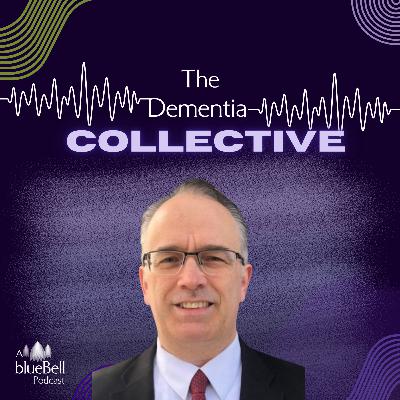
What happens when families sense cognitive change years before dementia is ever named, and are left living in uncertainty while waiting for clarity that arrives too late?In this episode, Andrew Karesa sits down with Greg McGillis, engineer, entrepreneur, and founder of Brain Care Technologies, to explore why dementia is so often detected only after lives have already been disrupted, and what might change if cognitive decline were noticed earlier.Greg shares the long arc of his career, beginning in the early 1990s working in assistive technology with people whose physical disabilities limited their independence. That early work shaped his understanding of dignity and agency, lessons that stayed with him through decades in engineering leadership before he made a deliberate return to biomedical engineering later in life.The conversation becomes deeply personal as Greg reflects on supporting his father in law, who is now living with Lewy body dementia in long term care. He speaks candidly about watching subtle changes accumulate, the years of uncertainty before answers arrived, and how families are often left wishing they had known sooner, not for a cure, but for time, planning, and fewer surprises.Andrew and Greg explore why the gap between early brain changes and clinical diagnosis remains so wide, and what families lose during that waiting period. They discuss how current systems often rely on crisis rather than curiosity, and why caregivers are frequently the first to notice cognitive change long before healthcare systems are prepared to respond.The episode also examines Greg’s work at Brain Care Technologies and his belief that understanding brain function earlier, through non invasive approaches, can support better conversations and planning. Rather than positioning technology as a solution on its own, Greg emphasizes its role in helping families move from confusion to clarity, while respecting uncertainty and avoiding false promises.Throughout the conversation, Greg challenges the idea that early awareness should be feared. He speaks to the importance of hope grounded in realism, and why earlier understanding, even without definitive answers, can empower families rather than overwhelm them.In this episode:• Why dementia is often detected years after cognitive changes begin• What families lose during the long wait for answers• Why caregivers are usually the first to notice change• The emotional toll of uncertainty before diagnosis• What early awareness can and cannot change today• How earlier understanding can support planning and dignity• Why proactive dementia care must be handled with honesty and careWhether you are a caregiver, a family member, or someone trying to understand dementia beyond clinical timelines and stereotypes, this conversation offers clarity, perspective, and a grounded look at why knowing sooner can change how dementia care is experienced.Learn more at:https://www.bluebellvillage.cahttps://braincaretech.caDisclaimer: The information shared in this podcast is for general informational purposes only and is not intended as medical advice. It should not be used to diagnose, treat, or prevent any medical condition. Always consult your physician or another qualified healthcare provider regarding any questions you may have about a medical condition or treatment. The views and opinions expressed by guests are their own and do not necessarily reflect those of Andrew Karesa, blueBell Village Ltd., or any of its employees, contractors, or team members.
What if the most powerful story in Coco isn’t about music at all?In one quiet moment near the end of the film, Pixar reveals something deeply human about memory, aging, and the fear of being forgotten. When Miguel sings Remember Me to Coco, the song stops being about fame or performance and becomes something far more personal — a bridge back to memory.In this video, we explore the hidden story inside Coco and why that scene resonates so deeply with families who have experienced aging and fading memory.Through Coco’s character and the traditions surrounding Día de los Muertos, the film quietly reminds us that memory is not just something we carry alone. It lives in stories, in families, and in the people who choose to remember.This isn’t a clinical analysis.It’s a cultural one.Because the stories we tell about memory and aging shape how we treat the people living with them.
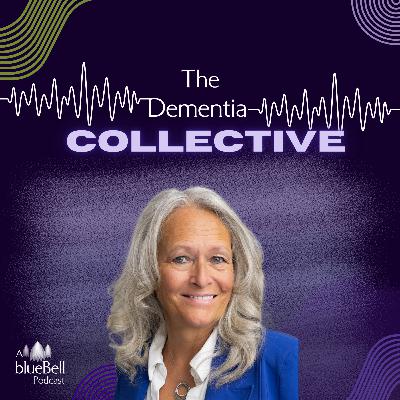
What happens when a diagnosis doesn’t just change a life, but quietly changes the way a room responds to you?In this episode, Andrew Karesa sits down with Phyllis Fehr, an international dementia advocate, registered nurse, author, and human rights leader who has been living with a diagnosis of early-onset Alzheimer’s since the age of 53. Phyllis’s relationship with dementia began long before her own diagnosis, shaped by early caregiving experiences in her family and later by a career in critical care nursing. Those layers of lived experience inform everything she shares in this conversation.Phyllis reflects on what it was like to notice changes in herself, to seek answers as a healthcare professional, and to eventually receive a diagnosis that altered not only how systems saw her, but how people spoke to her, looked at her, and included her. She describes moments where conversations shifted mid-sentence, where attention moved away from her, and where assumptions about capacity replaced curiosity about who she still was.Throughout the conversation, Phyllis speaks candidly about living with dementia day to day. She challenges the idea that diagnosis equals disappearance, and explains how capacity, autonomy, and consent can fluctuate without vanishing. She shares how she continues to assess her own abilities, adapt when needed, and assert her right to be involved in decisions about her life.Andrew and Phyllis also explore how dementia becomes a human rights issue, not only in policy rooms, but in ordinary interactions. Phyllis draws from her work with provincial, national, and international bodies, including advisory roles and advocacy at the United Nations, to explain how people living with dementia are often invited into conversations symbolically but excluded in practice. She speaks openly about tokenism, stigma, and the emotional cost of constantly having to prove you are still capable.The episode also touches on the importance of creativity, intergenerational relationships, and purpose. Phyllis shares how staying engaged, writing, speaking, and connecting with children and grandchildren has helped her maintain identity and meaning, even as she navigates change. Rather than framing dementia as a story of loss alone, she offers a more complex and honest account of what remains.Throughout the episode, Phyllis challenges common assumptions about dementia, including who it affects, how capacity is understood, and why silence and exclusion often cause more harm than the disease itself.In this episode:• What changes socially after a dementia diagnosis, even when the person is still present• How being treated differently can erode dignity long before abilities are lost• What capacity and consent look like when cognition fluctuates• Why living with dementia is also a human rights issue• How advocacy rooted in lived experience differs from policy on paper• The role of creativity, purpose, and connection in living well with dementia• Why claiming your voice matters, even when systems are uncomfortable listeningWhether you are living with dementia, supporting someone who is, or trying to understand dementia beyond stereotypes and clinical language, this conversation offers clarity, honesty, and a powerful reminder that diagnosis does not erase personhood.Learn more at:https://www.bluebellvillage.caDisclaimer: The information shared in this podcast is for general informational purposes only and is not intended as medical advice. It should not be used to diagnose, treat, or prevent any medical condition. Always consult your physician or another qualified healthcare provider regarding any questions you may have about a medical condition or treatment. The views and opinions expressed by guests are their own and do not necessarily reflect those of Andrew Karesa, blueBell Village Ltd., or any of its employees, contractors, or team members.
What if dementia isn’t just something that happens to us, but something shaped over time by how we live?In this episode, Andrew Karesa sits down with Dr. Tommy Wood, neuroscientist, physician, and author of The Stimulated Mind, to explore one of the most challenging ideas in brain health: that a significant portion of dementia may be preventable, and that everyday choices play a meaningful role across the lifespan.Dr. Wood’s work spans newborn brain injury, long-term cognitive health, and elite performance with Formula 1 drivers. At the center of it is a simple question: what helps the brain stay resilient, adaptable, and capable over time?Together, Andrew and Tommy explore the concept of “headroom,” the brain’s ability to build capacity so that decline has less impact when it comes. They revisit the common belief that dementia is simply part of aging and look at why focusing on a single cause, like amyloid, has limited our understanding of cognitive decline.The conversation moves into what actually matters in daily life. From physical activity and social connection to cognitive challenge and recovery, Tommy explains which behaviors are most influential and where people often focus on the wrong things.They also consider what this means for families already living with dementia. What still makes a difference after a diagnosis? What is worth prioritizing when time and energy are limited? And how can we talk about prevention in a way that supports, rather than burdens, caregivers?The episode also explores populations with very low rates of dementia and what their lifestyles reveal about the gap between what we know and how we live. Along the way, Tommy offers perspective on brain training, optimization, and the tendency to overcomplicate what is often more straightforward.In this episode:• What “45% of dementia may be preventable” actually means• The idea of “headroom” and how the brain builds resilience• Why focusing only on amyloid falls short• Which behaviors have the greatest impact on brain health• The role of social connection in protecting the brain• What people misunderstand about brain training and stimulation• The gap between knowledge and action• What still matters after a dementia diagnosis• What caregivers can let go of• How to prioritize when you cannot do everythingWhether you are thinking about your own future, supporting someone you love, or trying to make sense of conflicting advice around brain health, this conversation offers a clearer understanding of what matters and where to focus your energy.Learn more at:https://www.bluebellvillage.cahttps://www.drtommywood.comhttps://www.drtommywood.com/stimulated-mindhttps://www.amazon.com/Stimulated-Mind-Future-Proof-Brain-Dementia/dp/0593797817Disclaimer: The information shared in this podcast is for general informational purposes only and is not intended as medical advice. It should not be used to diagnose, treat, or prevent any medical condition. Always consult your physician or another qualified healthcare provider regarding any questions you may have about a medical condition or treatment. The views and opinions expressed by guests are their own and do not necessarily reflect those of Andrew Karesa, blueBell Village Ltd., or any of its employees, contractors, or team members.
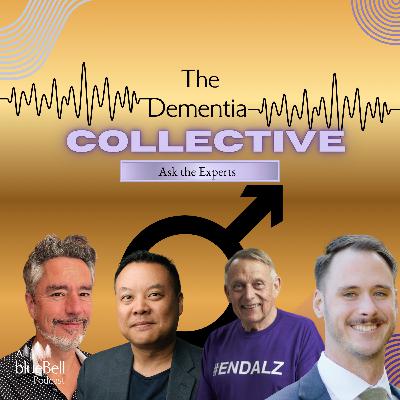
In this Ask the Experts conversation, Governor Martin Schreiber, Ron Beleno, Alfredo Botello, and Spencer Cline explore why so many male caregivers struggle to ask for help. The discussion examines the pressure men often feel to stay strong, handle everything alone, and suppress their own needs, while also unpacking the guilt, silence, and isolation that can come with caregiving.Disclaimer: The information shared in this podcast is for general informational purposes only and is not intended as medical advice. It should not be used to diagnose, treat, or prevent any medical condition. Always consult your physician or another qualified healthcare provider regarding any questions you may have about a medical condition or treatment. The views and opinions expressed by guests are their own and do not necessarily reflect those of Andrew Karesa, blueBell Village Ltd., or any of its employees, contractors, or team members.
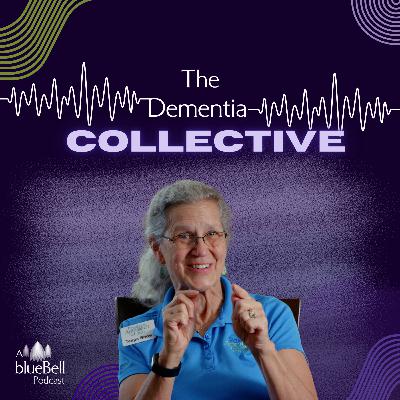
What if dementia care isn’t about having the right answers, but about responding to the moment you’re in?In this episode, Andrew Karesa sits down with Teepa Snow, one of the most respected voices in dementia care, to explore what it really means to support someone living with brain change when memory, language, and recognition come and go.Drawing on more than four decades of experience as an occupational therapist, educator, and caregiver, Teepa shares how dementia care shifts when we stop correcting, stop forcing outcomes, and start meeting people where they are right now. Together, Andrew and Teepa talk about presence, improvisation, caregiver grief, and why connection often matters more than getting things “right.”The conversation also touches on dementia in the public eye, young onset and childhood dementias, brain injury and risk, and the ways communities can better support people living with dementia without stripping away agency or dignity.In this episode:• Why dementia care happens in the moment, not in the past or future• How letting go of correction can reduce distress and build connection• What people with dementia still understand long after memory fades• The emotional cost of caregiving and the importance of debriefing and support• Dementia under public scrutiny and the added pressure families face• Young onset and childhood dementias that are rarely discussed• Why communities, not just clinicians, play a critical role in careWhether you’re a caregiver, family member, professional, or someone trying to understand dementia more deeply, this conversation offers practical insight and reassurance for navigating care one moment at a time.Learn more at:https://www.bluebellvillage.cahttps://teepasnow.comDisclaimer: The information shared in this podcast is for general informational purposes only and is not intended as medical advice. It should not be used to diagnose, treat, or prevent any medical condition. Always consult your physician or another qualified healthcare provider regarding any questions you may have about a medical condition or treatment. The views and opinions expressed by guests are their own and do not necessarily reflect those of Andrew Karesa, blueBell Village Ltd., or any of its employees, contractors, or team members.
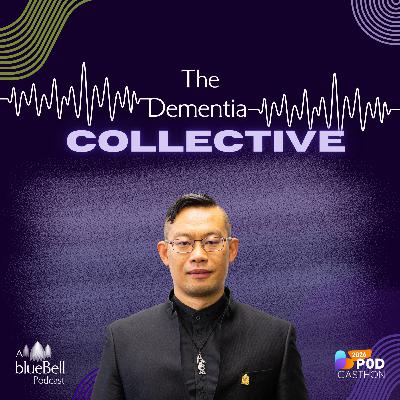
What if supporting people living with dementia was not only about care, but about activity, connection, and purpose?In this episode, Andrew Karesa sits down with Haidong Liang, gerontologist and CEO of WE Seniors and the Westend Seniors Activity Centre, to explore why meaningful activity is critical in dementia care and healthy aging.Haidong shares how his work bridging research, policy, and real-world community programs has reshaped how he thinks about dementia support. From the role of physical movement and social engagement to the quiet ways families can unintentionally hold seniors back in the name of love, he explains why engagement often matters more than supervision alone.Together, Andrew and Haidong unpack what aging with dignity looks like in practice, not just in policy documents. They discuss how seniors activity centres can support people living with dementia and their caregivers long before crisis sets in, why caregivers need wraparound community support, and how local organizations can fill the gaps left by one-size-fits-all approaches to aging at home.This episode is part of Podcasthon 2026, a global initiative highlighting nonprofits creating meaningful change in their communities. As part of Podcasthon, this conversation shines a light on WE Seniors, an Edmonton-based nonprofit doing impactful, on-the-ground work to support seniors and caregivers through inclusive programming, collaboration, and purposeful activity.In this episode:• Why activity and engagement are critical in dementia care• What families notice first when participation is truly working• How social connection supports both caregivers and people living with dementia• Why aging is not a disease and how that belief harms care• The role of seniors activity centres in supporting aging at home• How community-based programs reach diverse and underserved seniors• What aging with dignity means beyond basic careWhether you are a caregiver, professional, policymaker, or someone thinking about aging in your own family, this conversation is a reminder that activity, connection, and purpose do not disappear with a diagnosis. They become more important than ever.Learn more at:https://www.bluebellvillage.cahttps://weseniors.caDisclaimer: The information shared in this podcast is for general informational purposes only and is not intended as medical advice. It should not be used to diagnose, treat, or prevent any medical condition. Always consult your physician or another qualified healthcare provider regarding any questions you may have about a medical condition or treatment. The views and opinions expressed by guests are their own and do not necessarily reflect those of Andrew Karesa, blueBell Village Ltd., or any of its employees, contractors, or team members.
In this short bonus episode of The Dementia Collective, Andrew Karesa turns to the DC universe and one of Batman’s most fascinating ideas: the Lazarus Pit.Within the mythology of DC Comics, the Lazarus Pit offers an extraordinary promise. When the body begins to fail, the pit restores it. Age recedes. Strength returns. Life begins again.But beneath that supernatural premise lies a deeper cultural question:What does our fascination with reversal reveal about how society understands decline?Often associated with Ra’s al Ghul, the Lazarus Pit represents a powerful belief embedded in both fiction and reality—the idea that decline should always be temporary, that with enough innovation or intervention the body can be returned to what it once was.In this reflection, Andrew explores how that narrative shapes the way modern systems approach aging, illness, and vulnerability. Cultural stories tend to celebrate cure, restoration, and breakthrough. Yet far less attention is given to the structural challenge of supporting lives that change in ways that cannot simply be reversed.By examining the Lazarus Pit through a critical lens, this episode asks whether our institutions are quietly built around the expectation of restoration—and what happens when restoration never arrives.Batman has long explored questions of power, morality, and human limits. Here, the Lazarus Pit becomes something else: a mirror for the cultural myth that decline must always be undone.If you care about pop culture, aging, systems design, caregiving, or the deeper stories that shape how society responds to vulnerability, this reflection pushes beyond comic lore and into the architecture of how we value people when restoration is no longer possible.Disclaimer: The information shared in this podcast is for general informational purposes only and is not intended as medical advice. It should not be used to diagnose, treat, or prevent any medical condition. Always consult your physician or another qualified healthcare provider regarding any questions you may have about a medical condition or treatment. The views and opinions expressed by guests are their own and do not necessarily reflect those of Andrew Karesa, blueBell Village Ltd., or any of its employees, contractors, or team members.
What happens when childhood unfolds alongside loss — not all at once, but slowly, quietly, and long before anyone knows how to name it?In this episode, Andrew Karesa sits down with Spencer Cline — FTD advocate, former college basketball player, endurance athlete, and AFTD Ambassador — to talk about what it means to grow up while a parent is living with dementia. Spencer’s father began showing symptoms of frontotemporal dementia shortly after Spencer was born, was diagnosed when Spencer was seven, and later identified as carrying the C9orf72 genetic variant, a mutation linked to both FTD and ALS. His father passed away in 2012, but the impact of the disease shaped Spencer’s life long before that moment.Spencer shares what it was like to grow up inside a disease few people understood — navigating embarrassment, anger, responsibility, and grief while still trying to be a kid. He reflects on the moments he didn’t yet have words for, the silence around his family’s reality, and the complicated emotions of loving a parent whose behavior no longer matched who they once were. He speaks candidly about the freedom he needed as a child, the importance of choice in caregiving relationships, and the quiet weight carried by young caregivers who are often overlooked.The conversation also explores the role sport played in Spencer’s life — how basketball became a refuge, a place where he could escape the chaos at home and feel normal, focused, and grounded. Later, that same drive showed up in a different form: a 3,700-mile bike ride across the United States to raise awareness for FTD. Spencer recounts the physical and emotional demands of the journey, the strangers who carried him when his body couldn’t, and what endurance taught him about collective grief, community, and resilience.Andrew and Spencer also dig into the realities of genetic dementia — the fear, uncertainty, and existential weight of knowing you may carry the same mutation that took your parent. Spencer reflects on how that knowledge shapes the way he lives, loves, and plans for the future, and why advocacy has become both an outlet for grief and a source of purpose.Throughout the episode, Spencer challenges common assumptions about dementia — that it only affects memory, that it only happens in old age, and that children aren’t deeply impacted. He speaks openly about misdiagnosis, stigma, and why frontotemporal dementia remains widely misunderstood, even within healthcare systems.In this episode:• What children actually need when a parent is living with dementia• Why choice and autonomy matter for young caregivers• How growing up with FTD shaped Spencer’s emotional awareness and resilience• The role of sport as refuge, identity, and survival• What endurance challenges reveal about grief and community• The realities of living with genetic risk• Why FTD is often misdiagnosed — and why that matters• How awareness work can move beyond slogans into real impact• The unseen emotional cost of dementia on children and familiesWhether you’re a caregiver raising children, an adult reflecting on your own upbringing, or someone trying to understand dementia beyond the stereotypes, this conversation offers honesty, clarity, and a rare perspective on what it means to grow up fast — and keep going anyway.Learn more at:https://www.bluebellvillage.cahttps://www.theaftd.orgDisclaimer: The information shared in this podcast is for general informational purposes only and is not intended as medical advice. It should not be used to diagnose, treat, or prevent any medical condition. Always consult your physician or another qualified healthcare provider regarding any questions you may have about a medical condition or treatment. The views and opinions expressed by guests are their own and do not necessarily reflect those of Andrew Karesa, blueBell Village Ltd., or any of its employees, contractors, or team members.
What happens when a system built to protect people becomes the very thing that limits their freedom — and the people inside it are left to carry the emotional weight?In this episode, Andrew Karesa sits down with Dr. Sharon Kaasalainen — nurse, researcher, and co-lead of the SPA-LTC palliative care initiative — to explore what long-term care looks like from the inside, why caregivers often feel shut out of decisions, and how a new approach could reshape the way Canada cares for people living with dementia. Sharon has spent decades working in LTC homes, listening to care aides, supporting families, training nurses, and challenging the assumptions that have governed the sector for too long.Sharon shares the first moments that drew her into this work as a young bed-maker in long-term care, the early conversations that showed her how invisible caregiver expertise often is, and the painful reality of watching families arrive in crisis because no one prepared them for what was coming. She opens up about the unspoken tensions between nurses and care aides, the discomfort many providers feel around palliative conversations, and the fear that regulations and punitive oversight are pushing good people out of the profession.Together, Andrew and Sharon dive into why caregivers are still viewed as “difficult,” how early palliative conversations can calm crisis before it begins, and why the most meaningful innovations in LTC aren’t high-tech — they’re human. They examine models from the Netherlands, the need for smaller household-style living, the power of relationships in shaping resident well-being, and what it will take to trust LTC teams enough to let them innovate again.They also tackle the darker side of regulation: Bill 14, the rise of investigators, and what happens when a sector meant to care becomes a sector afraid to move. Sharon offers a candid perspective on the burnout of nurses, the undervaluing of care aides, and the emotional cost of a system where everyone feels watched but no one feels supported.In this episode:• Why caregivers should be involved from the very beginning — not only when signatures are needed• How early palliative conversations help families avoid crisis• The role of care aides, and why their expertise must be recognized and regulated fairly• Why LTC feels more like an institution than a home — and how to change that• How the Netherlands is reshaping global expectations for dementia care• The emotional reality of nurses navigating impossible workloads• The danger of punitive regulation and how it undermines innovation• How SPA-LTC is reducing hospital transfers and improving quality of dying• Why listening is still the most underrated skill in dementia care• What Sharon hopes the next generation of LTC will finally get rightWhether you’re a caregiver advocating for a loved one, a healthcare provider navigating the pressures of LTC, or someone trying to understand how we rebuild a system from the inside out, Sharon’s insights offer clarity, compassion, and a vision for long-term care where people — not policies — come first.Learn more at:https://www.bluebellvillage.cahttps://spaltc.caDisclaimer: The information shared in this podcast is for general informational purposes only and is not intended as medical advice. It should not be used to diagnose, treat, or prevent any medical condition. Always consult your physician or another qualified healthcare provider regarding any questions you may have about a medical condition or treatment. The views and opinions expressed by guests are their own and do not necessarily reflect those of Andrew Karesa, blueBell Village Ltd., or any of its employees, contractors, or team members.
In this short bonus episode of The Dementia Collective, Andrew Karesa turns to Star Trek: The Next Generation and the episode “Sarek” to examine a deeper cultural question:What happens when a society built on logic confronts cognitive decline?Through the allegory of Bendii Syndrome, this five minute reflection moves beyond disease comparison and into structural critique. Vulcan culture equates control with honour, rationality with legitimacy, and composure with dignity. When that control falters, the response is not only medical. It is political.By contrasting Bendii Syndrome with dementia, Andrew explores how modern systems respond to cognitive vulnerability. When autonomy shifts, who decides? When capacity changes, what happens to dignity? And how often does “protection” become quiet control?This episode challenges the assumption that dementia erodes human worth. Instead, it asks whether our institutions are designed in ways that make stigma inevitable.Star Trek has long been a vehicle for social critique. Here, it becomes a mirror for how we structure autonomy, caregiving, and legitimacy in the face of aging.If you care about dementia, systems design, ethics, or the future of dignity in aging, this reflection pushes beyond description and into the architecture of how we value people when logic fails.Disclaimer: The information shared in this podcast is for general informational purposes only and is not intended as medical advice. It should not be used to diagnose, treat, or prevent any medical condition. Always consult your physician or another qualified healthcare provider regarding any questions you may have about a medical condition or treatment. The views and opinions expressed by guests are their own and do not necessarily reflect those of Andrew Karesa, blueBell Village Ltd., or any of its employees, contractors, or team members.
What happens when dementia enters a home where achievement is expected, aging is denied, and illness isn’t talked about until it can’t be ignored?In this episode, Andrew Karesa sits down with Anoushka Fernandes — caregiver, consultant, and founder of The Soggy Sandwich — to explore how dementia shows up inside South Asian families and why silence still surrounds it. After leaving a senior government role to support her parents, Anoushka found herself navigating a disease few in her community were willing to name, let alone prepare for.Anoushka shares the early signs her family noticed, the denial that followed, and the emotional hit of realizing that even a highly educated, active, and disciplined person like her mother could be affected. She opens up about the guilt, anger, and grief that shape caregiving, the isolation that comes from being “the one who steps in,” and the cultural expectations placed on daughters in first-generation households.Together, Andrew and Anoushka unpack why dementia remains stigmatized in South Asian homes, how cultural values both help and hinder caregiving, and what Canadian caregivers need to understand when supporting someone who grew up in a completely different world. They also talk about the power of early diagnosis, the gaps in Alberta’s healthcare navigation, the importance of community support, and why she became an early adopter of blueBell Connect during her mother’s care.In this episode:• Early signs families often miss — and why denial is common• How South Asian cultural expectations shape caregiving roles• The emotional paradoxes caregivers face: anger, guilt, grief, and acceptance• Why isolation grows in a hyperconnected world• How to find reliable information without getting lost in online noise• What Canadian caregivers need to know when supporting South Asian parents• The role of the Alzheimer Society and system navigators• Why she created The Soggy Sandwich after her mother’s sudden passing• How blueBell Connect helped her keep dispersed family members alignedWhether you are a caregiver searching for better communication strategies, a professional working in memory care, or someone looking for clarity on what truly helps, Rachael’s insights are a reminder that connection is still possible — especially when we meet people where they are.Learn more at:https://www.bluebellvillage.cahttps://thesoggysandwich.ca/blog/https://www.marcelinomarisesolutions.comDisclaimer: The information shared in this podcast is for general informational purposes only and is not intended as medical advice. It should not be used to diagnose, treat, or prevent any medical condition. Always consult your physician or another qualified healthcare provider regarding any questions you may have about a medical condition or treatment. The views and opinions expressed by guests are their own and do not necessarily reflect those of Andrew Karesa, blueBell Village Ltd., or any of its employees, contractors, or team members.
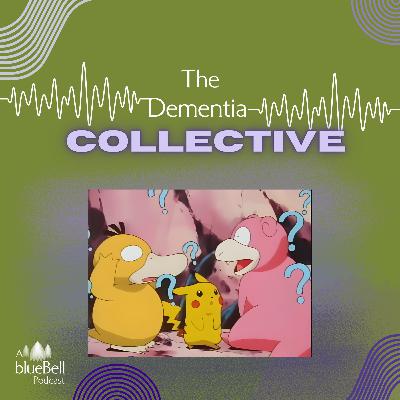
In this short bonus episode of The Dementia Collective, Andrew Karesa challenges one of the most common assumptions in dementia care: that a person living with dementia is simply “confused.”What if that word is masking something more specific?Through an unexpected comparison using characters from Pokémon, this five minute reflection explores the difference between slowed cognitive processing and neurological overload. These two patterns can look similar on the surface, but they require very different responses from caregivers.By examining how Alzheimer’s disease and other forms of dementia affect processing speed, attention, and sensory filtering, Andrew invites listeners to reconsider how they interpret pauses, agitation, and behavioural changes.When we shift from labeling behaviour to understanding what may be happening in the brain, dementia care becomes more patient, more precise, and more effective.If you care for a person living with dementia or want a clearer understanding of cognitive decline and memory changes, this short episode offers a practical and thought provoking perspective.Disclaimer: The information shared in this podcast is for general informational purposes only and is not intended as medical advice. It should not be used to diagnose, treat, or prevent any medical condition. Always consult your physician or another qualified healthcare provider regarding any questions you may have about a medical condition or treatment. The views and opinions expressed by guests are their own and do not necessarily reflect those of Andrew Karesa, blueBell Village Ltd., or any of its employees, contractors, or team members.
What if better dementia communication didn’t start with correcting someone — but by stepping into their world?In this episode, Andrew Karesa sits down with Rachael Wonderlin, internationally recognized dementia care expert and founder of Dementia By Day, to explore a transformative idea reshaping how caregivers connect with loved ones: their reality comes first.Rachael shares how her early experiences as a dementia care director pushed her beyond traditional guidance like “redirect and distract” and toward a more compassionate approach built on understanding a person’s lived reality. From her concepts of embracing their reality and timeline confusion to her improv-based communication workshop, she offers caregivers practical tools that actually work in everyday moments.Together, Andrew and Rachael unpack why care inconsistency happens in communities, how families can advocate respectfully, and what meaningful engagement really looks like. They also explore the cultural differences she’s observed across care environments, the importance of proper staff training, and why storytelling remains one of the most powerful teaching tools in dementia care.In this episode:• Why embracing a person’s reality leads to calmer, more meaningful interactions• How timeline confusion explains “recognition” challenges• Common blind spots in care communities — and how families can navigate them• The role of improv in dementia communication• Why proper caregiver training changes everything• Practical signs of a strong dementia care community• What motivated Rachael to build Dementia By Day SchoolWhether you are a caregiver searching for better communication strategies, a professional working in memory care, or someone looking for clarity on what truly helps, Rachael’s insights are a reminder that connection is still possible — especially when we meet people where they are.Learn more at:https://www.bluebellvillage.cahttps://rachaelwonderlin.comhttps://dementiabyday.comhttps://dementiabydayschool.comDisclaimer: The information shared in this podcast is for general informational purposes only and is not intended as medical advice. It should not be used to diagnose, treat, or prevent any medical condition. Always consult your physician or another qualified healthcare provider regarding any questions you may have about a medical condition or treatment. The views and opinions expressed by guests are their own and do not necessarily reflect those of Andrew Karesa, blueBell Village Ltd., or any of its employees, contractors, or team members.
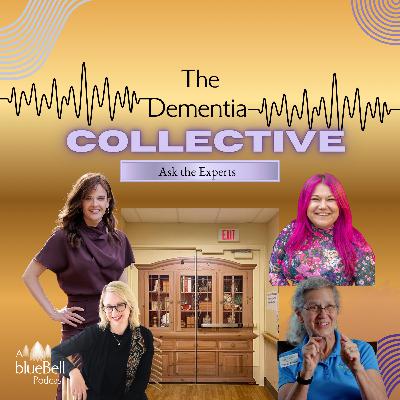
In this Ask the Experts conversation, Teepa Snow (Positive Approach to Care), Carrie Aalberts (Dementia Darling), Dr. Natali Edmonds (Dementia Careblazers), and Rachael Wonderlin (Dementia by Day) explore the ethics of disguising exits in dementia care. The discussion includes real-world examples such as bookshelf-painted doors, waterfall murals, and other environmental design strategies used to reduce exit-seeking, while weighing safety, dignity, and autonomy.Disclaimer: The information shared in this podcast is for general informational purposes only and is not intended as medical advice. It should not be used to diagnose, treat, or prevent any medical condition. Always consult your physician or another qualified healthcare provider regarding any questions you may have about a medical condition or treatment. The views and opinions expressed by guests are their own and do not necessarily reflect those of Andrew Karesa, blueBell Village Ltd., or any of its employees, contractors, or team members.
What if the future of dementia care wasn’t in a hospital, but on a farm?In this episode, Andrew Karesa sits down with Rebekah Churchyard, Founder and CEO of Green Care Farms, to explore how one granddaughter’s love for her grandparents sparked a new model of dementia care rooted in nature, purpose, and community.After witnessing the gaps her grandparents faced in rural dementia care, Rebekah set out to reimagine what support could look like. Today, her award-winning organization operates Canada’s first nature-based day program for people living with dementia on an operational farm, where participants harvest vegetables, feed animals, and rediscover the joy of meaningful work.Together, Andrew and Rebekah unpack the deeper connection between land and care, the socioeconomic opportunity within Canada’s agri-food sector, and why she envisions a care farm in every community across Canada. They also discuss how caregivers can find renewal in the simplicity of open skies, green fields, and shared purpose.In this episode:• How Rebekah’s grandparents inspired the creation of Green Care Farms• What a typical day on a care farm looks like for someone living with dementia• The global roots of care farming and why Canada is ready for it• Challenges and opportunities for rural dementia care• How care farms support food security and community resilience• The growing movement to make care farming part of Canada’s care system• Rebekah’s vision for a care farm in every communityWhether you are a caregiver, policymaker, or someone dreaming of a better way to age, Rebekah’s story is a reminder that healing can happen anywhere, especially when care meets the land.Learn more at:https://www.bluebellvillage.cahttps://www.carefarmscanada.comDisclaimer: The information shared in this podcast is for general informational purposes only and is not intended as medical advice. It should not be used to diagnose, treat, or prevent any medical condition. Always consult your physician or another qualified healthcare provider regarding any questions you may have about a medical condition or treatment. The views and opinions expressed by guests are their own and do not necessarily reflect those of Andrew Karesa, blueBell Village Ltd., or any of its employees, contractors, or team members.
What if one man’s run could change the course of dementia research?In this episode, Andrew Karesa sits down with Jason Boschan, founder of Run4Papa, to explore how one grandson’s promise to his “Papa” became a global movement for hope, awareness, and change.Inspired by his grandfather, Dr. Louis “Papa” Heyman — a lifelong pediatrician who dedicated his life to caring for others — Jason has run marathons on all seven continents, raising nearly $400,000 in pilot funding that has generated over $20 million in research grants.Together, Andrew and Jason reflect on what it means to turn loss into legacy, why transparency builds trust in philanthropy, and how running can become a powerful form of advocacy. From the Great Wall of China to Mount Everest, Jason shares the lessons learned through every mile — and the families that keep him moving forward.In this episode:• The story behind Run4Papa and its mission to fund dementia research• How one race on the Great Wall of China changed everything• The power of storytelling and connection in global fundraising• Turning $350K into $10M+ in research impact• Why “everyone impacted by dementia is — or was — someone’s #1”• Lessons on resilience from marathons in Antarctica, Africa, and Everest• The vision for 50 half marathons in 50 states — and what drives him nextWhether you’re a caregiver, a runner, or someone searching for purpose through loss, Jason’s story is a reminder that hope can travel any distance — and that sometimes, the race for a cure begins with a single step.Learn more at:https://www.bluebellvillage.cahttps://run4papa.comDisclaimer: The information shared in this podcast is for general informational purposes only and is not intended as medical advice. It should not be used to diagnose, treat, or prevent any medical condition. Always consult your physician or another qualified healthcare provider regarding any questions you may have about a medical condition or treatment. The views and opinions expressed by guests are their own and do not necessarily reflect those of Andrew Karesa, blueBell Village Ltd., or any of its employees, contractors, or team members.
What if dementia care wasn’t about managing decline — but about nurturing connection, learning, and joy?In this episode, Andrew Karesa sits down with James Lee, co-founder and CEO of Bella Groves, a dementia care community in Bulverde, Texas, that’s redefining what person-centered care can look like.For nearly 20 years, James has been reshaping senior living from the inside out — from his early days as a caregiver to his work as an industry leader, TEDx speaker, and founder of the Senior Living Think Tank. His journey reveals why the heart of dementia care isn’t efficiency or systems — it’s people.Together, Andrew and James explore what it means to lead with head and heart, the trade-offs of private versus public funding models, and how small communities can spark big change through empathy, education, and design. James also shares how Bella Groves is building a “learning community” that empowers families and professionals alike — and why joy should be measured as carefully as outcomes.In this episode:• The “accident” that led James from finance to dementia care• How Bella Groves redefines success through Unconditional Joy™• Why time is the caregiver’s most precious resource• The myth of operational efficiency in care settings• How the Senior Living Think Tank is creating global collaboration• Lessons from dementia communities in Amsterdam and Okinawa• Why joy doesn’t need to be remembered to be meaningfulWhether you’re a caregiver, a leader, or simply curious about what’s next for dementia care, this conversation will challenge how you see the future — and remind you that good care begins and ends with connection.Learn more at:https://www.bluebellvillage.cahttps://www.bellagroves.comhttps://www.thinktankleadership.comDisclaimer: The information shared in this podcast is for general informational purposes only and is not intended as medical advice. It should not be used to diagnose, treat, or prevent any medical condition. Always consult your physician or another qualified healthcare provider regarding any questions you may have about a medical condition or treatment. The views and opinions expressed by guests are their own and do not necessarily reflect those of Andrew Karesa, blueBell Village Ltd., or any of its employees, contractors, or team members.
What does trust look like when you’re caring for someone with dementia — and how do families rebuild it when systems, stress, and exhaustion get in the way?In this episode, Andrew sits down with Lance A. Slatton — known to millions as The Senior Care Influencer and host of the award-winning podcast All Home Care Matters.For more than 20 years, Lance has walked alongside families through the hardest parts of dementia care. From caring for his own grandmother and father, to leading one of Michigan’s most respected home care organizations, he’s seen how honesty, compassion, and community can turn fear into hope.Together, they explore what caregivers often get wrong, what professionals sometimes forget, and the simple truths that make care work — trust, dignity, and connection.In this episode:• The early lessons that shaped Lance’s life in care• What honesty really means in dementia support• How to recognize and recover from caregiver burnout• The hidden cost of revolving-door care• Why faith and purpose sustain caregivers when nothing else can• The story behind All Home Care Matters — and what nearly 400 conversations have taught him about resilienceWhether you’re a new caregiver or deep in the thick of it, this episode is a grounding reminder that good care isn’t just about doing more — it’s about being there, with trust at the center.Learn more at:https://www.bluebellvillage.cahttps://www.elhcs.comhttps://lanceaslatton.comhttps://allhomecarematters.comDisclaimer: The information shared in this podcast is for general informational purposes only and is not intended as medical advice. It should not be used to diagnose, treat, or prevent any medical condition. Always consult your physician or another qualified healthcare provider regarding any questions you may have about a medical condition or treatment. The views and opinions expressed by guests are their own and do not necessarily reflect those of Andrew Karesa, blueBell Village Ltd., or any of its employees, contractors, or team members.

Comments

Download from Google Play

Download from App Store
 United States