


 Claim Ownership
COACH: Church Origins and Church History courtesy of the That’s Jesus Channel
Subscribed: 2Played: 104
Subscribe

© Copyright 2025 All rights reserved.
Description
COACH: Church Origins and Church History is a Christian podcast from Bob Baulch that explores how the church grew, suffered, worshiped, and changed the world — one generation at a time. Hosted by a passionate Bible teacher with a heart for truth and revival and research, COACH brings history to life with verifiable sources, captivating stories, and deep theological reflection. From Roman persecution to forgotten revivals, every episode is a fresh look at how God’s people lived and died for the gospel — and what it means for us today. No fluff. No fiction. Just powerful, proven history that strengthens your faith.
135 Episodes
Reverse
BONUS DAY 25: Modern Fasting – Recovery or Distortion? Description: Is the modern church recovering biblical fasting, or are we just baptizing diet culture? In this final bonus episode, Bob Baulch tackles the biggest controversies surrounding the modern fasting movement. We ask the hard questions: Is "Intermittent Fasting" (16:8) a spiritual discipline or just a weight-loss trend? Is a "Technology Fast" actually fasting, or just a digital break? We explore why giving up food must always be paired with prayer to be spiritual, otherwise, it is simply dieting [Source 8: 544-545]. We also confront the commercialization of the "Daniel Fast," exposing how companies exploit the desire to be faithful by selling expensive meal kits for a fast that is supposed to be about simplicity and self-denial [Source 8: 554]. Furthermore, we address a critical safety issue: the danger of religious fasting masking eating disorders within the church. We discuss how spiritual language can sometimes be used to justify destructive behavior and why God wants your heart, not your harm [Source 8: 556]. This finale challenges us to navigate these modern trends with discernment. We conclude with a final charge to make fasting a regular, secret, and humble part of your walk with God—ensuring that the fast remains the tool, and God remains the treasure [Source 8: 561-562]. Keywords: Modern fasting controversies, Christian intermittent fasting, social media fast, juice fast biblical, Daniel Fast commercialization, fasting and eating disorders, spiritual vs diet, 16:8 fasting Christian, technology detox.
BONUS DAY 24: Inside the Monastery – Monastic Fasting Through the Ages Description: For 1,500 years, monks have been the "special forces" of Christian fasting. In Bonus Day 24, we go inside the monastery to examine the detailed fasting rules of the Benedictines, Cistercians, and the ultra-strict Carthusians (who eat one meal a day and maintain near-total silence). We explore why men and women throughout history have chosen to live under such strict discipline to seek God [Source 8: 521-522, 529]. We look at the Rule of St. Benedict, which mandated vegetarianism for monks but allowed wine in moderation, and the Trappist tradition of silence during meals. We also revisit the Desert Fathers, who viewed extreme fasting as direct warfare against demons, and contrast them with St. Francis, who ate meat to avoid the sin of pride [Source 8: 523, 527, 533]. What can modern laypeople learn from these radical lifestyles? We discuss the concepts of "Rhythm and Rule," community accountability, and the danger of pride that even the Desert Fathers struggled with. Discover how structure can create freedom for the soul [Source 8: 539-540]. Keywords: Monastic fasting, Rule of St Benedict, Trappist monks, Carthusian order, Christian monasticism, Desert Fathers, silence and fasting, spiritual formation, St Francis fasting, Cistercian monks.
BONUS DAY 23: Fasting Around the World – Orthodox & Coptic Traditions Description: While Western Christianity largely abandoned fasting after the Reformation, Eastern Christianity never did. In Bonus Day 23, we explore the rigorous, ancient traditions of the Eastern Orthodox and Coptic churches. Did you know Coptic Christians in Egypt fast for over 210 days a year? Or that "fasting" for them means a strict vegan diet—no meat, dairy, eggs, or even oil? [Source 8: 501, 507-508]. We look at the major fasting seasons that have remained unbroken for nearly 2,000 years: "Great Lent," the "Apostles' Fast," the "Nativity Fast," and the weekly rhythm of fasting every Wednesday and Friday to remember Judas's betrayal and Jesus's crucifixion [Source 8: 503-505]. We also examine why Eastern Christians view fasting not as a gloomy duty, but as a joyful preparation for the feast and a vital discipline for the soul [Source 8: 517]. This episode challenges our modern comfort and asks what we can learn from brothers and sisters who view fasting not as a crisis intervention, but as a lifestyle. Join us to discover how a communal culture of fasting can transform a church [Source 8: 516]. Keywords: Eastern Orthodox fasting, Coptic fasting, Great Lent, vegan fasting Christian, Apostles Fast, Christian traditions, global Christianity, spiritual discipline, Wednesday and Friday fast, Nativity Fast.
BONUS DAY 22: The Complete Fasting Recap + What We Missed Description: You made it through the 21 days! But we aren't done yet. In this special bonus episode, Bob Baulch provides a rapid-fire recap of the entire journey—from the shocking truth that God only commanded one fast (Day 1) to the hilarious medieval loopholes of beaver tails and barnacle geese (Day 14). We consolidate 2,000 years of history into one comprehensive session, reviewing the biblical patterns, the warnings against spiritual pride, and the practical safety protocols every faster needs [Source 8: 474-486]. But we don't just look back; we also open the "Lost Files" to explore topics we didn't have time to cover. We dive into the rigorous fasting traditions of the Eastern Orthodox and Coptic churches (who fast over 200 days a year!), explain the medieval "Ember Days," and tell the surprising story of how a Catholic fasting rule led to the invention of the McDonald's Filet-O-Fish [Source 8: 488-492]. We also tackle modern controversies like Intermittent Fasting and the commercialization of the "Daniel Fast." This episode is your ultimate study guide and send-off. Whether you missed a day or just need to synthesize what you've learned, Day 22 brings it all together. Join us to solidify your understanding of fasting as a tool to seek the true treasure: God Himself [Source 8: 473, 500]. Keywords: Fasting series recap, history of fasting summary, Ember Days, Filet-O-Fish history, Coptic fasting, biblical fasting review, Christian history overview, Rogation Days, modern fasting controversies.
FASTING DAY 21: Fasting Today – Bringing Ancient Wisdom into Modern Practice Description: You have made it. After 21 days of denying your flesh and seeking God, how do you carry this discipline forward? In this season finale, Bob Baulch synthesizes 2,000 years of fasting history into a practical roadmap for the future. We revisit the "Real Rule" of Isaiah 58—that true fasting must result in compassion, generosity, and justice [Source 8: 73, 463]. We explore the "Three-Fold Cord" of Matthew 6, where Jesus links giving, praying, and fasting as the engine of Christian life. Jesus assumes His followers will do all three, and they work together; fasting without prayer is just dieting, and fasting without generosity is self-focused [Source 8: 73, 462]. We also warn against the danger of pride: if you finish this fast feeling superior to others, you have become the Pharisee God rejected [Source 8: 75, 470]. This episode challenges you to make fasting a regular rhythm—perhaps weekly or monthly—not just a once-a-year event. We remind you that the fast is merely the tool; God Himself is the treasure. Join us to celebrate the end of the journey and the beginning of a deeper walk with God [Source 8: 75, 471]. Keywords: Fasting application, Isaiah 58, Matthew 6 giving praying fasting, spiritual disciplines, ending a fast, Christian living, humility, Redemption Church series finale, biblical fasting guide.
FASTING DAY 20: How to Fast Safely – Avoiding the Hospital
Description: Fasting can be spiritually powerful, but it can also be medically dangerous if done incorrectly. As we approach the end of the 21 days, we must talk about safety. In Day 20, Bob Baulch covers the critical medical wisdom every faster needs. We discuss who should NEVER fast—including children, pregnant women, diabetics, and those with a history of eating disorders—and why God does not require us to harm our health to prove our devotion [Source 8: 67-68, 440-442].
We also tackle the life-threatening danger of "Refeeding Syndrome" for those breaking extended fasts. We explain why you cannot eat a cheeseburger on Day 22 without risking hospitalization and provide a specific protocol for breaking your fast gently. You will learn to start with bone broth and steamed vegetables while avoiding high carbs and sugars that can shock your system [Source 8: 69-70, 446-448].
This episode reminds us that God designed your body as a temple of the Holy Spirit (1 Corinthians 6:19). Harming your body isn't holiness; it's foolishness. Join us for the practical safety briefing the church often forgets to give [Source 8: 70, 450].
Keywords: Fasting safety, refeeding syndrome, breaking a fast safely, who should not fast, fasting and diabetes, eating disorders and fasting, breaking a water fast, Christian fasting guide, medical risks of fasting.
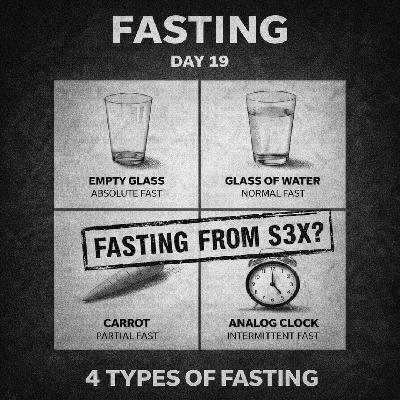
FASTING DAY 19: Fasting from SEX and the 4 Biblical Types of Fasting – Which Are You Doing? Description: Not all fasts are created equal. The Bible describes at least four different types of fasting, and understanding the difference is key to finishing your 21 days strong. In Day 19, we break down the "taxonomy" of fasting so you can identify which one fits your spiritual season and physical needs. We explain why there isn't just one "right" way to fast, but rather different methods for different purposes [Source 8: 63, 423]. We explore the Absolute Fast (Esther’s 3 days without food or water) and the strict medical warnings that come with it. We look at the Normal Fast (Jesus’s water-only fast), the Partial Fast (commonly known as the Daniel Fast, based on Daniel 1 and 10), and the Intermittent Fast (the ancient Jewish practice of fasting until sunset) [Source 8: 63-65, 424-431]. We also discuss why an absolute fast should never exceed three days without medical supervision and how the Daniel Fast allows for long-term spiritual discipline without compromising work performance. This episode helps you choose the right fast for your situation. Whether you are drinking only water or eating only vegetables, the goal is the same: denying the flesh to seek God. Join us to learn the biblical history and practical application of each type. Keywords: Types of fasting, Absolute fast, Normal fast, Daniel Fast, Intermittent fasting Christian, Esther fast, biblical fasting guide, how to fast properly, spiritual disciplines, water fast vs dry fast.
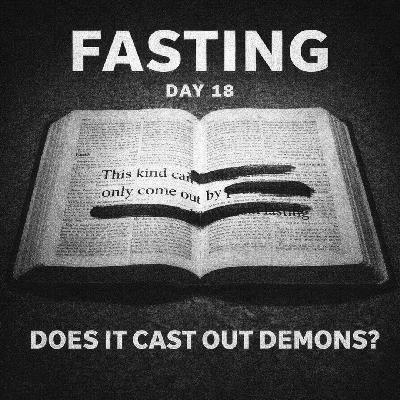
FASTING DAY 18: Does Fasting Cast Out Demons? (The Truth About Mark 9:29)
Description: Does fasting give you special power over demons? Many Christians quote Mark 9:29—"This kind comes out only by prayer and fasting"—as proof. But did you know the words "and fasting" don't appear in the earliest biblical manuscripts? In Day 18, we tackle the controversy of fasting and spiritual warfare. We examine the textual variants and ask if later scribes added the phrase to emphasize a practice that Jesus didn't originally command in that context [Source 8: 59, 409].
We also look at the undeniable biblical connection between fasting and spiritual battles found elsewhere in Scripture. We explore Daniel 10, where Daniel fasted for 21 days during a conflict with the "Prince of Persia," and Acts 13, where the church fasted before sending missionaries into pagan territories [Source 8: 60-61, 412, 414]. We explain that fasting isn't a magic spell that binds Satan; rather, it is a tool that humbles the believer and aligns them with God's power.
This episode challenges us to stop trying to manipulate spiritual forces and start positioning ourselves to receive God's breakthrough. Learn the difference between fasting for magical power and fasting for spiritual alignment [Source 8: 62, 421]. Join us to understand how Jesus used fasting not to avoid temptation, but to prepare for victory over it.
Keywords: Mark 9:29 textual variant, fasting and prayer, spiritual warfare, casting out demons, Daniel 10, Acts 13, biblical authority, deliverance ministry, power of fasting, Prince of Persia.
Title: FASTING DAY 17: The Reformers – Why Luther Hated Mandatory Fasting
Description: By the 1500s, the Catholic Church taught that fasting was required to avoid sin and earn merit, a claiming Martin Luther rejected as "godless" and "tyrannical." In Day 17 of our history series, we trace the Protestant Reformation's complex battle over fasting. We see how leaders like Luther and Calvin fought to shift the practice from a mandatory law for salvation to a voluntary discipline for prayer and repentance [Source 8: 55-56].
The story takes a surprising turn with John Wesley, the founder of Methodism, who swung the pendulum back toward strict discipline. We examine why Wesley refused to ordain any minister who didn't fast every Wednesday and Friday, believing it was essential for spiritual power [Source 8: 57]. We also look at the "Via Media" (middle way) of the Anglican Church, which kept fasting days but removed the idea that they earned God's favor [Source 8: 57].
This episode helps you understand why your 21-day fast is voluntary and why that distinction matters for your soul. It challenges us to check our motives: are we trying to earn God's love through hunger, or are we simply clearing the way to seek His face? Join us to learn the freedom of biblical fasting [Source 8: 58].
Keywords: Martin Luther, John Calvin, John Wesley, Protestant Reformation, mandatory fasting, works righteousness, spiritual disciplines, history of fasting, voluntary fasting, Methodist history.
Hashtags: #ChurchHistory #Christianity #COACH #DeepDive #Reformation #MartinLuther #JohnWesley #FastingHistory
FASTING DAY 16: Extreme Fasters – When Devotion Becomes Dangerous
Description: Simeon Stylites lived on top of a 50-foot pillar for 47 years. Every Lent, he reportedly fasted 40 days without food or water. Catherine of Siena, a Doctor of the Church, eventually ate nothing but the daily Eucharist until she died of starvation at age 33. In Day 16, we explore the dark side of fasting history: "anorexia mirabilis" (miraculous anorexia) and the moment when spiritual devotion crosses the line into self-harm [Source 8: 52-53, 376, 380].
We examine the stories of the Desert Fathers who ate only lentils and the medieval mystics who measured holiness by how much they could punish their bodies [Source 8: 53, 382]. We discuss why these extreme examples were held up as models of holiness for centuries, creating a dangerous standard where "more is better" [Source 8: 54, 383]. We also look at the biblical correction in 1 Timothy 4, which reminds us that God created food to be received with thanksgiving [Source 8: 386].
This episode is a necessary warning for modern believers. It challenges us to check our motives: is our fasting driven by a desire for God, or a need for control and pride? [Source 8: 384]. Join us to learn the warning signs of unhealthy fasting and why God wants your heart, not your destruction [Source 8: 54].
Keywords: Simeon Stylites, Catherine of Siena, anorexia mirabilis, extreme fasting, Desert Fathers, religious eating disorders, asceticism, history of fasting, fasting dangers, 1 Timothy 4.
Title: FASTING DAY 15: Does Chocolate Break a Fast? (The 100-Year Debate)
Description: When chocolate arrived in Europe from the Americas in the 1500s, it caused a massive theological crisis for the Catholic Church that lasted over a century. At the time, Christians faced over 100 mandatory fast days a year where solid food was forbidden, but liquids were allowed [Source 8: 48, 361]. This led to a fierce debate that divided popes and theologians: Was this thick, rich cocoa beverage a food that broke the fast, or a drink that was permitted? In Day 15 of our history series, we explore how a delicious new discovery forced the church to decide if drinking chocolate was a sin or a sacrament.
We uncover the strange twists of the "Chocolate Controversy," starting with the Dominican friar who asked Pope Gregory XIII for a ruling in 1577, only to have the pope laugh because he had never seen chocolate before [Source 8: 49, 362]. We examine the influence of the Jesuits, who owned cacao plantations and lobbied hard to keep chocolate "legal" during Lent to protect their financial interests [Source 8: 50, 364]. We also discuss the final ruling by Pope Alexander VII in 1666, who tasted the bitter drink and famously declared, "Liquidum non frangit jejunum"—"Liquids do not break the fast" [Source 8: 50, 366].
This historical absurdity forces us to ask a tough question about our own fasting habits today. Are we playing the same game when we drink high-calorie protein shakes and claim we are still fasting because "technically it’s a liquid" [Source 8: 50, 369]? This episode challenges us to stop looking for technical loopholes and start focusing on the spirit of self-denial. Join us to learn why God cares more about the posture of your heart than the definitions in your diet plan. Subscribe to the COACH channel for more deep dives into the fascinating history of our faith.
Keywords: History of chocolate, Catholic fasting rules, Pope Alexander VII, liquidum non frangit jejunum, Jesuits, Lenten loopholes, breaking a fast, Christian history, Antonio de León Pinelo, theological debates.
Hashtags: #ChurchHistory #Christianity #COACH #DeepDive #ChocolateHistory #CatholicFasting #Lent #FastingLoopholes
FASTING DAY 14: Beaver Tails & Barnacle Geese – The Medieval Art of Loopholes
Description: By the Middle Ages, the Catholic Church mandated fasting for over 100 days a year. Meat was forbidden during these times, but fish was allowed. This led to some of the most creative (and ridiculous) biology in history as people tried to find loopholes in the rules [Source 8: 44, 343-345]. In Day 14 of our history series, we take a humorous look at how desperation for food led theologians to classify beavers, geese, and giant rodents as "fish."
We explore the medieval belief that "Barnacle Geese" hatched from driftwood barnacles (making them seafood) and the 17th-century ruling by the Sorbonne that allowed beaver tails to be eaten during Lent because they were scaly and aquatic [Source 8: 45-46, 346-349]. We also look at how the Vatican classified the South American Capybara as a fish for fasting purposes [Source 8: 46, 350-351]. This episode connects these historical oddities to Jesus's warning against nullifying God's word for the sake of human tradition [Source 8: 47, 353].
This history forces modern Christians to ask a serious question: Are we doing the same thing today? If you are fasting from food but drinking high-calorie milkshakes because "technically it's a liquid," you might be eating a spiritual beaver tail [Source 8: 355-357]. Join us to learn why God cares more about the spirit of your sacrifice than the technicalities of your rules.
Keywords: Medieval fasting, Lenten loopholes, Barnacle Geese, eating beaver during Lent, Capybara fish, Catholic history, religious loopholes, hypocrisy, history of fasting, fasting rules.
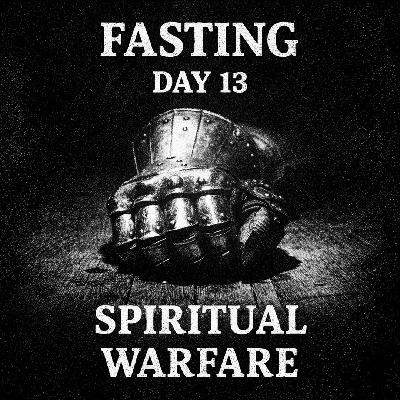
FASTING DAY 13: A Weapon for the Valiant – Fasting as Spiritual Warfare
Description: While yesterday we looked at fasting as internal cleansing, today we look at fasting as external combat. The early church did not view fasting as a passive activity; they saw it as aggressive spiritual warfare. In Day 13 of our history series, we explore why early leaders like St. Basil called fasting "a weapon for the valiant" and a "gymnasium for athletes." We see how they viewed fasting as essential training to strengthen the spirit against the attacks of the devil.
We examine the teachings of St. Leo the Great, who declared that fasting "gives strength against sin" and "repels temptation." We connect this ancient wisdom to the biblical examples of Jesus in the wilderness and the church in Acts 13, where fasting was the preparation for spiritual battle. We discuss how treating fasting like a "gymnasium" trains your will to resist the enemy, just as an athlete trains their body for a contest.
For modern Christians, this episode changes the way you view your hunger. You aren't just suffering through a diet; you are reloading a weapon. We challenge you to stop thinking of your fast as passive self-denial and start using it as active spiritual combat to protect your soul and your family.
Keywords: Spiritual warfare, fasting for breakthrough, St. Basil, St. Leo the Great, spiritual discipline, armor of God, resisting temptation, Christian history, gymnasium for athletes, Acts 13.
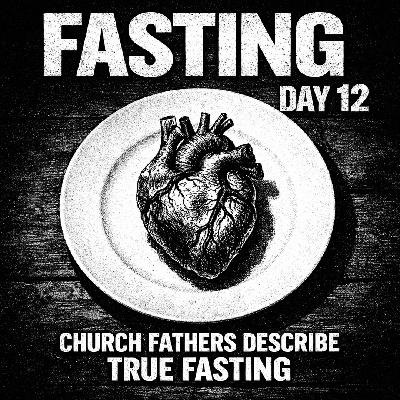
FASTING DAY 12: "You Eat Your Brother" – The Church Fathers on Hypocrisy
Description: If you stop eating food but keep attacking people with your words, are you actually fasting? In Day 12 of our history series, we explore the stinging critiques from early church leaders who believed that "real" fasting is about changing your heart, not just your diet. We look at why the most respected teachers in early Christianity agreed that fasting without character growth is worthless.
We examine the famous warning from St. Basil the Great: "You do not eat meat, but you eat your brother." We also look at St. John Chrysostom, who preached that true fasting means abstaining from anger and slander, not just food. We discuss St. Augustine's teaching that fasting must make the heart humble rather than proud. This episode connects their ancient wisdom back to Isaiah 58, reminding us that God rejects religious rituals that don't lead to kindness and justice.
This message challenges modern Christians to do a serious self-check. On Day 12 of your fast, are you becoming more patient and generous, or are you just hungry and irritable? Join us to learn the difference between a spiritual discipline and a starvation diet.
Keywords: St. Basil the Great, St. Augustine, John Chrysostom, spiritual hypocrisy, Isaiah 58, true fasting, Christian character, sins of the tongue, fasting quotes, history of fasting.
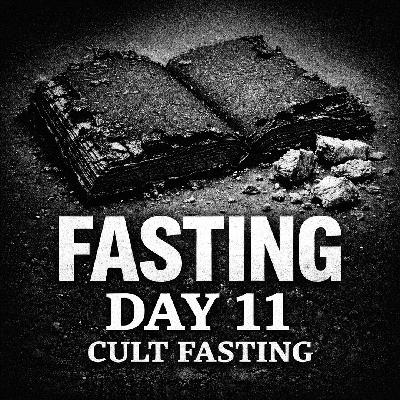
FASTING DAY 11: The Montanists – When Fasting Becomes a Cult
Description: Around 160 AD, a self-proclaimed prophet named Montanus began teaching that the church had become too lazy. He claimed to receive new messages from the Holy Spirit that demanded stricter rules. In Day 11 of our history series, we explore how this movement, known as Montanism, tried to make extreme fasting mandatory for all Christians. We look at their requirement for xerophagia ("dry eating"—only bread and vegetables) and how they judged anyone who didn't follow their strict standards.
We also examine the shocking story of Tertullian, one of the most brilliant early church leaders, who actually joined this group because he was attracted to their discipline. We trace the tragic history of the Montanists, from their claims of being "more spiritual" than regular Christians to their eventual destruction, where many chose to burn themselves alive rather than submit to the church.
For modern believers, this is a serious warning. It challenges us to ask: When does devotion cross the line into legalism? We learn why the church rejected mandatory rigorism and why adding extra rules to the Gospel turns Christianity into a cult.
Keywords: Montanism, Montanus, Tertullian, Christian heresies, xerophagia, extreme fasting, history of fasting, legalism, spiritual abuse, church history, mandatory fasting.
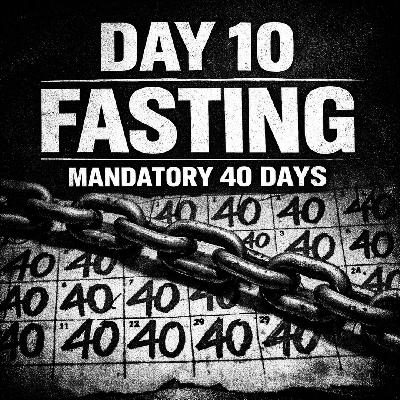
FASTING DAY 10: How Lent Became Mandatory (The History of the 40 Days)
Description: In 180 AD, Christians fasted anywhere from one day to 40 hours before Easter. By 400 AD, the 40-day season of Lent was mandatory, and St. Augustine declared that "we sin if we do not fast." In Day 10 of our history series, we trace the evolution of Lent from a diverse, voluntary practice to a strict legal requirement.
We look at the letter from St. Irenaeus regarding the early variety in fasting, the Council of Nicaea's mention of 40 days, and the Council of Laodicea's command for "dry eating." We also examine the severe "Black Fast" of the Middle Ages, where people ate only one vegetarian meal a day after sunset. We explore how the church moved from "fasting from the heart" to "fasting by the law".
This episode helps modern Christians understand the difference between healthy spiritual discipline and legalism. It challenges us to choose fasting because we want God, not because we are afraid of breaking a rule or committing a sin. Join us to see how a season of preparation became a season of obligation.
Keywords: History of Lent, 40 days of Lent, St. Augustine, Council of Nicaea, mandatory fasting, Black Fast, Christian history, development of Lent, xerophagia, St. Irenaeus.
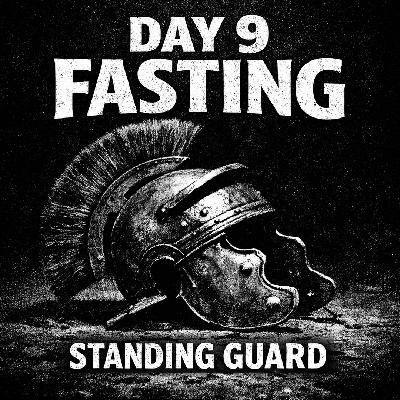
FASTING DAY 9: Station Days – Standing Guard Against the Devil
Description: Early Christians didn't just call it "fasting"—they called it stationes, a Roman military term that means "standing guard." In Day 9 of our history series, we explore how the early church viewed fasting as active spiritual combat rather than just passive hunger. We look at why they treated their weekly fasts like soldiers standing watch at a guard post.
We explain the history of "Station Days," where believers fasted on Wednesdays and Fridays until the "ninth hour" (3:00 PM). We look at why they chose that specific time—to mark the moment Jesus died on the cross—and how church leaders like St. Ambrose and Tertullian described these days as "encampments against the attacks of the devil." We see how fasting was used to protect the church against spiritual enemies.
For modern Christians, this concept challenges us to stop just skipping meals and start "standing watch." Are you vigilant against temptation, or are you just hungry? Join us to learn how to turn your fast into a spiritual weapon and stand guard over your life and family.
Keywords: Station days, stationes, spiritual warfare, early church fasting, St. Ambrose, Tertullian, fasting until 3pm, ninth hour, spiritual vigilance, history of fasting.
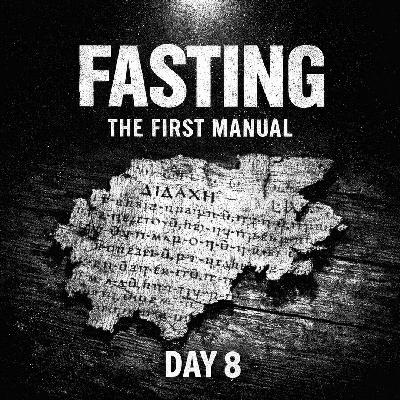
FASTING DAY 8: The Didache – Christianity's Oldest Fasting Manual
Description: Around 50–120 AD, the early church produced its first instruction manual: The Didache (pronounced "DID-uh-kay"). In Day 8 of our history series, we open this ancient document to find a surprising command: "Let not your fasts be with the hypocrites." We trace the historical shift from the Jewish fasting days (Monday and Thursday) to the unique Christian fasting days (Wednesday and Friday).
We explain the theology behind this change. Early believers chose Wednesday to remember Judas's betrayal and Friday to remember the Crucifixion, turning their weekly fasts into a remembrance of the Gospel. We also introduce the concept of "Station Days"—a military term meaning "standing guard"—where Christians fasted until 3:00 PM to stand watch against spiritual attacks.
For modern Christians, this history connects your current fast to a tradition over 1,900 years old. It challenges us to see fasting not just as skipping meals, but as "standing guard" spiritually. We also look at the ancient requirement for fasting before baptism, showing how central this discipline was to the early church's life.
Keywords: The Didache, early church history, Wednesday and Friday fast, history of fasting, Christian origins, betrayal of Jesus, crucifixion, hypocrites, station days, spiritual warfare.
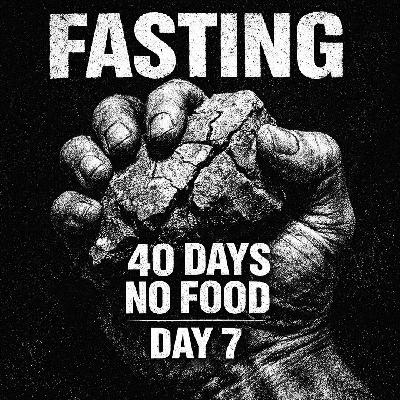
FASTING DAY 7: Jesus’s 40 Days – Temptation in the Wilderness
Description: Before Jesus performed a single miracle or preached a sermon, He fasted for 40 days. In Day 7 of our fasting history series, we explore why the Holy Spirit led Jesus into the wilderness and what actually happened there. We analyze why Scripture says He was "hungry" but does not mention thirst, implying a water-only fast rather than a supernatural absolute fast.
We examine the three specific temptations Satan used to attack Jesus: turning stones to bread (appetite), jumping from the temple (spectacular proof), and worshipping Satan (power). We see how Jesus countered every attack by quoting Deuteronomy, succeeding exactly where the nation of Israel had failed in their own wilderness wanderings. This wasn't just self-denial; it was preparation for war.
For modern Christians, Jesus’s example teaches a critical lesson: fasting does not make you immune to temptation. In fact, spiritual attack often comes at the end of a fast. However, fasting prepares you to face that enemy. It sharpens your spirit so you can wield the "Sword of the Spirit" effectively when the testing comes.
Keywords: Jesus fasting, 40 days wilderness, temptation of Christ, turn stones to bread, spiritual warfare, Matthew 4, history of fasting, Jesus vs Satan.
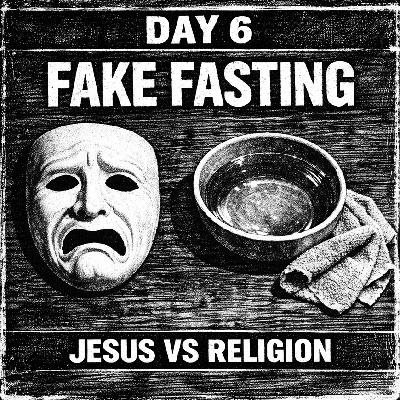
Title FASTING DAY 6: When Jesus Confronted Religious Fasting
Description Jesus didn't reject fasting; He rejected fake fasting. In Day 6, we examine Jesus's three major teachings on the subject. We look at Matthew 6, where He instructs disciples to "wash their faces" and fast in secret to avoid the "hypocrite's reward" of human applause. We analyze the parable of the Pharisee and the Tax Collector (Luke 18), where a man who fasted 104 times a year was rejected by God because of his pride. Finally, we explore the "Bridegroom Theology" of Matthew 9, where Jesus explains that Christian fasting is not a legalistic requirement, but a longing for His return.
Keywords Matthew 6, Jesus on fasting, Pharisee and Tax Collector, hypocrites, wash your face, spiritual pride, Bridegroom fast, Christian fasting vs Jewish fasting.
Hashtags #Jesus #SermonOnTheMount #Fasting #Hypocrisy #BibleStudy #ChristianLiving #Matthew6 #RedemptionChurch

Comments

Download from Google Play

Download from App Store
 United States