


 Claim Ownership
Consider Before Consuming
Subscribed: 1,019Played: 32,612
Subscribe

© Fight the New Drug
Description
Think about all of the things you consider every day to help keep yourself, your loved ones, and your community happy, healthy, and hopeful.
Now consider this: There is an ever-growing body of research demonstrating significant negative impacts, for yourself and the ones you love, in the consumption of pornography. It can change the way you think, harm your ability to connect with other people, and can contribute to changing the world in negative ways.
Join us every other week as we consider the harmful effects of pornography using science, facts, and personal accounts.
Consider Before Consuming is brought to you by Fight the New Drug (FTND). FTND is a non-religious and non-legislative nonprofit that aims to raise awareness on the harmful effects of pornography and its links to sexual exploitation using only science, facts, and personal accounts.
Fight the New Drug collaborates with a variety of qualified organizations and individuals with varying personal beliefs, affiliations, and political persuasions. As FTND is a non-religious and non-legislative organization, the personal beliefs, affiliations, and persuasions of any of our team members or of those we collaborate with do not reflect or impact the mission of Fight the New Drug.
Now consider this: There is an ever-growing body of research demonstrating significant negative impacts, for yourself and the ones you love, in the consumption of pornography. It can change the way you think, harm your ability to connect with other people, and can contribute to changing the world in negative ways.
Join us every other week as we consider the harmful effects of pornography using science, facts, and personal accounts.
Consider Before Consuming is brought to you by Fight the New Drug (FTND). FTND is a non-religious and non-legislative nonprofit that aims to raise awareness on the harmful effects of pornography and its links to sexual exploitation using only science, facts, and personal accounts.
Fight the New Drug collaborates with a variety of qualified organizations and individuals with varying personal beliefs, affiliations, and political persuasions. As FTND is a non-religious and non-legislative organization, the personal beliefs, affiliations, and persuasions of any of our team members or of those we collaborate with do not reflect or impact the mission of Fight the New Drug.
194 Episodes
Reverse

Freddie Woodward is an Olympian and former Team Great Britain diver who began viewing pornography as a young teenager. Despite the extraordinary discipline it took to reach the 2016 Olympic Games, Freddie found himself unable to simply use that same discipline to quit porn.Can you be addicted to porn and not realize it? Why is it so hard to quit porn? How does porn affect motivation, relationships, and mental health? What actually helps someone stop watching porn for good?In this episode, Freddie shares how his porn use became a daily habit, how it escalated into other online sexual behaviors, and what happened when intimate content of him was leaked online in 2017. He also reflects on using porn to cope with difficult emotions, life after the Olympics, years of unsuccessful attempts to quit, and the tools that ultimately helped him change. Today, Freddie says he's more proud of quitting porn than becoming an Olympian.This episode is sponsored by Relay, a secure peer-support app that connects you with a small group of people who understand what you’re going through and help you stay accountable on your journey to quit porn. CBC listeners can try Relay free for 7 days by signing up at http://ftnd.org/joinrelay.Advertising Inquiries: https://redcircle.com/brandsPrivacy & Opt-Out: https://redcircle.com/privacy

*This episode includes discussions of child sexual abuse material (CSAM). Listener discretion is advised.Kellye Netz is a detective sergeant who has spent years investigating sexual offenses against children and interviewing individuals arrested for possessing child sexual abuse material (CSAM). Through those investigations, she says she has repeatedly encountered offenders whose behavior did not begin with CSAM, but progressed after years of pornography consumption and increasingly extreme content.How can pornography use escalate into more extreme material? What do offenders say about how they ended up viewing CSAM? And how has technology changed the way illegal sexual content is accessed and investigated? In this episode, Kellye shares what she has observed firsthand, including why some offenders seem relieved when they're finally caught, how mainstream social platforms can become part of the pathway to illegal material, and what her work has taught her as a parent about talking openly with kids about pornography and online safetyEpisode Resources:Podcast: Consider Before Consuming Ep. 159: Dr. Alexandra BaileyArticle: Letter From a Sex Offender: I Went from Watching Adult Hardcore Porn to KidsGet Help: Join RelayAdvertising Inquiries: https://redcircle.com/brandsPrivacy & Opt-Out: https://redcircle.com/privacy
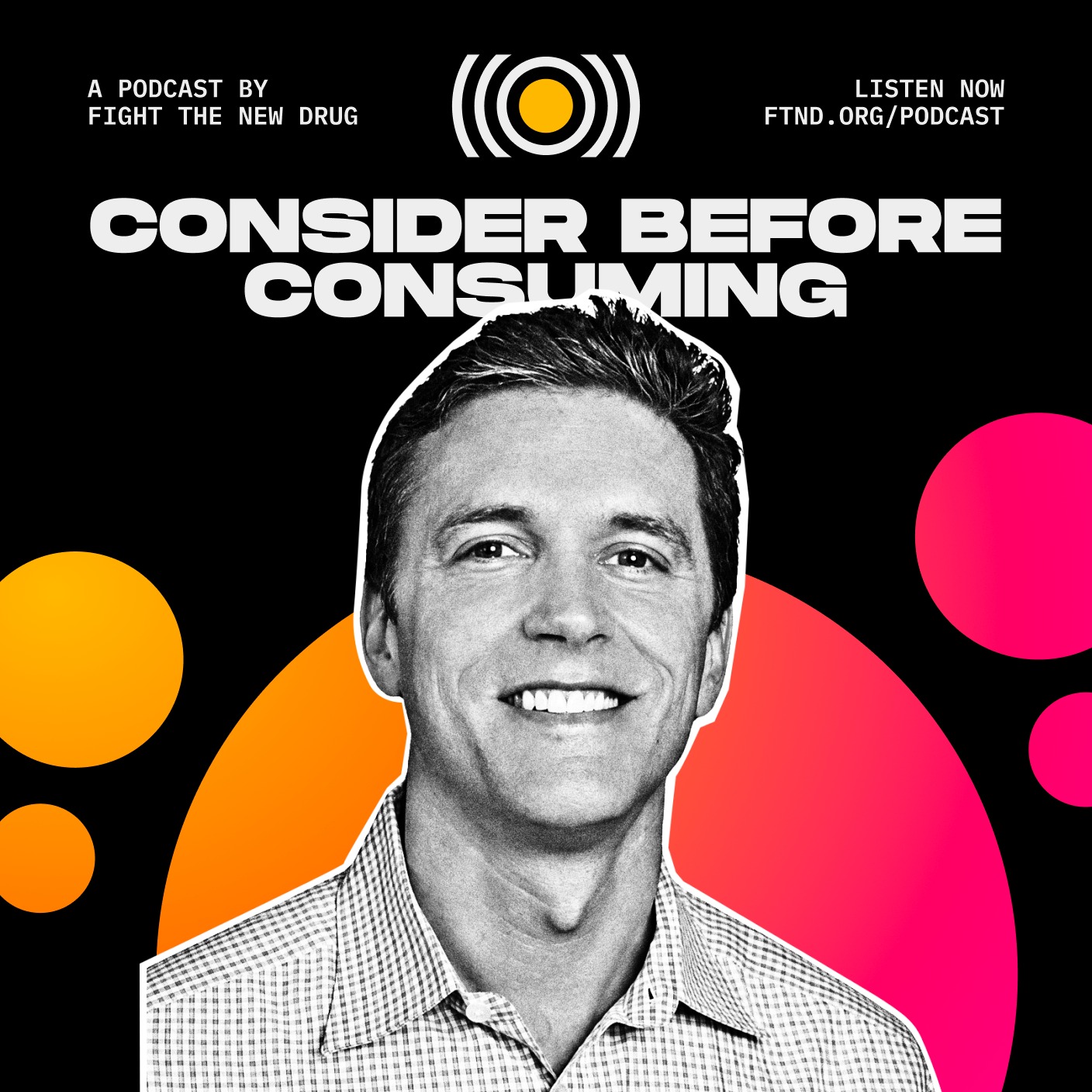
Dr. Michael Robb is a developmental psychologist and Head of Research at Common Sense Media. In this episode, he joins us to unpack findings from two major Common Sense Media studies: Teens and Pornography, which explores how teens are exposed to and engage with online pornography, and Teens in the AI Era: Pornography and Sexual Content, which examines how AI-generated explicit content is creating new challenges for young people.Common Sense Media’s research found that the average reported age of first exposure to pornography was 12, while 30% of teens reported seeing pornography during the school day. And as AI-generated sexual content becomes increasingly common, 44% of teens say they’ve encountered it, with about 1 in 4 of those teens seeing AI sexual content depicting themselves or someone they personally know.Why do teens watch porn? What are teens learning from pornography about sex? And how is AI-generated porn changing what young people encounter online? Dr. Robb discusses differences in how boys and girls engage with pornography, why so much exposure happens accidentally, what teens themselves say they're learning from porn, and what parents and trusted adults should know about explicit deepfakes and AI-generated sexual content.Episode Resources:Article: Nearly Half of Teens Exposed to AI-Generated Sexual ContentArticle: How Many Students Watch Porn at School?Common Sense Study 2023: Teens and PornographyCommon Sense Study 2026: Teens in the AI EraConversation Guide: Let's Talk About PornAdvertising Inquiries: https://redcircle.com/brandsPrivacy & Opt-Out: https://redcircle.com/privacy
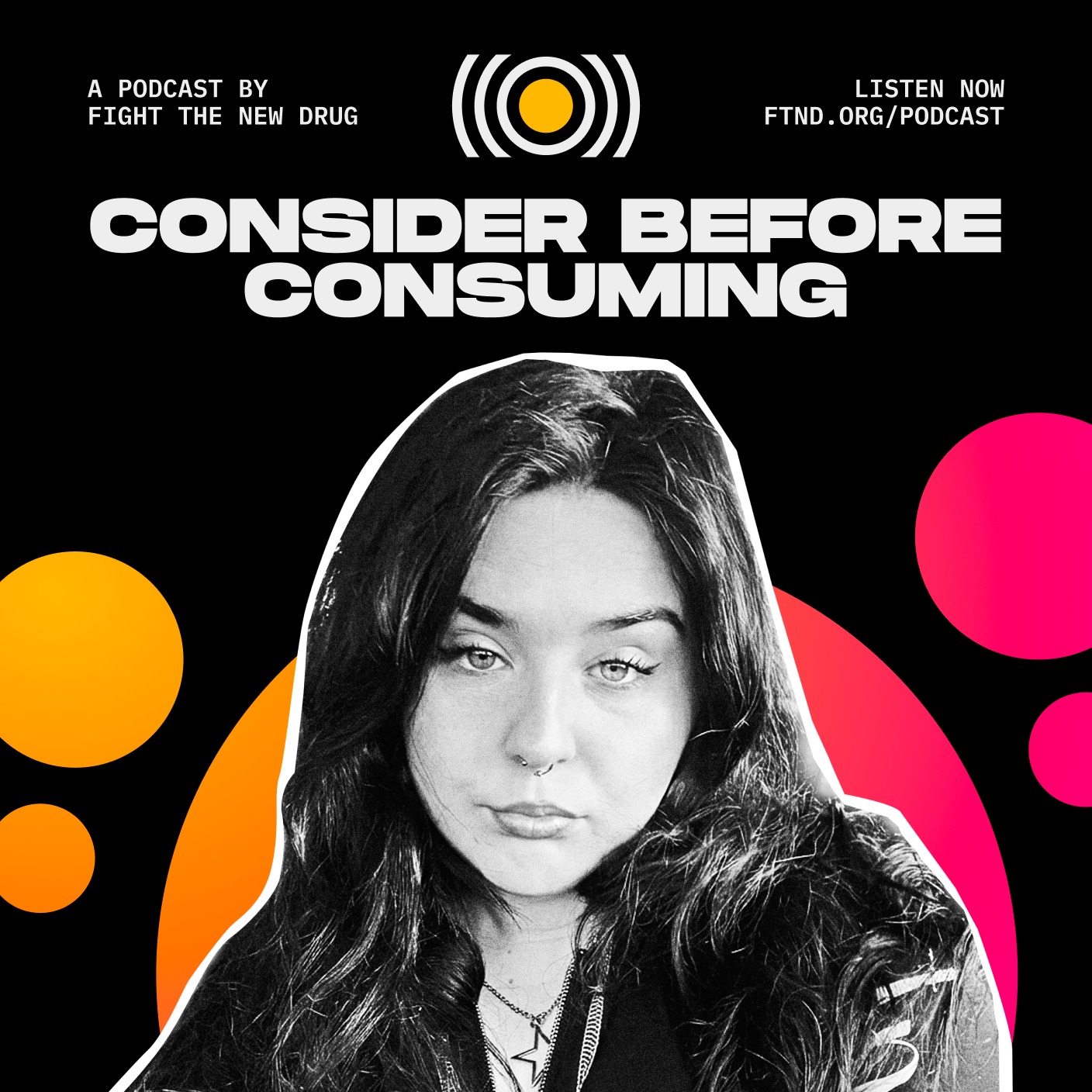
Madyson is a former OnlyFans creator who spent three and a half years creating pornographic content before leaving the industry. After first being exposed to pornography at seven years old, Madyson says she began imagining a future in the porn industry by age 12 and started creating content shortly after turning 18.What is it really like to be an OnlyFans creator? How much money do OnlyFans creators actually make? And is OnlyFans really empowering for its creators?In this episode, Madyson shares how the promise of easy money and empowerment compared with her experience of increasing subscriber demands, shifting personal boundaries, body-image struggles, and objectification. She also discusses why leaving wasn't as simple as deciding to stop, how her content continues to affect her years later, and what she wishes young people considering OnlyFans understood before joining.Episode Resources:Article: The “OnlyFans Era” and What Pop Culture Gets Wrong About Selling Sexual Content OnlinePodcast: Consider Before Consuming Ep. 153: TaylorConversation Guide: Let's Talk About PornAdvertising Inquiries: https://redcircle.com/brandsPrivacy & Opt-Out: https://redcircle.com/privacy
What is it like to be the first generation to grow up with smartphones, social media, and internet pornography?In this bonus episode, we unpack new survey findings about Gen Z's experiences with pornography, relationships, and consent. They discuss how online pornography became many young people's first exposure to sex, why social media has become a major source of exposure, and what today's young adults say they wish had been different.Episode Resources:Article: How Are Gen Z Using Porn?FTND Parent PageAdvertising Inquiries: https://redcircle.com/brandsPrivacy & Opt-Out: https://redcircle.com/privacy

Comments

Download from Google Play

Download from App Store
 United States