


 Claim Ownership
Life in Bosnia – Slow Living & Retirement Reflections
Subscribed: 1Played: 4
Subscribe

© David Pejčinović-Bailey MBE
Description
Life in Bosnia – Slow Living & Retirement Reflections is an audio journey into the heart of Bosnia and Herzegovina — seen through the eyes of an Englishman who has made this place his home.
Each episode is like a postcard: a small, personal glimpse into life, culture, history, and the beautiful messiness of daily moments.
Whether you’re curious about slow living, hidden corners of the Balkans, or what it’s really like to grow older in a new culture, these stories invite you to pause, reflect, and connect.
www.coffeeandrakija.com
Each episode is like a postcard: a small, personal glimpse into life, culture, history, and the beautiful messiness of daily moments.
Whether you’re curious about slow living, hidden corners of the Balkans, or what it’s really like to grow older in a new culture, these stories invite you to pause, reflect, and connect.
www.coffeeandrakija.com
32 Episodes
Reverse
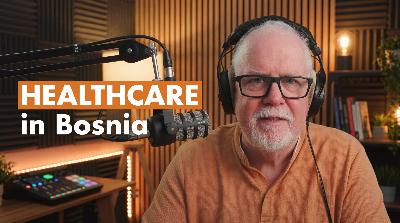
In this episode, I talk about something I’ve been asked many times over the years, what healthcare is actually like here in Bosnia and Herzegovina, especially as you get older and healthcare becomes a more important part of everyday life.This is not an official guide and I’m certainly not an expert on the healthcare system or immigration law, but I wanted to share my own personal experiences of using the healthcare system here as a resident in Republika Srpska, what I pay into the system each month, and what I receive in return.I talk about how I went from temporary residence to permanent residence, how the healthcare insurance system works, and what happens if you are working, self-employed, retired, or just staying in the country for part of the year. I also explain the difference between public healthcare and private clinics here, because Bosnia really operates on what I would call a hybrid system.I also share a very personal story about breaking my ankle here in the village, the ambulance arriving, being taken through the system, surgery, rehabilitation, and what that whole experience was actually like. Along the way, I compare some of this with experiences in the UK, because many people listening are from Britain and often ask how the two systems compare.Healthcare here is not completely free, it is an insurance-based system, but if you are a resident and you contribute to the health fund, you can access doctors, specialists, hospitals, emergency care and subsidised medication. Many people also use private clinics for speed and specialist consultations because private healthcare here is still very affordable compared to the UK and many other countries.This episode is really just an honest conversation about healthcare, retirement, living abroad, and the practical realities of life in Bosnia and Herzegovina as an older person.If you have questions about living here, residency, daily life, or healthcare, feel free to leave a comment or get in touch, and I’ll try to cover those topics in future episodes. This is a public episode. If you'd like to discuss this with other subscribers or get access to bonus episodes, visit www.coffeeandrakija.com/subscribe
In this episode, I talk openly and honestly about something that has been on my mind recently, what it means to live between two countries, between two identities, and sometimes between other people’s opinions.After a recent visit back to the United Kingdom, I found myself thinking about where I really belong. Am I British? Am I Bosnian? Or am I something in between?I also talk about the reaction to one of my recent videos, the criticism of living abroad while receiving a UK pension, and why retirement, wherever you choose to live, should be about building the best final chapter of your life that you can.This episode is very much a stream of consciousness, thoughts about retirement, immigration, identity, healthcare, lifestyle, and why I believe people should live where they feel happiest, not where others think they should live.If you’ve ever lived abroad, thought about retiring abroad, or wondered what life is really like living in Bosnia and Herzegovina, this episode is for you. This is a public episode. If you'd like to discuss this with other subscribers or get access to bonus episodes, visit www.coffeeandrakija.com/subscribe
In this relaunch episode of the Life in Bosnia podcast, I reflect on turning 73, restarting my creative projects, and what it really means to live between two countries. After a recent trip back to the UK, I talk about feeling like an “in-betweener” — not fully belonging in Britain anymore, but also not originally from Bosnia, the country I have called home for more than 20 years.This episode also explains the future of the Life in Bosnia podcast, the YouTube channel, and the return of the "An Englishman in the Balkans" interviews. Expect stories from daily life, travel around Bosnia and Herzegovina, retirement reflections, hiking adventures, culture, food, and honest observations about life in Southeast Europe.If you have ever wondered what it’s really like to retire abroad, live in Bosnia, or start again later in life, this podcast is for you. This is a public episode. If you'd like to discuss this with other subscribers or get access to bonus episodes, visit www.coffeeandrakija.com/subscribe
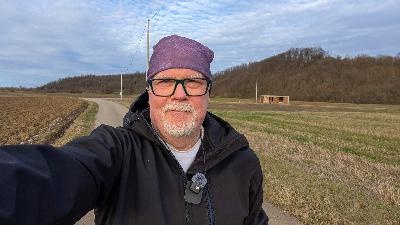
This episode was recorded on a late winter afternoon, walking down to the river and back.No studio polish. No music. No clever transitions. Just a smartphone, a small DJI microphone with its little wind muff attached (or “spoffle,” as I nearly called it), and a pair of slightly muddy boots that definitely needed cleaning before I stepped back into my tidy studio.I talk about the tractors I call “village taxis,” cleared storm drains after snow, the River Vrbas, and the fields lying bare before spring planting. I reflect on being 73, on starting (and restarting) creative projects, on YouTube ambitions that might only aim for £100 a month — but mean something very real here in Bosnia when converted into local currency.There’s also the familiar thread of village life: plum trees that haven’t fruited properly in years, the hope of distilling domaća šljivovica again, and the quiet privilege of being able to walk two kilometres on a Sunday afternoon and simply talk.This is what I’d sound like if you were staying upstairs in our apartment and we’d just had coffee together before heading down to the river.If you’re listening in London, Toronto, Sydney, or somewhere entirely different, I’d genuinely love to know. Send me a note and tell me where you are.From Bosnia and Herzegovina to your headphones, speaker, or kitchen radio — thank you for giving me your time.Stay safe. This is a public episode. If you'd like to discuss this with other subscribers or get access to bonus episodes, visit www.coffeeandrakija.com/subscribe
Postcards from Bosnia is an audio journey into the heart of Bosnia and Herzegovina, seen through the eyes of an Englishman who has made this place his home.Paid members get access to everything I create, including exclusive podcasts, behind-the-scenes reflections, photo essays, and more that I only share with my inner circle ☕✨Thanks so much in advance.Thank YouThank you for listening to these little slices of my life. If you’d like to get more stories, you can subscribe to my Substack, it’s free, and if you ever want to upgrade to paid but can’t afford it, just email me. I’ll sort it out, no questions asked.Here are 3 questions I have.* What would make you hit “play” on an audio post instead of just reading?* What makes a podcast episode feel personal or meaningful to you?* Would you like me to add audio versions of my blog posts so you can choose how to enjoy them?I’ll give a complimentary subscription to Coffee and Rakija for life for taking the time to answer. This is a public episode. If you'd like to discuss this with other subscribers or get access to bonus episodes, visit www.coffeeandrakija.com/subscribe
Postcards from Bosnia is an audio journey into the heart of Bosnia and Herzegovina, seen through the eyes of an Englishman who has made this place his home.Paid members get access to everything I create, including exclusive podcasts, behind-the-scenes reflections, photo essays, and more that I only share with my inner circle ☕✨Thanks so much in advance.Thank YouThank you for listening to these little slices of my life. If you’d like to get more stories, you can subscribe to my Substack, it’s free, and if you ever want to upgrade to paid but can’t afford it, just email me. I’ll sort it out, no questions asked.Here are 3 questions I have.* What would make you hit “play” on an audio post instead of just reading?* What makes a podcast episode feel personal or meaningful to you?* Would you like me to add audio versions of my blog posts so you can choose how to enjoy them?I’ll give a complimentary subscription to Coffee and Rakija for life for taking the time to answer. This is a public episode. If you'd like to discuss this with other subscribers or get access to bonus episodes, visit www.coffeeandrakija.com/subscribe
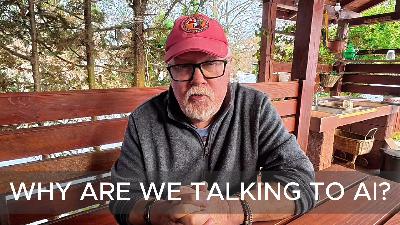
I’ve been watching retirement and over-70s content on YouTube recently, and something began to quietly trouble me.Many of the most popular videos aren’t made by people at all.They’re created by AI.And yet older viewers are watching, commenting, and sharing deeply personal stories, often speaking into what is, in reality, a silence.This isn’t a programme about technology.It’s a reflection on aging, loneliness, and what it means to be heard in later life.From my garden in northern Bosnia and Herzegovina, I talk about why calm AI voices feel familiar, why they feel safe, and why so many older people are reaching out, not because they’re gullible, but because they’re human.Because we still want to be seen.And we still want to matter. This is a public episode. If you'd like to discuss this with other subscribers or get access to bonus episodes, visit www.coffeeandrakija.com/subscribe
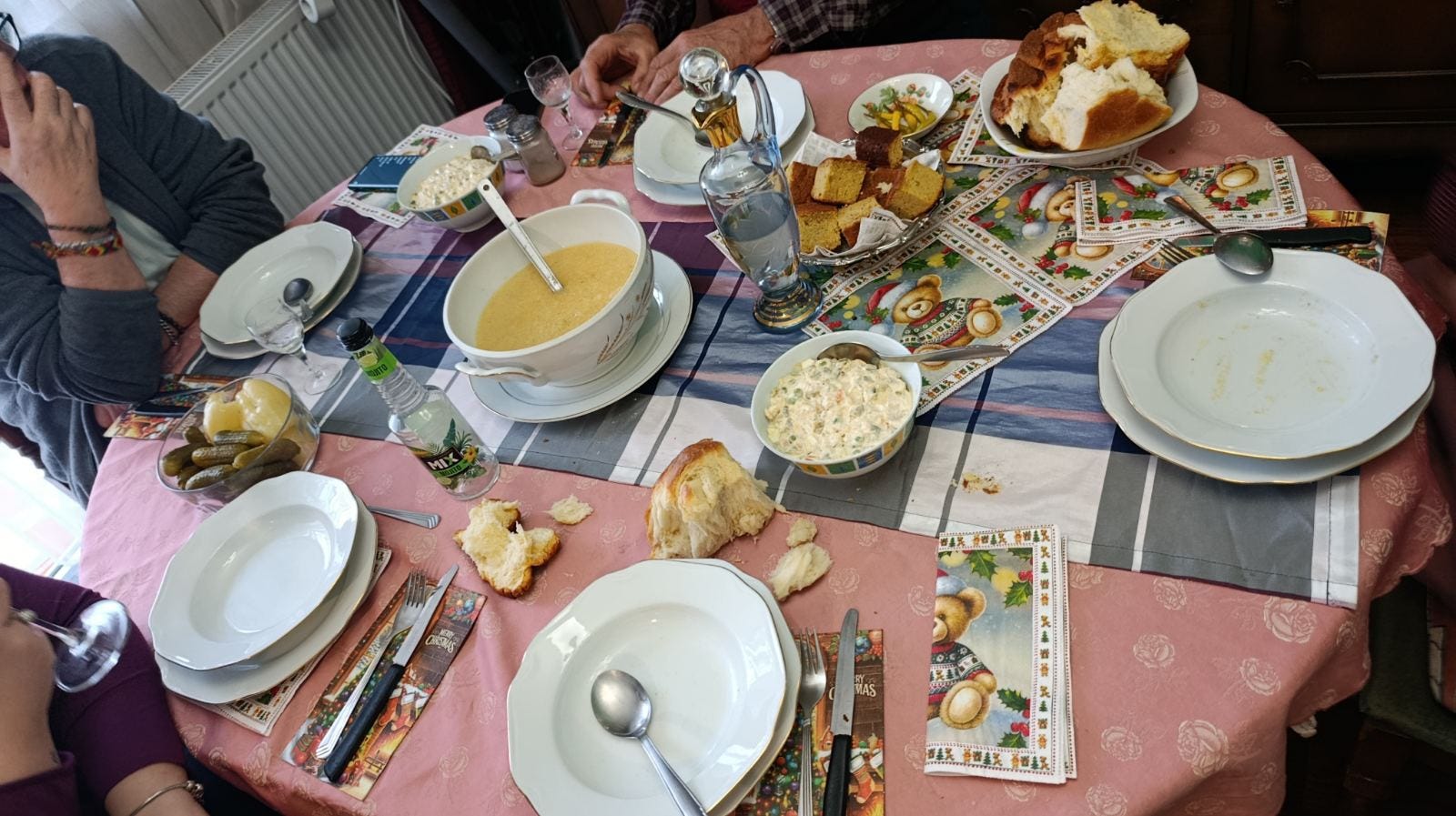
Let me say this upfrontI’m not a Christian.I don’t belong to a church, I don’t follow doctrine, and I wouldn’t describe myself as religious in the traditional sense. If I’m honest, I’m a wayward, wannabe Buddhist, drawn to quiet reflection, to the idea of paying attention, but without the discipline to do it properly.So what follows isn’t theology.It’s observation.Because when you live in Bosnia and Herzegovina long enough, Christmas has a habit of showing up whether you believe in it or not. And here, rather wonderfully, it shows up twice.The Christmas most British people recogniseFor most of my life, Christmas meant one thing.The 25th of December.A tree in the corner of the room.Carols you could sing even if you hadn’t sung them for years.And far, far too much food.That was Christmas. End of story.The Christmas most British people grew up with, Anglican in shape, even if not always in conviction, is open and outward-facing. It fits neatly into national life. Advent drifts past, lights go up, music appears everywhere, and churches fill with people who don’t normally go.And nobody minds. That’s part of the deal.You don’t need strong belief to take part. You just need to turn up.Carols do a lot of the work, familiar words, familiar tunes, and at home, restraint is not the goal. Abundance is.From the perspective of someone who doesn’t believe, it feels welcoming. Inclusive. Almost forgiving. Christmas as a shared cultural moment rather than a test of faith.The Christmas that arrives quietly hereOrthodox Christmas feels very different.I live in a Serbian Orthodox village in northern Bosnia, and Christmas here arrives on the 7th of January, following the older Julian calendar, long after Britain has packed Christmas away and January has started to bite.Here, Christmas begins with waiting.There’s a 40-day fast leading up to it. Christmas Eve “Badnji dan” is quiet, symbolic, and deliberate. The food is simple. The mood restrained.Instead of glitter, there’s straw under the table, a reminder of the stable.Instead of a Christmas tree, there’s an oak branch, the “Badnjak”, burned or placed in the home.Church services are darker. There’s more chanting than singing, less explanation, fewer words. Nobody is trying to make it accessible or attractive.And oddly enough, this is where my Buddhist leanings quietly kick in.Ritual over persuasionWhat strikes me most about Orthodox Christmas is its emphasis on ritual over words, on practice over persuasion.No one is trying to convince you of anything.No one is selling belief.You either show up… or you don’t.Even as a wannabe Buddhist who doesn’t practise nearly enough ritual himself, I recognise something familiar here. A respect for repetition. For silence. For doing, rather than explaining.It’s not inclusive in the modern sense, but it is deeply rooted.Breaking the fastWhen Christmas Day finally arrives, the fast is broken.The table fills. The mood lifts. A special bread, česnica, is shared, with a coin hidden inside. Whoever finds it is said to have good fortune in the year ahead.This year, Tamara found the coin, so fingers crossed we’re in for a good 2026.But the real point isn’t the coin.It’s who you’re sitting next to when the bread is broken.The greeting says everything:Christ is born.Truly He is born.They do say “Happy Christmas” as well, but there are no slogans. No cheerleading. Just statement.Same story, different energyLiving between these two Christmases has taught me something.Anglican and Catholic Christmas tends to radiate outward.Orthodox Christmas draws inward.One celebrates openly.The other prepares quietly.Neither is better. Neither is more authentic. They are simply different ways of holding the same story.And perhaps because I don’t fully belong to either, I get to appreciate both more clearly.Living comfortably in betweenThese days, I mark both Christmases. Lightly and respectfully.One reminds me where I come from.The other reminds me where I now live.And somewhere between carols and crackling oak wood, between abundance and restraint, I’ve learned something useful, even as a non-believer.Meaning doesn’t always need belief.Sometimes it just needs attention.Even from a wayward, wannabe Buddhist. This is a public episode. If you'd like to discuss this with other subscribers or get access to bonus episodes, visit www.coffeeandrakija.com/subscribe
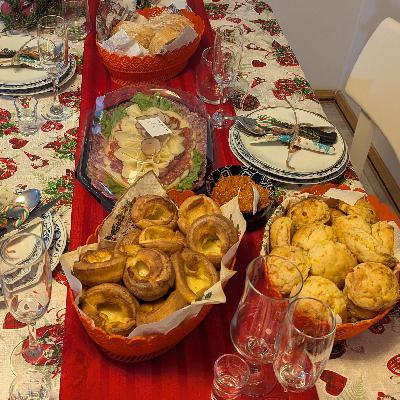
This isn’t really about Sunday lunchWhen most people hear the words Yorkshire pudding, they think of Sunday roast, gravy, and a very specific idea of England. It’s treated as tradition, almost ceremony. Something fixed. Something defended.But that’s not where Yorkshire pudding starts.It doesn’t begin with nostalgia or national pride. It begins with a problem that needed solving.A dish born of economy, not indulgenceIn eighteenth-century northern England, meat was expensive and fuel was precious. A joint of beef wasn’t an everyday meal. It was planned, stretched, and respected.Yorkshire pudding began as a simple batter, flour, eggs, milk, poured into a pan and placed beneath roasting meat to catch the dripping fat. The batter rose in the heat, filling stomachs cheaply and effectively.And here’s the detail many people forget: it was originally served before the meat. Gravy poured over it first. The beef came later.Yorkshire pudding wasn’t a side dish. It was strategy.Why that makes sense in the BalkansLiving in Bosnia, this logic feels immediately familiar.Across the Western Balkans, there’s a deep understanding of food that fills rather than flatters. Batter-based dishes appear everywhere, not as treats, but as anchors. Uštipci at breakfast. Plain palačinke when cupboards are bare. Proja on a wooden table, sliced and shared.These foods aren’t identical to Yorkshire pudding, and they don’t need to be. The connection isn’t about copying recipes. It’s about responding to the same conditions.Cold winters. Hard work. Limited ingredients.Different kitchens, same instinctsWhat strikes me most is how naturally Yorkshire pudding fits into a Bosnian kitchen. The ingredients are familiar. The technique, hot fat, confident timing, no hovering, makes immediate sense.Even the arguments feel familiar. How much fat is too much? Should it be crisp or soft? Big or small? Everyone has an opinion, and everyone trusts experience over instructions.That fierce protectiveness around simple food exists on both sides of the continent.Is there a direct historical connection?No. There’s no evidence that Yorkshire pudding travelled east or that Balkan batter dishes travelled west.But history isn’t always about movement. Sometimes it’s about parallel solutions.When people face similar problems, they often arrive at similar answers, even if they never meet.Flour, fat, and reassuranceSo this isn’t really a story about Yorkshire pudding at all.It’s about how ordinary food carries quiet wisdom. How it feeds people without asking for attention. How it reassures rather than impresses.Flour.Fat.Heat.Different names.Same human need.And the same promise, whether you’re in Yorkshire or the Western Balkans:You’ll be fed today. This is a public episode. If you'd like to discuss this with other subscribers or get access to bonus episodes, visit www.coffeeandrakija.com/subscribe
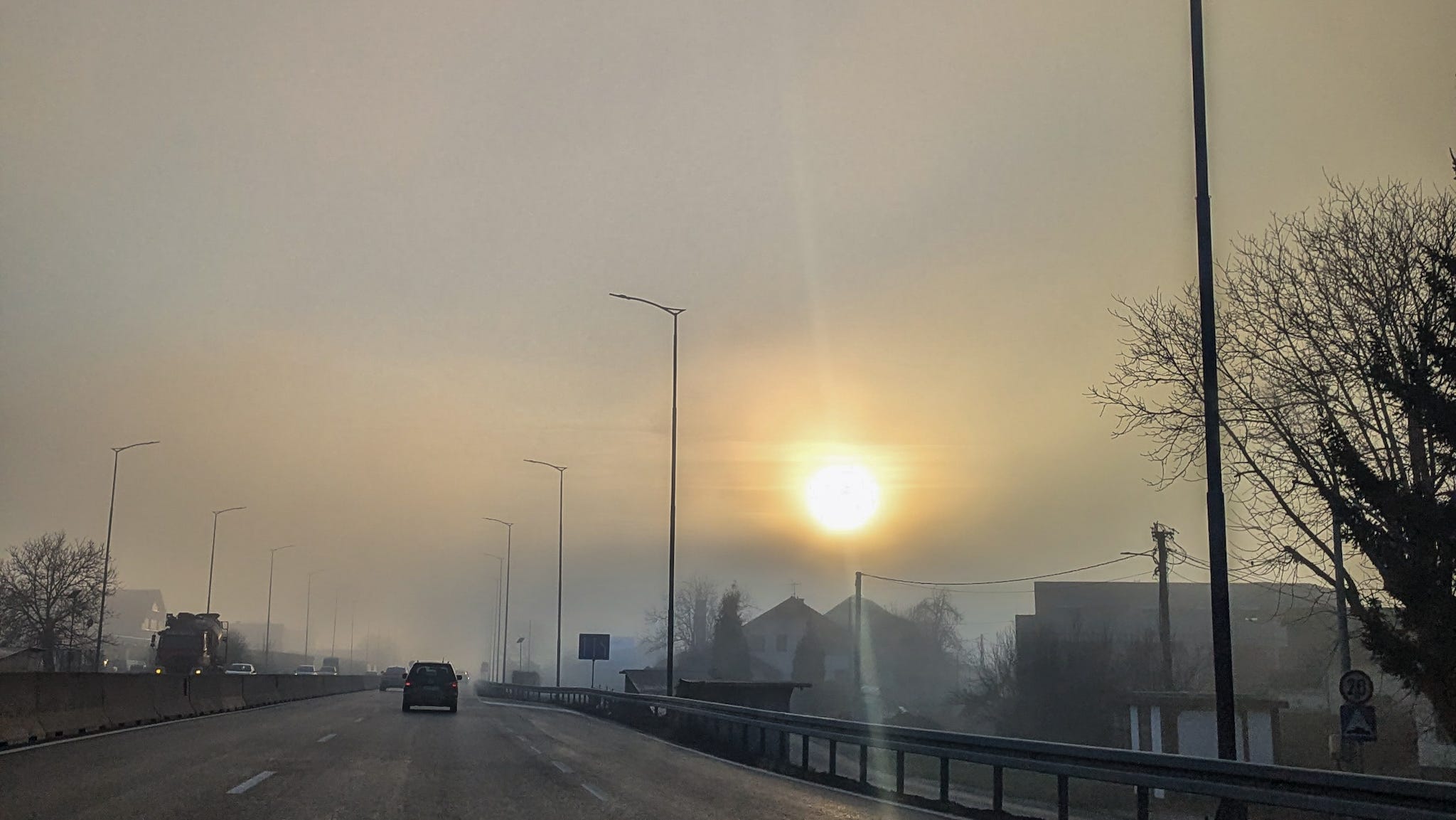
When the Air Changes the Rhythm of the DayI knew the air was bad again before I checked any app.It was during my morning walk. Same route as always. Down from the village, along the familiar stretch where I usually settle into a steady rhythm. But this time, something felt off. The air felt heavy. Not cold-cold, just thick. I found myself breathing through my mouth sooner than usual, shortening the walk without really deciding to.That’s usually the sign.Learning to Read the AirLiving in this part of the country, you get used to reading the air as much as the weather. Some days it’s clear and sharp, especially after a bit of wind. Other days, like recently, it just sits there. Grey, Yellow, Still. Unmoved.You can feel it before you see it. Before anyone mentions numbers or warnings.Winter Fires and Everyday RealityWinter is part of the story, of course. Around here, winter still means fires being lit. Wood stacked against walls. Stoves burning from early morning until late evening.Each one is doing what it needs to do, keeping a family warm, but together they fill the air with smoke that has nowhere to go.Cars, Cold Engines, and Short JourneysThen there’s the traffic. Cold starts. Short trips. Engines idling while someone pops into a shop. Multiply that by thousands and suddenly the air at street level feels tired before the day has properly begun.It’s not one big polluter. It’s all the small, ordinary ones added together.When the Weather Traps EverythingAnd then the weather does its part. No wind. No movement. Sometimes fog that looks almost peaceful until you realise it’s holding everything in place.When that happens, nothing clears. The air just hangs around at breathing height. Exactly where we are.Not New, Just Felt MoreThis isn’t a new problem. Anyone who’s spent a few winters here knows the pattern. December and January are often the worst. By spring, things usually improve and we forget about it again.Until next winter.Noticing It More With AgeBut when you’re in your seventies, you notice it more. The body is less forgiving. A walk that normally clears the head can feel like hard work. A cough lingers longer than it should.You start planning your day around how the air feels, not just what you want to do.Adjusting Without Making a FussOn days like this, I shorten my walks. I choose quieter times. I stay in once the evening fires really get going.Windows closed.Not out of fear. Just common sense.Waiting for the WindThere’s a bigger conversation to be had about cleaner heating, insulation, public transport, and long-term change. But none of that fixes the air outside your door today.For now, we pay attention. We look after ourselves. We look out for neighbours.And we wait for that first proper wind that clears the sky and reminds us how good the air here can be.When the air feels heavy in Bosnia and Herzegovina, it isn’t a statistic. It’s something you feel in your lungs, in your pace, and in the quiet decision to turn back a little earlier than usual.And like everyone else, I’m watching the trees. Waiting. This is a public episode. If you'd like to discuss this with other subscribers or get access to bonus episodes, visit www.coffeeandrakija.com/subscribe
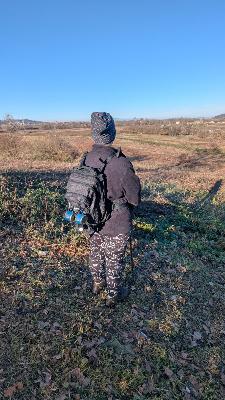
Blue Skies and Cold AirThe seasons are shifting here in northern Bosnia. The mornings have that crisp bite that tells you autumn has properly settled in. Yet the skies stay defiantly blue, almost glowing above the village. It’s the kind of weather that makes a simple walk around the block feel like a small adventure. And honestly, every time I step outside on a day like this, I find myself quietly grateful I’m not back in the UK under its familiar blanket of grey drizzle.Smoke on the BreezeHalfway along the lane, a thin column of smoke drifted from a neighbour’s little outbuilding. Here, that can only mean one thing: meat being smoked the traditional way. It’s a sight I rarely seem to catch. I’m always either away, busy, or simply too late. But today, there it was. A quiet reminder that so much of Bosnia’s heritage isn’t locked in museums; it’s lived, tended, and carried forward in people’s own backyards.Cowbells and Mountain WisdomIf you heard a soft bell during our walk, it wasn’t a stray cow joining us. That gentle clinking came from Tamara’s backpack, a mountain habit designed to keep predators at a distance. Wolves still roam the high forests, bears wander the ridges, and wild dogs can appear out of nowhere. The bell simply lets them know we’re passing through. A small sound with a practical purpose, shaped by the geography of this place.Tea, Sunlight, and the Simple MomentsBy the time we looped home, the sun had sunk low and fierce, the way it does in October and November, that sharp, blinding autumn glare you can never quite escape. And as always after a good walk, the day called for a cup of English tea. Two sugars. A splodge of milk.Just a simple moment. But one that anchors you, reminds you where you are, and why these small rituals matter. This is a public episode. If you'd like to discuss this with other subscribers or get access to bonus episodes, visit www.coffeeandrakija.com/subscribe
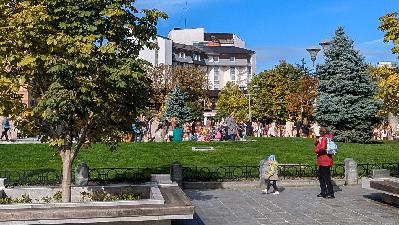
A warm afternoon in the cityYesterday I spent a few unhurried hours wandering through the centre of Banja Luka, recorder in hand.The weather couldn’t have been kinder, soft autumn sunshine, blue skies without a single cloud, and just enough of a breeze to make the church bells carry across the square.I hadn’t come with an agenda. No interviews lined up, no story to chase. Just a simple aim. To listen.To capture a little of the city’s everyday rhythm for my soundscape series.Walking Gospodska Ulica — Gentleman StreetI started along Gospodska Ulica, better known to locals as Gentleman Street.It’s one of those iconic places every Bosnian city seems to have, the kind of street where everyone meets, strolls, and watches life go by.The name has a lovely backstory.In the late 1800s, this was once a marshy lane known as Muslina Bara, “the Muslim pond.” Then a local shopkeeper, Toma Radulović, decided his new store needed a bit of flair. He put up a wooden sign reading Gospodska Ulica, “ Gentleman Street”, and somehow, the name stuck.More than a century later, the official name might have changed, but everyone still calls it Gospodska.It’s lined with elegant façades and old-world balconies, mixed now with cafés, boutiques, and that steady murmur of everyday conversation that gives a city its heartbeat.The laughter of Children’s WeekBut this week, Gospodska was even livelier than usual.Banja Luka is celebrating Children’s Week (Dječija Nedjelja), a tradition across Bosnia where kindergartens and schools fill public spaces with games, laughter, and small performances. It’s a simple idea, to dedicate a few days to joy, imagination, and the importance of childhood, but it transforms the city completely.Everywhere I turned there were clusters of children, waving flags, chasing balloons, holding hands in long lines as teachers tried, mostly unsuccessfully, to keep order.The soundscape was pure energy.High-pitched laughter echoing off stone façades, the squeak of balloon strings, the rhythmic steps of tiny shoes on old cobbles.I set my recorder near the main Orthodox Church, letting it soak up the mix of voices, bells, and city hum. There was no need to talk, the sound told its own story.Listening between the momentsLater, back home, I played the recordings through my headphones.What struck me wasn’t just the noise, but the layers of it. The contrast between the old street’s calm architecture and the bright chaos of the children passing through it.That’s the beauty of recording life here in Bosnia: even the most ordinary day turns into a story when you slow down and listen.So this week’s postcard isn’t about travel or food or history. It’s about sound.About a single afternoon on Gentleman Street, where laughter filled the air and the past and present shared the same space for a while.If you enjoyed this little postcard from my life in Bosnia, I’d love to hear from you. You can drop me a message.Thank You This is a public episode. If you'd like to discuss this with other subscribers or get access to bonus episodes, visit www.coffeeandrakija.com/subscribe
Postcards from Bosnia is an audio journey into the heart of Bosnia and Herzegovina, seen through the eyes of an Englishman who has made this place his home.Paid members get access to everything I create, including exclusive podcasts, behind-the-scenes reflections, photo essays, and more that I only share with my inner circle ☕✨Thanks so much in advance.In today’s episode of Postcards from Bosnia, I’m taking you behind the fast-paced noise of the internet to the quiet rhythms of my little village here in northern Bosnia and Herzegovina. Life here isn’t measured in likes, views, or endless notifications, it’s shaped by the seasons, the people, and the simple rituals that keep us grounded.As someone now in my seventies, I’ve discovered that choosing slow living in Bosnia has been the key to staying creative, active, and inspired. I’ll share how daily walks along the River Vrbas, conversations with neighbours, and even the traditions of harvest and rakija-making give me more energy and ideas than chasing trends ever could.If you’ve ever felt the pressure to post faster, scroll endlessly, or keep up with online trends, this episode is for you. You’ll hear why stepping back, embracing slower rhythms, and focusing on authentic storytelling can help you rediscover your creativity, no matter your age.Slow living isn’t just a lifestyle choice, it’s a creative toolkit. And here in Bosnia, it might just hold lessons for all of us.Let’s Stay Connected?If you enjoyed this little postcard from my Bosnian summer, I’d love to hear from you. You can drop me a message.Thank YouThank you for listening to these little slices of my life. If you’d like to get more stories, you can subscribe to my Substack, it’s free, and if you ever want to upgrade to paid but can’t afford it, just email me. I’ll sort it out, no questions asked.Here are 3 questions I have.* What would make you hit “play” on an audio post instead of just reading?* What makes a podcast episode feel personal or meaningful to you?* Would you like me to add audio versions of my blog posts so you can choose how to enjoy them?I’ll give a complimentary subscription to Coffee and Rakija for life for taking the time to answer.More From Me This is a public episode. If you'd like to discuss this with other subscribers or get access to bonus episodes, visit www.coffeeandrakija.com/subscribe
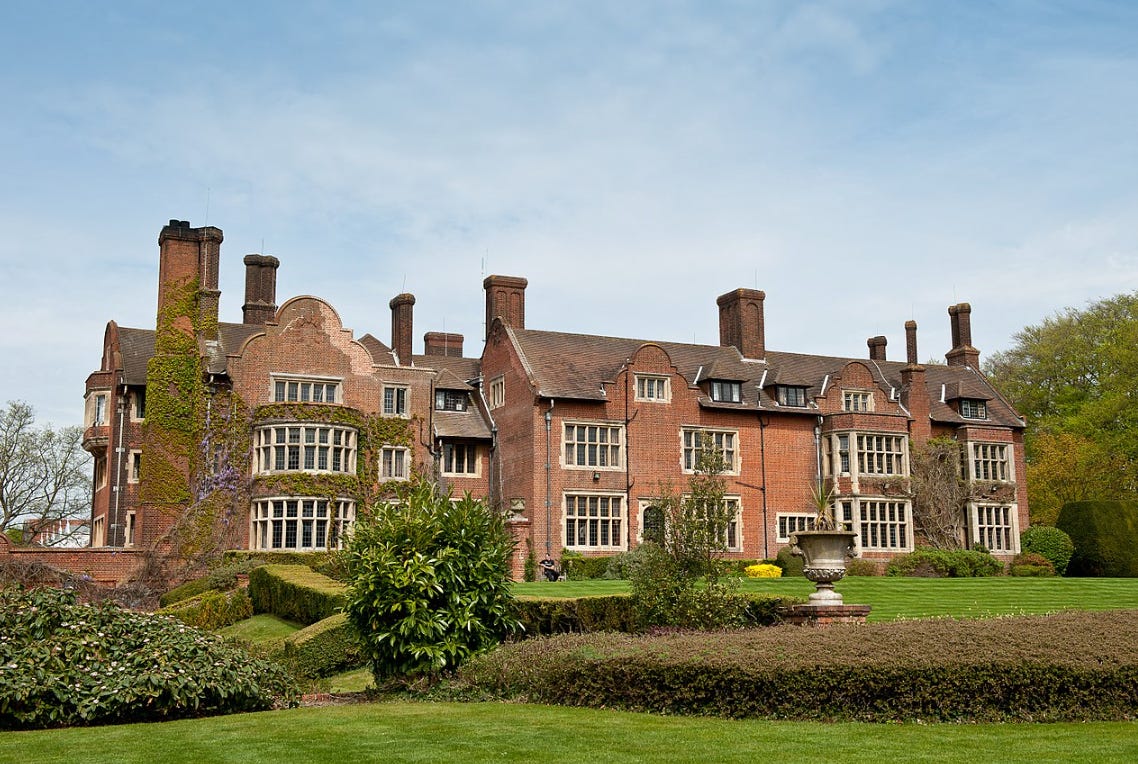
Not too long ago, I was sitting quietly here at home when something odd happened.My lower lip went numb.Not entirely, but just enough to make me stop and think.Now, for most people, that might not mean much. Maybe just a fleeting reminder of a trip to the dentist. But for me, it took me straight back, nearly 40 years back, in fact, to a part of my life I rarely talk about.A chapter that began with a similar sensation… and ended with me learning to walk again.A Different Kind of JourneyBack in 1987, I was serving with the British Army in Germany. Life was, as it always seemed to be back then, busy, fast-paced, and full of uniformed routine.And then I noticed something strange. First, the tingling around my mouth. Then the pins and needles in my feet. I chalked it up to tight boots. Classic army thinking, really.But within days, my speech had started to slur. I was staggering, though I didn’t realise it at the time. My mates thought I’d been drinking. I hadn’t.Things escalated quickly. I was sent to the military hospital in Hannover, where the doctors were puzzled. Tests, theories, guesses. No answers.Within days, I was flown back to the UK, to the military hospital in Aldershot. And within hours of arriving, they had a diagnosis:Guillain-Barré Syndrome.What Is Guillain-Barré Syndrome?I’d never heard of it back then. Most people still haven’t.Guillain-Barré Syndrome (GBS) is a rare autoimmune disorder where the body’s immune system mistakenly attacks the peripheral nervous system. It can cause muscle weakness, numbness, and in more severe cases, like mine, paralysis.It affects about 1 in 100,000 people each year. So not common. But when it strikes, it can be devastating.There’s no known cause, though it’s often triggered by a viral or bacterial infection. And there’s no cure, only treatment and rehabilitation.In my case, I was paralysed from the chest down. By Christmas Eve 1987, I was in intensive care, unable to move and barely able to breathe after also contracting the flu. It wasn’t exactly the festive break I’d imagined.Thanks for reading Coffee and Rakija! This post is public so feel free to share it.The Long Way BackRecovery was slow. There’s no shortcut with GBS. It takes its time, and you just have to go along with it.After some time in a general ward, wheelchair-bound and struggling, I was sent to a place that would become central to my recovery: RAF Headley Court.Now, if you’ve never heard of it, Headley Court was a military rehabilitation centre in Surrey, housed in a beautiful old country manor. For decades, it helped wounded service personnel rebuild their lives, physically, mentally, and emotionally.Originally opened during WWII to treat RAF pilots with severe injuries, it became known for its cutting-edge rehabilitation programmes and holistic approach. Sadly, the Ministry of Defence closed it in 2018, moving rehabilitation services elsewhere, but back in the 80s and 90s, it was a beacon of recovery.And for me? It was where I learned to walk again. Literally.Climbing stairs, balancing on crutches, falling down and getting back up.There were days I thought I wouldn’t make it.But the staff there were extraordinary. Firm but fair. Encouraging without pity.Not Just PhysicalOne thing I hadn’t expected was the emotional toll.When you lose your independence, even temporarily, you realise just how much you take for granted.Simple things like walking to the bathroom. Signing your name. Holding a cup of tea.Everything had to be relearned.But slowly, with effort (and a bit of British stubbornness), I got there. And 18 months after that first numb lip, I was back in uniform. Not long after that, I was climbing volcanoes in the Ecuadorian Andes, just to prove to myself that I could.Coffee and Rakija is a reader, listener, viewer-supported publication. To receive new posts and support my work, consider becoming a paid subscriber.Still With Me?I don’t tell this story very often. It’s not something that comes up in conversation here in the Balkans.But that lip? That tiny little sensation the other day?It reminded me that Guillain-Barré Syndrome never really leaves you.These days, I’m over 70 and still reasonably active, walking daily, exploring, creating, podcasting. But the fatigue that comes with GBS is something else. It’s not ordinary tiredness. It’s deeper. Heavier.Back in the day, I ignored it. I was told to rest when I felt exhausted. I didn’t. Army culture doesn’t make room for naps.But now? I listen to my body. I rest when I need to. And I don’t feel guilty about it anymore.Why I’m Sharing ThisI’m sharing this not because I want sympathy or attention, but because maybe, just maybe, someone else out there is struggling with strange symptoms, exhaustion, or the slow road to recovery.If that’s you, you’re not weak. You’re healing.And if, by chance, you’ve had Guillain-Barré Syndrome too… get in touch. There aren’t many of us, and it’s always good to swap stories from the other side.Until Next TimeNext post, I promise, we’ll be back to rivers and rakija.But every now and then, it’s good to remember where we’ve come from.And if your lip ever goes numb… maybe don’t just blame the coffee.Stay curious. Stay kind. And rest when you need to.More From Me This is a public episode. If you'd like to discuss this with other subscribers or get access to bonus episodes, visit www.coffeeandrakija.com/subscribe
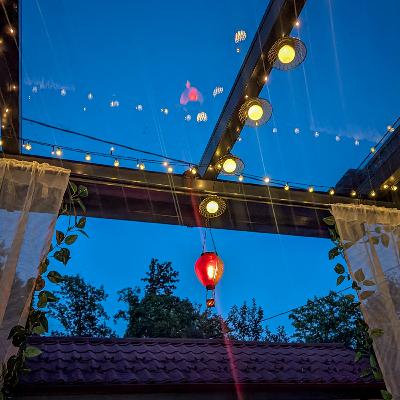
Pull up a chair — this one’s a ramble, but the good kind.It’s a Wednesday evening in northwest Bosnia. The sun’s just dipped behind Kozara National Park, painting the sky in that deep red you only get here. Tamara’s in Banja Luka with her mum, Predrag (her father) is off with a chainsaw (don’t ask), and I’m here with two dogs, seven cats, and my thoughts.This episode is about what it really takes to live here long-term. Not the glossy “buy a house in Portugal” kind of podcast episode, but the truth about visas, bureaucracy, and why most foreigners in Bosnia are here because they’ve married locals. I talk about property, residency permits, and why embracing the culture and language isn’t optional. It’s survival.There’s a little bit of Hemingway, a little bit of homesickness, and a lot of reflection on what it means to be happy in later life. If you’ve ever thought about packing up and moving somewhere far from home — or you’ve done it and know that strange tug of wanting to visit “home” but never really go back — this one’s for you.If you like the sound of crickets under a Balkan sunset and the idea of living somewhere without an expat bubble, hit play. This is life, unfiltered.Let’s Stay Connected?If you enjoyed this little postcard from my Bosnian summer, I’d love to hear from you. You can drop me a message.Thank YouThank you for listening to these little slices of my life. If you’d like to get more stories, you can subscribe to my Substack, it’s free, and if you ever want to upgrade to paid but can’t afford it, just email me. I’ll sort it out, no questions asked.Here are 3 questions I have.* What would make you hit “play” on an audio post instead of just reading?* What makes a podcast episode feel personal or meaningful to you?* Would you like me to add audio versions of my blog posts so you can choose how to enjoy them?I’ll give a complimentary subscription to Coffee and Rakija for life for taking the time to answer.More From Me This is a public episode. If you'd like to discuss this with other subscribers or get access to bonus episodes, visit www.coffeeandrakija.com/subscribe
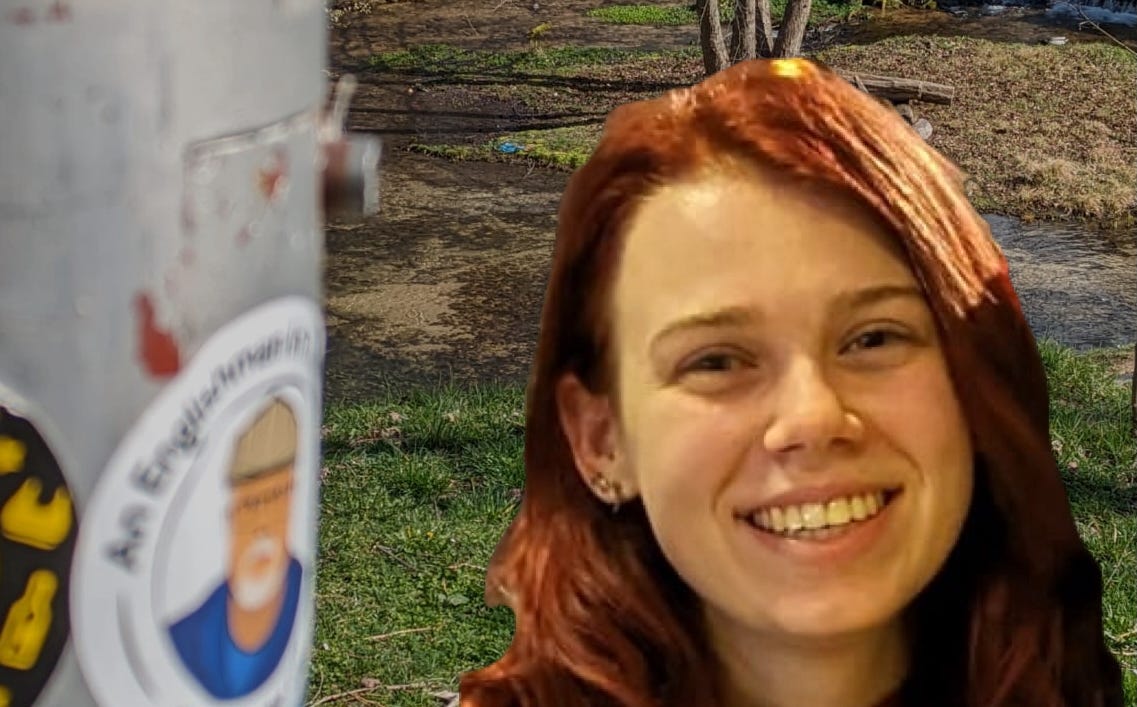
Postcards from Bosnia is an audio journey into the heart of Bosnia and Herzegovina, seen through the eyes of an Englishman who has made this place his home.Paid members get access to everything I create, including exclusive podcasts, behind-the-scenes reflections, photo essays, and more that I only share with my inner circle ☕✨Thanks so much in advance.It’s a misty Sunday morning in the village, the firewood’s sorted for next winter, and the banana plant has, miraculously, survived.In this special episode, first aired back in March 2024, I sit down outdoors with Hannah Thomas, a young German-American nurse who’s just wrapped up her second visit to Bosnia and Herzegovina.Joined this time by her father, brother, boyfriend, and younger brother, Hannah reflects on what it’s like to travel somewhere that’s not “on the list.”We talk about ćevapi comparisons between Croatia and Bosnia (spoiler: Bosnia wins), what shocked her the first time she crossed the border, and how it feels to slow down, embrace ćejf, and soak in a country still unknown to many.This is the first time a guest has agreed to chat right here, and it’s raw, real, and refreshingly honest.We explore:The contrasts between German and Bosnian culture through the eyes of a traveler in her twentiesWhy slow travel in the Balkans might be the antidote to all-inclusive burnoutHow Bosnia’s charm sneaks up on you, through smoky cafés, fruit markets, and unexpected kindnessSo brew yourself something warm, find a quiet moment, and join us for a very human story about family, curiosity, and the power of returning.Have you ever visited a country that completely changed your perspective, where your expectations didn’t match the reality?If so, where was it… and would you go back?Let’s Stay ConnectedIf you enjoyed this little postcard from my Bosnian summer, I’d love to hear from you. You can drop me a message.Thank YouThank you for listening to these little slices of my life. If you’d like to get more stories, you can subscribe to my Substack, it’s free, and if you ever want to upgrade to paid but can’t afford it, just email me. I’ll sort it out, no questions asked.Here are 3 questions I have.* What would make you hit “play” on an audio post instead of just reading?* What makes a podcast episode feel personal or meaningful to you?* Would you like me to add audio versions of my blog posts so you can choose how to enjoy them?I’ll give a complimentary subscription to Coffee and Rakija for life for taking the time to answer.More From Me This is a public episode. If you'd like to discuss this with other subscribers or get access to bonus episodes, visit www.coffeeandrakija.com/subscribe
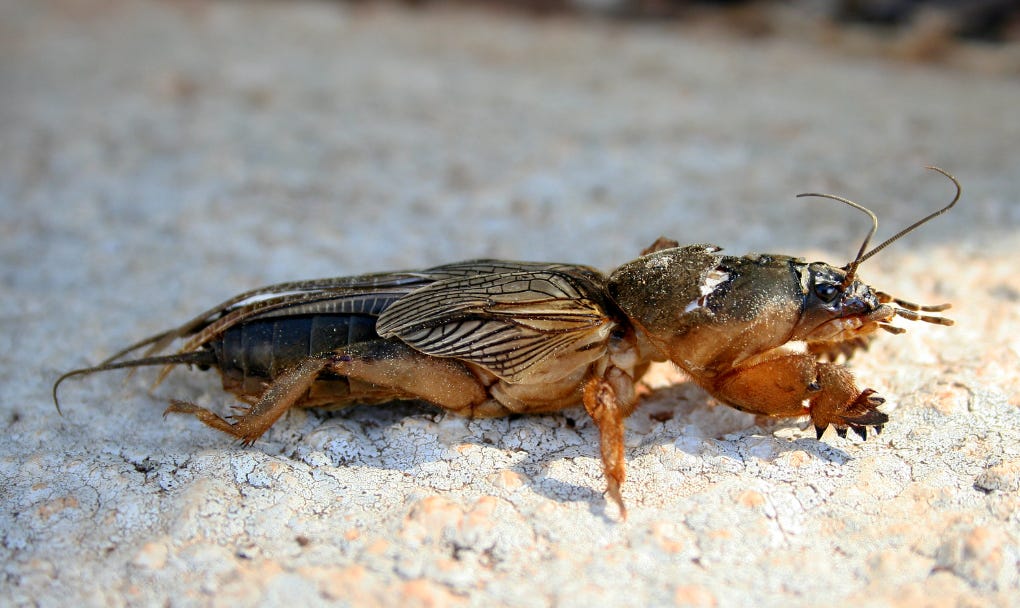
As I sit outside this evening, the sun is just slipping behind the wooded hills of Kozara National Park. The sky turns that perfect dusky pink, the kind that makes me reach for my camera, though it never seems to capture the colours quite right. I must work on that.But tonight isn’t about the view. It’s about the sound.Not the familiar birdsong, the bark of a village dog, or even the faint whir of a distant tractor.No, this evening’s soundtrack is coming from underground.Meet the Mole CricketAround this time of year, late July, something remarkable happens just below the surface of the soft, river-fed soil we have all around us.A gentle, rolling trill begins to rise from the earth. At first, it sounds faint, almost electronic. Then, as the minutes pass, others join in, and the entire area begins to hum.These mysterious little performers?Mole crickets.Now, I’ll be honest, I hadn’t paid much attention to them until about three years ago. They’re not flashy. You won’t catch them hopping across the path or fluttering through the trees. No, they live in the quiet, deep in the soil, digging with their strong, spade-like forearms and keeping mostly to themselves.We accidentally dug one up during some garden work once, and I was genuinely startled. They’re not the most handsome of creatures, in fact, I’d say they’re a bit grotesque,but they’ve earned their place in my summer evenings.Nature’s Hidden SymphonyThere’s a particular kind of magic to their chorus.It starts with just one cricket calling out from its burrow. Then another replies. And another. Before long, the valley becomes filled with this strange, pulsing music, nature’s own ambient soundtrack.It’s not easy to miss, even if you’re busy scrolling or wrapped up in the noise of the day. But if you sit still and let yourself listen, it’s like discovering a secret concert performed just for you.That’s one of the many things I’ve come to love about life here. The quiet things are the main event. You begin to mark the seasons not just by the dates on the calendar, but by the sounds around you.In spring, it’s the frogs.In June, it’s the nightingales.And in the height of summer, like right now, it’s the shy, subterranean song of the mole crickets.The Rhythm of My BosniaWhat I’m sharing here isn’t a tourist destination or a hidden gem to pin on Google Maps. It’s just a moment. A rhythm. A reminder that some of the most beautiful parts of life are the ones that hum gently in the background, waiting for you to notice.So wherever you are, walking, working out, winding down,I hope you’ll pause and listen to your own dusk chorus. I’d love to know what it sounds like where you live.Let’s Stay ConnectedIf you enjoyed this little postcard from my Bosnian summer, I’d love to hear from you. You can drop me a message.🎧 And if you’d like to experience it yourself, I’ve included a short soundscape, just under half an hour , of the dusk chorus recorded right here in Čardačani.Thank YouThank you for listening to these little slices of my life. If you’d like to get more stories, you can subscribe to my Substack, it’s free, and if you ever want to upgrade to paid but can’t afford it, just email me. I’ll sort it out, no questions asked.Here are 3 questions I have.* What would make you hit “play” on an audio post instead of just reading?* What makes a podcast episode feel personal or meaningful to you?* Would you like me to add audio versions of my blog posts so you can choose how to enjoy them?I’ll give a complimentary subscription to Coffee and Rakija for life for taking the time to answer.More From Me This is a public episode. If you'd like to discuss this with other subscribers or get access to bonus episodes, visit www.coffeeandrakija.com/subscribe
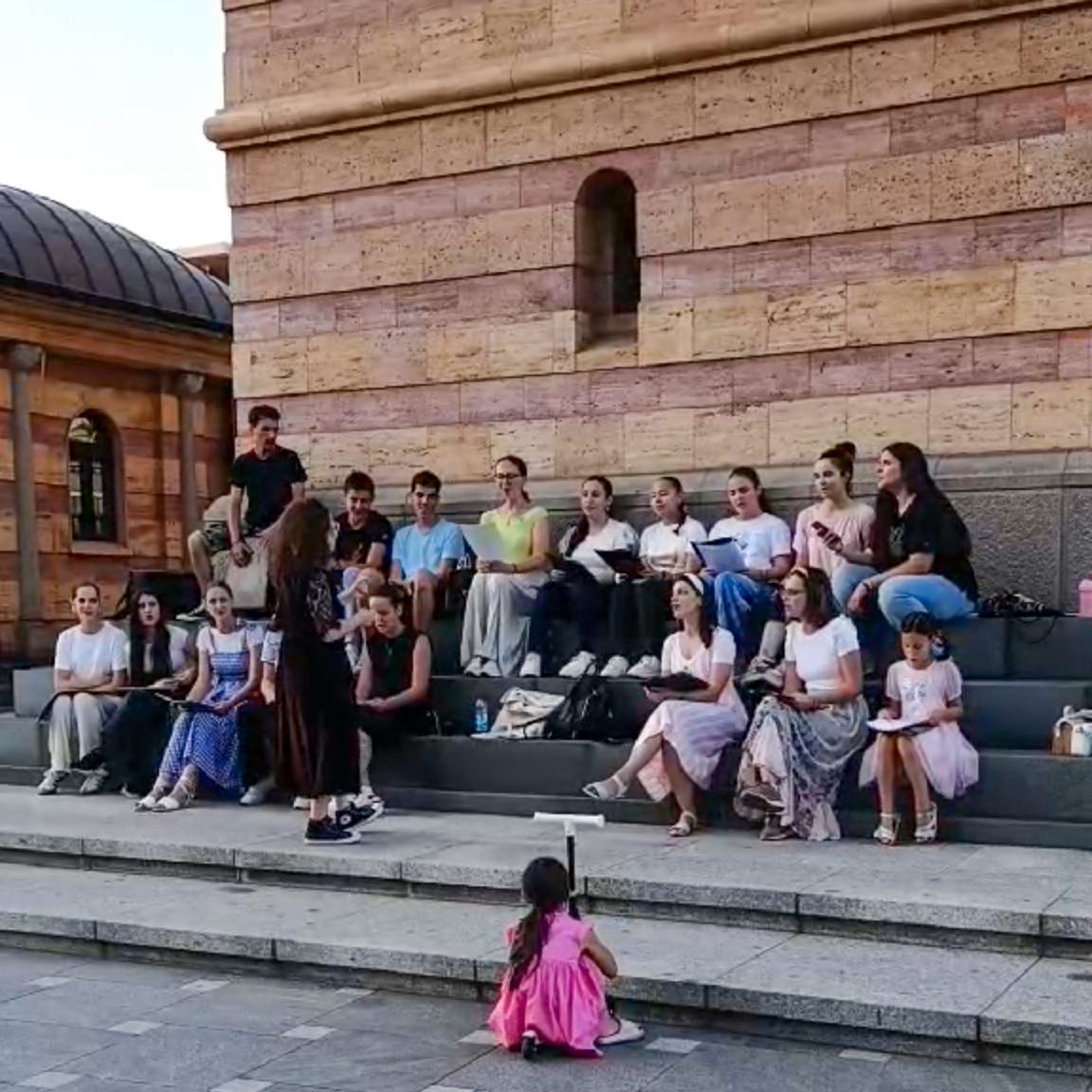
Postcards from Bosnia is an audio journey into the heart of Bosnia and Herzegovina, seen through the eyes of an Englishman who has made this place his home.Paid members get access to everything I create, including exclusive podcasts, behind-the-scenes reflections, photo essays, and more that I only share with my inner circle ☕✨Thanks so much in advance.📍 A Walk in the Garden, and a Few Thoughts from ČardačaniHello and welcome back to Postcards from Bosnia.If you heard a funny announcement at the start, no, that wasn’t a railway station speaker! It was actually someone calling a staff member over the loudspeaker in a local supermarket. Life’s little unexpected moments always make me smile.I haven’t shared one of these “walking in the garden” updates for a while, so I thought today was the perfect day to do just that.Recent Visitors from AustriaAs I walk up the hill (you might hear a bit of huffing and puffing!), I think back over the last few days. We had Fritz and his wife Nicole visiting us here in Čardačani, that’s our little village between Banja Luka and the Croatian border.They’ve been here several times before and have already promised they’ll be back next year. They left just a few hours ago on their motorbike, heading back to Niederösterreich in Lower Austria after a long, winding journey.From Austria into Italy, then a ferry to Greece, up through Albania and Montenegro, and finally here to us.We spent the days sharing local food (Tamara always works her magic in the kitchen), enjoying some pivo and rakija, and simply relaxing. Yesterday, after nearly two weeks of travel, they were ready for a slow day, and we gave them exactly that.A Magical Evening by the WaterIn the evening, we took them to Slap, a beautiful little waterfall outside Banja Luka, right on the Vrbas river. We sat down to dinner, chatted about life, and watched Fritz capturing videos and photos.Afterwards, we drove past Banja Vručica, natural warm pools on the river. Even as the evening got chilly, people sat happily in the steaming water, beer cans in hand, soaking in the supposed healing properties.I love these places. Spots you’d easily drive past without knowing they exist. Fritz and Nicole both said they would never have discovered them on their own.Off the Tourist TrailWhen you come to Bosnia and Herzegovina, especially the northern region of Krajina, you’re visiting an area still wonderfully under the radar.If you choose to stay with us, we can show you places far away from the usual guidebook suggestions. Places you might miss unless you know a local. We move slowly, enjoy each moment, and encourage guests to embrace local food and traditions.As Fritz and Nicole said, they felt they’d seen a different side of Bosnia, and that’s exactly what we want to share.A Walk Through Banja LukaAfter the pools, we took a slow walk through Banja Luka. They were amazed by how clean and orderly the city felt, and by its fascinating blend of architectural styles: from sleek modern buildings, to the heavy, concrete lines from the Yugoslav period, to elegant Austro-Hungarian facades, and finally the older Ottoman houses.We passed a church where a small group of young people were singing under the guidance of a choir leader, a Syrian woman, an Orthodox Christian who now calls Bosnia home. Their voices carried beautifully through the evening air.I managed to pull out my phone and catch a rough recording, which is at the end of this podcast episode.Weather, Orchards, and Changing SeasonsAs I walk, I notice the brown patches in the grass, we’re still in the middle of very hot days, up in the mid-to-high thirties. Rain is expected tonight, and we’re hoping for a good, heavy downpour to quench the thirsty land.The weather patterns have shifted over the years. Winters aren’t what they used to be; snow has become rare and fleeting. The plum orchard in front of me looks sad, with broken trees from recent storms. Tamara’s father is debating whether to cut them down and start over, a big decision at his age.Still, there’s some comfort in the cycles. We have more than enough rakija from past harvests, and there are small green apples lying on the ground waiting to become jabukovača (apple rakija). Later, we’ll gather them and let them ferment for distillation.Slow Mornings and the Joy of “Boredom”I often say my life is boring now, but in truth, it’s anything but. After decades in a fast-paced media world, I’ve learned to embrace slower rhythms.Long mornings, time to read (even if on my Kindle), and fewer distractions.Yes, my mind still races in the morning. Write for Substack, do this, do that. But nowadays, I remind myself it’s okay to pause. To stand in the shade, to listen to the birds, to watch the orchard quietly.Plans and Exciting AdventuresWe have more guests arriving soon, and Tamara is busy planning a September trip for us to Lukomir, Bosnia’s most remote village. High in the mountains, it’s inaccessible for much of the year. We’ll head there with friends, guided by our friend Senad and his trusty 4x4. I’m sure there will be plenty of stories to share after that adventure.Everything in Its PlaceLast night, as Nicole looked over the river at the waterfall, she said, “Everything is perfect here.”It reminded me of a line from a James Last song connected to a German TV film: “At seven in the morning, the world is in order.” For me, at seven in the morning, standing in my garden, the world really is in order.A Little Gift for YouAt the end of this post, you’ll find that quick recording from Banja Luka, young voices singing a traditional song in the open air. It moved me, and I hope it does the same for you.Thank YouThank you for reading these little slices of my life. If you’d like to get more stories, you can subscribe to my Substack — it’s free, and if you ever want to upgrade to paid but can’t afford it, just email me. I’ll sort it out, no questions asked.Here are 3 questions I have.* What would make you hit “play” on an audio post instead of just reading?* What makes a podcast episode feel personal or meaningful to you?* Would you like me to add audio versions of my blog posts so you can choose how to enjoy them?I’ll give a complimentary subscription to Coffee and Rakija for life for taking the time to answer.More From Me This is a public episode. If you'd like to discuss this with other subscribers or get access to bonus episodes, visit www.coffeeandrakija.com/subscribe
A Sad Farewell to an Important VoiceHello from Bosnia. Today, I want to share something that’s left me truly disappointed. A rare moment where I find it hard to keep my usual optimistic outlook.The End of Al Jazeera BalkansThis past Saturday, 12 July, Al Jazeera Balkans closed its doors after almost 14 years of broadcasting. Whether you tuned in regularly or not, the channel has been a critical voice in the Western Balkans.A region where most media is tightly controlled by governments or big business interests. Al Jazeera Balkans stood out as an alternative, independent perspective, a place where tough questions were still asked.More Than Just Another NewsroomOf course, they had their own editorial stance. Every newsroom does. But what set them apart was their commitment to diverse, in-depth storytelling and their courage to challenge power. Over the years, they produced documentaries, investigative reports, and live debates that gave space to stories that might otherwise have been buried. And they did so in the languages of the region, from Serbian and Croatian to Bosnian and Macedonian, making their work accessible to so many.A Huge Loss for Media FreedomOfficially, the closure came down to economic and organisational decisions from headquarters in Doha. But whatever the reason, the result is the same.One less independent voice, one less safe space for journalists, and fewer opportunities to hear all sides of the story.Around 200 staff are now without work, and in this fragile media environment, that is a devastating blow.Where Do We Go From Here?As someone who’s called this region home for over two decades, I’ve seen the struggles for media freedom up close. This feels like a big step backward. But despite this, I still believe in the region’s positive future.I’d love to hear your thoughts. Do you think there’s still space for independent journalism in the Balkans? Or are we slipping into a single echo chamber?Let’s keep the conversation going. Vidimo se opet.More From Me This is a public episode. If you'd like to discuss this with other subscribers or get access to bonus episodes, visit www.coffeeandrakija.com/subscribe
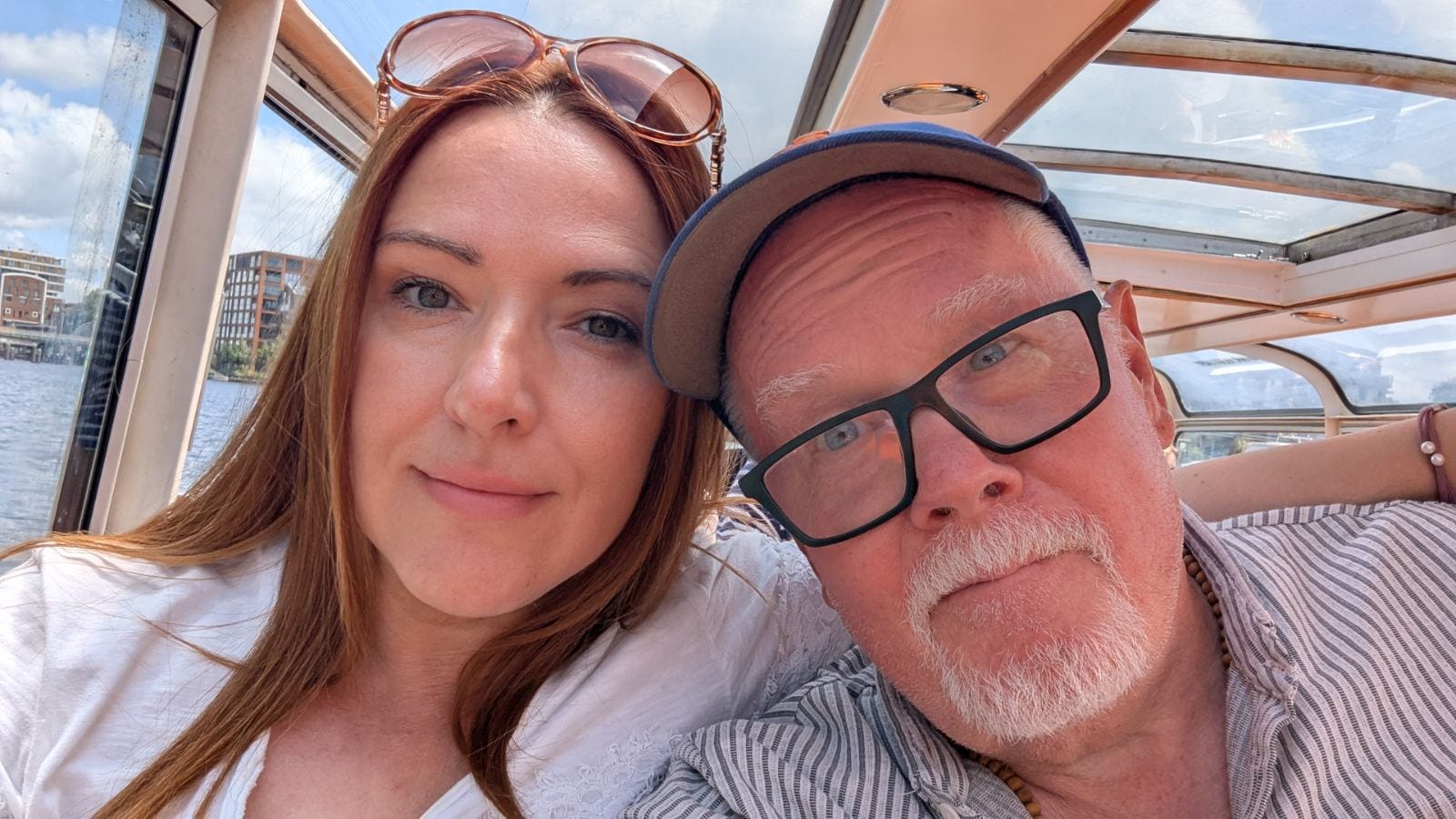
Welcome to Postcards from Bosnia.This morning, as I wandered through our small apple orchard here in Čardačani, I noticed apples scattered on the ground. Maybe it’s the heat, already 29 degrees and climbing to 32 today, but it got me thinking about change and cycles. As a sleek cyclist sped past, dressed head-to-toe in gear, it reminded me how life moves at different paces for everyone.Why the Name Change?After a lot of thought (and some gentle nudging from Tamara, my wife and biggest supporter), I’ve decided to rename my podcast from A Baby Boomer in Bosnia to Postcards from Bosnia. Tamara wisely pointed out that focusing on age might limit the audience. She encouraged me to share these stories more broadly, to anyone curious about life in Bosnia and Herzegovina beyond the guidebooks.I also ran a poll among my Substack subscribers, and the feedback was clear. It’s time to shift focus. Friends like Christian Payne echoed this, reminding me that age is just a number and that I should write for anyone eager to connect, not just my own generation.Reflections from HaarlemThis change coincided with a refreshing trip to Haarlem in the Netherlands to visit my sister and brother-in-law. We traveled by bus from Banja Luka to Zagreb, flew to Amsterdam, and then took a local bus to Haarlem. For Tamara, it was her first time in the Netherlands, and she loved it.Haarlem felt like a perfect alternative to the bustle of Amsterdam.Full of beautiful old houses leaning gently after centuries on stilts, friendly people, and charming canals. We even took a short trip to Zandvoort to see the North Sea, a place close to my heart as a Brit. While I expected to feel waves of nostalgia, I was surprised to find no deep emotional tug. It reinforced my feeling of being an “in-betweener”. Not fully British anymore, yet not completely Bosnian either. This is a public episode. If you'd like to discuss this with other subscribers or get access to bonus episodes, visit www.coffeeandrakija.com/subscribe

Comments

Download from Google Play

Download from App Store
 United States