


 Claim Ownership
The ISSUP Exchange
Subscribed: 0Played: 2
Subscribe

© Copyright 2026 ISSUP
Description
The ISSUP Exchange Podcast series explores the evolution in responses to the challenges of substance use from an evidence, quality standards and ethical best practice perspective. From research and training to networking and knowledge-sharing: we help to link it all up and make sure you see the big picture.
15 Episodes
Reverse
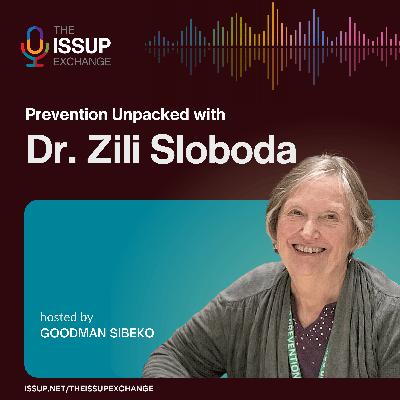
In this third episode of Prevention Unpacked with Dr. Zili Sloboda, the focus shifts from science to the people who make prevention possible.Dr. Sloboda reflects on why workforce development has become central to the future of prevention, and why evidence alone is never enough without skilled, supported professionals to put it into practice. She speaks candidly about the competencies that matter most in prevention work, from care and humility to monitoring, feedback, and fidelity in implementation.The conversation explores how prevention has moved toward professionalisation through shared standards, training frameworks, and global networks, including the role of the Universal Prevention Curriculum in creating a common language across regions. Dr. Sloboda also shares lessons from delivering training in diverse cultural contexts, what prevention professionals around the world have in common, and where gaps in training and research still exist.This episode also tackles the harder questions: how to sustain and retain the prevention workforce, why career pathways remain underdeveloped, and what still keeps Dr. Sloboda concerned about the future of the field. It closes with a forward-looking reflection on online and blended learning, youth engagement, and what gives her hope for the next generation of prevention professionals.Featured Voices Host – A/Prof. Goodman Sibeko ISSUP Global Scientific Advisor.Head of Addiction Psychiatry, University of Cape Town.LinkedIn: goodmansibekoTwitter/X: @profgsibekoGuest – Dr Zili Sloboda Dr Zili Sloboda is a global leader in prevention science whose work has shaped evidence-based prevention practice worldwide.Time Stamps[00:00] – Introduction[00:40] – Why Workforce Development Matters in Prevention[01:13] – What Makes a Strong Prevention Professional[03:25] – Building Professional Identity in Prevention[05:29] – The Universal Prevention Curriculum and Closing Gaps[08:24] – Lessons from Training Across Regions and Cultures[10:14] –Barriers to Sustaining the Prevention Workforce[13:49] – Online and Blended Learning for Workforce Development[17:45] – Closing ReflectionsAbout the ISSUP Exchange The ISSUP Exchange podcast series explores the evolution of responses to the challenges of substance use—from research and training to ethics, quality standards and evidence-based practice. We connect the dots so you can see the big picture.Explore more episodes and join the ISSUP podcast community here>>>About ISSUP ISSUP is a global network that unites, connects, and shares knowledge across the substance use prevention, treatment, and recovery support workforce. Our mission is to make our members’ work as effective as possible—by providing access to training, resources, and a vibrant professional community.
In this episode of Prevention Unpacked with Dr. Zili Sloboda, the conversation turns to how prevention science actually became a field.Dr. Sloboda reflects on the early days, when prevention was often dismissed as vague or unmeasurable, and traces how theory, rigorous research, and cross-disciplinary work helped give the field credibility. She explains why prevention is more than information sharing, how learning and development shape what works at different ages, and why community context matters just as much as evidence.The discussion also digs into the harder part of the work: translating research into real-world practice. From siloed funding systems to policymaker impatience for quick results, Dr. Sloboda speaks candidly about why prevention struggles to gain traction and what still needs to change to build a genuine culture of prevention.This episode is a grounded look at where prevention science came from, what it has achieved, and why the work is far from finished.Featured Voices Host – A/Prof. Goodman Sibeko ISSUP Global Scientific Advisor.Head of Addiction Psychiatry, University of Cape Town.LinkedIn: goodmansibekoTwitter/X: @profgsibekoGuest – Dr Zili Sloboda Dr Zili Sloboda is a global leader in prevention science whose work has shaped evidence-based prevention practice worldwide.Time Stamps[00:00] – Introduction[00:42.] – What Prevention Science Really Means[03:48] – Why Theory, Rigor, and Learning Matter[06:29] – How Prevention Science Gained Credibility[09:07] – Key Milestones That Shaped the Field[11:25] –Turning Research into Real-World Prevention[15:01] – Culture, Belief, and Communicating Why Prevention Works[17:02] - Universal Principles and Adapting to Local Contexts[18:50] – Global Reflections and the Future of Prevention ScienceAbout the ISSUP Exchange The ISSUP Exchange podcast series explores the evolution of responses to the challenges of substance use—from research and training to ethics, quality standards and evidence-based practice. We connect the dots so you can see the big picture.Explore more episodes and join the ISSUP podcast community here>>>About ISSUP ISSUP is a global network that unites, connects, and shares knowledge across the substance use prevention, treatment, and recovery support workforce. Our mission is to make our members’ work as effective as possible—by providing access to training, resources, and a vibrant professional community.
In this first episode of Prevention Unpacked, Associate Professor Goodman Sibeko speaks with Dr. Zili Sloboda about the early experiences that shaped her life and career. The conversation traces her childhood in New York, her exposure to international cultures, and the personal influences that sparked her interest in people, behaviour, and social systems.Dr. Sloboda reflects on her academic path through sociology, public health, and epidemiology, sharing how her early work in medical settings and substance use research shaped her thinking about prevention. She describes the mentors, moments, and turning points that guided her toward a lifelong commitment to understanding behaviour and preventing harm before it begins.This opening episode traces the origins of a career that would later shape prevention science, beginning not with research, but with curiosity, people, and a lifelong interest in how lives unfold.Featured Voices Host – A/Prof. Goodman Sibeko ISSUP Global Scientific Advisor.Head of Addiction Psychiatry, University of Cape Town.LinkedIn: goodmansibekoTwitter/X: @profgsibekoGuest – Dr Zili Sloboda Dr Zili Sloboda is a global leader in prevention science whose work has shaped evidence-based prevention practice worldwide.Time Stamps[00:00] – Introduction[01:52] – Childhood, Early Life, And International Influences[05:59] – How Prevention Science Developed As A Field[14:49] – Motivation and Impact in the Field[19:52] – Learning from Challenges and Leading with Humility[22:38] – Lessons from Defining Moments and Leadership Experiences[24:39] –Real-World Experience in Advisory Roles[26:41] – Closing ReflectionsAbout the ISSUP Exchange The ISSUP Exchange podcast series explores the evolution of responses to the challenges of substance use—from research and training to ethics, quality standards and evidence-based practice. We connect the dots so you can see the big picture.Explore more episodes and join the ISSUP podcast community here>>>About ISSUP ISSUP is a global network that unites, connects, and shares knowledge across the substance use prevention, treatment, and recovery support workforce. Our mission is to make our members’ work as effective as possible—by providing access to training, resources, and a vibrant professional community.
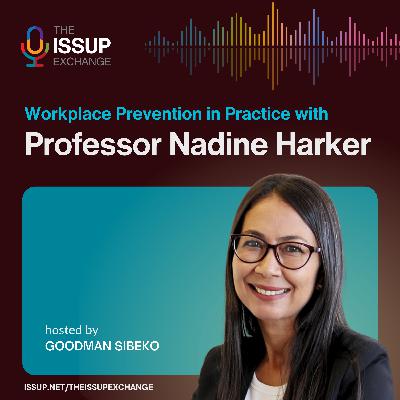
In this final episode, Associate Professors Goodman Sibeko and Nadine Harker shift the focus from individual-level responses to the organisational systems that shape wellbeing at work. The conversation looks at how workplaces can create environments that reduce stressors and promote healthier behaviours before problems escalate.Prof. Harker highlights the role of leadership commitment, ongoing wellness initiatives, and policies that prioritise prevention rather than once-off interventions. She also discusses challenges such as cost, organisational culture, and the need for clear pathways for referral and reintegration when employees return from treatment.A reflective close to the series, drawing together key lessons for organisations, policymakers, and practitioners working to embed prevention in real-world settings.Featured Voices Host – A/Prof. Goodman Sibeko ISSUP Global Scientific Advisor.Head of Addiction Psychiatry, University of Cape Town.LinkedIn: goodmansibekoTwitter/X: @profgsibekoGuest – A/Prof. Nadine HarkerSpecialist Scientist in the Alcohol, Tobacco and other Drug Research Unit of the South African Medical Research Council. Time Stamps[00:00] – Introduction [00:39] – What Resilience Means Today[01:46] – Designing Healthy Work Environments[02:05] – Social Capital and Team-Based Prevention[05:30] – Micro Interactions and Leadership Modeling[10:33] – Workplace Assessment and Practical Next Steps[11:03] – Wellness Days, Screening, and Ongoing Programmes[14:12] –Measuring Success and Low-Hanging Metrics[15:15] – Closing ReflectionsAbout the ISSUP Exchange The ISSUP Exchange podcast series explores the evolution of responses to the challenges of substance use—from research and training to ethics, quality standards and evidence-based practice. We connect the dots so you can see the big picture. Explore more episodes and join the ISSUP podcast community here>>>About ISSUP ISSUP is a global network that unites, connects, and shares knowledge across the substance use prevention, treatment, and recovery support workforce. Our mission is to make our members’ work as effective as possible—by providing access to training, resources, and a vibrant professional community.
In this episode, Associate Professors Goodman Sibeko and Nadine Harker unpack how workplaces can uphold legal and ethical standards while promoting mental health and preventing substance use.Prof. Harker discusses what makes a workplace policy both lawful and humane, stressing that alignment with national legislation must go hand in hand with fairness and inclusion. She also underscores the value of collaboration, bringing HR teams, trade unions, and leadership into the same conversation from the outset.Their discussion moves beyond policy design to the practical realities of putting it into action: how managers can overcome financial and cultural barriers, and why reintegration and aftercare are essential for employees returning from treatment.Featured Voices Host – A/Prof. Goodman Sibeko ISSUP Global Scientific Advisor.Head of Addiction Psychiatry, University of Cape Town.LinkedIn: goodmansibekoTwitter/X: @profgsibekoGuest – A/Prof. Nadine HarkerSpecialist Scientist in the Alcohol, Tobacco and other Drug Research Unit of the South African Medical Research Council. Time Stamps[00:00] – Introduction [00:44] – Aligning Workplace Policy with National Frameworks[03:20] – Inclusive Policy Development and Representation[05:26] – Balancing Compliance, Ethics, and Support[07:27] – Commitment and Universal Prevention Strategies[11:19] – Implementation Barriers and the “Illness vs. Wellness” Mindset[14:05] – Substance Use, Workplace Safety, and Reintegration[15:25] – Closing ReflectionsAbout the ISSUP Exchange The ISSUP Exchange podcast series explores the evolution of responses to the challenges of substance use—from research and training to ethics, quality standards and evidence-based practice. We connect the dots so you can see the big picture. Explore more episodes and join the ISSUP podcast community here>>>About ISSUP ISSUP is a global network that unites, connects, and shares knowledge across the substance use prevention, treatment, and recovery support workforce. Our mission is to make our members’ work as effective as possible—by providing access to training, resources, and a vibrant professional community.
In this third episode, Associate Professor Goodman Sibeko and Associate Professor Nadine Harker discuss how workplaces can identify early signs of substance use and mental health challenges among employees, and respond appropriately before issues escalate.Prof. Harker explains the occupational factors that increase risk, the visible and behavioural cues supervisors should look out for, and the importance of distinguishing between informal and formal referrals. She outlines how supervisors can express concern, make soft referrals to employee wellness or HR, and when formal action becomes necessary.The discussion also covers how consistent health promotion, supportive policies, and structured employee assistance programmes can help organisations address problems early, reduce stigma, and maintain both compassion and productivity.Featured Voices Host – A/Prof. Goodman Sibeko ISSUP Global Scientific Advisor.Head of Addiction Psychiatry, University of Cape Town.LinkedIn: goodmansibekoTwitter/X: @profgsibekoGuest – A/Prof. Nadine HarkerSpecialist Scientist in the Alcohol, Tobacco and other Drug Research Unit of the South African Medical Research Council. Time Stamps[00:00] – Introduction [00:22] – Occupational Risk Factors and Early Warning Signs[04:11] – Training Supervisors to Respond[06:42] – Soft Referrals and Organisational Duty of Care[11:30] – Formal Referrals and Employee Assistance Programmes[11:10] – When Help Is Declined[11:57] – Closing ReflectionsAbout the ISSUP Exchange The ISSUP Exchange podcast series explores the evolution of responses to the challenges of substance use—from research and training to ethics, quality standards and evidence-based practice. We connect the dots so you can see the big picture. Explore more episodes and join the ISSUP podcast community here>>>About ISSUP ISSUP is a global network that unites, connects, and shares knowledge across the substance use prevention, treatment, and recovery support workforce. Our mission is to make our members’ work as effective as possible—by providing access to training, resources, and a vibrant professional community.
In this first episode, Associate Professor Goodman Sibeko sits down with Associate Professor Nadine Harker to unpack what it really means for a workplace to take prevention seriously. Together, they explore how organisations can move beyond awareness campaigns to build genuine, prevention-oriented cultures.Prof. Harker reflects on the shift from traditional workplace wellness models to a broader public health approach, one that views the workplace as part of a wider ecosystem and emphasises shared responsibility across leadership levels. She discusses how stigma continues to shape responses to mental health and substance use, and why visible, informed leadership is critical to changing that.The discussion highlights how consistent policy, management engagement, and everyday practices can embed prevention into organisational life, making wellbeing a core part of how workplaces operate.Featured Voices Host – A/Prof. Goodman Sibeko ISSUP Global Scientific Advisor.Head of Addiction Psychiatry, University of Cape Town.LinkedIn: goodmansibekoTwitter/X: @profgsibekoGuest – A/Prof. Nadine HarkerSpecialist Scientist in the Alcohol, Tobacco and other Drug Research Unit of the South African Medical Research Council. Time Stamps[00:00] – Introduction [00:24] – The Shift Toward a Public Health Approach[03:40] – Leadership and Visible Commitment[05:52] – Confronting Stigma and Building Universal Training[08:14] – Policy, Practice, and Building a Culture of Prevention[12:20] – Closing ReflectionsAbout the ISSUP Exchange The ISSUP Exchange podcast series explores the evolution of responses to the challenges of substance use—from research and training to ethics, quality standards and evidence-based practice. We connect the dots so you can see the big picture. Explore more episodes and join the ISSUP podcast community here>>>About ISSUP ISSUP is a global network that unites, connects, and shares knowledge across the substance use prevention, treatment, and recovery support workforce. Our mission is to make our members’ work as effective as possible—by providing access to training, resources, and a vibrant professional community.
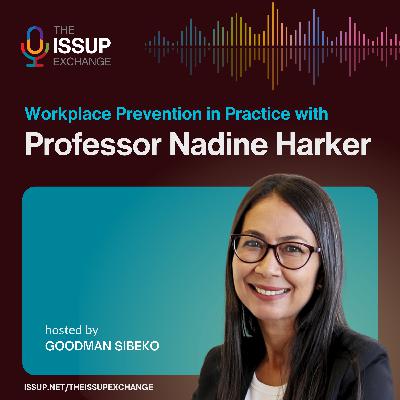
Before exploring how workplaces can promote prevention and wellbeing, Associate Professor Goodman Sibeko introduces Associate Professor Nadine Harker, the voice and perspective behind much of this work. In this opening conversation, Prof. Harker shares the path that led her into public health, what draws her to issues of mental health and substance use, and how her academic and professional experiences have shaped her approach.The discussion offers context for her work and sets the stage for the conversations ahead on leadership, culture, and prevention in the workplace.Featured Voices Host – A/Prof. Goodman Sibeko ISSUP Global Scientific Advisor.Head of Addiction Psychiatry, University of Cape Town.LinkedIn: goodmansibekoTwitter/X: @profgsibekoGuest – A/Prof. Nadine HarkerSpecialist Scientist in the Alcohol, Tobacco and other Drug Research Unit of the South African Medical Research Council. Time Stamps[00:00] – Introduction [01:37] – Professor Harker, background and early work[04:08] – Inside the South African Medical Research Council (SAMRC)[06:06] – Reimagining Prevention with Unlimited Resources[7:43] – Closing ReflectionsAbout the ISSUP Exchange The ISSUP Exchange podcast series explores the evolution of responses to the challenges of substance use—from research and training to ethics, quality standards and evidence-based practice. We connect the dots so you can see the big picture. Explore more episodes and join the ISSUP podcast community here>>>About ISSUP ISSUP is a global network that unites, connects, and shares knowledge across the substance use prevention, treatment, and recovery support workforce. Our mission is to make our members’ work as effective as possible—by providing access to training, resources, and a vibrant professional community.
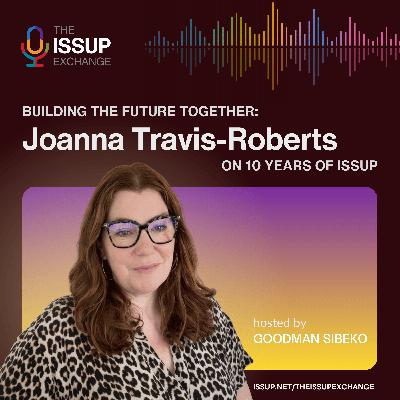
Building the Future Together: Joanna Travis-Roberts on 10 Years of ISSUPIn the final episode of the series, Associate Professor Goodman Sibeko sits down once again with ISSUP Chief Executive Joanna Travis-Roberts to look back on a decade of growth and forward to what’s next. Joanna reflects on how ISSUP has evolved through moments of change, from a small idea to a global network, and what it takes to stay flexible, humble, and connected in a complex field. Together, they explore the lessons, turning points, and future priorities that will shape ISSUP’s next chapter.Featured Voices Host – A/Prof. Goodman Sibeko ISSUP Global Scientific Advisor.Head of Addiction Psychiatry, University of Cape Town.LinkedIn: goodmansibekoTwitter/X: @profgsibekoGuest – Joanna Travis-Roberts Chief Executive of ISSUPLearn more about Joanna on issup.netTime Stamps[00:00] – Introduction[00:43] – Reflecting on Ten Years of Growth[01:55] – Listening to the Community and Learning from Feedback[03:17] – Leadership, Humility, and Flexibility[06:58] – Adapting and Evolving in a Changing World[10:39] – The Next Decade: Growth, Training, and Partnerships[16:12] – Deepening Impact and Staying Responsive[19:15] – Consolidating Progress and Expanding Digital Reach[20:21] – How to Get Involved[22:20] – A Message to the Global ISSUP Community[23:31] – Closing ReflectionsAbout the ISSUP Exchange The ISSUP Exchange podcast series explores the evolution of responses to the challenges of substance use—from research and training to ethics, quality standards and evidence-based practice. We connect the dots so you can see the big picture. Explore more episodes and join the ISSUP podcast community here>>>About ISSUP ISSUP is a global network that unites, connects, and shares knowledge across the substance use prevention, treatment, and recovery support workforce. Our mission is to make our members’ work as effective as possible—by providing access to training, resources, and a vibrant professional community.
Building the Future Together: Joanna Travis-Roberts on 10 Years of ISSUPA special three-part series celebrating 10 years of of the International Society of Substance Use Professionals (ISSUP). In this second episode, host Associate Professor Goodman Sibeko speaks with Chief Executive Joanna Travis-Roberts about the remarkable journey of ISSUP itself. From its official launch in Bangkok in 2015 to a thriving global network of over 45,000 members, Joanna takes us behind the scenes of ISSUP’s founding, exploring the early partnerships, critical decisions, and challenges that shaped its identity.Joanna reflects on the administrative hurdles of starting a global platform, the evolution of governance and leadership, and the unique role of ISSUP’s national chapters in adapting the mission to local contexts.More than a history lesson, the episode captures the values that continue to define ISSUP: openness, inclusivity, and a commitment to strengthening the global substance use workforce. With candid reflections on both obstacles and successes, it’s a compelling look at how an ambitious vision grew into a collaborative home for prevention, treatment, and recovery professionals worldwide.Featured Voices Host – A/Prof. Goodman Sibeko ISSUP Global Scientific Advisor.Head of Addiction Psychiatry, University of Cape Town.LinkedIn: goodmansibekoTwitter/X: @profgsibekoGuest – Joanna Travis-Roberts Chief Executive of ISSUPLearn more about Joanna on issup.netTime Stamps[00:00] – Introduction[01:05] – The 2015 Bangkok Launch and Early Collaborations[04:09] – Identifying Needs and Building a Home for the Workforce[06:32] – Shaping ISSUP’s Structure, Governance, and Global Challenges[11:09] – Establishing Trust: ISSUP as Collaborator Not Rival[14:18] – Transformative Initiatives: National Chapters and Global Reach[21:05] – Events, Conferences, and the Value of In-Person Connection[23:40] – National Chapters Driving Local Impact and Training[26:01] – Closing ReflectionsAbout the ISSUP Exchange The ISSUP Exchange podcast series explores the evolution of responses to the challenges of substance use—from research and training to ethics, quality standards and evidence-based practice. We connect the dots so you can see the big picture. Explore more episodes and join the ISSUP podcast community here>>>About ISSUP ISSUP is a global network that unites, connects, and shares knowledge across the substance use prevention, treatment, and recovery support workforce. Our mission is to make our members’ work as effective as possible—by providing access to training, resources, and a vibrant professional community.
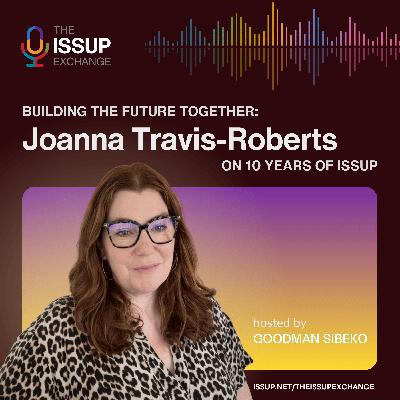
Building the Future Together: Joanna Travis-Roberts on 10 Years of ISSUPA special three-part series celebrating 10 years of of the International Society of Substance Use Professionals (ISSUP). In this first episode, host Associate Professor Goodman Sibeko speaks with Joanna Travis-Roberts, ISSUP’s Chief Executive. Joanna shares how an unexpected opportunity shifted her path from literature and languages to leading a global community focused on substance use prevention, treatment, and recovery. Together, they discuss the serendipitous moments, mentors, and experiences that shaped her career and her passion for making evidence-based knowledge accessible worldwide.This conversation goes beyond Joanna’s career story. It provides a behind-the-scenes look at the values and motivations driving ISSUP, including transparent leadership, mentorship, and connecting people with knowledge and expertise. She shares the lessons, inspirations, and challenges that have shaped her journey, as well as the inspiration she draws from ISSUP members and the impact of their work. The episode offers a candid and inspiring perspective on leading and innovating in a constantly evolving field, making it a must-listen for anyone interested in global substance use work, leadership, and creating real-world impact.Featured Voices Host – A/Prof. Goodman Sibeko ISSUP Global Scientific Advisor.Head of Addiction Psychiatry, University of Cape Town.LinkedIn: goodmansibekoTwitter/X: @profgsibekoGuest – Joanna Travis-Roberts Chief Executive of ISSUPLearn more about Joanna on issup.netTime Stamps[00:00] – Introduction to ISSUP and Joanna[01:56] – Joanna’s Journey into Substance Use Prevention[06:18] – Mentorship and Early Influences[08:49] – Motivation and Impact in the Field[13:10] – Learning from Challenges and Leading with Humility[18:19] – Lessons from Defining Moments and Leadership Experiences[20:56] –Real-World Experience in Advisory Roles[26:27] – Closing ReflectionsAbout the ISSUP Exchange The ISSUP Exchange podcast series explores the evolution of responses to the challenges of substance use—from research and training to ethics, quality standards and evidence-based practice. We connect the dots so you can see the big picture. Explore more episodes and join the ISSUP podcast community here>>>About ISSUP ISSUP is a global network that unites, connects, and shares knowledge across the substance use prevention, treatment, and recovery support workforce. Our mission is to make our members’ work as effective as possible—by providing access to training, resources, and a vibrant professional community.
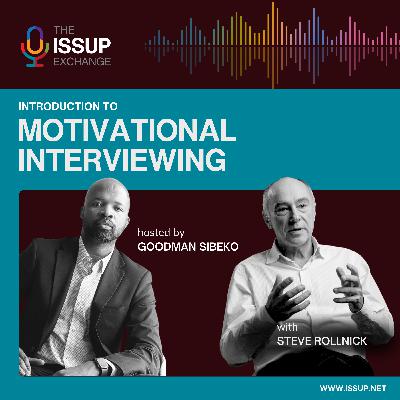
What does the evidence tell us about Motivational Interviewing (MI), and what might the future of research hold?In the final episode of the ISSUP Exchange series, A/Prof. Goodman Sibeko and Professor Stephen Rollnick explore the research behind MI, discussing why it remains effective across so many settings. With over 2,500 randomised trials, MI is one of the most studied approaches in behavioural health, but some of the most valuable insights come from understanding how and why it works.They look at the importance of process research, the impact of brief interventions in emergency settings, and how MI principles are now used beyond clinical practice, including in staff development, leadership, and team culture. The episode also touches on professionalisation in addiction services, AI's potential in MI training, and how embedding empathy and autonomy into systems can support both clients and practitioners.Whether you're a researcher, trainer, or frontline practitioner, this episode offers a thoughtful look at where MI is making a difference and how it can continue to shape people-centred care.Featured Voices Host – A/Prof. Goodman Sibeko ISSUP Global Scientific Advisor.Head of Addiction Psychiatry, University of Cape Town.LinkedIn: goodmansibekoTwitter/X: @profgsibekoGuest – Professor Steve Rollnick Clinical Psychologist.Co-founder of Motivational Interviewing. Visit: www.stephenrollnick.comTime Stamps[00:00] – Introduction [00:54] – Defining Competence in Motivational Interviewing[03:10] – The Role of Leadership in Effective Training[05:04] – Organisational Culture and Change[09:59] – The Importance of Helpfulness Skills[12:44] – Training Models and Their Effectiveness[16:02] – What Strengthens MI Competence in the Real WorldAbout the ISSUP Exchange The ISSUP Exchange podcast series explores the evolution of responses to the challenges of substance use—from research and training to ethics, quality standards and evidence-based practice. We connect the dots so you can see the big picture. Explore more episodes and join the ISSUP podcast community here>>>About ISSUP ISSUP is a global network that unites, connects, and shares knowledge across the substance use prevention, treatment, and recovery support workforce. Our mission is to make our members’ work as effective as possible—by providing access to training, resources, and a vibrant professional community.
What does it take to truly learn Motivational Interviewing, and how do we build the kind of environments where that learning can stick?In this third episode of the ISSUP Exchange series, A/Prof. Goodman Sibeko continues the conversation with Professor Stephen Rollnick, this time turning the focus to MI training: what works, what doesn’t, and why developing competence is more about mindset than mastery.They discuss the common struggle practitioners face in shifting from a directive, expert role to a more collaborative, supportive stance, and why that shift matters. The episode also explores challenges in MI training delivery, the limits of cascade models, and the crucial role of leadership and organisational culture in making MI more than a box-ticking exercise.Whether you’re delivering training or receiving it, this conversation challenges the idea of MI as a quick-fix technique. Instead, it calls for a deeper commitment to shared values, honest reflection, and ongoing learning rooted in the fundamental question: what does it mean to be helpful?Featured Voices Host – A/Prof. Goodman Sibeko ISSUP Global Scientific Advisor.Head of Addiction Psychiatry, University of Cape Town.LinkedIn: goodmansibekoTwitter/X: @profgsibekoGuest – Professor Steve Rollnick Clinical Psychologist.Co-founder of Motivational Interviewing. Visit: www.stephenrollnick.comTime Stamps[00:00] – Introduction [00:54] – Defining Competence in Motivational Interviewing[03:10] – The Role of Leadership in Effective Training[05:04] – Organisational Culture and Change[09:59] – The Importance of Helpfulness Skills[12:44] – Training Models and Their Effectiveness[16:02] – What Strengthens MI Competence in the Real WorldAbout the ISSUP Exchange The ISSUP Exchange podcast series explores the evolution of responses to the challenges of substance use—from research and training to ethics, quality standards and evidence-based practice. We connect the dots so you can see the big picture. Explore more episodes and join the ISSUP podcast community here>>>About ISSUP ISSUP is a global network that unites, connects, and shares knowledge across the substance use prevention, treatment, and recovery support workforce. Our mission is to make our members’ work as effective as possible—by providing access to training, resources, and a vibrant professional community.
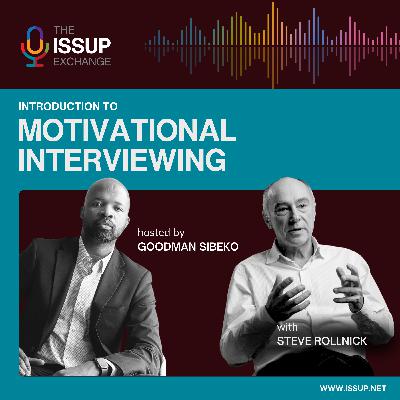
What does it really mean to “step back” in a helping conversation? And how can practitioners cultivate genuine curiosity and empathy while still focusing on change?In this second episode of our four-part ISSUP Exchange series, A/Prof. Goodman Sibeko continues his conversation with Professor Stephen Rollnick, clinical psychologist and co-founder of Motivational Interviewing (MI). Together, they unpack what MI looks like in real-world practice and what it takes to truly empower clients, without trying to "fix" them.This episode explores the importance of self-awareness, the common traps practitioners fall into, and how stepping back can actually lead to more effective and respectful behaviour change conversations. Professor Rollnick introduces his “6 Cs” for personal guidance in practice and training—calm, curious, compassionate, and more; and explains how these qualities underpin both effective MI and sustainable, rewarding work in the helping professions.If you’re a practitioner, trainer, or someone who works with people in any kind of support capacity, this episode offers essential insights into how to be present, collaborative, and truly helpful.Featured Voices Host – A/Prof. Goodman Sibeko ISSUP Global Scientific Advisor.Head of Addiction Psychiatry, University of Cape Town.LinkedIn: goodmansibekoTwitter/X: @profgsibekoGuest – Professor Steve Rollnick Clinical Psychologist.Co-founder of Motivational Interviewing. Visit: www.stephenrollnick.comTime Stamps[00:00] – Introduction [01:28] – Empowering Clients in MI [03:58] – The role of Self-Awareness in Practice[07:03] – The 6 C's of Effective Practice [09:57] – Curiosity and Empathy in Practice[13:37] – Keeping the Focus on Change[15:00] – The Collaborative nature of MIAbout the ISSUP Exchange The ISSUP Exchange podcast series explores the evolution of responses to the challenges of substance use—from research and training to ethics, quality standards and evidence-based practice. We connect the dots so you can see the big picture. Explore more episodes and join the ISSUP podcast community here>>>About ISSUP ISSUP is a global network that unites, connects, and shares knowledge across the substance use prevention, treatment, and recovery support workforce. Our mission is to make our members’ work as effective as possible—by providing access to training, resources, and a vibrant professional community.
If you've ever wondered how Motivational Interviewing (MI) came to be and why it remains essential across so many fields today, join Associate Professor Goodman Sibeko in a compelling four-part conversation with Professor Stephen Rollnick, clinical psychologist and co-founder of MI. Together, they explore the personal and professional journey behind MI, from early experiences in Cape Town and the pivotal collaboration with William R. Miller, to the evolution of MI as a tool not just for behaviour change, but for personal growth. You'll hear how MI has transformed clinical practice, what keeps it relevant in healthcare, addiction support, and even elite sports, and why authentic human connection lies at its heart. This conversation is more than a look back—it's a fresh take on where MI is headed and how it continues to inspire meaningful, respectful change. A must-listen for practitioners, trainers, and anyone passionate about evidence-based care and people-centred approaches. Featured Voices Host – A/Prof. Goodman Sibeko ISSUP Global Scientific Advisor.Head of Addiction Psychiatry, University of Cape Town.LinkedIn: goodmansibekoTwitter/X: @profgsibekoGuest – Professor Steve Rollnick Clinical Psychologist.Co-founder of Motivational Interviewing. Visit: www.stephenrollnick.comTime Stamps[00:00] – Introduction to ISSUP and Motivational Interviewing[02:12] – Getting to Know Professor Stephen Rollnick[05:15] – The Evolution of MI[11:06] – The Future of Motivational Interviewing[12:50] – Dr Goodman Sibeko’s Journey in Addiction Psychiatry[17:32] – Closing ReflectionsAbout the ISSUP Exchange The ISSUP Exchange podcast series explores the evolution of responses to the challenges of substance use—from research and training to ethics, quality standards and evidence-based practice. We connect the dots so you can see the big picture. Explore more episodes and join the ISSUP podcast community here>>>About ISSUP ISSUP is a global network that unites, connects, and shares knowledge across the substance use prevention, treatment, and recovery support workforce. Our mission is to make our members’ work as effective as possible—by providing access to training, resources, and a vibrant professional community.
Comments

Download from Google Play

Download from App Store
 United States