


 Claim Ownership
Back After Burnout
Subscribed: 1Played: 0
Subscribe

© Copyright 2026 SwissCast Network
Description
Back After Burnout is the practical, upbeat companion for career professionals navigating the messy middle between “doctor’s orders—take a break” and “welcome back, you’re fit to work.”
If you’re on stress leave or are quietly planning your return to work after an extended absence, this show is for you. Host Karina Schneider—HR strategist, certified coach, and mental health first aid instructor—blends lived experience with science-backed frameworks so you don’t have to choose between your mental health and professional ambitions.
Why listen?
Because googling “burnout recovery” at 2 a.m. rarely delivers a roadmap. Karina speaks the language of both employees and employers, translating HR policies, fit-to-work assessments, and reintegration plans into human terms. Whether you’re fearing that first Monday back or wondering what's next for you, you’ll find clear answers—and a compassionate community—here.
Episode format
10–15 minute solo coaching sessions punctuated by expert interviews and listener Q&As, designed for one-commute consumption and easy note-taking.
Hit play if you want to…
* Turn burnout into a catalyst for intentional career growth.
* Understand the HR fine print of FMLA, European sick-pay rules, and corporate wellness perks.
* Re-enter work with a plan that protects your mental health long-term.
* Feel seen, supported, and strategically prepared—no matter how shaky your first day back feels.
Subscribe now - Let’s make your comeback stronger than the breakdown.
If you’re on stress leave or are quietly planning your return to work after an extended absence, this show is for you. Host Karina Schneider—HR strategist, certified coach, and mental health first aid instructor—blends lived experience with science-backed frameworks so you don’t have to choose between your mental health and professional ambitions.
Why listen?
Because googling “burnout recovery” at 2 a.m. rarely delivers a roadmap. Karina speaks the language of both employees and employers, translating HR policies, fit-to-work assessments, and reintegration plans into human terms. Whether you’re fearing that first Monday back or wondering what's next for you, you’ll find clear answers—and a compassionate community—here.
Episode format
10–15 minute solo coaching sessions punctuated by expert interviews and listener Q&As, designed for one-commute consumption and easy note-taking.
Hit play if you want to…
* Turn burnout into a catalyst for intentional career growth.
* Understand the HR fine print of FMLA, European sick-pay rules, and corporate wellness perks.
* Re-enter work with a plan that protects your mental health long-term.
* Feel seen, supported, and strategically prepared—no matter how shaky your first day back feels.
Subscribe now - Let’s make your comeback stronger than the breakdown.
17 Episodes
Reverse
If you are weighing whether to talk about burnout at work, this episode helps you slow the decision down without pressure. You will hear why disclosure is rarely a simple yes or no, and how to think about your own safety, privacy, and support needs in a way that keeps you in control.Karina breaks disclosure into two paths: the choices you make deliberately, and the moments where disclosure happens more organically because the situation creates “room to share.” Through practical factors, relatable scenarios, and research that explains why some workplaces make these conversations easier than others, you will leave with a clearer way to decide what to share, who to share it with, and what your first step could be.In this episode, you will learnwhy disclosure is a spectrum, not an all-or-nothing choice.the key factors to weigh before sharing, including safety, trust, and access to support.how to use a simple reframe to decide what to share and with whom, without overexposing yourself.what creates “room to share” at work, and why context matters as much as courage.Conversation highlights00:00 The core question: do you talk about burnout at work?01:57 Outlining Key Scenarios in Disclosing Burnout03:01 Disclosure as a Conscious Decision05:25 Returning to the Same Job - Emma's Story06:36 Job Searching After Burnout - Daniel's Story08:03 Disclosure as an Organic, Contextual Process09:34 What creates or limits "room to share"?Resources mentionedRoom to Share (Journal of Occupational Health Psychology, 2025)Return to Work with Karina Schneider (guides)About Karina SchneiderKarina Schneider supports people navigating burnout recovery and return-to-work decisions, with a calm, practical approach that helps them protect recovery while rebuilding confidence and agency.Connect with Karina SchneiderKarina on LinkedInListener reflectionIf you imagined disclosure as a spectrum instead of a binary choice, what is one small, low-risk step you could take this week to get the support you need?Back After Burnout is produced by the SwissCast Network, the only podcast network with podcasts produced in, for, or about English-speaking Switzerland.Back After Burnout is for education and inspiration only and does not constitute medical, mental-health, legal, or employment advice. Every burnout journey is unique—always consult qualified healthcare and workplace professionals before acting on anything you hear. Resources shared are tools Karina has personally found helpful; they may not suit every listener. Use what serves you and leave the rest.Mentioned in this episode:Back After Burnout is a proud member and a production of the SwissCast NetworkDiscover more great podcasts for English-speaking SwitzerlandSwissCast Network

If you have been feeling unwell at work, stuck in a role that is draining you, or quietly wondering whether it is time to leave, this conversation is for you. Karina sits down with career coach Ben Fox to talk about the idea of a “quit date” as a calming, practical milestone. Together they unpack why leaving can feel so scary, even when you have savings or options, and how getting objective about your financial runway can help your nervous system settle enough to think clearly.Ben also shares how experimentation, community, and rebuilding your energy can open doors you cannot see when you are deep in exhaustion and cynicism. Quitting is not always the answer, but having it on the table can create space for a healthier relationship with work, and a more meaningful next step.In this episode, you will learnWhy setting a quit date can reduce panic and create mental spaceHow to use financial facts, not fear, to ground a big decisionCommon identity and cultural narratives that keep people stuckWhy recovering energy comes before choosing the perfect next jobHow to use low-commitment “experiments” to test potential pivotsThe role of relationships and community in making change possibleConversation highlights00:00 Introduction01:08 Ben’s path from teaching to coaching05:26 Who Ben helps09:22 The “quit date” idea and why many people resist it at first10:51 “What’s My Runway?” using numbers to calm the amygdala13:12 Beyond money: health, responsibility, and fear of being seen as a quitter16:42 Boundaries, people-pleasing, and the moment a parent realizes the cost21:32 Identity, ageism, and the fear of the “abyss” when you do not know what is next27:09 Why you only need the next step, not the next ten31:31 Experimentation as a hypothesis, and crossing options off the list with relief36:48 Community and relationship-based job searching that feels more human45:11 Where to begin: do not quit rashly, start with your runwayResources mentioned"What’s My Runway?" TemplateFree 45-minute “What’s My Runway” Strategy SessionAbout Ben FoxBen Fox is a career coach based in New York City. He helps experienced people in tech, especially senior software engineers, leave toxic jobs and build careers that feel meaningful, energizing, and aligned.Connect with BenLinkedInListener reflectionIf you are in the thick of burnout, try this question: What would change in my body and mind if I knew I could leave on a specific date, even if I did not know every step after that yet?Back After Burnout is produced by the SwissCast Network, the only podcast network with podcasts produced in, for, or about English-speaking Switzerland.Back After Burnout is for education and inspiration only and does not constitute medical, mental-health, legal, or employment advice. Every burnout journey is unique—always consult qualified healthcare and workplace professionals before acting on anything you hear. Resources shared are tools Karina has personally found helpful; they may not suit every listener. Use what serves you and leave the rest.Mentioned in this episode:Back After Burnout is a proud member and a production of the SwissCast NetworkDiscover more great podcasts for English-speaking SwitzerlandSwissCast NetworkRate & ReviewRate & Review
Sustainable recovery from burnout isn't just about taking time off—it's about having the right tools and resources to maintain momentum and avoid falling back into old patterns. In this solo episode, Karina shares her top 5 go-to resources that have made a real difference in her own burnout recovery journey.These recommendations span books, frameworks, and talks that address everything from the biology of stress to the emotional weight of resentment. Whether you're currently in burnout, recovering from it, or working to prevent it, these resources offer practical wisdom, comfort, and actionable strategies.The 5 Resources:Designing Your Life series by Bill Burnett and Dave Evans - Learn how design thinking can help you make better decisions, reframe challenges, live a coherent life, and even redesign your job (or quit well if needed)Resentment Journal by Cait Donovan - A powerful alternative to toxic positivity that helps you acknowledge and work with resentment as a superpower for understanding what really matters to youEasily You by Elodie Caucigh - A poetic, non-linear book that offers comfort and insight through narratives, poems, and reflections on finding wellbeingNothing Left to Give by Shannon Swales - A psychologist's contemporaneous journal entries chronicling her burnout experience, offering real-time perspective and practices"The Cure for Burnout (Hint: It Isn't Self-Care)" - TED Talk by Emily and Amelia Nagoski explaining the biology of stress, the stress cycle, and how to complete itResources mentioned in this episode:Designing Your Life: Designing Your LifeResentment Journal: Cait Donovan JournalEasily You: Elodie Caucigh BookNothing Left to Give: Shannon Swales BookThe Cure for Burnout (TED Talk): Nagoski Ted TalkHave a resource that helped you? Share it in the comments or send Karina a message—sharing is caring, and the community benefits from knowing what support exists.Back After Burnout is for education and inspiration only and does not constitute medical, mental-health, legal, or employment advice. Every burnout journey is unique—always consult qualified healthcare and workplace professionals before acting on anything you hear. Resources shared are tools Karina has personally found helpful; they may not suit every listener. Use what serves you and leave the rest.Mentioned in this episode:Rate & ReviewRate & ReviewBack After Burnout is a proud member and a production of the SwissCast NetworkDiscover more great podcasts for English-speaking SwitzerlandSwissCast Network
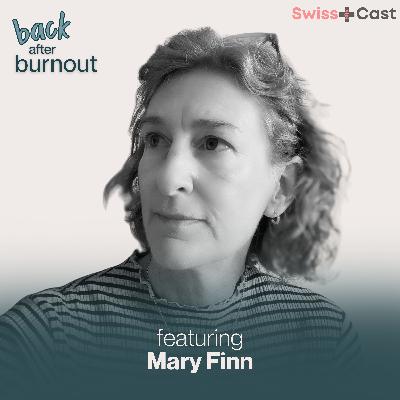
Returning to work after burnout can feel overwhelming. Will you fit in? Has everything changed? Are you really ready?Mary Finn, founder of Connect4Work and certified disability management professional, joins Karina to pull back the curtain on what it really takes to return to work after extended absence. With experience supporting both employees and organizations across Ireland, Mary brings unique insight into both sides of the return to work journey.This conversation explores the fears employees face, the mistakes managers make, and the communication gaps that keep people in limbo. Mary shares how return to work is a process, not a single day—and why sustaining your return matters more than getting back quickly.If you've ever wondered how to ask for workplace accommodations, support someone returning from absence, or plan a sustainable transition back to work, this episode offers compassionate, practical guidance.Takeaways:The process of returning to work requires careful planning to avoid disastrous outcomes on the first day back.Employee experiences during absence are unique, and understanding both sides is essential for effective support.Sustaining the return to work is more critical than merely facilitating the initial comeback.Communication between managers and returning employees is vital to ensure a smooth reintegration process.Employers should proactively engage with employees on leave to mitigate feelings of isolation and anxiety.The return to work plan should be flexible and adaptable, accommodating the unique needs of each individual.Companies mentioned in this episode:Connect 4 WorkInternational Disability Management Standards CouncilGalway Chamber Business AwardBack After Burnout is for education and inspiration only and does not constitute medical, mental-health, legal, or employment advice. Every burnout journey is unique—always consult qualified healthcare and workplace professionals before acting on anything you hear. Resources shared are tools Karina has personally found helpful; they may not suit every listener. Use what serves you and leave the rest.Mentioned in this episode:Back After Burnout is a proud member and a production of the SwissCast NetworkDiscover more great podcasts for English-speaking SwitzerlandSwissCast Network
In this episode of Back After Burnout, host Karina Schneider explores post-burnout self-care strategies that go beyond routine wellness activities, focusing on preventive and responsive approaches for sustainable workplace integration.Learn how to identify early warning signs, create actionable response plans, and build self-care systems that support your recovery journey as you navigate returning to work after burnout.Key Takeaways:Self-care after burnout requires two pillars: preventive strategies (building routines to prevent stress) and responsive strategies (quick actions when warning signs appear)Recovery is not linear—expect ups and downs during your first months back at workIntegration means applying what you learned in recovery to your daily work lifeIdentify your energy drains and energy sources to guide your self-care decisionsCreate a personal "troubleshooting manual" with your early warning signs and first-response actionsPlan ahead for potentially draining situations (like conferences) with specific preventive strategiesBuilding a care team provides essential support throughout your return-to-work journeyMore on Care Teams in episode 10, https://www.swisscastnetwork.ch/show/back-after-burnout/10-who-is-in-your-care-team/Chapters00:00 Introduction: Post-Burnout Self-Care Beyond Routine00:15 Struggles with Self-Care Habits01:24 Preventive and Responsive Self-Care Strategies05:41 Building Your Personal Post Burnout Self-Care PlanBack After Burnout is for education and inspiration only and does not constitute medical, mental-health, legal, or employment advice. Every burnout journey is unique—always consult qualified healthcare and workplace professionals before acting on anything you hear. Resources shared are tools Karina has personally found helpful; they may not suit every listener. Use what serves you and leave the rest.Mentioned in this episode:Back After Burnout is a proud member and a production of the SwissCast NetworkDiscover more great podcasts for English-speaking SwitzerlandSwissCast Network
In this episode of Back after Burnout, host Karina Schneider discusses the importance of having a support system during your return to work after experiencing burnout. She explores the concept of a "care team" - the people who can provide specific support as you transition back to your professional life.Key takeaways:How to identify your personal care team membersThe importance of communicating your specific needs to your support networkPractical examples of support requests for different relationshipsOvercoming hesitation in asking for helpThis episode provides actionable steps to ensure you have the right support structure in place as you navigate the challenges of returning to work post-burnout.Chapters00:00 Introduction: The Importance of a Care Team00:55 Defining and Communicating Your Needs02:42 Practical Steps to Engage Your Care TeamBack After Burnout is for education and inspiration only and does not constitute medical, mental-health, legal, or employment advice. Every burnout journey is unique—always consult qualified healthcare and workplace professionals before acting on anything you hear. Resources shared are tools Karina has personally found helpful; they may not suit every listener. Use what serves you and leave the rest.Mentioned in this episode:Back After Burnout is a proud member and a production of the SwissCast NetworkDiscover more great podcasts for English-speaking SwitzerlandSwissCast Network
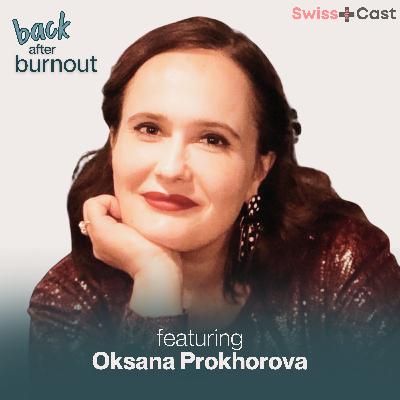
Why does change feel so threatening—even when we know it's good for us?In this episode, transformation leader Oksana Prokhorova reveals the neuroscience behind our stress responses and shares practical tools to build change capacity without burning out. She explains how our amygdala treats workplace deadlines like predatory tigers, why that 10-minute walk between meetings is a non-negotiable, and the surprising truth about when to drink your morning coffee.If you're navigating a return to work after burnout or simply trying to stay resilient through constant change, Oksana offers evidence-based strategies that actually work—from micro-dosing change to protecting your brain's "Ferrari-level" performance with proper maintenance.Oksana Prokhorova is a transformation leader specializing in human-centered, neuroscience-informed change management in highly regulated industries. Connect with her on LinkedIn for more practical neuroscience insights.Chapters with Timestamps01:28 Introduction & Welcome02:26 Oksana's Background03:32 Why Change Management Matters for Mental Health05:33 The Neuroscience of Change09:49 Change Capacity Patterns15:09 The Stress Cycle18:35 Returning After Burnout23:28 Manager Responsibilities26:00 Recognizing Burnout Signs30:14 Personal Responsibility Discussion34:48 Resources & ClosingBack After Burnout is for education and inspiration only and does not constitute medical, mental-health, legal, or employment advice. Every burnout journey is unique—always consult qualified healthcare and workplace professionals before acting on anything you hear. Resources shared are tools Karina has personally found helpful; they may not suit every listener. Use what serves you and leave the rest.Mentioned in this episode:Rate & ReviewRate & ReviewBack After Burnout is a proud member and a production of the SwissCast NetworkDiscover more great podcasts for English-speaking SwitzerlandSwissCast Network
Coming back to work after burnout isn't just about resuming what you did before, with better stress management techniques.It’s about reshaping how you choose to live, work, and lead yourself.Today, we’re exploring how recovery is often a wake-up call—a chance to reconnect with who you are and what matters most. And how living more in line with your values can help you build a work life that is sustainable, fulfilling and burnout-proof.00:29 Real-Life Examples01:58 What are you values, really?03:56 Confronting our Values05:11 Aligning Your Values with Work08:11 End-of-Life ClarityBack After Burnout is for education and inspiration only and does not constitute medical, mental-health, legal, or employment advice. Every burnout journey is unique—always consult qualified healthcare and workplace professionals before acting on anything you hear. Resources shared are tools Karina has personally found helpful; they may not suit every listener. Use what serves you and leave the rest.Mentioned in this episode:Back After Burnout is a proud member and a production of the SwissCast NetworkDiscover more great podcasts for English-speaking SwitzerlandSwissCast Network
In this episode of Back after Burnout, we tackle one of the most challenging questions facing professionals recovering from burnout: should I stay in my current role or move on? Karina Schneider breaks down the decision-making process beyond simple pros and cons lists, offering a thoughtful framework to help you make choices aligned with your values and wellbeing.Key points covered:Why traditional pros/cons lists often fail for complex decisionsA six-step framework for making thoughtful career decisions post-burnoutHow to incorporate your values and non-negotiables into your decision processThe importance of "living as if" to test potential pathsUsing discernment techniques that engage more than just rational thinkingResources mentioned:"Designing Your Life" by Bill Burnett and Dave Evans"Playing Big" by Tara Mohr"The Anatomy of a Good Decision" by Mark Shrime, surgeon and Harvard Medical School lecturerWhether you're considering adjustments to your current role, exploring new opportunities, or contemplating a complete career pivot, this episode provides practical guidance for making decisions that honor your recovery and support sustainable wellbeing.Back After Burnout is for education and inspiration only and does not constitute medical, mental-health, legal, or employment advice. Every burnout journey is unique—always consult qualified healthcare and workplace professionals before acting on anything you hear. Resources shared are tools Karina has personally found helpful; they may not suit every listener. Use what serves you and leave the rest.Mentioned in this episode:Back After Burnout is a proud member and a production of the SwissCast NetworkDiscover more great podcasts for English-speaking SwitzerlandSwissCast NetworkJoin the Back After Burnout email listNewsletter Oct 2025
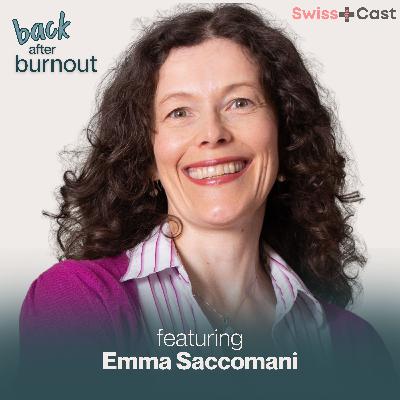
In this episode, we are joined by Emma Saccomani and together we cover a lot of ground on the hairy topic of boundaries. Whether you have gone through burnout or not, setting boundaries is a crucial life skill and a muscle we need to continue to build so we can stay healthy and productive as we navigate the messy reality of modern day life.Connect with Emmaemmasaccomani.comemma@emmasaccomani.comEmma Saccomani | LinkedInGet notified about her book – A Boundaries Toolkit for Messy RealityEmma’s Recommendations:This Book Could Help by Rotimi AkinseteHow to be a Human by Ruby WaxDigital Wellbeing by Petra VelzeboerArtificial Intimacy by Esther Perel - PodcastChapters:00:00 Introduction05:09 Understanding and Communicating Boundaries09:20 The Messy Reality of Boundaries18:43 Practicing Boundaries in Low-Stake Situations20:58 Role Modeling Healthy Boundaries22:05 Understanding Different Types of Boundaries24:58 Boundaries in the Workplace28:46 Final Thoughts and RecommendationsBack After Burnout is for education and inspiration only and does not constitute medical, mental-health, legal, or employment advice. Every burnout journey is unique—always consult qualified healthcare and workplace professionals before acting on anything you hear. Resources shared are tools Karina has personally found helpful; they may not suit every listener. Use what serves you and leave the rest.Mentioned in this episode:Back After Burnout is a proud member and a production of the SwissCast NetworkDiscover more great podcasts for English-speaking SwitzerlandSwissCast NetworkRate & ReviewRate & Review
That first conversation with your manager after a mental health absence can feel like a test you didn’t study for. In this episode, reintegration coach Karina Schneider shows you how to replace panic with a plan. You’ll learn practical workplace communication tips for preparing for return to work, what to say (and what you don’t have to say), and how to frame requests so they support both workplace mental health and business needs. Karina walks through six focus areas: appreciation, status, needs, check-in rhythm, your manager’s concerns, and team communication, so you can practice self advocacy at work, manage expectations, and start building trust with your manager. You’ll also hear Johann’s story of moving from fear to clarity, proving that returning to work after burnout is easier when you have a script, a structure, and your rights in mind.This episode is a calm, step-by-step guide for managing burnout in real time: how to discuss job performance after burnout, request adjustments, and co-design strategies for returning to work that protect your energy and help you keep managing job responsibilities without derailing your burnout recovery. It’s about communicating with your employer in a way that supports productivity and mental health support in the workplace.Key takeawaysPlan beats panic. Go in with your goals, not just theirs; preparation lowers coping with work stress in the moment.Lead with appreciation. A warm opener sets a collaborative tone for the conversation with your manager.Share status, protect privacy. You control your health details; remember your employee rights after burnout.Ask for what you need. Frame phased hours, appointment flexibility, or task adjustments as ways to restore job performance after burnout.Set a check-in rhythm. Regular touchpoints help with managing workplace expectations and prevent surprises.Surface their concerns. Invite questions to understand resourcing pressures while maintaining self advocacy at work.Own the team message. Agree on how your returning to work after burnout is communicated; scope, hours, and current priorities.Trust builds through clarity. Clear requests + realistic commitments = supporting mental health at work without overpromising.Follow Back After Burnout for weekly guidance on preparing for return to work and evidence-based tactics that make supporting mental health at work part of how you lead your career.Back After Burnout is produced by the SwissCast Network, the only podcast network with podcasts produced in, for, or about English-speaking Switzerland.Back After Burnout is for education and inspiration only and does not constitute medical, mental-health, legal, or employment advice. Every burnout journey is unique—always consult qualified healthcare and workplace professionals before acting on anything you hear. Resources shared are tools Karina has personally found helpful; they may not suit every listener. Use what serves you and leave the rest.Mentioned in this episode:Back After Burnout is a proud member and a production of the SwissCast NetworkDiscover more great podcasts for English-speaking SwitzerlandSwissCast Network
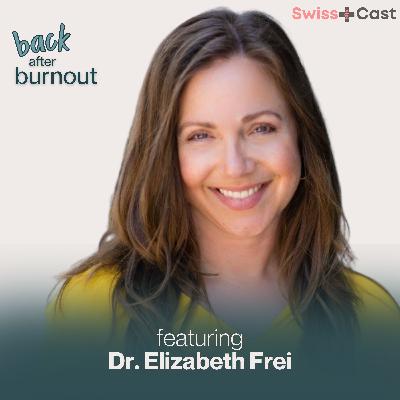
Burnout is more than just stress or exhaustion—it's a physical and neurological injury that affects how we function, recover, and live. In this episode, Karina sits down with Dr. Elizabeth Frei, a U.S.-trained and Swiss-certified clinical psychologist, to take a compassionate, science-based look at what burnout recovery truly involves—and how to navigate it in a sustainable, self-empowered way.Drawing from her work with international clients in Switzerland, Dr. Frei shares practical insights into recognizing burnout, seeking professional help, navigating medical leave, and returning to work without falling back into old patterns.This episode is an essential listen for anyone asking:“Am I burnt out or just tired?”“How do I find the right help?”“How long will it take to recover?”“How do I go back to work without burning out again?”Back After Burnout is for education and inspiration only and does not constitute medical, mental-health, legal, or employment advice. Every burnout journey is unique—always consult qualified healthcare and workplace professionals before acting on anything you hear. Resources shared are tools Karina has personally found helpful; they may not suit every listener. Use what serves you and leave the rest.Mentioned in this episode:Back After Burnout is a proud member and a production of the SwissCast NetworkDiscover more great podcasts for English-speaking SwitzerlandSwissCast NetworkRate & ReviewRate & Review
Stepping off stress leave into a full return to work can feel like standing on a foggy bridge: part of you has healed, yet doubts still swirl. In this episode, Karina Schneider dismantles the myth of being “100% ready” and shows why you should view the return to work as part of recovery, not proof that you’re "all set". Through her client, Carla’s, real-life story—and five revealing questions—you’ll learn to separate lingering anxiety from genuine unreadiness, gauge energy stability, and build the support scaffolding that turns an extended absence or FMLA break into a sustainable comeback.Karina also challenges the idea that a doctor’s “fit-to-work” note or the end of sick leave automatically equals confidence. Readiness lives on a continuum; these questions help you and your care team locate the safest next step—whether that’s negotiating phased duties, delaying another week, or confirming you’re good to go.TakeawaysReadiness isn’t binary. Mental health recovery moves along a spectrum; good and bad days can co-exist.Emotion ≠ decision. Fear about work may signal external uncertainties, not personal failure.Energy stability matters. Consistent stamina and micro-tests (volunteering, structured tasks) reveal real capacity.A care plan is non-negotiable. Pre-identifying triggers and supports prevents relapse once routines resume.Know your non-negotiables. Boundaries around meetings, commute, or therapy anchor long-term reintegration success.Related episode: Work as Part of Burnout RecoveryFollow Back After Burnout for bi-weekly strategies on turning mental health leave into a confident, lasting career comeback.Back After Burnout is for education and inspiration only and does not constitute medical, mental-health, legal, or employment advice. Every burnout journey is unique—always consult qualified healthcare and workplace professionals before acting on anything you hear. Resources shared are tools Karina has personally found helpful; they may not suit every listener. Use what serves you and leave the rest.Mentioned in this episode:Join the Back After Burnout email listNewsletter Oct 2025Back After Burnout is a proud member and a production of the SwissCast NetworkDiscover more great podcasts for English-speaking SwitzerlandSwissCast Network
The passage from stress leave to a full return to work is neither linear nor instantaneous. In this episode, career reintegration coach Karina Schneider argues that stepping back into the workplace is an active stage of recovery—one that calls for deliberate pacing, realistic expectations and shared responsibility between employee and employer.Karina explores the common emotional turbulence that accompanies the first weeks after mental-health leave—from lingering fatigue to the fear of under-performing—and explains why prolonging an extended absence can actually complicate reintegration. She uses fresh data to show that many professionals fail to thrive post-leave, often relapsing or resigning when organizations lack structured support.Yet the workplace is only half the equation. Drawing a parallel to marathon training, Karina urges listeners to treat preparation as a personal duty: set micro-goals, anticipate “speed bumps” and view early adjustments not as failures but as vital feedback. By reframing those first days back as part of the healing arc, professionals can reclaim agency, protect their mental health, and rebuild a career that lasts.TakeawaysRecovery and work overlap. A “fit-to-work” note is a milestone, not the finish line.Pacing prevents relapse. A 20–30% capacity ramp-up is a strategic—not weak—move.Expect emotional swings. Doubt, guilt and fatigue are data points, not a verdict on capability.Self-prep matters. Like marathon runners, returners need training plans, not wishful thinking.Structured reintegration saves talent. Without clear roadmaps and supportive managers, many employees exiting FMLA or sick leave never regain momentum.Back After Burnout is for education and inspiration only and does not constitute medical, mental-health, legal, or employment advice. Every burnout journey is unique—always consult qualified healthcare and workplace professionals before acting on anything you hear. Resources shared are tools Karina has personally found helpful; they may not suit every listener. Use what serves you and leave the rest.Mentioned in this episode:Back After Burnout is a proud member and a production of the SwissCast NetworkDiscover more great podcasts for English-speaking SwitzerlandSwissCast Network
The transition from a period of burnout to a successful return to work is not merely a matter of resuming one’s previous role; it is a nuanced process that requires careful navigation and support.Throughout the discussion, Karina talks about the various emotional responses that individuals may encounter as they reintegrate into their workplaces, including apprehension and a sense of inadequacy. It is imperative to understand that the workplace environment plays a significant role in either facilitating or hindering this transition.Karina reviews the statistics that reveal a disheartening reality: a substantial number of individuals do not thrive upon their return, instead experiencing continued struggle or, in some instances, a departure from their roles altogether. This highlights the urgent need for organizations to prioritize structured reintegration plans and supportive managerial practices.However, she also stresses that individual preparation is equally vital. Drawing parallels to training for a marathon, she encourages listeners to invest in their own readiness, advocating for themselves and leveraging the skills gained during recovery to navigate their return effectively. This episode is not just about returning to work; it is about reclaiming one’s sense of agency and purpose within the professional realm.Thrivers, survivors or exiteers: A longitudinal, interpretative phenomenological analysis of the post-return-to-work journeys for workers with common mental disorders. - Nielsen, K., & Yarker, J. (2024). Thrivers, survivors or exiteers:
A longitudinal, interpretative phenomenological analysis of the post-return-to-work journeys for workers with common mental disorders. Applied Psychology, 73(1), 267–295.Takeaways:This podcast episode emphasizes the importance of understanding that recovery and returning to work are distinct processes that require intentional preparation.Listeners are encouraged to acknowledge the myriad emotions they may experience upon returning to work after a period of burnout, including fear and doubt.The episode highlights that a significant proportion of individuals returning to work after mental health leaves do not thrive due to inadequate preparation and support.It is crucial for individuals to engage in self-preparation for their return to work, akin to training for a marathon, to foster confidence and resilience.The conversation underscores that workplaces must provide structured support for reintegration, yet individuals should not underestimate their role in this process.Ultimately, the podcast aims to empower listeners to embrace their return to work as an opportunity for personal growth and meaningful change.Back After Burnout is for education and inspiration only and does not constitute medical, mental-health, legal, or employment advice. Every burnout journey is unique—always consult qualified healthcare and workplace professionals before acting on anything you hear. Resources shared are tools Karina has personally found helpful; they may not suit every listener. Use what serves you and leave the rest.Mentioned in this episode:Back After Burnout is a proud member and a production of the SwissCast NetworkDiscover more great podcasts for English-speaking SwitzerlandSwissCast Network
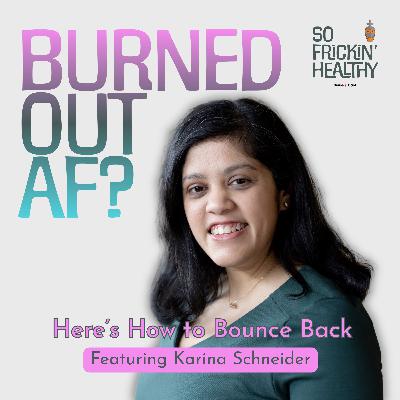
Ever felt like burnout steamrolled your life—and now you're supposed to just “bounce back” to work like nothing happened? Yeah… no.In this episode, we’re getting all the way real with HR expert and mental health first aid instructor Karina Schneider. We’re talking about the actual differences between stress, burnout, and depression (yes, they’re not the same thing), what to do when work is the thing that broke you, and how to re-enter the workplace without losing your damn mind.Whether you’re deep in recovery, questioning if you’re “just tired,” or you're the boss trying not to break your team—you need this conversation.You’ll learn:🔥 How to recognize the signs of burnout before you hit the wall🧠 The surprising overlap (and difference) between burnout and depression💼 What compassionate return-to-work plans should look like💬 Why clear communication and boundaries are non-negotiable🎧 And why Karina’s new podcast “Back After Burnout” needs to be on your radarNo fluff. No corporate BS. Just honest, actionable, deeply supportive talk about healing and coming back stronger.Get in touch!Visit Our Website: https://so-frickin-healthy.captivate.fm/sfhLeave Us a Voicemail: https://so-frickin-healthy.captivate.fm/voicemailJoin the So Frickin' Healthy Community: https://so-frickin-healthy.captivate.fm/join-so-frickin-healthyK, love you, byeeeeeChapters:00:00 - Welcome to So Frickin’ Healthy00:38 - Why burnout hits harder than we think01:16 - Meet Karina Schneider02:49 - What burnout really is09:07 - Burnout vs. depression: don’t confuse ‘em13:13 - When your job burns you out16:05 - When life does20:49 - Return-to-work plans that don’t suck24:41 - Tools for a smoother re-entry29:59 - Boundaries. Boundaries. Boundaries.34:27 - Carina’s new podcast you’ll want to binge36:54 - Our final mic drop 💥
Burnout isn’t just “feeling tired.” It can lead to stress leave, months of sick leave, or even an extended absence that leaves you wondering if you’ll ever feel “fit to work” again. In this bite-size trailer, certified career-reintegration coach Karina Schneider lays out what you can expect from the podcast that bridges the gap between medical clearance and confident return to work.In 180 seconds you’ll hear:• Why the “messy middle” after burnout is rarely discussed—and why we’re tackling it head-on.• The roadmap we’ll follow: reset → reintegration → sustainable high performance.• How weekly episodes deliver quick-win tactics for navigating mental health leave, FMLA paperwork, boundary-setting, and more.• Karina’s promise: evidence-based tools plus honest stories, so your comeback is stronger than the breakdown.Ready to rebuild work—and life—on your own terms?Hit Follow/Subscribe so you never miss an episode.Back After Burnout is for education and inspiration only and does not constitute medical, mental-health, legal, or employment advice. Every burnout journey is unique—always consult qualified healthcare and workplace professionals before acting on anything you hear. Resources shared are tools Karina has personally found helpful; they may not suit every listener. Use what serves you and leave the rest.Mentioned in this episode:Back After Burnout is a proud member and a production of the SwissCast NetworkDiscover more great podcasts for English-speaking SwitzerlandSwissCast Network
Comments

Download from Google Play

Download from App Store
 United States