


The Cancer Project
Subscribed: 1Played: 0
Subscribe

© Oklahoma Proton Center
Description
Stay informed and empowered as we explore the intersection of technology and medicine. Tune in for thought-provoking discussions, expert interviews, and practical advice to help you or your loved ones on the journey through cancer treatment and recovery.
31 Episodes
Reverse
On this episode of The Cancer Project, David Raubach sits down with Rahul Mahadevan, founder and CEO of We’re in This Together (WiTT), a platform helping cancer patients receive financial and emotional support during treatment. Rahul shares his own stage four prostate cancer diagnosis, the life-changing question that led to its discovery and the difficult treatment decisions that followed.Rahul also explains how his experience as both a cancer survivor and healthcare executive revealed a major gap in cancer care: patients are often forced to choose between getting treatment and meeting basic daily needs like gas, food, childcare, housing and pet care. That realization led him to build a platform designed to connect local communities with real patient needs in practical ways.We're in This Together (WiTT)To Donate: https://www.wittforever.com/donateWebsite: https://www.wittforever.com/Facebook: https://www.facebook.com/wittforeverInstagram: https://www.instagram.com/wittcancersupportregistry/Oklahoma Proton CenterWebsite: www.okcproton.comLinktree: https://linktr.ee/okprotoncenter?utm_source=linktree_profile_share<sid=25ace143-931d-4fae-b6d0-ae5ed18d7bf2Facebook: https://www.facebook.com/OKProtonCenterInstagram: https://www.instagram.com/okprotoncenter/LinkedIn: https://www.linkedin.com/company/oklahoma-proton-center/
Lindsay Clark was only thirty-three years old when she felt a lump that would change her life. Within weeks, she was diagnosed with stage four metastatic breast cancer that had already spread to her bones and liver. What followed was a whirlwind of biopsies, scans and chemotherapy as she began the fight for her life.In this conversation with David Raubach, Lindsay shares what it was really like to receive that diagnosis, how quickly treatment began, and how she has continued to live and thrive while navigating metastatic. Lindsay also explains why she calls herself a breast cancer thriver rather than a survivor.Through Project31, Lindsay has found a powerful community of women who are walking the same road. These women support each other through treatments, grief, difficult conversations and the realities of living with stage four cancer. Learn more about Project31: https://project31.com/Oklahoma Proton CenterWebsite: www.okcproton.comLinktree: https://linktr.ee/okprotoncenter?utm_source=linktree_profile_share<sid=25ace143-931d-4fae-b6d0-ae5ed18d7bf2Facebook: https://www.facebook.com/OKProtonCenterInstagram: https://www.instagram.com/okprotoncenter/LinkedIn: https://www.linkedin.com/company/oklahoma-proton-center/
Tarah Green is the founder and executive director of Tenaciously Teal, an organization sending care packs to people fighting cancer across Oklahoma and nationwide. In this episode, David Raubach sits down with Tarah to talk about her journey from a stage four ovarian cancer diagnosis to building a movement of care and support for patients facing treatment.To support Tenaciously Teal, learn about hosting a care pack party, donating supplies like fuzzy socks, sponsoring care packs through monthly giving or requesting a care pack for yourself or someone you love, visit www.tteal.orgEPISODE RESOURCESTenaciously TealLinktree: https://linktr.ee/tteal_inc?utm_source=linktree_profile_share<sid=47e710fd-4f63-44cf-87ca-1803615193afWebsite: www.tteal.orgFacebook: https://www.facebook.com/tenaciouslytealInstagram: https://www.instagram.com/tteal_inc/LinkedIn: https://www.linkedin.com/company/tenaciously-teal/posts/?feedView=allOklahoma Proton CenterWebsite: www.okcproton.comLinktree: https://linktr.ee/okprotoncenter?utm_source=linktree_profile_share<sid=25ace143-931d-4fae-b6d0-ae5ed18d7bf2Facebook: https://www.facebook.com/OKProtonCenterInstagram: https://www.instagram.com/okprotoncenter/LinkedIn: https://www.linkedin.com/company/oklahoma-proton-center/
David Raubach sits down with Rachel Stratton, Associate Director of the American Cancer Society (ACS). Rachel breaks down what ACS actually does in Oklahoma and why Hope Lodge is one of the most practical resources for patients who travel for treatment. She explains how Hope Lodge runs like a hotel but functions like a community, offering free lodging that can save families thousands during weeks of care, plus a shuttle system to get guests to treatment centers like Oklahoma Proton Center, Mercy and Integris.You will hear how local events like Cattle Barons Ball help fund the Hope Lodge, what it took to build the facility and the real impact since opening in August 2023 including 2,500 unique patients served and about 30,000 free room nights. The conversation also covers volunteer options like providing meals, pantry support and holiday decorating plus how ACS supports screening awareness, transportation barriers and cancer research funding across Oklahoma.If you want to volunteer, give back as a company or learn how ACS helps patients beyond research, this episode gives a clear look at where support is needed and how to get involved.For more information:https://www.cancer.org/To Donate:https://www.cancer.org/donate/hope.html?utm_source=google&utm_medium=cpc&utm_campaignid=21603275924&utm_adgroupid=169792393161&utm_keyword=american%20cancer%20society&gad_source=1&gad_campaignid=21603275924&gbraid=0AAAAAD2heecyEBJSoRZMg7r5zvVIikuz6&gclid=CjwKCAiA-__MBhAKEiwASBmsBMG8P9ez-JEsCESw_bbAHvWPl2LJeNgzkZc1GLSiocPMH1D5TGkFhxoCZVcQAvD_BwE
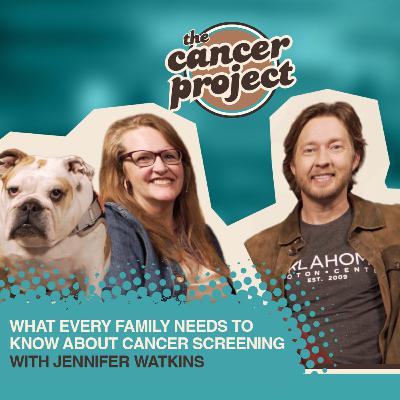
Jennifer Watkins serves as the Chronic Disease Coordinator for the Oklahoma State Department of Health. She works with the Oklahoma Comprehensive Cancer Network to improve prevention, screening, survivorship, and access to care across the state. The discussion dives into the realities many families face, including financial toxicity during treatment, the emotional toll on patients and caregivers, suicide prevention, rural healthcare access, and the importance of survivorship support long after treatment ends.Jennifer also discusses Beyond the Diagnosis: A Cancer Survivorship Series: a virtual education series designed to help patients and caregivers navigate financial concerns, emotional well-being, intimacy after cancer, nutrition, and long-term health.Oklahoma State Department of Health:https://oklahoma.gov/health.htmlTo connect with the Oklahoma Comprehensive Cancer Network:https://oklahoma.gov/occn.htmlOr Email:OCCN@health.OK.Gov
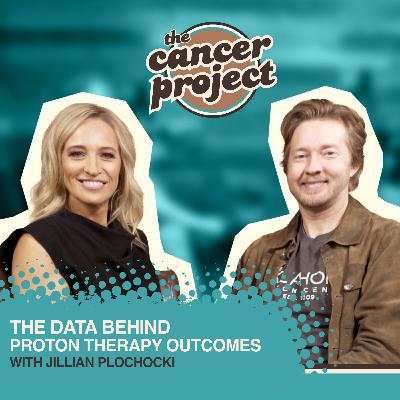
David Raubach sits down with Jillian Plochocki, Executive Director of the Proton Collaborative Group. Jillian explains how the world’s largest proton therapy registry was built and why real-world data from more than 40,000 patients is critical to improving cancer treatment outcomes.The conversation explores the difference between registries and clinical trials, how proton centers across the United States collaborate on research, and why long-term follow-up matters when evaluating radiation therapy.
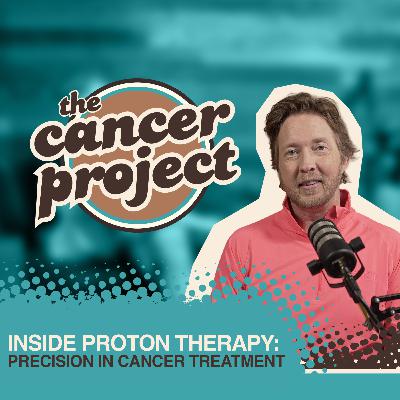
The discussion covers the history of the Oklahoma Proton Center from opening in 2009 as one of the first proton centers in the country, to treating more than 6,000 patients from all 50 states and multiple countries. You will learn what proton therapy is, how it works, and why its ability to stop radiation directly inside the tumor allows doctors to reduce exposure to healthy tissue and critical organs. The conversation also covers what patients can expect when contacting the Oklahoma Proton Center, from consultation through treatment planning, timelines, insurance considerations, and long-term follow-up. Real-world examples are used to explain how proton therapy can reduce side effects and help preserve quality of life during and after treatment.
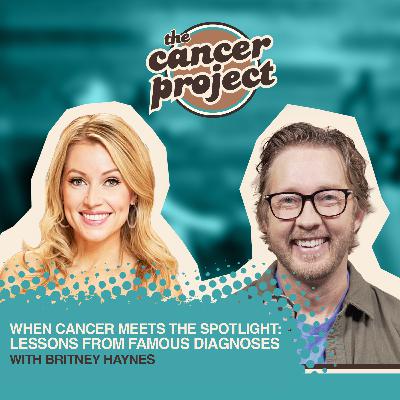
David Raubach and Birtney Haynes break down how cancer screening really works and the real world consequences of delaying treatment. The conversation explores the risks and benefits of different screening tools, including PET CT, MRI, and blood-based biomarkers. Explaining why no single test can detect every cancer. Using well-known cases like Steve Jobs, Joe Biden, Ron Rivera, and Princess Kate, the episode highlights how timing, evidence-based care, and informed decisions can dramatically impact outcomes.The discussion examines why Steve Jobs delayed surgery for pancreatic neuroendocrine cancer and how that decision changed the course of his disease. It also explains Joe Biden’s prostate cancer diagnosis and how stopping routine screening allowed the cancer to progress before detection. The episode clarifies why proton therapy can reduce radiation exposure, especially for pediatric and head and neck patients, and why treatment decisions often feel overwhelming when patients are faced with many options.
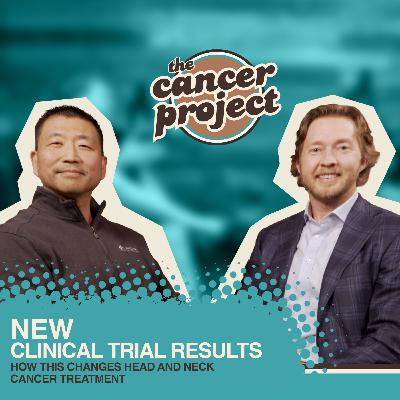
This episode of The Cancer Project features a detailed conversation with Dr. John Chang and David Raubach on newly published clinical trial data comparing proton therapy and traditional photon radiation for head and neck cancers. The discussion breaks down what head and neck and oropharyngeal cancers are, why treatment in this area is especially complex and how different radiation technologies affect both outcomes and quality of life.The article referenced in this podcast:Proton versus photon radiotherapy for patients with oropharyngeal cancer in the USA: a multicentre, randomised, open-label, non-inferiority phase 3 trialFrank, Steven JBates, James et al.The Lancet, Volume 0, Issue 0https://www.thelancet.com/journals/lancet/article/PIIS0140-6736(25)01962-2/abstract

In this episode of The Cancer Project podcast, host David Raubach talks with Mike Beckham, co-founder and CEO of Simple Modern. Mike shares his journey from ministry to entrepreneurship, how he built one of the fastest-growing drink-ware brands in the country, and why generosity is the centerpiece of both his life and business. Hear the story behind Simple Modern’s giveaway of 50,000 mugs to cancer patients, how Mike plans to give away most of his net worth, and what it takes to protect company culture while scaling. This conversation will inspire leaders, entrepreneurs, and anyone who believes business can be a force for good.
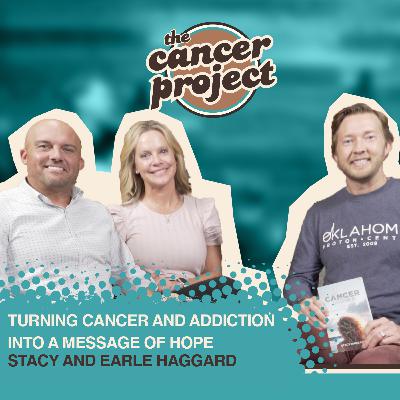
In this episode of The Cancer Project, host David Raubach sits down with Stacy and Earle Haggard to discuss their family’s incredible journey. Stacy’s book, ‘French Kissing Cancer,’ shares the heartbreaking story of losing her sister to cancer, the emotional aftermath, and the faith that sustained them. Together, they reveal how tragedy transformed into triumph through love, faith, and family. Subscribe to hear more inspiring stories of hope and healing.
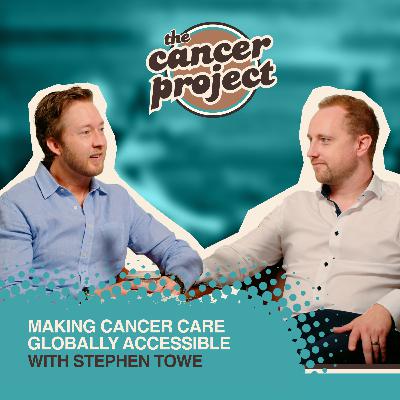
In this episode of The Cancer Project, host David Raubach sits down with Stephen Towe, CEO and Co-Founder of LEO Cancer Care, to discuss how upright patient positioning is reshaping the future of radiation and proton therapy. Stephen shares his journey from medical physicist to entrepreneur, the challenges of bringing innovation to market, and how compassion drives true progress in healthcare.Watch to learn how LEO Cancer Care’s groundbreaking approach could make proton therapy more accessible worldwide and more humane for every patient.Learn more about LEO Cancer Care: https://www.leocancercare.com
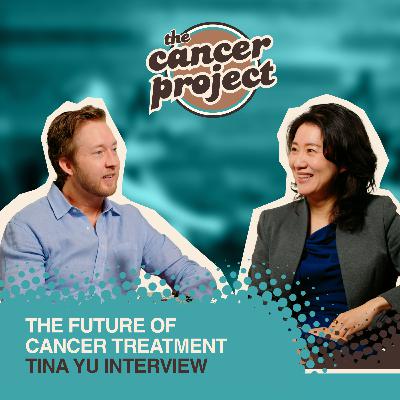
Join host David Raubach and Mevion CEO Tina Yu as they discuss leadership, innovation, and the global future of proton therapy. Learn how Mevion’s FIT system makes advanced cancer care more accessible. Tune in to The Cancer Project Podcast for insight into the science, technology, and humanity behind cancer treatment breakthroughs.
Jennifer explains the mission of the National Association for Proton Therapy to ensure that every patient has informed access to proton therapy through advocacy, education, and research. The conversation covers insurance barriers, cost-effectiveness, workforce realities, research priorities and the shift from skepticism to pride among policymakers and communities.The National Association for Proton Therapyhttps://proton-therapy.org
In this powerful episode of The Cancer Project Podcast, Dr. David Sandberg, pediatric neurosurgeon and author of 'Brain and Heart,' shares an intimate look into the emotional, ethical, and human dimensions of medicine. He reflects on life in the operating room, the heartbreak and hope of treating children with brain tumors, and the lessons learned from decades of healing. Listen as Dr. Sandberg discusses compassion, humility, and what it truly means to balance the mind and the heart.Book Referenced in this Episode: “Brain and Heart: The Triumphs and Struggles of a Pediatric Neurosurgeon” by David I. SandbergIn this book, Dr. David Sandberg combines his deep scientific and medical knowledge with raw emotion and unforgettably powerful stories of courage and love.Get your copy: https://bit.ly/49Qb2SV
Dr. Steven J. Frank, Executive Director, Particle Therapy Institute, MD Anderson Cancer Center. The discussion centers on the TORPEDO trial and the broader implications of proton therapy in cancer treatment. Dr. Frank explains the advancements in precision radiation, long-term patient outcomes, and cost-effectiveness studies demonstrating how proton therapy can reduce toxicity, improve survival, and lower long-term healthcare costs.
Ben shares his personal journey from being a patient with a rare blood disorder as a child to becoming a healthcare administrator and advocate for better cancer care access. He discusses his training at MD Anderson, his work in proton therapy centers, and his entrepreneurial path creating Apollo and Unity to tackle insurance prior authorization challenges in oncology. Together, they explore the complexities of insurance approvals, the role of AI in healthcare, and the future of proton therapy and oncology treatment
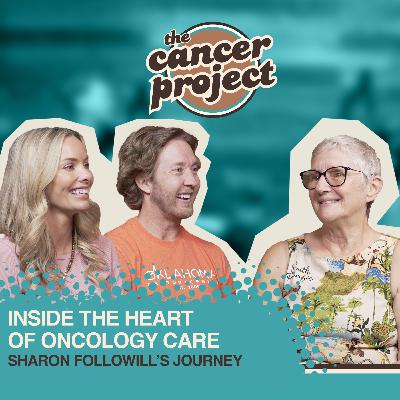
In this episode of The Cancer Project, Sharon Followill shares her deeply personal journey through the world of oncology care from losing her mother at a young age to guiding countless patients, and recently supporting her daughter through breast cancer treatment. Learn how empathy, education, and persistence shape patient outcomes.
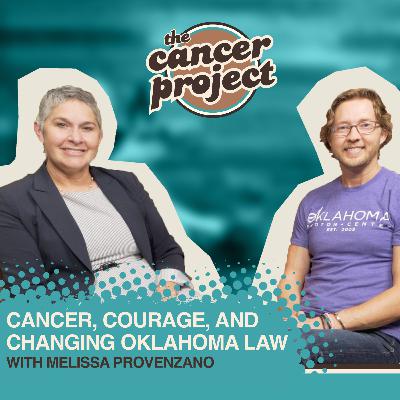
In this powerful episode of The Cancer Project Podcast, State Representative Melissa Provenzano shares her personal journey with breast cancer and the fight to pass Oklahoma House Bill 1389. From her mother’s two diagnoses to her own battle, Melissa opens up about the challenges of treatment, the importance of early detection, and the bipartisan effort that led to overriding a governor’s veto. This episode is a must-listen for anyone impacted by cancer, health policy, or the fight for accessible healthcare. Bill Mentioned in the Video: House Bill 1389 https://www.oklegislature.gov/BillInfo.aspx?Bill=hb1389&Session=2500
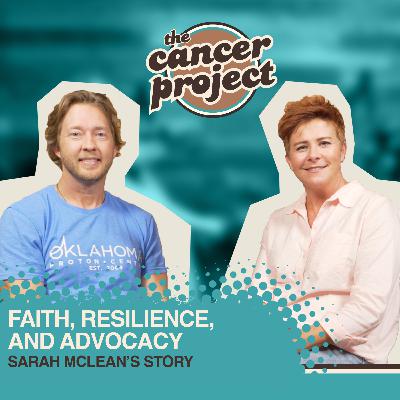
In this powerful and deeply moving episode of The Cancer Project Podcast, David Raubach sits down with Sarah McLean – a two-time breast cancer survivor and the Executive Director of Project31. She discusses the founding of Project31, an Oklahoma-based nonprofit providing peer support,care packages, and resources to women and families impacted by breast cancer. From the importance of advocacy and community, to her work on legislative change for metastatic patients, Sarah's story is one of resilience, faith, and unwavering dedication to others walking a similar path.

Comments

Download from Google Play

Download from App Store
 United States