


 Claim Ownership
Black Deth 101 Podcast: Black Film, Blaxploitation, Exploitation Movies, 1970s Film History, Soul
Subscribed: 1Played: 10
Subscribe

© Nubius Black and Johnny Deth
Description
Black Deth Blaxploitation 101
A bold, funky, history-deep Blaxploitation show blending film-school analysis with streetwise swagger— Nubius Black & Johnny Deth break it down like nobody else.
Step into the funk-soaked world of Blaxploitation cinema.
Johnny Deth and Nubious Black—two unapologetic voices breaking down the boldest, Blackest, baddest films of the '70s and beyond. From Shaft to Super Fly, from Curtis Mayfield grooves to Isaac Hayes' cinematic revolution, this podcast goes deep into the stories, sounds, and soul of a genre that changed everything. Raw, funny, fearless—and always funky.
A bold, funky, history-deep Blaxploitation show blending film-school analysis with streetwise swagger— Nubius Black & Johnny Deth break it down like nobody else.
Step into the funk-soaked world of Blaxploitation cinema.
Johnny Deth and Nubious Black—two unapologetic voices breaking down the boldest, Blackest, baddest films of the '70s and beyond. From Shaft to Super Fly, from Curtis Mayfield grooves to Isaac Hayes' cinematic revolution, this podcast goes deep into the stories, sounds, and soul of a genre that changed everything. Raw, funny, fearless—and always funky.
26 Episodes
Reverse
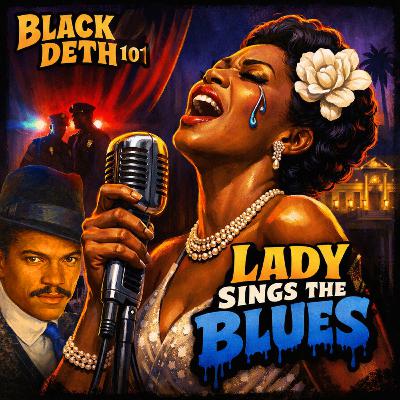
In this episode of Black Deth 101, Nubius Black and Johnny Deth dis into Lady Sings the Blues (1972), the landmark film that brought Billie Holiday’s life to the screen and launched Diana Ross as a movie star.We had trouble with this one, neither of us liked it as much as we remembered.Released at a time when Hollywood was learning how to tell Black stories to mainstream audiences, Lady Sings the Blues became a major cultural moment — earning five Academy Award nominations and producing Motown’s fastest-selling album up to that time.But the film also raises questions.How much of Billie Holiday’s real story made it to the screen… and how much was softened for Hollywood prestige?Nubius and Johnny explore the movie’s history, its powerful performances, the real-life events behind the story, and the surprising things the film leaves out.• America in 1972 and the Hollywood climate that produced the film• Diana Ross’s first feature film role and Oscar nomination• Suzanne de Passe becoming the first Black woman nominated for a Best Original Screenplay Academy Award• The real story behind the film’s opening narcotics arrest — and why it didn’t happen• How Richard Pryor turned a one-day role into a scene-stealing performance• Why Billy Dee Williams got the role of Louis McKay after Levi Stubbs declined it• Berry Gordy taking over the film when it went over budget• Motown’s fastest-selling album and the film’s huge commercial success• Billie Holiday’s Cabaret Card and the legal system that limited her career• The real musicians missing from the film — including John Hammond, Louis Armstrong, and Duke EllingtonAll this and a Nubius rant about Timothee Chalemet!
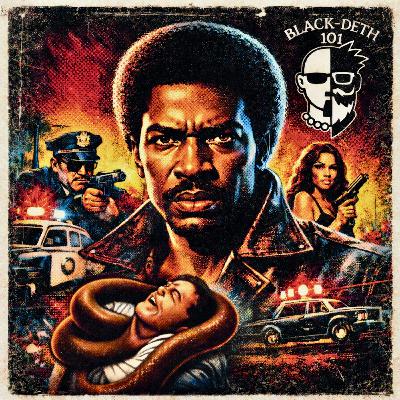
SummaryIn this episode of theBlaxploitation, Black Deth 101 podcast, hosts Nubius Black and Johnny Deth delve into the world of black exploitation films, focusing on the film 'Welcome Home, Brother Charles.' They explore the social context of the 1970s, character development, themes of revenge, and the unique filmmaking techniques used in the movie. The discussion also touches on cultural commentary regarding black male sexuality and the legacy of the film in contemporary cinema. Through humor and critical analysis, the hosts provide insights into the film's impact and significance.
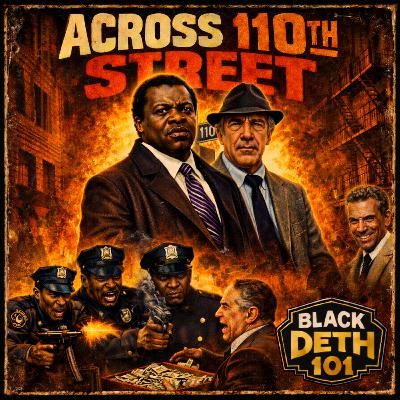
In this episode of Black Death 101, hosts Rodney Nubius Black and Johnny Deth delve into the world of Blaxploitation cinema, focusing on the film 'Across 110th Street.' They explore the socio-political context of Harlem in the 1970s, character dynamics, and the film's cinematography. The discussion also touches on the cultural impact of the film, its reception by critics, and the legacy it leaves behind in the genre of crime films.TakeawaysThe film is a reflection of the socio-political climate of 1970s Harlem.Character development is crucial in understanding the moral complexities of the film.Cinematography plays a significant role in creating the film's gritty atmosphere.The film's legacy influences modern crime dramas and series.Critics often overlook the cultural significance of Blaxploitation films.The portrayal of crime in the film raises questions about morality and justice.The film's tight narrative structure enhances its impact.The characters are multi-dimensional, showcasing both good and bad traits.The film's reception highlights the ongoing conversation about race in cinema.The discussion emphasizes the importance of recognizing the contributions of Black filmmakers. Blaxploitation, film analysis, Harlem, 1970s, crime, cinematography, cultural impact, character analysis, movie review, legacy
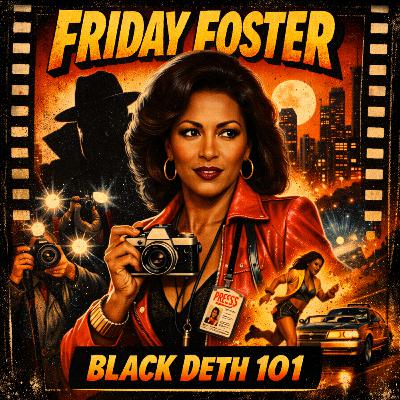
🎥 BLACK DETH 101 — FRIDAY FOSTER (1975)“The Camera Clicks… Then the Bullets Fly.”She wasn’t hired to stop a conspiracy.She was hired to take pictures.But when Friday Foster walks into the wrong shot, she walks straight into the deadliest political plot Black America has ever seen.In this episode of Black Deth 101, Johnny Deth and Nubius Black dive into one of Pam Grier’s slickest, smartest, and most underrated performances — a blistering blend of fashion, funk, and full-blown paranoia that hits harder today than it did in ’75.🖤 A high-fashion photographer🖤 A murdered friend🖤 A secret plot to erase Black political leadership🖤 And one woman with enough nerve to blow the whole thing openThis isn’t just a blaxploitation thriller — it’s a sharp-edged warning dressed in silk, platform heels, and cold-steel truth.Starring:Pam Grier as Friday FosterYaphet Kotto as private-eye Colt HawkinsFeaturing: Eartha Kitt, Godfrey Cambridge, Scatman Crothers, Ted Lange & moreWe break down:• Why Friday Foster is one of the smartest conspiracy thrillers of the 70s• How Pam Grier quietly redefined the action heroine• The real-world paranoia fueling the storySlide into the shadows, cool cats…The camera’s rolling — and the system is watching.Where the streets talk… and the reels roll.This is BLACK DETH 101.Friday FosterFriday Foster 1975Pam GrierYaphet KottoBlaxploitationBlack Deth 101Blaxploitation 10170s Black Cinema1970s MoviesClassic BlaxploitationBlack Cinema HistoryBlaxploitation PodcastPam Grier Friday FosterYaphet Kotto Colt HawkinsEartha KittScatman CrothersTed LangeGodfrey CambridgeBlack Female Action HeroWomen in 70s CinemaPolitical ThrillerConspiracy ThrillerBlack Power Era70s Conspiracy FilmsParanoia ThrillerMedia and PowerAssassination PlotInvestigative ThrillerCult Classic MoviesBlack Deth PodcastBlack Deth 101 PodcastJohnny DethNubius BlackBlaxploitation PodcastCult Film PodcastClassic Movie PodcastRetro Film PodcastBest Blaxploitation MoviesPam Grier MoviesHidden 70s MoviesUnderrated 70s FilmsClassic Black FilmsVintage Crime Movies1970s Action MoviesCult Classic Podcast
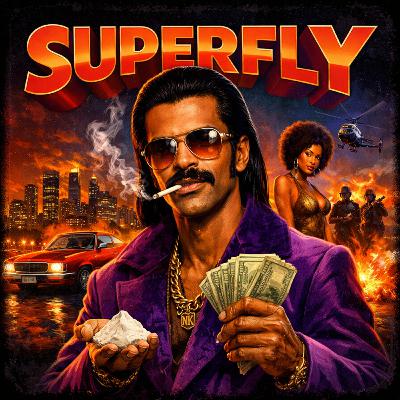
Summary: In this episode of Black Death 101, hosts Rodney Nubius Black and Johnny Deth delve into the Blaxploitation classic Superfly. They explore its cultural significance, character dynamics, and the impact of Curtis Mayfield's iconic soundtrack. The conversation critiques the film's portrayal of the drug trade, the role of women, and the editing choices that shape the viewer's experience. Ultimately, they reflect on Superfly's legacy and its influence on future Black cinema.takeawaysSuperfly is a pivotal film in the Blaxploitation genre.The film reflects the socio-political climate of the 1970s.Curtis Mayfield's soundtrack is integral to the film's narrative.The character Priest is portrayed as an anti-hero rather than a villain.The film critiques the drug trade without glorifying it.Editing choices impact the film's pacing and viewer engagement.Women in the film play complex roles beyond stereotypes.The film's success influenced future Black-led films in Hollywood.Superfly's cultural significance extends beyond its box office success.The film serves as a commentary on systemic issues in society.Happy New Year!Ohhh yeah — Super Fly deserves jet fuel.
Here are high-impact YouTube / SEO discovery tags for your Super Fly (1972) Black Deth 101 episode:🎯 CORE DISCOVERY TAGSSuper Fly
Super Fly 1972
Superfly Movie
Blaxploitation
Black Deth 101
Blaxploitation 101
70s Black Cinema
1970s Movies
Classic Blaxploitation
Black Cinema History
Blaxploitation Podcast
Cult Black Films🎬 CAST & CHARACTER SEARCHRon O’Neal
Ron ONeal Super Fly
Priest Super Fly
Carl Lee
Sheila Frazier
Charles McGregor
Black Antihero
70s Black Action Hero🎼 SOUNDTRACK & CULTURESuper Fly Soundtrack
Curtis Mayfield Super Fly
70s Soul Funk
Classic Soul Soundtrack
Blaxploitation Soundtrack
Funk Soundtrack
Soul Cinema🧠 THEME & STORY SEARCHDrug Dealer Movie
Antihero Movie
Urban Crime Film
70s Crime Movies
Black Power Era
Cult Crime Films
Retro Crime Movies🎙 BRAND & SHOW SEARCHBlack Deth Podcast
Black Deth 101 Podcast
Johnny Deth
Nubius Black
Cult Film Podcast
Retro Film Podcast
Classic Movie Podcast🚀 ALGORITHM BOOST TAGSBest Blaxploitation Movies
Hidden 70s Movies
Underrated 70s Films
Classic Black Films
Vintage Action Movies
1970s Crime Movies
Ron ONeal Movies
Blaxploitation ClassicsIf you want next, I can also give you copy-paste hashtag blocks for YouTube Shorts, TikTok, and Instagram so Super Fly rides every platform clean and heavy 😈Super Fly
Super Fly 1972
Superfly Movie
Blaxploitation
Black Deth 101
Blaxploitation 101
70s Black Cinema
1970s Movies
Classic Blaxploitation
Black Cinema History
Blaxploitation Podcast
Cult Black FilmsRon O’Neal
Ron ONeal Super Fly
Priest Super Fly
Carl Lee
Sheila Frazier
Charles McGregor
Black Antihero
70s Black Action HeroSuper Fly Soundtrack
Curtis Mayfield Super Fly
70s Soul Funk
Classic Soul Soundtrack
Blaxploitation Soundtrack
Funk Soundtrack
Soul CinemaDrug Dealer Movie
Antihero Movie
Urban Crime Film
70s Crime Movies
Black Power Era
Cult Crime Films
Retro Crime MoviesBlack Deth Podcast
Black Deth 101 Podcast
Johnny Deth
Nubius Black
Cult Film Podcast
Retro Film Podcast
Classic MovieBest Blaxploitation Movies
Hidden 70s Movies
Underrated 70s Films
Classic Black Films
Vintage Action Movies
1970s Crime Movies
Ron ONeal Movies
Blaxploitation
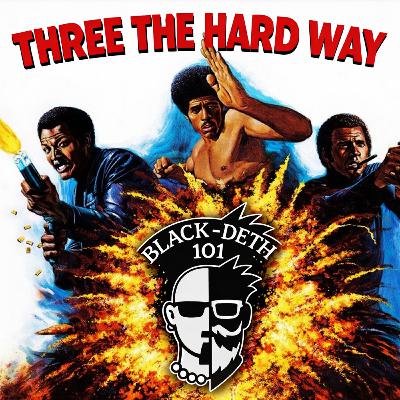
Three brothers. One conspiracy. Zero mercy.THREE THE HARD WAYWelcome to the most militant, funk-loaded episode of Black Deth 101 yet.This time, Nubius Black and Johnny Deth drop the needle on Three The Hard Way — the 1974 blaxploitation nuclear strike starring Jim Brown, Fred Williamson, and Jim Kelly as three unstoppable brothers who uncover a government-backed plot to poison the Black community via the water supply across America.Yeah… they tried to wipe out the people.So the people sent three legends.This ain’t just a 1970s Blaxploitation flick — it’s a full-on cinematic warning shot.Secret labs. Nazi doctors hiding in plain sight. Corporate genocide. Underground resistance.And three men moving through it like funk-powered avenging angels.In this episode we break down: The real-world 1974 America this movie was born into• Why this film scared studios and thrilled drive-ins• The Tuskegee echoes and real historical parallels• Jim Kelly’s martial-arts fury, Jim Brown’s cold precision, and Fred Williamson’s street-general swagger• The militant fashion, the funk soundtrack, and the radical message hidden inside the grindhouse packaging• Why Three The Hard Way might be the boldest political statement ever smuggled into a blaxploitation releaseThis is the episode where the gloves come off.The bass hits harder.And the message gets dangerous.🎬 Press play.Because this isn’t just film history —It’s Black cinema loading the clip and telling you the truth.If you want, next I can write:• the YouTube description version• the Spotify short blurb• the opening show notes• or the social captions (funky, militant, poetic, or straight-up hype)🎙️ BLACK DETH 101 — EPISODE DESCRIPTIONTHREE THE HARD WAY (1974)SummaryIn this episode, hosts Nubius and Johnny delve into the 1974 film 'Three the Hard Way,' exploring its themes of racial tension, historical context, and the portrayal of women. They discuss the film's action sequences, character dynamics, and the cultural impact of blaxploitation cinema. The conversation highlights how the film reflects real societal issues while providing entertainment through its engaging plot and memorable characters.
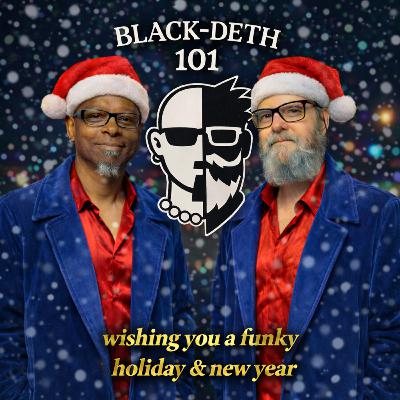
Black Deth 101 – Funky Holiday MessageSlide on in, cool cats and foxy ladies…This special bonus drop is our holiday thank-you to the whole Blaxploitation Black Deth 101 family.No lectures. No history lesson. Just pure soul, rhythm, and gratitude.Inside this short but funky bonus episode, Johnny Deth and Nubius Black send love, light, and good vibrations to every listener who’s been riding with us through the grooves, the deep cuts, and the drive-in dust.🎶 Featured Track:“Funky Christmas 101 (Black Deth 101)” — a soul-funk holiday jam made just for our listeners.It’s our way of saying thank you for keeping the funk alive, supporting the show, and spreading the word.May your holidays stay heavy with joy,your New Year stay rich with rhythm,and your days stay blessed and funky.From the whole Black Deth 101 crew —Stay cool. Stay funky. Stay fly.
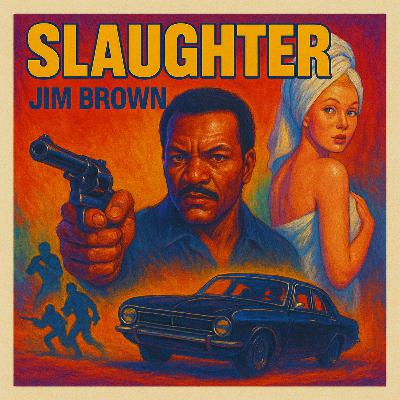
SummaryIn this episode of the Black Deaf 101 podcast, hosts Nubius Black and Johnny Deth delve into the Blaxploitation film 'Slaughter,' starring Jim Brown. They explore the film's context within the socio-political climate of the 1970s, its themes of racism and violence, and the performances of the cast, particularly Jim Brown and Rip Torn. The discussion highlights the film's cultural impact, the missed opportunity of its soundtrack, and Jim Brown's legacy as both an actor and activist. The hosts provide a comprehensive analysis of the film's characters and the broader implications of its narrative, making connections to contemporary issues in society.Takeaways'Slaughter' reflects the socio-political climate of the 1970s.Jim Brown's character embodies a new kind of black hero.The film critiques systemic racism and violence.Rip Torn's performance adds depth to the portrayal of racism.The film's soundtrack is a missed opportunity for a classic release.Jim Brown's activism influenced his roles and public perception.The film's portrayal of women reflects the era's attitudes.'Slaughter' is a confident entry in the Blaxploitation genre.The film's pacing and direction are effective for its budget.The legacy of Jim Brown extends beyond film into activism.KeywordsBlaxploitation, Slaughter, Jim Brown, racism, film analysis, 1970s cinema, violence, character study, cultural impact, movie review
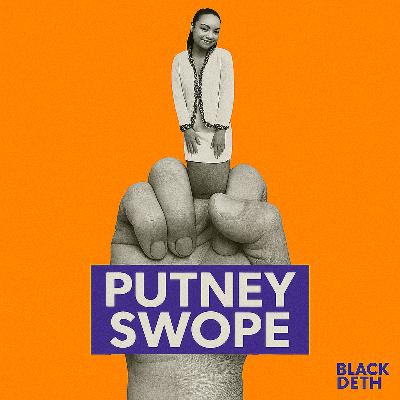
Nubius and Johnny get to unpacking "Putney Swope": A Cinematic Masterpiece of Satire and Cultural ReflectionIn the neon-buzzin’, nerve-janglin’ carnival we call American cinema, there ain’t many flicks that bottle the vibe of their moment like Robert Downey Sr.’s Putney Swope. Dropped smack into the turbulence of 1969, this joint ain’t just a movie—it’s a Molotov cocktail lobbed straight into the ad world, the race conversation, and the whole shiny corporate funhouse. So dig it: we’re goin’ deep into why this bad boy still crackles like a live wire today.🤯 "How many syllables, Mario?" Ever heard a line so funny it gets stuck in your head? Join us as we explore the sheer absurdity of "Putney Swope" and its unforgettable moments! 💡 This film not only entertains but also makes you question the status quo. 💭 What’s a movie line that always makes you laugh? Drop it below! #PutneySwope #Comedy #FilmQuotes #Podcast #CinematicGems #BlackExploitation #Humor #FilmTalk #MustSee #LaughOutLoud Tags: #PutneySwope #FilmReview #RobertDowneySr #BlackExploitation #CinemaHistory #Satire #CulturalCritique #1960sFilms #AdvertisingSatire #RaceAndIdentity
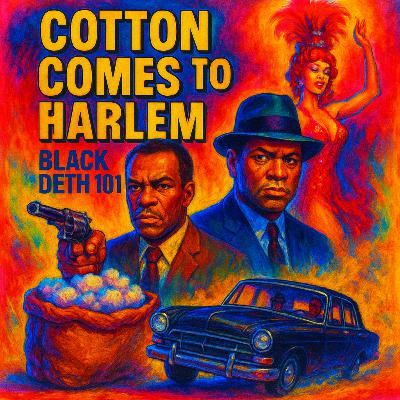
SummaryIn this episode of the Black Death 101 podcast, hosts Nubius Black and Johnny Deth delve into the blaxploitation classic 'Cotton Comes to Harlem.' They explore its cultural significance, character dynamics, and the impact it had on Hollywood's portrayal of black narratives. The conversation highlights the film's humor, authenticity, and the legacy it left behind, emphasizing the importance of black cinema in shaping societal perceptions and narratives.Takeaways'Cotton Comes to Harlem' was a groundbreaking film in blaxploitation cinema.The film's authenticity was achieved by filming in real Harlem locations.Gravedigger Jones and Coffin Ed Johnson represent the duality of law and community.The women in the film, like Judy Pace, played powerful roles that challenged stereotypes.The bale of cotton symbolizes the struggles and dreams of the community.The film addresses social issues while maintaining a comedic tone.Ozzie Davis's direction infused humor and heart into the narrative.The legacy of 'Cotton Comes to Harlem' paved the way for future black cinema.The film's success demonstrated the marketability of black stories in Hollywood.The characters in the film reflect the complexities of black identity and experience.Keywordsblaxploitation, Cotton Comes to Harlem, Ozzie Davis, Gravedigger Jones, Coffinhead Johnson, black cinema, 1970s film, cultural impact, character analysis, legacy
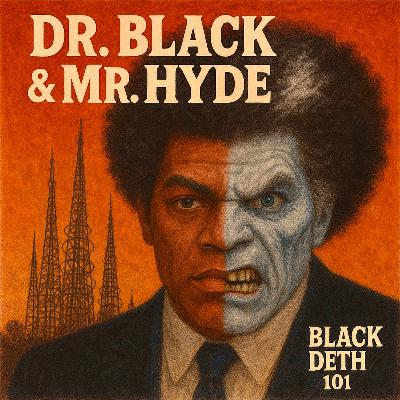
In this episode of the Black Death 101 podcast, hosts Nubius Black and Johnny Deth delve into the 1976 film 'Dr. Black and Mr. Hyde.' They explore the themes of identity, transformation, and the societal implications of race and ambition. The conversation highlights the film's unique take on the classic Jekyll and Hyde story, emphasizing the struggles of Dr. Henry Pryde, a black doctor trying to navigate a world that often marginalizes him. The hosts discuss the film's cinematography, music, and character dynamics, ultimately reflecting on the deeper messages about self-acceptance and the cost of ambition.Song: Dr Pryde & Mr. White(Spoken Intro – preacher tone)Brothers and sisters, the good doctor said he could wash away the stain,But when that potion took hold, he turned pale with pain.He tried to play God and change his skin,But the devil was waitin’ deep within.(Verse 1)Doctor Pryde in his Sunday suit,Said science gonna set him free.Mixed that serum under midnight light,Now the mirror don’t agree.(Chorus – call and response)Lead: He tried to be white, tried to be right,Choir: Lost his light in the dead of night!Lead: Doctor Pryde and Mister White,Choir: Ain’t no cure for a soul divided inside!(Verse 2)He walked the streets in another man’s face,Cold and hard in a lonely place.He thought he found power, thought he found grace,But the devil wore a brand-new face.(Chorus – bigger harmonies)Lead: Tried to be white, tried to be right,Choir: Lost his light in the dead of night!Lead: Doctor Pryde and Mister White,Choir: No peace for the soul that’s split in the fight!(Bridge – spoken sermon over funk groove)You can bleach your skin, but not your sin,You can change your name, but not what’s within.The Lord don’t see no color, He sees your deeds,And you can’t hide pride when your spirit bleeds.(Chorus – final lift)Lead: Tried to be white, tried to be right,Choir: Lost his light in the dead of night!Lead: Doctor Pryde and Mister White,Choir: No cure for the soul divided inside!(Outro – slow fade with wah-wah and choir)He mixed up science, thought he found truth,But truth found him one night climbing for his life, he looked out at that city from the top of those towers and what he saw was all he lost…Dr. Pryde... and Mister White...The Lord don’t see color, He just sees the fight.
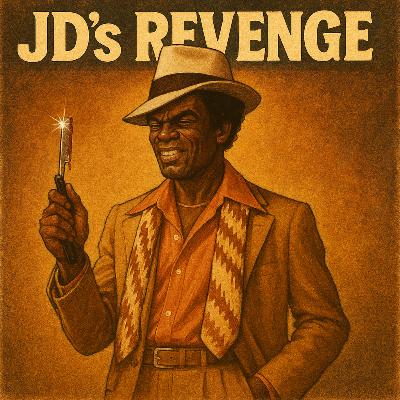
In this episode of Black Death 101, hosts Nubius Black and Johnny Deth delve into the 1976 film JD's Revenge, exploring its unique blend of horror, blaxploitation, and supernatural themes. They discuss the film's plot, characters, and the cultural significance it holds within the context of 1970s cinema. The conversation highlights the themes of identity, possession, and generational trauma, as well as the film's atmospheric cinematography and strong performances. The hosts reflect on the legacy of JD's Revenge and its impact on modern horror films, concluding with a teaser for their next episode.KeywordsJD's Revenge, blaxploitation, horror, identity, possession, generational trauma, cinema, cultural significance, 1970s films, supernatural thrillersTakeawaysJD's Revenge is a unique blend of horror and blaxploitation.The film explores themes of identity and possession.Generational trauma is a central theme in the narrative.The cinematography enhances the film's atmospheric quality.Character development is strong, particularly with Glenn Terman's performance.The film reflects the historical context of the 1970s in America.JD's Revenge has gained a cult following over the years.The film's legacy can be seen in modern horror films.The acting in JD's Revenge is notably well done.The film serves as a reminder that the past influences the present. Song: HE’s COMIN’ BACK[Intro – Spoken, smooth and deadly]Yeah... New Orleans after dark.Steam risin’ off them cobblestones…A man possessed — by rage, by memory, by somethin’ that won’t stay dead.They call him JD... and he came back for what’s his.[Verse 1]Low down, the city’s moanin’,Moonlight cuttin’ through the sin.There’s a stranger in the mirror,And he’s wearin’ JD’s grin.Ain’t no priest gonna save you,Ain’t no prayer gonna make it right.When a brother’s soul been broken,It’s vengeance in the night.[Chorus – Soul choir, wah-wah guitar riffin’]He’s comin’ back… JD’s Revenge!From the grave, from the pain, from the end!He’s comin’ back… can’t pretend,You can’t kill what won’t bend!He’s comin’ back… JD’s Revenge![Verse 2]The preacher sweatin’ in his collar,The crowd don’t hear his cries.’Cause JD’s whisper in the shadows,Takin’ over other lives.Flashback blood on Bourbon Street,A razor flash, a deadly fight.Now the spirit’s got a body,And he’s burnin’ for the light.[Bridge – Funk break]Talkin’ voice over thumpin’ bassline:That’s right… he ain’t no ghost.He’s a man with a purpose, a blade, and a plan.Somebody best confess — before JD takes your hand.[Chorus – Big, horn section blastin’]He’s comin’ back… JD’s Revenge!You can’t hide, you can’t defend!He’s comin’ back… for his name and his soul,He’s takin’ what’s his — body and whole![Outro – Fade, spoken over slow funk groove]Yeah… New Orleans still remembers.And when the wind cries low…That ain’t no ghost you hear, baby.That’s JD… walkin’ home.
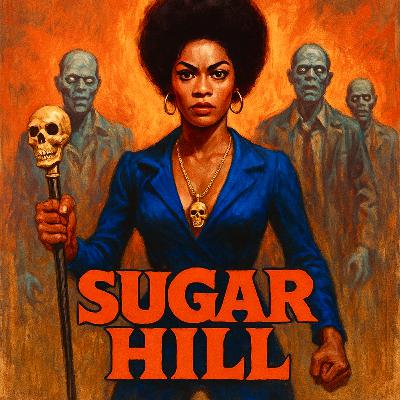
In this episode of Black Death 101, hosts Nubius Black and Johnny Deth delve into the 1974 Blaxploitation film 'Sugar Hill.' They explore its themes of revenge, voodoo, and the cultural significance of Black cinema during a tumultuous time in American history. The conversation covers character analyses, cinematic techniques, and the impact of the film's portrayal of race and gender. The hosts also discuss the film's legacy and its place in the horror genre, emphasizing its unique blend of horror and social commentary.Happy Halloween!TakeawaysThe film 'Sugar Hill' is a significant example of Blaxploitation cinema.Voodoo plays a central role in the narrative of revenge.Character development is crucial, especially for Sugar and Langston.The film uses humor alongside serious themes of race and violence.Cinematic techniques enhance the storytelling, particularly in the voodoo scenes.Supporting characters add depth and complexity to the narrative.The film's fashion reflects the cultural aesthetics of the 1970s.Death scenes are creatively executed without excessive gore.The cultural significance of the film resonates with contemporary audiences.'Sugar Hill' serves as a reminder of the power dynamics in race relations.KeywordsBlaxploitation, Sugar Hill, Voodoo, Revenge, Horror, Film Analysis, Black Cinema, 1970s, Cultural Commentary, Character Study, MoviesSong:Funky Fearsome Halloween Ball[Intro][Verse]through the shadows, moon hangin’ low,Where the ghouls wear furs and the pimps got flow.It’s a Halloween bash on Sugar Hill’s block,Zombies two-step, witches pop-lock.JD rolled in with fire in his eyes,Fresh from the grave — and pumpkin pies.Gat in his coat, vengeance on deck,“Whoever crossed me? Better cash that check.”Blacula smooth in a blood-red cape,Moonwalked in like a disco drape.“Don’t be scared, baby — I only bite sweet.”Then dipped to the beat in snake-skin feet.[Chorus]It’s the Funky Fearsome Halloween Ball,Where mummies groove and monsters brawl.But someone screamed — “Yo, who got cut?”Shaft stepped up, cool as strut.Shaft (spoken):“Y’all chill. I came here to boogie, not solve no crime. But if I must…”Sugar Hill rolled up with her zombie squad,Eyes like lava, boots like God.Coffy spiked the punch with a blade in her shoe,Cleopatra Jones just slid on through.Then Nubius Black made the shadows curl,Cane in his hand, whisperin’ to the underworld.“Somebody done spilled blood on the groove,”He lit incense, said, “Time to move.”Johnny Deth took the mic with a grin,“Now who killed the vibe and the man in the den?”He pointed left, then pointed right,“You better confess before the stroke of midnight.”Lights flickered, the music dipped —Mummy in suede looked blood-drip equipped.But Shaft lit a match and cracked the case,“Ghost with a grudge, tryin’ to wreck this place.”He slapped cuffs on the translucent punk,Then turned to the DJ: “Now drop that funk.”The party roared, and the bass came back,Blacula twirled with Sugar, JD cut slack.[Chorus]At the Funky Fearsome Halloween Ball,Where the dead rise up when the boogies call.Johnny rocked verses, Nubius cast spells,Shaft cleaned house — and rang funky bells.chant:Shaft! Shaft!Solved the case with his collar high.Nubius! Nubius!Dropped the hex and let the rhythm fly.Johnny! Johnny!Dressed like death, talkin’ sweet like honey.Black Deth! Black Deth!Halloween never felt so funky.
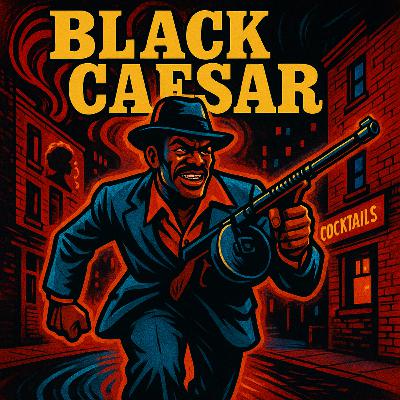
Black CaesarGodfather of HarlemIn this episode of Black Death 101, hosts Nubius Black and Johnny Deth delve into the world of Blaxploitation films, focusing on the iconic 'Black Caesar.' They explore the film's themes, character dynamics, and its cultural significance in the 1970s. The discussion highlights the complexities of the protagonist, Tommy Gibbs, and the impact of supporting characters, as well as the powerful soundtrack that enhances the narrative. The hosts also reflect on the film's legacy and its influence on future cinema, making a case for its importance in understanding the portrayal of black identity and societal issues in film.TakeawaysBlack Caesar reflects the socio-political climate of the 1970s.The film's portrayal of black characters was controversial yet impactful.Tommy Gibbs is a complex anti-hero, embodying both charm and sociopathy.Supporting characters add depth to the narrative and themes.The soundtrack, primarily by James Brown, enhances the film's emotional weight.The film critiques power dynamics and corruption within society.Gloria Hendry's character represents the struggles of women in a male-dominated world.The film's ending was altered based on audience reactions, showcasing its impact.Symbolism in the film highlights the struggles of black identity and revenge.Black Caesar paved the way for future films in the genre.KeywordsBlaxploitation, Black Caesar, Tommy Gibbs, Fred Williamson, 1970s cinema, racial themes, film analysis, character study, Larry Cohen, soundtracks
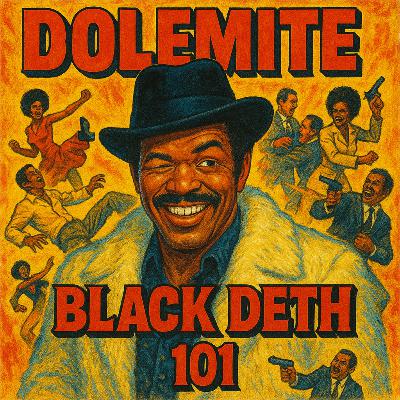
Dolemite: Filthy Mouth, Fly Kicks & a Hustler’s RedemptionPodcast: Black Deth 101Hosts: Nubious Black &Johnny DethHe’s bad… he's bold… and he talks in rhymes with a stick in his hand and vengeance in his heart.Rudy Ray Moore is Dolemite in this explosive episode of Black Deth 101. Nubious Black and Johnny Deth dive deep into Rudy Ray Moore’s 1975 cult classic DOLEMITE—the foul-mouthed, karate-choppin', pimp-poet who flipped the whole Blaxploitation game on its head.We break down:The wild origin story of Rudy Ray Moore and how he birthed the Dolemite persona from street rhymes and nightclub micsThe 18-day guerrilla shoot with no budget, no permits, and a whole lotta attitudeThe legendary cast, including Lady Reed as Queen Bee and martial arts-trained dancers from the streets of L.A.The infamous lines, dirty jokes, bad dubbing, and why it all still slapsHow Dolemite packed out the Cinerama in NYC, forced the studio to add 9am shows, and raised the price by a dollar—Black capitalism at its funkiestAnd why Rudy Ray Moore was not just a comedian, but a DIY icon, a hustler-turned-filmmaker who carved out space where Hollywood wouldn'tFrom his kung-fu kicks to polyester fits, Dolemite was raw, ridiculous, and revolutionary—and we're here to give him the flowers he grew with his own damn shovel.So grab your cane, lace up your loudest boots, and step into the spotlight—'Cause Dolemite is his name…And stickin' it to The Man is his motherf***in' game.Tags: #Dolemite #RudyRayMoore #Blaxploitation #BlackCinema #1970sMovies #BlackDeth101 #Funk #CultClassics #DIYLegend
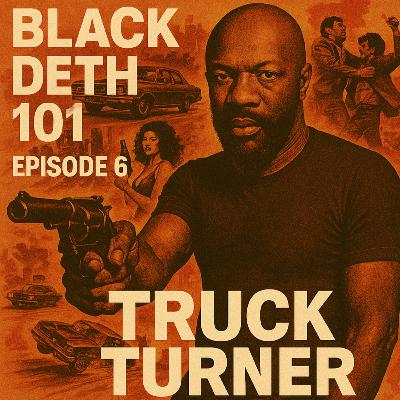
SummaryIn this episode of the Black Death 101 podcast, hosts Nubius Black and Johnny Deth delve into the blaxploitation classic 'Truck Turner,' starring Isaac Hayes. They explore the film's production challenges, character dynamics, and cultural impact, highlighting its significance in the genre. The discussion covers Nichelle Nichols ' role as the diabolical Dorinda, memorable scenes, and the film's legacy in modern cinema, emphasizing how 'Truck Turner' has influenced countless films and television shows since its release.TakeawaysTruck Turner is a significant film in the blaxploitation genre.Isaac Hayes' performance and soundtrack are iconic.The film features complex characters with depth.Production challenges led to creative solutions in filmmaking.The portrayal of women in the film is both empowering and complex.The funeral scene is a standout moment in the film.The film balances humor and serious themes effectively.The relationship dynamics add emotional weight to the story.The film's climax is intense and memorable.Truck Turner has influenced modern cinema and television.KeywordsBlaxploitation, Truck Turner, Isaac Hayes, film analysis, cultural impact, 1970s cinema, character dynamics, production challenges, women in film, legacy of blaxploitation black film
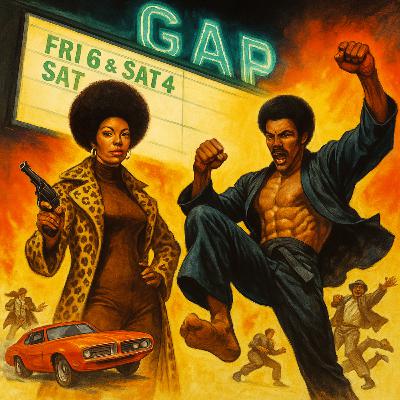
Jonesing for Justice: Cleopatra Jones & Black Belt JonesStep into the funk-fueled, karate-chopping, justice-serving world of 1970s Blaxploitation cinema. This double feature brings together two larger-than-life heroes: Tamara Dobson as the six-foot-tall super-agent Cleopatra Jones, shutting down drug empires with style, and Jim Kelly as the smooth, deadly martial artist Black Belt Jones, taking on mobsters with fists of fury and a mean roundhouse kick. Together, they represent the era’s bold blend of Black Power, female empowerment, and martial arts mayhem—all wrapped in groovy soundtracks and explosive action.
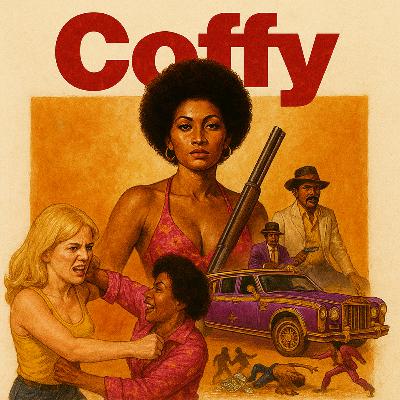
SummaryIn this episode of Black Death 101, hosts Nubius Black and Johnny Deth delve into the influential Blaxploitation film 'Coffee' (1973), starring Pam Grier. They discuss the film's groundbreaking representation of black women, the directorial vision of Jack Hill, and the powerful soundtrack by Roy Ayers. The conversation explores the themes of violence, drug addiction, and the cultural impact of the film, as well as the legacy of Pam Grier as an iconic figure in cinema. The hosts also highlight the contributions of the ensemble cast and reflect on the film's lasting significance in the genre.
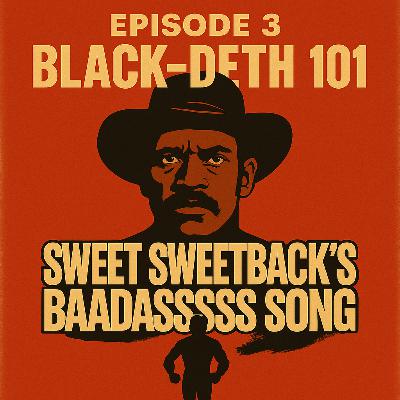
SummaryIn this episode, hosts Nubius Black and Johnny Deth delve into the groundbreaking film 'Sweet Sweetback's Baadasssss Song' by Melvin Van Peebles, exploring its cultural significance, raw storytelling, and the challenges faced during its production. They discuss the film's impact on the Blaxploitation genre, its historical context, and how it paved the way for future black filmmakers. The conversation highlights the film's unique cinematic techniques and its legacy in shaping black cinema.Takeaways'Sweet Sweetback's Baadasssss Song' was a pivotal film in the Blaxploitation genre.The film was required viewing for members of the Black Panther Party.Melvin Van Peebles faced significant challenges in getting the film made.The raw storytelling and unique cinematic techniques set the film apart.The film's cultural significance has been recognized by institutions like the Library of Congress.'Sweet Sweetback' influenced a generation of filmmakers, including Quentin Tarantino.The film's reception was mixed, but it ultimately became a box office success.The film's legacy continues to inspire discussions about race and representation in cinema.The making of 'Sweet Sweetback' involved guerrilla filmmaking techniques.The film's ending serves as a powerful statement about freedom and resistance.KeywordsBlaxploitation, Sweet Sweetback, Melvin Van Peebles, Black Cinema, Film History, Cultural Impact, Independent Film, 1970s Cinema, Black Panther Party, Cinematic Techniques
In this clip from our Blacula episode, Nubious and Johnny discuss William Marshall's status as Black Horror Icon

Comments

Download from Google Play

Download from App Store
 United States