


 Claim Ownership
The Matt Brown Podcast
Subscribed: 2Played: 0
Subscribe

Description
Back in September 2025, Rogers TV invited me to host a twice monthly show called Newsmakers. The show is about all things local, and maybe some other topics too. After the show airs on Rogers TV, I’m posting abridged versions of the interviews here on The Matt Brown Podcast, sponsored by The Bicycle Café.
You are a big part of this show. In fact, we couldn’t do it without you. So, please give a follow. Let us know what you think. Let us know if their topics that you’d like to learn about or maybe you’d like to be on a future show. Email: themattbrownpodcast@gmail.com.
For now, this will be the main content for this podcast. We’ll see how it grows from here. I’m excited about this project and I hope you are too.
Talk to you soon, London. PS, Buy me a coffee? There are some expenses connected to running a podcast and if you'd like to make a contribution here to support the show, I'd be grateful. Interested? Simply click here:https://buymeacoffee.com/the.matt.brown.podcast Thanks again for listening! MB
You are a big part of this show. In fact, we couldn’t do it without you. So, please give a follow. Let us know what you think. Let us know if their topics that you’d like to learn about or maybe you’d like to be on a future show. Email: themattbrownpodcast@gmail.com.
For now, this will be the main content for this podcast. We’ll see how it grows from here. I’m excited about this project and I hope you are too.
Talk to you soon, London. PS, Buy me a coffee? There are some expenses connected to running a podcast and if you'd like to make a contribution here to support the show, I'd be grateful. Interested? Simply click here:https://buymeacoffee.com/the.matt.brown.podcast Thanks again for listening! MB
34 Episodes
Reverse
UNESCO stands for United Nations Educational, Scientific and Cultural Organization. It was formed in 1945 and has 194 members states today. It manages the World Heritage Centre (which designates World Heritage Sites), promotes education for all, supports scientific research and protects cultural diversity.
Back in 2004, UNESCO introduced a Creative Cities Network (UCCN). This network highlights cities that place creativity and cultural industries at the center of their development strategies and strategic plans. The "City of Music" designation is one of seven creative fields recognized by this network, which also includes: Crafts and Folk Art, Design, Film, Gastronomy, Literature and Media Arts.
There are currently over 50 "Cities of Music" within this global network, and it’s been about about 5 years since London earned it designation as a UNESCO City of Music. It took almost a decade of work to get there, spread over several councils to get there. Andy still today, London is the only Canadian City to have that City of Music Destination.
London is in good company by the way - other City’s of Music include: Nashville, Tennessee, Austin Texas Seville in Spain and Liverpool, England - if memory serves, that last one was the birthplace Gerry and the Pacemakers, Echo and the Bunnyman, Frankie Goes to Hollywood, The La’s - Remember There She Goes? And ah…one other band that’s on the tip of my tongue.
Anyway, 2026 is a milestone of sorts for London, City Staff and Tourism London are delivering a report to a council committee later this week detailing what the city and community partners have been able to accomplish since earning the distinction and the report also includes some information on where they think council should go from here. That second - where they are recommending council go from here - is an important one because the distinction has a kind of “use it or lose” it clause. In other words if, among other things, future strategic planning doesn’t have a central focus on investing in Music, art and culture. That means that London could claim to be the first Canadian city to earn the distinction AND it would also be the first Canadian city to have it revoked.
That’s the background let’s get on with the show. Over the decades, Mario Circelli has done more for the music scene in London than I can fit into an intro. To give you just a taste, he is the founder and chair of the Forest City London Music Awards which he launched in 2002 and it it continues to grow today he also founded the Forest City Music Hall of Fame. These days he Digital Creative Arts Centre at BGC - oh he founded that initiative too. We’re also joined by Ward 6 City Councillor, Sam Trosow - Sam has been a proponent for Music Art and Culture on and off Council and we’re lucky to have him here with us today.
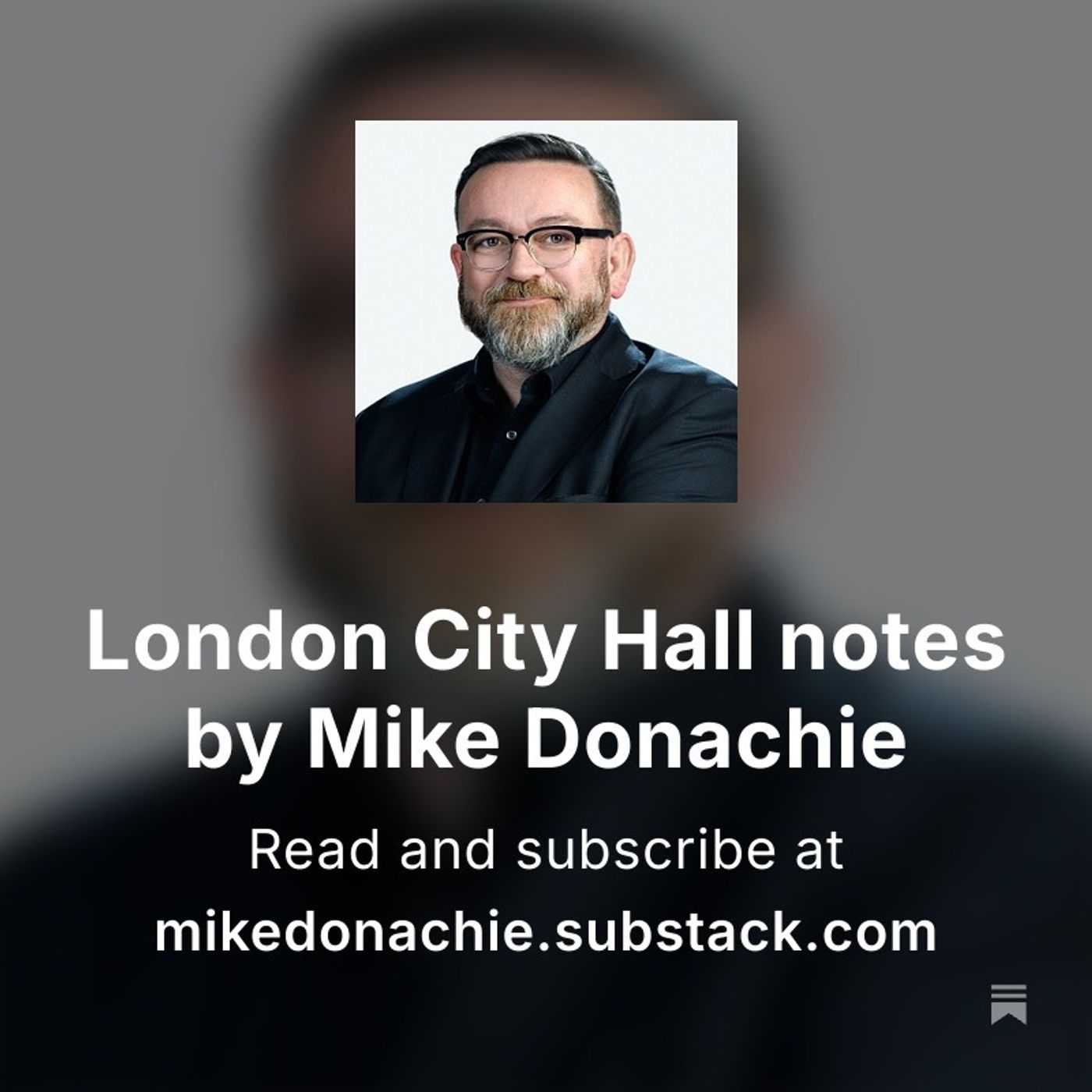
Mike Donachie is a communications leader and journalist who’s been an engaged Londoner for many years. He’s a former City Hall reporter for the Metro London newspaper, later serving as director of communications for Libro Credit Union .These days he’s taken on a new public interest reporting project locally focused on his old beat - London City Council. You can find it over on Substack. He's joining us on the show today , to tell us all about it.
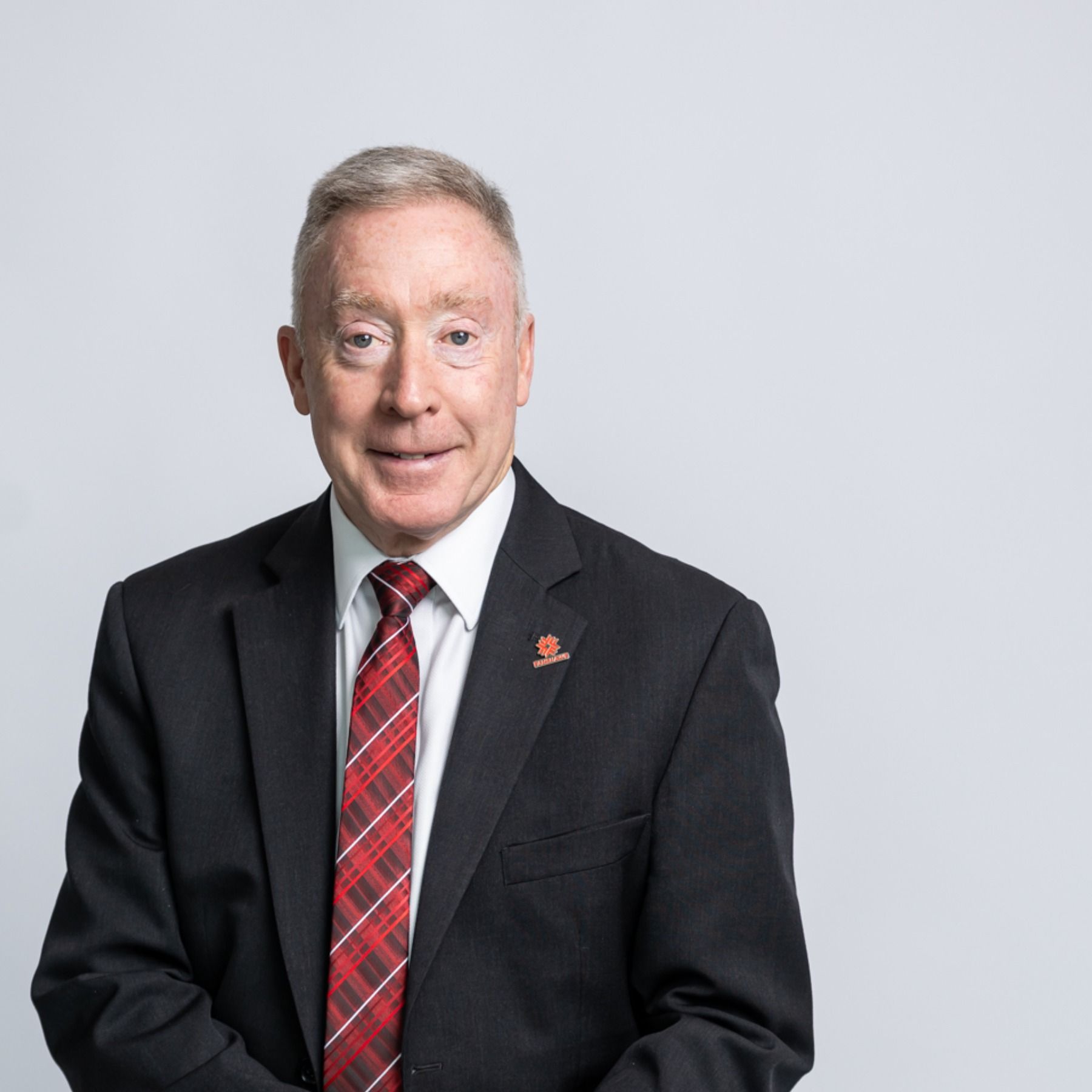
Lieutenant-General (retired) Peter Devlin finished his military career as the commander of the Canadian Army. When he retired from military service in 2013, Fanshawe college brought him on board and he’s been serving as their president ever since. Under his leadership, Fanshawe College experienced significant growth.
These days, the college, along with all other Ontario colleges, is experiencing a budget crunch. Peter joins us to tell us all about it. He’s got some ideas about how to fix this too.

Episode 26, the first ever political panel was a looooong one. Guest panelists Mojdeh Azad, Steve Cordes, Carol Dyck and Paul Hubert joined the show to provide analysis of the Chamber of Commerce 2026 State of the City Address. Some listeners have reached out and asked that it be broken down into 6 segments: First Impressions, The Cumulative 4 Year Tax Increase, The London Police Service Budget, Housing and Development, Homelessness and The "Big Announcement" / Final Thoughts. However you listen to this episode, I hope you enjoy it!

Episode 26, the first ever political panel was a looooong one. Guest panelists Mojdeh Azad, Steve Cordes, Carol Dyck and Paul Hubert joined the show to provide analysis of the Chamber of Commerce 2026 State of the City Address. Some listeners have reached out and asked that it be broken down into 6 segments: First Impressions, The Cumulative 4 Year Tax Increase, The London Police Service Budget, Housing and Development, Homelessness and The "Big Announcement" / Final Thoughts. However you listen to this episode, I hope you enjoy it!

Episode 26, the first ever political panel was a looooong one. Guest panelists Mojdeh Azad, Steve Cordes, Carol Dyck and Paul Hubert joined the show to provide analysis of the Chamber of Commerce 2026 State of the City Address. Some listeners have reached out and asked that it be broken down into 6 segments: First Impressions, The Cumulative 4 Year Tax Increase, The London Police Service Budget, Housing and Development, Homelessness and The "Big Announcement" / Final Thoughts. However you listen to this episode, I hope you enjoy it!

Episode 26, the first ever political panel was a looooong one. Guest panelists Mojdeh Azad, Steve Cordes, Carol Dyck and Paul Hubert joined the show to provide analysis of the Chamber of Commerce 2026 State of the City Address. Some listeners have reached out and asked that it be broken down into 6 segments: First Impressions, The Cumulative 4 Year Tax Increase, The London Police Service Budget, Housing and Development, Homelessness and The "Big Announcement" / Final Thoughts. However you listen to this episode, I hope you enjoy it!

Episode 26, the first ever political panel was a looooong one. Guest panelists Mojdeh Azad, Steve Cordes, Carol Dyck and Paul Hubert joined the show to provide analysis of the Chamber of Commerce 2026 State of the City Address. Some listeners have reached out and asked that it be broken down into 6 segments: First Impressions, The Cumulative 4 Year Tax Increase, The London Police Service Budget, Housing and Development, Homelessness and The "Big Announcement" / Final Thoughts. However you listen to this episode, I hope you enjoy it!

Episode 26, the first ever political panel was a looooong one. Guest panelists Mojdeh Azad, Steve Cordes, Carol Dyck and Paul Hubert joined the show to provide analysis of the Chamber of Commerce 2026 State of the City Address. Some listeners have reached out and asked that it be broken down into 6 segments: First Impressions, The Cumulative 4 Year Tax Increase, The London Police Service Budget, Housing and Development, Homelessness and The "Big Announcement" / Final Thoughts. However you listen to this episode, I hope you enjoy it!

The Panel:
Mojdeh Azad (formerly Mojdeh Cox) is the Founder and Consultant at Cox & Co. With Mojdeh’s name change, she tells us you can watch for a new brand reveal of her consulting company soon. Mojdeh is also a longstanding activist and prominent voice on equity here in London and right across Canada.
Steve Cordes, is the recently retired long time CEO for Youth Opportunities Unlimited. He is now the host of a video blog you can find on YouTube called, “Community Matters”.
Carol Dyck, is a Doctoral student in the faculty of law at Western University, Carol is also a previous - 5 time - Green Party of Ontario and Green Party of Canada Candidate for London North Centre.
Paul Hubert, is the Executive Director of Pathways. Paul served three terms on London city council as the councillor for Ward 8 from 2006 - 2018 and as deputy mayor for his final term. Paul is also the lead Consultant for Delta Consulting.
The Topic: State of the City Address, 2026
The State of the City Address has a long history here in London. It’s been said to be the largest of its kind across Canada. It is a London Chamber of Commerce event and it regularly sells out, with attendance coming in around 1200 tickets sold every year. Community leaders and businesses, for profit and not for profit, purchase seats or tables for this breakfast event. So do many of the city funded boards, commissions, city funded agencies and departments from the corporation of the City of London itself.
The mayor’s office usually works on the presentation for months - different mayors have used it to highlight different things, but you can usually count on hearing about the issues of the day, both the challenges and the opportunities, being experienced or anticipated ahead. You’ll likely hear about council successes, promises and plans, maybe a big idea or two and, if at all possible, an announcement about new jobs coming to London.
The event provides a great opportunity for the mayor of the day to highlight the work council has underway - and here is a fun fact - it is also a huge fundraising event for the host, the London Chamber of Commerce.
For any mayor, these addresses can be a high risk / high reward opportunity and especially so during an election year. It can even be seen by some as the unofficial kick off to the campaign season ahead.
This year’s address was held on Wednesday January 28th, one week ago from the day this episode was recorded. Today, we’re lucky to be joined by four London leaders who have seen more than their fair share of these State of the City Addresses over many years. The panelists have all watched the speech at least a couple of times and have likely read the transcript too. They are prepared to share their thoughts about some of the key issues highlighted within the speech, provide some analysis and maybe even make a prediction or two about the weeks and months to come.
Thanks for listening!
It’s been said that a city’s downtown is its calling card to the world and London is no exception. Here's why - geographically, London’s core represents less than 1% of the city’s overall space - and at the same time, the core is responsible for over 5% of overall assessment. It’s a closed economic ecosystem. When the core thrives there is more money generated for greener parks from Westmount to Huron Heights to Argyle. From Sunningdale to Old East Village to Wortley and Westminster - and all neighbourhoods in between.
It can mean better roads with fewer potholes across the city. The dollars and cents generated downtown can also help keep taxes affordable because new assessment from growth can cover the costs associated with running a city that would otherwise be paid by existing property owners.
The downtown is the heart of the city. It’s the meeting place for Arts, Music, Culture and our creative communities. The Grand Theatre, Covent Garden Market, Canada Life Place, Victoria Park, Centennial Hall, Museum London, RBC Place, Dundas Place and the multi use pathway system that links the forks of the Thames to every neighborhood across the city are all examples of City investments that have attracted all kinds of private, not for profit and institutional sector investments.
Billions of dollars in construction for thousands of apartments in the core. Fanshawe College opening a Downtown Campus. London Music Hall, the Boys and Girls Club, the YMCA, the Aelion Hall, 100 Kellogg’s Lane, the Hard Rock Hotel and more. Countless restaurants, shops and other businesses making investments of their own, too.
There is no question - the core is down right now, but it’s not out. The Covid years did significant damage. The homelessness and addiction issues are impacting London’s core just like they are in cities all across Ontario and Canada.
The good news? People are returning to the core and people are moving to the core by the thousands. Just this month TD announced the return of 2500 employees. Conventions have returned to RBC Place, Covent Garden market is booming - so is the Western Fair Market, Canada Life Place is sold out on a regular basis and, at the same time, there are more highrises coming on line on a regular basis - bringing thousands more Londoners to the core, for the first time.
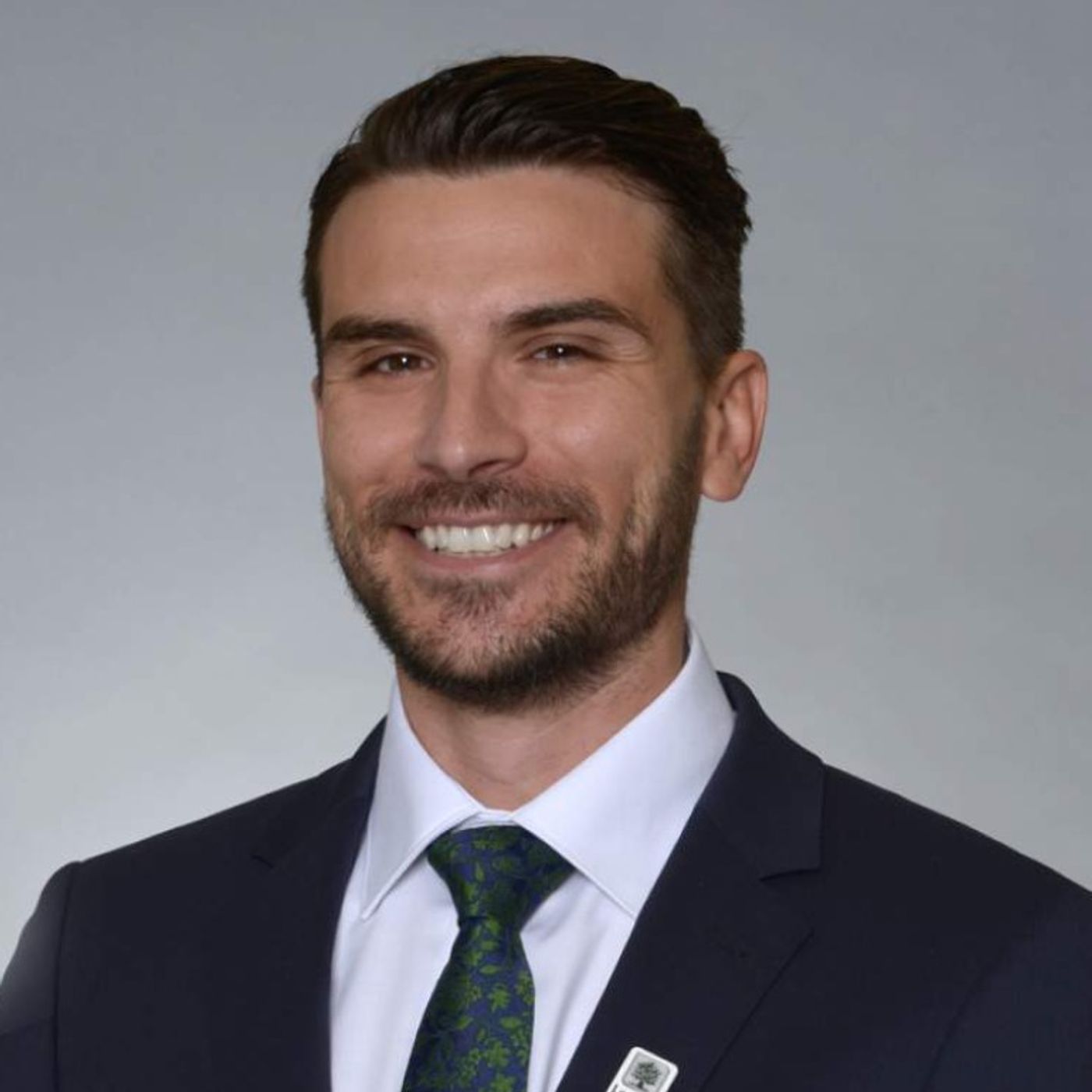
With all of this happening - London City Council is conducting a review of the strategies they have in place. It’s called the Downtown Plan and it’s happening right now. Here to talk about it today is Ward 13 Councillor, David Ferreria.
So, lets go.
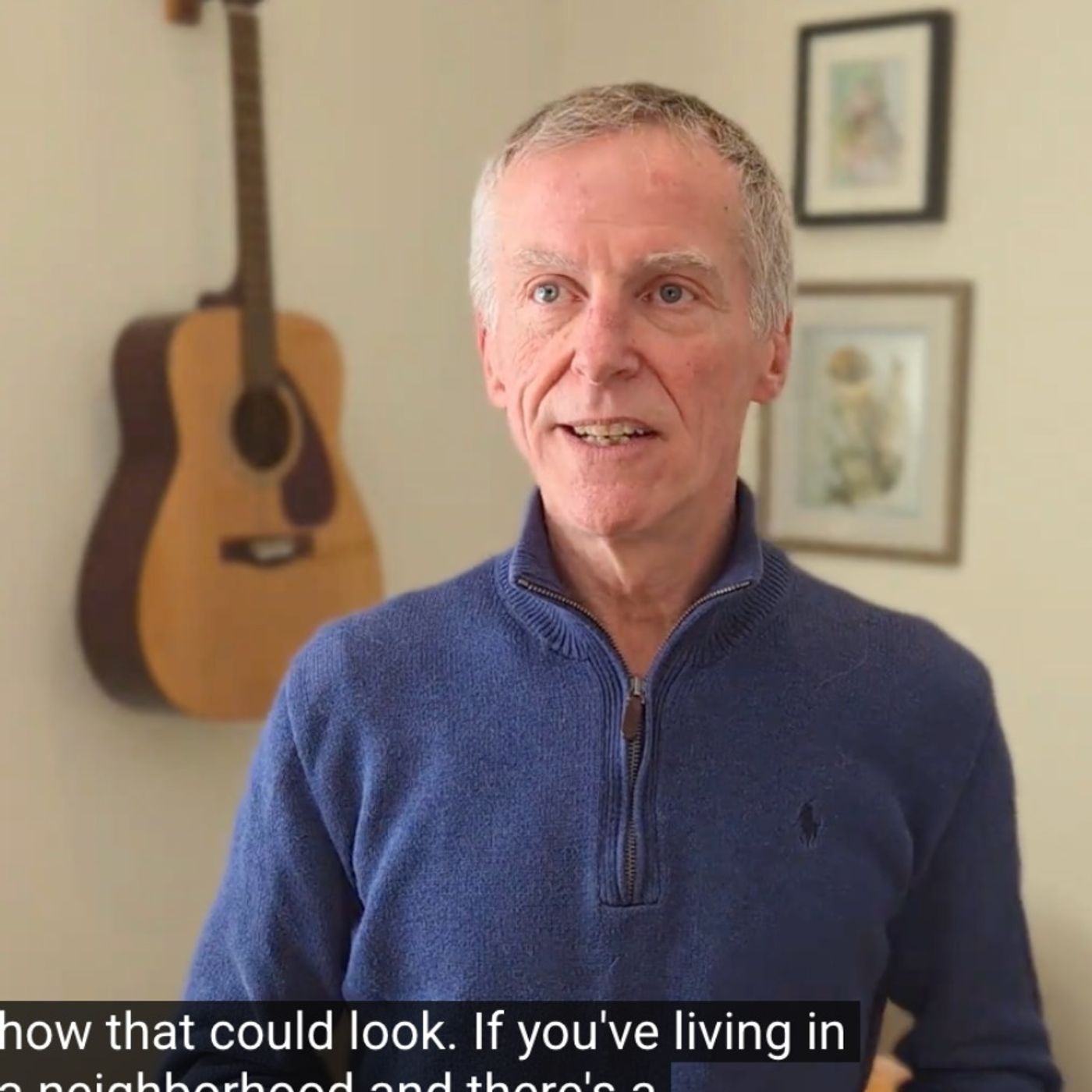
Steve Cordes led Youth Opportunities Unlimited, a local not profit here in London that serves youth from London in a myriad of ways. The growth the organization experienced under Steve’s decades long stint as CEO is nothing short of remarkable. Y.O.U. provides young people from London who are living complicated lives with things like housing supports as they navigate social services and sometimes the criminal justice system. Y.O.U. leads in social entrepreneurial endeavors too - providing employment opportunities and on the job training for youth, while, at the same time, having a positive impact on the London Community. Most importantly, Y.O.U. helps young people from London experiencing adversity understand that they matter and that people care about them and that they belong.
This past summer, Steve retired from this role. Steve is many things - he’s an expert at navigating municipal politics - really all level of politics. He’s a fundraiser extraordinaire, he’s always been an advocate for the underdog and a champion for doing what is right. Post retirement, we knew he wouldn’t simply disappear from the scene. We wondered what might be up to next - and - today, he’s here to tell us about what that's going to look like.
Maybe you're familiar with the term, “hiding in plain sight”, in other words something is right in front of our nose, but it blends in so well that we don’t even see it.
That’s often the case with the programs and services that St. Leonard’s Community Services provides. Today you're going to hear about terms like: half way houses, jail and prison, parole and probation and how the organization supports people as they take responsibility for their actions and transition from incarceration back to living in our community after serving time for a criminal conviction. You’re going to hear about some of the upstream preventative measures they provide too.
That’s the background. St. Leanoard’s Executive Director, Michael Oates is here to tell us all about it.
Graham Henderson is joining us today to talk about a draft economic development strategy that has been developed by Deloitte and is moving through the council review and approval process, right now.
The draft strategy includes 5 pillars”
1. Talent and Innovation
2. Investment Attraction and Retention
3. Regional Collaboration
4. Transportation and Access
5. System Optimization
Naturally, Graham and the London Chamber of Commerce, along with other community partners, have been supporting the development of this strategy throughout the process. He’s been at the table and he and his team have been involved in the community engagement discussions - during this time, he picked up on a theme - “fix the downtown” came up again and again, no matter who he and his colleagues connected with.
At the same time that this strategy is being developed, City Council is also developing a new plan for London’s Downtown. Graham sees potential synergies between the two initiatives and he’s submitted a letter and will be a delegate at a council committee meeting where he will request that council make a small “tweak” to the draft strategy, specifically - adding an additional round of targeted community consultation as well as adding a Pillar to the strategy that speaks directly about London’s Downtown: including a strong reference to London being a Unesco City of Music and identifying how a focus on Culture & Creative industries are significant potential economic drivers for London’s economy. Thanks for listening!
Back in December, London’s mayor, along with other “big city mayors" from across the province called on Doug Ford’s government to declare a State of Emergency to address the homelessness crisis, while at the same time London City Council purchased 60 tiny homes that could be seen as representing one of the main thrust of City Hall's Winter Response.
Crews have started to assemble them on a site near the 401 and the city has also hired a private sector company to operate the site. The mayor has committed to having them operational in "early 2026". Meanwhile winter came early this year, people are living rough and we're experiencing snow storms and cold snaps on a regular basis. At the time this episode was aired, on January 5, 2026 the tiny homes were still not ready to go. People are wondering - when is that going to happen? When is the city going to start moving folx off of the street and into these homes.
With all this going on, I ran an encore of the episode featuring Chris Moss, the Executive Director of London Cares. She joined us several months ago to share information about London’s housing and homelessness crisis and how the organization she leads works with other community partners to address London's homelessness crisis.
When the encore episode was published, I asked listeners to write in and outline what they thought the city should be doing next to address this crisis. And many of you did. Have a listen and please, let me know what you think!
London City Council recently approved their 4th and final budget. There is a lot to talk about as we head into a Municipal Election year. Joining us to talk about it today are panelists Jared Zaifman, a past member of London City Council and the CEO for the London Homebuilders Association, and Kelly Ziegner, the current CEO and President of the Elgin Middlesex United Way. This past week it was announced that Kelly will be moving to the YMCA of South Western Ontario to serve as that organization's Chief Operating Officer. Congratulations, Kelly!
Back in 2014, London City Council made the switch to a 4 year, multi year budget and this practice continues to today. The idea is to plan out the entire 4 year term in year 1 so that civic administration, funded boards and commissions, community partners and Londoners have some predictability as they make plans for the years ahead.
At the beginning of each new term, council approves (or adjust) the budget that the previous council set for them. They also map out what the next 4 budgets (including the first year of the following term) will look like. Even with a Mutli-year budget, the municipal act requires council to conduct a review every 12 months. This allows council to make tweaks and changes for the year ahead.
It’s an interesting 4 year budget because the cumulative increase in property taxes was 24.5% that’s a record - at least for this century. It also means that if you were paying $4000 in taxes at the beginning of the term, you’ll be paying $4980 beginning next year.
It was a bold political move - and as we enter into an election year this decision is shaping up to be one of the first city wide election issues, the other was council’s decision to increase their pay by 35%, that’s something we can expect candidates to be talking about and Londoners to be thinking about as they prepare to go to the polls.
Also - in this episode I incorrectly attribute a question asked way back during the 2023 budget deliberations bout 2 electric vehicles really being necessary for the London Police Service to Councillor Skylar Frank. It was actually Councillor Corrine Rahman asking the question, to the Deputy Chief Trish McIntyre. Nice catch, Jared!
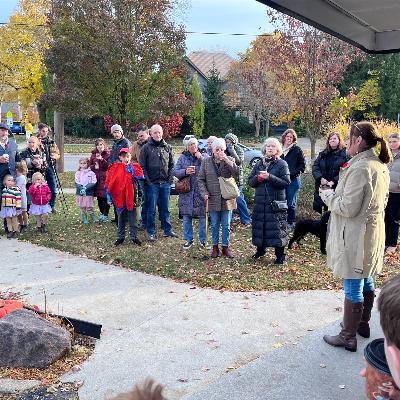
In municipal politics there’s no such thing as a small issue and whatever the issue is, it’s guaranteed to be local. Today we’re going to speak with a representative from a brand new Old North neighbourhood advocacy group. It's called A.C.T.I.O.N. My guest, Dr. Colin Evans, is a memeber of this group and he has a lot to say about cut through traffic in his neighbourhood and neighbourhoods and right across the city. He knows his stuff too.
To learn more please check out their website: OldNorthCommunity.ca you might live in Old North, or you might live in another neighbourhood -either way, they want to hear from you.
This is an encore edition of the 2nd episode of The Matt Brown Podcast. It's timely because winter is here, earlier than expected. People are living rough and we're experiencing a cold snap. The Mayor, along with other "big city mayors" from across Ontario is calling for the Province to declare a State of Emergency to address this. In this episode, Chris Moss, the Executive Director of London Cares, joins us to share information about the organization she leads and how London Cares works with other community partners to address London's homelessness crisis. Listen for "Housing is Healthcare". After listening, please help if you can you can donate at: LondonCares.ca. Also, send a note - tell me what you think the City should be doing next to address this crisis. You can email: TheMattBrownPodcast@gmail.com. It's your turn now- IIf you provide your first and last name, I'll read your ideas on a companion podcast in the days to come. Thanks for listening, talk to you soon and bye for now London.
You likely know that London City Council gave itself a hefty wage increase and it will go into effect just over a year from today. It was a close vote, 6 councillors voted against this move, 3 changing their vote to Nay during the final debate. As we head into an election, is this one of the first bona fide, city wide issues that will enter into the debates? The majority of sitting council members have already declared that they will be running to protect their seat.
Where it gets interesting is incumbents largely run on their voting records for big issues, while challengers can both bring new ideas forward while at the same time be critical of decisions their opponent made during past terms of council.
Will challengers latch on to issues like the record setting cumulative 26% tax increase this current council approved over the course of their 4 year multi year budget, while at the same time giving London City Council members a task force recommended 35 percent raise? These were both bold political moves, so possibly so. We’ll have to stay tuned,
Today, we’re lucky to have the Chair of the Council Resourcing Review Task force to tell us about the process and the reasoning behind the task force recommended increases.
This is an encore presentation of Episode 13, when Councillor Corrine Rahman joined us to outline why she was not in support of the 35% increase in salary that council was considering at the time. It provides good context for next week's episode - Dr. Martin Horak, the chair of the council resource review task force, will join us to explain the process the task force followed and how they ultimately landed on recommending a 35% increase to council salary, among other things. If you haven't heard, the increase was recently approved by council in a 9 to 6 vote. the increase goes into effect in about 12 months, at the beginning of the next term of council. Thanks for listening!

Comments

Download from Google Play

Download from App Store
 United States