


 Claim Ownership
FDD Events Podcast
Subscribed: 3Played: 21
Subscribe

© All rights reserved.
Description
Listen in on FDD Events featuring discussions on today’s most pressing national security and foreign policy challenges and opportunities with top policymakers and leading experts.
Webpage: https://www.fdd.org/events/
94 Episodes
Reverse

Israel's military escalation against Hezbollah — an Iran-backed terrorist organization based in Lebanon that recently reignited conflict with Israel in solidarity with Iran — has created a rare opening for Lebanese sovereignty. The Lebanese government under Prime Minister Nawaf Salam has taken unprecedented steps, formally stripping Hezbollah of its long-standing "right of resistance" designation and voting to disband its military wing — the first Lebanese government in 30 years to do so. However, these decisions remain unenforceable: the Lebanese Armed Forces have declined to confront Hezbollah directly, the Iranian ambassador declared persona non grata remains in Beirut, and Hezbollah has responded with open defiance.Iran is now attempting to bundle a Lebanon ceasefire into its own nuclear negotiations — a move rejected by both Israel and, notably, the Lebanese government itself, which is insisting on direct bilateral talks with Israel rather than being negotiated over by Tehran. This represents a generational opportunity: Israeli military operations have severely degraded Hezbollah, while U.S. and Israeli strikes on Iran have exposed the Islamic Republic's vulnerabilities and rattled its regional proxy network. The central question now is whether Lebanon can translate its political declarations into action — and whether the U.S. can help it do so — before a ceasefire allows Hezbollah to regroup and rearm, as it has done repeatedly since 2006.To discuss these developments with journalists, FDD hosts three of its scholars: Jonathan Schanzer, executive director and Middle East scholar, David Daoud, senior fellow focused on Lebanon and Hezbollah, and Hussain Abdul-Hussain, research fellow on Israel and Gulf Arab states. The discussion is moderated by Joe Dougherty, FDD’s senior director of Communications.
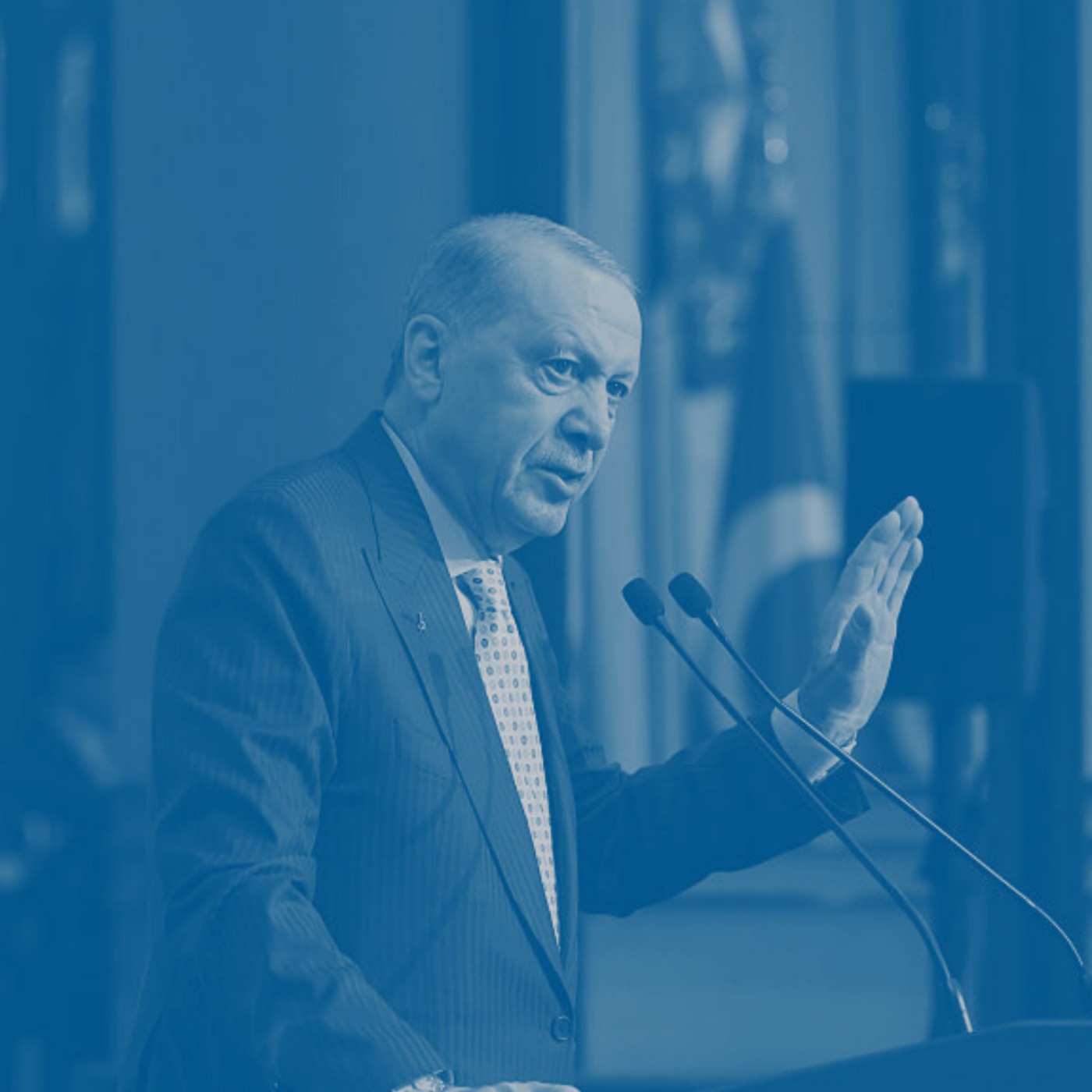
As the war involving Iran reshapes the strategic landscape of the Middle East, Turkey finds itself navigating one of the most complex geopolitical dilemmas in its modern history. Sharing a long border with Iran and balancing its role as a NATO member with its regional ambitions, Ankara is attempting to manage the fallout of a conflict that could dramatically alter the balance of power across the region. Turkish leaders have condemned U.S. and Israeli military strikes on Iran while simultaneously warning Tehran against expanding the conflict, reflecting a delicate strategy of hedging between competing interests.For Ankara, the stakes extend well beyond diplomacy. The prospect of regime collapse in Iran raises fears of refugee flows, border instability, and the emergence of new security threats along Turkey’s eastern frontier. At the same time, the conflict presents opportunities for Turkey to expand its regional influence and position itself as a mediator between global and regional powers. Meanwhile, recent incidents demonstrate how quickly the war could draw Turkey directly into the crisis.What does Ankara want from this conflict? Is Turkey seeking to prevent the collapse of the Iranian regime, contain regional chaos, or exploit the turmoil to advance its own geopolitical ambitions? And how should the United States and its allies interpret Turkey’s actions at this critical moment?For a timely discussion on Turkey’s priorities, anxieties, and strategic calculations as the war in Iran unfolds, FDD hosts Henri J. Barkey, adjunct senior fellow for Middle East studies at the Council on Foreign Relations; and Steven A. Cook, senior fellow for Middle East studies at the Council on Foreign Relations. The discussion will be moderated by Sinan Ciddi, director of FDD’s Turkey Program.For more, check out: https://www.fdd.org/events/2026/02/26/beyond-erdogan-turkeys-political-future-under-new-leadership/

Authoritarian regimes are gaining influence over how Americans understand the world through the AI tools trusted to be neutral arbiters of information. By optimizing authoritarian propaganda for AI consumption, adversarial governments are shaping the narratives in AI tools relied on by millions for research, education, and everyday information. This event will explore how propaganda outlets are strategically filling legacy media’s void by positioning content to be cited by large language models, analyze Russia's campaigns to influence AI training data and embed Kremlin-aligned narratives into chatbot responses, and discuss the repercussions for the growing deployment of Chinese-built AI models in the United States.To discuss these emerging vulnerabilities and the options available to policymakers, technologists, and the media ecosystem, FDD hosts Joseph Bodnar, senior research manager at the Institute for Strategic Dialogue, and Jamil Jaffer, founder and executive director of George Mason University’s National Security Institute. The discussion is moderated by Leah Siskind, FDD director of impact & AI research fellow.For more, check out: https://www.fdd.org/events/2026/03/04/surveying-foreign-influence-in-ai-tools/

Operations Epic Fury and Roaring Lion have opened a new chapter in the Middle East — but whether the United States and Israel translate an unprecedented military campaign into a lasting political victory will define the region for a generation. This FDD media call examines the endgame of the combined U.S.-Israeli campaign against the Islamic Republic of Iran, including how air superiority over Iran changes the calculus for regime change, and what it would take to hand Iran to its people rather than see it collapse into a failed state. The experts assess Iran's deliberate strategy of shepherding its ballistic missile and drone arsenals to erode Israeli and Gulf civilian morale over time, analyze the threat of Strait of Hormuz mining as Tehran's greatest remaining source of leverage, and examine critical shortages of defensive interceptor munitions. In addition, the experts discuss Hezbollah's underwhelming entry into the conflict, what Israel is doing to ensure it cannot regenerate again, and why Ali Larijani and the Supreme National Security Council — not Iran's constitutional leadership council — are now the most consequential institution inside the Islamic Republic.To discuss these developments with journalists and creators, FDD hosts four of its scholars: Jonathan Schanzer, executive director and Middle East scholar, RADM (Ret) Mark Montgomery, senior fellow and senior director of FDD’s Center on Cyber and Technology Innovation, Behnam Ben Taleblu, senior fellow and senior director of FDD’s Iran Program, and David Daoud, senior fellow focused on Lebanon and Hezbollah. The discussion is moderated by Joe Dougherty, FDD’s senior director of communications.For more, check out: https://www.fdd.org/analysis/2026/03/02/operation-epic-fury-and-the-future-of-the-middle-east/
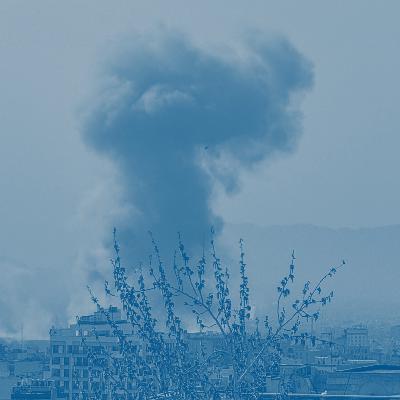
In the early hours of February 28, the United States and Israel launched a coordinated military campaign against the Iranian regime—Washington calling it “Operation Epic Fury,” Israel calling it “Operation Lion’s Roar.” Strikes hit sites across Iran, targeting ballistic missile infrastructure, IRGC facilities, intelligence headquarters, and senior regime leadership.Supreme Leader Ali Khamenei is dead. President Trump confirmed his elimination on February 28: “Khamenei, one of the most evil people in History, is dead.” U.S. officials told Fox News that the strikes were moved up after intelligence revealed Khamenei and dozens of senior Iranian officials were meeting at his compound. Among those killed: Defense Council Secretary Ali Shamkhani, IRGC Chief Mohammad Pakpour, Defense Minister Aziz Nasirzadeh, and multiple other senior military and intelligence figures.Iran has retaliated. A ballistic missile penetrated Israeli air defenses and struck a residential building in central Tel Aviv, killing at least one woman. Over 200 missiles and drones were fired at Israel and U.S. bases across the region—striking the U.S. Fifth Fleet headquarters in Bahrain and causing casualties in Dubai and Syria. Regional governments have condemned Iran’s strikes in the strongest terms.Inside Iran, the response is electric. Videos show Iranians cheering in the streets. Crown Prince Reza Pahlavi has called on the armed forces to defect and urged citizens to prepare to mobilize. The opposition is deploying secure communications, satellite broadcasts, and hacked regime infrastructure to sustain the moment. The regime is decapitated. The question now is whether it falls.To assess fast-moving developments and their strategic implications, FDD hosts a timely SITREP moderated by FDD Executive Director and host of the FDD Morning Brief Jonathan Schanzer, featuring FDD CEO and host of The Iran Breakdown Mark Dubowitz, and FDD Senior Advisor and former White House National Security Council director Richard Goldberg.

Convened around the one-year anniversary of President Trump’s establishment of the National Energy Dominance Council (NEDC), FDD’s Energy and National Security Program hosts a symposium examining current U.S. energy policy and its implications for national security and foreign policy.Opening with keynote remarks by Secretary of the Interior Doug Burgum, this symposium assess U.S. energy policy over the past year. It analyzes how energy policy intersects with U.S. strategic interests across regions, examines efforts to accelerate AI power infrastructure buildout and stabilize the grid, and explores the administration’s approach to countering China’s influence over critical resources.For more, check out: https://www.fdd.org/events/2026/02/04/the-state-of-american-energy-dominance/
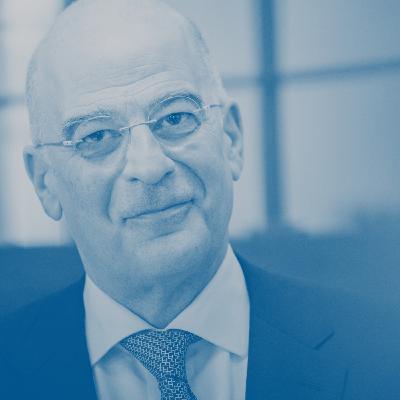
At the recent trilateral summit in Jerusalem, leaders from Greece, Cyprus, and Israel advanced a shared vision of regional stability, prosperity, and cooperation. These nations, alongside the United States, are deepening coordination through mechanisms such as the Partnership for Transatlantic Energy Cooperation (P-TEC), the 3+1 framework, and the Achilles Shield program. As Greece emerges as a pivotal partner in U.S. energy strategy, these initiatives are cementing Athens’ role as the linchpin of Eastern Mediterranean security.To discuss Greece’s trilateral diplomacy with Israel and Turkey, the intersection of energy and security, and more, FDD is pleased to host Greek Minister for National Defense Nikos Dendias in conversation with FDD Executive Director Jonathan Schanzer.For more, check out: https://www.fdd.org/events/2026/02/03/reimagining-mediterranean-security-with-greek-minister-for-national-defense-nikos-dendias/
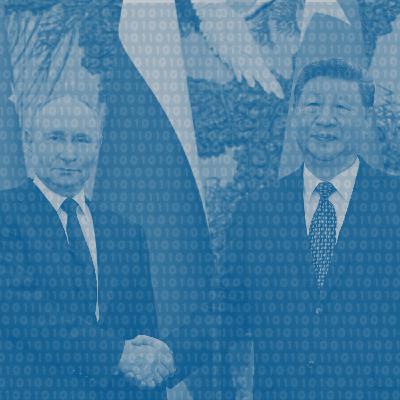
China and Russia continue to deploy sophisticated information operations and systematic technology theft to undermine U.S. national security, reshape global norms, and influence public opinion across the West.Both regimes have spent decades stealing American intellectual property, trade secrets, and advanced technology – and are now weaponizing artificial intelligence to accelerate their espionage and influence campaigns. As Beijing and Moscow’s influence campaigns expand and evolve, the U.S. and its allies must understand the methods employed by the authoritarian regimes and their real-world consequences.To discuss where these adversaries collaborate and how Beijing learns from Moscow’s tactics, FDD hosts David Shedd, former acting director of the Defense Intelligence Agency and author of the newly published book, The Great Heist: China’s Epic Campaign to Steal America’s Secrets, and Ivana Stradner, research fellow with FDD’s Barish Center for Media Integrity. The discussion will be moderated by Craig Singleton, senior director of FDD’s China Program.For more, check out: https://www.fdd.org/events/2026/01/22/assessing-the-china-russia-threat-nexus-in-technology-and-information-warfare/

The U.S. Treasury’s Financial Crimes Enforcement Network (FinCEN) sits at the forefront of efforts to detect, disrupt, and deter illicit finance – yet growing challenges are testing the limits of existing regulatory frameworks. As Congress weighs updates to the Bank Secrecy Act and the U.S. and Western allies debate new global standards through the Financial Action Task Force (FATF), debates over the Corporate Transparency Act, a steep rise transnational criminal networks, and the surge of ransomware attacks underscore the urgency of modernizing America's anti-money laundering infrastructure.As illicit financial crime evolves, how can FinCEN rise to meet the challenge? How do cryptocurrency and AI impact financial crime and enforcement? What tools are available to combat sophisticated threats from cartels and Chinese money-laundering organizations?To discuss the landscape of modern financial crime and the future of FinCEN, FDD’s Center on Economic and Financial Power (CEFP) hosts former FinCEN directors Kenneth A. Blanco, Jennifer Shasky Calvery, and Himamauli Das. This conversation is moderated by Juan C. Zarate, chairman of FDD’s CEFP.For more, check out: https://www.fdd.org/events/2025/12/18/fincen-modernization-and-the-future-of-financial-crime-enforcement/
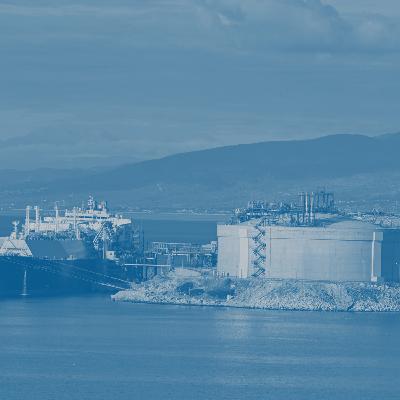
Recently, Greece hosted two important energy events: the Partnership for Transatlantic Energy Cooperation (P-TEC) and a historic 3+1 meeting of Greece, Cyprus, Israel, and the United States. As the U.S. seeks to implement its vision for energy dominance, Greece has responded by accelerating its own efforts to reshape the global energy system. From opening new LNG import terminals and signing long-term agreements with American LNG exporters, establishing the Vertical Corridor to supply American gas to Ukraine and other parts of Europe, partnering with Chevron to explore natural gas off Crete, and resuscitating the Great Sea Interconnector to link the grid from Europe to the Middle East, the pipeline to America’s global energy dominance increasingly runs through Athens.To discuss U.S. energy investment and infrastructure projects, Greece’s unique position at the crossroads of an emerging energy dominance corridor, and more, FDD's Energy and National Security Program is pleased to host a fireside discussion moderated by its director Richard Goldberg featuring Greek Minister of Environment and Energy Stavros Papastavrou.For more, check out: https://www.fdd.org/events/2025/12/05/advancing-energy-security-with-greek-minister-of-energy-stavros-papastavrou/

Taiwan imports roughly 98 percent of its energy, making it one of the world's most energy-insecure economies. This vulnerability creates an opportunity for Beijing to pursue its campaign to force Taipei’s capitulation through gray-zone tactics, using economic, legal, and cyber-enabled economic warfare to throttle Taiwan's fuel supply without firing a shot. A successful Chinese campaign to disrupt Taiwan's LNG supply would force the island into difficult choices between powering civilian infrastructure or maintaining industrial production – including the semiconductor manufacturing that produces a super-majority of the world’s advanced chips.This summer, teams from the Foundation for Defense of Democracies (FDD) and the Taipei-based Centre for Innovative Democracy and Sustainability (CIDS) at National Chengchi University conducted a tabletop exercise examining how the Chinese Communist Party (CCP) might escalate military, diplomatic and economic pressure towards an unacknowledged quarantine, interrupting and potentially blocking Taiwan’s energy imports. The exercise revealed that while Taiwan must urgently address its energy vulnerabilities, coordinated actions by the United States, Japan, Australia, and European partners can significantly impact Beijing's strategic calculus.For a discussion on the findings from this tabletop exercise and actionable steps Taiwan and its partners can take to build resilience and strengthen deterrence, FDD hosts a panel of exercise participants including Kenan Arkan, managing director of commodities origination at J.P. Morgan; RADM (Ret.) Mark Montgomery, senior director of FDD’s Center on Cyber and Technology Innovation (CCTI); and Craig Singleton, senior director of FDD's China Program. This conversation is moderated by Politico China Correspondent Phelim Kine. For more, check out: https://www.fdd.org/events/2025/11/17/power-under-pressure-the-fight-to-protect-taiwans-energy-lifelines-from-beijings-aggression/
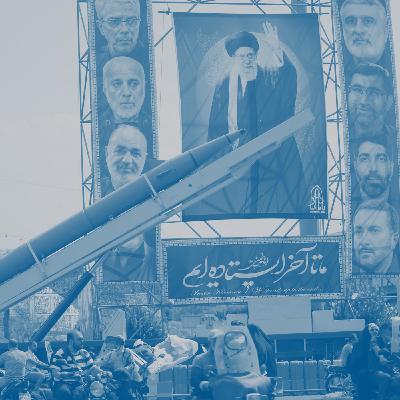
Following the 12-Day War and the United States’ strikes against Iran’s nuclear facilities, the Trump administration has reiterated that U.S. policy remains unequivocal: Tehran will not be permitted to acquire a nuclear weapon. With the regime weakened, but not defeated, Washington appears to be embracing a broad containment strategy anchored in military deterrence, maximum-pressure sanctions, and diplomatic isolation following the UN snapback sanctions to constrain Iran and prevent its network of proxies from rebuilding.The return to containment raises an important question: What are the lessons to be learned from the last time Washington pursued this policy against an anti-American, oil-rich autocrat in the Middle East who repressed his own people, pursued weapons of mass destruction, and targeted Israel with ballistic missiles?To examine the parallels between Iran in 2025 and Iraq after the First Persian Gulf War, FDD hosts Reuel Marc Gerecht, FDD resident scholar and former CIA Iranian targets officer; and Kenneth M. Pollack, Middle East Institute vice president for policy and former NSC director for Persian Gulf affairs. Moderated by FDD’s Iran Program Senior Director Behnam Ben Taleblu, the discussion will analyze how Washington’s mix of deterrence, sanctions, and diplomacy aims to recalibrate U.S. policy toward the Islamic Republic while preventing a 2003-style Iraq War outcome with Iran.For more, check out: https://www.fdd.org/events/2025/11/05/containment-redux-persian-gulf-war-lessons-from-iraq-for-us-strategy-toward-iran/
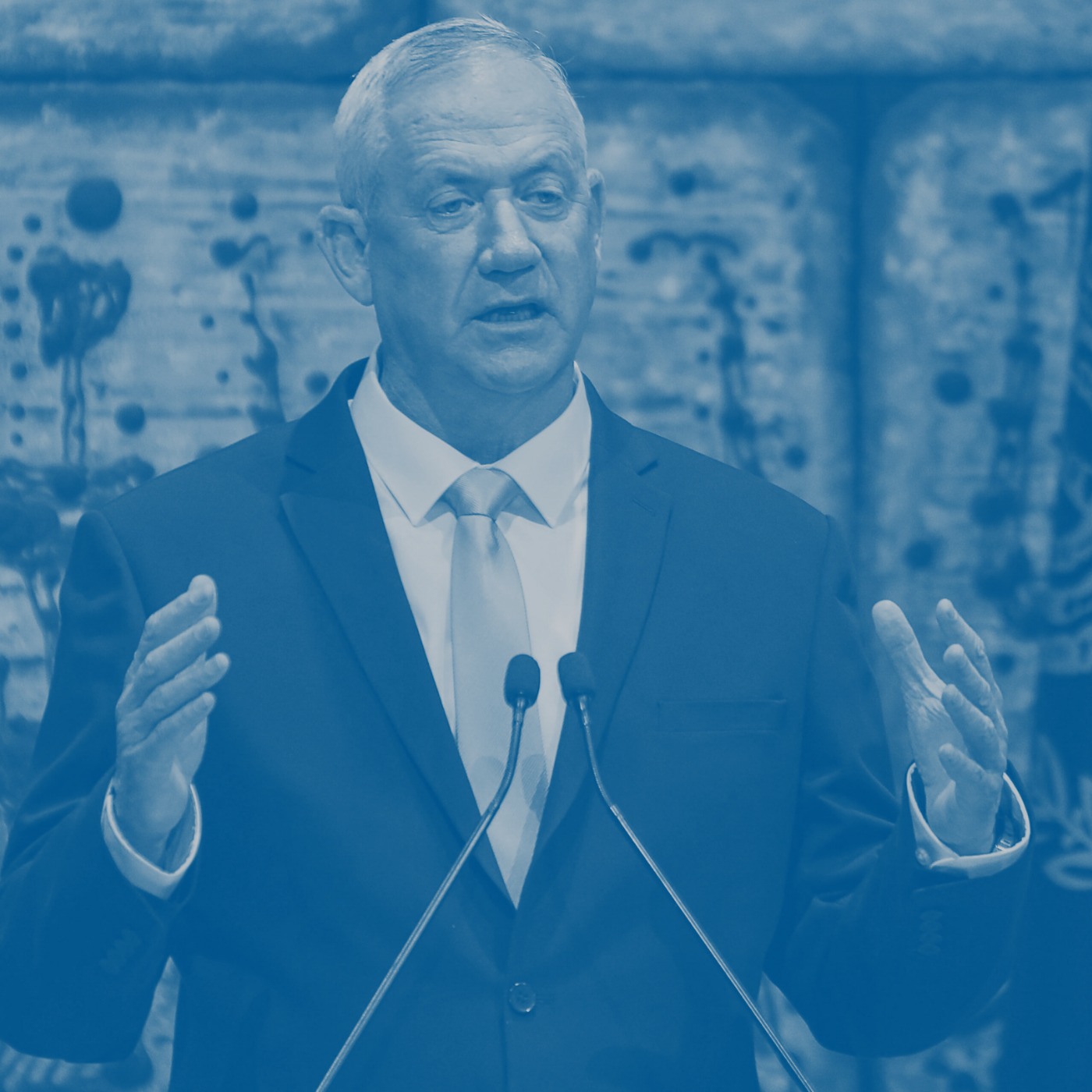
In the wake of the attacks of October 7 and the successes of its multi-front campaigns against the Islamic Republic of Iran and its proxies, Israeli leaders are assessing how to turn battlefield successes into strategic gains amid rapidly shifting regional and global dynamics. Israel now faces a critical juncture in redefining its national security doctrine to address the emerging challenges and opportunities.What insights do recent events provide for Israel’s long-term strategy? How can Israel balance its goal to remain a global center of innovation with the demands of confronting a nuclear-ambitious regime in Iran, countering an emerging Turkish-Syrian axis, and pursuing regional normalization?Benny Gantz, chairman of Israel’s Blue and White – National Unity Party and former Oct. 7 War Cabinet Minister, will outline "Israel’s Security Vision 2040," his roadmap for national resilience, strategic cooperation, and sustained empowerment. The conversation will be moderated by FDD Chief Executive Mark Dubowitz.For more, check out: https://www.fdd.org/events/2025/11/04/israel-2040-benny-gantzs-vision-for-security-and-cooperation/

America’s ability to achieve and sustain energy dominance is central to both economic growth and national security. The newly established National Energy Dominance Council is charged with ensuring reliable, affordable energy at home while leveraging U.S. resources to project strength abroad. This mission is critical not only to fueling and capitalizing on the artificial intelligence revolution, but also to strengthening America’s capacity to deter – and, if necessary, defeat – the Chinese Communist Party, while countering threats from Russia, the Islamic Republic of Iran, Venezuela, and other adversaries.Join FDD for a conversation featuring The Honorable Doug Burgum, U.S. Secretary of the Interior, on the Trump administration’s energy policies and his role as chair of the National Energy Dominance Council. The discussion will be moderated by Richard Goldberg, FDD senior advisor and director of FDD’s newly established Energy and National Security Program.For more, check out: https://www.fdd.org/events/2025/10/24/powering-us-energy-dominance-with-secretary-of-the-interior-doug-burgum/

For five years, the U.S. Cyberspace Solarium Commission’s (CSC) recommendations have served as a benchmark for measuring America’s cybersecurity progress and the commitment of policymakers to sustaining it. Today, China, Russia, Iran, and North Korea are all working to exploit persistent vulnerabilities in U.S. critical infrastructures, defense systems, and institutions and the adversary technology involved is outpacing efforts to ensure national cyber resilience. This year’s CSC 2.0 Annual Assessment reveals a troubling trend: America’s ability to defend itself and its allies from cyber threads is stalling – and in some areas, slipping. For the first time since the CSC 2.0 project began assessing the Commission’s recommendations, there has been a reversal: nearly a quarter of fully implemented recommendations have lost that status. Which CSC recommendations remain unfulfilled, and why? What steps are necessary to reverse these trends and protect critical infrastructure? And how can Congress and the White House defend America’s critical infrastructure, advance resilience, and preserve the U.S. competitive advantage in cyberspace? FDD and CSC 2.0 host a conversation with Commission Co-Chair Hon. Mike Gallagher; CSC 2.0 Advisor Hon. Jim Langevin; assessment author Jiwon Ma; and former CSC Executive Director RADM (Ret.) Mark Montgomery, who leads CSC 2.0 and serves as senior director of FDD’s Center on Cyber and Technology Innovation (CCTI). Commission Co-Chair Sen. Angus King (I-ME) will provide keynote remarks.The event coincides with the release of the fifth annual assessment report and is moderated by Politico cybersecurity reporter Maggie Miller.For more, check out: https://www.fdd.org/events/2025/10/22/americas-cyber-resiliency-in-2025-lessons-from-the-fifth-csc-20-annual-assessment/
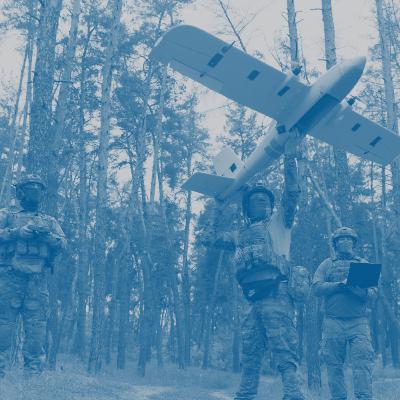
The latest twist of fate in Russia’s war on Ukraine, precipitated by President Trump’s comments in New York, underscores the drastically changed nature of this conflict. The Trump Administration is considering improved intelligence and weapons support for Ukraine, including long-range cruise missiles, and is calling for increased tariffs on nations that buy Russian energy. This was preceded by Russian drone violations of NATO airspace – stretching from the Baltics to the Black Sea – which led Ukraine to propose a joint air and missile defense network with European partners.What kind of support could, or should, Washington provide? What would the integration of Ukraine into European air defense networks look like? And what type of reform is needed to prepare Ukraine for integration into Western security architectures?To assess recent developments in Ukraine, FDD hosts Admiral Ihor Voronchenko, former inspector general of the Ministry of Defense of Ukraine, former commander of the Naval Forces of Ukraine, and an Army division commander in the 2014 conflict; Col (Ret.) Andy Bain, executive director of Ukraine Freedom Fund in Kyiv; Maj Gen (Ret.) Charles Corcoran, former assistant deputy chief of staff for U.S. Air Force Operations; and RADM (Ret.) Mark Montgomery, senior director of FDD’s Center on Cyber and Technology Innovation. The conversation will be moderated by Tara Copp, journalist at The Washington Post, with introductory remarks by ADM (Ret.) Lisa Franchetti, former chief of Naval Operations and commander, Sixth Fleet.For more, check out: https://www.fdd.org/events/2025/10/14/supporting-ukraines-defense-today-tomorrow-and-in-the-future/
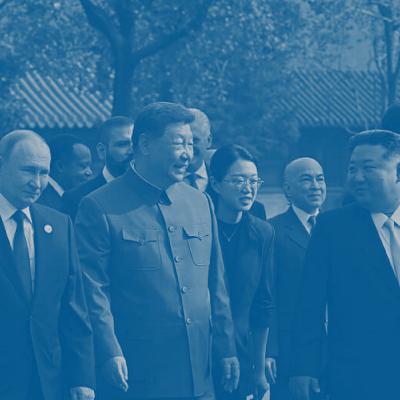
The Axis of Aggressors — China, Russia, Iran, and North Korea — are pursuing “unprecedented levels of cooperation,” Chairman of the Joint Chiefs of Staff Gen. Dan Caine testified in June, “driven by a desire to challenge U.S. interests and stability around the world.” These adversaries are cooperating not just in the military domain but also in the “cyber, economic, and informational domains.” What are the threats from each of these adversaries, and what are the implications of their cooperation? How should the United States and our allies respond? As the Trump administration finalizes its new National Security Strategy, National Defense Strategy, and Global Posture Review, how can Washington align ends, ways, and means to ensure Americans and our interests are protected? To discuss these questions, FDD’s Center on Military and Political Power (CMPP) hosts a conversation with CMPP Chairman and former U.S. National Security Advisor LTG (Ret.) H.R. McMaster, and GEN (Ret.) Laura Richardson, a member of CMPP’s board of advisors who served in the U.S. Army for 38 years and commanded U.S. Southern Command from 2021 to 2024. The panel is moderated by CMPP Senior Director Bradley Bowman.For more, check out: https://www.fdd.org/events/2025/10/09/countering-the-axis-of-aggressors-with-ltg-ret-hr-mcmaster-and-gen-ret-laura-richardson/

The Israel Defense Forces (IDF) conducted a targeted strike against senior Hamas operatives based in Doha, Qatar. Reported targets include longtime leaders Khaled Mashal, Muhammad Ismail Darwish, Khalil al-Hayya, Mousa Abu Marzook, and Zaher Jabarin. These men are directly responsible for the deaths of hundreds of Israelis and Americans and have overseen Hamas’s global operations for decades, including serving as key architects of the October 7 massacre.The strike highlights Hamas’s dependence on external safe havens — and the challenge Israel faces in confronting a terrorist organization whose leaders operate from luxury in Muslim Brotherhood-sponsoring states like Qatar while directing violence against civilians. Key questions remain: How effective was the strike? How might this bold action shape Israel’s security and war strategy? And what are the implications for U.S.-Israel relations, given Qatar’s status as a Major Non-NATO Ally and host of the largest American military base in the region?FDD Executive Director Jonathan Schanzer, Senior Advisor Richard Goldberg, and Senior Fellow Jonathan Conricus will assess the implications for Israel’s counterterrorism campaign, regional security, and U.S. policy.For more, check out: https://www.fdd.org/events/2025/09/09/fdd-sitrep-idf-strikes-senior-hamas-leadership-in-doha/?_thumbnail_id=274720
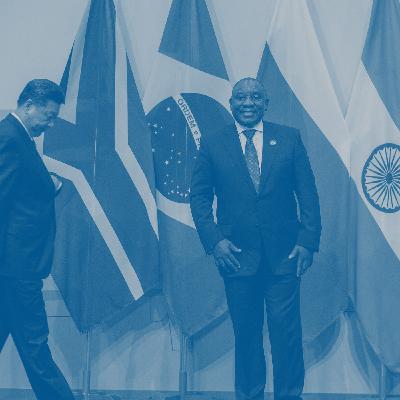
South Africa is emerging as a key enabler of authoritarian influence. From hosting joint military exercises with Russia and China to serving as a sanctions evasion hub and a vocal defender of Tehran, Pretoria is positioning itself in direct opposition to U.S. strategic interests. At the same time, South Africa is spearheading a campaign of legal warfare against Israel at the International Court of Justice – doing the bidding of Hamas while undermining the credibility of international legal institutions. All of this comes as the Financial Action Task Force, the global anti-money laundering watchdog, considers whether to remove South Africa from its grey list of jurisdictions under increased monitoring.For a discussion on how Washington is reexamining its relationship with South Africa, FDD hosts Max Meizlish, senior research analyst, Foundation for Defense of Democracies; Joshua Meservey, senior fellow, Hudson Institute; and Benji Shulman, executive director, Middle East Africa Research Institute. Moderated by FDD Executive Director Jonathan Schanzer, this panel will unpack the nature of South Africa’s foreign policy shift and outline what a credible and consequential U.S. response could look like.For more, check out: https://www.fdd.org/events/2025/08/26/reexamining-the-us-south-africa-relationship/
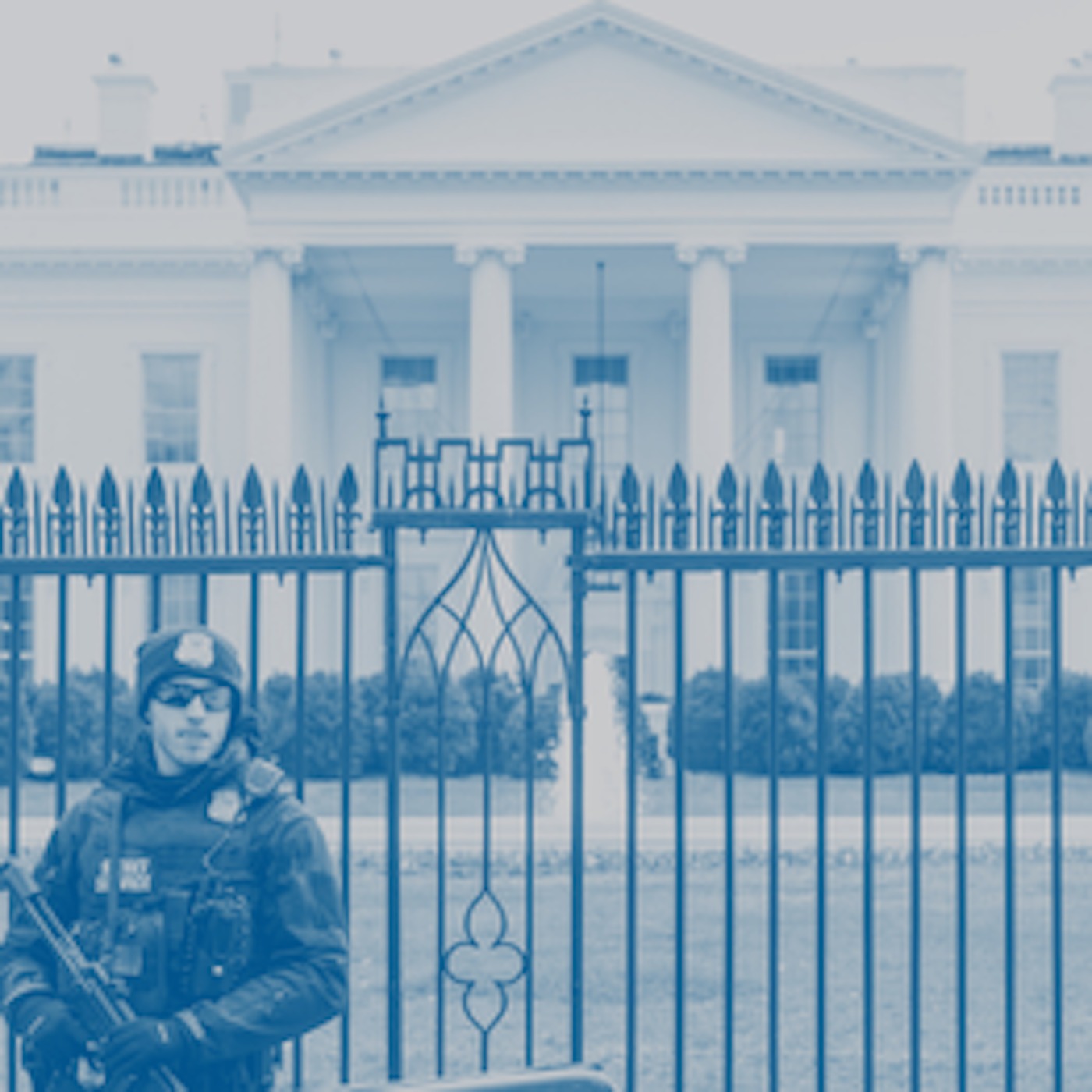
The terrorism challenges facing U.S. are significant — and widening. A dangerous network of independent and adversary-backed groups pose a grave danger to the United States, with America’s critical infrastructure, global supply chains, economic assets, and citizens vulnerable to cyber, drone, and conventional attack. More than twenty years after the ‘War on Terror’ began, Sunni extremism also persists, joined by radical Islamists that are aligned and cultivated by the regime in Iran. Proliferating across Central and South America, the Horn of Africa and the Sahel, Southeast Asia, and beyond, strong and integrated U.S. counterterrorism strategy is needed today no less than after the attacks of 9/11.In such a landscape, what can be done to address existing and emerging threats in this space? What is the Trump administration’s strategy to keep Americans safe from terrorism? Join Jonathan Schanzer, FDD’s executive director, and Dr. Sebastian Gorka, deputy assistant to the President and senior director for counterterrorism, for a discussion on U.S. counterterrorism strategy, including forthcoming efforts to safeguard American security and policy options to combat the domestic and international threat landscape.For more, check out: https://www.fdd.org/events/2025/07/23/surveying-the-us-counterterrorism-landscape-with-dr-sebastian-gorka/

Comments

Download from Google Play

Download from App Store
 United States