


 Claim Ownership
The Wild Bits Show
Subscribed: 0Played: 0
Subscribe

Description
Every Sunday, YouTuber Upamanyu Das and Wildlife Filmmaker Meghana Sanka meet to discuss current events in the wildlife conservation, climate change, science and the natural world, a subject from which they do not stray. Hardly ever.
33 Episodes
Reverse
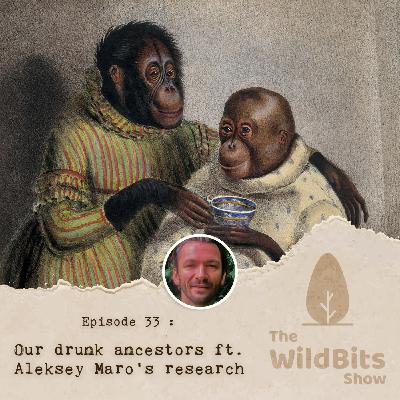
Are human drinking habits an evolutionary hangover? In this episode of The Wild Bits Show, we sit down with evolutionary biology researcher Aleksey Maro from UC Berkeley to unpack the fascinating “Drunken Monkey Hypothesis”. Discover how wild chimpanzees consume fermenting fruits and what their diets reveal about the origins of our own alcohol metabolism.
This week, we dive into the link between economic growth & climate change, a surprising timber surplus in Nepal, & an inspiring conservation story from Bolivia! Plus, oil spill news & amazing species discoveries. Can economies thrive without constant growth? 🤔 Join the discussion!
Please SUBSCRIBE NOW! http://bit.ly/TheWildBits
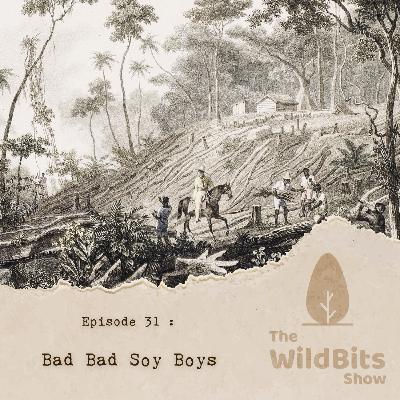
This week on The Wild Bits Show, we discuss the Amazon, the world’s greatest carbon sink. When the biggest soy traders walk away from a landmark zero-deforestation agreement, the rainforest faces a projected 30% spike in clearing — driven not just by profit, but by a bizarre local law punishing companies for going beyond minimum environmental standards. What does it mean when doing more for the planet is literally penalised?
From there the story darkens: pesticides are quietly devastating insects and soil organisms across the globe, Malaysia has lost a fifth of its coral reefs in just three years, and endangered bats are flying hundreds of miles farther north in search of blooming agave. Yet glimmers of hope break through — polar bears in Svalbard are growing fatter as they adapt to shrinking sea ice, and along India’s western coast, the same fishermen who once hunted whale sharks now risk their nets and income to free them.
A raw, urgent journey through the forces destroying nature — and the unexpected ways life fights back.
FOLLOW The Wild Bits:
YouTube: https://www.youtube.com/thewildbits
Instagram: https://www.instagram.com/thewildbitsprod
Twitter: https://twitter.com/thewildbitsprod
Twitch: https://www.twitch.tv/thewildbitsprod
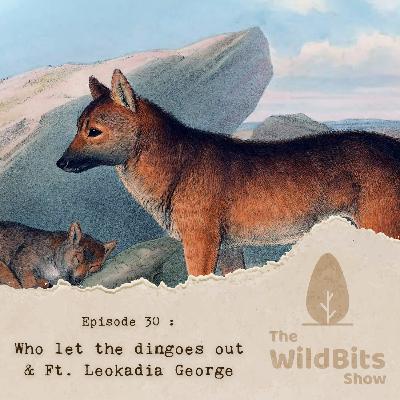
This week on The Wild Bits Show, when a tragedy occurs on the sandy shores of K’gari, the line between human safety and wild animal instinct becomes blurred. We dissect the heartbreaking incident involving a Canadian tourist and the subsequent order to euthanize a pack of dingoes. We explore the ethics of penalizing animals for being animals and ask: are we the real invasive species?
The boundary between reality and fabrication is also crumbling. We investigate how hyper-realistic AI images and videos are distorting our view of the natural world, creating false narratives that conservationists must now fight to correct. From frogs drowning out native calls to sharks ending up in school lunches, we cover the strange and serious shifts in our ecosystem.
Finally, we sit down with author Leokadia George to strip away the myth of the “Big Bad Wolf.” She shares the inspiring true story of Trumpet, a Mexican Gray Wolf, and how storytelling can shape the next generation of conservationists.
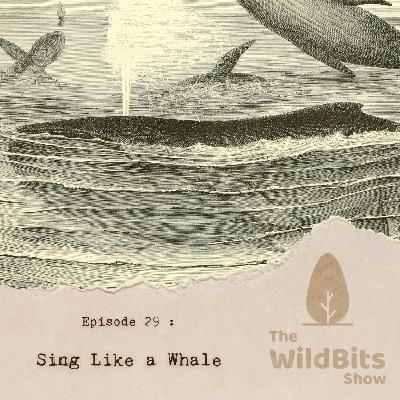
This week on The Wild Bits Show, we explore if a melody can change the fate of a species? We dive deep into the incredible true story of how haunting recordings of humpback whale songs in the 1970s captivated the world and helped pull these giants back from the brink of extinction. We explore the emotional power of bioacoustics and ask if similar global movements could save today’s most vulnerable creatures.
The conversation then shifts to a crisis in the Andaman Sea, where Thailand’s dugongs are mysteriously vanishing due to starving seagrass meadows. We also unpack a controversial conservation project in India, where a center meant to save these “sea cows” might be built on the very ecosystem they need to survive.
From the ocean depths to the barnyard, we witness a scientific first: a cow named Veronica who has mastered the art of tool use. Plus, we cover a massive global shift in seaweed blooms, a tiny new mammal discovery in Ethiopia, the heartbreaking saga of Canada’s captive belugas, and how AI is being used to prevent human-wildlife conflict in India. Join us for a journey through the wonders and warnings of the natural world.
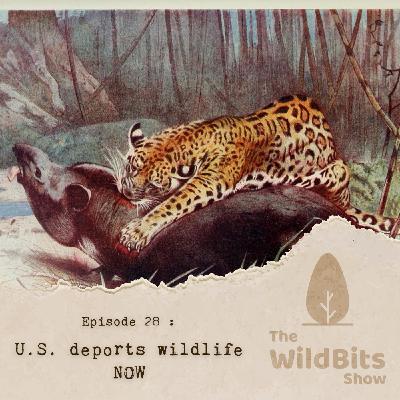
This week we talk about Borders. Lines drawn in the sand that nations defend with steel and concrete. But for the jaguar, the black bear, and the ocelot, these lines sever ancient lifelines. This week, we journey to the Madrean Sky Islands to witness how a 250-mile wall is reshaping the genetic future of North America’s wildest residents, and ask: can nature survive a barrier meant to last forever?
The narrative shifts to the most unlikely of sanctuaries—radioactive zones and minefields—where the absence of humanity has allowed nature to reclaim the land in a bittersweet resurgence. We then travel to the steppes of Mongolia, where a delicate truce between sacred wolves and nomadic herders is fraying under the pressure of a changing climate.
From the discovery of a Woolly Rhino’s genome hidden inside a frozen wolf pup to the heartbreaking silence of Australian forests losing their Flying Foxes to heat, this episode traverses time and temperature. We end with a modern dilemma: in our rush for green energy lithium, are we sacrificing the very bees that feed the world? Join us for a deep dive into the conflicts, discoveries, and resilience of the wild.
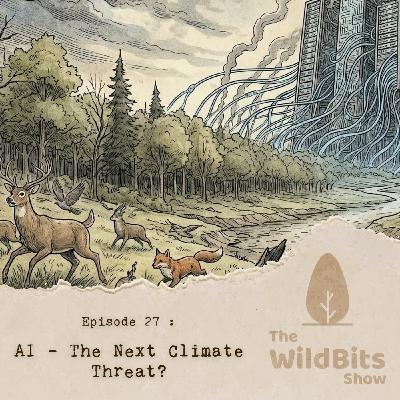
This week on The Wild Bits Show, we unpack the growing environmental footprint of AI, from energy-hungry data centers to water-intensive cooling systems that rival entire power plants. As large language models become woven into everyday life, we ask the uncomfortable question: is convenience quietly costing the planet?
The conversation goes beyond headlines. We explore whether AI’s promise to fight climate change can ever outweigh its massive carbon debt—and why rolling back this dependency may be harder than we think. From digital convenience and human behavior to regulation, investor pressure, and the possibility of a bursting AI bubble, this episode challenges how we think about progress.
Balancing the doom is a story of hope from the Amazon, where recycled paper embedded with seeds is turning waste into forests—proving innovation doesn’t always need more compute, just better ideas.
If you care about climate change, technology, sustainability, and the future we’re building—this episode is for you.
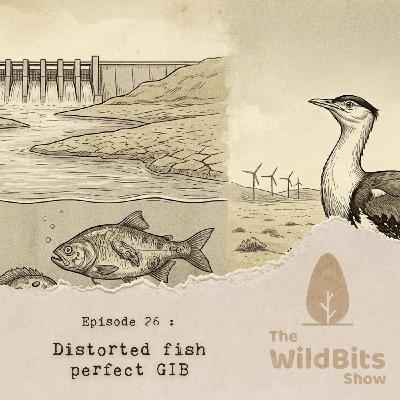
This week, we begin in Brazil’s Xingu River, where altered water flows from a massive hydroelectric dam are reshaping fish bodies themselves — a visible warning of ecosystem collapse. From there, the story flips to India, where the protection of the critically endangered Great Indian Bustard has forced a rethink of green energy infrastructure, proving that conservation and development don’t always have to be enemies.
The conversation then moves to the UK, where climate change tells two conflicting stories at once: hundreds of plant species blooming in winter, and a record-breaking spring that temporarily boosts songbird breeding. Is this resilience, or a fragile illusion?
The episode also touches on vanishing great white sharks in the Mediterranean and the growing skepticism around “de-extinction” efforts that revive species without restoring the ecosystems they once belonged to.
This is a deep, reflective exploration of climate change, biodiversity loss, conservation policy, and the uncomfortable truth that nature often pays the price for human progress — unless we decide it’s non-negotiable.
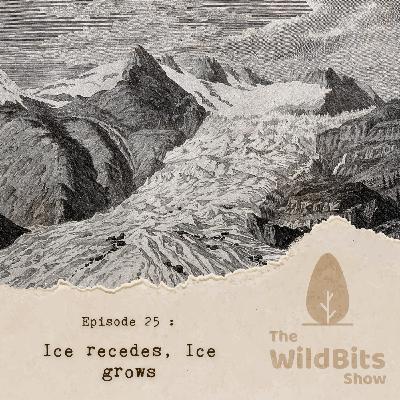
This week, we are looking at a world of stark contradictions. We begin in the Arctic, where a record-breaking year of heat is forcing scientists to ask if “winter” as we know it is disappearing forever. Yet, thousands of miles away in the Pamir Mountains, a mysterious anomaly offers a strange glimmer of hope: glaciers that are refusing to melt - and are actually growing.
We then travel to South Africa, where the quest for clean energy is clashing with conservation, as a proposed nuclear site threatens one of the last strongholds of the African Penguin.
But it’s not all grim news. We explore how Artificial Intelligence is shedding its bad reputation in the environmental sector by saving elephants from train collisions and mitigating human-wildlife conflict in India. Finally, we ask a difficult question about our role as “guardians” of nature: Why do we spend millions flying tiny snails on commercial planes to save them from extinction, while simultaneously releasing armies of crayfish and weevils to wage war on invasive plants?
From pink platypuses to plants that can “count,” join us as we navigate the messy, beautiful, and complex efforts to keep our planet wild.
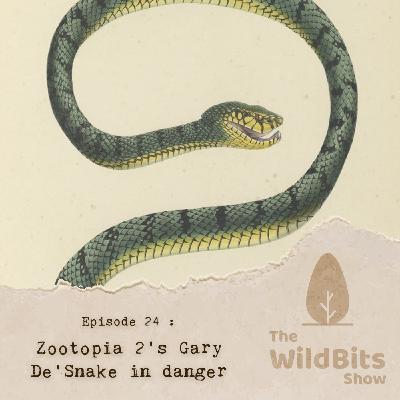
What happens when a fictional character sparks real-world consequences?
In this episode of #TheWildBitsShow, the conversation dives into the unexpected ripple effects of Zootopia 2 and the rising obsession with Gary De’Snake. What starts as excitement around a new animated character quickly turns into a serious discussion about wildlife ethics, exotic pet trends, misinformation, and the line between fandom and responsibility.
🎧 Listen now for a deeper look at the strange intersection of animation, internet culture, and animal ethics.
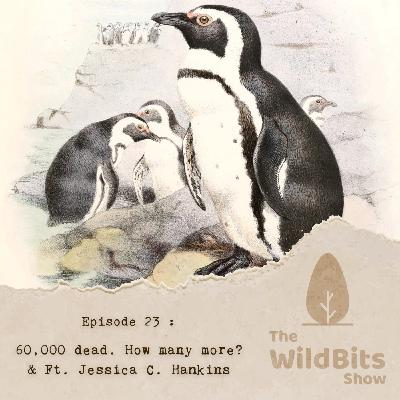
In this episode of #TheWildBitsShow, we uncover heartbreaking wildlife crises and spark hope through science. From the tragic starvation of 60,000 African penguins due to collapsing sardine populations amid overfishing and climate change, to the invasive purple lupins turning Iceland into an Instagram hotspot while sparking a biodiversity disaster. We also explore Botswana’s elephant hunting quotas and updates on protecting sloths from selfie tourism. Plus, an inspiring interview with marine scientist Jessica C. Hankins on her groundbreaking research revealing how corals are adapting to ocean acidification - offering a glimmer of hope for reef survival.
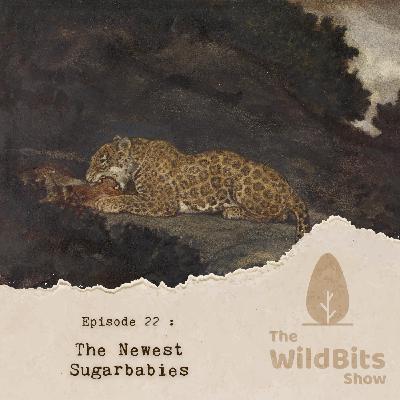
In this episode of The Wild Bits Show, we dive into one of the most surprising wildlife stories of the year - the rise of “sugarcane leopards,” big cats born and raised entirely within farming landscapes. We explore how these leopards have adapted to tractors, pumps, and people as if they’re part of their natural habitat, and what this means for human - wildlife coexistence in India.
If you’re interested in wildlife behavior, climate-era adaptation, or simple solutions that reshape our interaction with the planet, this is an episode worth watching.
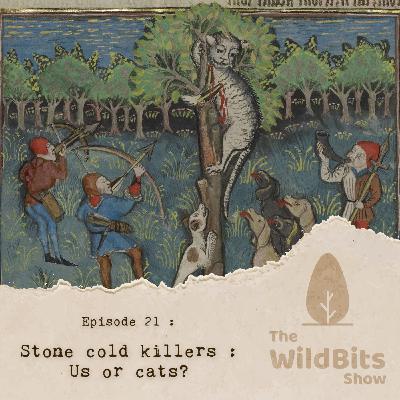
In this episode of The Wild Bits Show, we dive into one of the most controversial wildlife debates of our time: Are cats the real stone-cold killers… or are we?
New Zealand plans to eradicate 2.5 million feral cats by 2050, adding them to its Predator Free strategy. But is mass culling the only way to protect endangered species like the kiwi and kakapo? Or is the real problem much bigger—and much more human?
This episode questions everything we assume about conservation, “native vs. invasive” species, and our place in nature.
If you love wildlife, ecology, or messy moral debates — this one’s for you. Watch till the end — your idea of conservation may never be the same.

Discover how the United States writes, interprets, bends, and sometimes breaks the rules that decide whether a species survives or disappears. In this episode of The Wild Bits Show, we dive deep into the Endangered Species Act, the political machinery behind conservation decisions, the science that often gets sidelined, and the real-world impact these rulings have on ecosystems, global policy, and local communities.
We break down how extinction determinations are actually made, why certain species receive priority over others, the financial and industrial pressures shaping outcomes, and how bureaucratic timelines can decide the fate of entire populations. You’ll hear how loopholes emerge, why certain protections stall, and how international bodies view America’s approach to biodiversity loss.
If you care about wildlife, environmental governance, climate resilience, or just want to understand how the world’s most influential nation manages the survival of its species, this episode offers a clear, engaging, and eye-opening journey through the rulebook of extinction.
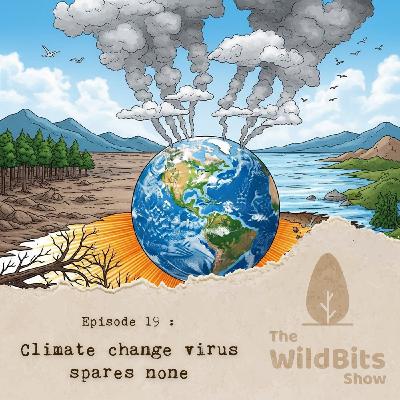
In this episode we unpack the unsettling ways climate change is rewriting the world; starting with viruses reaching the farthest corners of earth. As warming accelerates, unexpected biological threats emerge, raising questions about preparedness and global vulnerability.
The coastline, where decades-old shark nets clash with modern drone systems designed to detect ocean predators more safely. It’s a look at how outdated solutions persist even when better tools exist.
From there, the focus moves deep into the Amazon, where carbon-credit programs meant to “protect” forests are instead creating pressure on Indigenous lands - an example of environmental solutions repeating old mistakes.
We also explore the science behind wildlife corridors and the delicate work required to make them help rather than harm. And finally, we spotlight newly identified species that are reshaping our understanding of biodiversity at a time when ecosystems are under unprecedented strain.
This is a journey through the hidden ripples of climate change, technology, policy, and nature - revealing how each story connects to the next.
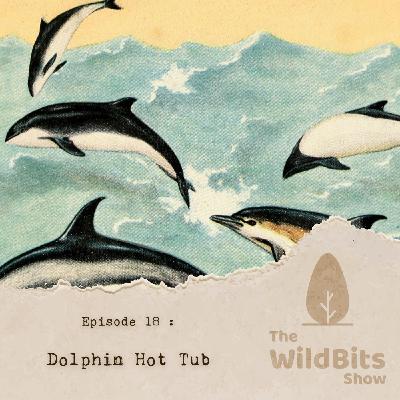
This week on The Wild Bits Show, we dive into the strange and unsettling story of the Amazon turning into a “dolphin hot tub.” As pink river dolphins die off in overheated lakes, the episode explores what’s really driving these changes and what they mean for the Amazon’s fragile ecosystem.
From Brazil’s farmers fighting to restore biodiversity with climate-resilient crops, to Norway’s controversial push to double its krill harvest, this episode connects the dots between local crises and global environmental tipping points.
It’s a journey through heat, hope, and the hidden costs of human ambition — with plenty of sharp insights, wild science, and thoughtful reflection.
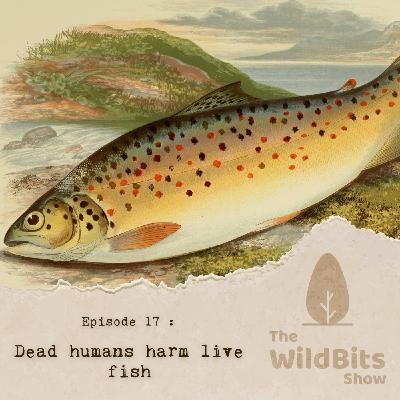
From the ocean’s deepest mysteries to the surprising ways humans still harm sea life — this episode dives into the bizarre connection between dead humans and live fish. We explore how mercury dental fillings end up poisoning marine ecosystems, celebrate the comeback of green turtles and North Atlantic right whales, and unpack the shocking decision by the Maldives to reopen shark fishing after 15 years. Plus, a roundup of newly discovered species that prove our planet’s wildness never ends.
If you love stories about nature, science, and the strange side of conservation, hit play — this one’s packed with unexpected twists and wild insights.
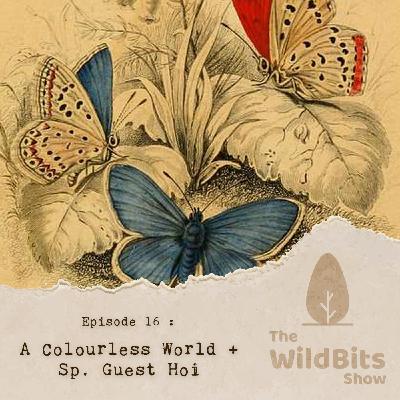
In this episode of The Wild Bits Show, we dive deep into the strange and sobering ways our planet is losing its color. From butterflies fading to beige as deforestation reshapes their world, to mosquitoes now buzzing through Iceland’s warming air, to ancient elephant migration routes in Africa being blocked by highways — this conversation explores how human progress is changing the wild in unexpected ways.
We also share a hopeful story of coral recovery in Fiji after a devastating cyclone, and discuss what it means to build a future that doesn’t drain nature of its vibrancy.
Join us as we reflect on adaptation, resilience, and what a truly colorful world means — for every living being on Earth.
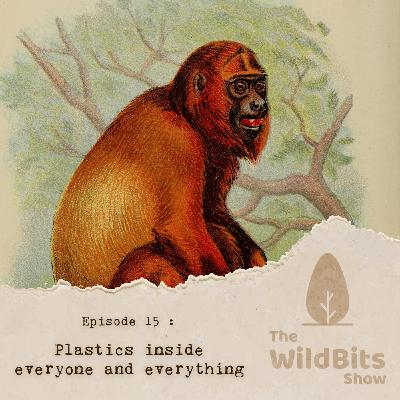
In this episode of The Wild Bits Show, we explore how plastics have infiltrated every corner of the planet. From the deepest oceans to the stomachs of Amazon tree-dwelling monkeys. What does it mean when microplastics show up in supposedly protected wildlife?
We also dive into stories that blur the line between innovation and interference — a sloth bear in India fitted with a prosthetic limb, and a butterfly given a new chance at flight through a delicate wing transplant. How far should humans go in reshaping nature?
This conversation goes beyond headlines — it’s about responsibility, balance, and what it truly means to coexist with the world we’ve changed.
Subscribe for thought-provoking takes on environment, science, and the wild intersections of technology and life. 🌍
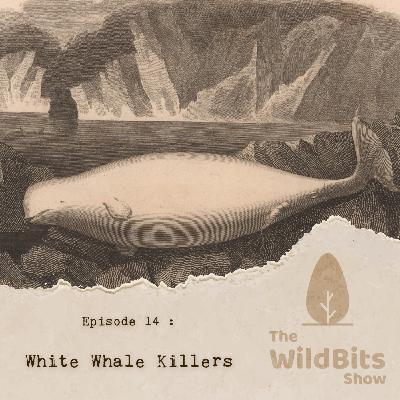
This week, we tackle the shocking story of a Canadian marine park threatening to euthanize 30 beluga whales over a funding dispute, a situation that raises serious ethical questions about captivity and conservation. Then, we explore how a devastating heat wave has wiped out clownfish populations in a region once thought to be resilient, signaling a dire tipping point for our oceans.
Our journey continues as we discuss the controversial killing of a black bear after a fatal encounter with a camper, debating the difficult balance between public safety and wildlife coexistence. We also cover surprising new species discoveries, from crocodiles to deep-sea sharks, and examine why a new energy plan is ignoring renewable progress.
Plus, we delve into the potential of a coral larvae cryobank, the unexpected marine life thriving on WWII debris, and the significant ecological concerns surrounding proposed octopus farming. Join us for a deep and thought-provoking look at the challenges and wonders of our natural world.

Comments

Download from Google Play

Download from App Store
 United States