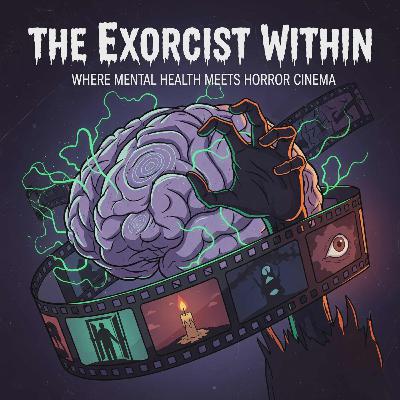
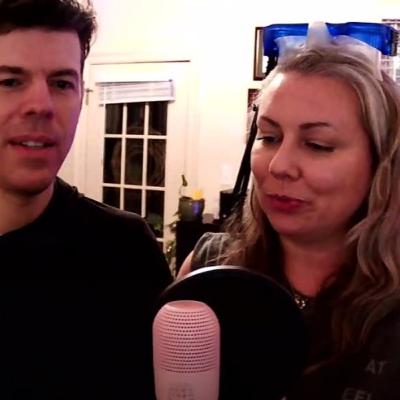
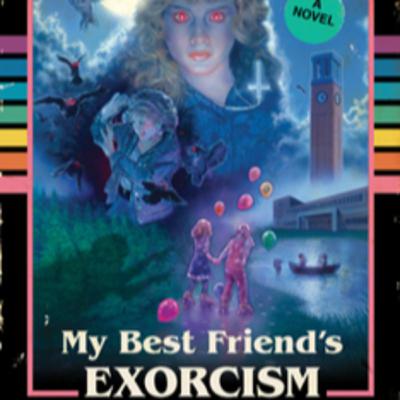
In this episode of The Exorcism Within, three mental health counselors gather to weave together their shared histories, spiritual practices, and love of horror. After reconnecting and honoring their late mentor, Dr. Z, they open sacred space with a tarot ritual before diving into their first book club pick: My Best Friend’s Exorcism.Their conversation blends clinical insight with intuition as they unpack the book’s themes—friendship, identity, trauma, and the cultural forces that shaped 1980s exorcism narratives. They explore questions of representation, the impact of evangelical frameworks on horror, and how humor can both support and sabotage emotional depth.Through personal stories, generational perspectives, and thoughtful critique, the trio highlights how horror mirrors real‑world emotional landscapes. The episode becomes not just a book review, but a reflection on the demons we inherit, the ones we create, and the ones we learn to cast out together.Takeaways• The trio opens the episode with genuine excitement about being in the same space—an energy that sets the tone for connection, ritual, and shared inquiry.• Together, the group reflects on their time in a uniquely intense counseling program, acknowledging how it shaped their identities as healers.• Generational differences surface in humorous and insightful ways, highlighting how each person’s cultural lens shapes their relationship to horror and healing.• The trio engages in a tarot intention‑setting ritual—inviting clarity and presence into the conversation.• They honor their beloved professor, Dr. Z, whose recent passing adds emotional depth and a sense of lineage to the episode.• The discussion shifts into a layered critique of My Best Friend’s Exorcism, exploring both its strengths and its missed opportunities.• Each host shares their rating and the personal reasons behind it, modeling vulnerability and thoughtful critique.• The group examines the book’s handling of serious themes—friendship, trauma, identity—and raises questions about representation• They explore how Grady Hendrix’s journalistic background shapes his storytelling style and the expectations set by his earlier works.• Humor in horror becomes a point of debate—when it enhances the narrative and when it undercuts emotional stakes.• The hosts note how demon lore and exorcism are often underdeveloped in modern horror, leaving space for deeper psychological and spiritual exploration.• They contextualize the story within the 1980s satanic panic and the evangelical frameworks that still influence exorcism narratives today.• Friendship emerges as the emotional core of the book, mirroring real‑life arcs of growth, rupture, and repair.• The trio reflects on the challenge of critiquing art while honoring the creator’s effort—an ongoing theme in the show’s approach to media.• They close by connecting the book’s “demons” to the personal and relational demons we all carry, reinforcing the show’s mission: exploring the intersections of horror, healing, and the human psyche.


 Claim Ownership
 The Exorcist Within: Where Mental Health Meets Horror Media


![Fréwaka(2025):[Part 2]Drama as a Divine Path with Emily Carding and the Sidhe](https://s3.castbox.fm/04/69/6f/cc499d19228ee677cd643ff750bca35ca6_scaled_v1_400.jpg "Fréwaka(2025):[Part 2]Drama as a Divine Path with Emily Carding and the Sidhe")
![Fréwaka (2025):[1.2] Breaking Generational Silence: From Trauma to Compassion](https://s3.castbox.fm/0c/01/ed/6bcce8e843c82388191724bacf0f9207e7_scaled_v1_400.jpg "Fréwaka (2025):[1.2] Breaking Generational Silence: From Trauma to Compassion")
![Fréwaka (2025):[1.1] Jamie & Neil Begin the Journey](https://s3.castbox.fm/af/82/af/155c259fb1bd72ff357cb62fe4b57acb1a_scaled_v1_400.jpg "Fréwaka (2025):[1.1] Jamie & Neil Begin the Journey")


 United States