


 Claim Ownership
Reality Check
Subscribed: 75Played: 1,325
Subscribe

© d1e18ae0-b5b6-11f0-8af1-e11d9dcdb75c
Description
Reality Check cuts through the spin and explains the numbers behind the noise. In each episode, The Spectator’s economics editor Michael Simmons and in-the-know guests will make a data-driven case on a story hogging the headlines.
Hosted on Acast. See acast.com/privacy for more information.
44 Episodes
Reverse
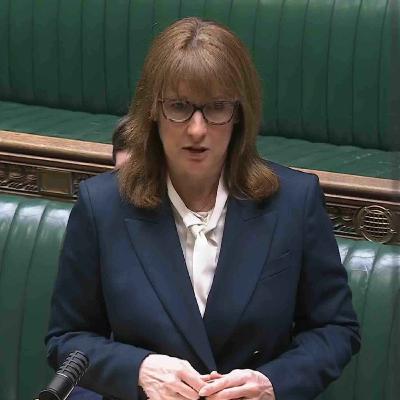
Today Rachel Reeves promised ‘support for those who need it most’ as she updated MPs on measures the government is taking as the Iran war risks increasing energy bills. Michael Simmons is joined by Spectator writer Ross Clarke to discuss why energy bailouts won’t work, why Reeves is unfair to pile the blame on Liz Truss and understand the complexities behind a means tested method to target those that need help most. Become a Spectator subscriber today to access this podcast without adverts. Go to spectator.co.uk/adfree to find out more.For more Spectator podcasts, go to spectator.co.uk/podcastsContact us: podcast@spectator.co.uk
Hosted on Acast. See acast.com/privacy for more information.
 1
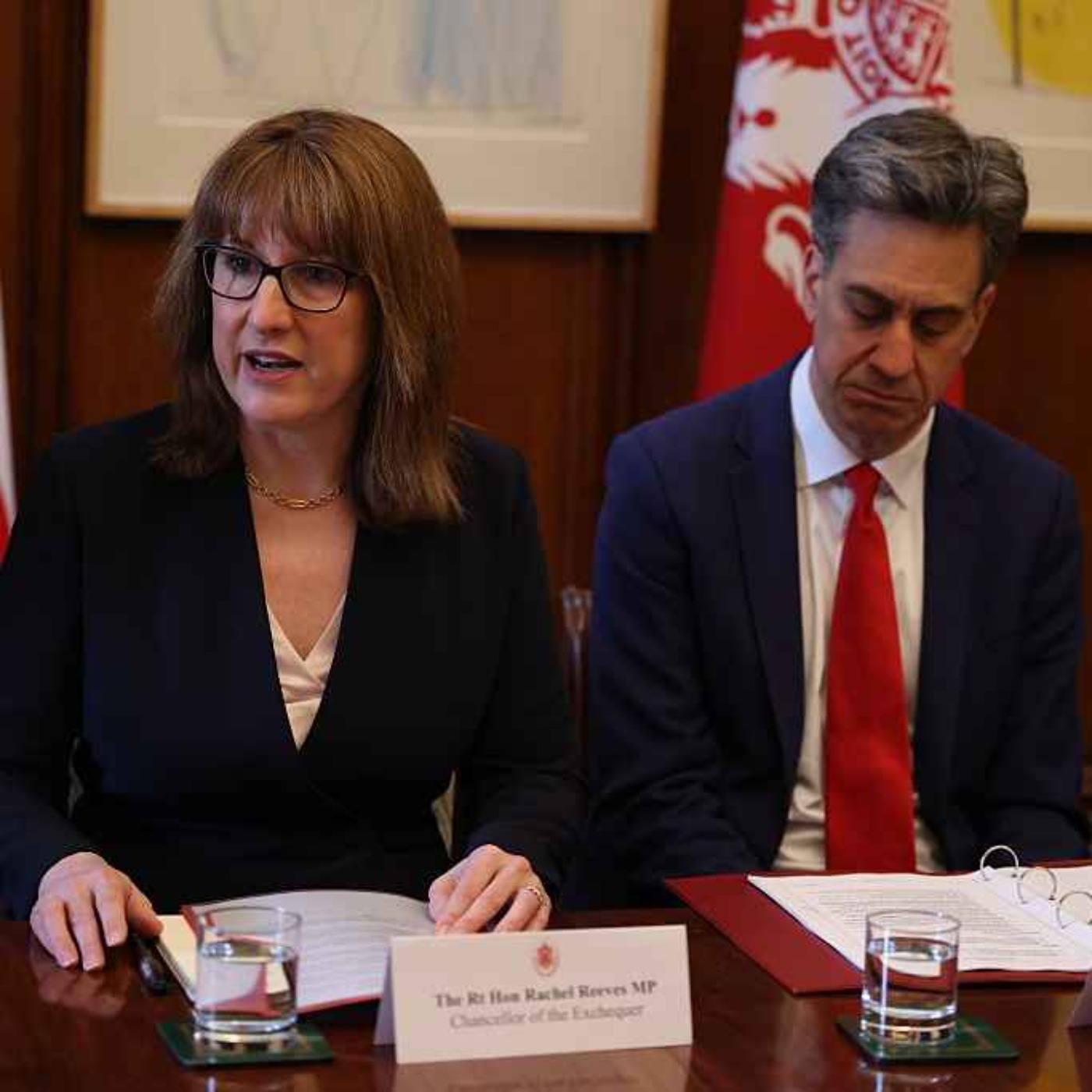
1Yesterday Rachel Reeves gave her Mais lecture and said UK would achieve ‘fastest AI adoption in the G7’. Today govt is publishing its position on AI rules that are crucial for keeping AI startups in the UK and not losing them abroad. Michael Simmons uncovers the data that shows just how costly of Britain's energy resources this plan for an AI revolution would be. And how incompatible this is with Ed Miliband's dreams of a net zero future. Become a Spectator subscriber today to access this podcast without adverts. Go to spectator.co.uk/adfree to find out more.For more Spectator podcasts, go to spectator.co.uk/podcastsContact us: podcast@spectator.co.uk
Hosted on Acast. See acast.com/privacy for more information.
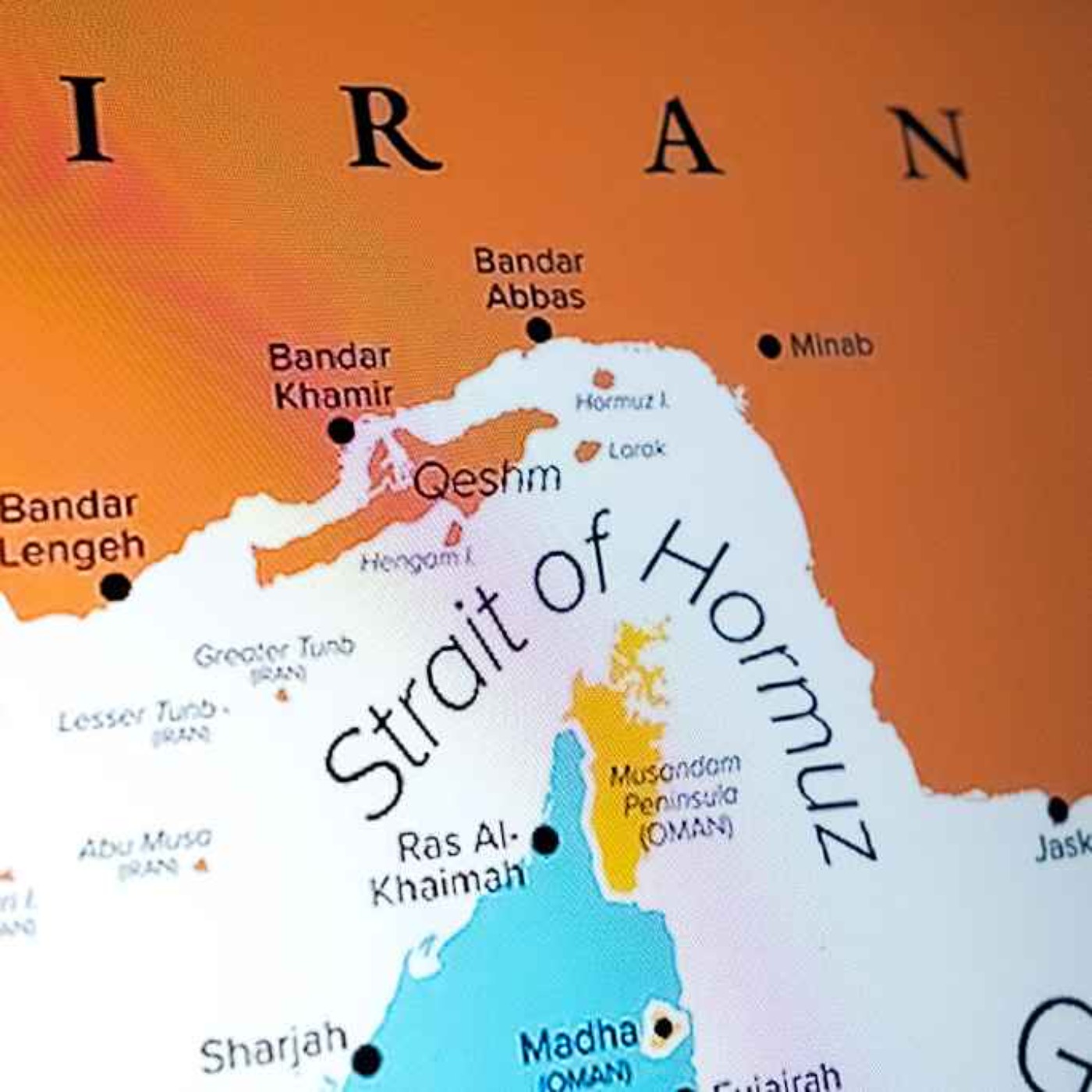
Oil prices surged past $100 per barrel as the war with Iran intensified over the weekend. Since Iran closed the Strait of Hormuz, without a solution to the severe disruption in crude oil flows, how hard will we feel it back in Britain? And why has Britain left itself so vulnerable from its energy policy? Michael Simmons is joined by former advisor to Donald Trump Tyler Goodspeed to discuss why this situation has far greater consequences than Trump’s tariffs, how petroleum is so embedded in our everyday economy and why Ed Miliband could be heading for a Liz situation.Become a Spectator subscriber today to access this podcast without adverts. Go to spectator.co.uk/adfree to find out more.For more Spectator podcasts, go to spectator.co.uk/podcastsContact us: podcast@spectator.co.uk
Hosted on Acast. See acast.com/privacy for more information.
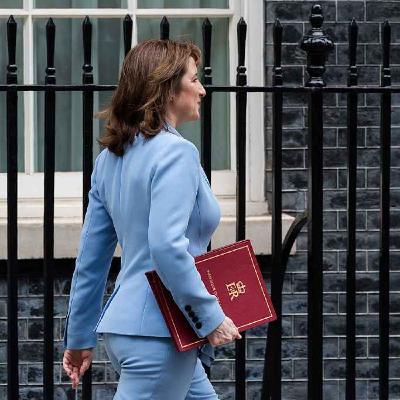
Before the first missiles landed in Tehran, Rachel Reeves had been looking forward to today’s Spring ‘forecast’ statement, which was designed to be the lightest-touch intervention by a Chancellor since Philip Hammond in 2018: no OBR scoring of her fiscal rules, no tax announcements, no major policy changes and, crucially, no months of damaging speculation about black holes or gilt yields in Britain’s fragile economy. The strategy worked, with barely any chatter ahead of time and the only real question being how small her measures would be – until turmoil in the Middle East sent oil and gas prices surging, markets tumbling and bond yields climbing, threatening to render parts of her forecasts outdated. The detail, however, will matter: whether longer-term inflation expectations creep up again, whether unemployment – already above previous forecasts – rises further, and how credible her spending plans look in the eyes of the OBR. Whatever she reveals, we’ll bring you live reaction and analysis.Become a Spectator subscriber today to access this podcast without adverts. Go to spectator.co.uk/adfree to find out more.For more Spectator podcasts, go to spectator.co.uk/podcastsContact us: podcast@spectator.co.uk
Hosted on Acast. See acast.com/privacy for more information.

Why are one in five school children classified as special educational needs and disabilities (SEND) in 2026? The rates of children being diagnosed with neurodiverse conditions have scaled to disproportionate rates and the costs are a major concern for the government. Michael Simmons takes a look at the data and explores why devolution has provided some kind of a solution. Become a Spectator subscriber today to access this podcast without adverts. Go to spectator.co.uk/adfree to find out more.For more Spectator podcasts, go to spectator.co.uk/podcastsContact us: podcast@spectator.co.uk
Hosted on Acast. See acast.com/privacy for more information.

There is an area of public spending nearly double what Britain spends on defence, more than policing borders or our streets. It's servicing the costs of what Britain has borrowed in the past. The growing debt bomb is continuing to climb with real consequences for the taxpayer. Michael Simmons takes a look at the data and speaks to the economist Paul Johnson about what political measures the government will have to take to tackle Britain's debt crisis, what it means for the taxpayer and why the reviving modern monetary theory movement is nonsense.Become a Spectator subscriber today to access this podcast without adverts. Go to spectator.co.uk/adfree to find out more.For more Spectator podcasts, go to spectator.co.uk/podcastsContact us: podcast@spectator.co.uk
Hosted on Acast. See acast.com/privacy for more information.

This week Keir Starmer faced the greatest challenge to his premiership yet. What will this Prime Minister will be remembered for? Policies which hurt young people. From student loan debt crisis, tax thresholds, ISA allowances and the pensions triple lock, what hope is there for young Brits? Michael Simmons has the data. Become a Spectator subscriber today to access this podcast without adverts. Go to spectator.co.uk/adfree to find out more.For more Spectator podcasts, go to spectator.co.uk/podcastsContact us: podcast@spectator.co.uk
Hosted on Acast. See acast.com/privacy for more information.

Michael Simmons speaks to American economist Peter Schiff about the surge in gold prices, the weakness of the US dollar and why he believes the next major economic crisis is approaching. Schiff argues that recent dips in precious metals are a buying opportunity, warns that years of low interest rates and money printing have created a 'bubble economy' and explains why he thinks cryptocurrencies are 'speculative mania'.Become a Spectator subscriber today to access this podcast without adverts. Go to spectator.co.uk/adfree to find out more.For more Spectator podcasts, go to spectator.co.uk/podcastsContact us: podcast@spectator.co.uk
Hosted on Acast. See acast.com/privacy for more information.

Housing minister Steve Reed has been boasting about Britain’s housing market since Labour came into office – but is he right to celebrate? The country’s housing crisis seems to be delivering the worst of both worlds. Young people trying to get on the property ladder are being priced out by stubbornly high costs, while older homeowners looking to downsize find themselves trapped, with too few buyers able to afford their homes. Michael Simmons takes a look at the data. Become a Spectator subscriber today to access this podcast without adverts. Go to spectator.co.uk/adfree to find out more.For more Spectator podcasts, go to spectator.co.uk/podcastsContact us: podcast@spectator.co.uk
Hosted on Acast. See acast.com/privacy for more information.

When Andy Burnham put forward his bid to stand in the Gorton & Denton by-election, the bond markets wobbled. What does this say about the state of Labour and their reputation with the markets? Michael Simmons speaks to former Treasury and Downing Street advisor James Nation about Labour leaders and fiscal policy, why Rishi Sunak was right on inflation and what he has learnt in the private sector since leaving the Treasury. Become a Spectator subscriber today to access this podcast without adverts. Go to spectator.co.uk/adfree to find out more.For more Spectator podcasts, go to spectator.co.uk/podcastsContact us: podcast@spectator.co.uk
Hosted on Acast. See acast.com/privacy for more information.
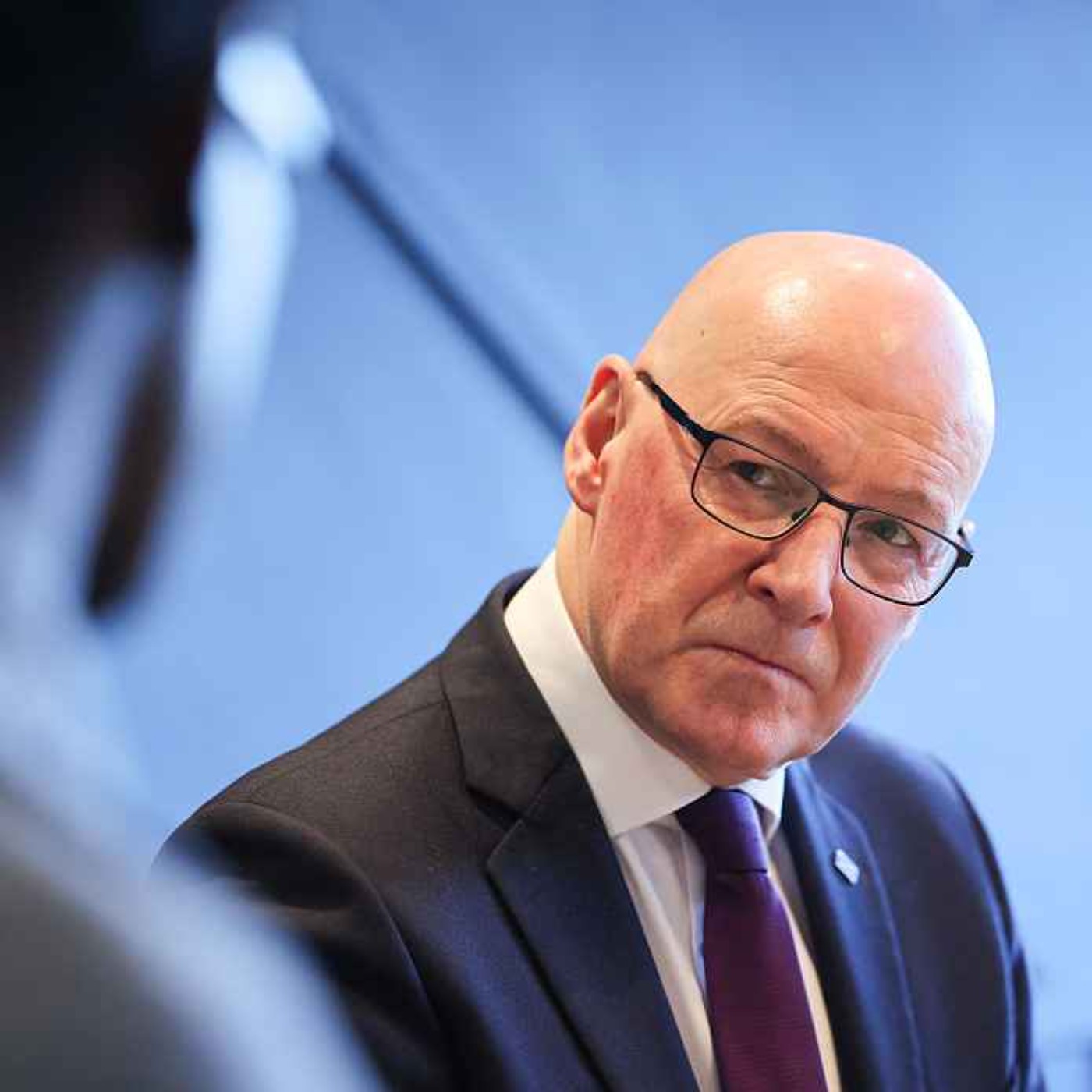
The SNP announced their budget last week promising to cut taxes for low income earners. Could this be the smallest tax cut in history? Michael Simmons has the data. Become a Spectator subscriber today to access this podcast without adverts. Go to spectator.co.uk/adfree to find out more.For more Spectator podcasts, go to spectator.co.uk/podcastsContact us: podcast@spectator.co.uk
Hosted on Acast. See acast.com/privacy for more information.
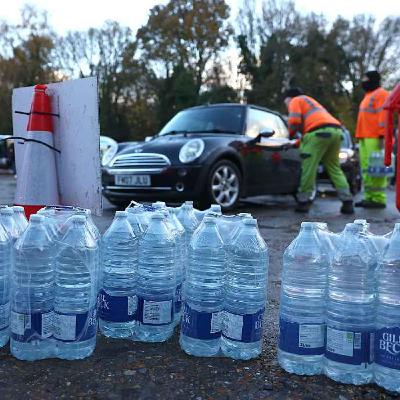
Thousands of homes across the South East have been without water for four consecutive days. South East Water’s record on water supply interruptions is one of the worst in the sector. Ofwat, the regulator, has placed it in the bottom three companies for disruptions each year from 2020 to last year. What has happened to the water industry in the past decade? And would nationalisation fix it? Michael Simmons is joined by The Spectator's business editor Martin Vander Weyer. Become a Spectator subscriber today to access this podcast without adverts. Go to spectator.co.uk/adfree to find out more.For more Spectator podcasts, go to spectator.co.uk/podcastsContact us: podcast@spectator.co.uk
Hosted on Acast. See acast.com/privacy for more information.

Reform UK may be leading in the polls on a mandate to hit net zero migration – but could this come sooner than Nigel Farage may think? Michael Simmons returns to Reality Check to explain what's really going behind Britain's migration figures. Become a Spectator subscriber today to access this podcast without adverts. Go to spectator.co.uk/adfree to find out more.For more Spectator podcasts, go to spectator.co.uk/podcastsContact us: podcast@spectator.co.uk
Hosted on Acast. See acast.com/privacy for more information.

Michael Simmons reflects on some of the economic highs and lows of 2025. Become a Spectator subscriber today to access this podcast without adverts. Go to spectator.co.uk/adfree to find out more.For more Spectator podcasts, go to spectator.co.uk/podcastsContact us: podcast@spectator.co.uk
Hosted on Acast. See acast.com/privacy for more information.
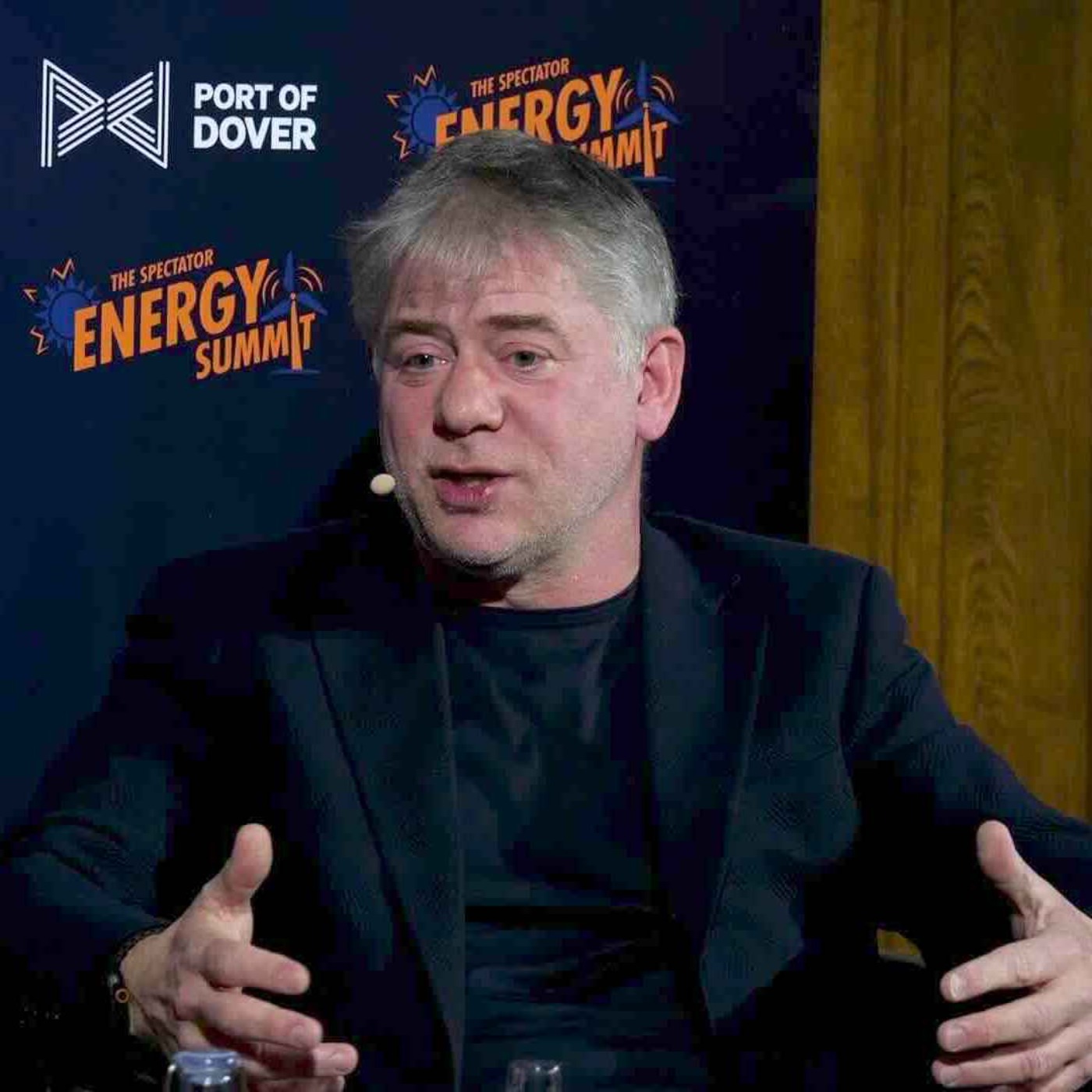
The Spectator’s Michael Simmons in conversation with Greg Jackson, CEO & Founder of Octopus Energy and non-executive member of the Cabinet Office BoardBecome a Spectator subscriber today to access this podcast without adverts. Go to spectator.co.uk/adfree to find out more.For more Spectator podcasts, go to spectator.co.uk/podcastsContact us: podcast@spectator.co.uk
Hosted on Acast. See acast.com/privacy for more information.

Junior doctors, now known as resident doctors, will strike from December 17 to 22, which Wes Streeting has said will 'wreck Christmas'. The doctors are demanding a 26 per cent salary rise over the next few years to make up for the erosion in their pay in real terms since 2008 – this is on top of a 28.9% increase they have had over the last three years. Michael Simmons takes a look at their claim over the erosion of their pay in real terms, explains why Wes Streeting is right to call them 'moaning minnies' and offers an alternative solution instead. Become a Spectator subscriber today to access this podcast without adverts. Go to spectator.co.uk/adfree to find out more.For more Spectator podcasts, go to spectator.co.uk/podcastsContact us: podcast@spectator.co.uk
Hosted on Acast. See acast.com/privacy for more information.

The Chancellor laid our her plans to scrap the two-child benefit cap in the Budget last week. Previously Rachel Reeves and the Prime Minister were against lifting the cap, but pressure from Reform and the back benches meant the government u-turned. The Resolution Foundation has backed this policy, arguing that it will help lift children out of poverty. But is this based on dodgy data? Michael Simmons investigates. Become a Spectator subscriber today to access this podcast without adverts. Go to spectator.co.uk/adfree to find out more.For more Spectator podcasts, go to spectator.co.uk/podcastsContact us: podcast@spectator.co.uk
Hosted on Acast. See acast.com/privacy for more information.

Lifestyle economist Christopher Snowdon joins Michael Simmons to explore how weight-loss drugs like Ozempic could reshape health, policy and the economy. From the WHO’s call for mass production to flawed obesity cost estimates, failing ‘nanny state’ interventions and the future of food companies, Snowden argues that these drugs are a genuine game-changer — and warns that much of current public health thinking is fast becoming obsolete.Become a Spectator subscriber today to access this podcast without adverts. Go to spectator.co.uk/adfree to find out more.For more Spectator podcasts, go to spectator.co.uk/podcastsContact us: podcast@spectator.co.uk
Hosted on Acast. See acast.com/privacy for more information.
As Budget days go, today was unprecedented. The complete list of measures announced by Rachel Reeves – along with their costings and economic impacts – was leaked by the Office for Budget Responsibility (OBR) an hour before the Chancellor took to her feet. The OBR apologised and called it a ‘technical error’. The headline is tax hikes to the tune of £26 billion, income tax thresholds will be frozen again and the tax burden will hit a record high at 38 per cent of GDP. Was this the most farcical Budget in history?Become a Spectator subscriber today to access this podcast without adverts. Go to spectator.co.uk/adfree to find out more.For more Spectator podcasts, go to spectator.co.uk/podcastsContact us: podcast@spectator.co.uk
Hosted on Acast. See acast.com/privacy for more information.

Rachel Reeves is due to deliver her budget this Wednesday. Throughout the years, the only person permitted to drink inside the House of Commons is the Chancellor. What has been the tipple of choice for each Chancellor dating back to Benjamin Disraeli? Michael Simmons and James Heale drink their way through the ages, discuss the historical context of each budget, and question whether Rachel Reeves has the toughest job yet. Become a Spectator subscriber today to access this podcast without adverts. Go to spectator.co.uk/adfree to find out more.For more Spectator podcasts, go to spectator.co.uk/podcastsContact us: podcast@spectator.co.uk
Hosted on Acast. See acast.com/privacy for more information.


Download from Google Play

Download from App Store
 United States
Please update #support