Discover
Wise Mind: A DBT Podcast
Author: Wise Mind: A DBT Podcast
Subscribed: 32Played: 144Subscribe
Share
© Wise Mind: A DBT Podcast
Description
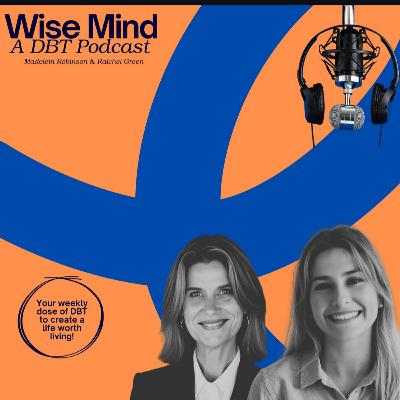
Welcome to Wise Mind: A DBT Podcast with Raichel Green and Madelein Robinson — your weekly dose of DBT skills to create a life worth living.
Grounded in trauma-informed care, we explore tools , skills and insights from Dialectical Behavior Therapy (DBT) — the gold standard for treating mental health challenges like complex trauma, BPD, eating disorders, substance abuse, anxiety, depression, and much more!
Whether you're here for yourself, someone else, a mental health clinician or just curious about DBT — you're in the right place.
Grounded in trauma-informed care, we explore tools , skills and insights from Dialectical Behavior Therapy (DBT) — the gold standard for treating mental health challenges like complex trauma, BPD, eating disorders, substance abuse, anxiety, depression, and much more!
Whether you're here for yourself, someone else, a mental health clinician or just curious about DBT — you're in the right place.
33 Episodes
Reverse
In this episode of Wise Mind: A DBT Podcast, Raich and Maddy dive into one of the most requested DBT skills: Interpersonal Effectiveness. After hearing your messages and questions, we explore why this skill is so important for emotional wellbeing and healthy relationships.We break down the three core DBT goals of interpersonal effectiveness , getting what you want, maintaining relationships, and preserving your self-respect and discuss the common barriers that get in the way, including people-pleasing, fear of conflict, guilt, and emotional overwhelm.Then we shift into a deep dive on boundaries - what they are, what they aren’t, and why they matter. We introduce different boundary types and boundary styles, helping you understand your own patterns before you begin setting clearer limits. Think of this as laying the foundation and “nailing the posts into your fence” before building it.If you’ve ever struggled to say no, felt resentment creep into relationships, or questioned whether your boundaries are reasonable, this episode is for you.🎧 Tune in now on Apple Podcasts and Spotify, and don’t forget to like, follow, and share to support the show!Contact us:wisemindcollective.com.auOrInstagram + Facebook - Wisemind DBT PodcastCrisis SupportThis space may include discussions that bring up strong emotions or difficult topics. If you’re feeling overwhelmed, please know you're not alone and support is available.If you or someone you know is in crisis, we encourage you to reach out to:Lifeline – 13 11 14 (24/7)Beyond Blue – 1300 22 463613YARN – 13 92 76 (A 24/7 national support line for Aboriginal and Torres Strait Islander people)Emergency Services – 000 (if you are in immediate danger)Acknowledgment of Dr. Marsha M. Linehan and the Origins of DBTWe honor Dr. Marsha M. Linehan, psychologist and professor who created Dialectical Behavior Therapy.It’s thanks to Dr. Linehan that DBT has become a proven intervention for a range of mental health challenges.Wise Mind A DBT Podcast gratefully acknowledges that DBT is Dr. Linehan’s work, not ours, and we honor her legacy.
In this episode of the Wise Mind DBT Podcast, we explore the mindfulness concept of judgment and non-judgmentalness—and ask the big question: is it even possible?We dive into why our brains are naturally critical and judgmental, how these thoughts and beliefs developed to keep us safe, and the different types of judgments we make every day. Most importantly, we share skills to notice and start changing this pattern.Yes, we’re not DBT purists, but we explore these skills in our own way, through the art of defusion, making mindfulness practical, accessible, and maybe even a little fun.🎧 Tune in now on Apple Podcasts and Spotify✨ Follow, comment, and like us to help keep free DBT content and resources coming your way!Contact us:wisemindcollective.com.auOrInstagram + Facebook - Wisemind DBT PodcastCrisis SupportThis space may include discussions that bring up strong emotions or difficult topics. If you’re feeling overwhelmed, please know you're not alone and support is available.If you or someone you know is in crisis, we encourage you to reach out to:Lifeline – 13 11 14 (24/7)Beyond Blue – 1300 22 463613YARN – 13 92 76 (A 24/7 national support line for Aboriginal and Torres Strait Islander people)Emergency Services – 000 (if you are in immediate danger)Acknowledgment of Dr. Marsha M. Linehan and the Origins of DBTWe honor Dr. Marsha M. Linehan, psychologist and professor who created Dialectical Behavior Therapy.It’s thanks to Dr. Linehan that DBT has become a proven intervention for a range of mental health challenges.Wise Mind A DBT Podcast gratefully acknowledges that DBT is Dr. Linehan’s work, not ours, and we honor her legacy.
In this episode of the Wise Mind: A DBT Podcast, we explore the ABC skills, the core DBT skills for building pleasant emotions on purpose.We break down Accumulating Positive Events, why positive emotions don’t just “happen,” and how intentionally creating them reduces emotional vulnerability. We also explore Building Mastery and Values, and why these skills aren’t optional extras but essential for building a life worth living.Using the metaphor of a lighthouse, we frame values as the steady light that guides us back to Wise Mind, especially when emotions or urges try to pull us off course. We also dive into the idea of alpha values and share a bit about our own.Raich and Maddy explore how a “spoonful” of daily positive events, mastery, and values-based actions can create a purposeful life—one where we get to show up as our most authentic selves.🎧 Tune in now on Apple Podcasts and Spotify✨ Like, comment, follow, and share to support the show and so we can continue to provide you free skills!Contact us:wisemindcollective.com.auOrInstagram + Facebook - Wisemind DBT PodcastCrisis SupportThis space may include discussions that bring up strong emotions or difficult topics. If you’re feeling overwhelmed, please know you're not alone and support is available.If you or someone you know is in crisis, we encourage you to reach out to:Lifeline – 13 11 14 (24/7)Beyond Blue – 1300 22 463613YARN – 13 92 76 (A 24/7 national support line for Aboriginal and Torres Strait Islander people)Emergency Services – 000 (if you are in immediate danger)Acknowledgment of Dr. Marsha M. Linehan and the Origins of DBTWe honor Dr. Marsha M. Linehan, psychologist and professor who created Dialectical Behavior Therapy.It’s thanks to Dr. Linehan that DBT has become a proven intervention for a range of mental health challenges.Wise Mind A DBT Podcast gratefully acknowledges that DBT is Dr. Linehan’s work, not ours, and we honor her legacy.
In this episode of the Wise Mind: A DBT Podcast, we continue our PLEASE skills series and tackle addiction, without pretending willpower fixes everything.We break down three mind states (Addict Mind, Clean Mind, and Clear Mind) and introduce urge surfing, a skill for when Addict Mind shows up uninvited and starts rewriting your recovery plan. Expect a holistic, evidence-based look at addiction, with plenty of compassion.🎧 Tune in on Apple Podcasts or Spotify✨ Like, comment, and follow us for free skills you can actually useContact us:wisemindcollective.com.auOrInstagram + Facebook - Wisemind DBT PodcastCrisis SupportThis space may include discussions that bring up strong emotions or difficult topics. If you’re feeling overwhelmed, please know you're not alone and support is available.If you or someone you know is in crisis, we encourage you to reach out to:Lifeline – 13 11 14 (24/7)Beyond Blue – 1300 22 463613YARN – 13 92 76 (A 24/7 national support line for Aboriginal and Torres Strait Islander people)Emergency Services – 000 (if you are in immediate danger)Acknowledgment of Dr. Marsha M. Linehan and the Origins of DBTWe honor Dr. Marsha M. Linehan, psychologist and professor who created Dialectical Behavior Therapy.It’s thanks to Dr. Linehan that DBT has become a proven intervention for a range of mental health challenges.Wise Mind A DBT Podcast gratefully acknowledges that DBT is Dr. Linehan’s work, not ours, and we honor her legacy.
In this episode of Wise Mind: A DBT Podcast, we tackle the “A” in PLEASE skills—Avoid mood-altering substances with curiosity, compassion, and a little humor. Instead of zooming in only on drugs and alcohol, we take a big-picture, Marsha Linehan–style look at addiction, including anything we use to numb out, escape, or emotionally duct-tape ourselves together.We talk about emotional regulation and that familiar inner voice saying, “Okay… get your shit together.” Spoiler alert: it’s not that simple. Using the disease model of addiction, we explain what’s actually going on in the addicted brain, why cravings feel so intense, and why stopping is hard, even when you really, really want to.This episode kicks off our deeper dive into the neurobiology of addiction, breaking down how the brain’s reward system gets hijacked and why willpower alone rarely works.We also bring the hope: recovery is real. We share solid stats, including a 75% recovery rate, and introduce a self-assessment tool to help you figure out your own risk level.If you’ve ever wondered why your brain does what it does and how DBT skills can help you work with it instead of yelling at it or shaming it, this episode is for you. 🎧Want to know the best way to support us and help us to keep providing free content?! Like, follow, react, comment on Wise Mind - A DBT Podcast on Apple, Spotify and social media!!Find all details, resources and trainings at : www.wisemindcollective.com.auwww.wisemindcollective.com.auwww.wisemindcollective.com.auContact us:wisemindcollective.com.auOrInstagram + Facebook - Wisemind DBT PodcastCrisis SupportWe are not a crisis service, If you or someone you know is in crisis, we encourage you to reach out to:Lifeline – 13 11 14 (24/7)Beyond Blue – 1300 22 463613YARN – 13 92 76 (A 24/7 national support line for Aboriginal and Torres Strait Islander people)Emergency Services – 000 (if you are in immediate danger)Acknowledgment of Dr. Marsha M. Linehan and the Origins of DBTWe honor Dr. Marsha M. Linehan, psychologist and professor who created Dialectical Behavior Therapy.It’s thanks to Dr. Linehan that DBT has become a proven intervention for a range of mental health challenges.Wise Mind A DBT Podcast gratefully acknowledges that DBT is Dr. Linehan’s work, not ours, and we honor her legacy.
In this episode Maddy and Raich continue their deep dive into emotional regulation and the DBT PLEASE skills, with a special focus on the “E” — Exercise. Often the least favourite of the PLEASE skills, exercise is also one of the most pivotal tools for long-term emotional fire prevention. Yes we know, its not the answer you want but the one you need to hear!We explore both the science and the art of exercise, why starting is often the hardest part, and why waiting for motivation usually keeps us stuck. Instead, we unpack how action comes first and motivation follows.You’ll also hear us break down the “fancy” concept of habits:What habits really are, what the science tells us about habit formation, and how neural pathways play a powerful role in creating lasting change.Whether you’re just getting started or trying to build consistency, this episode offers practical insights to help you move toward better emotional balance , one small step at a time.🎧 Tune in on Apple Podcasts and Spotify👍 Like, comment, and subscribe to continue supporting Wise Mind DBT PodcastContact us : wisemindcollective.com.auOrInstagram + Facebook - Wisemind DBT PodcastCrisis SupportThis space may include discussions that bring up strong emotions or difficult topics. If you’re feeling overwhelmed, please know you're not alone and support is available.If you or someone you know is in crisis, we encourage you to reach out to:Lifeline – 13 11 14 (24/7)Beyond Blue – 1300 22 463613YARN – 13 92 76 (A 24/7 national support line for Aboriginal and Torres Strait Islander people)Emergency Services – 000 (if you are in immediate danger)Acknowledgment of Dr. Marsha M. Linehan and the Origins of DBTWe honor Dr. Marsha M. Linehan, psychologist and professor who created Dialectical Behavior Therapy.It’s thanks to Dr. Linehan that DBT has become a proven intervention for a range of mental health challenges.Wise Mind A DBT Podcast gratefully acknowledges that DBT is Dr. Linehan’s work, not ours, and we honor her legacy.
In this episode of the Wise Mind : A DBT Podcast, Raich and Maddy dive into the essential role of sleep within the PLEASE skills and its direct connection to emotional regulation. They explain the science of sleep, what happens in the brain during rest, and why adequate sleep is critical for accessing Wise Mind and managing emotions effectively.The episode covers the short- and long-term effects of sleep deprivation, including mood swings, reduced focus, and increased stress sensitivity. Raich and Maddy also highlight key research on sleep cycles, circadian rhythms, and how long-term sleep habits impact mental and physical health.Listeners are offered practical, evidence-based strategies for improving sleep, along with guidance on creating routines that support regulation. The episode also explores nightmare protocols, including imagery rehearsal and rewriting the ending to reduce distress and improve rest.Tune in for accessible tools, research, and insights to help you sleep better and regulate more effectively.Contact us : wisemindcollective.com.auOrInstagram + Facebook - Wisemind DBT PodcastCrisis SupportThis space may include discussions that bring up strong emotions or difficult topics. If you’re feeling overwhelmed, please know you're not alone and support is available.If you or someone you know is in crisis, we encourage you to reach out to:Lifeline – 13 11 14 (24/7)Beyond Blue – 1300 22 463613YARN – 13 92 76 (A 24/7 national support line for Aboriginal and Torres Strait Islander people)Emergency Services – 000 (if you are in immediate danger)Acknowledgment of Dr. Marsha M. Linehan and the Origins of DBTWe honor Dr. Marsha M. Linehan, psychologist and professor who created Dialectical Behavior Therapy.It’s thanks to Dr. Linehan that DBT has become a proven intervention for a range of mental health challenges.Wise Mind A DBT Podcast gratefully acknowledges that DBT is Dr. Linehan’s work, not ours, and we honor her legacy.
Holidays are often chaotic, making self-soothing not just important, but essential. Tune in to our re-share of an earlier episode where we explore the science behind self-soothing and how to calm the amygdala. Yes, you’ve heard it before—but we promise, it’s worth another listen.Resources & Recommendations:All our resources and handouts are on our website- Wisemindcollective.com.auCrisis SupportThis space may include discussions that bring up strong emotions or difficult topics. If you’re feeling overwhelmed, please know you're not alone and support is available.If you or someone you know is in crisis, we encourage you to reach out to:Lifeline – 13 11 14 (24/7)Beyond Blue – 1300 22 463613YARN – 13 92 76 (A 24/7 national support line for Aboriginal and Torres Strait Islander people)Emergency Services – 000 (if you are in immediate danger)Acknowledgment of Dr. Marsha M. Linehan and the Origins of DBTWe honor Dr. Marsha M. Linehan— psychologist and professor who created Dialectical Behavior Therapy. It’s thanks to Dr. Linehan that DBT has become a proven intervention for a range of mental health challenges. Wise Mind A DBT Podcast gratefully acknowledges that DBT is Dr. Linehan’s work—not ours—and we honor her legacy.
Yes—you’ve heard this before… and yes, it’s worth listening again.Holidays can be emotionally challenging, which is exactly when TIPP skills become essential.In this episode of Wise Mind: A DBT Podcast, hosts Maddy and Raich revisit one of the most reliable tools in Dialectical Behavior Therapy: TIPP skills—Temperature, Intense Exercise, Paced Breathing, and Progressive/Paired Muscle Relaxation. These body-based distress tolerance skills consistently work when emotions feel overwhelming.The episode explains how intense emotions can shut down the brain’s rational thinking, leaving us stuck in panic or reactivity. TIPP skills help by regulating the body first—reducing stress hormones like cortisol and adrenaline—so the nervous system calms and clear thinking can return.Maddy and Raich break down the science behind why these skills are so effective and why working with the body, rather than against it, makes all the difference. They also explore how TIPP skills support both clients and therapists—helping clients stay grounded during tough sessions and helping clinicians regulate themselves between sessions.Recommendations & Links to Our Resources: TIPP Handout https://drive.google.com/file/d/1QbieUm7frKwc-OE5U5l5M7zpYbE0F40y/view?usp=sharingSubjective Units of Distress (SUDs)- https://drive.google.com/file/d/1mRKxCeuezL2hsorcMsO58WgWr27SQ0aG/view?usp=sharingInsight Timer- Progressive Muscle Relaxation By Moira Hutchison Smiling Minds- Paced Breathing (SOS Meditation, Belly Breathing)Work With UsWe’d love to connect with you! Whether you have questions, feedback, collaboration ideas, or just want to say hello — reach out to us at:wiseminddbtpodcast@gmail.comwisemindcollective.com.auAcknowledgement of CountryWe acknowledge the Darkinjung people as the Traditional Custodians of the land on which we record, share, and connect here on the Central Coast. We pay our deepest respects to Elders past , present and emerging, and extend that respect to all First Nations peoples joining us today.Crisis SupportThis space may include discussions that bring up strong emotions or difficult topics. If you’re feeling overwhelmed, please know you're not alone and support is available.If you or someone you know is in crisis, we encourage you to reach out to:Lifeline – 13 11 14 (24/7)Beyond Blue – 1300 22 463613YARN – 13 92 76 (A 24/7 national support line for Aboriginal and Torres Strait Islander people)Emergency Services – 000 (if you are in immediate danger)Acknowledgment of Dr. Marsha M. Linehan and the Origins of DBTWe honor Dr. Marsha M. Linehan— psychologist and professor who created Dialectical Behavior Therapy. It’s thanks to Dr. Linehan that DBT has become a proven intervention for a range of mental health challenges. Wise Mind A DBT Podcast gratefully acknowledges that DBT is Dr. Linehan’s work—not ours—and we honor her legacy.
Wise Mind: A DBT Podcast — Holiday Planning SpecialThe holidays can be joyful—but they can also be challenging, triggering, and overwhelming. Changes in routine, eating patterns, social expectations, and time spent with others can stir up big emotions for many people.In this episode, we explore why holiday periods can feel especially difficult and break down the DBT skills that can help you navigate them more effectively. From planning ahead to managing distress in the moment, we focus on practical, realistic strategies that actually work.We introduce the importance of having an escape plan, discuss the early concepts of boundaries, and share simple, usable scripts to help you navigate unwanted or uncomfortable conversations with confidence.As always, we bring a mix of DBT skills, real-life examples, humour, and compassion because learning skills doesn’t have to feel heavy.Whether you’re feeling anxious, unsure, or just want to feel more prepared, this episode is here to support you through the holiday season.👉 All our resources for todays episode and training info and rego is now at www.wisemindcollective.com.auContact us: wisemindcollective.com.auOr Instagram + Facebook - Wisemind DBT Podcast Crisis SupportThis space may include discussions that bring up strong emotions or difficult topics. If you’re feeling overwhelmed, please know you're not alone and support is available.If you or someone you know is in crisis, we encourage you to reach out to:Lifeline – 13 11 14 (24/7)Beyond Blue – 1300 22 463613YARN – 13 92 76 (A 24/7 national support line for Aboriginal and Torres Strait Islander people)Emergency Services – 000 (if you are in immediate danger)Acknowledgment of Dr. Marsha M. Linehan and the Origins of DBTWe honor Dr. Marsha M. Linehan, psychologist and professor who created Dialectical Behavior Therapy. It’s thanks to Dr. Linehan that DBT has become a proven intervention for a range of mental health challenges. Wise Mind A DBT Podcast gratefully acknowledges that DBT is Dr. Linehan’s work, not ours, and we honor her legacy.
In Part 2 of our menopause series, we sit down with our expert menopause guru, Sharon Best, to explore all things treatment and recovery. This episode dives into the barriers many women face when accessing menopause care, what factors to consider when choosing treatments, and the wide range of available options.Sharon also shares practical guidance on how to have informed, confident conversations with your GP, helping you advocate for your health and make choices that support your wellbeing. We discuss not only medical treatments but also strategies to support mood, emotional regulation, and overall quality of life during menopause.Whether you’re currently navigating menopause or supporting someone who is, this episode provides actionable insights, expert advice, and confidence-building tools. Sharon’s combination of clinical expertise, real-world experience, and passion for supporting women makes this a must-listen episode for anyone wanting to understand treatment options and recovery strategies.Exciting News from WiseMind Collective!Registration is now live for our 2-day and 5-day DBT trainings.Our online DBT groups are also open for registration—secure your spot today!Find all details including links to Sharon Best at: www.wisemindcollective.com.auCrisis SupportThis space may include discussions that bring up strong emotions or difficult topics. If you’re feeling overwhelmed, please know you're not alone and support is available.If you or someone you know is in crisis, we encourage you to reach out to:Lifeline – 13 11 14 (24/7)Beyond Blue – 1300 22 463613YARN – 13 92 76 (A 24/7 national support line for Aboriginal and Torres Strait Islander people)Emergency Services – 000 (if you are in immediate danger)Acknowledgment of Dr. Marsha M. Linehan and the Origins of DBTWe honor Dr. Marsha M. Linehan, psychologist and professor who created Dialectical Behavior Therapy.It’s thanks to Dr. Linehan that DBT has become a proven intervention for a range of mental health challenges.Wise Mind A DBT Podcast gratefully acknowledges that DBT is Dr. Linehan’s work, not ours, and we honor her legacy.
We are so PLEASED to introduce our first expert guest, Sharon Best also know as 'The Menopause Nurse OutLoud!' Sharon is a Nurse, Midwife, Family and Women’s Health Specialist, a Mum, and, most importantly for us, a menopause guru. With extensive experience supporting women through perimenopause and menopause, Sharon brings her knowledge, wisdom, and real-world expertise to this special episode.In Part 1, Sharon explores all things menopause, including the science behind it, what’s happening in your body, and the full range of symptoms, yes, even the ones people don’t talk about. She also explains how menopause impacts mood, sense of self, and quality of life, and shares practical guidance on recovery, treatment, and what to ask your GP.Sharon is also skilled at supporting women through advocacy, connection, treatment and shared experiences via her business >>>> https://www.menopausenurseoutloud.com.au/This episode is packed with valuable insights and is not just for women in menopause, it’s relevant for all genders and ages. There’s so much to cover that we’ve made it a two-part series. Don’t miss it!Exciting News from WiseMind Collective!Registration is now live for our 2-day and 5-day DBT trainings.Our online DBT groups are also open for registration—secure your spot today!Find all details and register at: www.wisemindcollective.com.auCrisis SupportThis space may include discussions that bring up strong emotions or difficult topics. If you’re feeling overwhelmed, please know you're not alone and support is available.If you or someone you know is in crisis, we encourage you to reach out to:Lifeline – 13 11 14 (24/7)Beyond Blue – 1300 22 463613YARN – 13 92 76 (A 24/7 national support line for Aboriginal and Torres Strait Islander people)Emergency Services – 000 (if you are in immediate danger)Acknowledgment of Dr. Marsha M. Linehan and the Origins of DBTWe honor Dr. Marsha M. Linehan, psychologist and professor who created Dialectical Behavior Therapy.It’s thanks to Dr. Linehan that DBT has become a proven intervention for a range of mental health challenges.Wise Mind A DBT Podcast gratefully acknowledges that DBT is Dr. Linehan’s work, not ours, and we honor her legacy.
In this episode of the Wise Mind DBT Podcast, we dive into what we lovingly call “the get your shit together skills.” These foundational skills highlight how your body sets the foundation for your emotional world, and why tending to basic physical care is essential before trying more advanced DBT strategies. We focus on the first half of the PLEASE skills—P-L-E, which covers treating physical illness, balanced eating, and exercise.We explore the deep connection between body and mind, breaking down how unmet physical needs often lead to emotional instability. Maddy is especially excited because this is the one time of year she gets to use her Bachelor’s degree, and she is very PLEASED about it. Together, we discuss what it really means to treat physical illness early, how both what and when you eat affect your mood, and how movement acts as a stabilising force for emotional regulation.If you’ve ever felt “off” without knowing why, this episode explains how addressing physical basics might be the missing link.We’ve also released all upcoming 2-day, 5-day, and DBT group trainings.👉 All our resources for todays episode and training info and rego is now at www.wisemindcollective.com.auContact us: wisemindcollective.com.auOr Instagram + Facebook - Wisemind DBT Podcast Crisis SupportThis space may include discussions that bring up strong emotions or difficult topics. If you’re feeling overwhelmed, please know you're not alone and support is available.If you or someone you know is in crisis, we encourage you to reach out to:Lifeline – 13 11 14 (24/7)Beyond Blue – 1300 22 463613YARN – 13 92 76 (A 24/7 national support line for Aboriginal and Torres Strait Islander people)Emergency Services – 000 (if you are in immediate danger)Acknowledgment of Dr. Marsha M. Linehan and the Origins of DBTWe honor Dr. Marsha M. Linehan, psychologist and professor who created Dialectical Behavior Therapy. It’s thanks to Dr. Linehan that DBT has become a proven intervention for a range of mental health challenges. Wise Mind A DBT Podcast gratefully acknowledges that DBT is Dr. Linehan’s work, not ours, and we honor her legacy.
In this episode of Wise Mind DBT Podcast, Raich and Maddy explore what to do when emotions don’t match the facts—when the intensity is off, or when acting on feelings just isn’t helpful. (Yes, unfortunately, punching people in the face isn’t a DBT skill… we know, it’s sad.)We dive into why the Opposite Action skill can be so effective, how and when to use it, and share common situations where Emotion Mind can take over. Plus, we offer practical tips and tricks for recognizing these moments quickly and responding skillfully. Tune in now to learn how to act opposite to unhelpful urges and reclaim a bit of control over your emotions!check out our brand new website at 👉 wisemindcollective.com.au for resources, updates, and a sneak peek at an exciting February announcement!Contact us: wisemindcollective.com.auOr Instagram + Facebook - Wisemind DBT Podcast Crisis SupportThis space may include discussions that bring up strong emotions or difficult topics. If you’re feeling overwhelmed, please know you're not alone and support is available.If you or someone you know is in crisis, we encourage you to reach out to:Lifeline – 13 11 14 (24/7)Beyond Blue – 1300 22 463613YARN – 13 92 76 (A 24/7 national support line for Aboriginal and Torres Strait Islander people)Emergency Services – 000 (if you are in immediate danger)Acknowledgment of Dr. Marsha M. Linehan and the Origins of DBTWe honor Dr. Marsha M. Linehan, psychologist and professor who created Dialectical Behavior Therapy. It’s thanks to Dr. Linehan that DBT has become a proven intervention for a range of mental health challenges. Wise Mind A DBT Podcast gratefully acknowledges that DBT is Dr. Linehan’s work, not ours, and we honor her legacy.
In this episode of Wise Mind: A DBT Podcast, we explore how, while all emotions are valid, they aren’t always reflective of the facts. Our own stories, beliefs, assumptions, and interpretations can sometimes lead us astray, clouding our view of reality.We introduce a very frontal cortexy skill (If thats a word??)- Checking the Facts. This practical tool helps you examine the reality behind your emotions, so you can better manage difficult or uncomfortable emotional experiences and reduce ineffective actions.Tune in to learn how separating fact from feeling can guide you toward clearer thinking, wiser responses, and more effective coping strategies.💡 Listen on Spotify or Apple Podcasts, and don’t forget to check out our brand new website at 👉 wisemindcollective.com.au for resources, updates, and a sneak peek at an exciting February announcement!Contact us: wisemindcollective.com.auOr Instagram + Facebook - Wisemind DBT Podcast Crisis SupportThis space may include discussions that bring up strong emotions or difficult topics. If you’re feeling overwhelmed, please know you're not alone and support is available.If you or someone you know is in crisis, we encourage you to reach out to:Lifeline – 13 11 14 (24/7)Beyond Blue – 1300 22 463613YARN – 13 92 76 (A 24/7 national support line for Aboriginal and Torres Strait Islander people)Emergency Services – 000 (if you are in immediate danger)Acknowledgment of Dr. Marsha M. Linehan and the Origins of DBTWe honor Dr. Marsha M. Linehan, psychologist and professor who created Dialectical Behavior Therapy. It’s thanks to Dr. Linehan that DBT has become a proven intervention for a range of mental health challenges. Wise Mind A DBT Podcast gratefully acknowledges that DBT is Dr. Linehan’s work, not ours, and we honor her legacy.
In this episode of Wise Mind: A DBT Podcast, we dive into what your therapist really means when they say, “You need to sit with your emotions.”We unpack what that looks like in real life, how to actually do it, and why sometimes just dipping your toes in is the perfect place to start. We explore the full spectrum of emotions, from the pleasant and comforting to the ones we usually avoid at all costs (yes, we’re talking about … shame). Spoiler alert: Its not all bad, in fact, its got a pretty important job to do. Tune in on Spotify or Apple Podcasts to hear more, send us your feedback, and check out our brand new website , six months in the making now live at 👉 wisemindcollective.com.auwisemindcollective.com.auwisemindcollective.com.auwisemindcollective.com.auYou’ll find resources, updates, and a very exciting announcement about what’s coming in February, something we think you’re really going to love.We can’t wait for you to listen, explore, and see what we’ve been working on!Contact us: wisemindcollective.com.auOr Instagram + Facebook - Wisemind DBT Podcast Crisis SupportThis space may include discussions that bring up strong emotions or difficult topics. If you’re feeling overwhelmed, please know you're not alone and support is available.If you or someone you know is in crisis, we encourage you to reach out to:Lifeline – 13 11 14 (24/7)Beyond Blue – 1300 22 463613YARN – 13 92 76 (A 24/7 national support line for Aboriginal and Torres Strait Islander people)Emergency Services – 000 (if you are in immediate danger)Acknowledgment of Dr. Marsha M. Linehan and the Origins of DBTWe honor Dr. Marsha M. Linehan, psychologist and professor who created Dialectical Behavior Therapy. It’s thanks to Dr. Linehan that DBT has become a proven intervention for a range of mental health challenges. Wise Mind A DBT Podcast gratefully acknowledges that DBT is Dr. Linehan’s work, not ours, and we honor her legacy.
In this episode of the Wise Mind DBT Podcast, we dive into the world of emotional regulation and the DBT emotional model. We unpack how emotions begin with a triggering or prompting event, how our thoughts interpret that event, and how those interpretations lead to emotional experience. We also explore how understanding this “emotional model” gives us a better roadmap for responding, rather than reacting, to our feelings.You’ll learn how to spot your emotional patterns, recognise when you’re slipping into emotional dysregulation, and gain tools to pause and check whether those emotions are being driven by our interpretations. By the end, this isn’t just theory: it’s a launchpad for using these skills in daily life. You’ll walk away with clearer insight into how your emotions work, and more confidence in handling them with awareness and choice.Contact us: Wiseminddbtpodcast@gmail.comOr Instagram + Facebook - Wisemind DBT Podcast Crisis SupportThis space may include discussions that bring up strong emotions or difficult topics. If you’re feeling overwhelmed, please know you're not alone and support is available.If you or someone you know is in crisis, we encourage you to reach out to:Lifeline – 13 11 14 (24/7)Beyond Blue – 1300 22 463613YARN – 13 92 76 (A 24/7 national support line for Aboriginal and Torres Strait Islander people)Emergency Services – 000 (if you are in immediate danger)Acknowledgment of Dr. Marsha M. Linehan and the Origins of DBTWe honor Dr. Marsha M. Linehan— psychologist and professor who created Dialectical Behavior Therapy. It’s thanks to Dr. Linehan that DBT has become a proven intervention for a range of mental health challenges. Wise Mind A DBT Podcast gratefully acknowledges that DBT is Dr. Linehan’s work—not ours—and we honor her legacy.
In this episode of the Wise Mind DBT Podcast, we explore the essential skills of emotional regulation, what we like to call “fire prevention skills.” These tools help you observe, identify, manage, and understand your emotions before they spiral out of control.Recognising these signals allows you to catch emotional flare-ups before they escalate. We delve into identifying emotions, naming what you're feeling and exploring their purpose- Like friends invited in for coffee- Asking them what they have to say. This awareness is key to managing your emotional responses effectively. Even uncomfortable emotions serve important functions, they provide information, motivate action, and guide decision-making. Embracing the full spectrum of your emotional experiences enhances your emotional intelligence and resilience.By integrating these emotional regulation skills into your daily life, you can foster greater emotional balance and well-being. This episode serves as an introduction to these essential skills, laying the groundwork for more advanced techniques in future discussions.Contact us: Wiseminddbtpodcast@gmail.comOr Instagram + Facebook - Wisemind DBT Podcast Crisis SupportThis space may include discussions that bring up strong emotions or difficult topics. If you’re feeling overwhelmed, please know you're not alone and support is available.If you or someone you know is in crisis, we encourage you to reach out to:Lifeline – 13 11 14 (24/7)Beyond Blue – 1300 22 463613YARN – 13 92 76 (A 24/7 national support line for Aboriginal and Torres Strait Islander people)Emergency Services – 000 (if you are in immediate danger)Acknowledgment of Dr. Marsha M. Linehan and the Origins of DBTWe honor Dr. Marsha M. Linehan— psychologist and professor who created Dialectical Behavior Therapy. It’s thanks to Dr. Linehan that DBT has become a proven intervention for a range of mental health challenges. Wise Mind A DBT Podcast gratefully acknowledges that DBT is Dr. Linehan’s work—not ours—and we honor her legacy.
In this episode, we explore the essential mindfulness skills (again) that enable access to Wise Mind, the balanced integration of emotion and reason at the heart of DBT. We begin by unpacking the “what” skills, what you actully do to cultivate it: Observe, Describe, and Participate. Then we turn to the “how” skills, how you actually do this, Nonjudgmentally, One‑Mindfully, and Effectively—which shape the attitude through which the “what” skills are enacted. We then link these six skills to the concept of Wise Mind, describing how they cultivate the capacity to pause in the face of emotional turbulence and access deeper insight. Wise Mind is not purely emotional nor purely logical, but the middle ground where intuitive clarity arises and more skillful, grounded decisions are possible.Throughout the episode we include examples and guided suggestions for practicing these skills in everyday life such as during mundane tasks or in emotionally charged moments and we discuss common challenges and ways to overcome them (for instance, how to begin practicing when emotions feel overwhelming). The aim is for listeners to emerge with a deeper understanding of how the what/how mindfulness skills build toward Wise Mind, and concrete ideas for putting them into practice in the time between sessions.Contact us: Wiseminddbtpodcast@gmail.comOr Instagram + Facebook - Wisemind DBT Podcast Crisis SupportThis space may include discussions that bring up strong emotions or difficult topics. If you’re feeling overwhelmed, please know you're not alone and support is available.If you or someone you know is in crisis, we encourage you to reach out to:Lifeline – 13 11 14 (24/7)Beyond Blue – 1300 22 463613YARN – 13 92 76 (A 24/7 national support line for Aboriginal and Torres Strait Islander people)Emergency Services – 000 (if you are in immediate danger)Acknowledgment of Dr. Marsha M. Linehan and the Origins of DBTWe honor Dr. Marsha M. Linehan— psychologist and professor who created Dialectical Behavior Therapy. It’s thanks to Dr. Linehan that DBT has become a proven intervention for a range of mental health challenges. Wise Mind A DBT Podcast gratefully acknowledges that DBT is Dr. Linehan’s work—not ours—and we honor her legacy.
Radical Acceptance – How Do We Actually Do It?In this episode of Wise Mind: A DBT Podcast, we take a deep dive into the essential yet often challenging skill of Radical Acceptance. While the concept may sound simple, actually practicing it—especially in the face of pain or situations outside our control—is far from easy. And it’s not a one-time decision. Radical acceptance is a skill we come back to again and again.We explore how to actually begin practicing acceptance with intention and awareness. This includes introducing three core DBT skills that support the process:Acceptance Statements, which use language to shift our mind and bodyTurning the Mind, the active decision to accept reality (repeatedly)Half-Smile and Willing Hands, where body posture supports mental and emotional changeThroughout the episode, we highlight the powerful connection between mind and body, and how these practices can gently guide us toward more peace, less resistance, and greater emotional resilience. Whether you're struggling with a current situation or want to strengthen your DBT toolkit, this episode offers practical, grounded strategies for making acceptance a real and ongoing part of your life.Listen now, send us your feedback, and don’t forget to submit your questions for our upcoming Q&A bonus episode. We love hearing from you!Contact us: Wiseminddbtpodcast@gmail.comOr Instagram + Facebook - Wisemind DBT Podcast Crisis SupportThis space may include discussions that bring up strong emotions or difficult topics. If you’re feeling overwhelmed, please know you're not alone and support is available.If you or someone you know is in crisis, we encourage you to reach out to:Lifeline – 13 11 14 (24/7)Beyond Blue – 1300 22 463613YARN – 13 92 76 (A 24/7 national support line for Aboriginal and Torres Strait Islander people)Emergency Services – 000 (if you are in immediate danger)Acknowledgment of Dr. Marsha M. Linehan and the Origins of DBTWe honor Dr. Marsha M. Linehan— psychologist and professor who created Dialectical Behavior Therapy. It’s thanks to Dr. Linehan that DBT has become a proven intervention for a range of mental health challenges. Wise Mind A DBT Podcast gratefully acknowledges that DBT is Dr. Linehan’s work—not ours—and we honor her legacy.