DiscoverID4U - Infectious Disease Podcasts for Users of the CMES program
ID4U - Infectious Disease Podcasts for Users of the CMES program
Claim Ownership

ID4U - Infectious Disease Podcasts for Users of the CMES program

Author: Jessica Pelletier

Subscribed: 0Played: 1
Share

Description

Techies Without Borders (TWB) is a non-profit organization that aims to deliver high-quality CME to low- and middle-income countries (LMIC) where there are significant cost and internet access barriers for clinicians to stay up-to-date. Our program is currently established in 19 countries, serving 13,000 doctors who care for more than 20+ million patients. Our primary content delivery method is via the Continuing Medical Education Solutions (CMES) and CMES-Pi, a small computer at each site that automatically downloads content from our cloud-based server each month. The content includes podcasts and written summaries from Emergency Medicine Reviews and Perspectives (EM:RAP-GO), emDocs.net, Don’t Forget the Bubbles, and the World Health Organization (WHO), Life in the Fast Lane, and EM Cases. There is also point-of-care ultrasound content donated by Alfred Health and emergency medical services (EMS) content donated by the MCHD Paramedic Podcast. The CME material is geared toward EM, but all specialties will find useful content. New content for other specialists is being added. We are also able to upload local CME materials. The content from the Pi can be transferred to an app so that users can access material remotely without the need for the internet. You can learn more about our initiatives here:

https://cmesworld.org/

https://techieswithoutborders.us/

One resounding theme of user feedback that there is not enough ID content on our server relevant to LMIC. IDs are the most common causes of death in these parts of the world. There is also a disparity in publication and scholarship among authors in the “global North” compared with the “global South.” In response to these perceived needs, we have developed an ID podcast mini series consisting of interviews with CMES participants in areas of their expertise. These podcasts are uploaded to the CMES audience before being made available to the pubvlic.

The dual purpose of this podcast is to tailor the content on the CMES server to the needs of our users and to provide digital scholarship opportunities for our partners in the global South.

Please note that generative AI is used to assist in formulating podcast scripts. The authors take full responsibility for the content of this podcast series.


22 Episodes
Reverse
Dr. Jessica Pelletier and Dr. Mulungi Jonathan discuss the epidemiology, pathophysiology, clinical presentation, diagnostic workup, management, and prevention of chromoblastomycosis.Take-Home Points:CBM is a NTD that disproportionately impacts males who work outdoors in tropical climates.Infection occurs via direct innoculation, and the disease progression is slow.Early intervention is critical for preventing morbidity, and usually involves surgical removal of the lesions when they are small. Larger lesions generally require a combination of prolonged antifungals and cryotherapy.Prevention of serious disease involves keeping covered when working outdoors in warm climates, maintaining good hygiene, and early presentation to care.You can view the full show notes and references here: https://docs.google.com/document/d/1jcLOOniP5LvClXT7HW1ozs-SiEah2k5SXUf0Z_eAhys/edit?usp=sharingImage attribution: generated with Adobe FireflyEpisode sound attributions:Counting to 20: Creative Commons 0: http://creativecommons.org/publicdomain/zero/1.0/More jazz guitar: more Jazz guitar.wav by Sub-d: https://freesound.org/s/49658/ -- License: Creative Commons 0Ragtime Logo Standard Version: https://pixabay.com/sound-effects/ragtime-logo-standard-version-116100/Audience laughing by Soundeffects4You -- https://freesound.org/s/231258/ -- License: Creative Commons 0
Dr. Jessica Pelletier, Dr. Daniela Fusco, and Dr. Rivonirina Andry Rakotoarivelo discuss the epidemiology, pathophysiology, clinical presentation, diagnostic workup, management, and prevention of schistosomiasis.Take-Home Points:Schistosomiasis is a parasitic infection with trematode worms that can cause chronic intestinal or genitourinary disease if untreatedThe gold standard diagnostic test is direct visualization of the parasites in stool or urine using special microscopy methods. A urine RDT exists but isn’t perfect, and other methods also have their drawbacksPrevention involves avoiding exposure to potentially contaminated freshwater, snail vector control, and PC with PZQMorbidity management remains a big problem for endemic countries that are advancing health services in order to mitigate the consequences of the diseaseYou can view the full show notes and references here: https://docs.google.com/document/d/1B7nDeqlCR02GbkOn_J5IdIP-HlnAEFjOk6juNX_jLJQ/edit?usp=sharingImage attribution: generated with Adobe FireflyEpisode sound attributions:Counting to 20: Creative Commons 0: http://creativecommons.org/publicdomain/zero/1.0/More jazz guitar: more Jazz guitar.wav by Sub-d: https://freesound.org/s/49658/ -- License: Creative Commons 0Ragtime Logo Standard Version: https://pixabay.com/sound-effects/ragtime-logo-standard-version-116100/Audience laughing by Soundeffects4You -- https://freesound.org/s/231258/ -- License: Creative Commons 0
Dr. Jessica Pelletier, John George Johnson, Dr. Akan Otu, Dr. Moses Kitakule, and Dr. Bri Bennett discuss the epidemiology, pathophysiology, clinical presentation, diagnostic workup, management, and prevention of chikungunya virus disease.Take-Home Points:CHIKF is an alphavirus with low mortality but HIGH morbidity, often leading to chronic, debilitating arthritis.Severe disease primarily affects high-risk subgroups, such as those at the extremes of age and with chronic comorbid diseases.Dengue can present similarly in the initial phases and must be ruled out in order to guide appropriate management.Paracetamol is a safe option until dengue is excluded; at that point, it is appropriate to transition to NSAIDs.Laboratory diagnostics are essential and depend on the timing of illness.Prevention involves aggressive vector control, preventing mosquito bites, and vaccination in at-risk populations.You can view the full show notes and references here: https://docs.google.com/document/d/1Jayl1ihGGNGek0brDrynE_cET11DLfIl0oBxodQ3tcc/edit?usp=sharingImage attribution: generated with Adobe FireflyEpisode sound attributions:Counting to 20: Creative Commons 0: http://creativecommons.org/publicdomain/zero/1.0/More jazz guitar: more Jazz guitar.wav by Sub-d: https://freesound.org/s/49658/ -- License: Creative Commons 0Ragtime Logo Standard Version: https://pixabay.com/sound-effects/ragtime-logo-standard-version-116100/Ambulance_Traffic_Mic on top of car.WAV by deleted_user_6718832 -- https://freesound.org/s/365254/ -- License: Creative Commons 0
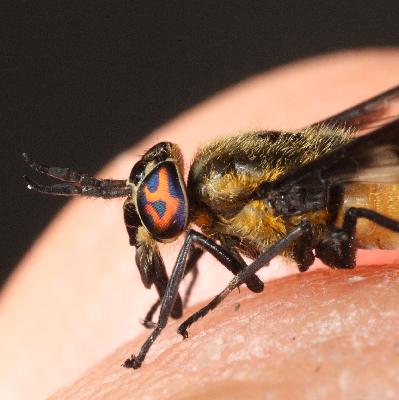
Dr. Kakande Reagan, Dr. Bri Bennett, and Dr. Jessica Pelletier discuss the epidemiology, pathophysiology, clinical presentation, diagnostic workup, management, and prevention of loiasis.Take-Home Points:Loa loa is a multi-system parasitic disease with potentially serious complications if untreated.Diagnosis requires diurnal blood smears or thick-drop methods, and Giemsa or H&E staining is necessary to diagnose the worms appropriately.Microfilarial load dictates the treatment strategy.There is a risk of life-threatening encephalopathy not only with ivermectin, but also with DEC, which is the first-line therapy for loiasis.Prevention involves avoiding Chrysops fly bites.Loiasis complicates MDA in areas with co-endemicity for onchocerciasis and lymphatic filariasis. Caution should be used with drug selection in co-endemic areas.You can view the full show notes and references here: https://docs.google.com/document/d/1FFoxvW_quKvmRS2Rph09-azch8jb61aemniR8AOX8Ps/edit?usp=sharingImage attribution: Magne Flåten, CC BY-SA 3.0 <https://creativecommons.org/licenses/by-sa/3.0>, via Wikimedia CommonsEpisode sound attributions:Counting to 20: Creative Commons 0: http://creativecommons.org/publicdomain/zero/1.0/More jazz guitar: more Jazz guitar.wav by Sub-d: https://freesound.org/s/49658/ -- License: Creative Commons 0Ragtime Logo Standard Version: https://pixabay.com/sound-effects/ragtime-logo-standard-version-116100/Bike bell 10.flac by cdrk -- https://freesound.org/s/495492/ -- License: Attribution 4.0
Dr. Stuart Allen, Dr. Jessica Pelletier, and Dr. Akan Otu discuss the epidemiology, pathophysiology, clinical presentation, diagnostic workup, management, and prevention of dengue.Take-Home Points:Dengue is an arboviral disease transmitted by the Aedes aegypti mosquitoIt is an NTD with a huge global burden of diseaseThe majority of cases are self-limiting, but severe dengue infections can cause massive hemorrhage, shock, multiorgan failure, and deathThere is no cure for dengue; supportive care for critically ill patients involves IV fluid resuscitation, blood product transfusion for those with massive bleeding, vasopressors for shock that is not responsive to fluid or blood product administration, and management of organ failure sequelaeThere is only 1 vaccine for dengue prevention - Qdenga® (TAK-003) - and it is only recommended in children 6-16 years right nowOther vaccines are under developmentPreventing mosquito bites is key for disease preventionYou can view the full show notes and references here: https://docs.google.com/document/d/1DpCmbj3TMztOuzdusmHZ4rqu9PaMkOX_m6wWBhgfWjg/edit?usp=sharingEpisode art attribution: Adobe FireflyEpisode sound attributions:Counting to 20: Creative Commons 0: http://creativecommons.org/publicdomain/zero/1.0/More jazz guitar: more Jazz guitar.wav by Sub-d: https://freesound.org/s/49658/ -- License: Creative Commons 0Ragtime Logo Standard Version: https://pixabay.com/sound-effects/ragtime-logo-standard-version-116100/Ambulance_Traffic_Mic on top of car.WAV by deleted_user_6718832 -- https://freesound.org/s/365254/ -- License: Creative Commons 0Coos Baby 3 Various Ha AC032101 by gumballworld -- https://freesound.org/s/398553/ -- License: Attribution NonCommercial 4.0Baby Whines Cries Huf PE145601 by gumballworld -- https://freesound.org/s/398548/ -- License: Attribution NonCommercial 4.0dark emotions.wav by michellelindemann1 -- https://freesound.org/s/521597/ -- License: Attribution 4.0shocking 0N_31mi by Setuniman -- https://freesound.org/s/155349/ -- License: Attribution NonCommercial 4.0out-of-breath_woman_slow.wav by pekena_larva -- https://freesound.org/s/667286/ -- License: Attribution 4.0Tape Rewind #1 by Hajisounds: https://freesound.org/s/679970/ -- License: Creative Commons 0
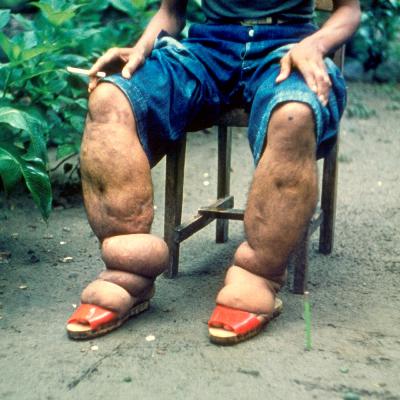
Dr. Jessica Pelletier, John George Johnson, and Dr. Sheikh Omar Bittaye discuss the epidemiology, pathophysiology, clinical presentation, diagnostic workup, management, and prevention of lymphatic filariasis (LF).Take-Home Points:LF is the second most common mosquito-borne illness after malaria.This disease involves repeated cycles of infection and inflammation, much like trachoma, and can cause severe morbidity and social isolation.Treatment is with anti-parasitic agents and must be tailored regionally based on which other parasites are co-endemic. Avoid ivermectin where loa loa is prevalent.At least 3 weeks of DEC is needed to treat tropical pulmonary eosinophilia from LF.MDA and avoiding mosquito bites are critical for interrupting transmission and preventing ongoing infections.You can view the full show notes and references here: https://docs.google.com/document/d/1Pf4RBMHfHW5GHl2WYK_8PrTl-GOBbz4va_vSnJCmUEM/edit?usp=sharingEpisode art attribution: By Photo Credit:Content Providers: CDC/ - This media comes from the Centers for Disease Control and Prevention's Public Health Image Library (PHIL), with identification number #373.Note: Not all PHIL images are public domain; be sure to check copyright status and credit authors and content providers.العربية | Deutsch | English | македонски | slovenščina | +/−, Public Domain, https://commons.wikimedia.org/w/index.php?curid=223538Episode sound attributions:Counting to 20: Creative Commons 0: http://creativecommons.org/publicdomain/zero/1.0/More jazz guitar: more Jazz guitar.wav by Sub-d: https://freesound.org/s/49658/ -- License: Creative Commons 0Ragtime Logo Standard Version: https://pixabay.com/sound-effects/ragtime-logo-standard-version-116100/Tape Rewind #1 by Hajisounds: https://freesound.org/s/679970/ -- License: Creative Commons 0Vitamins in a jar: https://tinyurl.com/49swy2zw
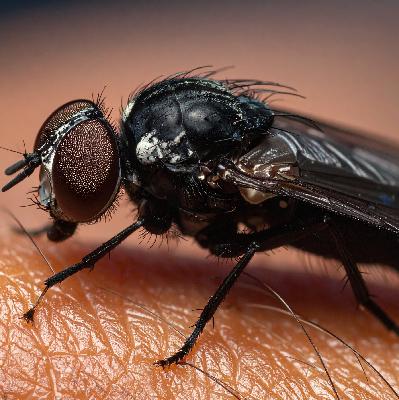
Dr. Jessica Pelletier, Dr. Kakande Reagan, and Dr. Bri Bennett discuss the epidemiology, pathophysiology, clinical presentation, diagnostic workup, management, and prevention of onchocerciasis.Take-Home Points:Onchocerciasis is the second leading cause of blindness worldwideTransmission occurs via blackfly bitesClinical manifestations are typically dermatologic followed by ocularDiagnosis ideally occurs via PCR of skin snips, or RDT where this is availableTreatment is either with ivermectin or doxycycline (which kills the Wolbachia symbiont)Prevention on a large scale involves ivermectin MDA, traps, and vegetation clearing, but individuals living in endemic areas need to avoid blackfly bites at all costsYou can view the full show notes and references here: https://docs.google.com/document/d/1WPhP2hvVHlQClwN6K3lZ1BPM4fjeX2XdIFWcTI_gnV4/edit?usp=sharingEpisode art attribution: image generated using Adobe Firefly and an image of Simulium blackfly By xpda - Own work, CC BY-SA 4.0, https://commons.wikimedia.org/w/index.php?curid=67748232Episode sound attributions:2 Males Yelling by djlarson3 -- https://freesound.org/s/360678/ -- License: Creative Commons 0DogBarks01.wav by nickyg11p -- https://freesound.org/s/390805/ -- License: Creative Commons 0
Dr. Jessica Pelletier and Dr. Tracy Walczynski discuss the epidemiology, pathophysiology, clinical presentation, diagnostic workup, management, and prevention of trachoma.Take-Home Points:Trachoma is the most common infectious cause of blindness worldwideChlamydia trachomatis is spread via direct contact, and its spread is propagated in resource-limited settings where there is poor access to good sanitation and personal hygieneThis is a chronic condition involving cycles of infection and scarring that eventually lead to blindnessSAFE - Surgery, Antibiotics, Facial cleanliness, and Environmental improvement - are the cornerstones of managementYou can view the full show notes and references here: https://docs.google.com/document/d/1vYMyw76A9oRW-hZtCmqgH_SYEghtWY7GxGKqjCzqHvo/edit?usp=sharingEpisode art attribution: image generated using Adobe FireflyEpisode sound attribution:HUGE EXPLOSION by SamsterBirdies -- https://freesound.org/s/733120/ -- License: Creative Commons 0huge explosion in distance.wav by SuperPhat -- https://freesound.org/s/417691/ -- License: Creative Commons 0Realistic Gun-Fire by Mr_KeybOred -- https://freesound.org/s/414023/ -- License: Creative Commons 0Atomic Bomb by Hard3eat -- https://freesound.org/s/379352/ -- License: Creative Commons 0Huge Explosion by unfa -- https://freesound.org/s/259300/ -- License: Creative Commons 0240615-12_Applause_indoor by kevp888 -- https://freesound.org/s/762606/ -- License: Attribution 4.0More jazz guitar: more Jazz guitar.wav by Sub-d: https://freesound.org/s/49658/ -- License: Creative Commons 0Ragtime Logo Standard Version: https://pixabay.com/sound-effects/ragtime-logo-standard-version-116100/
Dr. Jessica Pelletier and Dr. Kamoga Dickson discuss the epidemiology, pathophysiology, clinical presentation, diagnostic workup, management, and prevention of cholera.Take-Home Points:Cholera is a disease with high morbidity that disproportionately affects sub-Saharan AfricaThe O1 and O139 serogroups of V. cholera make cholera toxin and cause the diseaseColonization happens in the small intestine, so higher volumes of bacteria that make it to the small intestine are more likely to cause diseaseThe classic presentation involves rice water stools and dehydration, but vomiting is also possiblePatients with mild to moderate dehydration should receive oral rehydration, and those with severe dehydration should receive balanced IV fluids (where available)Severe cases need antibiotics based on local guidelinesPrevention involves sanitation measures and vaccinationYou can view the full show notes and references here: https://docs.google.com/document/d/1HCMld8vCdiPMRSAdSeWu2VWZFBhEF15Nvrsa_ov9YuA/edit?usp=sharingEpisode art attribution: image generated using Adobe FireflyEpisode sound attribution:Eating.m4a by smellyrat -- https://freesound.org/s/702179/ -- License: Creative Commons 0Poop fall 3 by frenkfurth -- https://freesound.org/s/776535/ -- License: Creative Commons 0Washing Hands.wav by allie_on_toast -- https://freesound.org/s/648346/ -- License: Creative Commons 0More jazz guitar: more Jazz guitar.wav by Sub-d: https://freesound.org/s/49658/ -- License: Creative Commons 0Ragtime Logo Standard Version: https://pixabay.com/sound-effects/ragtime-logo-standard-version-116100/
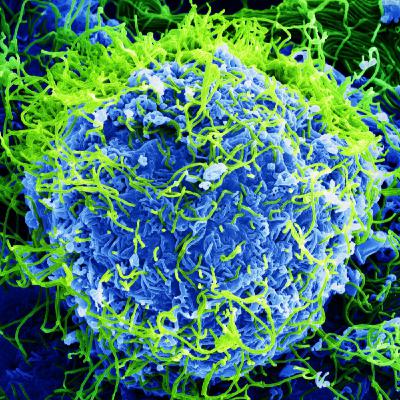
Dr. Jessica Pelletier and Noah Kronk speak with Dr. Steve Liang and Dr. Gaston Omba about the diagnostic workup, management, and prevention of ebola virus disease (EVD).Take-Home Points:Patients may present in either the dry or wet phases of disease and may progress to death or recoveryEarly recognition of possible EVD cases helps protect more people from becoming infectedIPC measures are critical to break the cycle of infection and stop outbreaksCare in the ED is primarily supportivePatients with the Zaire strain of EVD OR neonates born to mothers who test positive are eligible to receive mAb114 or REGN-EB3, where availableIndividuals exposed to the Zaire strain of EVD should receive the Ervebo vaccineYou can view the full show notes and references here: https://docs.google.com/document/d/1193rLGFHzSXLY2rnUzUc5m0utFjAGCRVUPNG3oULKFw/edit?usp=sharingEpisode art attribution: image generated using Adobe FireflySound attributions:More jazz guitar: more Jazz guitar.wav by Sub-d: https://freesound.org/s/49658/ -- License: Creative Commons 0Ragtime Logo Standard Version: https://pixabay.com/sound-effects/ragtime-logo-standard-version-116100/
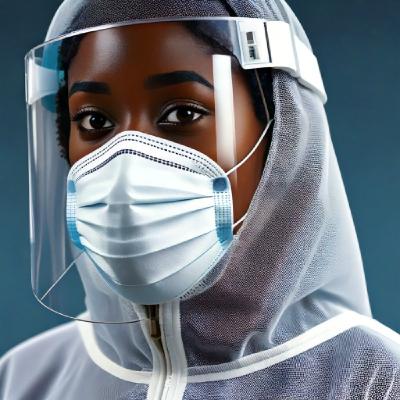
Dr. Jessica Pelletier and Noah Kronk speak with Dr. Gaston Omba, an emergency medicine resident physician with expertise in international cooperation, humanitarian aid, health management, and ebola epidemic response.Take-Home Points:Ebola virus outbreaks typically occur in Sub-Saharan AfricaThe natural reservoir is thought to be bats, but this isn’t definitiveEarly detection of suspected Ebola cases is crucial to prevent viral spreadFever is the most common early symptom, and may be accompanied by headaches, myalgias, GI symptoms, or rashSince these symptoms are non-specific, we need to take excellent travel and exposure historiesLater symptoms include bleeding, shock, multiorgan failure, and death, which occur in the 2nd week of diseaseTransmission is via direct contact with infected patients or their body fluidsHealthcare workers need to ensure strict use of PPE to prevent infection of themselves or other patientsYou can view the full show notes and references here: https://docs.google.com/document/d/1193rLGFHzSXLY2rnUzUc5m0utFjAGCRVUPNG3oULKFw/edit?usp=sharingEpisode art attribution: By BernbaumJG - Own work, CC BY 4.0, https://commons.wikimedia.org/w/index.php?curid=64106638Sound attributions:More jazz guitar: more Jazz guitar.wav by Sub-d: https://freesound.org/s/49658/ -- License: Creative Commons 0Ragtime Logo Standard Version: https://pixabay.com/sound-effects/ragtime-logo-standard-version-116100/water splash 5.wav by lwdickens -- https://freesound.org/s/269008/ -- License: Attribution NonCommercial 4.0
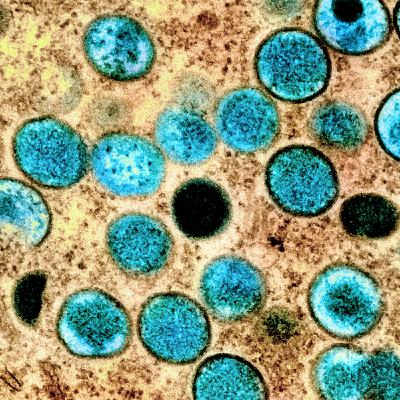
Dr. Jessica Pelletier and Noah Kronk speak with Dr. Stephen Liang, an emergency medicine physician and infectious disease expert, about the diagnosis and management of mpox in the ED setting.Take-Home Points:Two clades:Clade 1 (Central Africa): classic, more severe diseaseClade 2 (West Africa): subtle, non-classic presentations including genital/anal lesions and proctitis in the 2022 global outbreakTransmitted via exposure to body fluids, skin lesions, or respiratory secretionsIncubation period: 5-14 daysLesions can mimic a wide range of diseases - keep a broad differential, including other sexually transmitted infections in the right contextFor most patients, care is supportiveThose with or at high risk for severe disease should receive tecovirimatYou can view the full show notes and references here: https://docs.google.com/document/d/1CS5lo3HhvE_FiuDDgPPDkUnXHf49gydahGSWiGBlDFA/edit?usp=sharingEpisode art attribution: NIAID, CC BY 2.0 <https://creativecommons.org/licenses/by/2.0>, via Wikimedia CommonsSound attributions: More jazz guitar: more Jazz guitar.wav by Sub-d: https://freesound.org/s/49658/ -- License: Creative Commons 0Ragtime Logo Standard Version: https://pixabay.com/sound-effects/ragtime-logo-standard-version-116100/
Dr. Jessica Pelletier speaks with Ambrose Ndabahwerize, a nurse working in Uganda, regarding his first-hand experience working with mpox patients in a resource-limited setting.Take-Home Points:Most cases of mpox are non-severeTreatment of mpox is primarily supportiveCommunity education, isolation of suspected cases, and proper PPE access are key for preventing the spread of diseaseEpisode art attribution: image generated using Adobe FireflySound attributions: More jazz guitar: more Jazz guitar.wav by Sub-d: https://freesound.org/s/49658/ -- License: Creative Commons 0Ragtime Logo Standard Version: https://pixabay.com/sound-effects/ragtime-logo-standard-version-116100/
In this special episode of ID4U, we move away from our focus on tropical medicine and instead discuss the non-profit Techies Without Borders (TWB). We learn the following:What does the TWB non-profit do?Why are the TWB volunteers passionate about their work?What is the Continuing Medical Education Solutions (CMES) initiative, and how does it work?How are donations used?You can learn more about TWB here: https://techieswithoutborders.us/You can learn more about CMES here: https://cmesworld.org/If you are interested in donating to TWB to help our cause, visit this link: https://techieswithoutborders.us/#donateEpisode sound bite attributions:GONG2.aif by loofa -- https://freesound.org/s/23581/ -- License: Attribution NonCommercial 4.0JamesportWindChimes.wav by acclivity -- https://freesound.org/s/30606/ -- License: Attribution NonCommercial 4.0More jazz guitar: more Jazz guitar.wav by Sub-d: https://freesound.org/s/49658/ -- License: Creative Commons 0Ragtime Logo Standard Version: https://pixabay.com/sound-effects/ragtime-logo-standard-version-116100/
Dr. Jessica Pelletier speaks with Dr. Emmanuel Effa, a nephrology expert, about tropical infections in chronic kidney disease (CKD) patients.Take-Home Points:CKD and particularly end-stage kidney disease (ESKD) impose significant morbidity and mortality.Early recognition and management of CKD is critical to prevent progression to ESKD.Numerous tropical infections can increase the risk for AKI, CKD, and ESKD.Management typically involves treatment of the underlying infectious cause.You can view the full show notes and references here: https://docs.google.com/document/d/1p1u-TU5-lrlLcunm_MxNd0fJHdpaHPHuin9j_dTRUgQ/edit?usp=sharingEpisode art attribution: image generated using Adobe FireflySound attributions:More jazz guitar: more Jazz guitar.wav by Sub-d: https://freesound.org/s/49658/ -- License: Creative Commons 0Ragtime Logo Standard Version: https://pixabay.com/sound-effects/ragtime-logo-standard-version-116100/
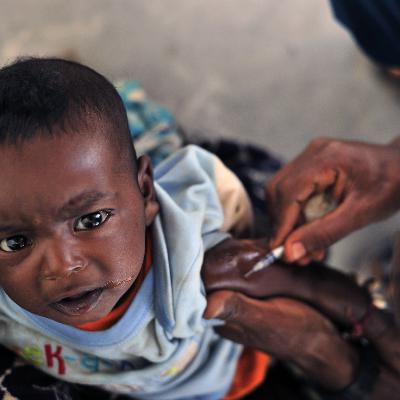
Dr. Jessica Pelletier speaks with Dr. Ly Cloessner, a public health expert, about current malaria vaccines and the rollout processTake-Home Points:Malaria can cause severe symptoms requiring emergency care and lead to significant morbidity and mortality worldwide.Malaria prevention includes the use of bednets, insecticide spraying, and antimalarial medications, especially for pregnant women and children in high-transmission areas.Since 2019, the WHO has prequalified two malaria vaccines: R21/Matrix-M and RTS,S/AS01 (Mosquirix). Additional vaccines are in development.You can view the full show notes and references here: https://docs.google.com/document/d/17ekkrvrRj4MP1Hiyjh2XTE5_-S69zkqFbdQz3jY6nOQ/edit?usp=sharingEpisode art attribution: David Mark, CC0, via Wikimedia Commons. https://upload.wikimedia.org/wikipedia/commons/d/df/Vaccination_of_a_child.jpgSound attributions:More jazz guitar: more Jazz guitar.wav by Sub-d: https://freesound.org/s/49658/ -- License: Creative Commons 0Ragtime Logo Standard Version: https://pixabay.com/sound-effects/ragtime-logo-standard-version-116100/
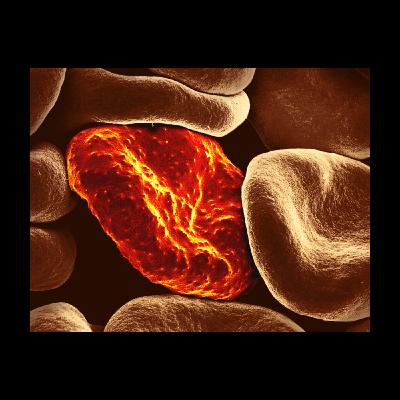
Dr. Jessica Pelletier speaks with Dr. Emmanuel Effa, a malaria expert, about diagnosing and managing severe malaria in the emergency setting.Take-Home Points:Severe malaria is characterized by parasitemia plus 1 or more of the severe features we discussed - basically, signs of organ damageKids are at higher risk of getting and dying from thisThese folks will often need resuscitation from an ABCDE standpointEarly recognition and aggressive antimalarial treatment is essentialPatients should be treated with broad-spectrum antibiotics until bacterial infection is ruled outYou can view the full show notes and references here: https://docs.google.com/document/d/13vX2HxiTH9_hCzAyQz-aHztHOqYmMU8vDE2itz4tXsc/edit?usp=sharingEpisode art attribution: NIAID. Red Blood Cell Infected with Malaria Parasites.; 2023. Accessed August 28, 2024. https://www.flickr.com/photos/niaid/52845764644Sound attributions:More jazz guitar: more Jazz guitar.wav by Sub-d: https://freesound.org/s/49658/ -- License: Creative Commons 0Ragtime Logo Standard Version: https://pixabay.com/sound-effects/ragtime-logo-standard-version-116100/
ID4U Episode 4 Malaria

ID4U Episode 4 Malaria

2024-07-1315:56

Dr. Jessica Pelletier speaks with Dr. Brit Long, who recently published a review article on malaria for emergency clinicians, about uncomplicated malaria infection.Take-Home Points:Malaria is a highly prevalent disease worldwide that causes millions of cases and hundreds of thousands of deaths, though improving prevention strategies are helping mitigate thisMalaria can be asymptomatic, uncomplicated, or complicated; we covered uncomplicated malaria todayUncomplicated malaria may come with fevers, which are usually cyclical, as well as flu-like symptomsDiagnosis is made using RDT or blood smear, though a smear is ideal for determining parasite burden and the infecting speciesTreatment should be guided by local guidelines and protocols, which take into account resistance patternsMost first-line antimalarials are well-tolerated, and uncomplicated malaria usually has a good prognosis when treated appropriatelyPrevention strategies include avoiding, blocking, and killing mosquitoes; chemoprophylaxis; and vaccines, where availableYou can view the full show notes and references here: https://docs.google.com/document/d/1t2z8OMLm6hmOMBrsAlp-vAFWDVsXkh6otCL-Qvh8jhM/edit?usp=sharingSound attributions:More jazz guitar: more Jazz guitar.wav by Sub-d: https://freesound.org/s/49658/ -- License: Creative Commons 0Ragtime Logo Standard Version: https://pixabay.com/sound-effects/ragtime-logo-standard-version-116100/
In Part 2, Dr. Jess Pelletier speaks with Dr. Moses Kitakule about tuberculosis (TB) complications, including pulmonary and extrapulmonary emergencies and serious side effects of anti-TB medications.Take-Home Points:There are a number of life-threatening pulmonary emergencies that can occur in active or latent TB patients due to structural lung changes, and we need to be ready to manage themExtrapulmonary TB can impact any organ system, but some of the most dangerous emergencies to be aware of include:CardiacCardiac tamponade 2/2 pericarditis with effusionMyocarditis/sudden cardiac deathIncreased risk of coronary artery disease/acute coronary syndromeAortitisNeurologicMeningitisTuberculomasSpinal tuberculous arachnoiditisIncreased risk of ischemic strokeHematologicDecreased cell lines, TTP, coagulopathyGIBowel obstruction/perforationPeritonitisTuberculous appendicitisOsteoarticularOsteomyelitisSeptic arthritisFirst-line anti-TB drugs can be quite toxic, with the most concerning emergencies including seizures, hepatoxicity, hematologic emergencies, life-threatening rashes, optic neuritis, and pneumonitisYou can view the full show notes and references here: https://docs.google.com/document/d/1ubGVR3i9lab1MM7NgXMjeORhQ-jFQt6C51R-9xI1VW4/edit?usp=sharingSound attributions:More jazz guitar: more Jazz guitar.wav by Sub-d: https://freesound.org/s/49658/ -- License: Creative Commons 0Ragtime Logo Standard Version: https://pixabay.com/sound-effects/ragtime-logo-standard-version-116100/
loading
Comments 
loading