


 Claim Ownership
Drowned in Sound
Subscribed: 68Played: 1,132
Subscribe

© The Sounding Limited
Description
This weekly podcast explores how culture, politics, and the climate crisis are reshaping music. From AI and activism to festival futures and the collapse of local scenes, we treat music as an ecosystem, not just entertainment. Guests include artists, changemakers, and organisers reimagining what music can be. Subscribe and join the conversation.
Hosted by Sean Adams, founder of Drowned in Sound
Hosted by Sean Adams, founder of Drowned in Sound
77 Episodes
Reverse
Is AI a human rights issue for musicians? And why isn't the UK government treating it like one?
In Part 2 of our conversation with David Martin, CEO of the Featured Artists Coalition, we turn to the question that kept us talking long after we'd wrapped the UK Artist Touring Fund discussion: what happens when AI platforms train on artists' recordings, voices, and likenesses without their consent?
David explains why the FAC and the Council of Music Makers see protecting human creativity as fundamentally important, why record contracts signed in 2020 couldn't possibly have granted consent for AI uses artists didn't understand, and why the deals major labels have struck with AI platforms are, in his words, a scandal. Sean connects this to the UK government's investment in AI data centres and tax breaks, while 125,000 music industry workers and the Music Export Growth Scheme's entire annual budget sits at just £1.6 million.
They also get into David's answer to the £500 million question, why he thinks music in 2050 will be better than ever, the difference between AI hype and the NFT bubble, and why venues with broken dressing room windows in minus-four weather tell you everything about where the money actually goes.
This is the final episode of our season loosely themed around resilience. Send your questions to podcast@drownedinsound.org for an upcoming Ask Me Anything episode.
Links:
Featured Artists Coalition https://www.featuredartistscoalition.com
Council of Music Makers https://councilofmusicmakers.org
Musicians' Union https://themu.org
Music Managers Forum https://themmf.net
Music Export Growth Scheme https://www.bpi.co.uk/fund/music-export-growth-scheme/
This week's playlist: artists who speak up about AI + Qobuz free trial. Visit https://drownedinsound.org/playlists/ to discover new music in rich Hi-Res lossless quality and start your 30-day free trial of Qobuz at https://qobuz.com/dis.
Edited by: tell.studio (Phil, Louisa, Owen, Matt)
For 25 years our publication and podcast has recommended music. We now also spark conversations and create resources to help music fans discover their collective power.
The UK music industry generated £7.6 billion last year. Taylor Swift became a billionaire off the back of a tour. So why are some artists still losing money every time they play a show?
That's the question at the heart of this episode, as Sean sits down with David Martin, CEO of the Featured Artists Coalition (FAC), and musician and former FAC board member Roxanne de Bastion to talk about the newly launched UK Artist Touring Fund (UKAT).
Applications are open now. If you are a touring artist, go to thefac.org/ukatfund before midnight on 20 March 2026. Or stay tuned for phase two.
The fund distributes money raised through a voluntary £1 levy on arena and stadium tickets - contributed by tours from artists including Harry Styles, Katy Perry, Coldplay, Radiohead and Enter Shikari - to help emerging and mid-tier artists cover genuine shortfalls on their UK headline tours. In Phase One, artists can receive up to £7,000, covering up to 40% of tour expenditure.
In this episode we cover:
- Why the music industry can be booming at the top while artists on the road are losing money every night - and how British artists' share of the global market has fallen from around 17% to 9% in the last nine years.
- The real costs of touring - from Travelodge bills and van hire to session fees, sound engineers and childcare - and how costs have risen sharply since 2022 while support fees have barely moved in decades.
- Why record labels stopped providing tour support, and what that has meant for the generation of artists trying to develop their careers on the road.
- How UKAT works: who qualifies, what it covers, why support tours are excluded from Phase One (and when that changes), and the separate access fund for artists with disabilities, caring responsibilities or other access needs.
- The Live Nation question - how the UK's biggest promoter reports losses in its UK entity while the wider group generates billions globally through Ticketmaster and venue operations - and what it would take to bring major players fully into the levy.
- Why funding touring is also a working-class issue: every genre the UK is globally known for - grime, drum and bass, early rock and pop - came from working-class underground movements, and rising costs are pricing those voices out.
- The safety argument: as David describes, sending artists out on the road without the resources to do it properly is not just a financial issue - it is a physical safety issue. The death of Viola Beach is a reference point nobody in the industry has forgotten.
- What Roxanne would spend £500 million on, and what both guests hope and fear music will be like in 2050.
Visit drownedinsound.org/playlists/ to discover new music in rich Hi-Res lossless quality and start your 30-day free trial of Qobuz at qobuz.com/dis.
Links
UKAT Fund - apply by 20 March 2026: thefac.org/ukatfund
Featured Artists Coalition: thefac.org
Roxanne de Bastion: roxannedebastion.com/
Los Campesinos! touring economics breakdown: https://community.drownedinsound.com/t/how-los-campesinos-lost-over-1000-playing-a-sold-out-show-in-dublin/87034
Enter Shikari / Rou Reynolds episode: https://youtu.be/gTkSAokv6UU?si=vBeWvwp7y2l78I3A
Join the DiS community: community.drownedinsound.com
DiS newsletter signup: drownedinsound.org
Edited by: tell.studio (Phil, Louisa, Owen, Matt)
What does it mean to lean in? Not to your career, not to the algorithm but to the act of making music itself?
Polly Mackey, the artist, musician, songwriter and producer behind Art School Girlfriend, nearly walked away from releasing music altogether. Instead, she built a studio in East London, completed a Master's thesis on how electronic music can feel human, and made Lean In, her third album, out now on Fiction Records. It might be the most emotionally honest thing she's made.
In this conversation, Polly and Sean talk about why she's drawn to the emotional geography between shoegaze and electronic music, the Ableton water-simulation plugins that shaped the record's sound, and what it felt like to study her own creative process while writing the songs. They also get into the bigger questions: Is the album format in crisis? Who actually benefits when music is "democratised"? And what happens to the music industry when the barrier to entry used to be £350 rent in Dalston?
Plus: Polly's memories of trying to buy a Slayer album at 10 years old, what her three records taste like (one of them tastes like tears), touring as a three-piece with her wife Marika Hackman, and a genuinely lovely answer about what she hopes music looks like in 2050.
Visit https://drownedinsound.org/playlists/ to discover new music in rich Hi-Res lossless quality and start your 30-day free trial of Qobuz at https://qobuz.com/dis.
Links
Art School Girlfriend: artschoolgirlfriend.co.uk
Marika Hackman: marikahackman.com
Shy Radicals (film/book): Good Press
Foundation FM: Art School Girlfriend's Radio Show
Join the DiS community: http://community.drownedinsound.com
Subscribe to the DiS newsletter: http://drownedinsound.org
Edited by: tell.studio (Phil, Louisa, Owen, Matt)
Chapters
00:00:00 - Introduction and Qobuz playlist
00:02:27 - Meet Polly Mackey
00:03:50 - Soft Landing vs Lean In
00:06:30 - Growing up on nu metal in North Wales
00:09:30 - What music would taste like
00:10:54 - Why electronic music sounds like shoegaze
00:13:50 - The Slink Devices water plugin
00:18:00 - Rewilding electronic music
00:19:15 - The MA thesis: sonic objects of intimacy
00:20:10 - Digital silence and The New Analog
00:24:00 - Positive nihilism
00:27:50 - Emma's newsletter ad
00:28:34 - Is the album format in crisis?
00:33:50 - Self-producing Lean In and mixing with Riley MacIntyre
00:34:10 - Sensory overwhelm and Doing Laps
00:36:00 - Translating the record to the live stage
00:38:57 - Qobuz ad
00:40:13 - Shy Radicals, Arlo Parks and the queer bookshop
00:43:40 - £500 million: geography vs class in the music industry
00:51:30 - How to ethically support artists you love
00:52:38 - What music should look like in 2050
00:54:35 - Outro
What happens when a producer and musician working with Solange, Rosie Lowe, Loyle Carner, and Kelela burns out, and a spilled glass of water shows him the way back?
Kwes. (Kwesi Sey) has spent fifteen years at the centre of London's most boundary-pushing music, from working with Bobby Womack to the Rye Lane soundtrack. But after years of studio sessions and collaborations, he needed a reset. The catalyst came from his daughter: she knocked over a drink mid-drawing, shrugged it off, and carried on. That moment became the blueprint for his new album Kinds, made in six months of late-night flow states, half-asleep at the keyboard.
The result is a 29-minute meditation on colour, memory, and sound. Every track is named after the hues kwes. experiences through synesthesia / chromesthesia (hearing colours).
We talk about making music without overthinking, why ambient records aren't minimal, the discipline of producing for other artists versus creating your own work, and what Beach Boys albums taste like.
Sean and kwes. also discuss burnout and creative recovery, the London scene that connects Damon Albarn to Tirzah to Speech Debelle, and why London needs creative spaces with affordable accommodation. kwes. reflects on the Barbican and Tate Modern premieres for Kinds, working with visual artist Ryan Vautier, and his hope that one day we'll be able to smell sound.
If there's a thread running through it all, it's this: rest is political. And sometimes the most radical thing you can do is stop overthinking and just make.
Visit https://drownedinsound.org/playlists/ to discover new music in rich Hi-Res lossless quality and start your 30-day free trial of Qobuz at https://qobuz.com/dis.
Edited by: tell.studio (Phil, Louisa, Owen, Matt)
Continue the Conversation: Head to the Drowned in Sound community to chat about the topics in this episode.
Subscribe: Get weekly essays, interviews, and insights from the Drowned in Sound newsletter - exploring music, culture, and resistance.
Links & Resources:
kwes.:
Official website: https://kwes.info
Bandcamp: https://kwesmusic.bandcamp.com
Warp Records: https://warp.net/artists/kwes/
Films & Soundtracks:
Rye Lane (dir. Raine Allen-Miller): https://www.bbc.co.uk/iplayer/episode/m001k3tb/rye-lane
Black Is Beautiful: The Kwame Brathwaite Story: https://www.londonsff.com/black-is-beautiful
Some of the artists mentioned:
Coby Sey (kwes.'s brother): https://cobysey.bandcamp.com
Elan Tamara (kwes.'s wife): https://elantamara.bandcamp.com
Loyle Carner: https://loylecarner.com
Kelela: https://www.kelela.com
Tirzah: https://tirzah.co.uk
Recorded at The Shure Experience Centre in London
Chapters:
00:00:00 - Introduction
03:00:00 - What is minimalism?
06:15:00 - Working with Solange and Kelela
10:45:00 - The spilled drink catalyst
14:30:00 - Making the record after burnout
19:00:00 - Flow state and late-night writing
22:25:00 - Newsletter ad break
25:00:00 - Barbican and Tate Modern premieres
28:30:00 - Synesthesia and colour-coded tracks
32:00:00 - Qobuz ad break
35:00:00 - Brian Eno and ambient music
40:00:00 - Inspirations: Beach Boys, Pat Metheny
47:00:00 - What does music taste like?
50:30:00 - Creative spaces and accommodation
54:00:00 - Hope for music in 2050
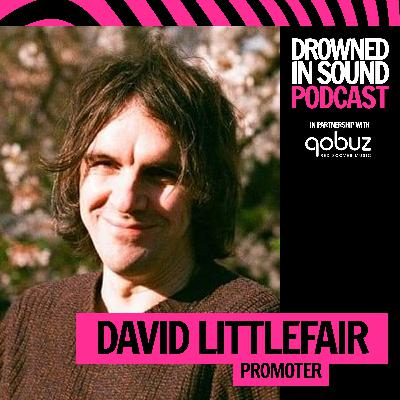
What does it actually mean to be a grassroots music promoter in 2026?
David Littlefair joins the Drowned in Sound Podcast to discuss the grassroots pledge he's made with Marrapalooza, the DIY festival in Newcastle's Ouseburn Valley - redirecting ad spend away from Meta, refusing to book artists based on follower counts, and putting money back into the local scene instead of offshore platforms.
We also get into the bigger picture: why 85% of Arts Council music funding goes to opera and classical music while brass bands and folk get 0.6% each, how Spotify has spent fifteen years extracting hundreds of millions from British artists, and why the grassroots levy risks being offshored by Instagram ads.
David speaks from twenty years of promoting in the North East - from £1-on-the-door pub nights in Sunderland to putting on Sam Fender's second ever gig, to building a festival with a clear political philosophy. He talks about "algorithm begging," the case for community-owned venues modelled on working men's clubs, nd what he'd do with Daniel Ek's £500 million.
The Drowned in Sound Podcast is presented in partnership with Qobuz - the ethical music streaming platform for music enthusiasts. Start your free trial at drownedinsound.org/playlists. This week's playlist (Jan/Feb 2026 favourites) + Qobuz free trial https://www.drownedinsound.org/playlists + Subscribe to the DiS Newsletter https://www.drownedinsound.org/newsletter
Links:
🎪 Marrapalooza 4: Wild and Fierce and Not Bothered — June 5–7 2026, Newcastle https://marrapalooza.co.uk
📄 Youth Music — "Just The Way It Is?" report https://www.youthmusic.org.uk
📄 IPPR — State of the North (arts and culture spending) https://www.ippr.org
📗 Liz Pelly — Mood Machine (Spotify book) https://lizpelly.info
🎵 Portions For Foxes (David's promoting name) — named after the Rilo Kiley song
Credits: Hosted, engineered, edited, researched, and produced by Sean Adams.
Edited and mixed by Tell Studio.
Recorded at The Shure Experience Centre, London.
Guest: David Littlefair (Marrapalooza / Portions For Foxes).
For 25 years our publication and podcast has recommended music. We now also spark conversations and create resources to help music fans discover their collective power.
Mentioned in this episode: Marrapalooza · Portions For Foxes · Los Campesinos! · Soak · Milkweed · Lande Hekt · Jim Ghedi · Gwennifer Raymond · The Chisel · Militarie Gun · Mandrake Handshake · Sam Fender · Field Music · The Futureheads · Rilo Kiley · Caribou · Hundred Reasons · Kelly Lee Owens · PVA · Ella Harris · Gruff Rhys · Benefits · Ex Vöid · Justin Hawkins / The Darkness · Liz Pelly · Music Venue Trust · Arts Council England · PRS for Music · Help Musicians · Featured Artists Coalition · Democratic Business Alliance · Brass Band England · Qobuz · Spotify / Daniel Ek · Youth Music · Music Declares Emergency
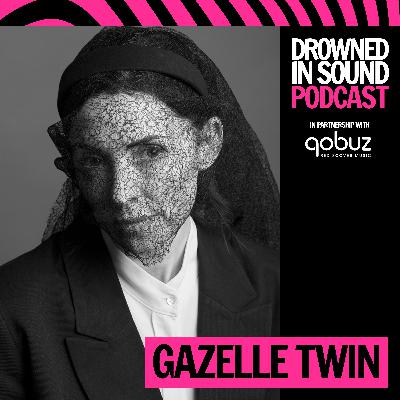
This is a conversation about what happens when artists discover their collective power.
In May 2025, electronic artist Gazelle Twin withdrew from her Kings Place residency over the venue's decision to host an arms industry conference sponsored by Lockheed Martin. Eleven days later, after 1,200+ artists and fans signed an open letter, Kings Place cancelled the event.
Elizabeth Bernholz (Gazelle Twin) talks about that moment and so much more. The musician meets Drowned in Sound founder to discuss creating Pastoral - the Brexit-adjacent album that Drowned in Sound gave 10/10 - moving from liberal Brighton to conservative rural England, the Fever Ray performance that changed everything, and why she performed unmasked for the first time for the album Black Dog after fourteen years...
We discuss the practical tactics of organizing boycotts, how PRS Foundation funding enabled some of her most political work, balancing motherhood with touring and activism, film scoring (Nocturne, The Power) as financial stability, and why she believes Ireland's basic income for musicians could transform the industry.
From "jaded, frustrated and largely insulted" by the music industry in 2009 to successfully being part of a boycott of the arms industry in 2025 - this is a story about resilience, solidarity, and the power of saying no.
LINKS:
Gazelle Twin: Official website: https://www.gazelletwin.com
Bandcamp: https://gazelletwin.bandcamp.com
Instagram: @gazelletwin
Organizations Mentioned:
PRS Foundation: https://prsfoundation.com
Help Musicians: https://www.helpmusicians.org.uk
Music Venue Trust: https://www.musicvenuetrust.com
Drowned in Sound: Newsletter signup: https://drownedinsound.org
This week's playlist (featuring Gazelle Twin, Björk, David Bowie + Nine Inch Nails, Halsey): https://drownedinsound.org/playlists
DiS review of Pastoral (10/10): https://drownedinsound.com/releases/20441/reviews/4152045
Try Qobuz - Free 30-day trial of high-quality, artist-friendly streaming: https://drownedinsound.org/playlists (includes Qobuz free trial link)
CREDITS:
Host: Sean Adams (Drowned in Sound founder)
Guest: Gazelle Twin (Elizabeth Bernholz)
Recorded at: The Shure Experience Centre, London
Mixed & Edited by: TELL Studios
Presented in partnership with: Qobuz - the ethical music streaming platform
For 25 years, Drowned in Sound has recommended music. We now also spark conversations and create resources to help music fans discover their collective power.
Subscribe: Apple Podcasts | Spotify | YouTube Newsletter signup: https://drownedinsound.org Instagram: @drownedinsound Playlist: https://drownedinsound.org/playlists
CHAPTERS:
00:00 - Introduction: Do Boycotts Actually Work?
03:48 - Pastoral and Excavating English Identity After Brexit
07:27 - Soundtracking National Horror
11:15 - The Fever Ray Epiphany: Costume as Liberation
14:30 - PRS Foundation Funding and DIY Sustainability
19:00 - Kings Place Boycott: How It Worked
23:45 - Advice for Artists Taking Stands
27:30 - Somerset House Residency and Continuing the Work
32:15 - [QOBUZ AD]
35:20 - Black Dog: Performing Unmasked for the First Time
38:45 - Film Scoring as Financial Stability
42:00 - Music as Therapy and Processing
44:30 - Motherhood, Touring, and Sustainability
47:15 - Ireland's Basic Income for Musicians
49:40 - £500 Million Question: Fixing the Music Industry
53:00 - Outro: The Power of Collective Action
MENTIONED IN THIS EPISODE:
Gazelle Twin (Elizabeth Bernholz), Fever Ray, MF DOOM, Nigel Farage, Daniel Ek, Scott Walker, Björk, Halsey, David Bowie, Nine Inch Nails, PRS Foundation, Kings Place, Lockheed Martin, Somerset House, Drowned in Sound, The Quietus, Ireland, Brighton, East Midlands. Film Scores: Nocturne (2020) The Power (2021, with Max de Wardener)
GIRLI joins the Drowned in Sound Podcast to discuss her powerful new single 'Slap on the Wrist, which is a collaboration with recent podcast guest Eliza Hatch of Cheer Up Luv, built on real anonymous survivor testimonies filmed in real locations.
We also discuss the new Youth Music report "Just The Way It Is?" exposing the scale of unsafe conditions, unfair pay, and discrimination facing young people in the music industry. The stats are stark: 72% of young music industry workers have felt unsafe. 90% have been paid unfairly. 75% have considered giving up entirely.
GIRLI speaks with total honesty about being signed to a major label as a teenager, being sent to LA alone at 18 with no safeguarding, and being dropped by phone call at 21 with zero support. She talks about why the music industry still hasn't had its Me Too moment and what she'd do with £500 million to fix it, as well as why the silence of the biggest artists is the loudest statement of all.
⚠️ Content note: This episode contains discussion of sexual harassment, assault, and industry exploitation.
Links:
🎵 GIRLI — "Slap on the Wrist" https://girli.bfan.link/sotw
📄 Youth Music — "Just the Way It Is?" report https://www.youthmusic.org.uk/community/resource-hub/just-way-it-report
📄 Youth Music — Resources to promote safety and rights in music https://www.youthmusic.org.uk/resources/community/resource-hub/resources-promote-safety-and-rights-music-industries
📞 Rape Crisis England & Wales — 24/7 Support Line: 0808 500 2222 https://rapecrisis.org.uk
📞 WeAreMusic have compiled various campaigns and resources to help if you're dealing with harassment or abuse https://wearemusic.info/
💛 Cheer Up Luv https://www.cheerupluv.com
✊ Right to Be (GIRLI donated pre-save proceeds) https://righttobe.org
📰 DiS — "Why We Need to Talk About Speaking Out" (Nina Creswell feature) https://www.drownedinsound.org/why-we-need-to-talk-about-speaking-out/
🎧 DiS Podcast — Eliza Hatch / Cheer Up Luv episode https://www.drownedinsound.org/misogyny-in-music-the-numbers/
🏛️ CIISA — Creative Industries Independent Standards Authority https://ciisa.org.uk
🎤 Musicians' Union https://themu.org
🎤 Featured Artists Coalition https://www.featuredartistscoalition.com
💚 Help Musicians / Music Minds Matter https://www.helpmusicians.org.uk
🎵 "Believe Women" companion playlist + Qobuz free trial https://www.drownedinsound.org/playlists
📰 Subscribe to the DiS Newsletter https://www.drownedinsound.org/newsletter
Credits:
Hosted, engineered, edited, researched, and produced by Sean Adams
Recorded at The Shure Experience Centre, London
Guest: GIRLI (Milly Toomey) accompanied by Heather Swaine (Youth Music)
The Drowned in Sound Podcast is presented in partnership with Qobuz — the ethical music streaming platform for music enthusiasts. Start your free trial at drownedinsound.org/playlists
For 25 years our publication and podcast has recommended music. We now also spark conversations and create resources to help music fans discover their collective power.
Mentioned in this episode:
Cheer Up Luv / Eliza Hatch · Youth Music · Musicians' Union · Music Guardians · Rape Crisis England & Wales · CIISA (Creative Industries Independent Standards Authority) · Featured Artists Coalition · Help Musicians / Music Minds Matter · Kate Nash · Gazelle Twin · Sinéad O'Connor · MIA · Amy Winehouse · Lily Allen · Laura Mary Carter (Blood Red Shoes) · The Anchoress / 2% in Rising · Nina Creswell / Good Law Project · Patsy Stevenson · Raye · Right to Be
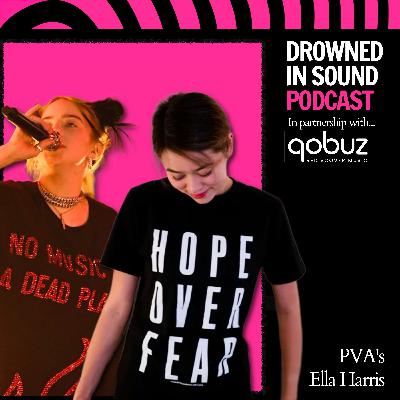
"My brothers are 20 and they're always like 'we are so cooked.' And I'm just like no we're not. There's hope but you just gotta believe, you gotta believe in something."
That quote accidentally captures Music Declares Emergency's strategic shift from awareness to action. After five years of "No Music On A Dead Planet" the Hope Over Fear campaign is building action hubs in grassroots venues - real physical spaces where fans, artists, and local communities organize around the climate crisis.
In this episode, PVA front-person and MDE Campaigns Manager Ella Harris explains how the campaign works, why music fandom is inherently empathetic practice that translates to organizing power, and how she balances making escapist art (PVA's intimate new album No More Like This) with building climate infrastructure.
The conversation tackles touring economics (trains cost £150, flights are just £30), why even festival headliners need day jobs, artists' fear of speaking out, and what £500 million in carbon offset funds could actually fix if redirected toward infrastructure.
This is about hope over fear. Real-life organizing over digital despair. Infrastructure over individual guilt.
This podcast is brought to you in partnership with Qobuz, the ethical music streaming platform. Visit drownedinsound.org/playlists to discover new music in Hi-Res lossless quality and start your 30-day free trial at qobuz.com/dis.
Edited by:
Josh Craggs at Dubble Audio
Chapters
00:00 – Introduction: No music on a dead planet
02:10 – Wearing multiple hats: PVA and Music Declares Emergency
05:00 – Music fandom as an empathetic practice
07:30 – From merch to movement
10:45 – Action hubs and the future of grassroots venues
15:30 – Touring economics, energy costs, and structural limits
19:00 – Artists, activism, and the fear of speaking out
24:30 – Nature, creativity, and why hope needs infrastructure
31:00 – What £500 million could fix in the music ecosystem
35:00 – AI, empathy, and what human music still does best
38:30 – Outro: Depth, not breadth
Continue the Conversation:
Head to the Drowned in Sound community to chat about the topics in this episode.
Subscribe:
Get weekly essays, interviews, and insights from the Drowned in Sound newsletter - exploring music, culture, and resistance.
Links & Resources:
Music Declares Emergency - Learn more about the No Music On A Dead Planet movement, the Hope Over Fear campaign, and how artists, industry, and fans can get involved.
Music Venue Trust - Support and protect the UK’s grassroots venues
The Green Rider - Ideas for ‘green’ clauses for inclusion as part of your tech or hospitality riders.
Hope Over Fear Campaign - The campaign funding real-world action hubs in grassroots venues, focused on collective climate action and community organising.
No Music On A Dead Planet - The global artist-led movement connecting music, fandom, and climate justice.
About the host:
Sean Adams is the founder of Drowned in Sound, an independent music publication championing underground and independent artists since 2000. DiS explores how music fans discover their collective power through journalism, podcasts, and community organizing.
Related episodes:
- Tori Tsui: "How Music Fans Became Climate Activists" (Brian Eno, Billie Eilish, Fossil Fuel Treaty)
- Giles Bidder: "Why Festival Headliners Still Need Part-Time Jobs" (101 Part Time Jobs, touring economics)
- EarthSonic Live: Music, ecology, and collective action from Manchester Museum
About Ella Harris:
Ella Harris is the front-person and vocalist of London post-punk/electronic trio PVA, whose second album 'No More Like This' (produced by Kwake Bass) explores desire, devotion, and emotional indentation through trip-hop-influenced soundscapes.
As Campaigns Manager for Music Declares Emergency, she leads the Hope Over Fear campaign, establishing action hubs in grassroots venues across the UK and Ireland. Previously, she founded Group Therapy Collective during lockdown, releasing two compilations featuring Yard Act, Mandy Indiana, and others to raise funds for Help Musicians, Black Minds Matter, and Music Venue Trust.
Guest links:
- PVA on Bandcamp: https://pvaareok.bandcamp.com
- PVA on Instagram: @pva_are_ok
- Ella Harris on Instagram: @lime.zoda
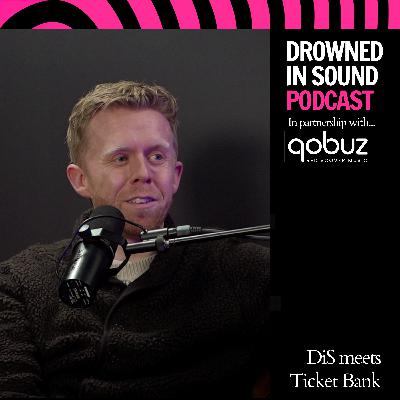
Many who otherwise couldn't afford a £40 show, let alone a £300 festival ticket, have accessed gigs because of a new initiative called The Ticket Bank.
In this episode, DiS founder Sean Adams meets Jack from Tickets for Good and The Ticket Bank to understand how they're redistributing access to live music. From seeing empty seats at the O2 to a partnership with Barnardo's, followed by offering tickets to NHS workers, teachers, and carers, Jack explains how the infrastructure works, who it serves, and why more artists and venues need to get involved.
The conversation covers touring economics, dynamic pricing myths, and the uncomfortable reality that an industry generating billions still prices out the people who need culture most. If you're singing about inequality, why would you only perform for those who can afford it?
It’s an inspiring chat about who builds community, how change happens, and who the next generation of artists might not be without projects like this.
This podcast is brought to you in partnership with Qobuz, the ethical music streaming platform. Visit drownedinsound.org/playlists to discover new music in Hi-Res lossless quality and start your 30-day free trial at qobuz.com/dis.
This week's companion playlist features calm, ambient music from the community's picks of the best post-classical, drone, and ambient records. Two hours of peaceful listening to help you through the fog.
Edited by:
Josh Craggs at Dubble Audio
Get Involved
For artists, promoters, managers, venues: Contact Jack directly to discuss partnerships Email: jack@theticketbank.org
For eligible audiences: Register via Tickets for Good or the Ticket Bank. New events added daily around 9am.
Tickets for Good: https://ticketsforgood.co.uk
Ticket Bank: https://theticketbank.org
For everyone else:
Share this episode with musicians, venues, and local promoters
Tag artists in the comments and ask if they've heard of the Ticket Bank
Send to your MP or local council about arts access
If you know someone who might qualify, subtly share the links
Continue the Conversation
Join the Drowned in Sound community to discuss this episode http://community.drownedinsound.com
Subscribe to the Drowned in Sound newsletter for weekly essays, interviews, and insights exploring music, culture, and collective power. http://drownedinsound.org
Links & Resources
Tickets for Good: https://ticketsforgood.co.uk
Ticket Bank: https://theticketbank.org
Music Venue Trust: https://www.musicvenuetrust.com
Chapters
00:00 - Introduction: Why access to live music matters
01:20 - Empty seats at the O2: The origins of Tickets for Good
05:10 - Cost-of-living tickets and breaking industry stigma
07:00 - From Tickets for Good to the Ticket Bank
12:00 - How eligibility and verification work
16:00 - Touring economics and the dynamic pricing myth
18:15 - How artists, promoters, and managers can help
22:15 - Mental health, social prescribing, and cultural value
24:45 - What £500 million could fix
27:15 - Grassroots venues and inspiring the next generation
31:00 - How to register, donate tickets, or get involved
33:30 - Outro: Your mission
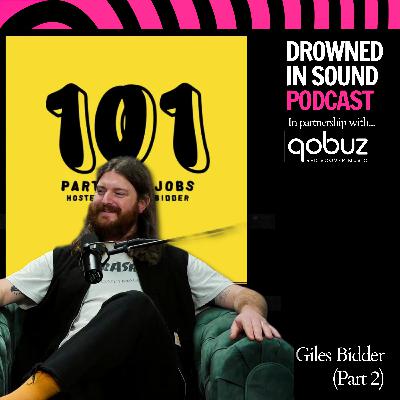
Picking up where Part 1 left off, DiS returns to its conversation with Giles Bidder. Not to talk about how musicians survive, but about how stories travel, how listeners connect and what it really takes to build a music podcast in 2026.
In this second instalment, Sean Adams turns the lens on the medium itself (yes, we’ve gone meta). Drawing on nearly 600 episodes of 101 Part Time Jobs, Giles reflects on the craft of interviewing, the ethics of editing, and why the best conversations often need space to breathe. This is less about hustle and more about care: how to hold people well, how to listen properly, and how to build trust over time.
The conversation ranges from standout episodes and “slow-burn” storytelling to what it feels like to make work that actually helps people navigate their lives. Giles speaks openly about bad bosses, fear-based workplaces, and the quiet anger that fuels his show (as well as the small, human moments that make it worthwhile).
A love for radio runs through this episode: Giles describes producing Shaun Keaveny’s Community Garden Radio as a lesson in warmth, humour, and emotional intelligence on air. From there, the pair broaden out into why podcasts have become such a powerful space for connection, especially for people stuck in boring jobs, long commutes, or lonely routines.
Visit https://drownedinsound.org/playlists/ to discover new music in rich Hi-Res lossless quality and start your 30-day free trial of Qobuz at https://qobuz.com/dis.
Edited by:
Josh Craggs at Dubble Audio
Chapters
00:00 - Intro
01:30 - Standout episodes and “slow-burn” editing
03:20 - When to cut vs when to let a story breathe
05:10 - What makes a “good” episode in hindsight
07:00 - Work gaffs, embarrassment, and shared vulnerability
12:00 - Bad bosses, anger, and fear-based workplaces
14:00 - Why people are quietly quitting
18:00 - Why podcasts work on boring journeys
21:00 - Community Garden Radio and the art of warmth
22:30 - What great broadcasting feels like
24:00 - Power, responsibility, and attention
25:30 - Why trust matters more than reach
27:00 - Outro
Continue the Conversation:
Head to the Drowned in Sound community to chat about the topics in this episode.
Subscribe:
Get weekly essays, interviews, and insights from the Drowned in Sound newsletter - exploring music, culture, and resistance.
From scout-hut gigs to the economics of touring, DiS sits down with Giles Bidder - host of 101 Part Time Jobs for an unsentimental look at how creative lives are actually sustained today.
In this first instalment, Sean Adams talks to one of the UK’s most quietly compelling broadcasters about the hidden labour behind music culture. Over nearly 600 episodes, Bidder has built one of the most humane music podcasts around, asking artists, writers, and comedians not about their success but about the jobs they’ve done to survive.
Giles explains how 101 Part Time Jobs emerged as both portfolio and refuge: a way to make sense of a patchwork career, rediscover belonging, and document how people navigate a system that rarely works in their favour. Along the way, the conversation takes in touring economics, merch, sync, class, and why even bands who play the Roundhouse still need “normal jobs.
What emerges is a stark but generous thesis: music is socially priceless and economically precarious. Until that gap closes, culture will continue to run on grit, goodwill, and vast amounts of invisible labour.
Visit https://drownedinsound.org/playlists/ to discover new music in rich Hi-Res lossless quality and start your 30-day free trial of Qobuz at https://qobuz.com/dis.
Chapters
00:00 - Intro
01:26 - Sitting in the “other chair”: Giles as guest, not host
04:05 - Ska/punk origins, micro-prejudices, and how scenes teach you
07:45 - Why 101 Part Time Jobs began: Universal Credit, lockdown, stability
08:55 - Human curation and introducing unknown artists
11:25 - The myth of “making it”: Roundhouse bands with day jobs
13:55 - Why meaningful art can still leave artists broke
16:10 - Music is priceless but paid in grains of pennies
18:20 - Gilla Band, Lambrini Girls, and invisible cultural impact
19:25 - Class, rent, and the radical idea of simply covering your life
20:15 - Why customer-facing jobs matter (merch, coffee shops, respect)
23:55 - Hard work, timing, and opportunity
25:20 - Standout episodes and the “slow-burn” edit
29:10 - Bad bosses, anger, and fear-based workplaces
31:55 - Power, responsibility, and attention in podcasting
44:07 - The importance of having your own project and taking the time
46:55 - Outro
Continue the Conversation:
Head to the Drowned in Sound community to chat about the topics in this episode.
Subscribe:
Get weekly essays, interviews, and insights from the Drowned in Sound newsletter - exploring music, culture, and resistance.
Links & Resources:
101 Part Time Jobs (Giles Bidder)
Community Garden Radio (Shaun Keaveny)
Music Venue Trust - protecting grassroots venues
Gilla Band
Lambrini Girls
Soho Radio
Reading Festival
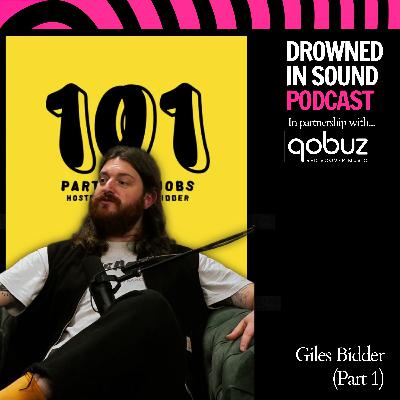
From scout-hut gigs to the economics of touring, DiS sits down with Giles Bidder - host of 101 Part Time Jobs for an unsentimental look at how creative lives are actually sustained today.
In this first instalment, Sean Adams talks to one of the UK’s most quietly compelling broadcasters about the hidden labour behind music culture. Over nearly 600 episodes, Bidder has built one of the most humane music podcasts around, asking artists, writers, and comedians not about their success but about the jobs they’ve done to survive.
Giles explains how 101 Part Time Jobs emerged as both portfolio and refuge: a way to make sense of a patchwork career, rediscover belonging, and document how people navigate a system that rarely works in their favour. Along the way, the conversation takes in touring economics, merch, sync, class, and why even bands who play the Roundhouse still need “normal jobs.”
What emerges is a stark but generous thesis: music is socially priceless and economically precarious. Until that gap closes, culture will continue to run on grit, goodwill, and vast amounts of invisible labour.
Visit https://drownedinsound.org/playlists/ to discover new music in rich Hi-Res lossless quality and start your 30-day free trial of Qobuz at https://qobuz.com/dis.
Edited by:
Josh Craggs at Dubble Audio
Chapters
00:00 - Intro
01:26 - Sitting in the “other chair”: Giles as guest, not host
04:05 - Ska/punk origins, micro-prejudices, and how scenes teach you
07:45 - Why 101 Part Time Jobs began: Universal Credit, lockdown, stability
08:55 - Human curation and introducing unknown artists
11:25 - The myth of “making it”: Roundhouse bands with day jobs
13:55 - Why meaningful art can still leave artists broke
16:10 - Music is priceless but paid in grains of pennies
18:20 - Gilla Band, Lambrini Girls, and invisible cultural impact
19:25 - Class, rent, and the radical idea of simply covering your life
20:15 - Why customer-facing jobs matter (merch, coffee shops, respect)
23:55 - Hard work, timing, and opportunity
25:20 - Standout episodes and the “slow-burn” edit
29:10 - Bad bosses, anger, and fear-based workplaces
31:55 - Power, responsibility, and attention in podcasting
Continue the Conversation:
Head to the Drowned in Sound community to chat about the topics in this episode.
Subscribe:
Get weekly essays, interviews, and insights from the Drowned in Sound newsletter - exploring music, culture, and resistance.
Links & Resources
101 Part Time Jobs (Giles Bidder)
Community Garden Radio (Shaun Keaveny)
Music Venue Trust - protecting grassroots venues
Gilla Band
Lambrini Girls
Soho Radio
Reading Festival

Fresh from touring stadiums with Depeche Mode, DiS meets electronic music pioneer to discuss her past, the present, and the future of music.
This is part of Drowned in Sound’s 25th anniversary series in which Sean Adams continues the anniversary series by sits down with some of our favourite acts of the past quarter century. Kelly Lee Owens is very much one of those artists, who has featured in DiS year end lists and awards and playlists since releasing her debut EP.
The episode starts on the education that comes from working in record shops and becomes a wide-ranging conversation about how music communities form, fracture, and sometimes regenerate. Moving across North Wales to London basements, from pressing white labels by hand to playing for 75,000 people with Depeche Mode, Kelly Lee Owens traces a path through all corners of music: the shops, venues, teachers, collectives, community centres, and accidental mentors that shaped her, her music, and her career.
Sean and Kelly chat about their working class roots, the discipline of DJing as storytelling, and the economics of grassroots music. Kelly Lee Owens reflects on why she now deliberately plays shows in places artists rarely go, why she sees music as a form of healing as much as entertainment and why community matters more than scale.
If there’s a thread running through it all…it’s this: music isn’t a product or a pipeline. It’s a relationship. And like any relationship, it needs time, space, and care to survive.
Visit https://drownedinsound.org/playlists/ to discover new music in rich Hi-Res lossless quality and start your 30-day free trial of Qobuz at https://qobuz.com/dis.
Edited by:
Josh Craggs at Dubble Audio
Chapters
00:00 - Introduction
02:00 - Record shops as education and community
05:05 - Obsession, discovery, and how taste is formed
10:00 - The early 2010s shift: risk, hedonism, and electronic culture
13:05 - DIY culture, SoundCloud, and pressing your own records
15:00 - Human curation vs automation and playlists
22:10 - Playing huge rooms: Depeche Mode, confidence, and scale
26:05 - Returning to small places: community shows and access
29:00 - Grassroots collapse, class, and structural inequality
32:10 - What £500 million could fix in music culture
42:05 - Music as healing, frequency, and emotional space
48:25 - The future: rebuilding value, community, and care
50:15 - Outro
Continue the Conversation:
Head to the Drowned in Sound community to chat about the topics in this episode.
Subscribe:
Get weekly essays, interviews, and insights from the Drowned in Sound newsletter - exploring music, culture, and resistance.
Links & Resources:
Music Venue Trust — protecting grassroots venues
https://www.musicvenuetrust.com
David Byrne — How Music Works
https://davidbyrne.com/books/how-music-works
Fabric London — venue history and cultural importance
https://www.fabriclondon.com
Piccadilly Records (Manchester)
https://www.piccadillyrecords.com
Pure Groove Records (London)
https://puregroove.co.uk
Kelly Lee Owens
https://kellyleeowens.com
Stop Making Sense — Talking Heads
https://www.talkingheadsofficial.com
Cocteau Twins
https://cocteautwins.com
The Knife — Silent Shout
https://theknife.net
Warehouse Project (Manchester)
https://www.thewarehouseproject.com
Neuadd Ogwen / Bethesda community venue
https://neuaddogwen.com
So what will 2026 sound like?
In this episode, Drowned in Sound founder Sean Adams and journalist Emma Wilkes look into their crystal balls (and the release schedules).
Tips on which artists should break through and the corporate barriers they’ll need to navigate.
Beyond tipping season, we explore the strange absence of shared musical moments, the growing anxiety around AI-generated music, the slow unravelling of trust in big tech platforms, and whether changes to ticketing, touring, and grassroots funding might start to rebalance power (and money) back towards scenes.
There are also predictions - some cautious, some hopeful, some deliberately ridiculous. This episode tries to map the forces underneath the surface…the things that will shape what we hear, how we find it, and what it means to care about music in the first place.
The Drowned in Sound podcast is presented in partnership with Qobuz, the pioneering high-quality music streaming and download platform for music enthusiasts and audiophiles. Each week we curate playlists on Qobuz, featuring our favourite records, artists, and the themes we explore on the show.
Visit https://drownedinsound.org/playlists/ to discover new music in rich Hi-Res lossless quality and start your 30-day free trial of Qobuz at https://qobuz.com/dis.
Edited by:
Josh Craggs at Dubble Audio
Chapters
00:00 - Introduction: What will music be like in 2026?
02:30 - New bands, tipping season, and who breaks through next
06:50 - Scenes, genres, and the collapse of old categories
12:00 - Cities as culture: Leeds, Liverpool, Brighton, Beirut
16:40 - Resilience, mental health, and sustaining music ecosystems
20:40 - Grassroots levies, touring economics, and venue survival
26:00 - Ticketing, regulation, and the slow response to abuse
28:20 - AI, platforms, and the erosion of trust
30:30 - Predictions: returns, collaborations, and surprise records
35:20 - Tech futures, headphones, and augmented concerts
38:50 - Hope, uncertainty, and what comes next
Continue the Conversation:
Head to the Drowned in Sound community to chat about the topics in this episode.
Subscribe:
Get weekly essays, interviews, and insights from the Drowned in Sound newsletter - exploring music, culture, and resistance.
Links & Resources:
FanFair Alliance - ticketing transparency and anti-touting campaigning
Music Venue Trust - grassroots venue support and levy campaigning
UK Government - ticket resale reform & consultation
Action Fraud - advice on ticket scams and resale fraud
Subvert - artist / label-owned music platform
Bandcamp - direct-to-fan model and editorial writing
The Jump - Shirley Manson's podcast
Vespertine - Björk's podcast
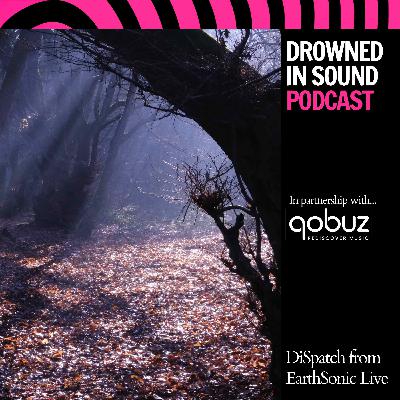
Season 5, Episode 1: What if swifts sound like Slipknot? What are flying rivers? And how do you give water a voice? This New Year special takes you backstage at EarthSonic Live, where over 3,000 people gathered at Manchester Museum to explore how music and nature sounds can help us reconnect with the planet and drive real climate action.
Recorded across a single extraordinary day in November 2025, this episode captures conversations with conservationists protecting endangered species, climate activists working with Brian Eno and Billie Eilish, and Brazilian artists who travelled from Belém where the performed at COP30.
From sampling frogs in the museum's Vivarium with Japanese composer Hinako Omori to learning about the UK's temperate rainforests (yes, really!), EarthSonic Live had it all.
In the first episode of 2026, you'll hear from RSPB conservationists Annabel Rushton and Roshni Parmar-Hill about why swifts are disappearing and what red squirrels tell us about biodiversity loss. Climate activist Tori Tsui shares how music became central to her campaigning. Hannah Overton from Warp Records explains more about the event.
And we meet four members of FLOW, female artists from three continents to reflect on their journey to Belém for COP30, where they turned droughts, floods, and flying rivers into hip-hop, spoken word, and song.
The Drowned in Sound podcast is presented in partnership with Qobuz, the pioneering high-quality music streaming and download platform for music enthusiasts and audiophiles. Each week we curate playlists on Qobuz, featuring our favourite records, artists, and the themes we explore on the show.
Visit drownedinsound.org/playlists to discover new music in rich Hi-Res lossless quality and start your 30-day free trial of Qobuz at qobuz.com/dis.
Continue the Conversation: Join the discussion on the Drowned in Sound forums and share your thoughts on music, nature, and climate action.
Subscribe: Get the Drowned in Sound newsletter for weekly insights into music, culture, and building a fairer industry.
Links & Resources:
Tori Tsui - Climate activist and author of "It's Not Just You: How to Navigate Eco-Anxiety and the Climate Crisis"
EarthSonic Live - Event details and future dates
Takkuuk - Inside Bicep's Arctic Masterpiece (DiS article)
Full Tori Tsui Interview - Climate justice and music with Brian Eno & Billie Eilish
RSPB - Conservation and volunteering opportunities
Wildhoarse Water - RSPB nature reserve in the Lake District with UK temperate rainforest
In Place of War - Arts organization for social change
Manchester Museum Vivarium - Home to the frogs sampled during workshops
Sohini Alam - British-Bangladeshi composer and vocalist
Keila - Brazilian singer from Gang do Eletro, FLOW artist
Bebé Salvego - Brazilian jazz vocalist, FLOW artist
Jaloo - Brazilian gender-fluid artist and producer, FLOW artist
Hinako Omori - Japanese artist and composer
Wellcome Trust - Event partner
Arts Council England - Event partner
Ableton - Event partner and workshop provider
About the Host:
Sean Adams is the founder of Drowned in Sound, an independent music publication championing underground and independent artists since 2000. Through the DiS podcast, newsletter, and community, Sean explores how to build a fairer, more sustainable music industry while supporting the artists and fans who make it meaningful.
This episode was completely self-produced by Sean Adams, recorded on location at Manchester Museum. Thanks to Shure for providing the mics to record this special episode.

 1
1What were the big music news stories of the year? In part 1 we charted the pressures building across music’s foundations and now Part 2 turns to the systems that decide who gets paid, who gets heard, and who gets left behind.
Drowned in Sound’s founder Sean Adams and music journalist Emma Wilkes count down stories #3, #2 and #1 - from the strange feeling that there wasn’t really a song of the summer at all, to solidarity protest movements filled with eloquent musicians, and the growing wave of artists turning their backs on Spotify.
They examine how streaming payouts continue to shrink for artists, even as platforms post record profits public conversations around alternatives, and ethics (war tech?! ICE ads?! Joe Rogan?!) turned into artist boycotts.
The biggest music stories share one consistent theme: who holds the power, and who gets to challenge it?
The Drowned in Sound podcast is presented in partnership with Qobuz, the pioneering high-quality music streaming and download platform for music enthusiasts and audiophiles. Each week we curate playlists on Qobuz, featuring our favourite records, artists, and the themes we explore on the show.
Visit https://drownedinsound.org/playlists/ to discover new music in rich Hi-Res lossless quality and start your 30-day free trial of Qobuz at https://qobuz.com/dis.
Edited by:
Josh Craggs at Dubble Audio
Chapters
00:00 - Introduction
02:00 - Story #3: Was there a ‘song of the summer?
01:10 - Rage, memes, and culture reflecting the moment
03:42 - Sofia Isella and the power of feminine rage
06:20 - Nova Twins, activism, and grassroots credibility
08:32 - Mannequin Pussy and what rock should stand for
09:29 - Story #2 begins: protest movements in music
11:02 - Boycotts, divestment, and corporate accountability
13:02 - Solidarity, Ireland, Palestine, and shared histories
16:12 - Culture as a battleground
29:26 - Story #1 begins: the Spotify exodus
32:13 - Streaming power, ethics, and alternatives
36:16 - Hope, resistance, and building something better
42:22 - Outro
Continue the Conversation:
Head to the Drowned in Sound community to chat about the topics in this episode.
Subscribe:
Get weekly essays, interviews, and insights from the Drowned in Sound newsletter - exploring music, culture, and resistance.
Links & Resources:
Switched On Pop - Why the Song of the Summer Is Disappearing
No Music for Genocide – Artist Boycott Campaign
NME – Paramore & Hayley Williams Join No Music for Genocide
Resident Advisor Podcast – Sama’ Abdulhadi
Together for Palestine – Yara Eid Concert
Spotify Loud & Clear Report
Music Publishers Begin Spotify Podcast Takedowns (Variety)
Spotify Payola Lawsuit Explained (Music Business Worldwide)
Cut Off the Spigot – Streaming Economics Campaign
Mozilla Foundation – The Post-Naive Internet Era
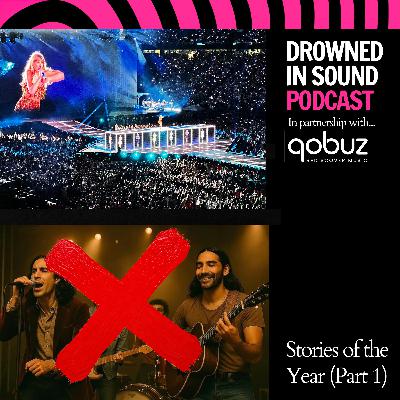
What were the biggest stories in music this year? No, not the releases or the hype cycles but the forces reshaping how music is made, played, toured, and valued.
In Part 1 of Drowned in Sound’s Stories of the Year, Sean Adams and Emma Wilkes count down stories #5 and #4, starting with a contradiction that defined 2025: record-breaking mega-gigs and billion-pound industry headlines on one side, and a grassroots ecosystem under existential pressure on the other.
They talk through the “mega gig” (stadium shows, park festivals, corporate-backed cultural events) and also ask what their success is hiding. Taylor Swift-level touring power continues to drive economic growth but artists at every other level are cancelling tours. What is the purpose of growth if the foundations are cracking?
From there, the conversation turns to AI. A now present-day force that is reshaping music. This is the year artificial intelligence stopped being theoretical and started demanding political, legal, and cultural responses.
Stay tuned for Part 2 of the countdown.
The Drowned in Sound podcast is presented in partnership with Qobuz, the pioneering high-quality music streaming and download platform for music enthusiasts and audiophiles. Each week we curate playlists on Qobuz, featuring our favourite records, artists, and the themes we explore on the show.
Visit https://drownedinsound.org/playlists/ to discover new music in rich Hi-Res lossless quality and start your 30-day free trial of Qobuz at https://qobuz.com/dis.
Edited by:
Josh Craggs at Dubble Audio
Chapters
00:00 - Introduction
01:15 - Story #5 begins: mega gigs vs grassroots
02:10 - What defines a “mega gig” now?
04:11 - £8bn industry headlines vs lived reality
06:26 - Taylor Swift, scale, and monopoly economics
07:18 - Employment figures and the invisible labour of music
08:43 - Grassroots venues as cultural homes
09:32 - Inequality, wealth concentration, and responsibility
13:22 - How the industry decides who gets tipped
16:01 - Why discovery systems feel broken
19:30 - Story #4 begins: artificial intelligence enters music
23:19 - Consent, transparency, and “human-made” music
28:30 - Power, control, and social isolation
35:30 - Outro
Continue the Conversation:
Head to the Drowned in Sound community to chat about the topics in this episode.
Subscribe:
Get weekly essays, interviews, and insights from the Drowned in Sound newsletter - exploring music, culture, and resistance.
Links & Resources:
UK Music – This Is Music Report (Industry Growth Context)
Competition & Markets Authority – Secondary Ticketing Investigations
BBC – Ticket Scams and Secondary Resale Issues
Fan-Led Review of Music – UK Parliament
Music Fans Voice – Fan Campaigning for Fair Ticketing
Independent Venue Community
Music Venue Trust
Youth Music – Rescue the Roots Campaign
AI-Generated Music Appearing on Artist Profiles
Oneohtrix Point Never is searching for soul in the slop (Dazed)
UK Music on AI Training Data and Copyright
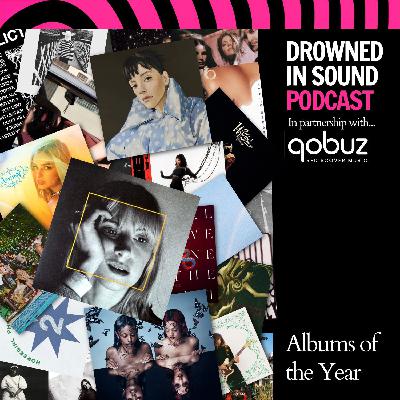
It’s that time again: lists, arguments, consensus (or lack of it). So.. how do we choose an ultimate “Album of the Year’?
In this episode, Emma Wilkes joins Sean Adams to talk through their favourite albums of 2025. No this is not the definitive list, not the ‘right’ list, just the stuff that has stuck, been obsessed over, demanded repeat listens, or just briefly rearranged their internal wiring.
They also talk openly about the collapse of monoculture, the impossibility of ‘keeping up’, and why criticism still matters amongst the fractured scenes, algorithmic bubbles, and overwhelming volume of new music to choose from.
This is not so much a ranked list and more as two very online music obsessives trying to map a year that refuses to be summarised.
The Drowned in Sound podcast is presented in partnership with Qobuz, the pioneering high-quality music streaming and download platform for music enthusiasts and audiophiles. Each week we curate playlists on Qobuz, featuring our favourite records, artists, and the themes we explore on the show.
Visit https://drownedinsound.org/playlists/ to discover new music in rich Hi-Res lossless quality and start your 30-day free trial of Qobuz at https://qobuz.com/dis.
Edited by:
Josh Craggs at Dubble Audio
Chapters
00:00 – Hayley Williams and the case for a bold AOTY
01:00 – Emma’s pick: The Callous Daoboys and joyful heaviness
04:00 – Grassroots venues, noise scenes, and Atlanta’s rise
06:30 – Introducing Emma Wilkes: rock, metal & Kerrang!
09:00 – Why heavy music needs catharsis, humour, and chaos
12:00 – Hardcore’s new era and the crossover wave
14:00 – The collapse of monoculture in 2025
16:00 – Discovery fatigue and the algorithm problem
18:30 – Model/Actriz, grief albums, and theatrical noise
22:00 – Heartworms and the art of gothic storytelling
24:00 – Ska, cowbells, and unexpected nostalgia
27:00 – Honourable mentions: Lambrini Girls, Wolf Alice, Nova Twins
30:00 – Hayley Williams’ political arc and southern identity
32:00 – Easter eggs, vocal shifts, and how fans decode albums
34:00 – Allyship, perspective, and storytelling in pop
35:00 – Production notes: Efterklang, Daniel James & sonic detail
37:00 – Why music criticism still matters
39:00 – Emma’s Top 10: heavy, emotional, ambitious
42:00 – Sean’s curveballs: Postcards, DARKSIDE & more
45:00 – So… who really made Album of the Year?
Albums mentioned:
Hayley Williams - Ego Death at a Bachelorette Party
The Callous Daoboys - I Don't Want to See You in Heaven
Backxwash - Only Dust Remains
Kathryn Joseph - We Were Made Prey
FKA twigs - Eusexua Afterglow
Ethel Cain - Perverts
Model/Actriz - Pirouette
Alan Sparhawk - With Trampled by Turtles
Heartworms - Glutton for Punishment
Die Spitz ‧ Something to Consume
Little Simz - Lotus
Lily Allen - West End Girl
The Mynabirds - It's Okay To Go Back If You Keep Moving Forward
Wolf Alice - The Clearing
Turnstile - Never Enough
Addison Rae - Addison
Sharon Van Etten - Sharon Van Etten & The Attachment Theory
Marissa Nadler - New Radiations
Nova Twins - Parasites & Butterflies
Anna von Hausswolff - Iconoclasts
Sudan Archives - The BPM
Horsegirl - Phonetics On and On
JADE - THAT'S SHOWBIZ BABY!
Dave - The Boy Who Played the Harp
Garbage - Let All That We Imagine Be the Light
Scowl - Are We All Angels
Postcards - Ripe
DARKSIDE - Nothing
Jools - Violent Delights
Witch Fever - Fevereaten
Deafheaven - Lonely People with Power
Lambrini Girls - Who Let The Dogs Out
Sprints - All That Is Over
Pinkshift - Earthkeeper
Creeper - Sanguivore II: Mistress of Death
Melody’s Echo Chamber - Unclouded
HEALTH - CONFLICT DLC
Continue the Conversation:
Head to the Drowned in Sound community to chat about the topics in this episode.
Subscribe:
Get weekly essays, interviews, and insights from the Drowned in Sound newsletter - exploring music, culture, and resistance.
What does it actually mean to be a musician in an economy built for creators and why does it feel like the workload keeps growing while the rewards shrink?
In this episode of the Drowned in Sound Podcast, Sean Adams is joined by Hanna Kahlert from MIDiA Research, whose work sits at the intersection of music, platforms, and the wider creator economy. Drawing on recent research into artists’ working lives, they explore why musicians increasingly face the same pressures as YouTubers and streamers without a lot of the same tools, protections, or paths to sustainability.
They talk about the time sink of constant content creation, the distortion of success metrics, and how discovery has become both easier and more exhausting than ever. This includes: “lean back” listening, “lean through” fandom whilst the conversation reframes what engagement really looks like and why likes, views, and viral moments so often fail to translate into income or longevity.
As streaming platforms push endless discovery and passive consumption, the duo ask hard questions about value, ownership, and what gets lost when music is treated as content and not an integral part of culture.
The Drowned in Sound podcast is presented in partnership with Qobuz, the pioneering high-quality music streaming and download platform for music enthusiasts and audiophiles. Each week we curate playlists on Qobuz, featuring our favourite records, artists, and the themes we explore on the show.
Visit https://drownedinsound.org/playlists/ to discover new music in rich Hi-Res lossless quality and start your 30-day free trial of Qobuz at https://qobuz.com/dis.
Edited by:
Josh Craggs at Dubble Audio
Chapters
00:00 - Why musicians are being reframed as “creators”
05:20 - The problem with monetisation, takedowns, and copyright
12:10 - Lean back, lean in, and what “lean through” really means
20:00 - Discovery, algorithms, and the illusion of reach
28:00 - Are superfans real - and what actually makes a fan?
36:10 - Scenes, culture, and what’s been lost in platformisation
44:30 - AI, ownership, and the coming copyright reckoning
52:30 - The “dark forest” internet and the return of small spaces
59:30 - What the next 25 years of music might look like
Continue the Conversation:
Head to the Drowned in Sound community to chat about the topics in this episode.
Subscribe:
Get weekly essays, interviews, and insights from the Drowned in Sound newsletter - exploring music, culture, and resistance.
Links & Resources:
Cross Platform Success Using Social Platforms to Build Audience and Fandom
MIDiA Research
Hanna Kahlert – MIDiA Research
Spotify Loud & Clear Report
Music Publishers Begin Spotify Podcast Takedowns (Variety)
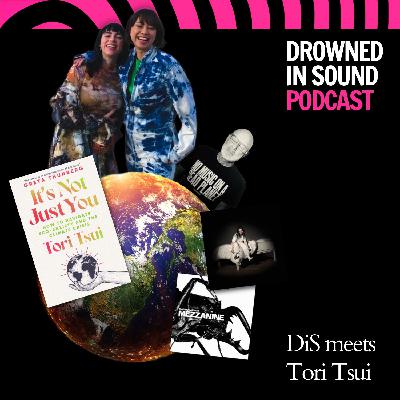
82% of music fans want to stop climate breakdown but only 3% know what to do. Climate activist Tori Tsui reveals how Billie Eilish, Brian Eno, and Massive Attack are building the infrastructure to turn that care into action.
Recorded backstage at EarthSonic Live in Manchester, this conversation bridges the gap between wanting to help the planet and knowing how.
Drowned in Sound founder Sean Adams meets Tori Tsui, the climate justice activist, author of "It's Not Just You," and senior advisor to the Fossil Fuel Non-Proliferation Treaty. Tori works with Brian Eno's EarthPercent and Billie Eilish's Overheated climate conferences.
IN THIS EPISODE:
• How Tori got Manchester Mayor Andy Burnham to sign the Fossil Fuel Treaty before introducing Massive Attack
• What streaming platforms are hiding about their energy use
• Why 94% of some carbon credits are phantom scams with no climate benefit
• How green touring saves artists money
• The Chris Martin/Coldplay connection
• What music fans can actually do (beyond guilt)
Organizations mentioned include:
• Fossil Fuel Treaty: https://fossilfueltreaty.org
• EarthPercent (Brian Eno): https://earthpercent.org
• Billie's Overheated: https://www.imoverheated.com
• Green touring: https://www.soliphilia.co.uk/
Read Tori's book "It's Not Just You" https://www.toritsui.com/
Follow Tori: Instagram @tori_tsui_
ABOUT DROWNED IN SOUND:
Independent music journalism exploring how music catalyzes systemic change.
Newsletter: https://drownedinsound.org
Recorded at EarthSonic Live, Manchester Museum, November 2024.
#ClimateChange #MusicIndustry #BillieEilish #BrianEno #MassiveAttack #ClimateActivism #Podcast
The UK Government have announced a landmark decision: ticket resale above face value is to be made illegal, backed by strict limits on service fees and new enforcement powers. After decades of music fans being fleeced by industrial-scale touting, could this be the turning point?
In this special episode, the FanFair Alliance’s Adam Webb (a central figure in the long-running campaign against exploitative secondary ticketing) joins Sean Adams to unpack the announcement, its implications, and what it means for fans, artists, venues, and the future of the live industry.
Webb lays out how the crisis unfolded, with resale platforms enabling huge mark-ups that now cost fans an estimated £112 million a year. They trace the steady pressure that’s been building for years: Trading Standards investigations, CMA interventions, tabloid exposés, Ed Sheeran’s court cases, and sustained evidence-gathering by managers, artists, unions, and campaigners.
Together, Adam and Sean explore the possibilities opened up by this week’s announcement and ask the simple question: what happens when fairness is restored? And will these reforms be delivered quickly enough to stop another cycle of exploitation?
Edited by:
Josh Craggs at Dubble Audio
Chapters:
00:00 – The scale of the problem: how industrialised touting took hold
05:10 – Viagogo, StubHub, and the ecosystem that lets abuse thrive
10:45 – The £112 million question: super-touts, bots, and business models
16:20 – Ed Sheeran, prosecutions, and the moment artists pushed back
22:40 – Why enforcement has failed — and what must change
29:15 – Politics, lobbying, and the slow road to reform
36:00 – Fans, consent, and the ethics of the live economy
41:30 – What a fair ticketing future could look like
Continue the Conversation:
Head to the Drowned in Sound community to chat about the topics in this episode.
Subscribe:
Get weekly essays, interviews, and insights from the Drowned in Sound newsletter - exploring music, culture, and resistance.
Links & Resources
Fan-Led Review of Music: Parliamentary Inquiry into Ticketing Reform
https://committees.parliament.uk/work/9161/fanled-review-of-music/
Music Fans Voice: Campaigning for Fair Ticketing and Fan Rights
https://musicfansvoice.uk/
Which? – Stop Fleecing Fans: Ending Rip-Off Ticket Resale
https://www.which.co.uk/campaigns/stop-fleecing-fans
Robert Smith: 7,000 Cure Tickets Cancelled on Secondary Sites
https://accessaa.co.uk/robert-smith-says-7000-the-cure-tickets-have-been-cancelled-on-secondary-resale-websites/
FanFair Alliance: Guide to Buying Tickets Safely
https://fanfairalliance.org/resources/
CMA Investigation: Enforcement Action on Secondary Ticketing
https://www.gov.uk/cma-cases/secondary-ticketing
STAR: The UK’s Ticketing Standards and Consumer Protection Body
https://www.star.org.uk/
Ed Sheeran’s Legal Battle Against Ticket Touts (BBC)
https://www.bbc.co.uk/news/entertainment-arts-47620979
Your Consumer Protection Rights (Gov.uk)
https://www.gov.uk/consumer-protection-rights
Adam Webb – Updates and Advocacy on Ticketing Reform
https://twitter.com/webboideas

Comments

Download from Google Play

Download from App Store
 United States