


 Claim Ownership
Nelson Vergel Beyond Testosterone Podcast
Subscribed: 6Played: 91
Subscribe

© Copyright 2023 All rights reserved.
Description
Nelson Vergel founded the men’s health forum www.ExcelMale.com and www.DiscountedLabs.com, interviews experts and debunks myths about testosterone and other hormones that affect men’s health.
ExcelMale.com is one of the largest and best moderated men’s health and TRT forums on the Internet, focused on increasing health, potency, and productivity in men considering or using TRT and other hormone therapies. With over 44,000 members that include educated men, physicians, pharmacists, dietitians, exercise trainers, nutritional supplement experts, and other professionals in the field, ExcelMale is quickly becoming a leader in the field . Forum topics range from testosterone replacement therapy (TRT), Trimix injections for ED, HCG use for better fertility and libido, estradiol management, thyroid function optimization, peptide information, exercise routines, best supplements for men, effective diets, TRT side effect management, and much more. We also provide men’s health information via interviews with experts, videos, and webinars. Last but not least, ExcelMale forum members can participate in blood test discussions and provide their reviews of TRT clinics and doctors, compounding pharmacies, pharmaceutical products, supplements, and much more. ExcelMale moderators review every post daily to detect spammers or abuse, so ExcelMale is a safe environment for all men. And since every man wants to help important women in their lives, the forum does not neglect female health information as we include a folder called “ExcelFemale” to post the latest on HRT in women.
ExcelMale.com is one of the largest and best moderated men’s health and TRT forums on the Internet, focused on increasing health, potency, and productivity in men considering or using TRT and other hormone therapies. With over 44,000 members that include educated men, physicians, pharmacists, dietitians, exercise trainers, nutritional supplement experts, and other professionals in the field, ExcelMale is quickly becoming a leader in the field . Forum topics range from testosterone replacement therapy (TRT), Trimix injections for ED, HCG use for better fertility and libido, estradiol management, thyroid function optimization, peptide information, exercise routines, best supplements for men, effective diets, TRT side effect management, and much more. We also provide men’s health information via interviews with experts, videos, and webinars. Last but not least, ExcelMale forum members can participate in blood test discussions and provide their reviews of TRT clinics and doctors, compounding pharmacies, pharmaceutical products, supplements, and much more. ExcelMale moderators review every post daily to detect spammers or abuse, so ExcelMale is a safe environment for all men. And since every man wants to help important women in their lives, the forum does not neglect female health information as we include a folder called “ExcelFemale” to post the latest on HRT in women.
34 Episodes
Reverse
By early 2026, the psychedelic medicine sector has entered a critical period of clinical and regulatory maturation marked by both significant breakthroughs and institutional challenges. While the FDA’s rejection of MDMA-assisted therapy necessitated stricter trial designs across the industry, Compass Pathways achieved a historic milestone with the first successful Phase 3 psilocybin results. Major pharmaceutical players have signaled confidence in the field, highlighted by AbbVie's billion-dollar acquisition of a novel tryptamine program. Multiple substances, including LSD, DMT, and ketamine derivatives, are currently advancing through late-stage testing for conditions like depression, anxiety, and PTSD. Consequently, a potential shift toward streamlined FDA approval policies may soon allow these once-stigmatized compounds to enter the mainstream medical market. Currently, the landscape is defined by a diverse pipeline of breakthrough-designated therapies nearing final regulatory decisions.
The episode captures a discussion on nitric oxide (NO) biology and highlights the molecule's profound importance in metabolic health and chronic disease reversal. It explains that a deficiency in this "miracle molecule" leads to a recognizable hierarchy of symptoms, often beginning with erectile dysfunction and progressing to severe conditions like hypertension and insulin resistance. Experts in the field criticize the supplement industry, arguing that products using arginine or beet juice are largely ineffective because they fail to restore the body’s natural NO production pathway, which is damaged by common factors like high sugar intake and the use of acid blockers (PPIs). Instead of symptom management, many expert advocate for a restorative physiological approach, using science-backed technology to replace lost NO and pursuing FDA-approved NO drug therapies for illnesses such as Alzheimer’s and non-healing diabetic wounds. This work aims to shift the narrative from ineffective drug cocktails to addressing the root cause of endothelial dysfunction.
 1
1In this comprehensive episode, you will learn: 1. A Deep Dive into the Science: Uncover exactly how the Androgen Receptor gene works and why this single genetic marker has such a massive and wide-ranging impact on a man's life. 2. Are You High or Low?: Explore the average CAG repeat numbers for different global populations—including European (21), African (17), and Asian (23)—and understand what the "normal" range is. 3. Testing Options Explained: Learn about the types of genetic tests available, their cost, and how you can have an informed discussion with your doctor about getting tested. 4. Actionable Steps: Discover how to interpret your potential results and what they mean for optimizing your health, energy, and vitality—whether you are currently on TRT or not.
The FDA has just dropped a bombshell that could affect nearly 2 million Americans taking natural thyroid medication. In a controversial move, they've reclassified desiccated thyroid extract, or DTE, as a biologic rather than a traditional drug. This means compounding pharmacies have exactly one year before they must stop making the customized thyroid medications that countless patients depend on. Critics are calling foul, arguing the decision is based on an inactive pig protein that gets digested in your stomach anyway, and pointing out that the real active ingredients - T4 and T3 hormones - haven't changed. What's really raising eyebrows is that this shift appears linked to a petition from AbbVie, the company behind brand-name Armour Thyroid, potentially setting up a monopoly situation.
This episode reviews information from Dr. Ryan Flannigan, a urologist specializing in reproductive and sexual medicine, and provides a comprehensive overview of penile injection therapy for erectile dysfunction. He details what the treatment entails, including common medications like Trimix and Bimix, and how it works by locally stimulating blood flow and muscle relaxation within the penis. The video outlines reasons for considering this therapy, such as failure of other treatments or nerve damage from prostate cancer, alongside contraindications like dexterity issues or bleeding disorders. A significant portion of the video is dedicated to a step-by-step guide on performing the injection safely, from preparing the medication and the injection site to delivering the dose. Finally, Dr. Flannigan addresses the critical risk of priapism (prolonged erection), explaining its dangers and providing detailed instructions on prevention and management, including when to seek emergency medical attention.
Join us as we dive into the world of testosterone therapy with insights from Dr. Khera a leading voice in men's health. With over 100 published articles, Dr. Khera brings credibility and depth to this crucial discussion. This episode serves as "Testosterone 101," cutting through the noise to explore the real risks, benefits, and the latest guidelines.
We address common myths surrounding testosterone therapy, such as its links to blood clots, heart attacks, and prostate cancer. Dr. Kara's research provides a nuanced perspective, challenging outdated assumptions and offering a comprehensive view of hormonal health.
Explore the impact of testosterone on fertility and the natural contraceptive effects it can have. We discuss alternative options like clomiphene citrate and HCG for those wanting to boost testosterone while preserving fertility.
Discover the "four pillars of testosterone optimization"—diet, exercise, sleep, and stress reduction—and how they can naturally enhance testosterone levels. Dr. Khera emphasizes the importance of these lifestyle changes in creating a balanced hormonal environment.
Looking to the future, we delve into exciting possibilities like nanotechnology and stem cell research that could revolutionize testosterone therapy. Imagine a future where lifespan is extended and hormonal health is restored naturally.
As we wrap up, the key takeaway is the importance of personalized medicine. Every individual is different, and having a knowledgeable doctor is essential for tailored treatment. Stay informed, stay curious, and make empowered decisions about your health.
This podcast episode provides an extensive discussion on the complex interplay of factors influencing male sexual function, particularly sex drive and erection quality, beyond just testosterone. It outlines the neurochemical symphony involving dopamine, serotonin, testosterone, oxytocin, and vasopressin, explaining their individual roles and interactions within the hypothalamic command center. Furthermore, the text identifies multifactorial influences on sexual dysfunction, such as obesity, diabetes, cardiovascular disease, sleep deprivation, and stress. Finally, it addresses clinical implications and treatment approaches, emphasizing lifestyle interventions, testosterone therapy considerations, and sleep optimization, underscoring that optimal sexual health is deeply interconnected with overall physical and mental well-being.
This Beyond Testosterone podcast episode comes from an academic review article from the Asian Journal of Andrology, published in September-October 2025. This article, titled "Regulation of testosterone synthesis by circadian clock genes and its research progress in male diseases," examines the relationship between circadian rhythms and testosterone production in males. It explores how circadian clock genes centrally and peripherally regulate testosterone synthesis and secretion, and how disruptions in these rhythms are linked to various male health issues, including late-onset hypogonadism, erectile dysfunction, male infertility, and prostate cancer. The authors also discuss potential therapeutic approaches, such as chronotherapy and non-pharmacological interventions, for these conditions based on circadian rhythmicity. The episode concludes by highlighting current limitations in research and suggesting future directions for investigation.
This episode summarizes the key information presented in the "Low Testosterone Causes and Treatments" lecture by Nelson Vergel from ExcelMale.com. It covers the definition of low testosterone, its health risks, diagnostic methods, and treatment options, emphasizing practical advice and addressing common misconceptions.
Understanding Low Testosterone: Causes, Diagnosis, and Treatment – Summary
What is Testosterone Deficiency?
Testosterone, the principal male sex hormone (androgen), is also found in women at much lower levels. It influences hair growth, liver protein synthesis, sexual and reproductive health, mood, muscle strength, bone density, and red blood cell production. The decline in testosterone typically starts at ages 30-40, gradually dropping about 1.2% per year.
Defining Low Testosterone & Health Risks
Normal male levels: 350–1,100ng/dL. For women: 10–50ng/dL.
Symptoms: Decreased libido and sexual function, fatigue, mood disturbances, muscle and bone loss, increased fat, concentration and memory problems.
Risks begin to emerge under 300–350ng/dL: Higher metabolic syndrome, erectile issues, mortality, anemia, diabetes/fractures/depression, and arterial problems.
Diagnosis: Thresholds & Testing
Definitions vary (European, Endocrine Society, insurers) but generally <300–350ng/dL is considered low.
Diagnosis: Two morning, fasting total and free testosterone tests. LH, FSH help distinguish primary (testicular) vs. secondary (pituitary/hypothalamic) hypogonadism.
Additional tests: PSA, lipid panel, CBC, estradiol, prolactin.
Physiology & Hormonal Interactions
Testosterone is produced via the hypothalamic-pituitary-testicular axis, starting from cholesterol. Most testosterone circulates bound to proteins (SHBG, albumin); only 2% is “free” and bioactive. Conversion products (DHT, estradiol) profoundly affect male health, especially bone, fat, and cognitive function.
Causes of Low Testosterone
Common causes include aging, obesity, diabetes, chronic illness (liver/kidney/COPD), sleep apnea, drugs (steroids, opiates), genetics, environmental toxins, and other hormonal deficiencies. Sleep quality, weight, and exercise are key modifiable factors.
Treatment Benefits
Normalizing testosterone may improve sexual interest, mood, cognitive function, cardiovascular health, muscle mass, inflammation, glucose control, and quality of life. Most benefits manifest within weeks to months.
Potential Risks and Contraindications
Risks: Acne, oily skin, decreased HDL cholesterol, increased red blood cells (hematocrit: may require blood donation), rare gynecomastia, male pattern baldness, sleep apnea, anxiety, water retention, reduced fertility.
Contraindications: Untreated sleep apnea, high baseline hematocrit (>50%), high PSA or prostate cancer, certain blood clotting disorders.
Treatment Options
Gels: Easy, stable but risk of skin transfer, variable absorption.
Injections: More consistent, cheaper; newer dosages and subcutaneous techniques minimize “peak and valley” side effects.
Pellets: Longer duration, minor procedure required.
Nasal, oral, patches: Less popular due to side effects or convenience.
Compounded medications: Custom options (especially for women), growing regulation.
Speaker’s Practical Advice
Monitor hematocrit closely.
Never “cycle” TRT.
Use simple injection techniques.
Protect fertility with HCG.
Question testosterone boosters and avoid untested supplements.
Stay informed on new medical information and guidelines.
Ancillary Therapies
TRT may be combined with thyroid meds, HCG, vitamin injections, ED drugs, and other agents to optimize results.
This episode addresses common misconceptions about testosterone, particularly regarding its role in women's health. She explains that testosterone is present in all bodies, not just male, and that administering testosterone to women is not illegal in the U.S., despite the lack of FDA-approved female-specific doses. Dr. Casperson clarifies that physiological female doses will not masculinize women and highlights that testosterone's benefits extend beyond libido, influencing mood, cognition, and energy. Finally, she debunks the idea that testosterone therapy negatively impacts fertility or is only for postmenopausal women, noting its linear decline with age starting in the twenties.
This podcast episode discussed Ibogaine, a powerful psychedelic with significant potential for treating addiction, trauma, and various mental health and neurological conditions. The conversation highlights Ibogaine's historical use, its unique therapeutic mechanisms, and the current landscape of its clinical application and policy in Brazil and the United States. Key themes include Ibogaine's efficacy, the critical need for safe and professionally supervised administration, challenges related to cost and stigma, and the urgent call for systemic reforms to healthcare and drug policy to maximize its accessibility and impact. The overarching message emphasizes Ibogaine's potential for "human restoration" and its role as a "genuine emancipation medication" against the backdrop of current, often ineffective, treatment models.
This podcast episode talks about new research showing that men’s hormone levels—specifically testosterone and luteinizing hormone (LH)—have dropped a lot over the past 50 years. The study looked at data from over a million healthy men and found that this drop isn’t just because men are older or heavier today.
Previous studies already showed that sperm quality is getting worse, but this new research suggests that the problem starts higher up, in the brain areas that control hormone production. Scientists aren’t sure exactly why this is happening. They looked at things like environmental changes and shifts in the population but couldn’t find a clear explanation, so it’s probably caused by many things working together. In summary, healthy men today have much lower key hormone levels than men did decades ago, and researchers are still trying to figure out why.

This episode presents an overview of an FDA hearing on menopause, prompted by a campaign addressing the "black box" warning on vaginal estrogen products. This warning, despite evidence suggesting its safety and localized effect, has deterred both doctors and patients from utilizing it, leading to significant health issues like recurrent UTIs. The discussion also challenged the lingering misinformation from the 2002 Women's Health Initiative study, which incorrectly linked hormone therapy to severe risks based on a study of an older demographic. Furthermore, the hearing highlighted the lack of FDA-approved testosterone for women, forcing off-label prescriptions, and underscored the importance of comprehensive education for healthcare providers and patients on menopause management. The speaker also noted the absence of discussion on progesterone and emphasized the need for a collaborative healthcare ecosystem involving researchers, regulatory bodies, payers, clinicians, and patients to improve women's health outcomes.
This podcast episode discussed how to treat low testosterone in women, detailing its symptoms such as decreased libido, fatigue, and mood changes, which are often overlooked despite affecting many women, particularly post menopause. It explains various treatment options, including different forms of testosterone replacement therapy, noting that no FDA-approved treatments currently exist specifically for women, leading to off-label prescriptions. The text also addresses potential side effects of testosterone therapy, emphasizing dose-dependence, and discusses controversies surrounding hormone treatments for women, particularly concerning past studies on estrogen and progesterone and the need for more research on testosterone's effects on cardiovascular health and cancer risk.
Discover the Secrets of Hormone Health—Listen Now!
Unlock the power of real knowledge with our latest podcast episode, where we unpack the groundbreaking resource, Beyond Testosterone: The Illustrated Guide by Nelson Vergel. Are you ready to take control of your health in a world overflowing with confusing and often contradictory information? This episode is your front-row seat to expert insights, captivating stories, and practical strategies that can transform the way you approach hormone health.
Join our conversation as we explore why this guide stands apart from every other health book on your shelf. Dive into the visually stunning, 427-page manual praised for its vibrant illustrations and crystal-clear explanations that make even the most complex hormone science accessible and engaging. Hear how author and health advocate Nelson Virgil, whose personal journey through a decades-long battle with HIV became the catalyst for his groundbreaking work, harnesses both cutting-edge research and the shared wisdom of a global online community.
We don’t just skim the surface. This episode covers everything from the basics of testosterone for men and women to advanced insights on fertility, thyroid function, mental health, and much more. Discover how this living resource—with dynamic QR links to continually updated videos, articles, and real-world case discussions—empowers patients and clinicians alike to take informed, confident actions.
If you’re craving a podcast that doesn’t just inform, but inspires and equips you with the tools for genuine wellness, you won’t want to miss this one. Tune in and see how one exceptional guide—and one passionate community—can help you reclaim vitality, make sense of your lab results, and navigate your health journey with confidence. Your well-being deserves this level of depth. Press play and start your transformation!
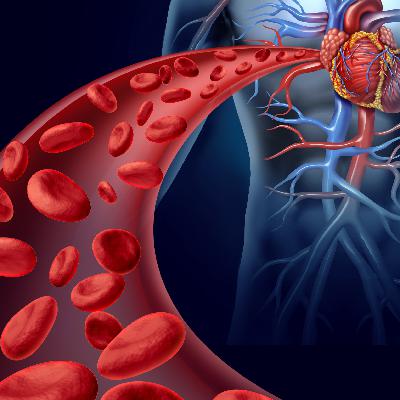
This podcast episode from ExcelMale.com provides an extensive overview of high hematocrit, a condition involving an elevated percentage of red blood cells in the blood, often associated with testosterone replacement therapy (TRT). It explains what hematocrit is, its normal ranges, and why TRT can lead to increased levels, detailing the risks of high hematocrit, such as blood clots and stroke. The text also explores whether hematocrit can stabilize with long-term TRT and, most significantly, offers multiple strategies to lower high hematocrit, including blood donation, dose adjustment, hydration, and addressing underlying health issues like sleep apnea. Ultimately, it emphasizes the importance of monitoring hematocrit levels to mitigate cardiovascular risks for individuals on TRT.

In a YouTube video, Nelson Vergel reviews a 2001 study published in the American Journal of Physiology, Endocrinology, and Metabolism by Dr. Bhasin, focusing on the optimal testosterone dose for men. The study involved 65 young men whose natural testosterone was suppressed before administering varying weekly doses of testosterone cypionate (25-600mg) for 20 weeks, with no exercise or dietary changes allowed. The research aimed to evaluate the impact of different doses on hormone levels, body composition, muscle strength, and sexual function, revealing that while higher doses increased muscle mass and strength, they also led to negative effects like decreased HDL cholesterol and increased hematocrit, whereas lower doses could be ineffective or even detrimental. Vergel highlights the study's unique approach and its relevance to understanding testosterone replacement, acknowledging that such comprehensive research is rare due to ethical and logistical challenges. More info: https://www.excelmale.com/threads/what-is-the-optimum-trt-dose-for-muscle-growth-nelson-vergel-reviews-the-data.32770/
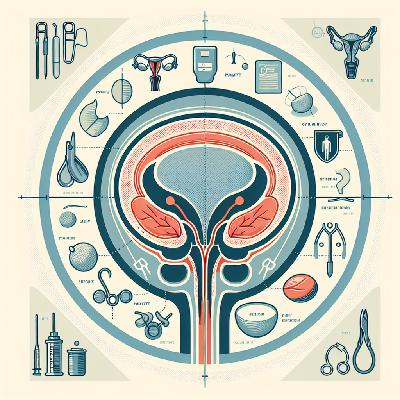
Are you waking up several times a night to urinate, or find yourself straining just to empty your bladder? Benign Prostatic Hyperplasia (BPH), commonly known as an enlarged prostate, affects millions of men worldwide—especially as they age. After 60, about half of all men will experience it, and that number climbs dramatically with each decade[1]. For many, urinary symptoms such as urgency, frequency, dribbling, and incomplete emptying can severely impact quality of life.
While lifestyle changes and medications can help, some men cannot tolerate these therapies or simply don't improve enough. When symptoms persist, surgical options become a necessary consideration. Here’s an expert, evidence-based overview of today’s treatments, their risks, benefits, and factors to weigh when making a decision.
This podcast episode offers a comprehensive guide to managing potential side effects of testosterone replacement therapy (TRT). It clarifies that while many men experience no issues, common side effects can include high hematocrit, which is an increase in red blood cell volume, and testicular atrophy along with decreased fertility. The speaker, Nelson Virtual, emphasizes that issues like liver problems, prostate cancer, or heart attacks are generally not direct side effects of TRT, despite common misconceptions. Solutions are provided, such as blood donation or therapeutic phlebotomy for high hematocrit and HCG for testicular atrophy and fertility concerns, while also dismissing many media-driven fears about TRT as unfounded by current data.
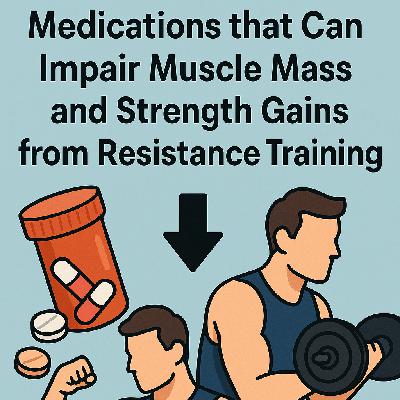
This podcast was sourced from ExcelMale.com, an online forum for men's health, and provides an extensive overview of how various medications impact muscle growth and strength gains from resistance training. It identifies specific drug classes that can hinder muscle development, such as corticosteroids, statins, NSAIDs, and SSRIs, explaining their mechanisms and the strength of evidence for their effects. Conversely, the document details substances that can enhance muscle mass, including anabolic steroids, growth hormone, and SARMs, outlining how they promote hypertrophy and strength while also noting potential risks and duration-dependent outcomes. The overall aim is to inform individuals on how to navigate medication use to optimize their fitness goals, acknowledging the balance between medical necessity and physical aspirations.

Comments

Download from Google Play

Download from App Store
 United States