


 Claim Ownership
The Second Glass
Subscribed: 0Played: 0
Subscribe

© Drink Different
Description
The Second Glass is a deep-dive podcast series designed for advanced beverage professionals preparing for exams like Certified Spirits Educator (CSE) and Certified Wine Educator (CWE). Each episode profiles a pivotal figure in wine or spirits history—unpacking their influence, legacy, and relevance to today’s tasting rooms and theory exams.
48 Episodes
Reverse
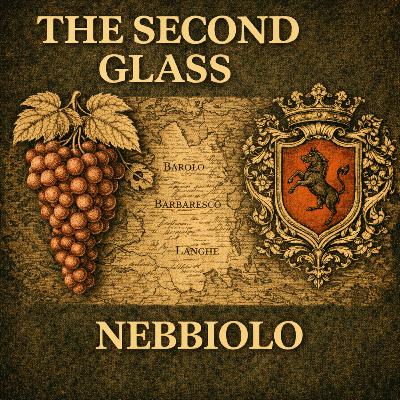
In this episode of The Second Glass, we dive into one of the most paradoxical grapes in the wine world: Nebbiolo—the pale, fragile-looking fruit that somehow produces some of Italy’s most powerful and age-worthy wines.We break down Nebbiolo with absolute clarity:Origins & Identity — why it thrives only in a few corners of PiedmontStructure & Style — high tannin, high acid, light color, but massive impactSignature Aromas — rose, tar, cherry, anise, dried herbsTerroir Influence — how slope, aspect, fog, and soil create dramatic style shiftsBarolo vs. Barbaresco — what truly separates the twoModern vs. Traditional winemaking — long maceration? barriques? botti?Other Nebbiolo zones — Langhe, Gattinara, Valtellina and why they matterHow to recognize Nebbiolo blind — the non-negotiable tellsFood pairings & serving tips — what actually works with all that tanninWhether you're studying for CSW, WSET, CMS, or just obsessed with Italian wine, this episode gives you the mental map you wish you’d had sooner.Pour a glass, sharpen your palate, and let’s decode Nebbiolo—one of the most misunderstood noble grapes on earth.
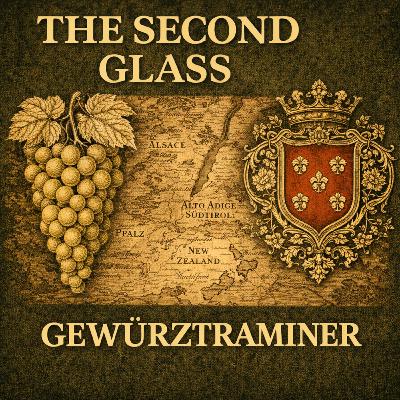
Exotic. Intense. Unmistakable.In this episode of The Second Glass, we dig into one of the most polarizing grapes in the wine world — the unmistakable Gewürztraminer.We break down:Why it smells like lychee, rose, and gingerHow its low acidity and powerful aromatics shape winemaking choicesWhy Alsace remains the global benchmarkHow styles shift in Alto Adige, Pfalz, and New ZealandWhy sweetness levels confuse so many students—and how to decode them fastFood pairings that actually work (spice, rich textures, and aromatic dishes)What CSW, WSET, and CMS students MUST remember for theory examsWhether you love it, avoid it, or don’t understand it yet, this episode will make Gewürztraminer click in a way it never has before.
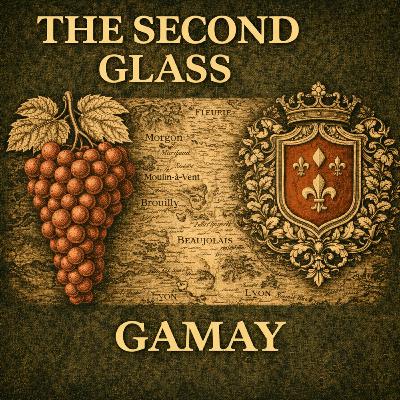
Gamay is one of the wine world’s great bait-and-switch grapes: light and playful on the surface, but capable of shocking depth and structure when given the right terroir. In this episode, we dig into why Gamay thrives in granite soils, how carbonic maceration shaped its global reputation, and why Beaujolais is far more complex than people assume.In this episode, we cover:Origins & history — from the Côte d’Or expulsion to the granite hills of BeaujolaisBeaujolais hierarchy — Nouveau, Villages, and the 10 CrusCrus explained — Fleurie’s florals, Morgon’s muscle, Moulin-à-Vent’s aging powerCarbonic vs. semi-carbonic — what the techniques actually do to flavor and textureStructure markers — high acidity, low tannin, red fruit, peony, spiceClimate considerations — why Gamay hates heat yet suffers in coldGlobal plantings — Loire Valley, Switzerland, Oregon, Canada, AustraliaExam cues — how CSW, WSET, and CMS frame Gamay in theory questionsThis is the perfect second look at one of the world’s most misunderstood grapes—ideal for students, sommeliers, and anyone who loves bright, vibrant reds with a surprising edge.
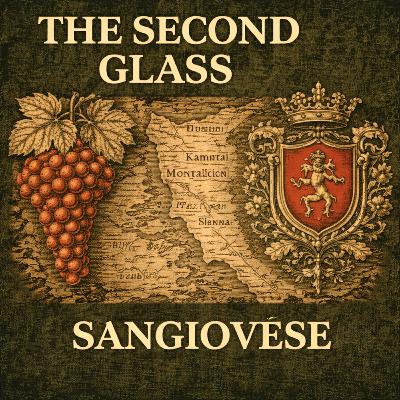
Sangiovese isn’t just a grape — it’s an entire universe of styles, traditions, and regional identities. In this deep dive, we explore why this shape-shifting variety defines central Italy and how small changes in soil, elevation, and clone selection create dramatically different wines. Perfect for CSW, CSS, WSET, and CMS students who want clarity, not confusion.In this episode, we cover:Origins & evolution — how Sangiovese spread across Tuscany and why it’s genetically diverseClonal families — Grosso vs. Piccolo and how they impact structure, tannin, and longevityThe major expressions — Chianti Classico, Brunello, Vino Nobile, Morellino, Rosso di MontalcinoSoil effects — the difference between galestro, alberese, clay, and volcanic sitesClimate influence — why too much heat kills acidity and too much altitude mutes fruitWinemaking choices — oak vs. neutral vessels, maceration length, modern vs. traditional stylesFlavor & structure markers — cherry, tomato leaf, dried herbs, firm tannins, high acidityFood pairing logic — not just what to pair, but why it worksExam tips — what CSW/WSET/CMS typically test about SangioveseA focused, exam-ready breakdown—perfect for students and enthusiasts who want more than just tasting notes. Let’s open the book on Italy’s backbone grape.
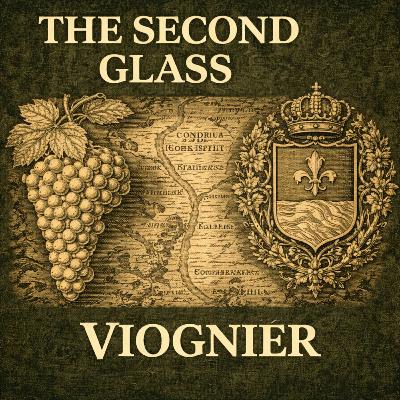
Viognier is one of the world’s most beguiling white grapes—lush, perfumed, and famously difficult to grow. In this episode, we trace its origins in Condrieu, explore why it nearly vanished, and break down the exact traits that define it today: low acidity, high aromatics, stone-fruit richness, and a silky, weighty texture.You’ll learn how winemakers handle Viognier, where it thrives in the New and Old World, why oak can make or break it, and how this grape fits into exam frameworks like CSW, WSET, and CMS.If you’ve ever wondered why Viognier feels both luxurious and temperamental in the glass, this episode gives you the second look it deserves.
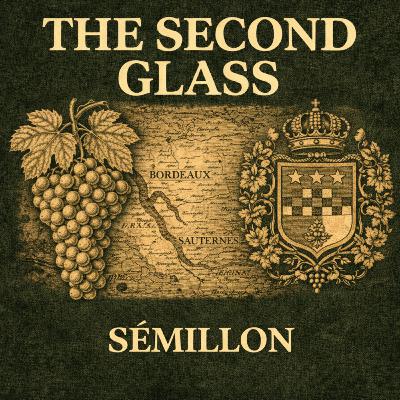
Sémillon is one of the most misunderstood grapes in the world—soft, subtle, and capable of becoming everything from bright, lemony dry wine to the richest, most luxurious botrytized dessert wine on Earth.In this episode of The Second Glass, we explore how Sémillon evolved from a blending partner in Bordeaux to a cult classic in Australia’s Hunter Valley, and why this chameleon-like grape deserves far more attention.We break down:• key styles: dry, oak-aged, and botrytized• Bordeaux vs. Sauternes vs. Hunter Valley• classic tasting notes (citrus, lanolin, honey, toast)• how Sémillon ages and why it changes so dramatically• its traditional partnership with Sauvignon Blanc• exam-ready facts for CSW, WSET, and CMS studentsWhether you're studying for wine certifications or simply curious about a grape with a split personality, this episode uncovers why Sémillon remains one of the most fascinating varieties in the wine world.
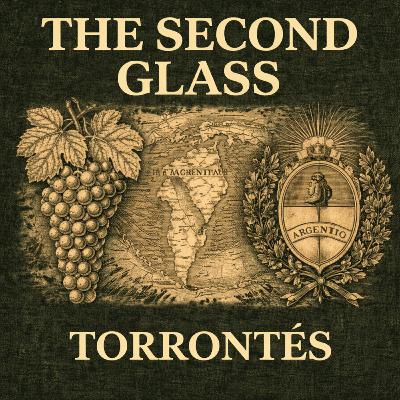
Torrontés is Argentina’s signature white grape—floral, aromatic, and unlike anything else in the world.In this episode of The Second Glass, we explore where Torrontés really comes from, why there are three distinct types (Riojano, Sanjuanino, Mendocino), and why only one truly matters for quality wine.We break down:• the high-altitude vineyards of Salta and Cafayate• classic aromas like jasmine, rose, and peach• the contrast between intense aromatics and dry palate• how altitude and sunlight shape Torrontés’ style• key exam-level facts for CSW, WSET, and CMS frameworksWhether you’re learning for an exam or just curious about Argentina’s most expressive white grape, this episode uncorks the story behind Torrontés and shows why it deserves a place in your glass.
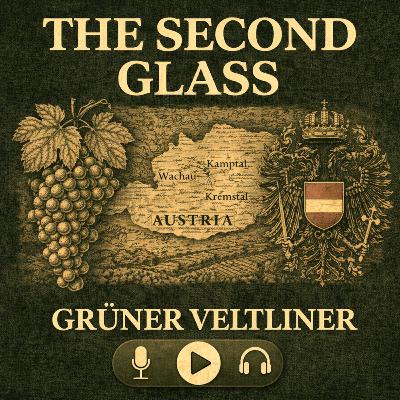
Grüner Veltliner is Austria’s flagship white grape—crisp, spicy, and instantly recognizable.In this episode of The Second Glass, we trace Grüner’s origins, explore how it became the backbone of Austria’s wine identity, and break down what gives it its signature white-pepper snap.We cover:• key regions like Wachau, Kamptal, and Kremstal• classic aromas: lime, green apple, white pepper• how ripeness levels shape style (light → rich)• Wachau terms: Steinfeder, Federspiel, Smaragd• the DAC system and why it matters• Grüner’s surprising aging potential• exam-ready facts for CSW, WSET, and CMSWhether you’re studying for a certification or just fascinated by Austrian wines, this episode uncorks what makes Grüner Veltliner one of the world’s most distinctive whites.
High-altitude vineyards produce some of the most intense, aromatic wines in the world — but why?In this special episode of The Second Glass, we break down the science behind elevation and its impact on wine without drifting into needless jargon.We explore:• how sunlight intensity changes flavor development• why cooler air preserves acidity• the effect of huge day–night temperature swings• thicker grape skins and how they influence tannin• why altitude creates distinctly floral aromatics• key world regions known for extreme elevationEven though this topic emerged accidentally while working on Torrontés, it stands on its own as essential knowledge for CSW, WSET, and CMS candidates.By the end, you’ll understand why high-altitude wines taste the way they do — and how to use that knowledge to identify them in the glass.
Zinfandel’s story begins far from California’s sunbaked vineyards.In this episode of The Second Glass, we follow the unexpected journey of Zinfandel from its Croatian origins as Tribidrag, through its Italian identity as Primitivo, to its reinvention as California’s heritage grape.We explore everything a CSW-level student should know:• DNA discoveries and Old World origins• how Zinfandel arrived in the U.S. in the 1800s• key regions like Lodi, Sonoma, and Paso Robles• old-vine culture and why it matters• the grape’s bold, high-alcohol, jammy style• the surprising influence of White Zinfandel on its survivalWhether you’re studying for certification or just fascinated by wine history, this deep dive uncovers how Zinfandel became one of America’s most iconic—and misunderstood—grapes.
Malbec didn’t start in Argentina — but Argentina made it a star.In this episode of The Second Glass, we trace Malbec’s journey from its ancestral home in Cahors to its modern dominance in Mendoza. You’ll learn how altitude shapes flavor, why the grape nearly disappeared in France, and what makes Argentine Malbec so lush, dark, and unmistakably iconic.We break down the essential CSW-level knowledge:• origin and history• key regions and growing conditions• classic tasting profile• Argentina vs. Cahors stylistic differences• blending partners and food pairingsWhether you’re studying for an exam or just curious about what fills your glass, this deep dive reveals why Malbec remains one of the world’s most compelling red wines.
In this episode of The Second Glass, we trace the journey of James Busby—writer, diplomat, and the so-called “father of Australian wine.” From his travels through European vineyards to his influential vine cuttings that shaped a continent’s wine future, we explore how Busby blended science, vision, and colonial ambition into one transformative legacy.More groundbreaking episodes from Drink Different are on the way—stay tuned.
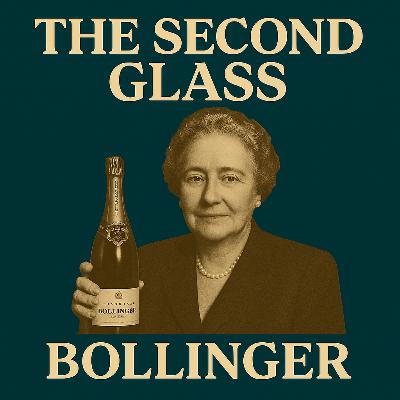
In this sparkling installment of The Second Glass, we uncork the storied history of Bollinger, the Champagne house beloved by royalty, spies, and sommeliers alike. From Madame Lily Bollinger’s quotable charm to the cellar secrets behind récemment dégorgé vintages, we explore what makes this house a paragon of Pinot Noir and power.More is coming soon from Drink Different—stay tuned for deeper pours and sharper sips.
In this episode of The Second Glass, we head to Montalcino to trace the legacy of Biondi-Santi—the family behind Brunello. Learn how their single-varietal Sangiovese Grosso, long aging, and cellar precision transformed a small Tuscan hill into one of Italy’s most revered DOCGs. From the 1800s to modern collectors’ lists, we examine why Biondi-Santi matters for every CWE candidate studying Italian wine evolution.More world-class content is pouring soon from Drink Different. Stay tuned.
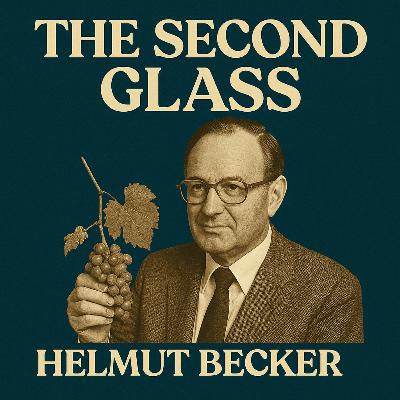
In this episode of The Second Glass, we explore the pioneering work of Helmut Becker—the German viticulturist who reshaped modern vine breeding. From Geisenheim’s experimental plots to global vineyards, Becker’s research in clonal selection, disease resistance, and cool-climate adaptability continues to influence winegrowing worldwide. Essential listening for CWE candidates and viticulture nerds alike.More visionary voices are coming soon from Drink Different. Stay tuned.
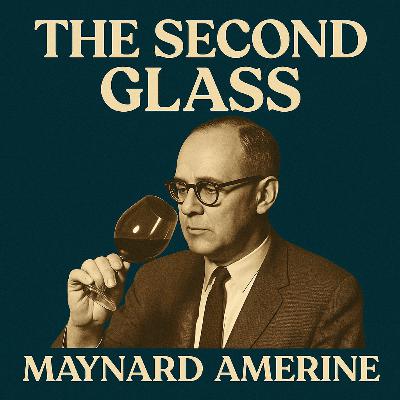
In this episode of The Second Glass, we dive into the legacy of Maynard Amerine—the analytical mind behind America’s wine renaissance. From classifying grape varieties to pioneering sensory evaluation, Amerine’s work at UC Davis helped transform winemaking from folklore into science. Discover how his research still shapes what’s in your glass—and your CWE exam.More deep-pour content is coming soon from Drink Different—stay tuned.

Step into the smoky saloons of the 19th century with this episode of Drink Different, where we meet the original rockstar of the bar world: Jerry Thomas. Discover how this flamboyant showman turned bartending into performance art, wrote the world’s first cocktail book, and helped define American drinking culture.More spirits wisdom is pouring soon—Drink Different has much more in the shaker. Stay tuned.
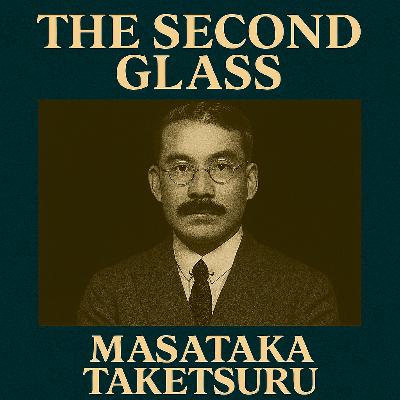
In this episode of The Second Glass, we explore the legacy of Masataka Taketsuru—the visionary chemist who brought Scotch tradition to Japan and helped create a new whisky identity. From his time in Scotland to founding Nikka, Taketsuru's story is one of cultural fusion, discipline, and devotion to quality.More spirits deep-dives are coming soon from Drink Different—stay tuned.
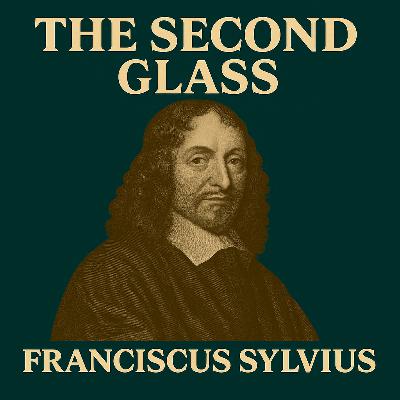
In this episode of The Second Glass, we raise a tulip glass to the man who distilled ideas as deftly as he distilled spirits—Franciscus Sylvius. Often hailed as the father of gin, Sylvius was far more than a physician or flavor tinkerer. He was a thinker, a chemist, and a product of the Dutch Golden Age’s thirst for exploration—both literal and intellectual. Join us as we untangle the truth from the marketing, examine his real contributions to genever, and situate his legacy within the wider world of spirits history.Stay tuned—Drink Different has much more coming your way, with new episodes, deep dives, and study content dropping soon.
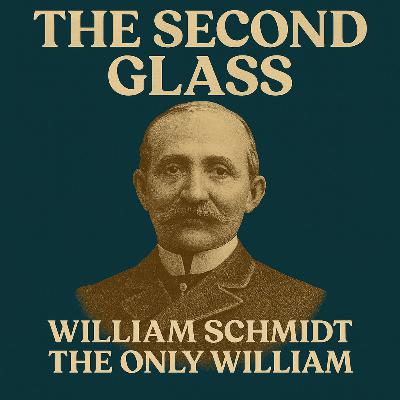
In this episode of The Second Glass, we dive into the life and legend of William Schmidt—better known as “The Only William.” A towering figure in the golden age of bartending, Schmidt was equal parts artist, poet, and alchemist. From his ornate drink recipes to his influence on cocktail literature, we uncover how this German immigrant helped shape the theatrical and intellectual foundations of American mixology.This is part of our Certified Spirits Educator (CSE) series—designed to bring spirits history to life through vivid storytelling and exam-ready insight.🎧 More episodes are on the way from Drink Different, including explorations of spirits, cocktails, and the characters who made them iconic. Stay tuned—this is just the beginning.

Comments

Download from Google Play

Download from App Store
 United States