


 Claim Ownership
The Close Read Podcast
Subscribed: 179Played: 3,353
Subscribe

© The Claremont Institute
Description
Associate editor Spencer Klavan phones up authors whose CRB essays have prompted deeper reflection and discussion. Over a drink, he'll chat with the leading minds on the Right about what's going on in politics and literary culture.
claremontinstitute.substack.com
claremontinstitute.substack.com
77 Episodes
Reverse
 1
1This is a free preview of a paid episode. To hear more, visit claremontinstitute.substack.comAssociate Editor Spencer Klavan reads “Never Trump After 2024,” William Voegeli’s review of Never Trump: The Revolt of the Conservative Elites and Shattered: Inside Hillary Clinton’s Doomed Campaign, featured in the Fall 2025-Winter 2026 double issue.
President of the American Main Street Initiative Jeffery H. Anderson joins associate editor Spencer Klavan to address a little-noticed assault on the Founding, the country, and its great men: the Woke takeover of our national parks. At hallowed ground across the U.S., activist curators have rebranded Washington and the Founders as “enslavers” and condemned America's icons—the Liberty Bell included—in a melodramatic racial reckoning. But ahead of America’s 250th anniversary, Trump and the Right stand to beat back the false narrative, and revive the spirit of the nation.Hijacking America’s Story This is a public episode. If you'd like to discuss this with other subscribers or get access to bonus episodes, visit claremontinstitute.substack.com/subscribe
Associate Editor Spencer Klavan reads “Palace Intrigues,” Barry Strauss’s review of Kant: A Revolution in Thinking, featured in the Fall 2025-Winter 2026 double issue. This is a public episode. If you'd like to discuss this with other subscribers or get access to bonus episodes, visit claremontinstitute.substack.com/subscribe
John Quincy Adams, son of John, grew up amid the turmoil of the revolution. At just 14, he served as interpreter of French for America’s first minister in Russia. He grew into a diplomat, a secretary of state, a president, and a ferociously anti-slavery congressman—after leaving office. He saw deep into the heart of the Declaration’s logic and made it his guiding light. Browsing the diary of JQA, contributing editor Christopher Flannery and associate editor Spencer Klavan delight in the sixth president’s achievements, his towering ambitions, and his oddly relatable notes of self-reproach. Plus: a peek at CRBs to come!The Diaries of John Quincy Adams 1779–1848In Revolution, Thucydides This is a public episode. If you'd like to discuss this with other subscribers or get access to bonus episodes, visit claremontinstitute.substack.com/subscribe
Associate Editor Spencer Klavan reads “Streaming Shakespeare,” Martha Bayles’s column featured in the Fall 2025-Winter 2026 double issue. This is a public episode. If you'd like to discuss this with other subscribers or get access to bonus episodes, visit claremontinstitute.substack.com/subscribe
Associate Editor Spencer Klavan reads “Claustrophobic Metaphysics,” Edward Feser’s review of Kant: A Revolution in Thinking, featured in the Fall 2025-Winter 2026 double issue. This is a public episode. If you'd like to discuss this with other subscribers or get access to bonus episodes, visit claremontinstitute.substack.com/subscribe
When Richard Nixon resigned as president in 1974, the Watergate scandal was officially logged in the public memory as a victory of the neutral press over an out-of-control “imperial presidency.” Now, after the Trump years have hightened mistrust of official sources and suspicion of the administrative state, the Nixon story is more and more open to revision. Senior Fellow at the Center for Renewing America Nathan Pinkoski joins Associate Editor Spencer Klavan to reassess the televised dethronement of Nixon, the failure of Trump’s antagonists to execute a similar crusade, and what it means for the future of the presidency. This is a public episode. If you'd like to discuss this with other subscribers or get access to bonus episodes, visit claremontinstitute.substack.com/subscribe
Editor Charles Kesler is joined by Associate Editor Spencer Klavan to crack open the much-anticipated CRB double issue, released to celebrate the 25th anniversary of the CRB. Charles reflects on the Institute's principles, accomplishments, and prescience in his editor note. Paul Rahe equips readers to understand ongoing conflicts by exploring the history of Iranian revolutions. Christopher Caldwell tracks the rise of Zohran Mamdani and what it portends for both New York and Left politics. William Voegeli offers the definitive assessment of Never Trump. And much, much more! This is a public episode. If you'd like to discuss this with other subscribers or get access to bonus episodes, visit claremontinstitute.substack.com/subscribe
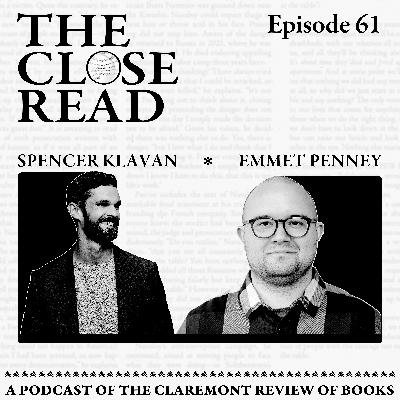
A pioneer of computing technology, Nvidia produces the chief component powering the AI revolution: the microchip. Having scaled the once-niche gaming hardware firm into an industry titan, founder and CEO Jensen Huang must now navigate global trade and politics. Associate editor Spencer Klavan is joined by Emmet Penney, senior fellow of the Foundation for American Innovation and contributing editor of Compact magazine, to explain this pivotal technology for the uninitiated and discuss growing concerns that a thin U.S. power grid could give China an opportunity to surge far ahead in the digital arms race. Plus: The Close Read is now on video! This is a public episode. If you'd like to discuss this with other subscribers or get access to bonus episodes, visit claremontinstitute.substack.com/subscribe
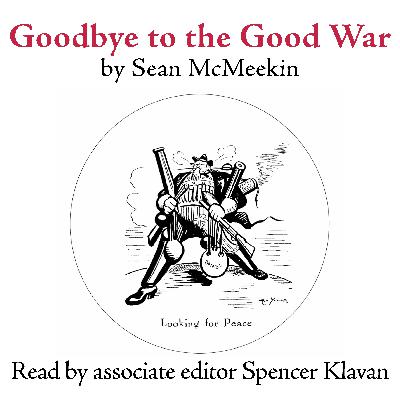
Associate Editor Spencer Klavan reads “Goodbye to the Good War,” Sean McMeekin’s essay on reality, myth, and World War II, featured in the summer 2025 issue. This is a public episode. If you'd like to discuss this with other subscribers or get access to bonus episodes, visit claremontinstitute.substack.com/subscribe
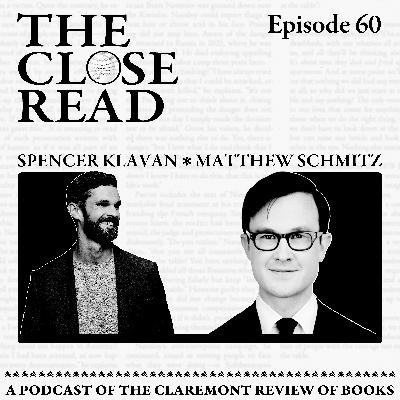
Until quite recently, the “New Atheism” held sway over the minds of many elites. But the secular, scientistic worldview that was once so in vogue proved radically insufficient to meet the challenges of the post-9/11 world. Now, a New Theism is gaining traction among many of the thinkers who once professed a confident unbelief. Associate Editor Spencer Klavan sits down with Matthew Schmitz, editor of Compact magazine, to discuss the profound ethical and political implications of this new theological outlook. This is a public episode. If you'd like to discuss this with other subscribers or get access to bonus episodes, visit claremontinstitute.substack.com/subscribe
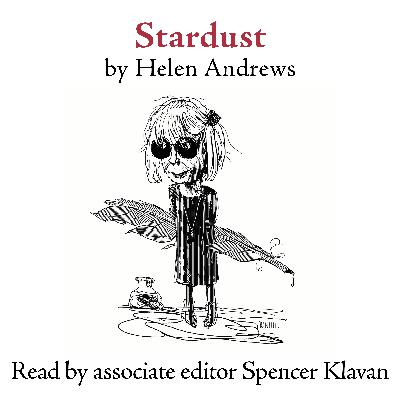
Associate Editor Spencer Klavan reads “Stardust,” Helen Andrews’s review of We Tell Ourselves Stories, featured in the summer 2025 issue. This is a public episode. If you'd like to discuss this with other subscribers or get access to bonus episodes, visit claremontinstitute.substack.com/subscribe
Editor Charles Kesler sits down with Associate Editor Spencer Klavan to discuss the recent summer issue. Highlighted are Christopher Caldwell’s cover essay on UK immigration and Charles’ own piece on the Joe Rogan of the UK, Jeremy Clarkson. His show, Clarkson’s Farm, is a love letter to the English everyman in a moment when Britain is labouring (pun intended) under the burdens of bad government. Also in the issue, Sean McMeekin questions the merits of World War II as an analogue for the present moment, Matthew Schmitz tracks the revitalization of Christianity after the era of New Atheism, and Emmett Penney charts the meteoric rise of microchip maker Nvidia. Plus much more.Claremont Review of Books 25th Anniversary Gala Invite This is a public episode. If you'd like to discuss this with other subscribers or get access to bonus episodes, visit claremontinstitute.substack.com/subscribe
The UK government of Boris Johnson, reckoning immigration as a pure economic gain, swung the door open to newcomers. Now 7 percent of the British population has been almost unilaterally imported en masse. Anger is swelling in response to “rape gangs” and other assaults on locals, and a new, populist right is materializing, with Nigel Farage leading the “fightback” against closed minds and open borders. Associate editor Spencer Klavan sits down with contributing editor Christopher Caldwell to discuss the UK immigration crisis and the future of the British Right.Discussion of “Land’s End.” This is a public episode. If you'd like to discuss this with other subscribers or get access to bonus episodes, visit claremontinstitute.substack.com/subscribe
Associate Editor Spencer Klavan reads his latest piece in the CRB, “A Complete Unknown,” on Horace. This is a public episode. If you'd like to discuss this with other subscribers or get access to bonus episodes, visit claremontinstitute.substack.com/subscribe
Associate Editor Spencer Klavan reads “Land’s End,” Christopher Caldwell’s cover essay on how mass migration has radicalized the United Kingdom, featured in the spring 2025 issue. This is a public episode. If you'd like to discuss this with other subscribers or get access to bonus episodes, visit claremontinstitute.substack.com/subscribe
The European Union’s crusade to eliminate so-called “harmful speech” has breached America’s digital boundaries. The Digital Services Act effectively gives EU bureaucrats the ability to curb Americans’ constitutional rights, doing away with free speech in today’s online public square. In this Close Read bonus episode, associate editor Spencer Klavan is joined by former professor of political philosophy and journalist of European affairs John Rosenthal to discuss how the US might counter-regulate and incentivize tech firms to stand against overseas censorship. This is a public episode. If you'd like to discuss this with other subscribers or get access to bonus episodes, visit claremontinstitute.substack.com/subscribe
Associate Editor Spencer Klavan reads “Empire of Music,” Vladimir Golstein’s review of Tchaikovsky's Empire: A New Life of Russia's Greatest Composer, featured in the spring 2025 issue. This is a public episode. If you'd like to discuss this with other subscribers or get access to bonus episodes, visit claremontinstitute.substack.com/subscribe
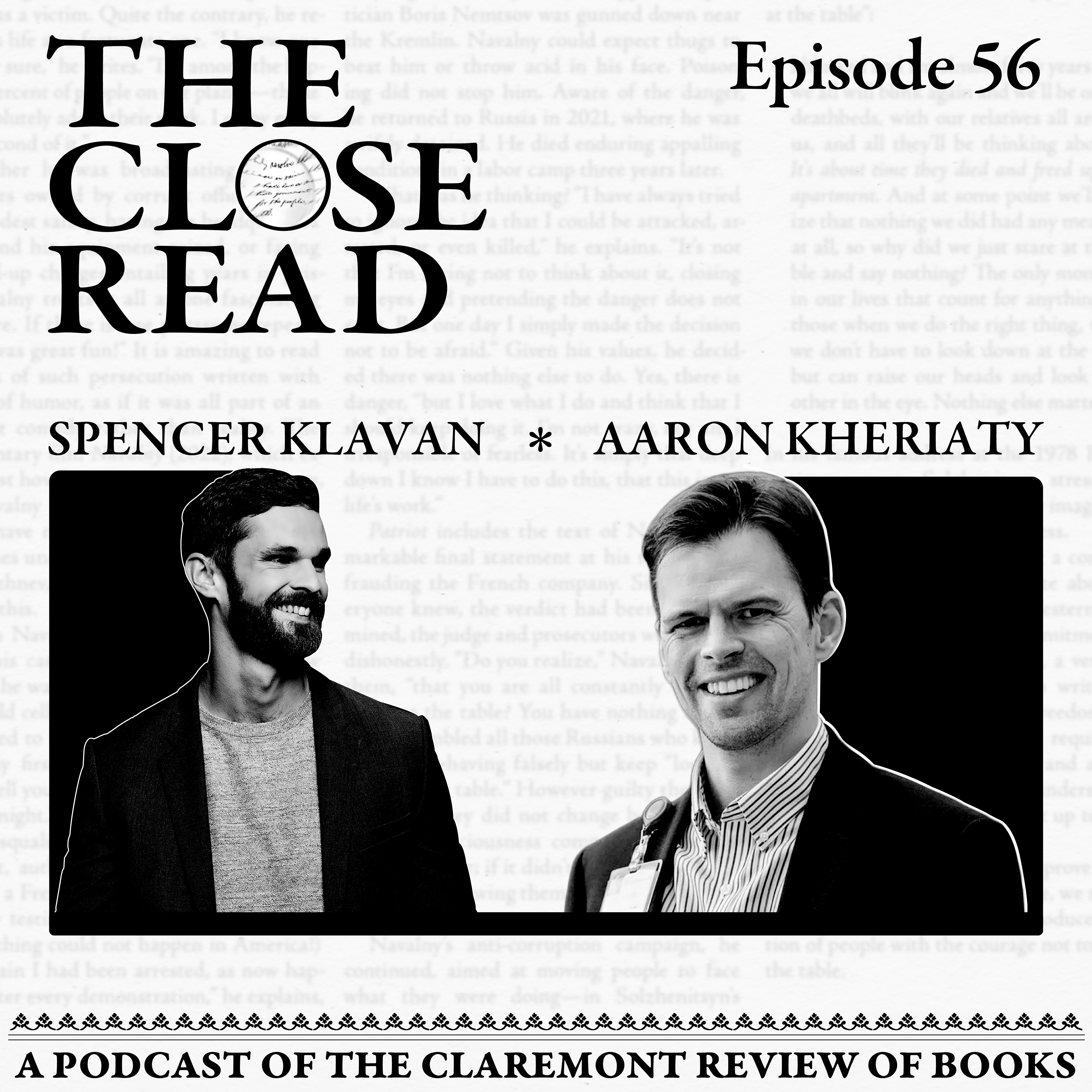
Few could have predicted it at the time, but the massive surveillance apparatus designed in the wake of 9/11 to fight terrorism has been turned against Americans in the wake of COVID. The biomedical security state's militarized pandemic response has accustomed Americans to being watched, shepherded, and degraded. Like terrorism, germs are a potentially ubiquitous and invisible enemy, justifying a permanent state of emergency involving levels of population management and control that Americans would never otherwise accept. Ethics and Public Policy Center fellow Aaron Kheriaty joins Spencer Klavan to discuss unchecked emergency powers, technologies, and tactics to attack our privacy and constitutional rights. This is a public episode. If you'd like to discuss this with other subscribers or get access to bonus episodes, visit claremontinstitute.substack.com/subscribe
Associate Editor Spencer Klavan reads “Make Speech Free Again,” John Rosenthal’s essay on how the U.S. can defeat E.U. censorship, featured in the spring 2025 issue. This is a public episode. If you'd like to discuss this with other subscribers or get access to bonus episodes, visit claremontinstitute.substack.com/subscribe

Comments

Download from Google Play

Download from App Store
 United States